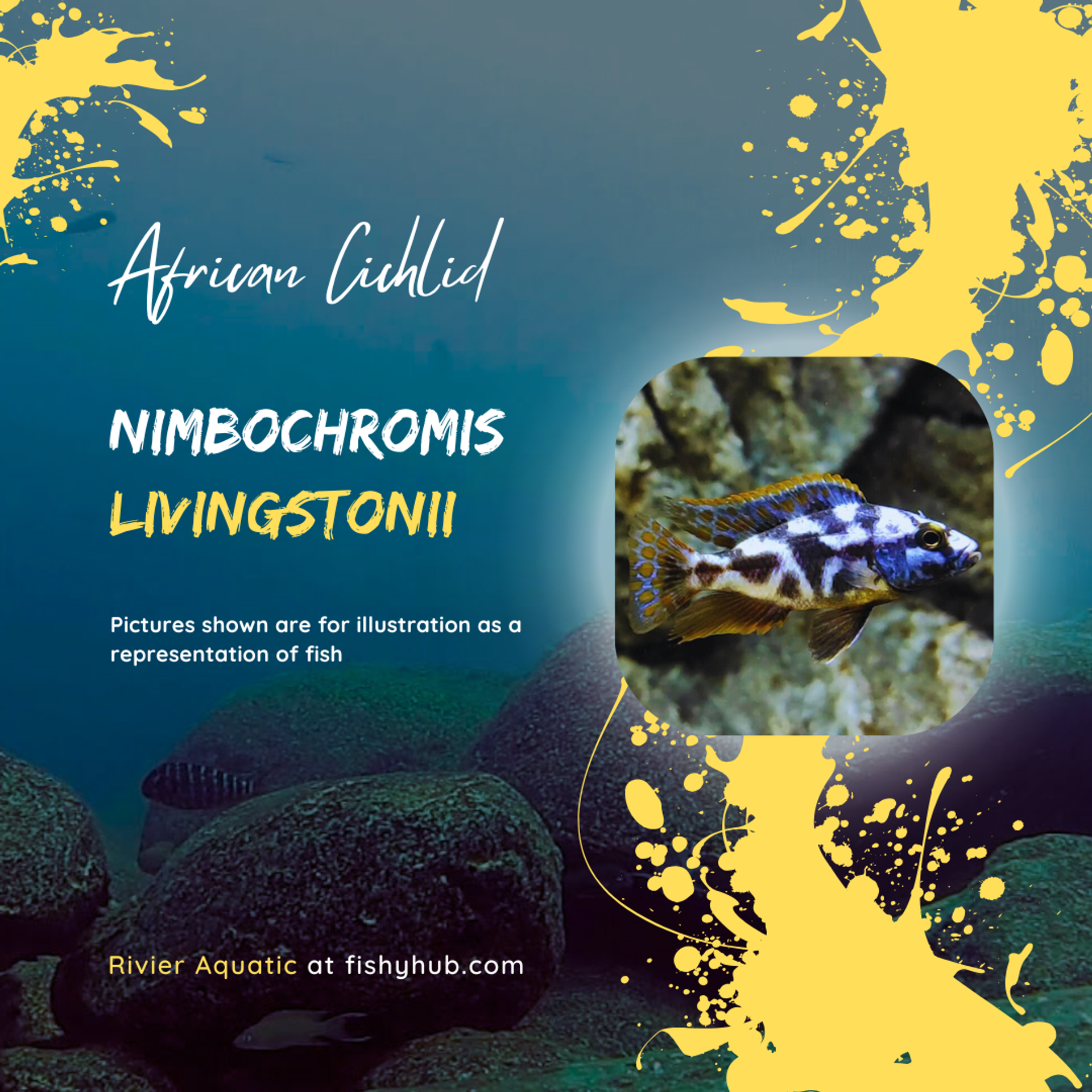
It plays dead on the lakebed—then strikes at anything that comes close.
Livingston's Cichlid (Nimbochromis livingstonii) is a striking, semi-aggressive Lake Malawi predator for experienced keepers with a spacious, robust cichlid setup.
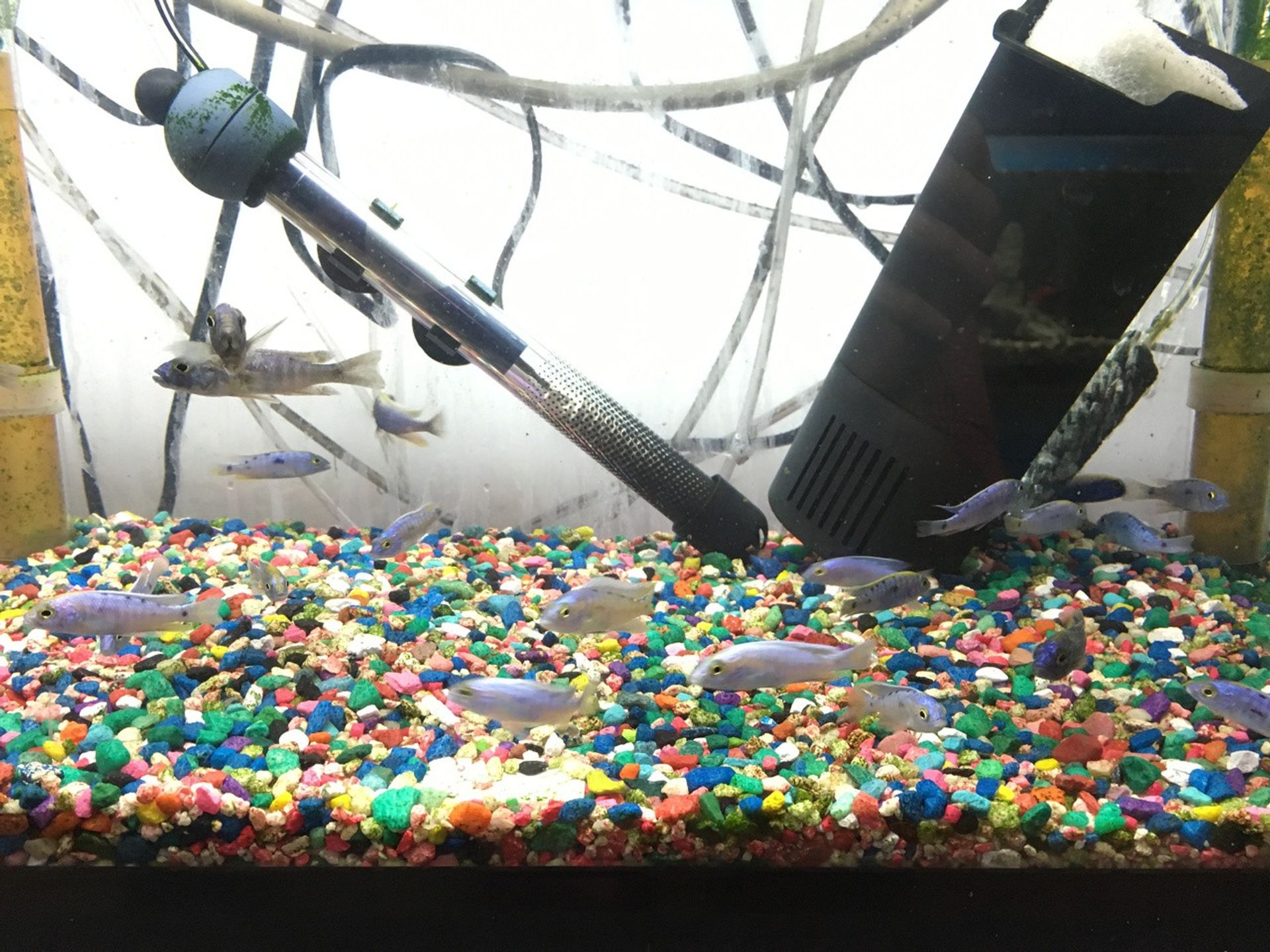
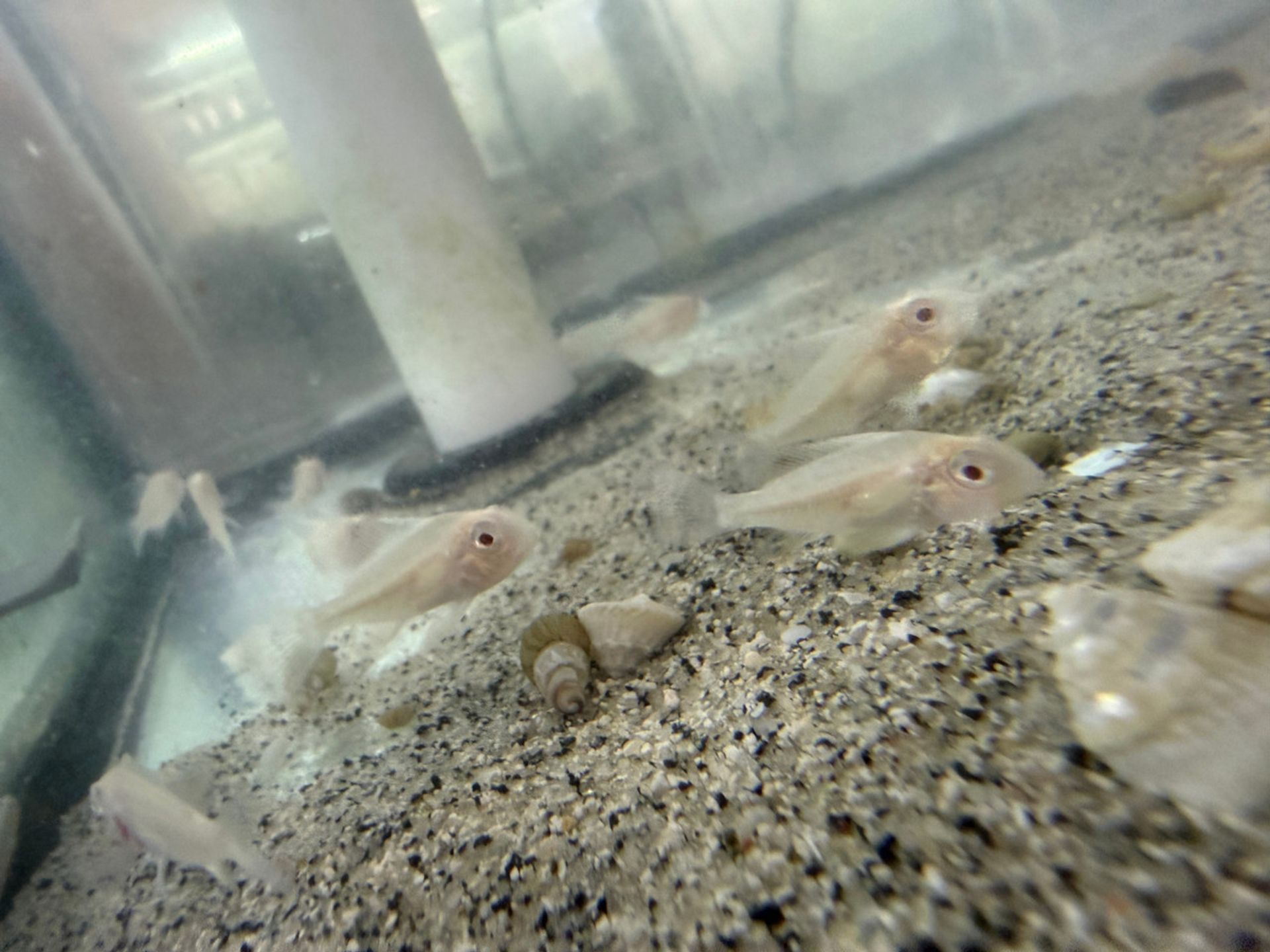
- Water conditions: Livingston's Cichlid is a Lake Malawi haplochromine that thrives in hard, alkaline water. Aim for a pH of 7.8–8.6, general hardness (GH) around 10–20 dGH, and a stable temperature of 24–28°C (75–82°F). Keep ammonia and nitrite at zero and nitrate low, ideally below 20–40 ppm, through strong filtration and regular maintenance. These fish appreciate high oxygen levels and moderate water movement, so use a powerful canister filter, additional powerheads if needed, and surface agitation. Avoid sudden fluctuations in pH or temperature; stability is more important than chasing an exact number. A sand substrate suits their digging and ambush behaviour, and rocks should be securely stacked because these cichlids can rearrange lighter decor. Although juveniles of 4–7 cm can be raised in a grow-out tank, plan for adults that can reach roughly 20–25 cm for males, with females typically smaller, and provide a tank of at least 300–380 litres (roughly 75–100 gallons) or larger for a mixed Malawi community.
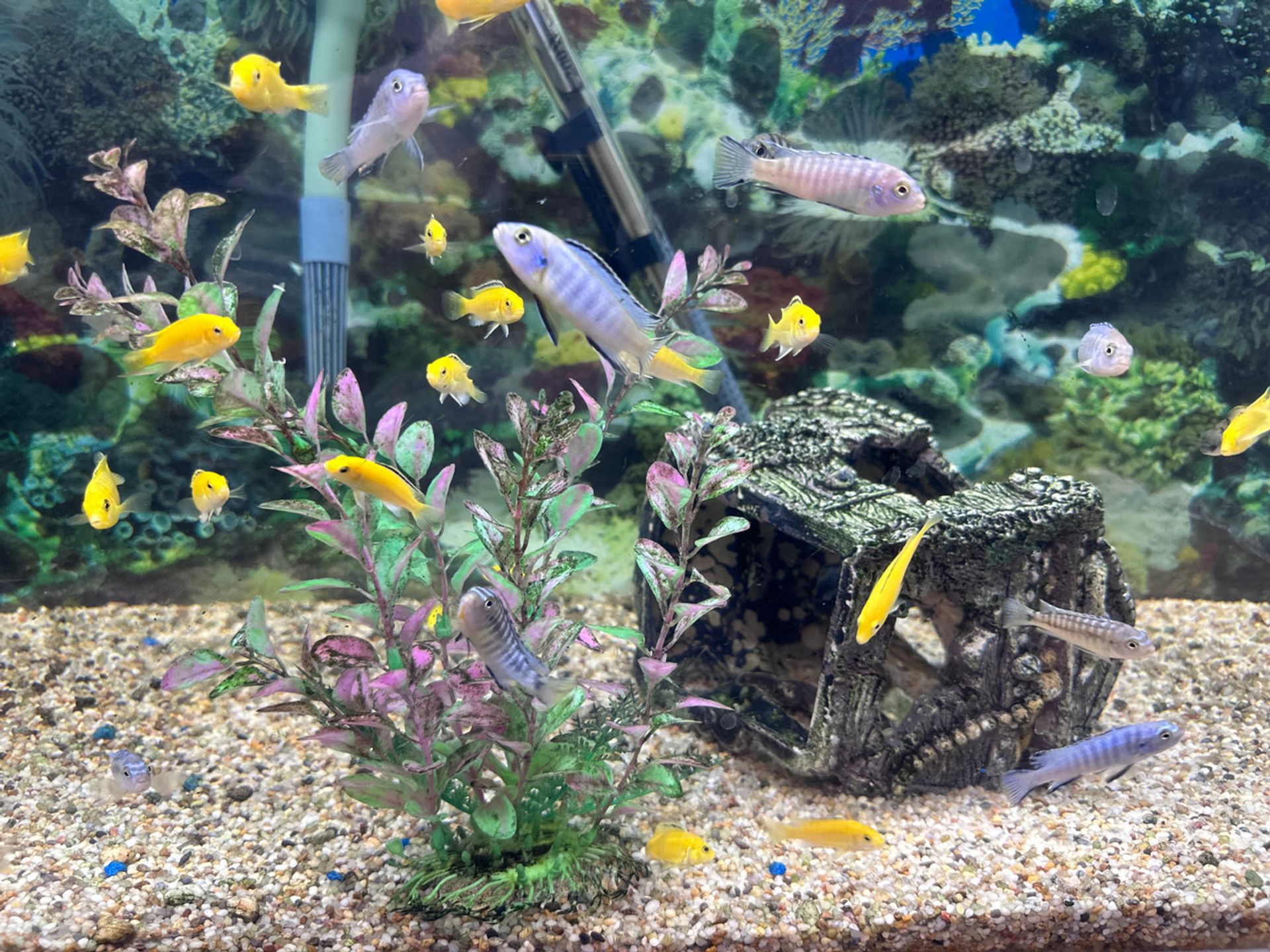
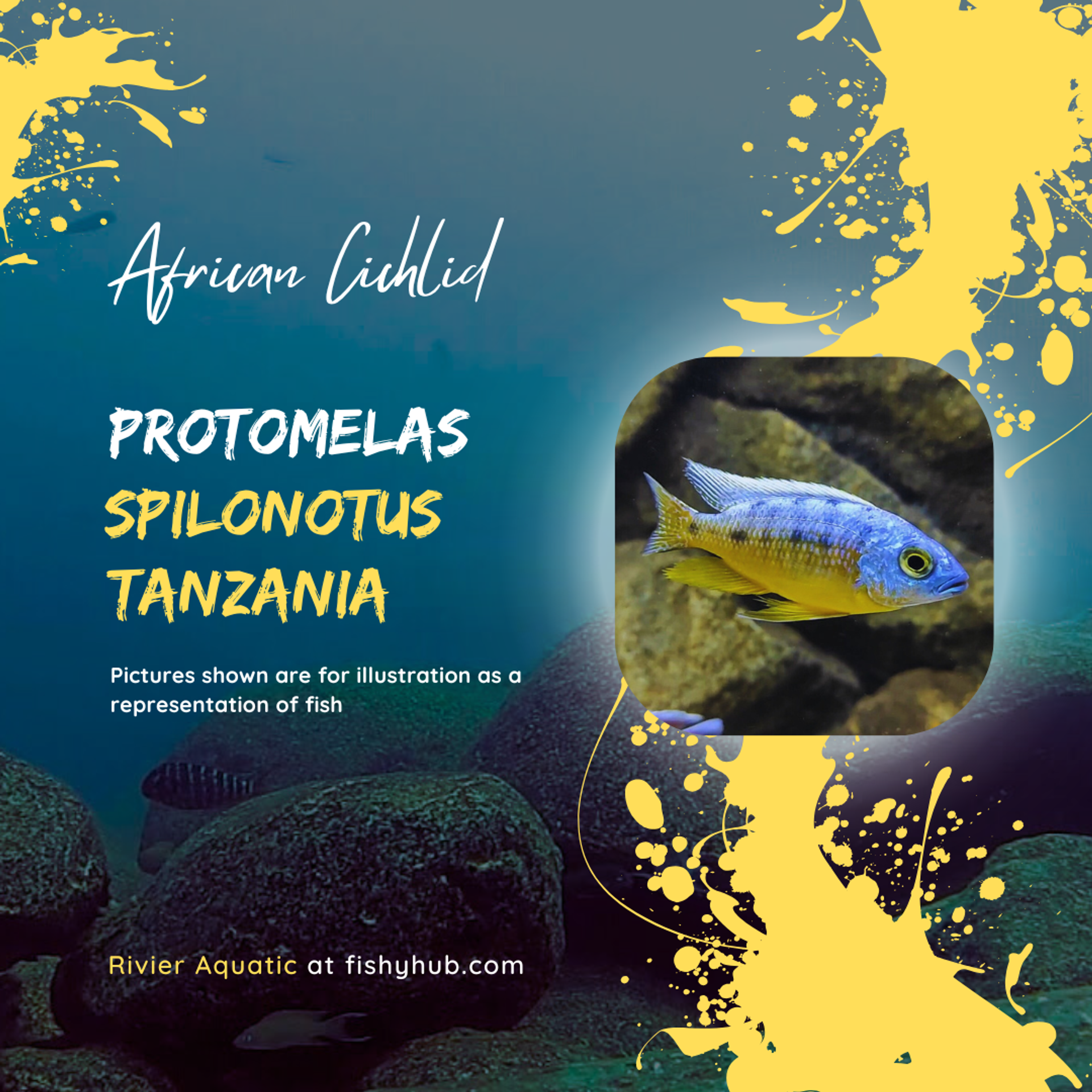
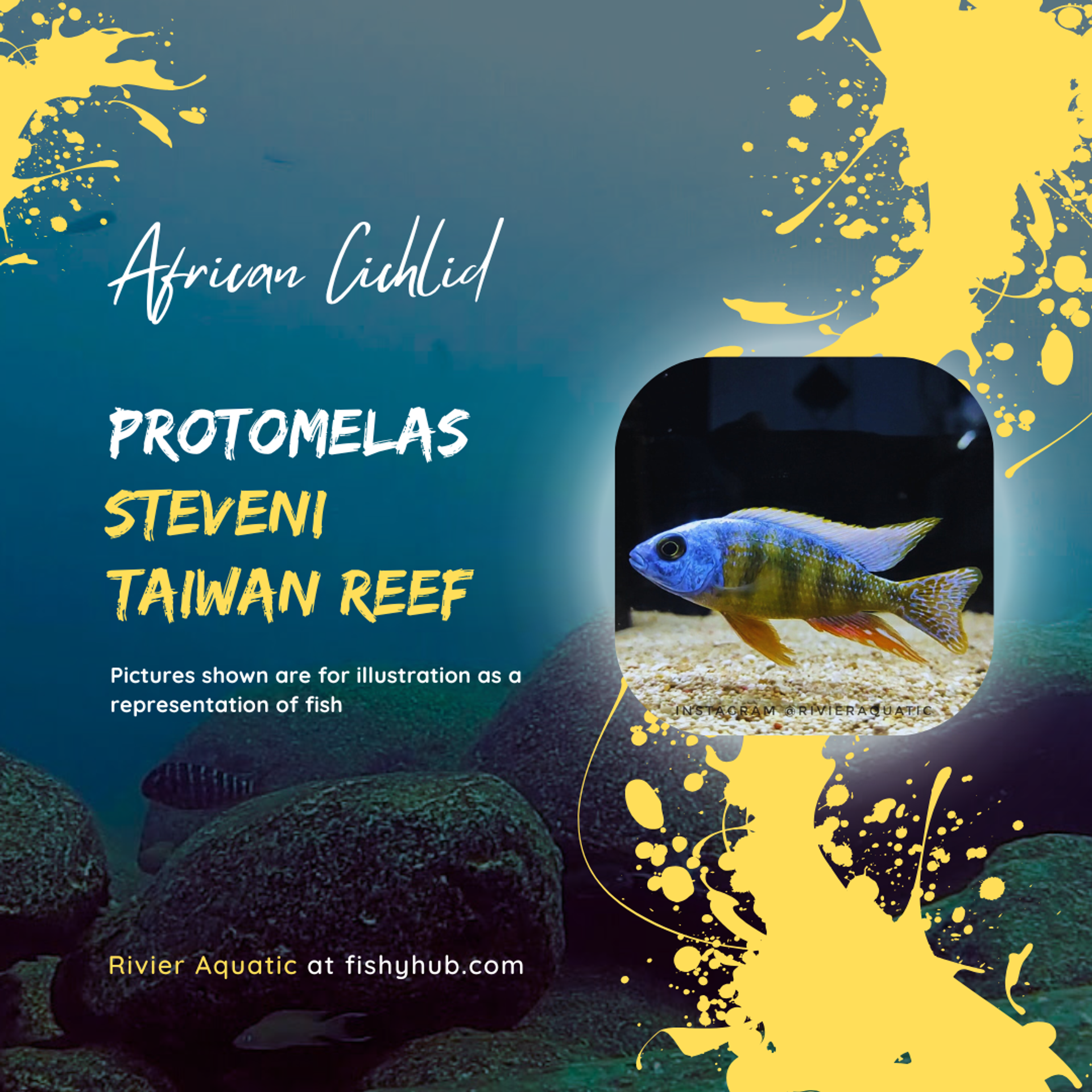
- Suitable tank mates: Choose robust, similar-sized Malawi cichlids that can handle a semi-aggressive predator. Good options include many peacocks (Aulonocara), peaceful-to-moderate haplochromines such as Copadichromis and Protomelas, and larger, assertive mbuna depending on the individual fish and tank layout. Avoid small fish, fry, and slender species that can be swallowed, as Livingston's Cichlid is a piscivore and any tank mate small enough to fit in its mouth is at risk. Also avoid slow-moving, long-finned, or delicate community fish, as well as overly aggressive or highly territorial mbuna that may bully or stress it. Large Synodontis catfish can sometimes work in a spacious Malawi setup, but introduce tank mates carefully and monitor behaviour. Keep one male with several females only in a large tank with plenty of rockwork, caves, and visual barriers; multiple males may fight, especially once mature. Quarantine new livestock and avoid mixing fish of very different sizes.
- Feeding habits: Livingston's Cichlid is primarily carnivorous and predatory, known for its fascinating “sleeper” ambush behaviour, where it may lie motionless on the substrate before lunging at prey. Provide a high-protein staple such as quality cichlid pellets, supplemented with krill, mysis, chopped prawn, silversides, chopped fish, and earthworms. Feed juveniles 2–3 small meals per day and adults 1–2 times daily, offering only what they can clear in a few minutes. Avoid fatty mammalian meats and poor-quality foods, and do not rely on routine live feeder fish because of disease and nutritional risks; if feeders are used at all, source them responsibly and quarantine them. Because this species can be an ambush feeder, target-feed or scatter food across the surface to help tank mates get their share. Remove uneaten food promptly to protect water quality, and watch for signs of Malawi bloat or obesity if feeding is too heavy.
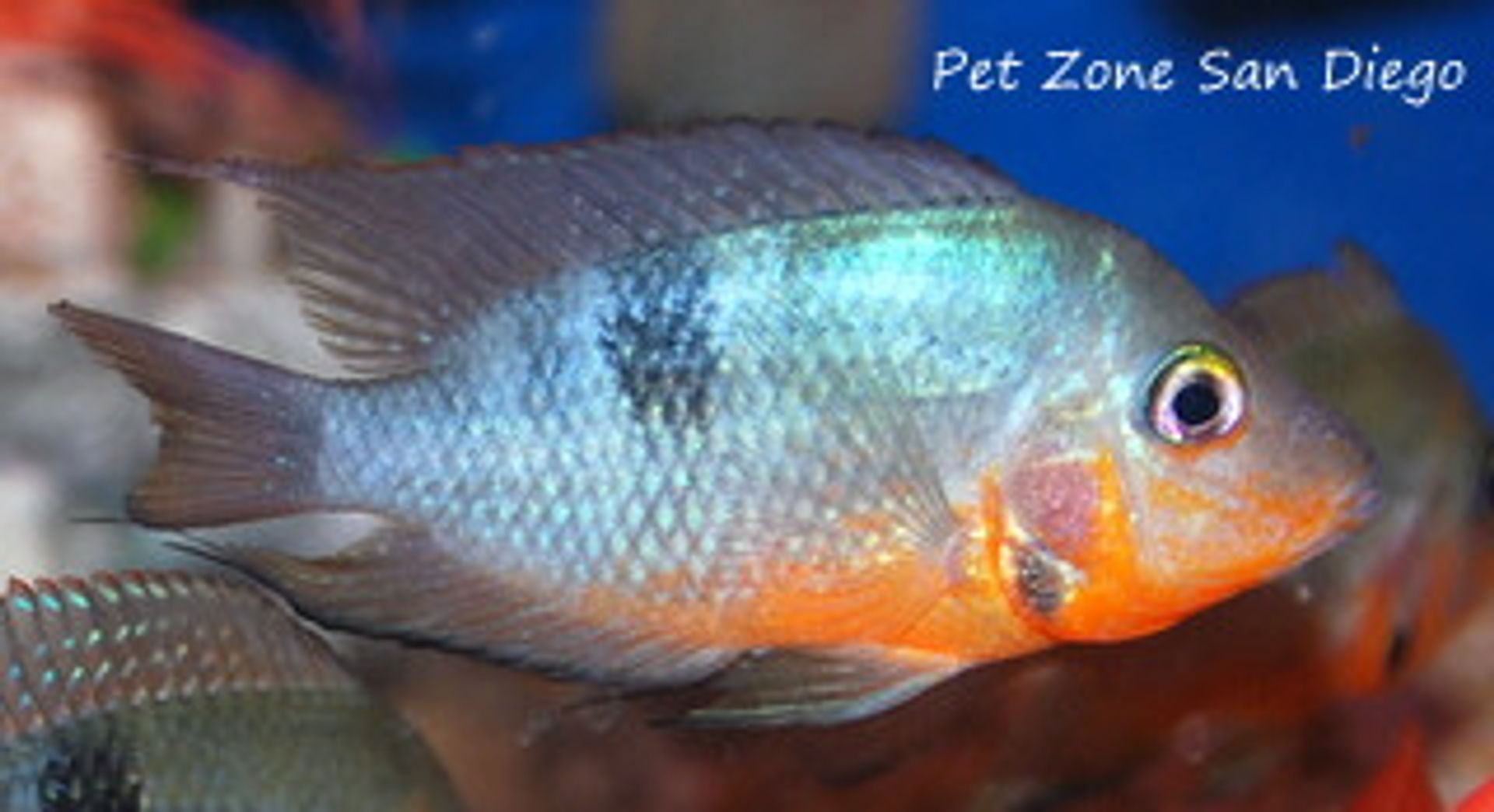
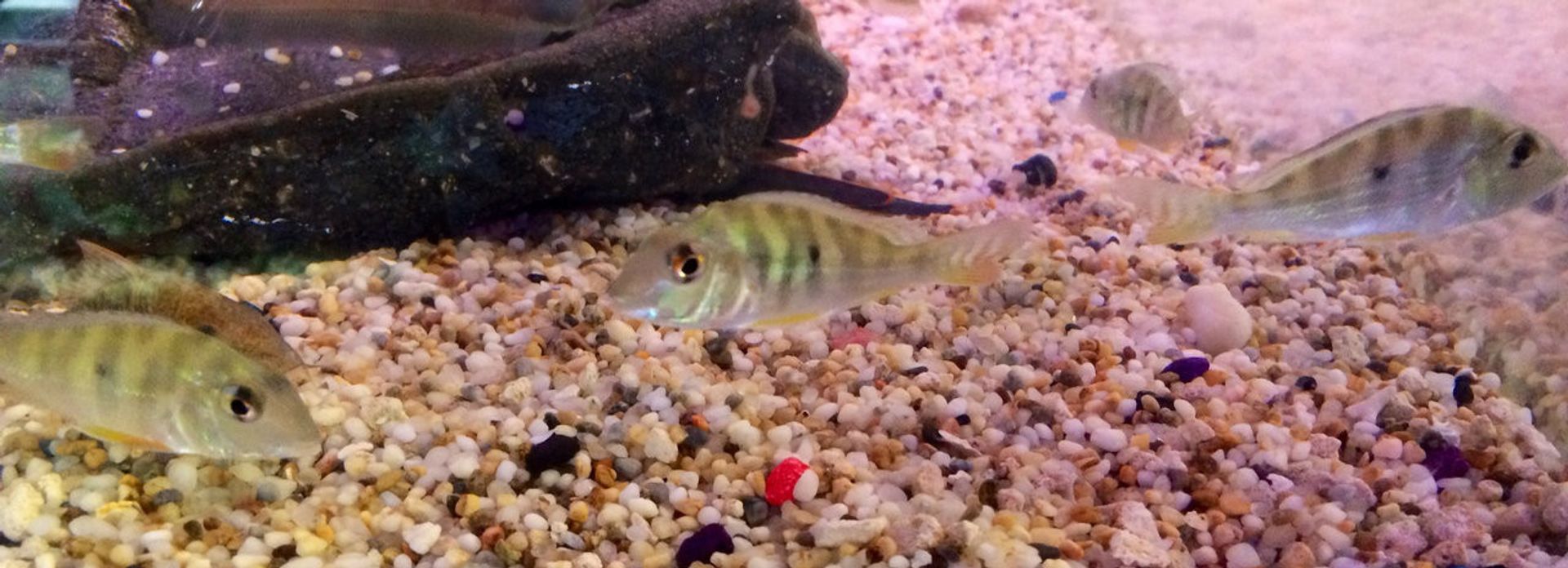
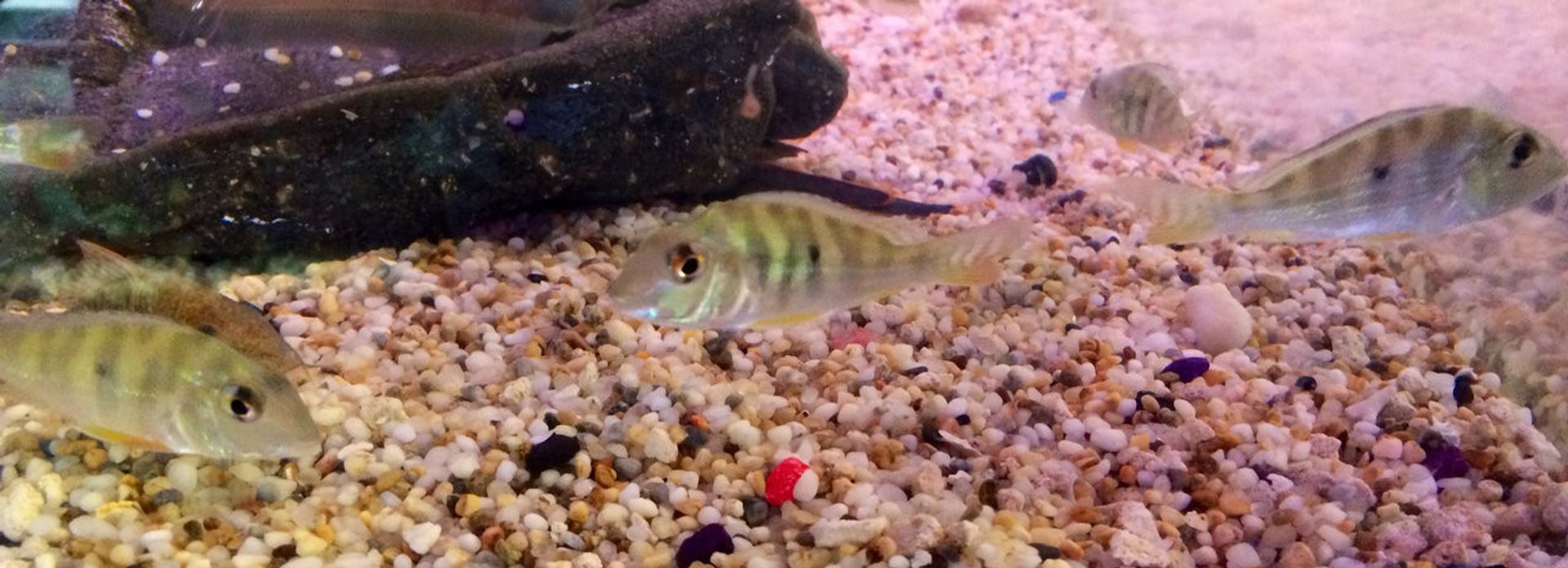
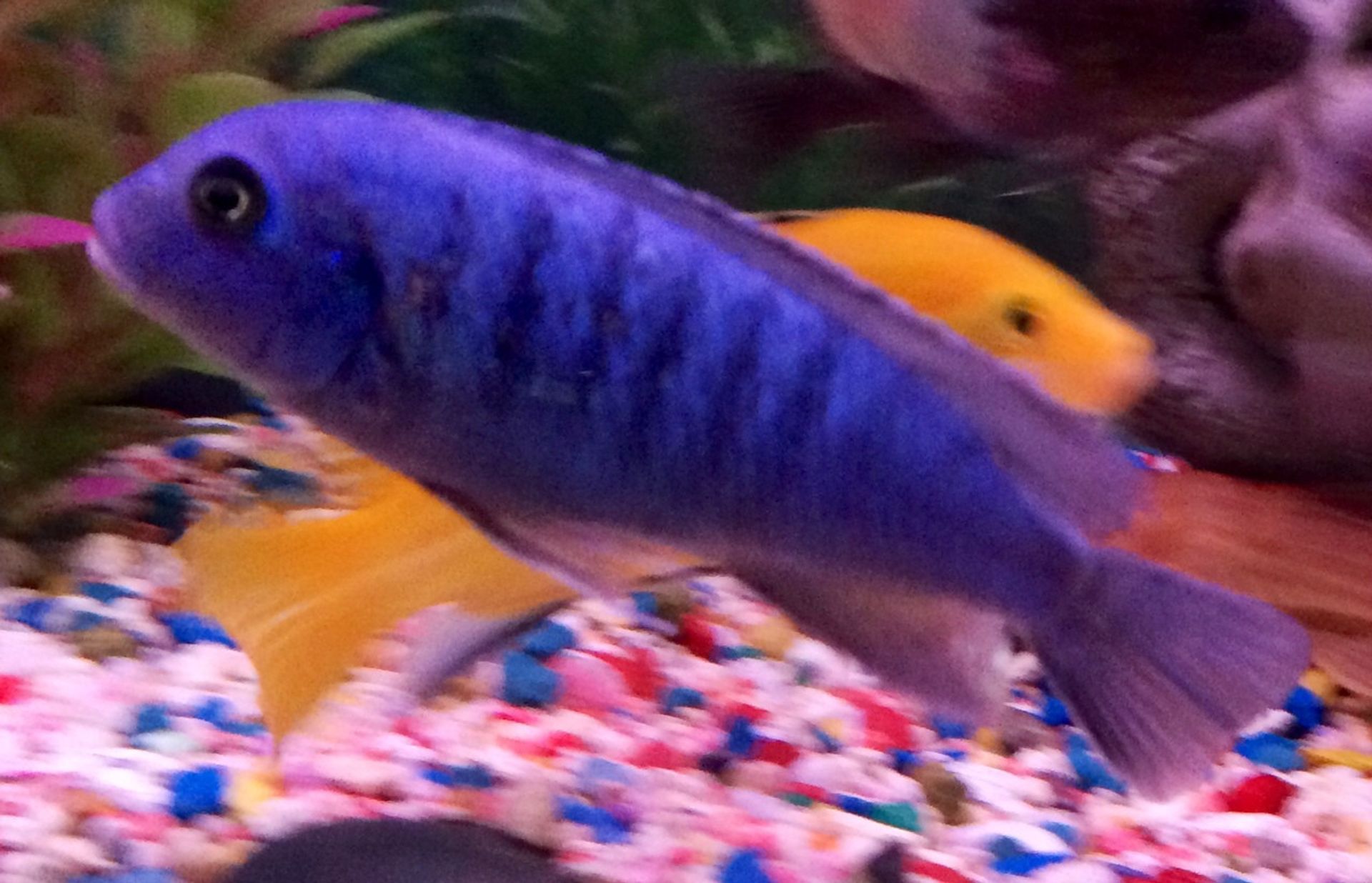
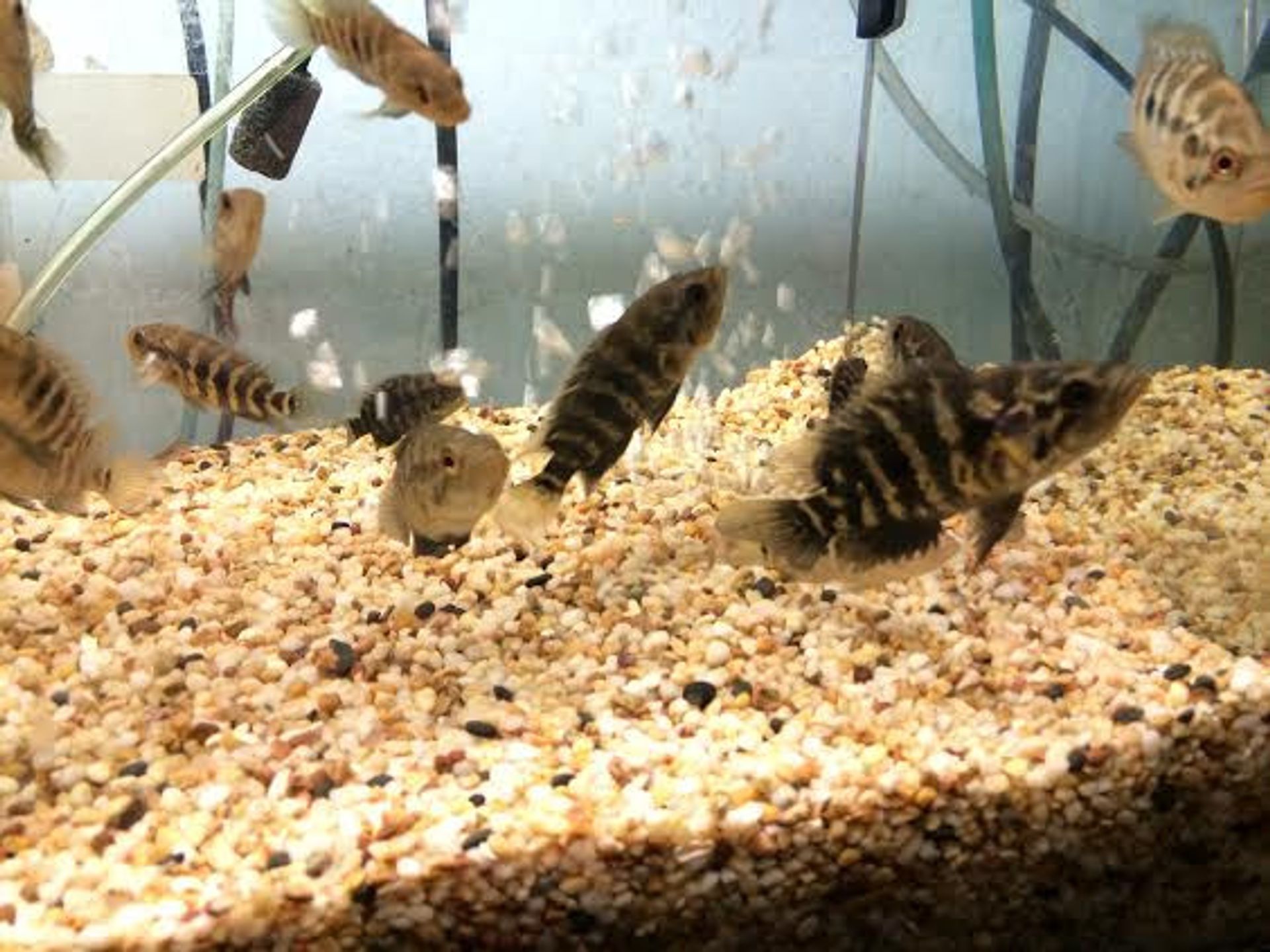
- Care requirements: This is a rewarding but specialist cichlid best suited to aquarists with some experience in Malawi setups. Acclimatise carefully, preferably with a drip method, and keep parameters stable after introduction. Perform regular partial water changes of around 25–30% weekly, vacuum the substrate, rinse filter media gently in tank water, and monitor nitrate and aggression. Provide plenty of open swimming space combined with secure rock formations and caves, but expect the fish to dig; avoid delicate plants and unstable decor. Use a tight-fitting lid because cichlids can jump, and handle fish as little as possible. Juveniles are often mottled brown and cream, while mature males develop blue colouration with dark blotches and egg spots, so expect appearance changes as they grow. Watch for territorial behaviour during spawning; this species is a maternal mouthbrooder and brooding females may be harassed, so a separate holding or grow-out tank can be useful. Monitor for stress, fin damage, whitespot, and digestive issues, and be prepared to upgrade the tank as the fish grows. With spacious housing, robust tank mates, clean hard water, and a protein-rich but controlled diet, Livingston's Cichlid can be a striking and long-lived centrepiece for a Malawi predator community.