Tankmates: Reef 'with caution': individuals may nip LPS (e.g. Euphyllia, Acans), zoanthids, soft corals and clam mantles; SPS-dominated tanks are usually safer. Lemonpeel and Bicolor are known nippers.
Feeding: Constant grazers on algae and detritus on live rock; provide algae-based foods daily.
1–0 of 0
Dwarf angelfish, mostly from the genus Centropyge, pack the colour of the large marine angels into a fish of around 7–15 cm. They spend the day picking at rockwork, and their bold reds, blues and yellows make them a centrepiece fish in medium-sized saltwater tanks.
These are marine fish, not the freshwater angelfish (ikan manfish) sold in freshwater sections. FishyHub lists dwarf angelfish from Malaysian reef shops and hobbyists, with prices in RM.
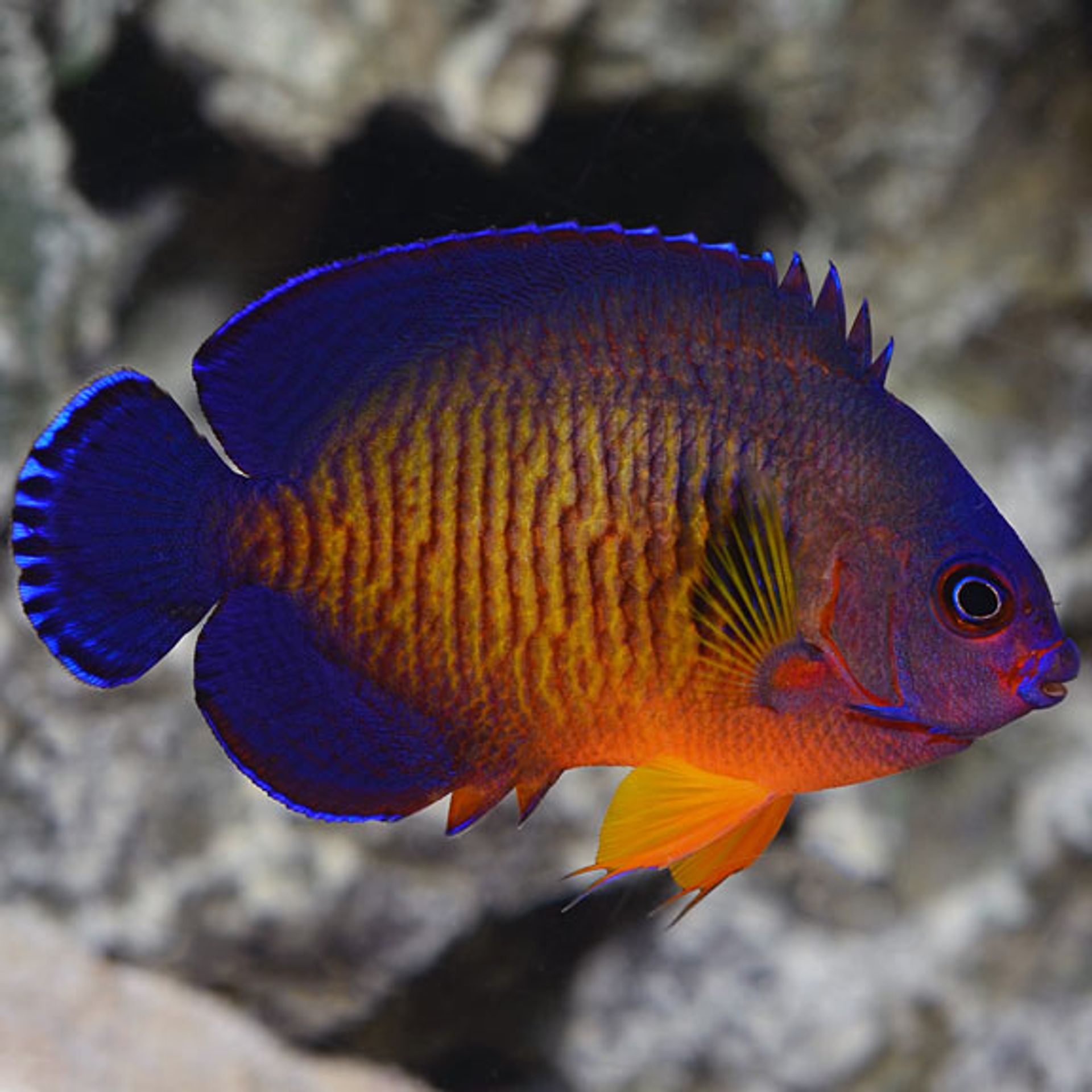
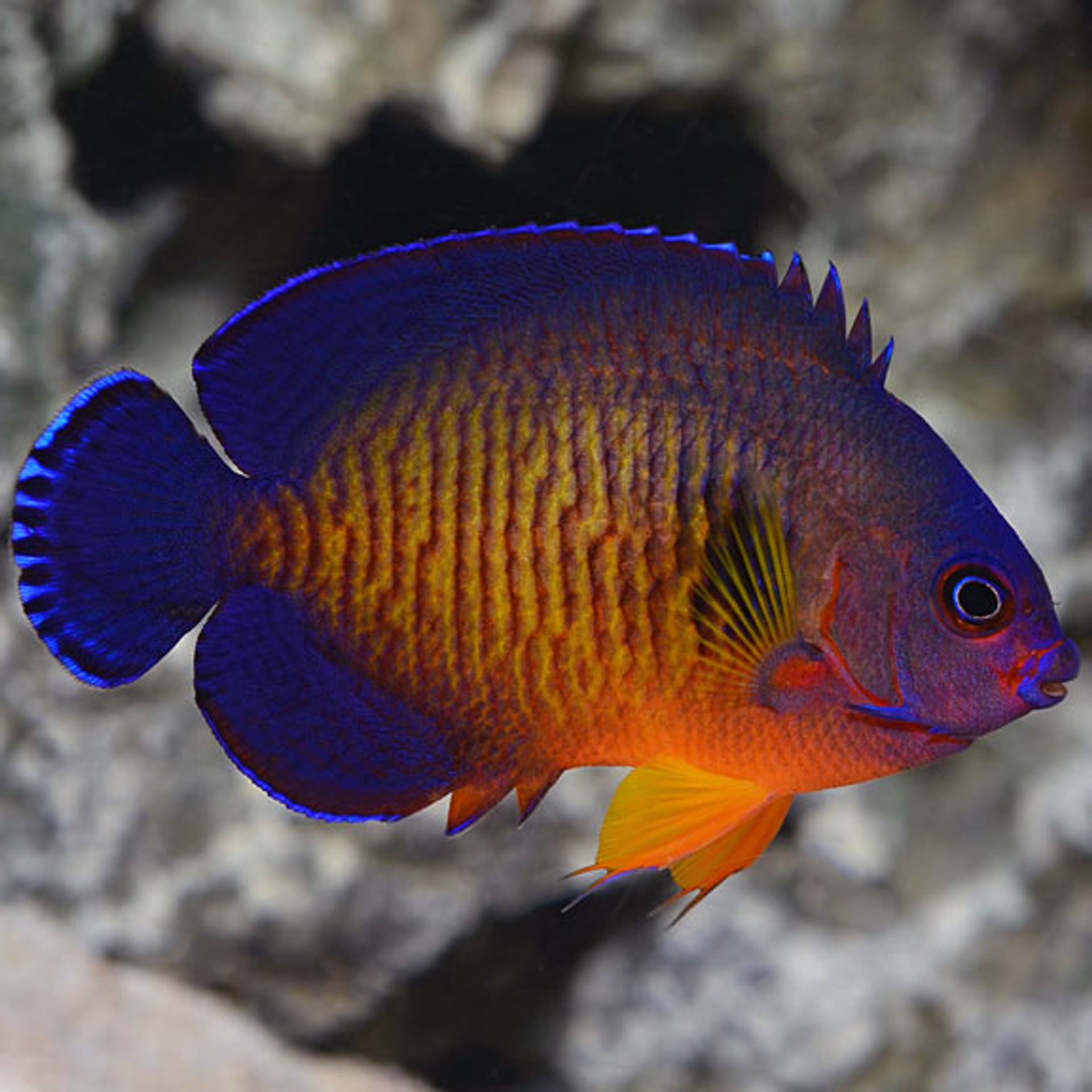
Deep blue and orange, hardy and widely available. The most common first dwarf angel.
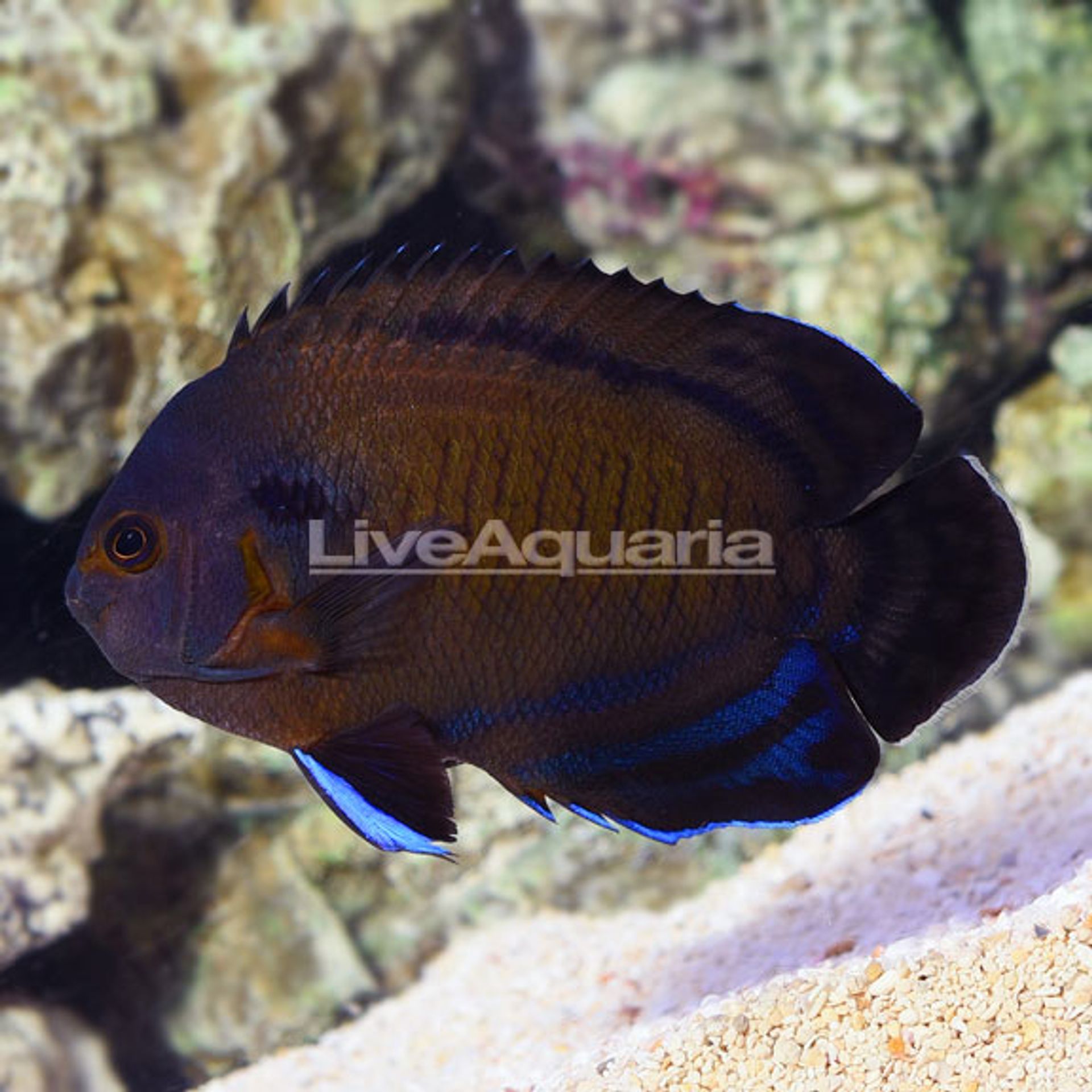
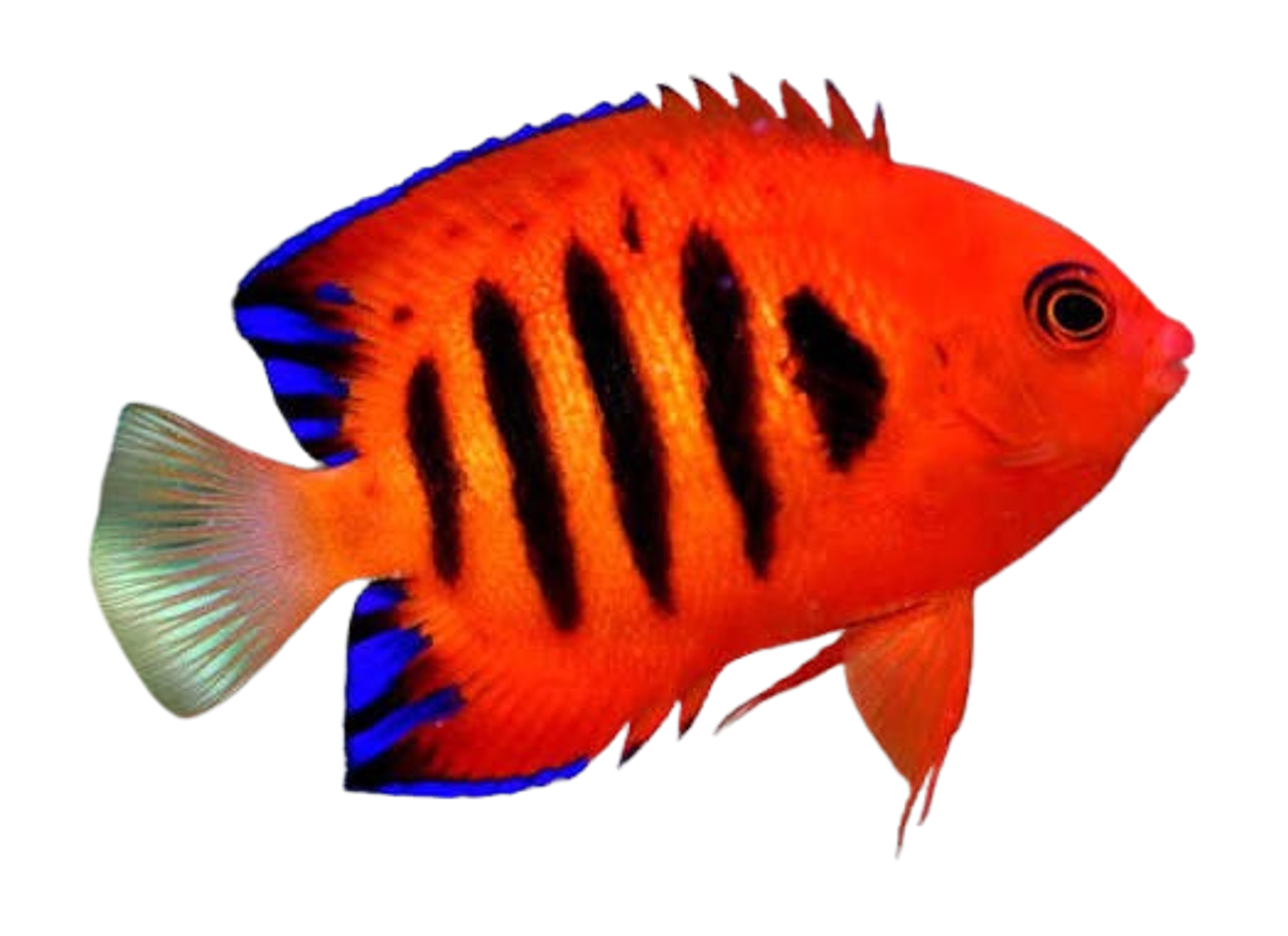
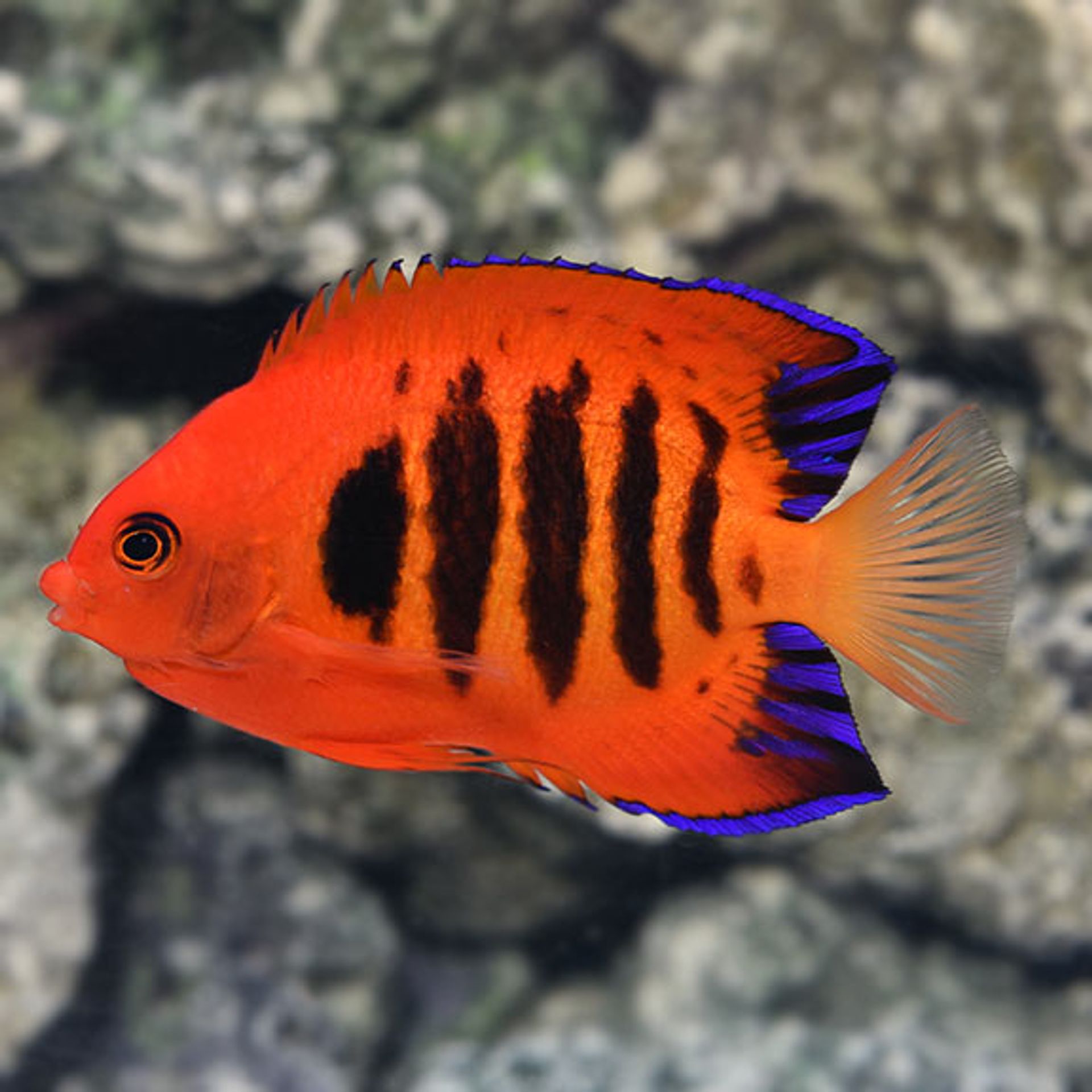
Brilliant red-orange with black bars. A showpiece fish with a bolder personality.
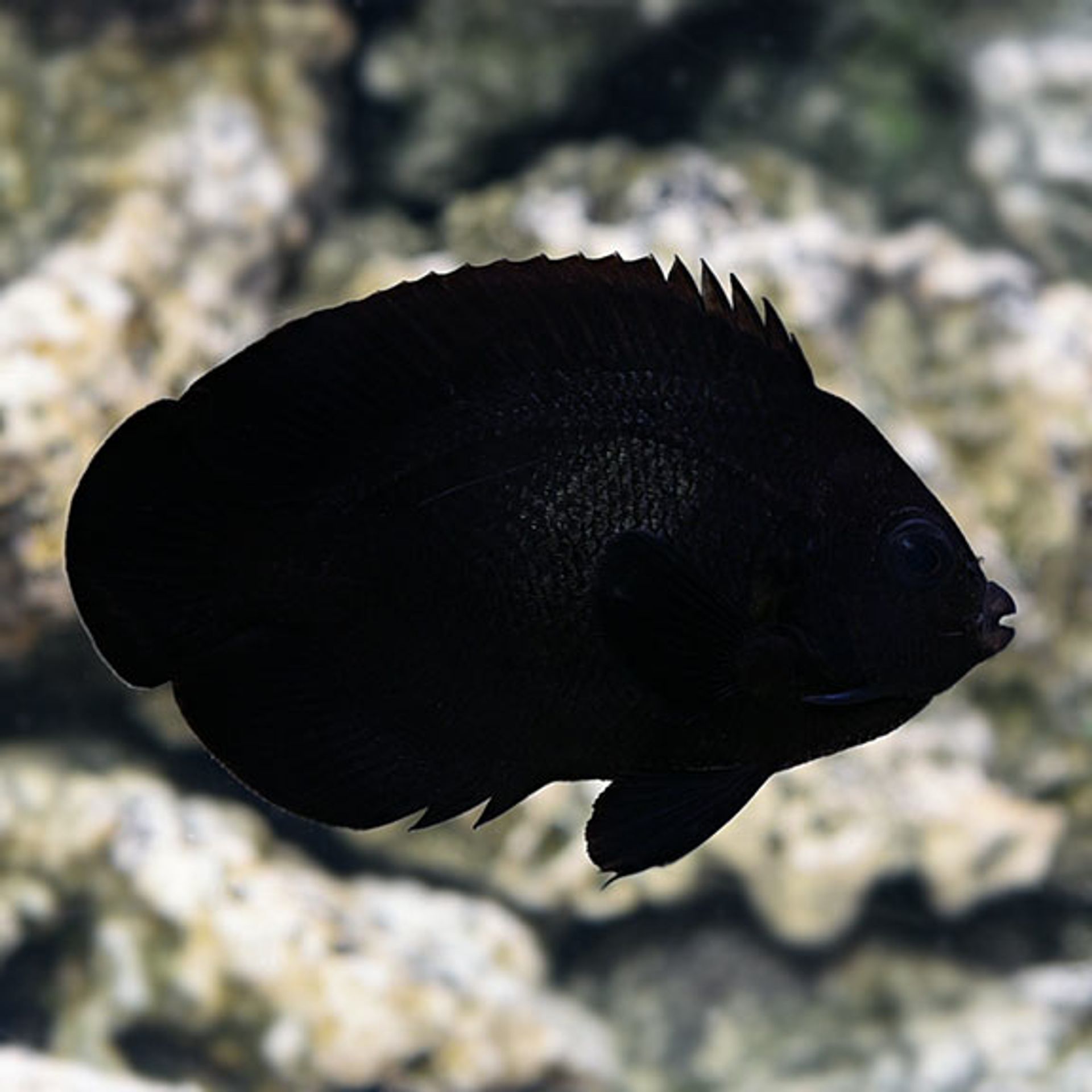
Bright yellow with blue trim around the eyes. Active, but more likely than most to nip corals and clams.
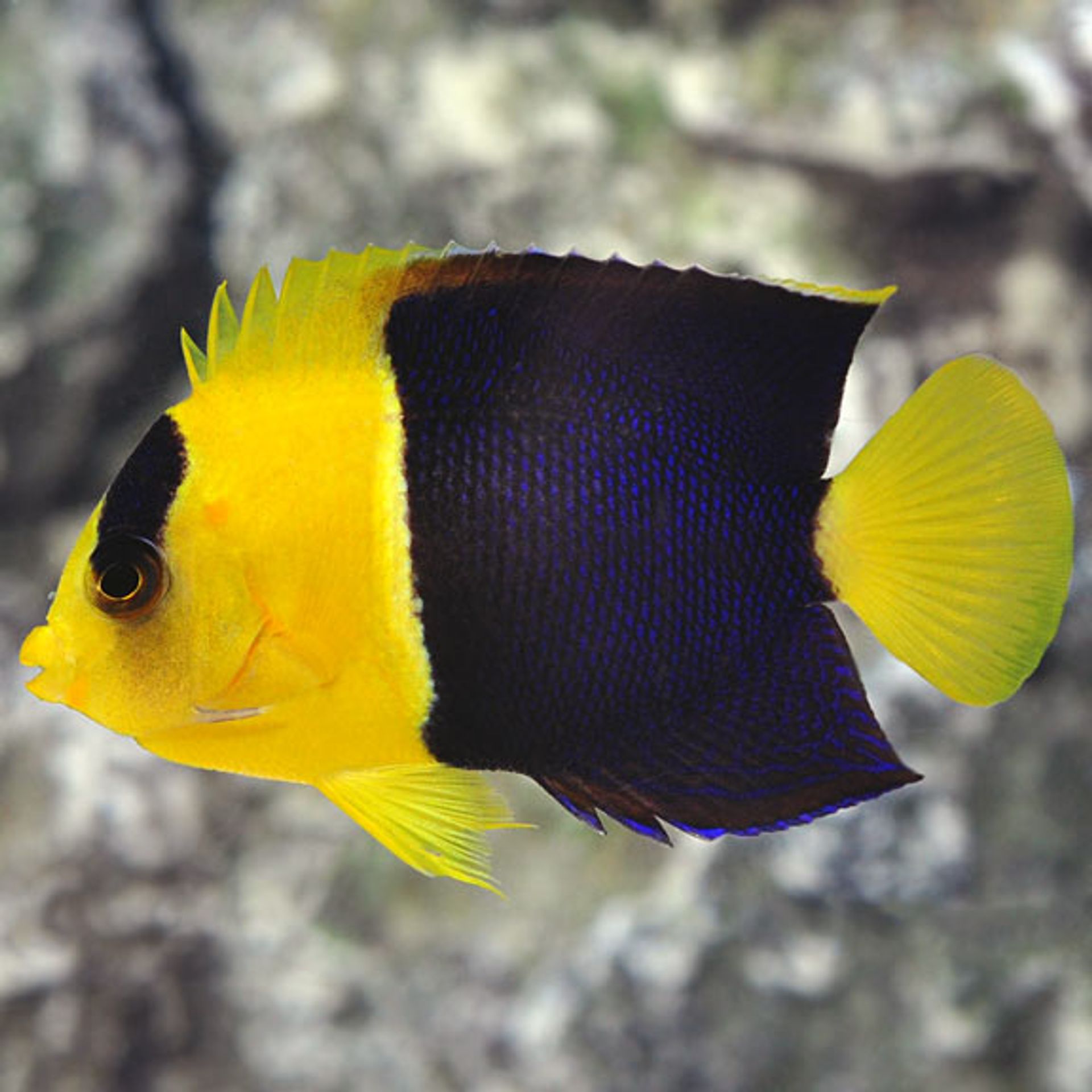
Half yellow, half blue. Striking, but it can be harder to settle, so it suits keepers with some experience.
The smallest common species, at about 7 cm. Blue with a yellow face, and the best choice for smaller tanks.
| Care point | What works |
|---|---|
| Temperature | 24–27°C. Malaysian rooms (26–31°C) usually need a chiller. |
| Min. tank | 3 kaki / 90 cm / about 155–180 L for most; cherub from 2–3 kaki |
| Temperament | Semi-aggressive; keep one per tank unless very large |
| Diet | Omnivore: algae on live rock, marine pellets, frozen mysis, spirulina-based foods |
| Reef safe? | With caution; may nip LPS, zoanthids and clam mantles |
| Beginner-friendly? | Coral beauty and cherub suit keepers with a little experience |
Every dwarf angel is an individual. Many live peacefully in reefs, picking at algae and leaving corals alone, while others develop a taste for fleshy LPS, zoanthids or clam mantles. Soft corals and SPS are usually safer neighbours. If you keep prized LPS or clams, watch a new angel closely for the first few weeks.
They mix well with clownfish, gobies, blennies, chromis and tangs in a large enough tank. Avoid adding two dwarf angels together in a small tank, as they will fight. Lots of mature live rock gives them grazing and hiding spots, which lowers stress.
Check the species and size, whether the photo shows the actual fish, and ask the seller whether it is eating frozen or dry foods. A plump, active fish with clear eyes and intact fins is a good sign. Confirm delivery, self-collect and live-arrival terms, and talk to the seller first if you're in East Malaysia.
Boleh, tetapi dengan berhati-hati. Sesetengah dwarf angelfish akan mematuk karang LPS dan zoanthid. Karang lembut biasanya lebih selamat.
Ia makan alga pada batu hidup, pelet ikan laut, mysis beku dan makanan berasaskan spirulina. Beri makan sedikit, dua kali sehari.
Only in a large tank with plenty of rock, and ideally of different species added at the same time. In most home tanks, keep one.
The cherub angelfish, thanks to its small adult size.
Browse coral beauty, flame, lemonpeel and other dwarf angelfish from sellers across Malaysia, with prices in RM. Explore clownfish and blennies for peaceful tankmates.
No products found