Tankmates: Harmless to tankmates but eaten by crayfish, crabs, puffers and snail-eating loaches.
Feeding: Filter feeders that need a constant supply of very fine suspended food. Normal aquarium filtration removes most of it, so clams commonly starve slowly over weeks to months. Do not buy them as 'water cleaners'.
1–0 of 0
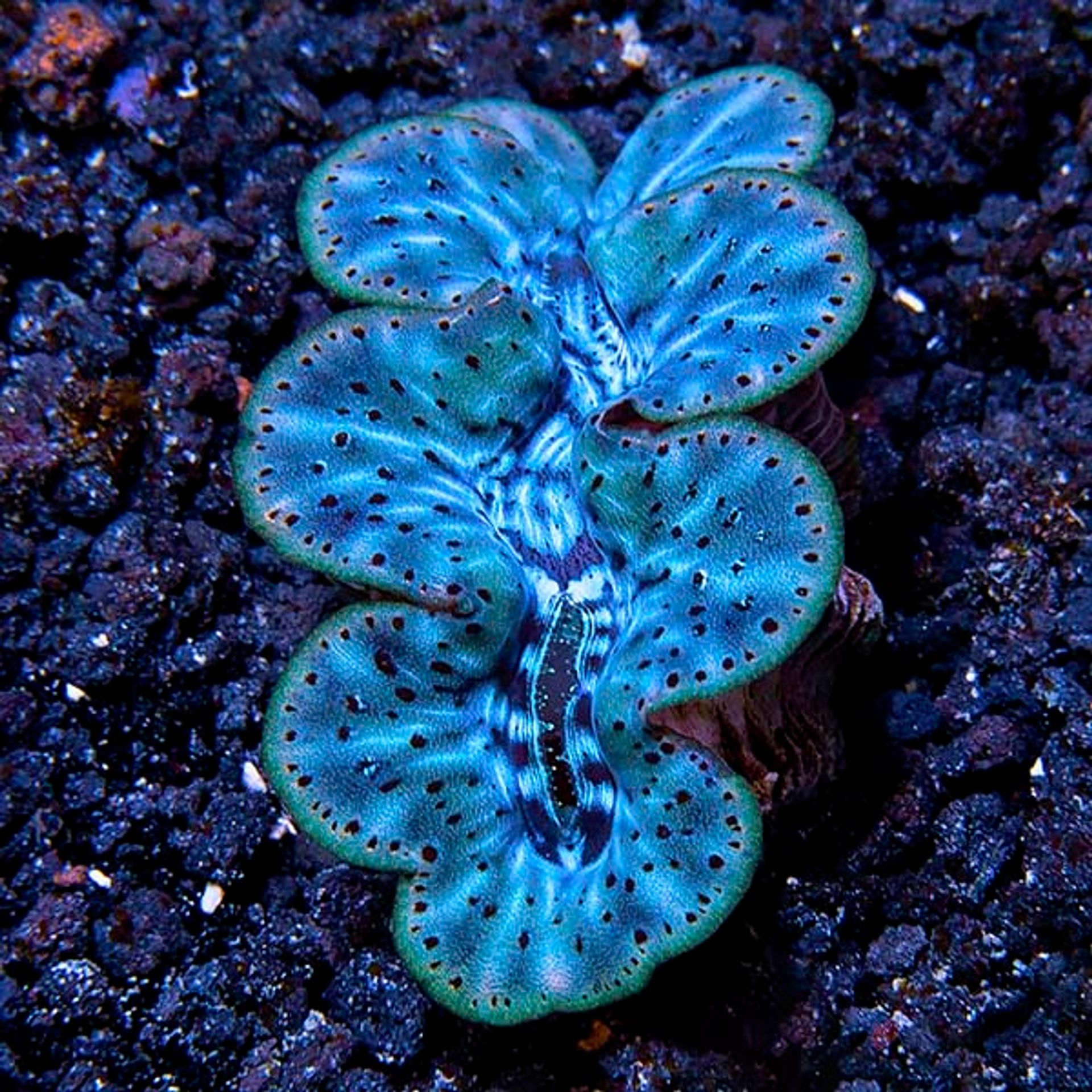
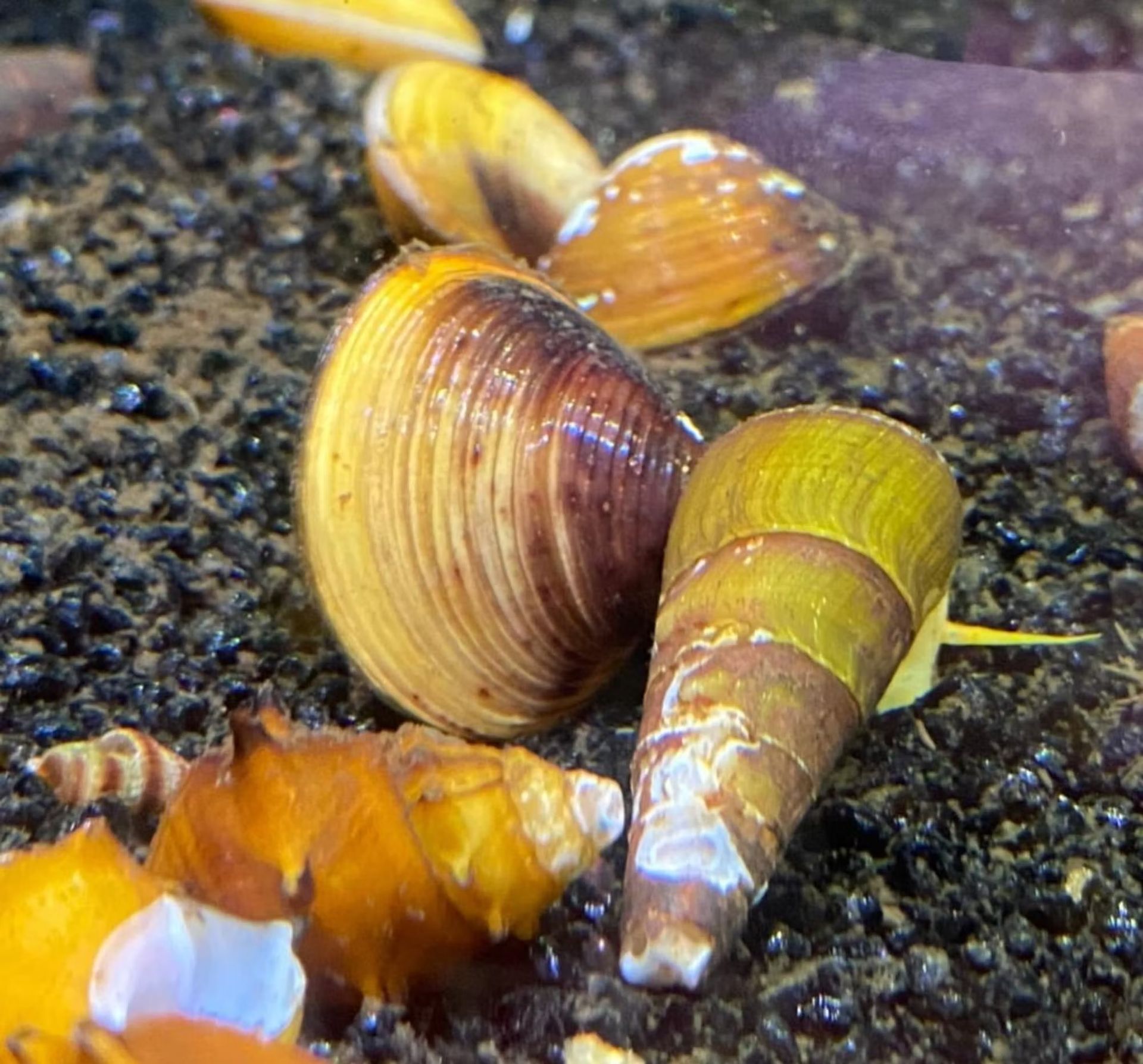
Freshwater clams are filter feeders that spend their lives half-buried in sand, drawing in water and straining out tiny food particles. The animals you'll usually see sold as aquarium clams, sometimes called kerang air tawar, are small bivalves such as the golden or yellow clam (Corbicula), along with occasional larger mussel-type species.
They are a curiosity rather than a clean-up crew, best for keepers who enjoy unusual animals and are willing to feed them specially. FishyHub lists freshwater clams from Malaysian sellers, so you can compare species, sizes and prices in RM, and read our honest care notes before you decide.
The most commonly sold aquarium clam. It grows to a few centimetres, has a ridged yellow-to-brown shell and burrows into fine sand with its siphons just above the surface.
Larger freshwater mussels are occasionally offered. Many have complex life cycles and very specific food needs, which makes them even harder to keep than Corbicula.
| Care point | What works |
|---|---|
| Temperature | Most aquarium clams are comfortable at Malaysian room temperature (about 26–31°C), with good oxygen levels. |
| Minimum tank | 2 kaki (60 cm, about 55–65 litres), mature and well-planted, with 5 cm or more of fine sand. |
| Substrate | Soft, fine sand they can burrow into; not coarse gravel. |
| Temperament | Harmless, but avoid fish and crabs that pick at them. |
| Diet | Suspended micro-food: liquid filter-feeder foods, green water (phytoplankton), powdered spirulina in small doses. |
| Beginner-friendly? | No. Long-term survival is difficult. |
A clean, well-filtered aquarium simply doesn't contain enough floating food to keep a clam alive. Many clams slowly starve over a few months. If you want to keep them, plan to feed fine suspended foods regularly and switch the filter off briefly during feeding so the food isn't removed straight away.
The other risk is unnoticed death. A clam that dies buried in the sand decomposes and can spike ammonia, clouding the water (air akuarium keruh) and harming fish. Check your clams often: a healthy clam keeps its shell slightly open with siphons out, and closes when disturbed. A shell that gapes wide and doesn't react, or a bad smell, means it should be removed at once.
Before ordering, check each listing for:
On arrival, choose clams that close their shells tightly when touched; an open shell that doesn't respond is a bad sign. Clams travel reasonably well in damp packaging, but buyers in Sabah and Sarawak should still check delivery times with the seller.
Kerang air tawar menapis makanan halus daripada air. Beri makanan cecair khas untuk haiwan penapis, air hijau (fitoplankton) atau sedikit serbuk spirulina. Kerang selalunya tidak cukup makan dalam akuarium yang terlalu bersih.
Kerang yang mati biasanya terbuka luas dan tidak tertutup apabila disentuh, dan mungkin berbau busuk. Keluarkan segera supaya air tidak tercemar.
Only slightly. They filter fine particles, but they won't fix cloudy water or replace a proper filter.
Yes, they're generally compatible. Avoid crabs, large loaches and pufferfish, which may eat them.
Compare freshwater clams from Malaysian sellers, with prices in RM and delivery details on each listing. For easier invertebrates, browse our Snail category, or see Crab for something more active.
No products found