1–13 of 13
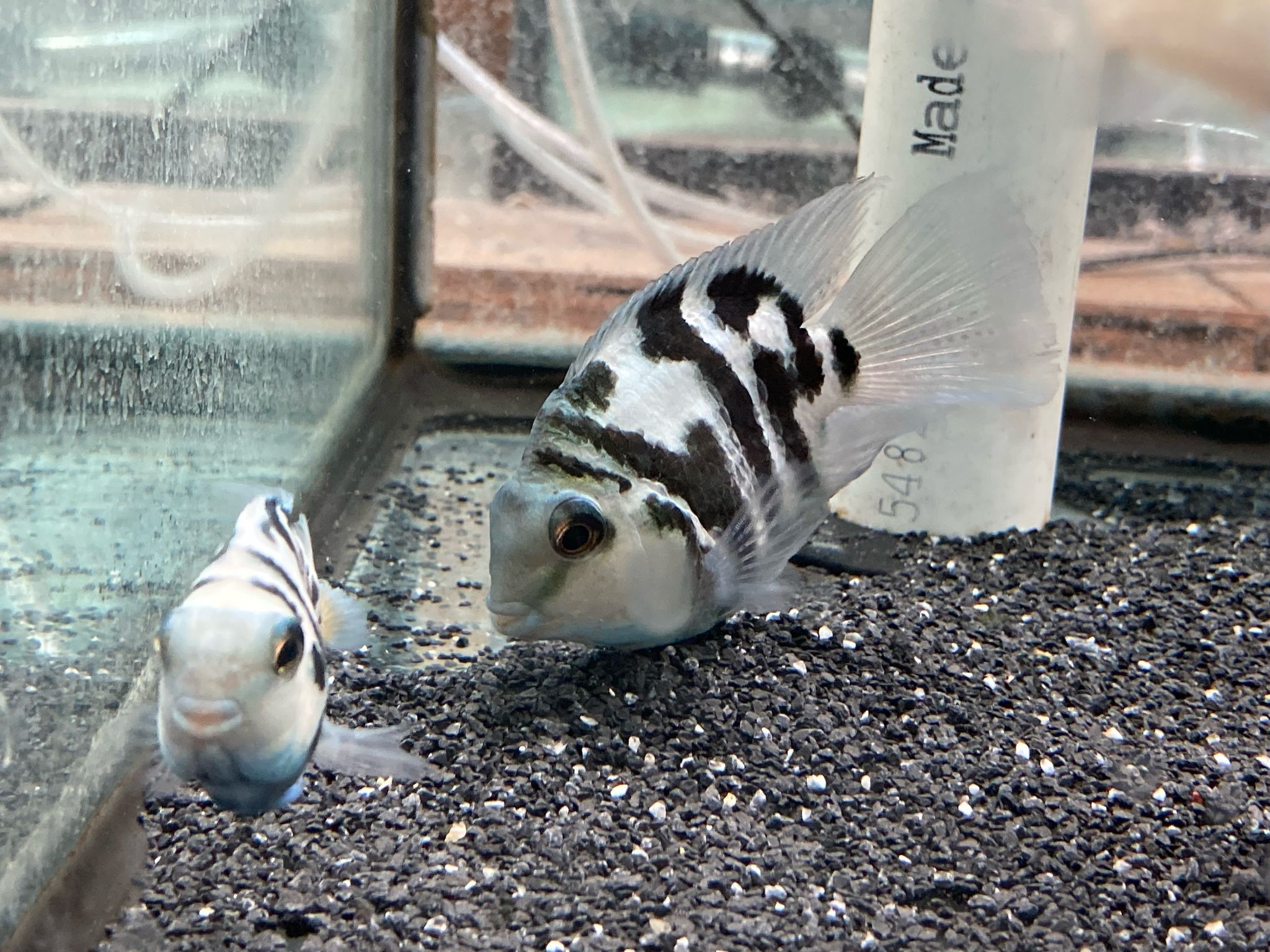
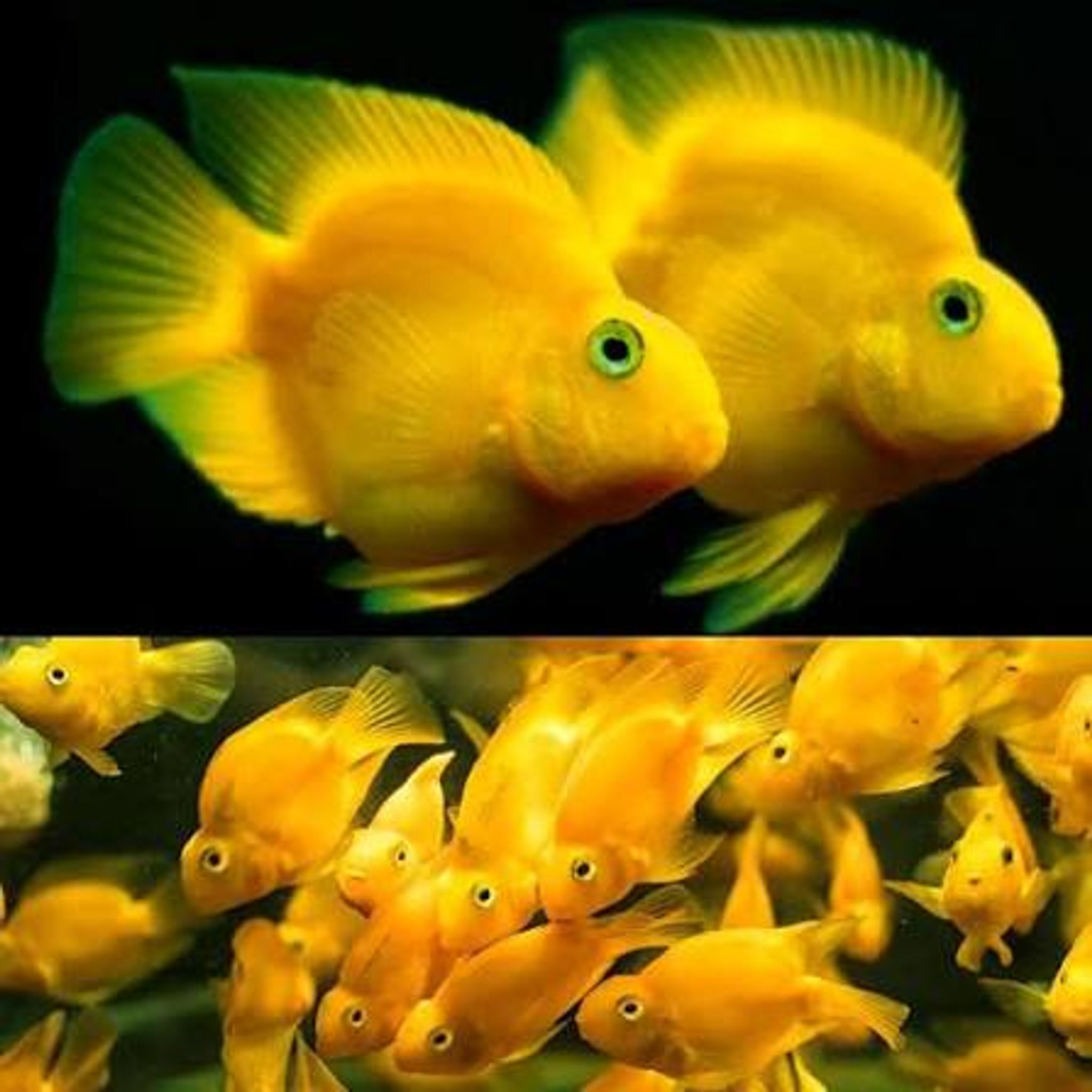
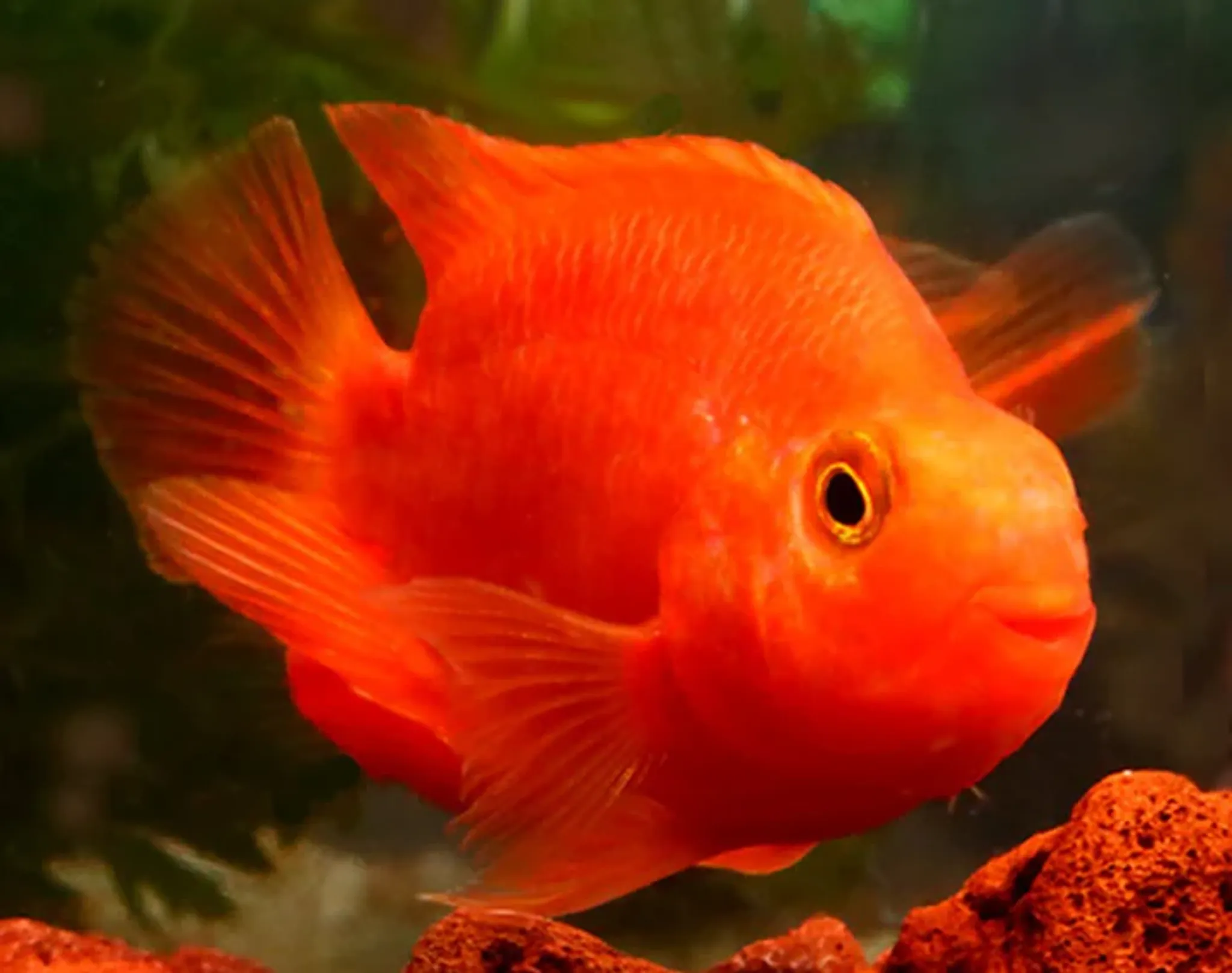
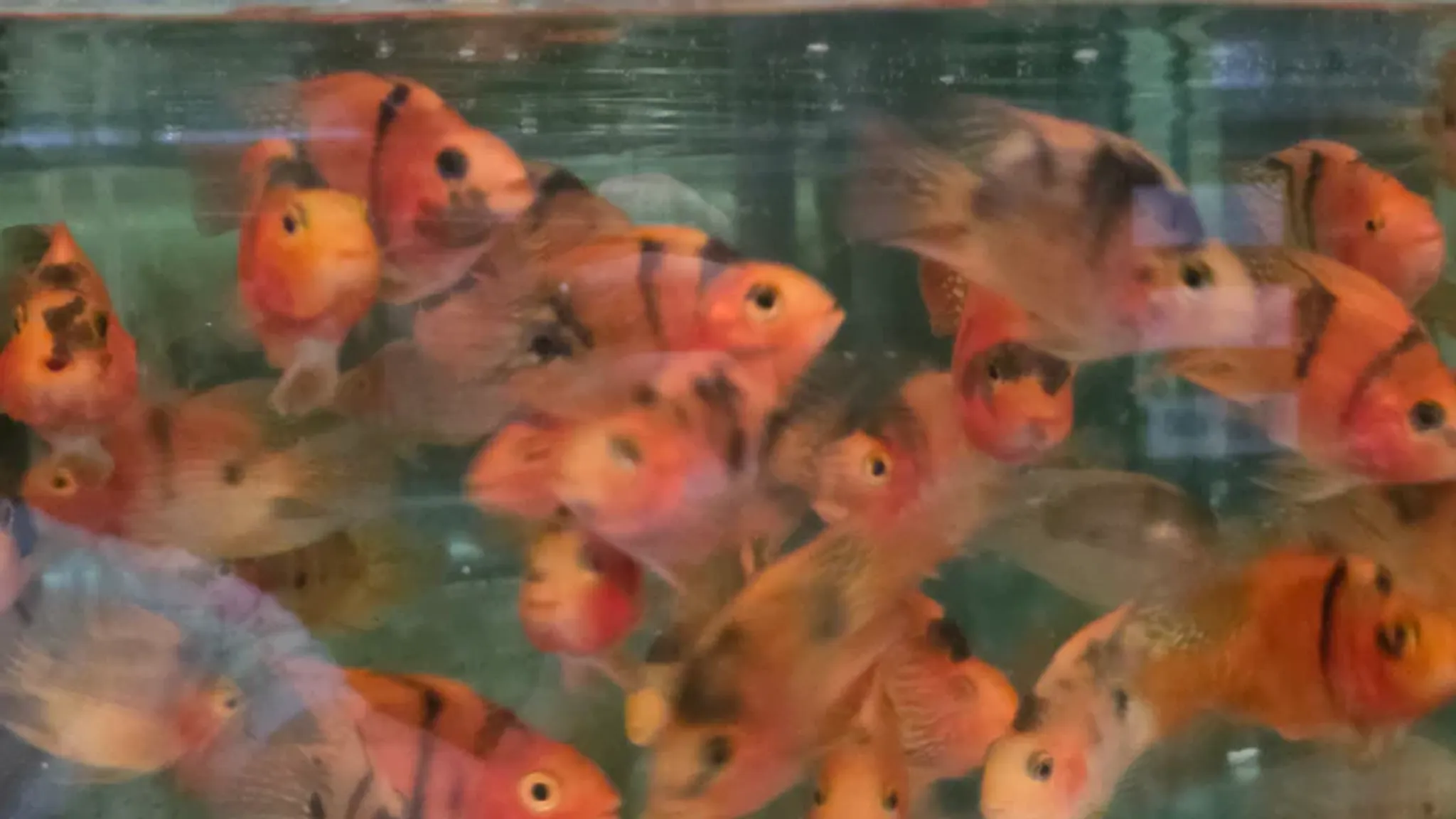
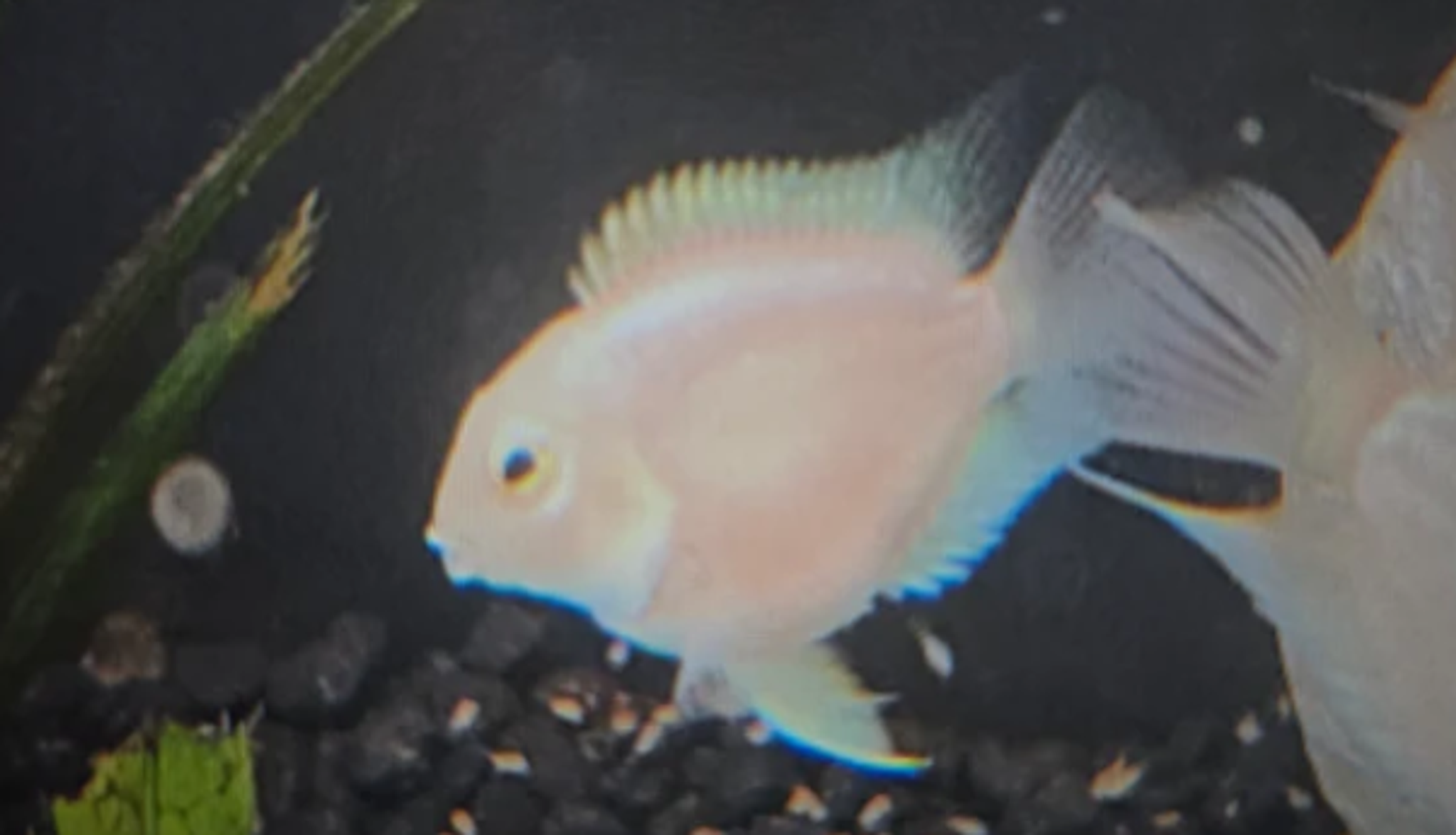
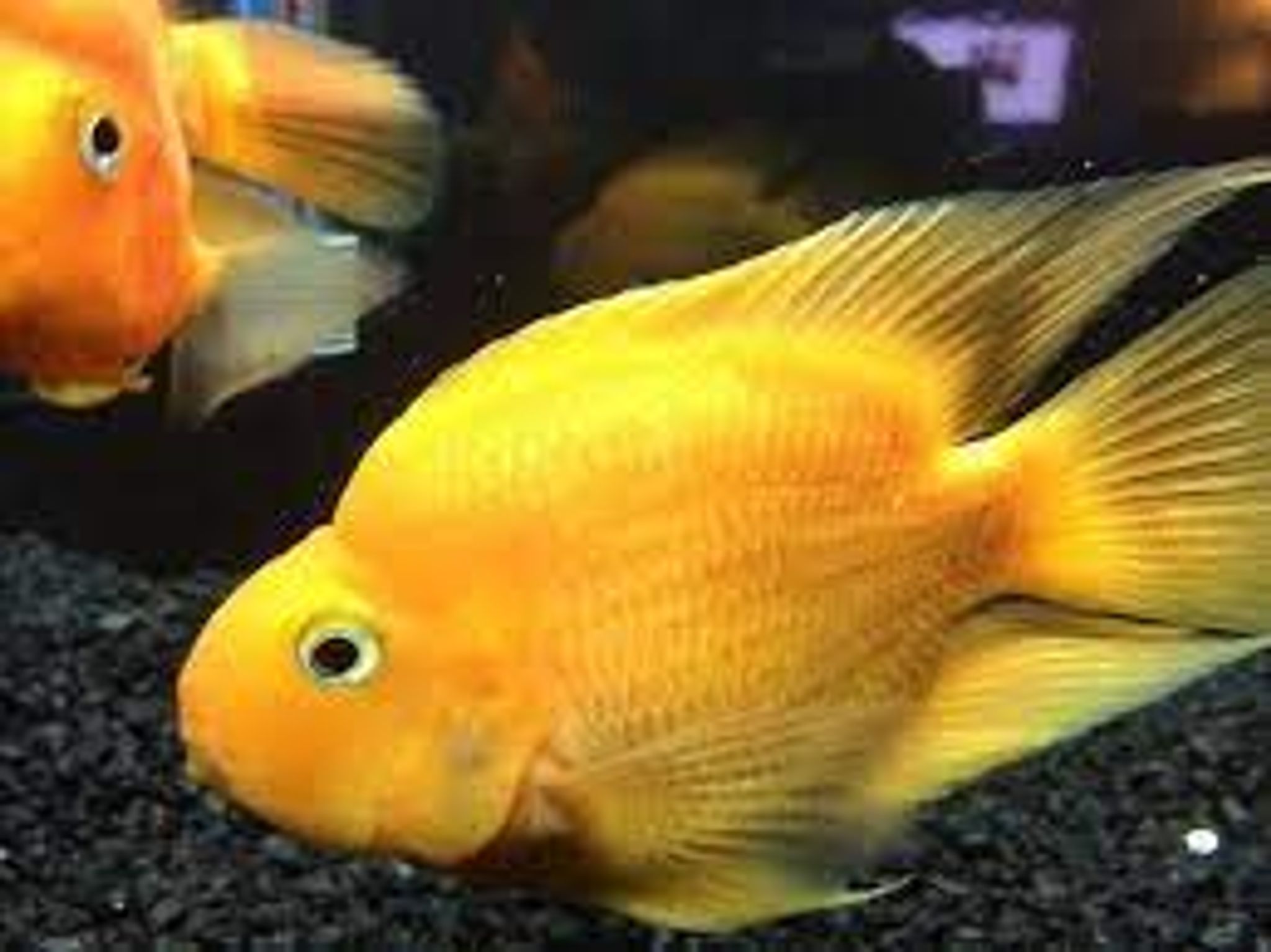
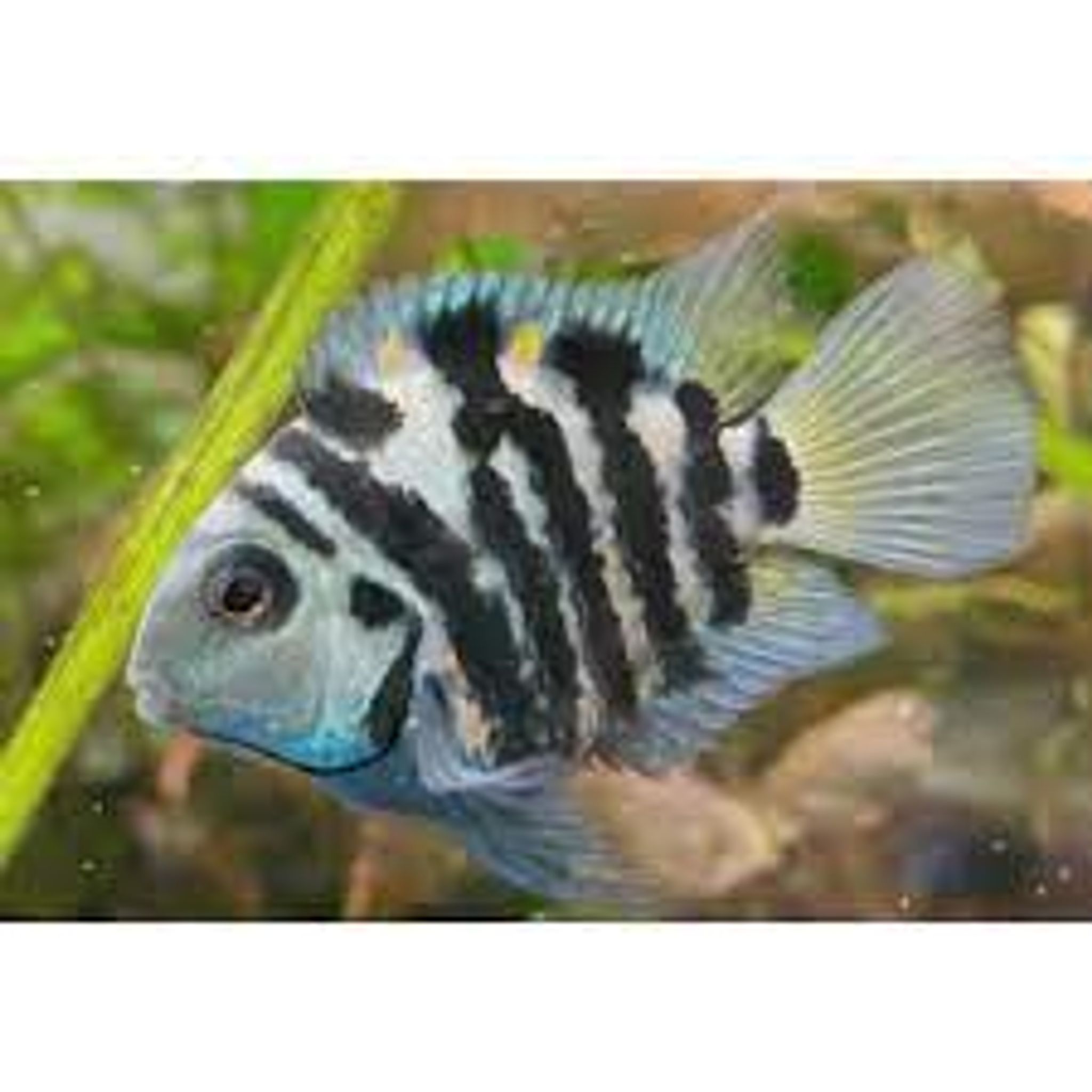
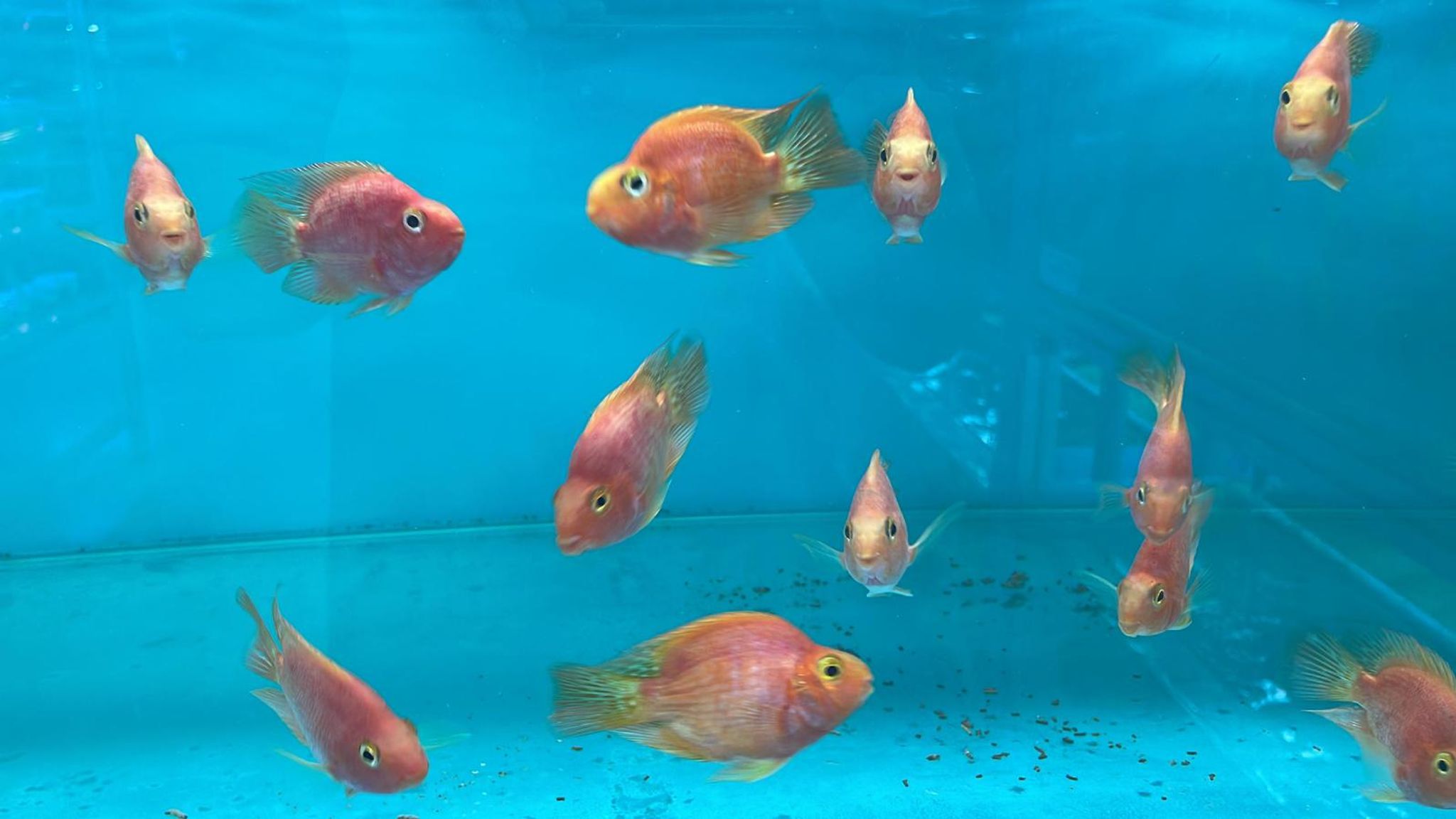
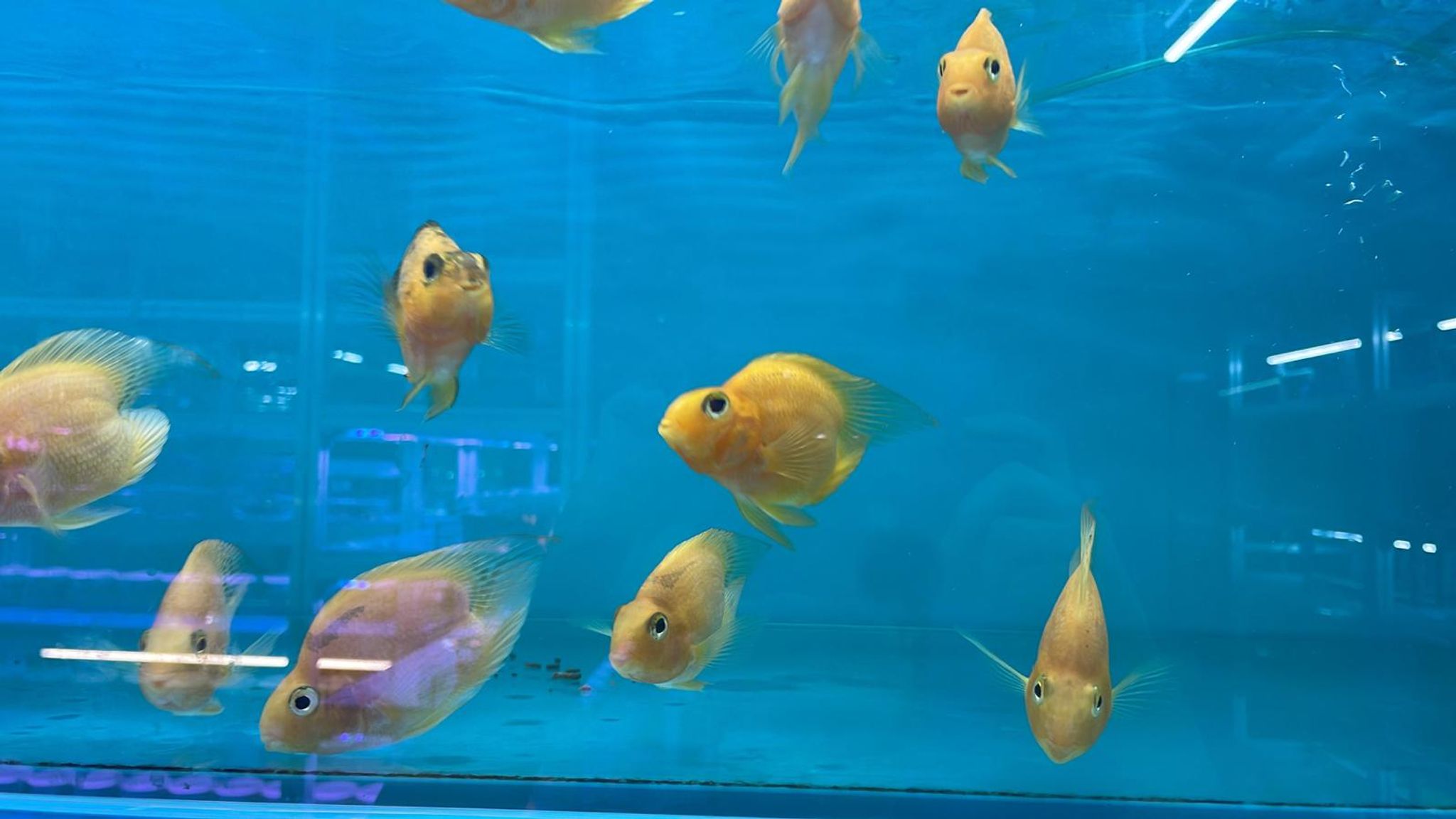
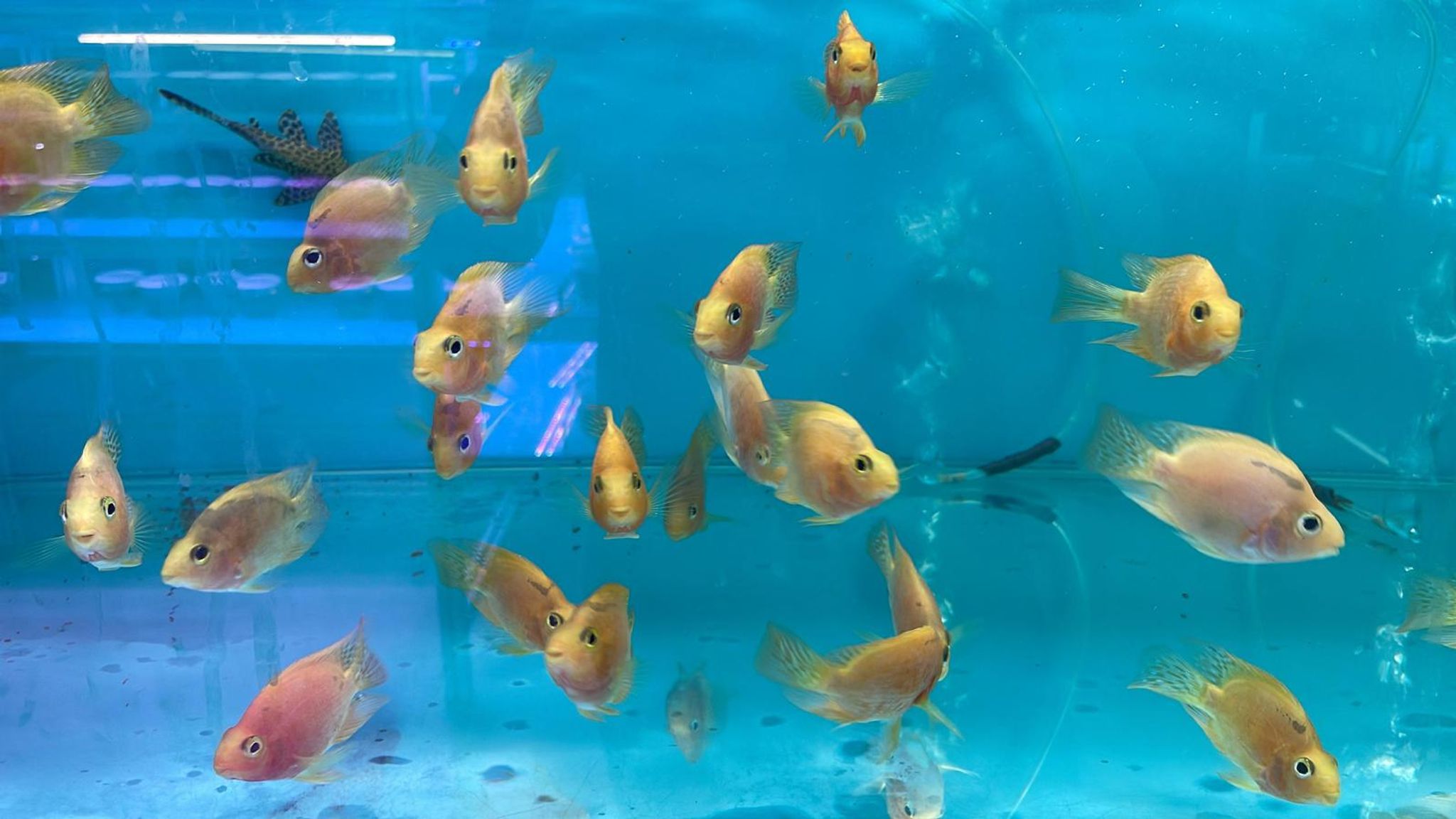
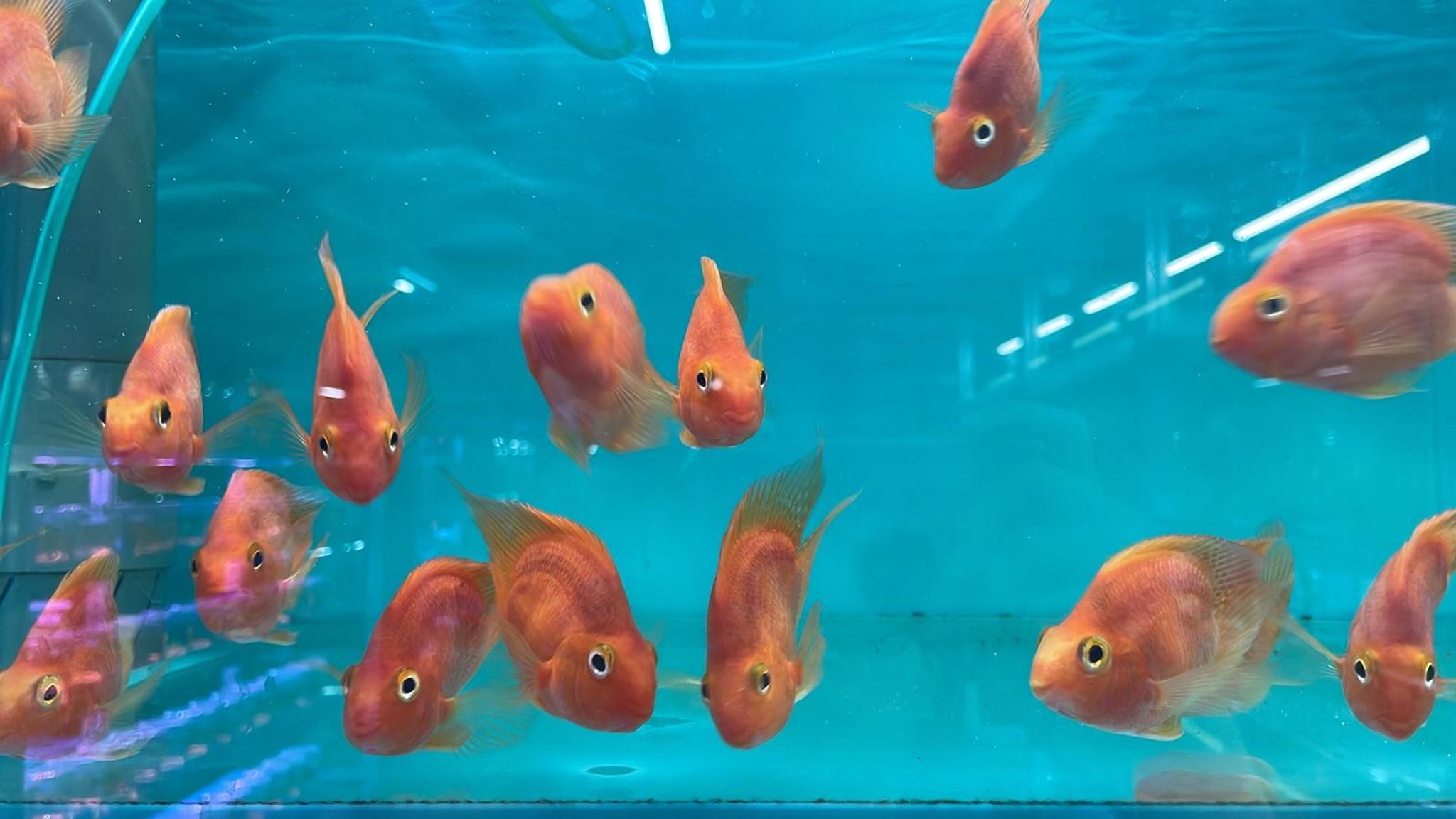
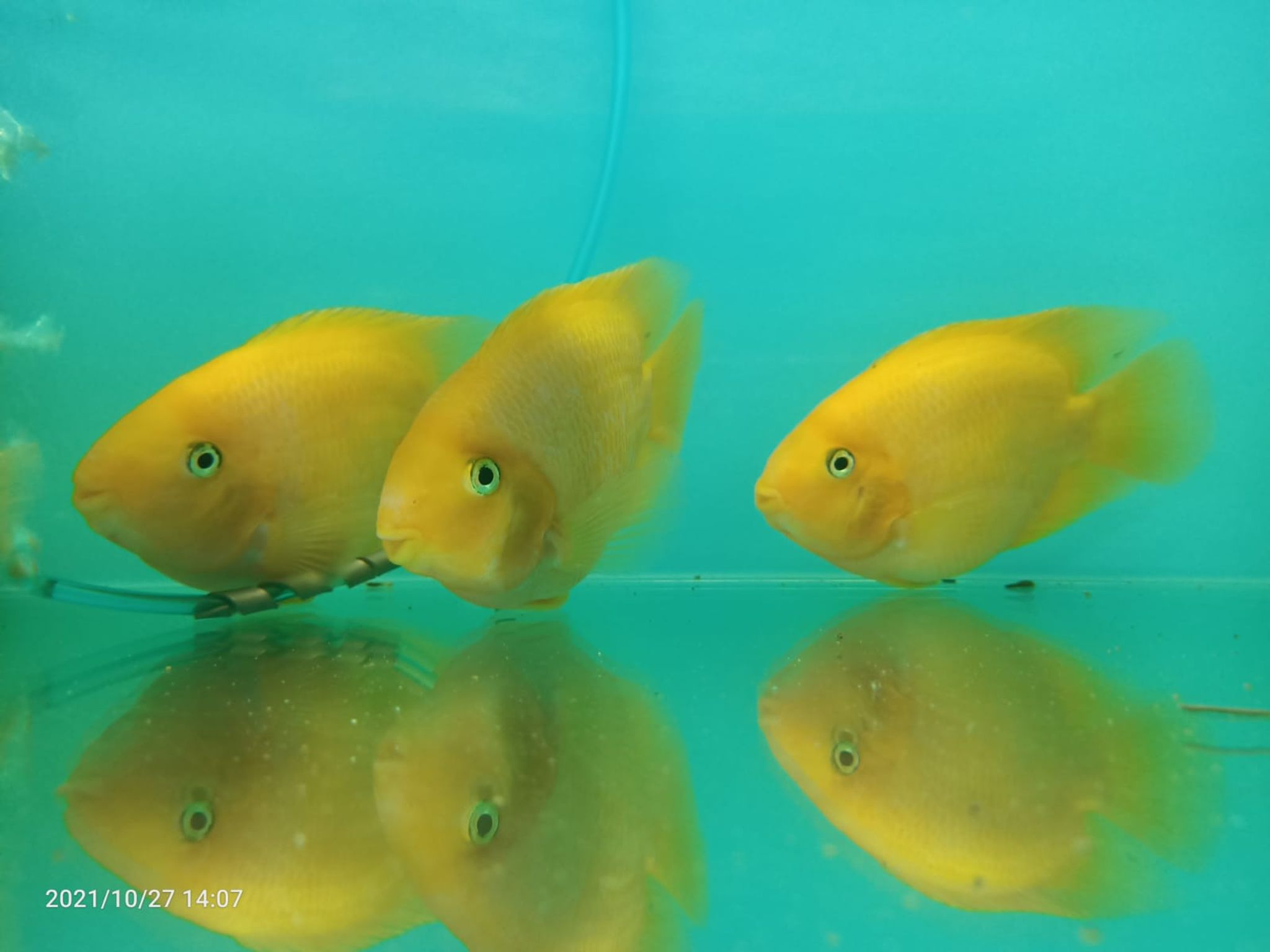
Explore freshwater Parrot Cichlid fish for sale in Singapore from aquarium shops, breeders and freshwater fish sellers on FishyHub. Compare Blood Parrot Cichlids and other Parrot varieties by size, colour, condition and seller.
Parrot Cichlids are colourful freshwater aquarium fish known for their rounded bodies, distinctive mouth shape and strong personalities. They are popular as centrepiece cichlids and can develop vivid red, orange or yellow coloration as they mature.
In the freshwater aquarium hobby, “Parrot Fish” usually refers to Blood Parrot Cichlids and related ornamental hybrid forms.
These fish are very different from marine parrotfish, which are saltwater reef-associated species. This category focuses on freshwater aquarium Parrot Cichlids.
Blood Parrot Cichlids are selectively bred hybrid cichlids developed for their rounded body shape, unusual mouth structure and bright coloration.
They are widely kept as ornamental freshwater fish and can become personable, interactive pets in larger aquariums.
Parrot Cichlids are available in several natural-looking and selectively bred colour forms.
Red Parrot Cichlids are among the most sought-after varieties and can develop strong red or reddish-orange coloration.
Orange Parrot Cichlids are common in the aquarium hobby and may range from pale orange to deep tangerine tones.
Yellow forms may also appear depending on breeder and seller availability, with colour intensity varying between individuals.
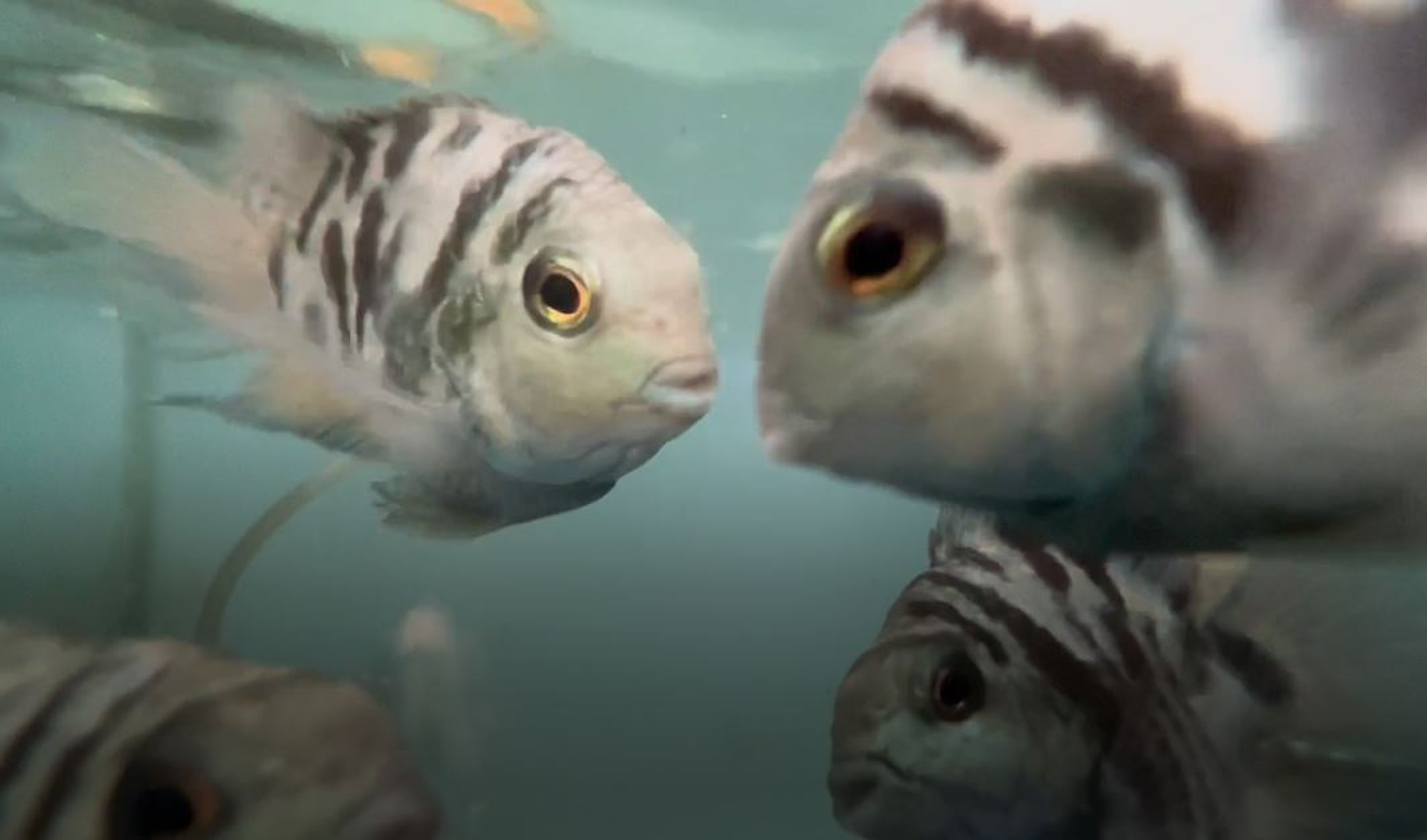
Other selectively bred forms may appear from time to time. When comparing fish, consider overall body condition and health rather than choosing solely by colour intensity.
Freshwater Parrot Cichlids and marine parrotfish are completely different aquarium fish.
Blood Parrot Cichlids are freshwater ornamental cichlids, while marine parrotfish are saltwater reef fish. The aquarium setup and care requirements are therefore entirely different.
Parrot Cichlids can become substantial fish as they mature.
Juveniles may look compact in shop tanks, but long-term aquarium planning should be based on adult body size and the number of fish being kept.
Parrot Cichlids benefit from spacious aquariums with enough room to swim and establish territories.
Tank size should increase when keeping multiple Parrot Cichlids or combining them with other medium to large cichlids.
A suitable Parrot Cichlid setup may include:
Hardscape should be secure because larger cichlids may move around the tank and investigate their surroundings.
Parrot Cichlids are generally less aggressive than many similarly sized cichlids, but individual temperament varies.
Mature fish may become territorial, particularly around caves, food or breeding areas.
Parrot Cichlids can sometimes be kept in larger community aquariums with robust, similarly sized fish.
Tiny or delicate fish may be stressed, outcompeted or eaten, so tankmates should be chosen with adult size and temperament in mind.
Angelfish and Parrot Cichlids may sometimes coexist in spacious aquariums.
Monitor aggression and feeding competition because Parrot Cichlids are more robust and may dominate calmer Angelfish.
This pairing generally requires careful consideration because Discus are calmer and can be easily outcompeted at feeding time.
Temperament, water conditions and feeding behaviour should all be compatible before attempting the combination.
Parrot Cichlids and Oscars may sometimes coexist when the aquarium is large and both fish are similarly sized.
Oscars can be assertive, so individual behaviour and feeding competition should be monitored closely.
Flowerhorns are often substantially more territorial and aggressive than Parrot Cichlids.
This combination can be risky and should not be assumed safe without a very large setup and careful observation.
Rams are much smaller and more delicate than adult Parrot Cichlids.
They may be intimidated or outcompeted, so this is generally not the easiest pairing for a balanced community aquarium.
Many appropriately sized Plecos may coexist with Parrot Cichlids in larger aquariums.
Provide enough caves and bottom territory so both fish have suitable resting areas.
Corydoras are much smaller bottom dwellers and may not be suitable with large adult Parrot Cichlids.
Size difference, feeding competition and individual temperament should be considered before combining them.
Larger robust Tetras may sometimes coexist with Parrot Cichlids in sufficiently spacious tanks.
Very small Tetras may be vulnerable or constantly intimidated by a large cichlid.
Shrimp are generally not suitable tankmates for adult Parrot Cichlids.
Small shrimp and juveniles are likely to be viewed as food.
Multiple Parrot Cichlids can often be kept together when the aquarium is large enough.
Provide multiple shelters and monitor for persistent bullying, especially when a pair forms or one fish becomes dominant.
Parrot Cichlids can live with aquatic plants, but they may disturb substrate or move decor.
Hardy plants attached to wood or rock can sometimes be easier to maintain than delicate rooted plants.
Parrot Cichlids are omnivorous and generally accept a wide range of appropriately sized aquarium foods.
Quality cichlid pellets can form part of the staple diet, supplemented with suitable plant-based and protein-rich foods for variety.
Their distinctive mouth shape can make some foods easier to handle than others.
Choose appropriately sized pellets or foods that the individual fish can pick up and swallow comfortably.
Colour can change with stress, age, diet, social conditions, lighting and overall health.
A temporary colour change after transport or a major tank change may occur, but persistent loss of colour should be considered alongside appetite and behaviour.
Parrot Cichlids benefit from stable, clean freshwater and regular aquarium maintenance.
Consistency is generally more important than repeatedly adjusting water chemistry in pursuit of exact numbers.
Adult Parrot Cichlids can produce substantial waste and benefit from effective biological and mechanical filtration.
Canister filters, HOB filters, sump systems and other filtration approaches can work when sized appropriately for the aquarium and stocking.
Good circulation supports water quality, but Parrot Cichlids do not need to be pushed against powerful current continuously.
Provide areas with moderate circulation and calmer resting zones.
Sexing Parrot Cichlids visually can be difficult, especially when they are young.
Behaviour and body shape may provide clues as fish mature, but these indicators are not always reliable.
Parrot Cichlids may form pairs, display courtship and lay eggs.
Fertility can vary among hybrid Parrot Cichlids, so spawning behaviour does not always result in viable fry.
A bonded pair may clean a flat surface and lay eggs as part of normal reproductive behaviour.
Both parents may become more territorial during spawning, which can affect other fish in the aquarium.
Parrot Cichlids can be suitable for beginners who are prepared for their adult size and filtration needs.
They are generally more forgiving than some highly aggressive cichlids, but still need a properly cycled, spacious aquarium.
When comparing Parrot Cichlids for sale, look for:
Colour intensity can vary with stress and environment, so health should not be judged by colour alone.
Introduce new Parrot Cichlids carefully to avoid abrupt changes in temperature and water chemistry.
Quarantine can also help reduce the risk of introducing disease into an established cichlid aquarium.
Parrot Cichlid prices in Singapore vary according to size, colour, body shape, maturity, rarity and seller.
Larger, strongly coloured or unusual varieties may be priced differently from standard juvenile Blood Parrot Cichlids.
FishyHub brings Parrot Cichlid listings from aquarium shops, breeders and freshwater fish sellers across Singapore together in one marketplace, making it easier to compare available fish from multiple sources.
When comparing Parrot Cichlid listings, consider:
Availability changes regularly, particularly for unusual colours, sizes and selectively bred Parrot Cichlid varieties.
Yes. Blood Parrot Cichlids are freshwater ornamental fish.
No. Blood Parrot Cichlids are freshwater fish, while marine parrotfish are unrelated saltwater species.
They can be territorial, but many are less aggressive than similarly sized cichlids such as some Flowerhorns or Oscars.
They often can in sufficiently large aquariums, although dominance and breeding behaviour should be monitored.
They sometimes can when similarly sized and given enough space, but individual aggression varies.
They sometimes can in larger aquariums, although feeding competition and temperament should be watched carefully.
They are omnivorous and generally accept suitable cichlid pellets and a range of complementary foods.
They may pair, spawn and lay eggs, but fertility can vary among hybrid Blood Parrot Cichlids.
Explore freshwater Parrot Cichlids for sale on FishyHub and compare Blood Parrot, red, orange and other ornamental Parrot varieties from aquarium shops and breeders across Singapore. Compare size, colour, condition, temperament and price to find a suitable Parrot Cichlid for your aquarium.