1–3 of 3
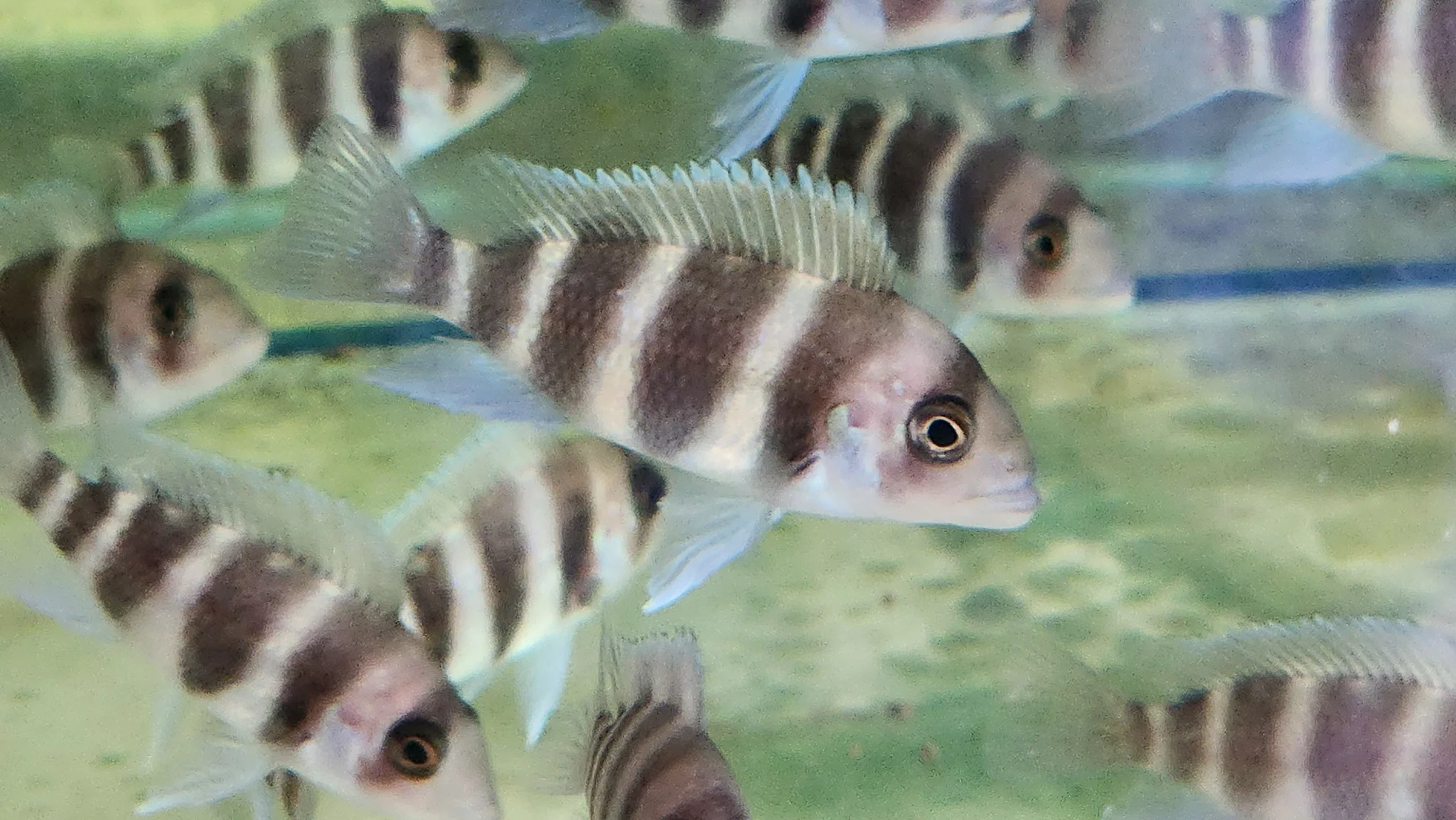
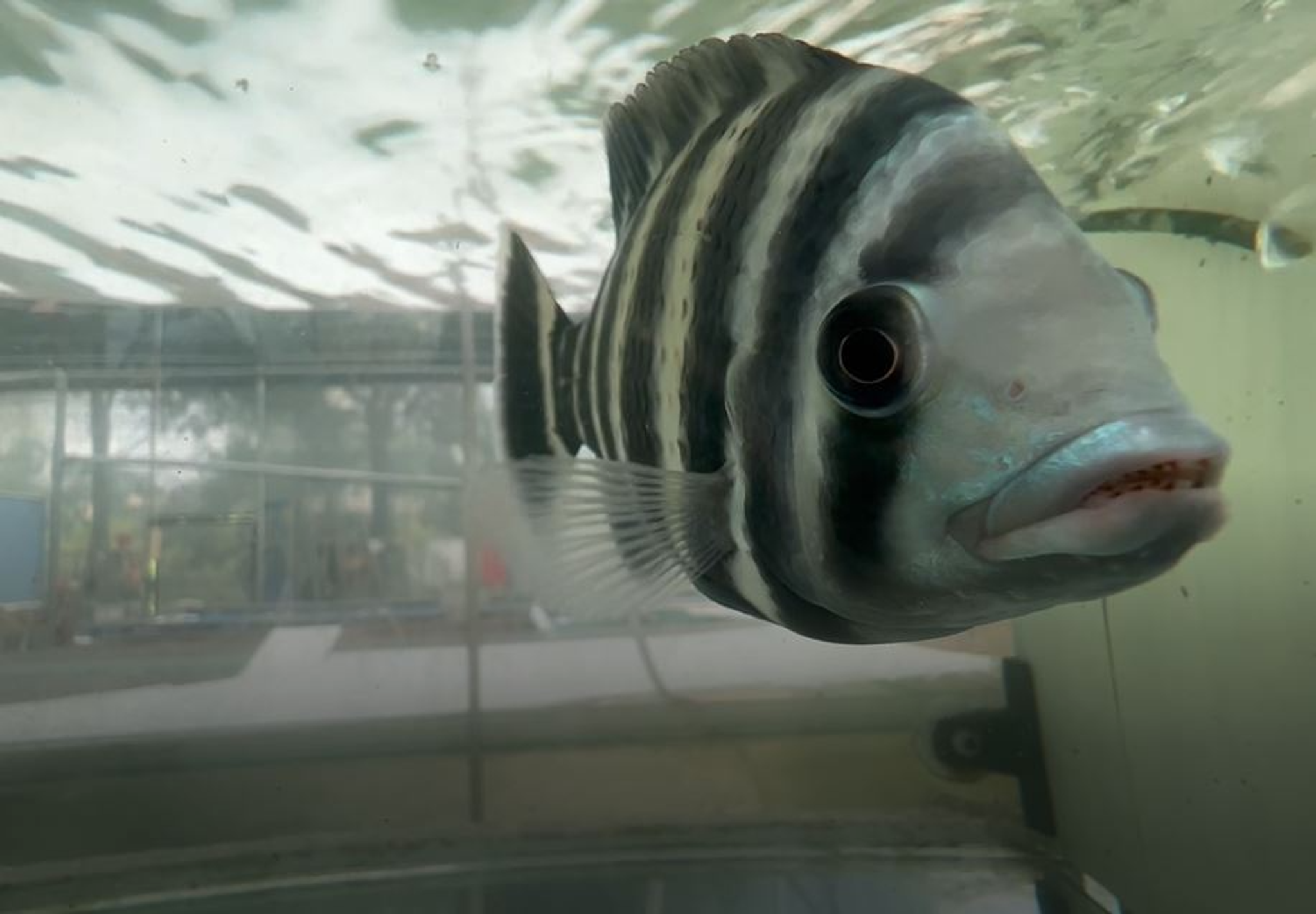
Explore Tilapia fish for sale in Singapore from aquarium shops, breeders and specialist freshwater fish sellers on FishyHub. Compare ornamental Tilapia by species, size, colour and seller.
Tilapia are freshwater cichlids with a wide range of body shapes, colours and behaviours. While many people know Tilapia primarily as food fish, some species and colour forms are also kept in aquariums by hobbyists interested in larger, robust cichlids.
Tilapia belong to a broad group of African and Middle Eastern cichlids that includes several genera and many species.
Aquarium keepers may encounter ornamental forms, unusual species or juvenile fish offered by specialist sellers. Exact identification is important because adult size, temperament and long-term housing requirements can vary greatly.
The word “Tilapia” is used very broadly and is often associated with aquaculture and food production.
This category focuses on Tilapia kept as ornamental freshwater fish in aquariums rather than Tilapia sold for consumption.
Some Tilapia are kept for their colour, body shape, behaviour or rarity rather than for aquaculture.
Depending on species and strain, ornamental fish may display red, orange, dark, mottled or metallic tones.
Many Tilapia become much larger than typical community aquarium fish.
Adult size varies by species, so aquarium planning should be based on mature dimensions rather than juvenile shop size.
Tilapia generally need substantial swimming space as they grow.
Larger species also produce significant waste, so both tank volume and filtration should be planned for adult fish.
A suitable Tilapia setup may include:
Layout should be based on the behaviour of the exact species, especially if the fish digs, rearranges substrate or becomes territorial.
Yes. Tilapia are cichlids and share many traits seen across the wider cichlid family.
Depending on species, these can include territorial behaviour, parental care and strong feeding responses.
Temperament varies by species, age and breeding condition.
Some Tilapia can become territorial or assertive, especially as they mature, so they should not automatically be treated as peaceful community fish.
Smaller or calmer species may sometimes work in large community setups with robust tankmates.
Very small or delicate fish can be outcompeted, harassed or eaten depending on the Tilapia species and size.
Tilapia may sometimes be kept with other cichlids when adult size and temperament are compatible.
Territorial interactions can be intense, so aquarium size, shelter and species choice should all be considered carefully.
Oscars and suitably sized Tilapia may sometimes coexist in large aquariums.
Both can be strong feeders and territorial fish, so aggression and feeding competition should be monitored.
Larger Tilapia may sometimes be considered in very large predator or monster fish aquariums with Arowana.
Mature size, aggression, water conditions and feeding behaviour need careful matching.
Bichirs occupy more bottom space while Tilapia often use the middle areas of the aquarium.
This can reduce direct competition, but size matching remains important because either fish may injure or prey on a much smaller tankmate.
Large robust catfish may sometimes coexist with Tilapia in spacious aquariums.
Adult size, feeding competition and bottom-space usage should still be considered.
Plecos may coexist with Tilapia when both fish have enough space and shelter.
Aggressive or breeding Tilapia may still harass bottom-dwelling fish, so interactions should be monitored.
Small fish may be unsuitable tankmates for larger Tilapia.
Even where direct predation does not occur, small community fish may be stressed or outcompeted by larger, more assertive cichlids.
Many Tilapia are not ideal for delicate planted aquascapes.
Some species may dig, uproot plants or eat plant material, so robust plants and secure hardscape are generally easier to maintain.
Many Tilapia consume plant matter as part of their diet, although the extent varies by species.
Soft aquatic plants may therefore be nibbled or damaged in some setups.
Tilapia diets vary by species, but many are omnivorous and consume both plant and animal material.
Suitable pellets and complementary foods can be selected according to the exact species, size and nutritional needs of the fish.
Tilapia are often enthusiastic feeders and can consume food quickly.
Avoid excessive feeding and monitor water quality because larger fish can produce substantial waste.
Aquarium Tilapia benefit from stable, clean freshwater and consistent maintenance.
Exact temperature, hardness and pH preferences vary between species, so care should be based on the fish being kept rather than one generic Tilapia profile.
Larger Tilapia can produce significant waste and benefit from strong biological and mechanical filtration.
Canister filters, sump systems and other suitable filtration approaches can be used depending on aquarium size and stocking.
Flow preferences vary by species and natural habitat.
Good circulation is useful for water quality, but the aquarium should still provide areas where fish can rest without constantly fighting strong current.
Sex differences vary by species and may become more visible as fish mature.
Colour, body shape and breeding behaviour may provide clues in some Tilapia, but reliable sexing can require species-specific knowledge.
Many Tilapia show strong parental care and are capable breeders under suitable conditions.
Breeding behaviour can also increase territorial aggression, so enough space should be available for other fish to move away.
Some Tilapia and closely related cichlids use mouthbrooding as part of their reproductive strategy, while others use different forms of parental care.
Breeding method depends on the exact species.
Some Tilapia can be hardy, but their adult size and territorial behaviour may make them a poor choice for small beginner aquariums.
They are better suited to keepers who can provide enough space, filtration and appropriate tankmates for mature fish.
When comparing aquarium Tilapia for sale, look for:
Colour alone is not always a reliable health indicator because some Tilapia change appearance with age, breeding condition, stress or social status.
Introduce new Tilapia carefully to avoid abrupt changes in temperature and water chemistry.
Quarantine can also help reduce the risk of introducing disease into an established cichlid aquarium.
Aquarium Tilapia prices in Singapore vary according to species, size, colour, rarity, source and seller.
Ornamental or unusual species may be valued differently from common aquaculture strains.
FishyHub brings aquarium Tilapia listings from fish shops, breeders and specialist freshwater sellers across Singapore together in one marketplace, making it easier to compare ornamental fish from multiple sources.
When comparing Tilapia listings, consider:
Availability changes regularly, especially for ornamental strains and less common Tilapia species.
Yes. Tilapia belong to the cichlid family.
Yes. Some Tilapia species and ornamental forms are kept as aquarium fish, although many require substantial space as adults.
Some can become territorial, especially as they mature or breed, while others are less aggressive.
Many consume plant material and may damage soft aquarium plants.
Suitably sized fish may sometimes coexist in large aquariums, but aggression and feeding competition need monitoring.
They sometimes can when the aquarium provides enough space and shelter, although territorial behaviour should be monitored.
Many are omnivorous and consume both plant and animal material, although exact diet varies by species.
Some are hardy, but their size and territorial behaviour generally make them more suitable for keepers prepared for larger cichlid setups.
Explore aquarium Tilapia fish for sale on FishyHub and compare ornamental freshwater Tilapia from aquarium shops, breeders and specialist sellers across Singapore. Compare species, adult size, colour, temperament and price to find a suitable Tilapia for your aquarium.