
FishyHub
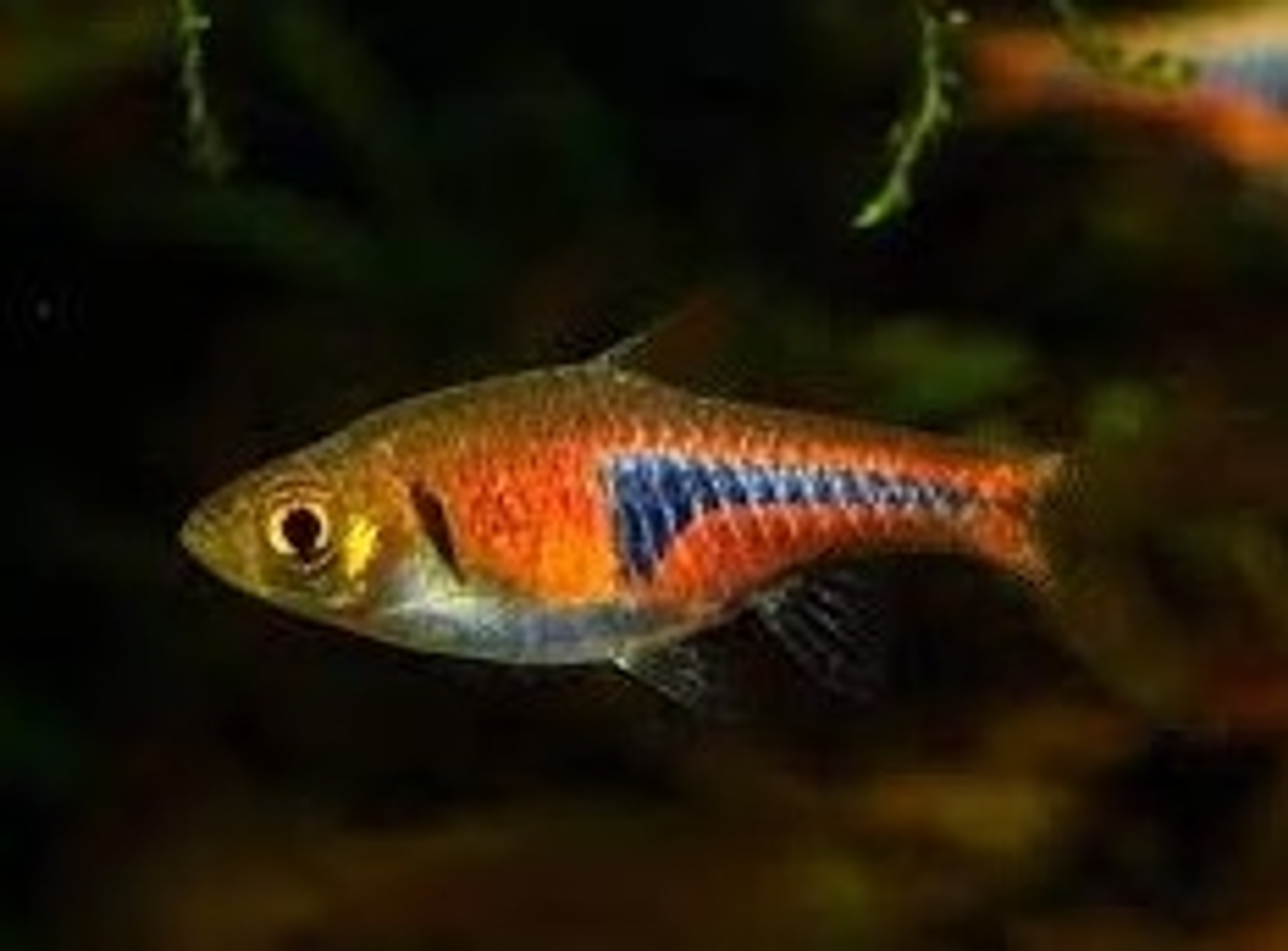
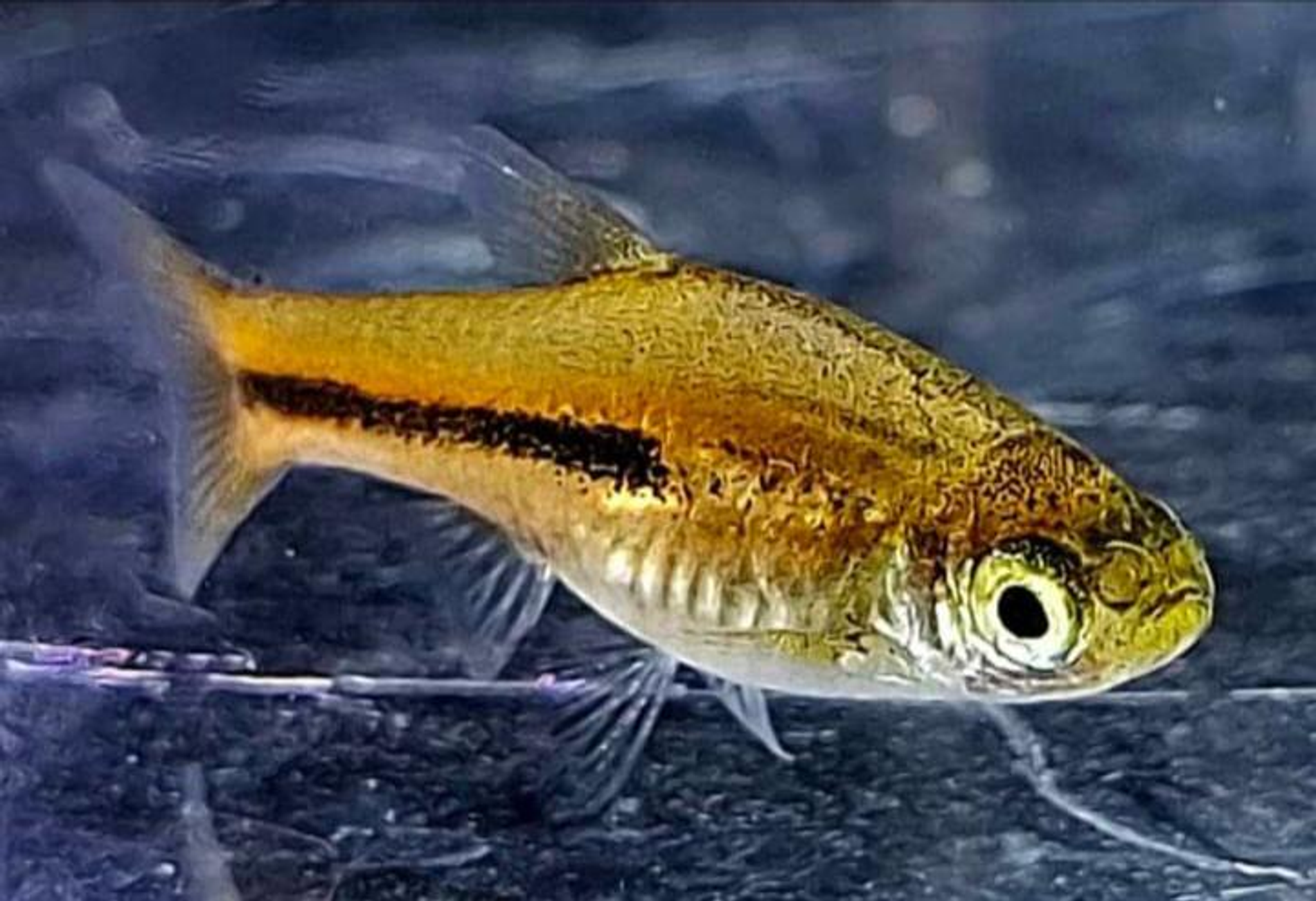
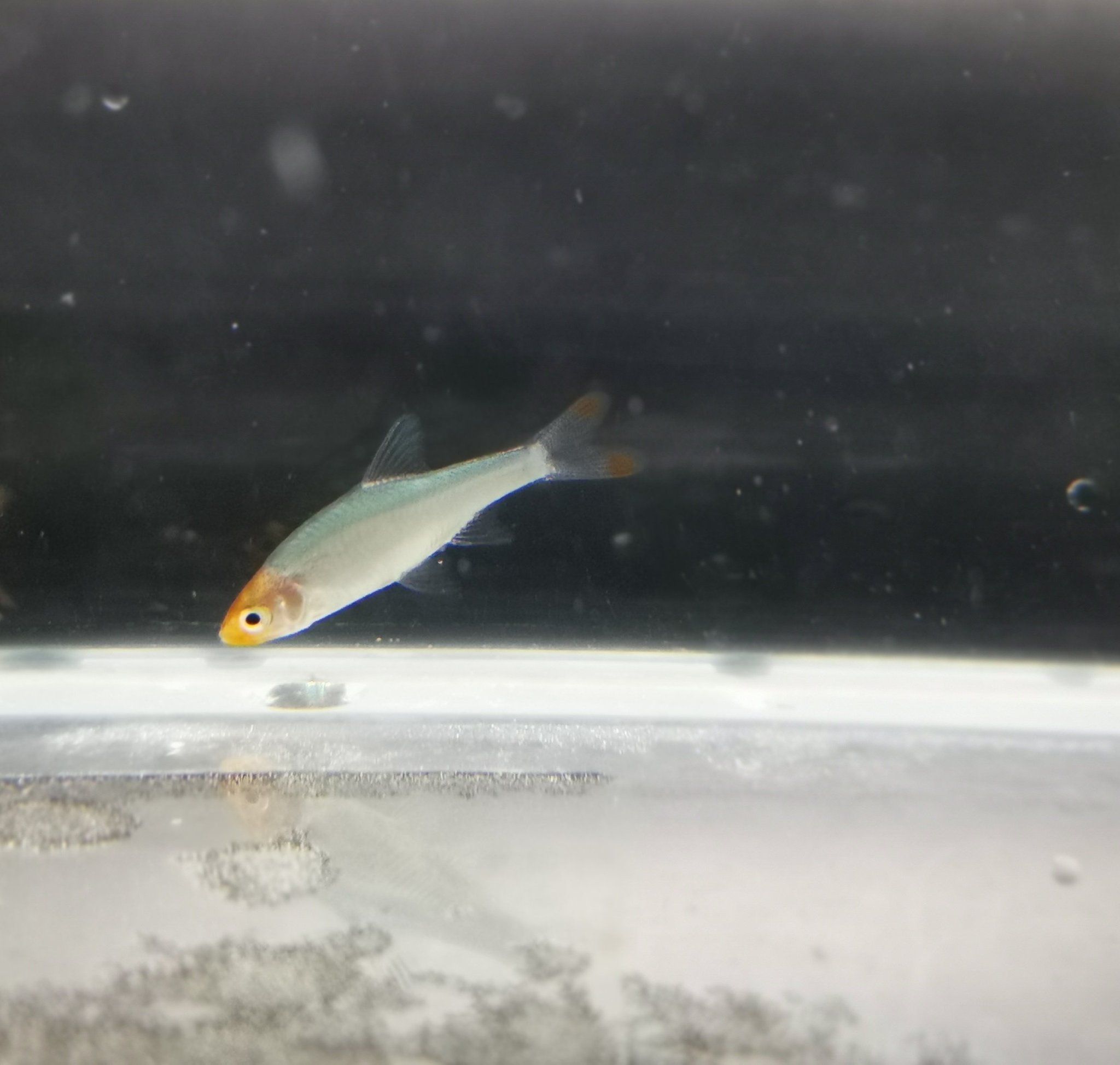
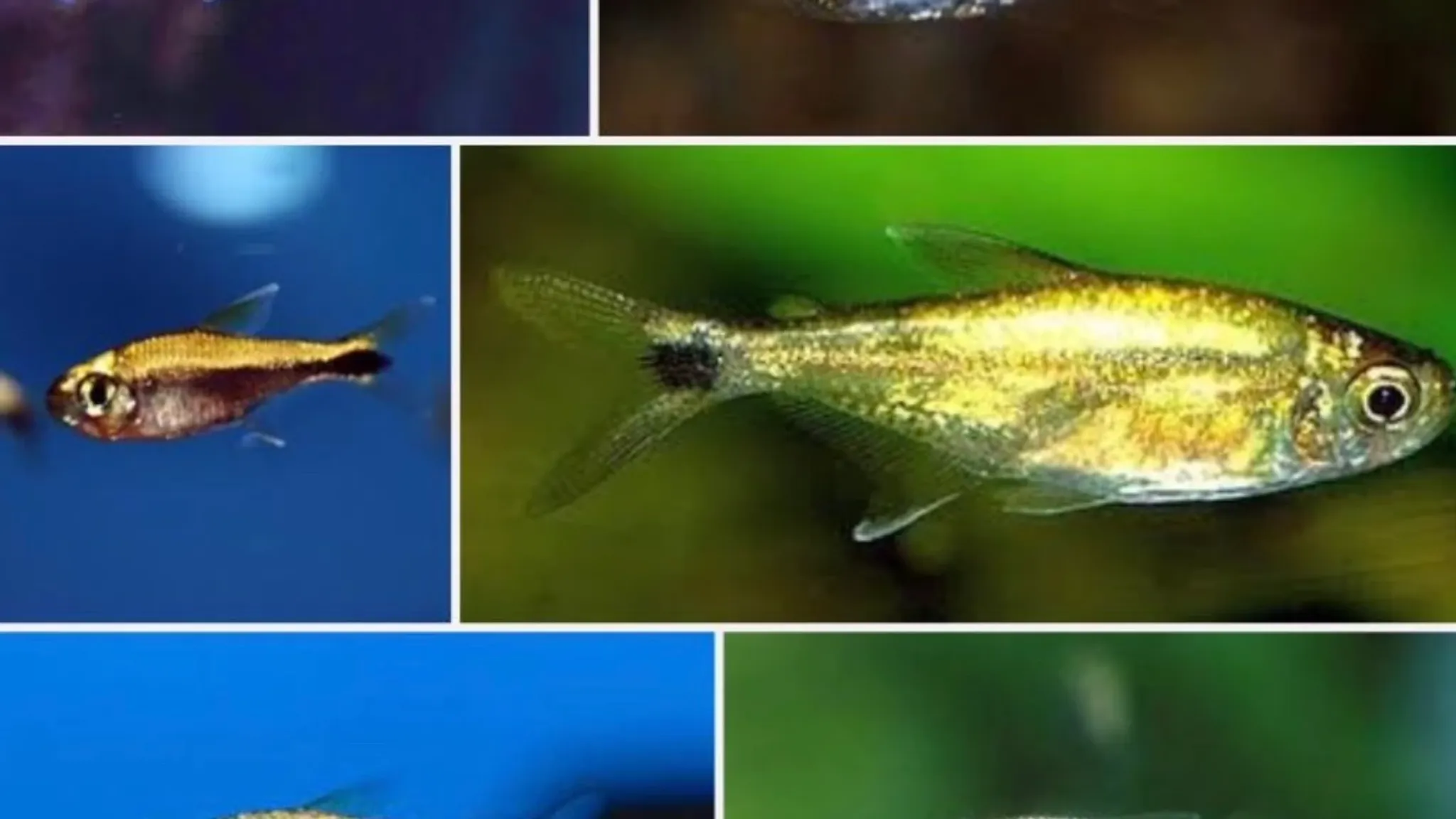
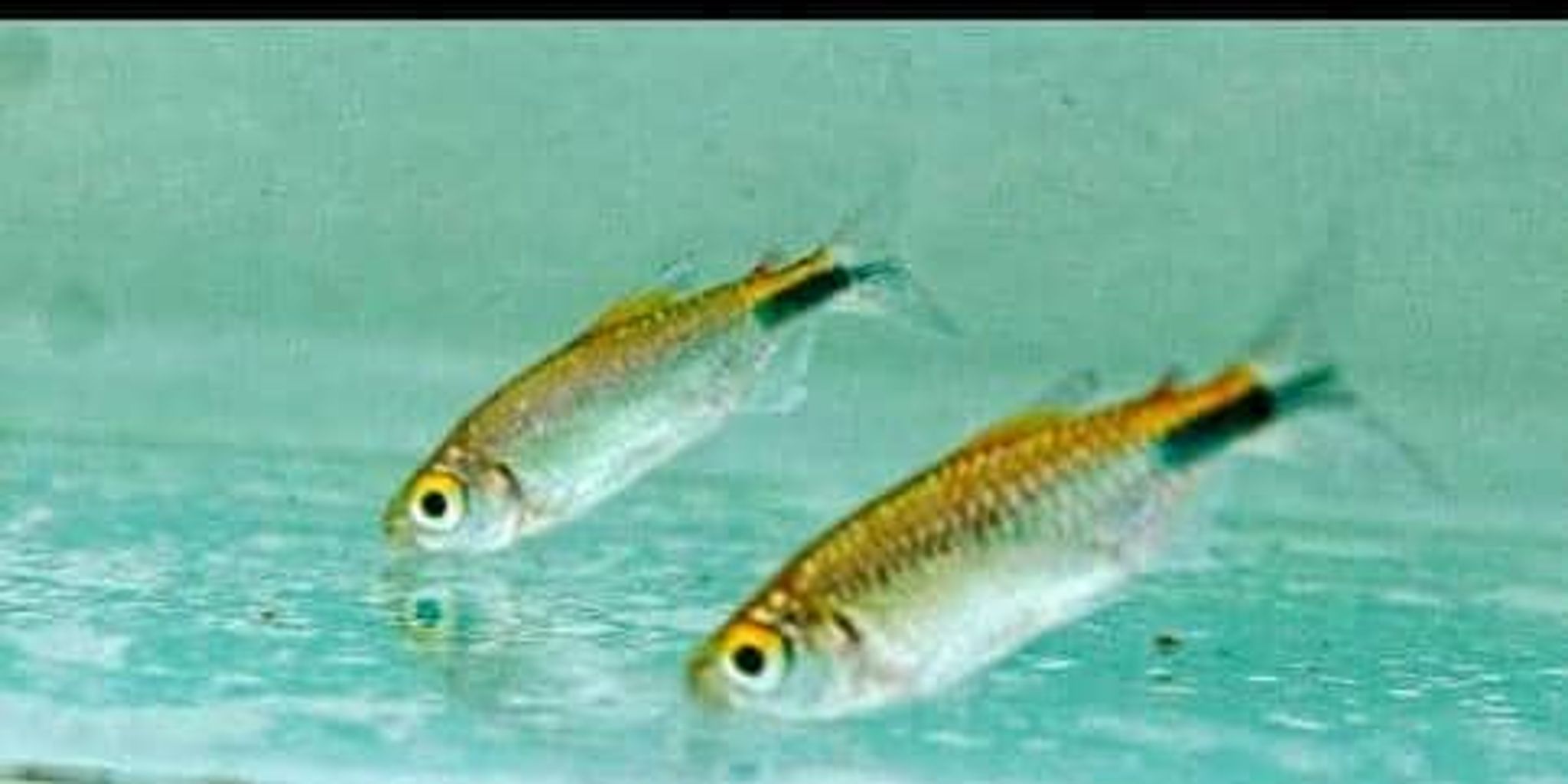
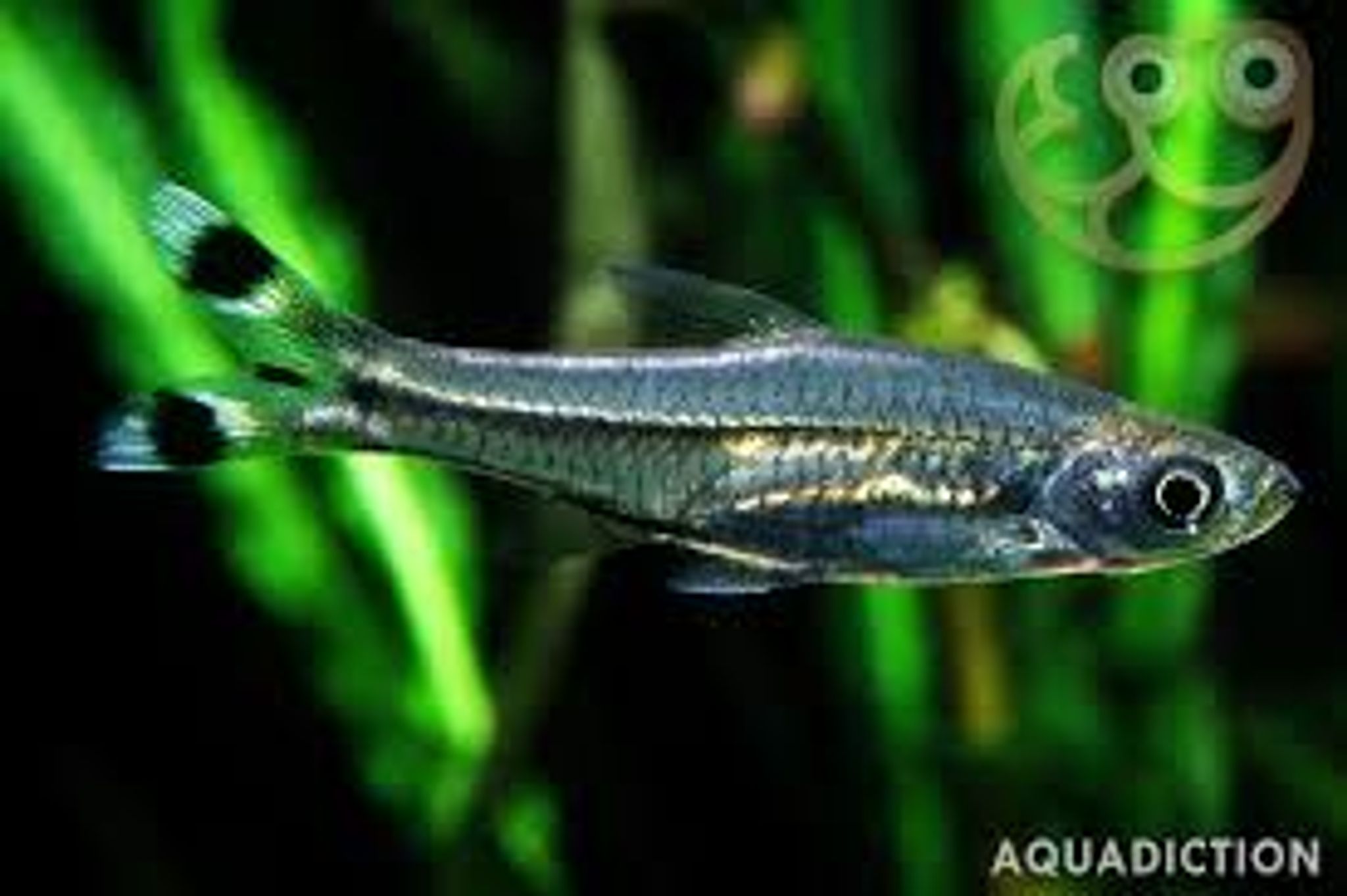
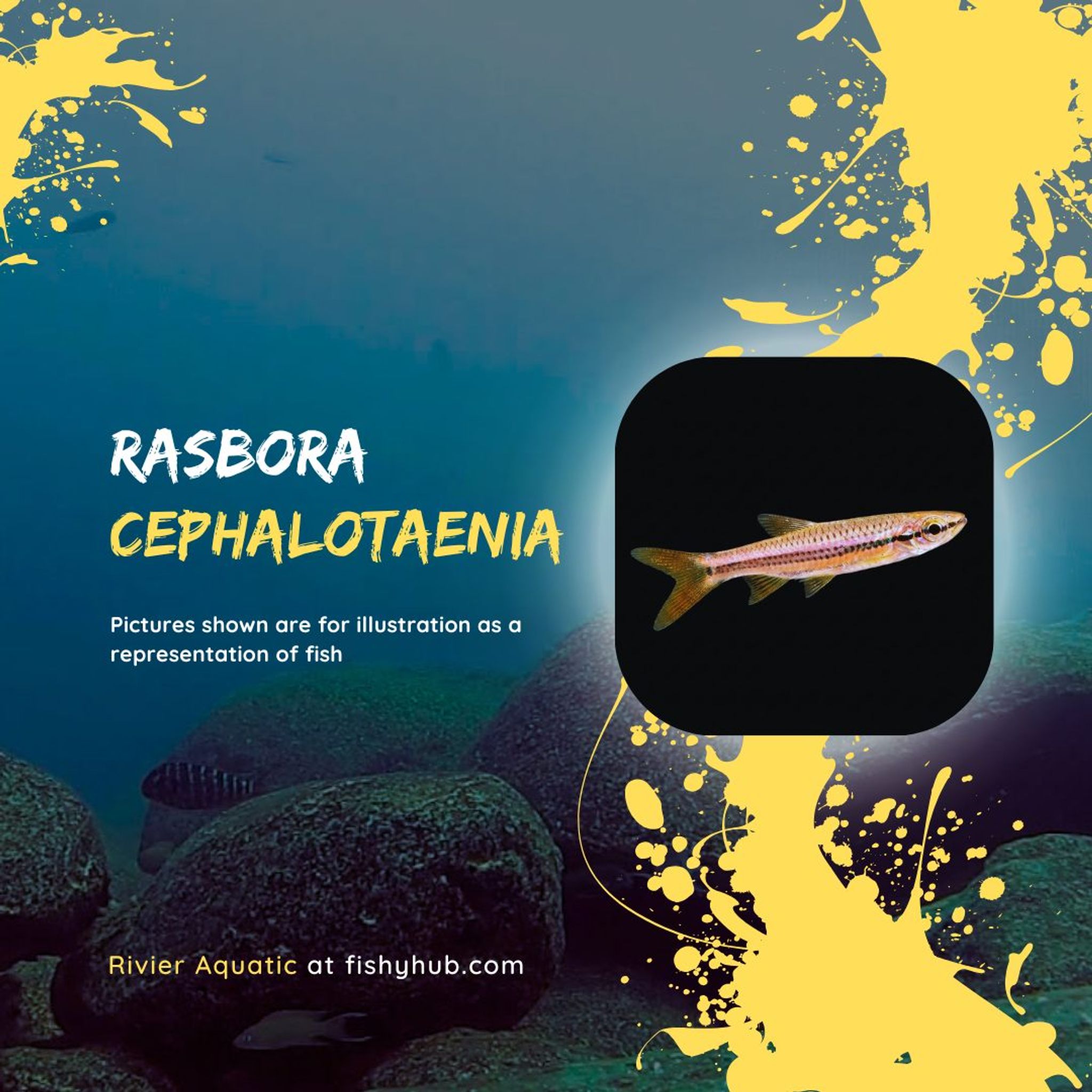
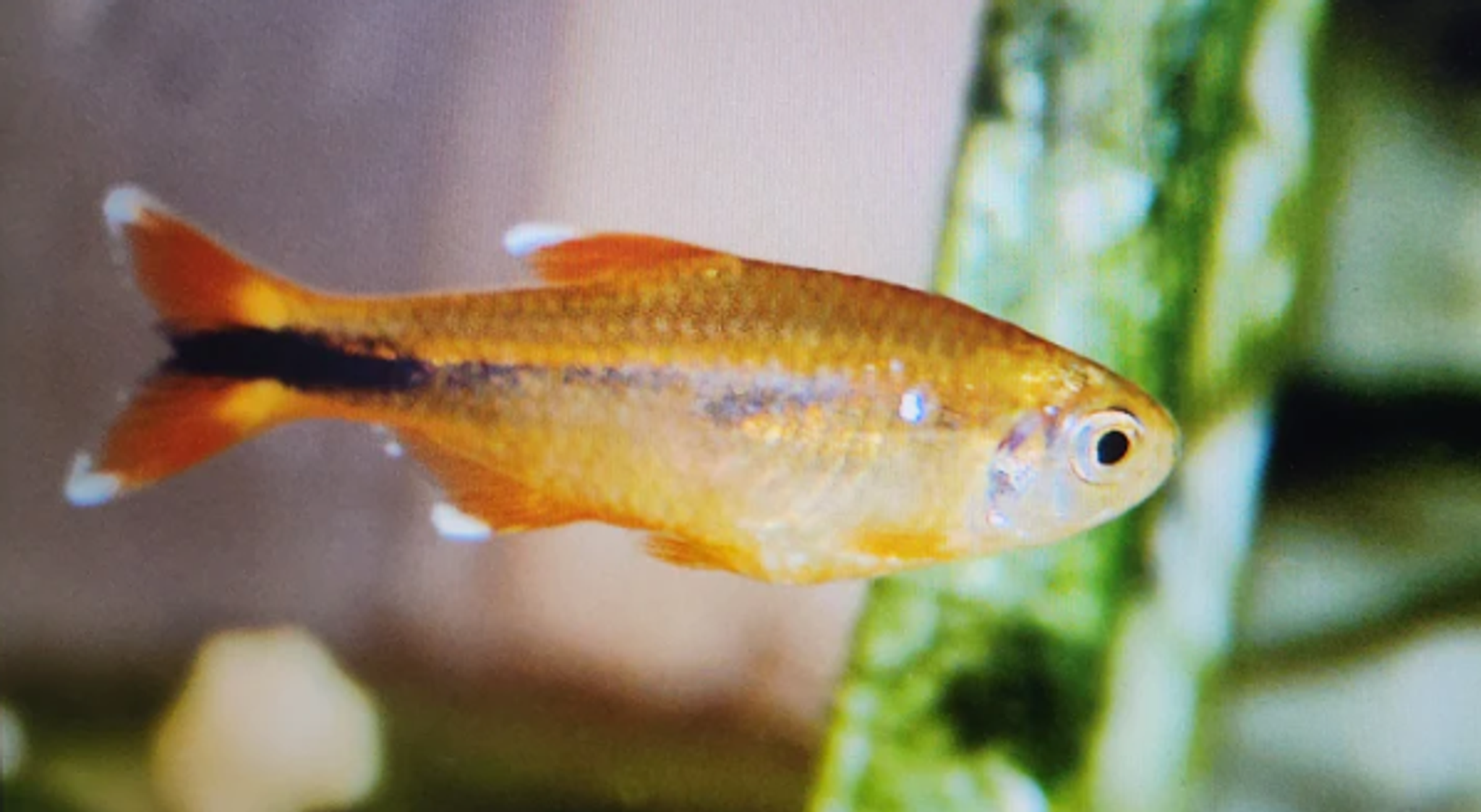
Porthole Rasbora (Rasbora Cephalotaenia)
Click to enlarge

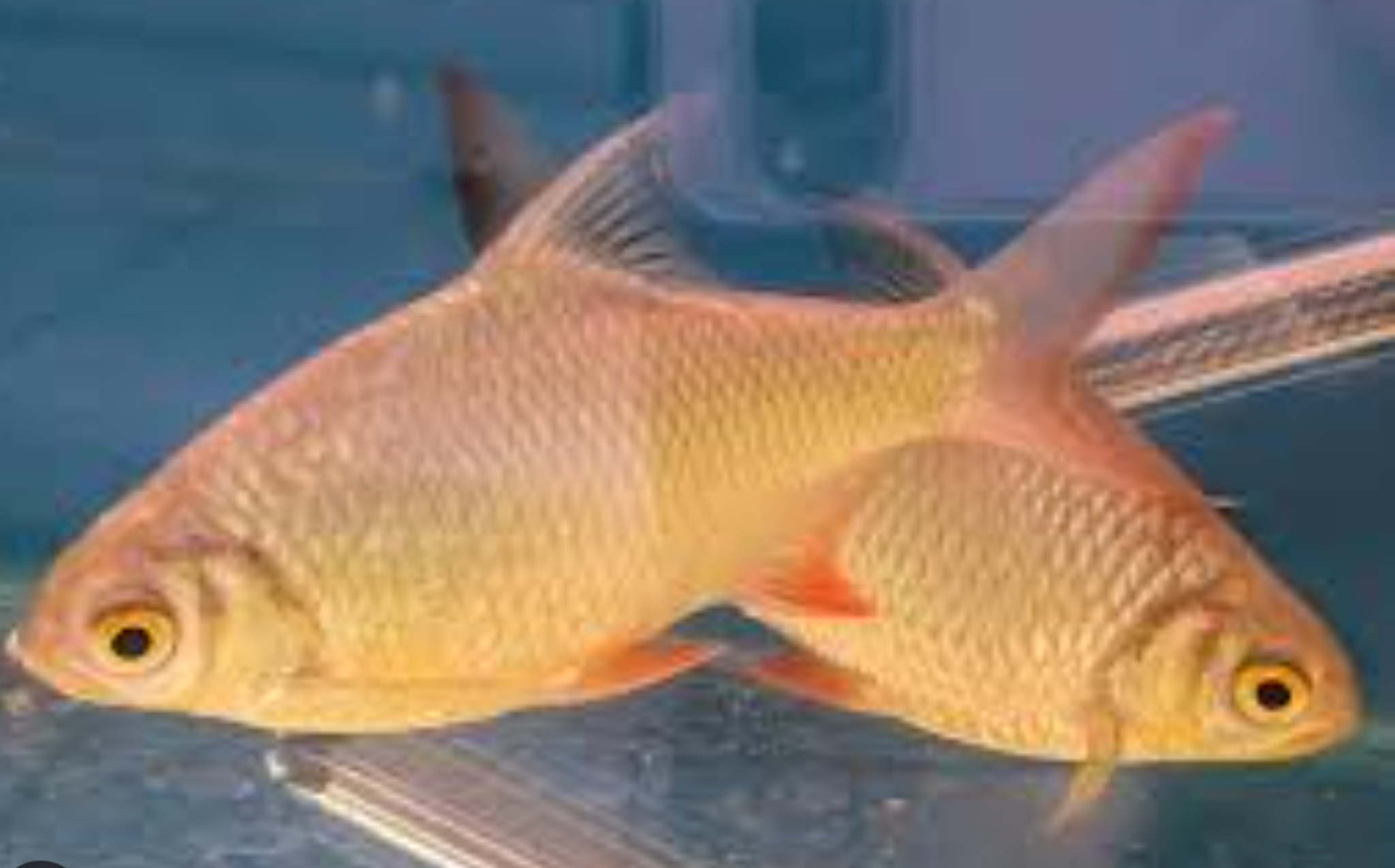
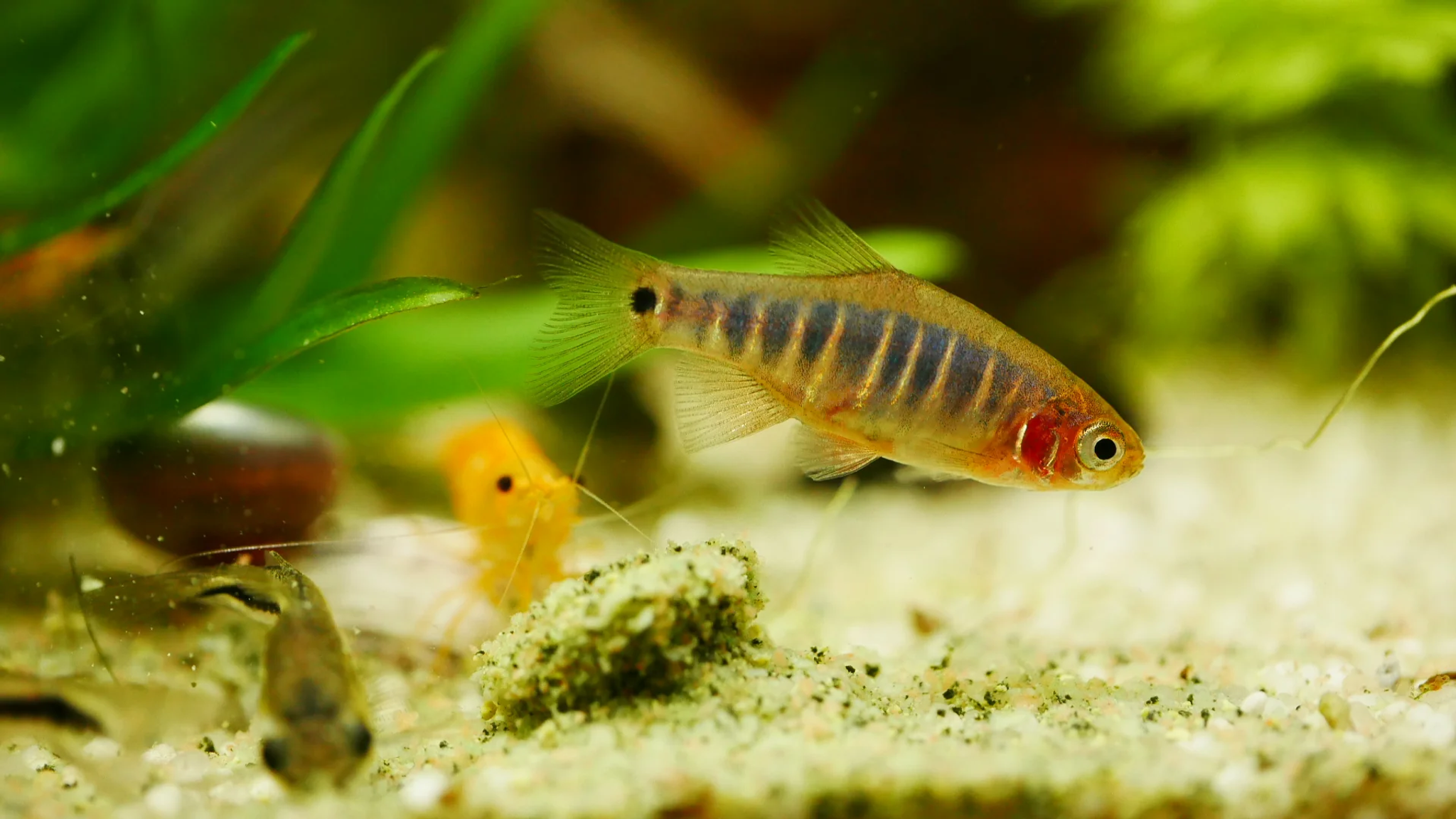
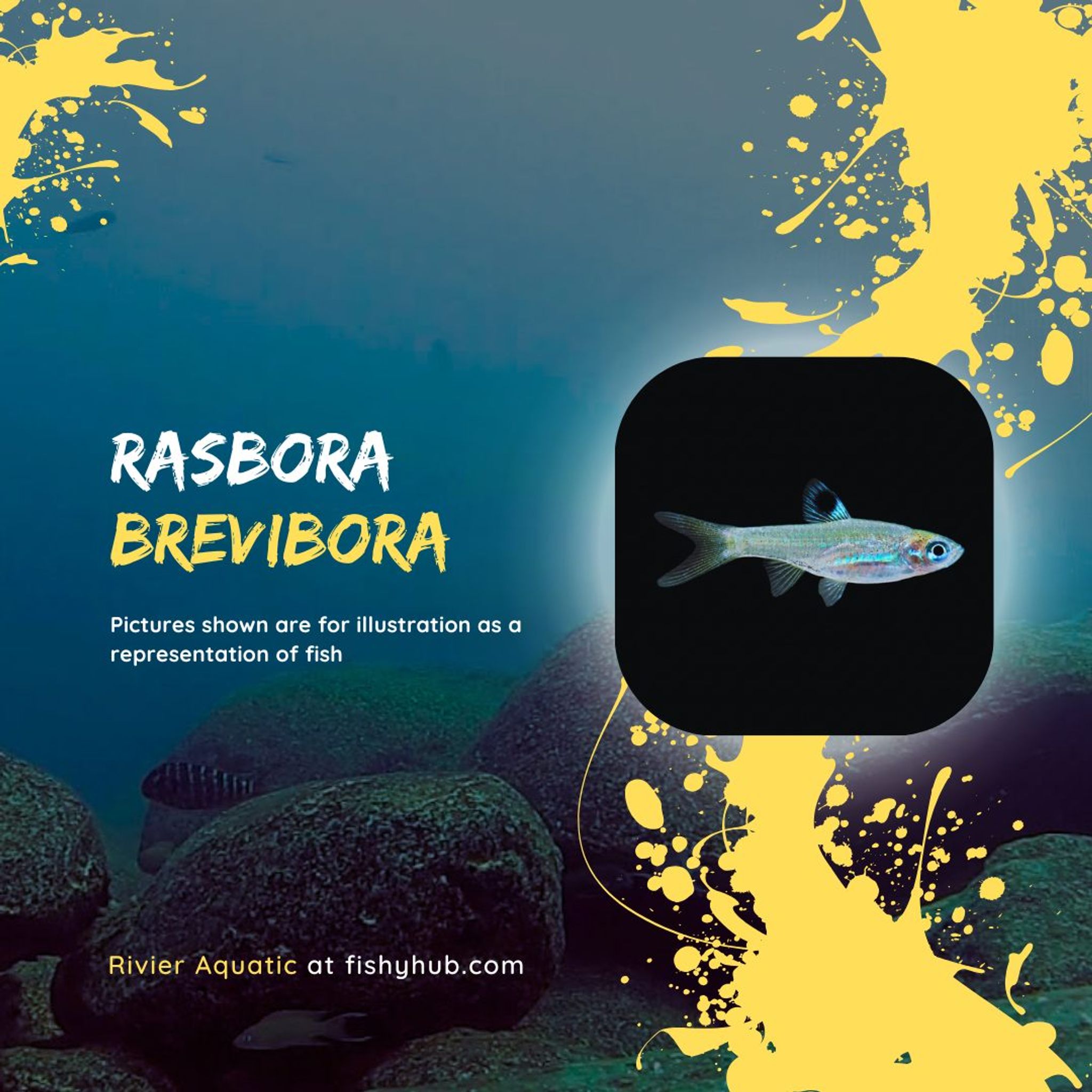
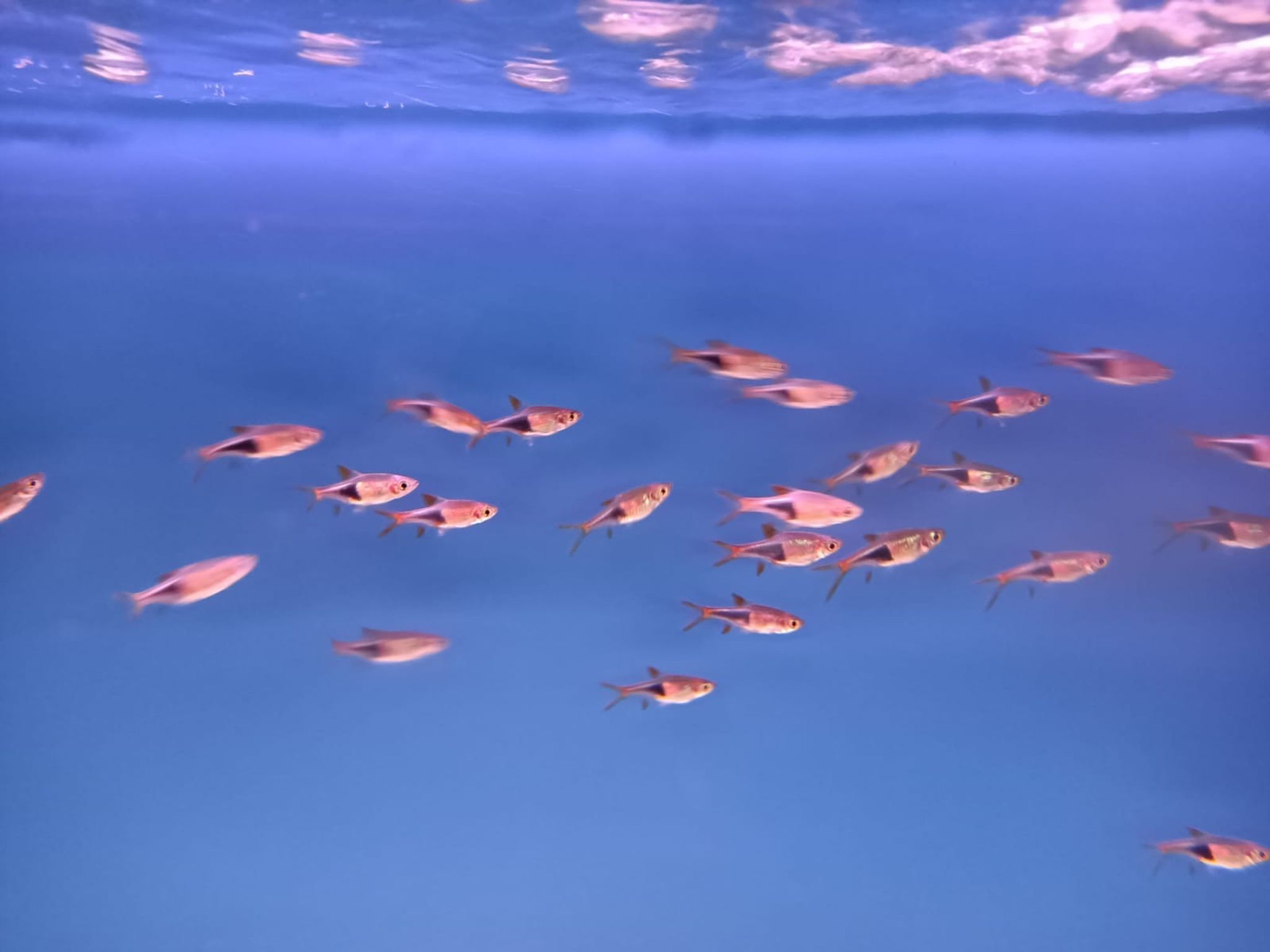
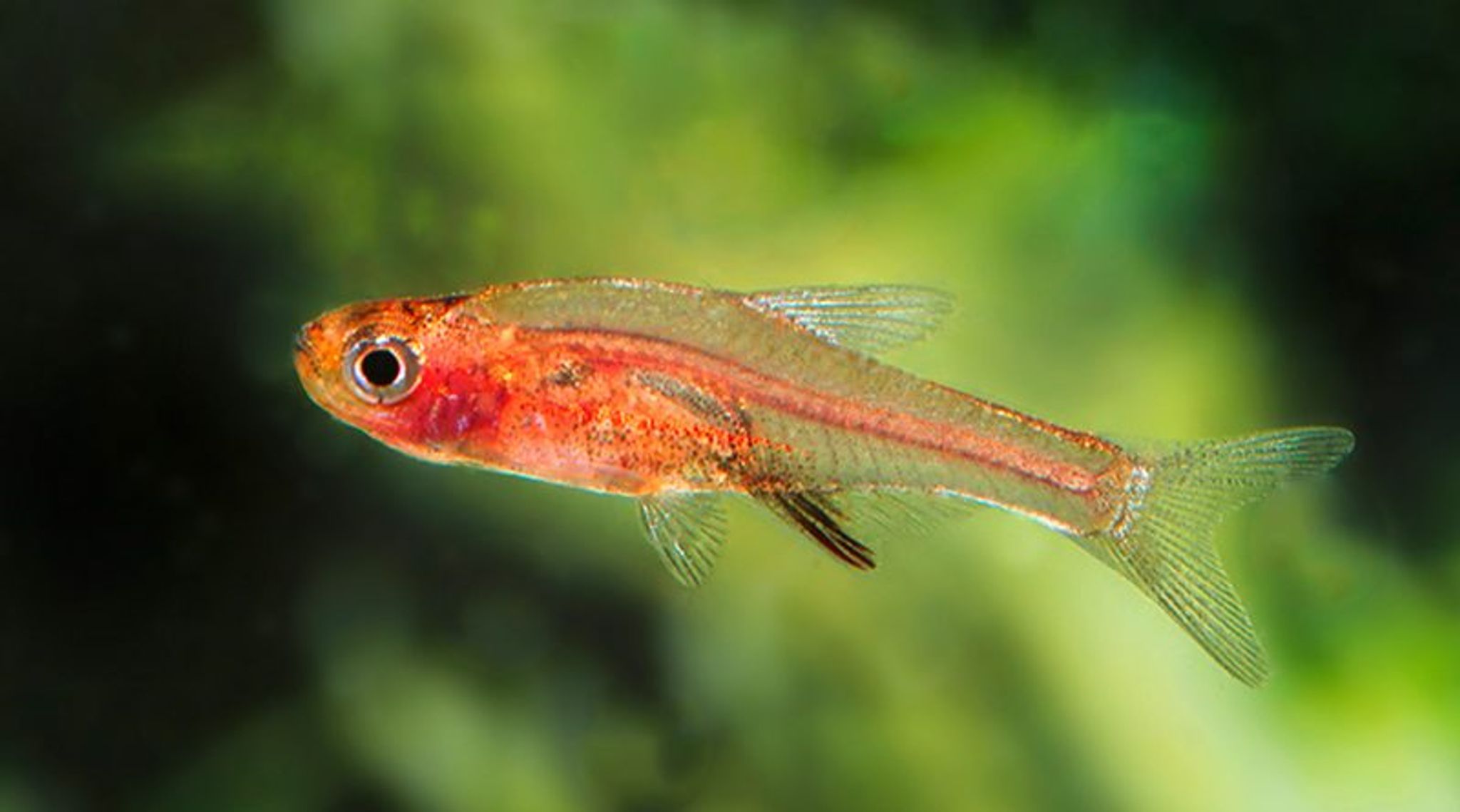
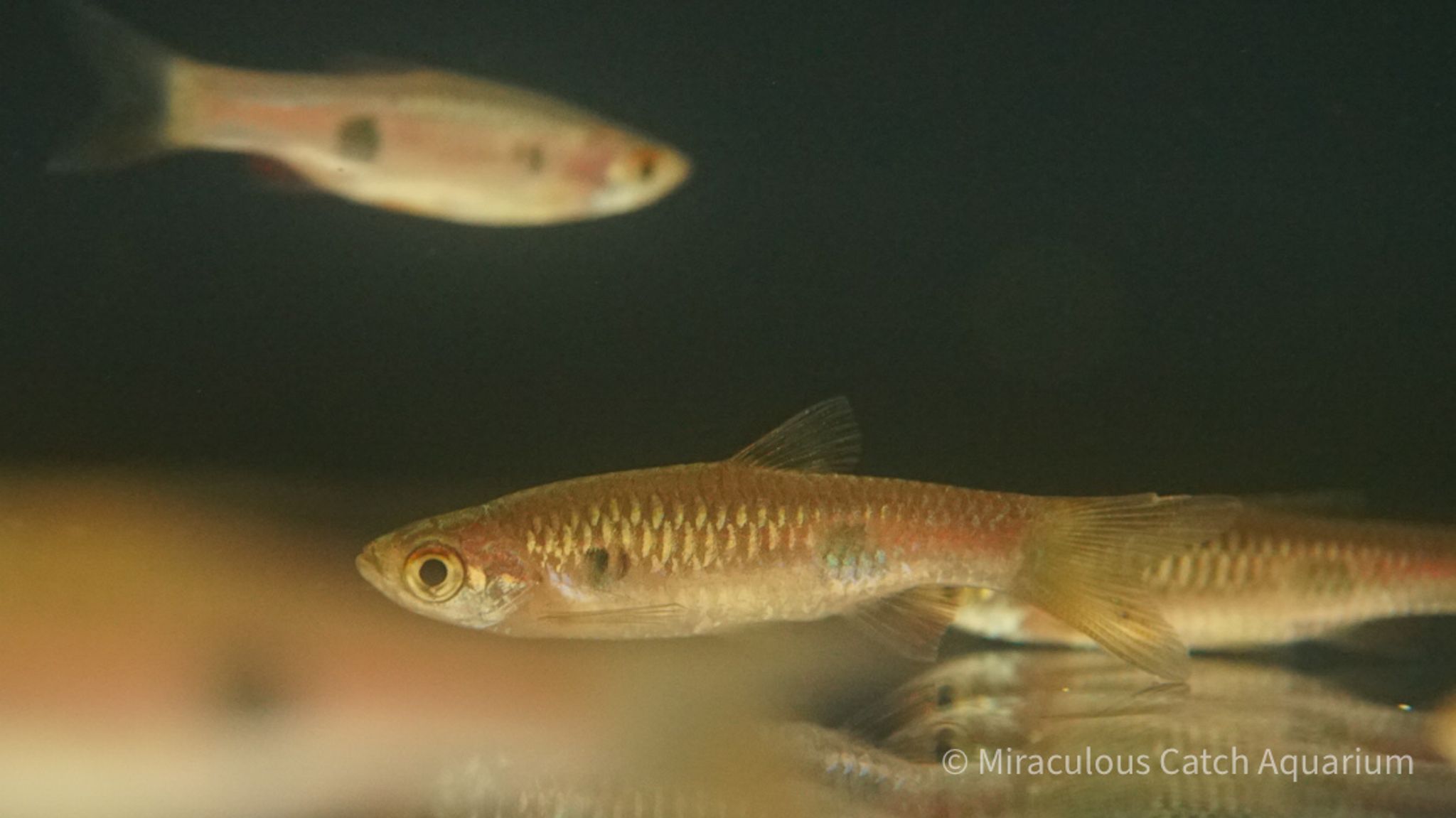
Unless stated otherwise, photos show the species, not the exact fish you'll receive.

Porthole Rasbora (Rasbora Cephalotaenia)
SGD 69.00

Delivery Information

Delivery occurs once a month and may take 2 to 4 weeks. Certain areas may require additional charges, and a top-up via PayNow will be needed. This includes Central Business District, Offices, Airport, Hospitals, Tertiary campuses, PSA terminals, Cargo Complexes, cargo ports, shipyards, Government buildings, secured compounds, SAF campus, Marina Bay Sands, Robinson, Marina Square,Orchard, Bras Basah, Sentosa, Tuas, Jurong Island, etc. Our customer service representatives will reach out to you if necessary.

Dead-on-arrival protection: report within 24 hours of delivery with a photo or video for an exchange or return.

Product Variations

Quantity

Stock: 10

Product Details

Size

3cm - 7cm

Temperament

Peaceful

WYSIWYG

Representative Photo Only

Product Description

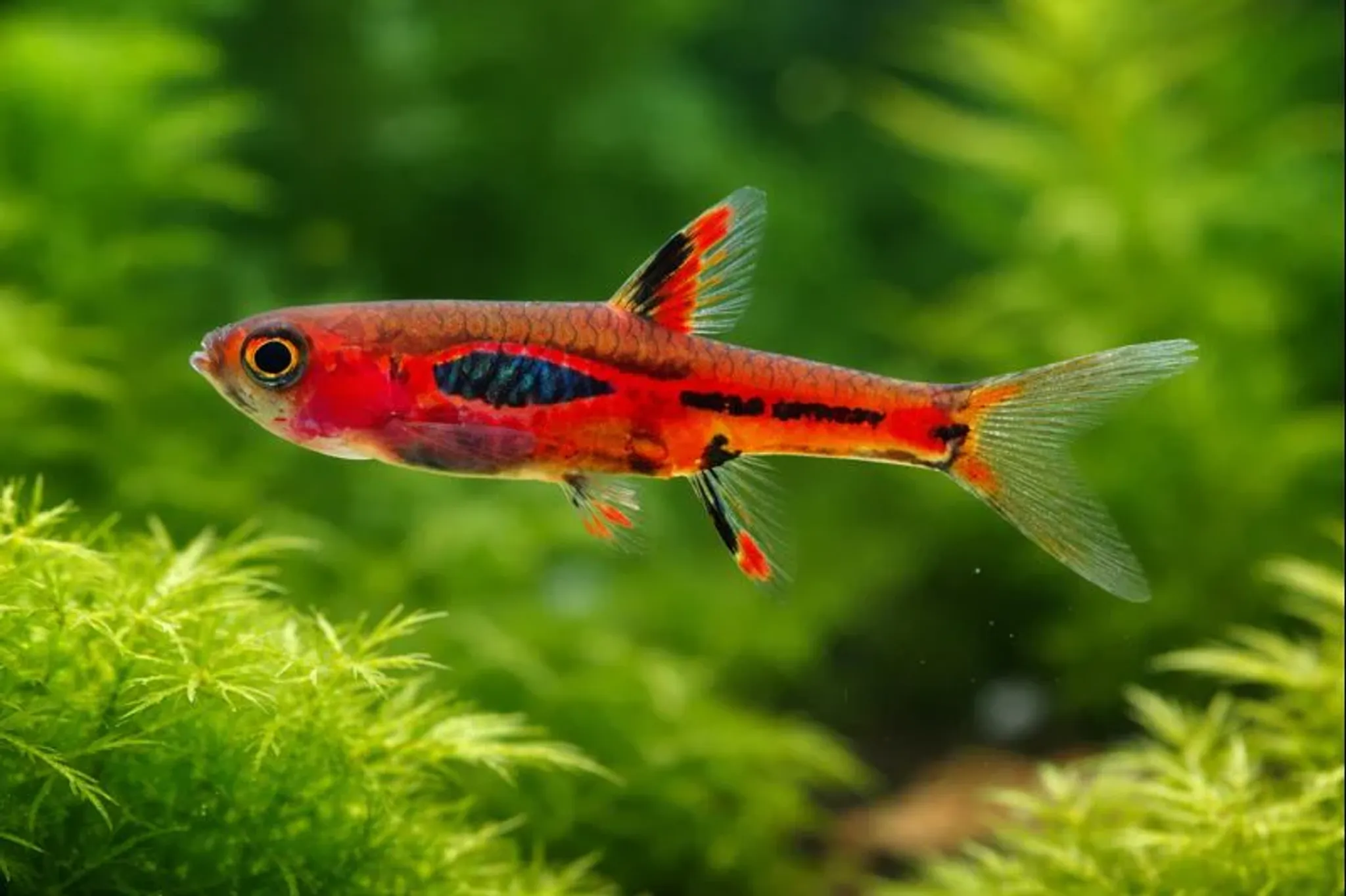
A dark porthole on each flank hints at hidden blackwater currents.

Porthole Rasbora (Rasbora cephalotaenia): a peaceful blackwater schooling fish that thrives in soft, acidic water with tannins and leaf litter. Order healthy specimens online today.

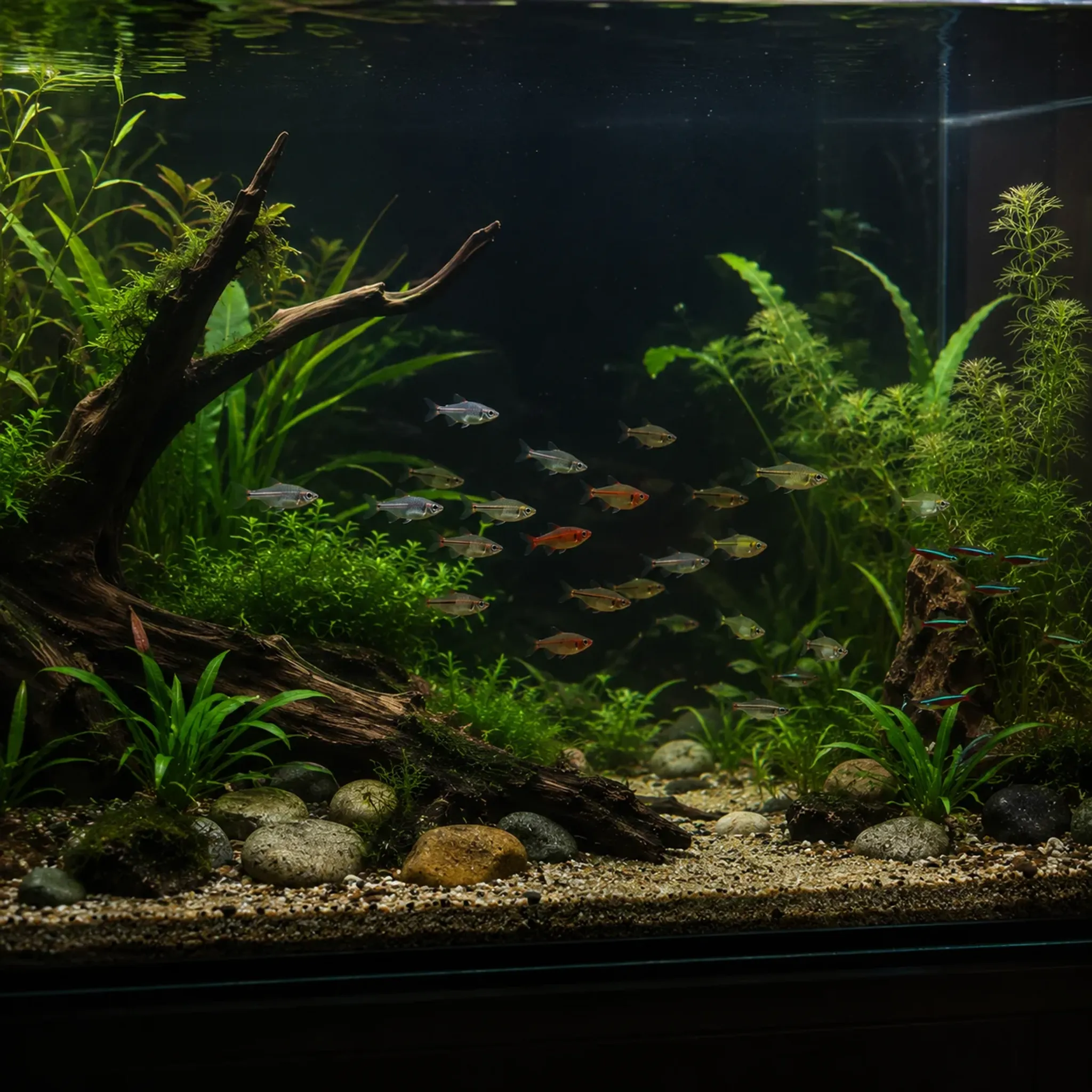
  • An authentic blackwater beauty: The Porthole Rasbora is a slender, torpedo-shaped cyprinid from the peat swamps and forest streams of Sumatra and Borneo, instantly recognised by the dark lateral stripe that runs the length of its body and the single dark "porthole" blotch behind the gill cover. The flanks carry a subtle blue-green iridescence that only shows its best under dim, warm-toned lighting, so it is a fish that rewards a properly set-up biotope aquarium rather than a bright, busy community tank. Kept in a decent-sized shoal, it swims in loose, ever-shifting formation in the mid to upper levels, and the interplay of dark stripes and shimmering flanks is genuinely eye-catching. Like most wild-caught blackwater rasboras it is peaceful, entirely non-aggressive and completely unsuited to cycling a new tank — it needs a mature, biologically stable system to do well.
  • Water conditions: Reproduce the natural habitat and this fish becomes far easier to keep. Target pH 5.0–6.5, a general hardness of 1–5 dGH and a carbonate hardness as close to zero as you can manage; total dissolved solids should stay low. Temperature is best held between 22–26°C, with stability mattering more than any single number. Filtration should be gentle but efficient — a sponge or canister filter with the outflow diffused so the fish are not buffeted. Add botanicals such as Indian almond leaves, alder cones, catappa bark or driftwood to release tannins and humic acids, which stain the water a weak tea colour, buffer the soft water and provide a natural antibacterial effect. Nitrates should be kept below 20 ppm and preferably much lower; ammonia and nitrite must always read zero in a fully cycled, mature filter. Avoid hard, alkaline tap water entirely — if your supply is hard, mix with rainwater or use reverse osmosis water remineralised to a low TDS with a dedicated blackwater or shrimp mineral salt.
  • Ideal tank mates: Choose companions that share both the water chemistry and the gentle temperament. Other blackwater rasboras — Boraras species, harlequin and lambchop rasboras, and the brilliant rasbora — make superb shoaling partners, as do small peaceful tetras such as rummynose, ember and green neon. Bottom dwellers like Pangio loaches, small Corydoras and otocinclus work well, as do peaceful surface fish like hatchetfish and glass catfish for the upper layers. Nano gouramis, licorice gouramis and peaceful apistogramma species can be kept by experienced aquarists in a sufficiently large, well-structured tank. Avoid anything boisterous, nippy or large enough to eat a rasbora: barbs, cichlids with attitude, silver dollars, and any fish that prefers hard, alkaline water. Invertebrates such as cherry shrimp and small snails are usually ignored, though very small shrimplets may be picked off.
  • Feeding habits: In the wild Rasbora cephalotaenia is a micro-predator, picking insects, crustaceans and zooplankton from the water column and from submerged wood and leaf litter. In the aquarium it should be offered small, frequent meals: live or frozen daphnia, moina, cyclops, baby brine shrimp, grindal worms and chopped bloodworm form the backbone of a good diet, with finely crushed micro-pellets or a quality micro granule offered alongside. Feed two or three small portions a day rather than one large meal, and only what the shoal clears within a couple of minutes. Wild-caught specimens often arrive reluctant to take dry foods, so start with live and frozen and wean them across gradually. A varied diet keeps colour intense, encourages natural shoaling behaviour and helps condition fish for spawning, which is possible in soft, acidic water with plenty of moss and floating plants.
  • Care requirements: Provide a tank of at least 90 cm in length — larger is always better for a shoal of eight or more, since this is a sociable species that shows stress and skittishness when kept in small numbers. Aquascape with a soft sand substrate, driftwood, vertical branches and dense planting including floating species to diffuse the light; the tank should feel shaded and cluttered rather than open and bright. Keep a tight-fitting lid, as rasboras are capable jumpers, and leave a little surface agitation for gas exchange. Acclimatise carefully using the drip method over an hour or more, especially for wild-caught stock, and quarantine new arrivals to check for internal parasites and skin problems before adding them to a display. Because they are sensitive to swings, change 15–25% of the water weekly with water matched to the tank's temperature and chemistry, siphon detritus from the substrate and keep the filter media mature and undisturbed. Monitor hardness and pH with a reliable test kit, avoid large sudden water changes, and never let nitrates creep up. Given stable blackwater conditions, the Porthole Rasbora is a long-lived, hardy-in-the-right-setup fish that makes a spectacular centrepiece shoal for the specialist planted or biotope aquarium.

More from Rivier Aquatic

Rivier Aquatic

Rivier Aquatic

View Store →

Suitable Tank Mates for Porthole Rasbora (Rasbora Cephalotaenia)
Similar Small Community Fishes You May Like