

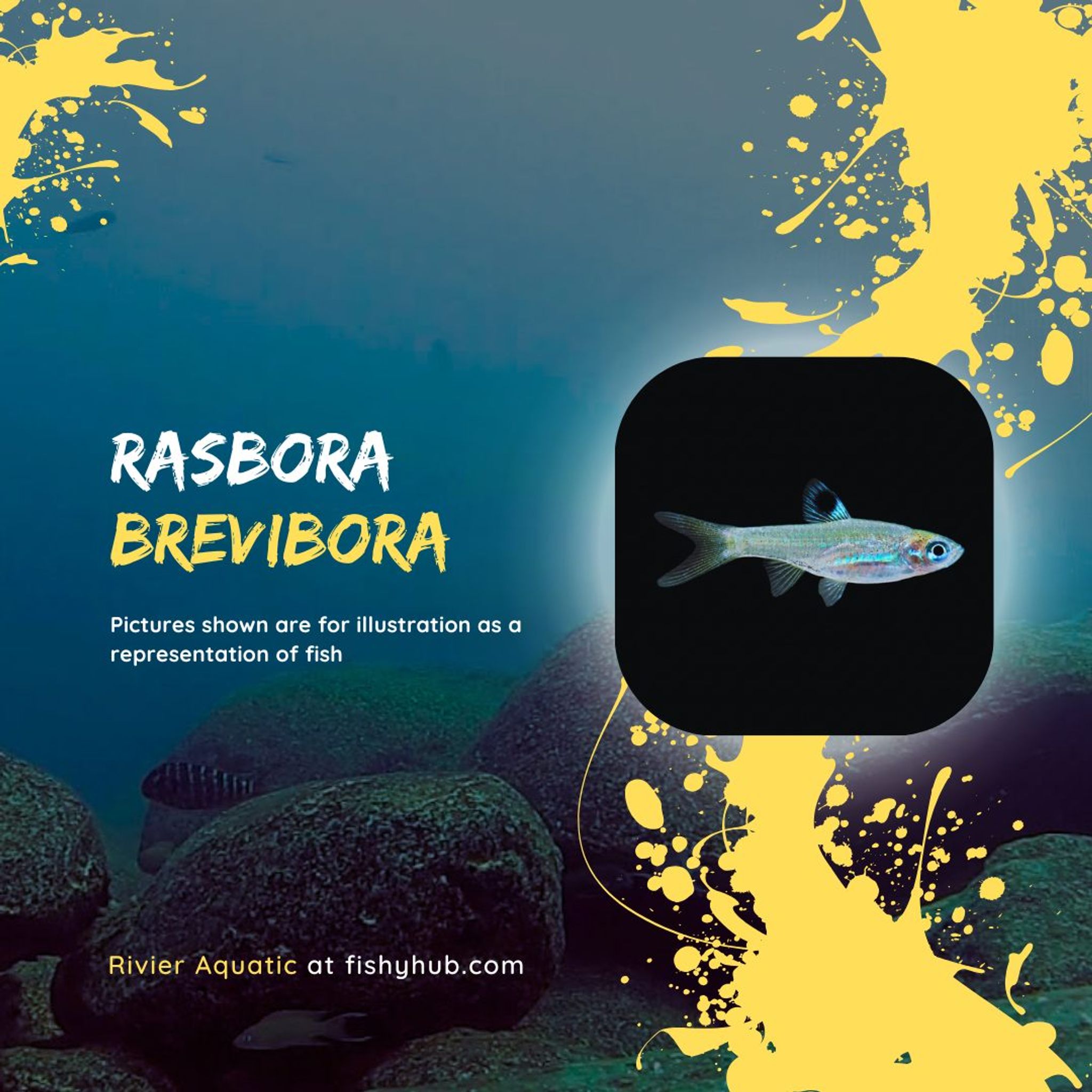
Click to enlarge
Unless stated otherwise, photos show the species, not the exact fish you'll receive.
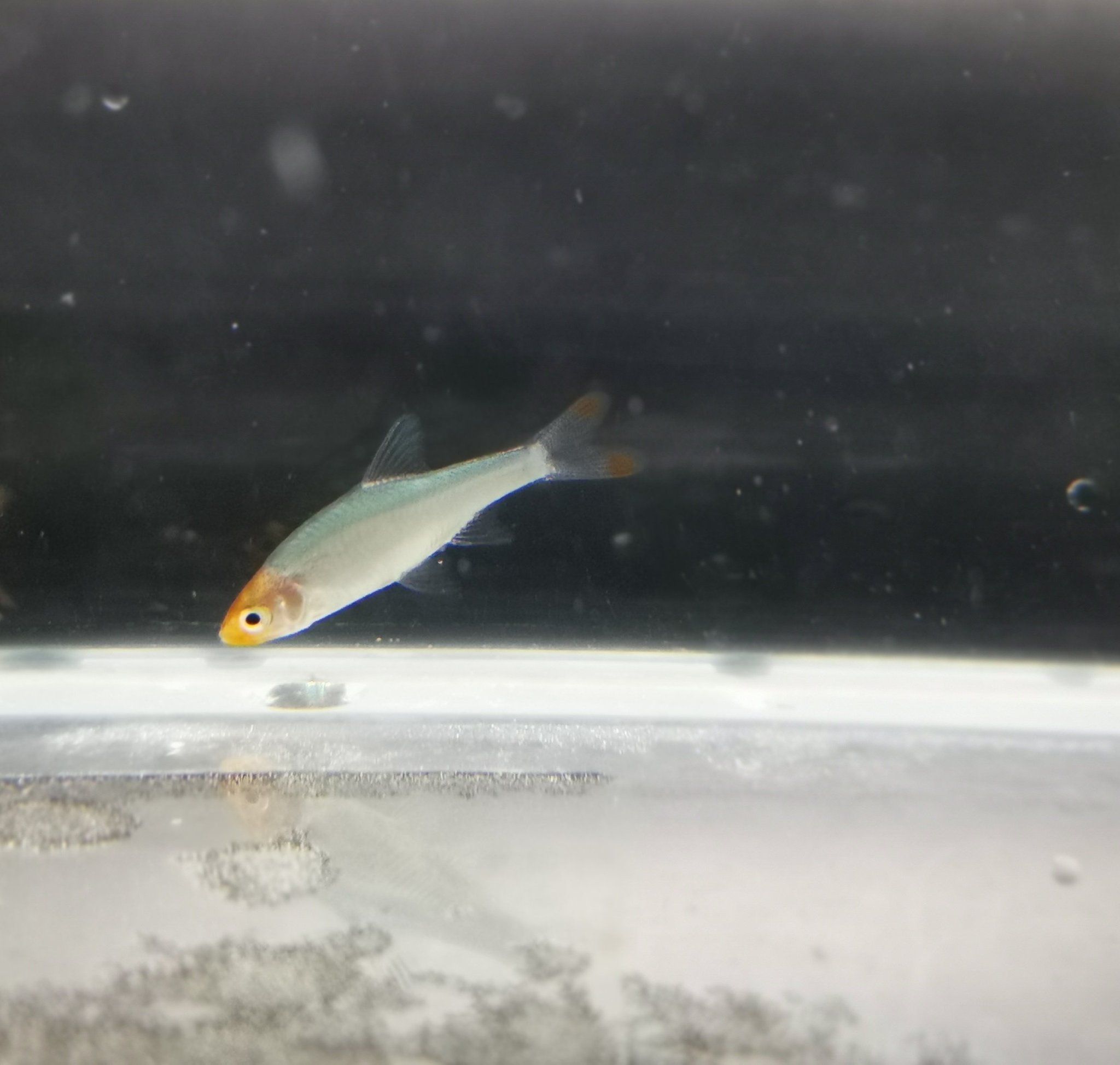
Emerald Eye Rasbora (Rasbora Brevibora)
SGD 59.00
Delivery Information
Dead-on-arrival protection: report within 24 hours of delivery with a photo or video for an exchange or return.
Product Variations
Quantity
Stock: 100
Product Details
Size
3cm - 5cm
Temperament
Peaceful
WYSIWYG
Representative Photo Only
Product Description
Learn More About Emerald Eye Rasbora (Rasbora Brevibora)
Most Purchased Aquarium Fish in Singapore in 2026
The Cheapest Aquarium Fish to Own in Singapore in 2026
Tetra Statistics Singapore: Most Popular Species & Aquarium Trends
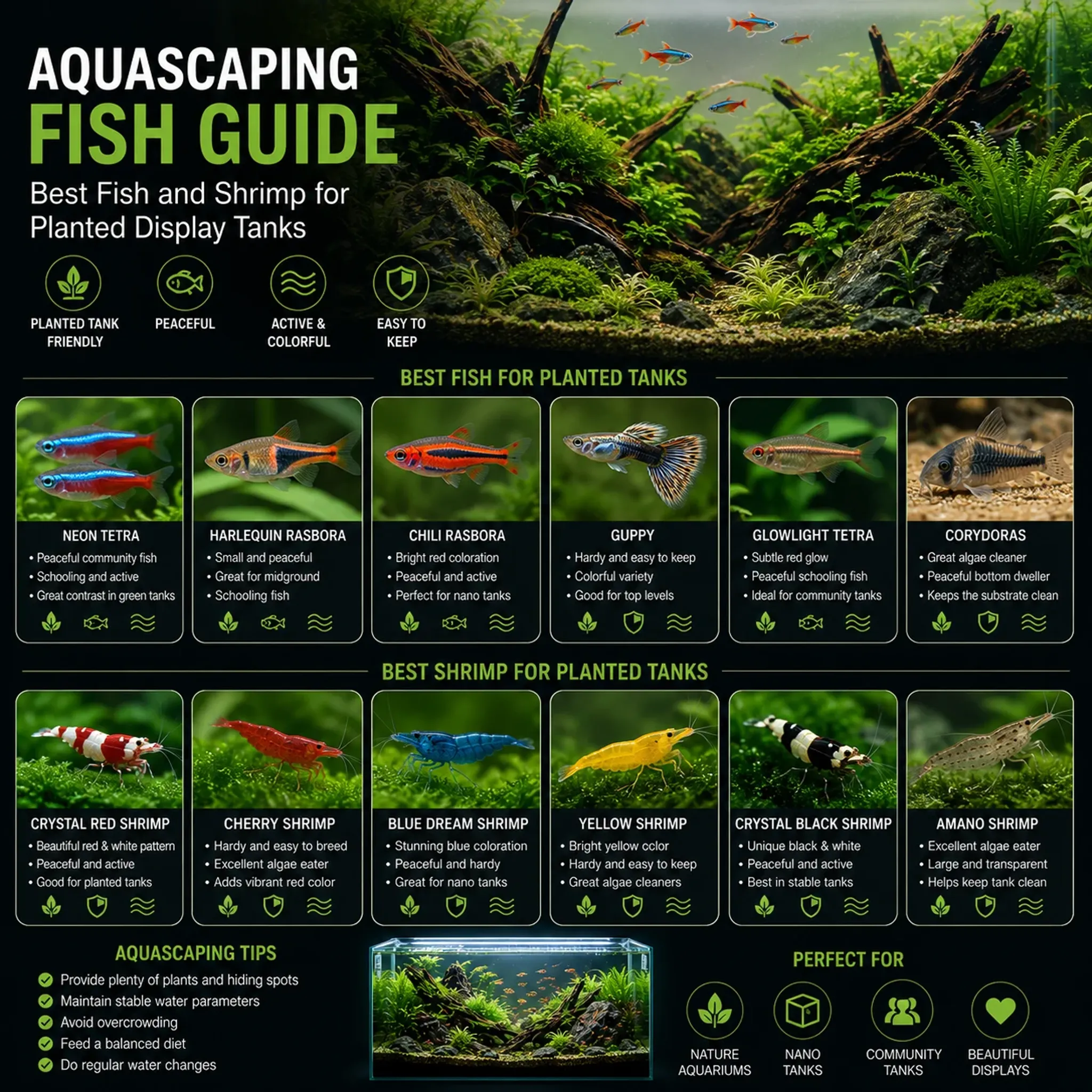
Aquascaping Fish Guide: Best Fish and Shrimp for Planted Display Tanks
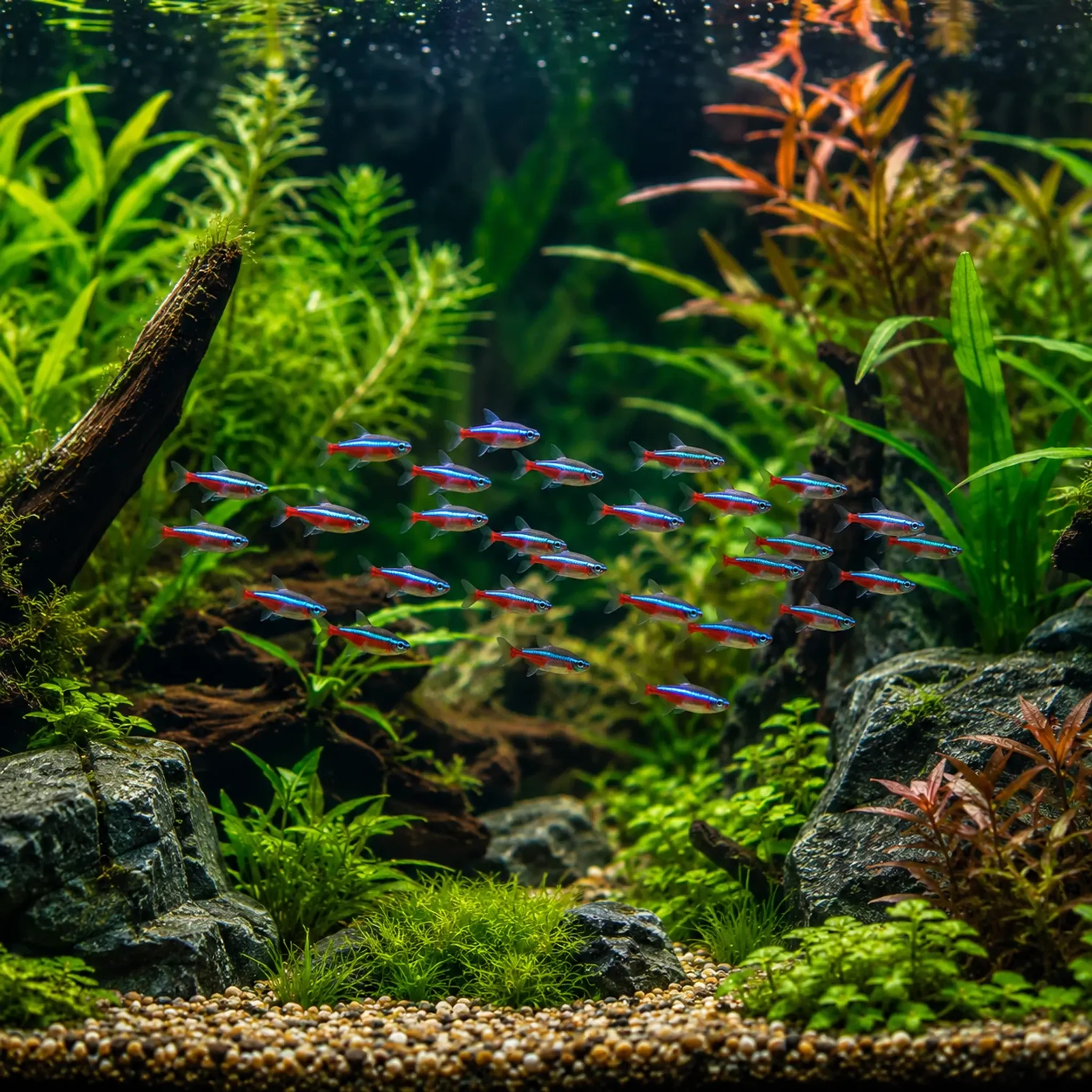
How to Choose a Schooling Fish for Your Aquarium
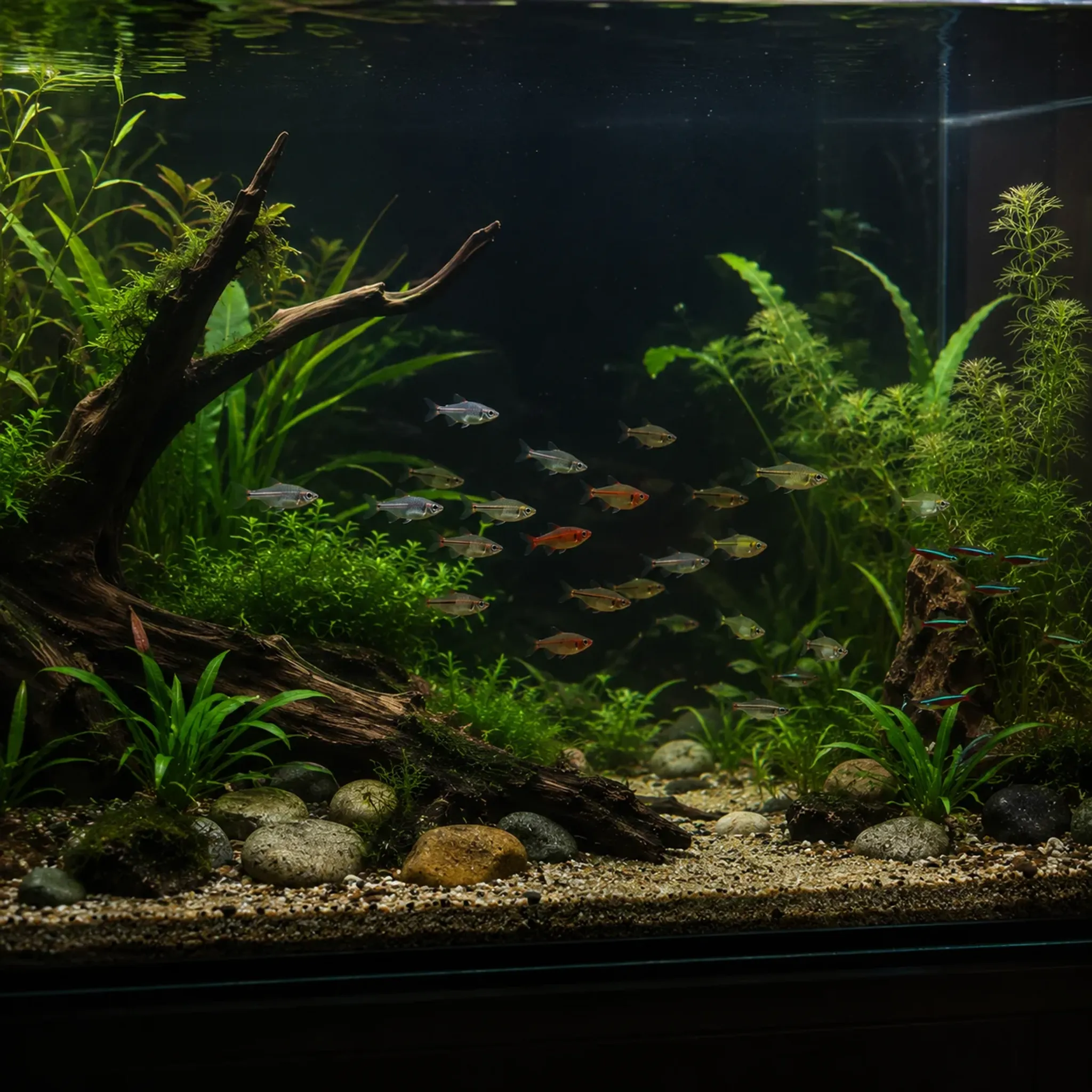
Best Schooling Fish for a Large Freshwater Aquarium
The Rise of Nano Aquariums: Statistics & Trends
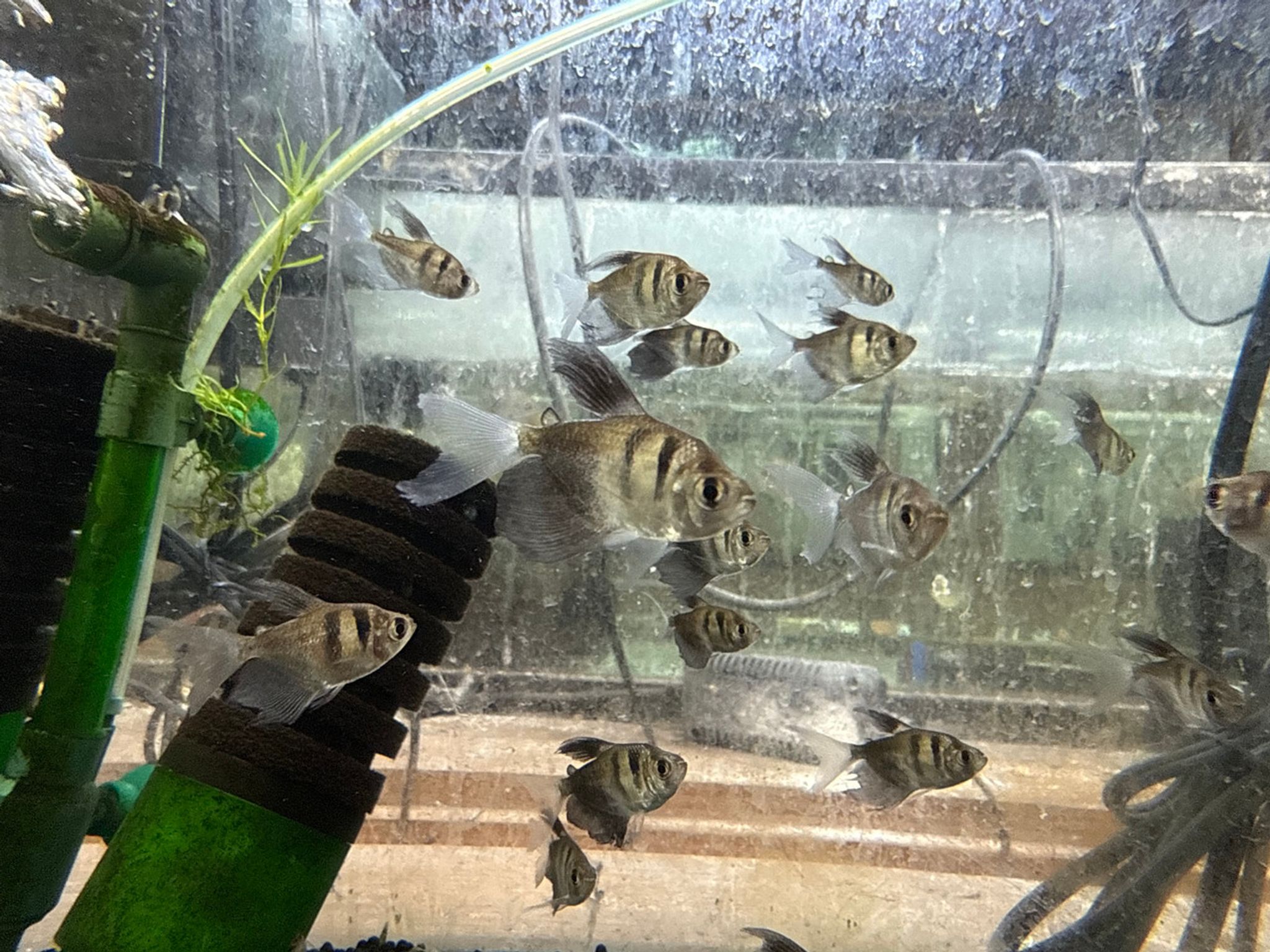
Tetra Statistics: Most Popular Species & Aquarium Trends
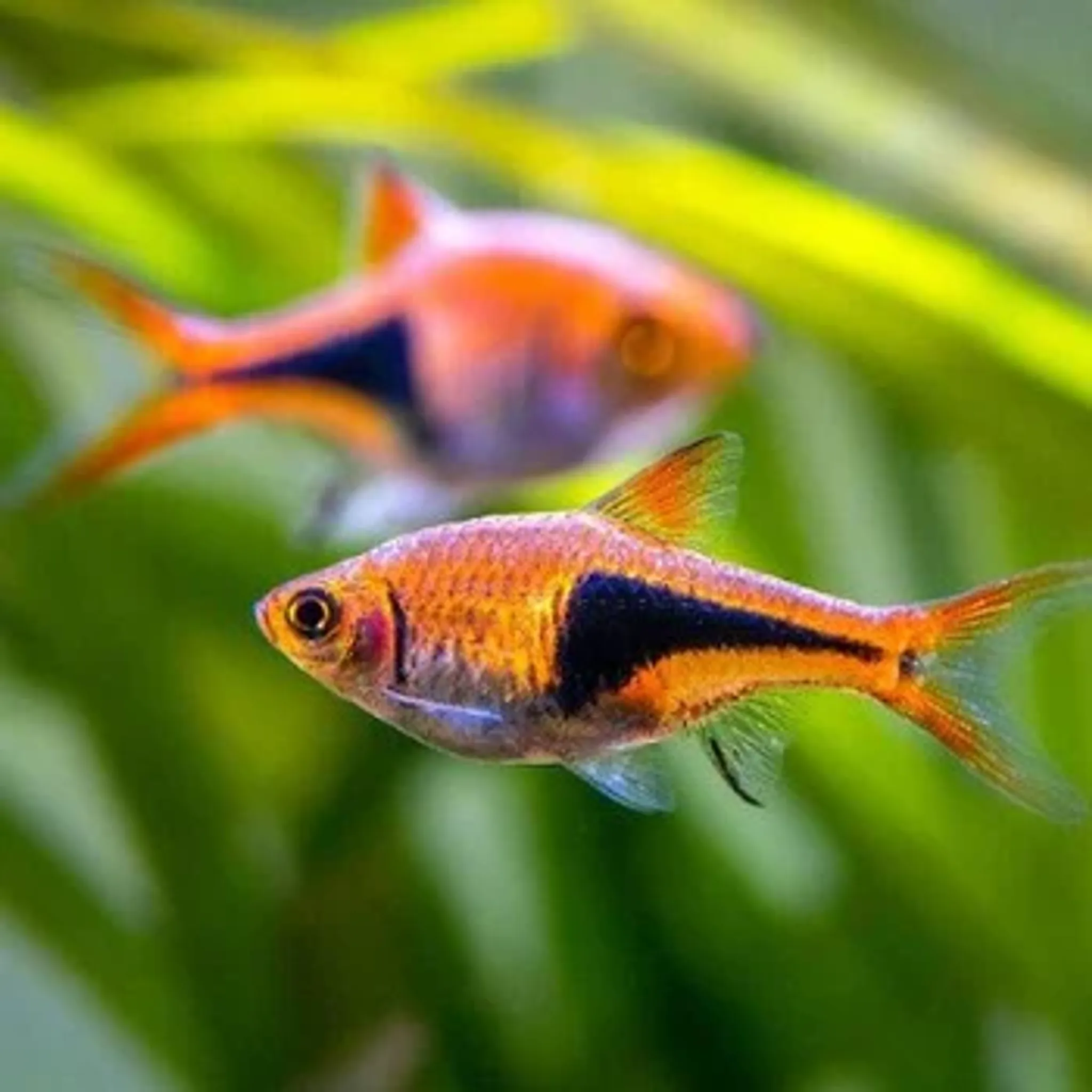
What Do Chili Rasbora Eat? A Practical Feeding Guide
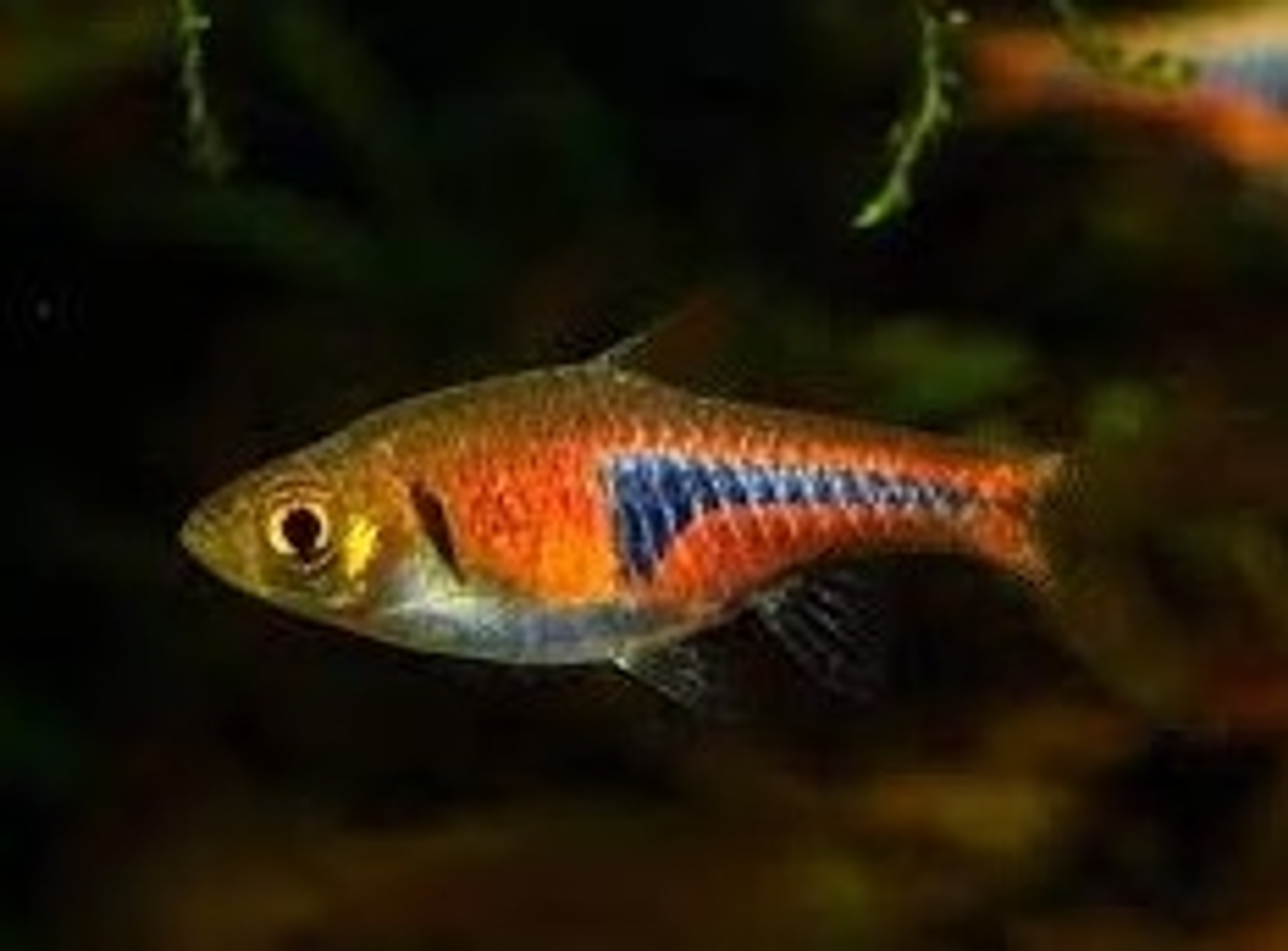
What Do Harlequin Rasbora Eat? A Practical Feeding Guide
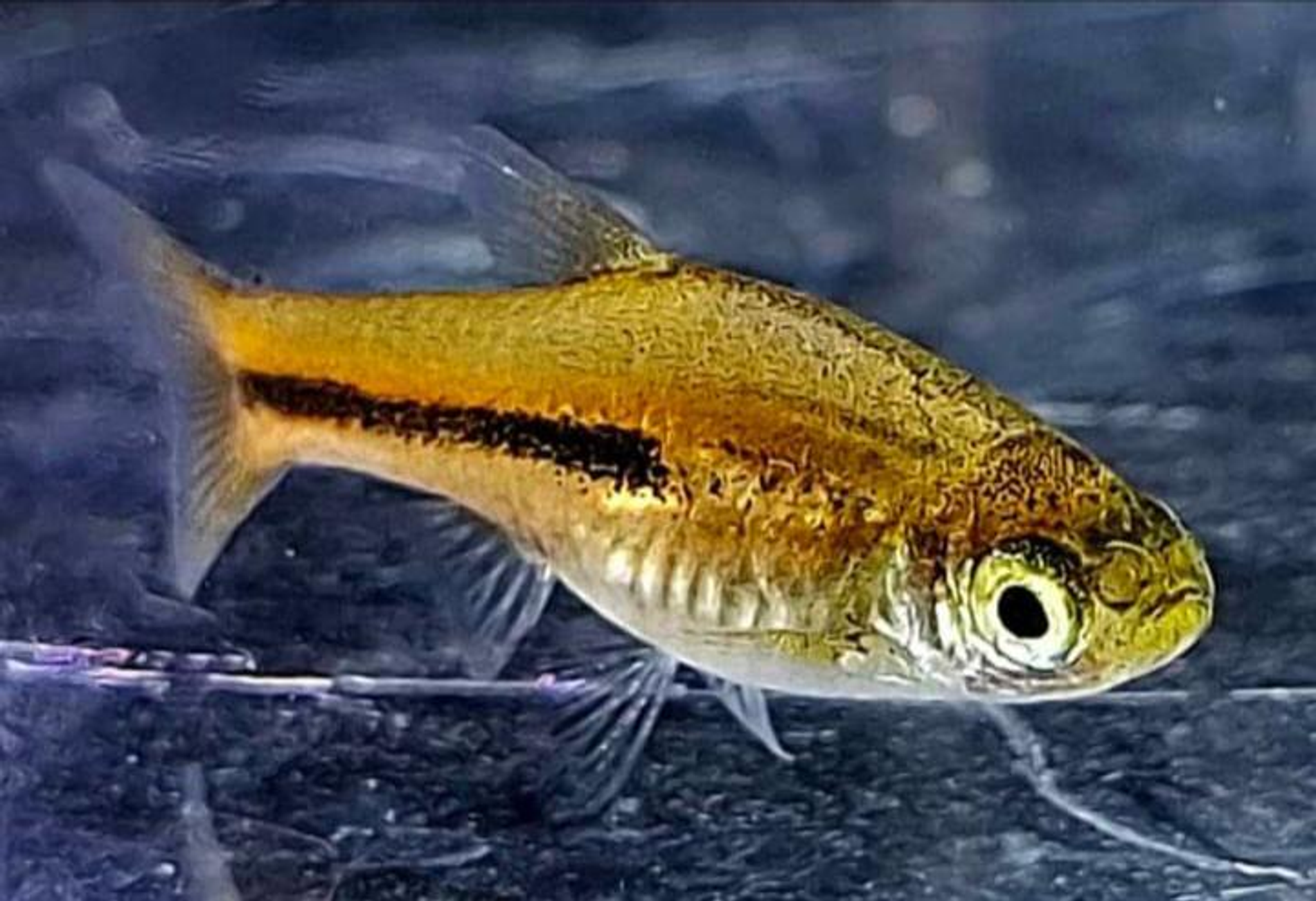
How Big Do Chili Rasbora Get? Growth Rate, Adult Size and Tank Planning
How Big Do Harlequin Rasbora Get? Growth Rate, Adult Size and Tank Planning
More from Rivier Aquatic

Rivier Aquatic
Suitable Tank Mates for Emerald Eye Rasbora (Rasbora Brevibora)

Similar Small Community Fishes You May Like
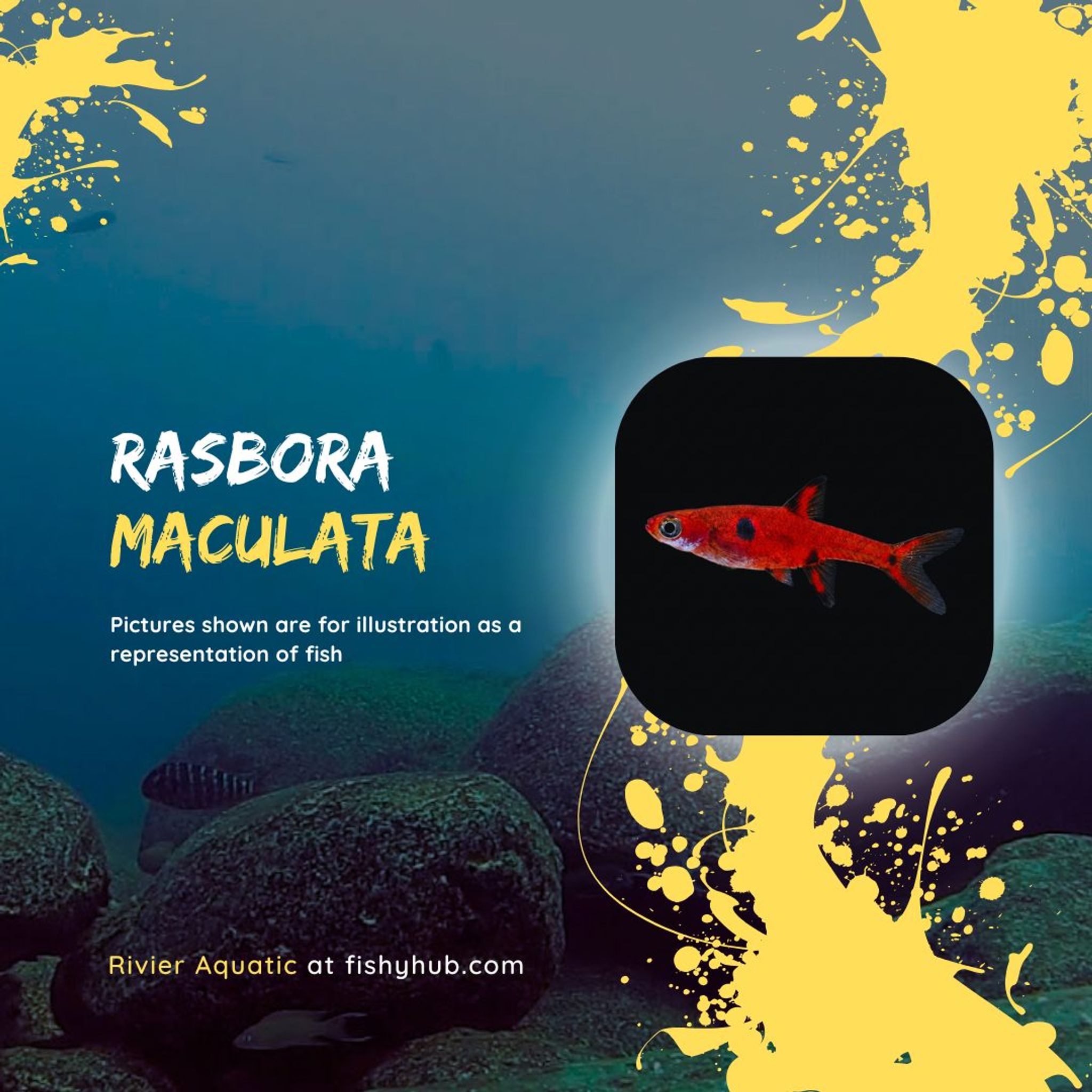
Dwarf Spotted Rasbora (Rasbora..
SGD 59.00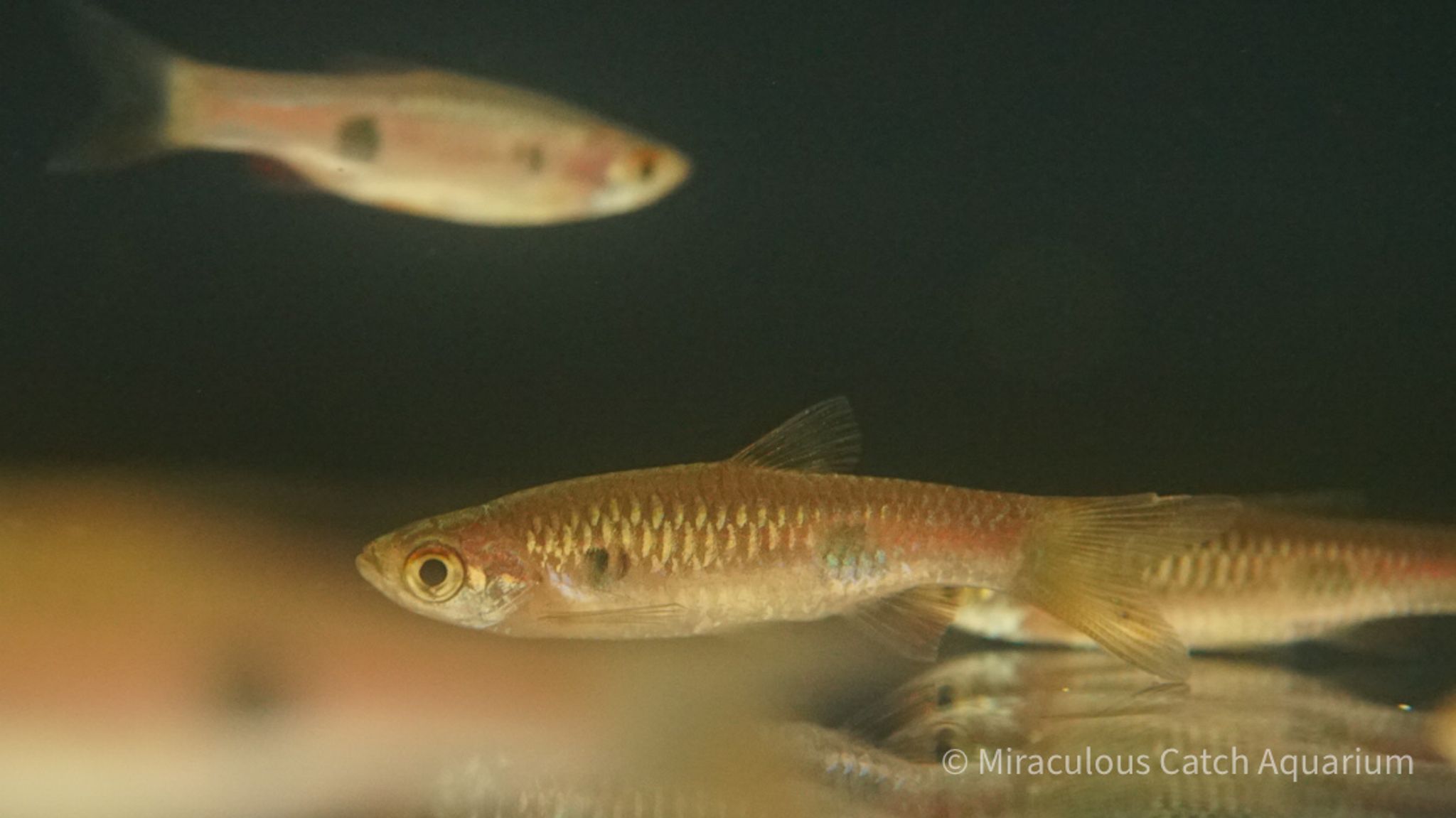
Clown Big-Spot Rasbora
SGD 2.50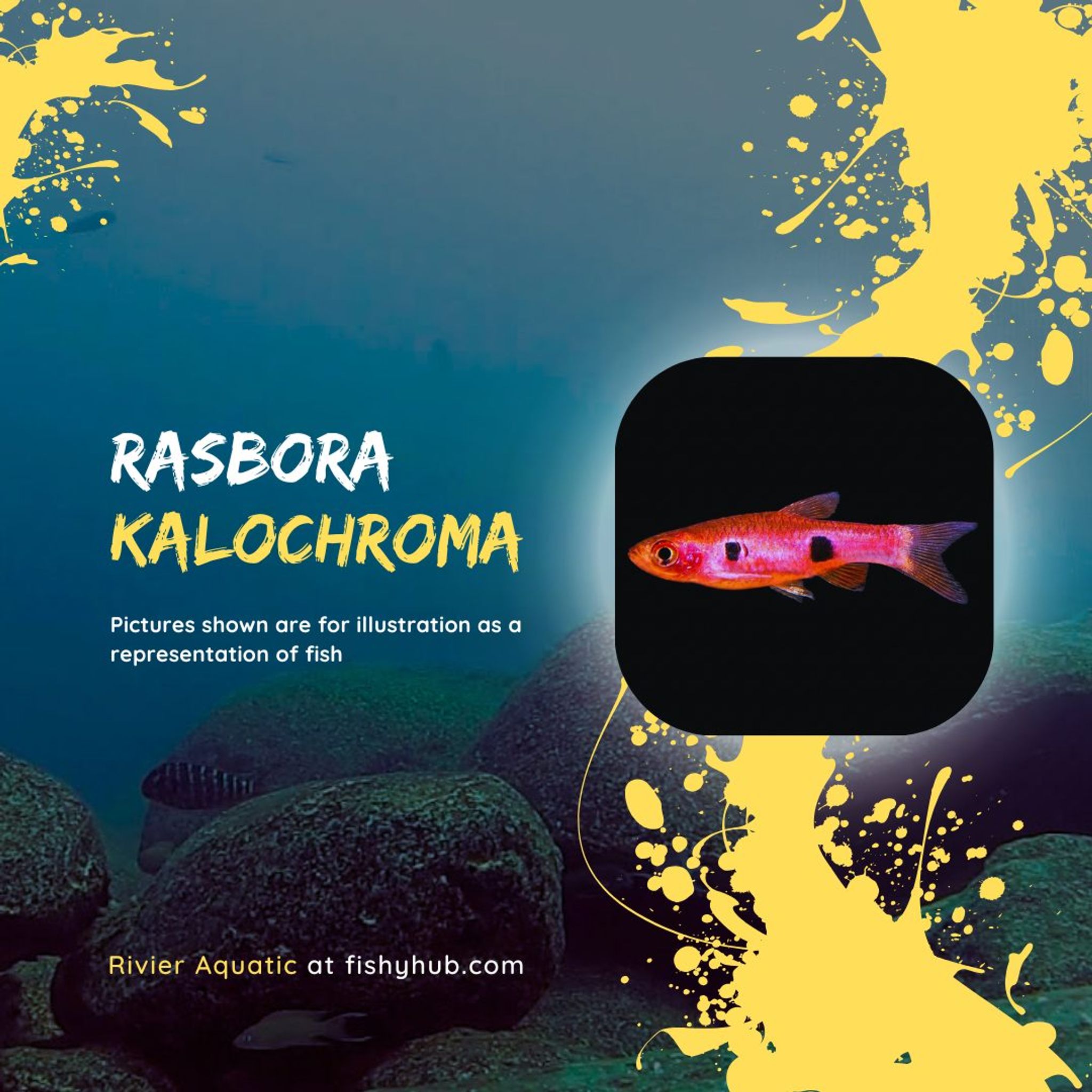
Clown Rasbora (Rasbora Kalochr..
SGD 69.00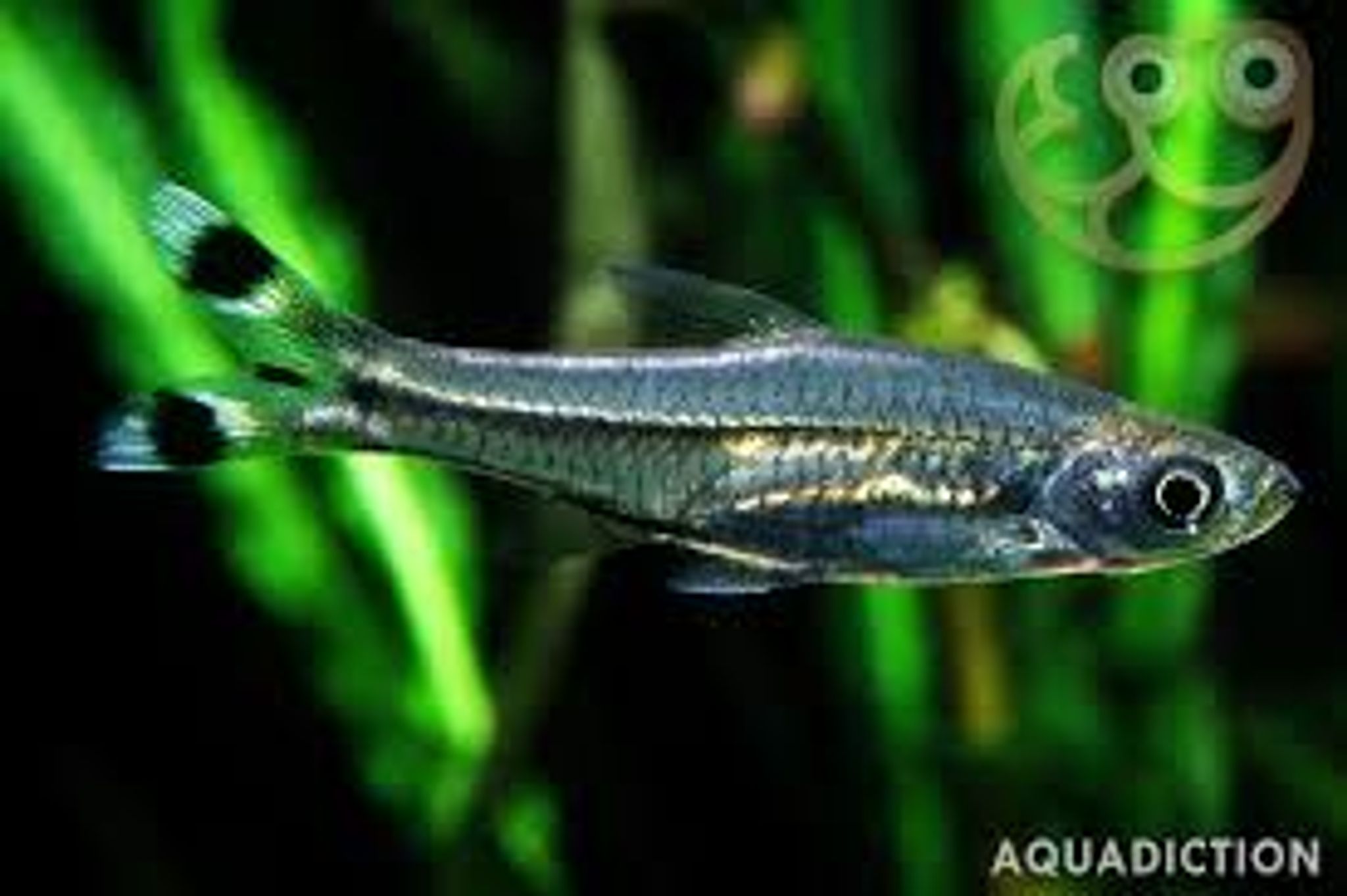
Scissortail Rasbora
SGD 1.00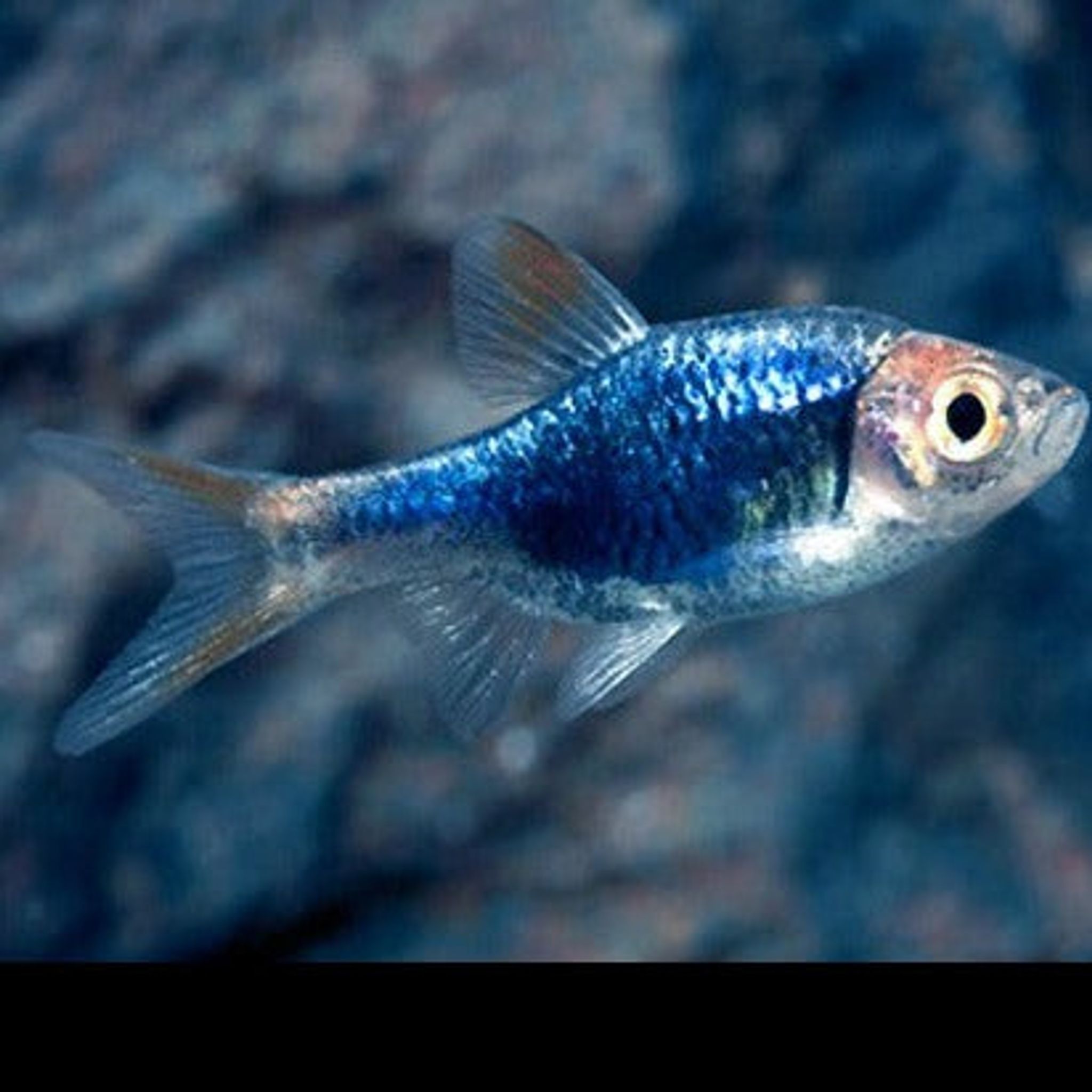
Purple harlequin rasbora 1.5-2..
SGD 1.32Espei Rasbora 2cm
SGD 1.21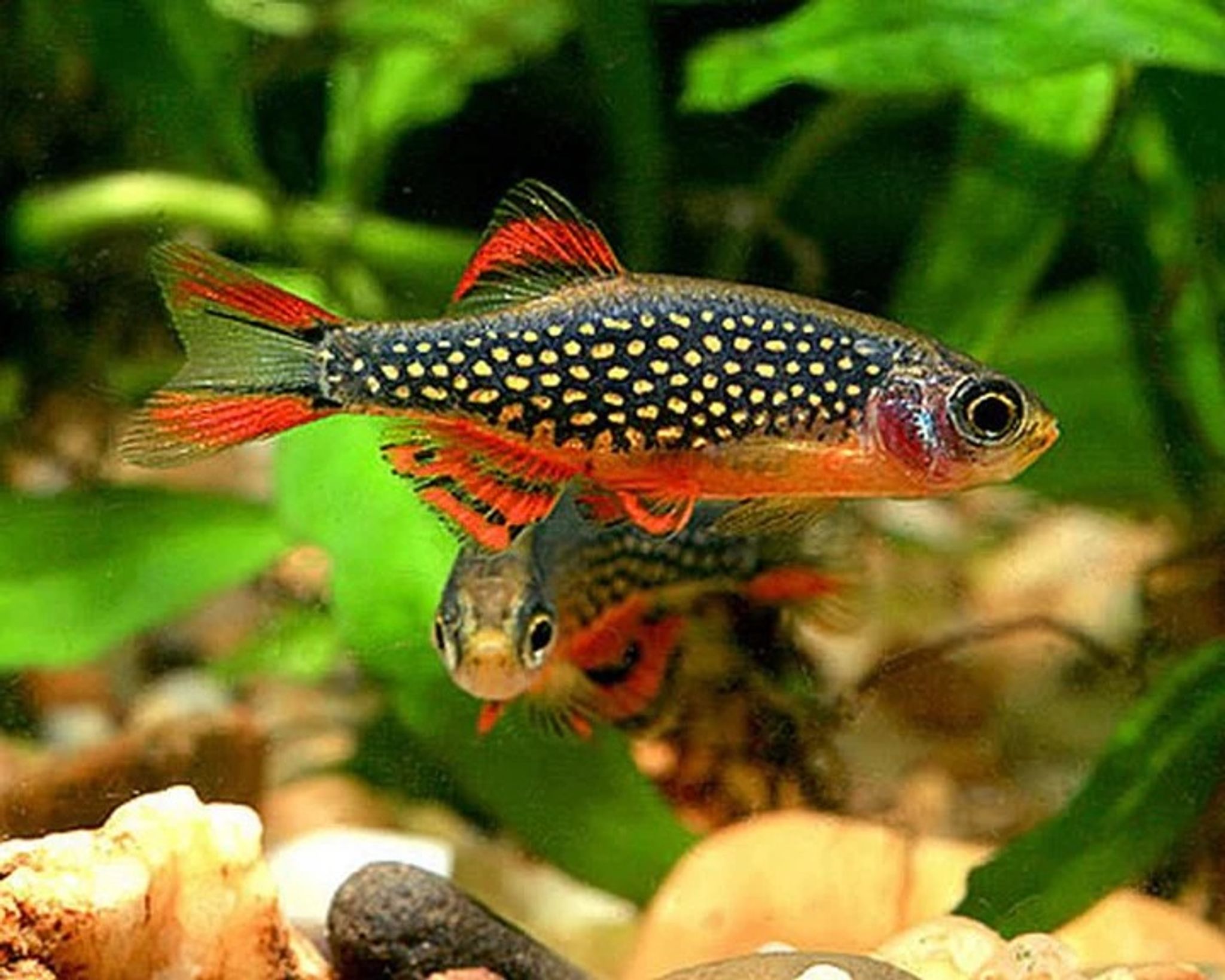
Danio Margaritatus
SGD 2.50Somphong Rasboras
SGD 26.00Rasbora sawbwa 1.5-2cm *Pairs*
SGD 6.60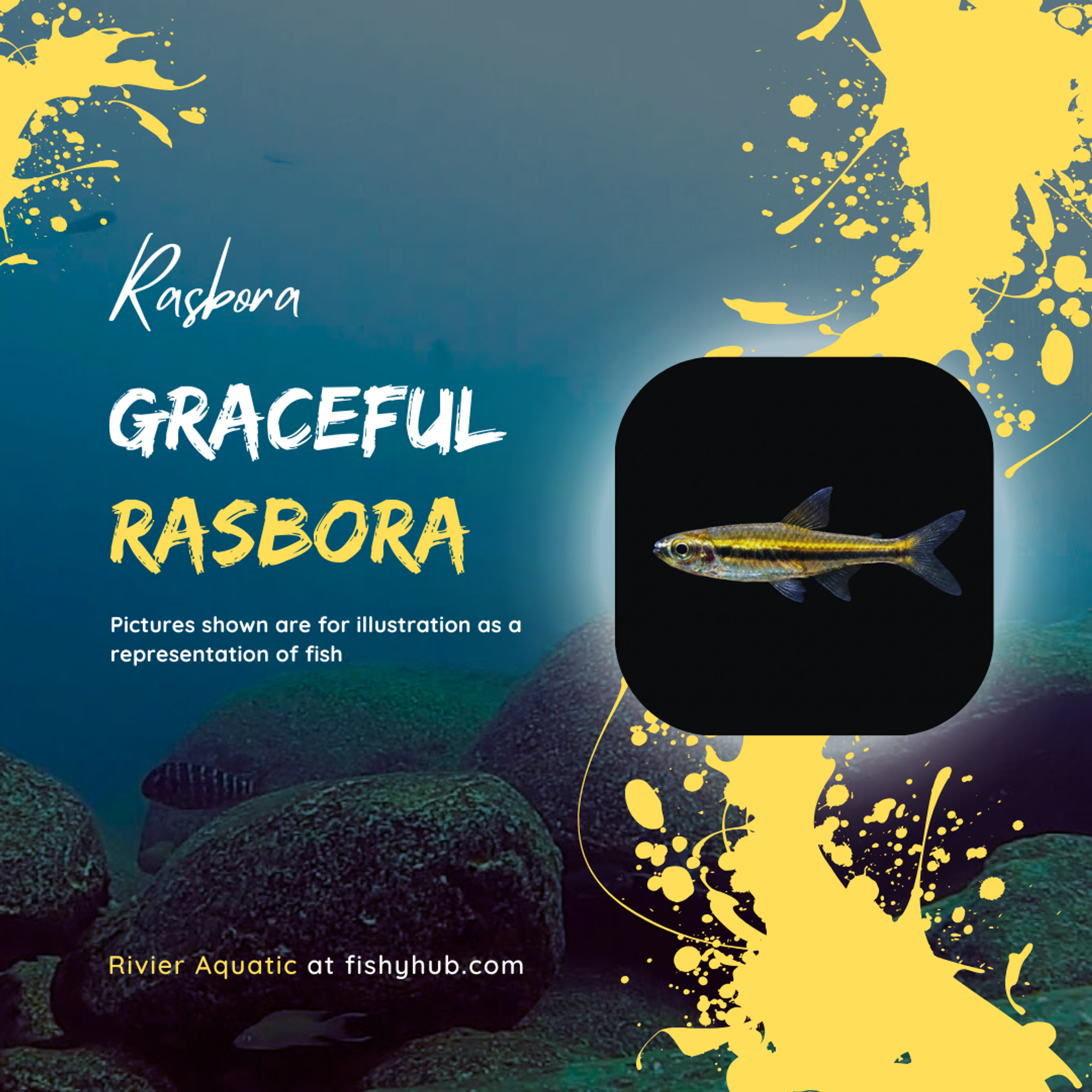
Graceful Rasbora (Trigonopoma ..
SGD 69.00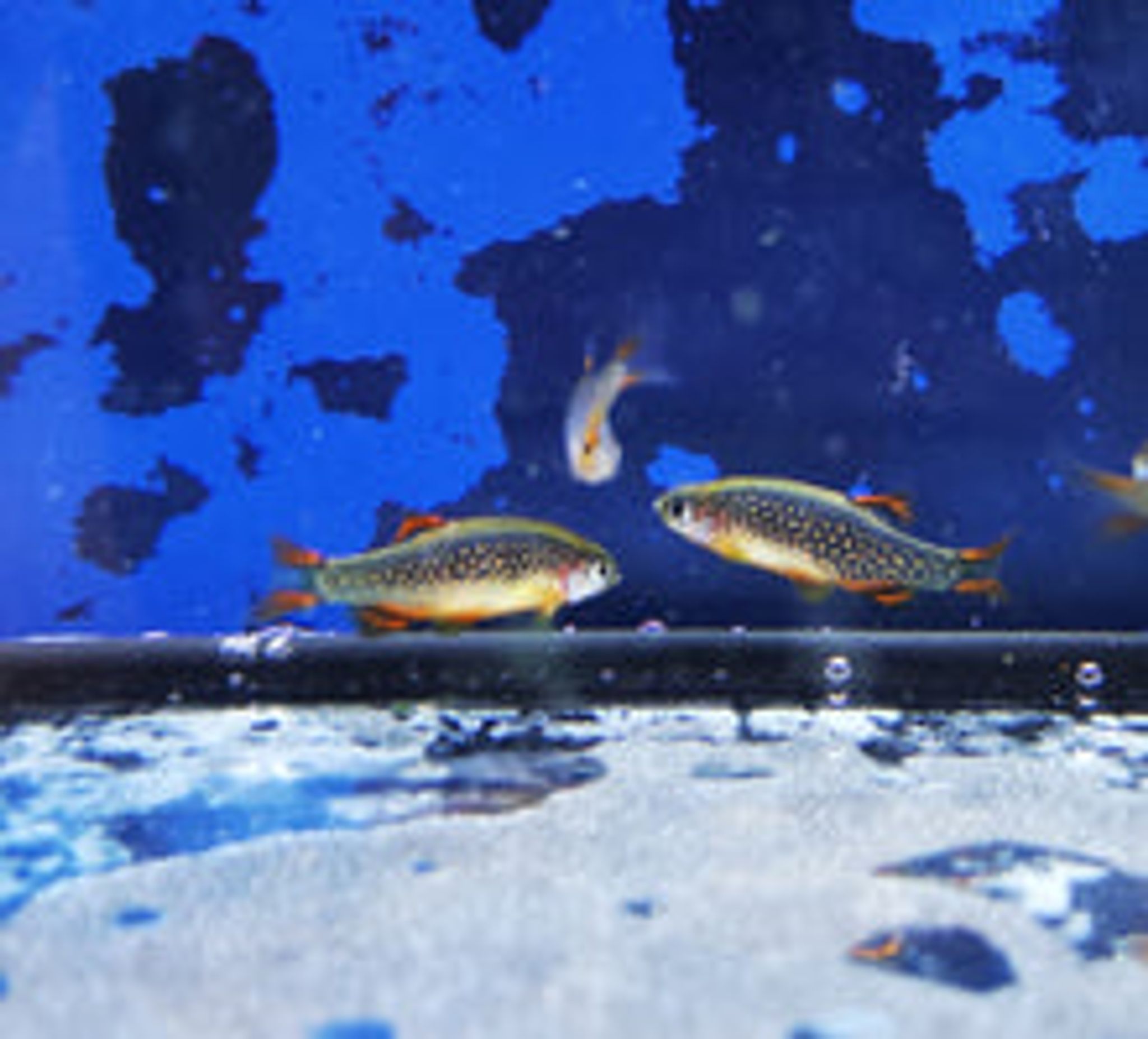
Galaxy Rasbora (Microrasbora g..
SGD 1.54
Hengeli Rasbora 2cm
SGD 0.99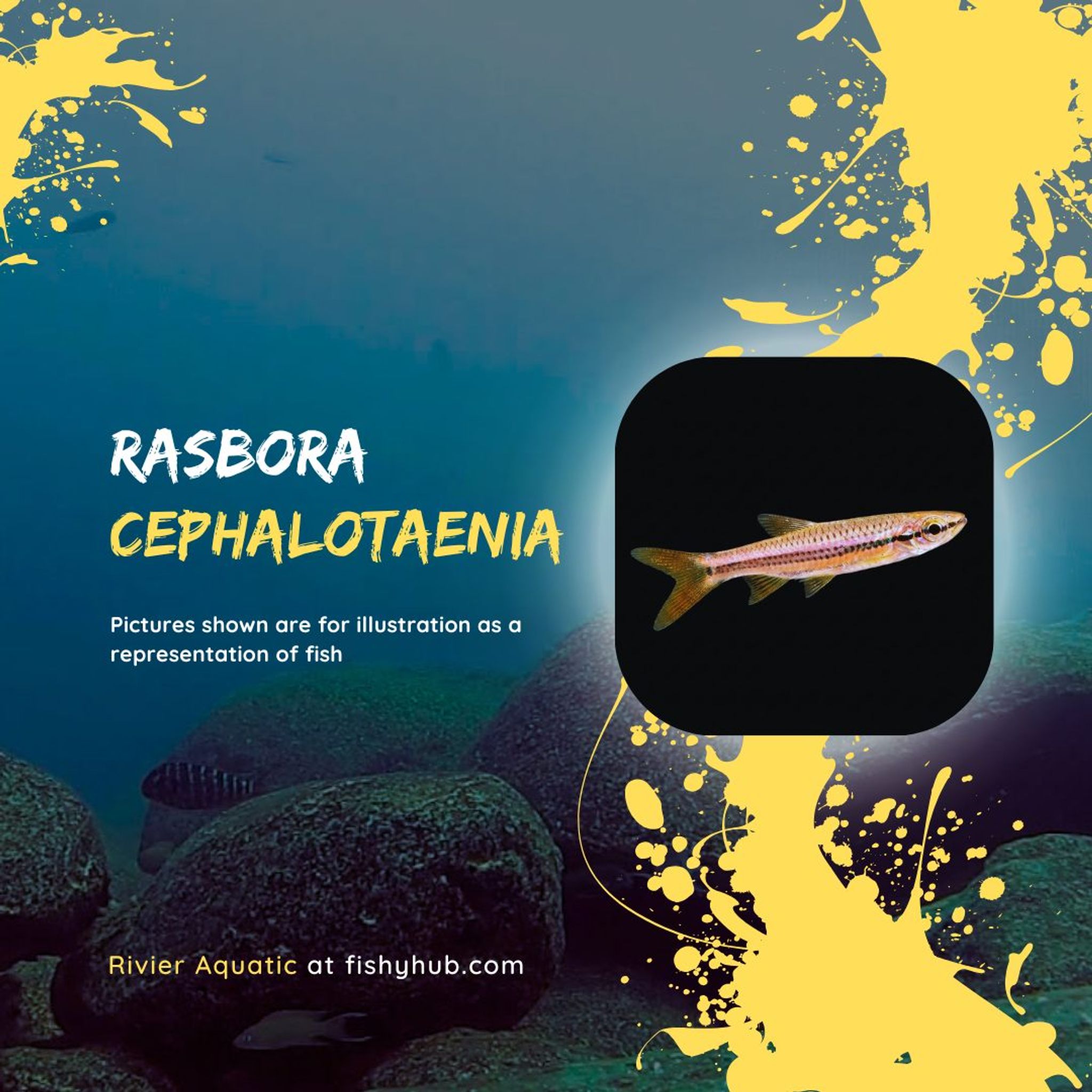
Porthole Rasbora (Rasbora Ceph..
SGD 69.00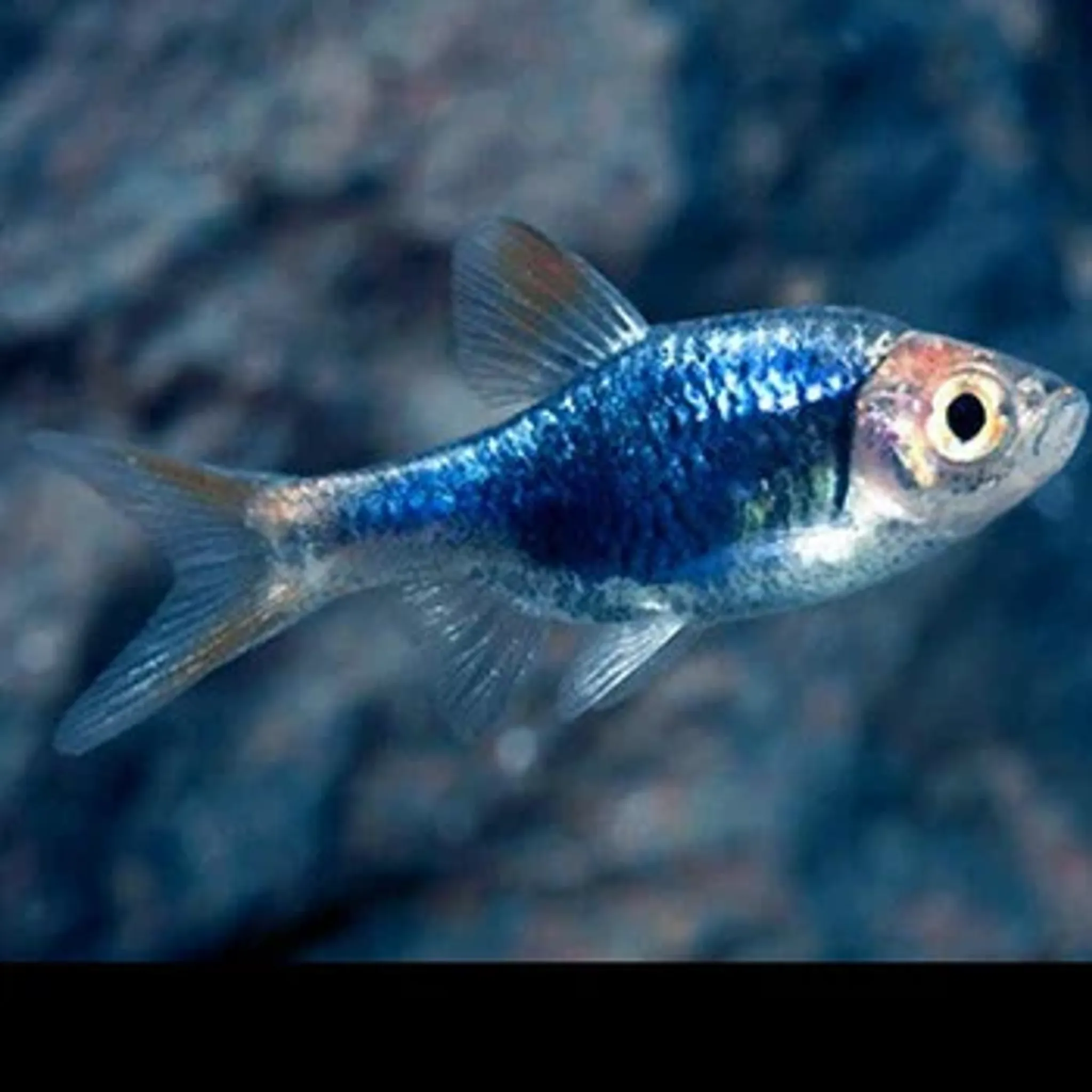
Purple harlequin rasbora 1.2-2..
SGD 8.80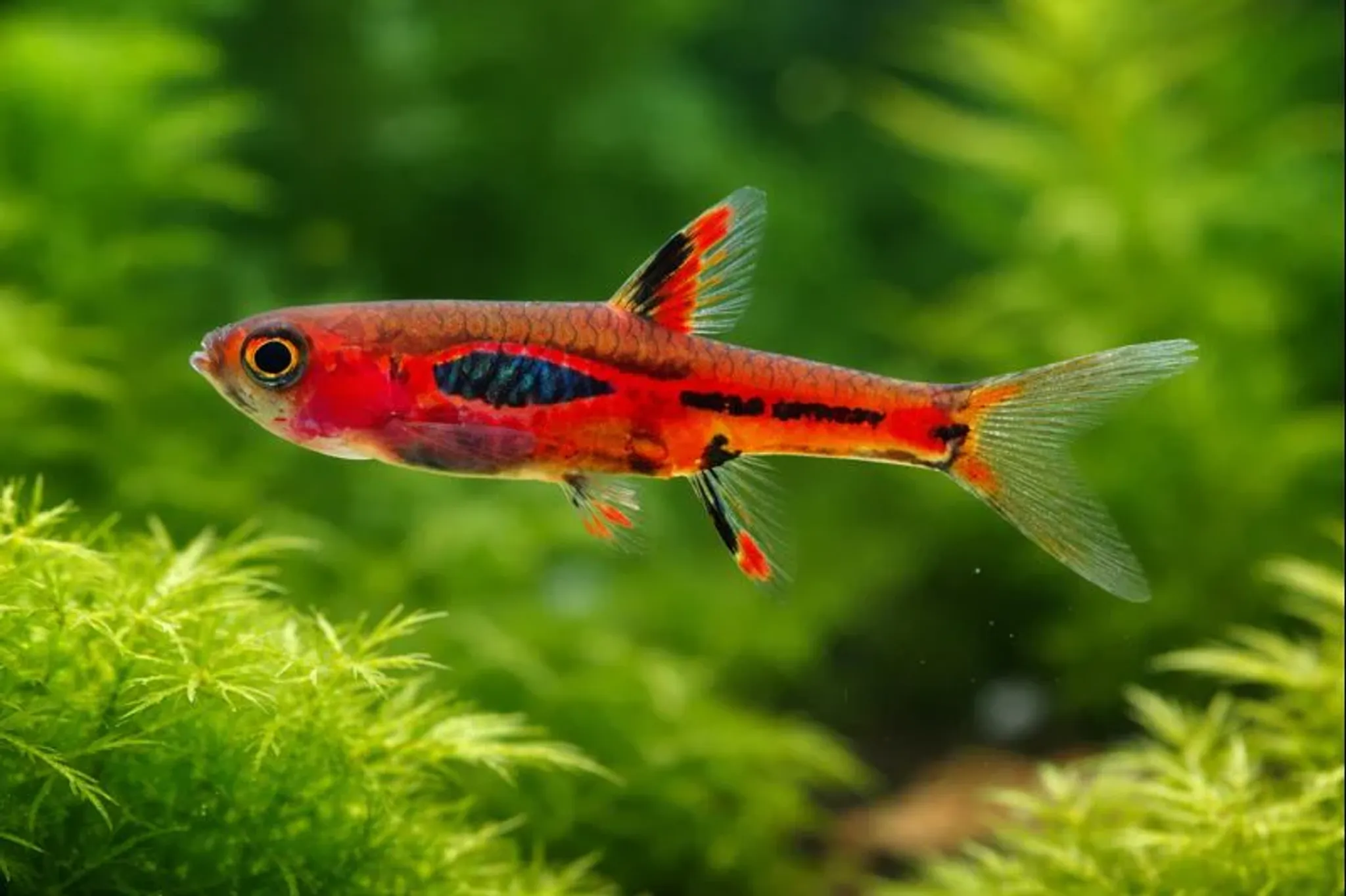
Phoenix Rasbora (Boraras merah..
SGD 1.65Harlequin Rasbora 3cm
SGD 0.99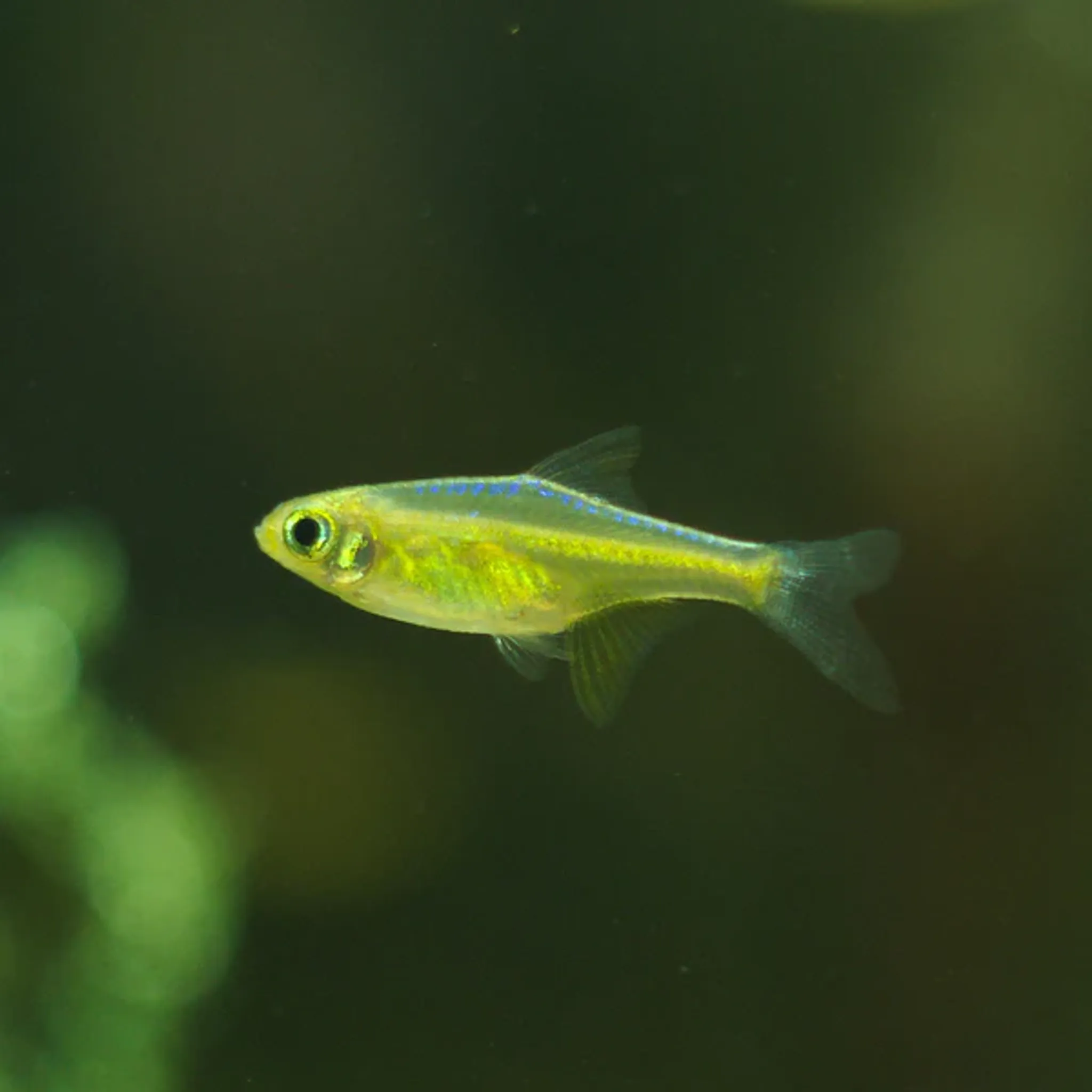
Kubotai Rasbora 2cm
SGD 2.20Emerald Dwarf Rasbora (Microra..
SGD 1.38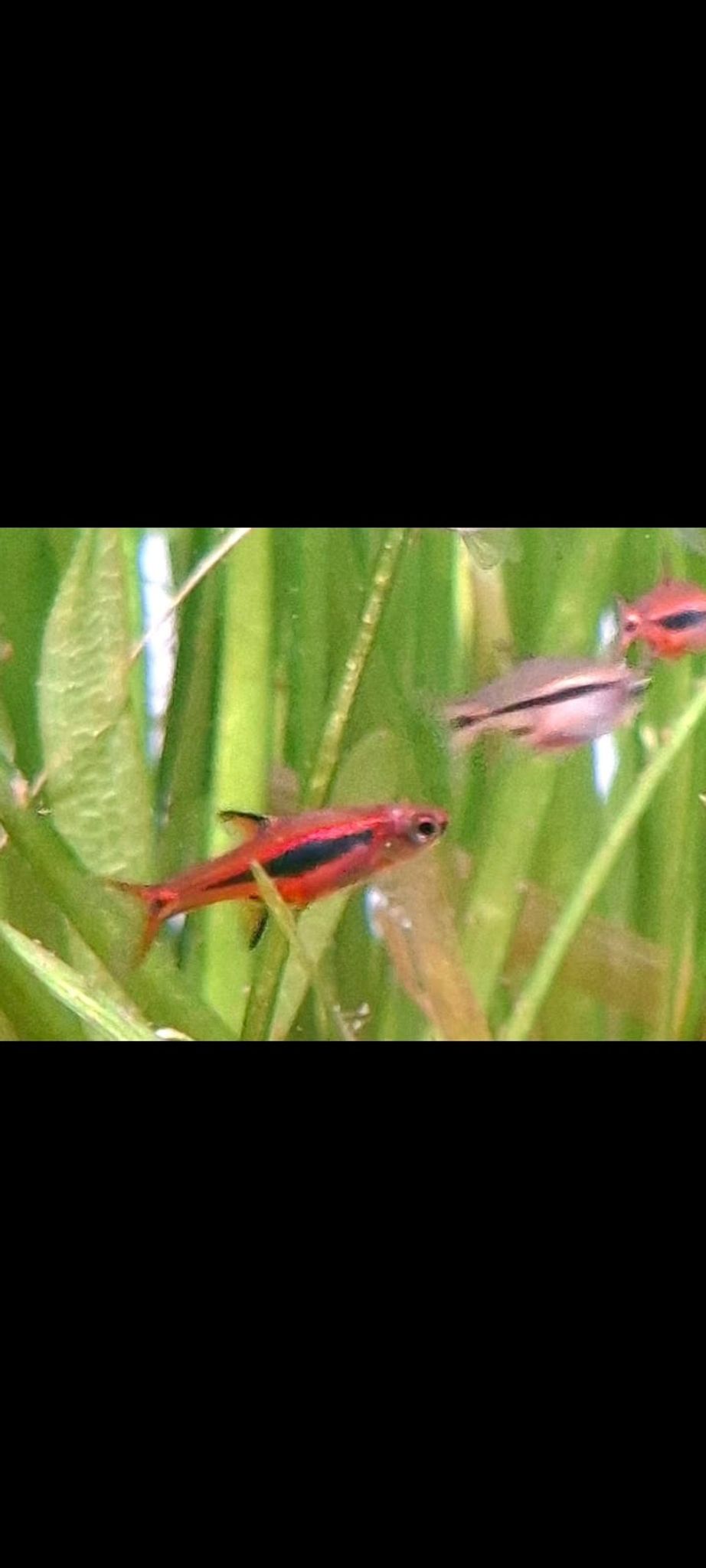
Least Rasbora (Urophthalmoides..
SGD 18.00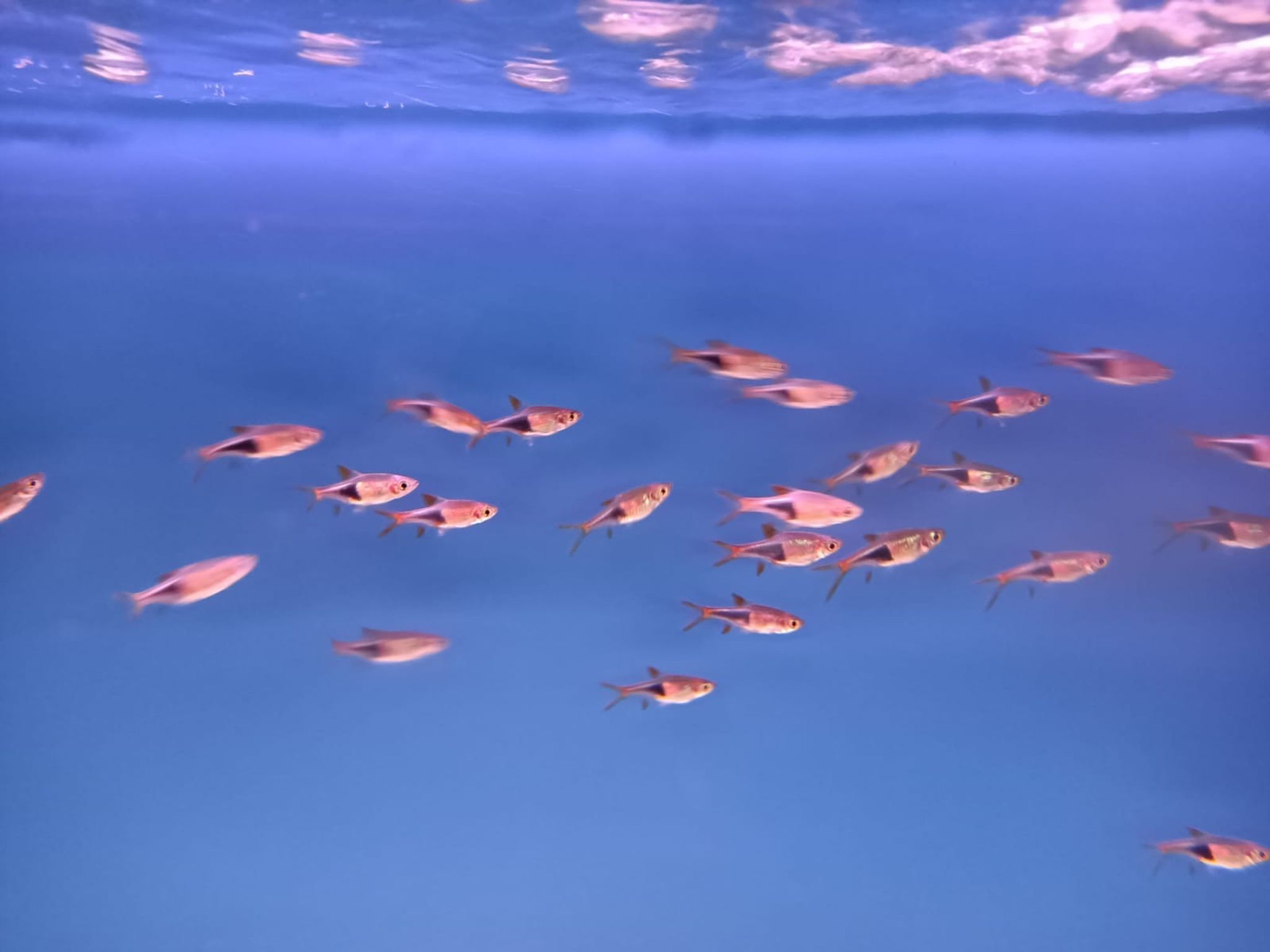
Harlequin Rasbora
SGD 1.50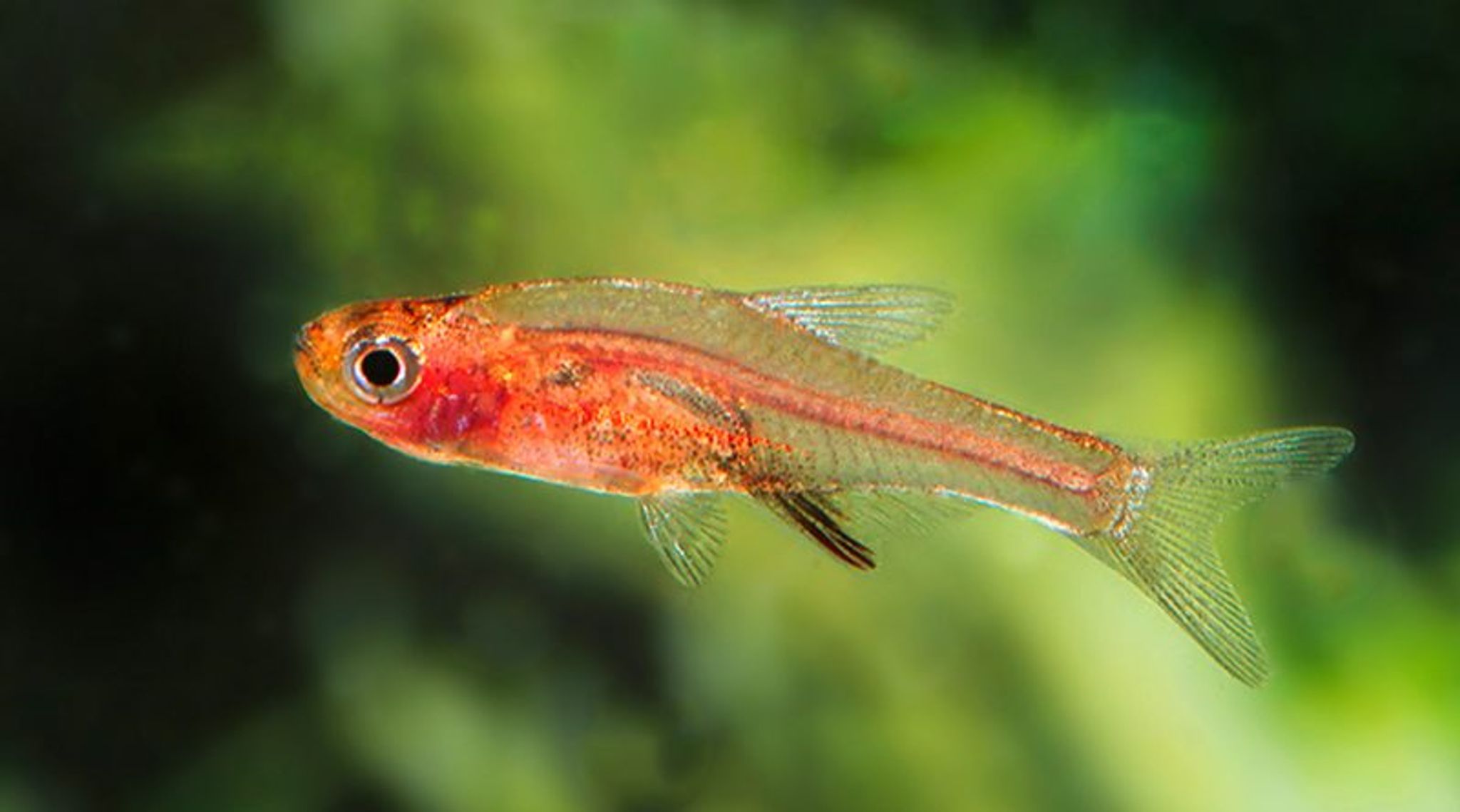
Sundadanio Retiarius (PO)
SGD 2.00
Red Line Rasbora (Trigonopoma ..
SGD 69.00Emerald Eye Rasbora (Rasbora B..
SGD 59.00Dwarf Spotted Rasbora (Rasbora..
SGD 59.00Clown Big-Spot Rasbora
SGD 2.50Clown Rasbora (Rasbora Kalochr..
SGD 69.00Scissortail Rasbora
SGD 1.00Purple harlequin rasbora 1.5-2..
SGD 1.32Espei Rasbora 2cm
SGD 1.21Danio Margaritatus
SGD 2.50Somphong Rasboras
SGD 26.00Rasbora sawbwa 1.5-2cm *Pairs*
SGD 6.60Graceful Rasbora (Trigonopoma ..
SGD 69.00Galaxy Rasbora (Microrasbora g..
SGD 1.54Hengeli Rasbora 2cm
SGD 0.99Porthole Rasbora (Rasbora Ceph..
SGD 69.00Purple harlequin rasbora 1.2-2..
SGD 8.80Phoenix Rasbora (Boraras merah..
SGD 1.65Harlequin Rasbora 3cm
SGD 0.99Kubotai Rasbora 2cm
SGD 2.20Emerald Dwarf Rasbora (Microra..
SGD 1.38Least Rasbora (Urophthalmoides..
SGD 18.00Harlequin Rasbora
SGD 1.50Sundadanio Retiarius (PO)
SGD 2.00Red Line Rasbora (Trigonopoma ..
SGD 69.00