1–21 of 21
1787153648552.jpeg?signature=f2e168ed9245fe26514df97eaf094bc8ed97843c22d2a02f206f2511ab2739f8)
1787153225372.jpeg?signature=dd5f0d73748a814216fed931279c590dbb03d4066d18af622052be34f28d4e8e)
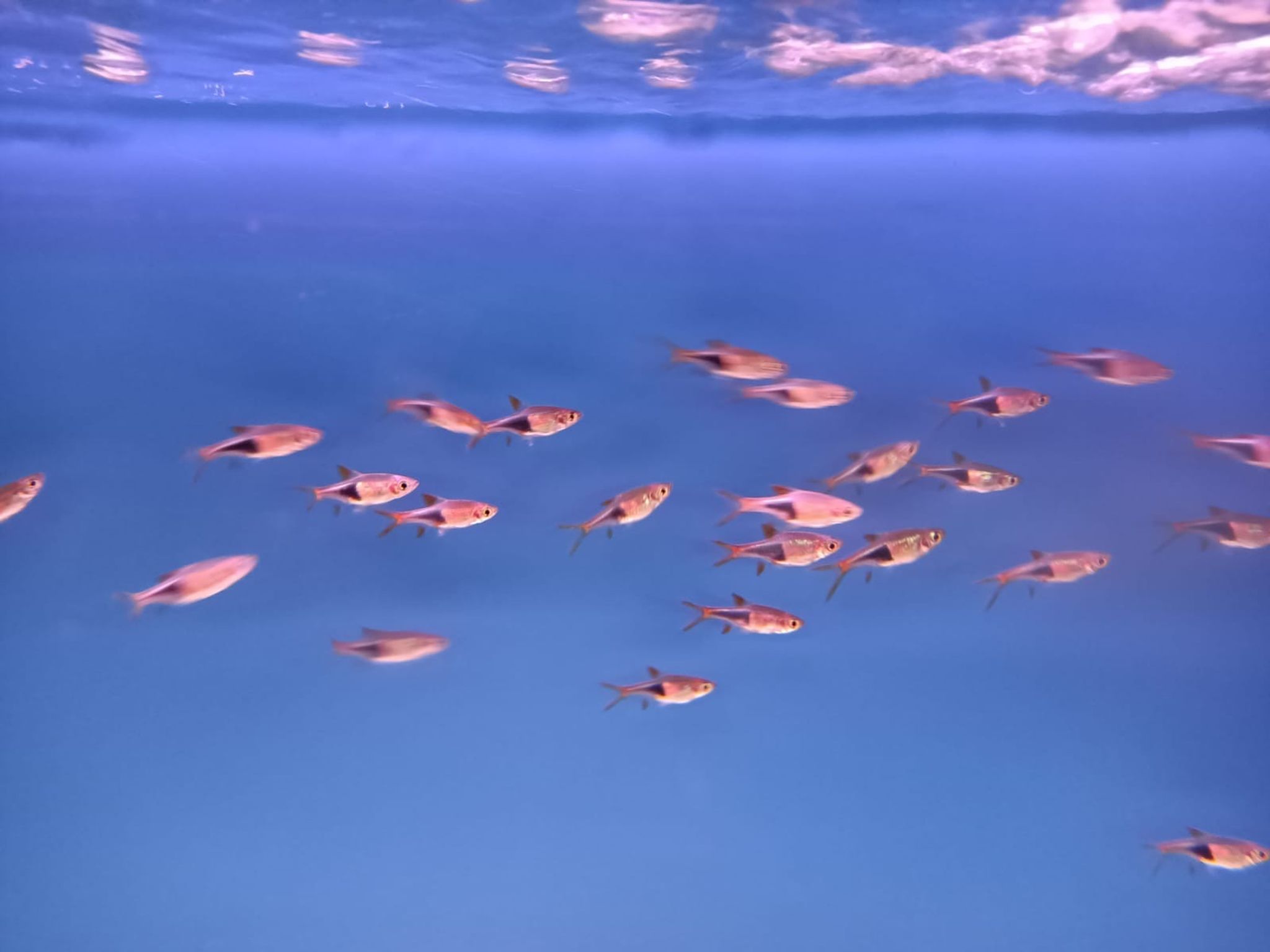
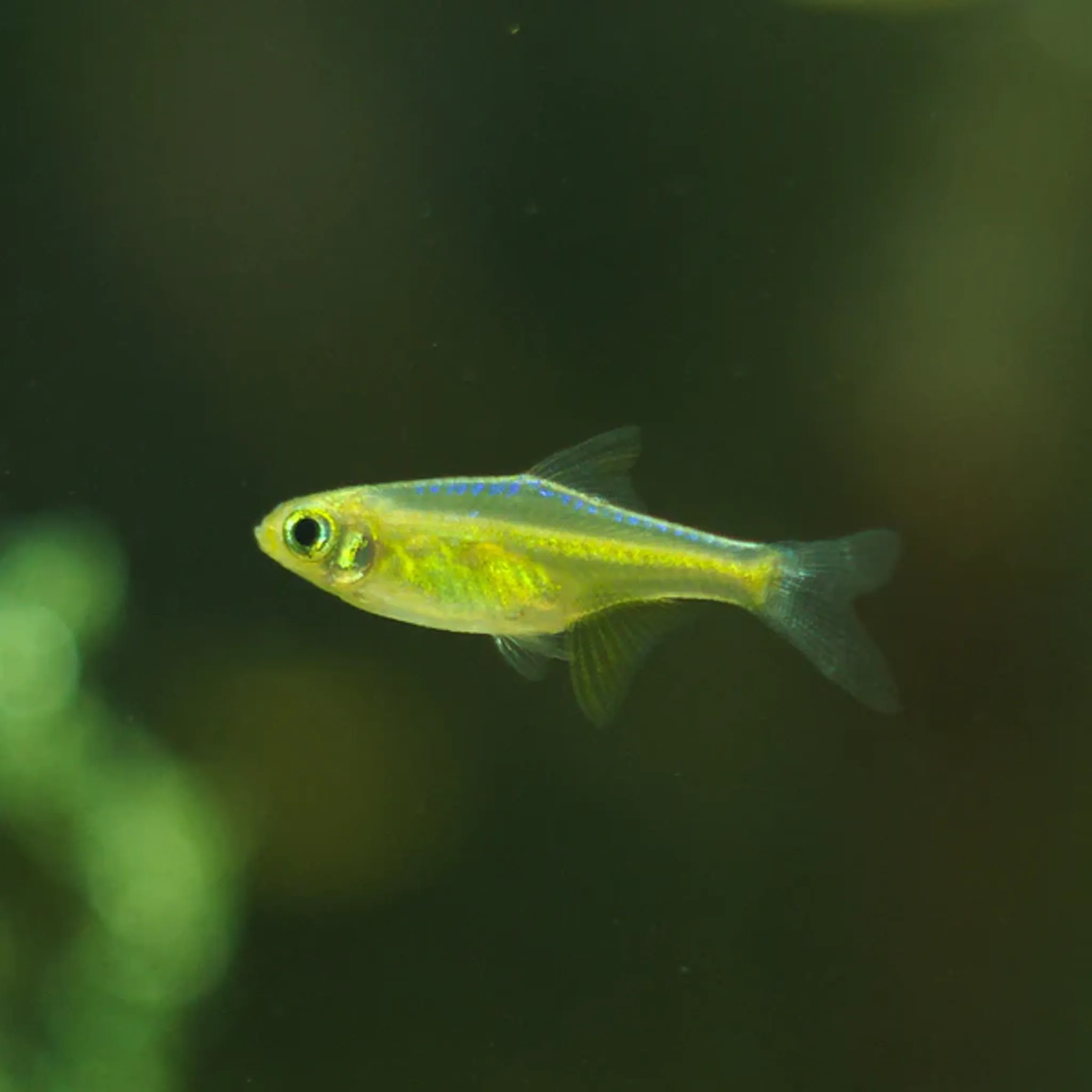
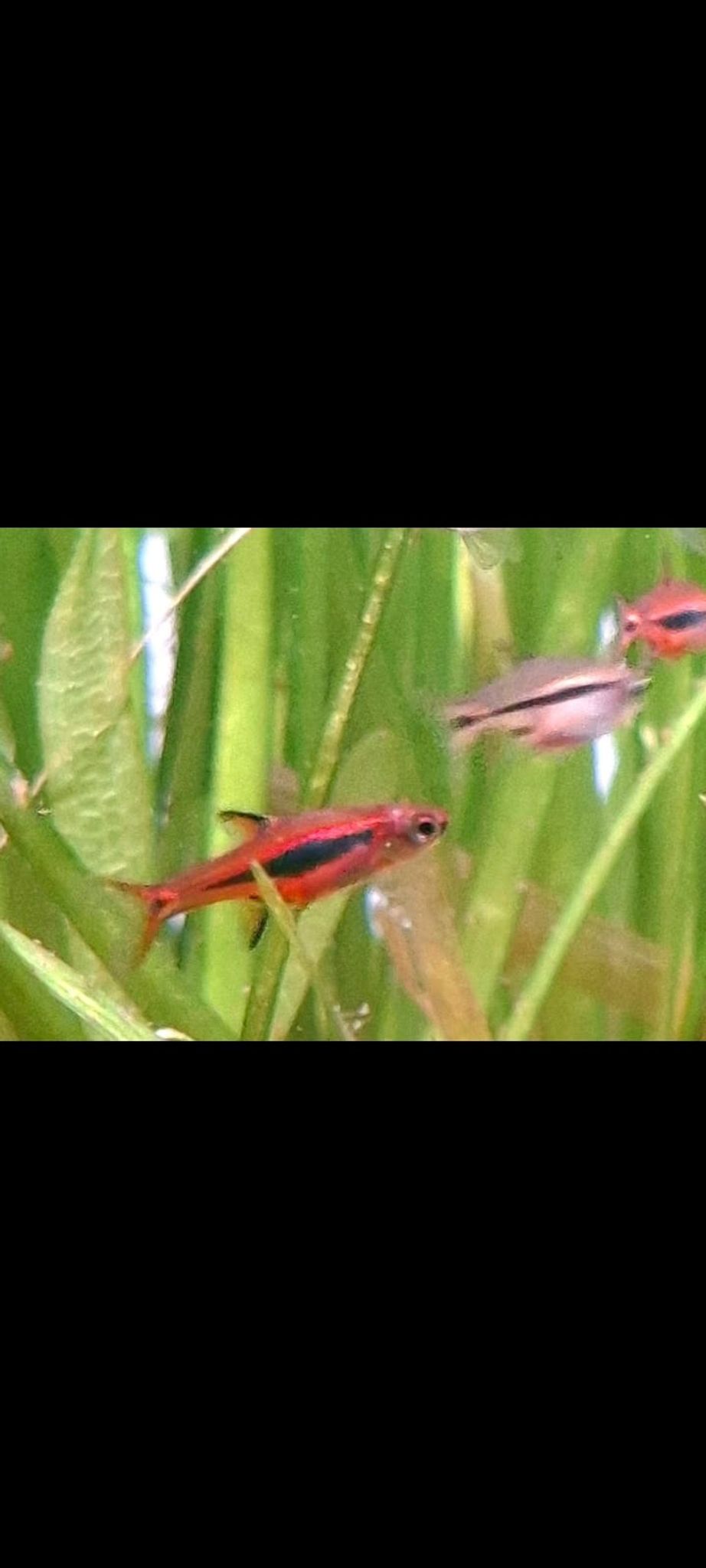
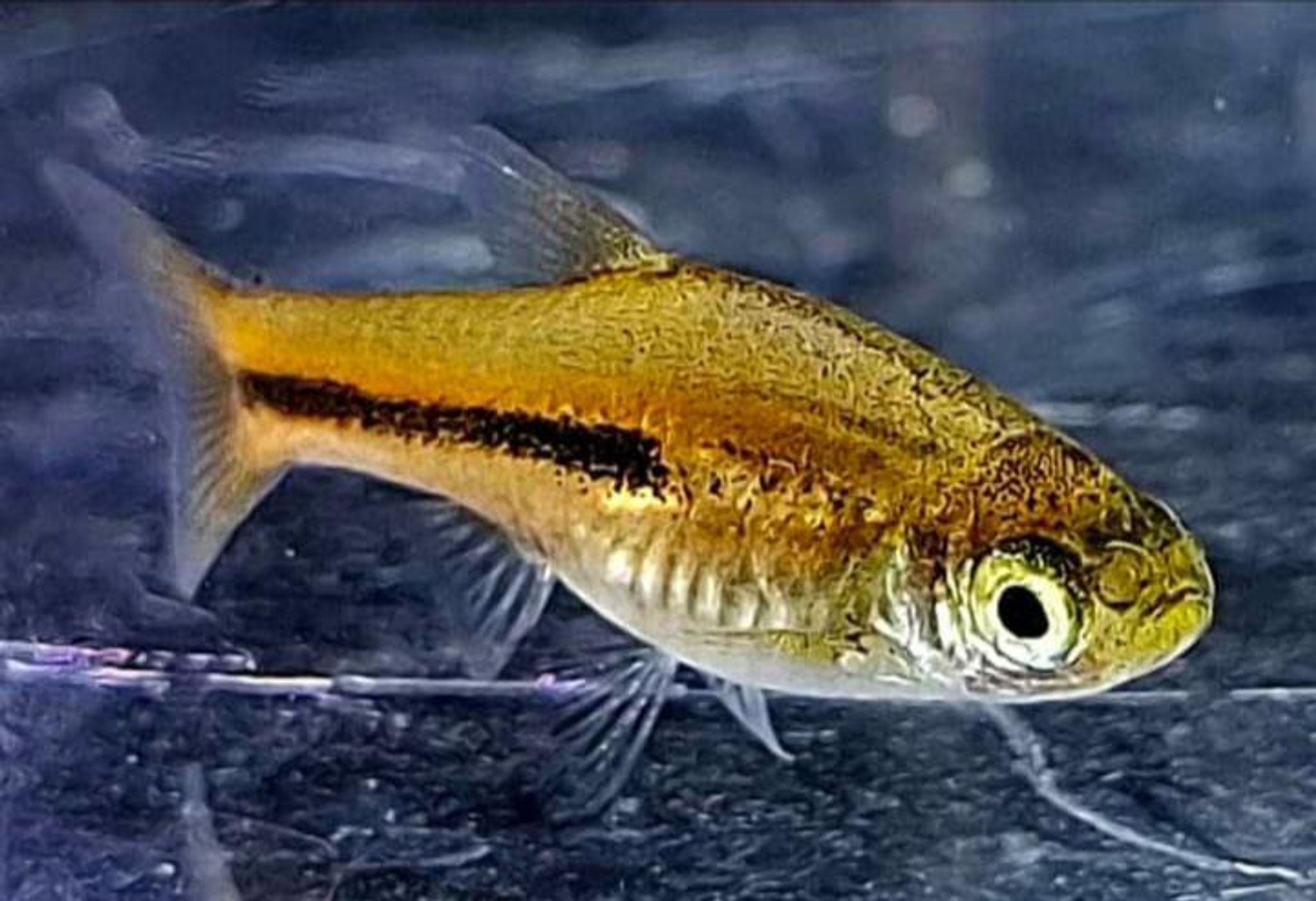
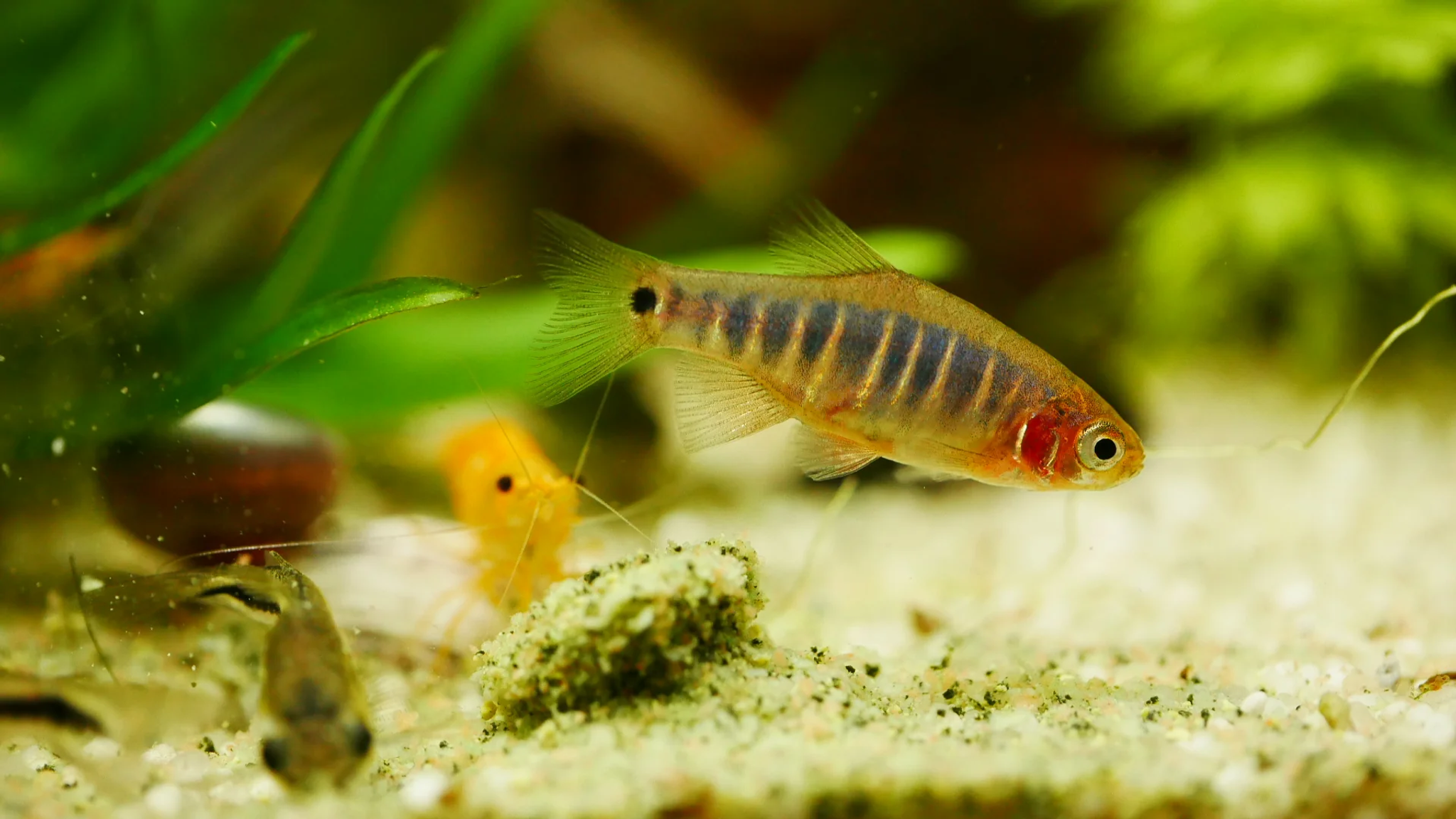
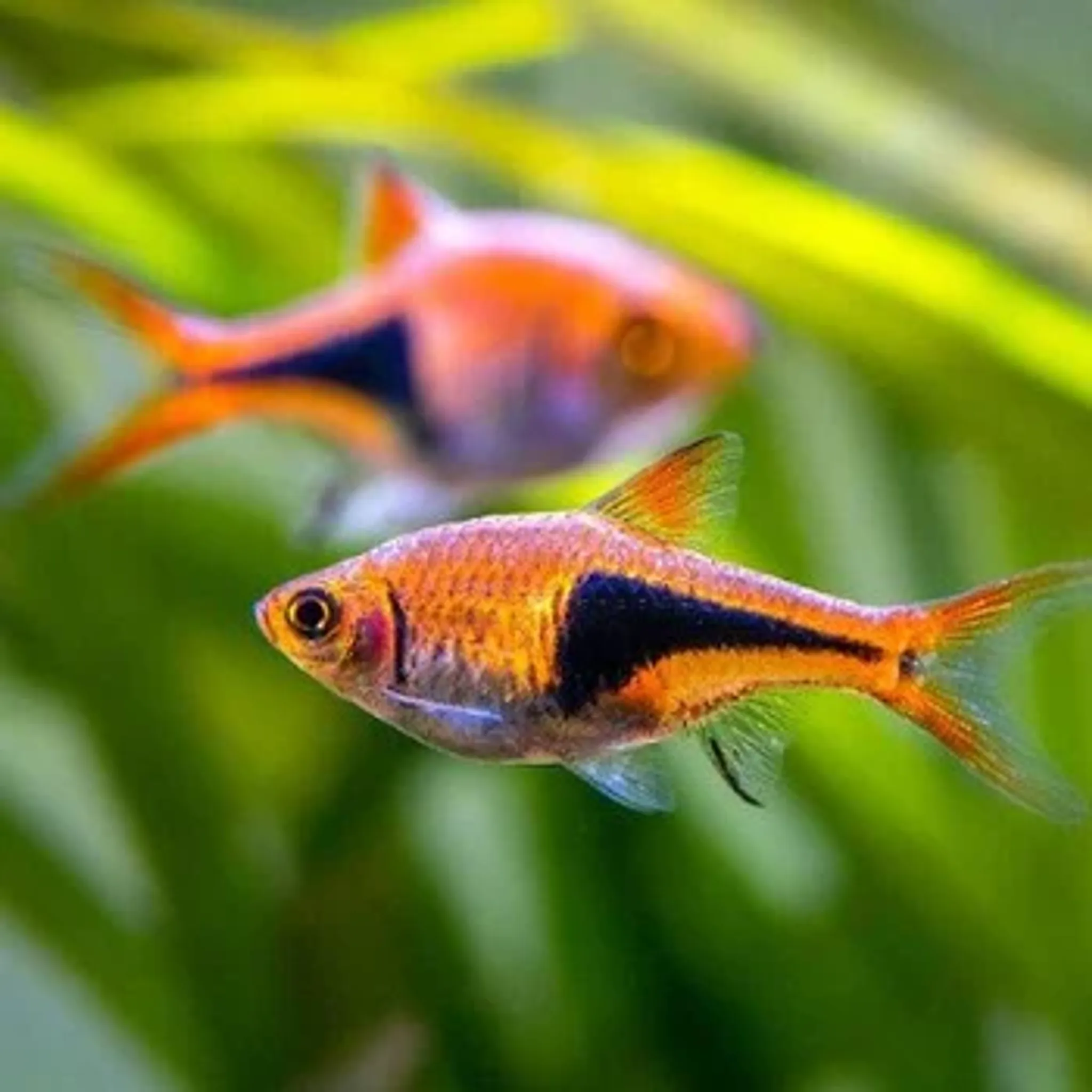

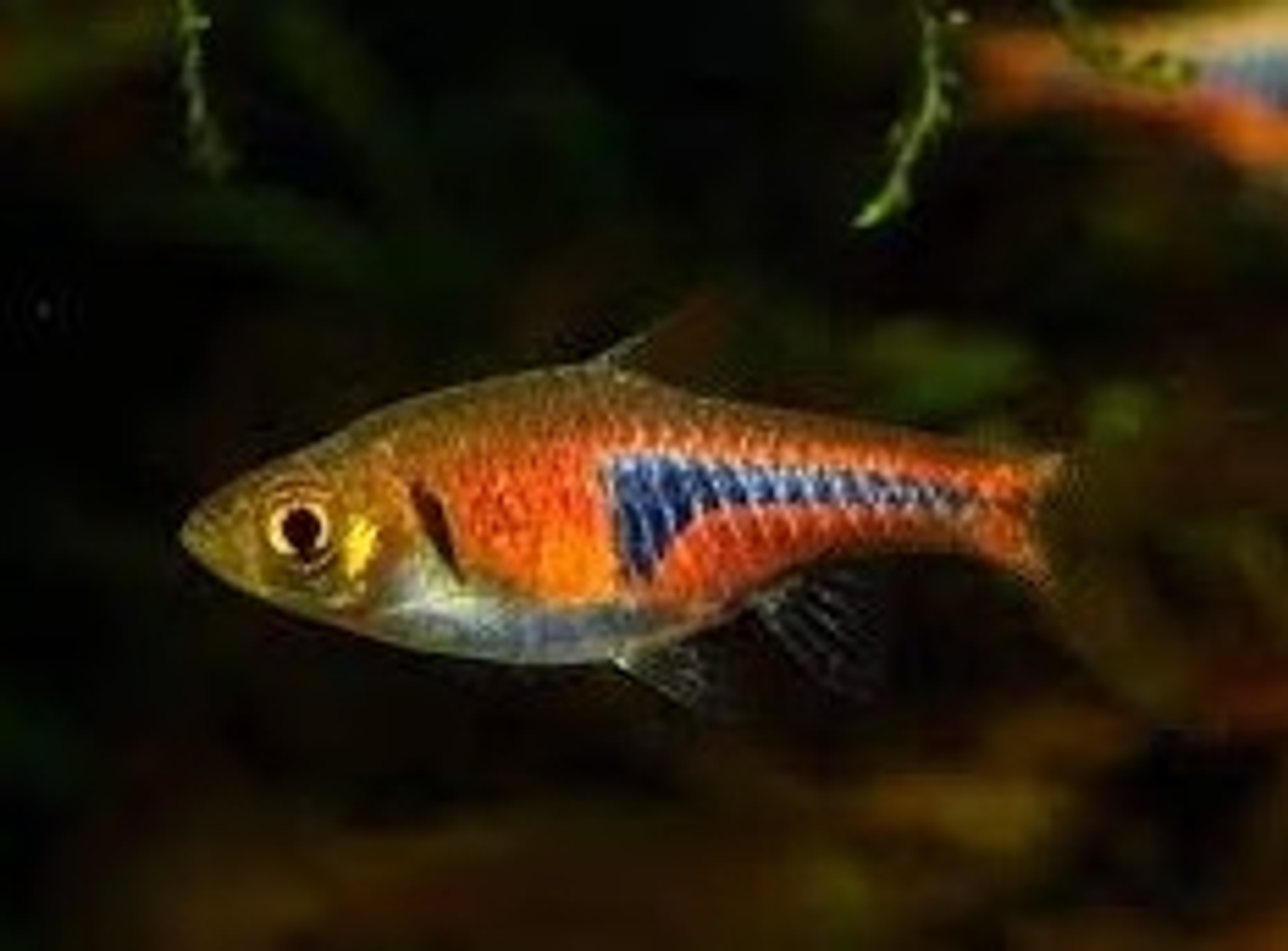
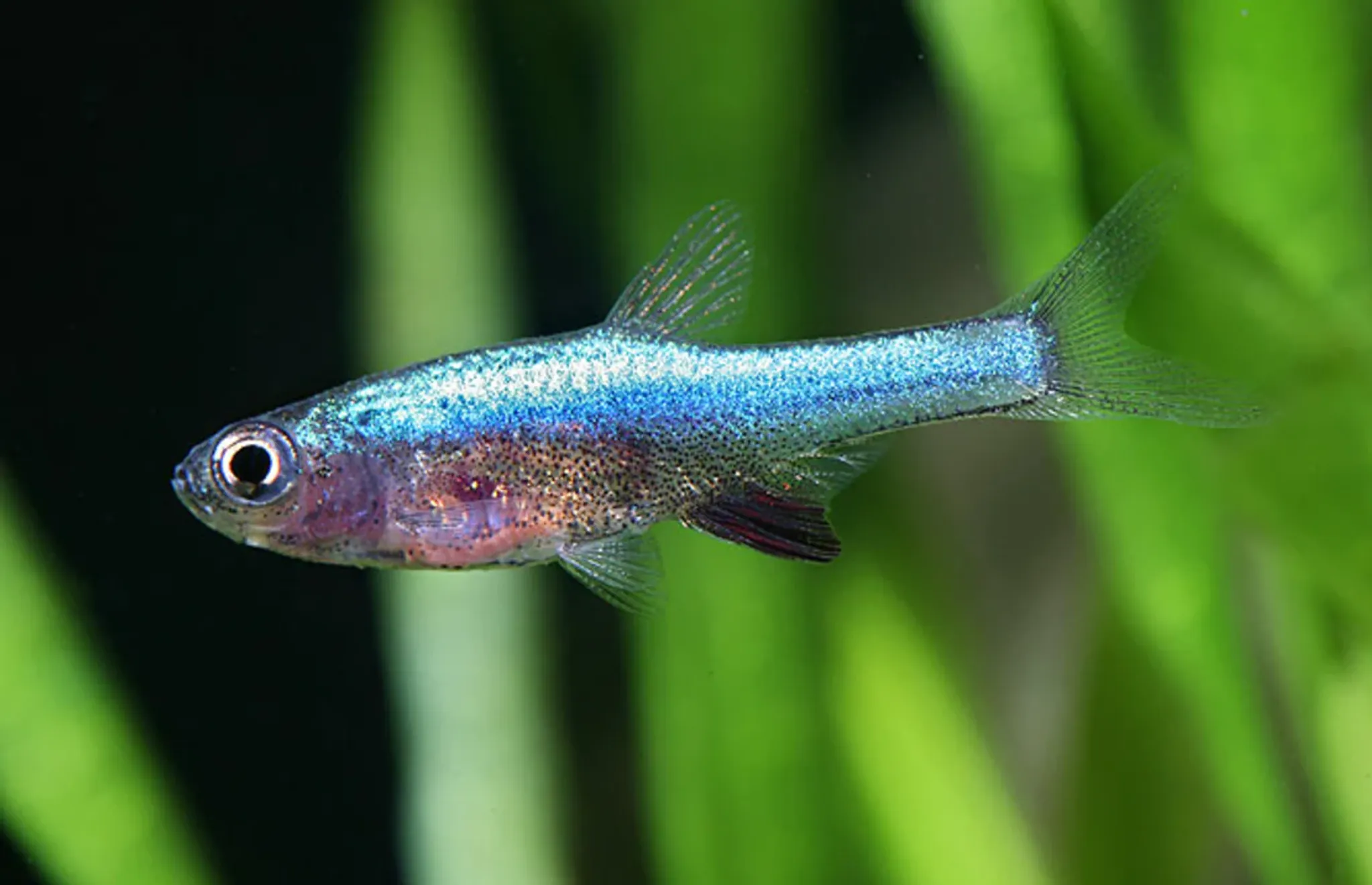
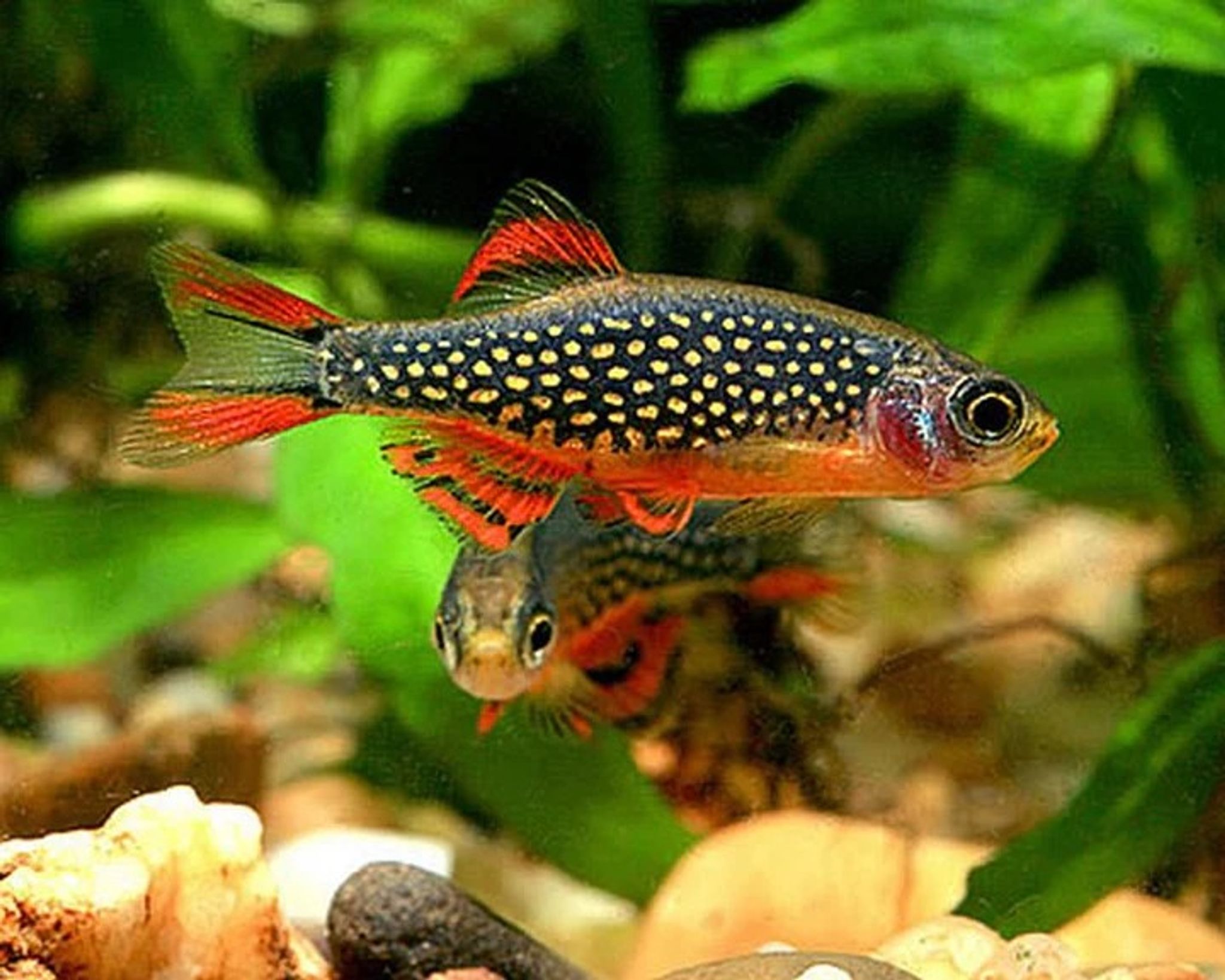
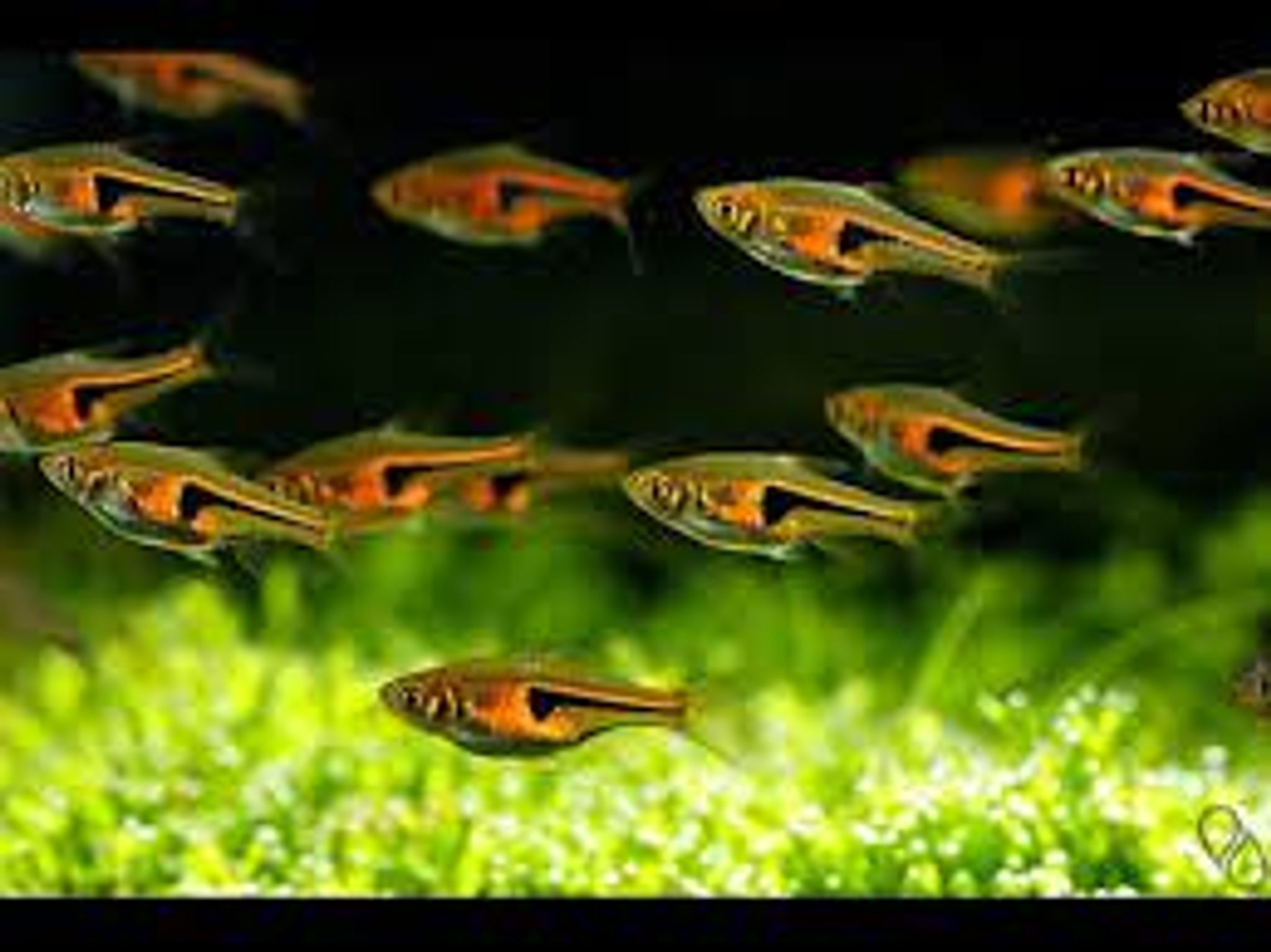
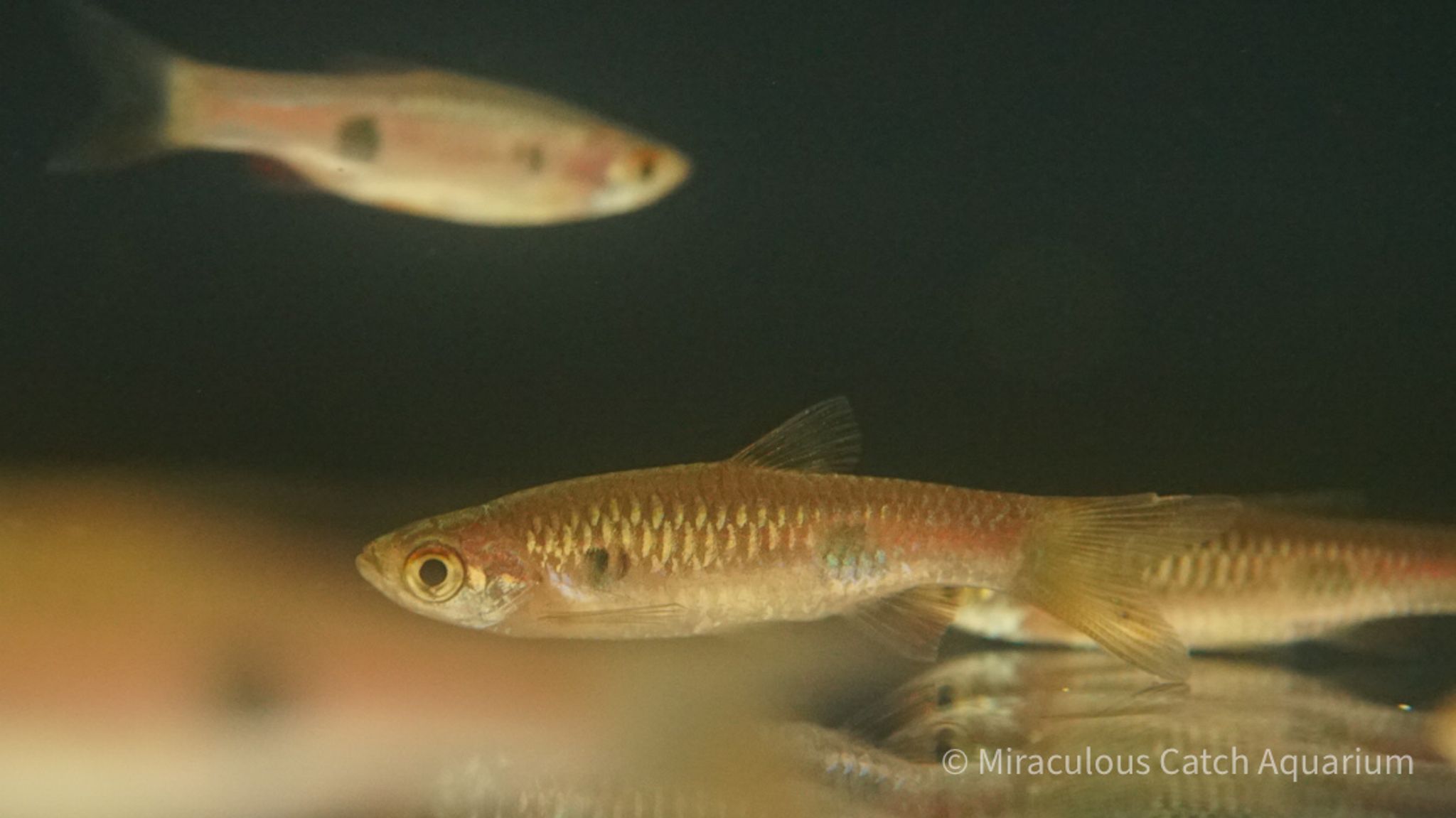
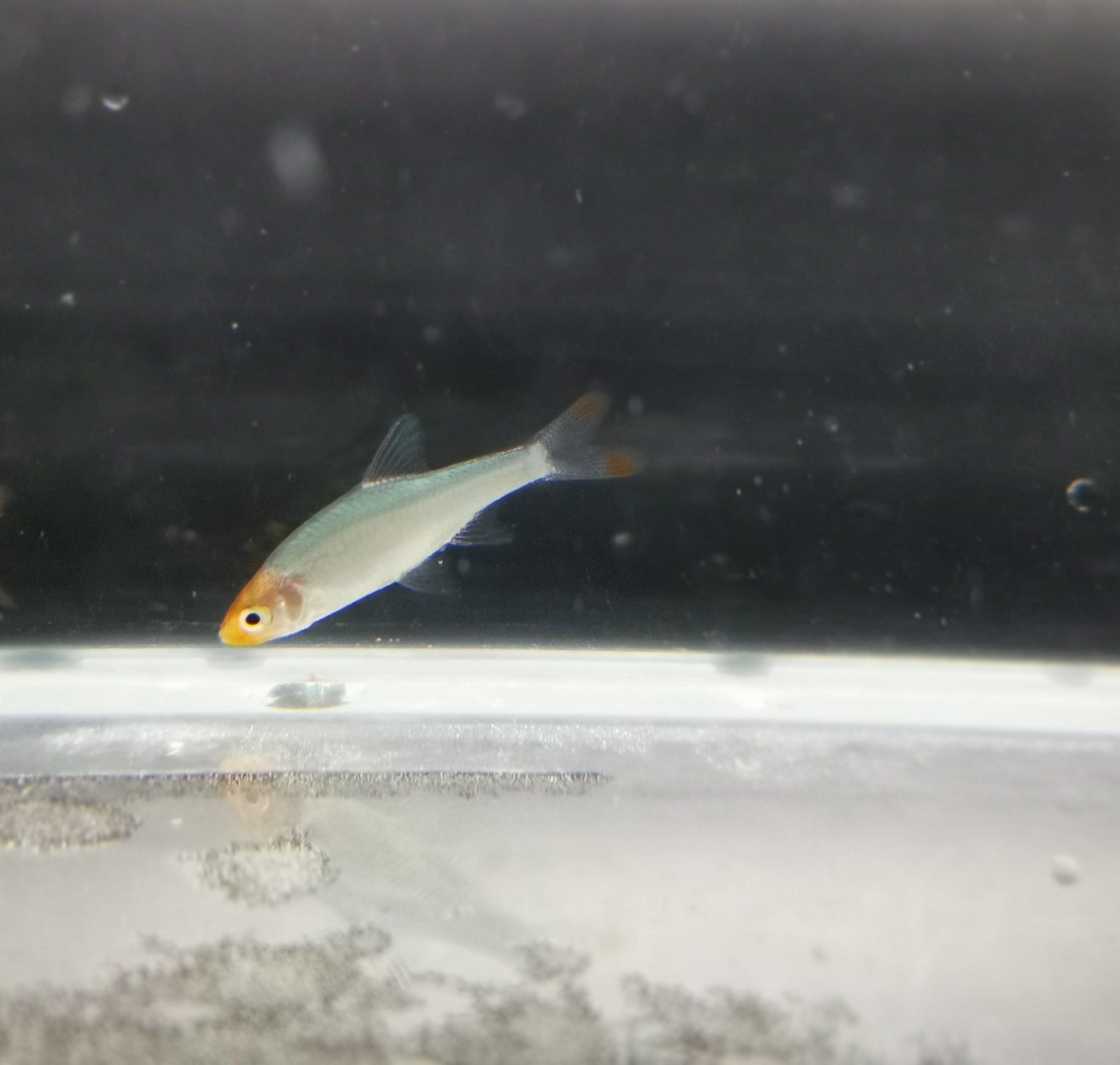
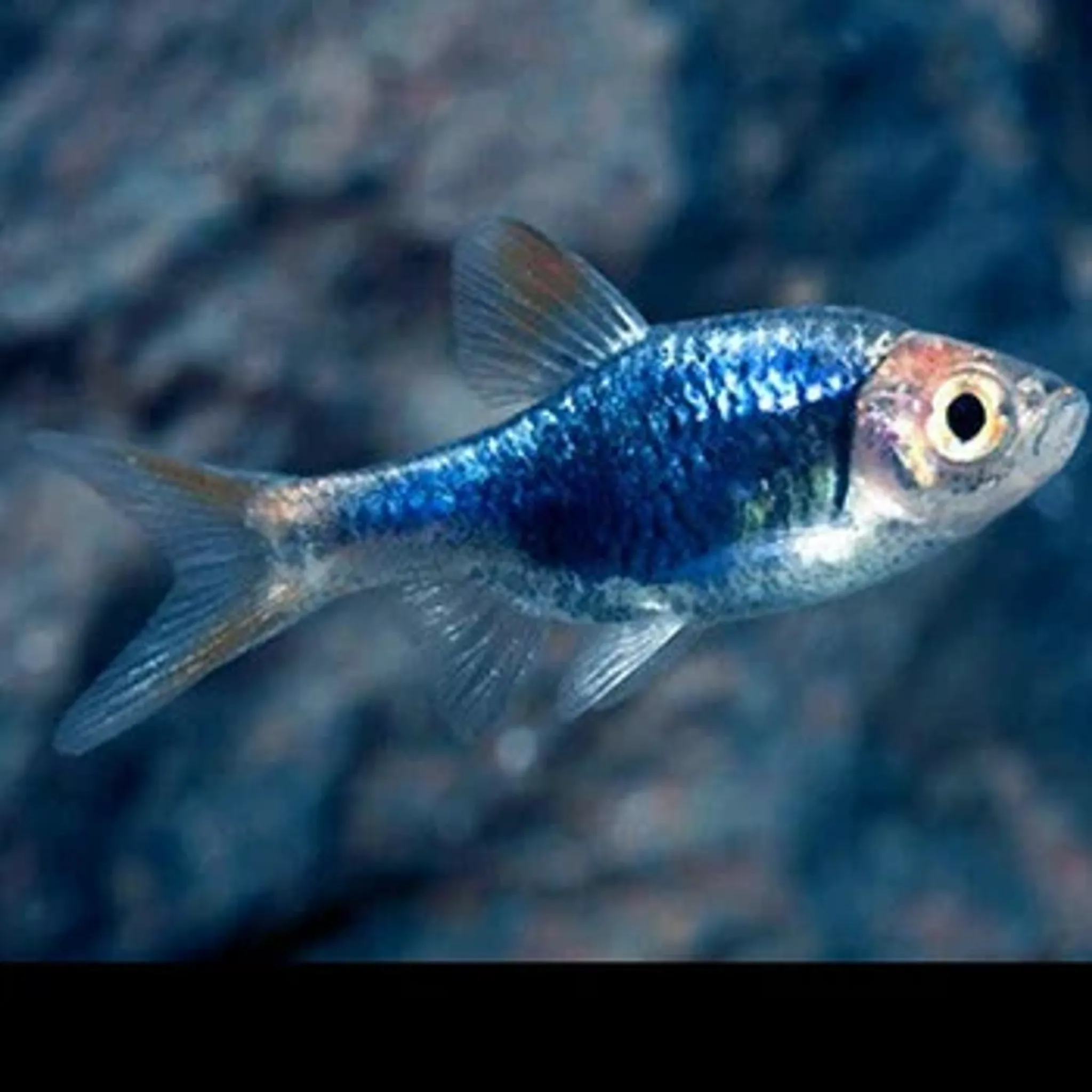
Explore Rasbora fish for sale in Singapore from aquarium shops, breeders and freshwater fish sellers on FishyHub. Compare Harlequin Rasboras, Chili Rasboras, Lambchop Rasboras and other small schooling fish by species, size and seller.
Rasboras are popular freshwater community fish known for their active schooling behaviour, compact size and attractive colours. Many species work especially well in planted aquariums, nano tanks and peaceful community setups when kept in suitable groups.
Rasboras are a broad group of small freshwater fish found across parts of Asia.
Aquarium species vary in size, colour and care requirements, but many are peaceful schooling fish that look best when kept in groups rather than as single specimens.
Different Rasbora species suit different aquarium sizes and styles, from compact nano setups to larger planted community tanks.
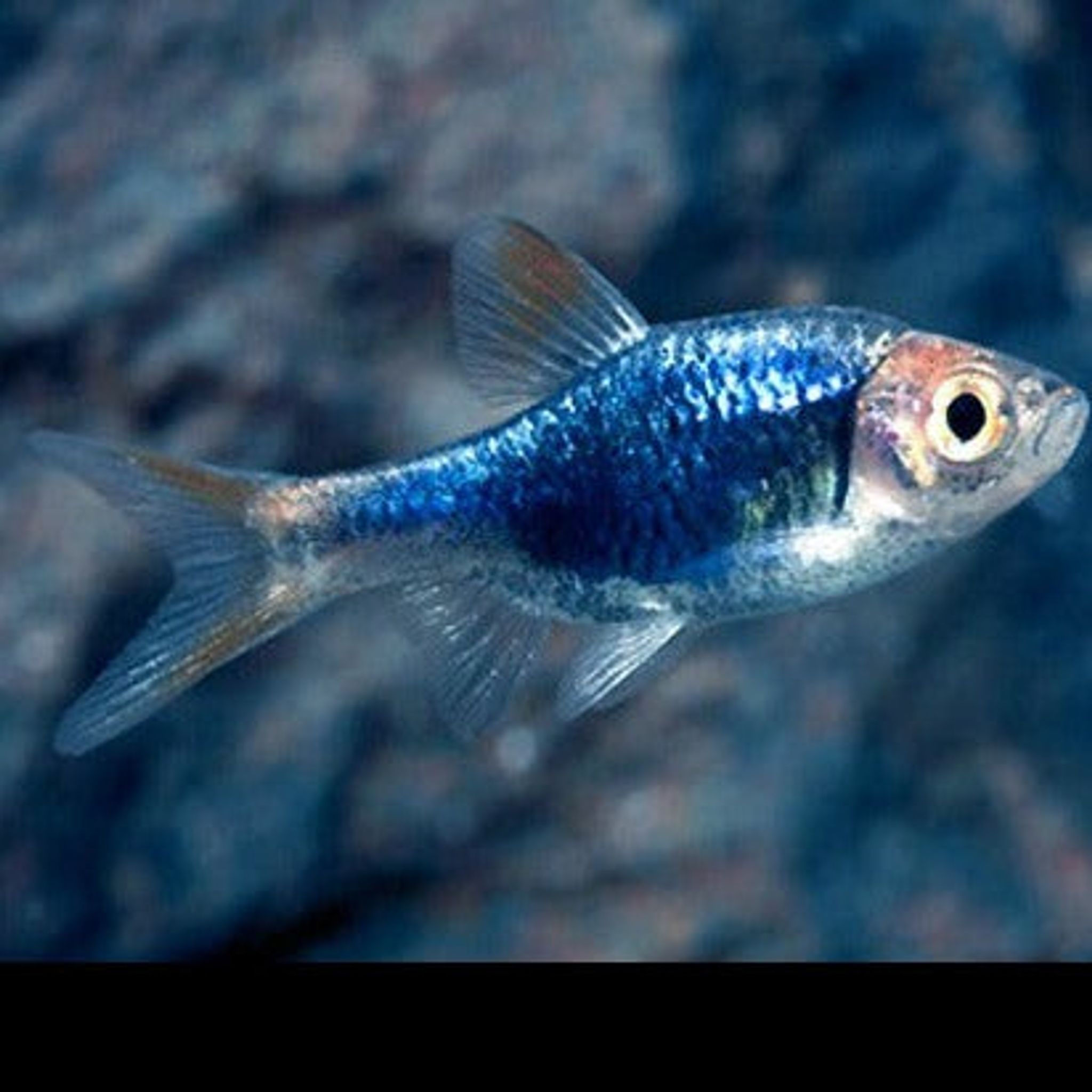
Harlequin Rasboras are among the most recognisable species, with warm copper-orange bodies and a distinctive dark triangular marking. They are active, peaceful and popular in community aquariums.
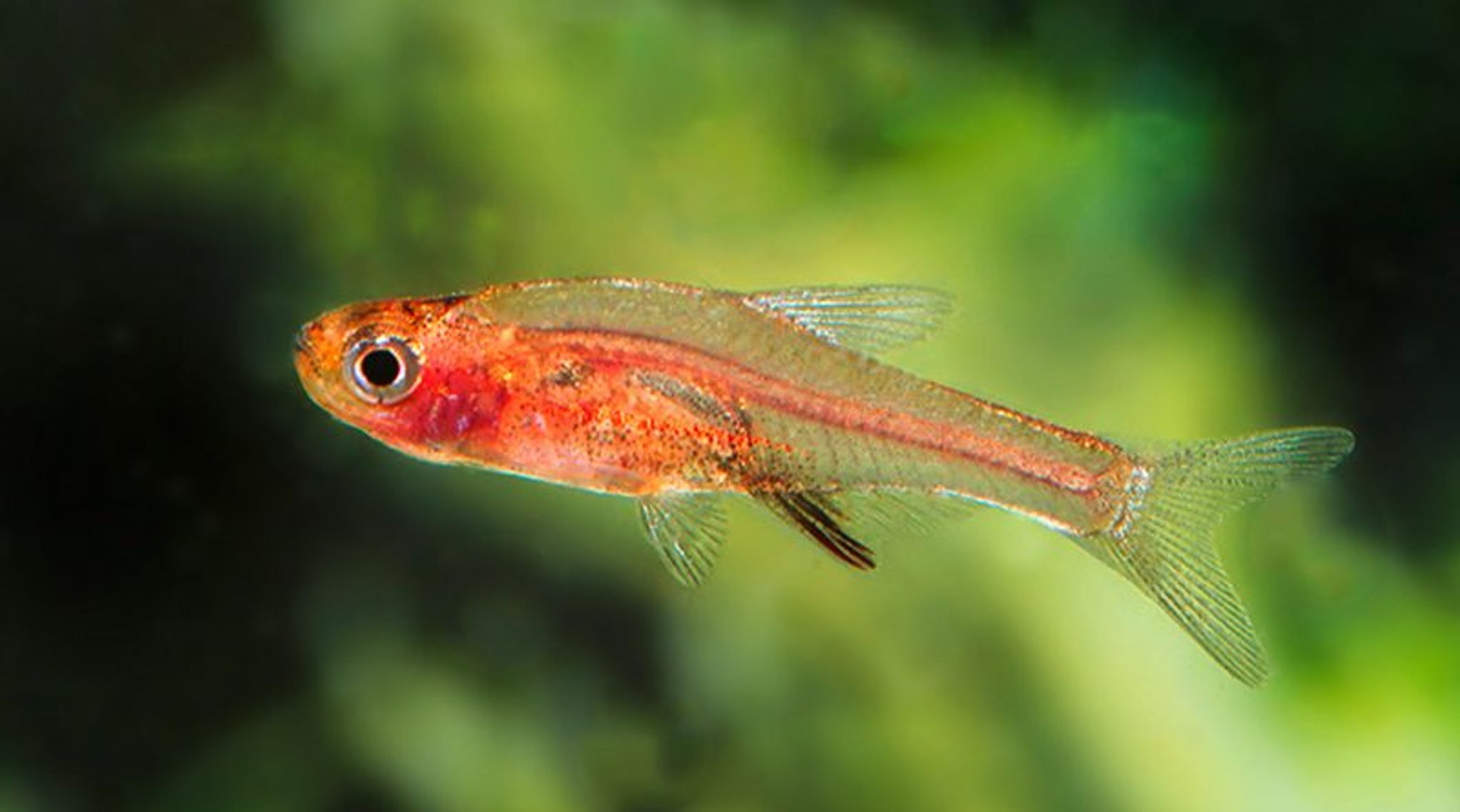
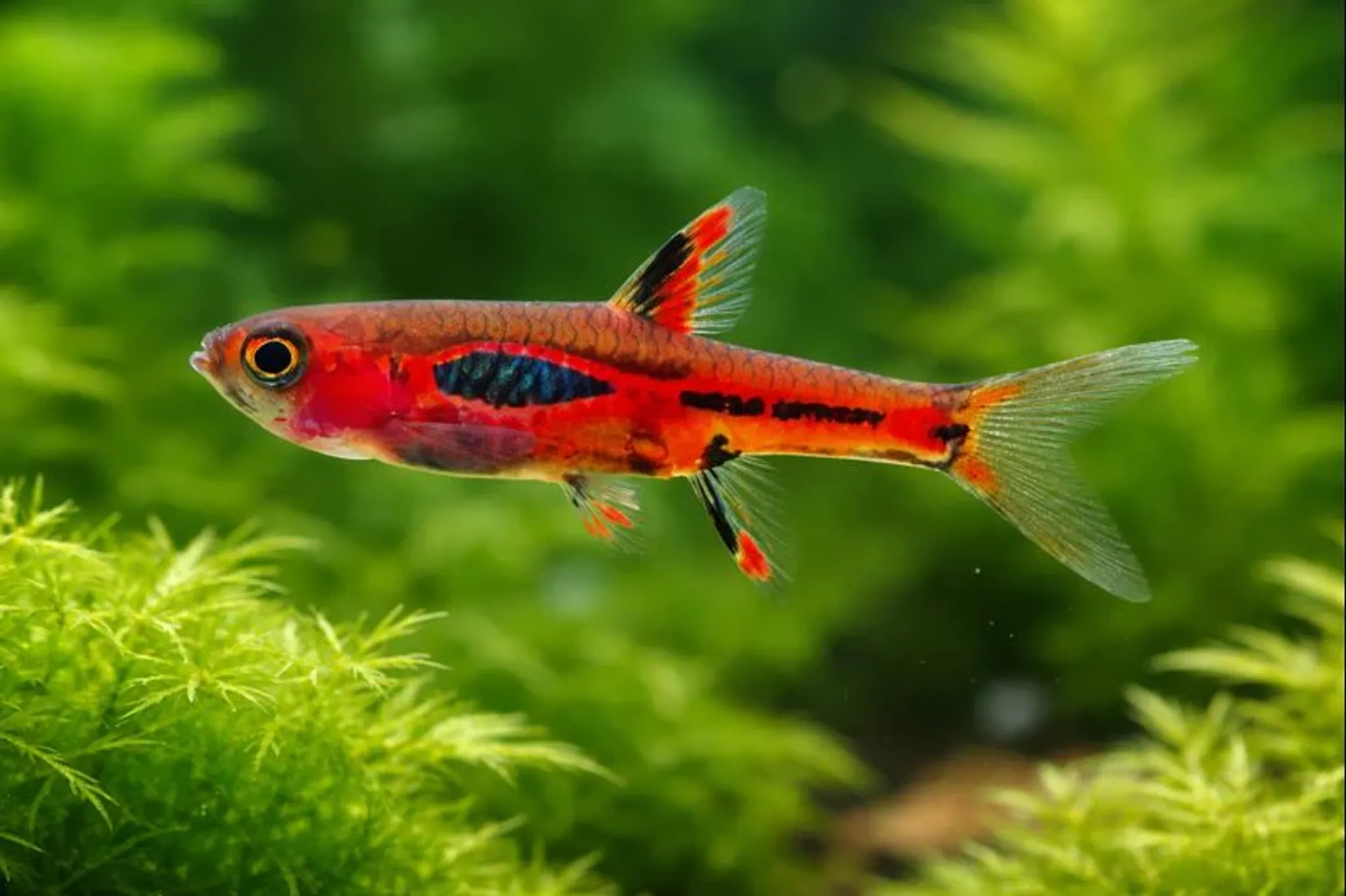
Chili Rasboras are tiny schooling fish prized for their vivid red coloration. Their small adult size makes them especially popular in planted nano aquariums.
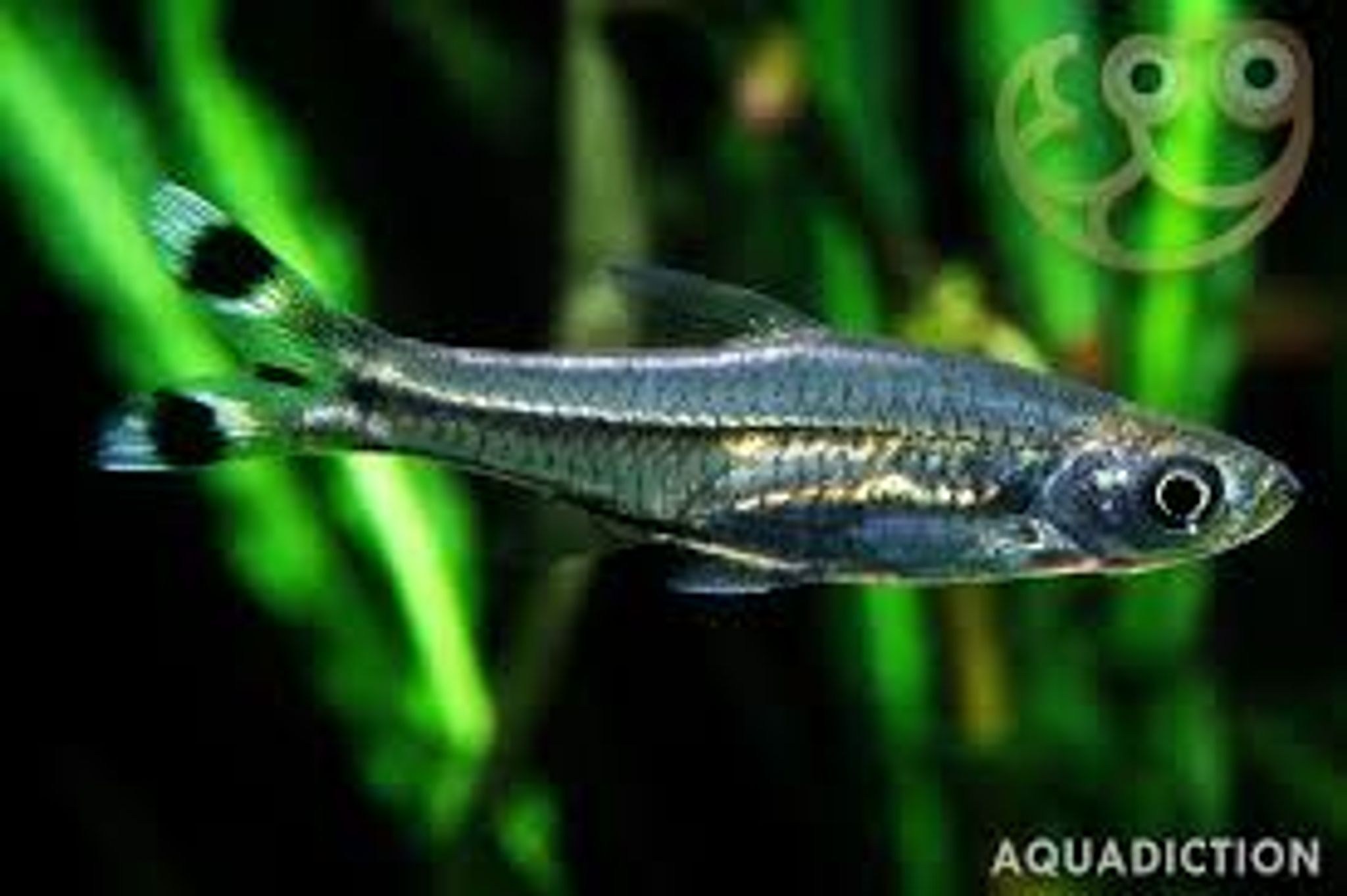
Lambchop Rasboras have a slimmer dark marking than Harlequin Rasboras and are another peaceful schooling choice for planted community tanks.
Other species may include Phoenix Rasboras, Exclamation Point Rasboras and other small Asian schooling fish sold under related aquarium categories. Exact availability varies between sellers.
Harlequin Rasboras are larger and more robust, while Chili Rasboras are much smaller and better suited to carefully planned nano aquariums.
The right choice depends on tank size, tankmates and whether you want a stronger midwater presence or a more delicate nano-schooling effect.
Most commonly kept Rasboras are social fish that look and behave more naturally in groups.
A suitable school can help fish feel more secure and creates the coordinated swimming behaviour many aquarists enjoy.
Rasboras are commonly kept in peaceful freshwater community tanks.
Their generally calm temperament makes them suitable with many similarly peaceful fish when adult size, feeding behaviour and water requirements are compatible.
Rasboras look especially attractive in planted aquariums with darker backgrounds, dense planting and open midwater swimming space.
Plants can provide shelter and visual security while still allowing the school to move freely through the central areas of the tank.
Some tiny Rasbora species, particularly Chili Rasboras and related micro fish, are popular in nano aquariums.
Tank size still needs to allow enough swimming space for a group, and small aquariums require stable water quality because conditions can change quickly.
Some Rasboras can coexist with Bettas in suitably sized, planted aquariums.
Compatibility depends on Betta temperament, Rasbora size and available swimming space, so observe the fish carefully after introduction.
Adult shrimp may coexist with small Rasboras, but tiny shrimp and juveniles can still be eaten.
Moss, dense plants and hardscape can provide shelter, but no small fish should be considered completely shrimp-safe.
Rasboras and peaceful Tetras can often share a community aquarium when their environmental needs are compatible.
Both are active schooling fish, so make sure there is enough open swimming space for multiple groups.
Corydoras mainly occupy the lower areas of the aquarium while Rasboras usually swim higher in the water column.
This separation can make them compatible in well-planned community tanks.
Some Rasboras may coexist with Guppies, but the preferred water conditions of the two groups can differ.
Choose species based on overlapping requirements rather than appearance alone.
Rasboras are generally omnivorous micro-feeders that accept suitably sized aquarium foods.
Small pellets, fine flakes and suitable complementary foods can be used depending on species and mouth size.
Chili Rasboras have very small mouths and need appropriately sized food.
Micro pellets, finely crushed foods and suitable tiny frozen or live foods can be offered depending on the setup.
Rasboras benefit from stable, clean water and consistent aquarium maintenance.
Exact requirements differ between species, especially between hardy community Rasboras and specialist tiny species, so match conditions to the fish you are keeping.
Rasboras benefit from effective biological filtration and moderate circulation.
Smaller species may prefer gentler flow, so sponge filters, adjustable HOB filters, internal filters or suitably configured canister filters can all work depending on aquarium size.
Some Rasboras originate from environments with soft, tannin-stained water and dense vegetation.
Driftwood, leaf litter and darker substrates can create a natural blackwater-inspired appearance, although exact water conditions should still suit the species being kept.
Breeding behaviour varies between Rasbora species.
Some scatter eggs among plants, while others may use leaves or specific spawning sites. Dedicated breeding setups can make eggs and fry easier to protect.
Newly hatched Rasbora fry can be extremely small.
They may require very fine foods during early development, depending on species and fry size.
Many commonly available Rasboras are suitable for beginners with a properly cycled aquarium.
Smaller specialist species can be less forgiving, so beginners may prefer robust community species before moving into very small nano fish.
Most commonly kept Rasboras are peaceful schooling fish.
Minor chasing can occur within a group, but persistent serious aggression is not typical for the species most often kept in community aquariums.
When comparing Rasboras for sale, look for:
Colour can change with stress, lighting and condition, so overall behaviour and body condition matter more than intensity alone.
Introduce new Rasboras carefully to avoid sudden changes in temperature and water conditions.
Quarantining new fish can also help reduce the risk of introducing disease into an established aquarium.
Rasbora prices in Singapore vary according to species, size, rarity, quantity and seller.
Common schooling species may be relatively affordable, while uncommon nano Rasboras or specialist forms can cost more.
FishyHub brings Rasbora listings from aquarium shops, breeders and freshwater fish sellers across Singapore together in one marketplace, making it easier to compare available schooling fish from multiple sources.
When comparing Rasbora listings, consider:
Livestock availability changes regularly, so specific Rasbora species and sizes may not always remain in stock.
Yes. Most popular aquarium Rasboras are social schooling fish and generally do best when kept in suitable groups.
Many are excellent peaceful community fish when kept with similarly sized tankmates and compatible water conditions.
Some species can coexist with Bettas in suitably sized aquariums, although the Betta's individual temperament matters.
Adult shrimp may coexist with many Rasboras, but tiny shrimp and juveniles can be eaten.
Yes, their small size makes them popular for nano planted aquariums, provided the tank can support a proper group and stable water quality.
They accept suitably sized pellets, flakes and complementary foods, with smaller species needing very fine food.
Many common species are relatively beginner-friendly, while specialist micro Rasboras can require more careful management.
They should generally be kept as a social group rather than individually, with the appropriate group size depending on species and available tank space.
Explore Rasbora fish for sale on FishyHub and compare Harlequin, Chili, Lambchop and other Rasbora species from aquarium sellers and breeders across Singapore. Compare species, size, schooling needs and price to find suitable Rasboras for your planted or freshwater community aquarium.