1–12 of 12

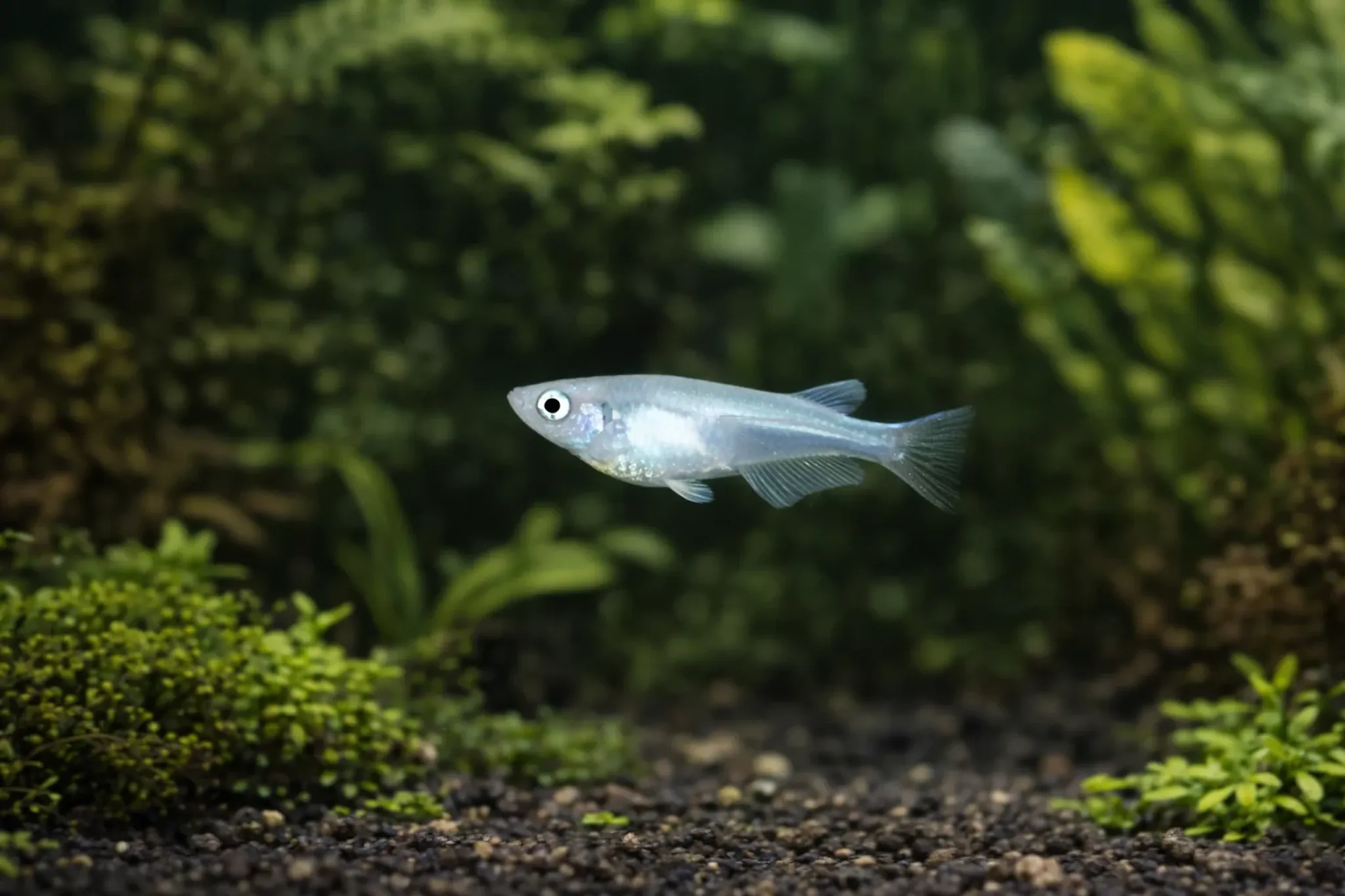

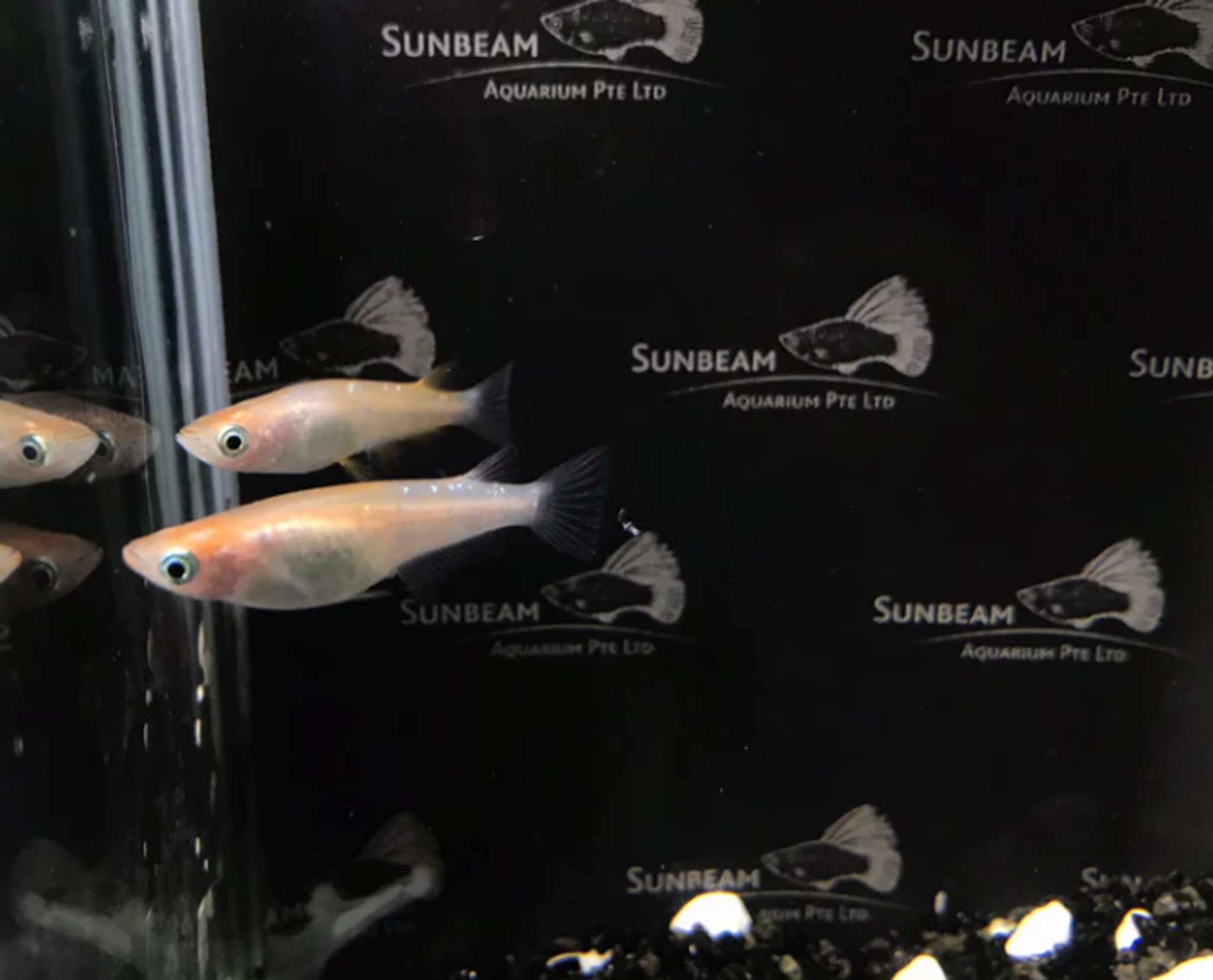
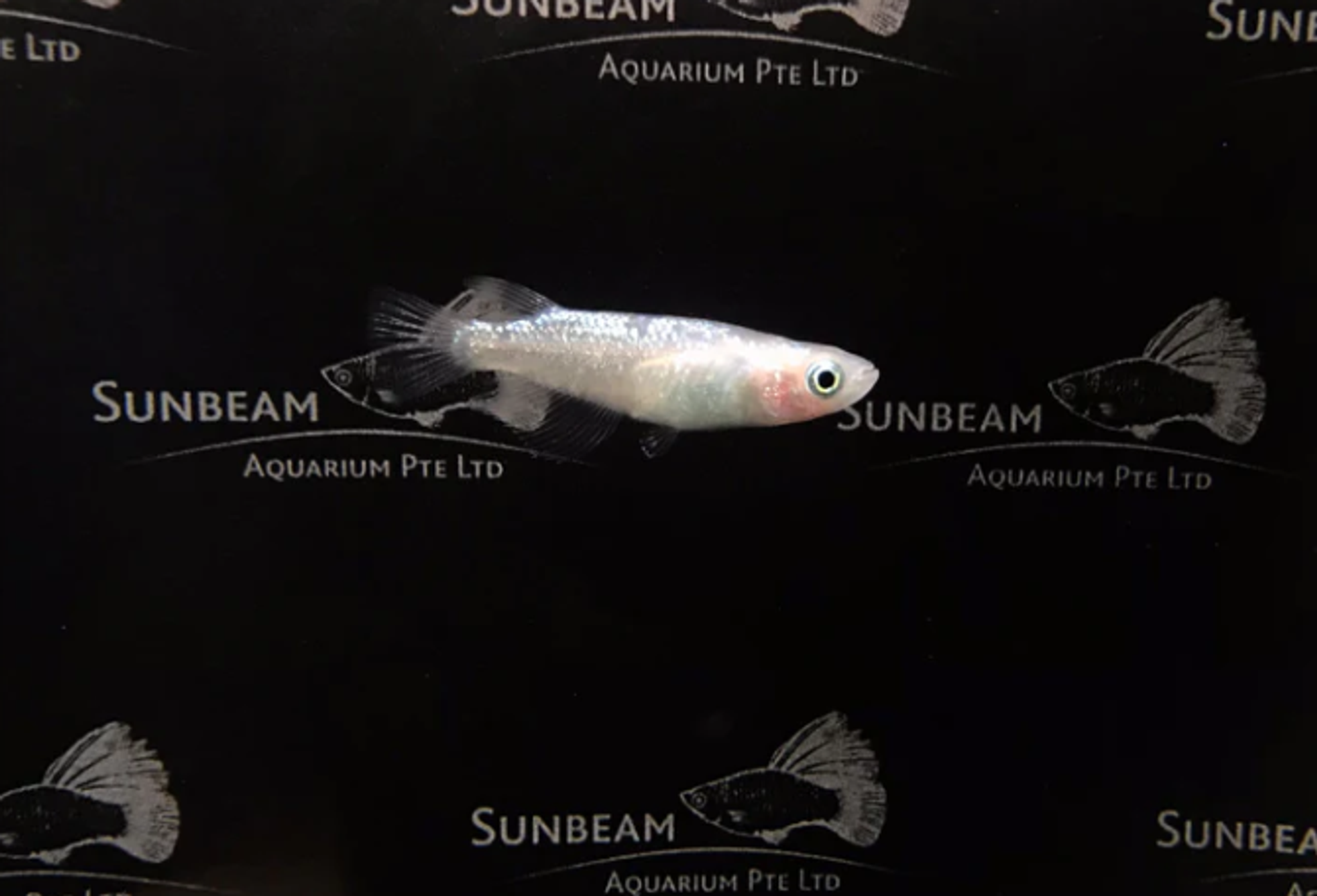
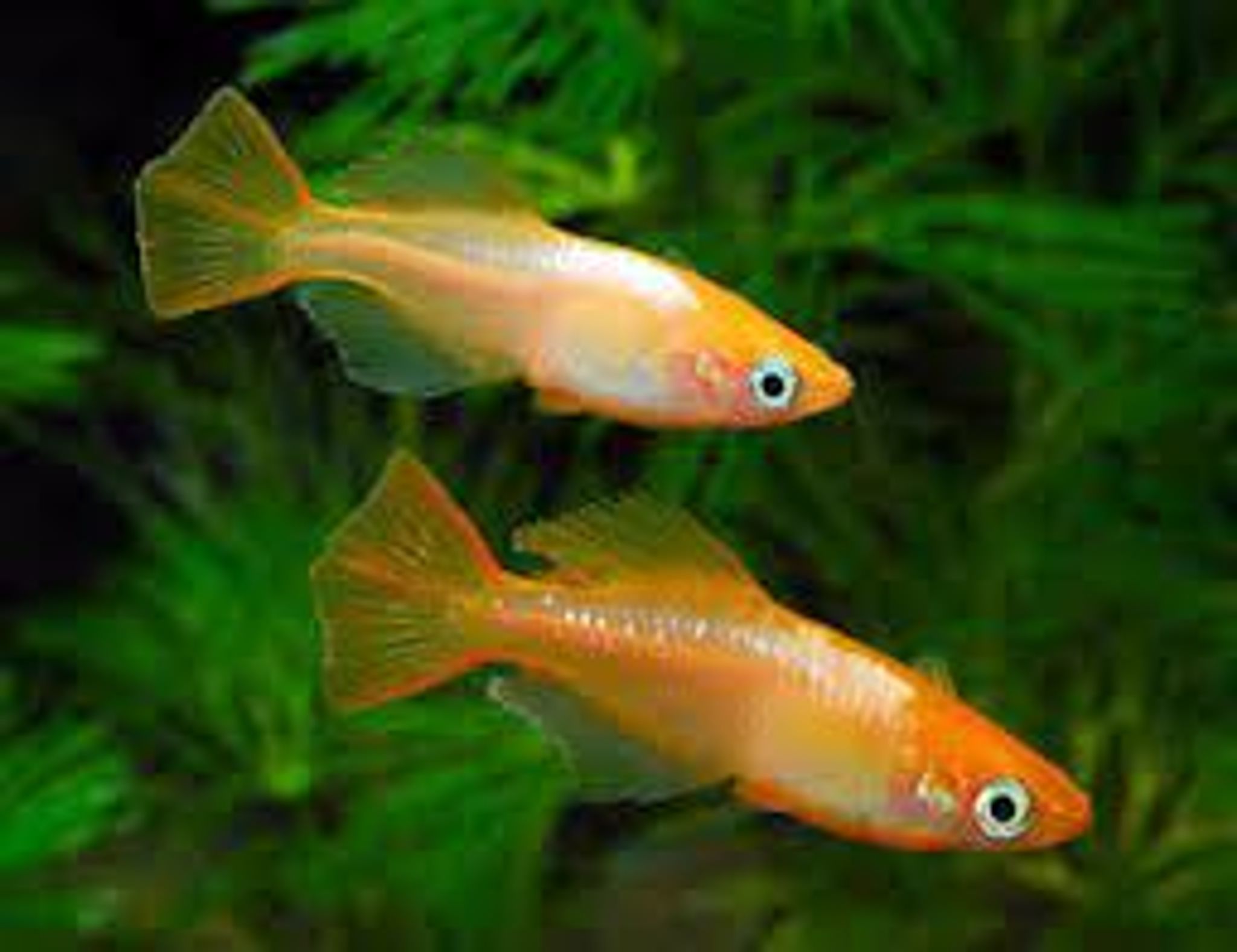
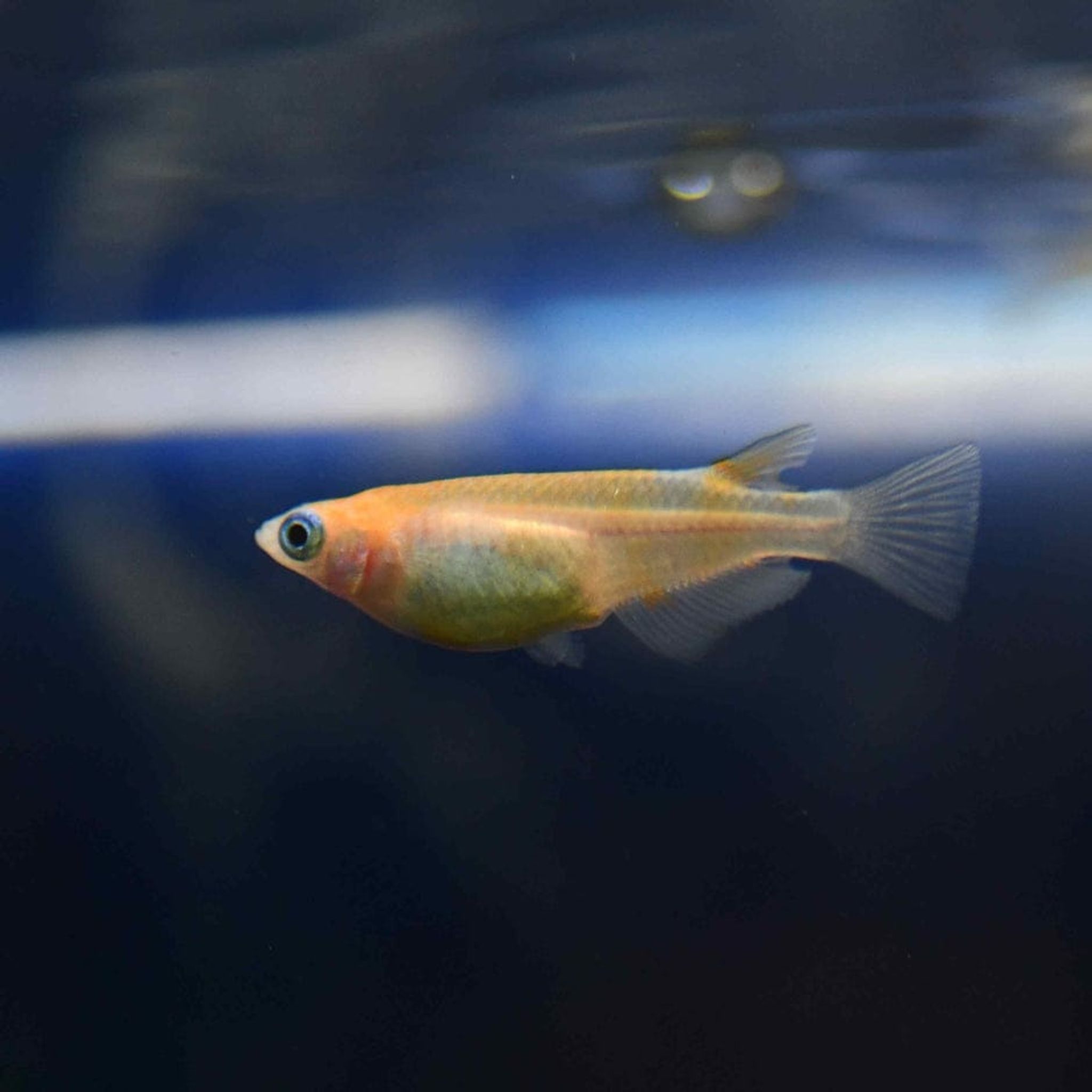
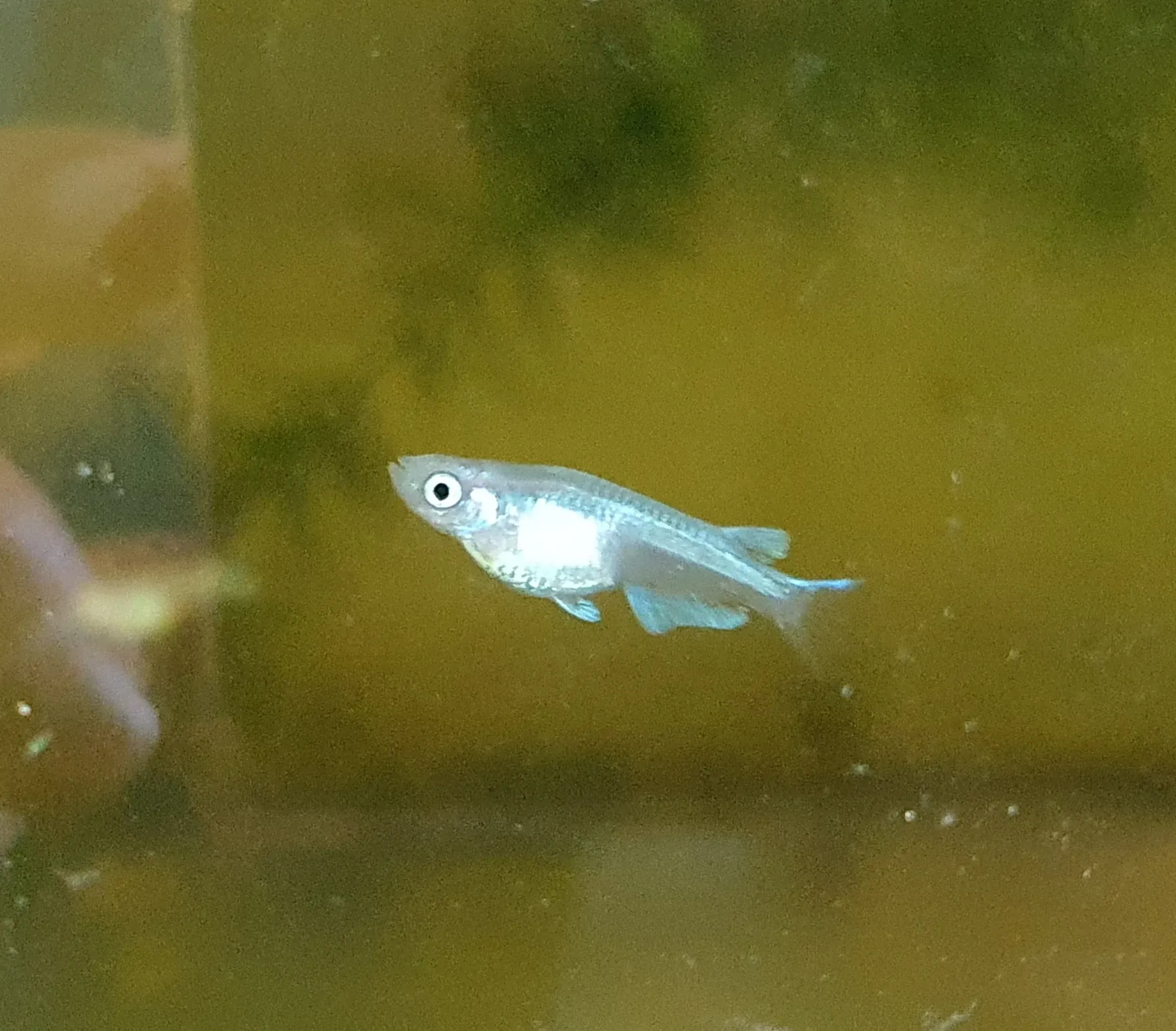
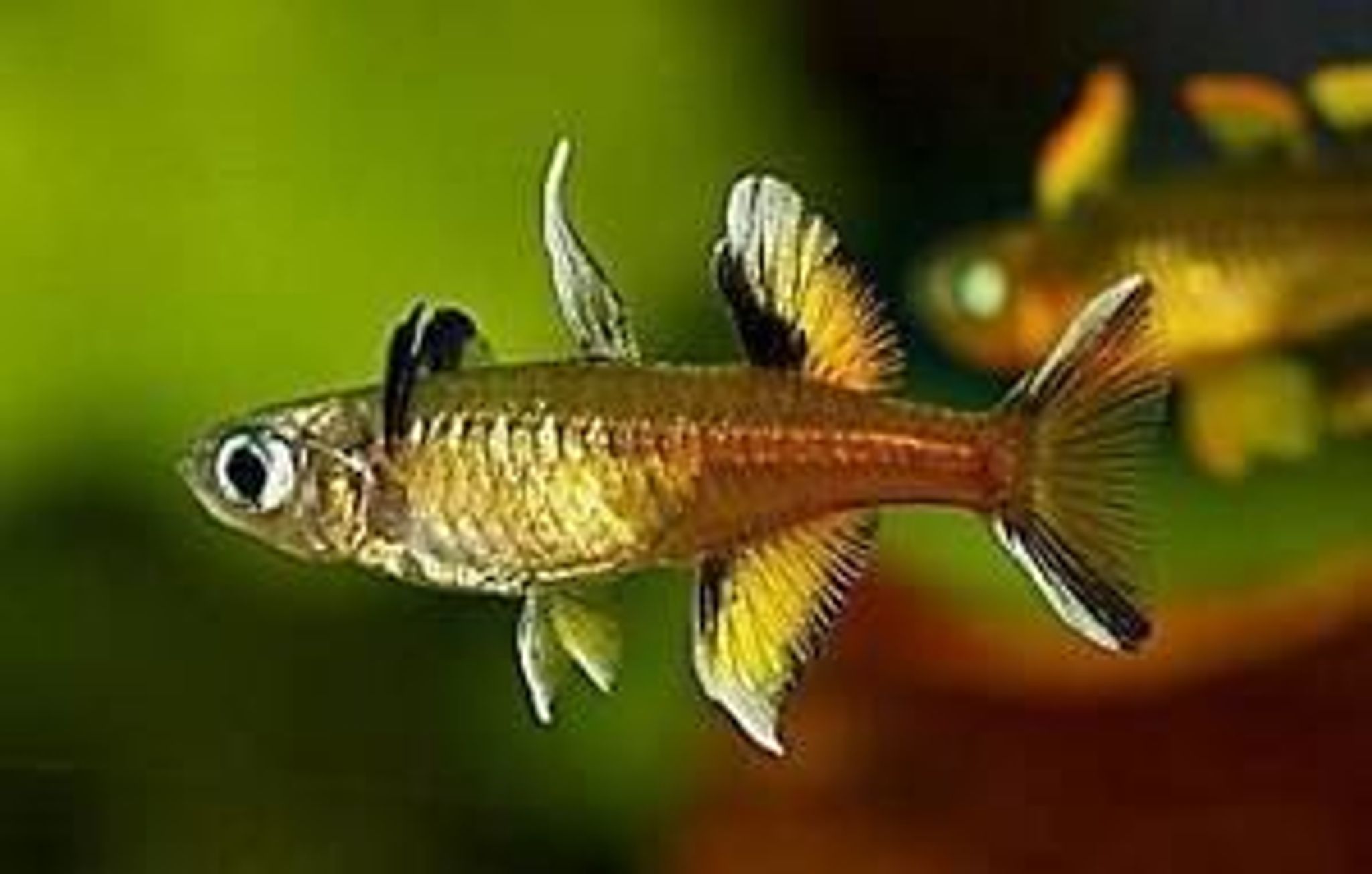
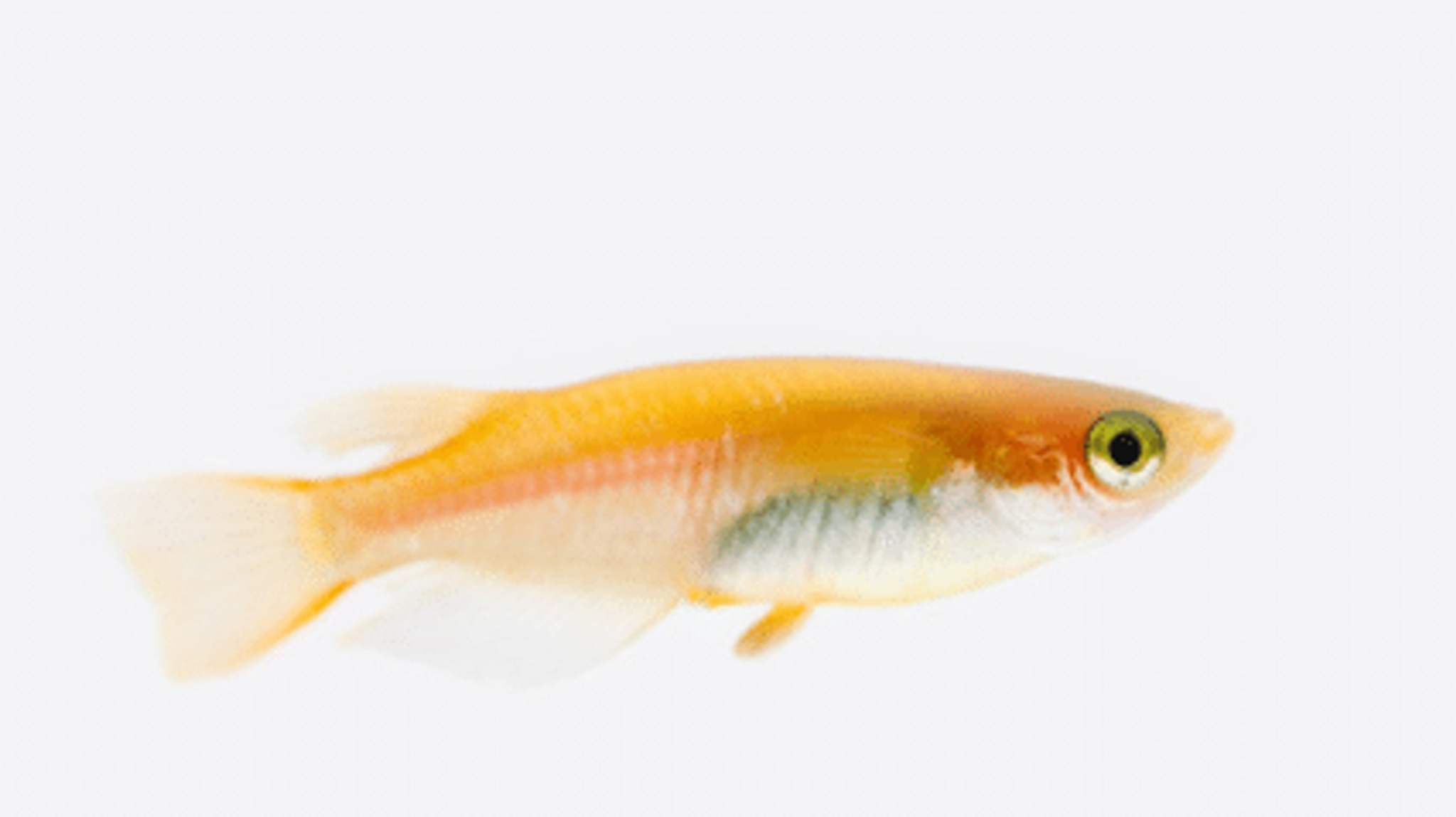
Explore Ricefish and Medaka for sale in Singapore from aquarium shops, breeders and freshwater fish sellers on FishyHub. Compare Japanese Rice Fish by colour, variety, size and seller.
Ricefish are small, peaceful freshwater fish known for their simple care, active swimming and wide range of selectively bred colours. Japanese Rice Fish, commonly called Medaka, are especially popular for nano aquariums, planted tanks and outdoor container setups.
Ricefish belong to the family Adrianichthyidae and include several small freshwater species found across parts of Asia.
In the aquarium hobby, Japanese Rice Fish or Medaka are particularly well known because of their hardy nature, attractive colour varieties and suitability for relatively simple planted setups.
Medaka is the Japanese name commonly used for Japanese Rice Fish, Oryzias latipes.
Selective breeding has produced many ornamental forms with different colours, metallic scales and body patterns.
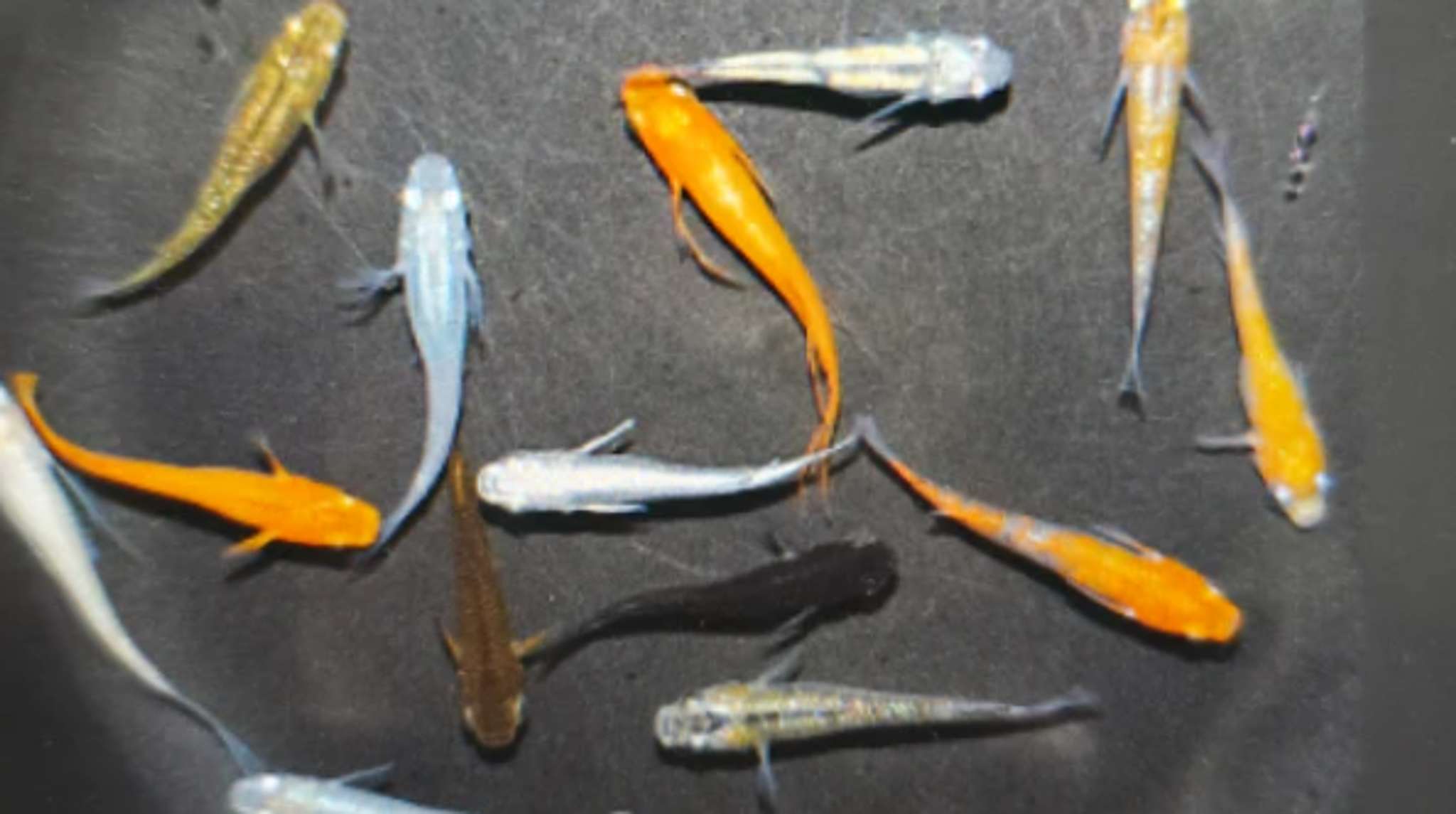
Medaka are available in a growing range of selectively bred colours and patterns, with availability depending on breeder and seller.
Orange Medaka are among the most recognisable Japanese Rice Fish varieties and can display warm orange coloration across the body and fins.
White Medaka have a pale or silvery-white appearance that stands out particularly well against dark substrate or planted backgrounds.
Miyuki Medaka are prized for metallic or reflective coloration along the upper surface of the body. The strength and coverage of this reflective appearance can vary between individual fish and breeding lines.
Black Medaka varieties can show dark pigmentation that creates a striking contrast in planted or light-coloured aquariums.
Other varieties may include yellow, red, metallic, glittering and multicolour strains depending on breeder availability. Individual appearance may continue developing as the fish matures.
Ricefish are small-bodied fish, which makes them popular for compact freshwater aquariums.
Despite their small size, they are active swimmers and benefit from enough horizontal space to move freely as a group.
Ricefish are social fish and generally look and behave more naturally when kept in a suitable group.
Groups also display more interesting social interactions and make the colours of different individuals easier to appreciate.
Ricefish can work well in smaller aquariums, but tank size should still account for group size and swimming space.
A longer aquarium footprint is generally more useful than a very tall narrow tank for these active surface and midwater swimmers.
Their compact size makes Ricefish popular for nano and desktop aquariums.
Even in small tanks, stable water conditions, suitable filtration and enough room for a social group remain important.
Ricefish are well suited to planted aquariums with a combination of open swimming space and dense vegetation.
Fine-leaved plants and floating vegetation can also provide useful cover for eggs and young fish.
Floating plants can provide shade, cover and additional structure near the surface.
Leave open areas so the fish can swim, feed and access the surface comfortably.
Medaka are often kept in outdoor tubs and container ponds in suitable climates.
In Singapore, outdoor setups should still be protected from overheating, heavy rain, predators and sudden water-quality changes.
Ricefish can be attractive choices for planted tubs and small container ponds when the setup provides stable water and protection from predators.
Floating and emergent plants can provide shade and cover while creating a more natural display.
Ricefish are generally peaceful and can work well with other small community fish.
Tankmates should be similarly peaceful and not large enough to prey on them.
Small peaceful Tetras may coexist with Ricefish when water conditions are compatible.
Avoid highly competitive or fin-nipping species that could repeatedly disturb the group.
Many small Rasboras can make suitable tankmates for Ricefish in planted community aquariums.
Both groups benefit from open swimming areas combined with plant cover.
Corydoras mainly occupy the bottom while Ricefish spend more time in the middle and upper parts of the aquarium.
This separation in swimming zones can make them suitable tankmates when their environmental requirements overlap.
Adult shrimp can often coexist with Ricefish in planted aquariums.
Very small juvenile shrimp may still be eaten, so dense moss and plant cover can improve survival.
Ricefish and Bettas may sometimes coexist, but individual Betta temperament is important.
Both can spend significant time near the surface, so enough swimming space and visual cover should be provided.
Ricefish and Guppies may coexist in suitable community setups when water conditions and feeding requirements are compatible.
Monitor feeding so neither group consistently outcompetes the other.
Ricefish are omnivorous and readily accept appropriately sized prepared foods.
Fine pellets or flakes can form part of the staple diet, with suitable frozen or live foods added for variety.
Their small mouths mean food size matters, particularly for young or smaller Ricefish.
Feed portions the group can consume readily without leaving excessive food to deteriorate in the aquarium.
Ricefish benefit from stable, clean freshwater and consistent aquarium maintenance.
Different Oryzias species can have different temperature and water chemistry preferences, so exact species should be considered when planning the setup.
Whether heating is needed depends on the actual aquarium temperature and the Ricefish species being kept.
Singapore's climate is warm, but air-conditioned rooms can be considerably cooler, so checking the water temperature is more useful than assuming heating is unnecessary.
Ricefish benefit from gentle, effective filtration that maintains water quality without producing excessive current.
Sponge filters, small HOB filters and other appropriately sized systems can work well depending on the aquarium.
Ricefish can jump, especially when startled.
A secure aquarium cover or careful management of open-top setups can help reduce accidental escapes.
Male and female Ricefish can often be distinguished as they mature, although differences vary by species and strain.
Mature females are often fuller-bodied, while males may show differences in fin shape or display behaviour.
Medaka are popular breeding fish and can reproduce readily when conditions are suitable.
Females carry clusters of eggs briefly before attaching them to aquatic plants, spawning media or other surfaces.
Fine-leaved plants, floating roots or dedicated spawning material can provide surfaces for Medaka eggs.
Adults may eat eggs or fry, so breeders often separate eggs or provide dense plant cover.
Newly hatched Ricefish fry are very small and require appropriately sized foods.
As they grow, they can gradually move onto larger prepared foods.
Many Ricefish, especially commonly kept Medaka varieties, can be good choices for beginners.
Their relatively simple care, peaceful behaviour and suitability for planted tanks make them accessible while still rewarding for experienced breeders.
When comparing Ricefish for sale, look for:
Colour intensity may vary according to strain, age, lighting and environment, so health should not be judged by colour alone.
Introduce new Ricefish carefully to avoid abrupt changes in temperature and water chemistry.
Quarantine can also help reduce the risk of introducing disease into an established aquarium.
Ricefish prices in Singapore vary according to species, strain, colour, metallic pattern, breeding line, size and seller.
Common Medaka varieties may be relatively accessible, while selectively bred or uncommon strains can command higher prices.
FishyHub brings Ricefish and Medaka listings from aquarium shops, breeders and freshwater fish sellers across Singapore together in one marketplace, making it easier to compare available varieties from multiple sources.
When comparing Ricefish listings, consider:
Livestock availability changes regularly, particularly for specialised Medaka colour strains and breeder lines.
Yes. Medaka is the common Japanese name for Japanese Rice Fish, Oryzias latipes.
Their small size makes them suitable for compact aquariums, provided there is enough swimming space for a social group.
They can be kept in outdoor containers when the setup is protected from excessive heat, heavy rain, predators and unstable water conditions.
Adult shrimp can often coexist with Ricefish, although juvenile shrimp may be eaten.
They sometimes can, but individual Betta temperament and competition for surface space should be considered.
They are omnivorous and accept suitably sized flakes, pellets and complementary foods.
They can breed readily under suitable conditions, making them popular with hobbyists interested in selective breeding.
Many commonly kept Ricefish are beginner-friendly when kept in a stable, properly maintained aquarium.
Explore Ricefish and Medaka for sale on FishyHub and compare orange, white, Miyuki, black and other Japanese Rice Fish varieties from aquarium shops and breeders across Singapore. Compare strain, colour, size, condition and price to find suitable Ricefish for your aquarium or planted container setup.