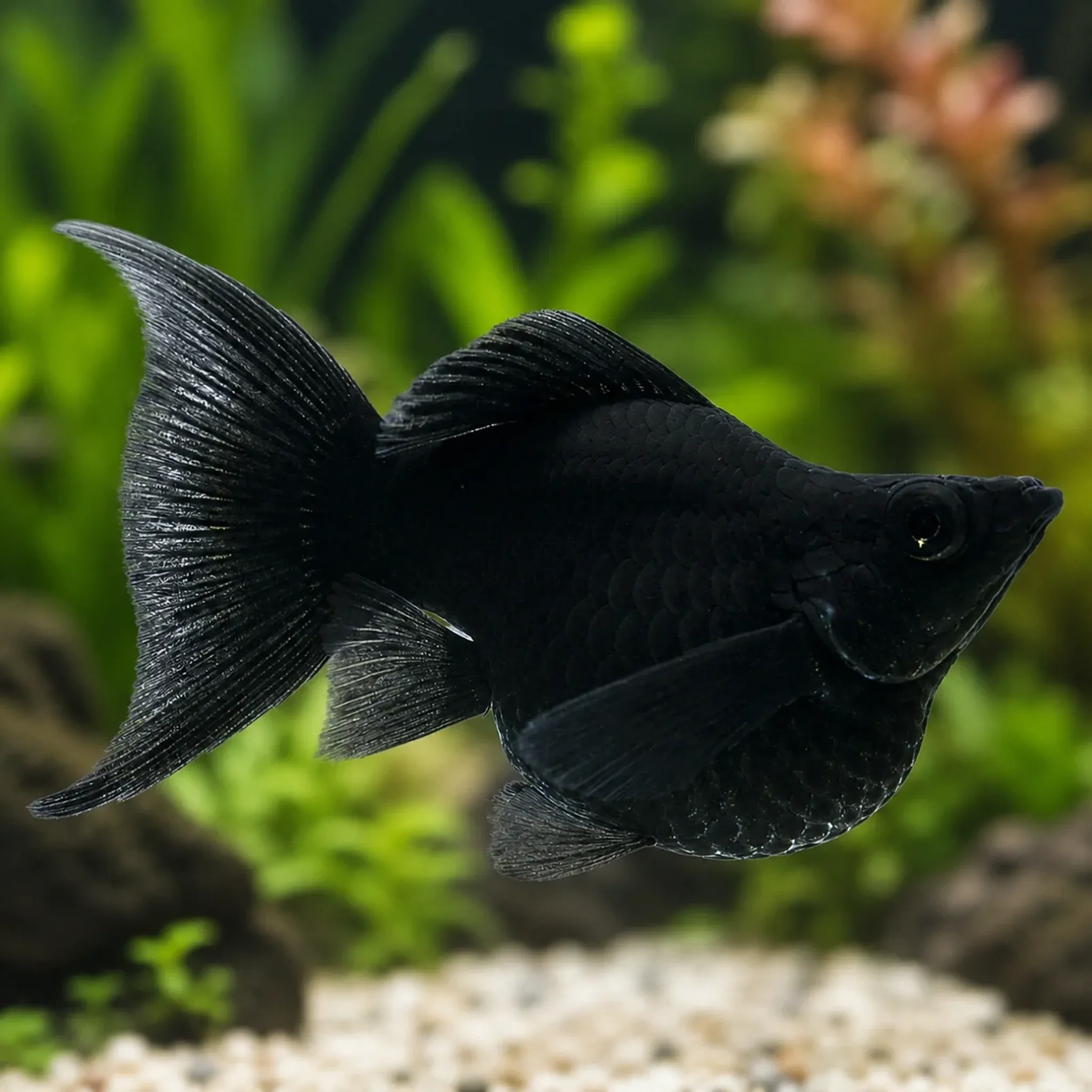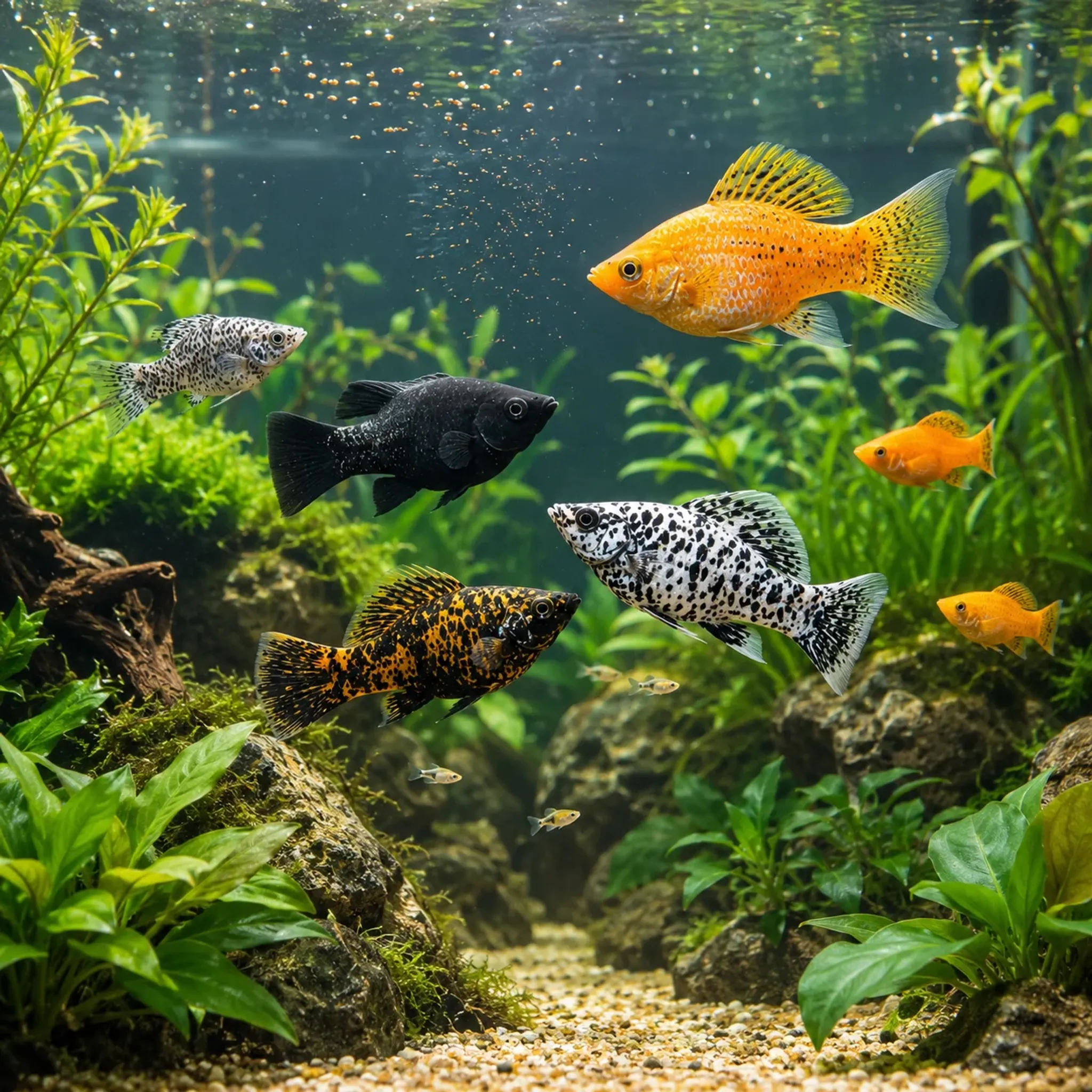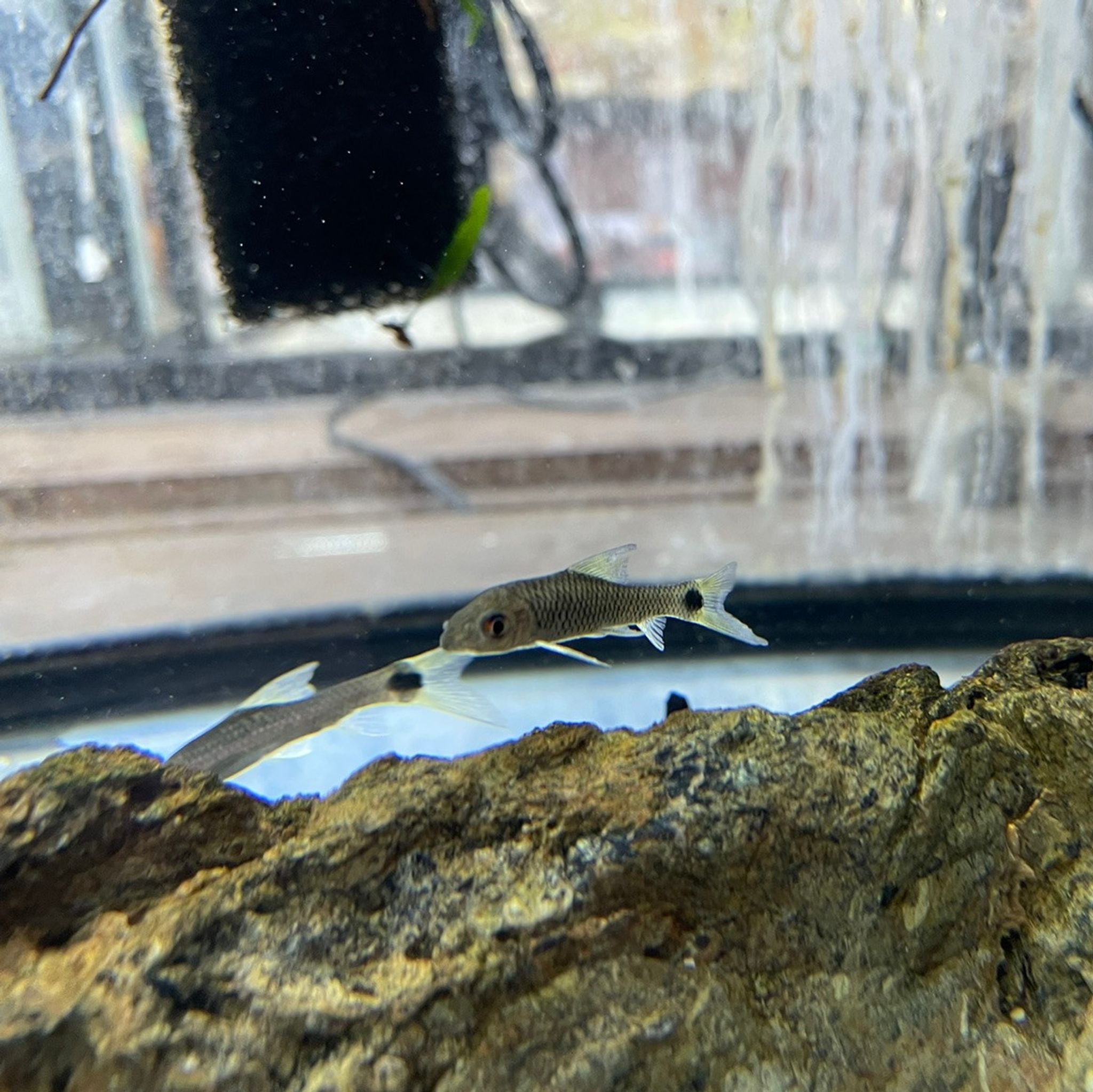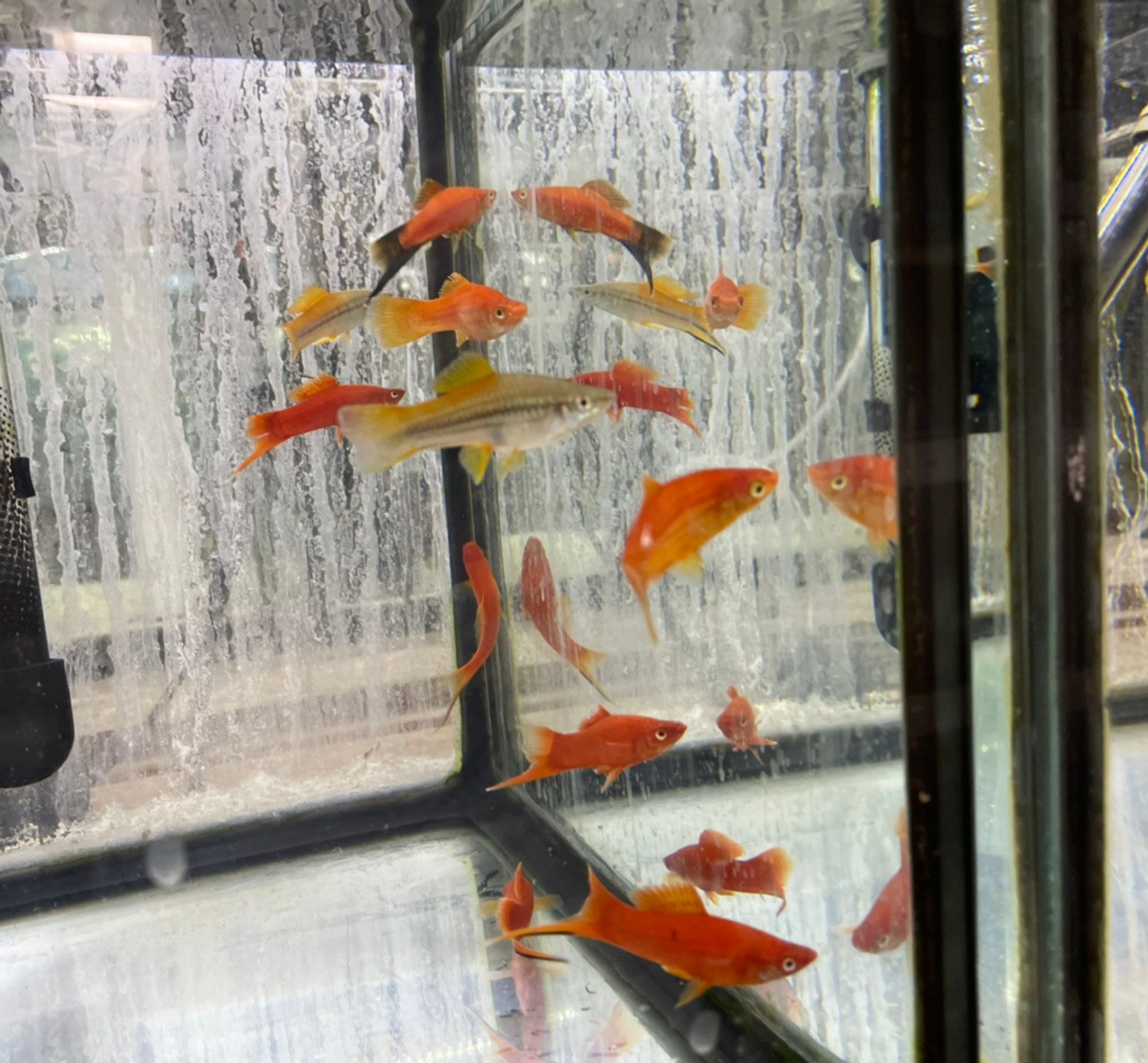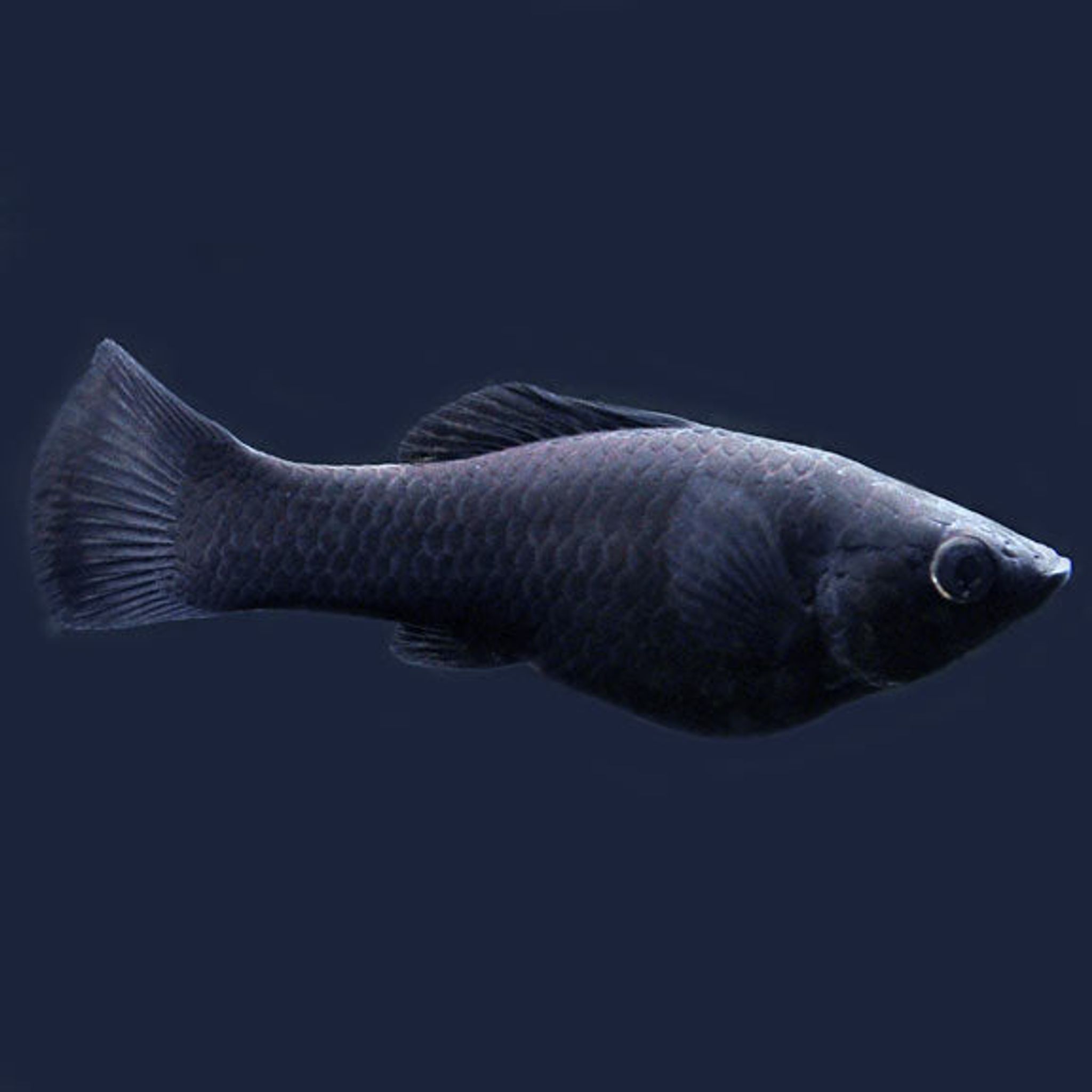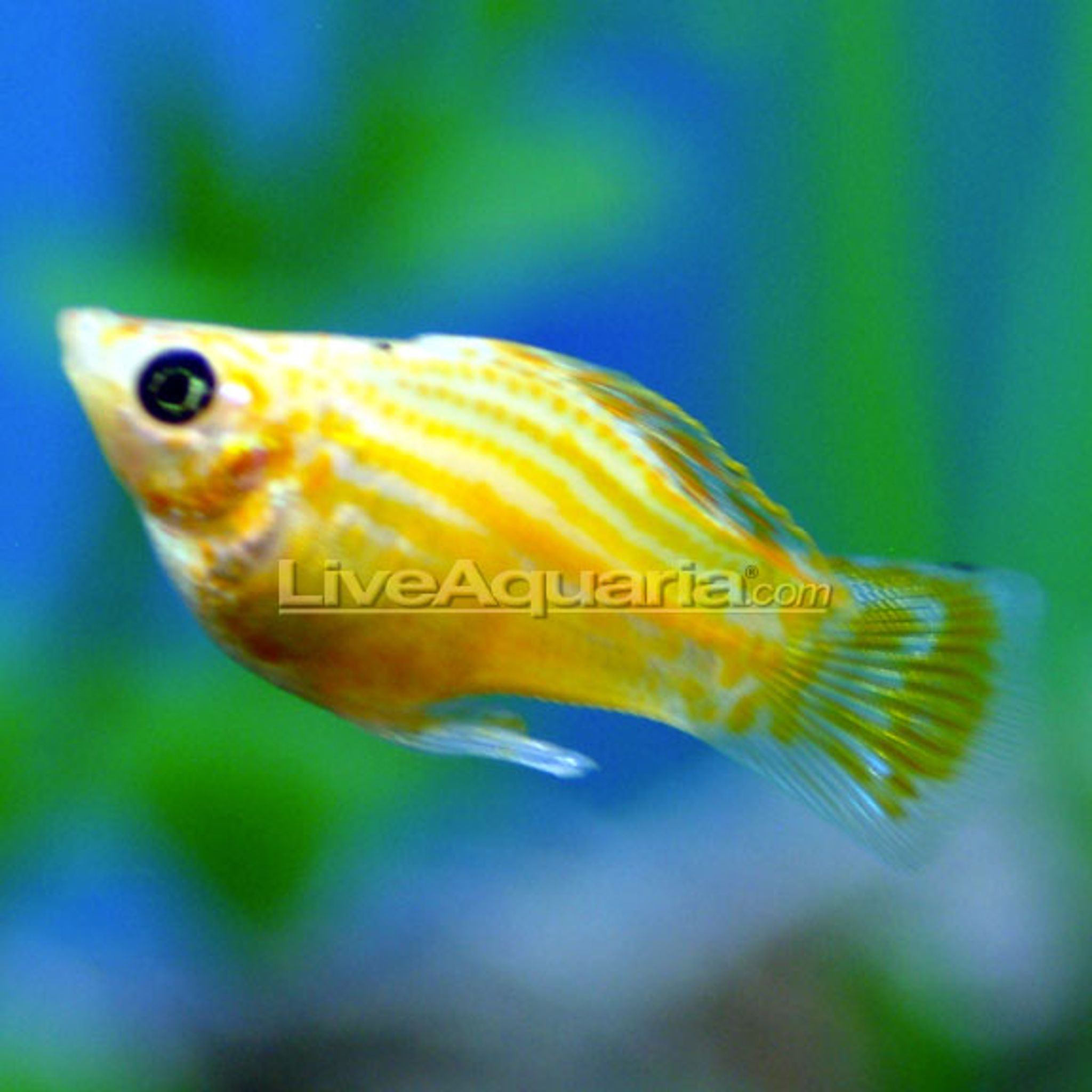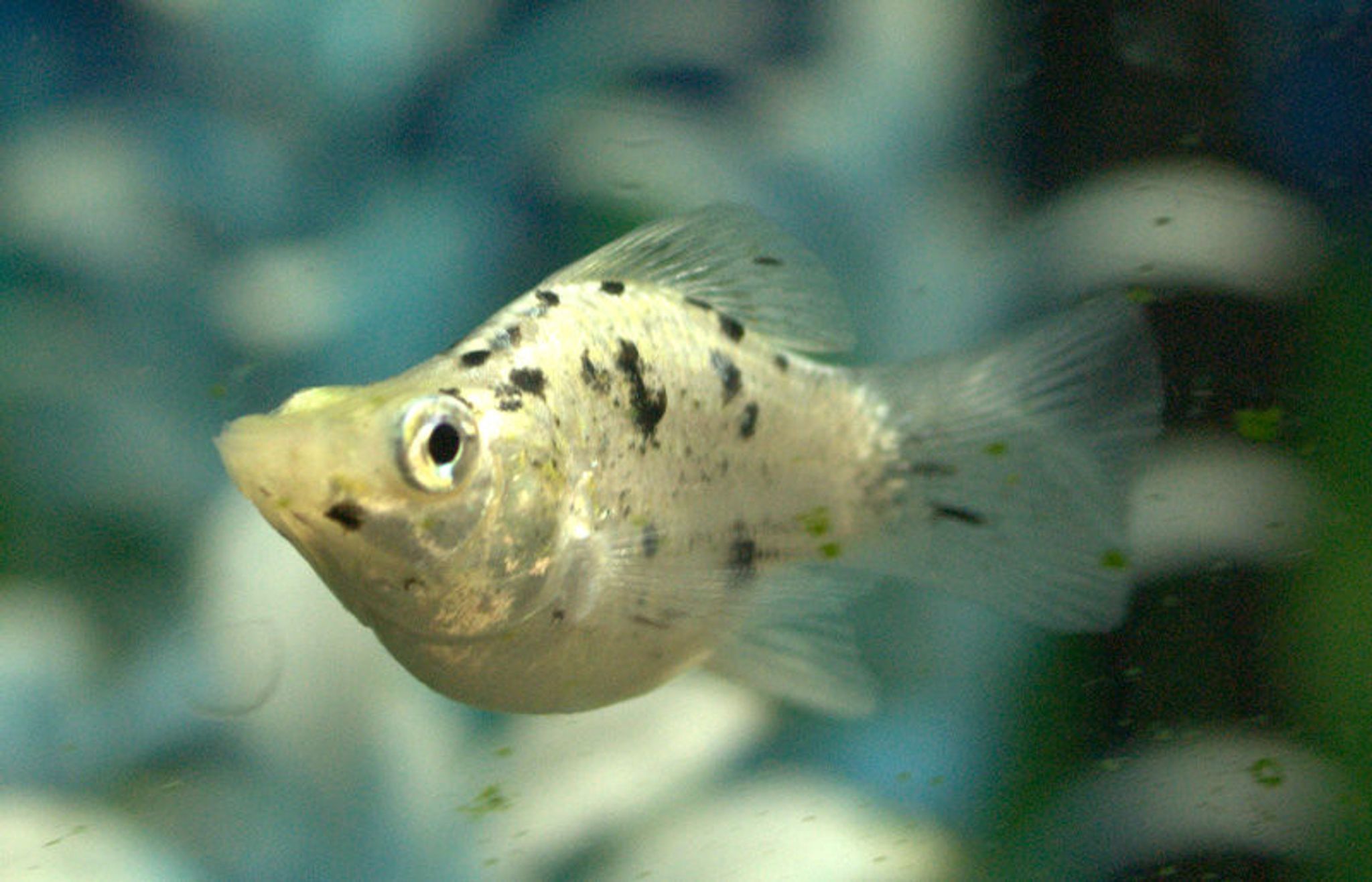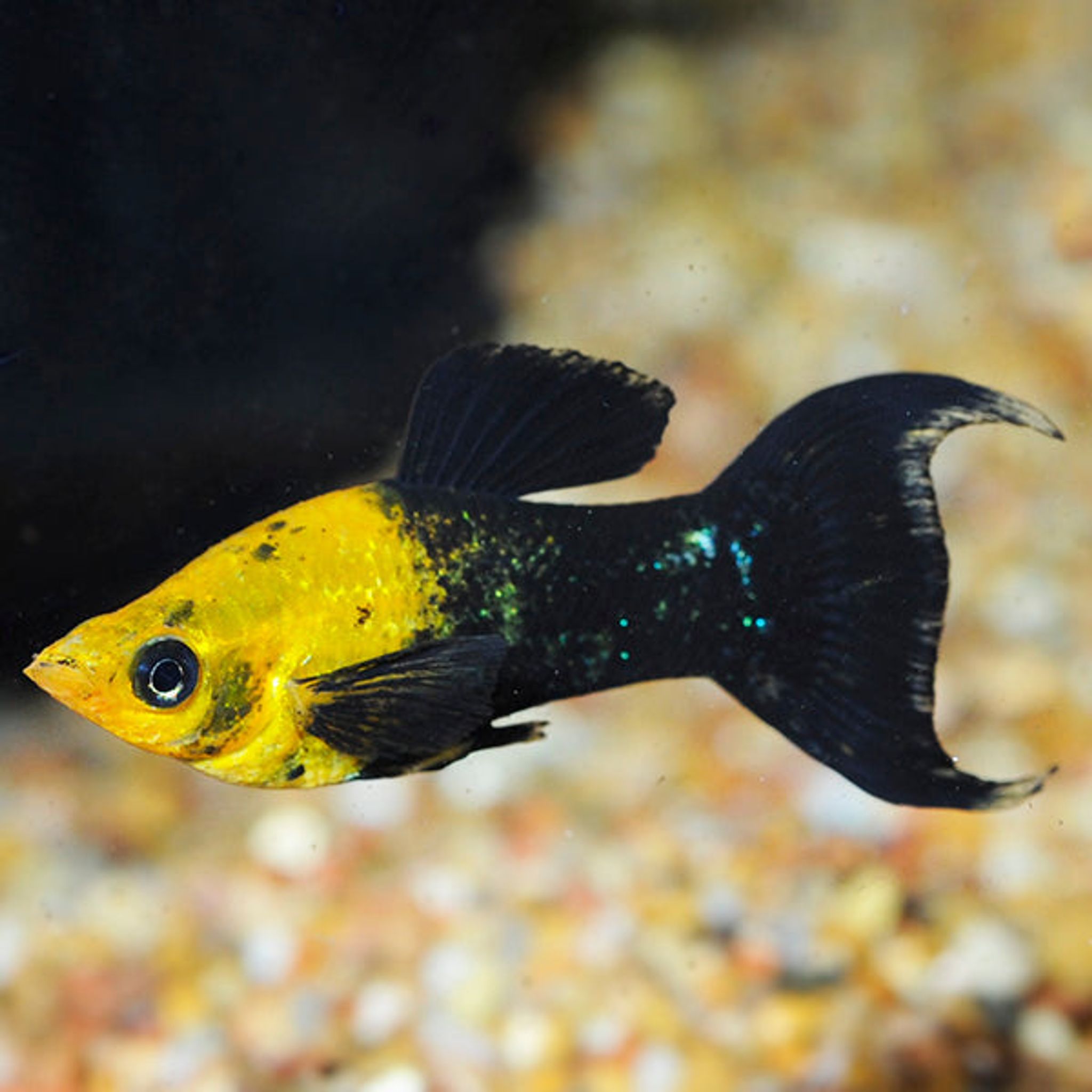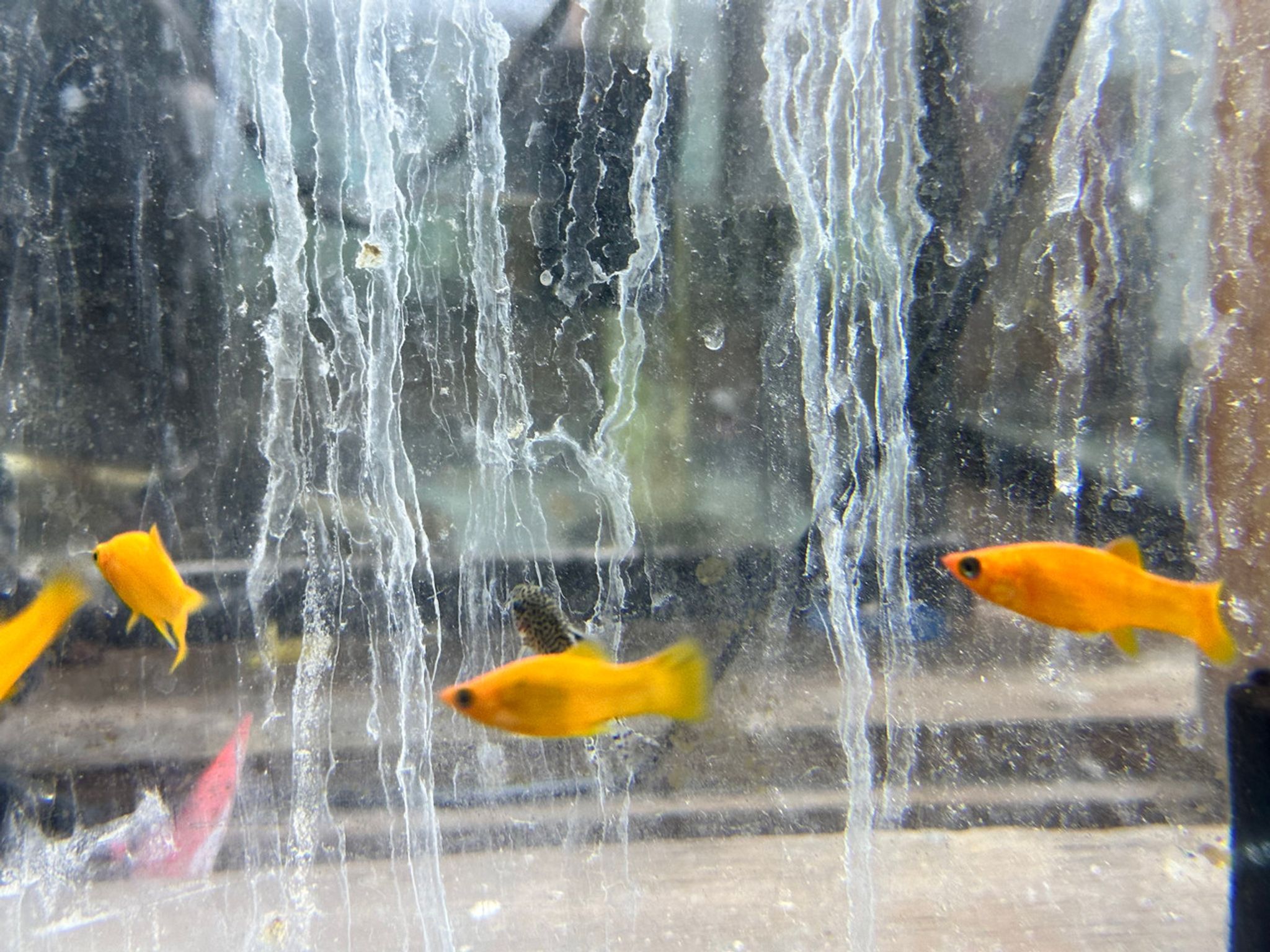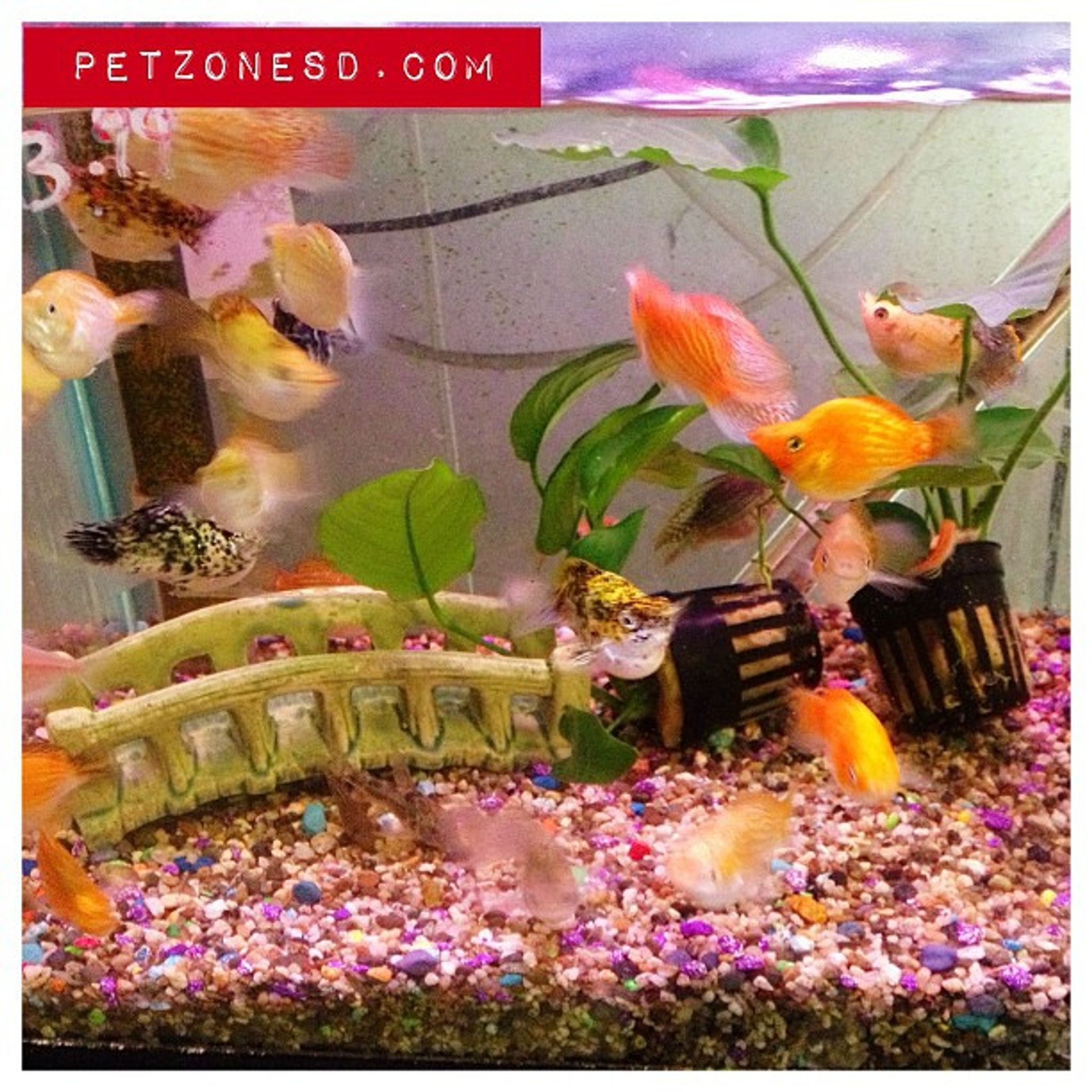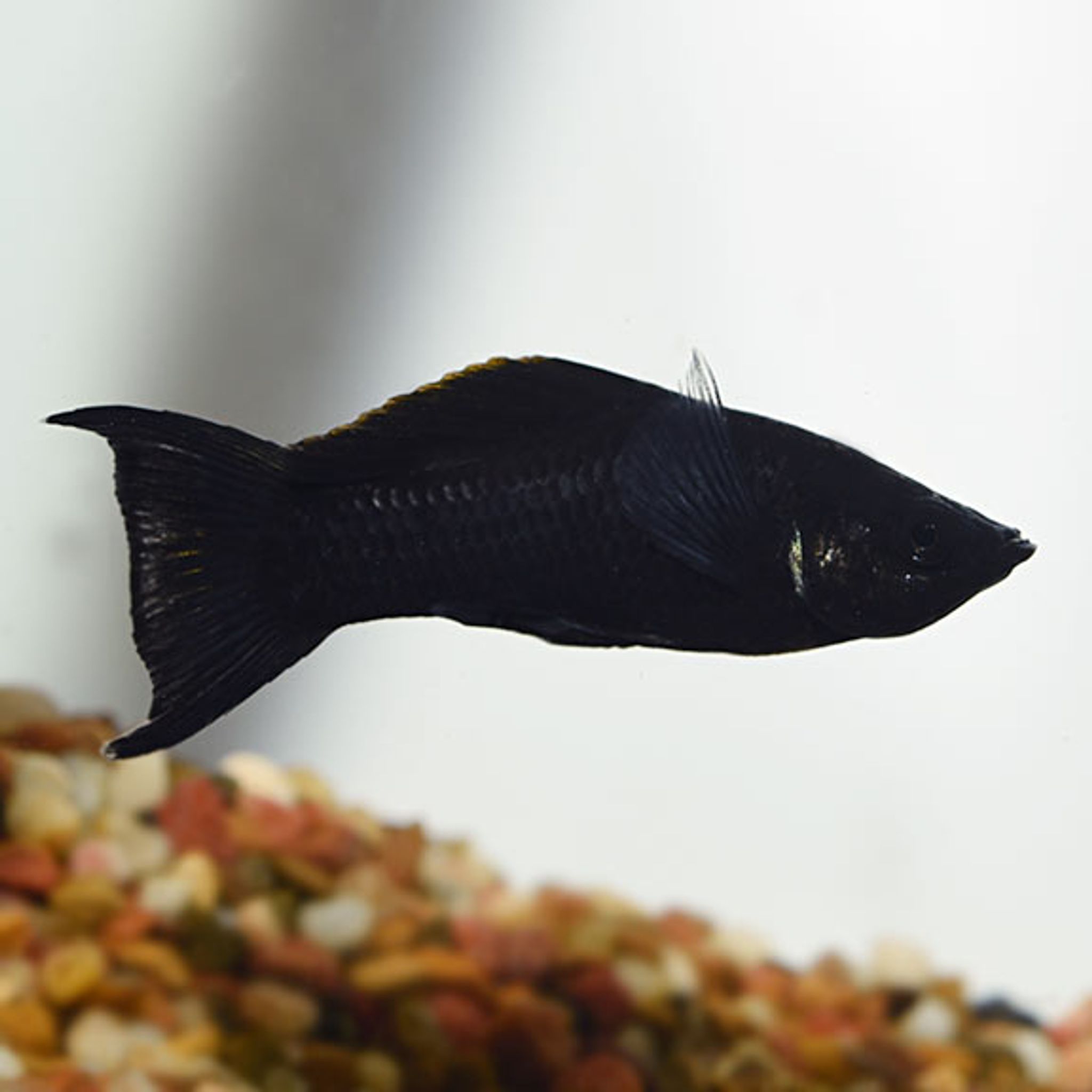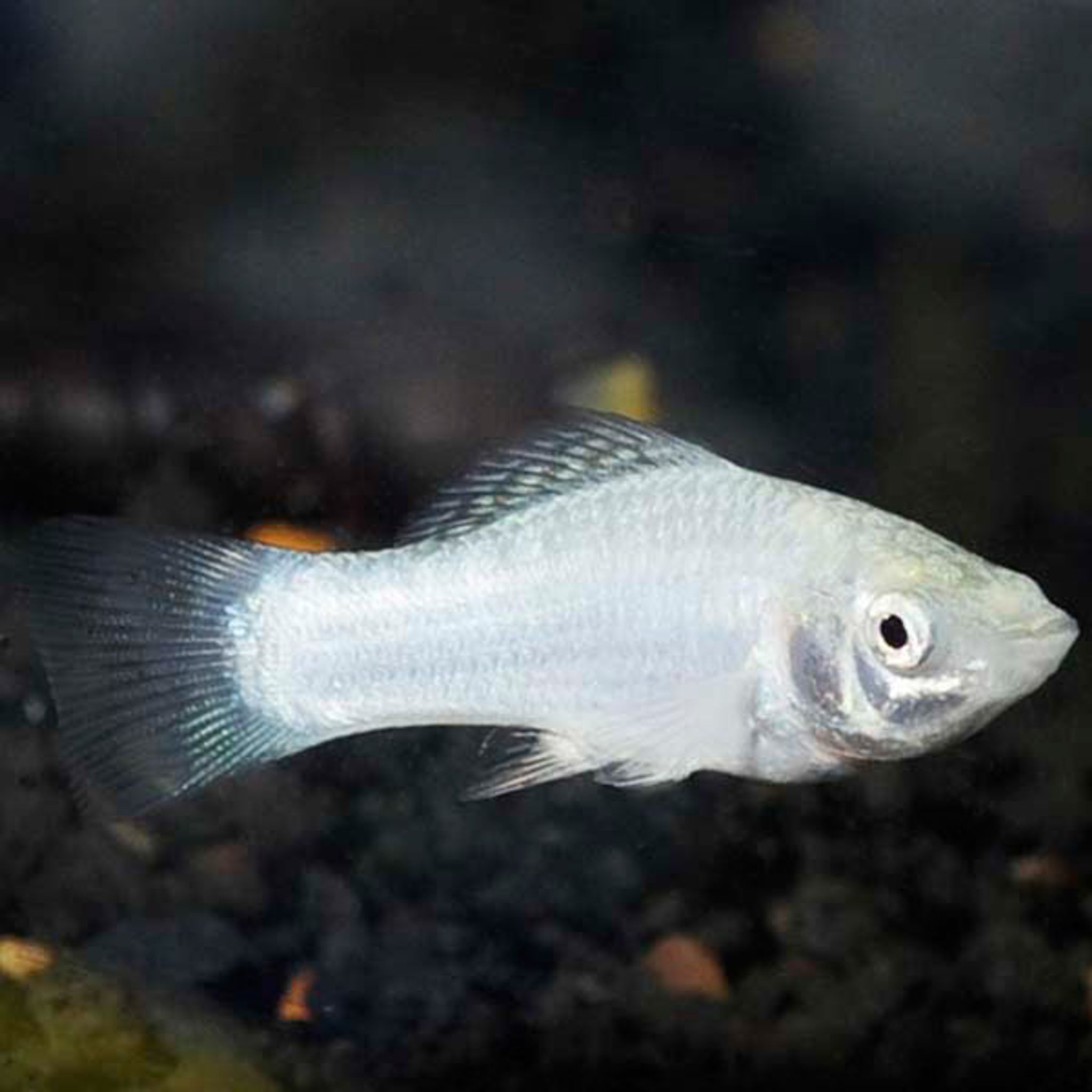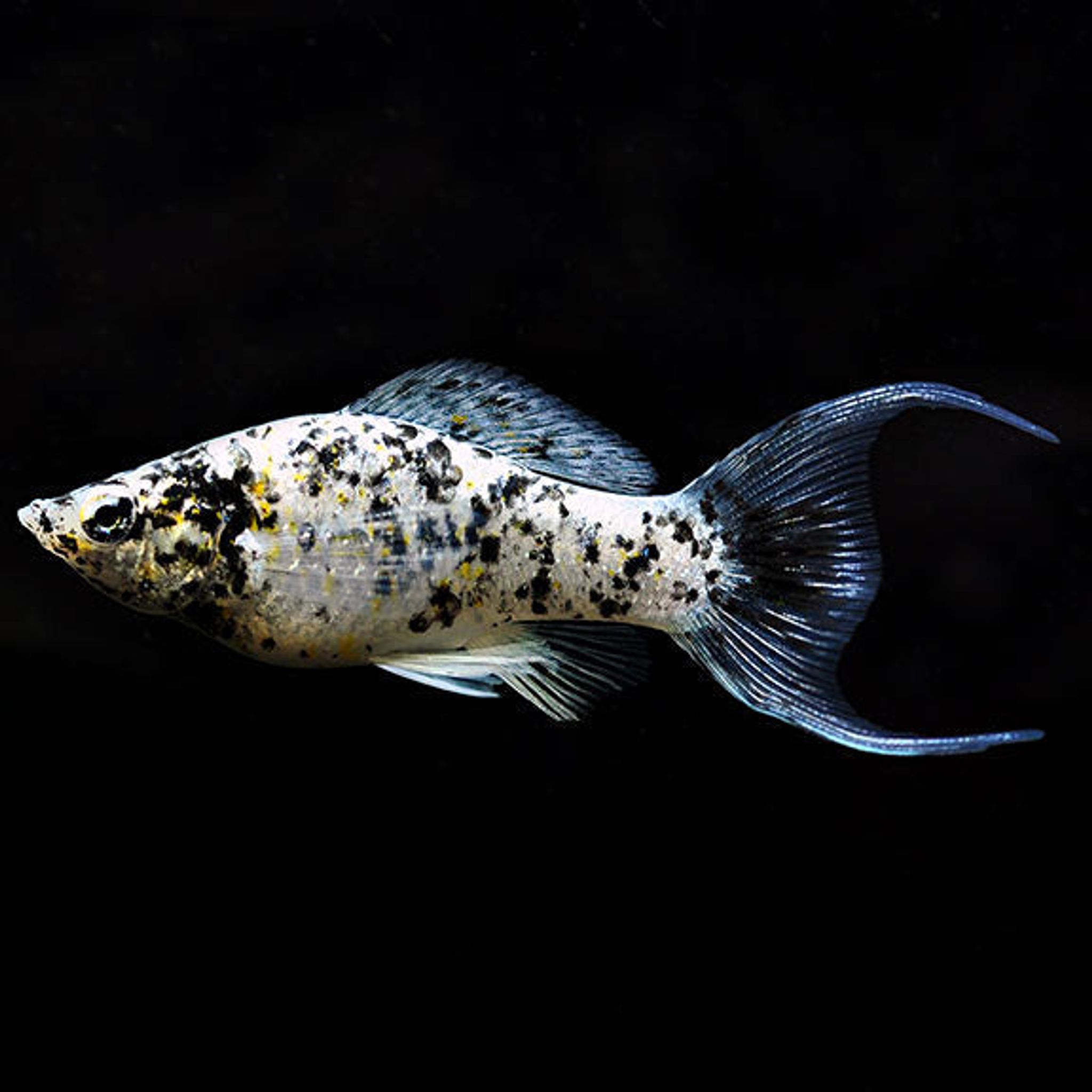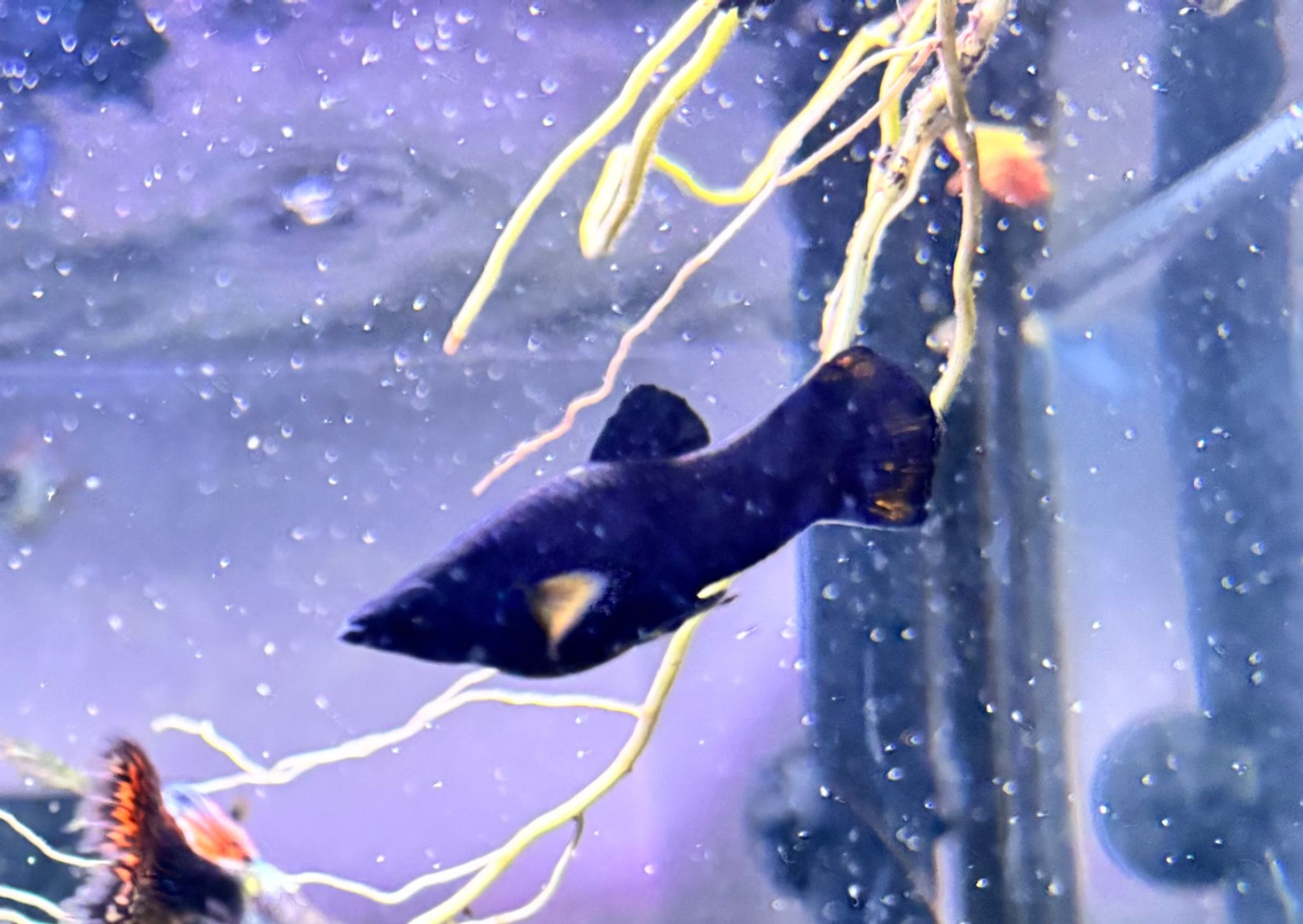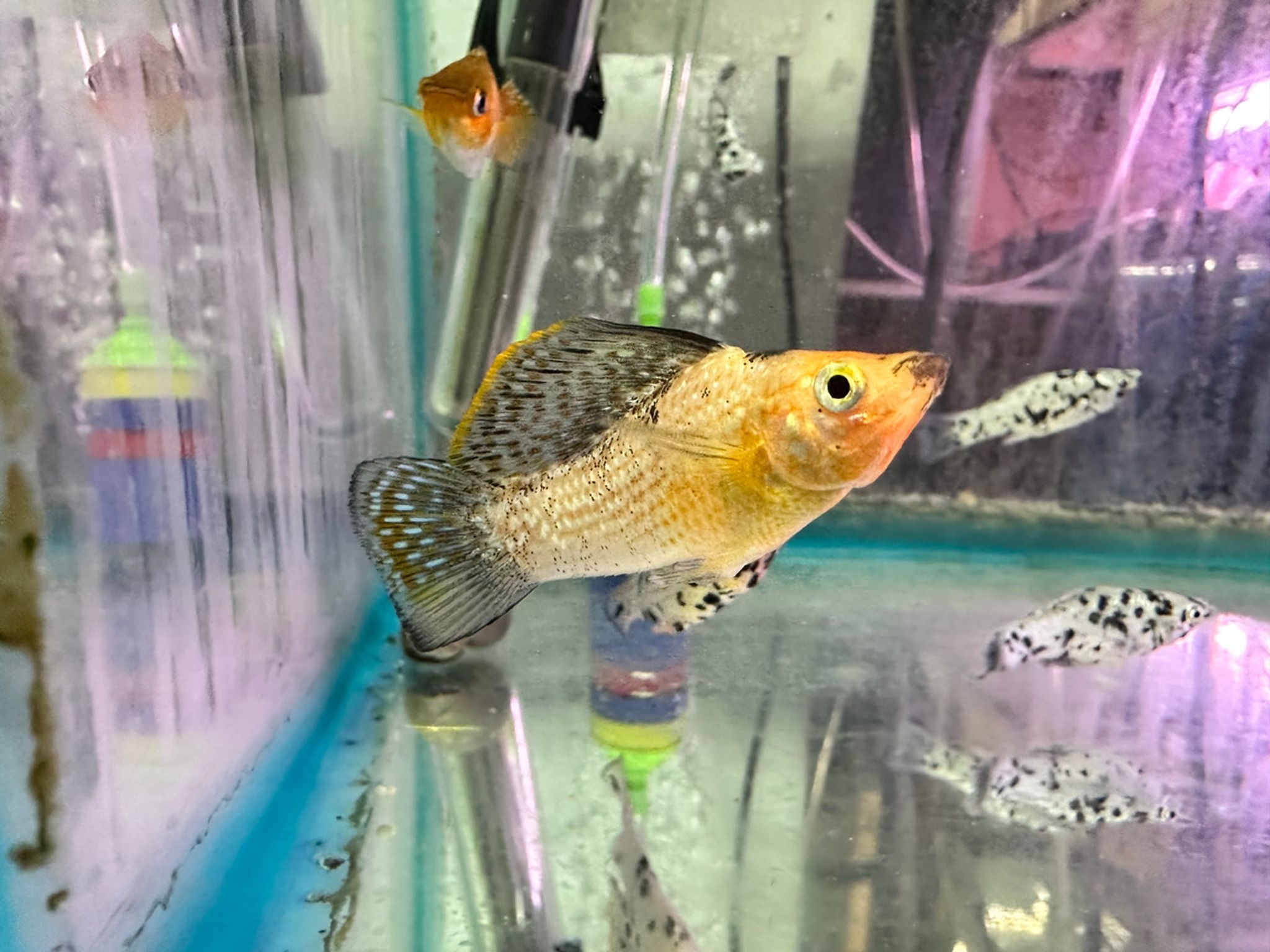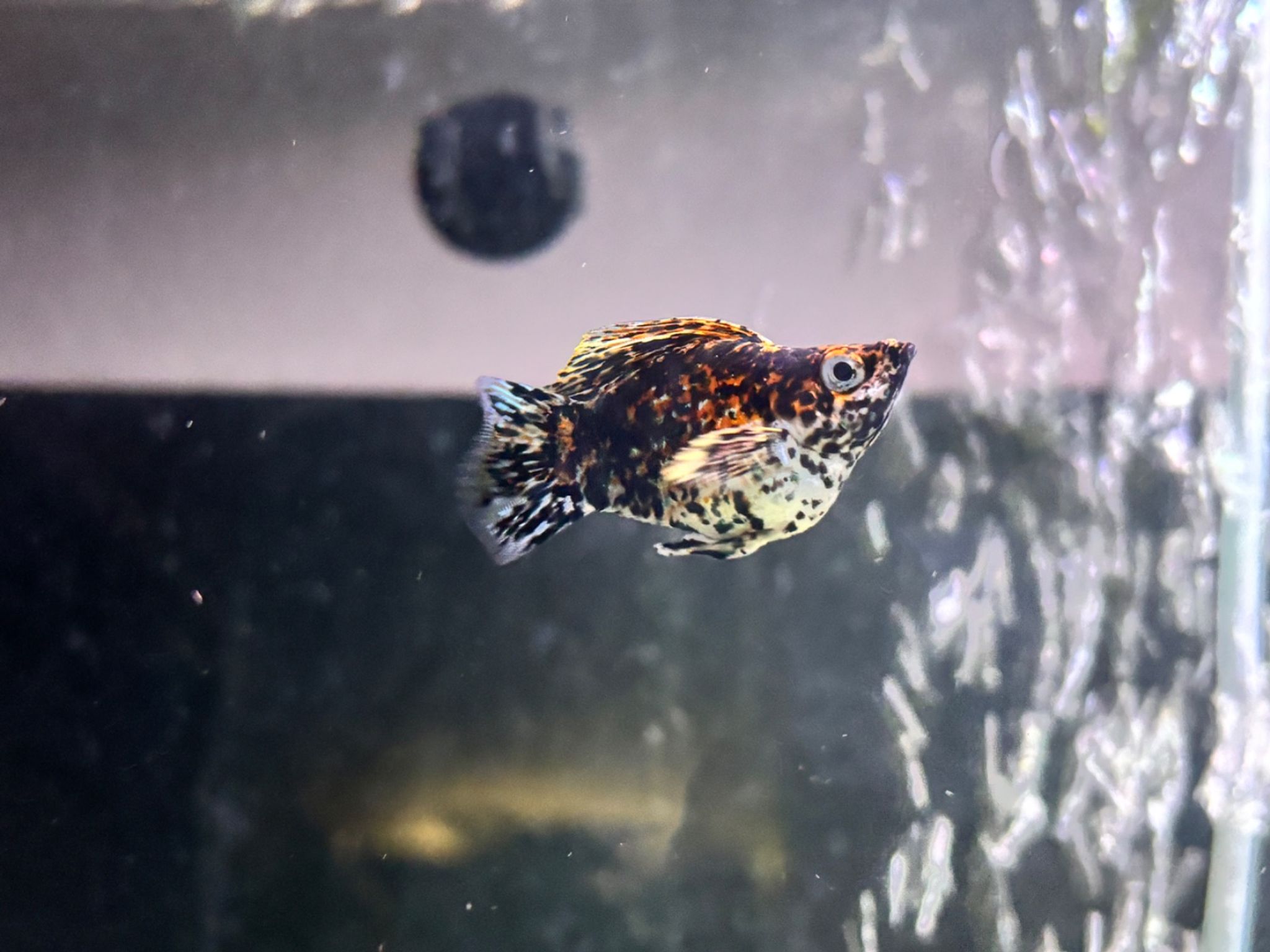
Ballon molly
Click to enlarge

Unless stated otherwise, photos show the species, not the exact fish you'll receive.

Ballon molly

USD 7.00

Delivery Information

Delivery takes 3 to 7 working days. Delivery fees will be shown upon checkout.

Dead-on-arrival protection: report within 3 days of delivery with a photo or video for an exchange or return.

Product Variations

Quantity

Stock: 5

Product Details

Size

12cm - 24cm

Temperament

Peaceful

WYSIWYG

Representative Photo Only

Product Description

A livebearer equally at home where rivers meet the sea.

Buy healthy Mollies online—hardy, peaceful livebearers ideal for community tanks. Easy to care for, colourful, and adaptable to freshwater or brackish water.

  • Water conditions: Mollies thrive in stable, well-filtered water with a temperature of 24–28°C (75–82°F), pH 7.0–8.5 and moderate to hard general hardness (10–25 dGH). They tolerate slightly brackish conditions well, especially sailfin varieties; a specific gravity of 1.000–1.005 can be beneficial but is not essential for all home aquariums. Keep ammonia and nitrite at 0 ppm and nitrate below 20 ppm, and perform 25–30% weekly water changes with dechlorinated water. Provide gentle to moderate water movement, a mature filter and plenty of surface agitation. Avoid soft, acidic water and sudden swings in temperature or pH. Test water regularly, acclimatise new fish slowly, and consider adding aquarium salt only according to product instructions and the needs of tank mates. A stable, cycled aquarium is far more important than chasing a single “perfect” reading.
  • Suitable tank mates: Mollies are generally peaceful community fish and do best with other calm, similarly sized species. Good companions include platies, guppies, swordtails, endlers, danios, rasboras, corydoras catfish, bristlenose plecos, peaceful tetras and ornamental snails. Avoid fin-nipping or aggressive fish such as tiger barbs, serpae tetras, many cichlids and male bettas, which may stress or injure mollies. Very small shrimp and fry may be eaten, so plan accordingly. Keep mollies in groups, ideally with one male to two or three females, to spread male attention and reduce harassment. If you keep multiple livebearer species, monitor breeding closely; mollies can hybridise with some related species. Always quarantine new arrivals and check compatibility based on adult size, temperament and water-parameter needs before adding fish to the main display.
  • Feeding habits: Mollies are omnivores with a strong need for plant-based matter. Offer a high-quality staple flake or micro-pellet containing spirulina or algae, supplemented with blanched zucchini, cucumber, spinach, romaine lettuce and other safe vegetables. Live or frozen foods such as brine shrimp, daphnia and occasional bloodworm add protein and encourage natural foraging behaviour. Feed two or three small portions daily, only as much as the fish can consume in two to three minutes, and remove uneaten food to protect water quality. Because mollies graze constantly, they benefit from algae growth on rocks and glass, but do not rely on tank algae alone. Avoid high-protein diets with little vegetable content, as these can contribute to digestive issues and poor condition. Fry and growing juveniles can be fed crushed flakes and baby brine shrimp several times daily.
  • Care requirements: Provide a tank of at least 20 gallons (75 litres) for a small group, with 30 gallons or more preferred for sailfin mollies and larger communities. Use a tight-fitting lid because mollies can jump, and include plants, floating cover and hiding spots to reduce stress. Acclimatise carefully by drip or slow addition of tank water, and quarantine new fish for two to four weeks where possible. Watch for common issues such as ich, velvet, fin rot and “shimmies,” which often signal poor water quality or stress. Maintain consistent maintenance: weekly water changes, filter cleaning in tank water, and regular testing for ammonia, nitrite, nitrate, pH and hardness. Adult size is typically 6–10 cm depending on variety, with some sailfin types growing larger, so plan for their adult footprint. Mollies are prolific livebearers; separate sexes or provide dense cover and separate grow-out space if you do not want fry.
  • Long-term care and breeding: With good husbandry, mollies commonly live around three to five years. They are livebearers, and females can store sperm, so a single introduction can lead to multiple batches of fry. Provide floating plants or a dedicated breeding net if you want to raise fry, and feed fry crushed flakes, baby brine shrimp and finely ground vegetable foods. Avoid overcrowding, keep filtration gentle enough for fry but strong enough for water quality, and monitor females for signs of stress from repeated male attention. Because mollies adapt to a range of conditions but are sensitive to sudden changes, stability is key. Choose healthy stock, maintain hardness and temperature, and feed a varied diet. The size range shown for livestock can vary by batch; adult size and colour depend on the specific molly variety supplied.

More from M&M Aquatics

M&M   Aquatics

M&M Aquatics

View Store →