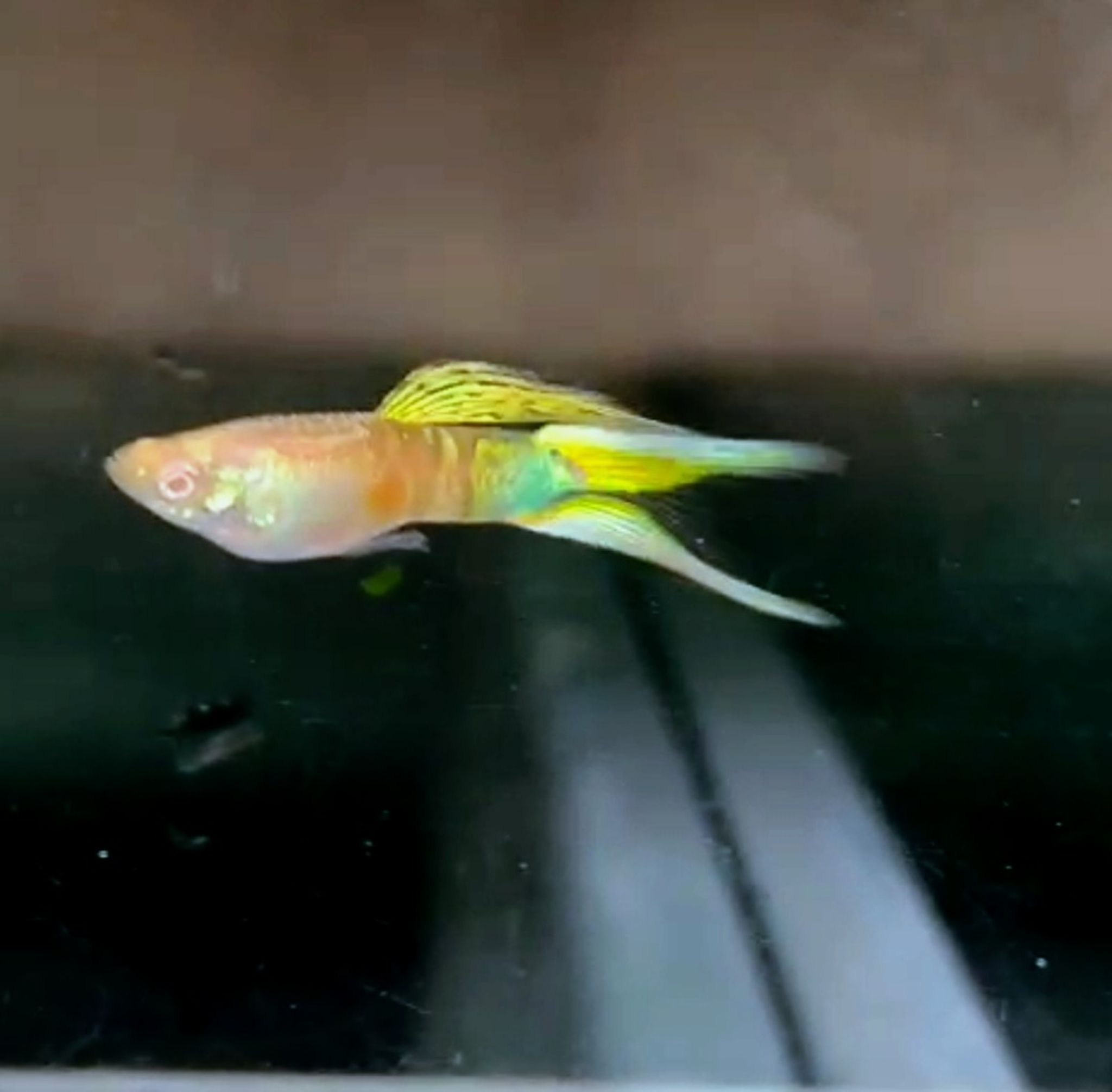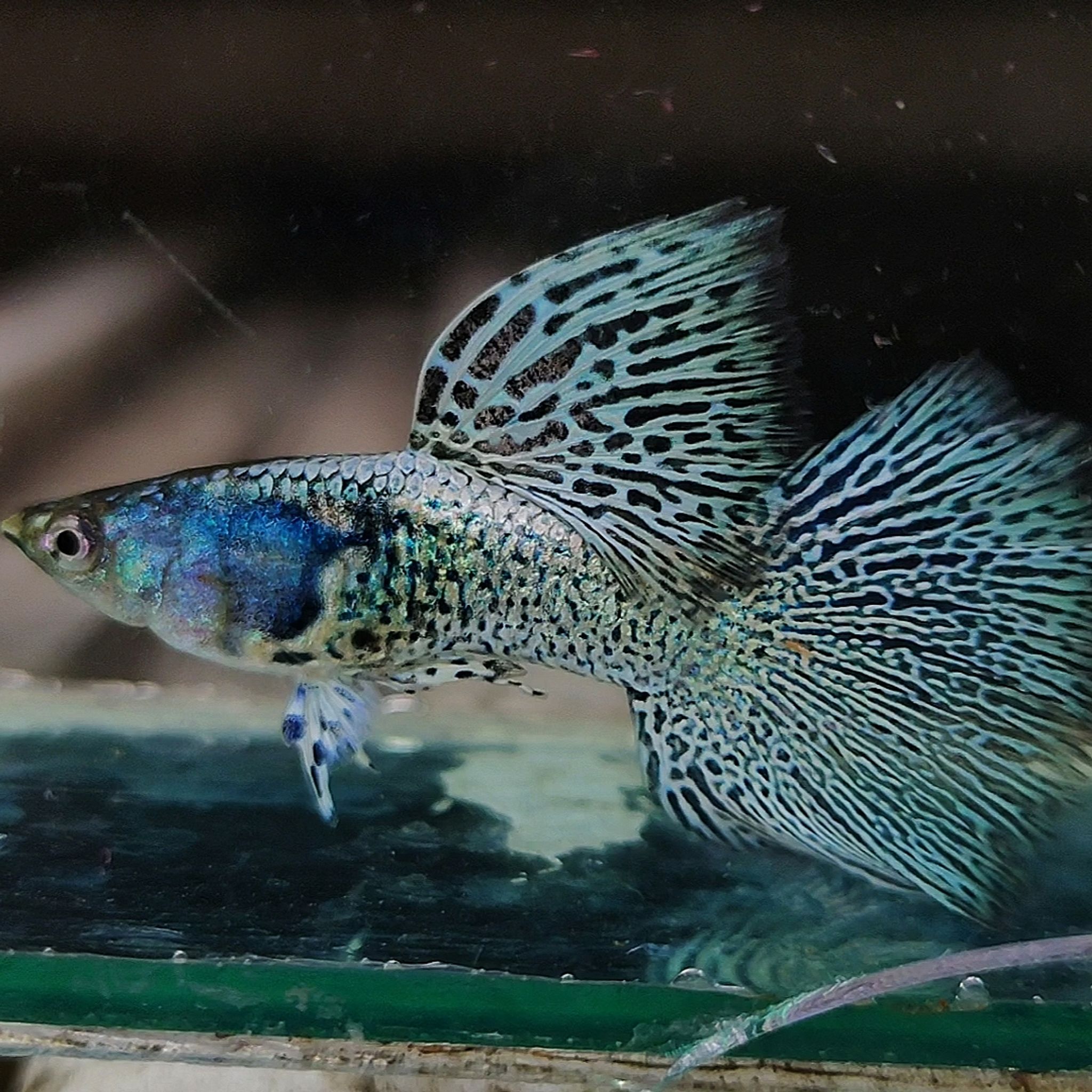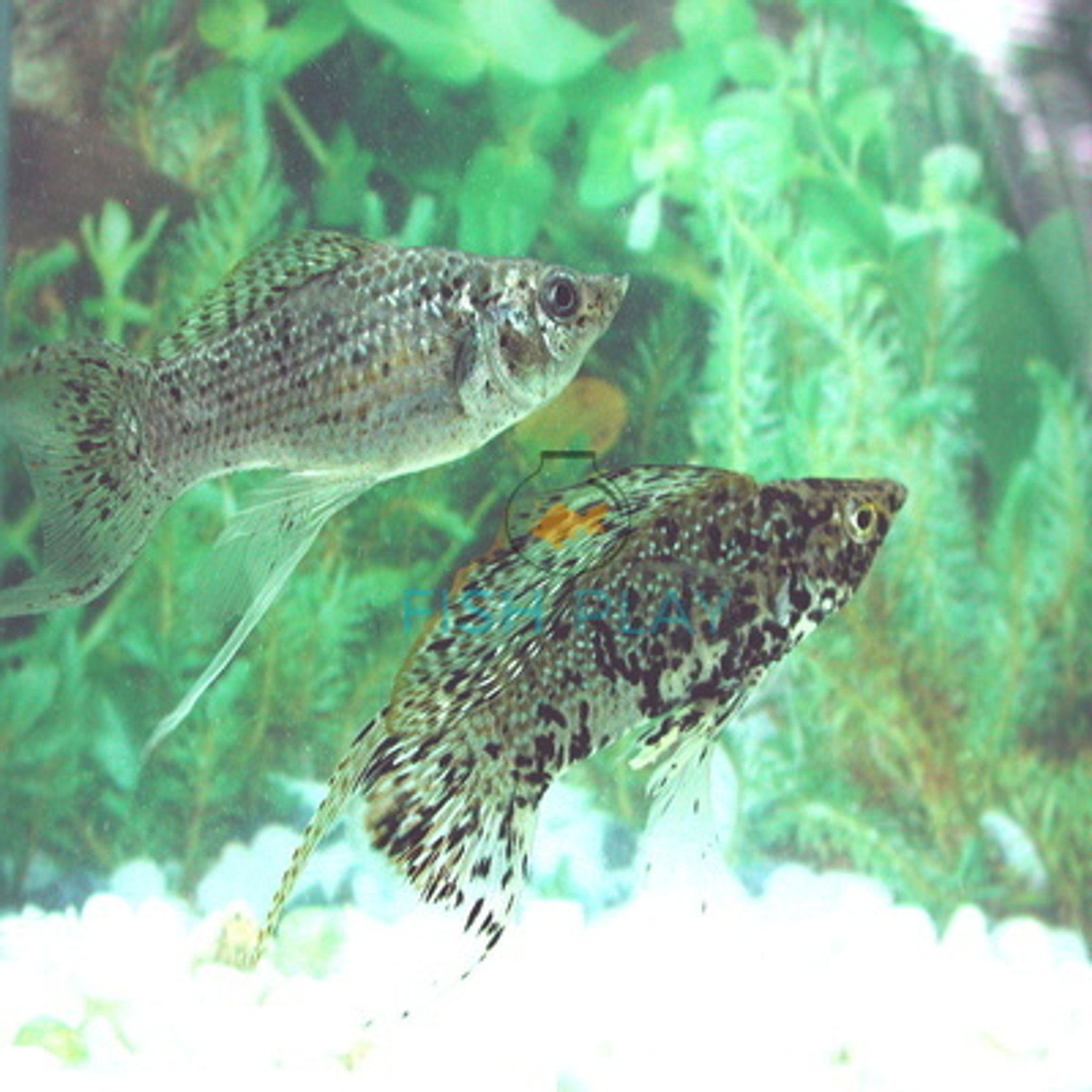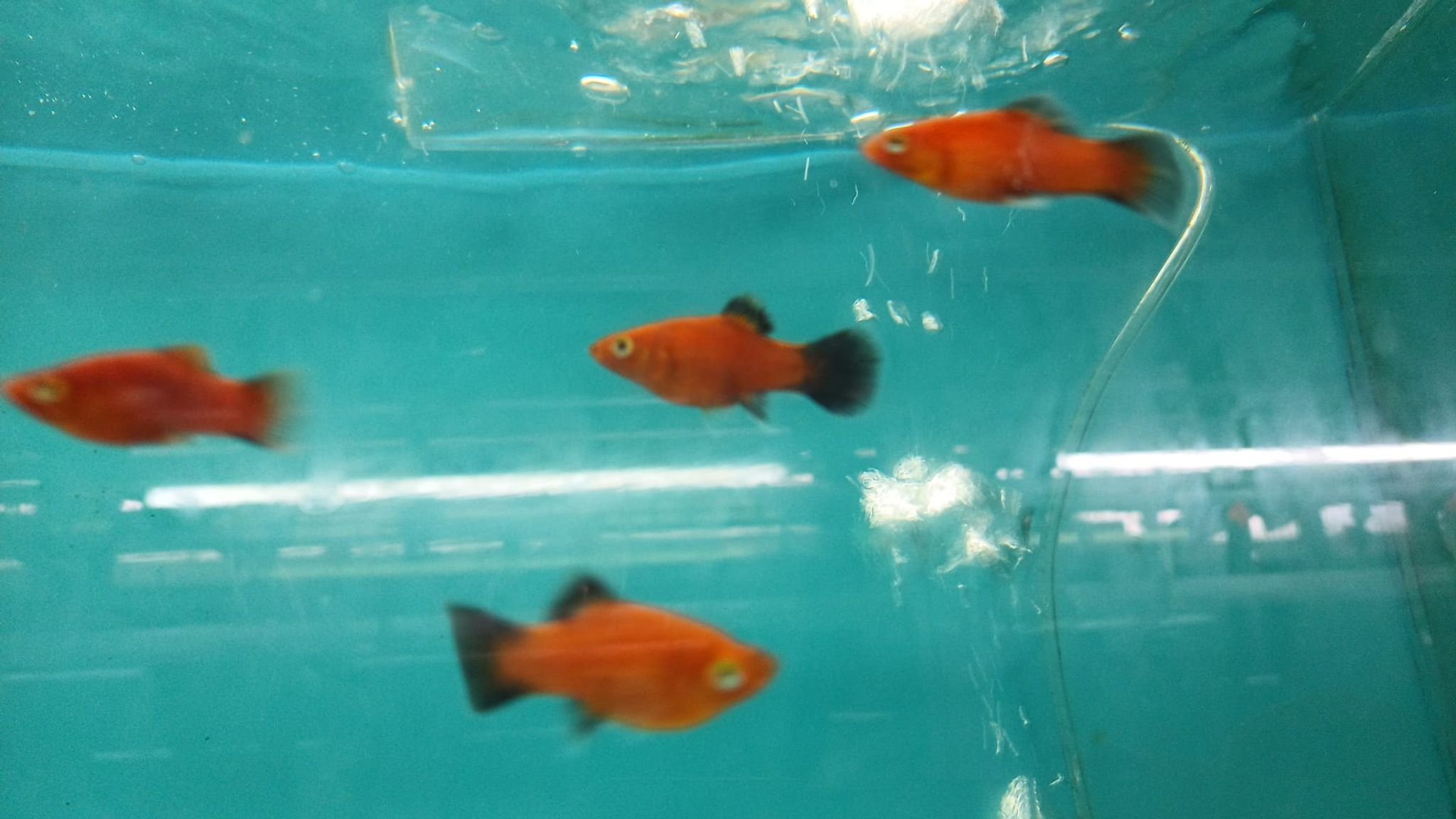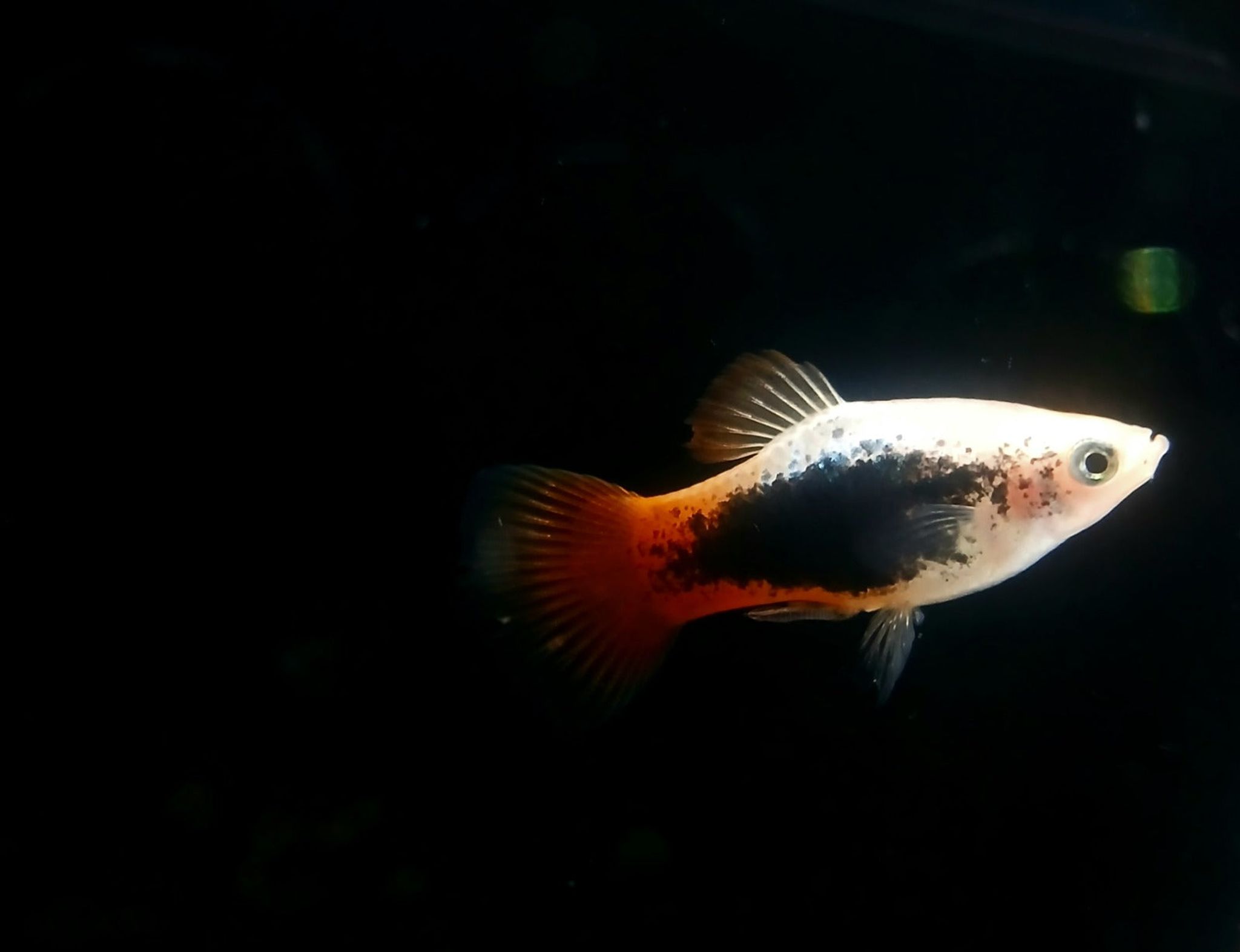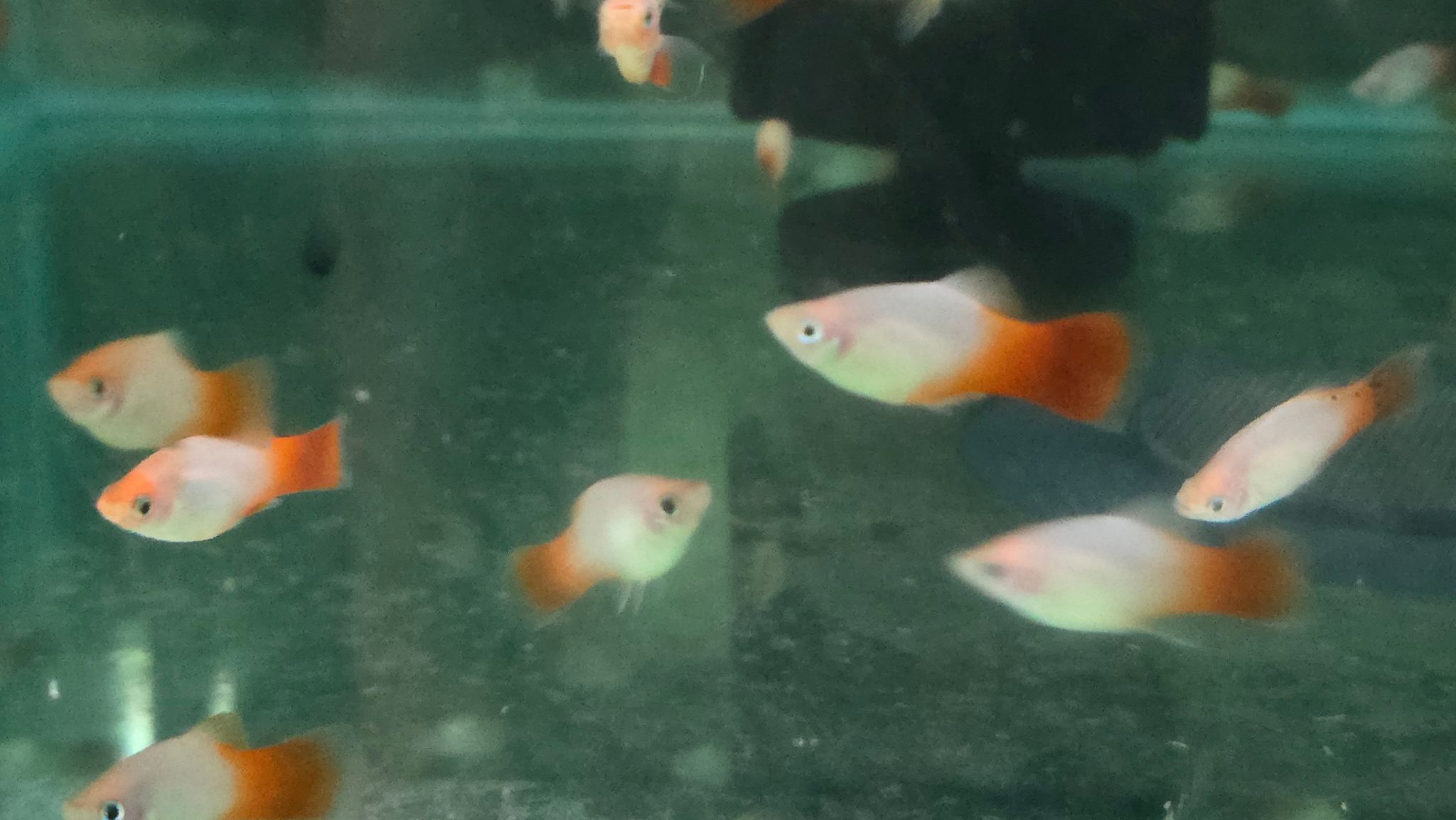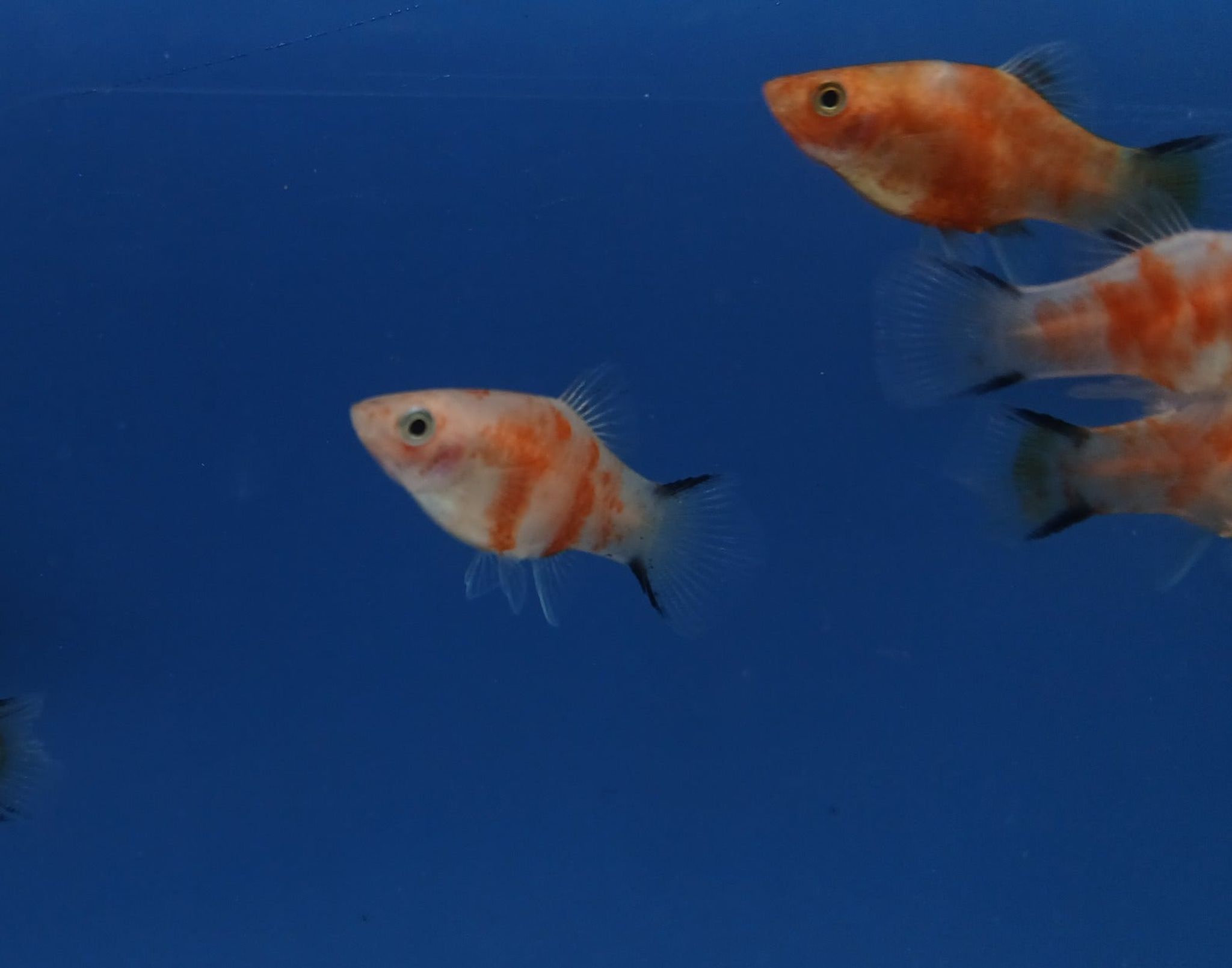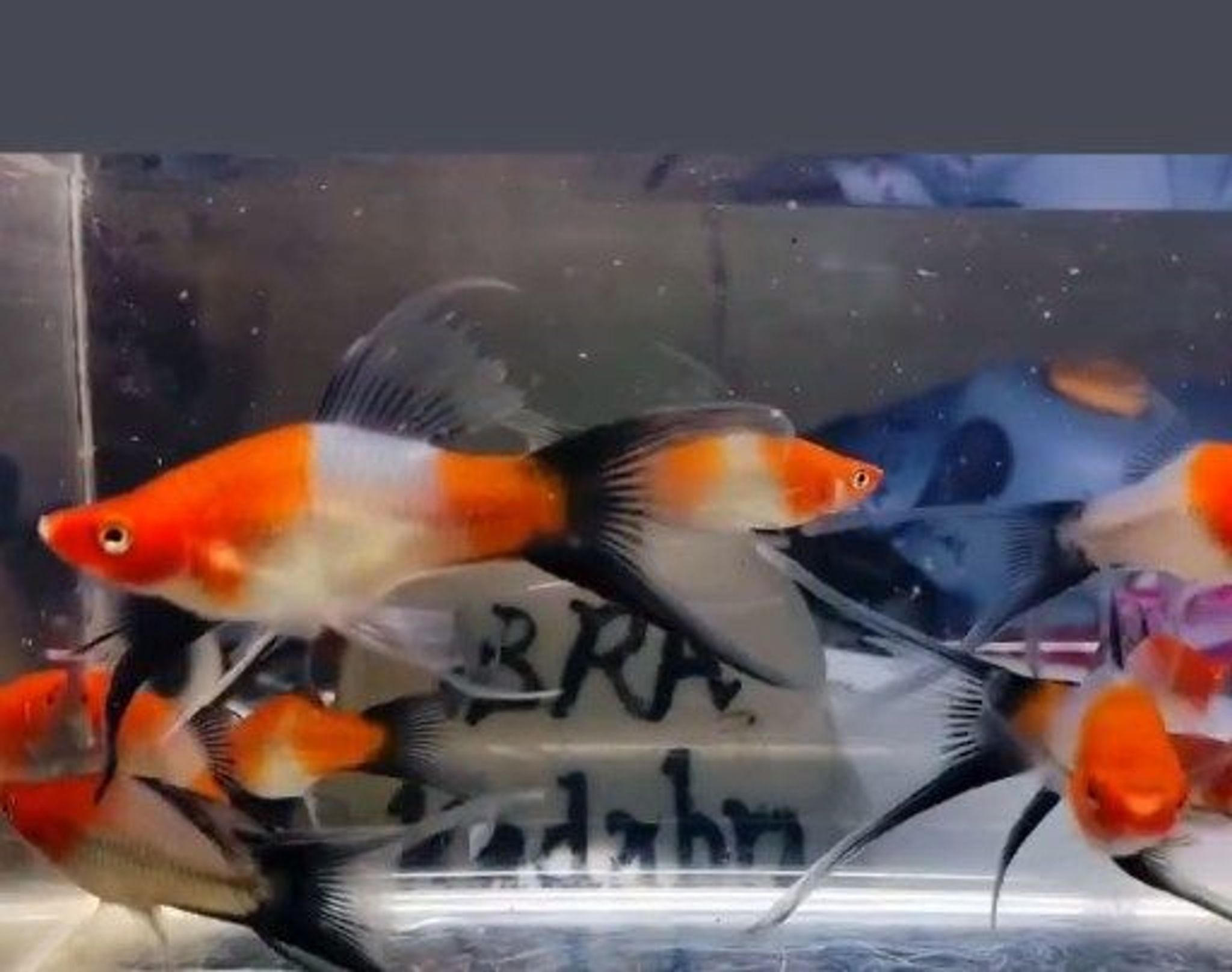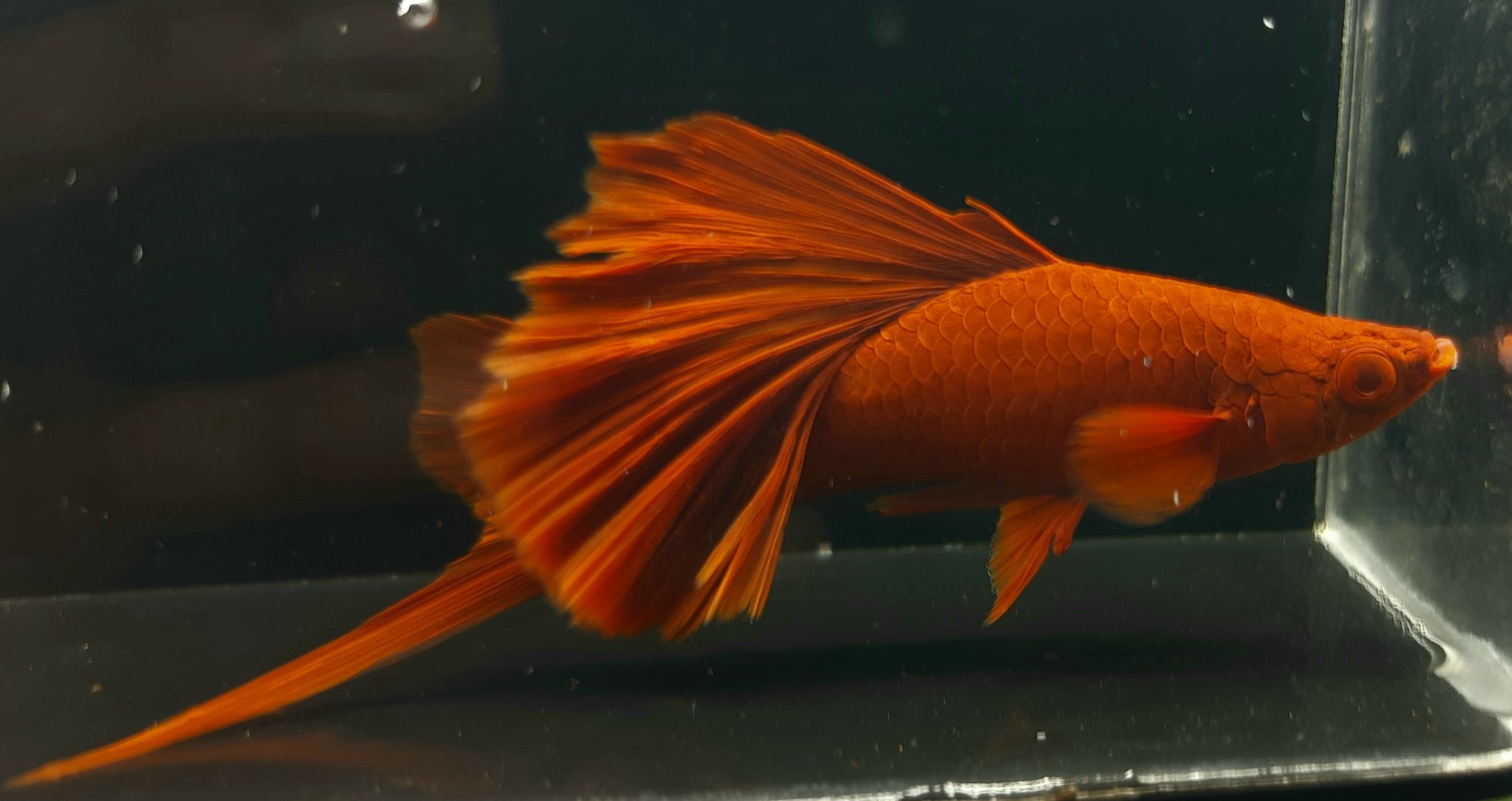
Redblood Lyretail
Click to enlarge

Unless otherwise stated, product might differ from image as image is representative of species and not of actual product

Redblood Lyretail

SGD 55.00

Delivery Information

Delivery occurs once a month and may take 2 to 4 weeks. Certain areas may require additional charges, and a top-up via PayNow will be needed. This includes Central Business District, Offices, Airport, Hospitals, Tertiary campuses, PSA terminals, Cargo Complexes, cargo ports, shipyards, Government buildings, secured compounds, SAF campus, Marina Bay Sands, Robinson, Marina Square,Orchard, Bras Basah, Sentosa, Tuas, Jurong Island, etc. Our customer service representatives will reach out to you if necessary.

Product Variations

Quantity

Stock: 2

Product Details

0

WYSIWYG

Representative Photo Only

Product Description

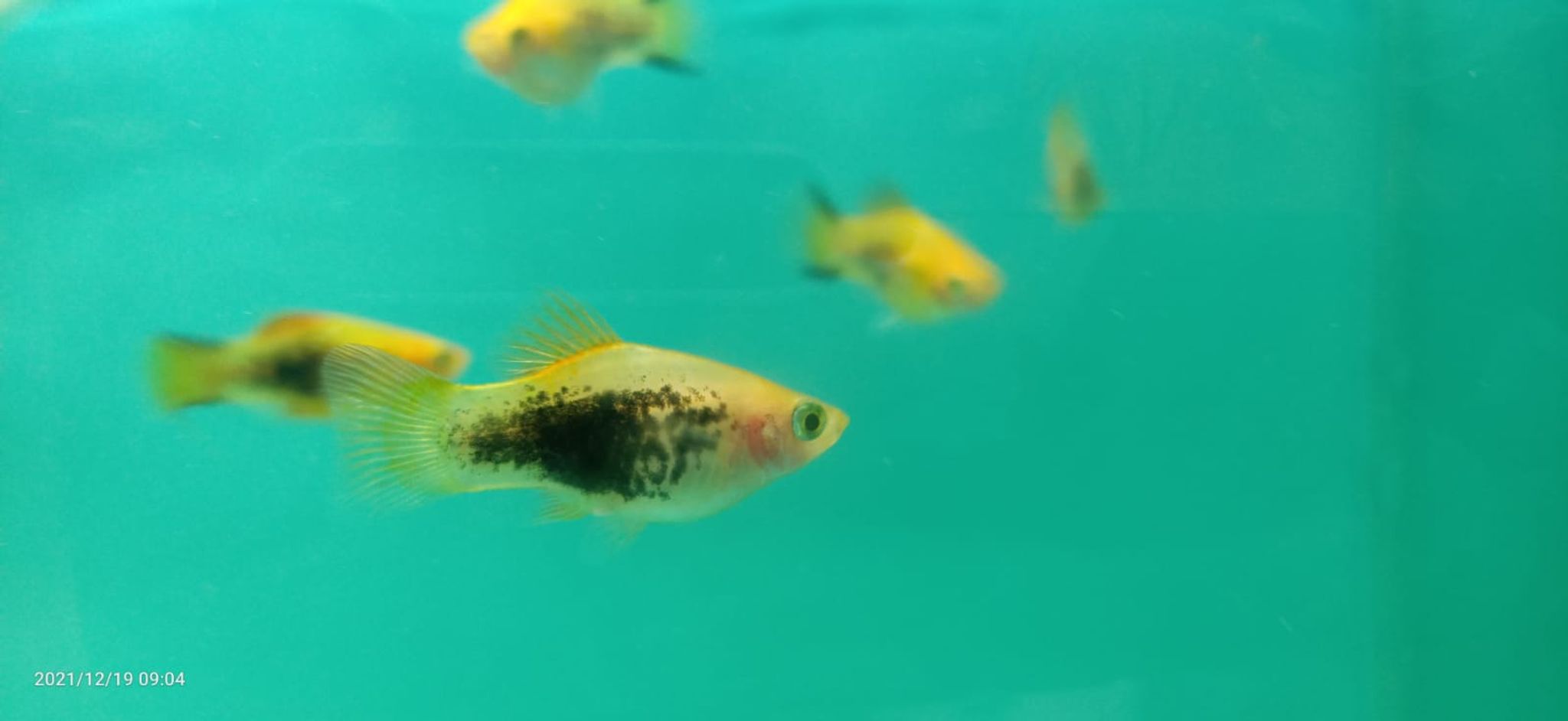
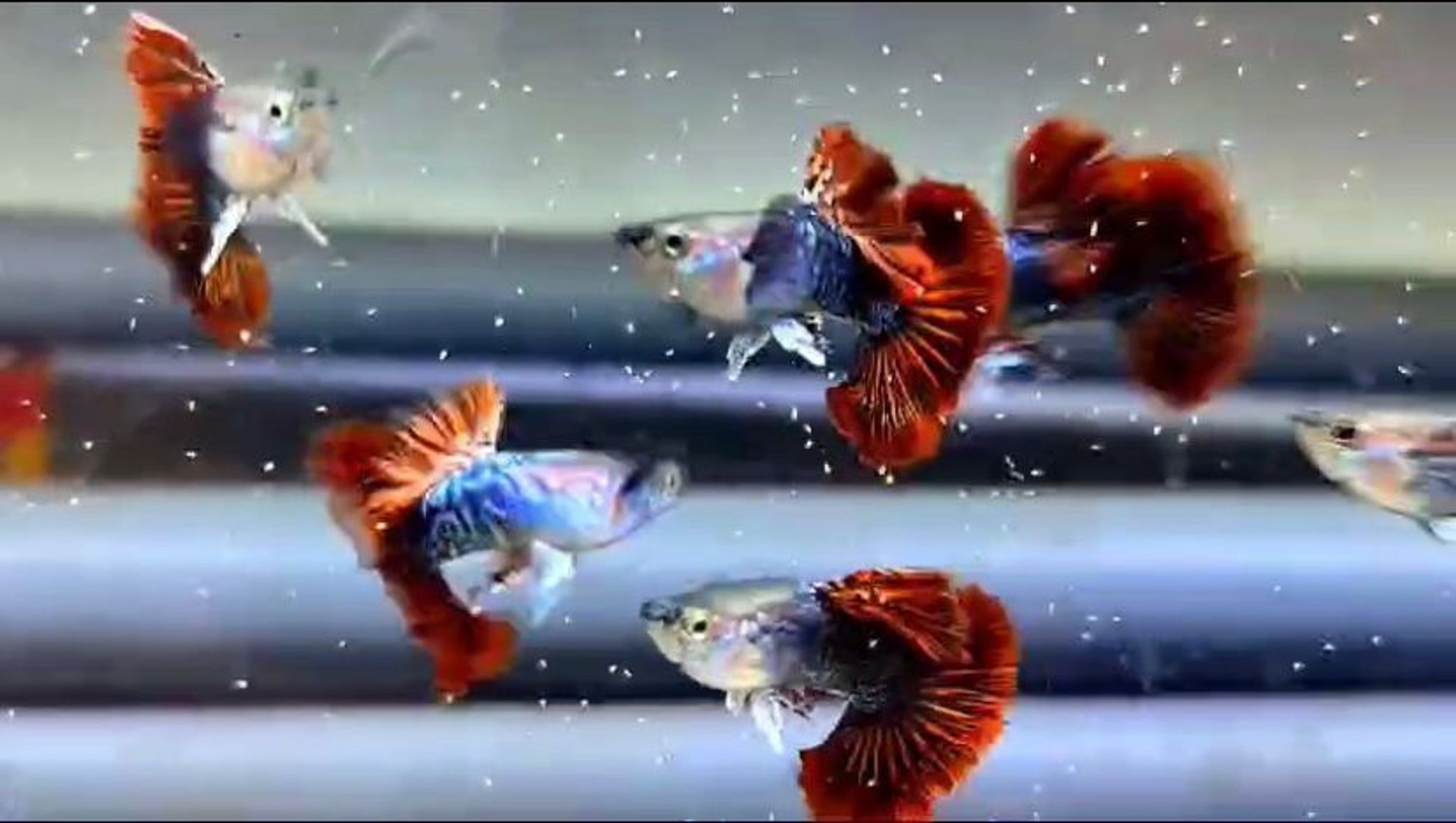
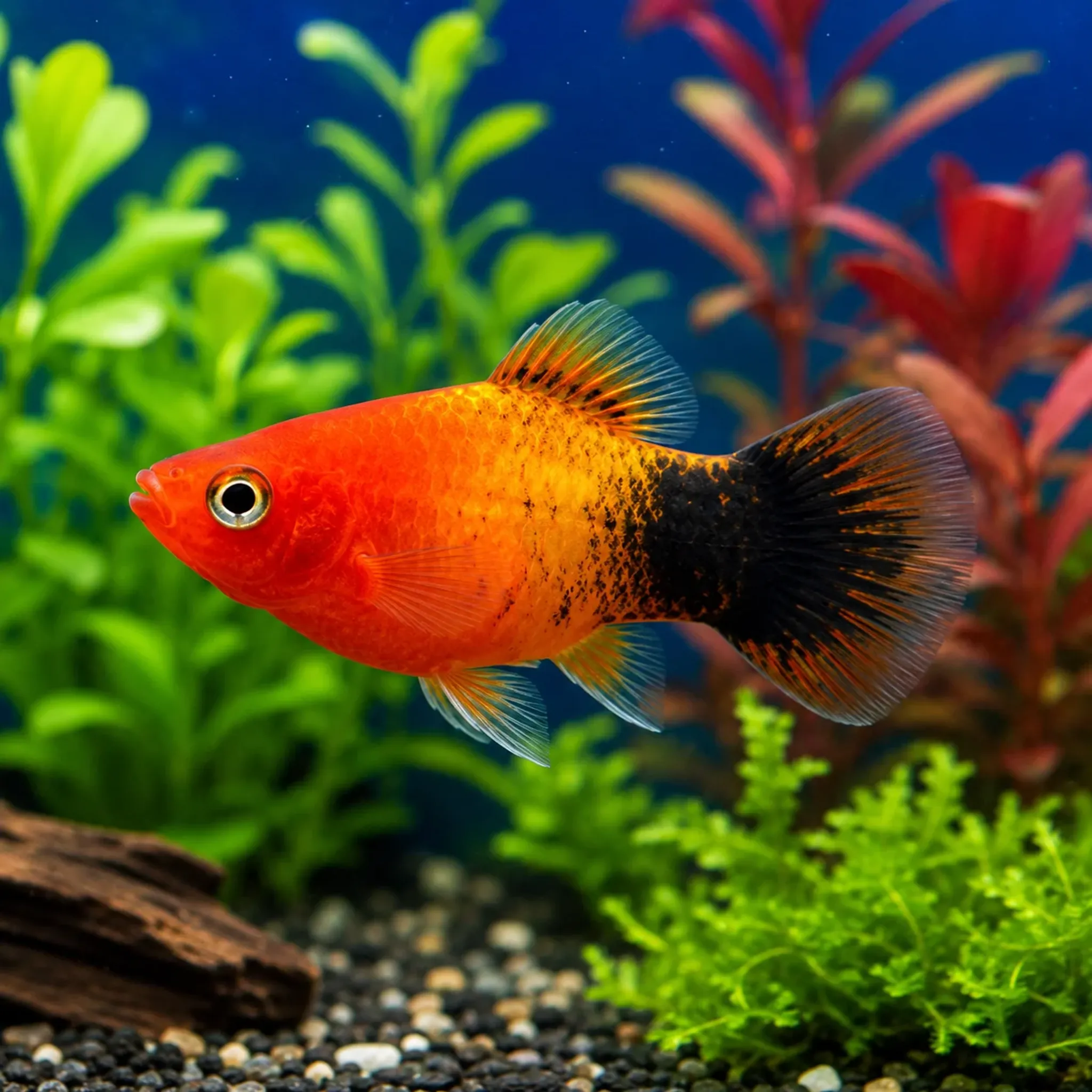
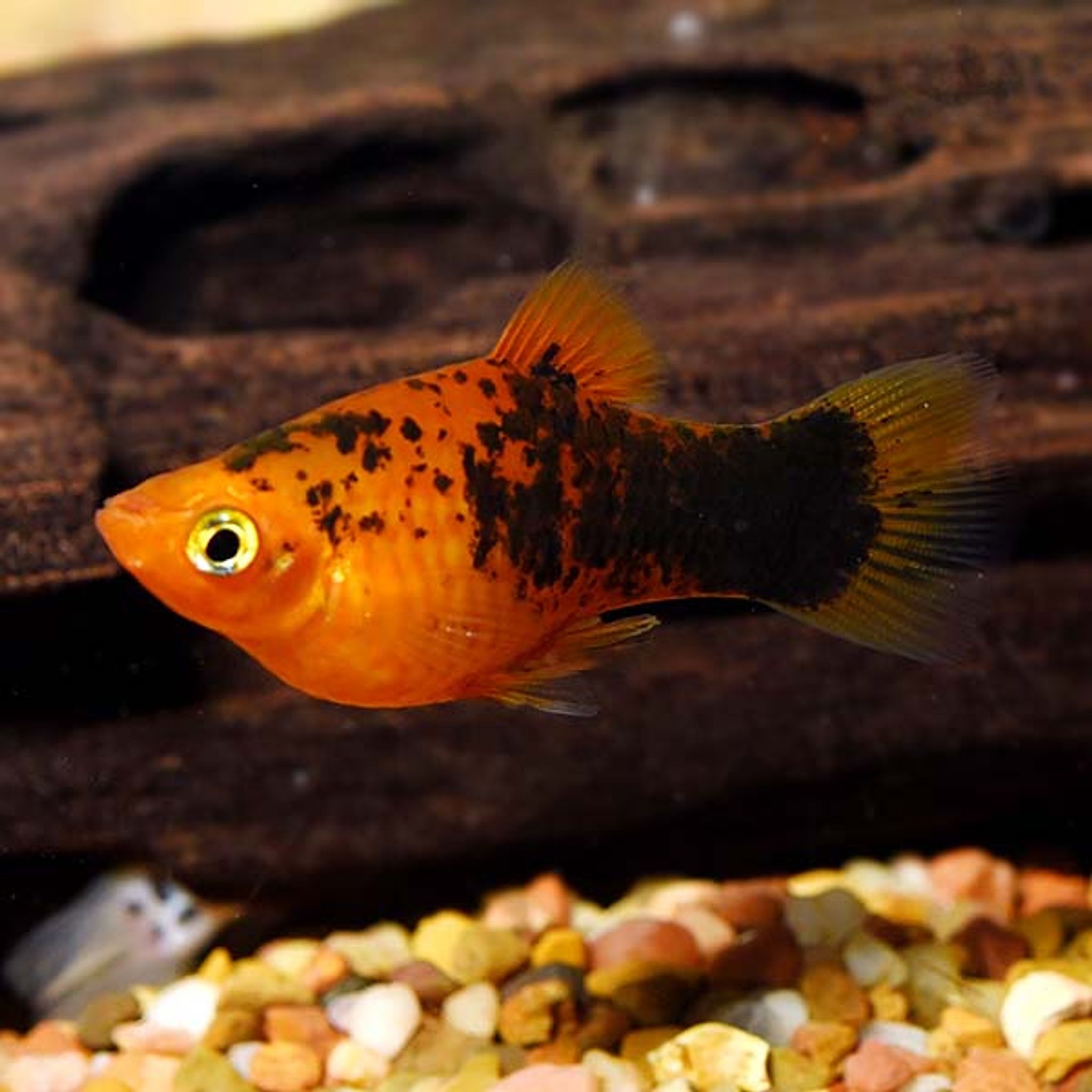
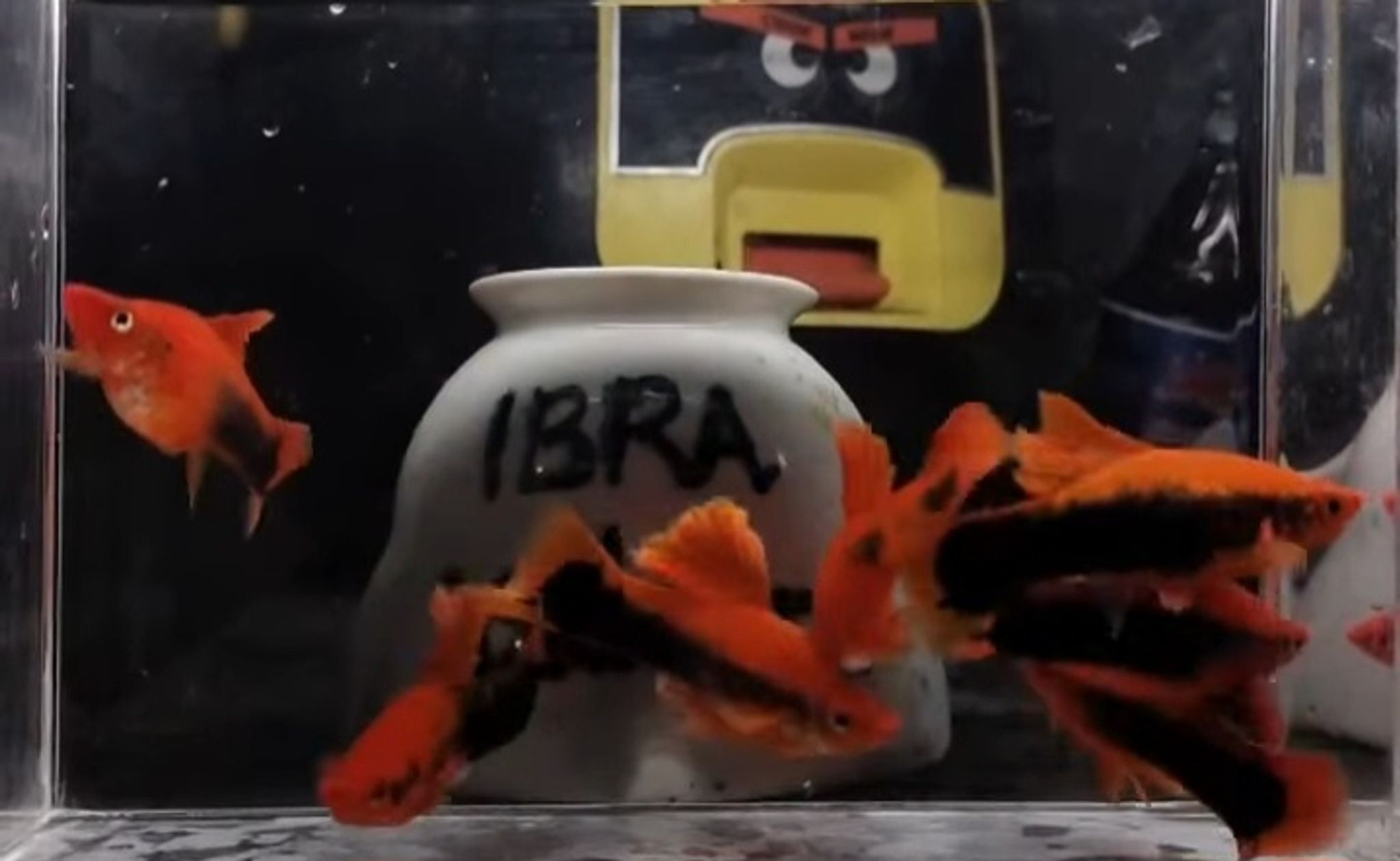
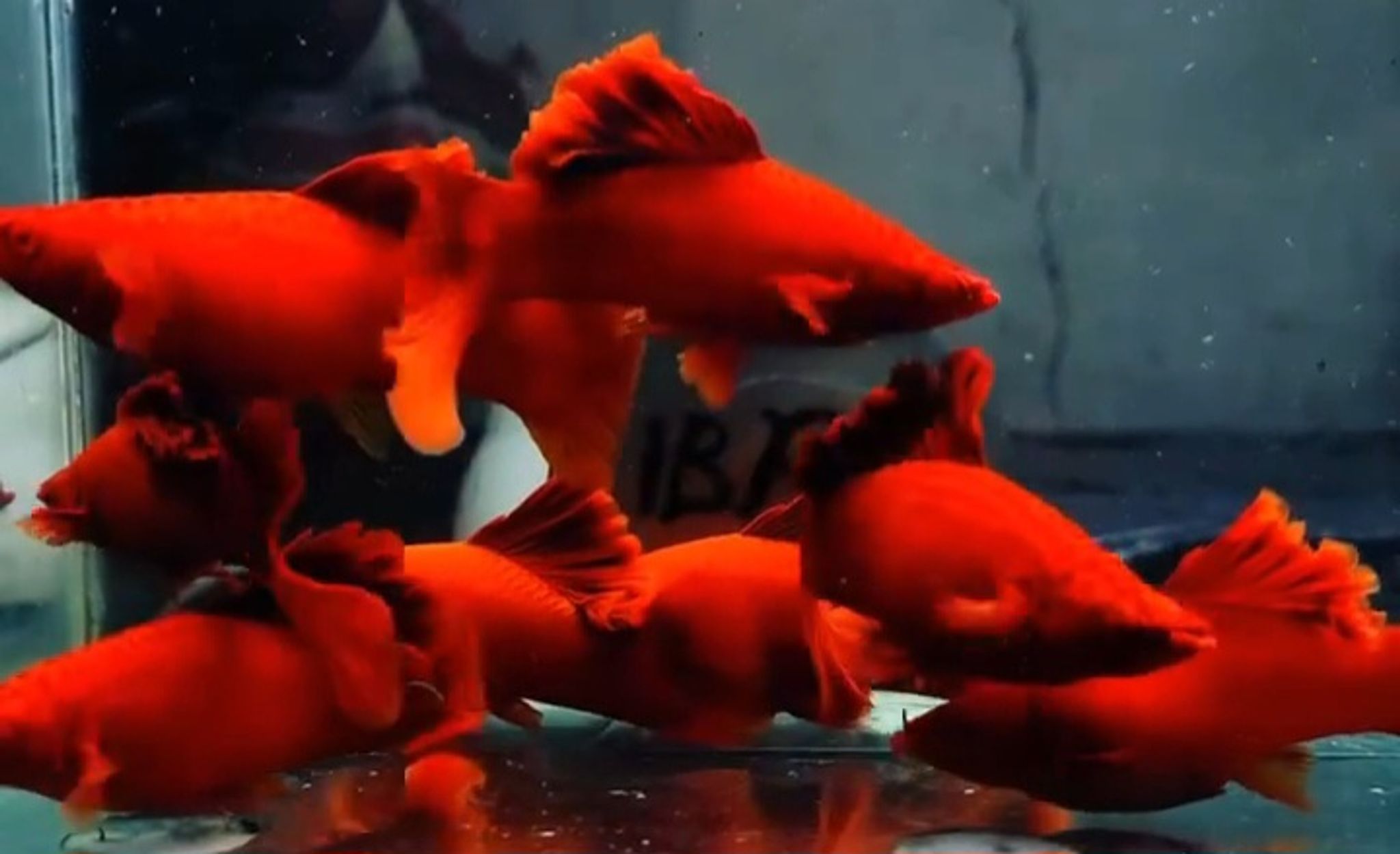
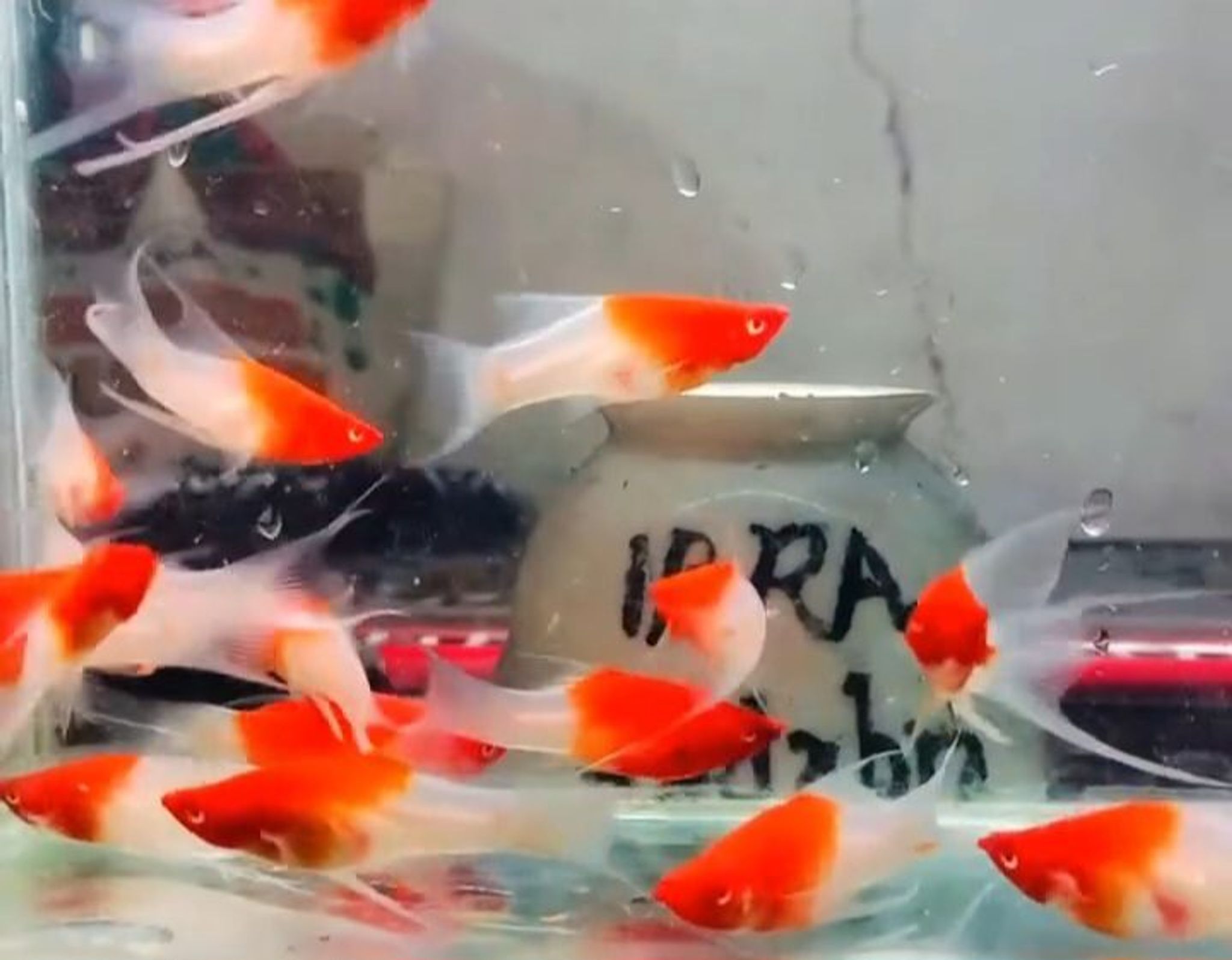
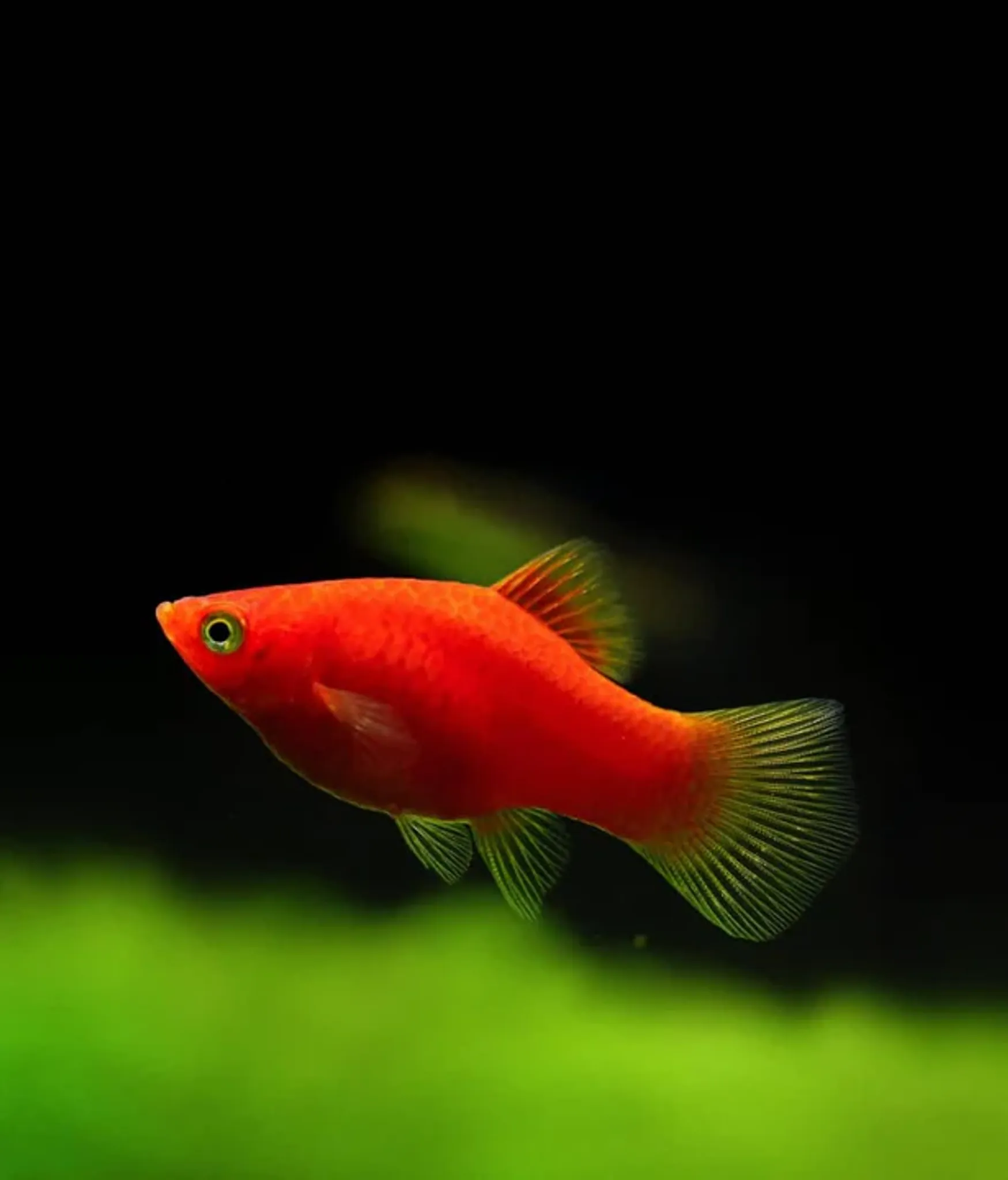
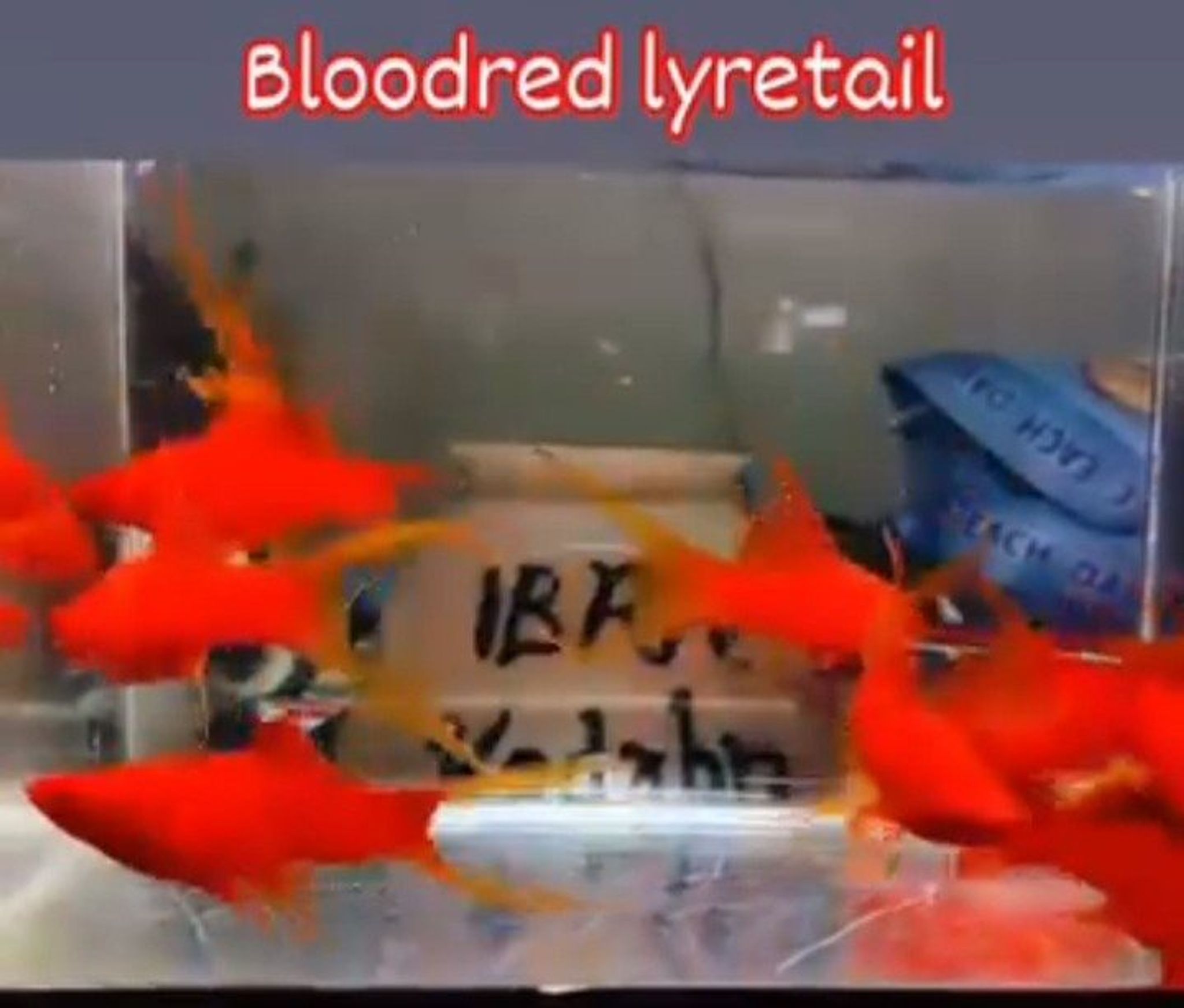
Its lyre-shaped tail bleeds crimson through the shade—Redblood Lyretail.

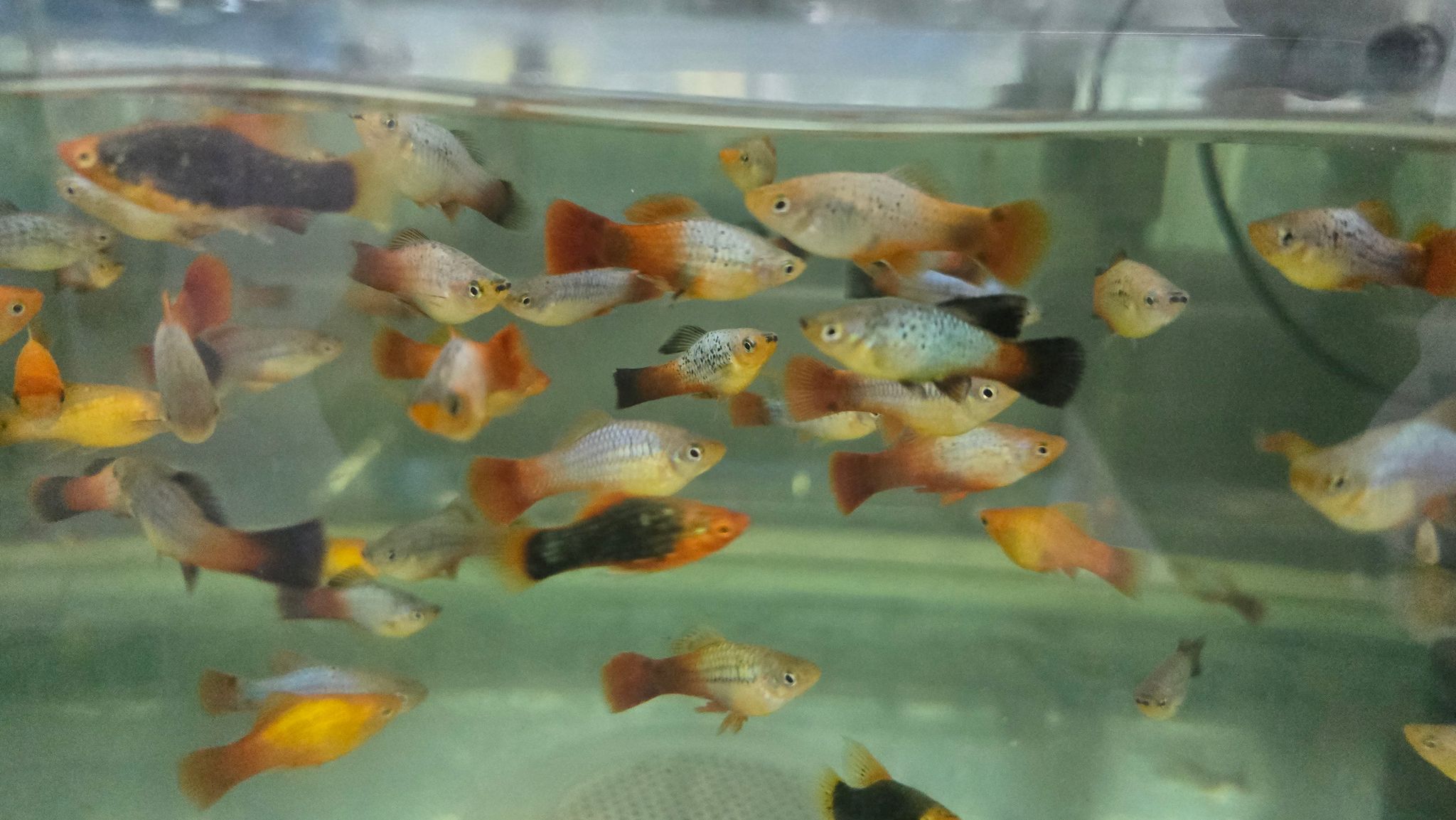
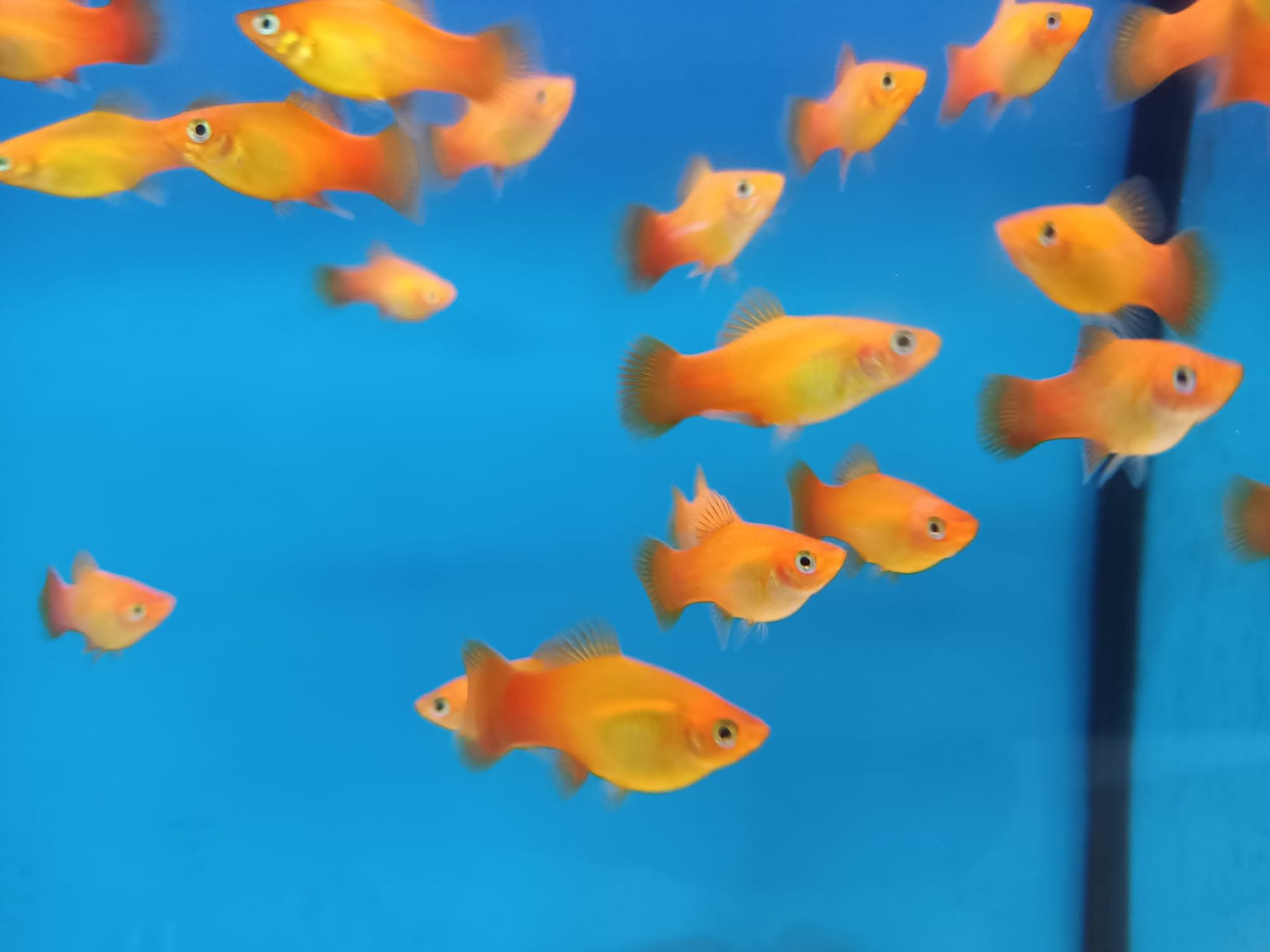
The Redblood Lyretail is a stunning livebearer with a vibrant red body and elegant lyre-shaped tail. Hardy and peaceful, it's perfect for community aquariums.

  • Water Conditions: The Redblood Lyretail (a colour morph of the swordtail, Xiphophorus hellerii) is a hardy livebearer that thrives in a well-maintained freshwater aquarium. It prefers slightly alkaline to neutral water with a pH between 7.0 and 8.2. Water hardness should be moderate to hard, ideally 10–30 dGH (or 180–540 ppm). The ideal temperature range is 22–28°C (72–82°F). While they can adapt to a range of conditions, stability is key; sudden fluctuations in temperature or pH can cause stress and lead to disease. Ammonia and nitrite must always be zero, and nitrate should be kept below 20 ppm through regular water changes. A good filtration system with a gentle to moderate current is recommended, as they enjoy swimming against a light flow. A tight-fitting lid is essential because swordtails are known jumpers. The minimum tank size is 20 gallons (75 litres) for a small group of one male and two to three females; a 30-gallon (113-litre) or larger tank is better for larger groups or if you plan to keep multiple males. The aquarium should be well-planted with open swimming areas. Live plants such as hornwort, java fern, and amazon swords provide natural cover and help maintain water quality. A dark substrate will make their vibrant red colour pop.
  • Suitable Tank Mates: The Redblood Lyretail is a peaceful community fish that does best with other calm, similar-sized species. Good tank mates include most tetras (neon, cardinal, black skirt, glowlight), rasboras (harlequin, lambchop), corydoras catfish, otocinclus, and peaceful dwarf cichlids like German blue rams or apistogrammas. Other livebearers such as guppies, mollies, and platies can also work, but be aware that swordtails may interbreed with platies, producing hybrid fry. If you want to keep pure strains, avoid mixing them. Avoid fin-nipping species like tiger barbs, serpae tetras, and most barbs, as they may harass the lyretail's long, flowing fins. Aggressive or large fish such as oscars, jack dempseys, or goldfish are not suitable, as they will either bully or eat the swordtail. Also avoid slow-moving, long-finned fish like bettas, as they may be nipped. Male swordtails can be territorial and aggressive toward each other, so keep only one male per tank unless the aquarium is very large (55 gallons or more) with plenty of females and hiding spots to break lines of sight. A ratio of one male to at least two or three females is ideal to spread any male attention. Invertebrates like snails and shrimp are generally ignored, though very small shrimp fry might be eaten. Always quarantine new fish before adding them to the main tank to prevent disease outbreaks.
  • Feeding Habits: The Redblood Lyretail is an omnivore with a hearty appetite. In the wild, they graze on algae, small insects, and plant matter. In the aquarium, offer a varied diet to keep them healthy and colourful. A high-quality flake or micro-pellet food should form the staple. Supplement this with frozen or freeze-dried foods such as bloodworms, brine shrimp, daphnia, and tubifex. These protein-rich treats encourage spawning and enhance the red coloration. Because they are omnivores, they also need plant matter. Offer spirulina-based flakes, blanched zucchini, cucumber, spinach, or shelled peas once or twice a week. They will also graze on algae growing on plants and decor. Feed them two to three times a day, but only as much as they can consume within two to three minutes. Overfeeding is a common mistake that leads to obesity, constipation, and poor water quality. Remove any uneaten food promptly. If you keep them in a community tank, ensure that slower fish get enough food, as swordtails are fast and aggressive eaters. Fasting them one day a week can help prevent digestive issues. Pregnant females need more frequent, smaller meals to support fry development. A varied diet not only keeps them physically healthy but also brings out their best colours and encourages natural behaviour.
  • Care Requirements: Caring for the Redblood Lyretail is straightforward for a beginner, but they do require consistent maintenance. Perform a 25–30% water change every week using a gravel vacuum to remove debris and waste. Test water parameters regularly (pH, ammonia, nitrite, nitrate, hardness) to ensure stability. Clean the filter media in old tank water monthly to preserve beneficial bacteria. Because they are livebearers, if you keep both sexes, they will breed readily. Females can store sperm for several months and give birth to 20–100 fry every 4–6 weeks. If you don't want fry, keep only males or separate the sexes. To raise fry, provide dense floating plants like java moss or hornwort for hiding, and feed them finely crushed flakes or baby brine shrimp. The lyretail trait (elongated fin extensions) can sometimes make swimming slightly awkward, so avoid strong currents and aggressive tank mates that might nip the fins. Keep the tank covered tightly, as they are skilled jumpers. Acclimate new fish slowly using the drip method to avoid shock. Quarantine new arrivals for at least two weeks. Common health issues include fin rot, ich, and velvet, usually triggered by stress or poor water quality. Maintain a stress-free environment with stable conditions, a varied diet, and appropriate tank mates. With proper care, a Redblood Lyretail can live for 3–5 years, bringing vibrant colour and lively activity to your aquarium.

More From This Merchant

Gold digger betta

Gold digger betta

View Store →