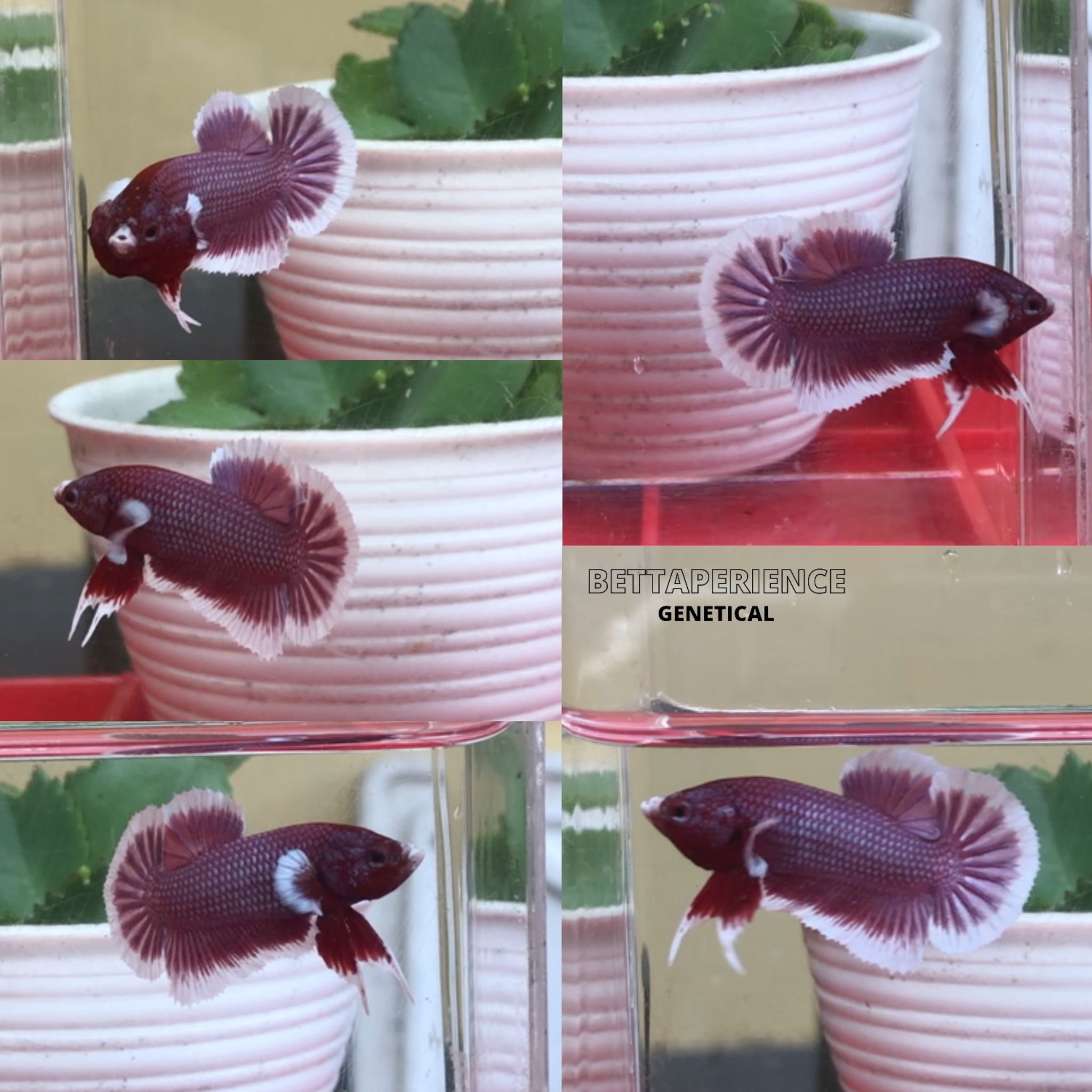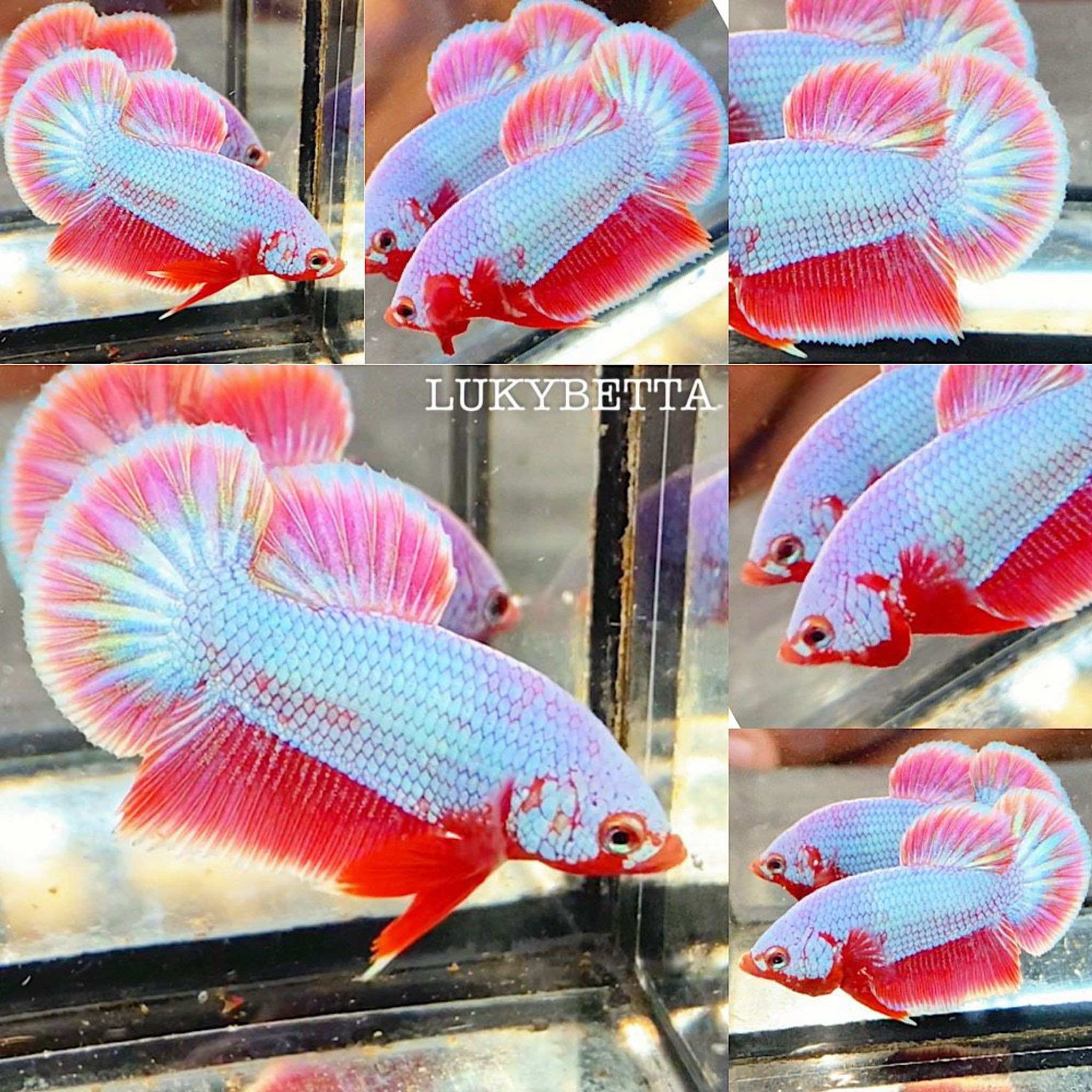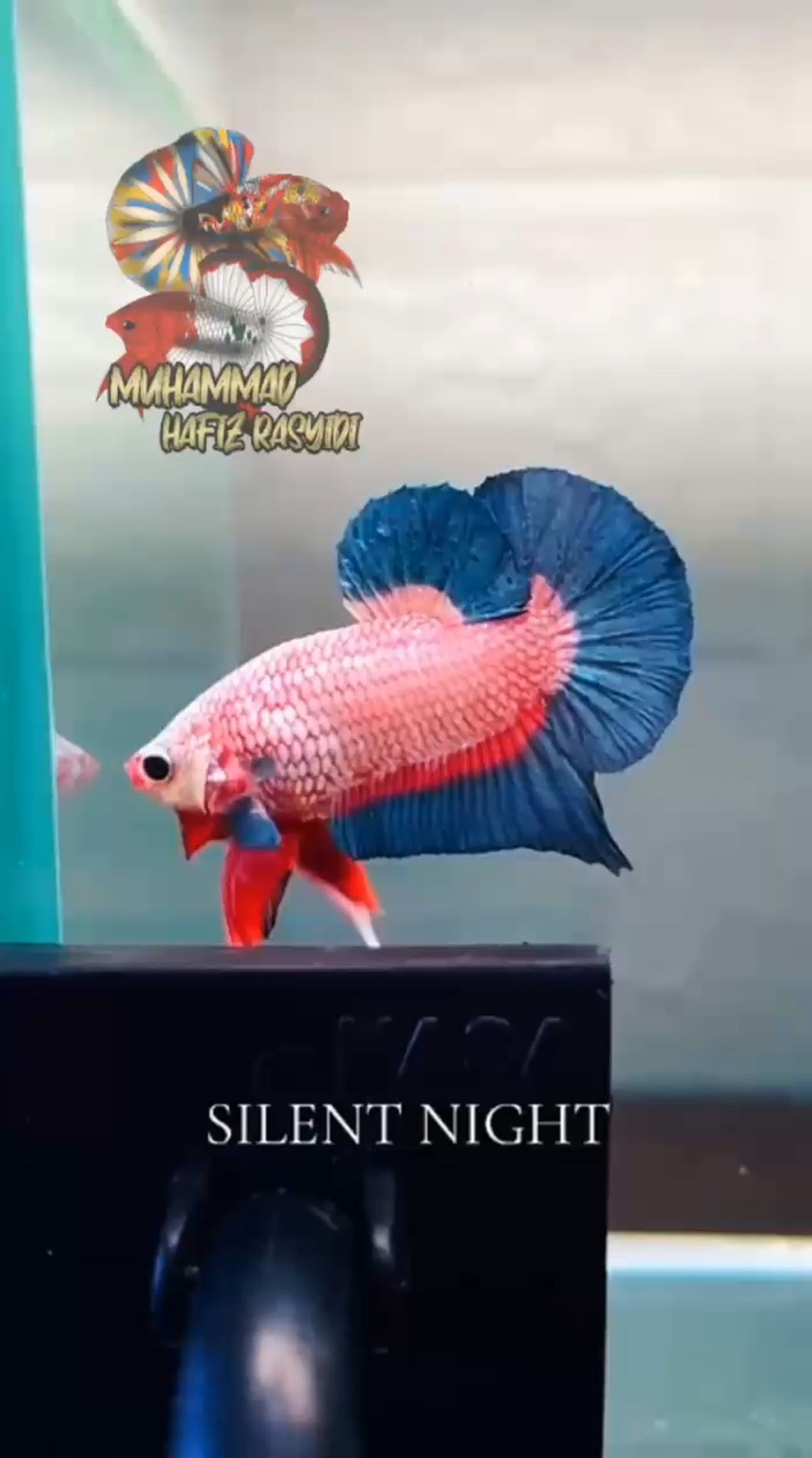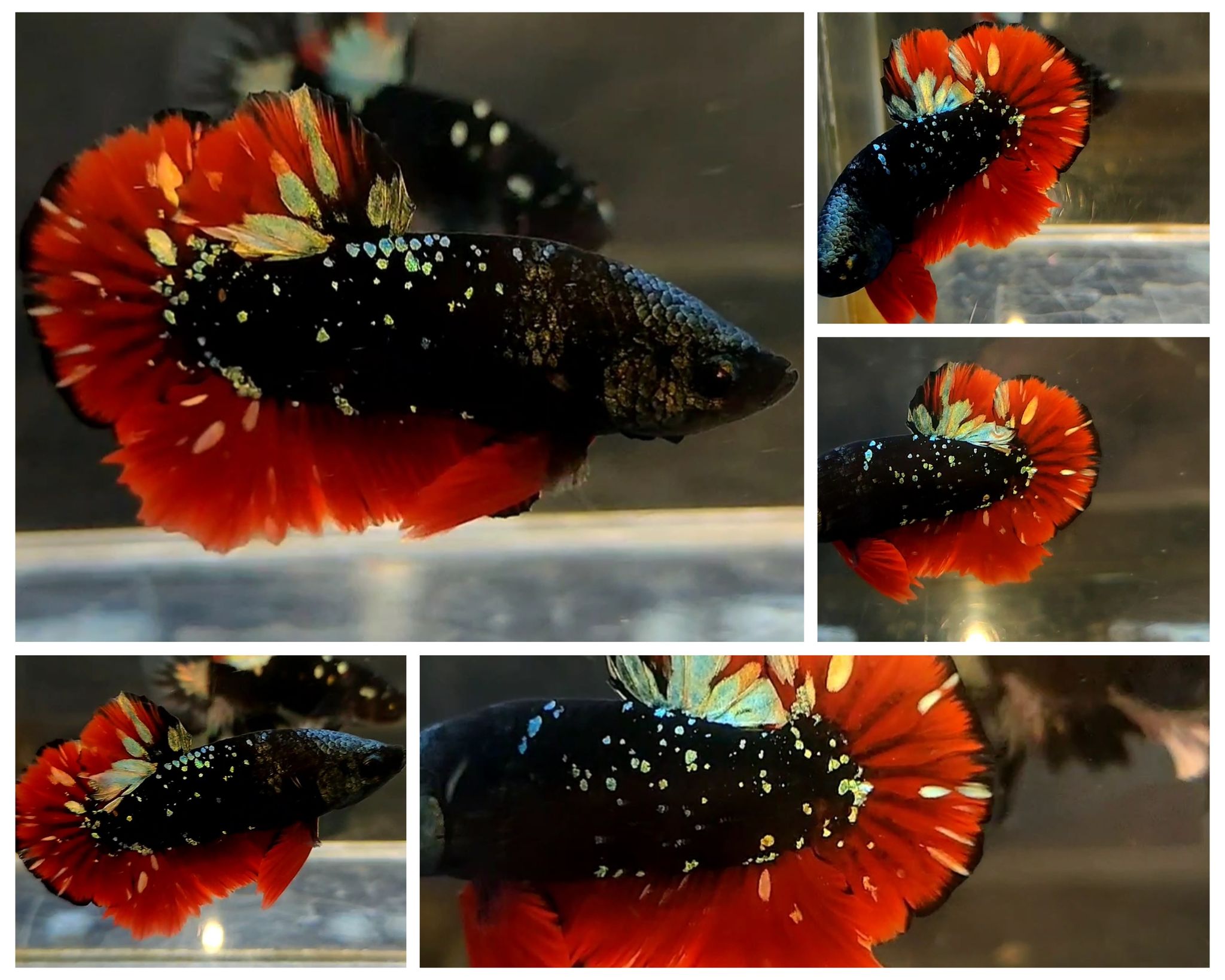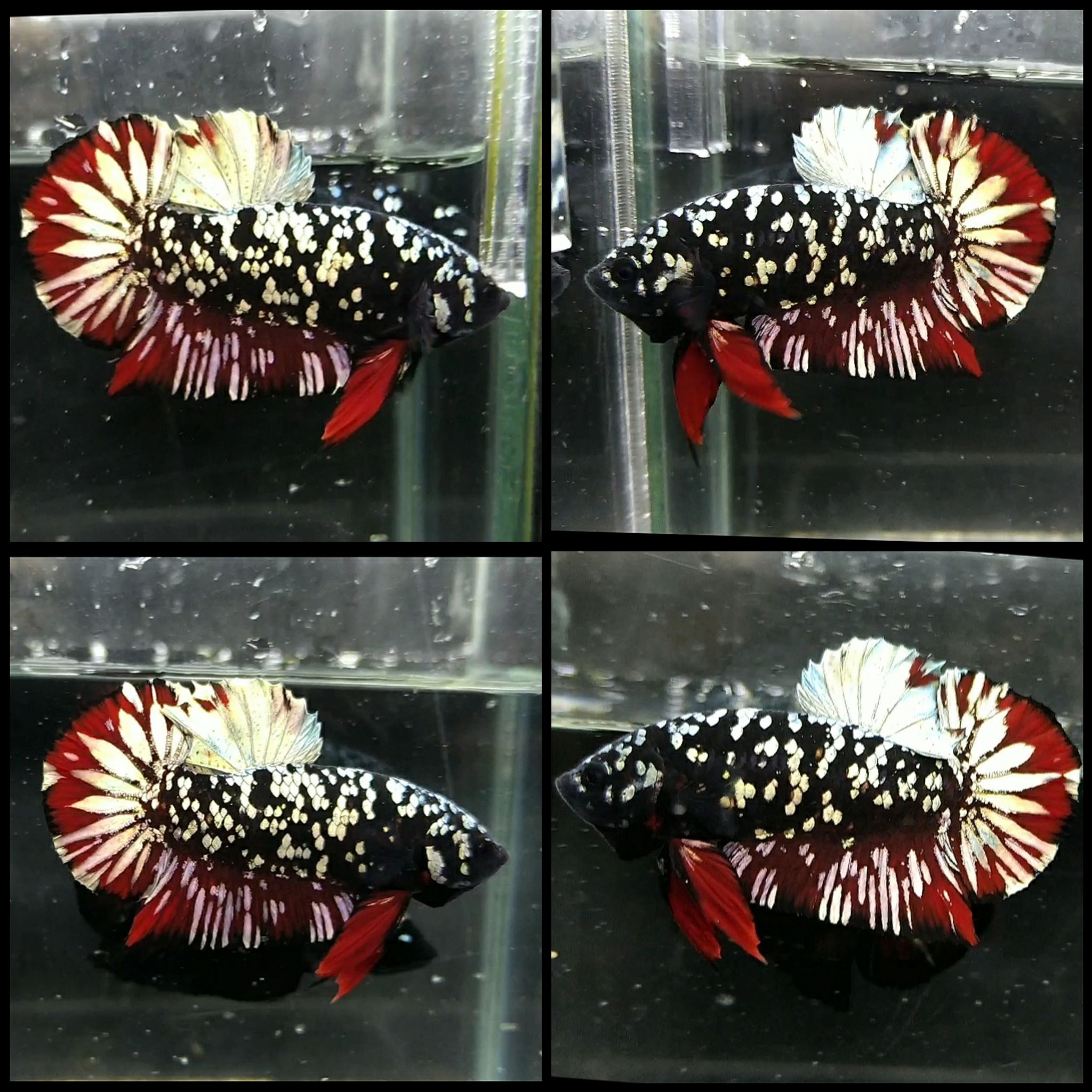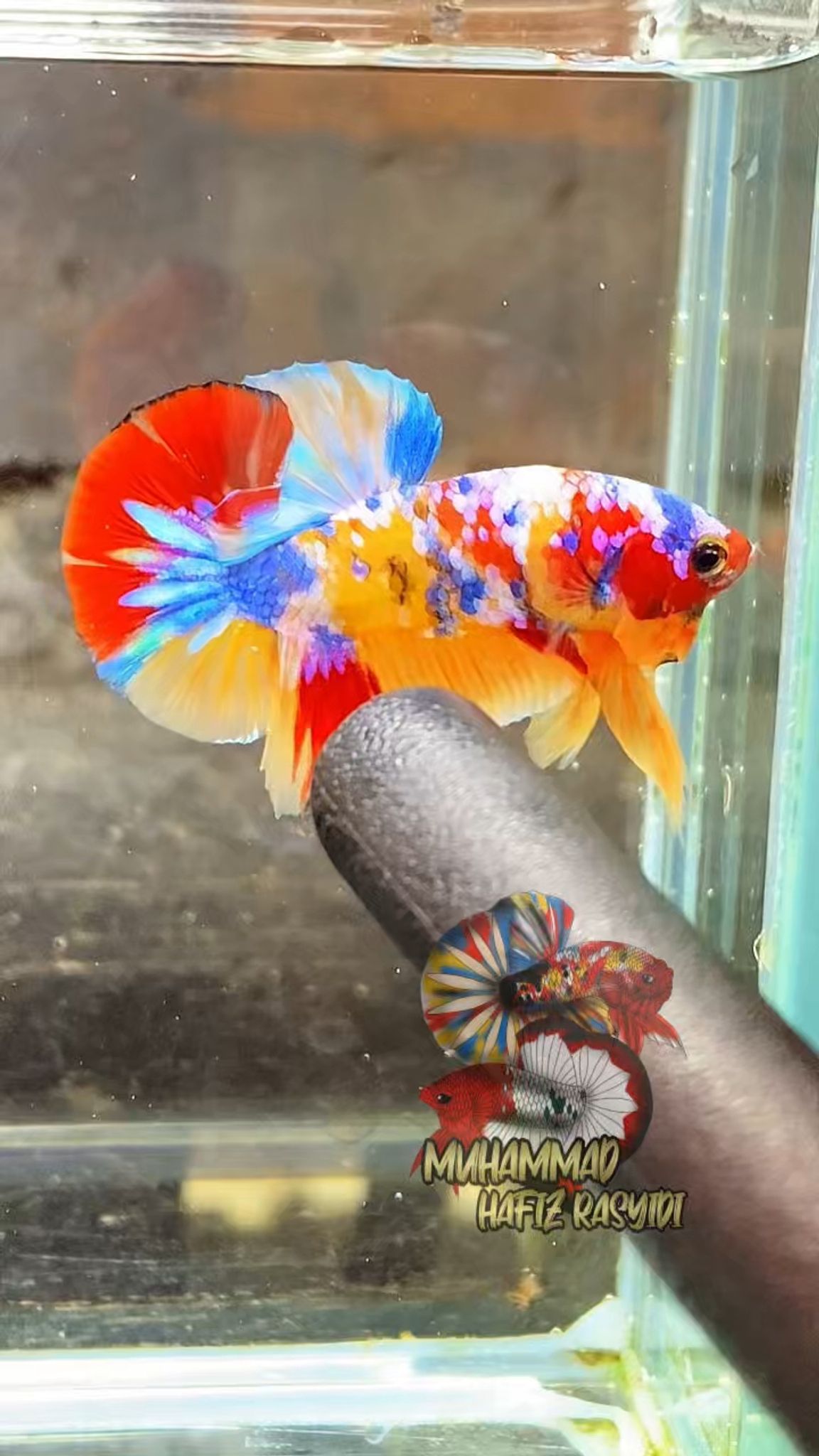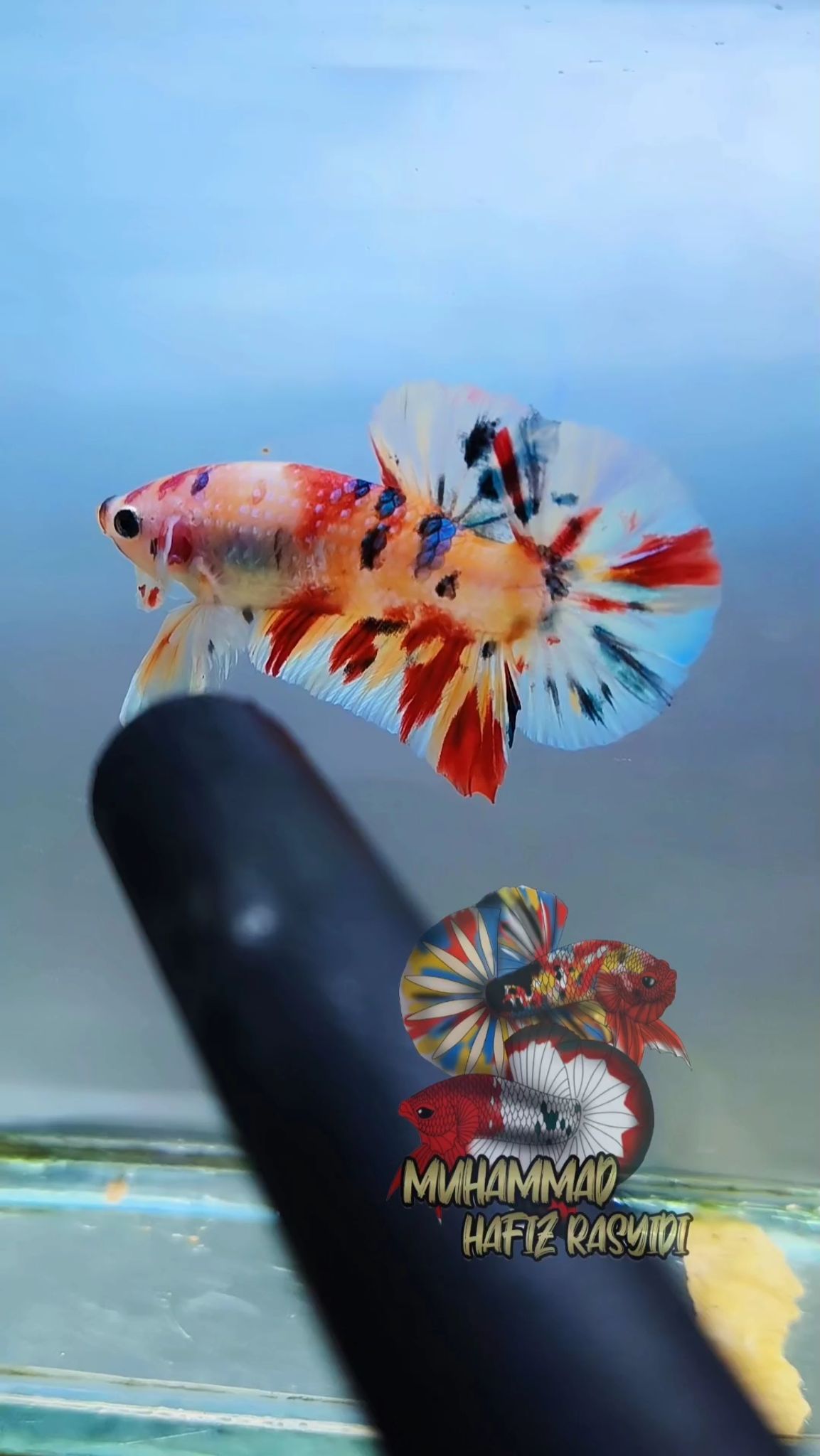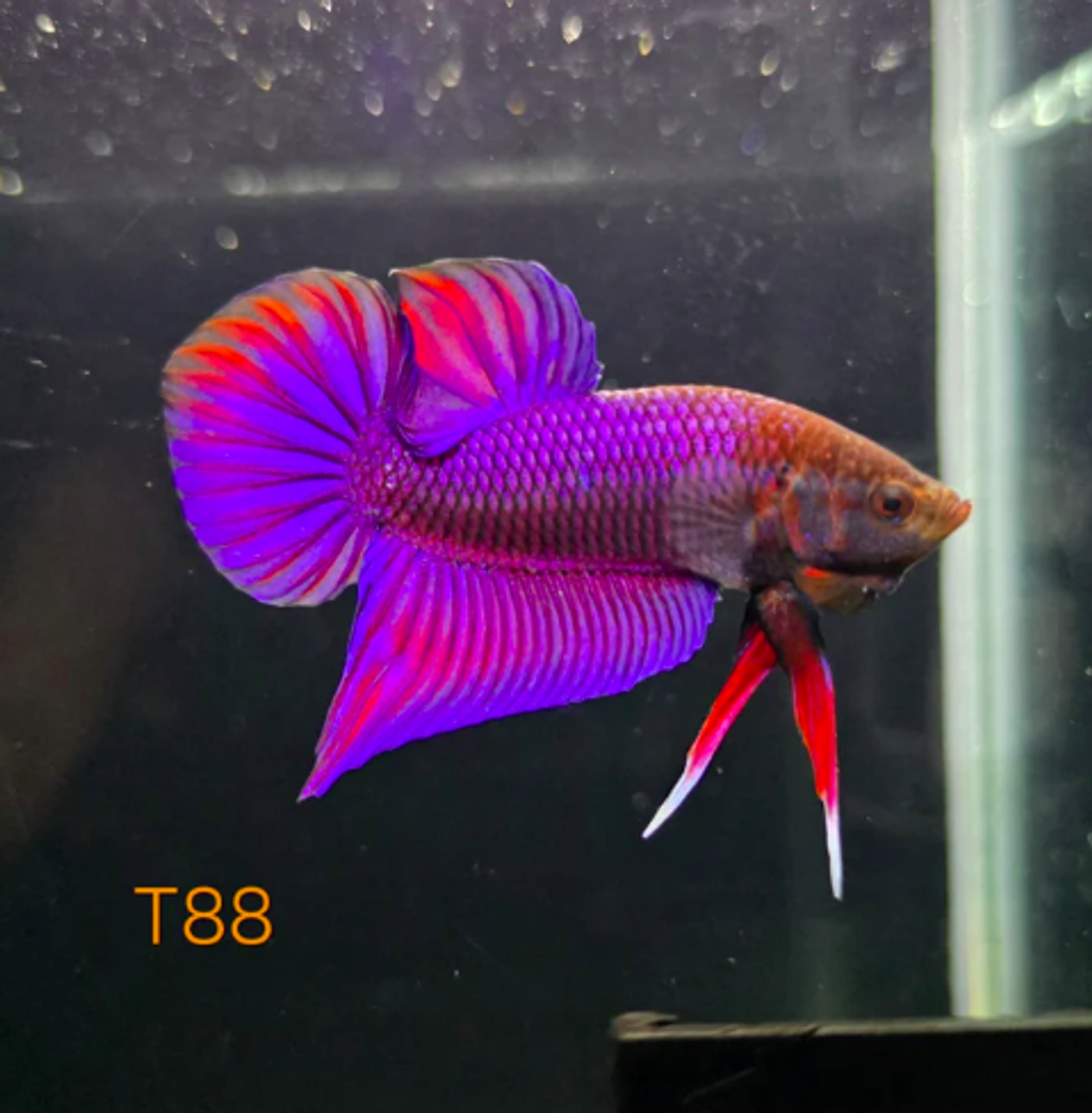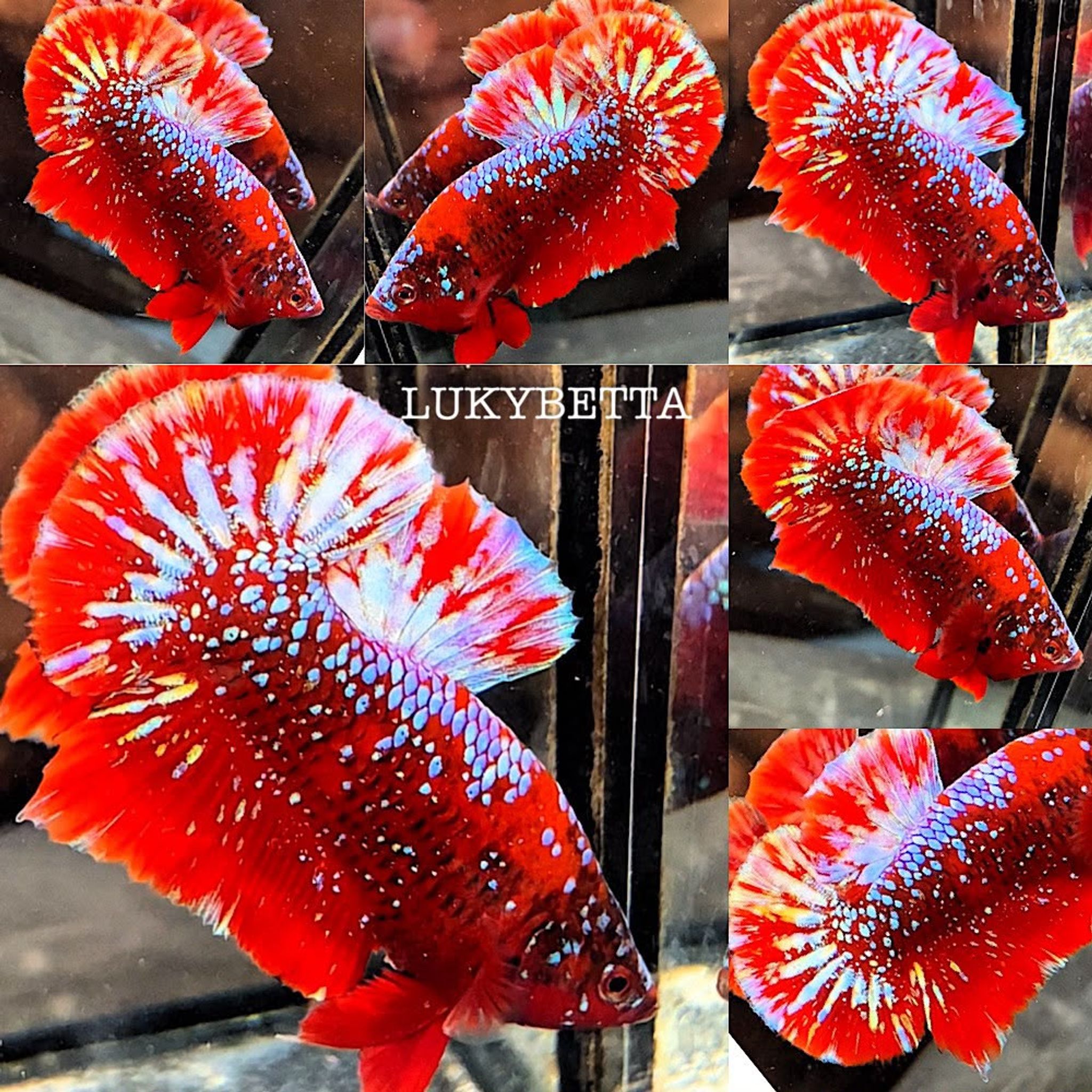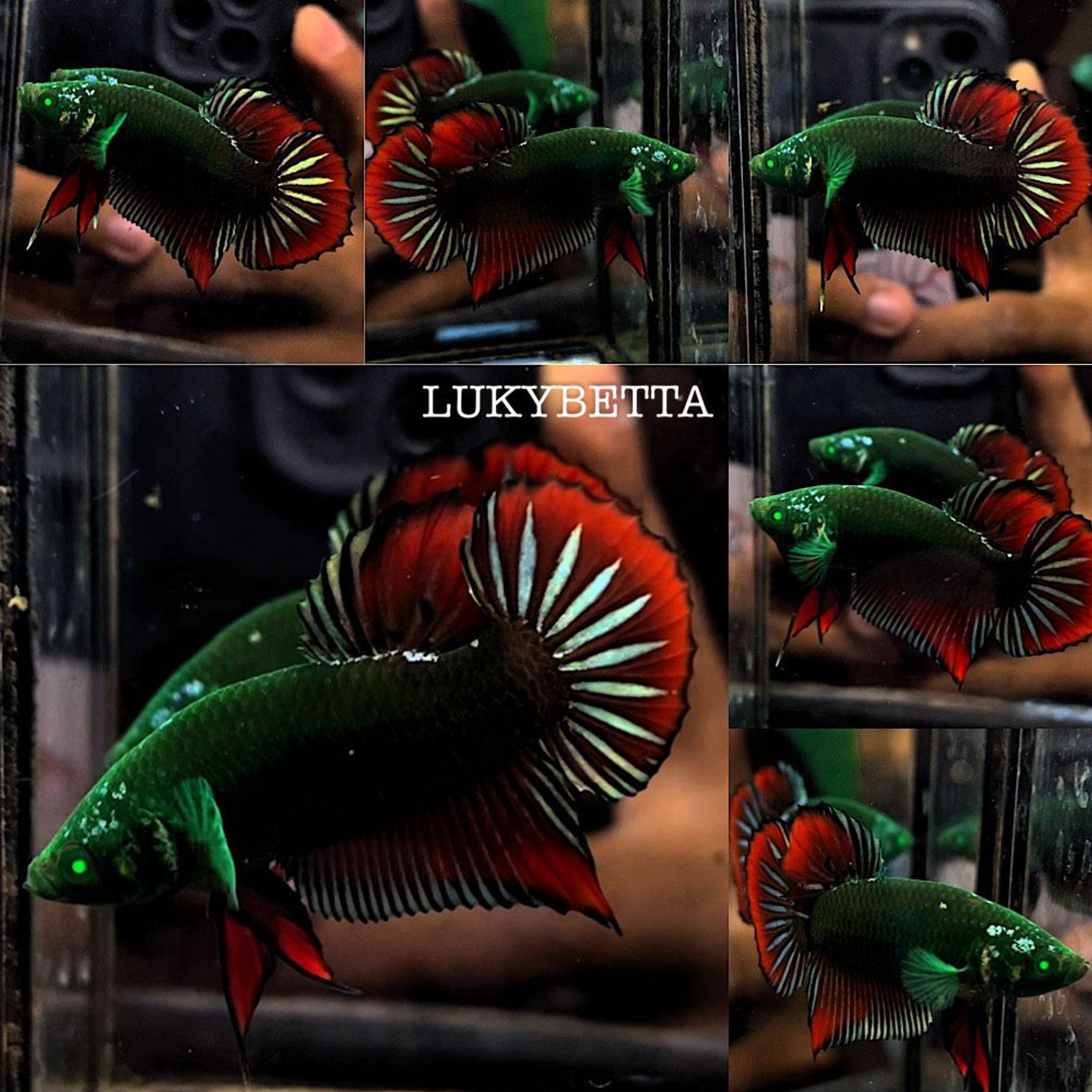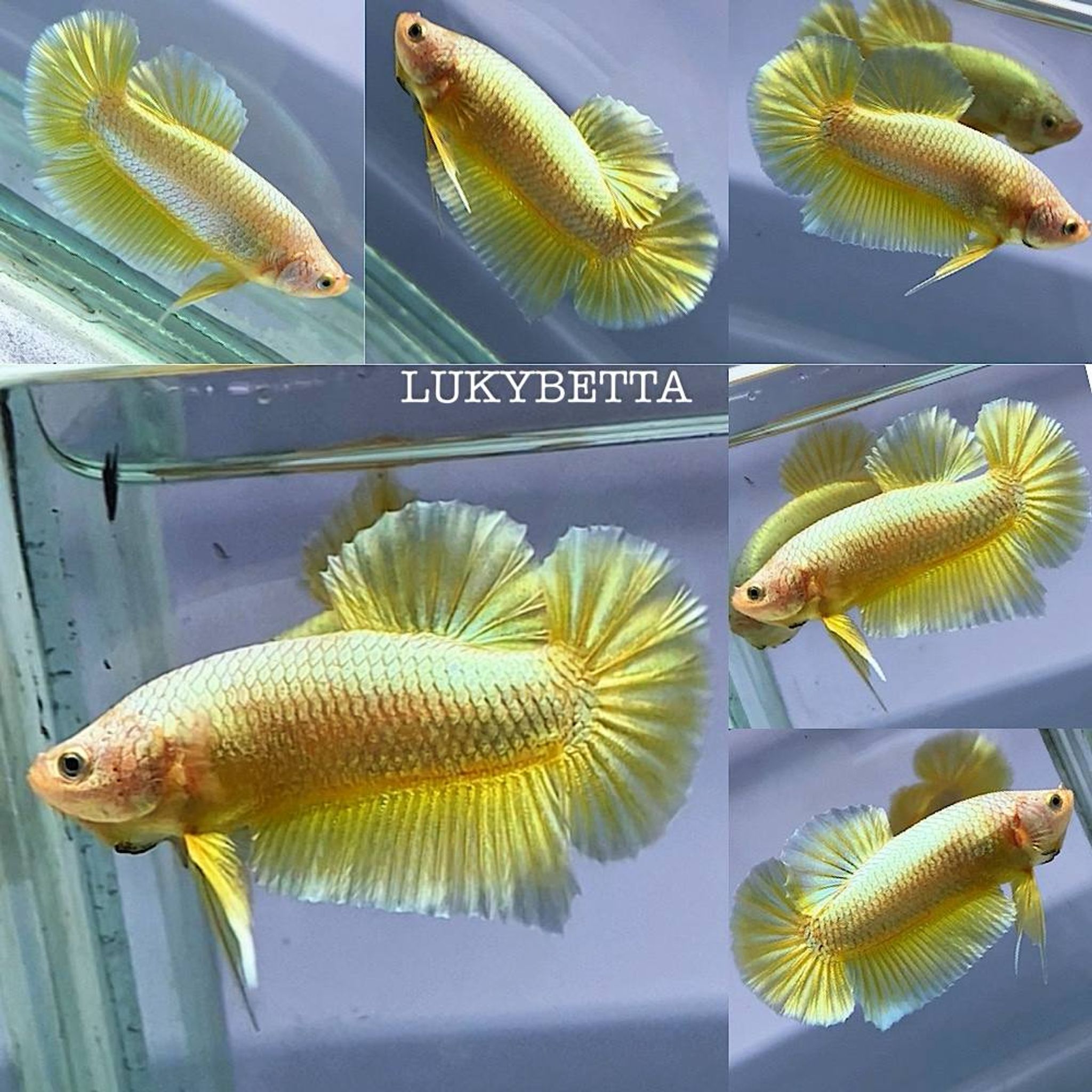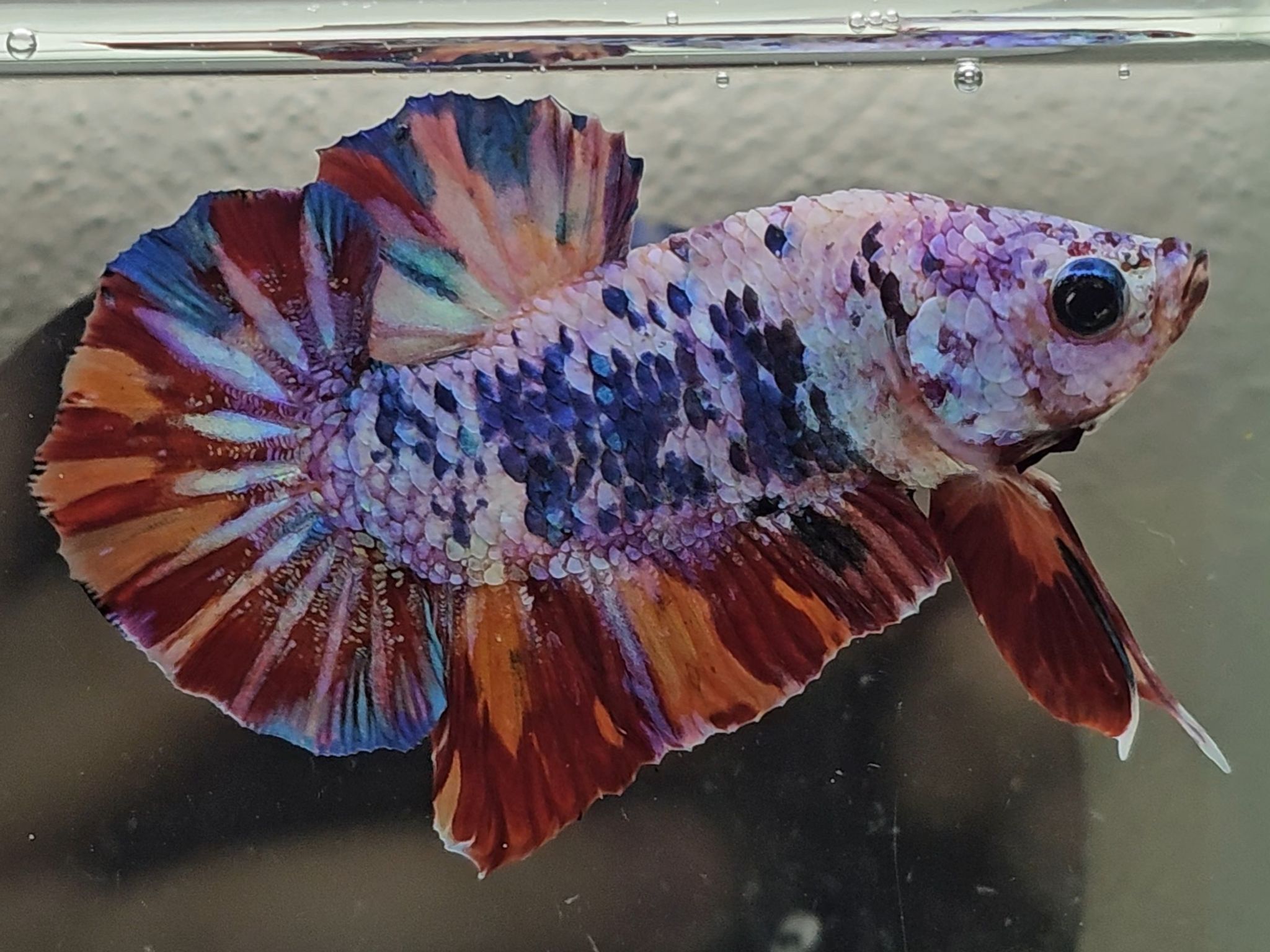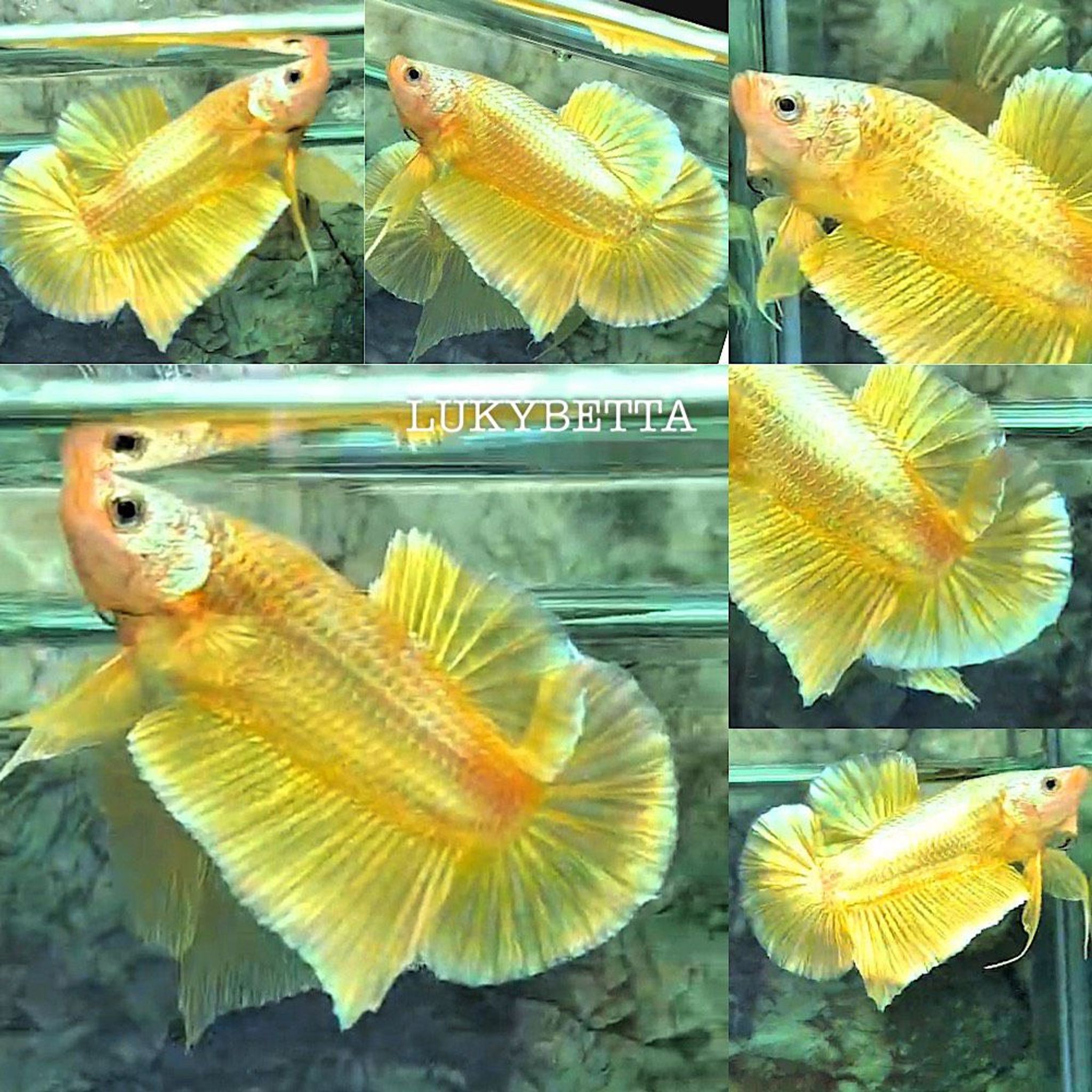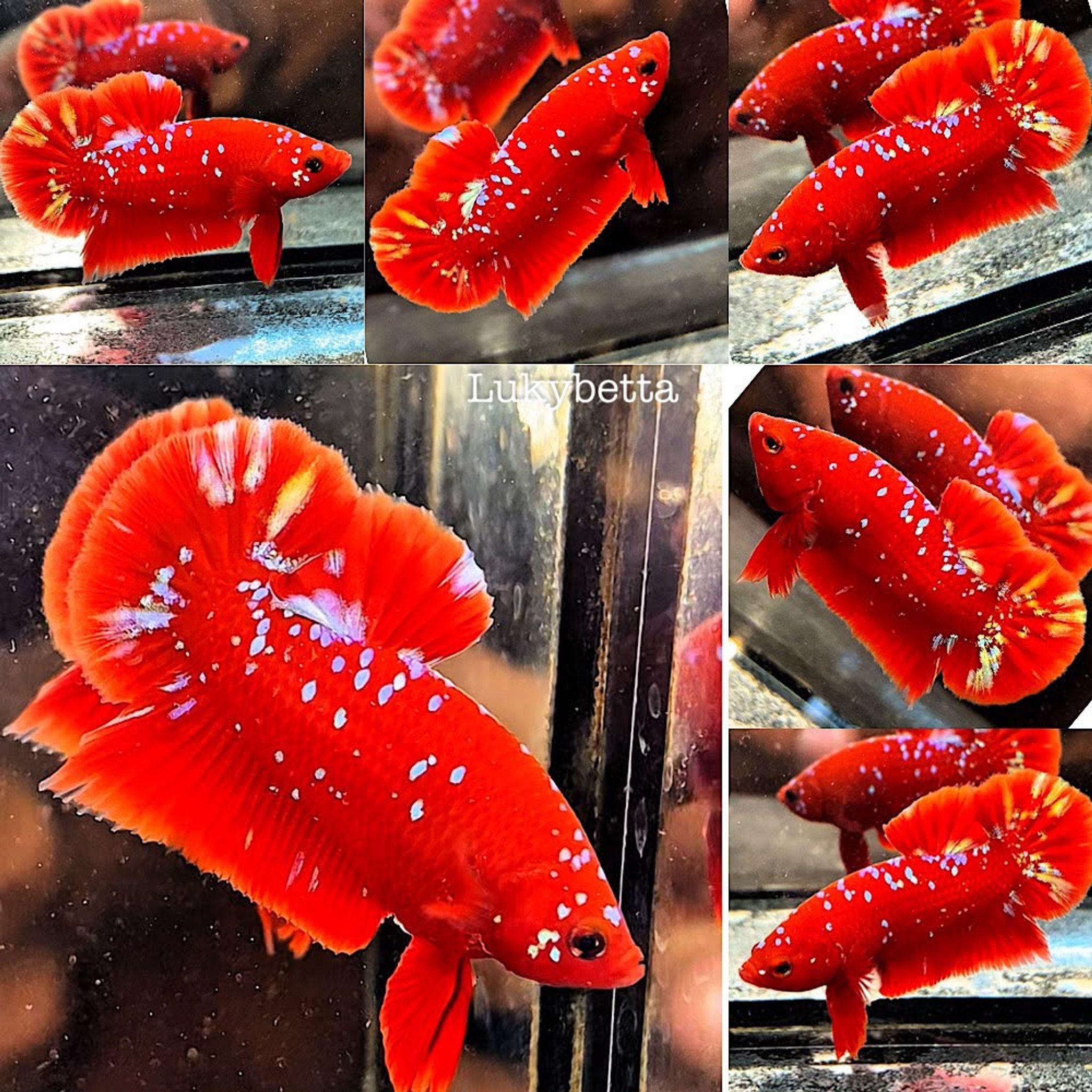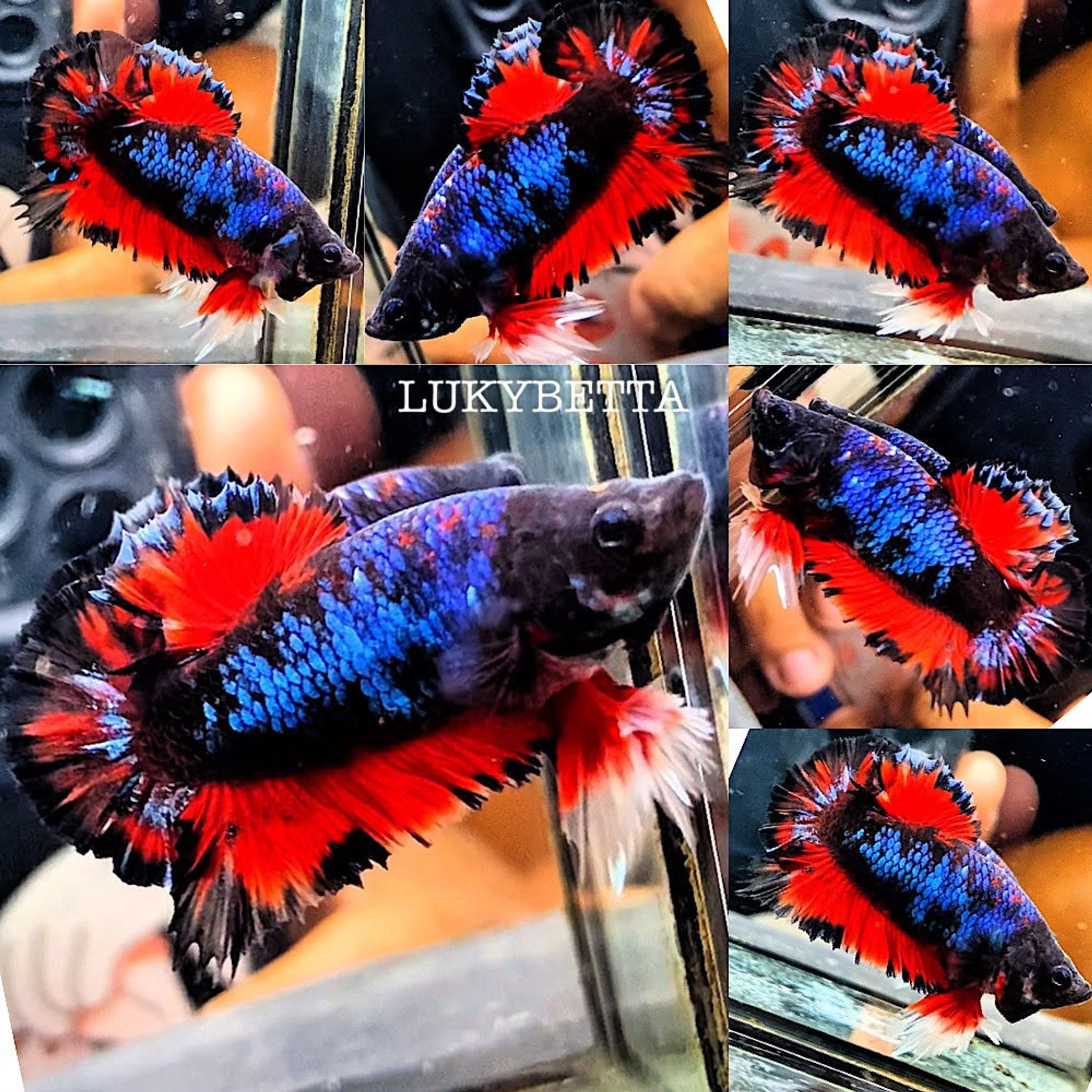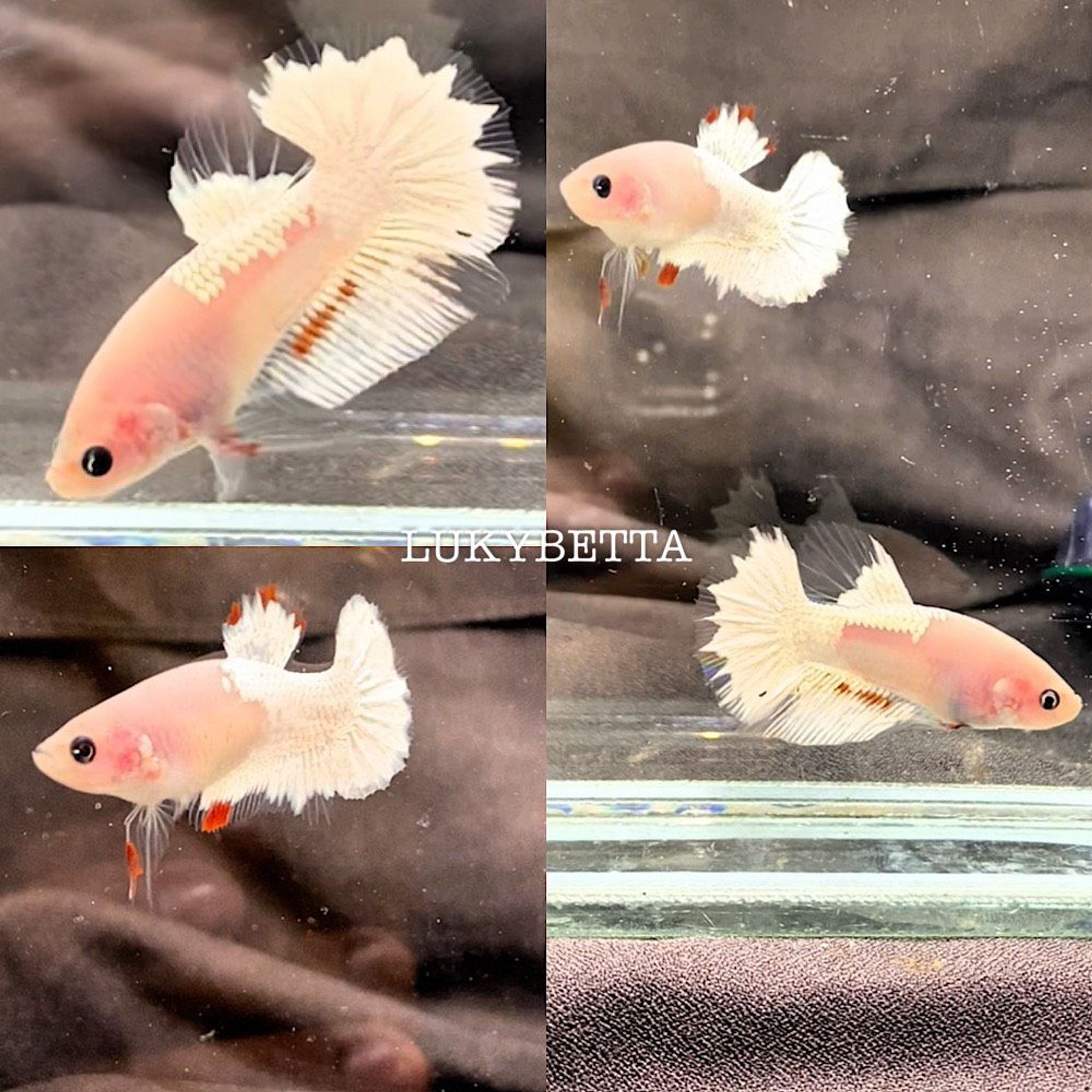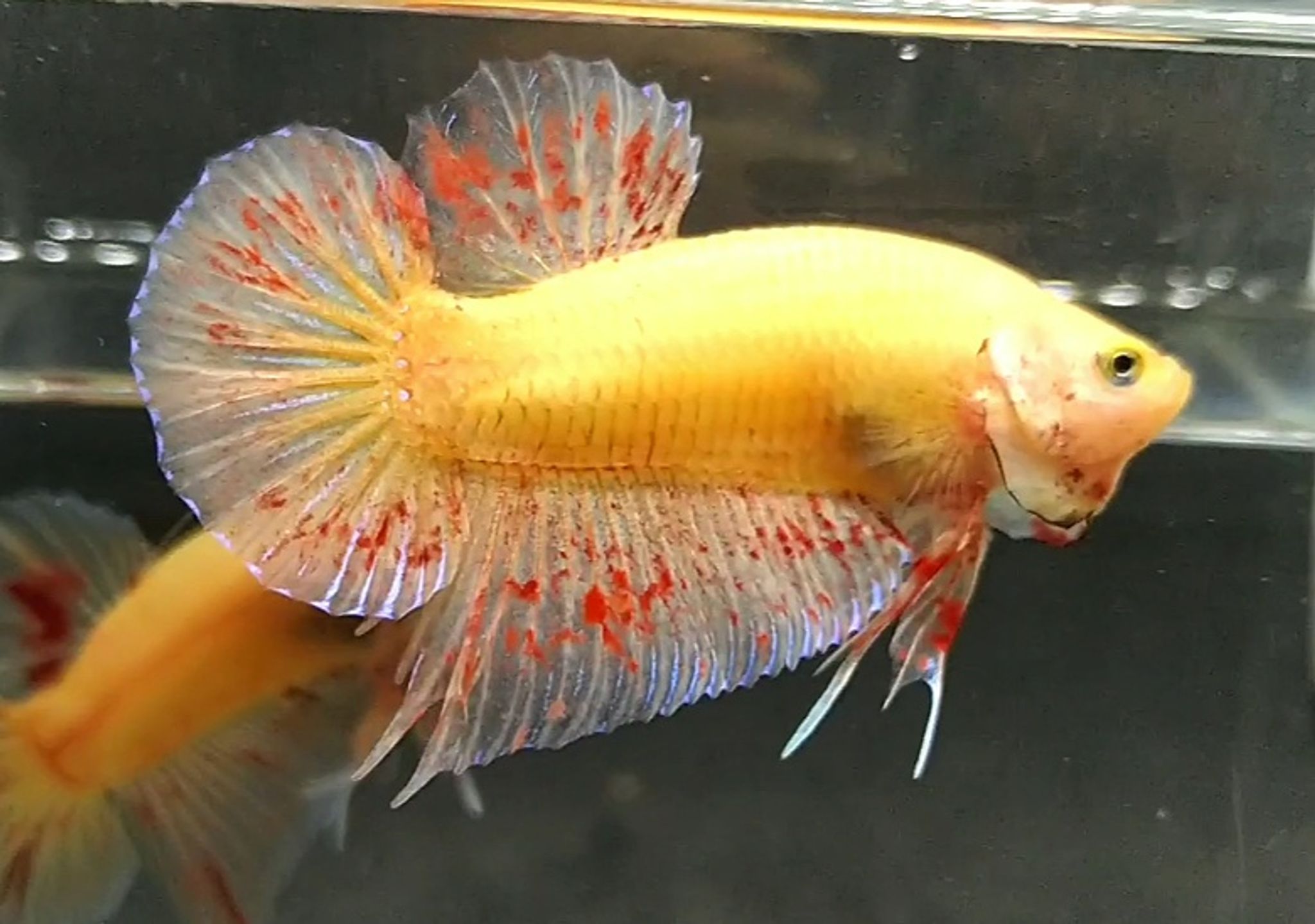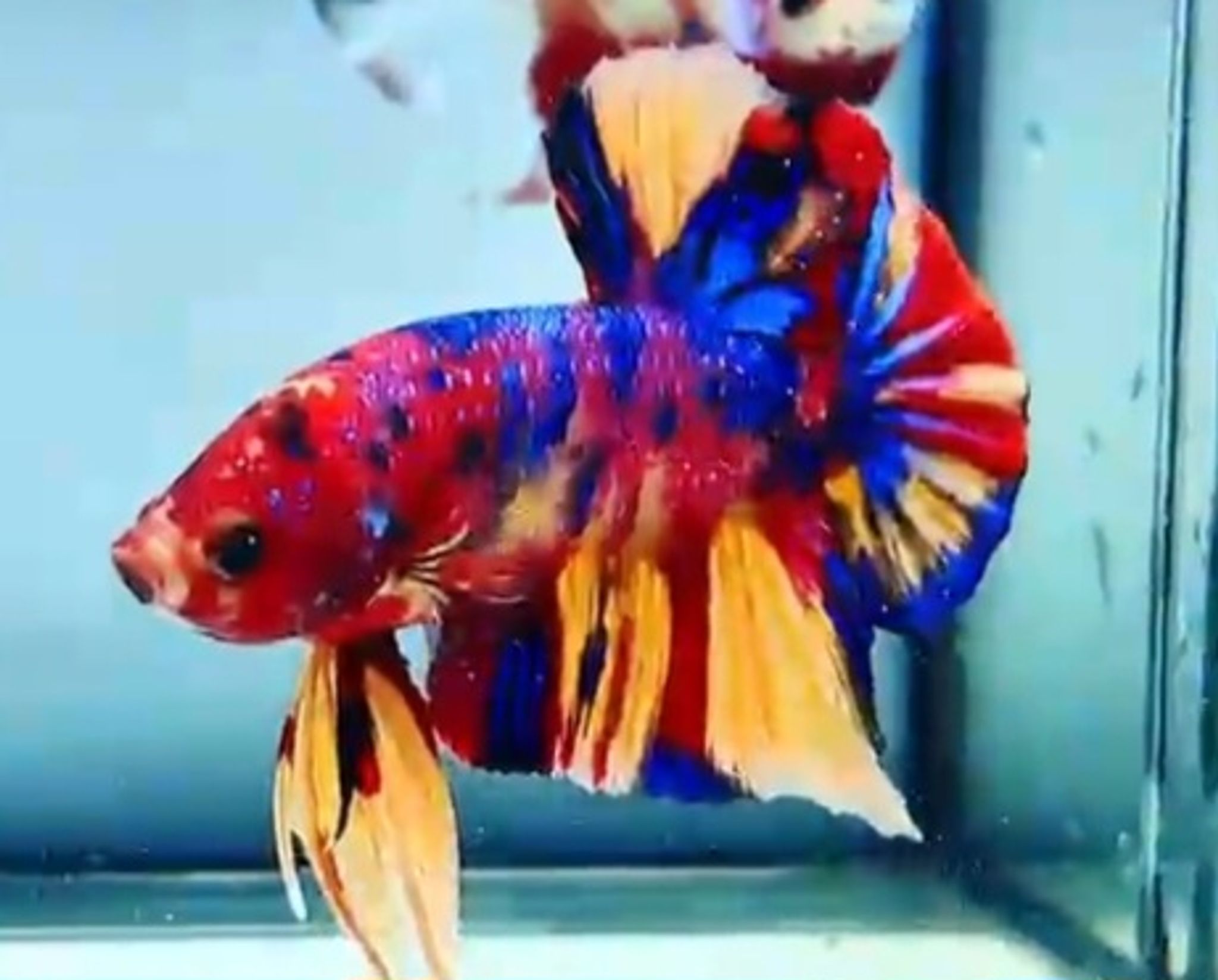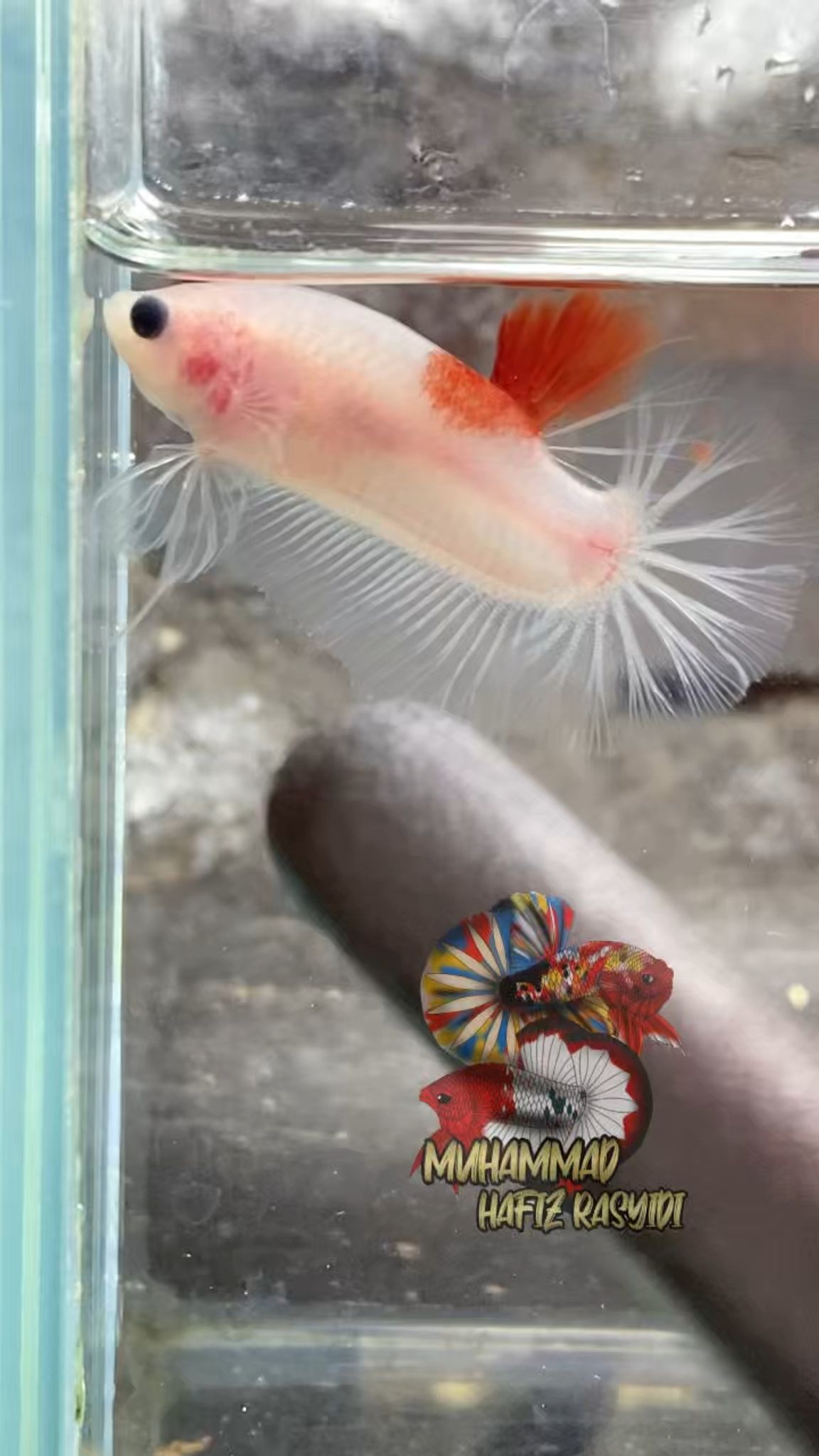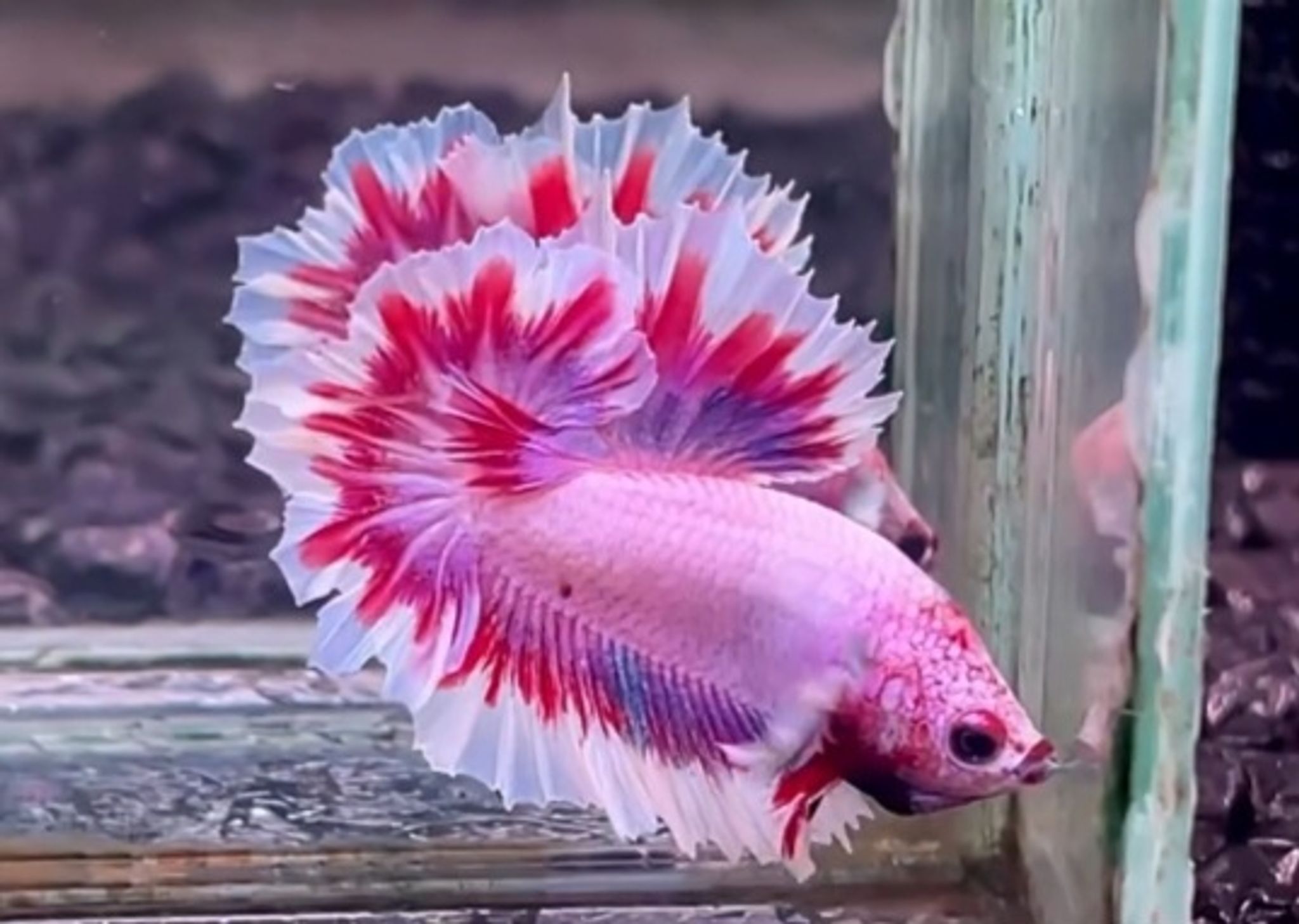
HMPK Feathertail Pink betta
Click to enlarge

Unless otherwise stated, product might differ from image as image is representative of species and not of actual product

HMPK Feathertail Pink betta

SGD 50.00

Product Variations

Quantity

Stock: 1

Product Details

Size

5cm - 6cm

Temperament

Aggressive

Water Condition

High PH

Product Description

Meet the HMPK Feathertail Pink Betta – an aggressive, jewel-toned fighter with exquisite feathery fins. A stunning centrepiece for the experienced aquarist's tank.

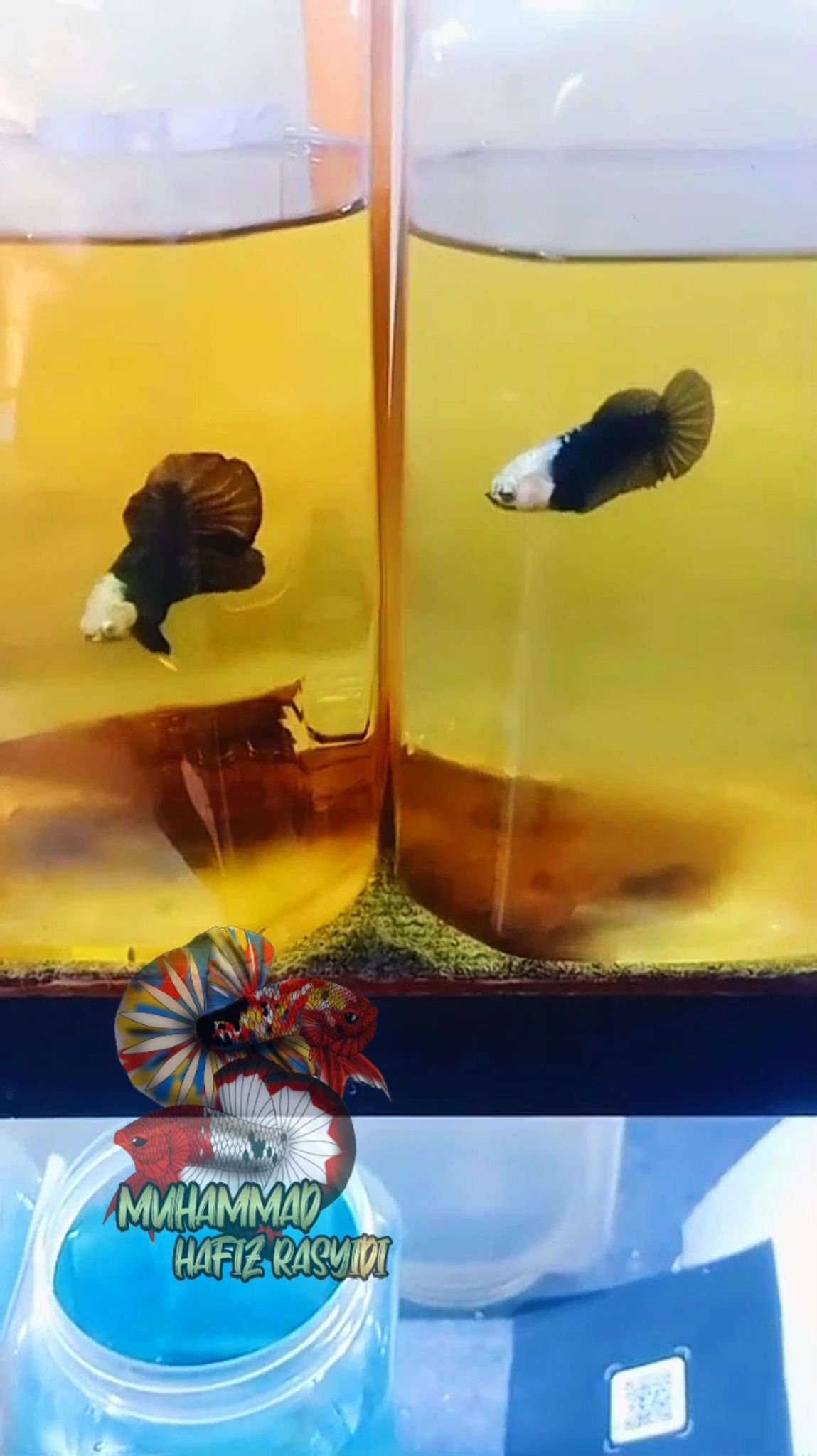
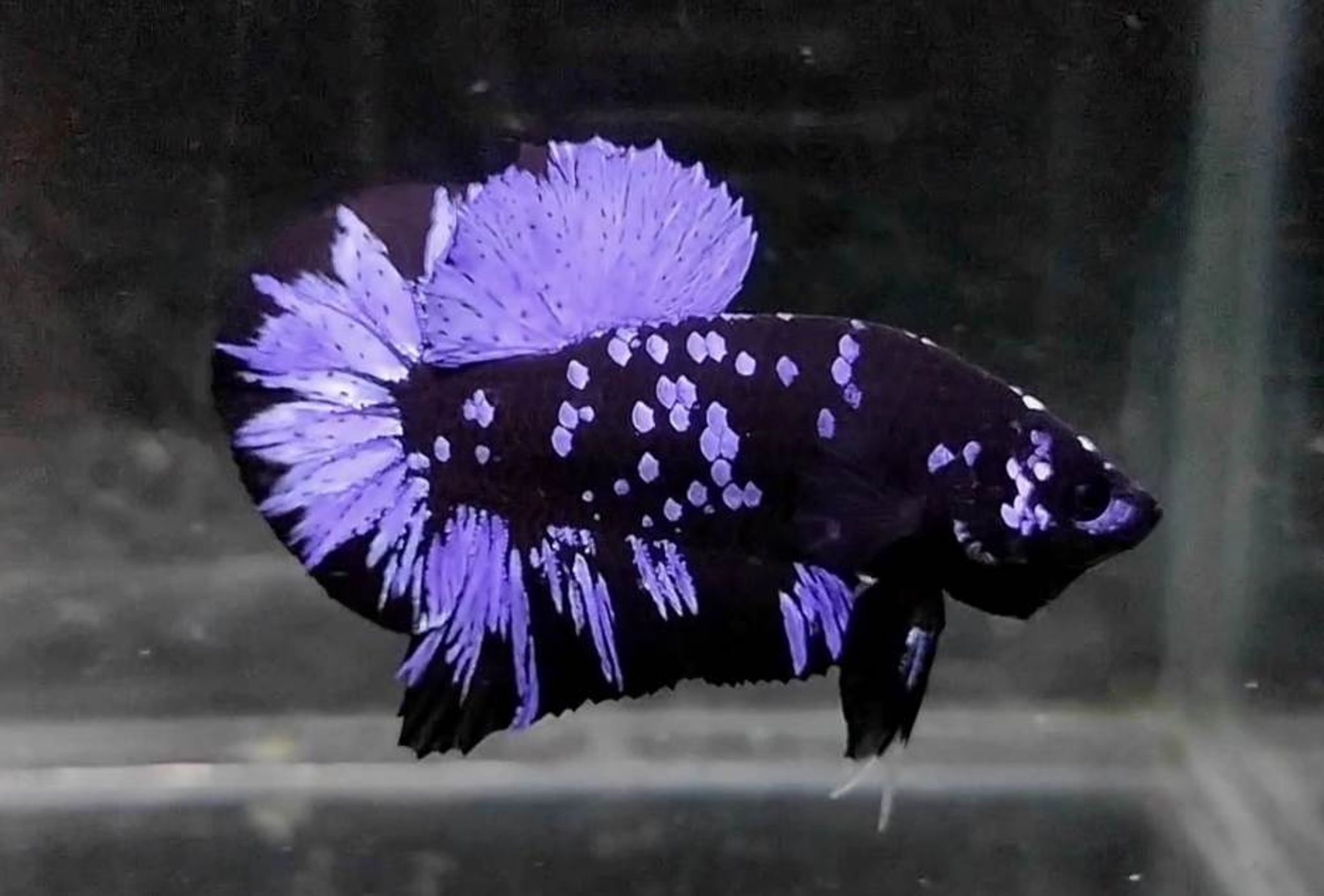
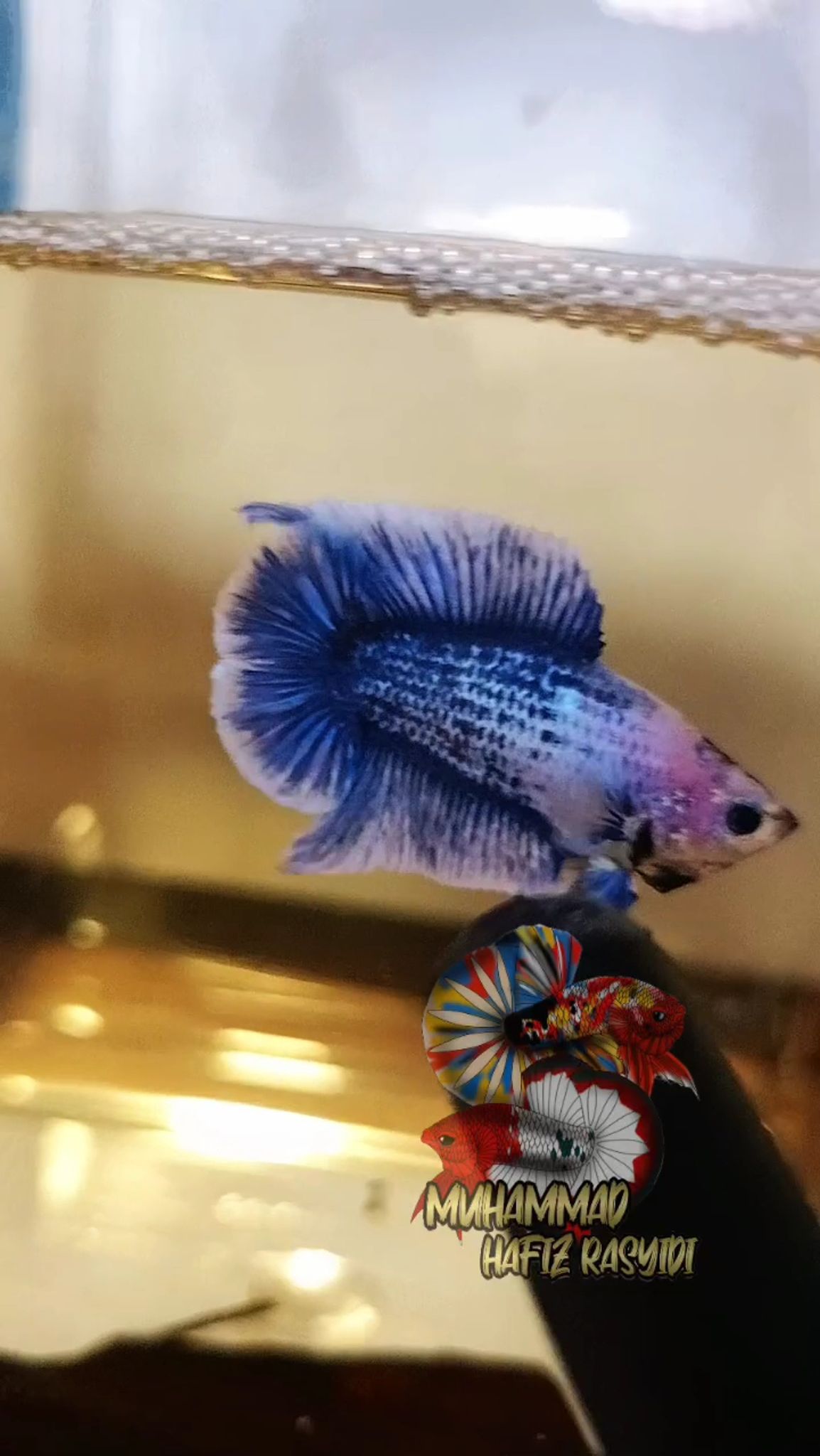
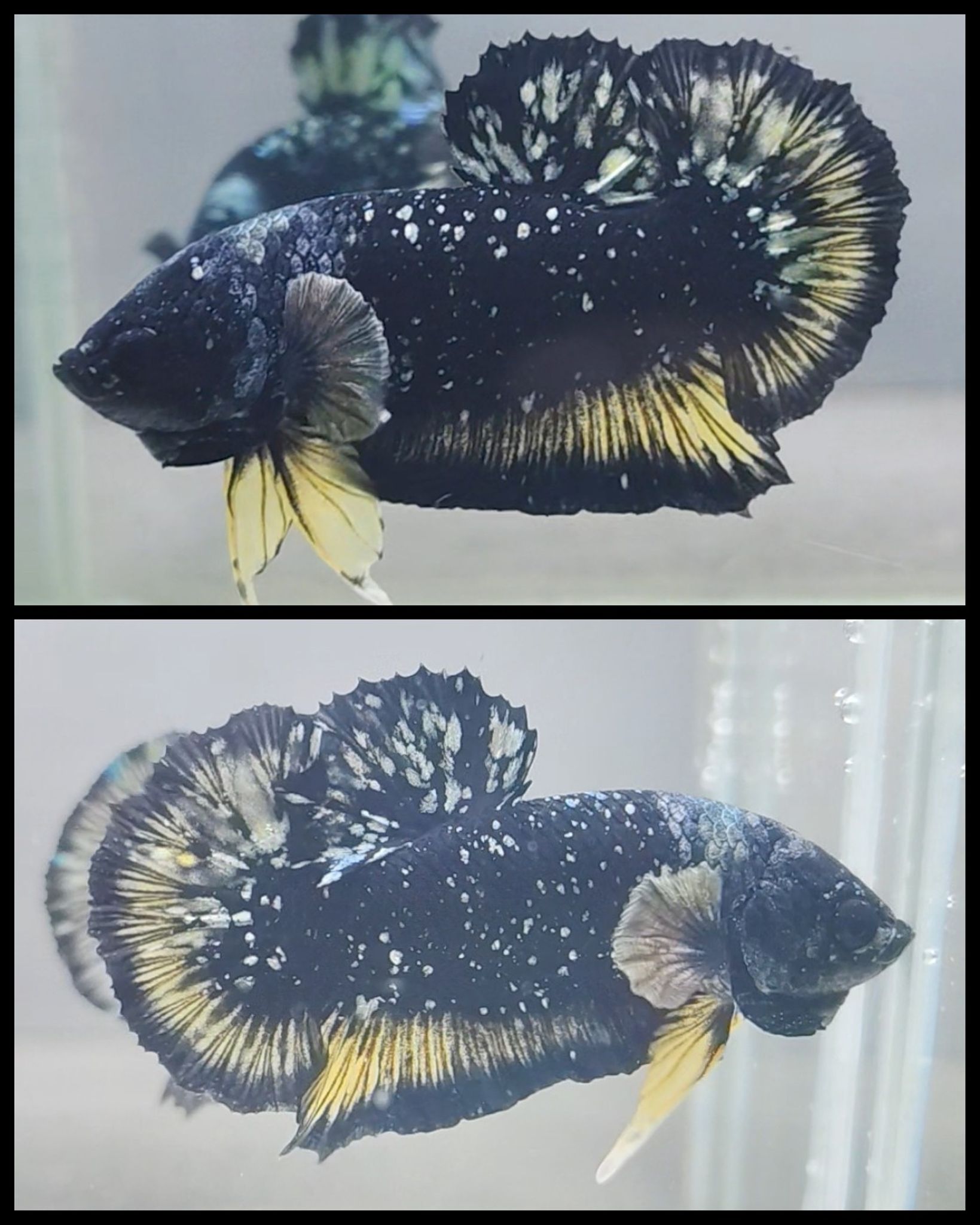
  • Distinctive Appearance: The HMPK (Halfmoon Plakat) Feathertail Pink Betta is a rare and visually breathtaking variant of the classic Siamese Fighting Fish. Its vibrant, rose-pink body shimmers with an iridescent sheen, while the fins carry a delicate, ruffled "feathertail" structure that sets it apart from standard plakat strains. With mature specimens reaching between 5cm and 6cm in total length, this compact yet powerfully built fighter displays a full 180-degree caudal spread when flaring, creating an awe-inspiring spectacle. The short, spade-shaped fins typical of plakats remain sturdy and damage-resistant, yet the feathertail edges lend an unmistakable softness and unique contour that makes every individual fish a living work of art.
  • Water Conditions – High pH Preference: Unlike many freshwater ornamental species that demand soft, acidic water, the HMPK Feathertail Pink Betta thrives in higher pH environments. This is a crucial factor to consider before purchase. Aim to maintain a pH range between 7.5 and 8.5, as this fish originates from waters with elevated mineral content and alkalinity. Sudden shifts in pH will cause undue stress and can trigger fin clamp, lethargy, or white spot outbreaks. Use buffering substrates such as crushed coral or aragonite to stabilise alkaline conditions, or perform small, frequent water changes with properly adjusted water. Water temperature should be held steady between 24°C and 28°C (ideally 26°C) using a reliable submersible heater. This betta also requires excellent water quality; a gentle sponge filter or a low-flow internal filter is recommended to provide biological filtration without creating turbulence, as strong currents will exhaust the fish and damage its delicate feathery fins. Weekly partial water changes of 25-30% are essential to remove nitrogenous waste, keep nitrate levels below 20ppm, and maintain the sparkling clarity this premium fish deserves. Ammonia and nitrite must always read at 0ppm.
  • Temperament and Behaviour: This is an aggressive fish – there is no sugar-coating it. HMPK Bettas are descended from fighting stock and retain a strong territorial instinct. The Feathertail Pink Betta should be labelled clearly as a solitary specimen. It will actively hunt, chase, and attack smaller fish, and it will not tolerate any tank mate that resembles another betta or sports long, flowing fins. Males of this species are particularly confrontational and must never be housed with other male bettas, nor with females except during carefully supervised breeding programmes. Within its own reflection in the glass, this fish will flare constantly; providing a moderately planted tank helps break line-of-sight to mirrors and glass edges to reduce chronic stress. Do not keep it with slow-moving, surface-dwelling species, and avoid shrimp or snails that may be perceived as prey. Even under the best conditions, a community setup always involves a significant risk of injury or death, so the safest and most recommended approach is a single-specimen display tank.
  • Suitable Tank Mates (with extreme caution): For experienced aquarists who insist on a community, only robust, fast-moving, bottom-dwelling species should ever be considered. Small, quick corydoras catfish such as the Bronze Cory or Dwarf Chain Loach can sometimes work in a spacious 100-litre or larger aquarium where the betta's territory is well-defined. Bristlenose plecos (Ancistrus) are also a possibility, as their armour-plated bodies discourage attacks. Yet every single introduction carries risk – the betta may still relentlessly pursue these fish. A far safer alternative is to populate the tank with the betta alone and add its natural instincts as the sole "personality." Aquascaping with dense plant thickets, driftwood, and floating plants such as Amazon frogbit or Indian almond leaves gives the betta hiding spots and breaks aggression. Observe behaviour closely for the first 48 hours; at the first sign of relentless chasing or nipping, remove the tank mate immediately. In our professional opinion, the finest habitat for this fish is a planted, species-only aquarium of 40 litres or more.
  • Feeding Habits: The HMPK Feathertail Pink Betta is a strict carnivore with a hearty appetite. In nature, it feeds on surface insects, insect larvae, worms, and small crustaceans. To reflect this natural diet, offer high-quality betta-specific pellets as the staple; look for pellets with a high protein content (40% or above) and list fish meal or krill as the first ingredient. Supplement the pellet diet with protein-rich frozen or live foods several times per week – bloodworms, daphnia, brine shrimp and tubifex worms are all excellent choices that enhance colour vibrancy and fin health. Because plakat bettas have relatively fast metabolisms for their size, feed small portions twice daily, offering only what the fish can consume within two minutes per feeding. Overfeeding is a common mistake; obesity leads to constipation, swim bladder disorders, and greatly reduced lifespan. Always soak dry pellets for a few seconds before feeding to avoid bloating, as the fish's labyrinth organ is sensitive to excessive air intake.
  • Care Requirements and Health: Owning this betta is a rewarding challenge that demands consistent husbandry. A minimum tank size of 30 litres is recommended for a single fish, though 40 litres or more is ideal to provide stable water parameters and ample swimming space. The tank must be cycled before introduction – never add a fish to an uncycled aquarium. Use a mature filter and ensure no ammonia spikes occur. Because of the feathertail fin morphology, these fins are more prone to tearing, fin rot, and fungal infections than those of standard plakats. Keep the water pristine and add Indian almond leaves (catappa leaves) as a natural, mild antiseptic and pH-sustaining measure that releases beneficial tannins. Provide resting spots near the water surface – broad-leaved live plants like anubias or artificial betta hammocks allow this fish to rest without expending excessive energy. Regularly inspect gills, skin, and fins for signs of ich, velvet disease, or columnaris; early detection is key to successful treatment. With dedicated care, a healthy HMPK Feathertail Pink Betta can live 3 to 5 years in a well-maintained aquarium.
  • Why Buy From Our Store: All our bettas are domestically bred, humanely handled, and quarantined for a minimum of two weeks before dispatch. Each fish is carefully acclimatised to high-pH water conditions prior to shipping, and every order is packed in insulated foam boxes with thermal padding and oxygen-rich breathable bags to ensure live, stress-free arrival. We provide a full live arrival guarantee and offer ongoing post-purchase support from our team of certified aquatic specialists.

More From This Merchant

Gold digger betta

Gold digger betta

View Store →

You May Also Like