
FishyHub
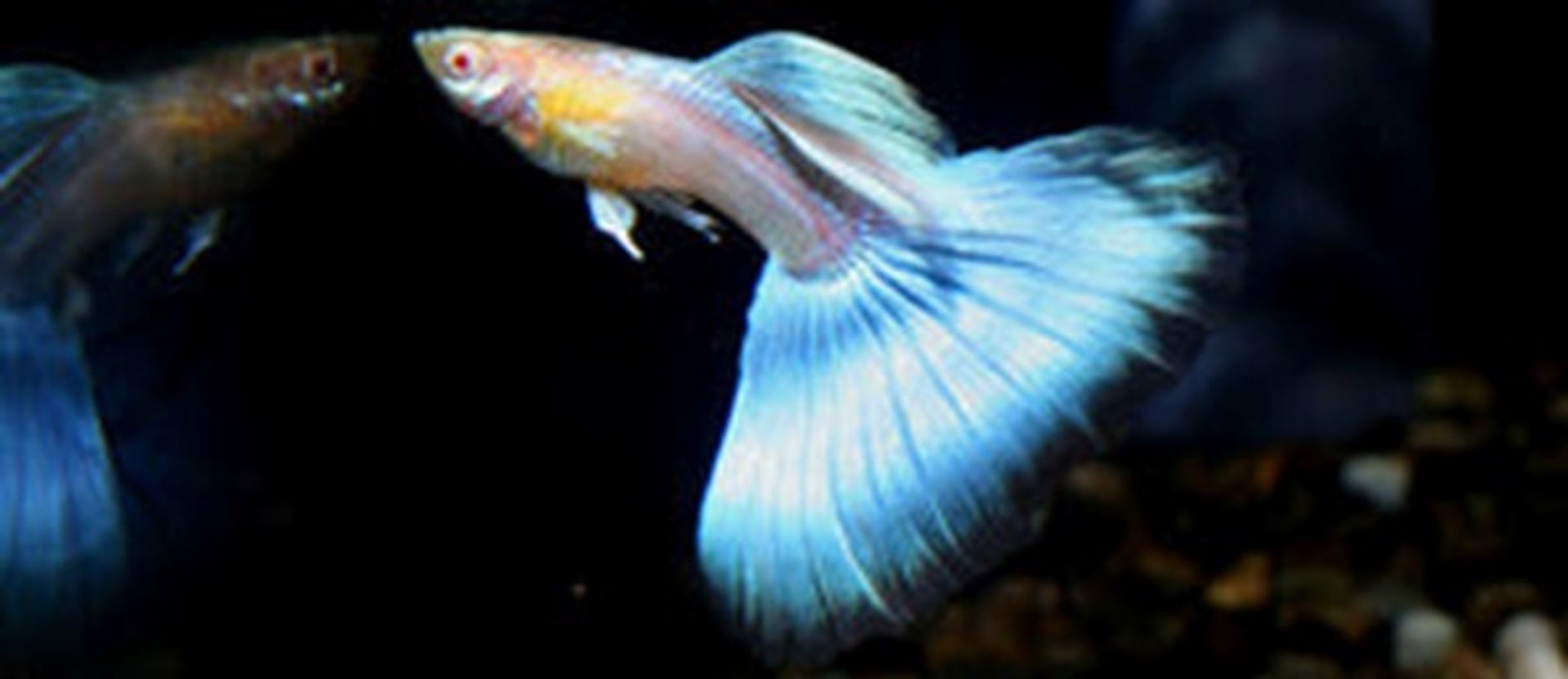
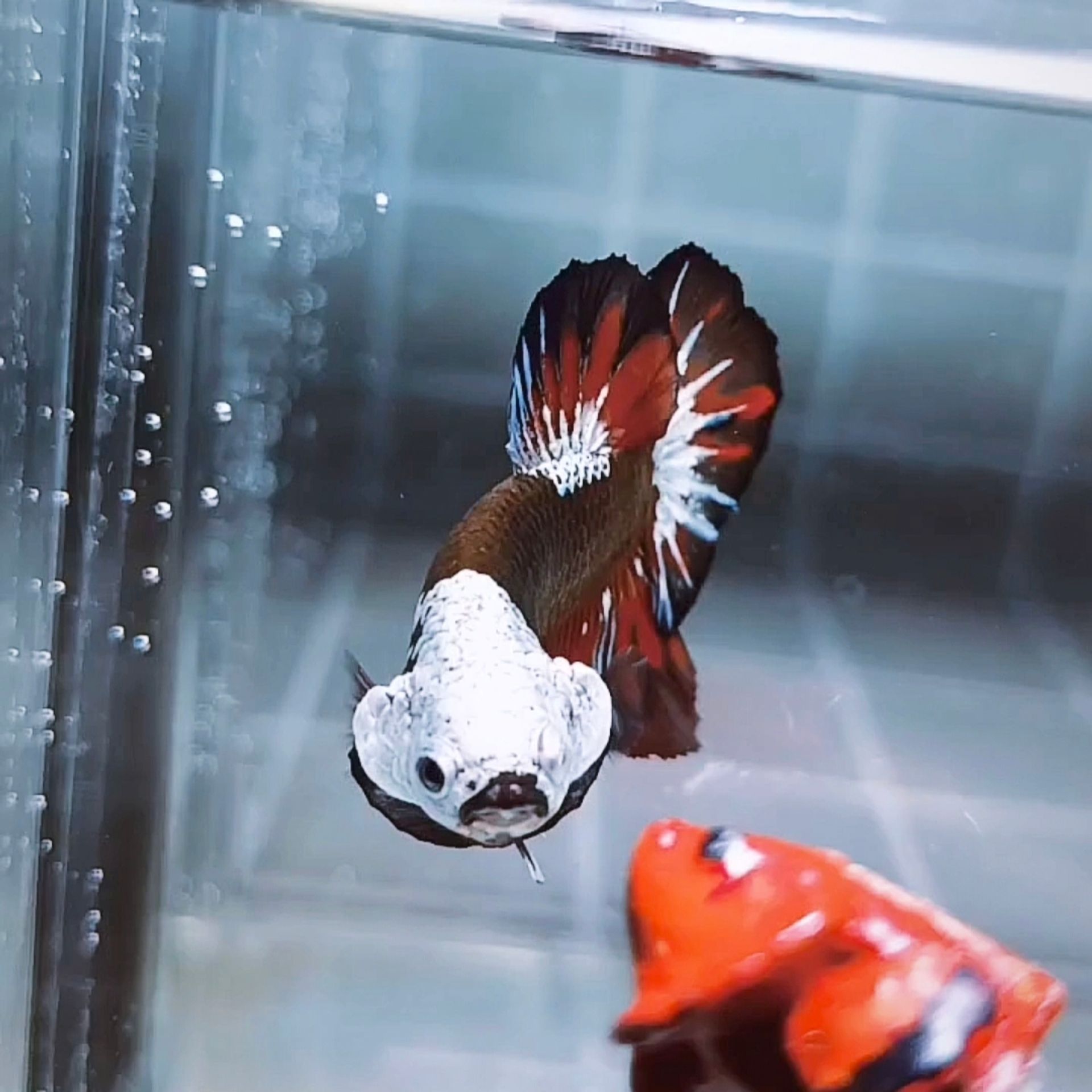
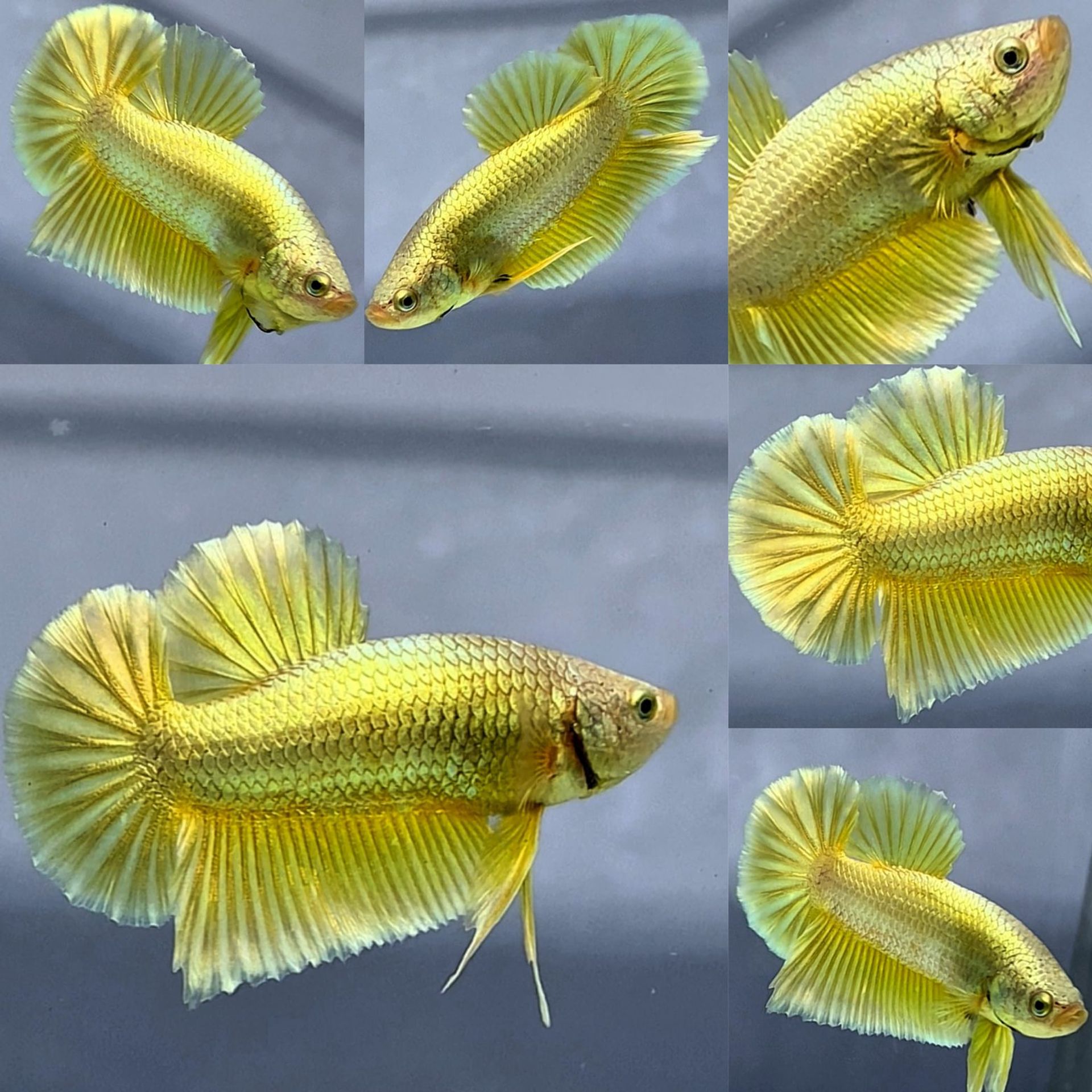
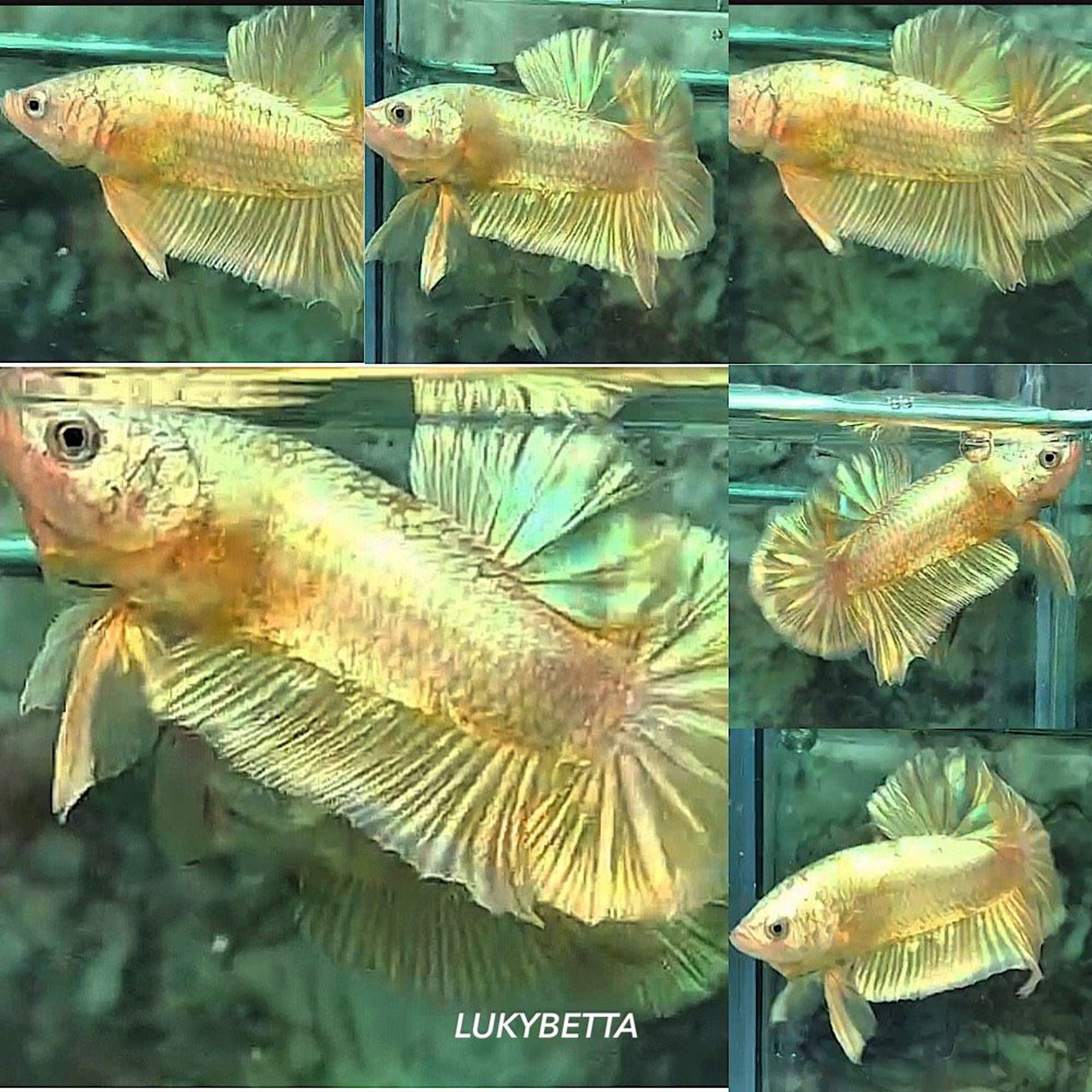
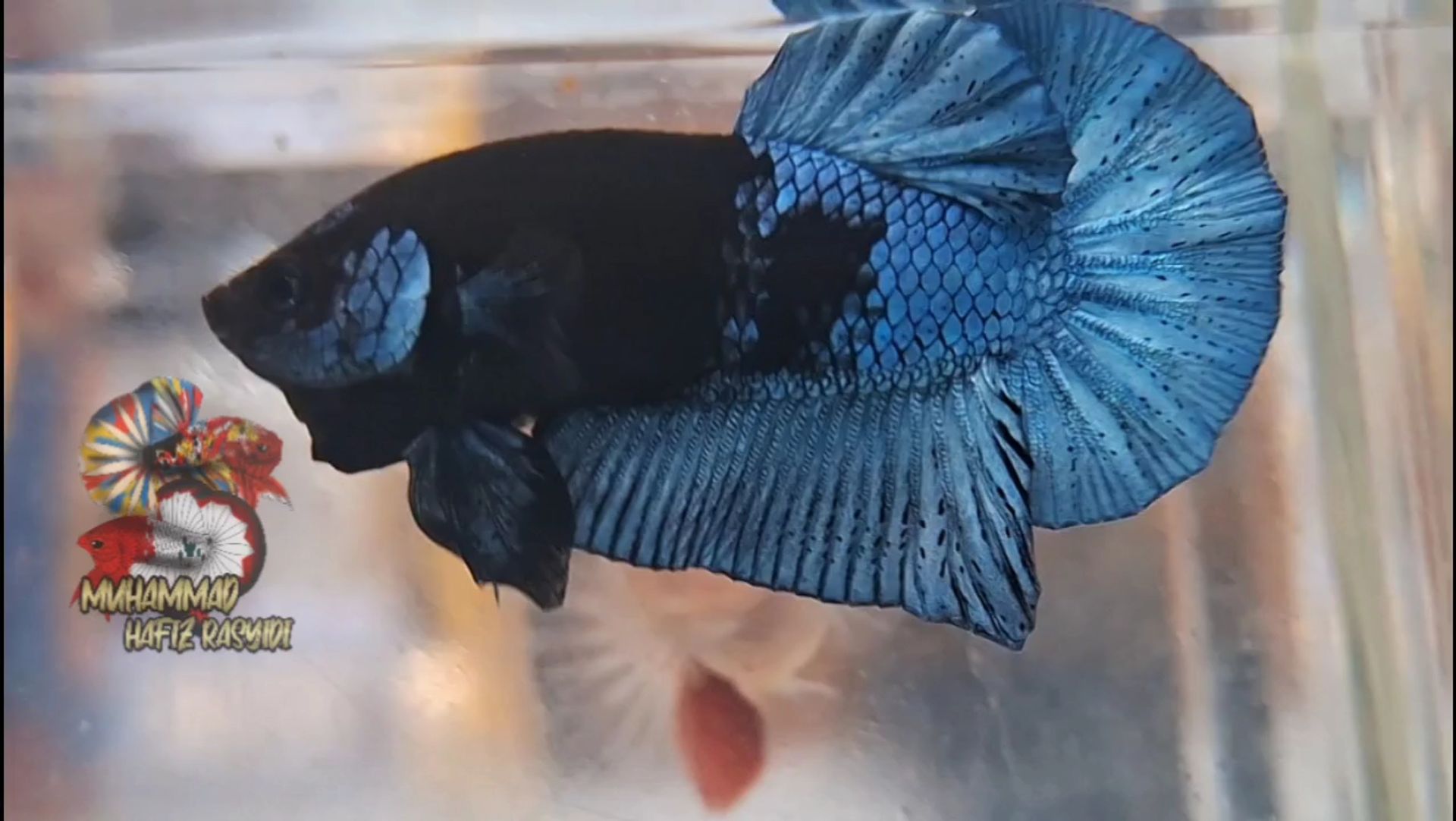
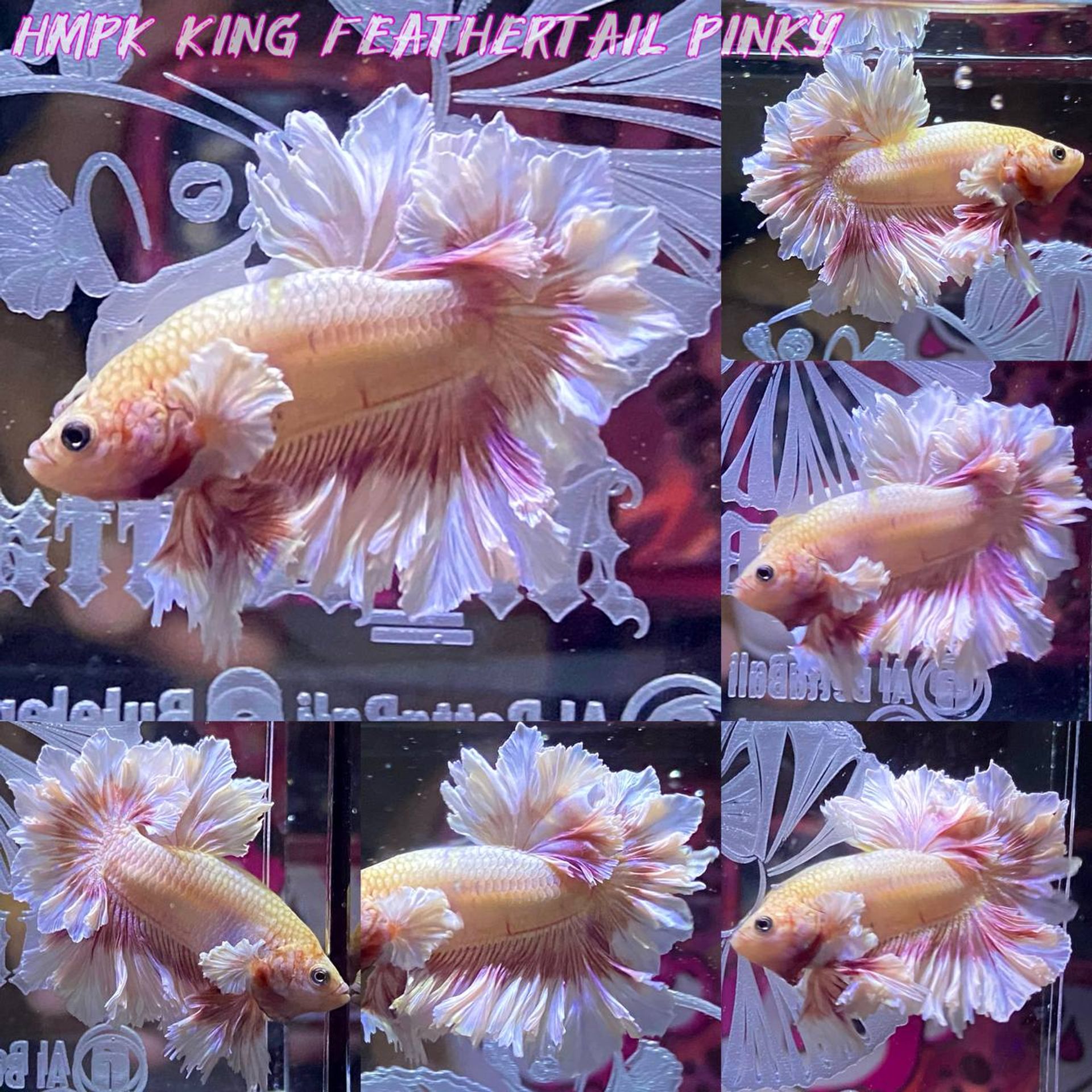
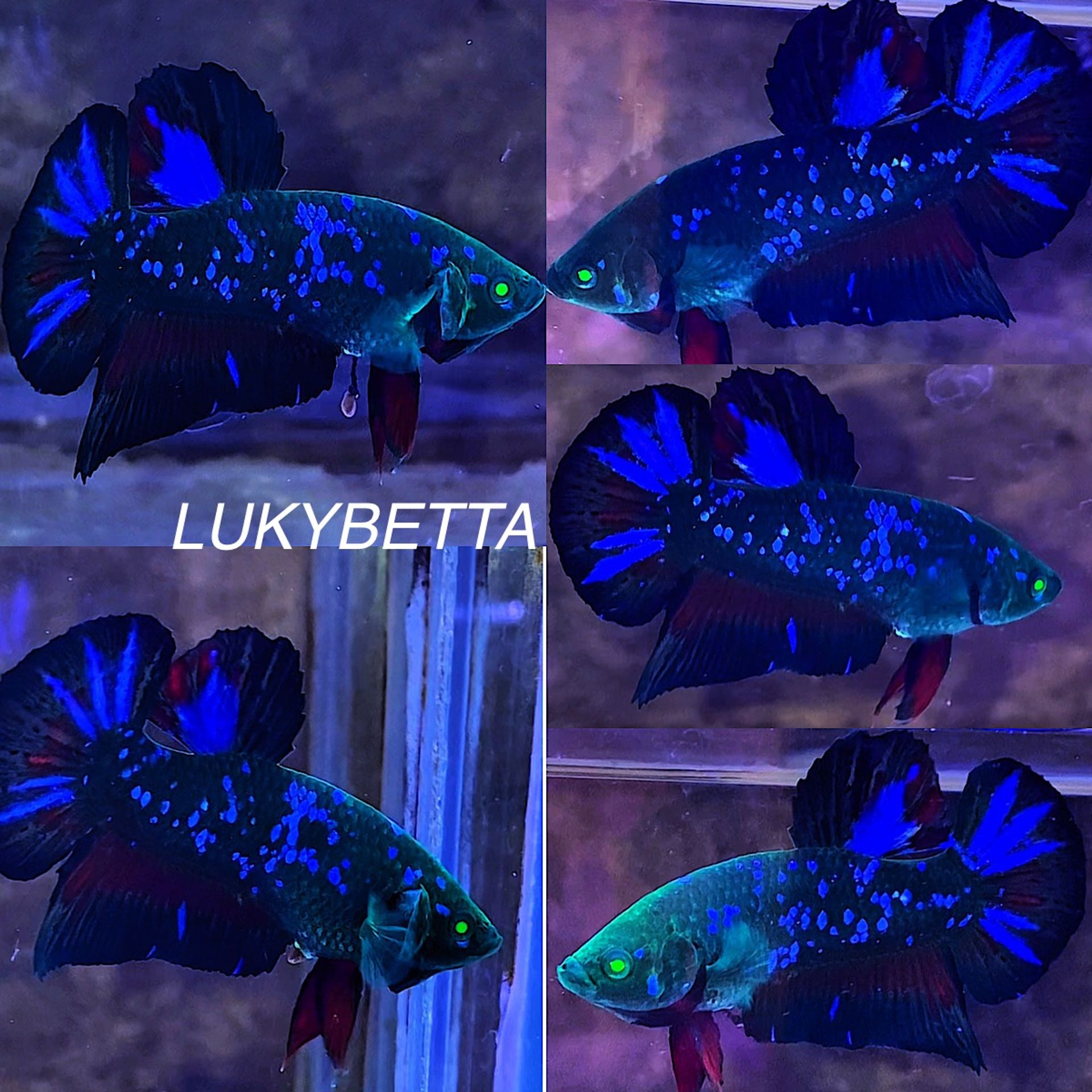
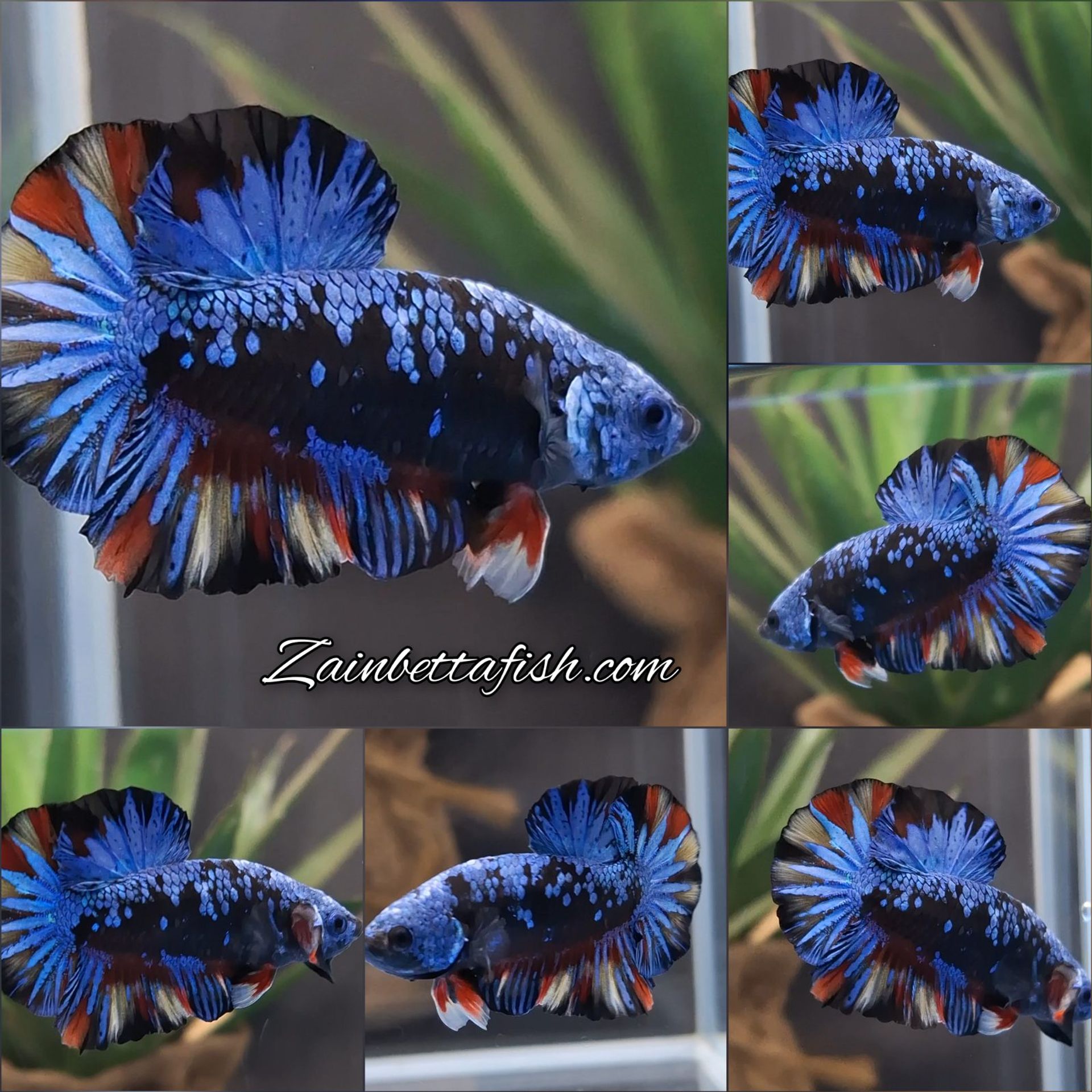
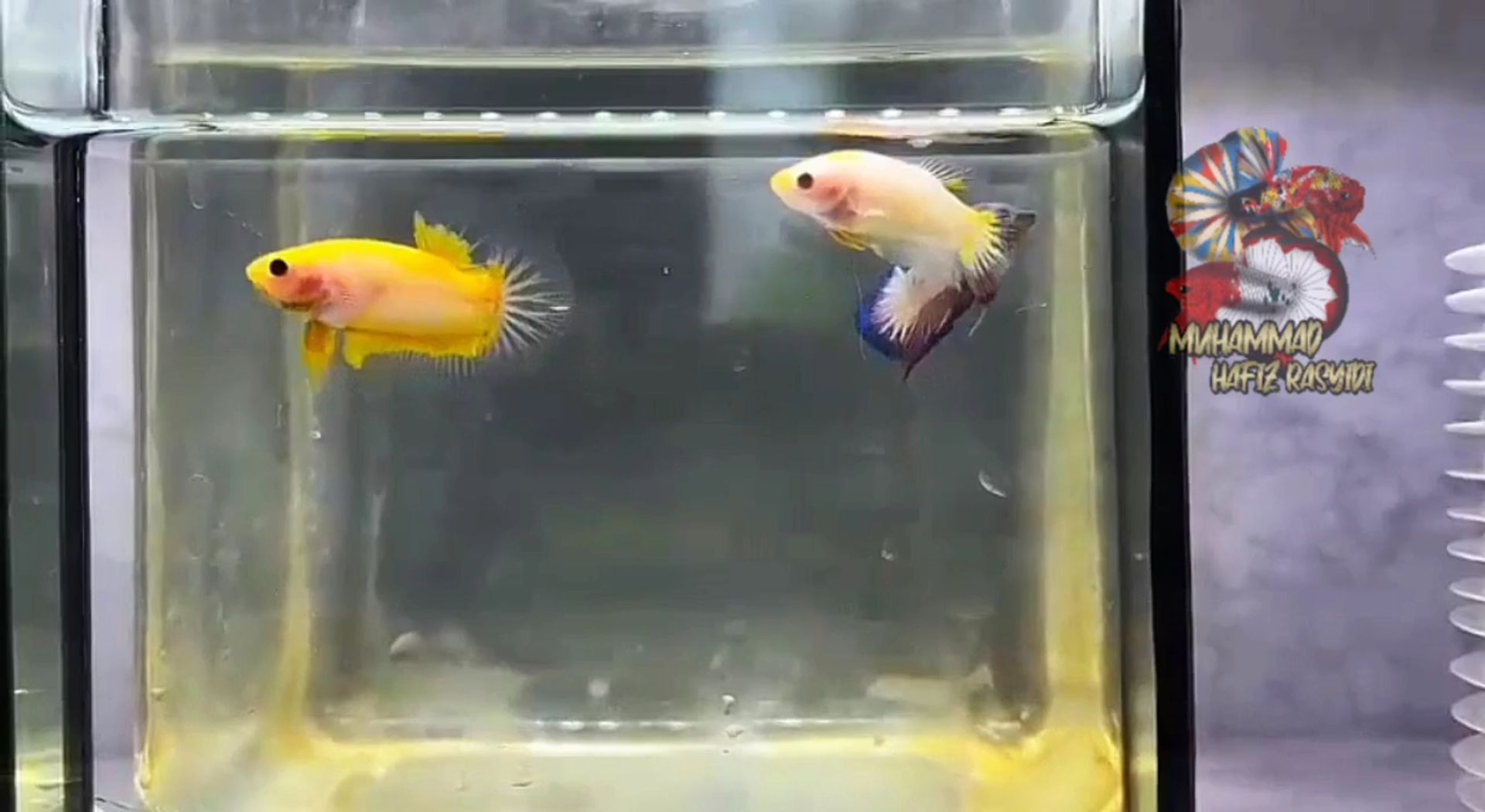
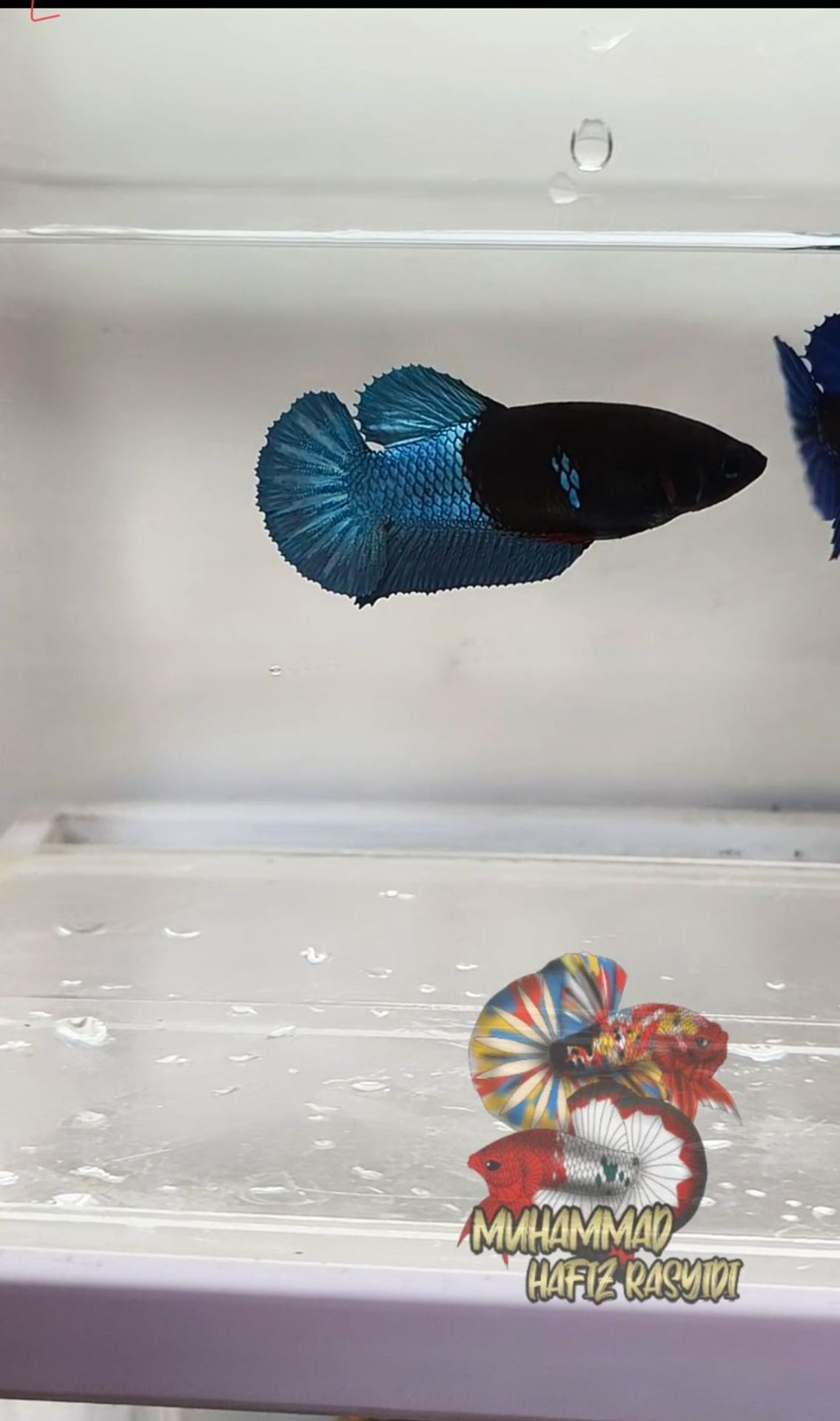
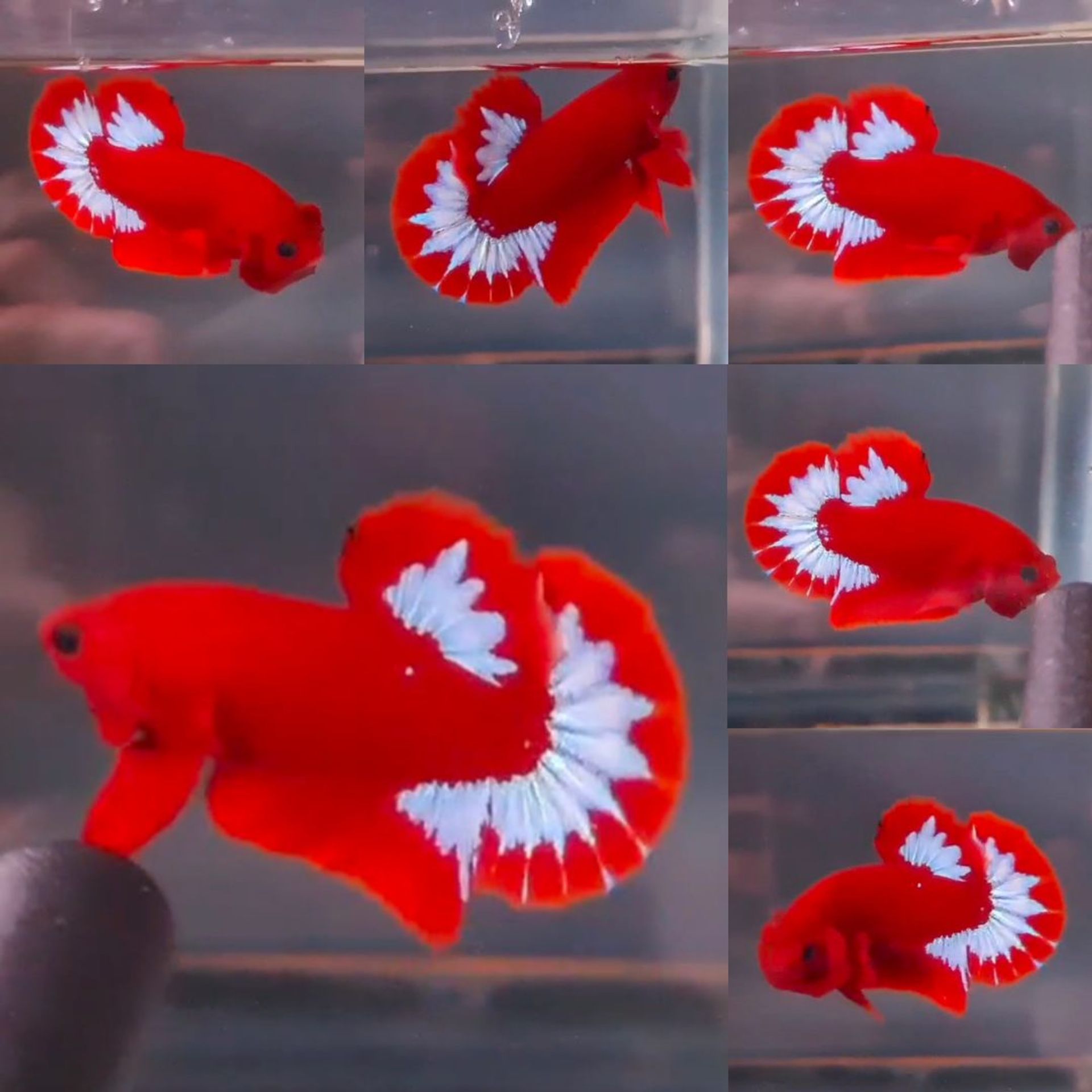
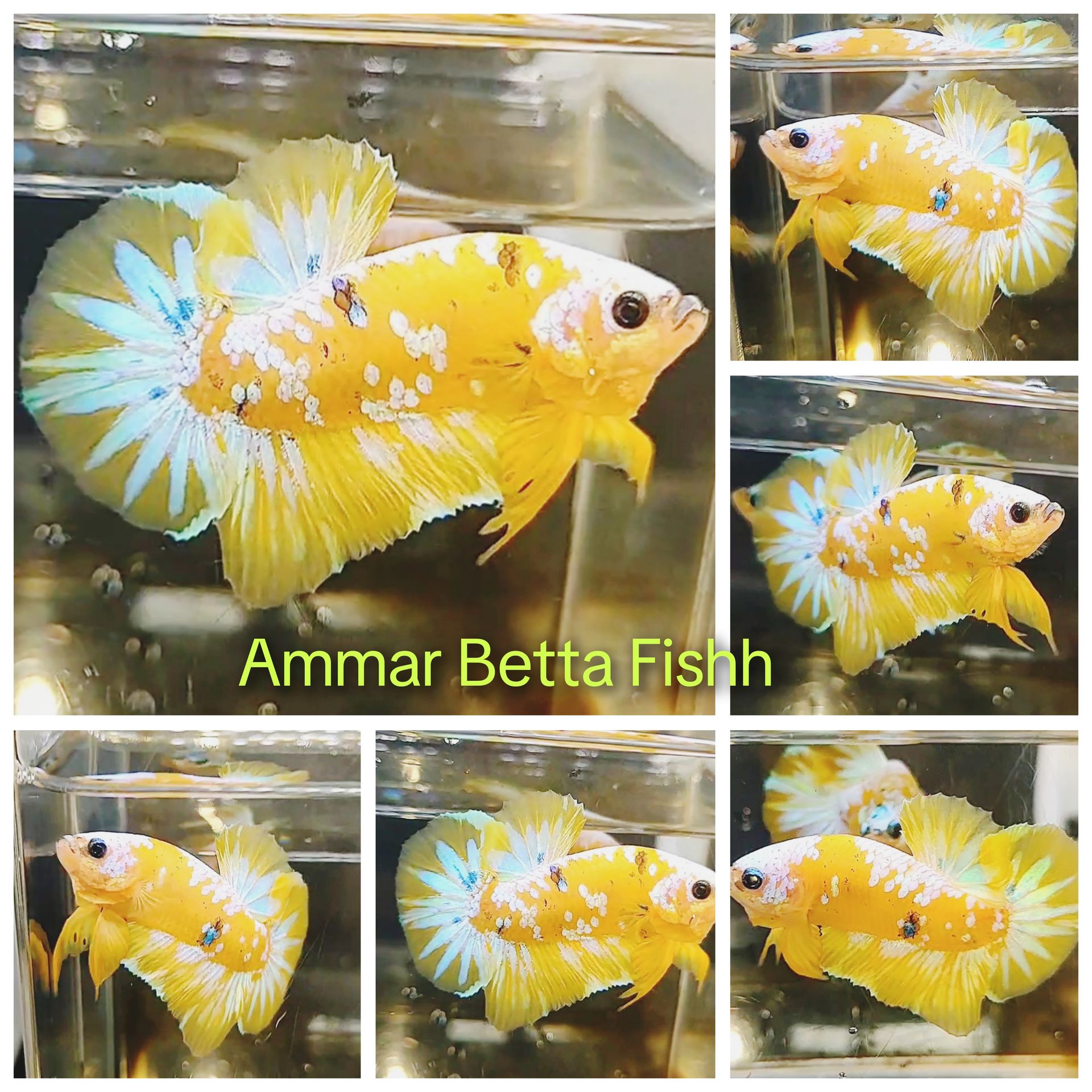
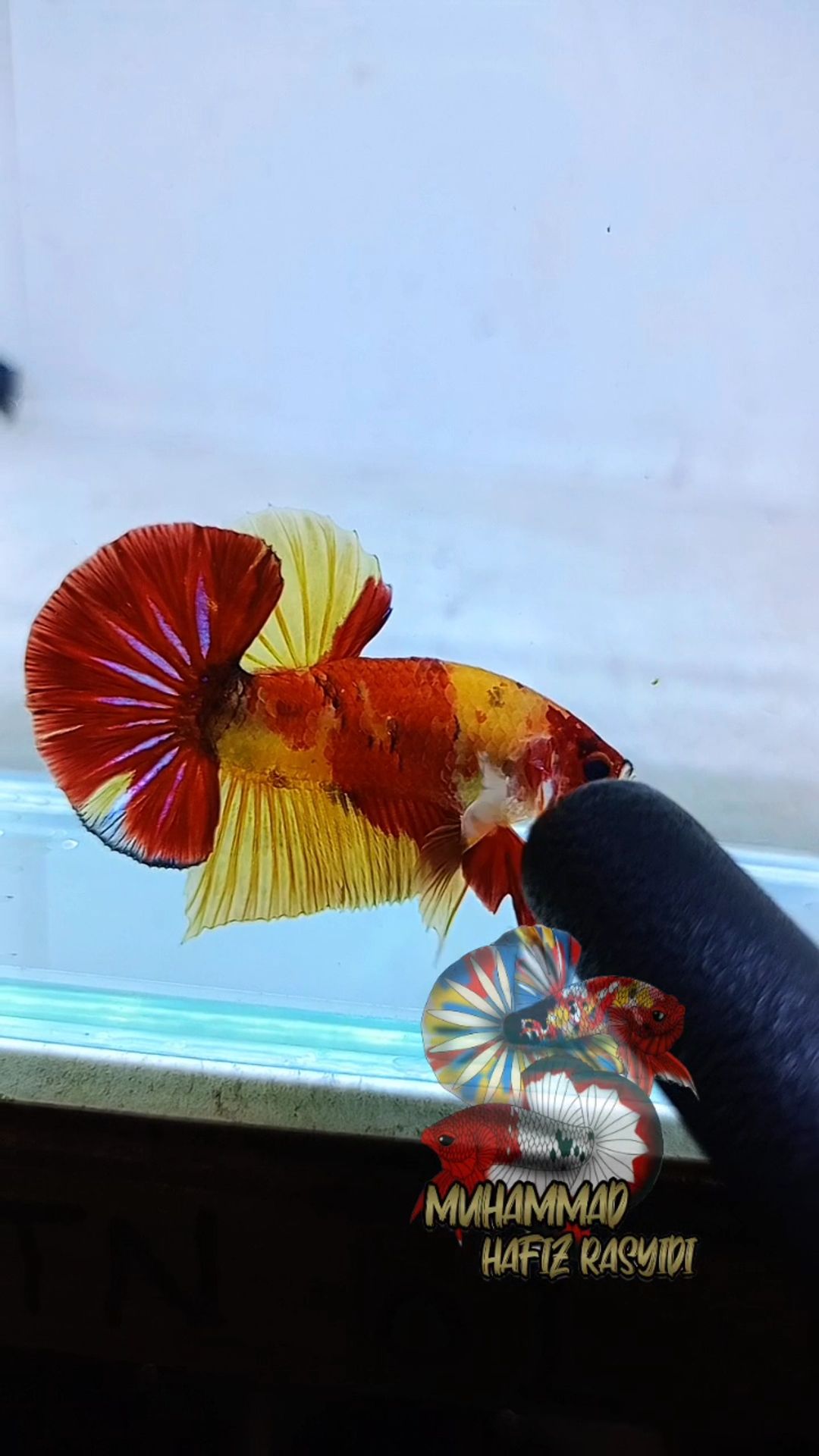
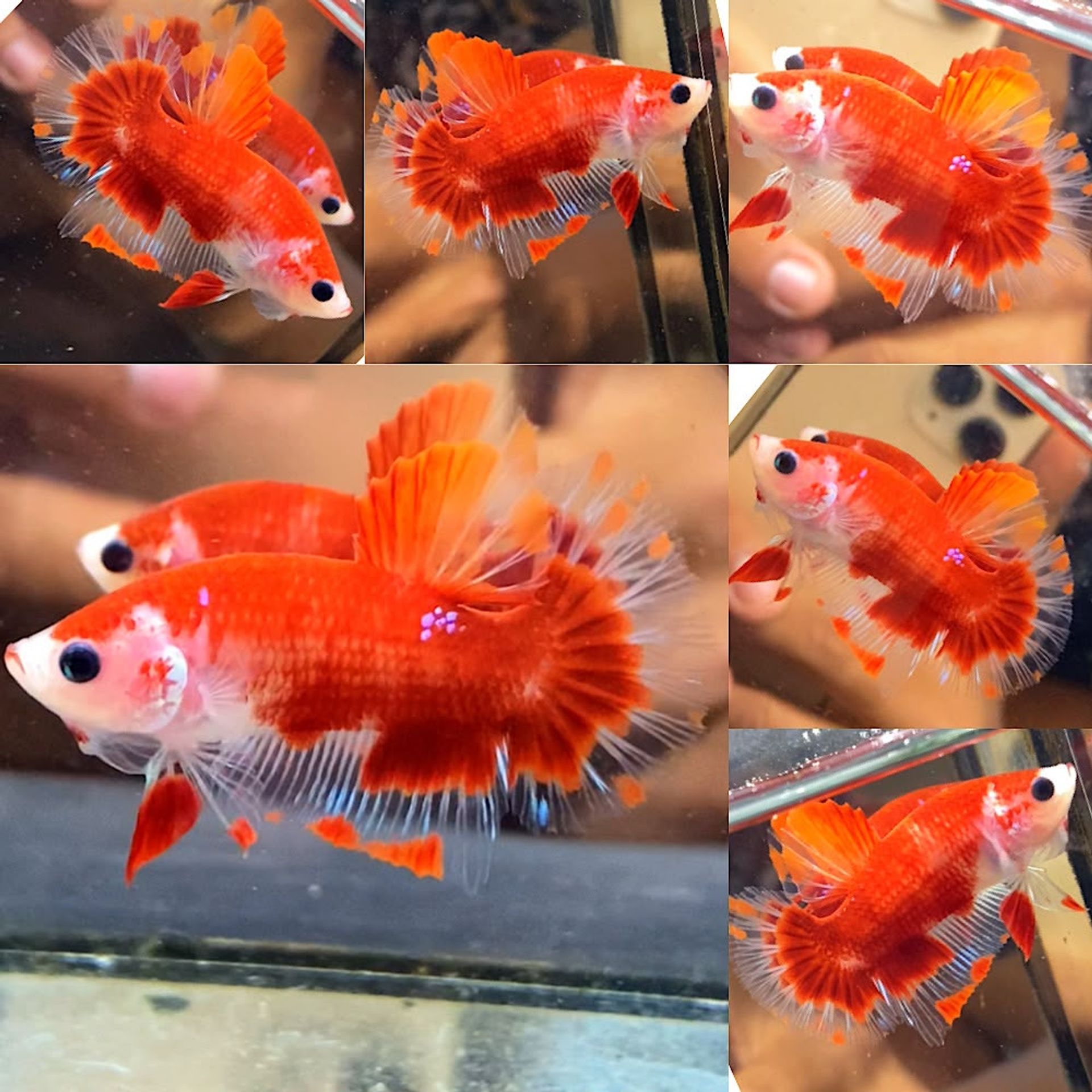
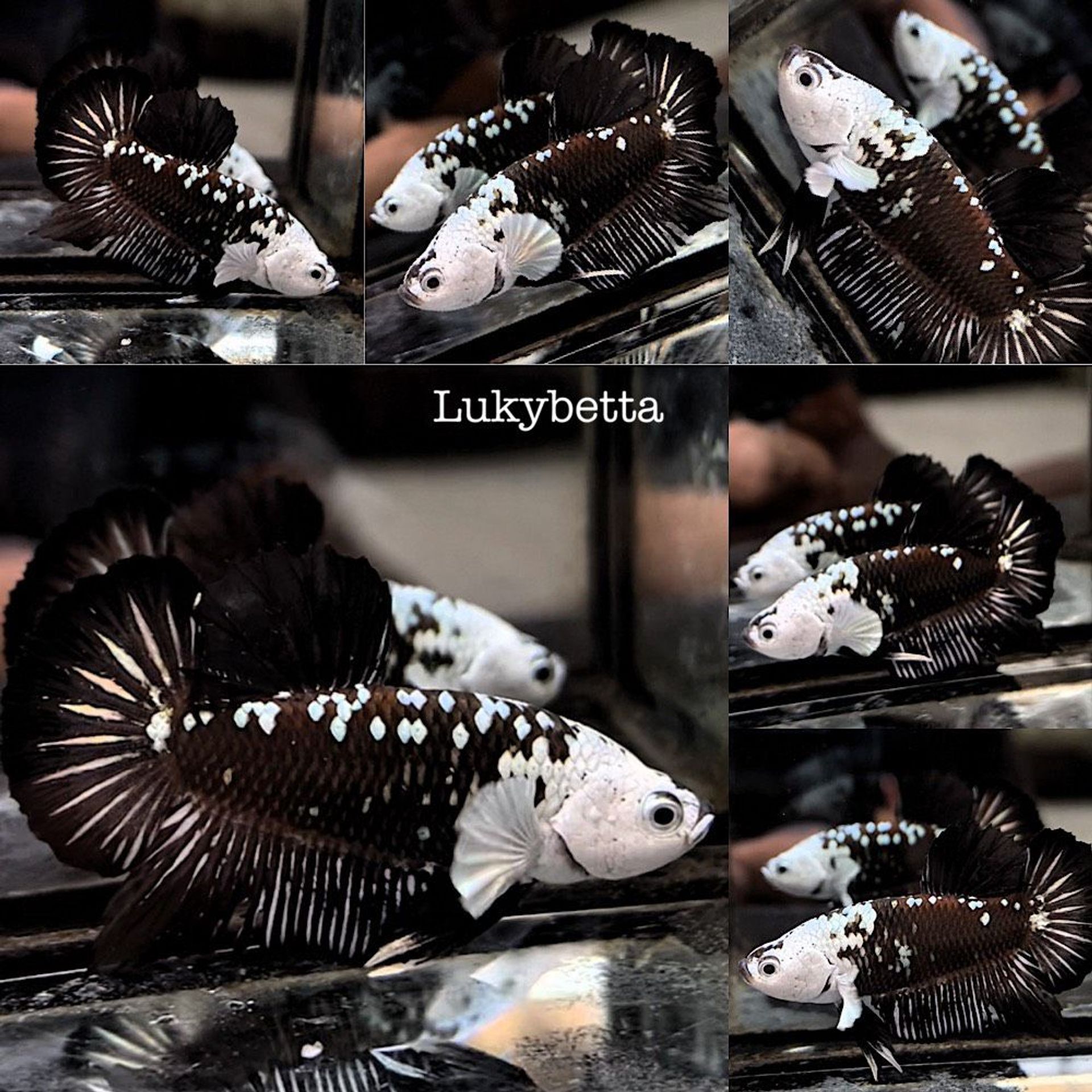
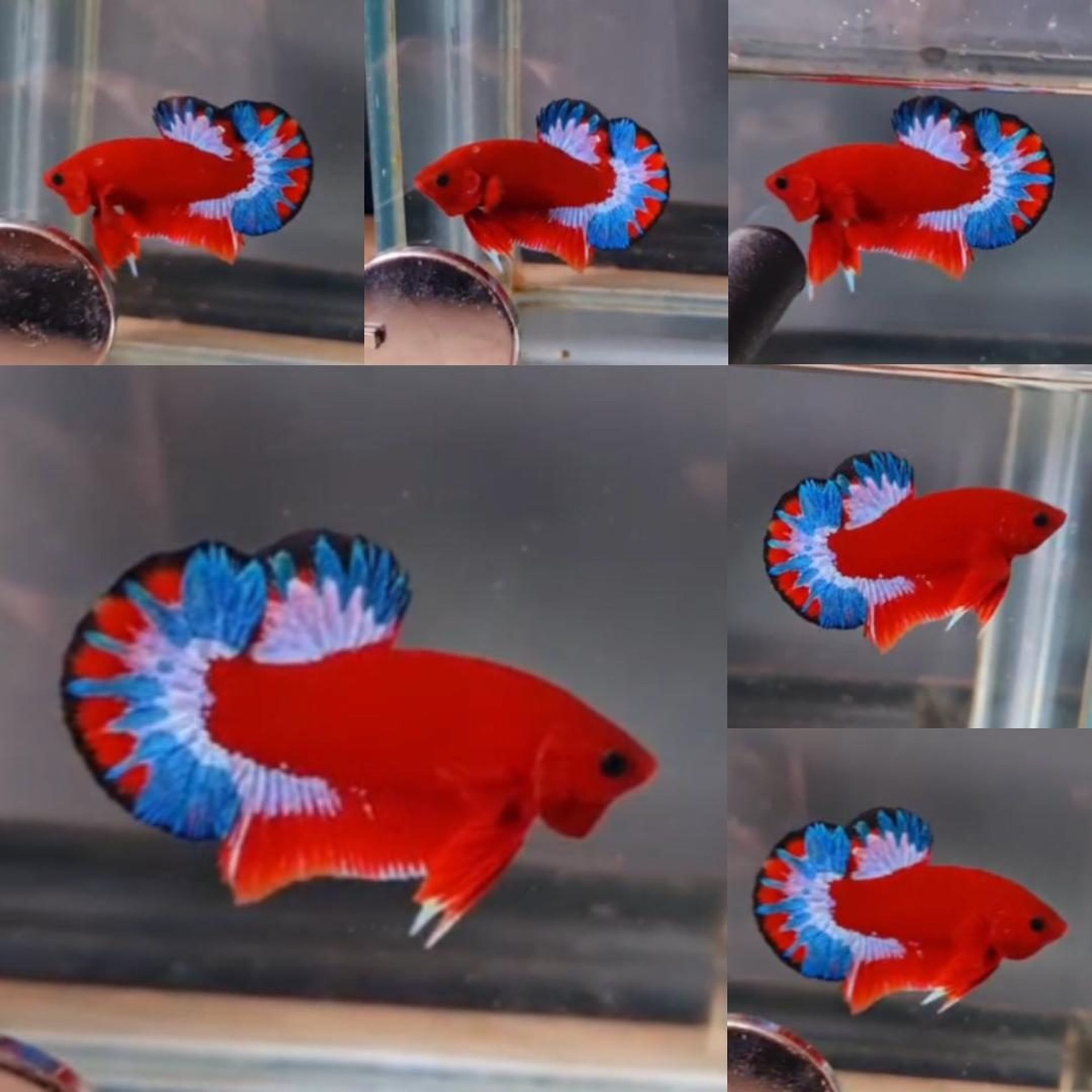
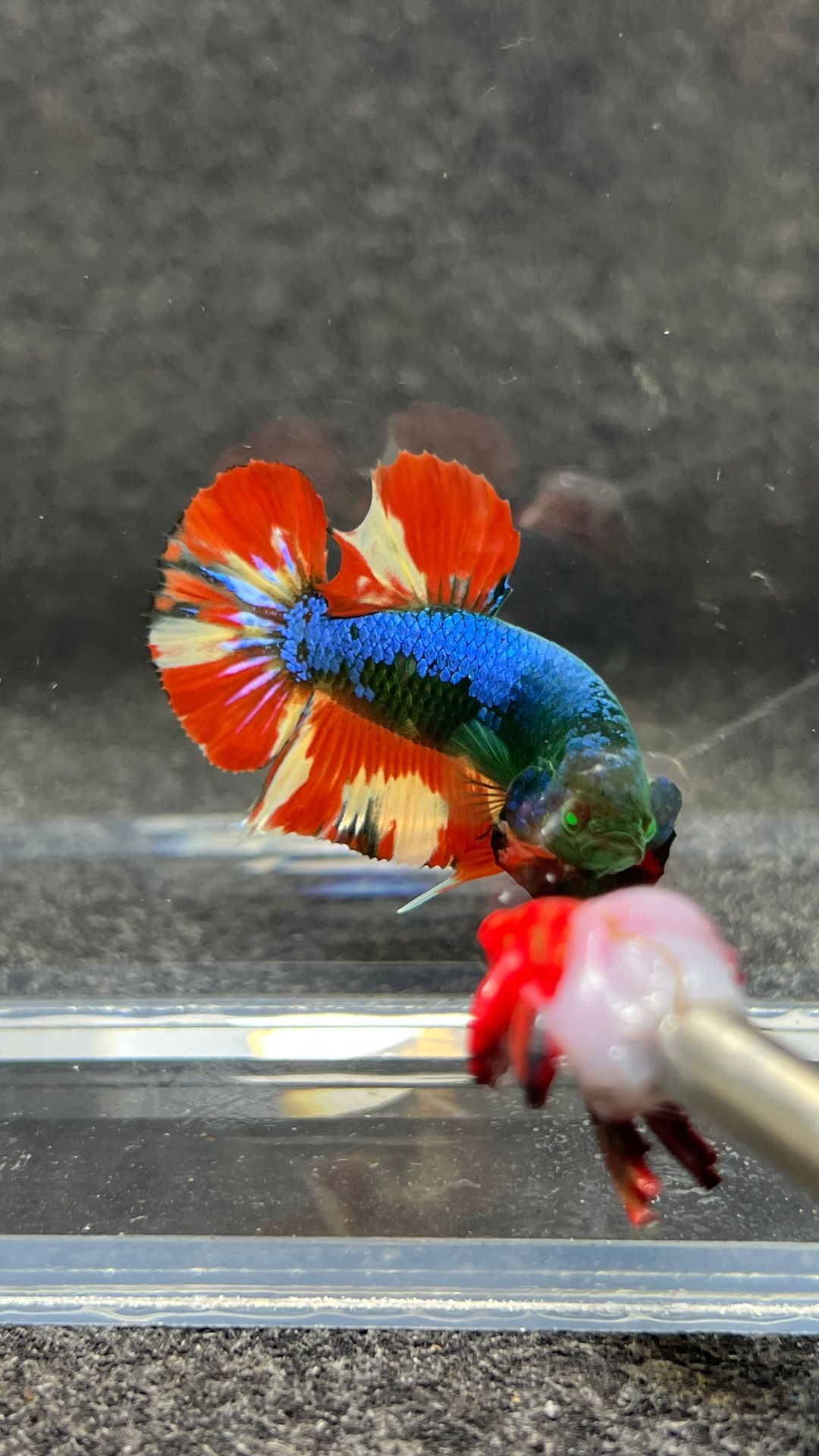
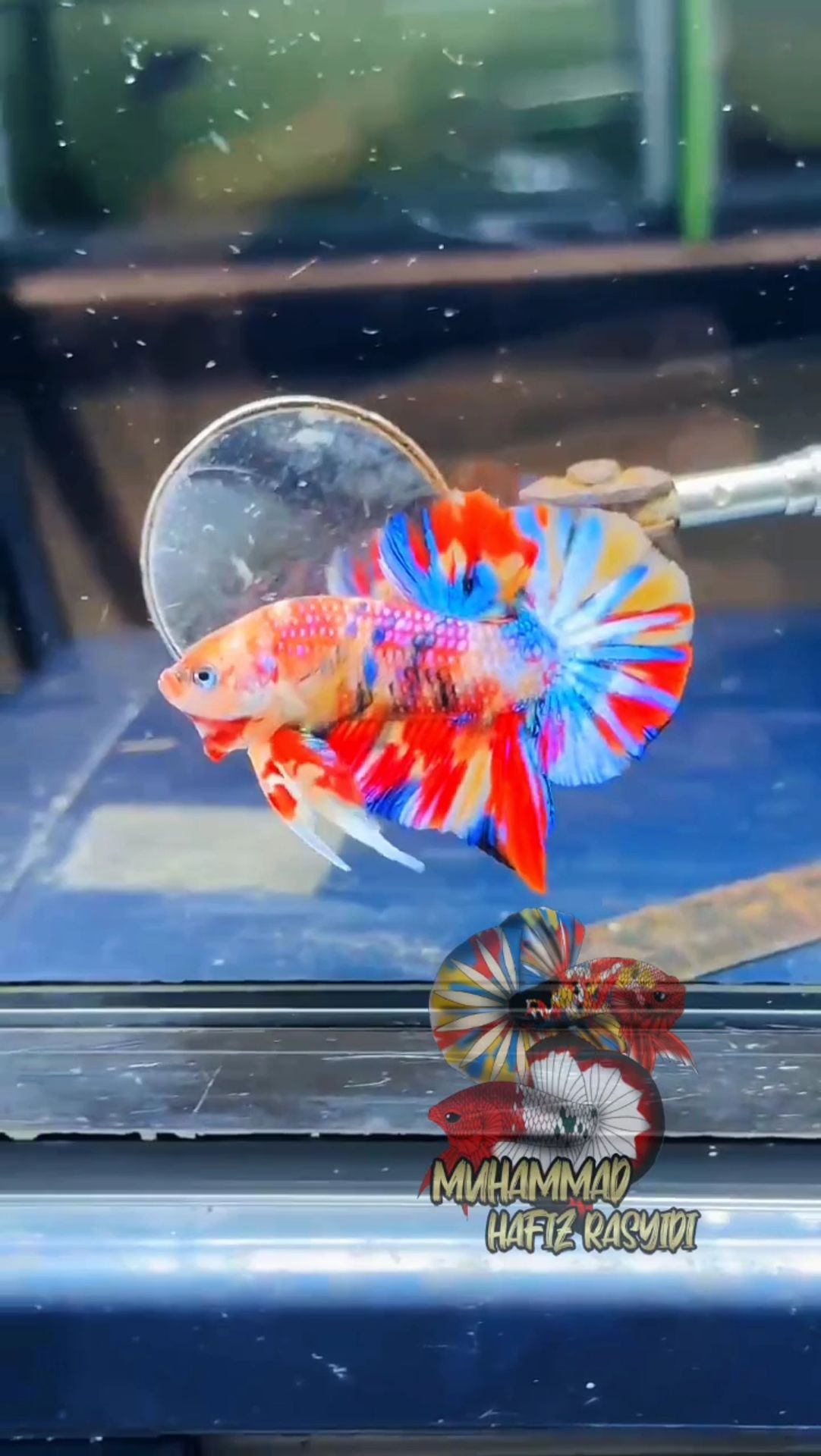
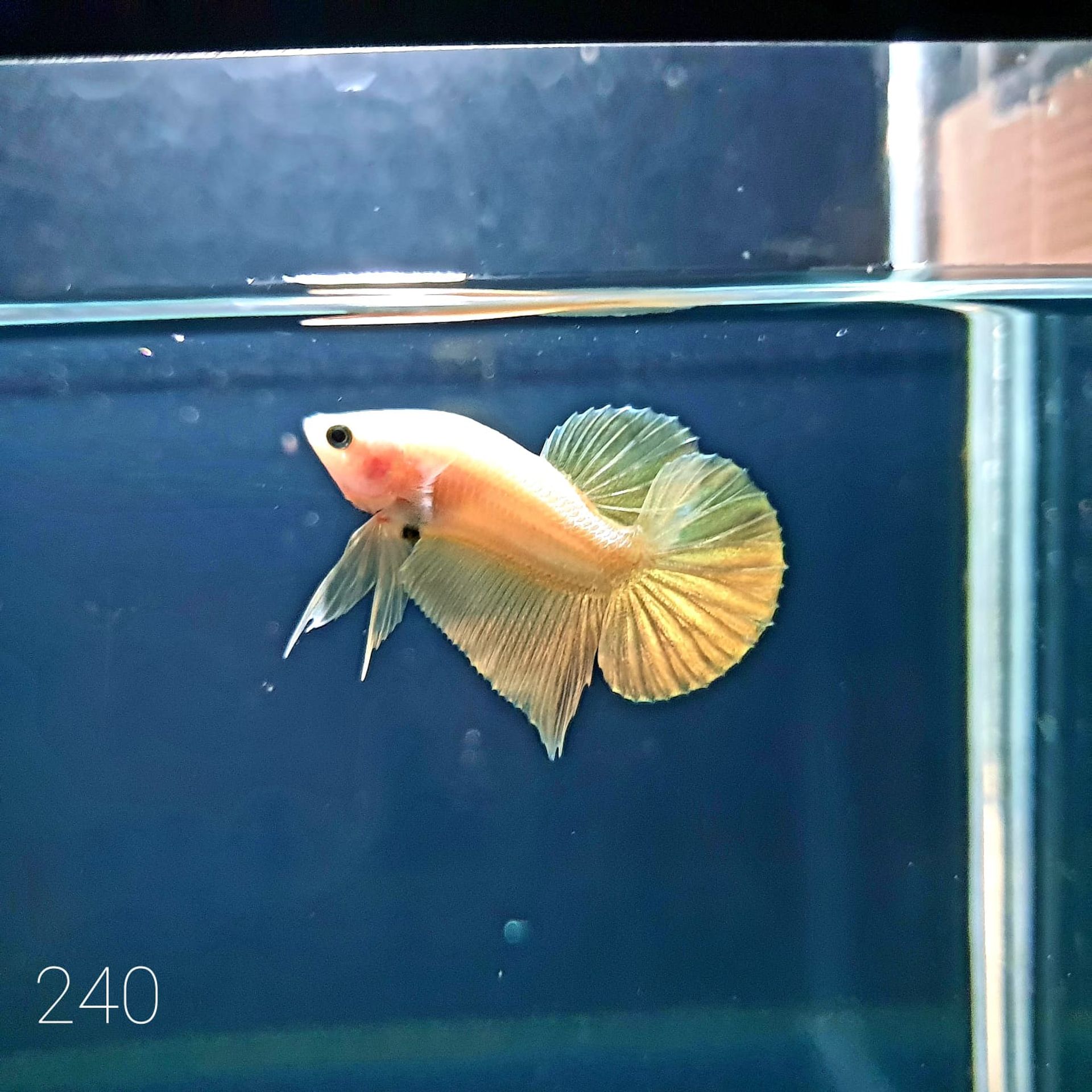
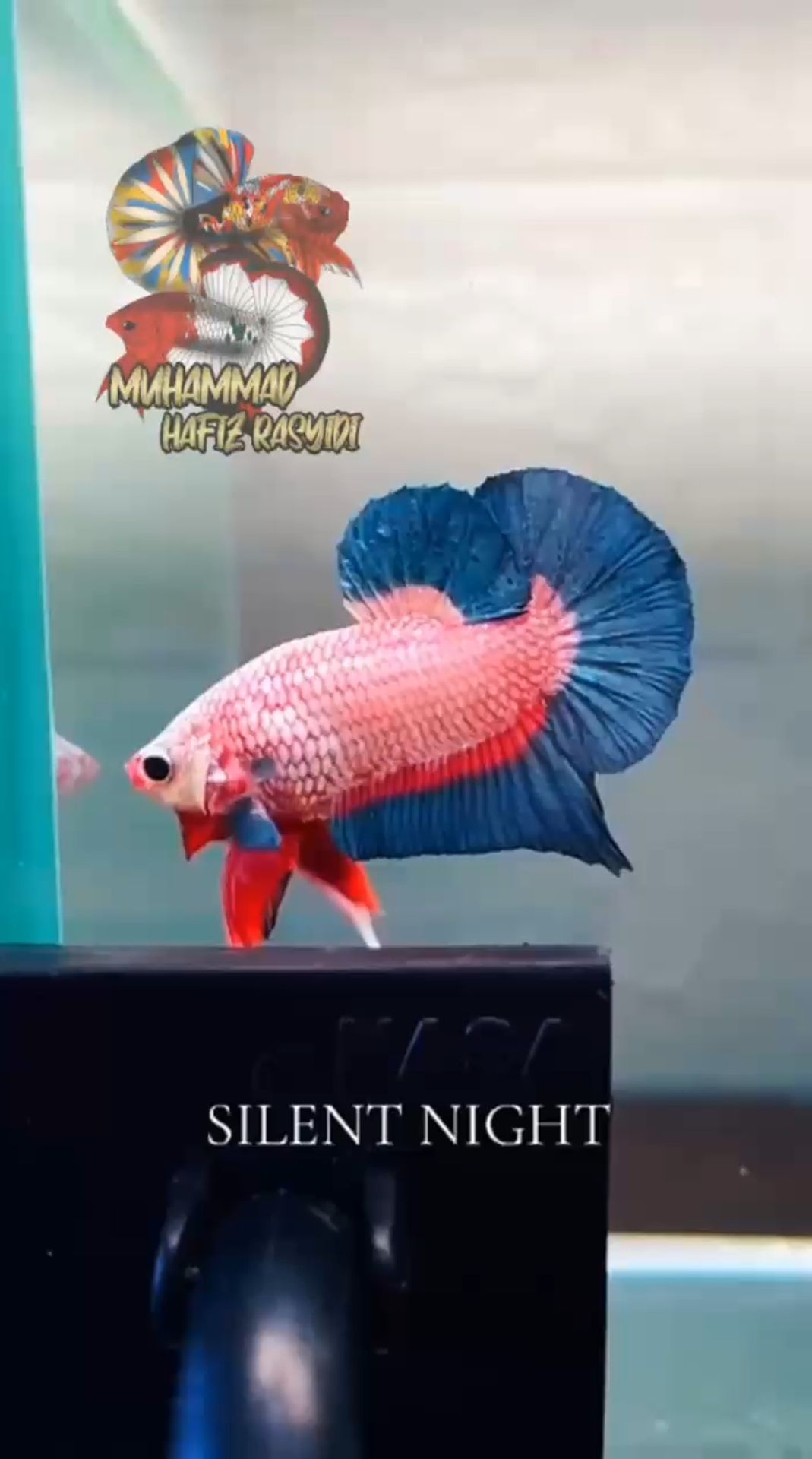
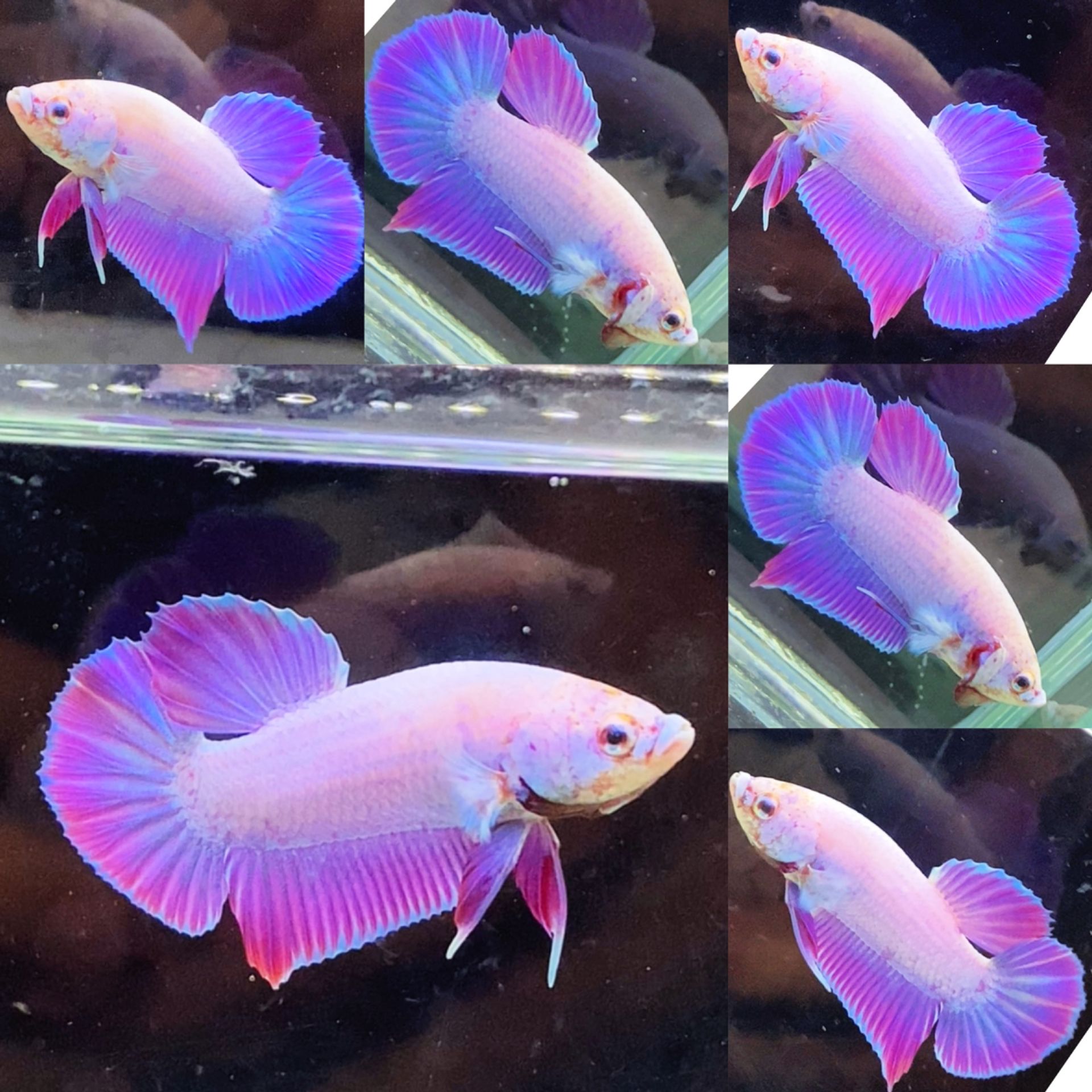
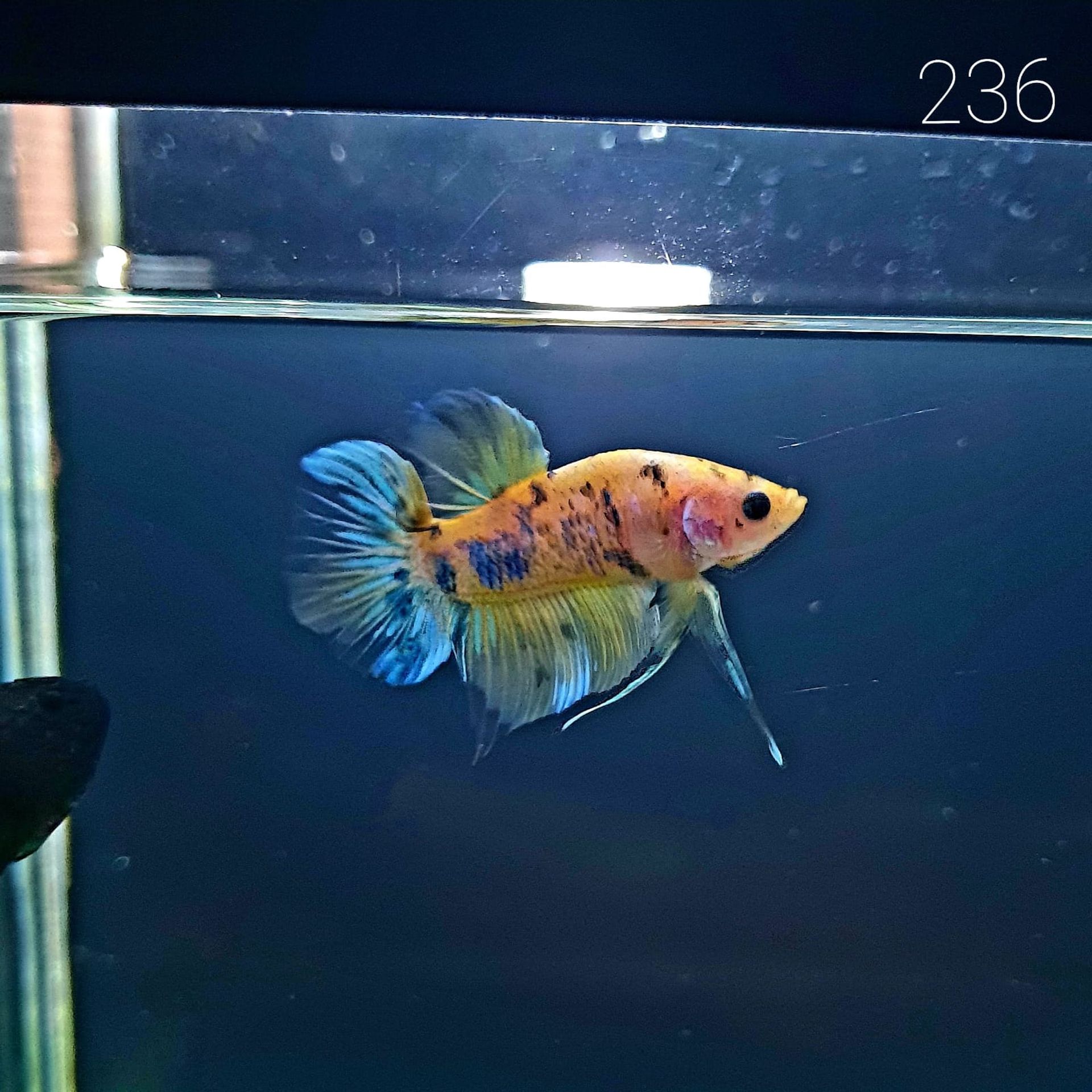
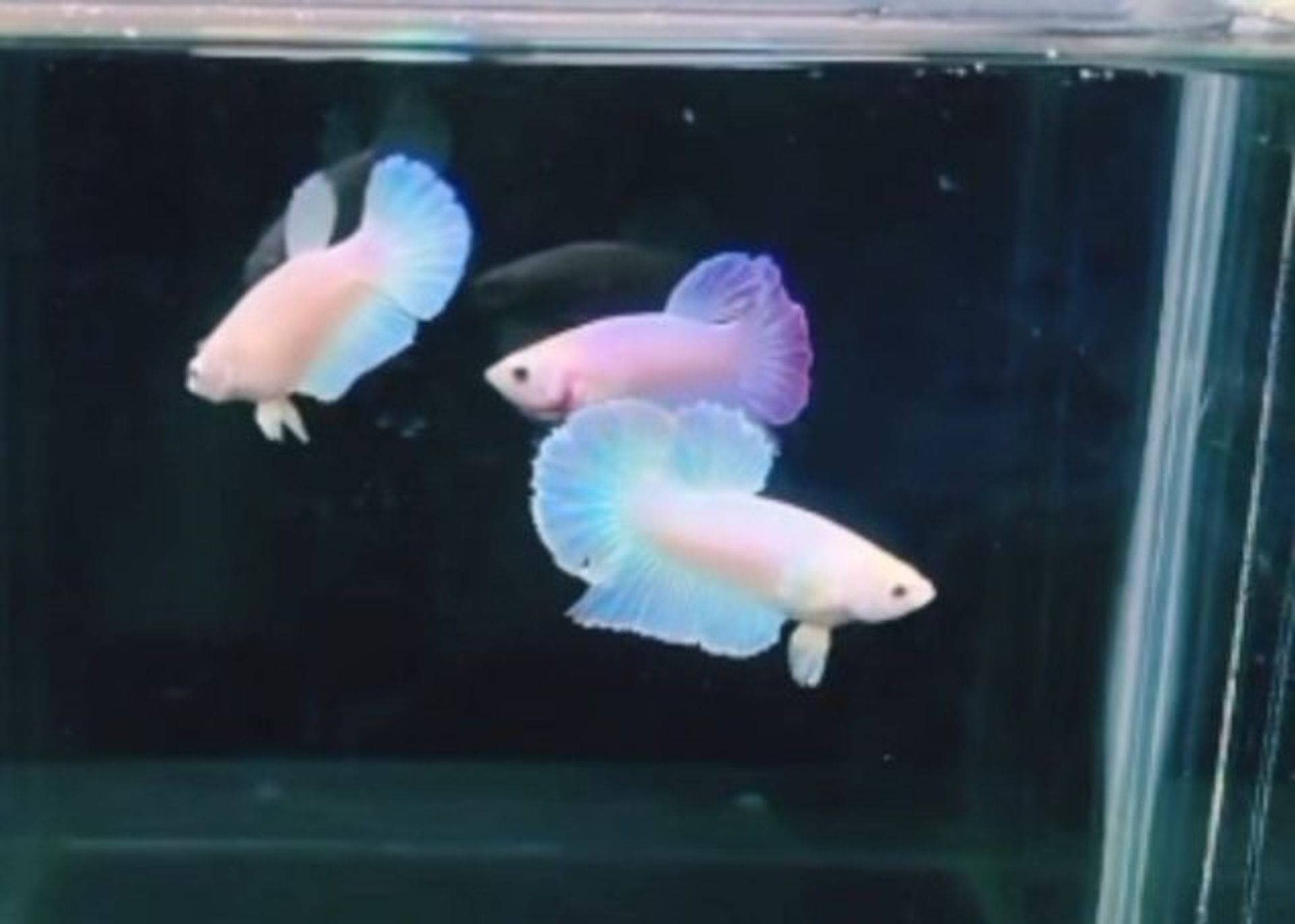
Blue Sky(new strain)
Click to enlarge

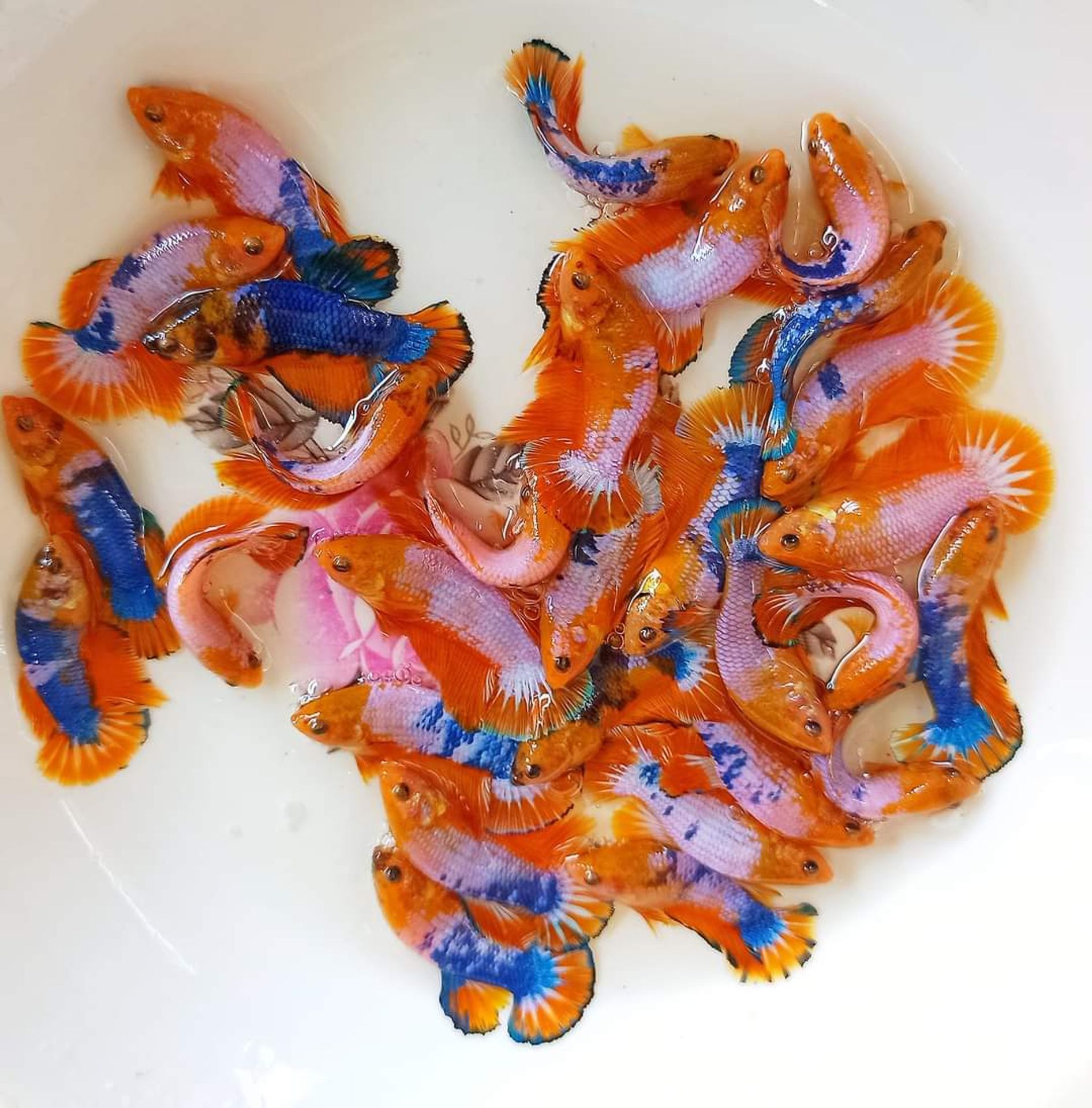
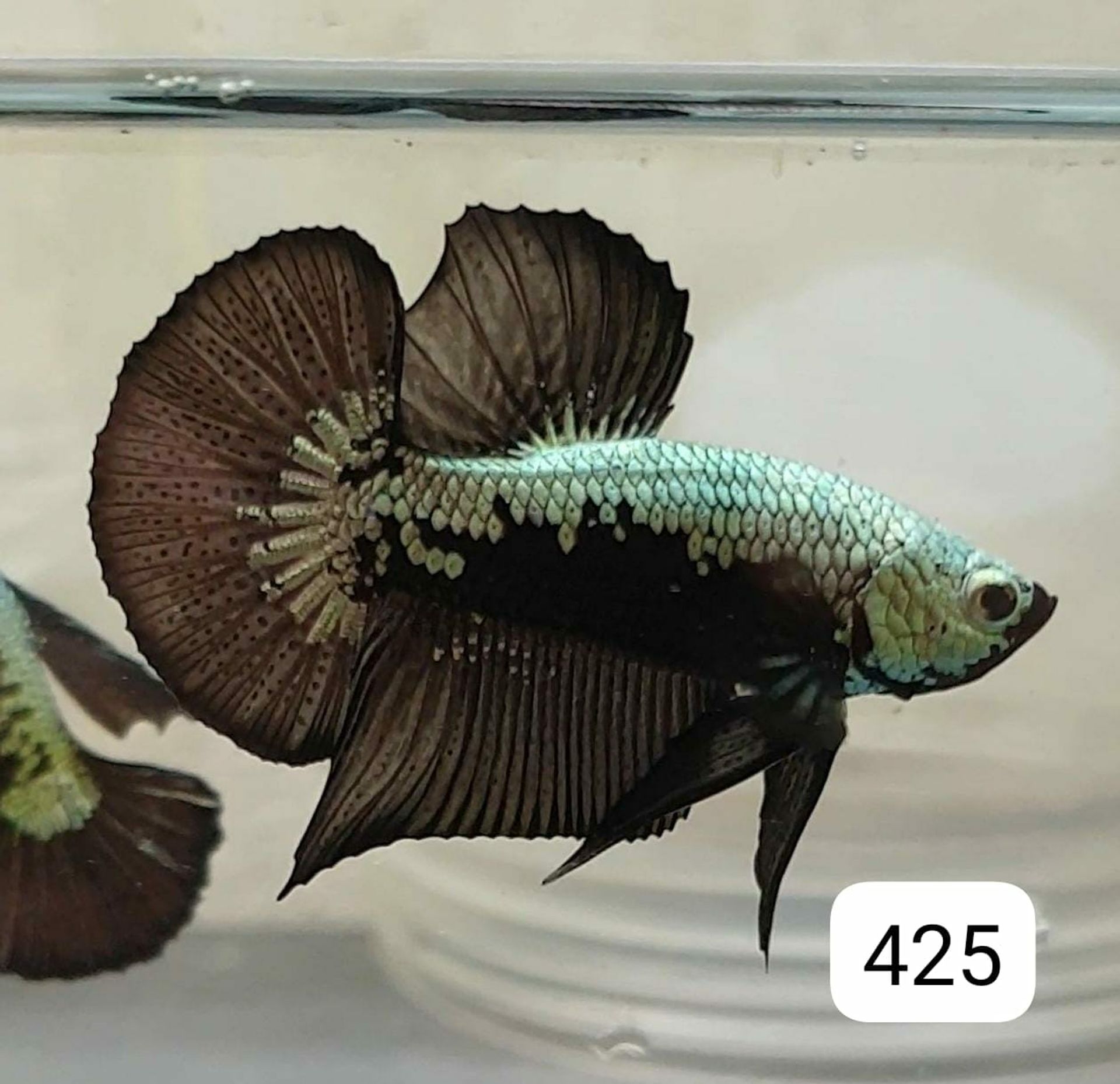
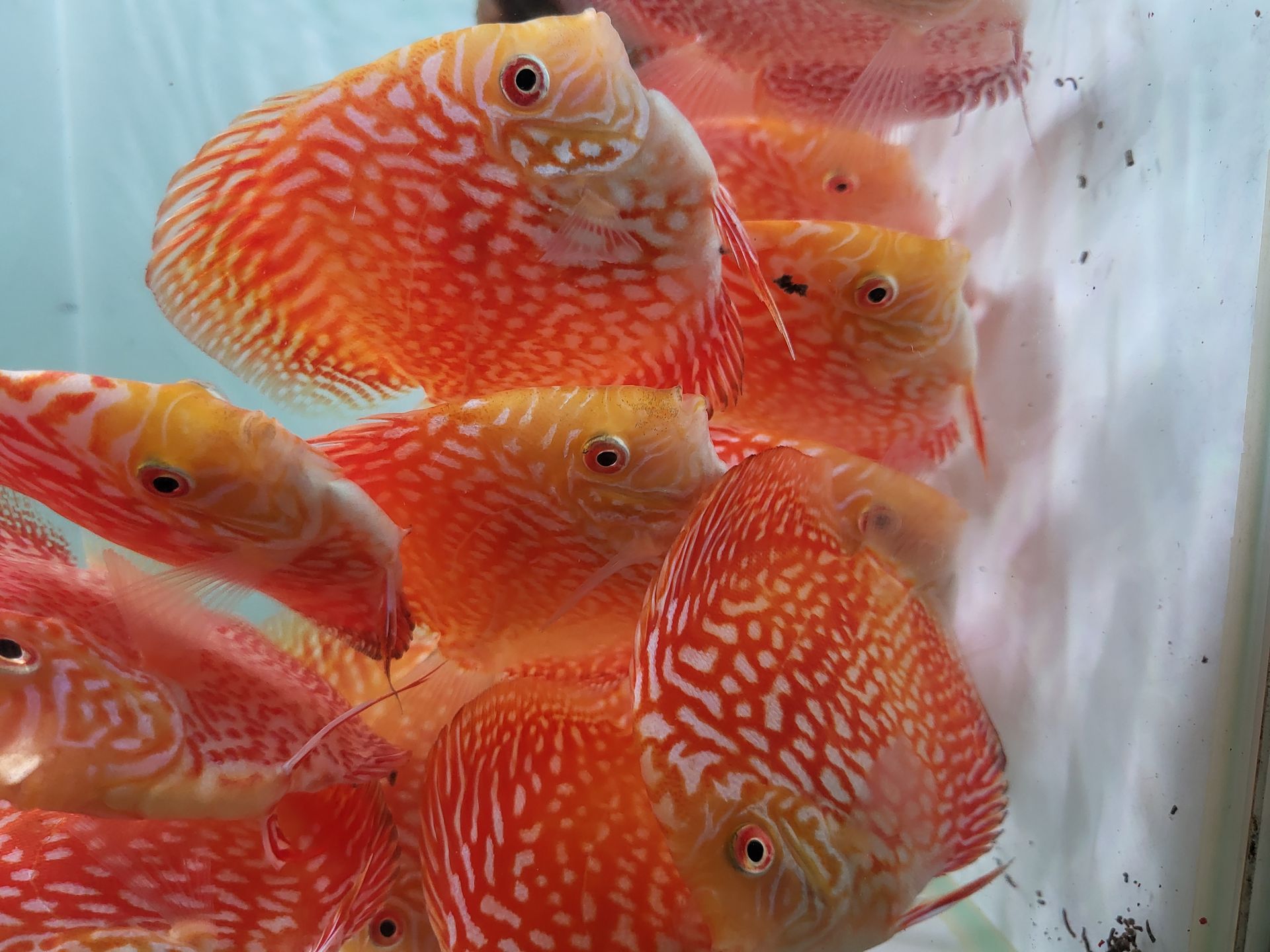
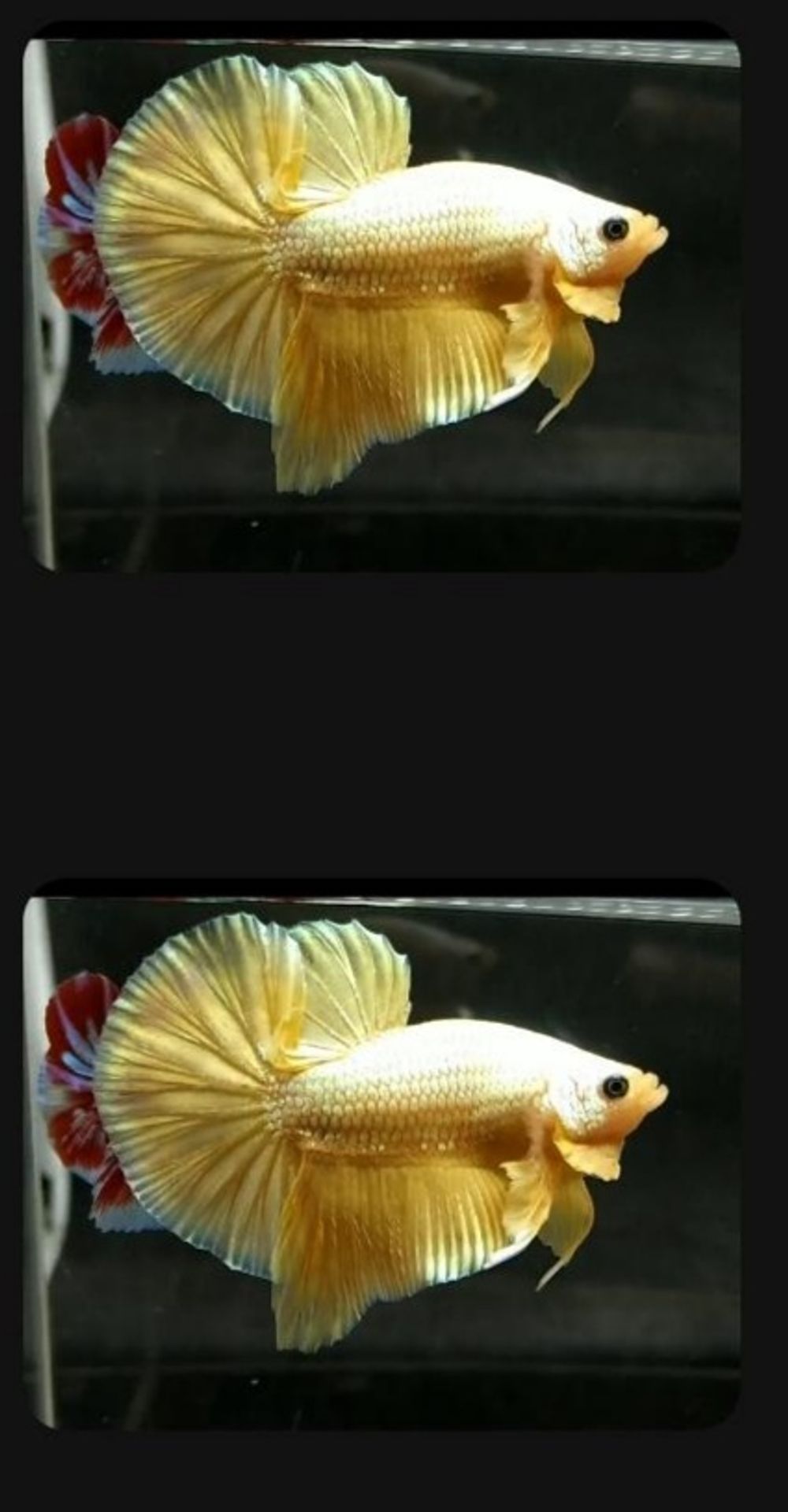
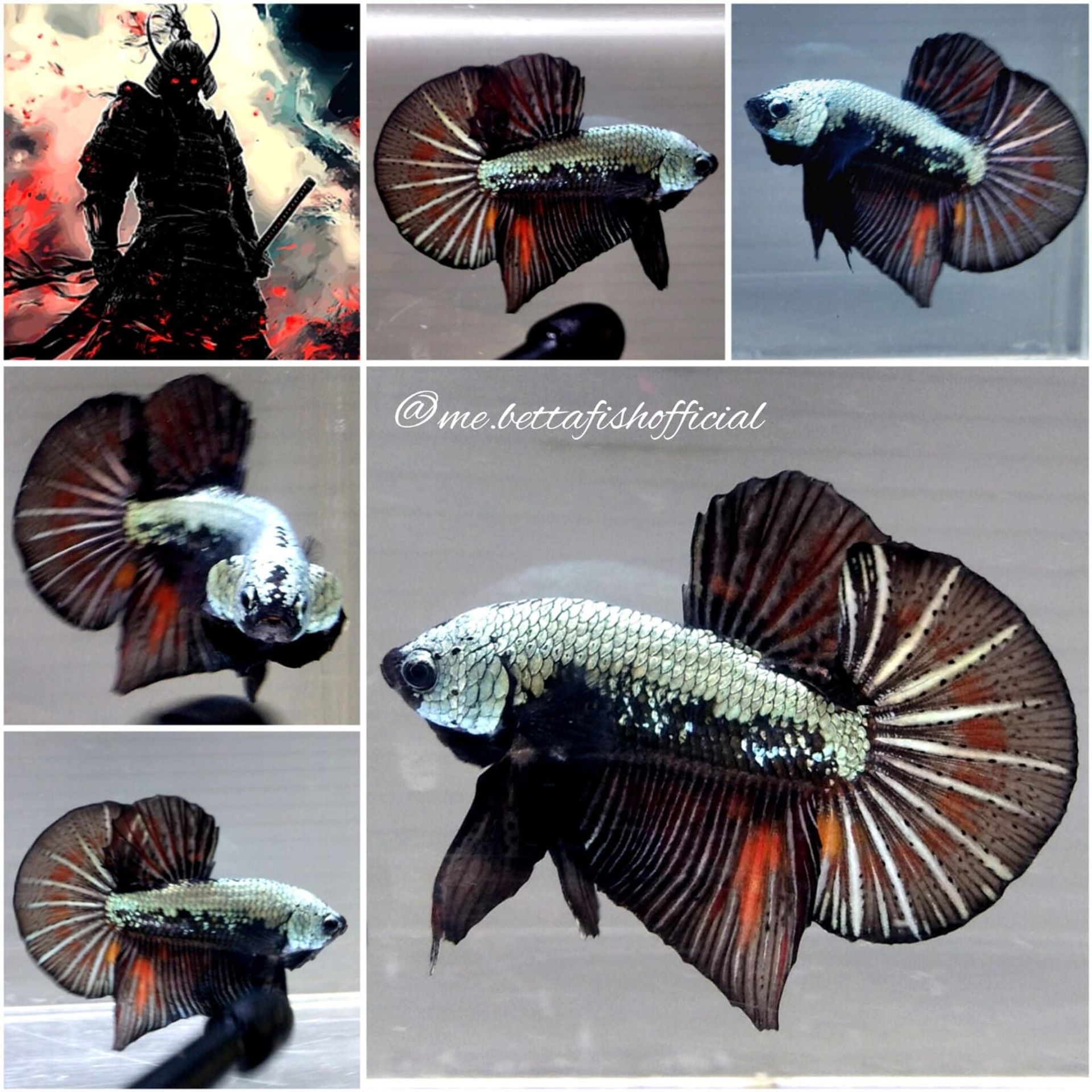
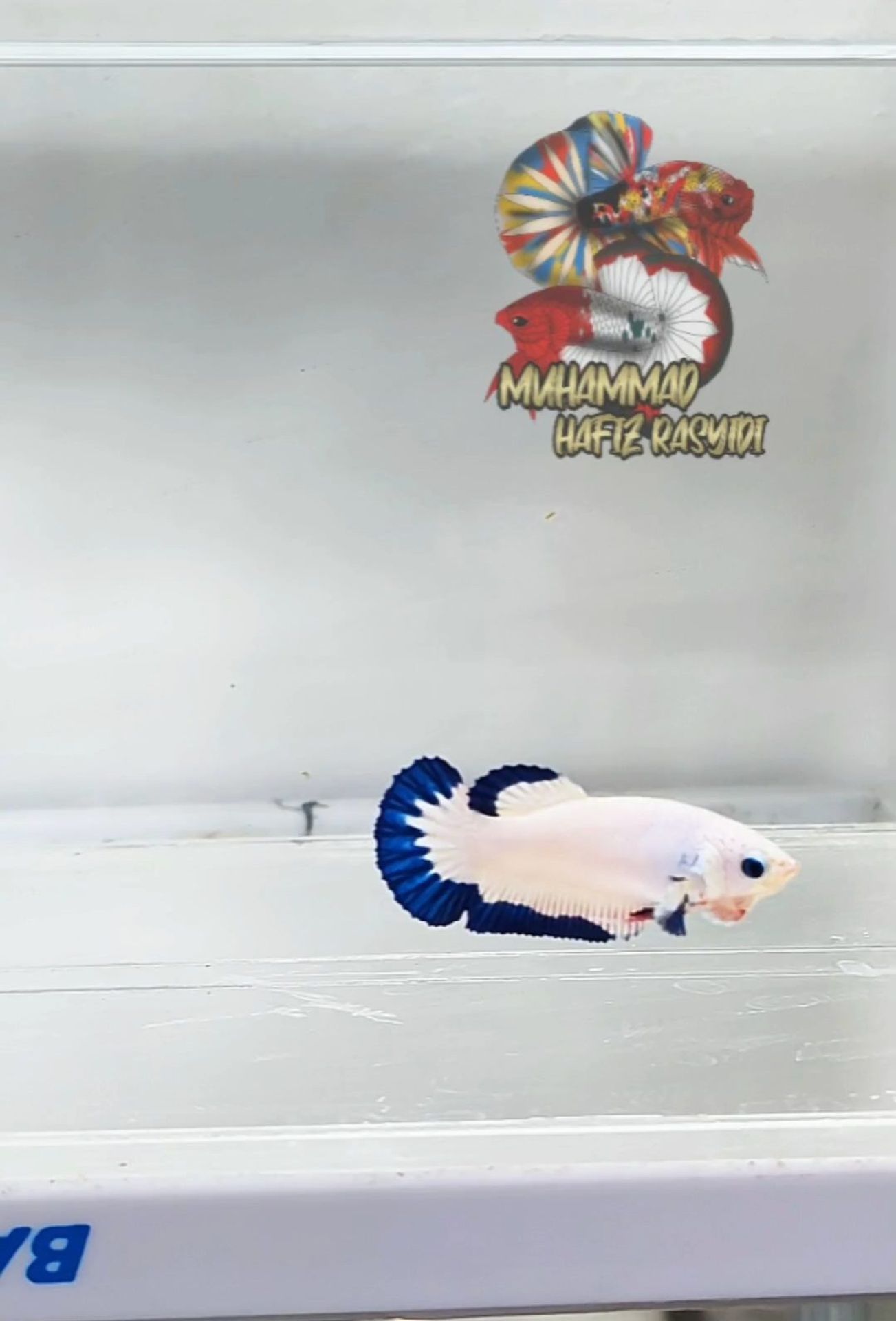
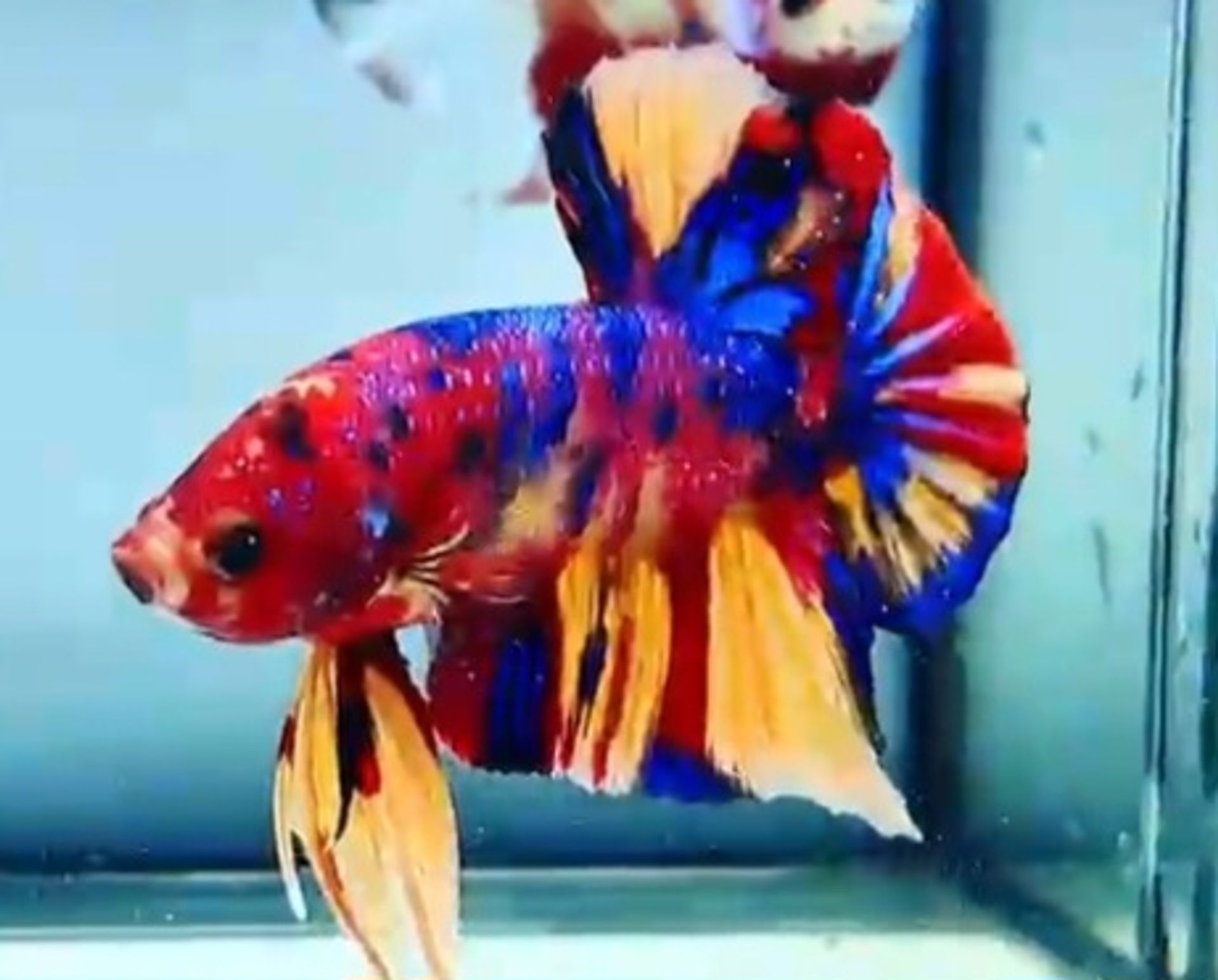
Unless stated otherwise, photos show the species, not the exact fish you'll receive.

Pair (Blue Sky(new strain))

SGD 80.00

Delivery Information

Delivery occurs once a month and may take 2 to 4 weeks. Certain areas may require additional charges, and a top-up via PayNow will be needed. This includes Central Business District, Offices, Airport, Hospitals, Tertiary campuses, PSA terminals, Cargo Complexes, cargo ports, shipyards, Government buildings, secured compounds, SAF campus, Marina Bay Sands, Robinson, Marina Square,Orchard, Bras Basah, Sentosa, Tuas, Jurong Island, etc. Our customer service representatives will reach out to you if necessary.

Dead-on-arrival protection: report within 24 hours of delivery with a photo or video for an exchange or return.

Product Variations

Quantity

Stock: 2

Product Details

Size

4cm - 5cm

Temperament

Aggressive

Water Condition

High PH

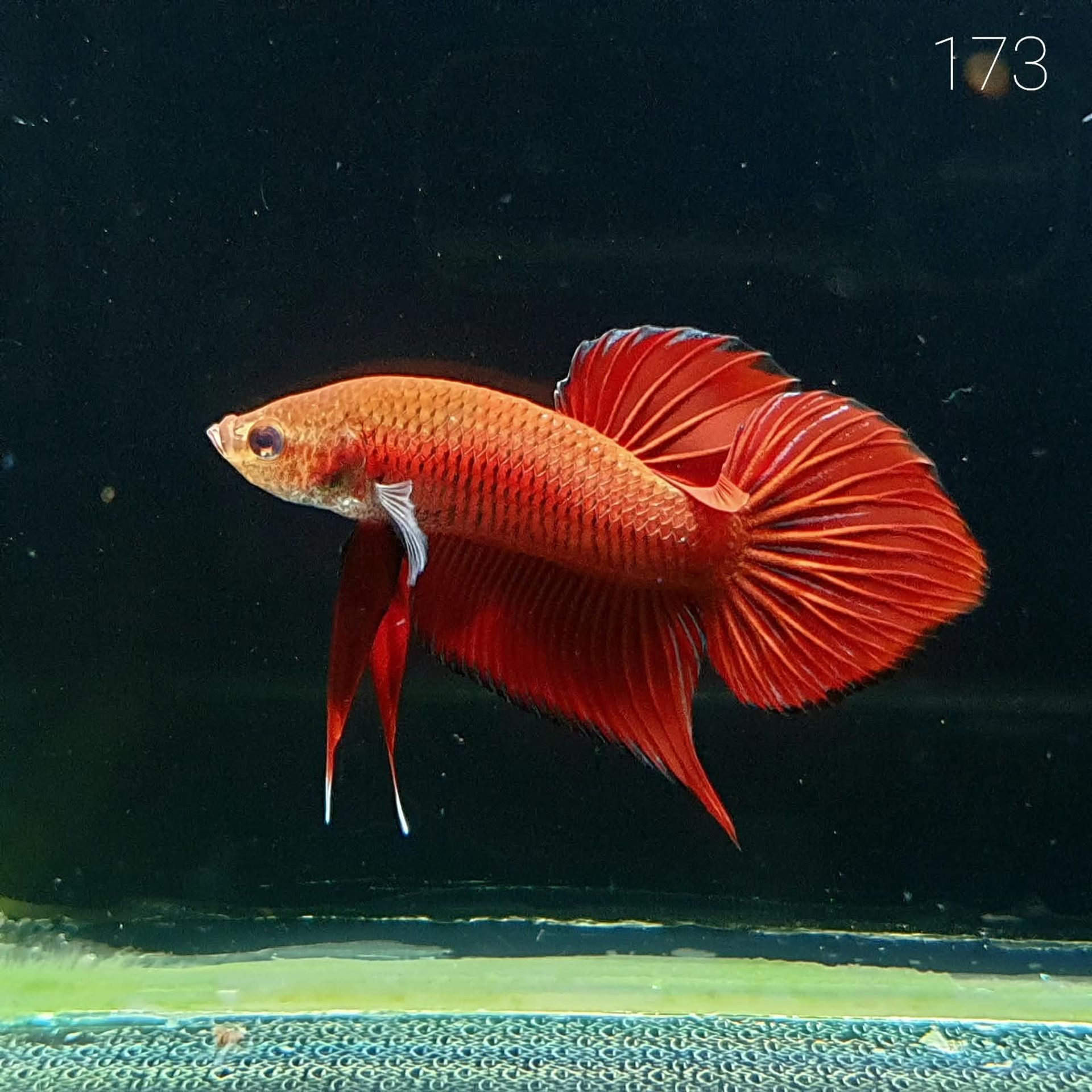
WYSIWYG

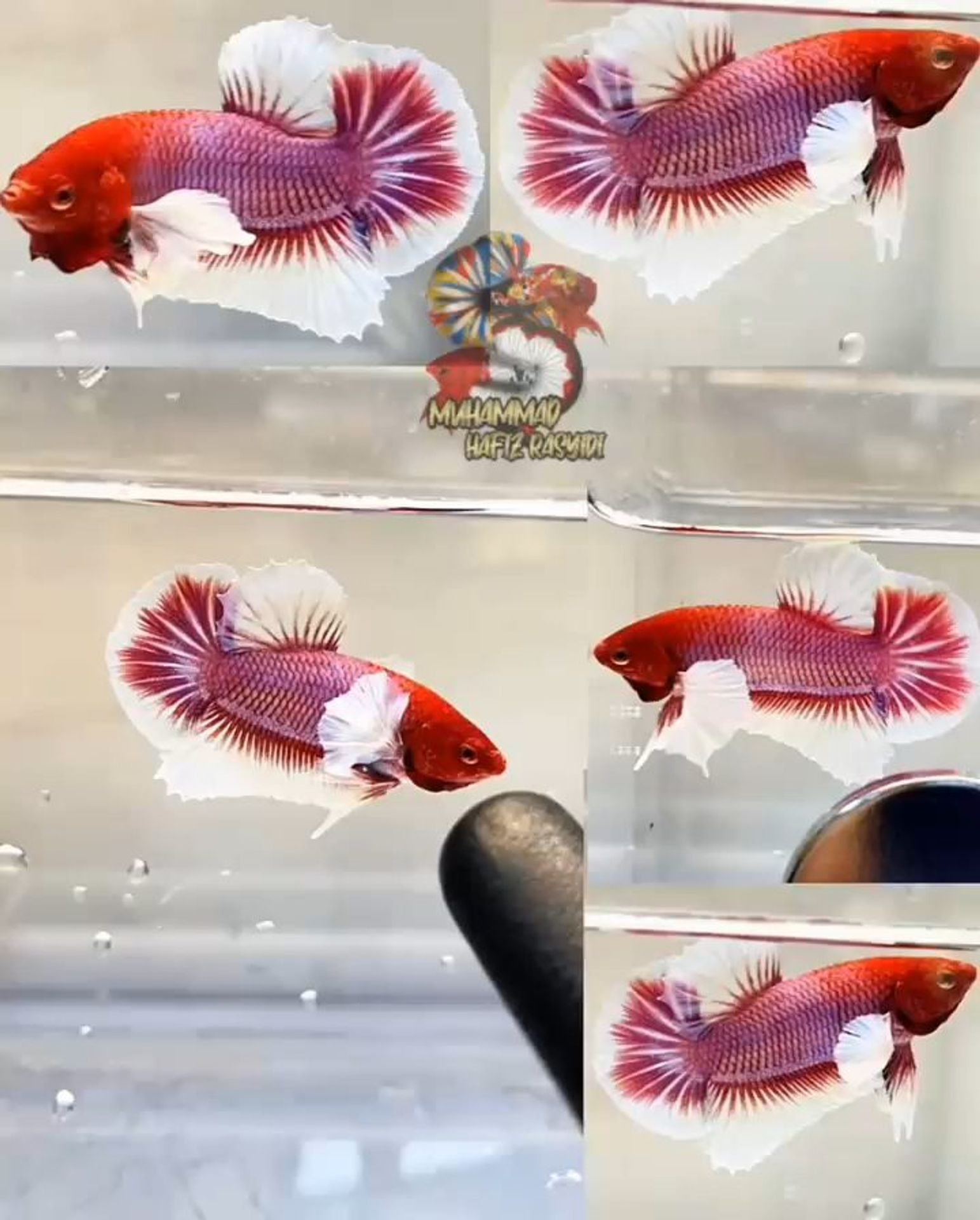
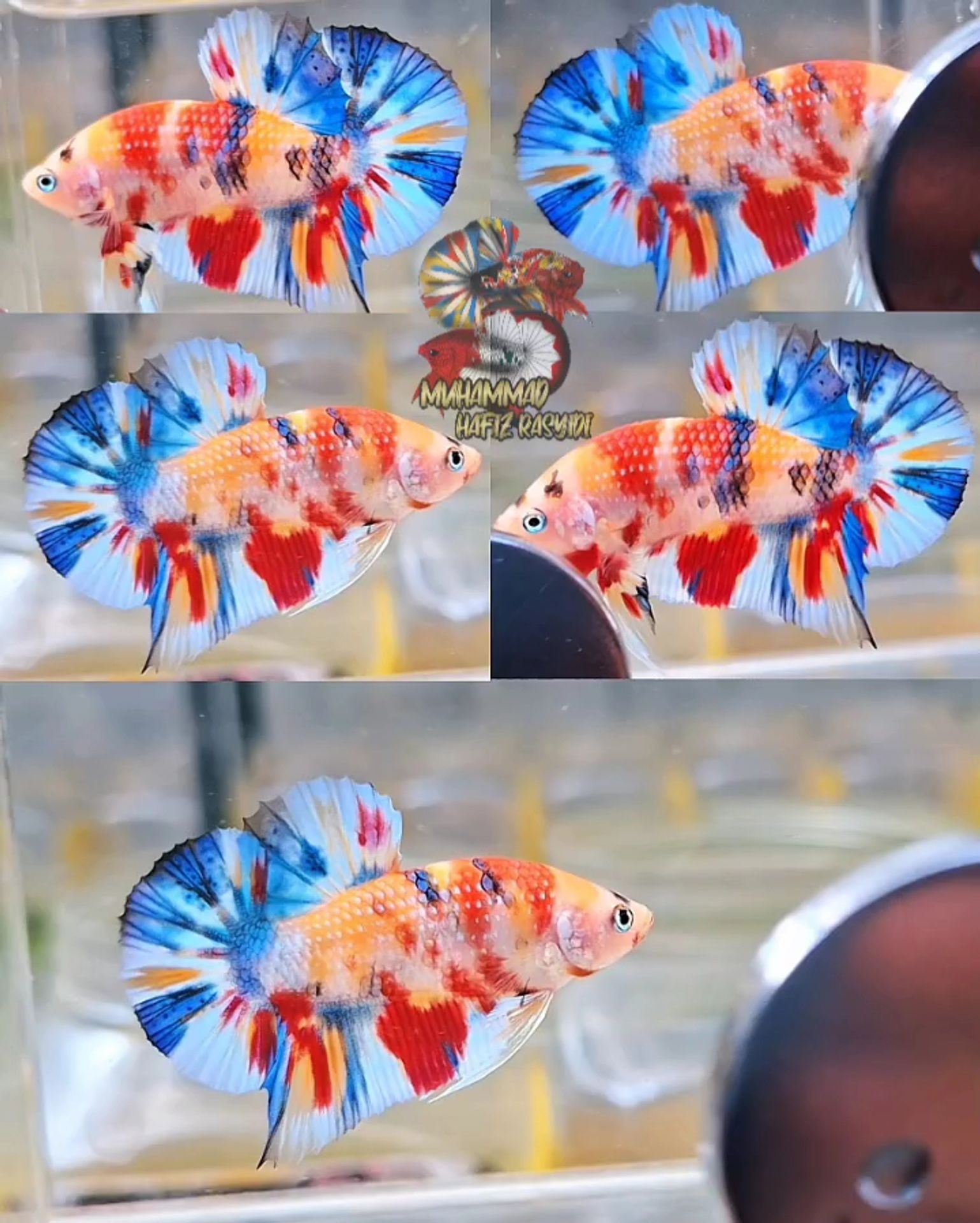
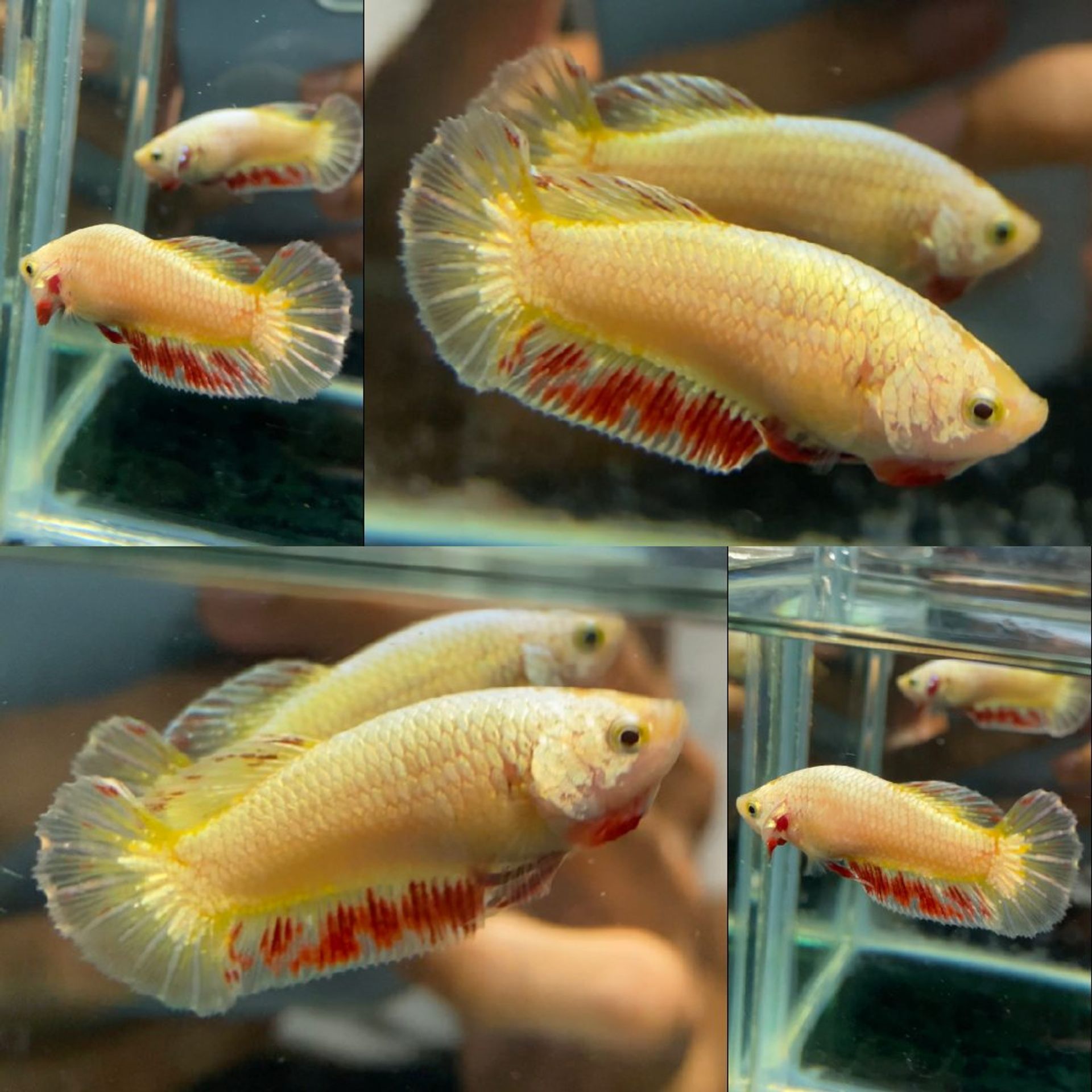
Representative Photo Only

Product Description

A thumb-sized spark of sky-blue fury patrolling hard, alkaline water.

Meet Blue Sky, a striking new strain of aggressive African cichlid. Ideal for high-pH tanks, it arrives at 4–5cm and brings vibrant colour to experienced keepers.

  • Water conditions: Blue Sky is a high-pH African cichlid that thrives in stable, hard, alkaline water. Aim for a pH of 7.8–8.6, a general hardness (GH) of 10–18 dGH, and a carbonate hardness (KH) of 8–15 dKH to keep parameters buffered and prevent pH swings. Temperature should sit between 24–27°C (75–81°F), with strong water movement and high dissolved oxygen. These fish evolved in mineral-rich rift-lake-style environments, so avoid soft, acidic water and sudden parameter shifts. Use a mature, fully cycled aquarium with robust biological and mechanical filtration; canister filters, large sponge filters, or sumps are all suitable. Keep nitrates low through weekly partial water changes of 25–30%, and test pH, KH, ammonia, nitrite, and nitrate regularly. Because Blue Sky is aggressive, stable water quality is not just a health requirement — it also reduces stress-driven territorial behaviour. A sand or fine-gravel substrate, plenty of rockwork, and good surface agitation will help replicate the oxygen-rich, structured habitat this strain prefers. Acclimatise carefully and avoid adding it to newly set-up tanks; a well-established aquarium with mature biofilm and stable minerals is essential.
  • Suitable tank mates: Blue Sky is best kept with other robust, similarly sized African cichlids that can handle its assertive temperament. Good options include mbuna such as Labidochromis, Pseudotropheus, and Melanochromis species, plus sturdy peacocks and haps of comparable size. Avoid small, slow-moving, long-finned, or shy community fish — they may be bullied or injured. Bottom-dwellers such as Synodontis catfish can work well in a large enough tank, provided they have caves and are not overcrowded. Do not mix Blue Sky with delicate invertebrates, small tetras, guppies, or peaceful dwarf cichlids. The key is to create a species-appropriate cichlid community with plenty of visual barriers and broken lines of sight. Overstocking slightly — a common African cichlid technique — can spread aggression, but only when filtration and water-change routines are strong enough to support the bioload. Introduce new fish carefully, rearrange rockwork when adding newcomers to disrupt established territories, and keep groups balanced. Blue Sky supplied at 4–5cm is still young, but plan for adult behaviour: secure territories early and monitor for chasing, fin damage, or a single fish dominating the tank.
  • Feeding habits: Blue Sky is an omnivore with herbivorous leanings, so variety and fibre matter. Offer a staple of high-quality African cichlid pellets and spirulina-based flakes or pellets to support digestion and colour. Supplement with blanched vegetables such as courgette, spinach, and shelled peas, plus occasional frozen or live foods like mysis, brine shrimp, and daphnia. Avoid high-protein diets, excessive bloodworm, and poor-quality foods that can contribute to bloating and Malawi bloat-type issues. Feed two to three small meals per day, only as much as the fish can consume within a few minutes, and remove uneaten food to protect water quality. Because Blue Sky is aggressive at feeding time, scatter food across the surface and near rockwork rather than placing it in one spot; this reduces competition and gives subordinate fish a chance to feed. Observe body condition regularly — a slightly rounded belly is healthy, but sunken flanks or stringy white faeces can indicate stress, poor diet, or internal issues. Keep feeding consistent, avoid sudden dietary changes, and use a quality spirulina-rich staple as the foundation of the diet.
  • Care requirements: Although Blue Sky is supplied at 4–5cm, plan for its adult size and territorial nature from the start. A tank of at least 120cm/200 litres is a sensible minimum for a small group, with larger volumes preferred for mixed cichlid communities. Build a rocky aquascape with caves, crevices, and overlapping structures to create territories and escape routes; avoid open, barren layouts that encourage bullying. Use sand or fine gravel, secure rockwork so it cannot collapse, and maintain strong filtration with excellent surface agitation. Perform 25–30% weekly water changes, siphon debris, and clean mechanical media regularly to keep nitrates low and water stable. Keep the tank covered, as cichlids can jump when startled or chasing. Monitor aggression daily: rearrange décor if one fish becomes relentlessly dominant, and be prepared to separate overly aggressive individuals. Quarantine new arrivals where possible, acclimatise Blue Sky slowly, and avoid introducing it to tanks with unstable pH or soft water. With consistent maintenance, appropriate tank mates, and a fibre-rich diet, this new strain can display excellent colour and vigorous behaviour — but it is not a community fish for beginners. Careful observation, stable high-pH water, and thoughtful territory design are the foundations of long-term success.

More from Gold digger betta Eris

Gold digger betta Eris

Gold digger betta Eris

View Store →