

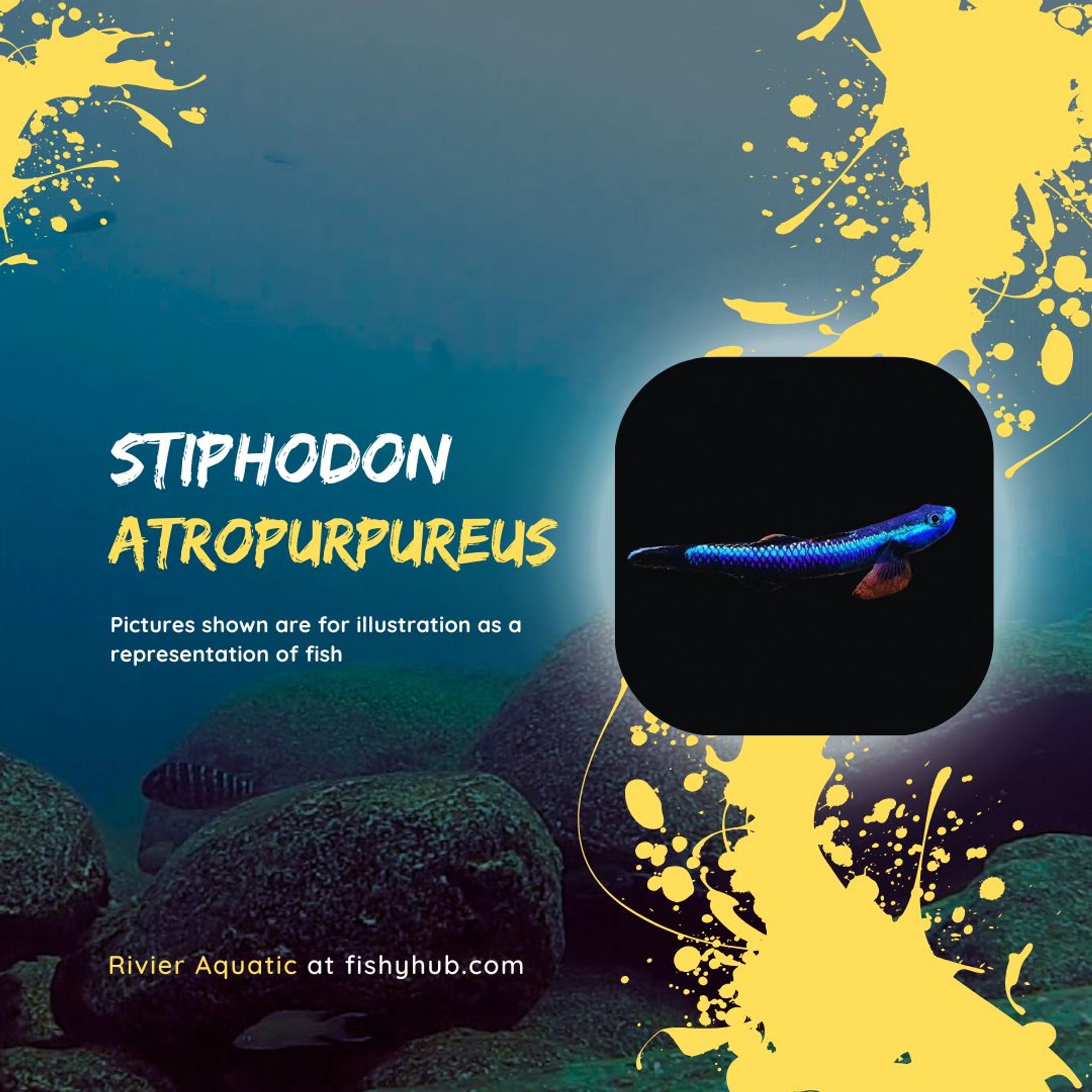
Click to enlarge
Unless stated otherwise, photos show the species, not the exact fish you'll receive.
Blue Neon Dwarf Goby (Stiphodon Atropurpureus)
SGD 69.00
Delivery Information
Dead-on-arrival protection: report within 24 hours of delivery with a photo or video for an exchange or return.
Product Variations
Quantity
Stock: 10
Product Details
Size
3cm - 7cm
Temperament
Peaceful
WYSIWYG
Representative Photo Only
Product Description
Learn More About Blue Neon Dwarf Goby (Stiphodon Atropurpureus)
50 Most Popular Freshwater Aquarium Fish in Singapore in 2026
Freshwater Aquarium Statistics Singapore 2026
Pleco Statistics Singapore: Most Popular Species, Prices & Trends
Bichir Statistics Singapore: Popularity, Species & Prices
Corydoras Statistics Singapore: Most Popular Species & Prices
Best Bottom-Dwelling Fish for Keeping the Lower Tank Level Active
50 Most Popular Freshwater Aquarium Fish in 2026
Freshwater Aquarium Statistics 2026
Bichir Statistics: Popularity, Species & Prices
Corydoras Statistics: Most Popular Species & Prices
Pleco Statistics: Most Popular Species, Prices & Trends
The Most Common Aquarium Problems According to Fishkeeper Searches
More from Rivier Aquatic
Rivier Aquatic
Suitable Tank Mates for Blue Neon Dwarf Goby (Stiphodon Atropurpureus)
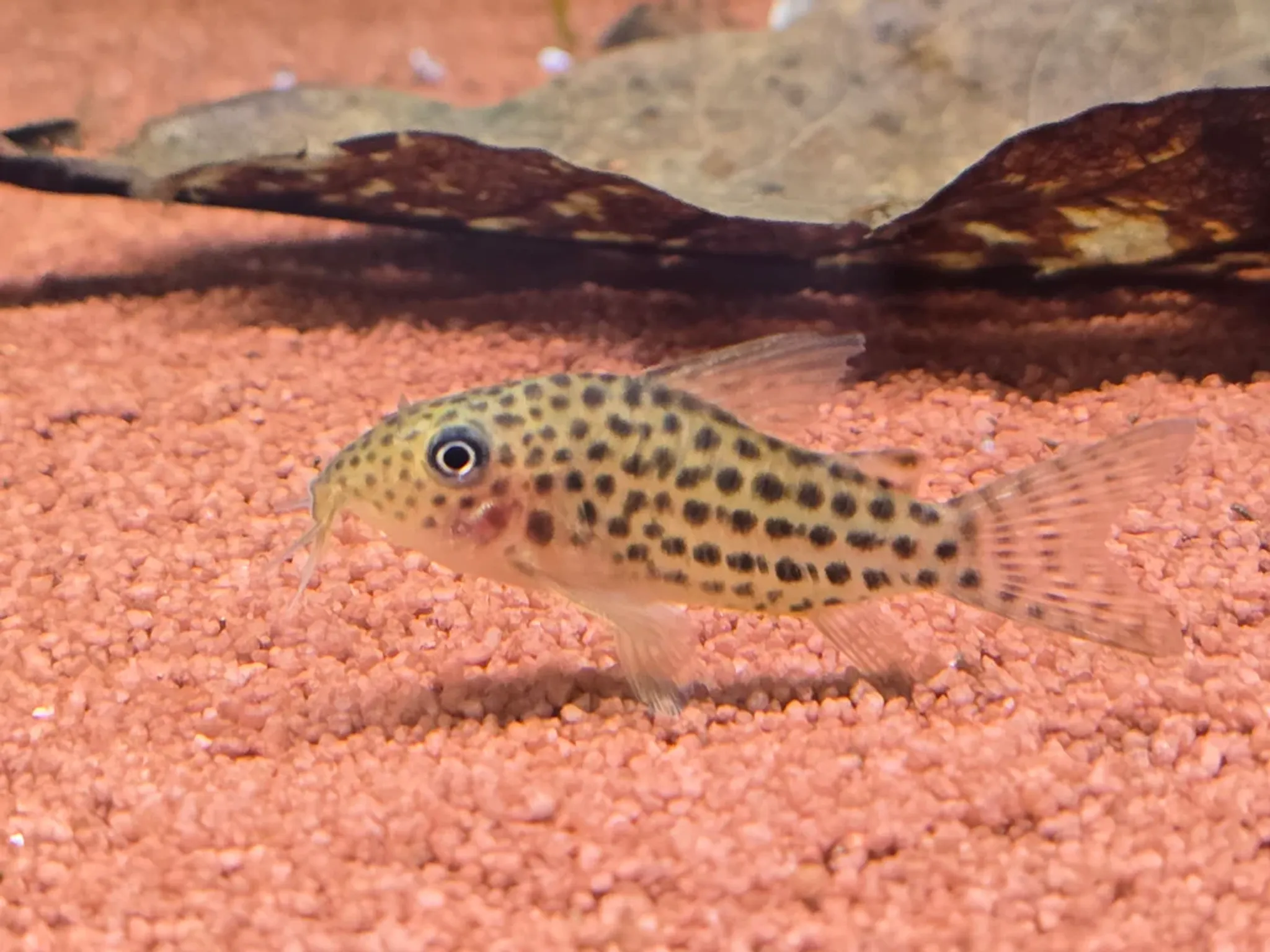
Araguaia Cory (Corydoras araguaiensis C68 3cm)
SGD 49.50
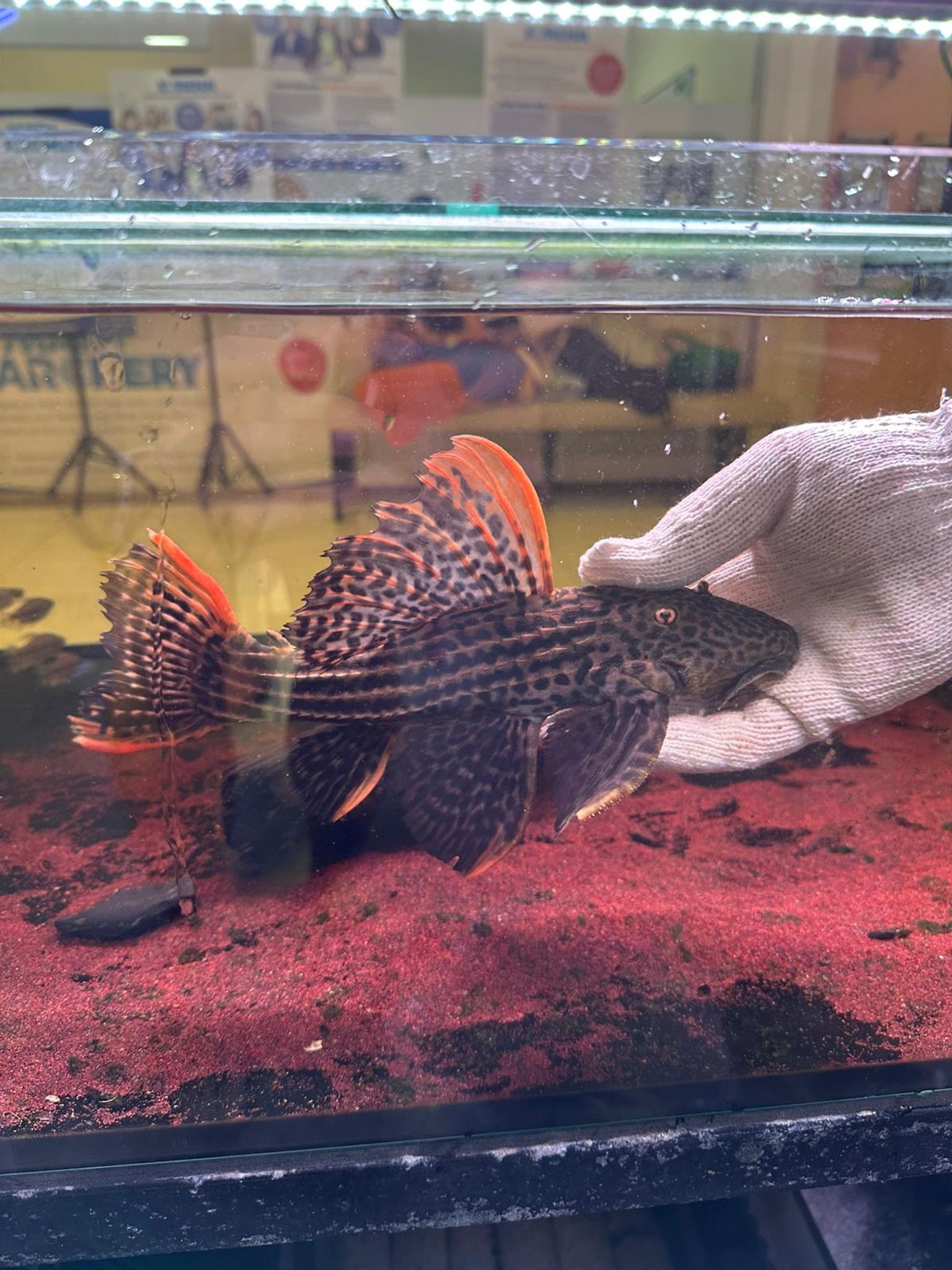
Scarlet Cactus Pleco (Pseudacanthicus Pirarara L25)
SGD 458.00

Cockatoo Dwarf Cichlid (Apistogramma cacatuoides Orange - 3-4cm)
SGD 72.60
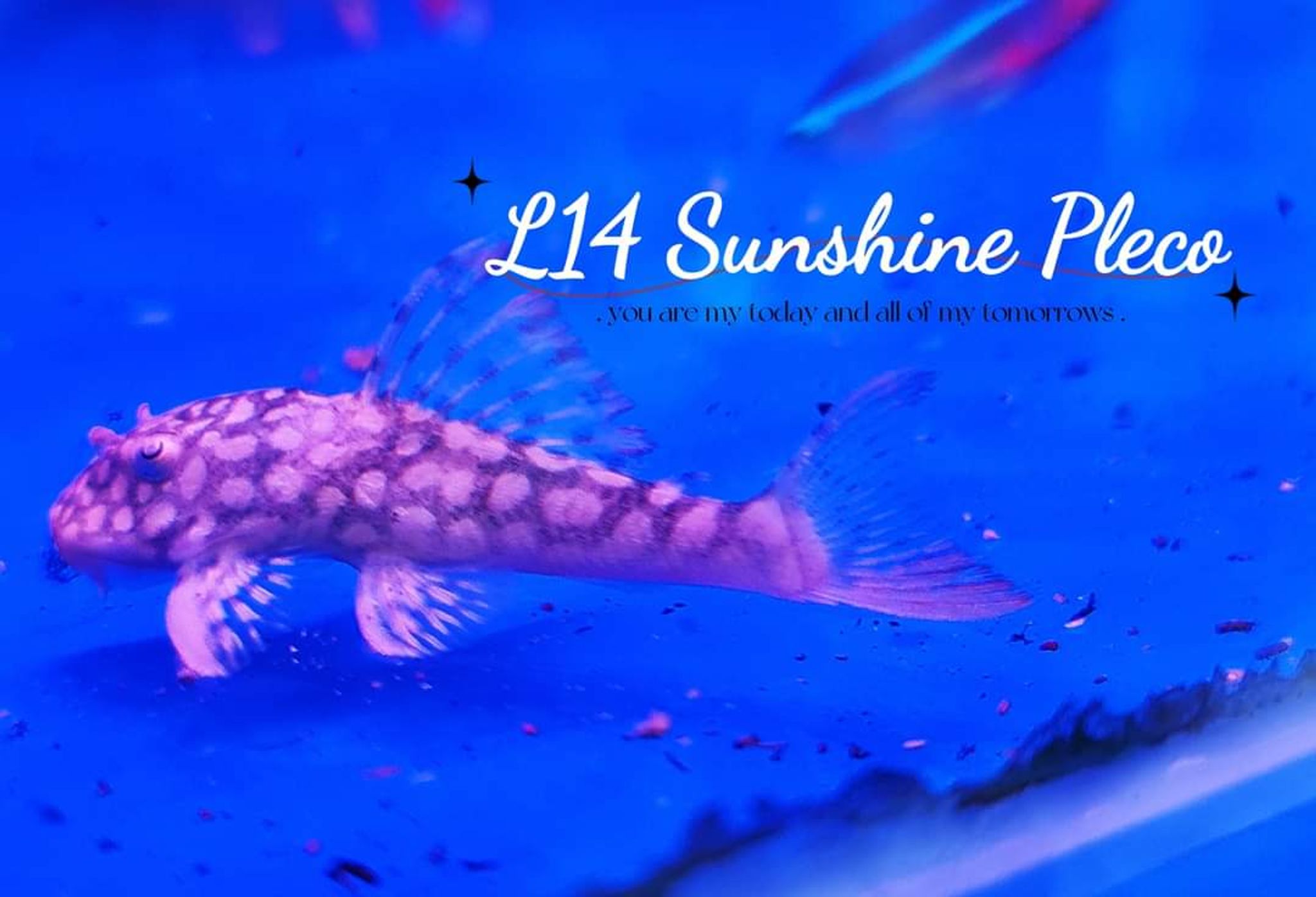
L14 Sunshine Pleco
SGD 66.00
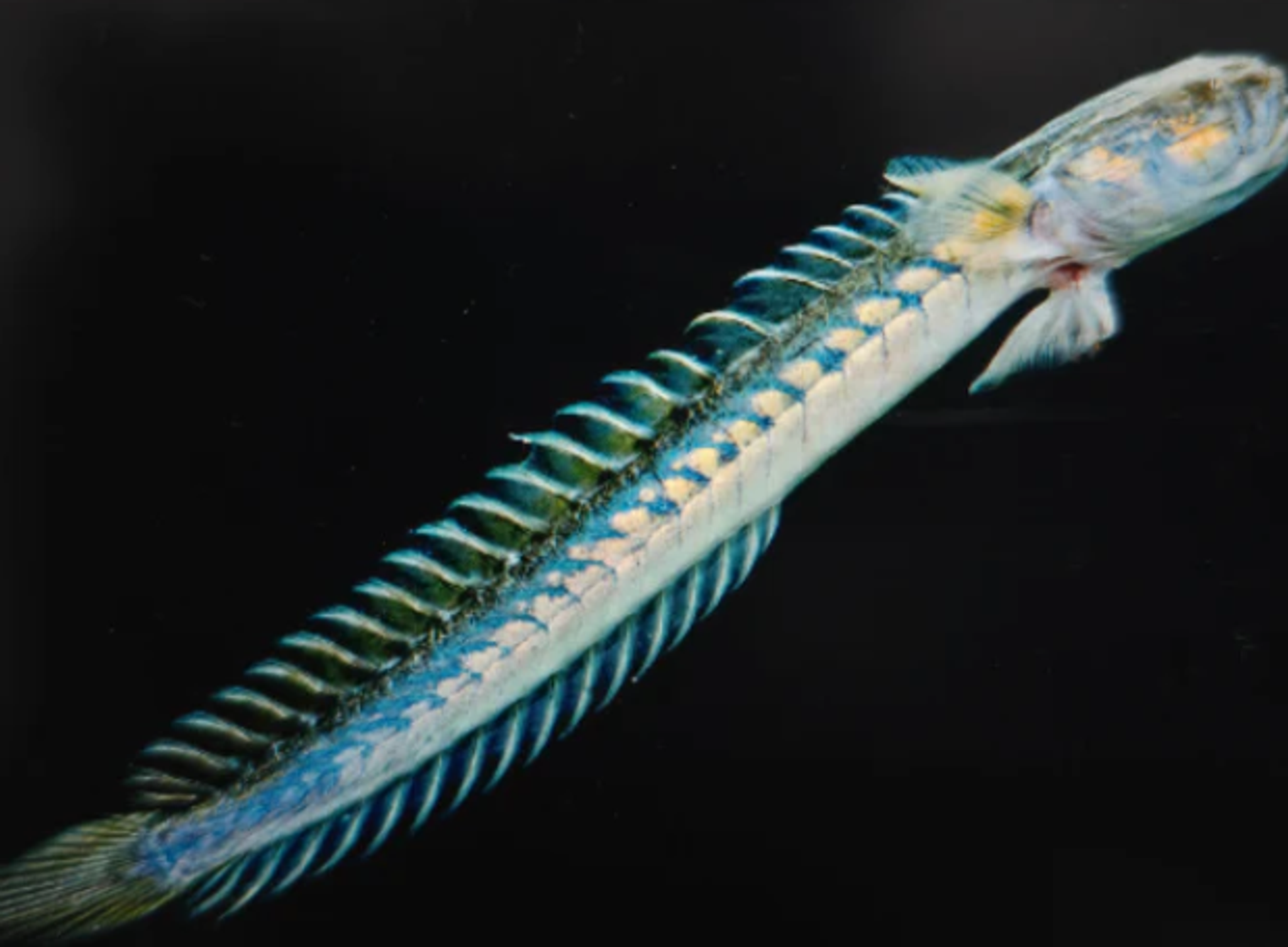
Violet goby 18-25cm
SGD 27.50
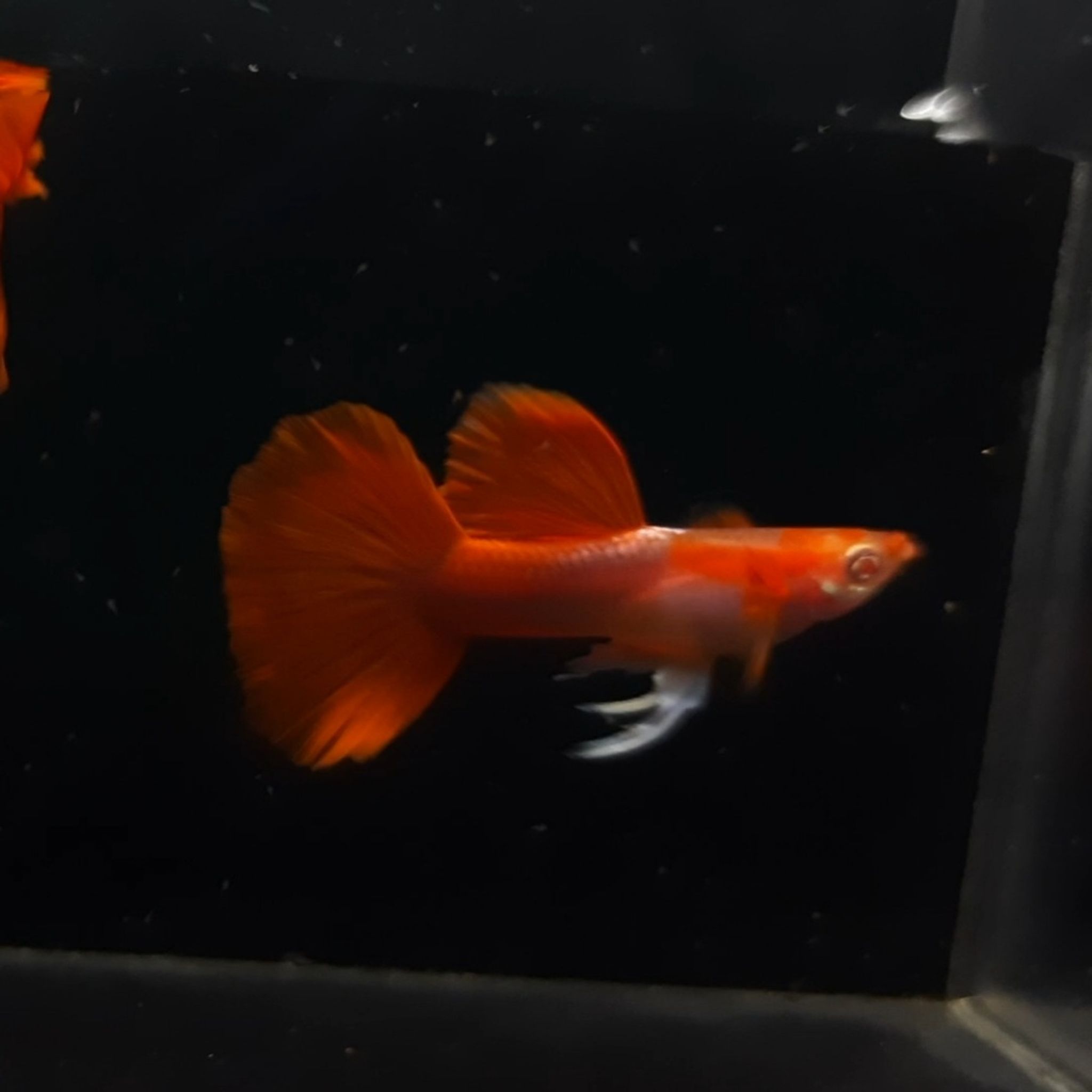
Guppy Albino Tuxedo Red White Ear
SGD 20.00
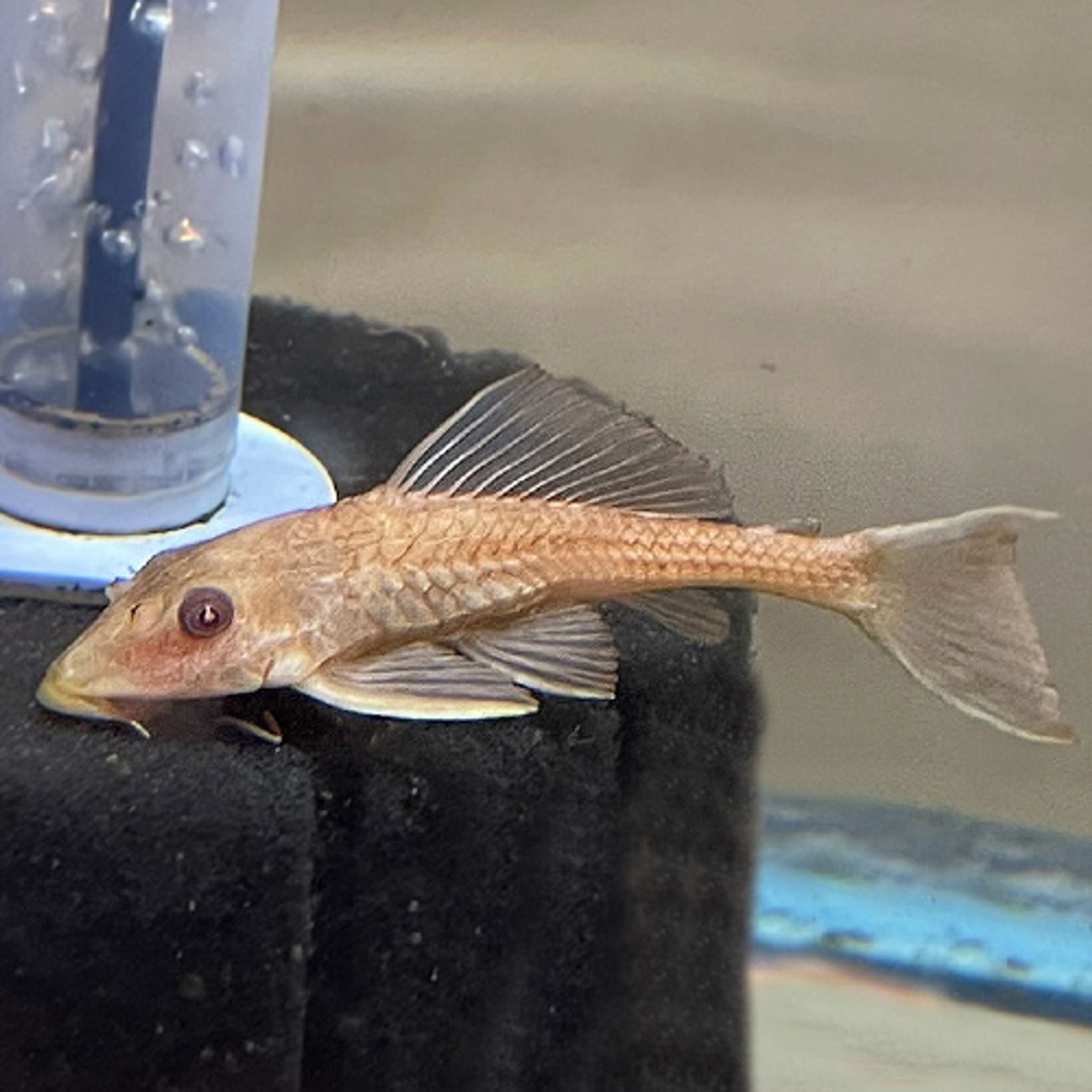
Pleco (Brown Sucker Fish)
SGD 8.00
Guppy (Albino Skyblue Ribbon Fin C)
SGD 40.00
Similar Plecos, Corys & Bottom Dwellers You May Like
Dragon microgoby 2.5cm
SGD 11.00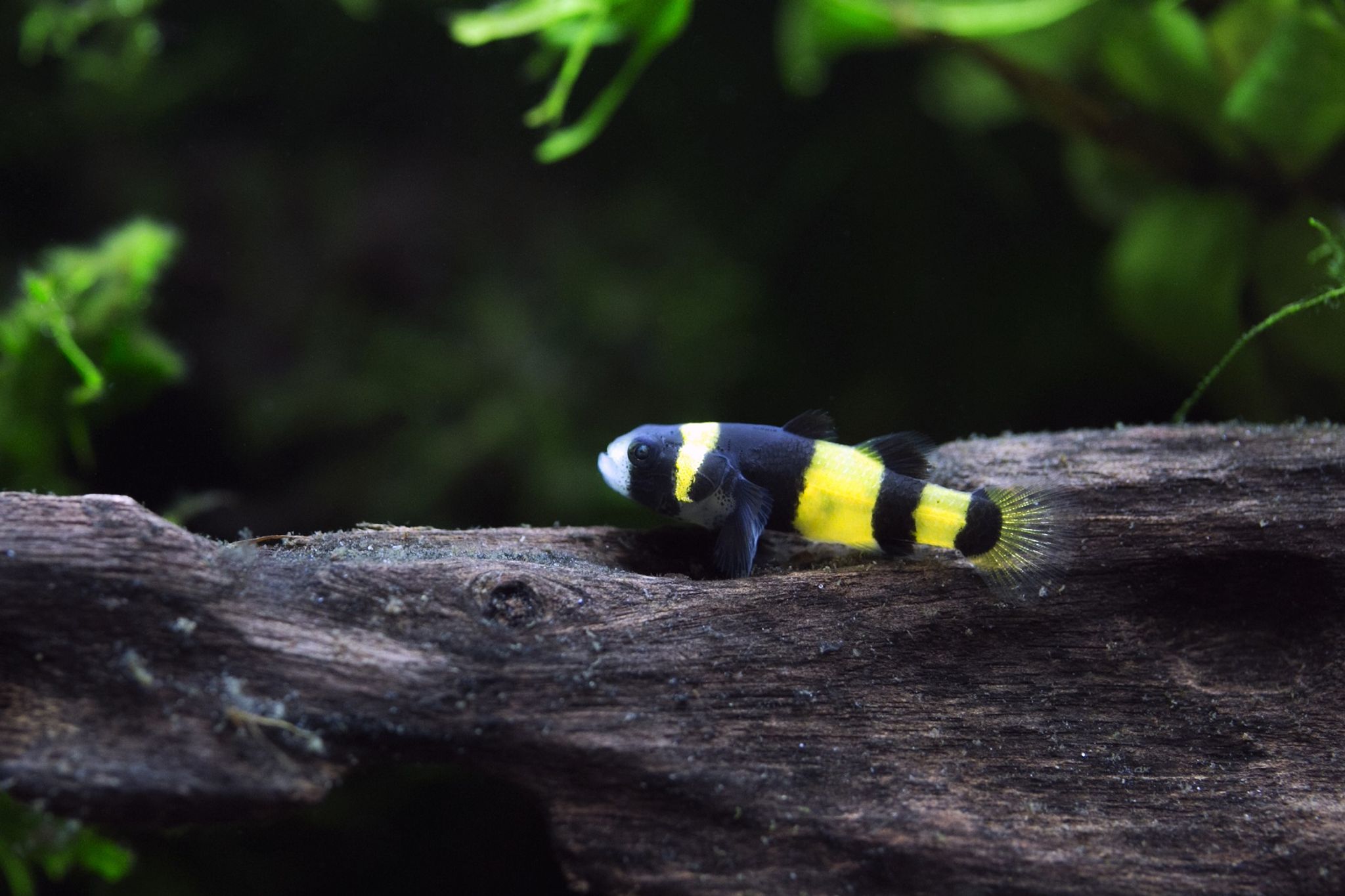
Bumblebee goby ( OO-0161 )
SGD 1.20
Red belt goby 3cm
SGD 11.00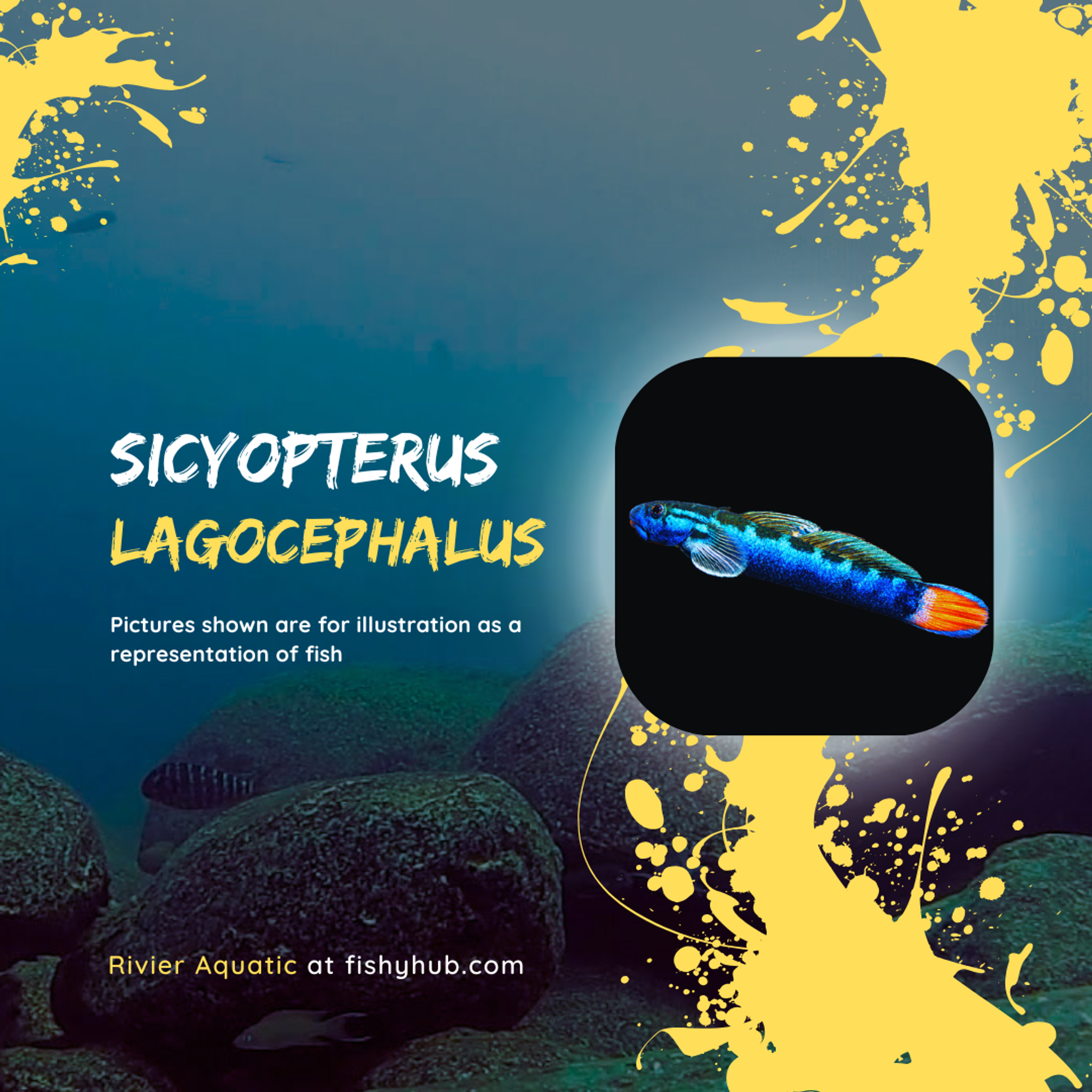
Red Tailed Goby (Sicyopterus L..
SGD 73.00Blue Neon Dwarf Goby (Stiphodo..
SGD 69.00
White cheek goby 3cm
SGD 6.05
Yellowstripe Goby (Mugilogobiu..
SGD 73.00
Violet Goby (Gobioides Brousso..
SGD 25.00
Red Lipstick Goby 3cm
SGD 5.50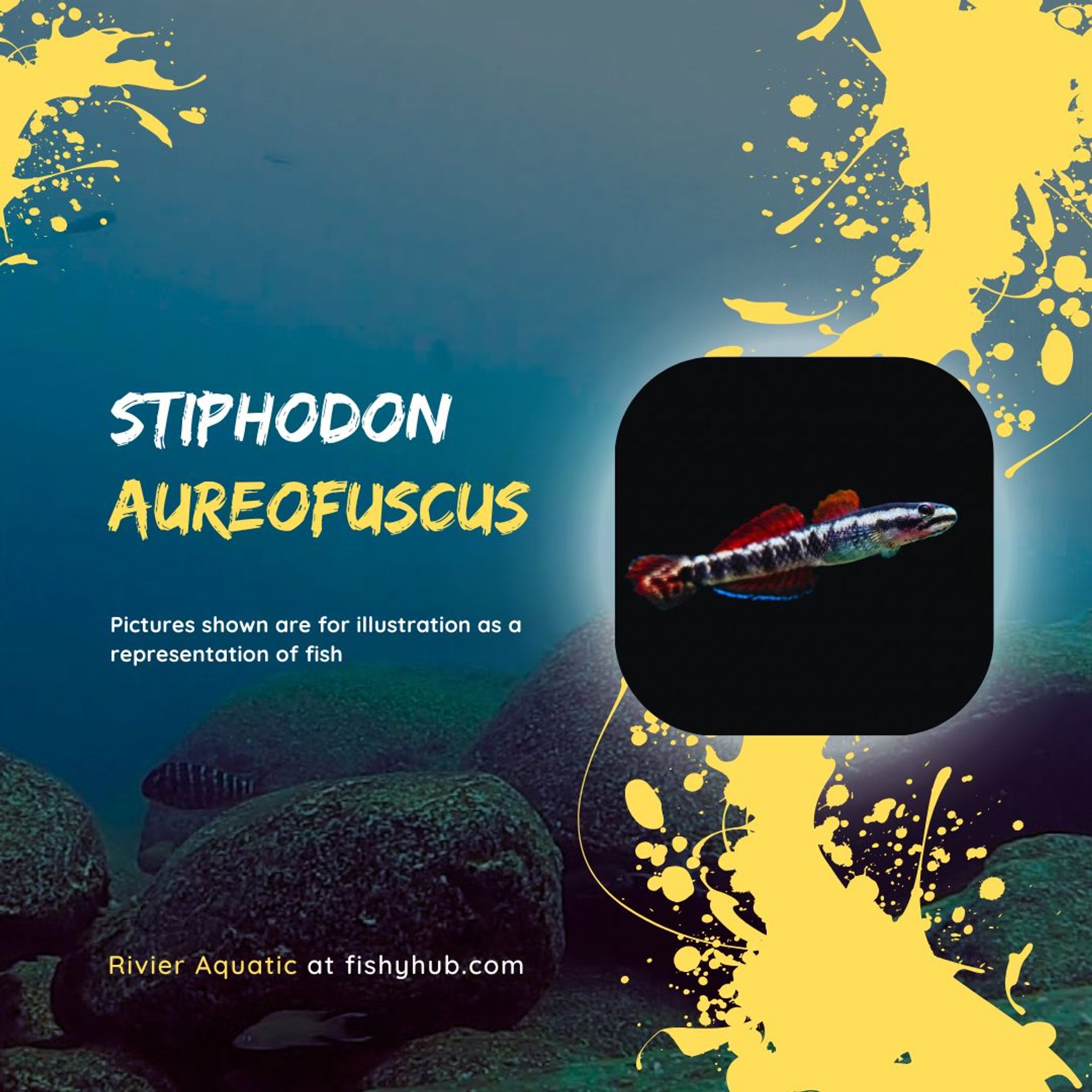
Golden Black Goby (Stiphodon A..
SGD 69.00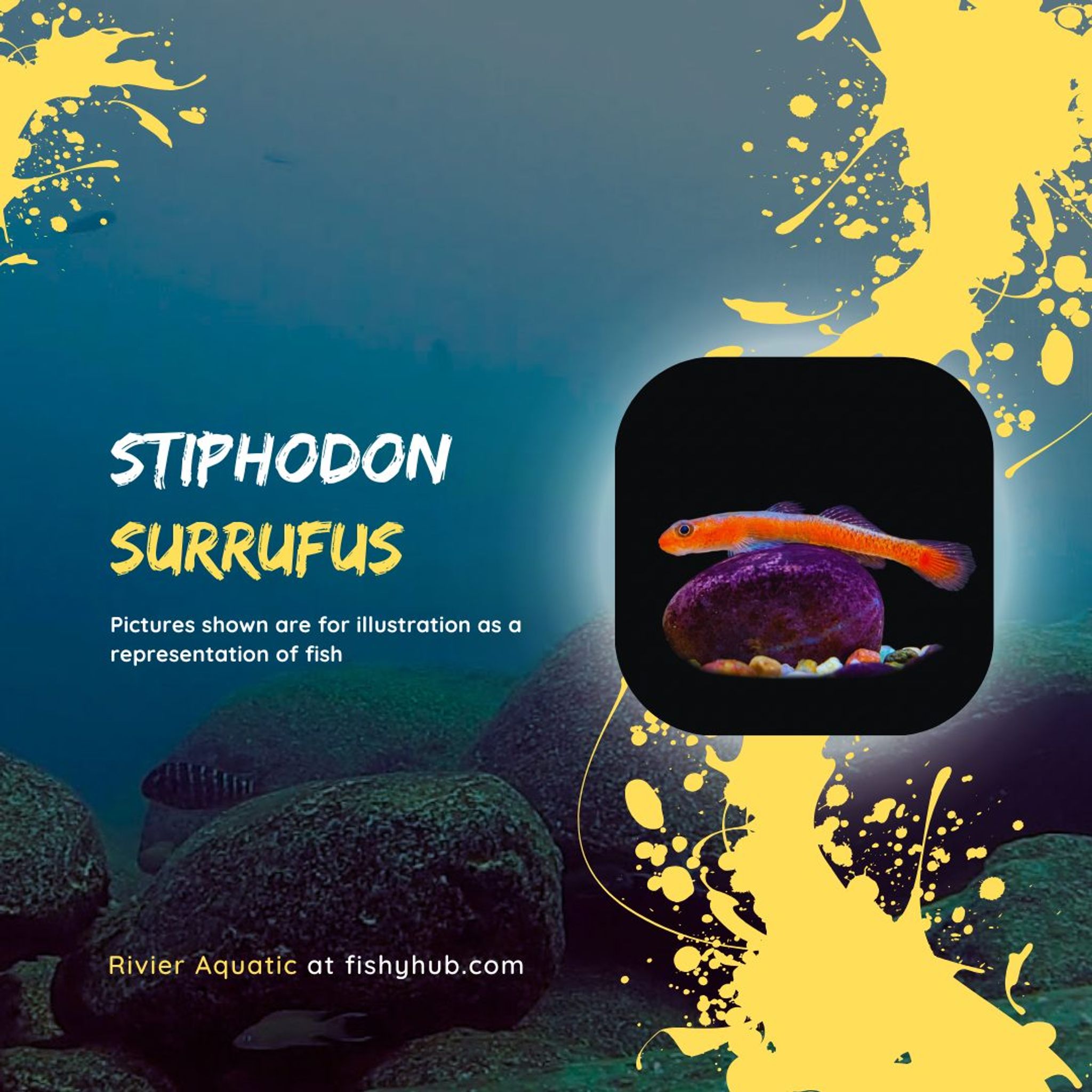
Birdsong Goby (Stiphodon Surru..
SGD 73.00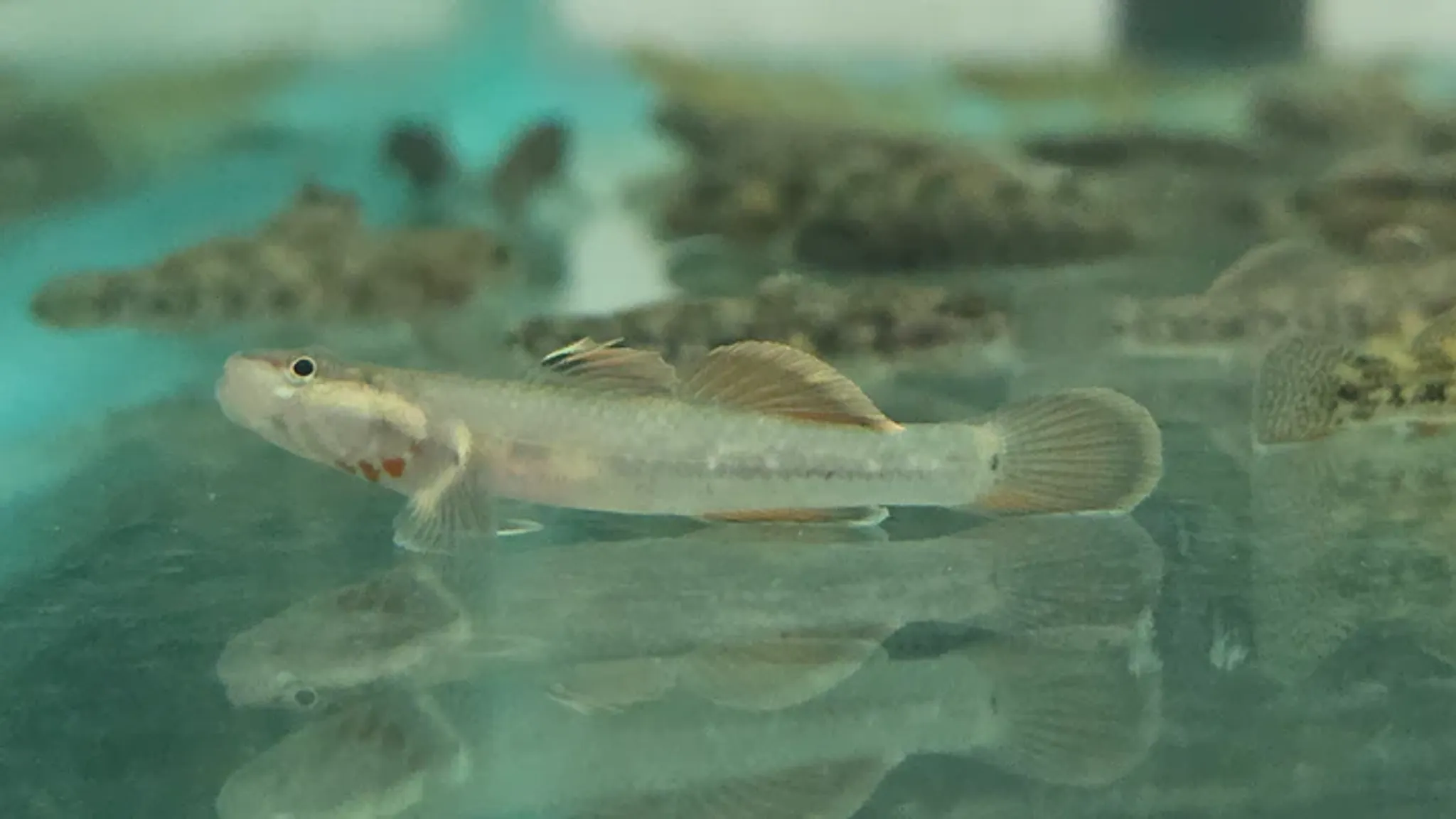
Flame goby 3cm
SGD 11.00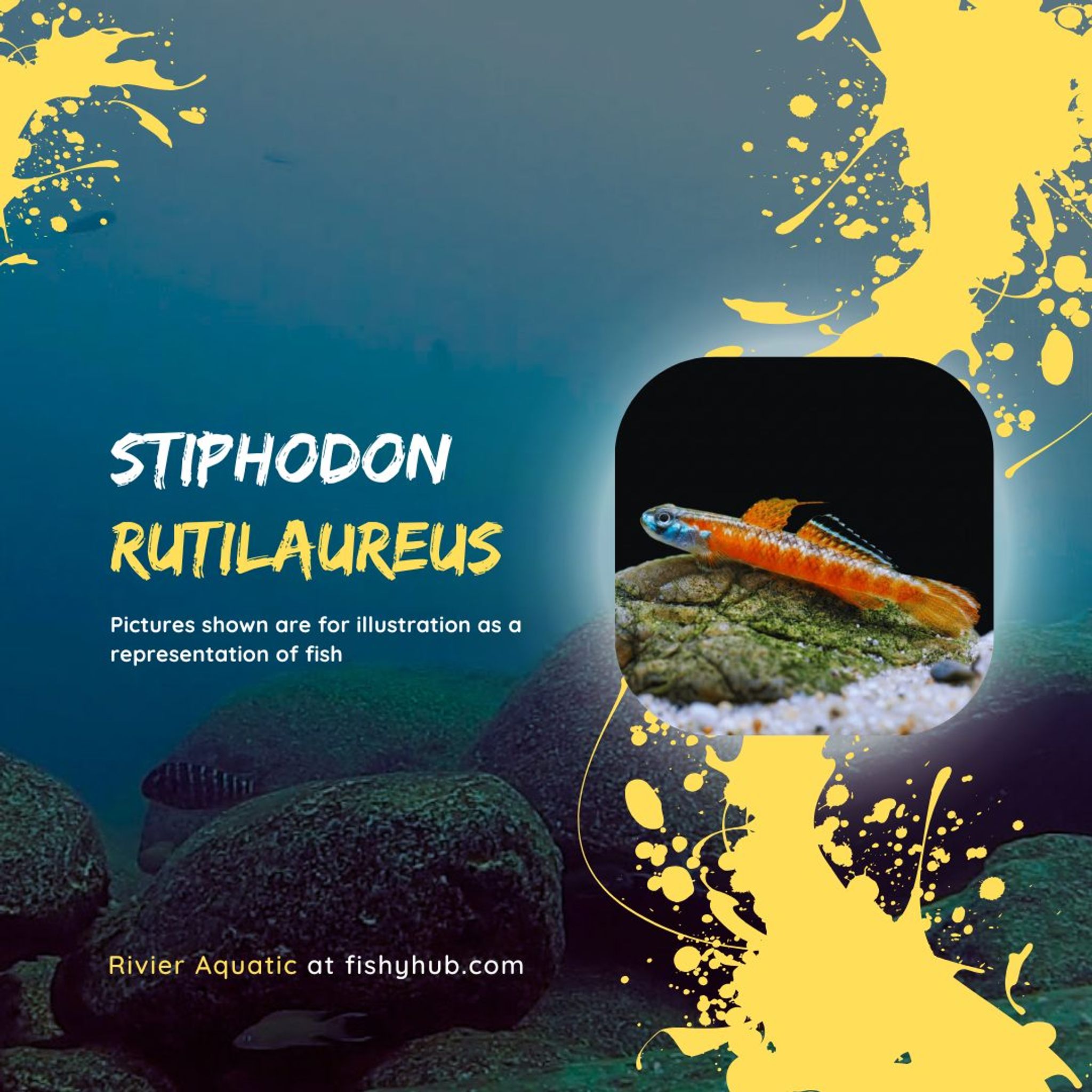
Golden Red Goby (Stiphodon Rut..
SGD 73.00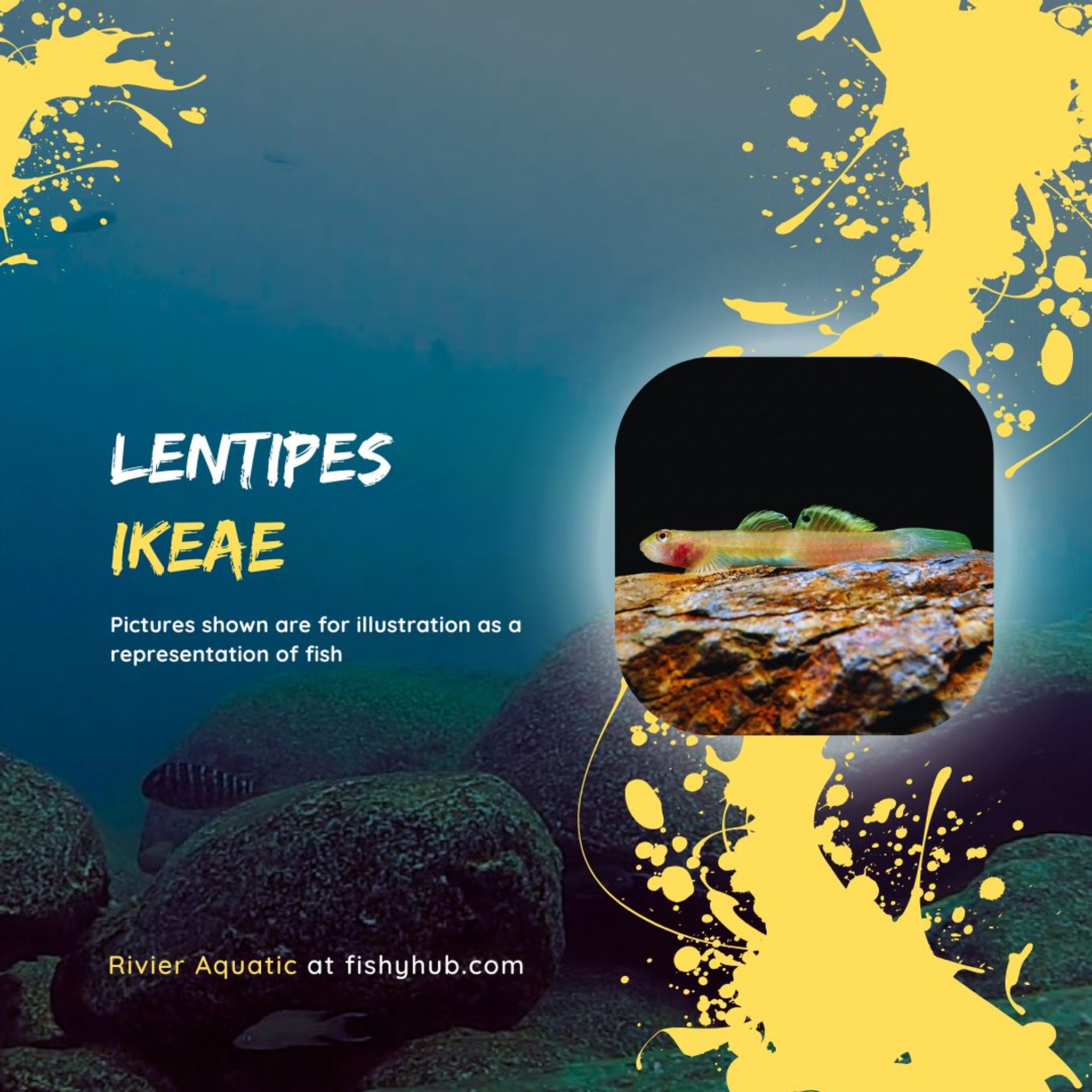
Blue Belly Red Goby (Lentipes ..
SGD 69.00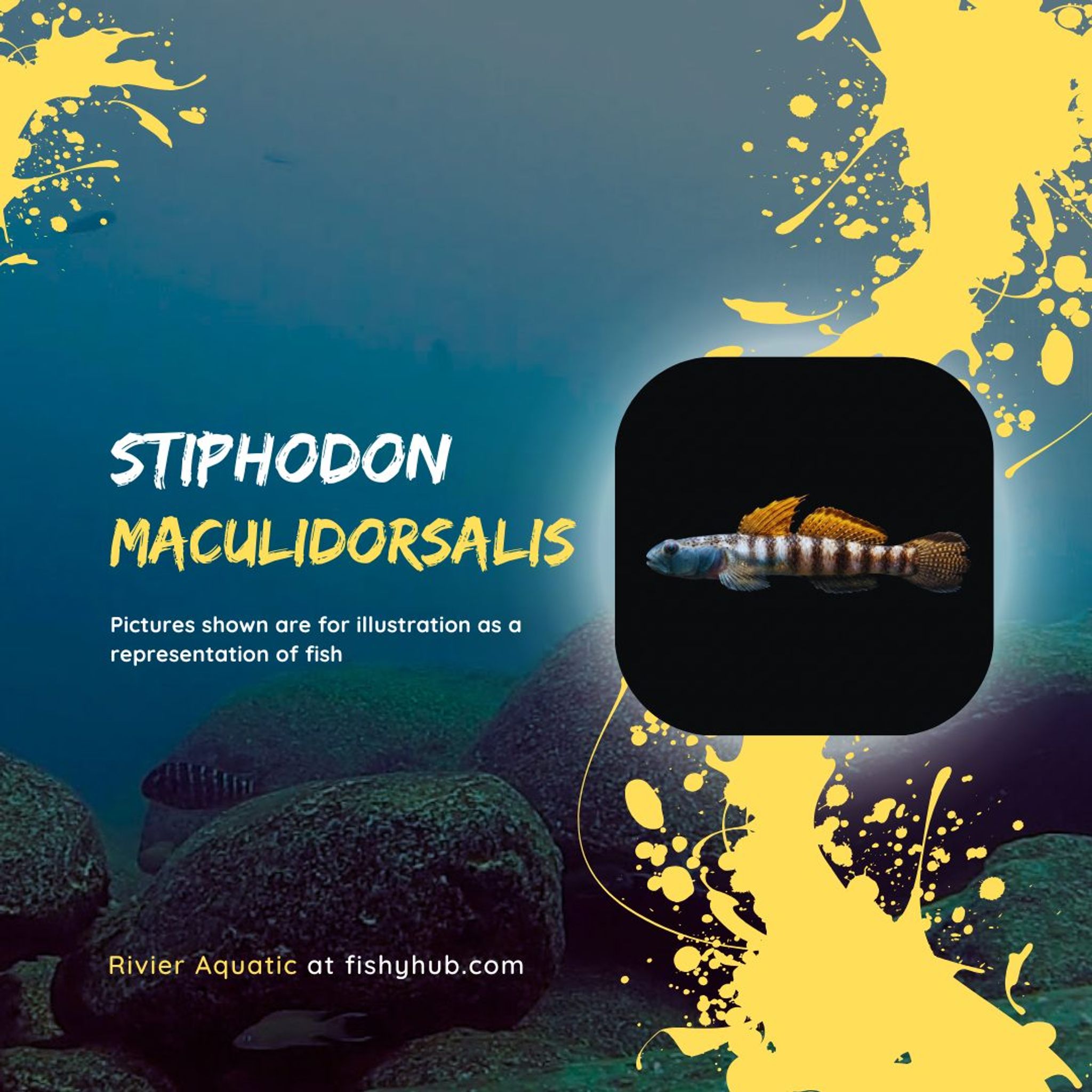
Orange Fin Goby (Stiphodon Mac..
SGD 73.00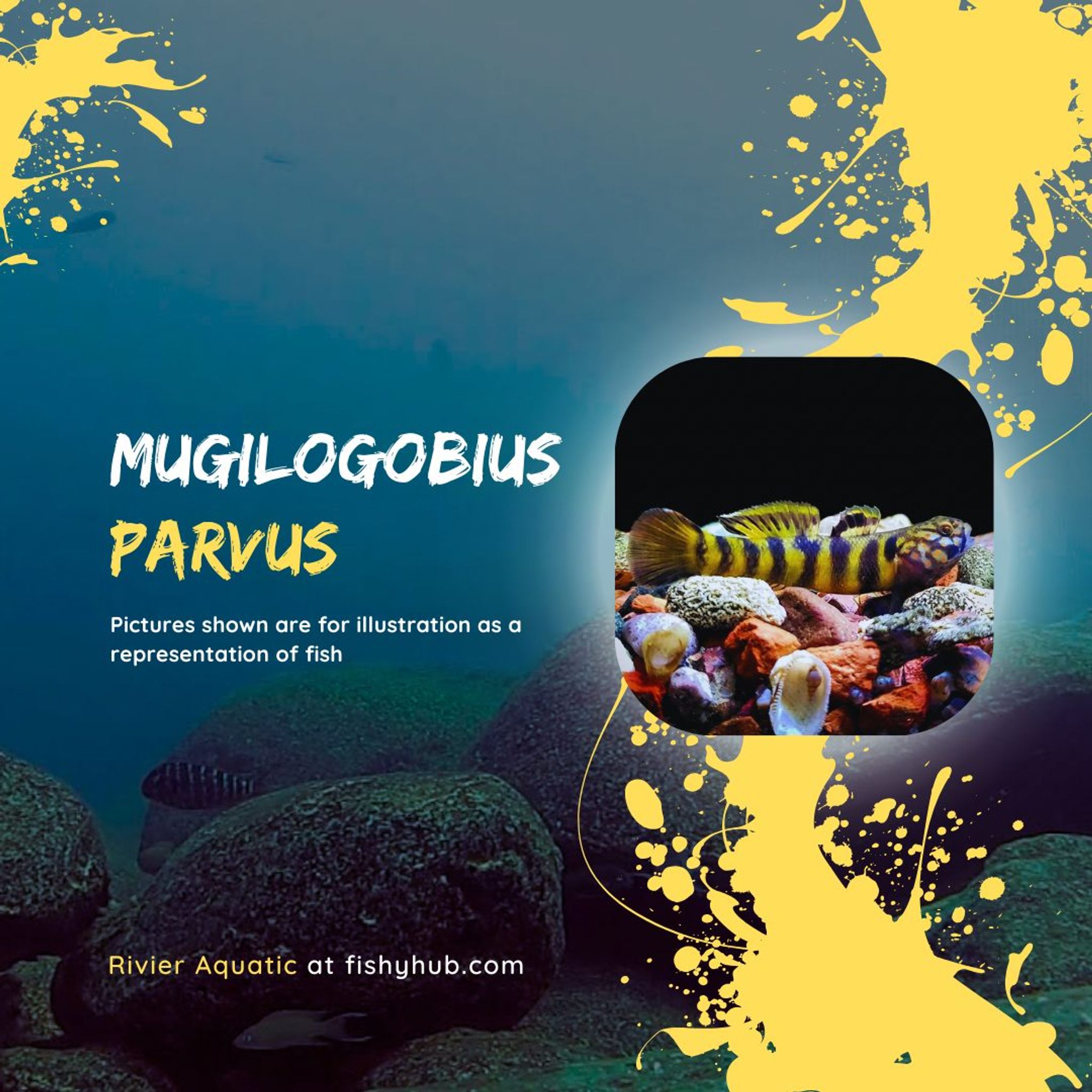
Helmeted Goby (Mugilogobius Pa..
SGD 73.00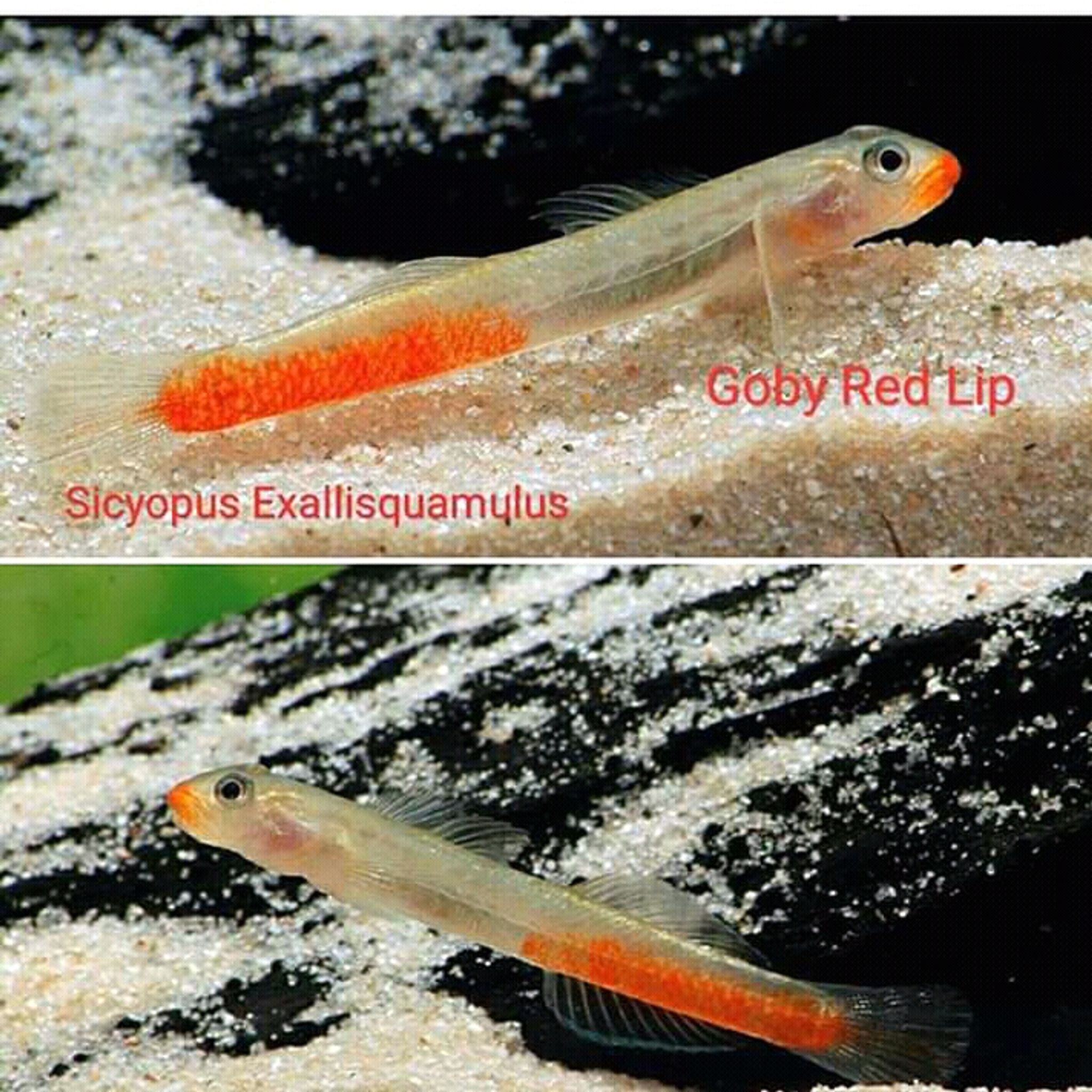
Goby rubicundus ( redlips)
SGD 30.00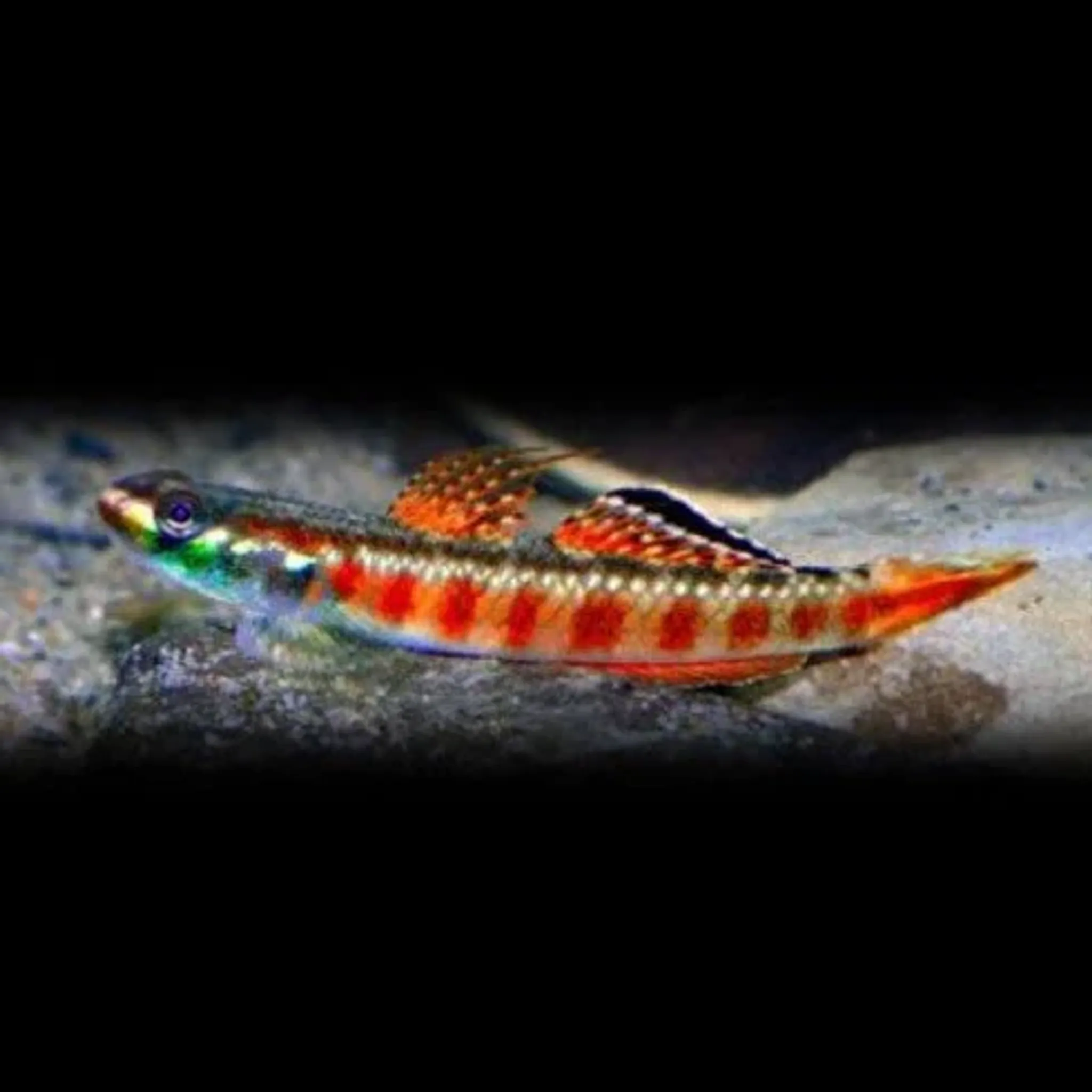
Red Neon Goby 4cm
SGD 5.50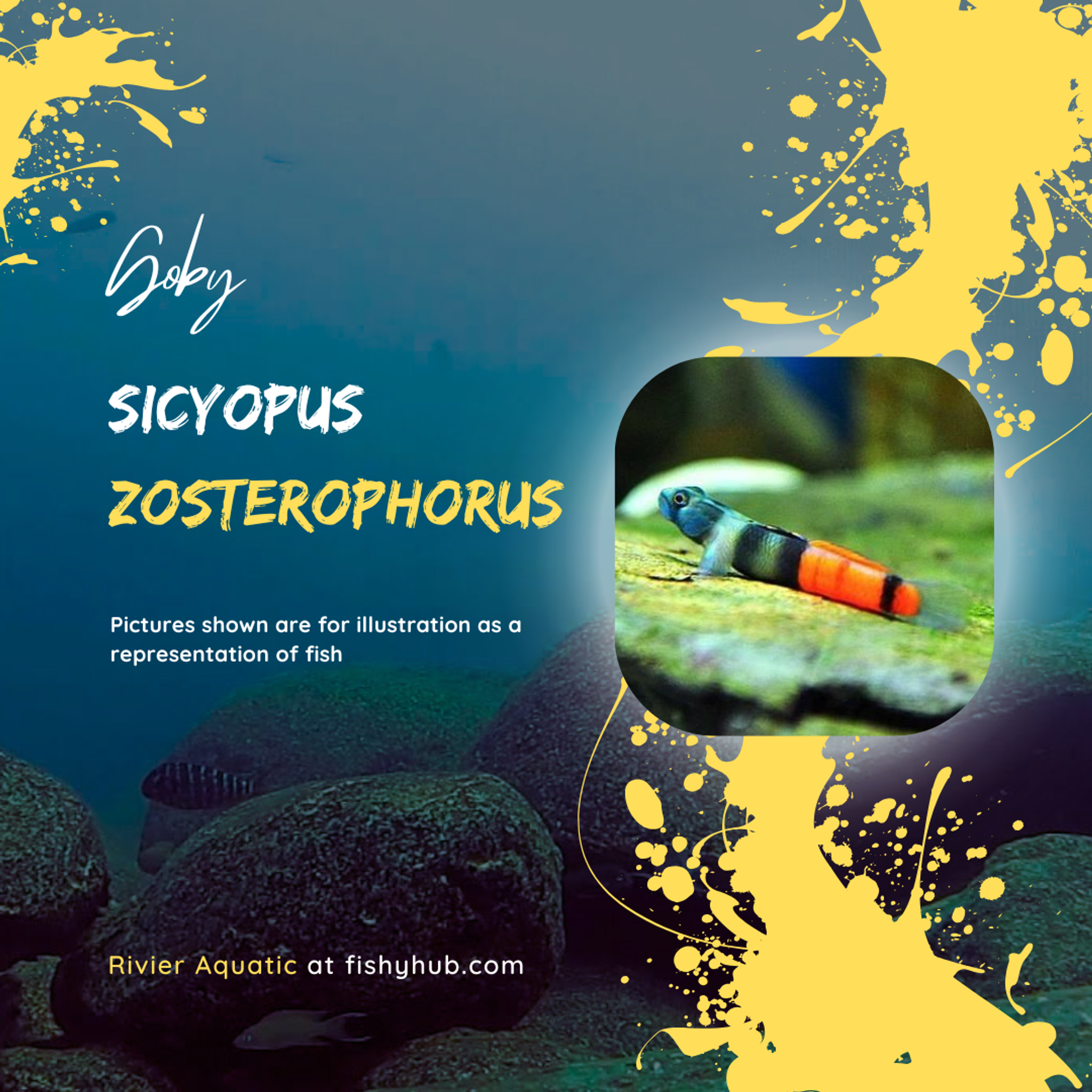
Red Belted Goby (Sicyopus Zost..
SGD 69.00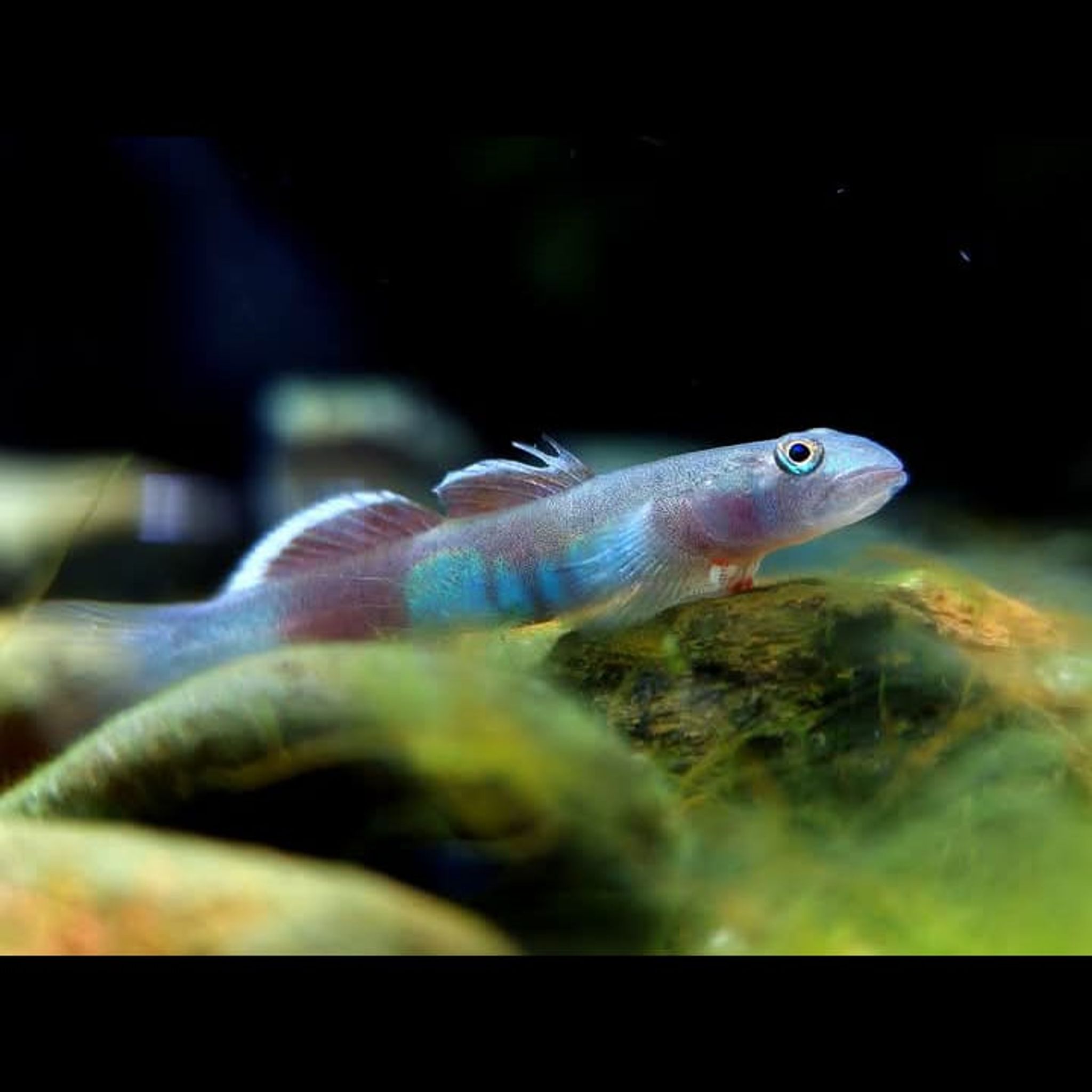
Goby venus ( lentipes venustus..
SGD 75.00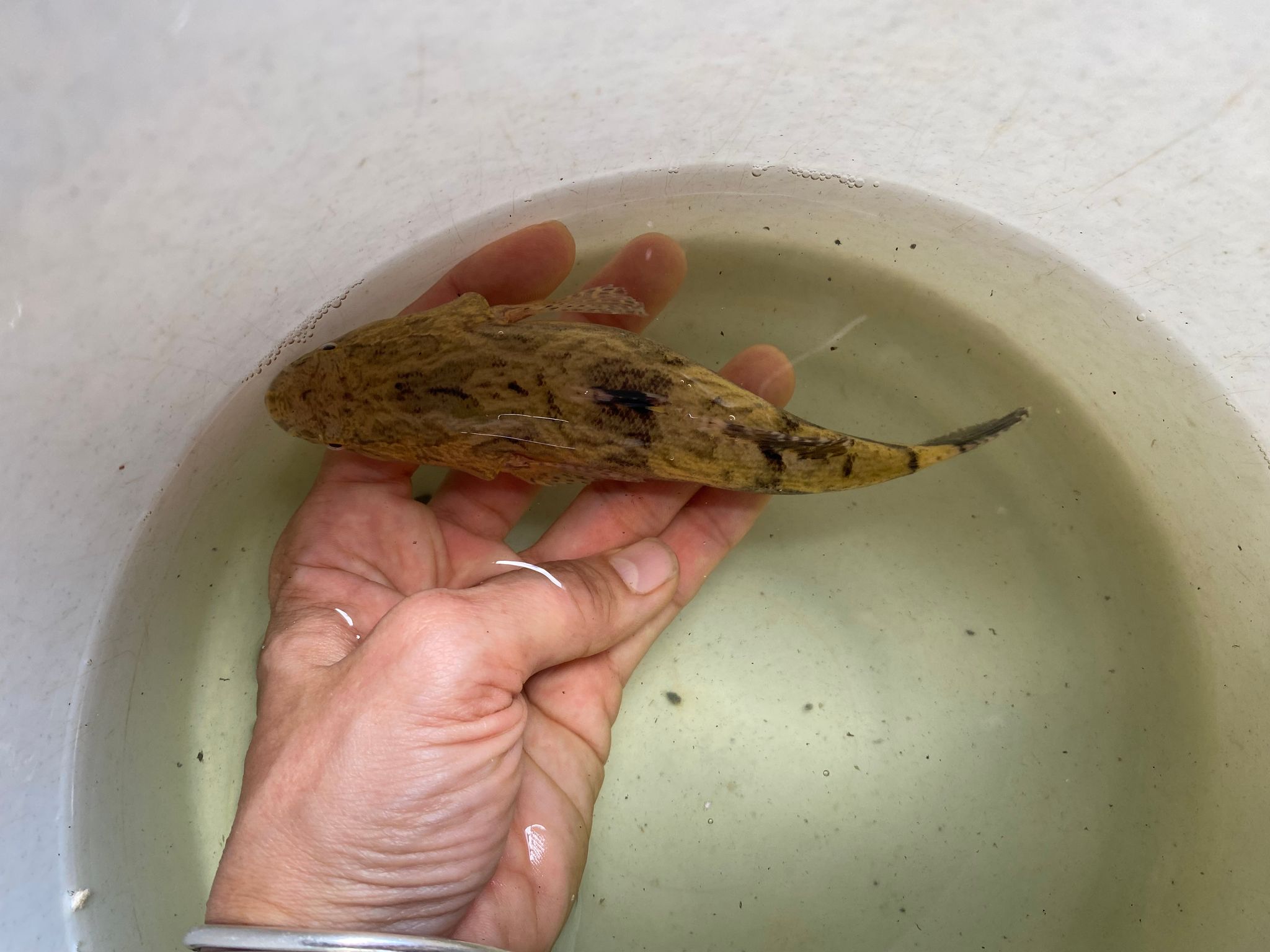
Marble goby (Soon Hock)
SGD 30.00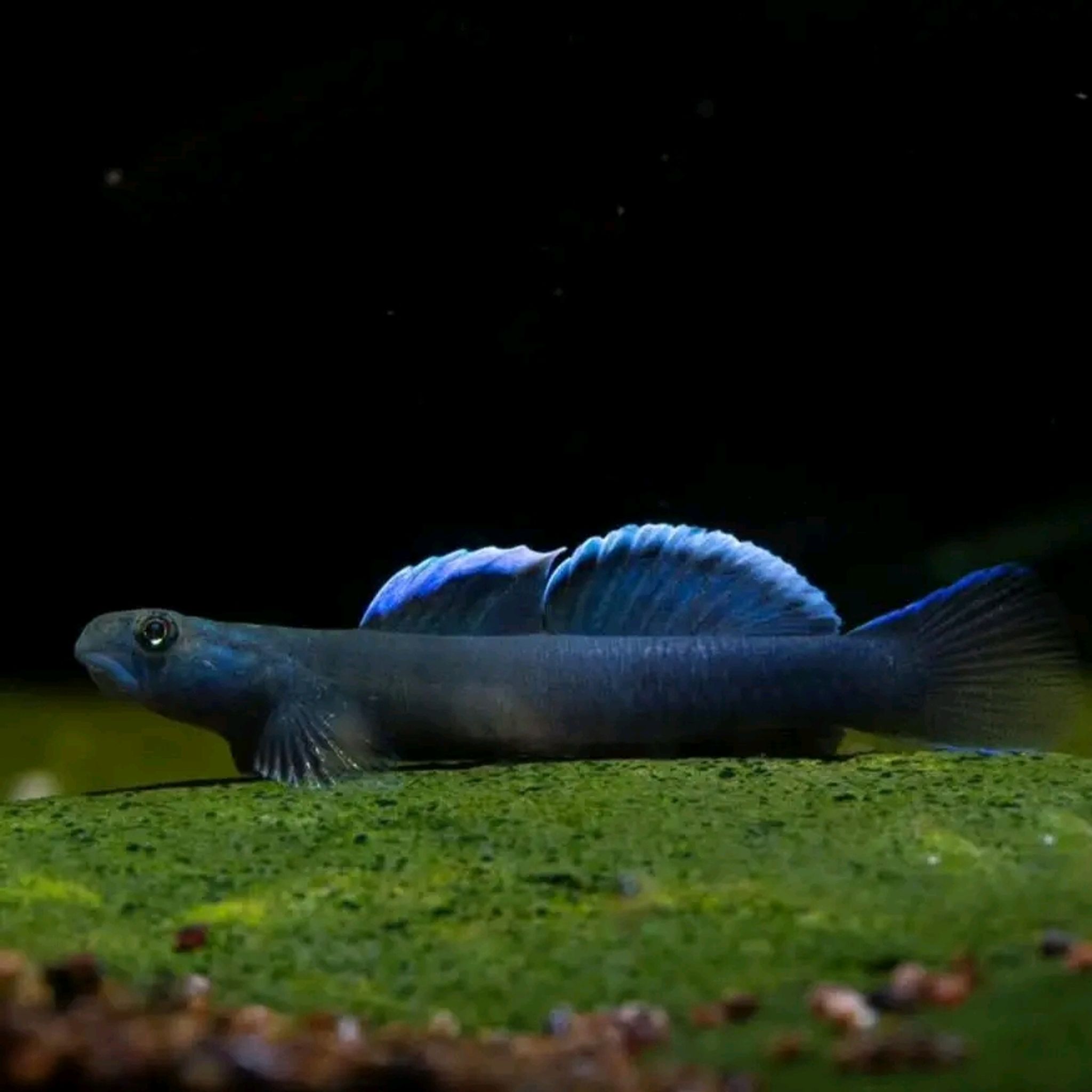
Goby dimetrodon
SGD 75.00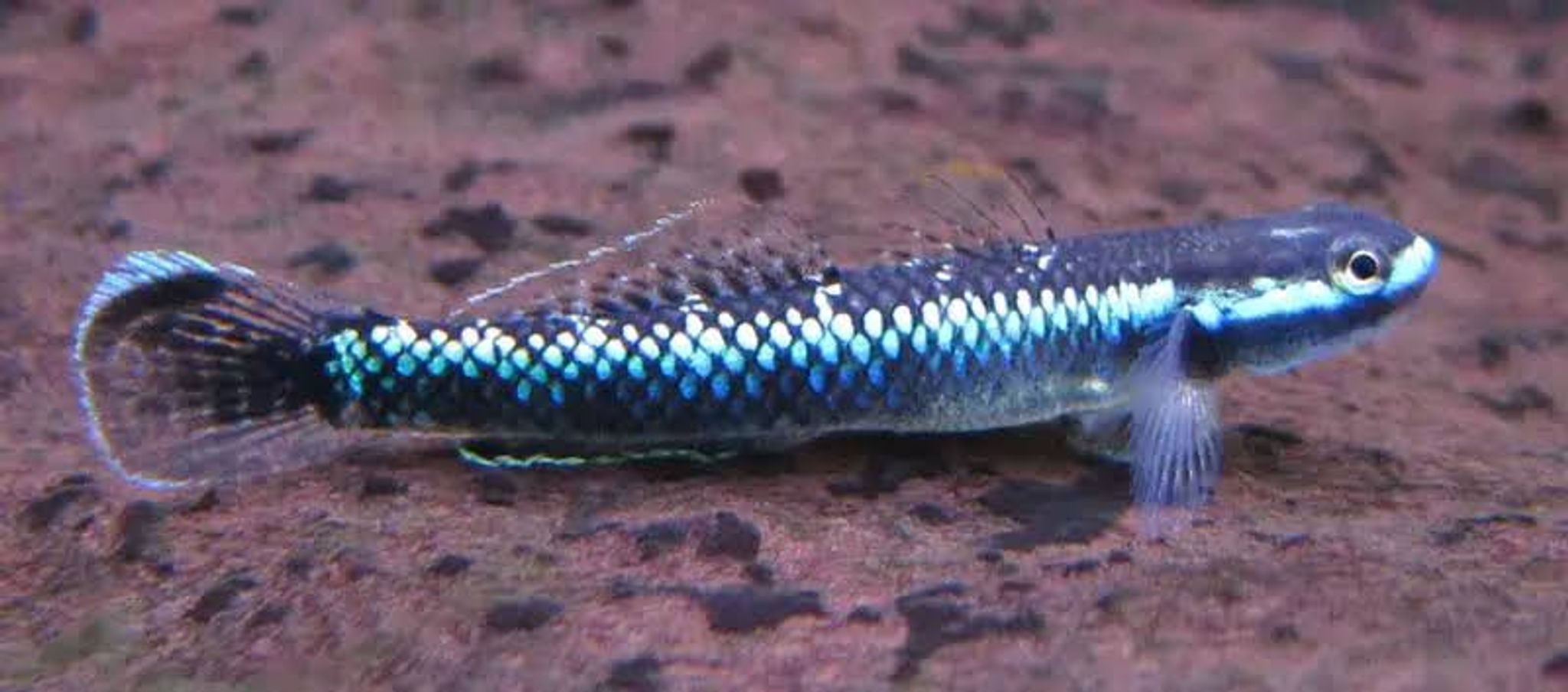
Neon Blue Goby
SGD 2.00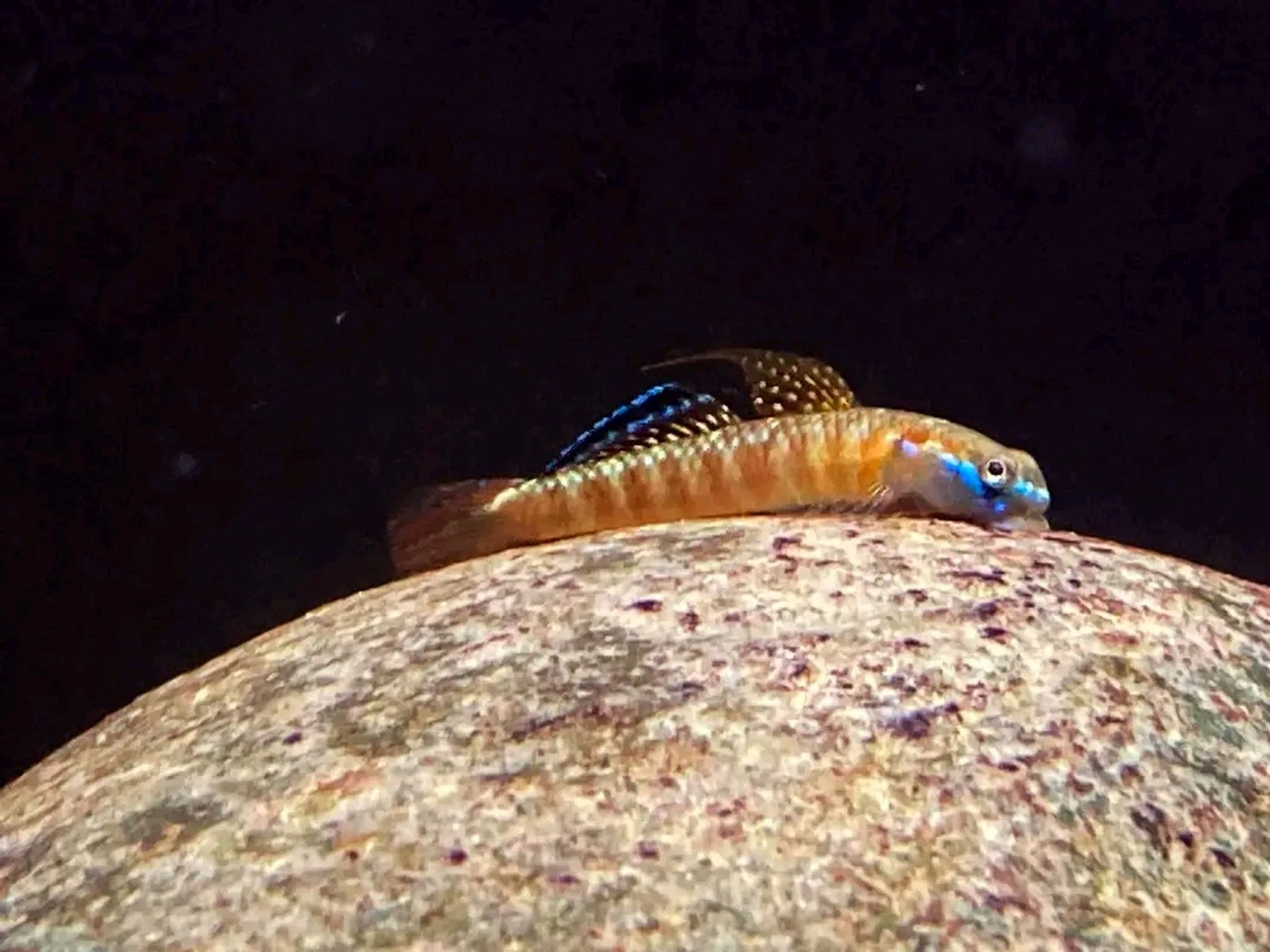
Goby rutilaurus
SGD 75.00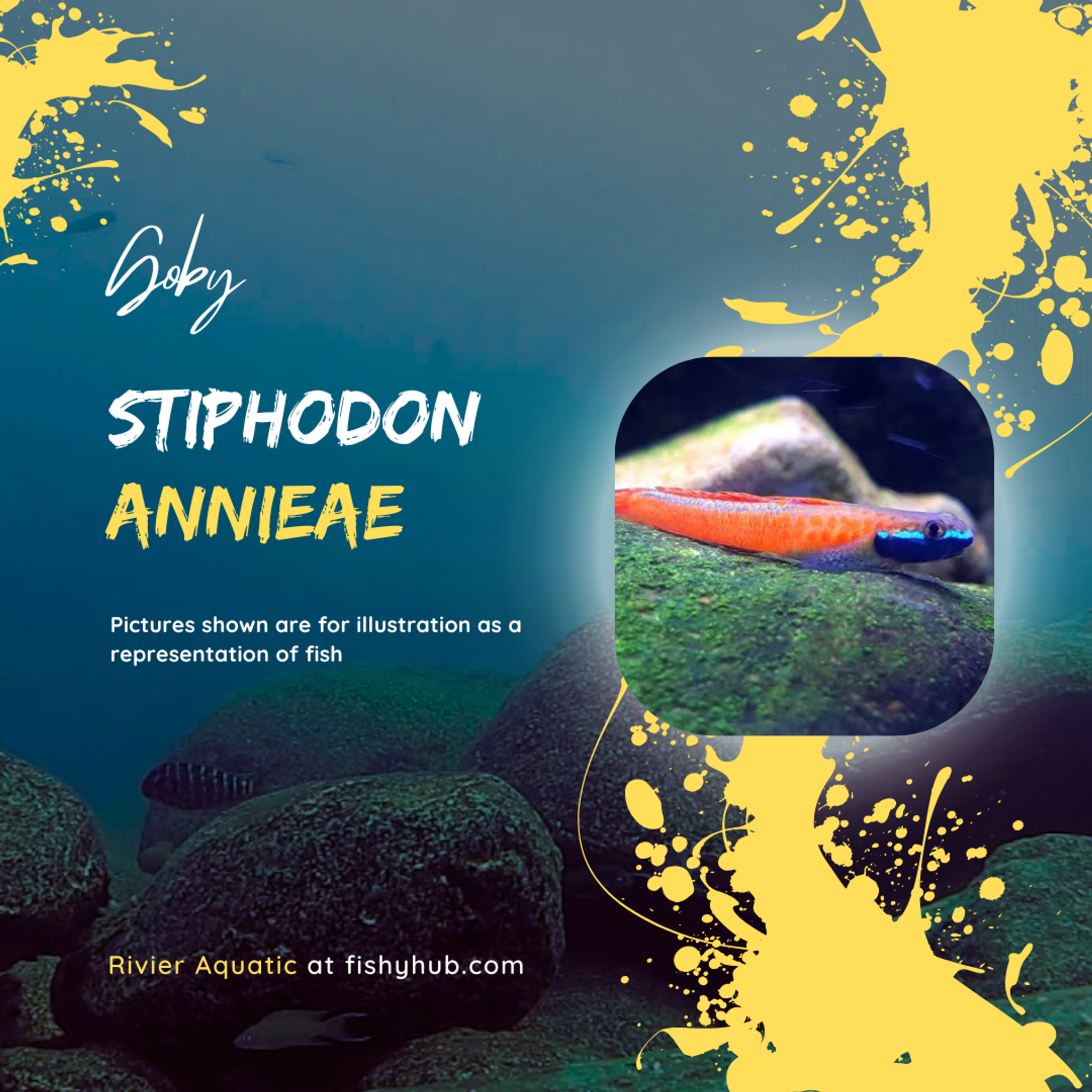
Annie's Dwarf Goby (Stiphodon ..
SGD 69.00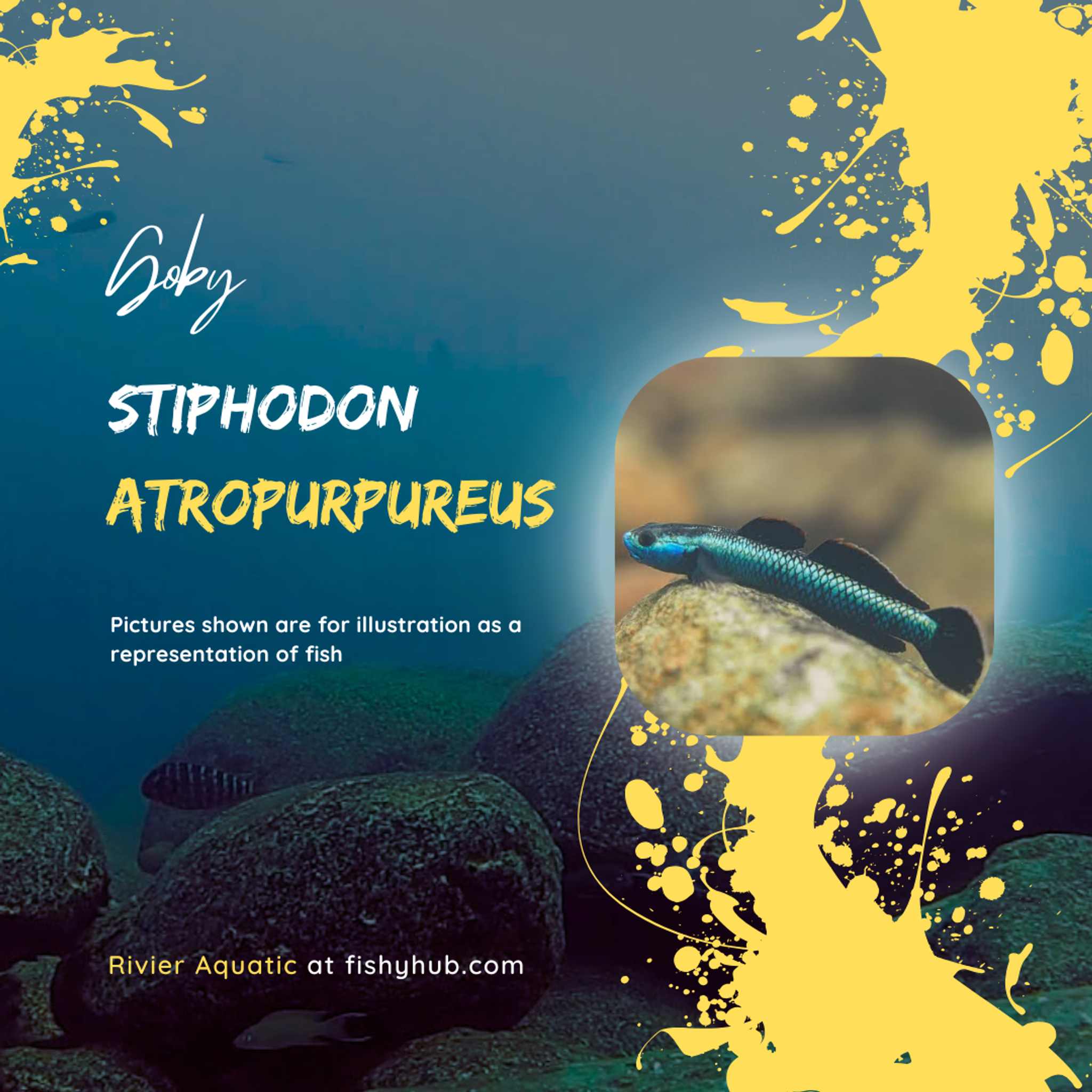
Blue Neon Goby (Stiphodon Semo..
SGD 69.00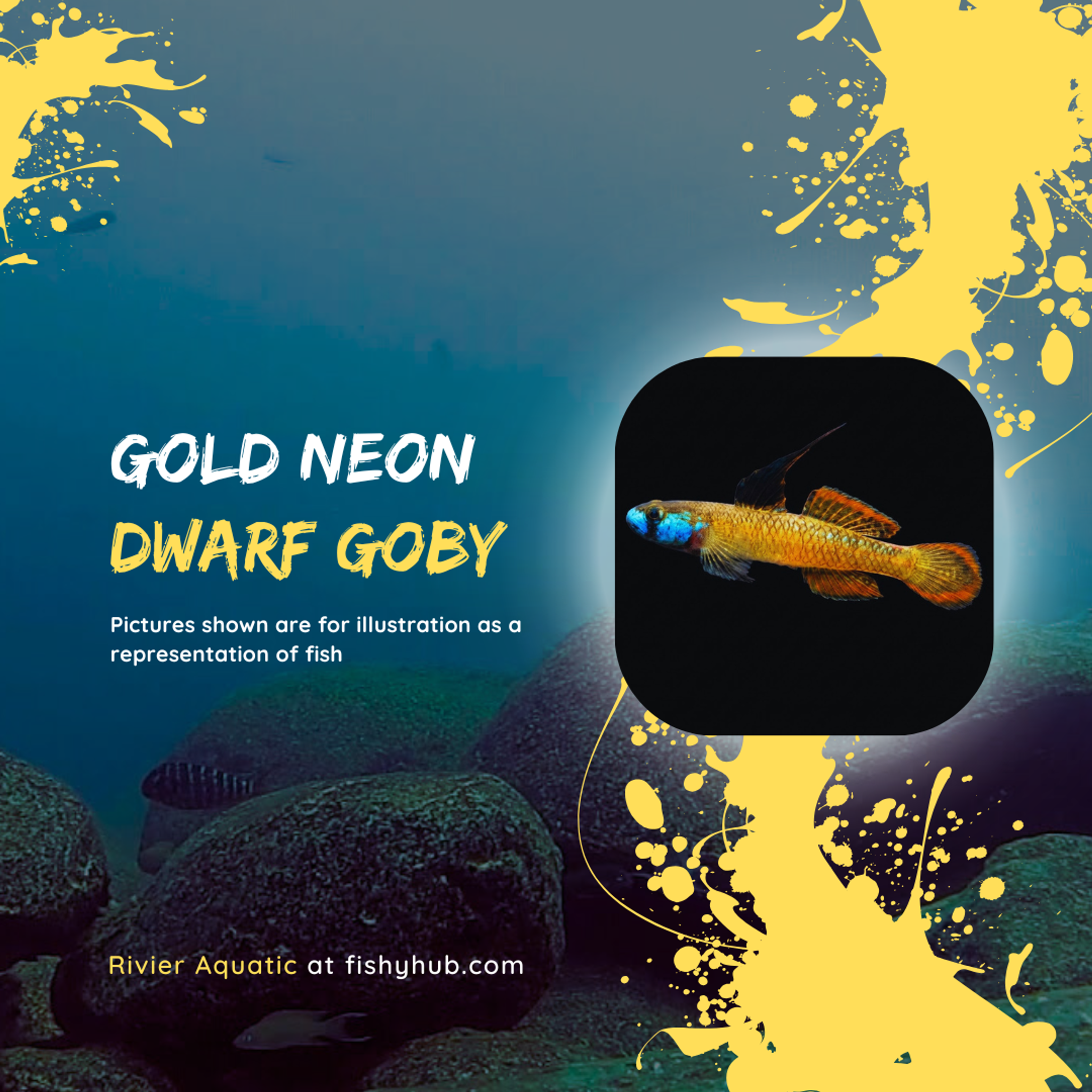
Gold Neon Dwarf Goby (Stiphodo..
SGD 73.00
Bumblebee Goby 1.5-2cm
SGD 1.54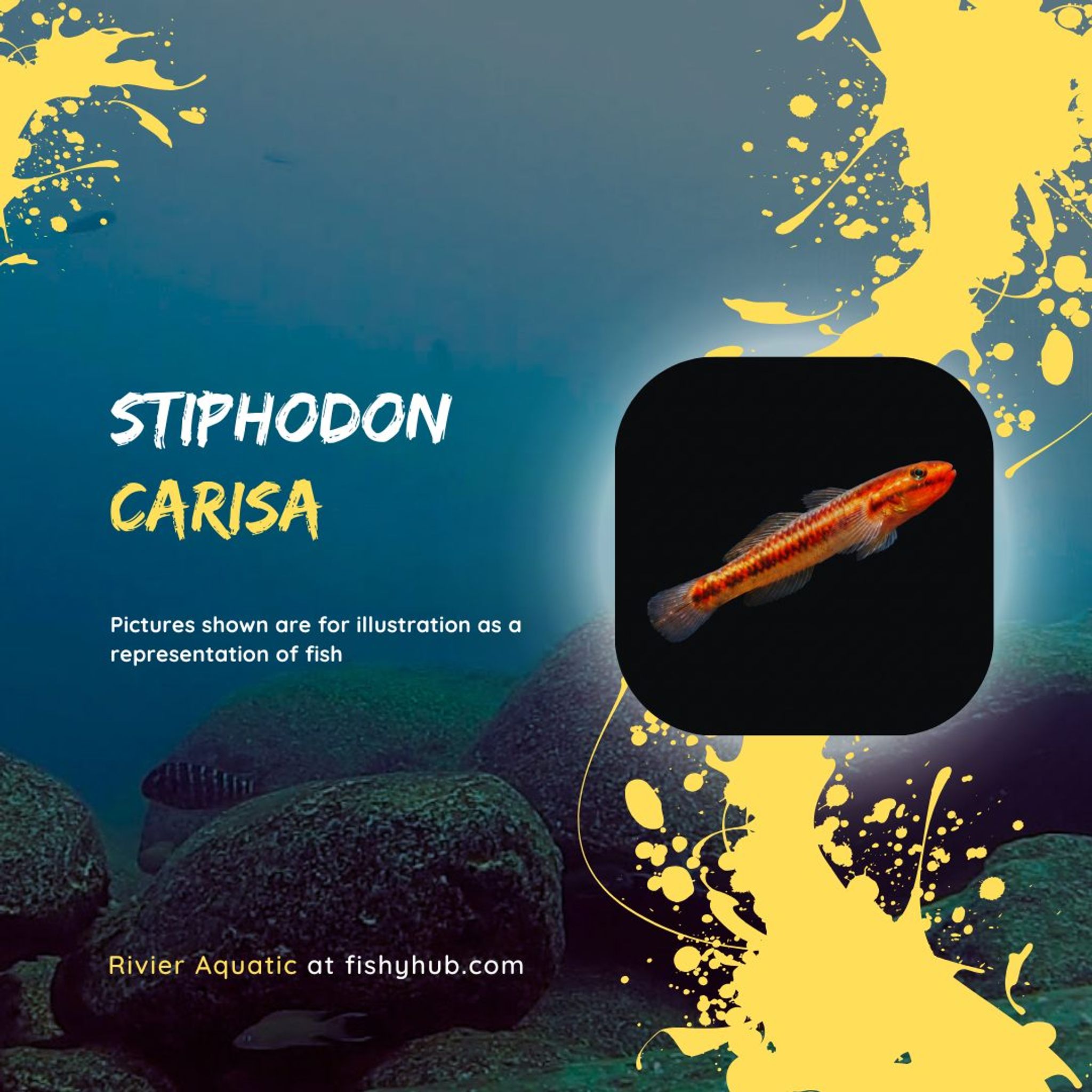
Lampung Hill-Stream Goby (Stip..
SGD 73.00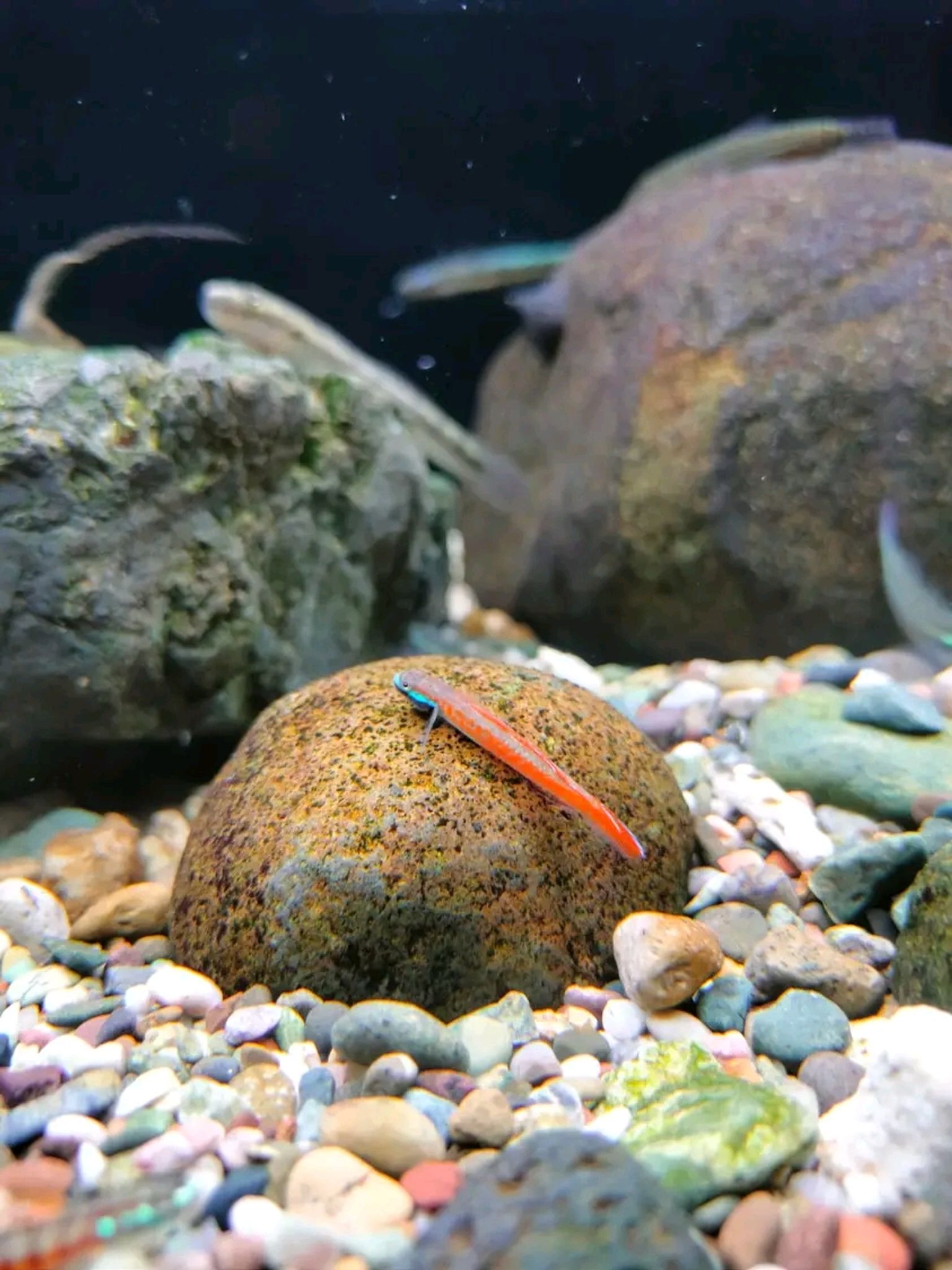
Goby (Stiphodon anniae)
SGD 75.00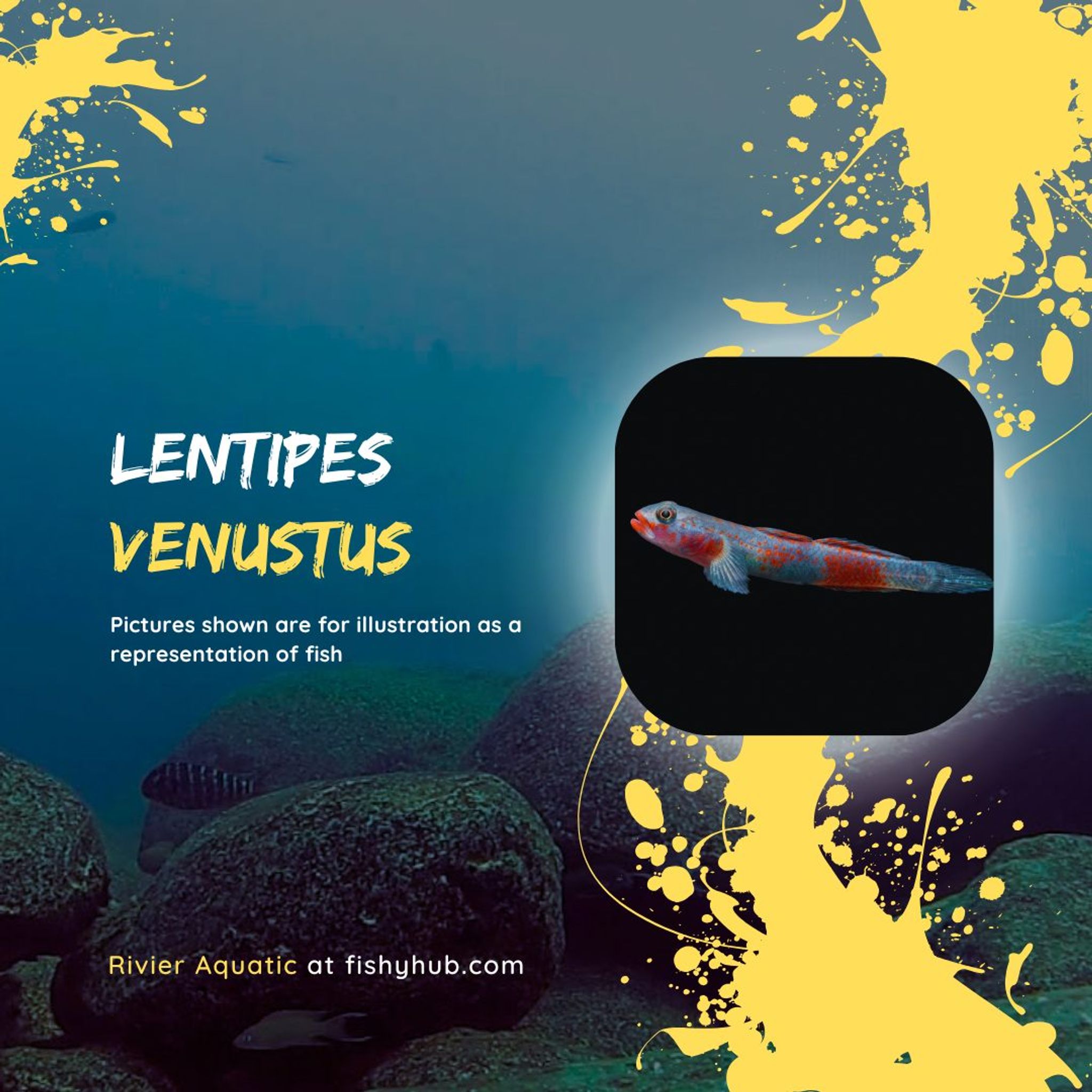
Venus Goby (Lentipes Venustus)
SGD 73.00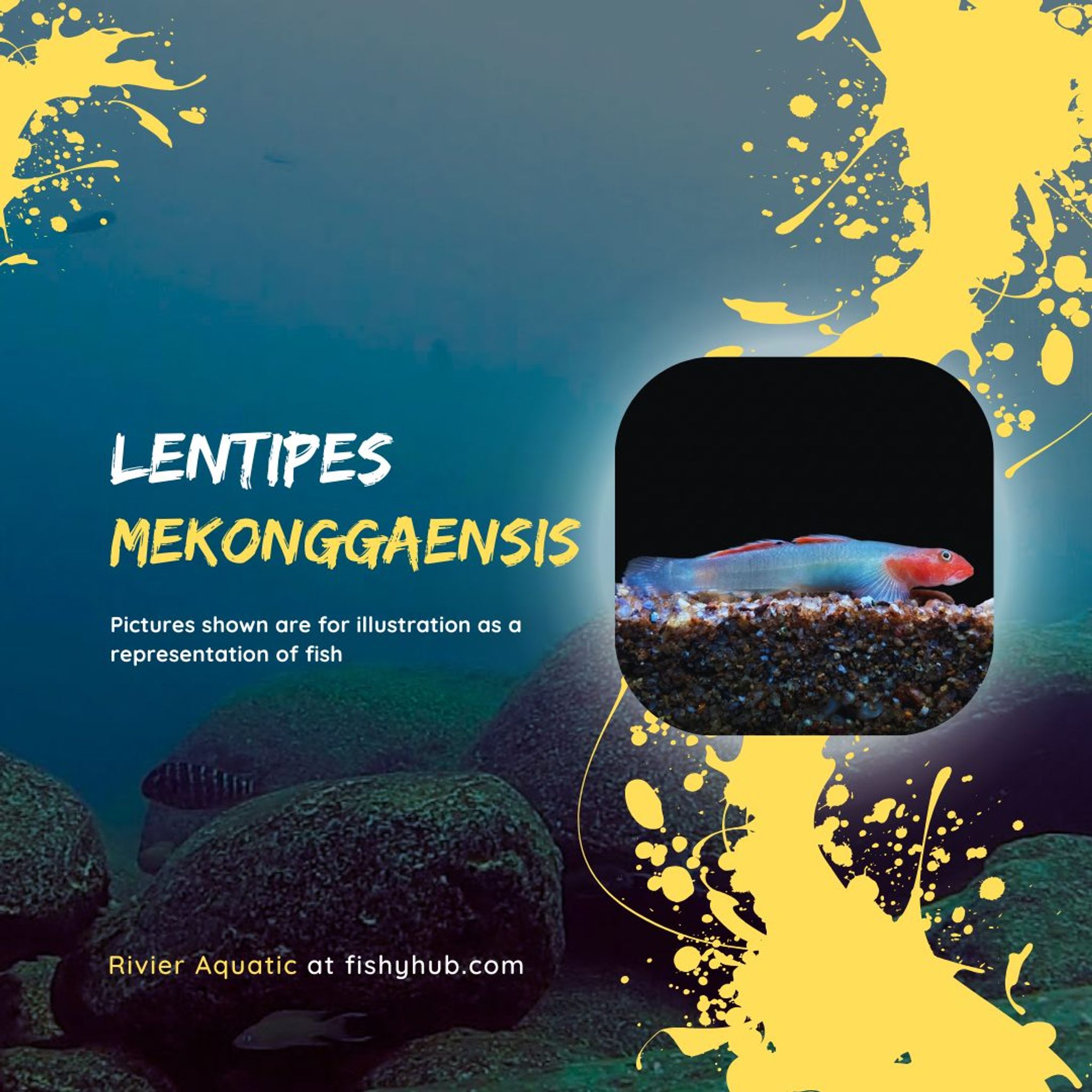
Mekongga Stream Goby (Lentipes..
SGD 73.00Violet goby 18-25cm
SGD 27.50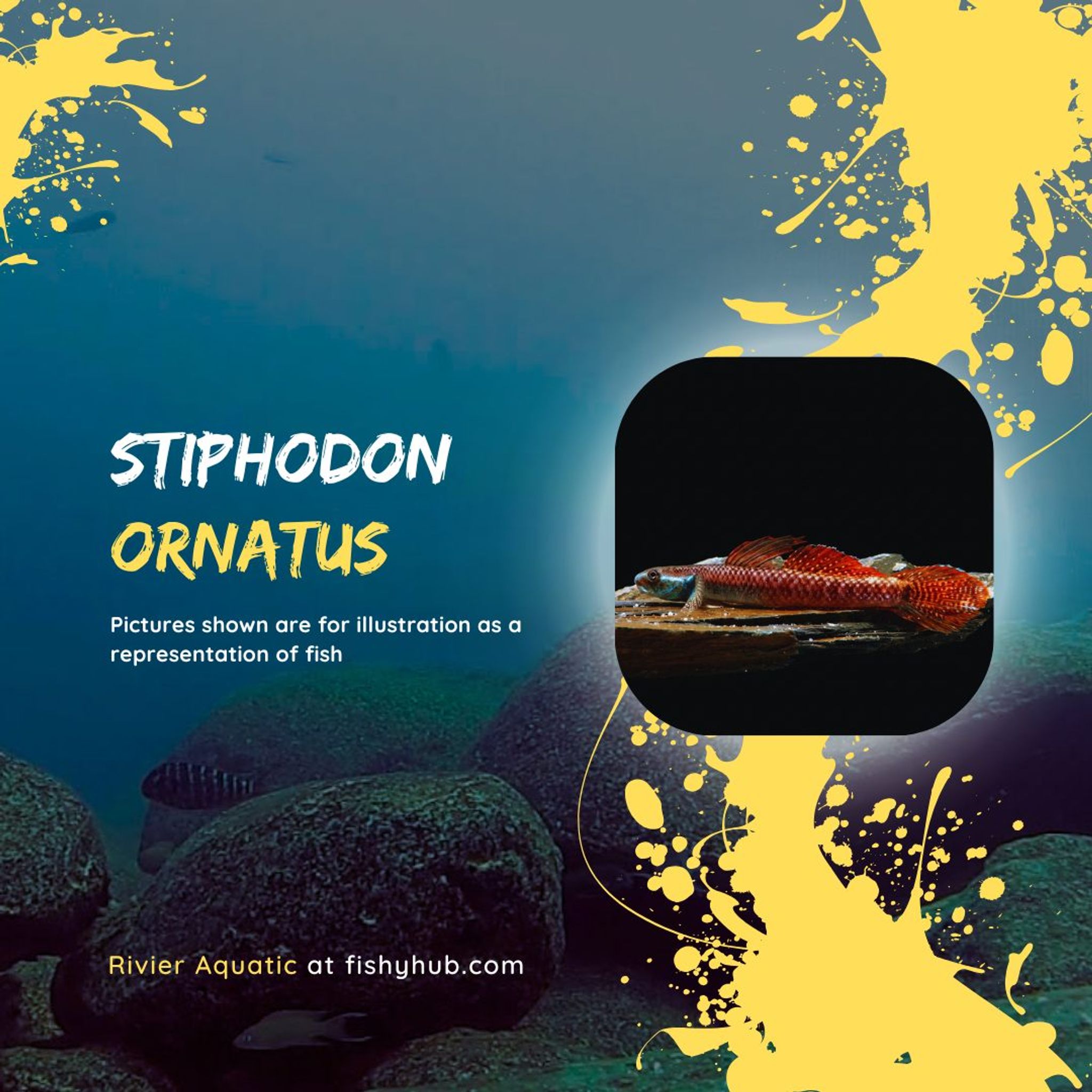
Rainbow Stiphodon (Stiphodon O..
SGD 73.00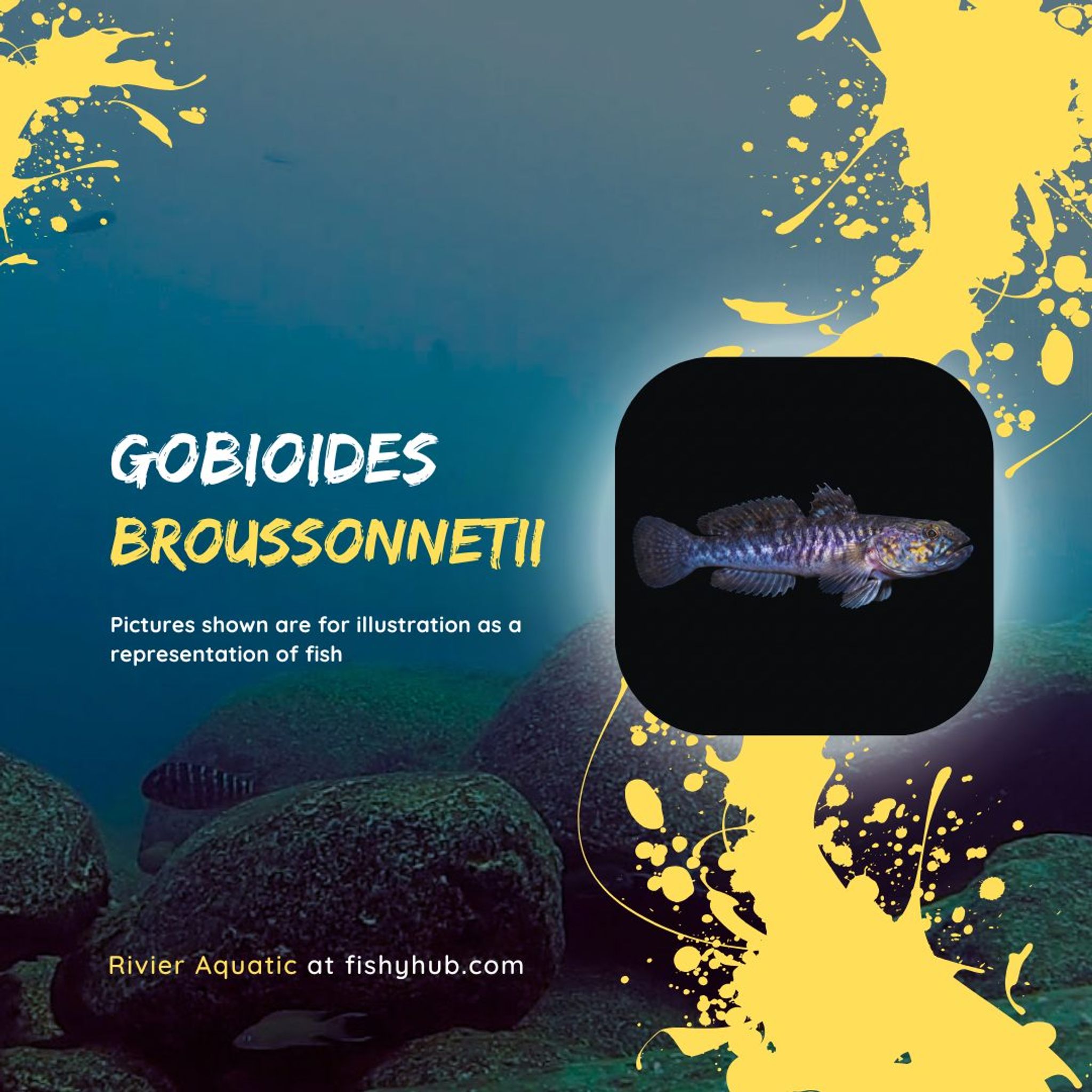
Violet Dragon Goby (Gobioides ..
SGD 73.00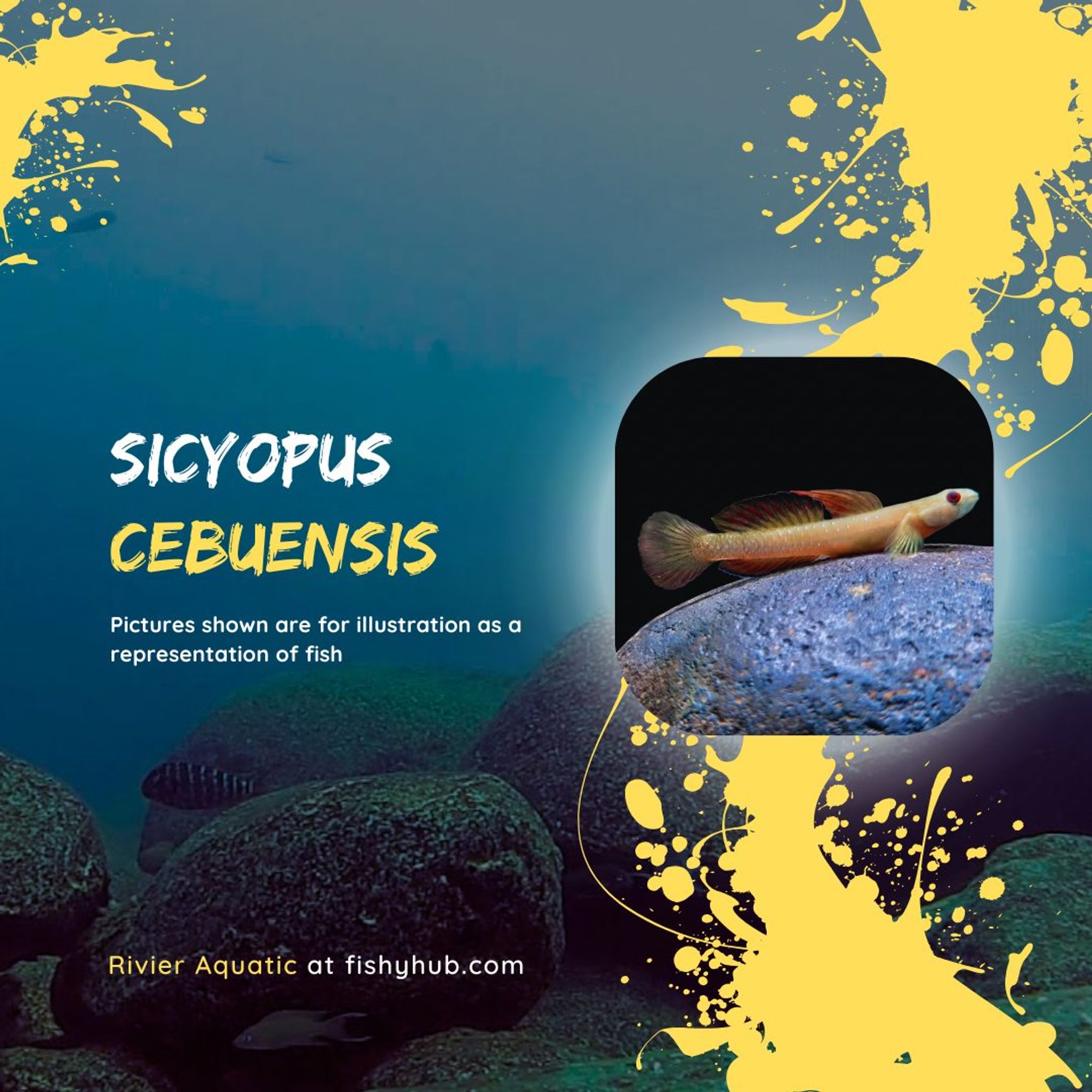
Cebu Orange Tail Goby (Sicyopu..
SGD 73.00
Blue neon goby 3cm
SGD 4.95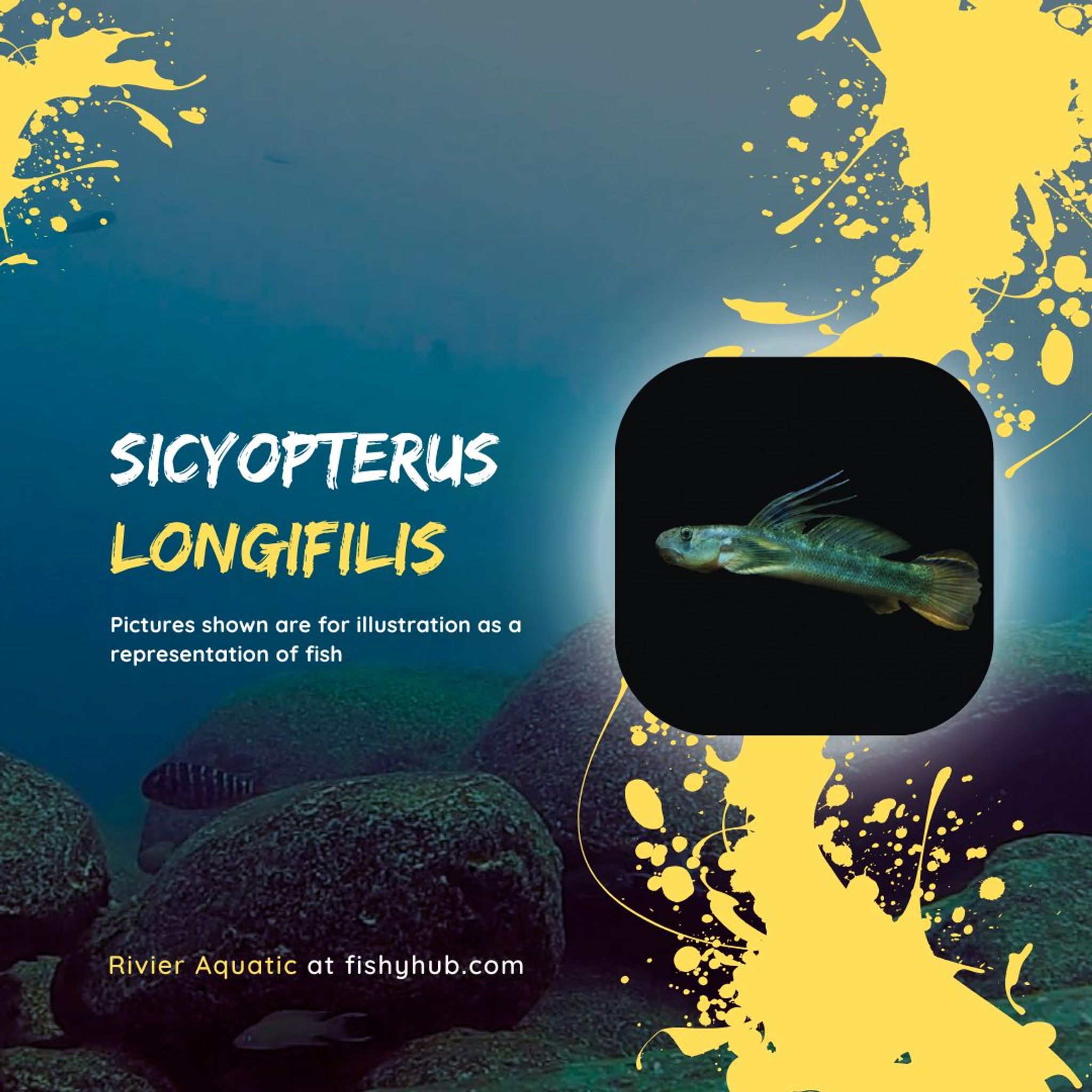
Threadfin Goby (Sicyopterus Lo..
SGD 73.00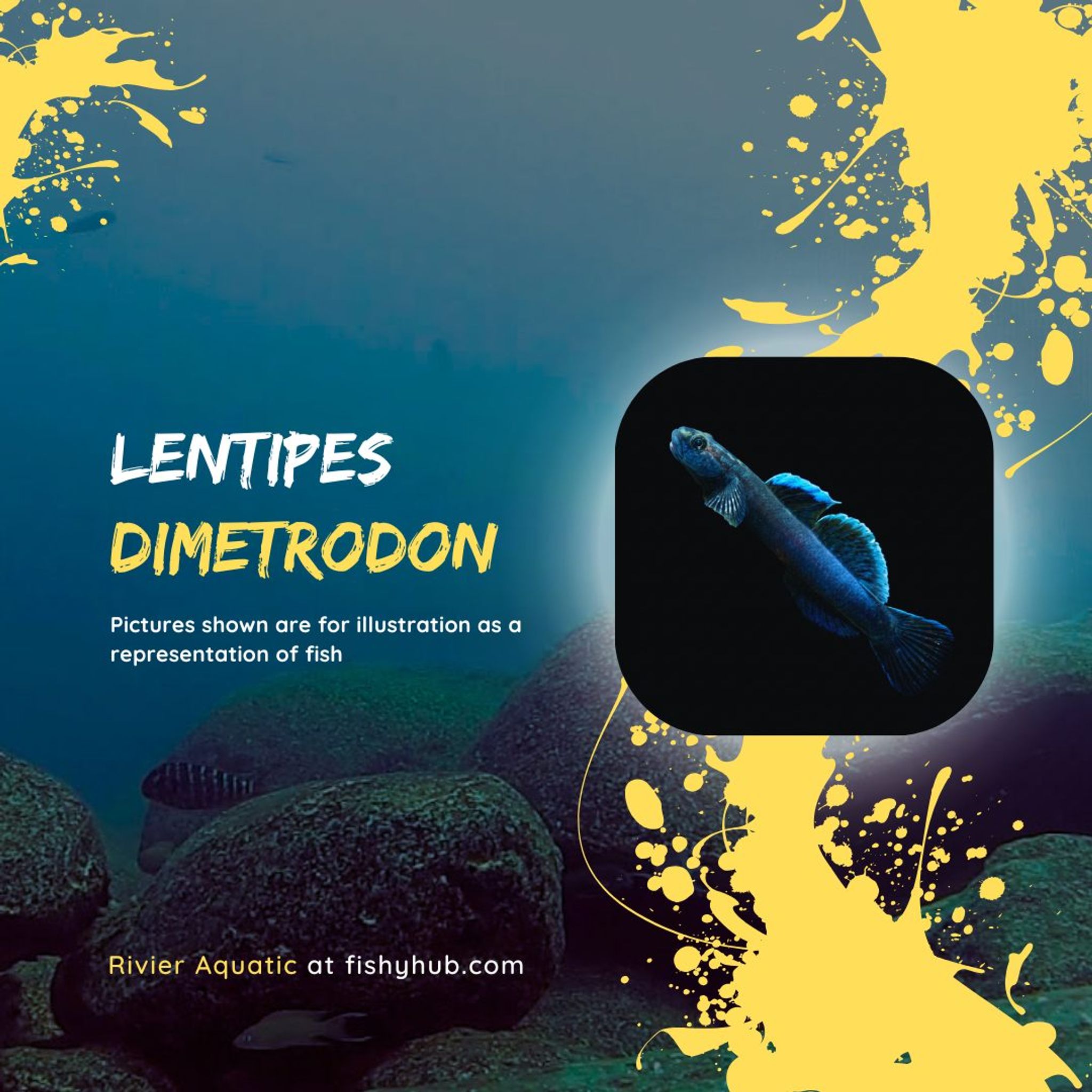
Midnight Goby (Lentipes Dimetr..
SGD 73.00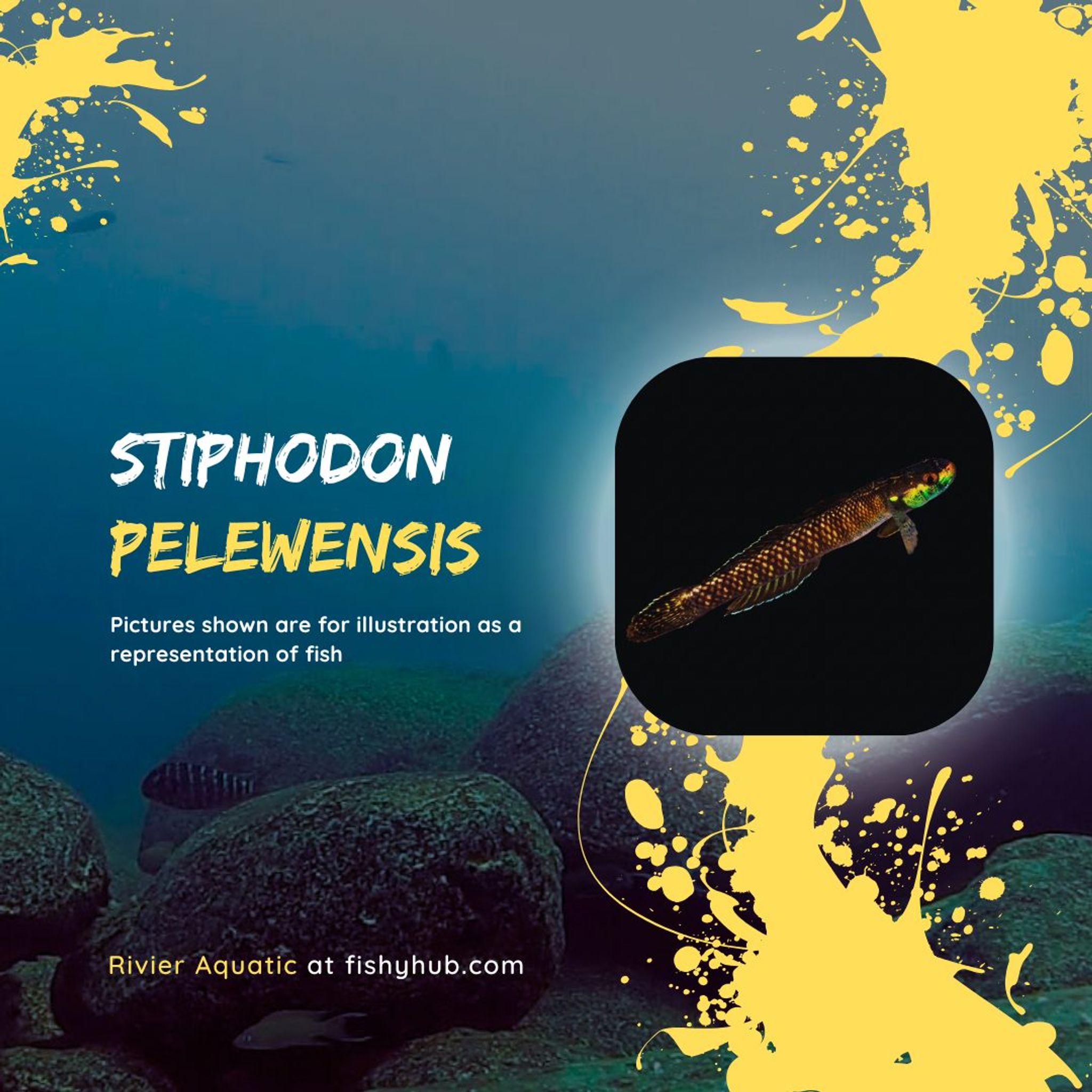
Palauan Riffle Dwarf Goby (Sti..
SGD 73.00Dragon microgoby 2.5cm
SGD 11.00Bumblebee goby ( OO-0161 )
SGD 1.20Red belt goby 3cm
SGD 11.00Red Tailed Goby (Sicyopterus L..
SGD 73.00Blue Neon Dwarf Goby (Stiphodo..
SGD 69.00White cheek goby 3cm
SGD 6.05Yellowstripe Goby (Mugilogobiu..
SGD 73.00Violet Goby (Gobioides Brousso..
SGD 25.00Red Lipstick Goby 3cm
SGD 5.50Golden Black Goby (Stiphodon A..
SGD 69.00Birdsong Goby (Stiphodon Surru..
SGD 73.00Flame goby 3cm
SGD 11.00Golden Red Goby (Stiphodon Rut..
SGD 73.00Blue Belly Red Goby (Lentipes ..
SGD 69.00Orange Fin Goby (Stiphodon Mac..
SGD 73.00Helmeted Goby (Mugilogobius Pa..
SGD 73.00Goby rubicundus ( redlips)
SGD 30.00Red Neon Goby 4cm
SGD 5.50Red Belted Goby (Sicyopus Zost..
SGD 69.00Goby venus ( lentipes venustus..
SGD 75.00Marble goby (Soon Hock)
SGD 30.00Goby dimetrodon
SGD 75.00Neon Blue Goby
SGD 2.00Goby rutilaurus
SGD 75.00Annie's Dwarf Goby (Stiphodon ..
SGD 69.00Blue Neon Goby (Stiphodon Semo..
SGD 69.00Gold Neon Dwarf Goby (Stiphodo..
SGD 73.00Bumblebee Goby 1.5-2cm
SGD 1.54Lampung Hill-Stream Goby (Stip..
SGD 73.00Goby (Stiphodon anniae)
SGD 75.00Venus Goby (Lentipes Venustus)
SGD 73.00Mekongga Stream Goby (Lentipes..
SGD 73.00Violet goby 18-25cm
SGD 27.50Rainbow Stiphodon (Stiphodon O..
SGD 73.00Violet Dragon Goby (Gobioides ..
SGD 73.00Cebu Orange Tail Goby (Sicyopu..
SGD 73.00Blue neon goby 3cm
SGD 4.95Threadfin Goby (Sicyopterus Lo..
SGD 73.00Midnight Goby (Lentipes Dimetr..
SGD 73.00