The Most Common Aquarium Problems According to Fishkeeper Searches
Judged by what fishkeepers type into the FishyHub search bar, the most common aquarium problems are algae, water quality and filtration, getting the substrate and plants right, feeding, and fish that outgrow or fight in their tank. Shoppers rarely search for the problem itself. They search for the fix: a pleco, a snail, a filter, a bag of sand, a feeder, or a bigger tank, and those searches sketch a clear map of where hobbyists run into trouble.
Key Findings
- FishyHub search data shows "tank" among the most searched terms on the marketplace, with "fish tank" also searched often, which points to tank size and setup as the root of many aquarium problems.
- FishyHub search data shows algae control is a constant concern: plecos and snails are among the most searched terms, and amano shrimp, nerite snails, otos and algae eaters all appear in searches as well.
- FishyHub marketplace data shows plecos have very high listing supply in the US and sit in the upper mid-range price tier, with a very wide price spread between common and fancy varieties.
- On FishyHub in the US, algae eaters, corydoras, loaches, Neocaridina shrimp and snails are all in the entry-level / budget price tier, so a basic clean-up crew is an affordable fix.
- FishyHub search data shows a steady stream of equipment and hardscape searches, including filter, gravel, sand, driftwood, moss, plants and carbon dioxide, a sign that water quality and planted setups generate ongoing questions.
- FishyHub search data shows large predatory fish such as arowana, channa, gar, oscar and flowerhorn among the most searched terms, the group most often linked to fish outgrowing their aquarium.
- FishyHub data shows US listings of algae eaters, corydoras, loaches, plecos and snails are all rising, so the range of clean-up animals available to American buyers is widening.
Reading Search Data as a Map of Problems
The FishyHub search bar is a shopping search. People type the name of an animal or a piece of kit, not a sentence such as "why is my water green". That means problems have to be read from the solutions people look for. When a hobbyist searches for an otocinclus, a nerite snail and an amano shrimp in the same week, the tank behind those searches almost certainly has algae on the glass.
Read this way, the searches fall into a handful of familiar themes. They are grouped below, and within each group we explain why the problem is so common in American homes and what the US marketplace offers as a response.
Algae: The Problem Behind the Clean-Up Crew
Algae is the problem nearly every keeper meets, usually within the first months of a new tank. It grows when light and nutrients outrun what plants and filtration can use: a tank by a sunny window, lights left on too long, overfeeding, or too few water changes.
The searches show how many people reach for animals rather than chemicals. Plecos and snails are very heavily searched, and the more specific algae grazers (amano shrimp, nerite snails, otos and algae eaters) appear too. FishyHub's US listings line up well with that demand:
| Clean-up animal | US listing supply | US price tier |
|---|---|---|
| Algae eaters | Moderate | Entry-level / budget |
| Corydoras | Moderate | Entry-level / budget |
| Loaches | High | Entry-level / budget |
| Neocaridina shrimp | High | Entry-level / budget |
| Plecos | Very high | Upper mid-range |
| Snails | High | Entry-level / budget |
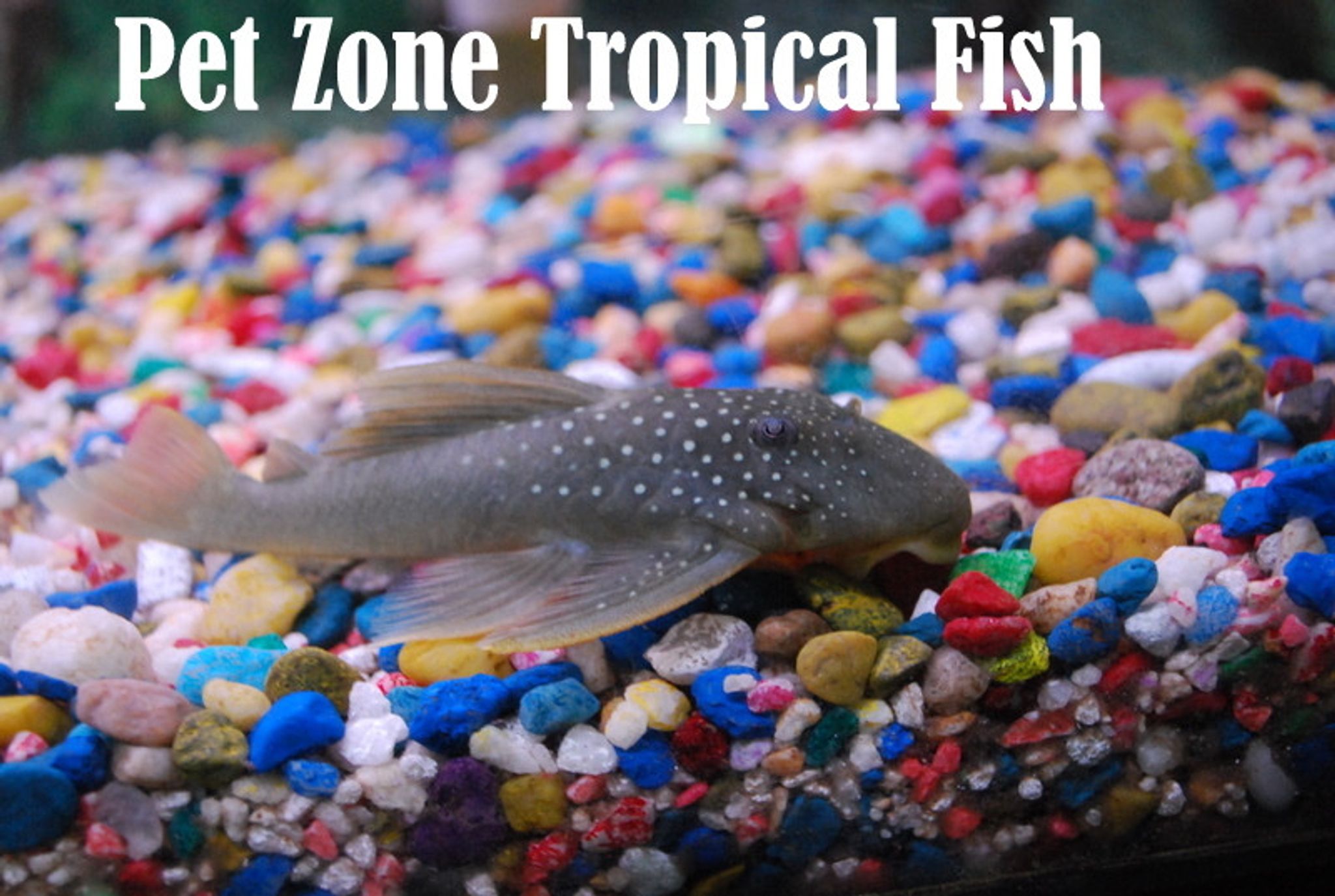
Two cautions apply. First, corydoras and loaches scavenge leftover food rather than eat algae, so they help with the cause (excess food) more than the symptom. Second, plecos carry the widest range of any group here. The very wide price spread on FishyHub reflects the gap between common plecos, which can grow large enough to need a big aquarium of their own, and fancy species that stay smaller and command higher prices. A pleco bought to clean a small tank can become a new problem in its own right.
Water Quality and Filtration
Cloudy water, ammonia spikes and sudden losses in a new tank all come back to the nitrogen cycle. A filter has to grow a colony of beneficial bacteria before it can process waste, and many first tanks are stocked before that happens. Searches for filters, gravel and sand cluster around this setup stage.
American tap water adds its own twist. Most municipal supplies are treated with chlorine or chloramine, which must be neutralized with a water conditioner before every water change. Hardness varies widely by region, too: many keepers in the Midwest and the Southwest deal with hard, alkaline water, while parts of the Pacific Northwest and the Southeast have softer water. Fish that suit one tap may struggle in another, which is why soft-water species such as discus and rams can be tricky for keepers on hard tap water.
Planted Tanks and Hardscape
Searches for plants, moss, frogbit, driftwood and carbon dioxide point to a second wave of problems that comes once a keeper moves from a basic tank to a planted one. Plants that melt after planting, driftwood that tints the water brown, and carbon dioxide systems that need careful balancing are all common hurdles. Floating plants such as frogbit are a popular, low-effort answer to algae because they shade the water and absorb spare nutrients.
Temperature Swings
Temperature does not show up as a search term in FishyHub's tiers, so this is hobby context rather than a FishyHub finding, but it is a real US-specific problem. Tropical fish need a heater through winter in much of the country, especially across the Midwest & Central and East Coast & Northeast delivery zones. In the South & Southeast, summer heat can push tanks too warm instead. A heater that fails, or a tank placed near a drafty door or air vent, causes many unexplained losses.
Fish That Outgrow Their Tank or Fight
Large and predatory fish are some of the most searched terms on FishyHub: arowana, channa, flowerhorn, gar and oscar all sit in the very high search tier. These fish are striking, which is why people look for them, but they cause a familiar problem. On FishyHub's US listings, oscars and knifefish sit in the entry-level / budget price tier, because they are usually sold as small juveniles. Both grow into very large fish that need a big aquarium and strong filtration, and an inexpensive purchase can lead to an expensive upgrade.
Aggression is the other side of this theme. Puffers, which have a very wide price spread on FishyHub in the US, are often searched by people who do not yet know that many species nip fins and need their own tank. Snakeheads (channa) are a special case in the US: they are restricted under federal law and by many states, so American buyers should check the rules before searching for one.
Feeding
Searches for feeder, feeder fish and daphnia show how often feeding becomes a question. Predatory fish and puffers can refuse dry food, though overfeeding is the more common mistake and feeds straight back into algae and poor water.
Livestock Arriving Stressed
Buying online adds one more challenge that local fish store shoppers rarely face: shipping. Live fish travel by overnight courier in insulated boxes, and a long route or a hot or cold spell can stress them on arrival. Careful acclimation (floating the bag, then adding tank water slowly) matters more after a shipment than after a short drive home. Deliveries to the Alaska, Hawaii & territories zone travel furthest and usually cost more. This is general hobby guidance; FishyHub does not report shipping outcomes by zone.
Methodology
This page is based on FishyHub marketplace activity over the period from October 2024 to October 2026. We looked at search terms entered on FishyHub, active US listings, listed prices and their spread between varieties, and how new US listings are moving. All findings are reported as tiers and directions (for example "very high supply", "entry-level / budget", "rising"), not as figures.
Search terms combine the Singapore and US markets, because the search bar is shared. FishyHub's data on question-style searches did not hold enough entries to report, so problems are inferred from the products people search for. The US market is new on FishyHub and has no order history in this data. Temperature, tap water and shipping guidance is general hobby knowledge, not FishyHub data, and nothing here measures problems in aquariums outside the marketplace.
Frequently Asked Questions
What is the most common aquarium problem?
Algae. FishyHub search data shows plecos, snails and other algae grazers among the most searched terms, which points to algae as the problem keepers most often try to fix.
What fish help with algae in a US aquarium?
Algae eaters, amano shrimp, nerite snails, otos and some plecos all graze algae. On FishyHub in the US, most clean-up animals sit in the entry-level / budget price tier, while plecos are upper mid-range.
Why do my fish keep dying in a new tank?
Usually because the filter has not finished cycling, so ammonia builds up. Add fish slowly, test the water, and treat tap water with a conditioner before every change.
Which aquarium fish outgrow their tanks?
Oscars, common plecos, knifefish, arowana, gar and many monster fish. On FishyHub in the US, oscars and knifefish are priced as entry-level juveniles but grow very large.
How to Cite This Page
Source: FishyHub, "The Most Common Aquarium Problems According to Fishkeeper Searches" (2026), https://fishyhub.com/us/blogs/blog-detail/the-most-common-aquarium-problems-according-to-fishkeeper-searches


