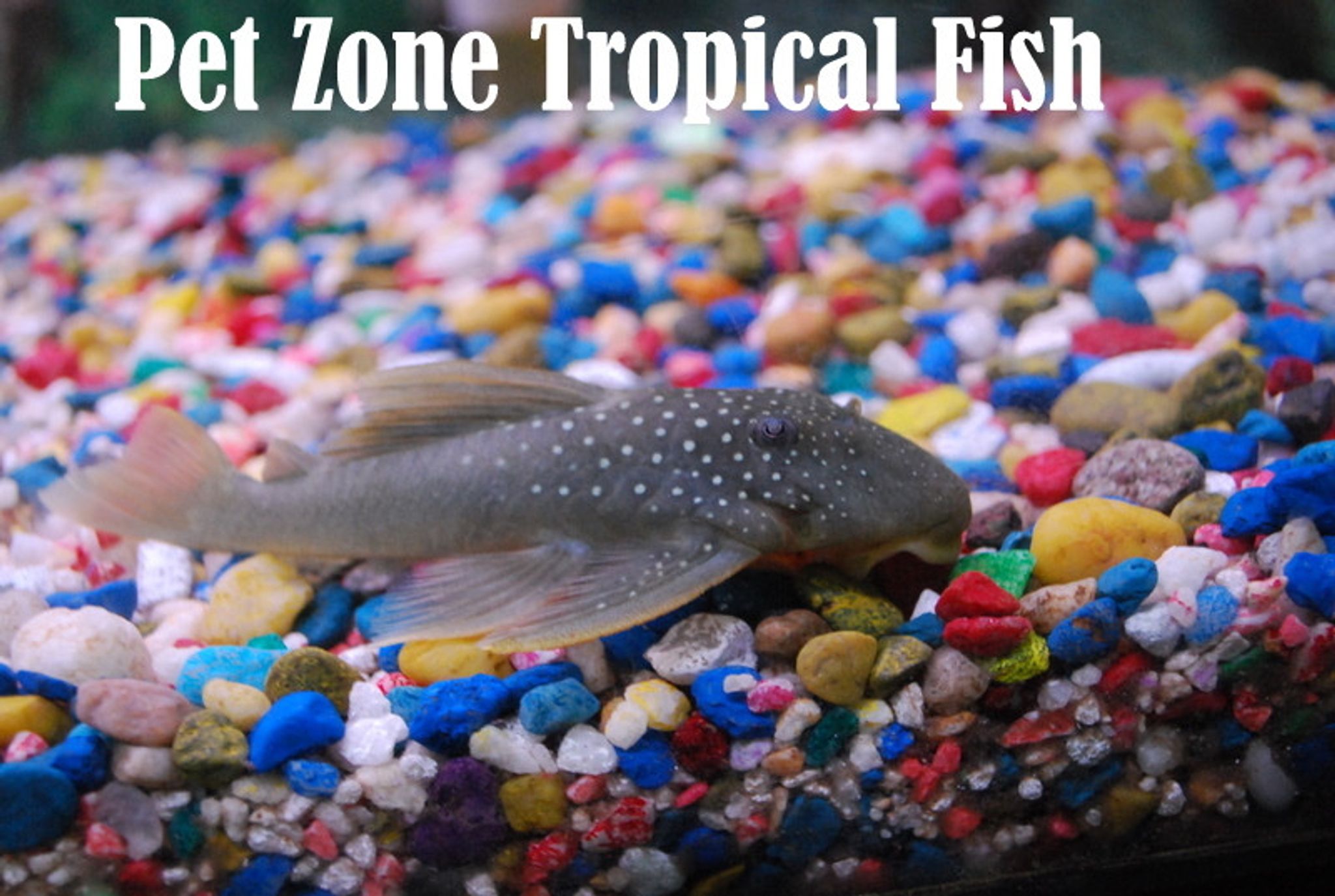
Pleco Statistics: Most Popular Species, Prices & Trends
Plecos are one of the most heavily listed fish on FishyHub's US marketplace, with very high listing supply and rising momentum. They sit in the upper mid-range price tier in USD terms, but with a very wide price spread: everyday bristlenose and common plecos are inexpensive, while rare L-number species such as zebra, gold nugget and royal plecos reach far higher. "Pleco" is also one of the most searched terms on FishyHub.
Key Findings
- FishyHub marketplace data shows plecos have very high listing supply in the US, among the deepest selections of any freshwater fish on the marketplace.
- FishyHub data shows plecos sit in the upper mid-range price tier in the US, above corydoras, loaches and general catfish, which are entry-level.
- FishyHub data shows plecos have a very wide price spread in the US, the widest band among bottom dwellers on the marketplace.
- FishyHub search data shows "pleco" is among the highest-volume search terms on the marketplace, with searches for specific L-number codes and for "oto" also appearing.
- FishyHub data shows new pleco listings rising in the US for 2026.
- FishyHub data shows algae eaters sit in the entry-level / budget tier in the US with moderate supply, a lower-cost alternative for algae control.
Why Plecos Are So Popular
Plecos, the suckermouth catfish of the family Loricariidae, combine practical and collector appeal. Beginners buy them for algae control and their prehistoric, armored look. Experienced keepers collect them: there is a huge range of described and undescribed species, many identified by "L-numbers", a code system hobbyists created to name fish before scientists formally described them. Collecting L-numbers has become a hobby of its own, with keepers seeking particular patterns, fin colors and breeding challenges.
That dual appeal shows in FishyHub's data. Very high supply covers the everyday fish, and a very wide price spread covers the collector end.
Popular Pleco Species in the US
FishyHub groups plecos as one category rather than species by species. The species below are those most commonly kept in the US hobby, grouped by tier of interest and listed alphabetically. They are hobby context, not FishyHub rankings.
Everyday plecos
- Bristlenose pleco - the most recommended pleco for home aquariums: small, hardy and easy to breed, in albino, calico, longfin and super red forms.
- Clown pleco - a small, banded wood-eating species.
- Rubber lip pleco - a compact, peaceful algae grazer.
Large plecos
- Common and sailfin plecos - sold as small juveniles, but grow very large. They suit ponds or very large tanks and are a frequent reason for rehoming.
- Royal pleco - a large, striking wood-eater with red eyes and pinstripes.
Collector L-number plecos
- Gold nugget pleco - black body with gold spots and fin edges.
- Leopard frog and queen arabesque plecos - small, patterned species prized for their markings.
- Snowball pleco - black with white spots.
- Zebra pleco - a striking black-and-white species from Brazil's Xingu River, subject to long-standing export restrictions, so most available fish are captive-bred.
Pleco Prices in the US
| Group | Price tier | Price spread | Listing supply |
|---|---|---|---|
| Plecos | Upper mid-range | Very wide | Very high |
| Algae eaters | Entry-level / budget | Moderate | Moderate |
| Catfish (general) | Entry-level / budget | Wide | Very high |
| Corydoras | Entry-level / budget | Moderate | Moderate |
| Bichirs | Mid-range | Moderate | High |
What drives pleco prices
Species and pattern. Bristlenose and common plecos are bred in huge numbers and sit at the bottom of the range. Patterned L-number species with small natural ranges sit at the top.
Export restrictions. Some of the most sought-after species, notably the zebra pleco, are protected in their home countries. Supply depends on captive breeding, which is slow, and prices stay high.
Breeding difficulty. Many L-number plecos are cave spawners that breed only under specific conditions. Each successful spawn yields a limited number of young, and fry grow slowly.
Size. Large adults of slow-growing species command far more than juveniles, since they took years to raise.
That mix explains why the pleco category's very wide spread sits alongside an upper mid-range overall tier: the average listing is not cheap, but there is a budget pleco for almost every tank.
Pleco Trends for 2026
- Rising listings. FishyHub data shows new pleco listings rising in the US, partly reflecting the marketplace's own growth.
- Captive-bred L-numbers. More hobbyists breed collector species at home, which slowly widens access to fish that were once only wild-caught.
- Bristlenose color forms. Longfin, calico and super red bristlenose continue to grow as an affordable entry into "fancy" plecos.
- Responsible sizing. Hobby advice increasingly steers beginners toward bristlenose instead of common plecos, which outgrow most home tanks.
Buying and Shipping Plecos in the US
Plecos generally ship well by overnight courier in insulated boxes. Their spines can puncture bags, so sellers often double-bag them or wrap the bag. Large species ship individually. Buyers in the Alaska, Hawaii & territories zone can expect longer transit and higher shipping than those in the Midwest & Central, East Coast & Northeast, South & Southeast and West Coast & Mountain West zones. This is general hobby context, not FishyHub shipping data.
Most plecos need a heater in American homes, and many L-number species prefer warm, well-oxygenated water with strong flow. Keepers in hard-water regions often keep bristlenose with little adjustment, while some wild-caught species benefit from softer water.
Methodology
This page is based on FishyHub marketplace activity in the US over the period from October 2024 to October 2026. We looked at active pleco listings, listed prices and their spread, new listings over time, related bottom-dweller categories for comparison, and shopper search terms. Findings are reported as tiers and directions, not figures.
The US marketplace is new and has no order history in this data, so popularity is described through listing supply and search interest rather than purchases. FishyHub groups plecos as a single category and does not report species or L-number data, so species named here come from general hobby knowledge. Search terms combine the US and Singapore markets. The data covers fish sold by independent merchants on FishyHub, not local fish stores or the wider US trade.
Frequently Asked Questions
How much does a pleco cost?
On FishyHub's US marketplace, plecos sit in the upper mid-range price tier with a very wide price spread. Bristlenose and common plecos are inexpensive, while rare L-number species cost much more.
What is the most popular pleco?
FishyHub groups plecos as one category, but in the wider US hobby the bristlenose is the most commonly recommended pleco for home aquariums.
Why are zebra plecos so expensive?
Zebra plecos come from a single river system in Brazil, are subject to export restrictions, and breed slowly in captivity, so supply stays tight.
What does L-number mean for plecos?
It is a hobby code used to identify loricariid catfish, many of which had no formal scientific name when they were first imported.
Do plecos really clean algae?
Bristlenose and some other species graze algae well. Many plecos, though, eat wood, meaty foods or prepared diets and need feeding rather than relying on algae.
How to Cite This Page
Source: FishyHub, "Pleco Statistics: Most Popular Species, Prices & Trends" (2026), https://fishyhub.com/us/blogs/blog-detail/pleco-statistics-most-popular-species-prices-and-trends


