Corydoras Statistics: Most Popular Species & Prices
On FishyHub's US marketplace, corydoras catfish are an entry-level / budget fish in USD terms, with a moderate price spread between species and moderate listing supply. New cory listings are rising, and shoppers search for them by both "cory" and "corydoras", each a high-volume search term. The species American hobbyists keep most, such as bronze, albino, panda, peppered and julii-type corys, are inexpensive community fish, while rarer wild species cost more within the same group.
Key Findings
- FishyHub marketplace data shows corydoras sit in the entry-level / budget price tier in the US, with a moderate price spread between species.
- FishyHub data shows corydoras have moderate listing supply in the US, a narrower selection than catfish in general, which have very high supply.
- FishyHub search data shows "cory" and "corydoras" are both high-volume search terms, "panda" is a moderate search, and "corydoras panda" appears as a specific search.
- FishyHub data shows new corydoras listings rising in the US for 2026.
- On FishyHub, corydoras sit in the same entry-level tier as loaches, gobies, algae eaters and catfish in the US, well below plecos in the upper mid-range.
Why Corydoras Are So Widely Kept
Corydoras are the friendly face of the bottom of the tank. They are small, peaceful, live in groups, and spend the day sifting through sand for leftover food. They suit almost any community tank, they tolerate a range of water conditions, and their "winking" eye movement and synchronized foraging make them fun to watch. For many American hobbyists, a group of corys is part of their very first community setup.
They are also well supplied by commercial farms. Bronze, albino, peppered and panda corys are bred in large numbers for the aquarium trade, which keeps everyday species affordable.
Popular Corydoras Species in the US
FishyHub tracks corydoras as one category rather than species by species. The species below are those most commonly kept in the US hobby, grouped by type and listed alphabetically. They are hobby context, not FishyHub rankings.
Everyday community corys
- Albino cory - a color form of the bronze cory, bright against dark substrate.
- Bronze cory - hardy and widely bred, a classic beginner fish.
- Julii and false julii cory - spotted and striped species; most fish sold under the julii name are the closely related three-line cory.
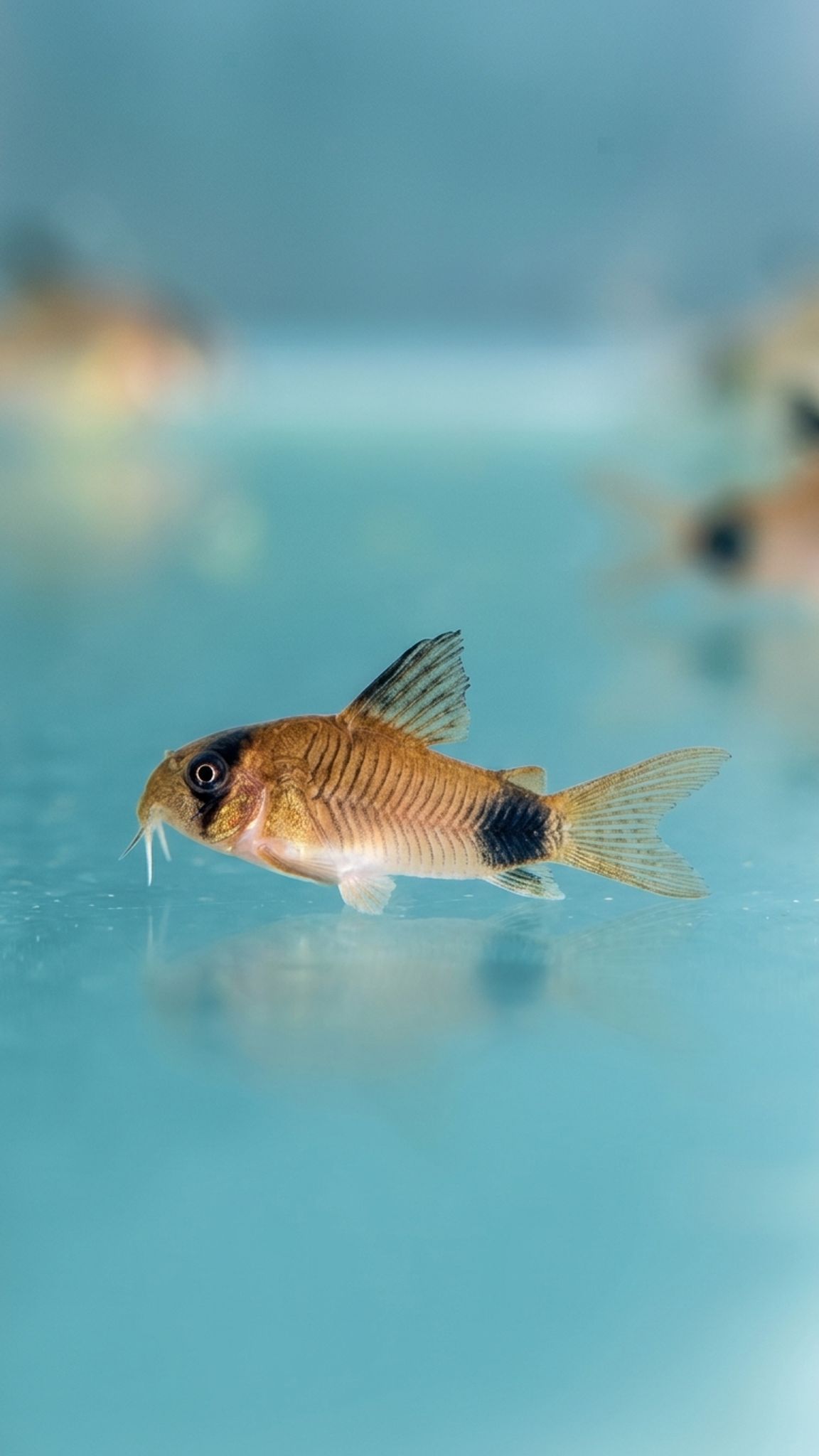
- Panda cory - black eye patches on a pale body; popular enough to show up as its own FishyHub search.
- Peppered cory - mottled gray and one of the hardiest species.
Dwarf corys
- Habrosus, hastatus and pygmy corys - tiny species suited to nano and planted tanks, often kept in larger schools.
Collector corys
- Adolfoi, sterbai and other South American species - patterned wild or wild-type species sought by specialist keepers.
- Unnamed species sold under code numbers - newly discovered fish not yet formally described, which command higher prices.
Corydoras Prices in the US
| Group | Price tier | Price spread | Listing supply |
|---|---|---|---|
| Corydoras | Entry-level / budget | Moderate | Moderate |
| Catfish (general) | Entry-level / budget | Wide | Very high |
| Loaches | Entry-level / budget | Moderate | High |
| Plecos | Upper mid-range | Very wide | Very high |
What drives corydoras prices
Farm-bred versus wild. Farm-bred species like bronze and albino corys sit at the bottom of the range. Wild-caught species, and species that are hard to spawn in captivity, cost more because supply depends on collection seasons in South America.
Group buying. Corys should be kept in groups, so most buyers purchase several at once. A listing for a group costs more in total, which matters when comparing prices.
Size and age. Larger, mature corys of rare species carry a premium, while juveniles of common species are the cheapest entry point.
Rarity of a species. Corys sold under code numbers, rather than formal species names, are often rare imports or newly bred lines, and they sit at the top of the group's range.
The moderate price spread on FishyHub suggests that most cory listings in the US fall into the everyday community category, with relatively few collector species pulling the range upward.
Supply and Search
FishyHub search data shows that shoppers look for corys under both their nickname and their scientific name, and both are high-volume searches. Panda corys appear as a search of their own. At the same time, listing supply for corydoras in the US is moderate, below the very high supply for catfish as a whole. For buyers, that can mean fewer sellers to compare, especially for specific species, though new listings are rising.
Corydoras Trends for 2026
- Dwarf species fit the move toward smaller planted tanks, and pygmy and habrosus corys are increasingly popular for nano setups.
- Sand substrates are standard advice for corys, since sharp gravel can damage their barbels.
- Rising listings on FishyHub reflect new US sellers joining the marketplace as well as steady hobby demand.
Buying Corydoras in the US
Corys ship well by overnight courier in insulated boxes, with heat packs in winter. They have sharp fin spines that can puncture bags, so sellers often double-bag them. Buyers in the Alaska, Hawaii & territories zone can expect longer transit and higher shipping than those in the Midwest & Central, East Coast & Northeast, South & Southeast and West Coast & Mountain West zones. These are general hobby points rather than FishyHub data.
In most American homes, corys need a heater, though some species, such as peppered and bronze corys, are comfortable at the cooler end of the tropical range. Sterbai prefer warmer water and are often kept with discus.
Methodology
This page is based on FishyHub marketplace activity in the US over the period from October 2024 to October 2026. We looked at active corydoras listings, listed prices and their spread, new listings over time, related bottom-dweller categories for comparison, and shopper search terms. Findings are reported as tiers and directions, not figures.
The US marketplace is new and has no order history in this data, so popularity is described through listing supply and search interest rather than purchases. FishyHub groups corydoras as a single category, so the species named here come from general hobby knowledge. Search terms combine the US and Singapore markets. The data covers fish sold by independent merchants on FishyHub, not local fish stores or the wider US trade.
Frequently Asked Questions
How much do corydoras cost?
On FishyHub's US marketplace, corydoras sit in the entry-level / budget price tier with a moderate price spread. Rare and wild species cost more within the group.
What is the most popular cory catfish?
FishyHub groups corys as one category, but "panda" and "corydoras panda" appear as searches on the marketplace. In the wider US hobby, bronze, albino, panda and peppered corys are the most commonly kept.
How many corydoras should I buy?
Corys are schooling fish and should be kept in a group of their own kind. Most keepers buy several of the same species at once.
Are corydoras cheaper than plecos?
Yes. On FishyHub in the US, corydoras are in the entry-level tier while plecos sit in the upper mid-range.
Do corydoras need a heater?
In most US homes, yes. Peppered and bronze corys tolerate cooler water than many tropical fish, but a heater keeps conditions stable.
How to Cite This Page
Source: FishyHub, "Corydoras Statistics: Most Popular Species & Prices" (2026), https://fishyhub.com/us/blogs/blog-detail/corydoras-statistics-most-popular-species-and-prices


