1–15 of 15
1771743592410.jpeg?signature=9ea5c3800e1734b5878dddbc449d87152a6efe798d5641f59fb3bf30b6c5df77)
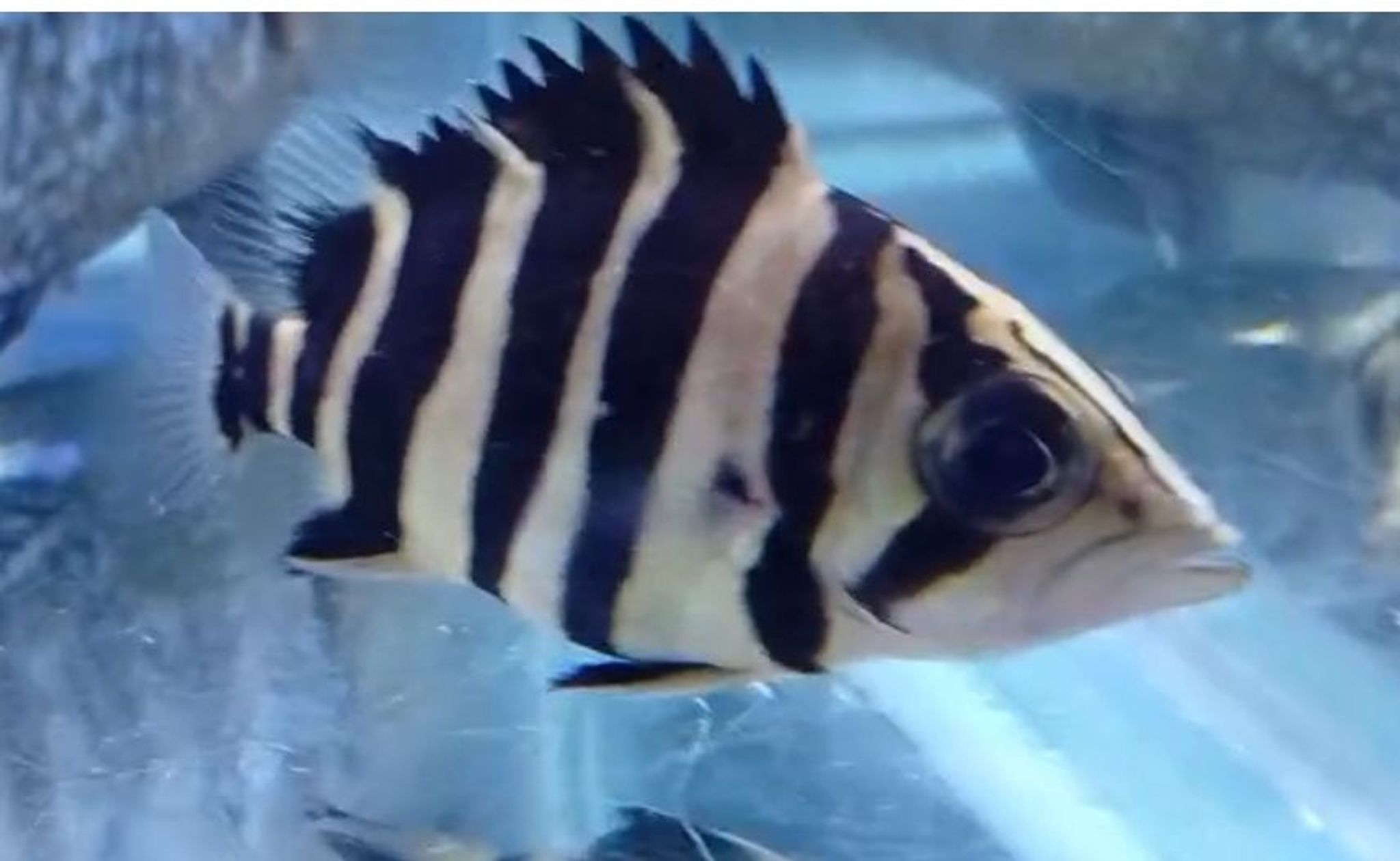
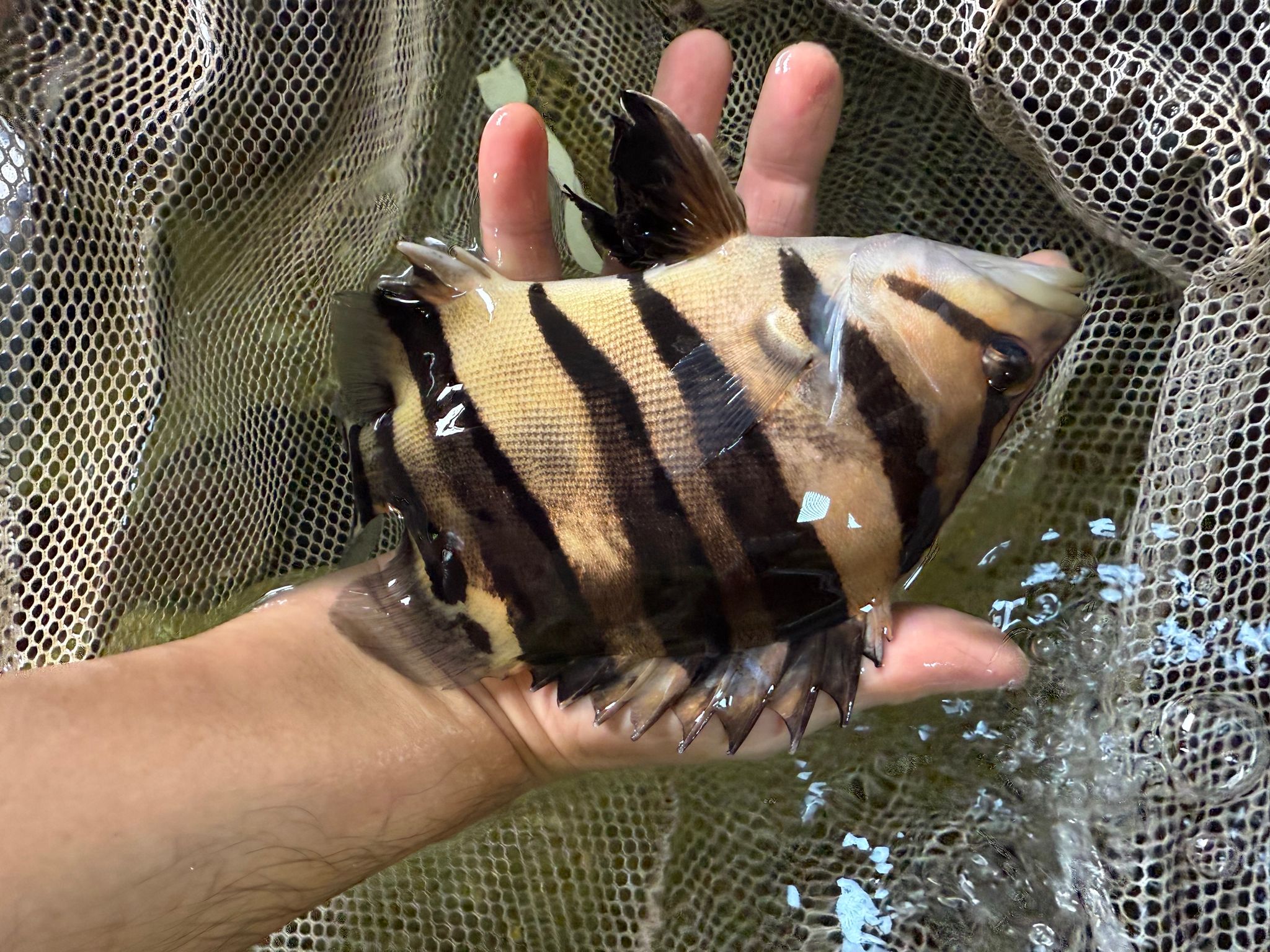
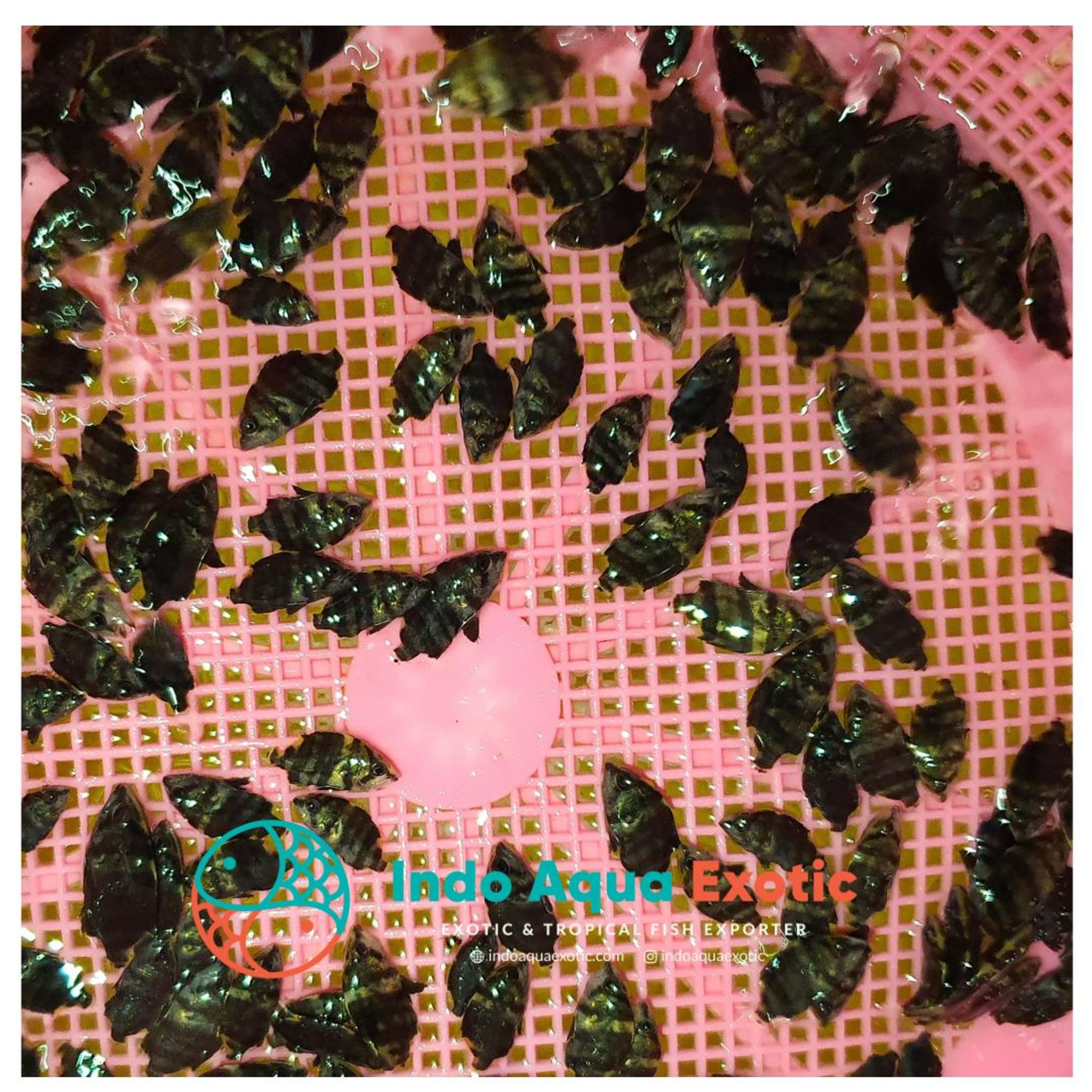
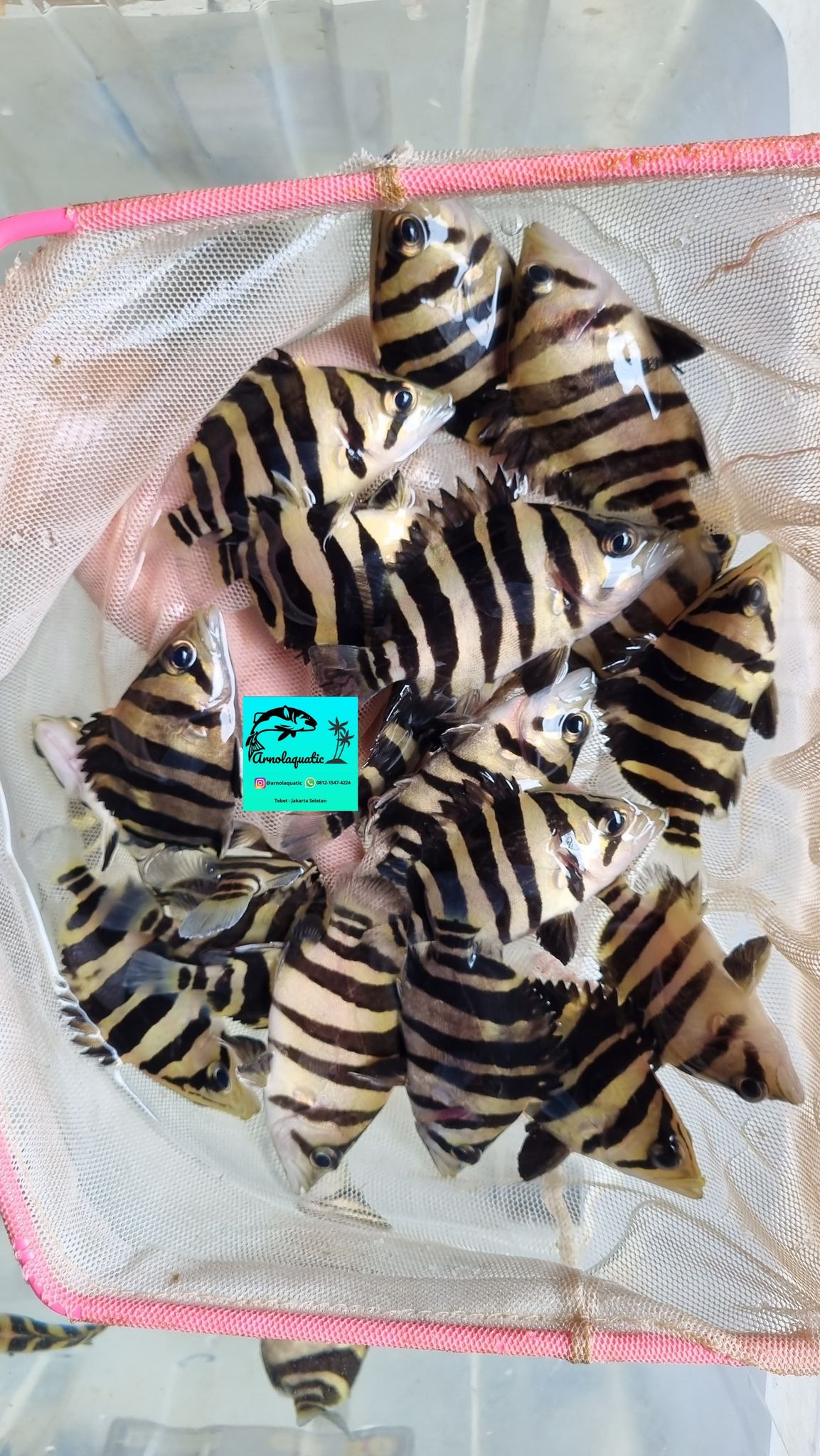
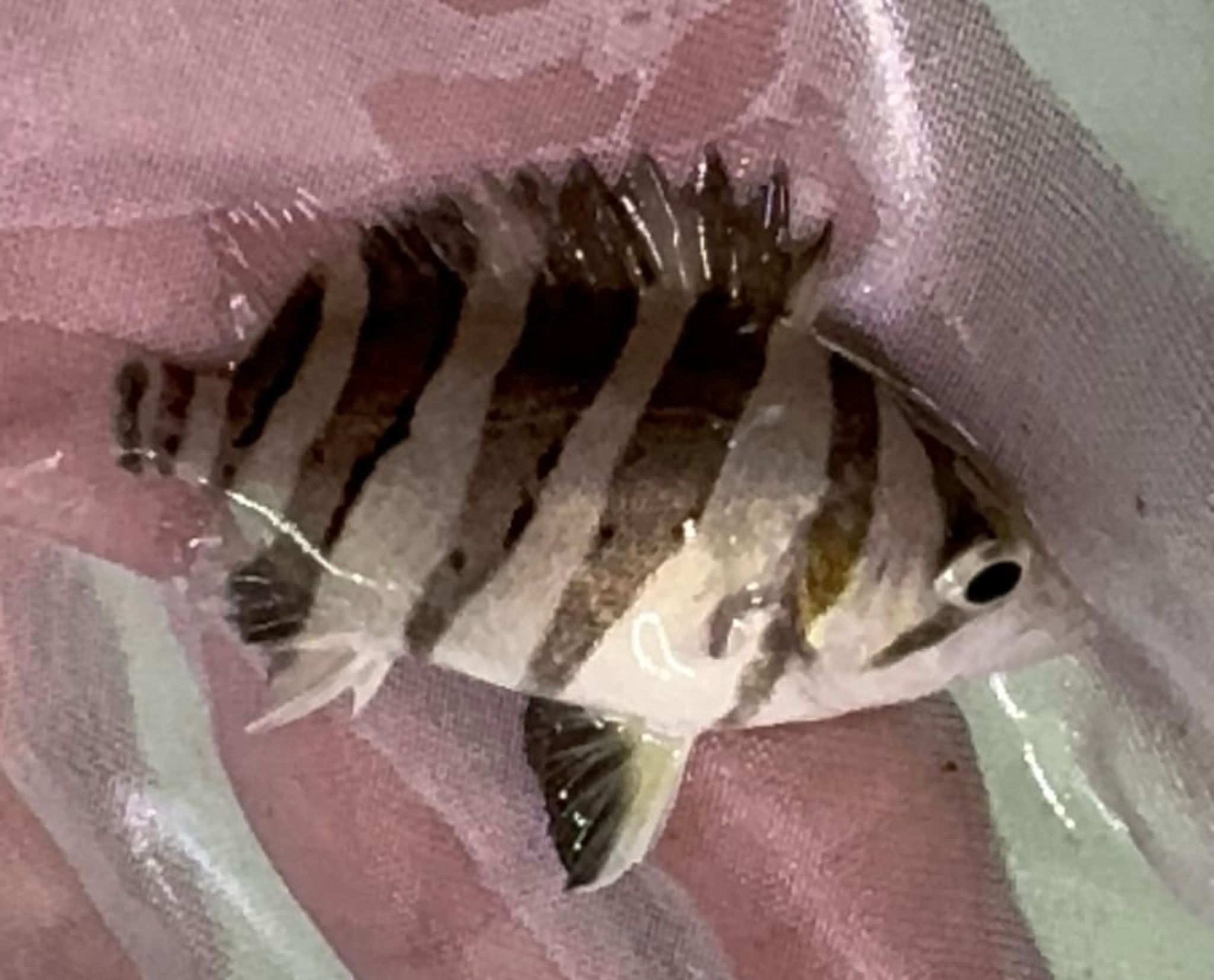
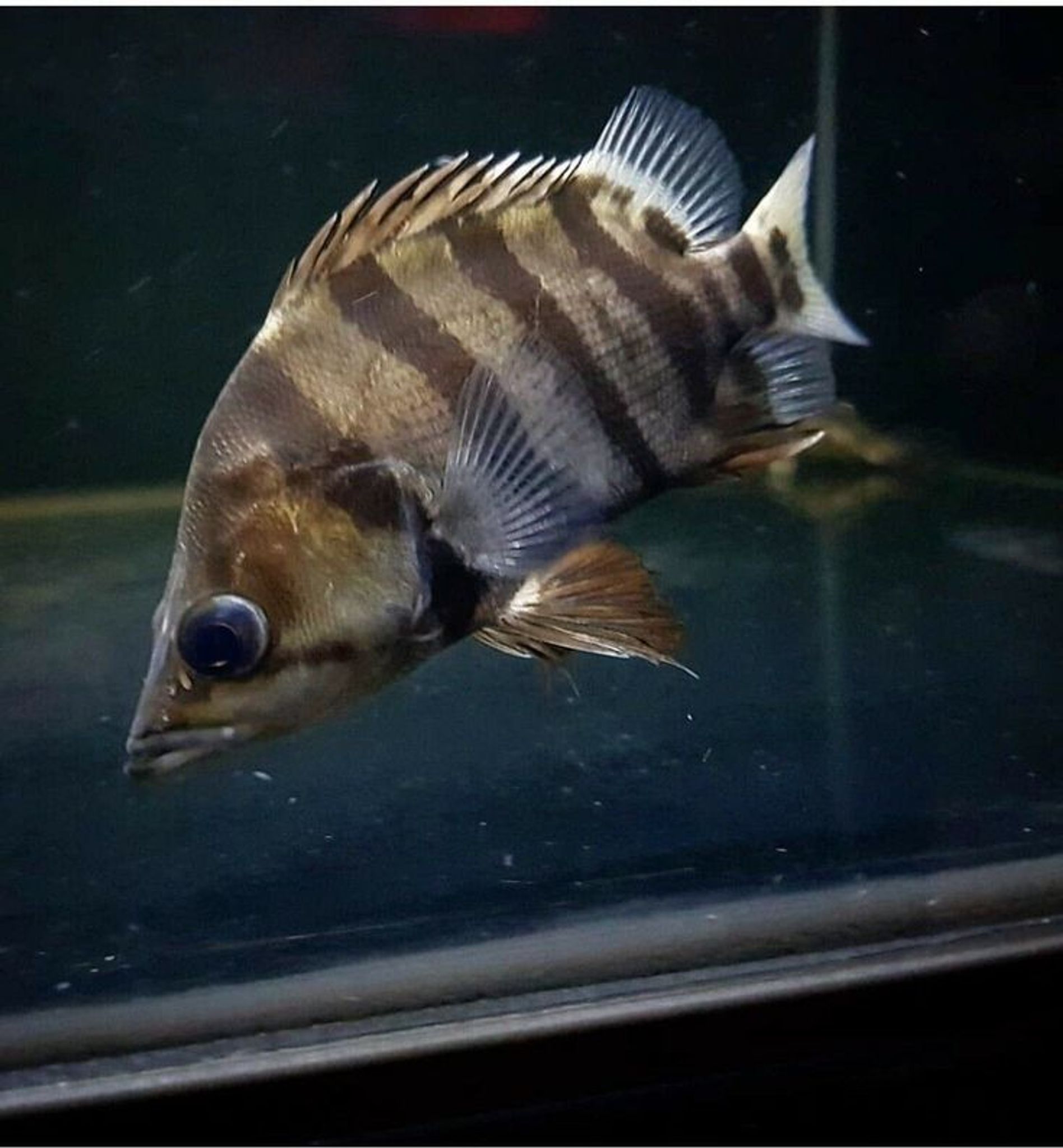
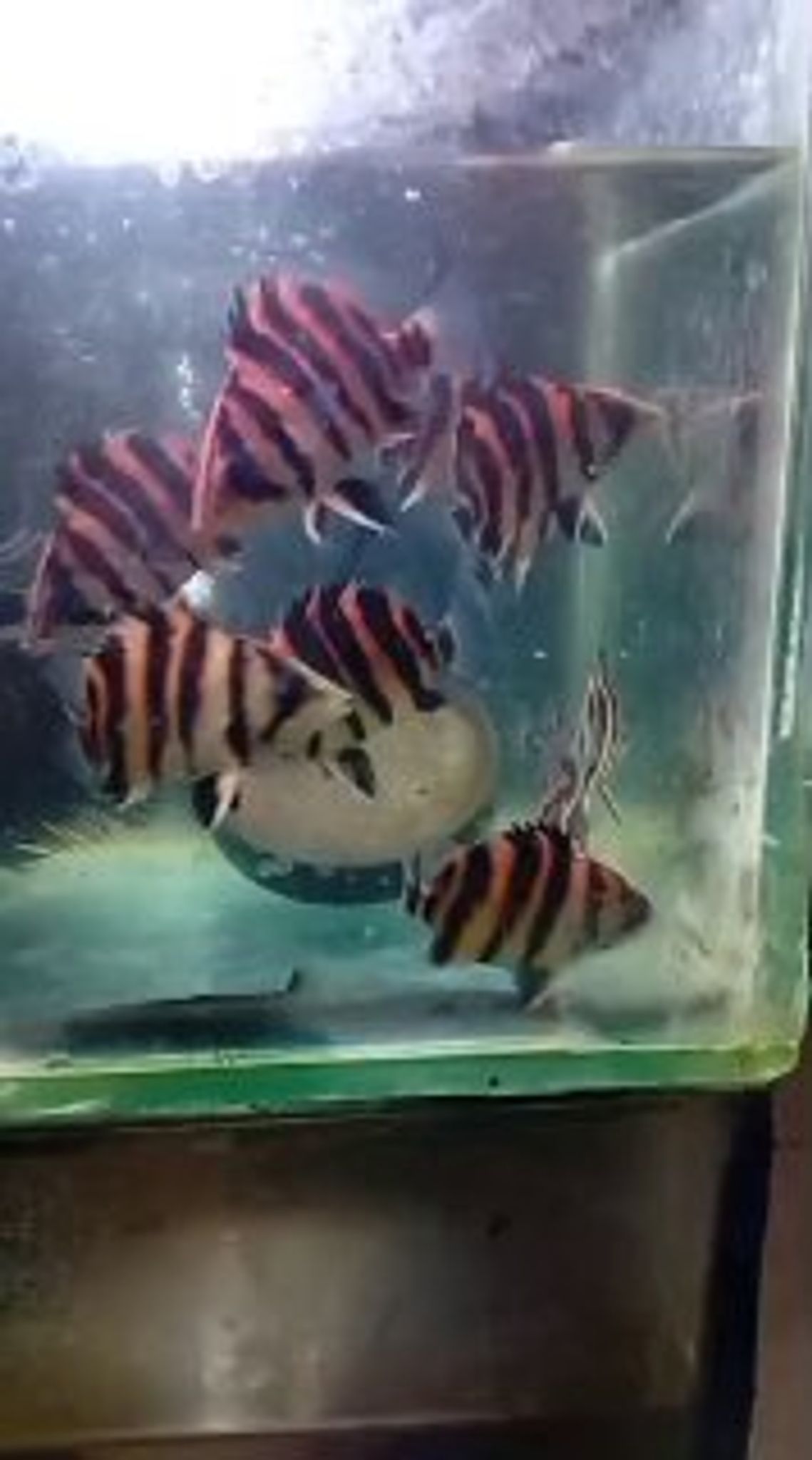
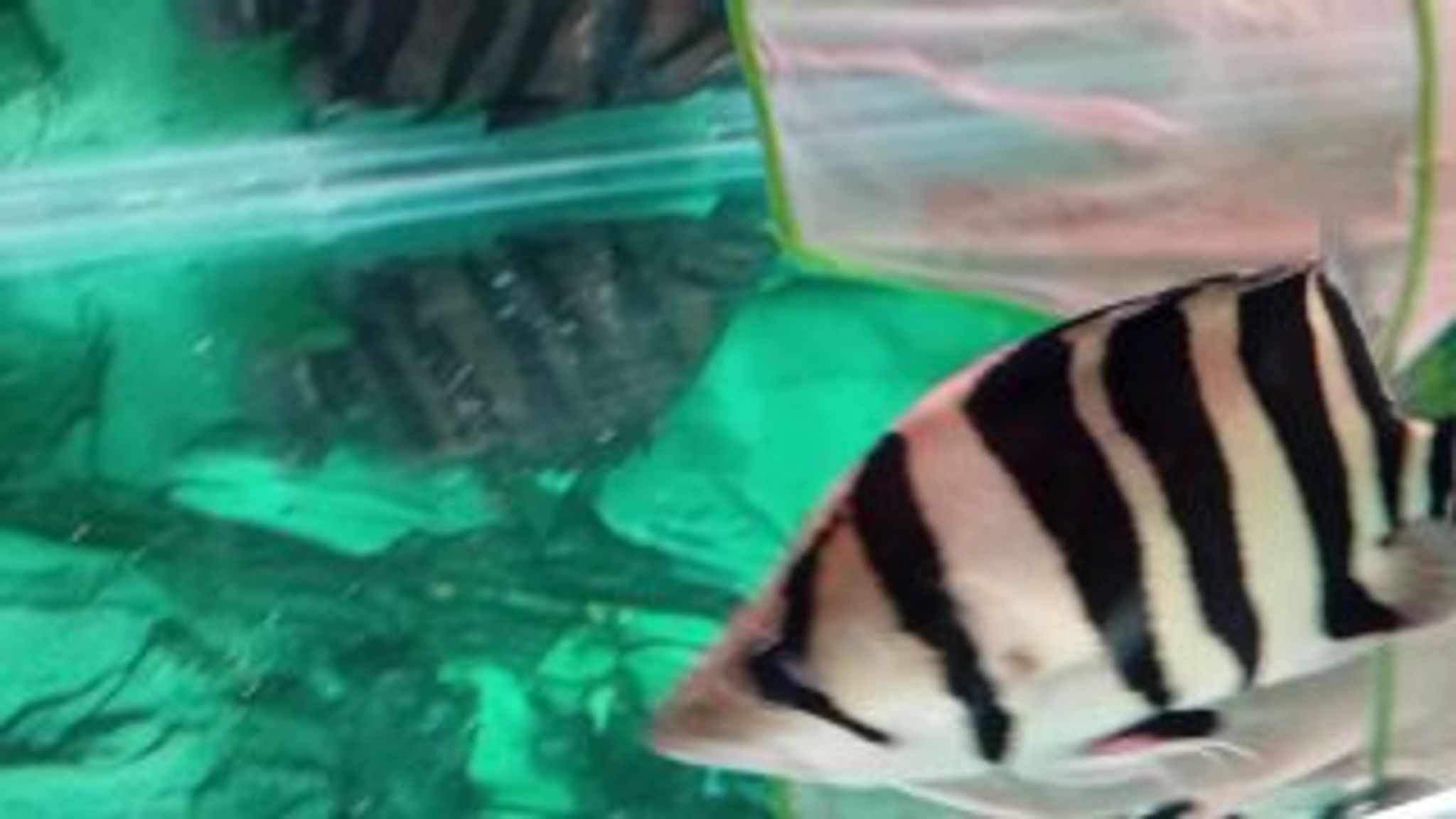
Explore Datnoid Tiger Fish for sale in Singapore from aquarium shops, breeders and specialist monster fish sellers on FishyHub. Compare Indonesian Tiger Fish, Siamese Tiger Fish and other Datnioides species by size, bar pattern, condition and seller.
Datnoids are striking predatory freshwater and brackish-associated fish known for their deep bodies and bold vertical bars. They are popular among monster fish keepers, but adult size, temperament and water preferences can vary by species, so exact identification is important.
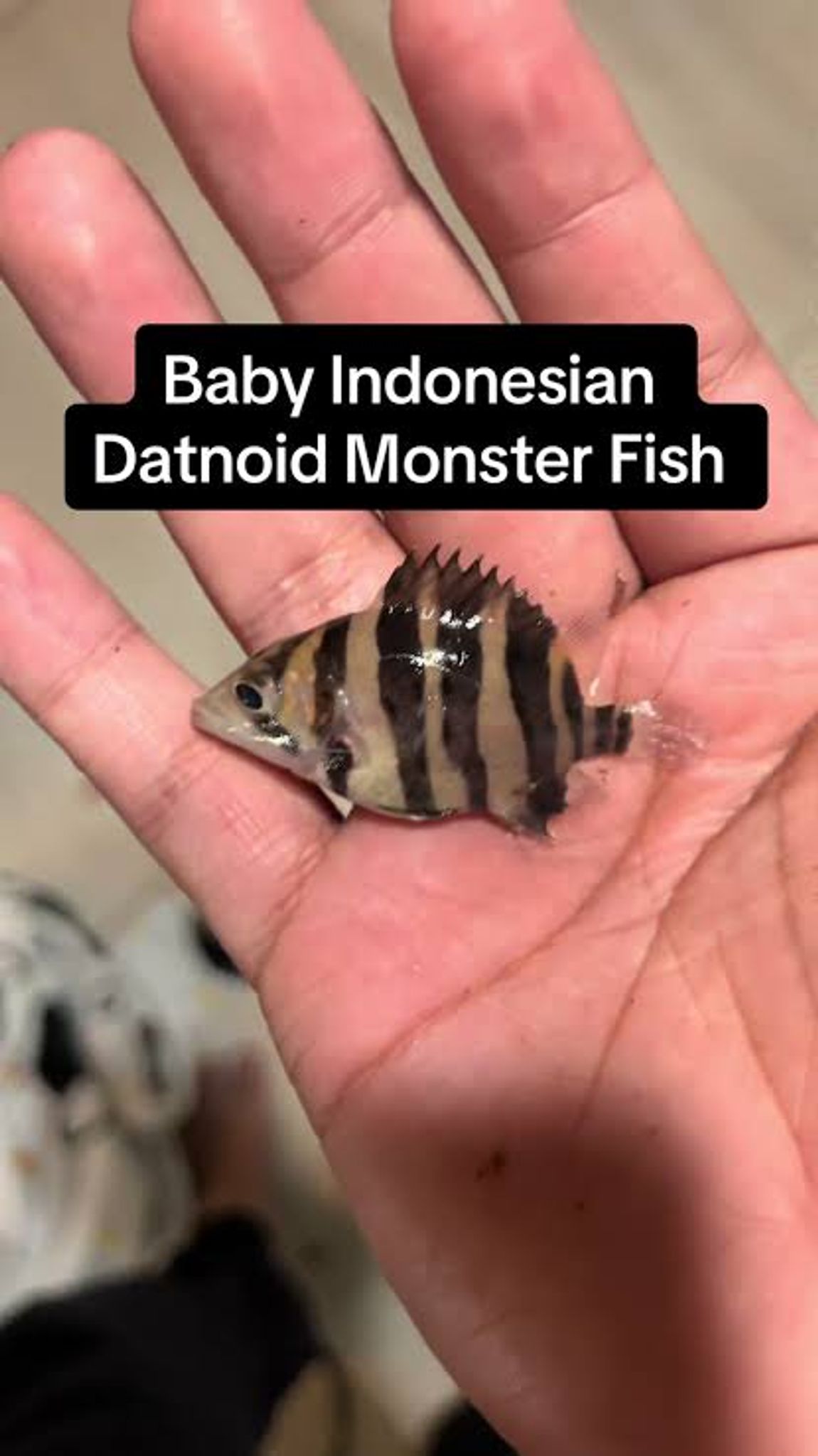
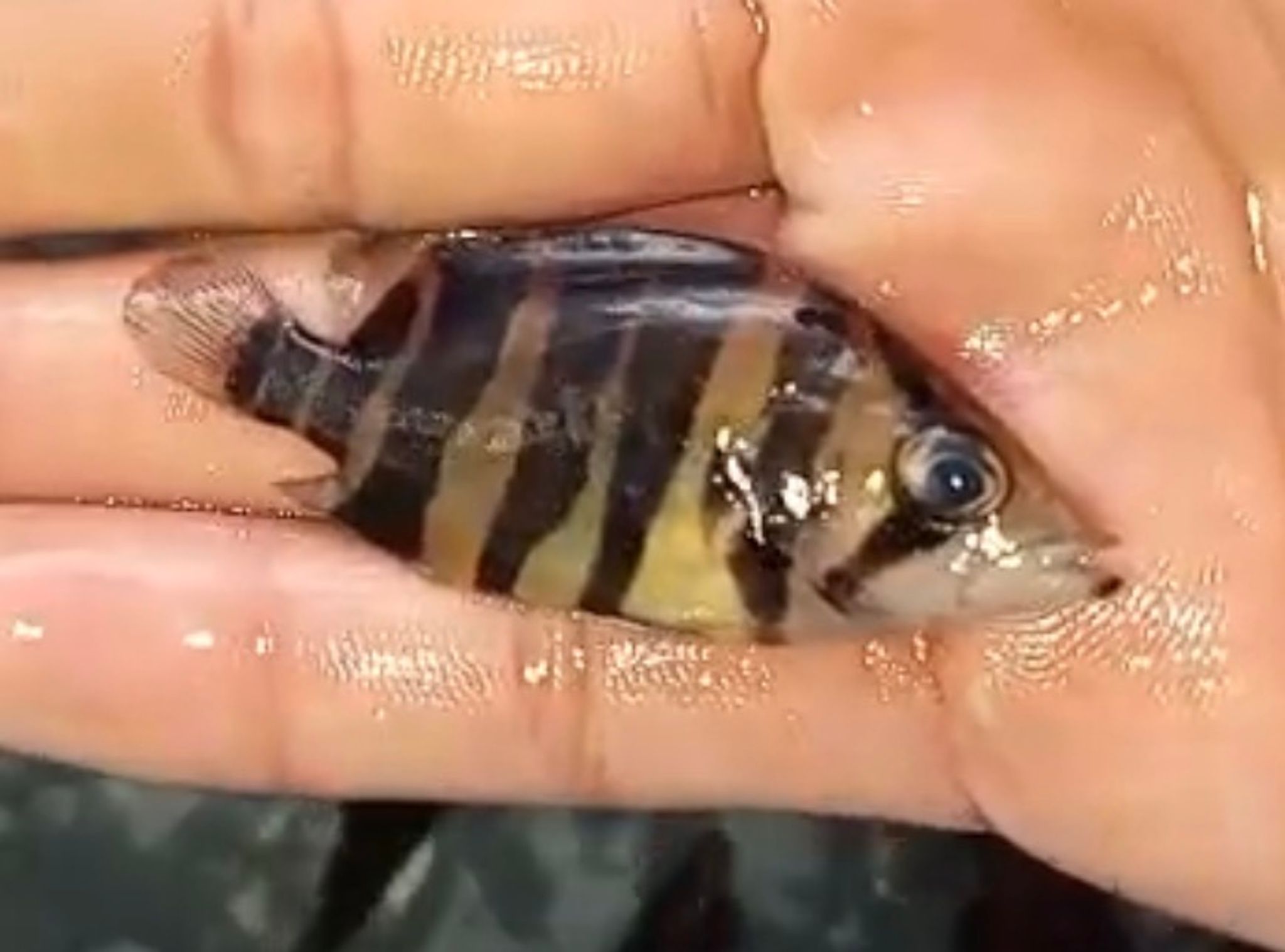
Datnoids belong to the genus Datnioides and are often called Tiger Fish because of their distinctive dark vertical bars.
They are very different from African Tiger Fish and other unrelated fishes that share the same common name. For aquarium searches and listings, the Datnoid or Datnioides name should therefore be kept prominent.
Several Datnioides species appear in the aquarium hobby, with differences in pattern, adult size and natural habitat.
Indonesian Tiger Fish are among the best-known Datnoids in the aquarium hobby and are prized for their bold striped pattern and deep-bodied appearance.
Siamese Tiger Fish are highly sought after by specialist keepers and are known for strong contrasting bars and classic Datnoid shape. Availability can be limited and identification should be checked carefully.
New Guinea Tiger Fish can display a different body pattern and coloration from Southeast Asian Datnoids. Their water preferences and long-term care should be matched to the exact species.
Other Datnoid species may appear depending on specialist seller availability. Always confirm the exact species rather than relying only on labels such as “Tiger Fish”.
Datnoids can become large, deep-bodied fish.
Adult size varies by species, so aquarium planning should be based on mature size rather than the size of a juvenile at purchase.
Datnoids need generous swimming space and enough room to turn comfortably as they grow.
Tank dimensions should account for adult body depth, fish length, tankmates and overall monster fish stocking.
A suitable Datnoid setup may include:
Avoid overcrowded layouts that restrict movement or create constant territorial pressure.
Some Datnioides are associated strongly with freshwater, while others occur in freshwater and brackish environments.
Water requirements should therefore be based on exact species and source rather than assuming every Datnoid needs identical conditions.
One of the main attractions of Datnoids is their bold vertical bar pattern.
Bar width, symmetry, contrast and overall pattern can vary between species and individuals, making appearance an important factor for specialist buyers.
Datnoids can appear lighter or darker depending on mood, stress, surroundings and lighting.
A fish may not show its strongest contrast immediately after transport or introduction to a new aquarium.
Yes. Datnoids are predatory fish and may eat smaller tankmates.
Any fish small enough to be swallowed should be considered at risk, even if the Datnoid appears calm during the day.
Datnoids are carnivorous and naturally feed on animal prey.
Depending on the individual, suitable carnivore pellets and appropriately sized frozen or other protein-rich foods can form part of a varied aquarium diet.
Juvenile Datnoids should be monitored closely to make sure they are feeding consistently.
Some newly acquired individuals can be hesitant feeders, so understanding what the fish was eating before purchase can be helpful.
Larger Datnoids require appropriately sized food and can contribute significant waste to the aquarium.
Feeding and filtration should therefore be planned together rather than treated separately.
Suitable tankmates should be large enough not to be considered prey and robust enough to coexist with a sizeable predatory fish.
Mature size and feeding behaviour matter more than whether the fish appear peaceful when young.
Datnoids and Arowana are commonly considered for large monster fish aquariums because they occupy different parts of the water column.
Aquarium dimensions, mature size, feeding competition and individual temperament should still be monitored carefully.
Bichirs are more bottom-oriented while Datnoids use the midwater area, which can reduce direct space competition.
Size matching is essential because either fish may become capable of swallowing a much smaller tankmate.
Datnoids and freshwater stingrays may sometimes coexist in very large monster fish aquariums.
Stingrays occupy the bottom while Datnoids use more midwater space, but feeding and total bioload still require careful management.
Large Gars and Datnoids may sometimes share spacious predator aquariums.
Both are predatory fish, so size matching and tank dimensions are critical to reduce predation risk.
Oscars may sometimes coexist with similarly sized Datnoids in sufficiently large aquariums.
Observe aggression and feeding because Oscars can be assertive and may dominate slower feeders.
Some large catfish can coexist with Datnoids when mature sizes are compatible.
Mouth size and predatory potential should be assessed both ways, especially with fast-growing catfish.
Small community fish are generally poor tankmates for Datnoids.
They may eventually be eaten as the Datnoid grows.
Multiple Datnoids can sometimes be kept together in spacious aquariums when the fish are appropriately size-matched.
Dominance, chasing and feeding competition should be monitored, especially as fish mature.
Datnoids are generally better described as predatory and sometimes territorial rather than constantly aggressive.
Individual behaviour varies, and some fish may be much more assertive around food or similar-sized Datnoids.
Datnoids can be kept with aquatic plants, although monster fish aquariums usually prioritise swimming room and easy maintenance.
Large robust plants, driftwood and carefully secured hardscape can create cover without excessively reducing open space.
Datnoids benefit from stable, clean water and consistent aquarium maintenance.
Exact temperature, hardness and salinity preferences should be matched to the species and source of the fish.
Large carnivorous fish can generate substantial waste, making strong biological and mechanical filtration important.
Canister filters, sump systems and other high-capacity filtration setups may be suitable depending on aquarium size and total stocking.
Good circulation can support water quality, but Datnoids do not need to be forced against powerful current continuously.
Provide a mix of circulation and calmer areas where the fish can rest comfortably.
Datnoids are generally better suited to aquarists with experience keeping larger predatory fish.
Their adult size, feeding requirements, possible water-condition differences and tankmate considerations make them more demanding than standard community fish.
Sexing Datnoids visually can be difficult, particularly in juvenile fish.
Seller claims about sex should therefore be treated cautiously unless the fish can be identified reliably.
Breeding Datnoids is specialised and is not commonly approached like routine breeding of small aquarium fish.
Their adult size and reproductive requirements make breeding more appropriate for experienced keepers or specialist facilities.
When comparing Datnoids for sale, look for:
Colour and bar contrast can change with stress, so overall health should not be judged only by how dark or bright the fish appears at one moment.
Introduce new Datnoids carefully to avoid abrupt changes in temperature, water chemistry or salinity where relevant.
The destination aquarium should already be stable, appropriately sized and stocked with compatible tankmates before the fish arrives.
Datnoid prices in Singapore vary according to species, size, bar pattern, rarity, source and seller.
Highly sought-after species or specimens with desirable patterning may be valued very differently from more commonly available Datnoids.
FishyHub brings Datnoid listings from aquarium shops, breeders and specialist monster fish sellers across Singapore together in one marketplace, making it easier to compare Datnioides species from multiple sources.
When comparing Datnoid listings, consider:
Availability changes regularly, especially for specialist species, larger specimens and highly patterned Datnoids.
Datnoids are commonly called Tiger Fish because of their vertical bars, but the name “Tiger Fish” is also used for unrelated fish.
Some Datnioides species are strongly freshwater-associated, while others occur in freshwater and brackish environments. Exact species identification matters.
Yes. They are carnivorous predators and can eat smaller fish.
They are often considered for large predator aquariums together, provided mature size, space and feeding are managed carefully.
They sometimes can in very large aquariums because the fish occupy different zones, although total bioload and feeding still require careful planning.
Datnoids can change colour and contrast in response to stress, mood, surroundings and lighting.
They sometimes can when size-matched and provided with enough space, but dominance and feeding competition should be monitored.
They are generally better suited to aquarists experienced with larger predatory fish and species-specific care.
Explore Datnoid Tiger Fish for sale on FishyHub and compare Indonesian, Siamese, New Guinea and other Datnioides species from aquarium sellers and specialist monster fish keepers across Singapore. Compare species, size, bar pattern, condition and price to find a suitable Datnoid for your large freshwater aquarium.