1–39 of 39


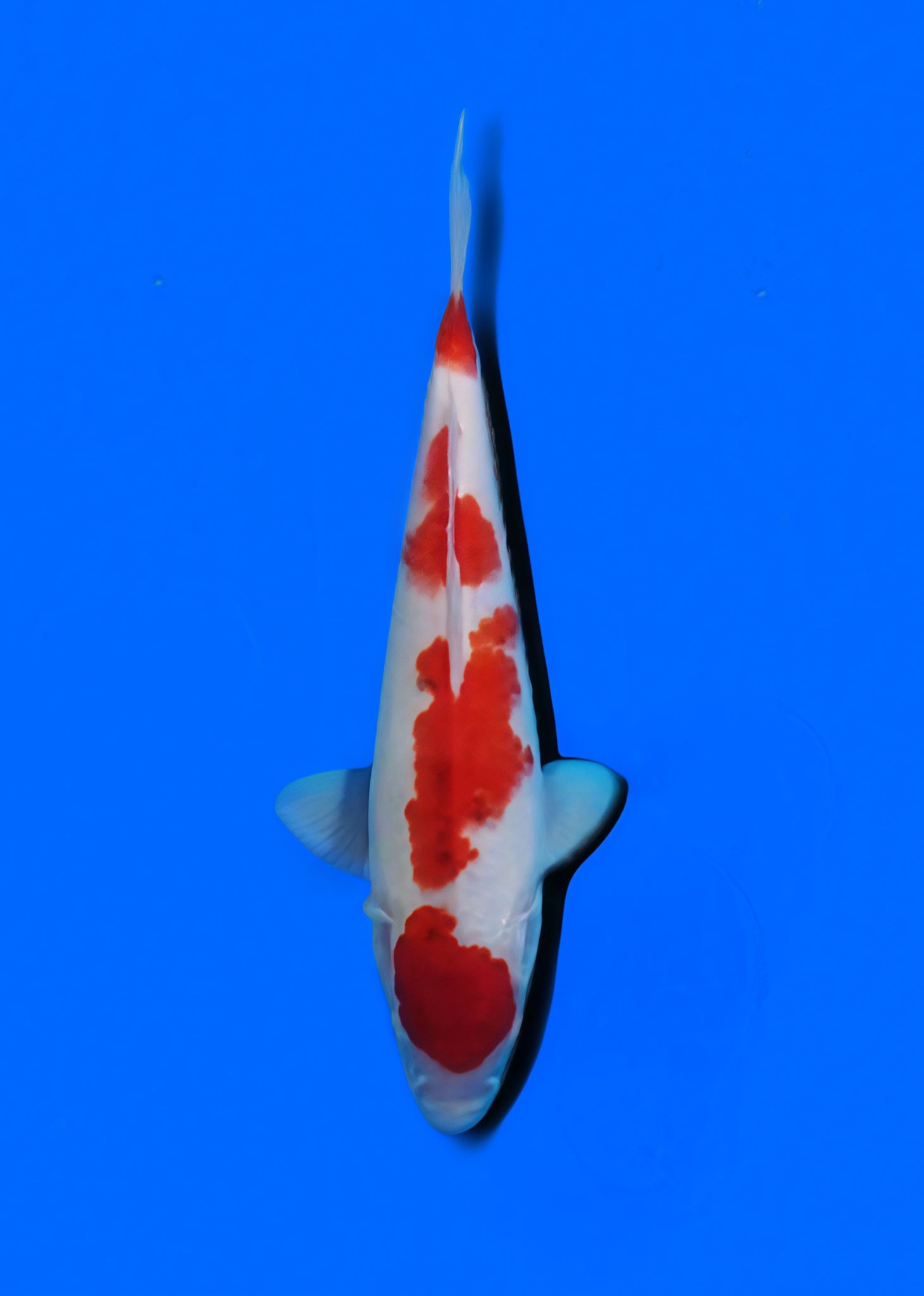
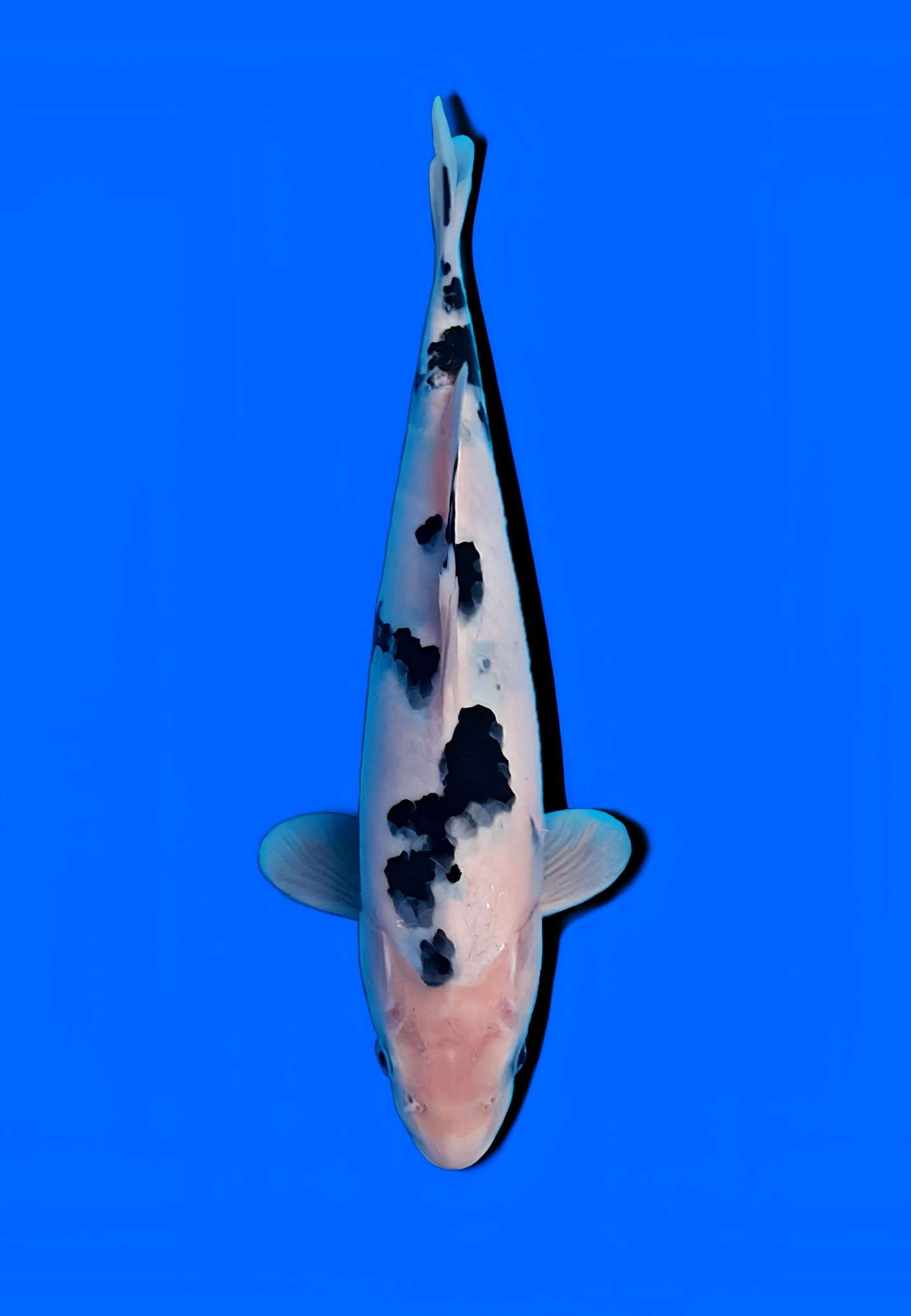
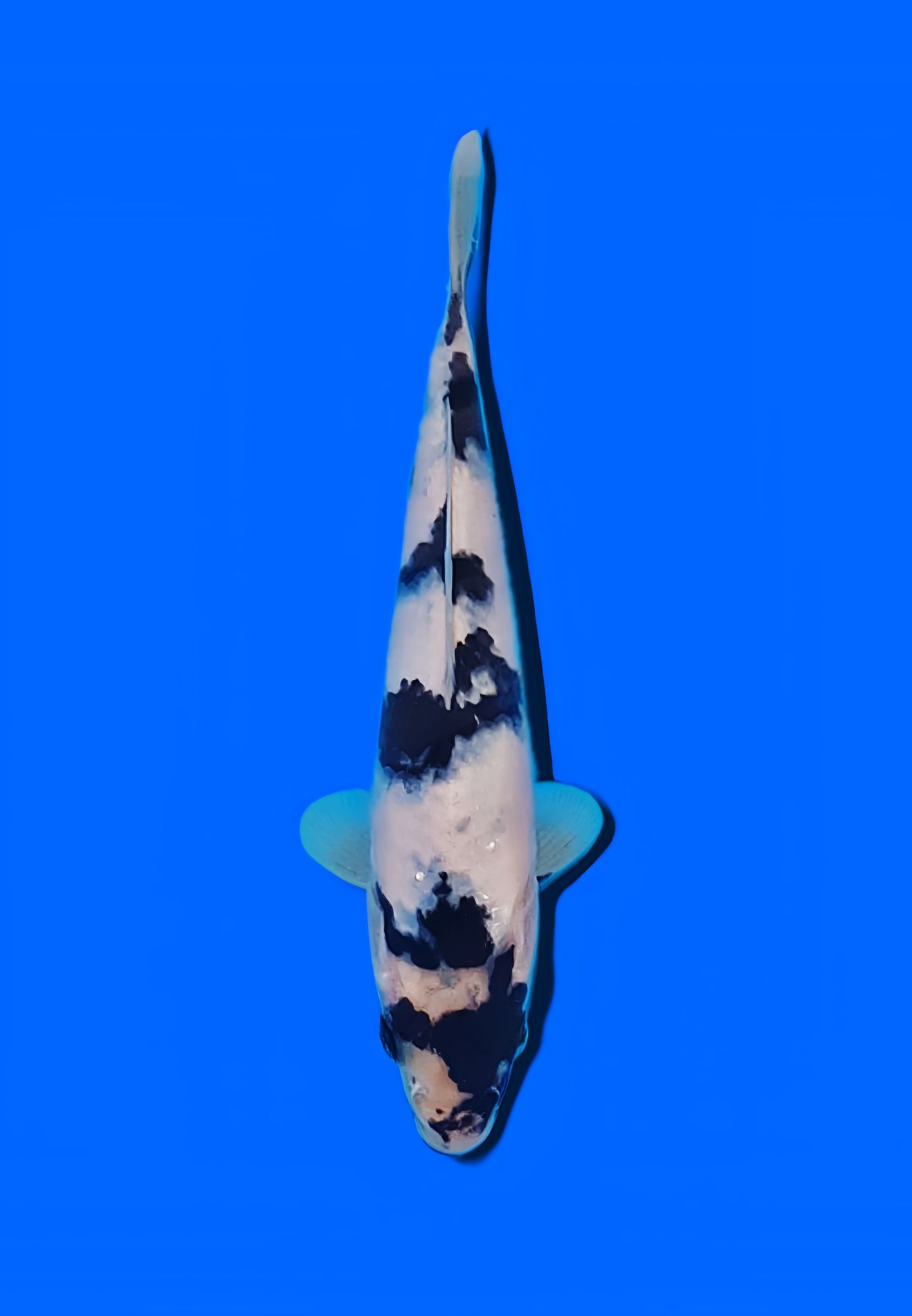
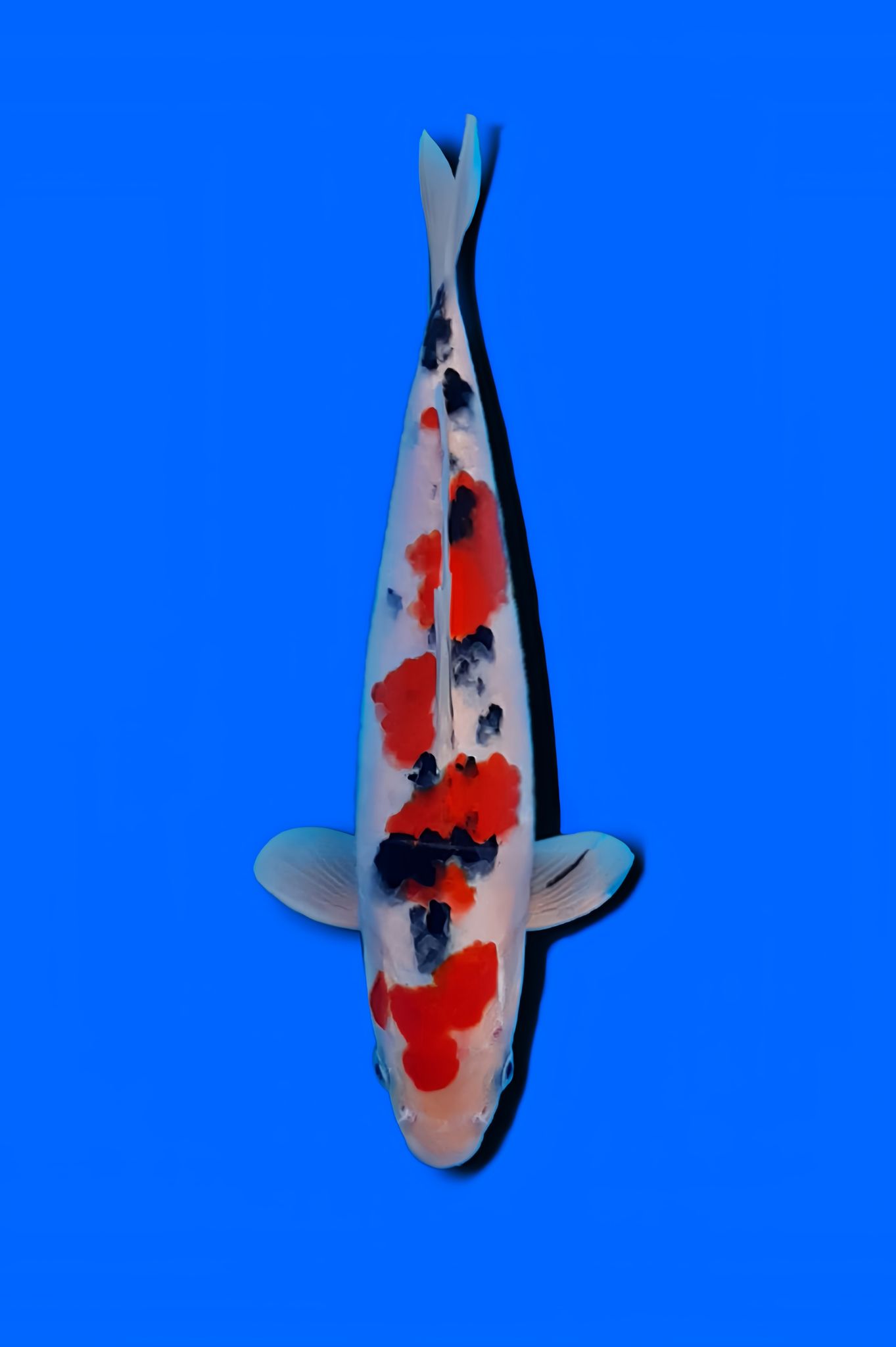

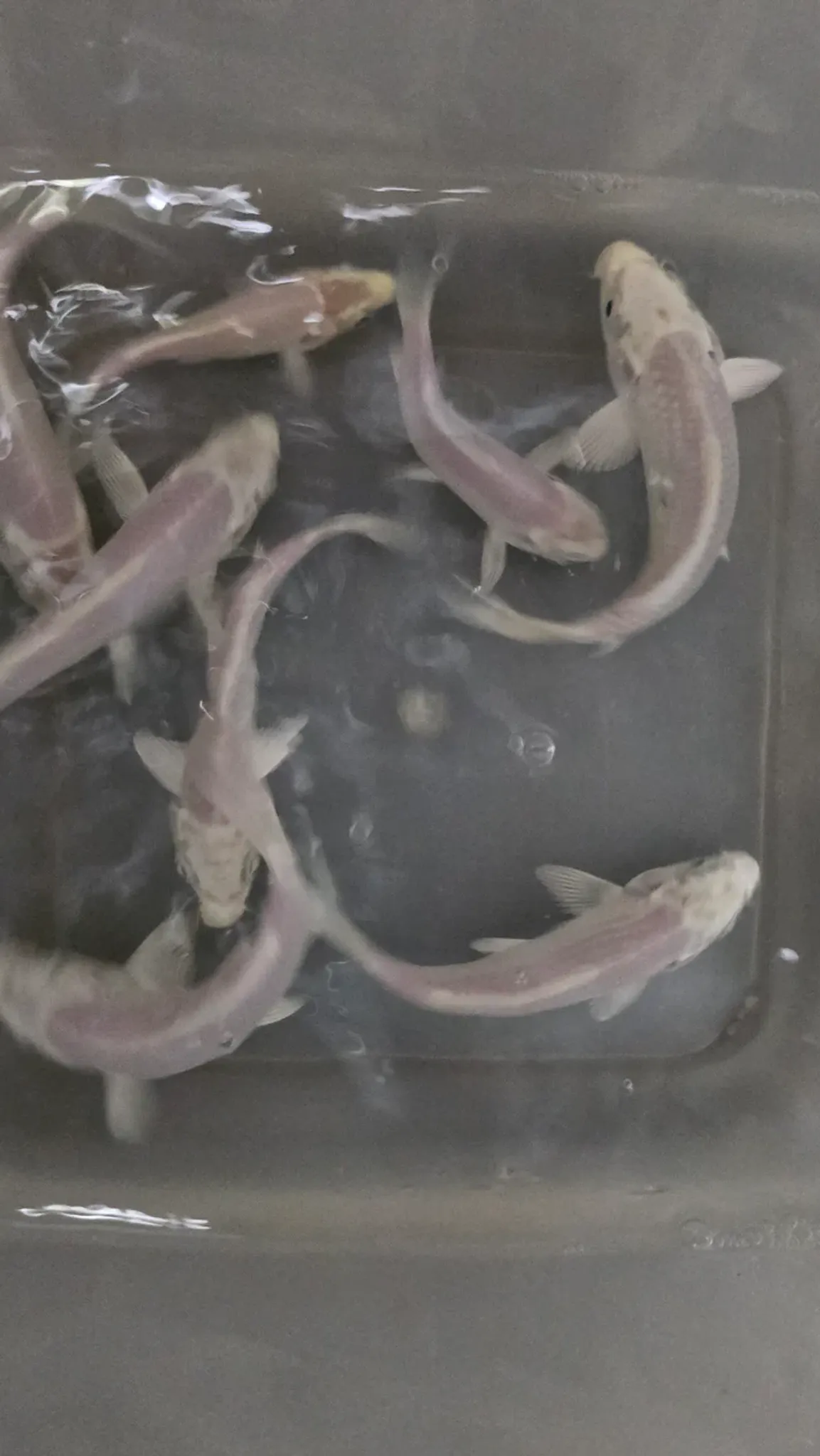
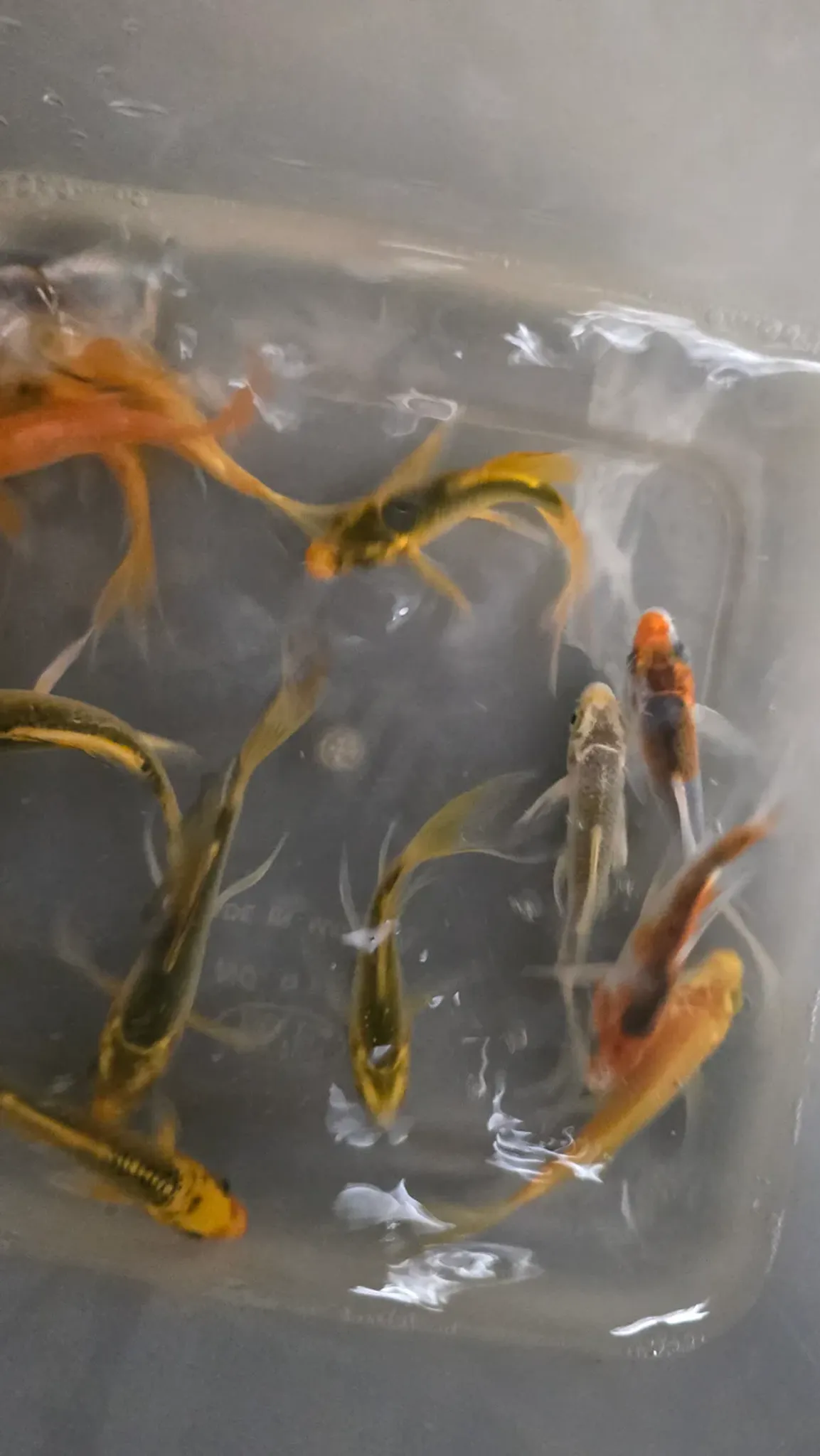
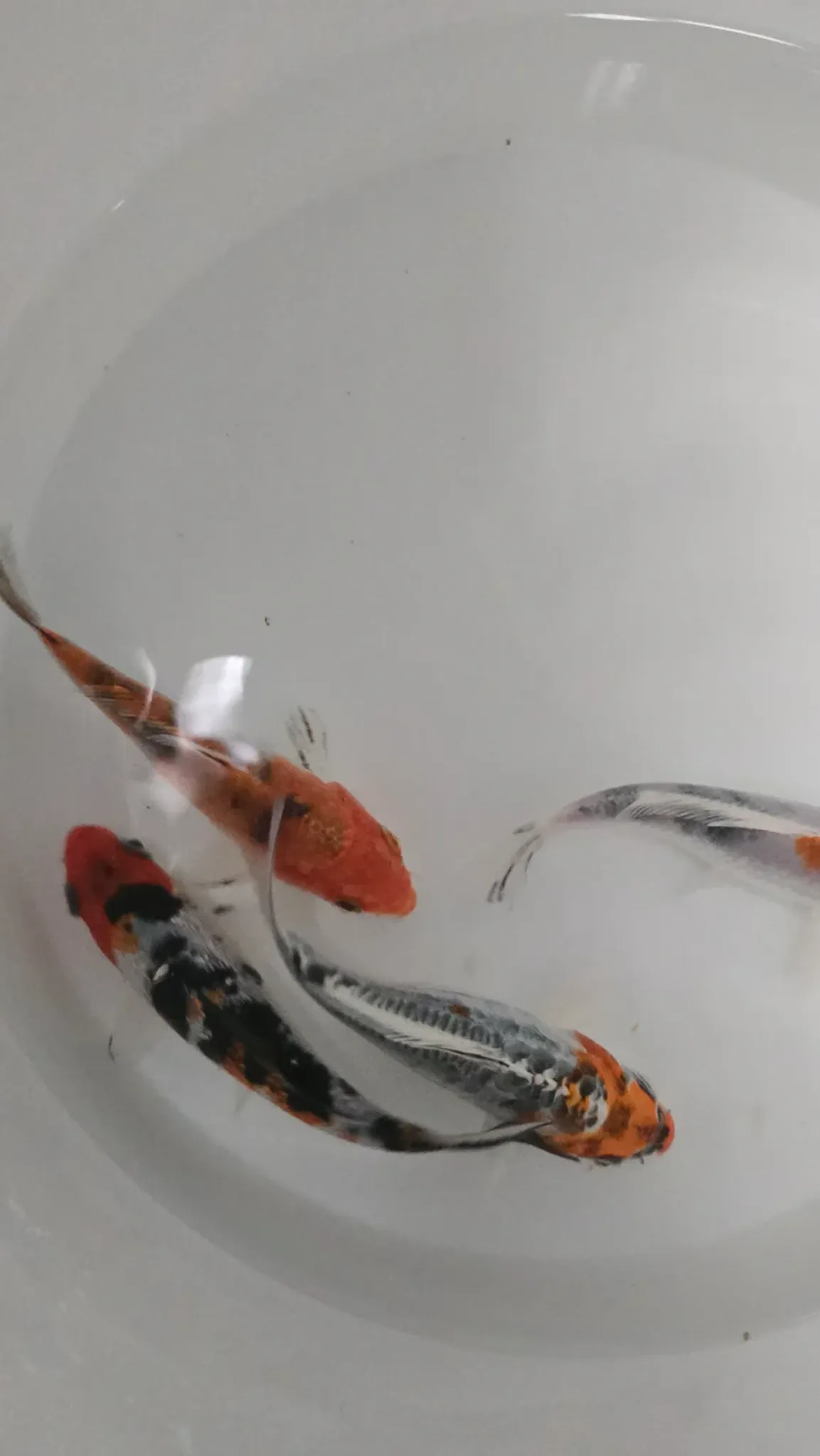
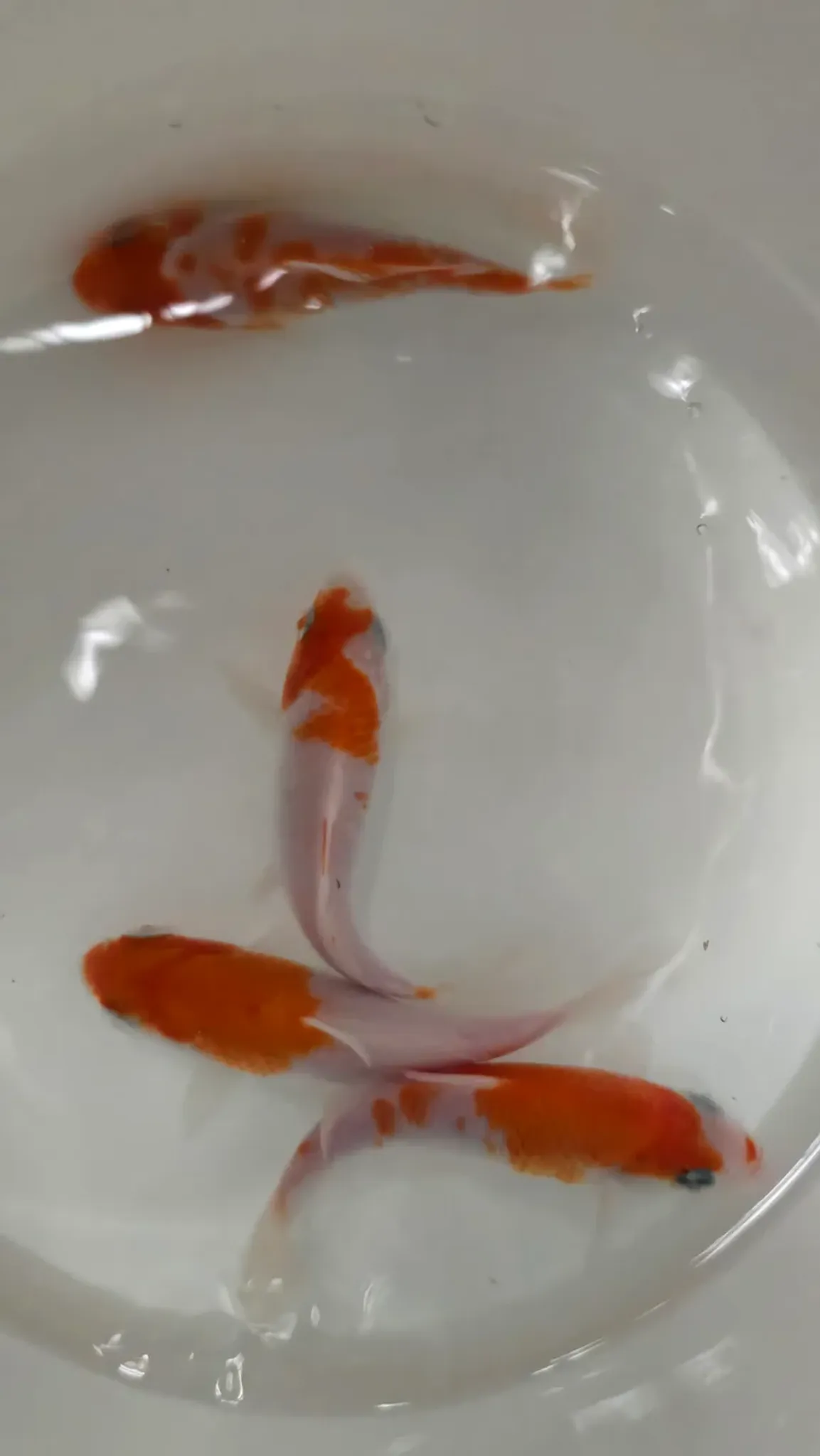
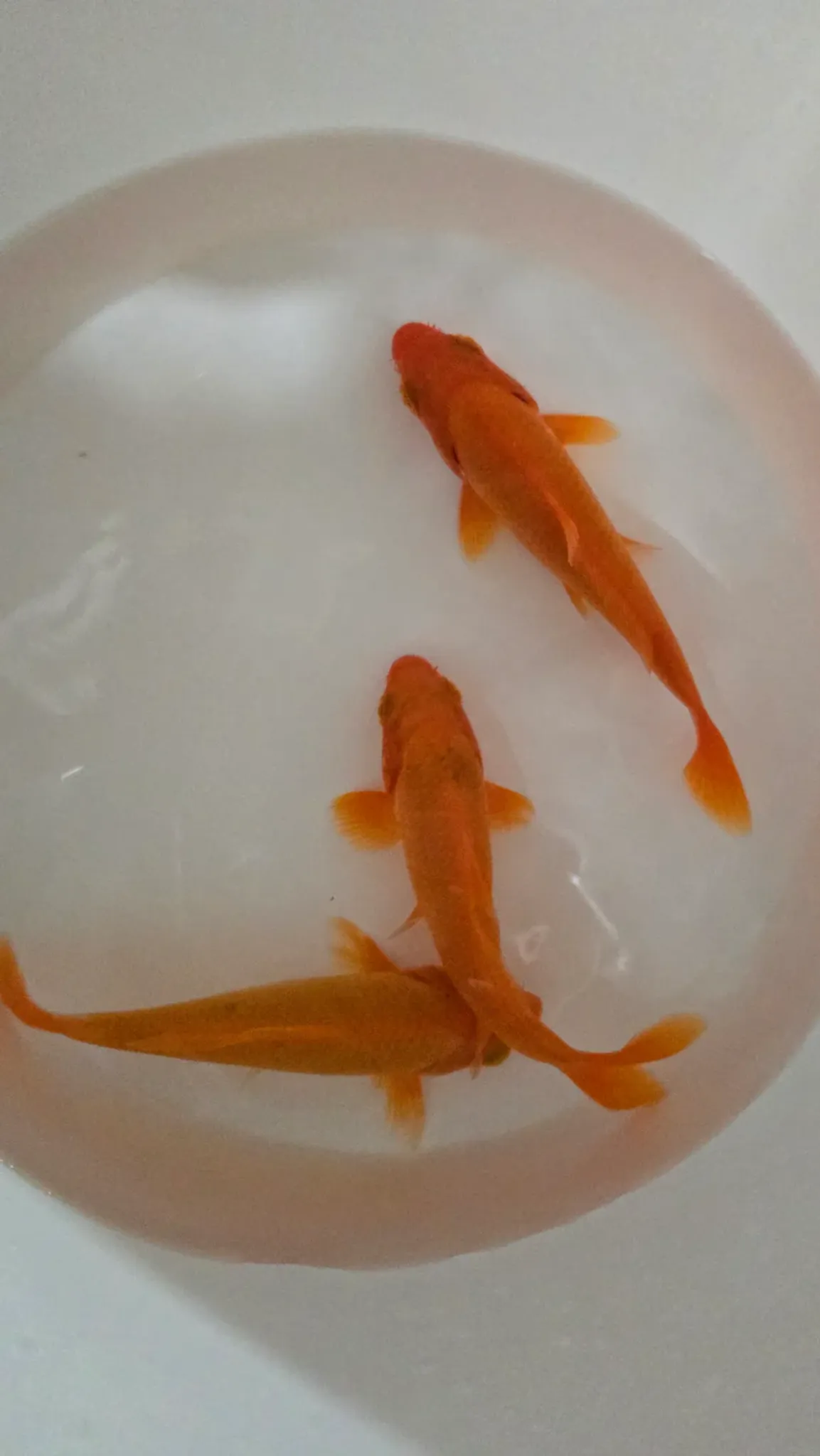
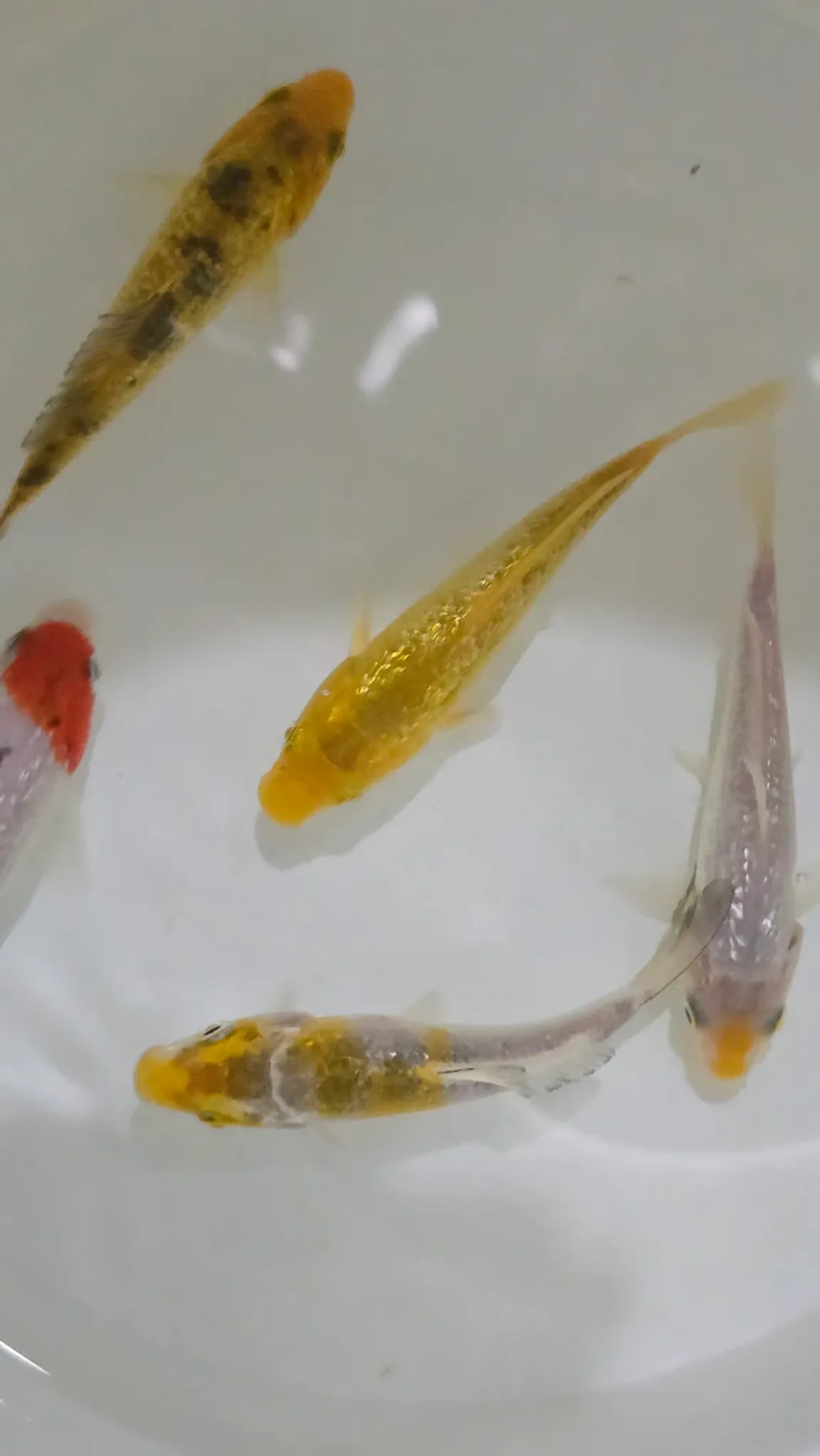
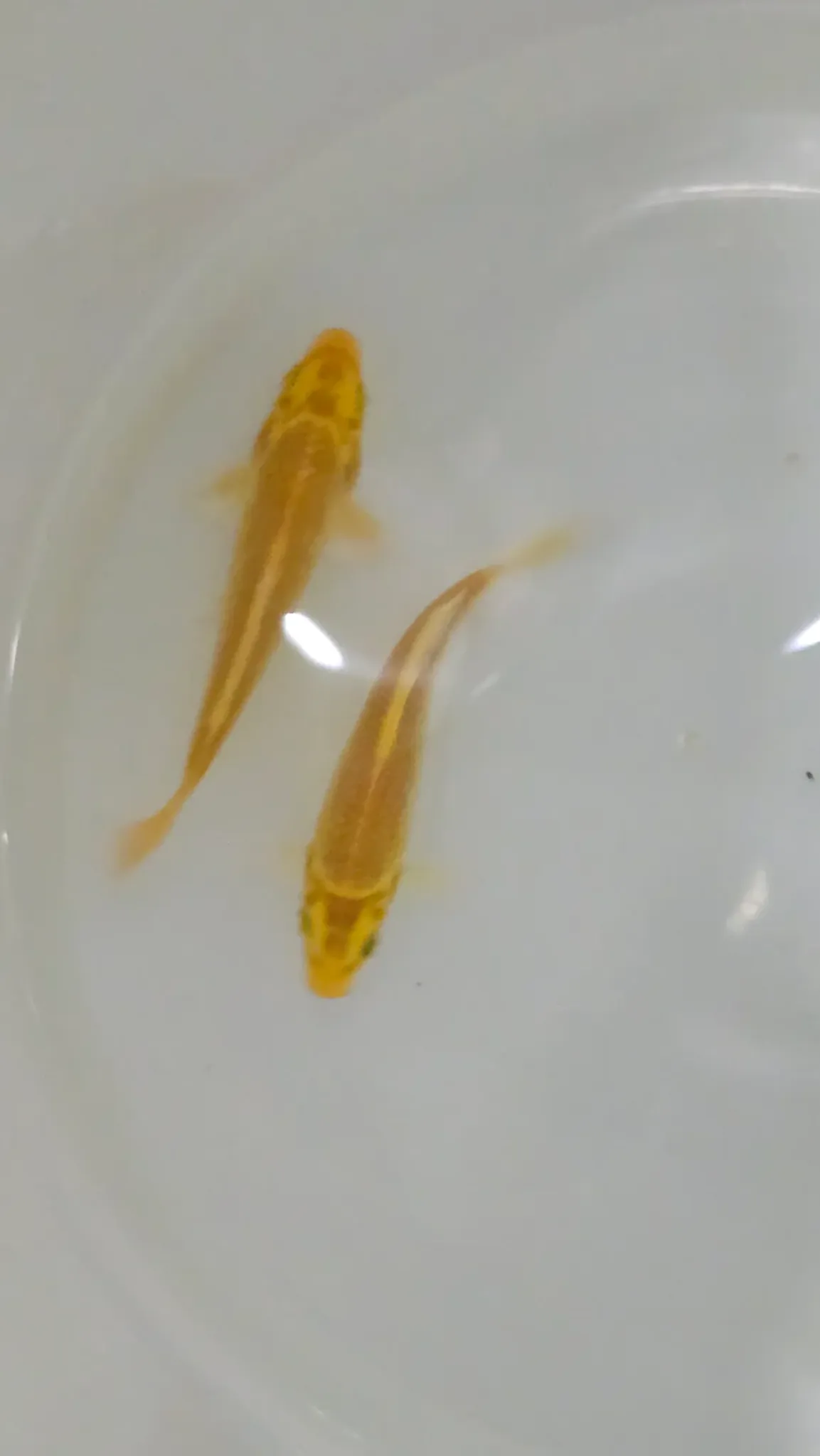
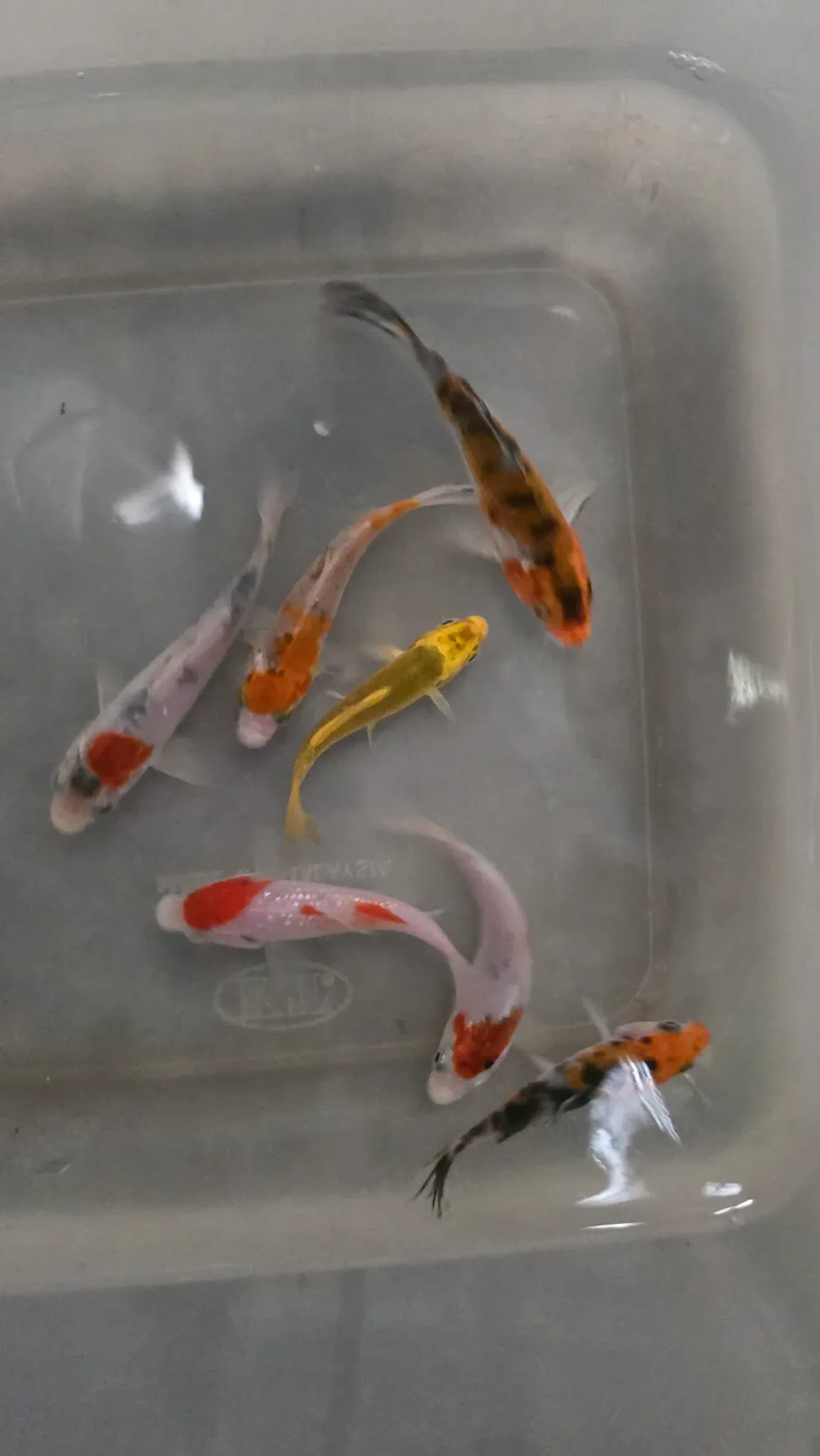
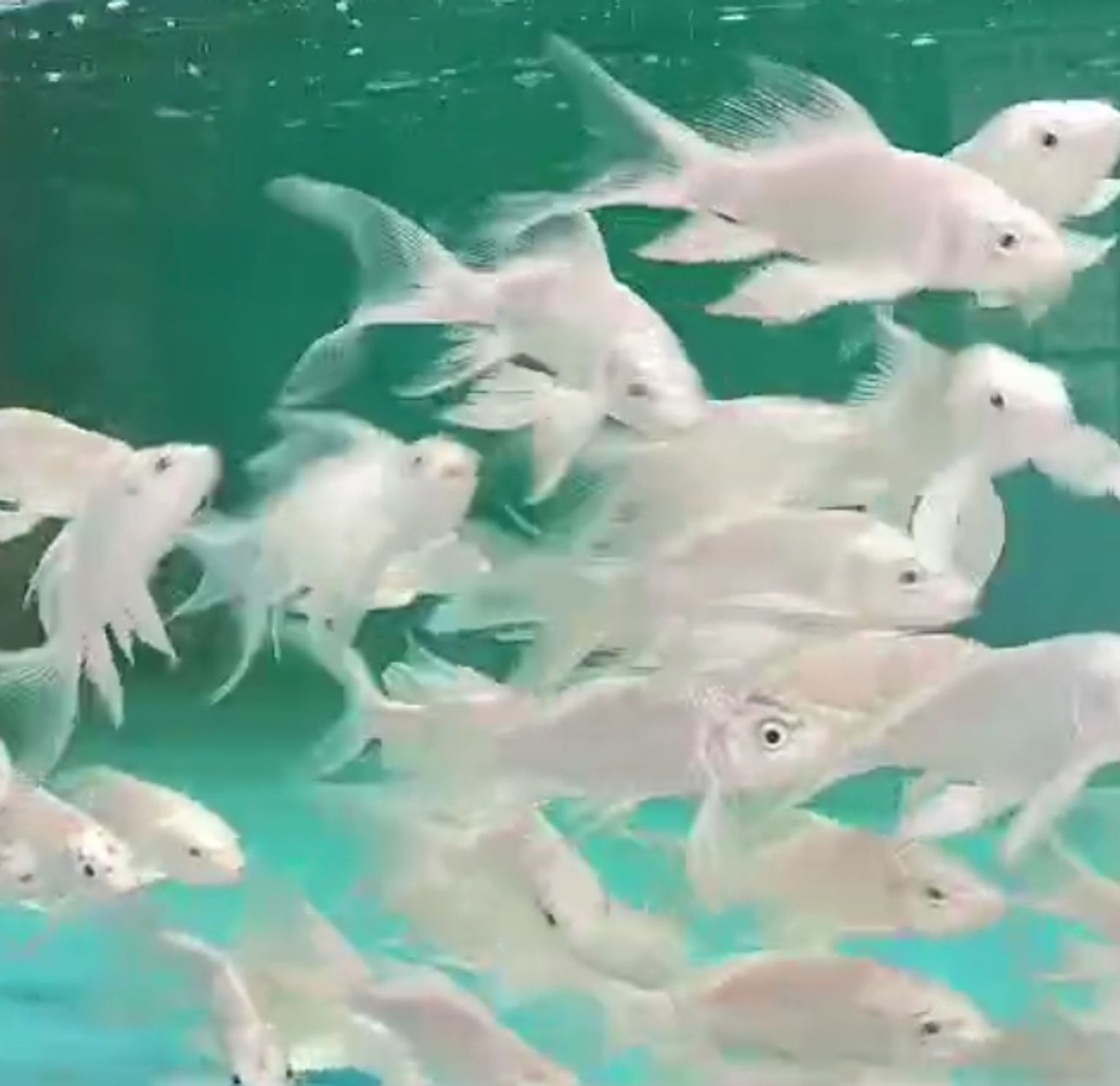
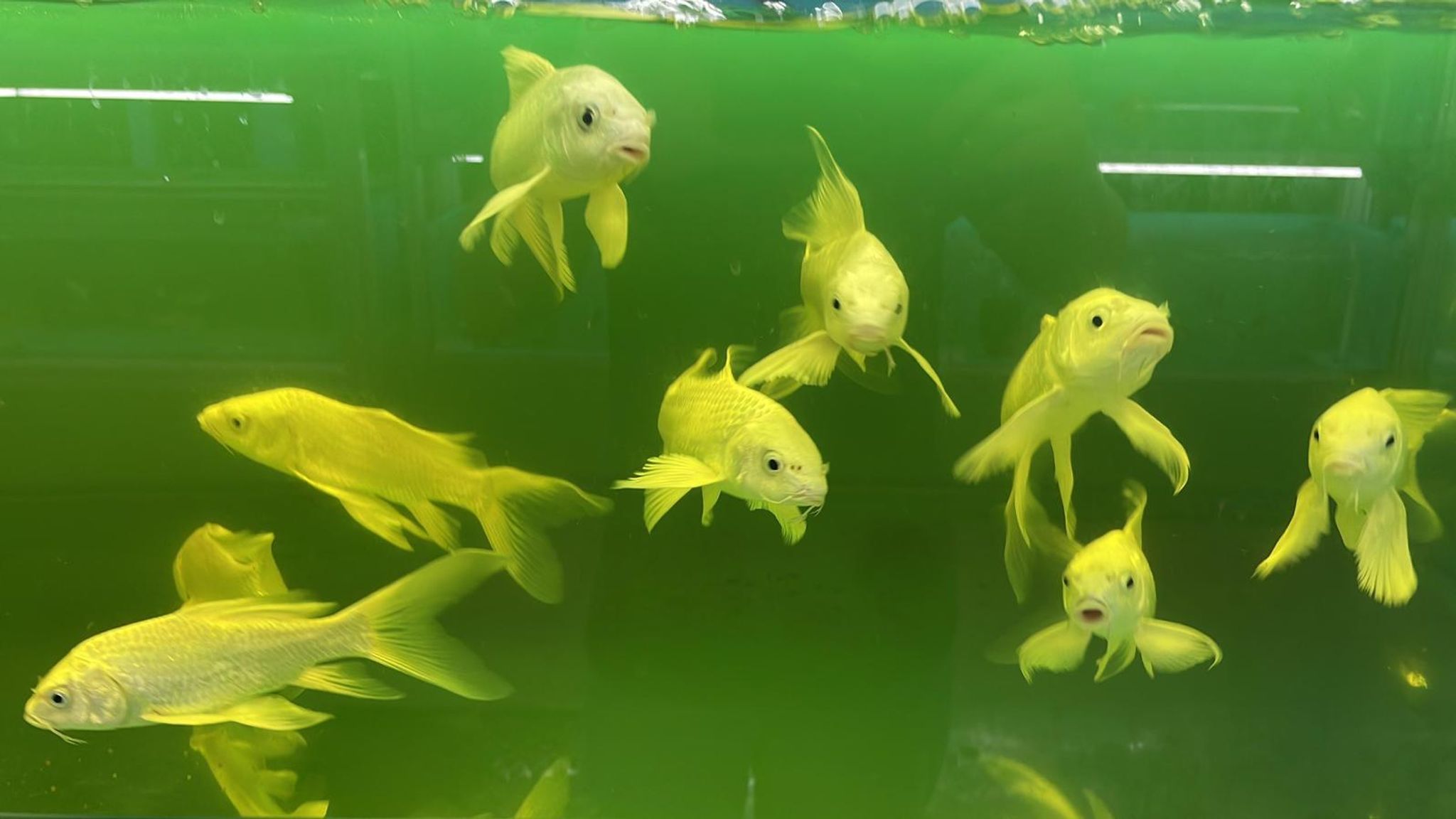
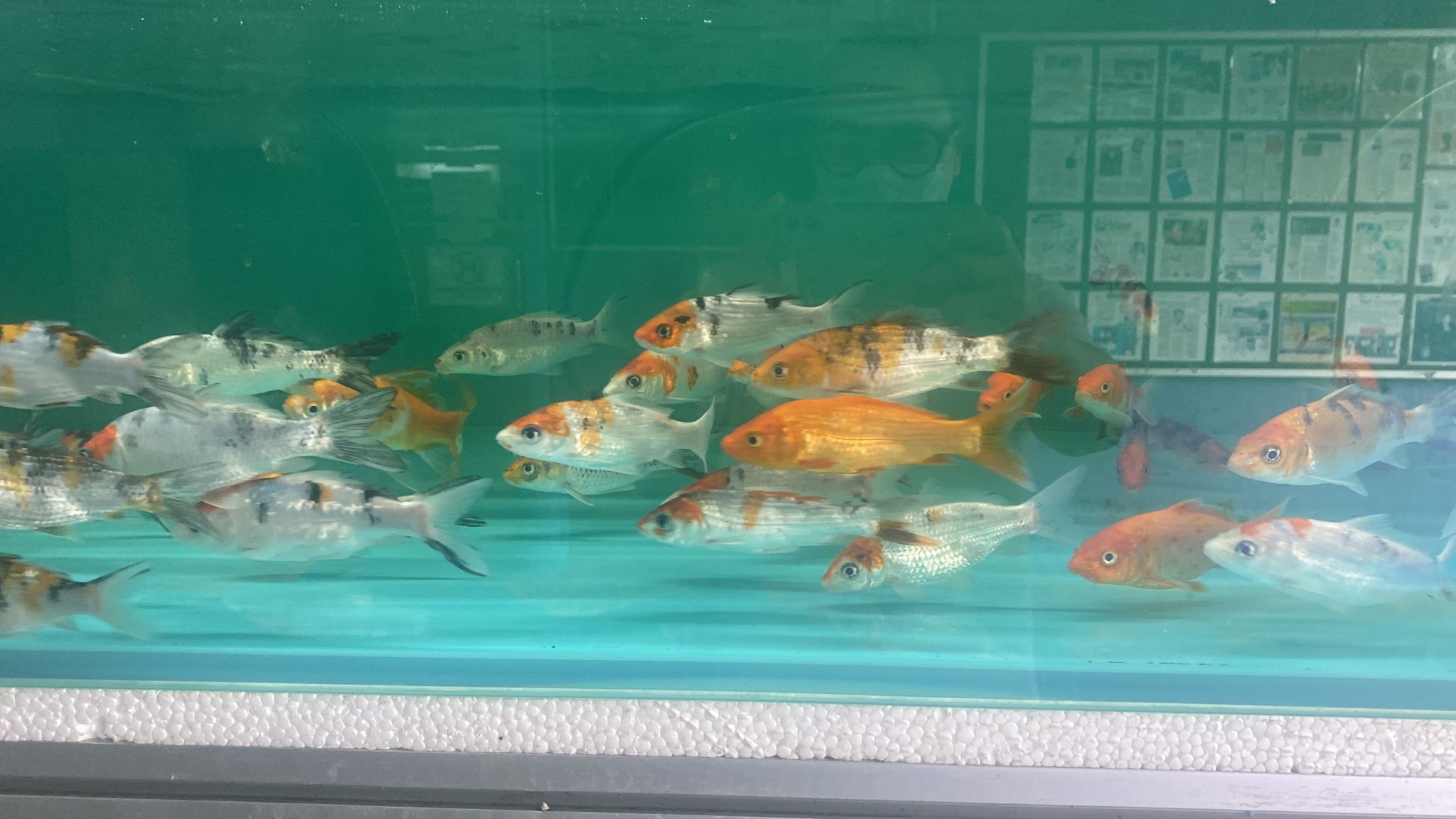


Explore Koi fish for sale in Singapore from pond specialists, breeders and aquarium sellers on FishyHub. Compare different varieties, sizes, colours, patterns and prices from multiple sellers in one marketplace.
Koi are ornamental carp prized for their colour, body shape and distinctive patterning. They are commonly kept in outdoor ponds and larger water features, and different varieties can vary significantly in appearance, growth potential and price.
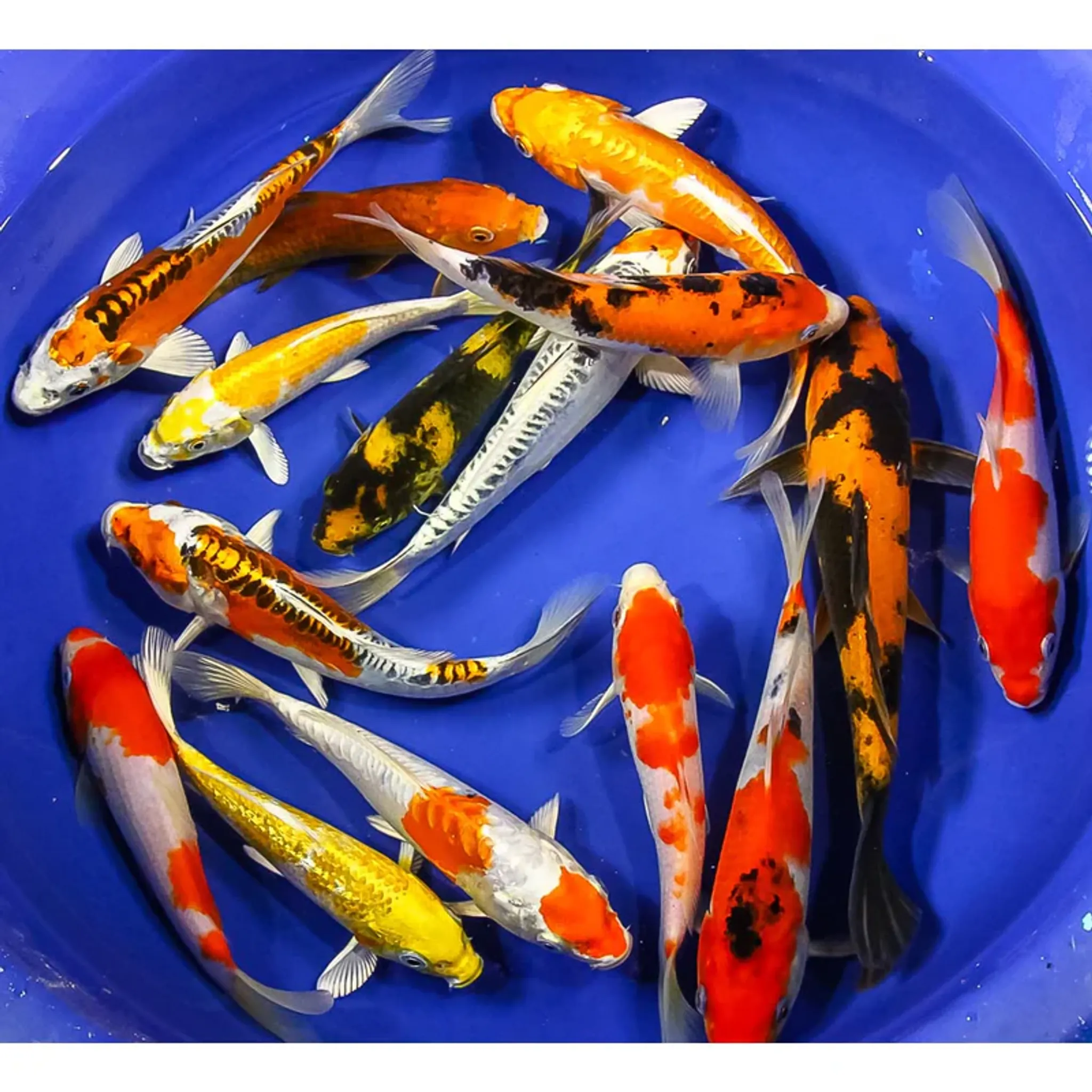
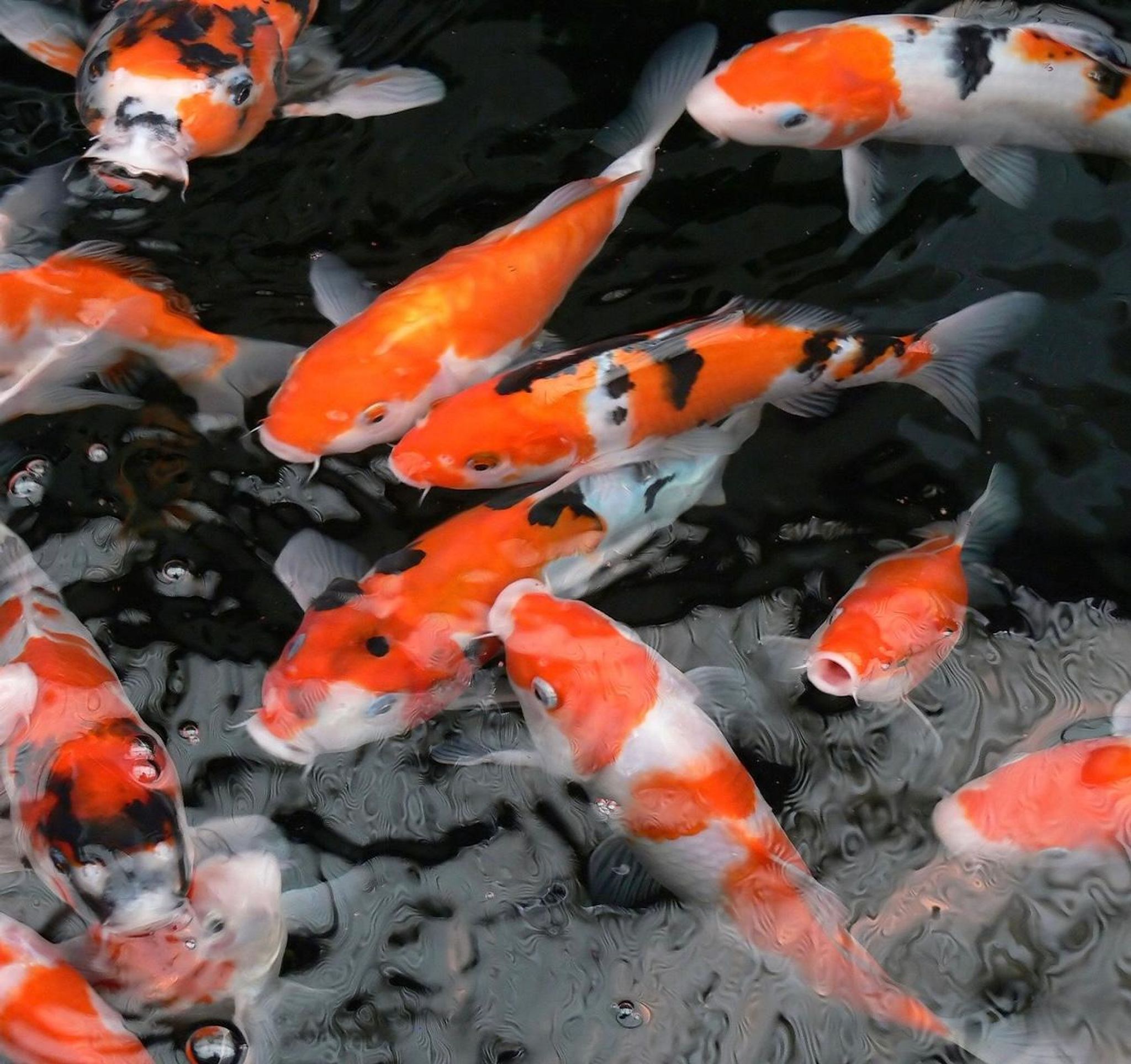
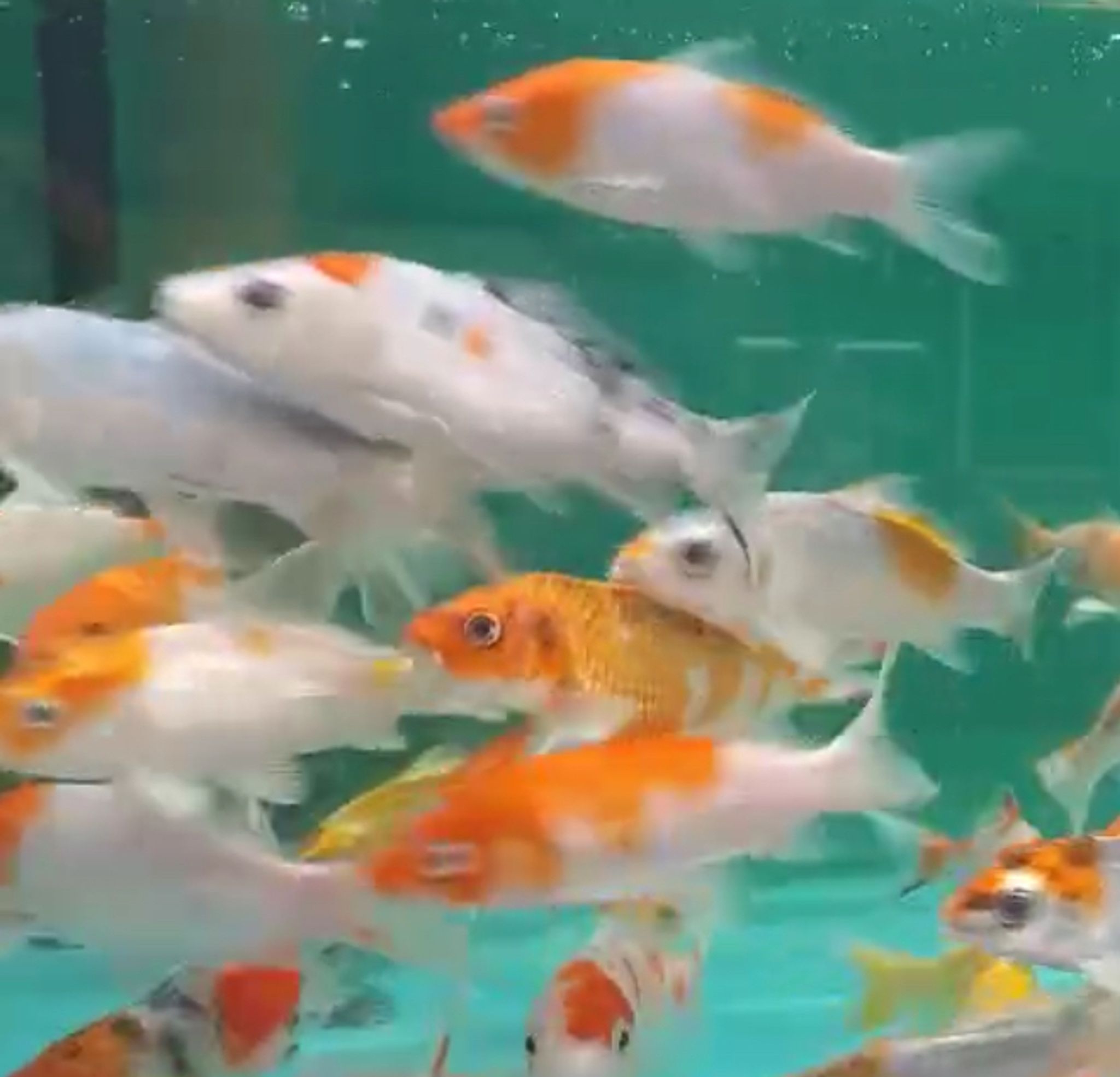
Koi are classified into many recognised varieties based on colour, pattern and scale characteristics. Popular types in Singapore may include Kohaku, Sanke, Showa, Ogon and Butterfly Koi.
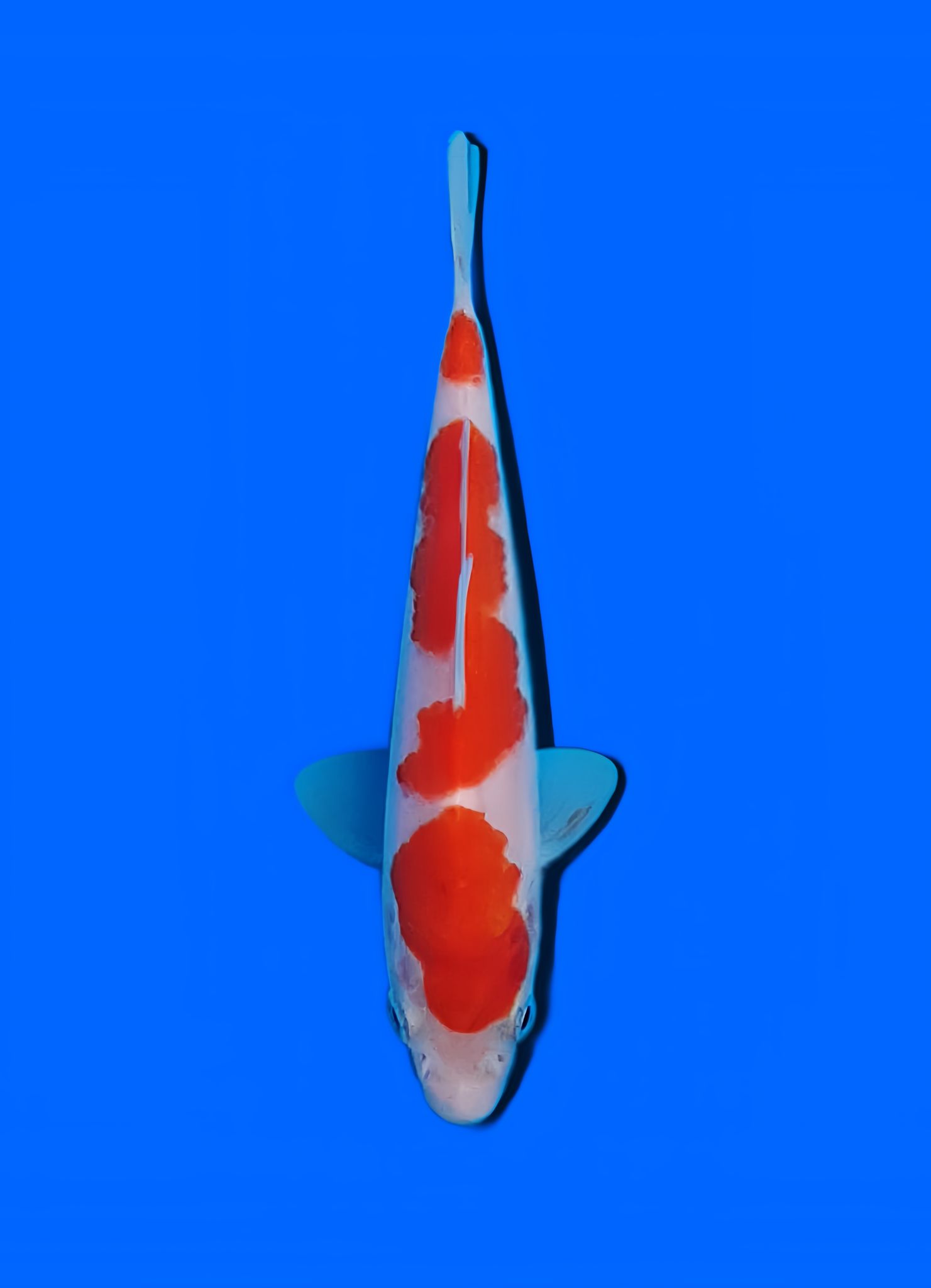
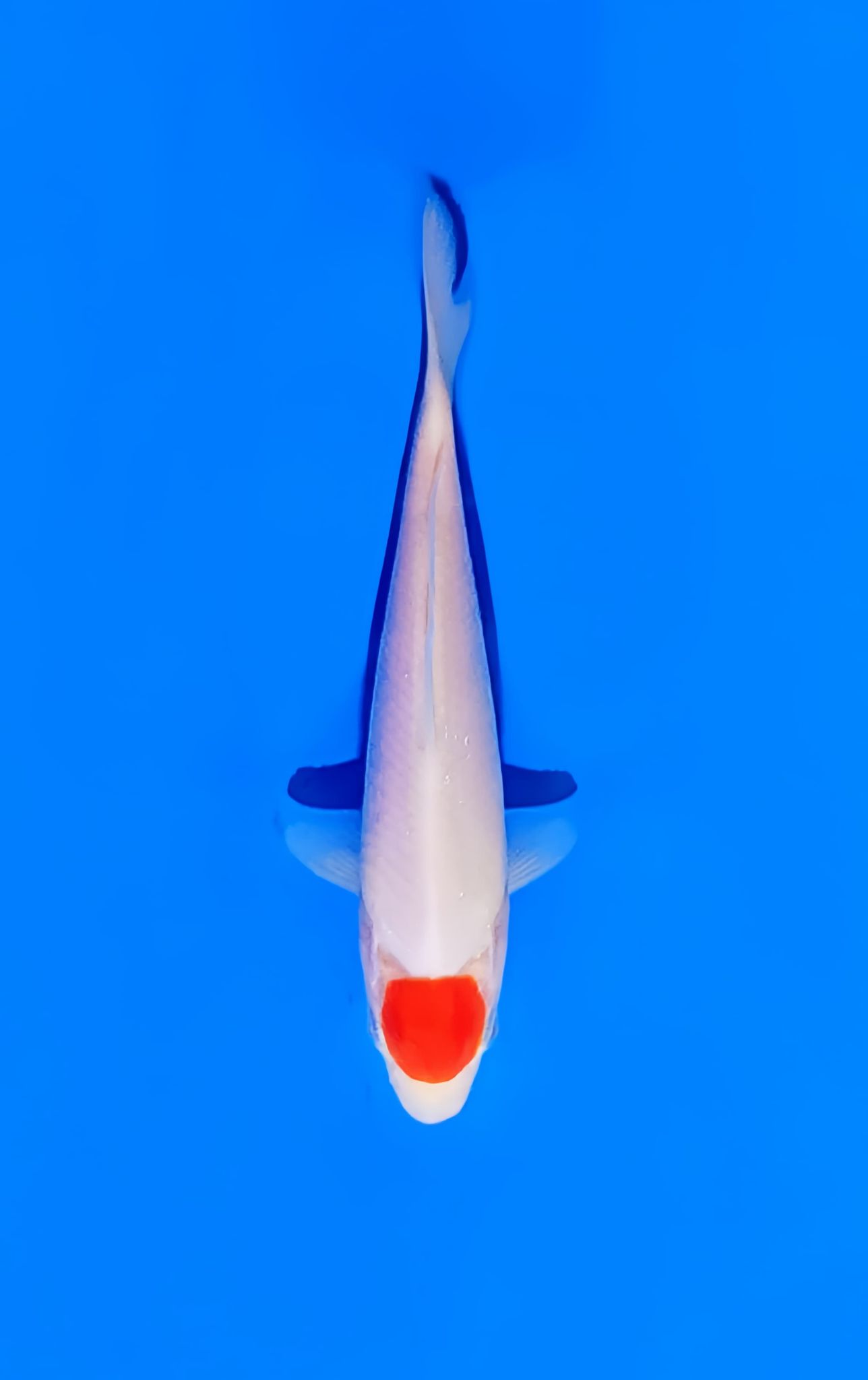
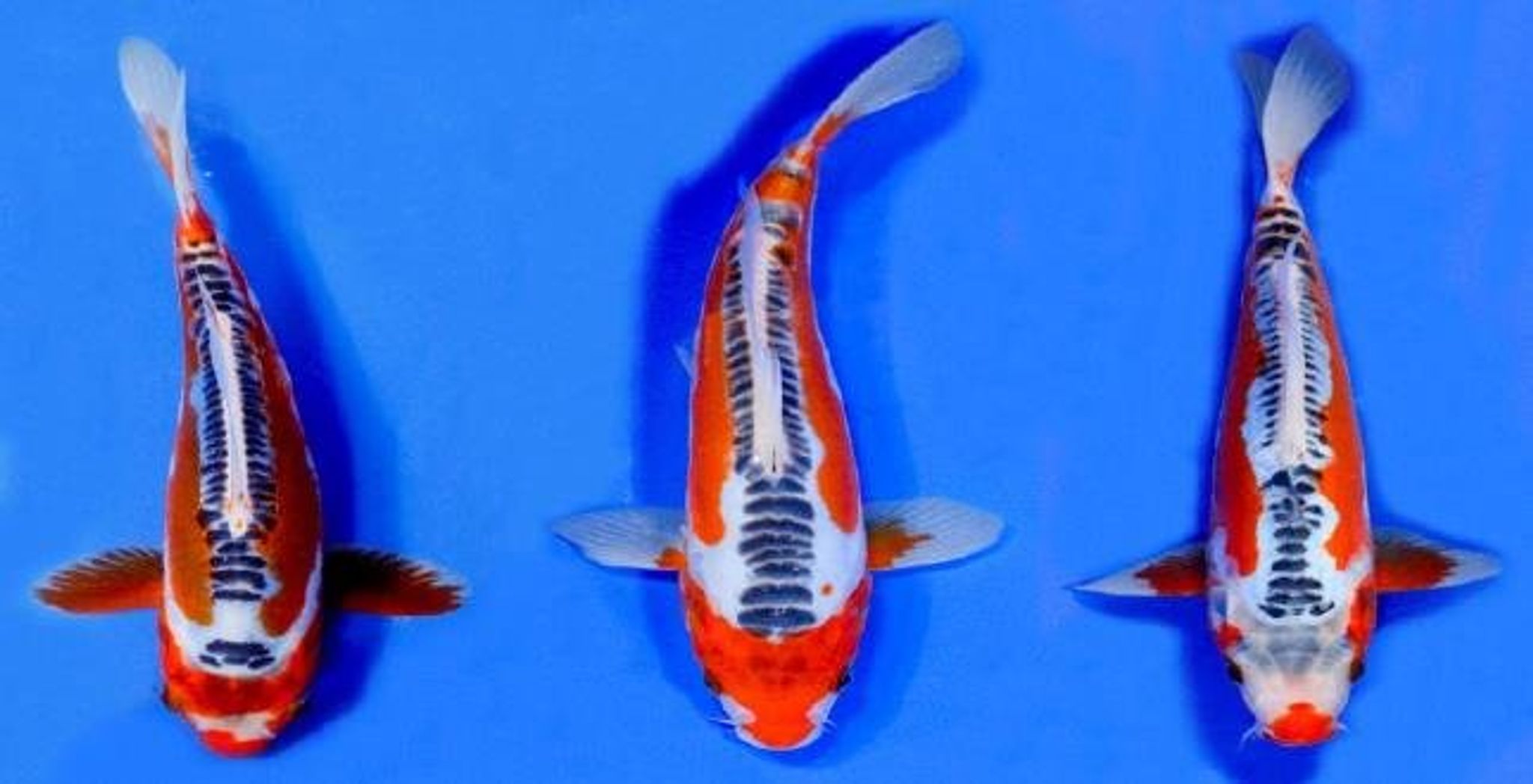
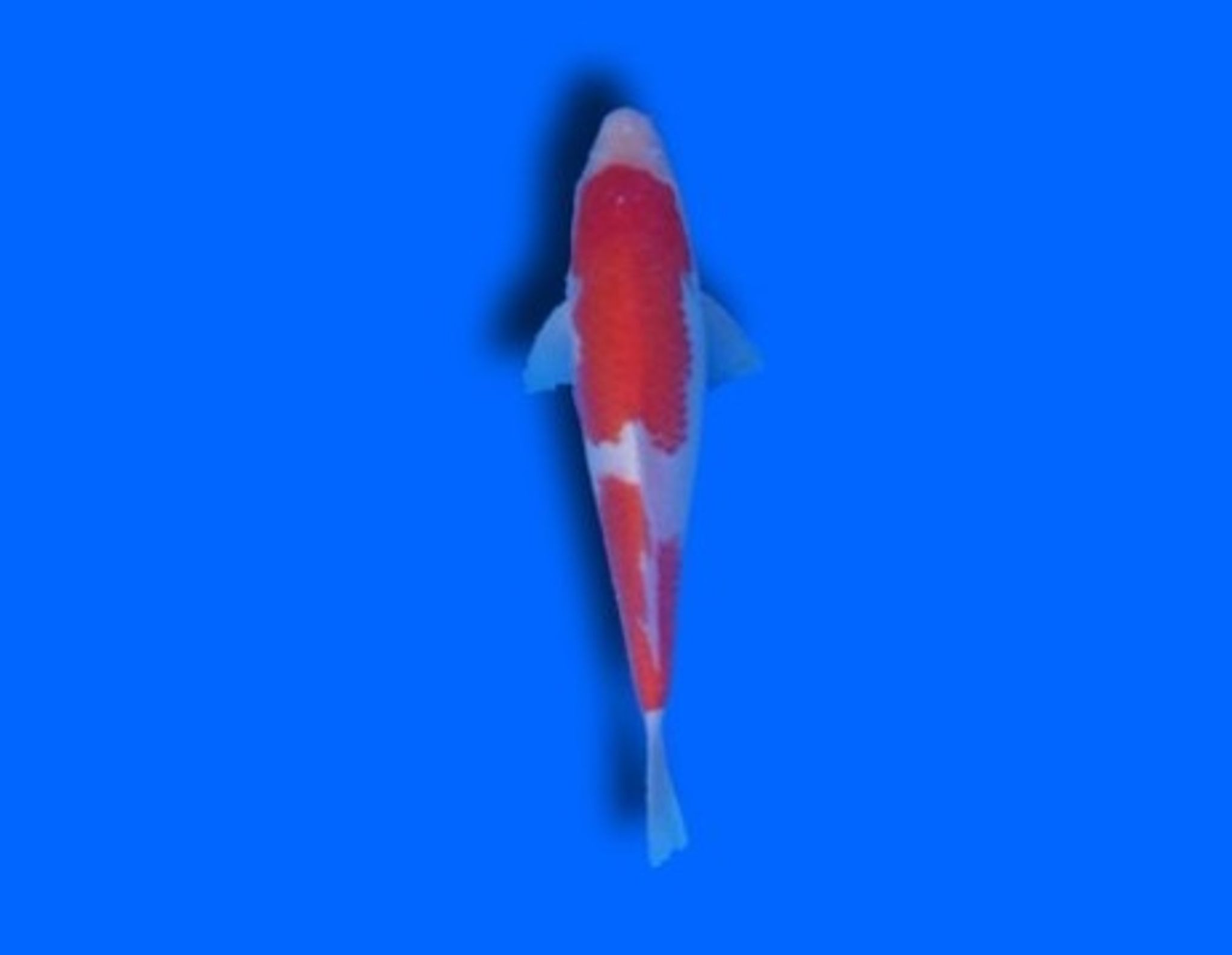
Kohaku are among the best-known Koi varieties, with red patterning over a white base. Buyers often compare the quality of the white body colour, the depth of the red markings and the overall balance of the pattern across the fish.
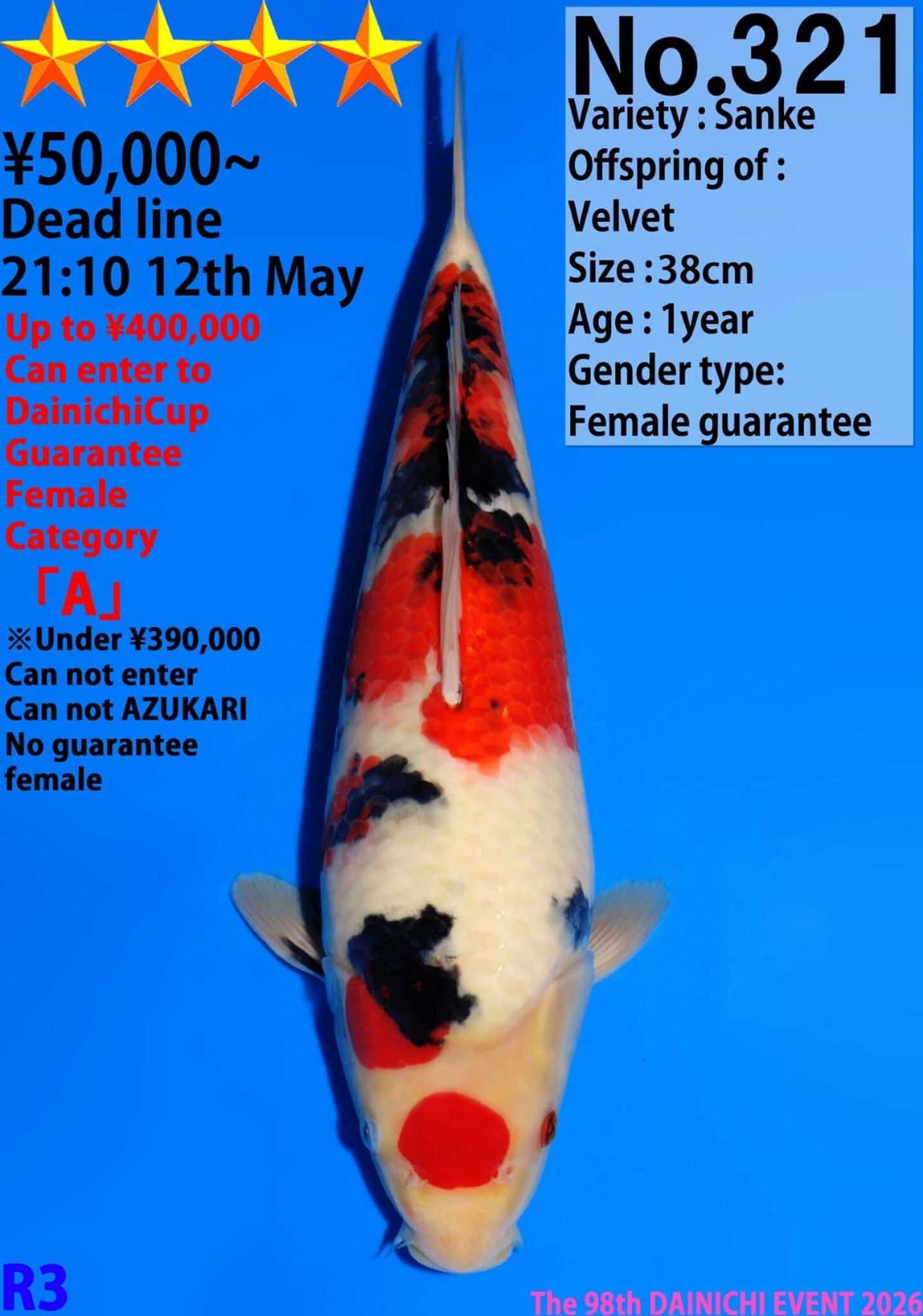
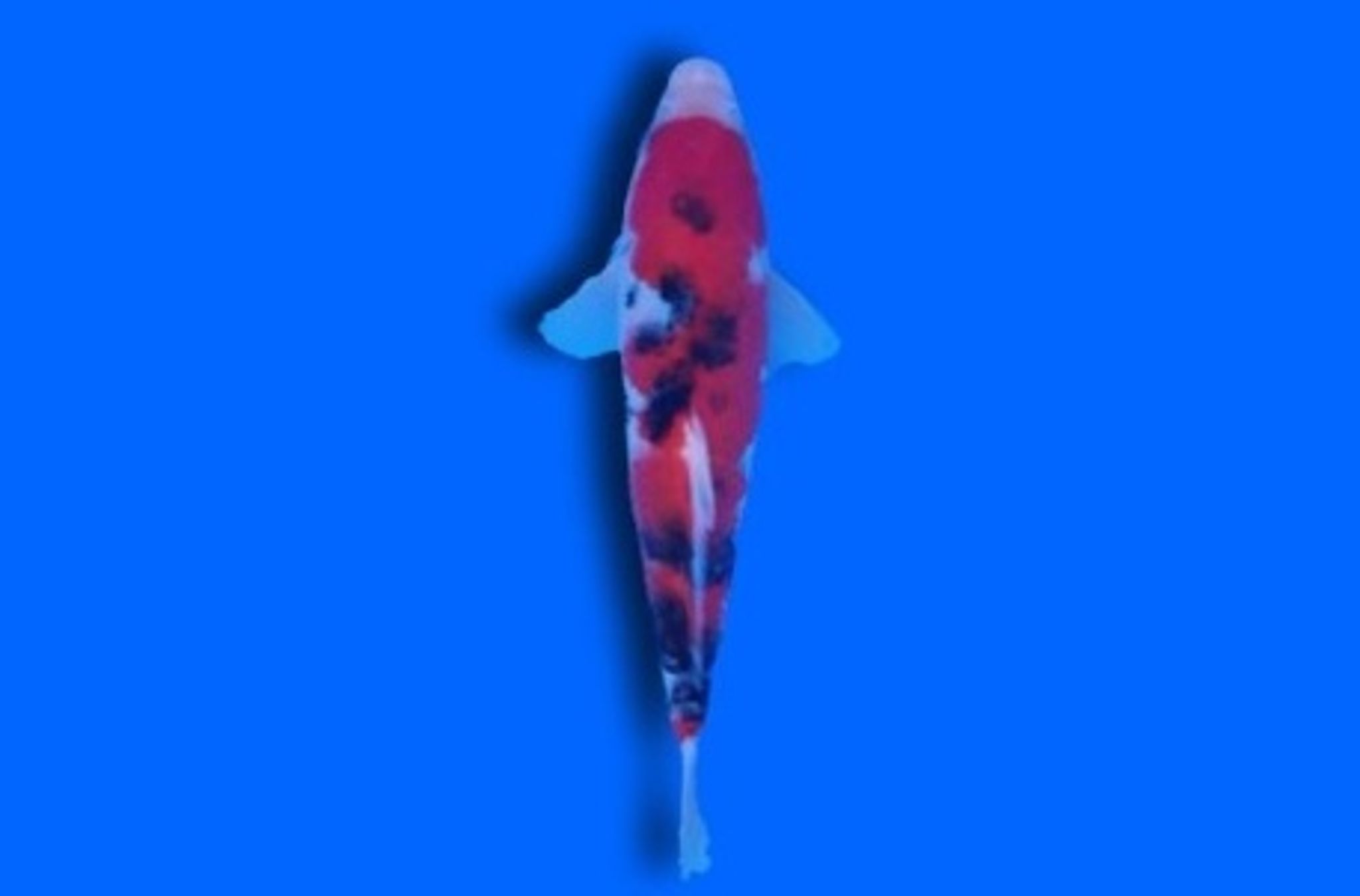
Sanke, also known as Taisho Sanke, display red and black markings over a white base. Pattern distribution, body shape and colour quality can all influence how individual fish are valued.
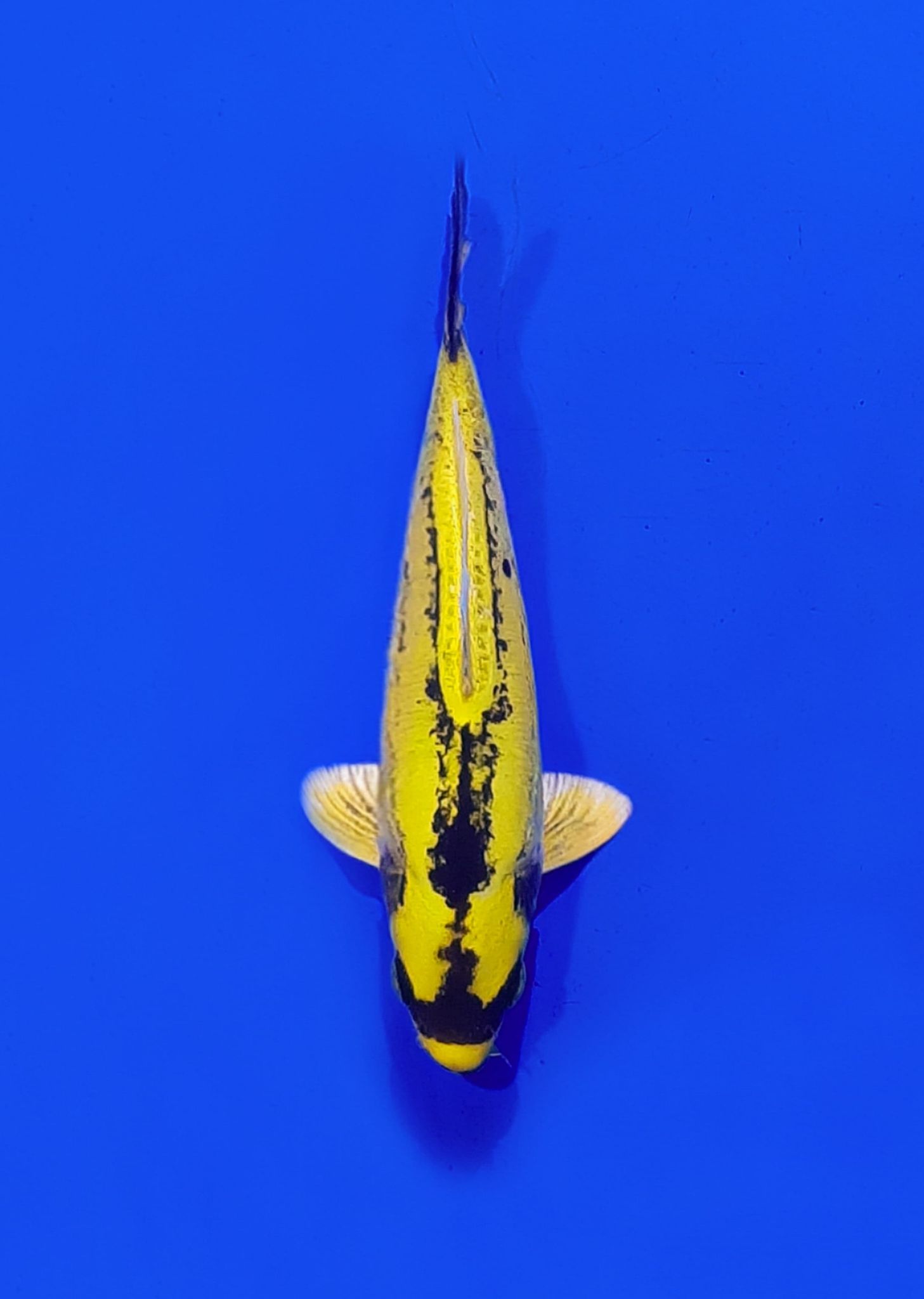
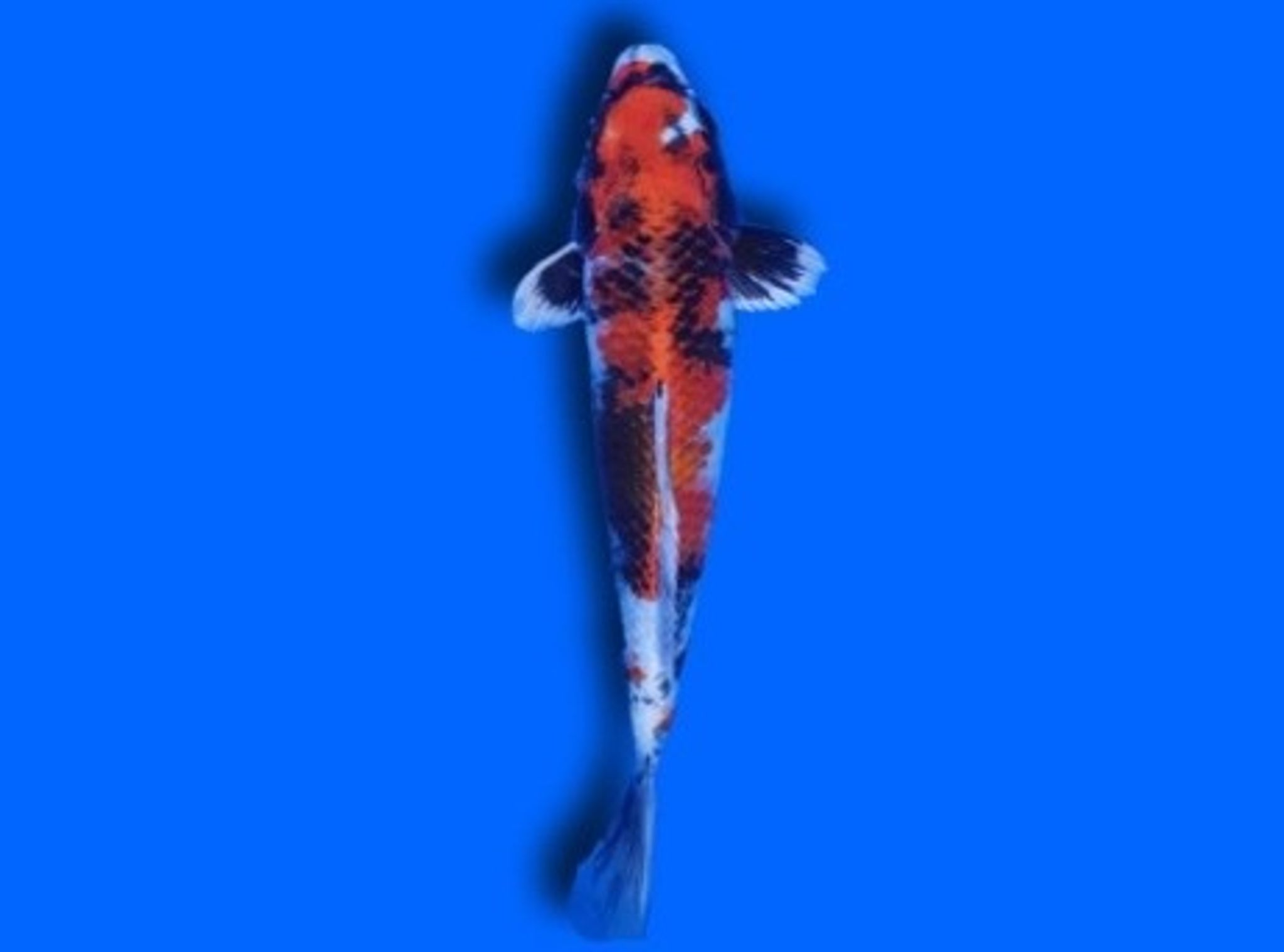
Showa Koi feature bold combinations of black, red and white. Their darker base colour often creates a more dramatic appearance than Sanke, and high-quality fish may develop complex patterns as they mature.
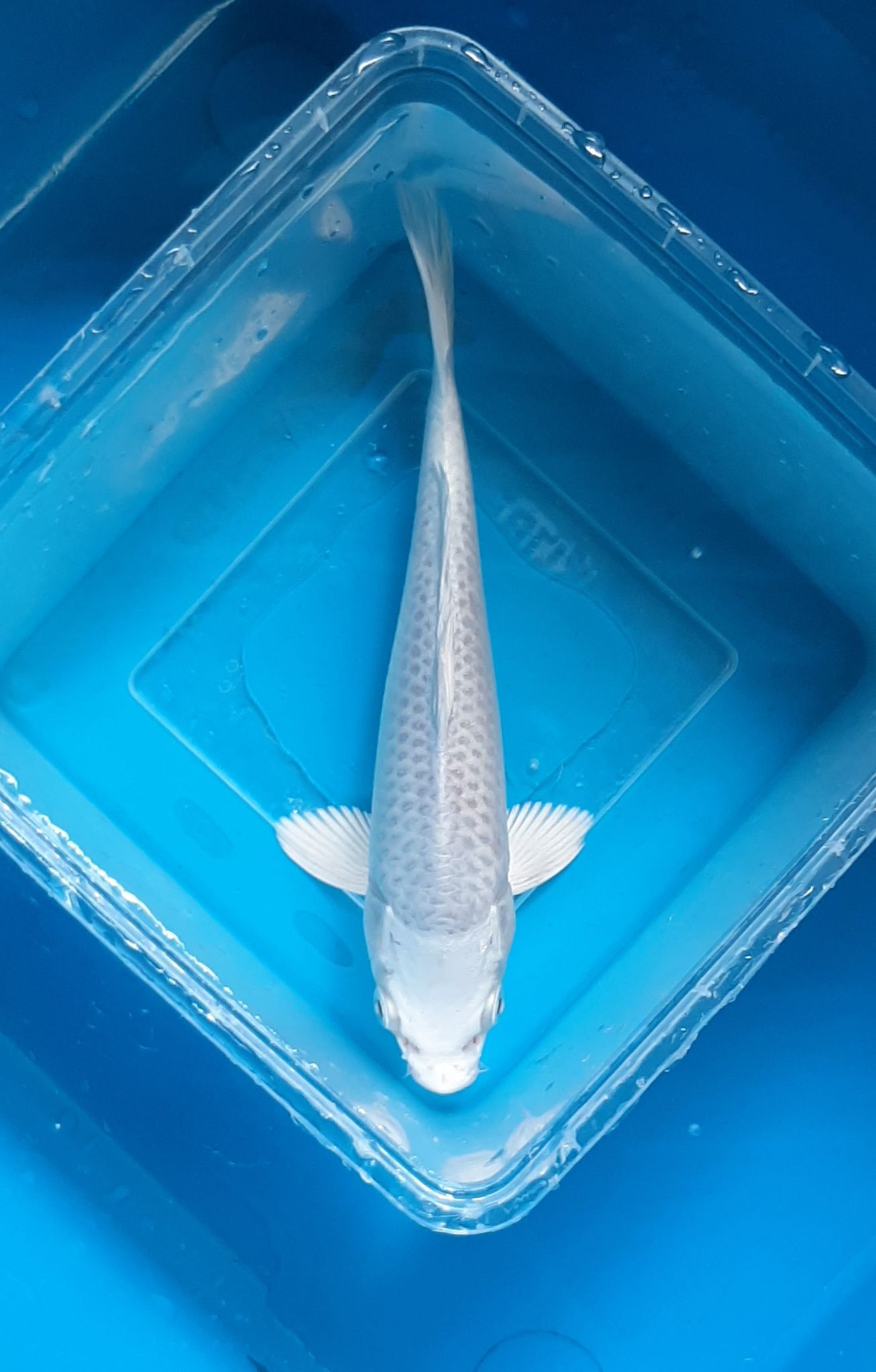
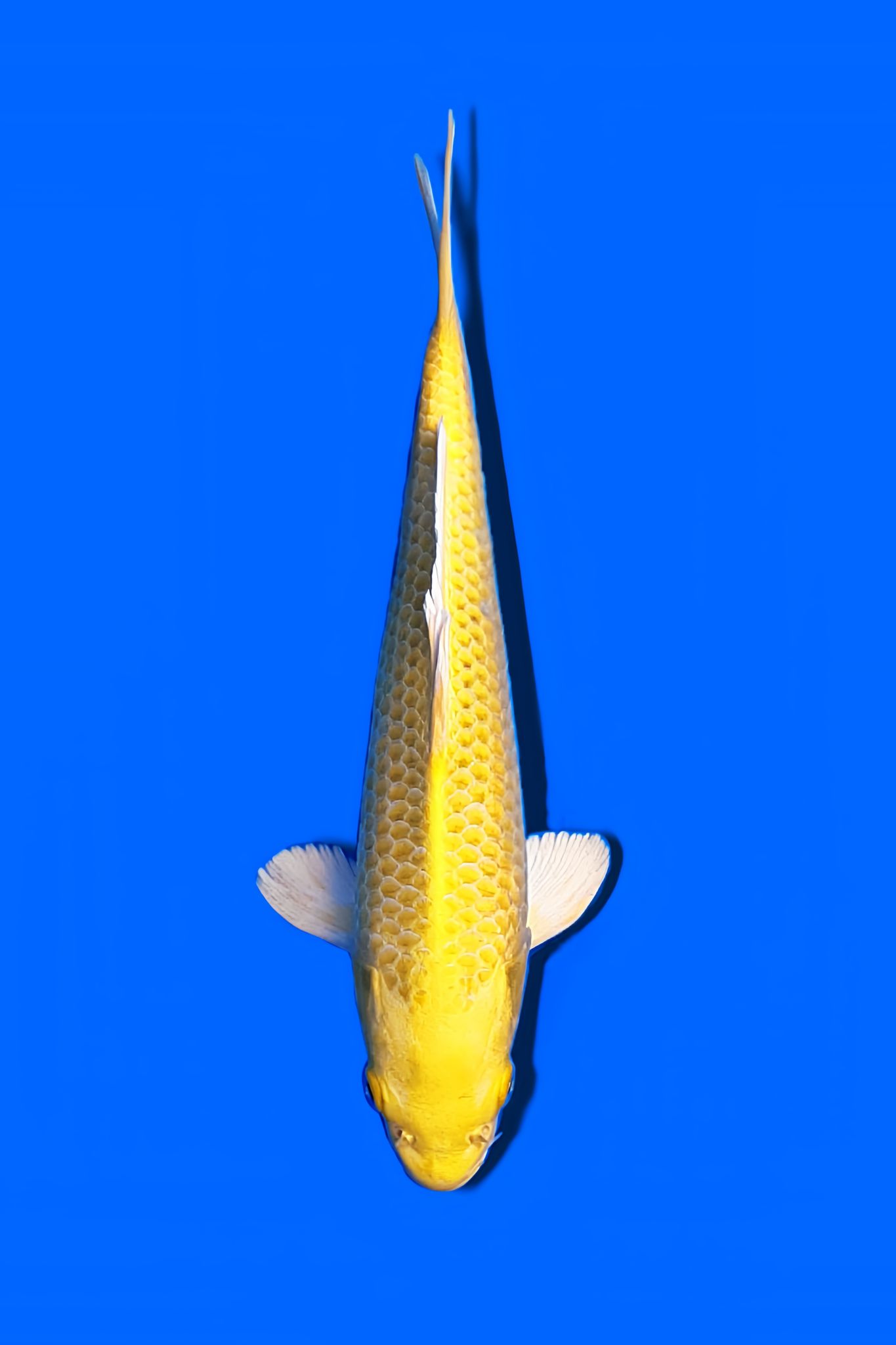
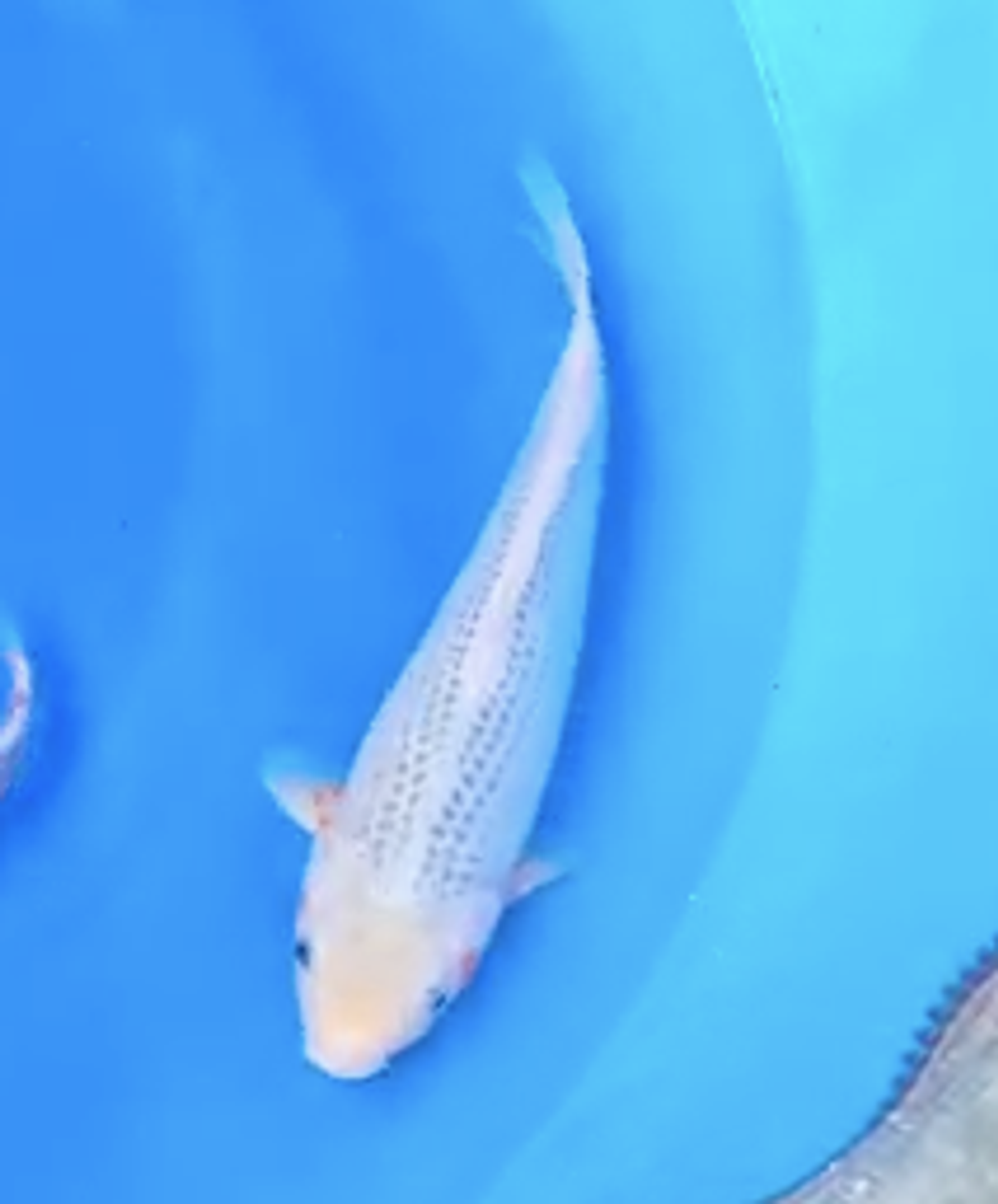
Ogon Koi are metallic, single-colour varieties that may appear gold, platinum or other reflective shades. Their simple colour pattern makes body shape, lustre and scale quality particularly noticeable.
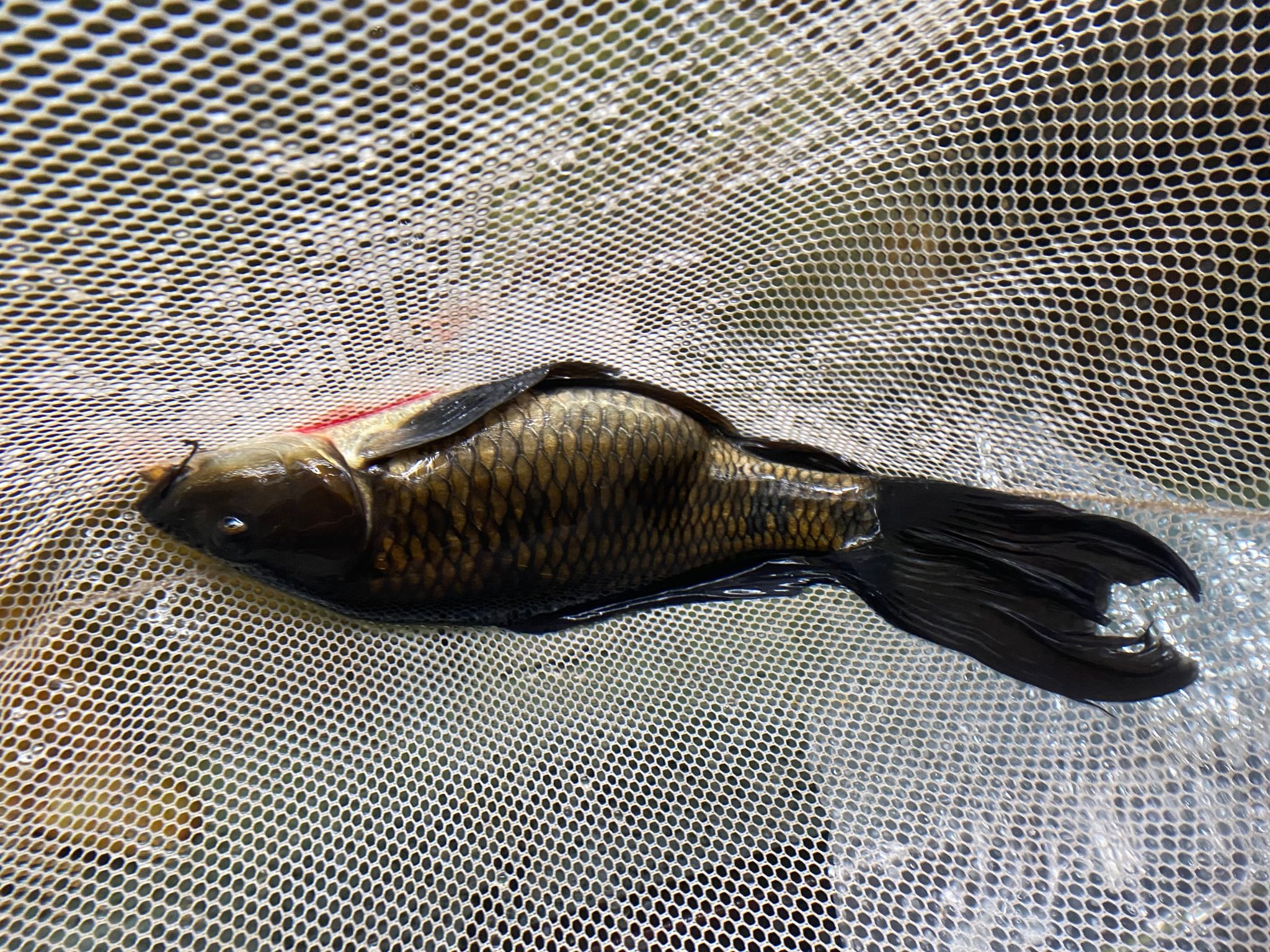
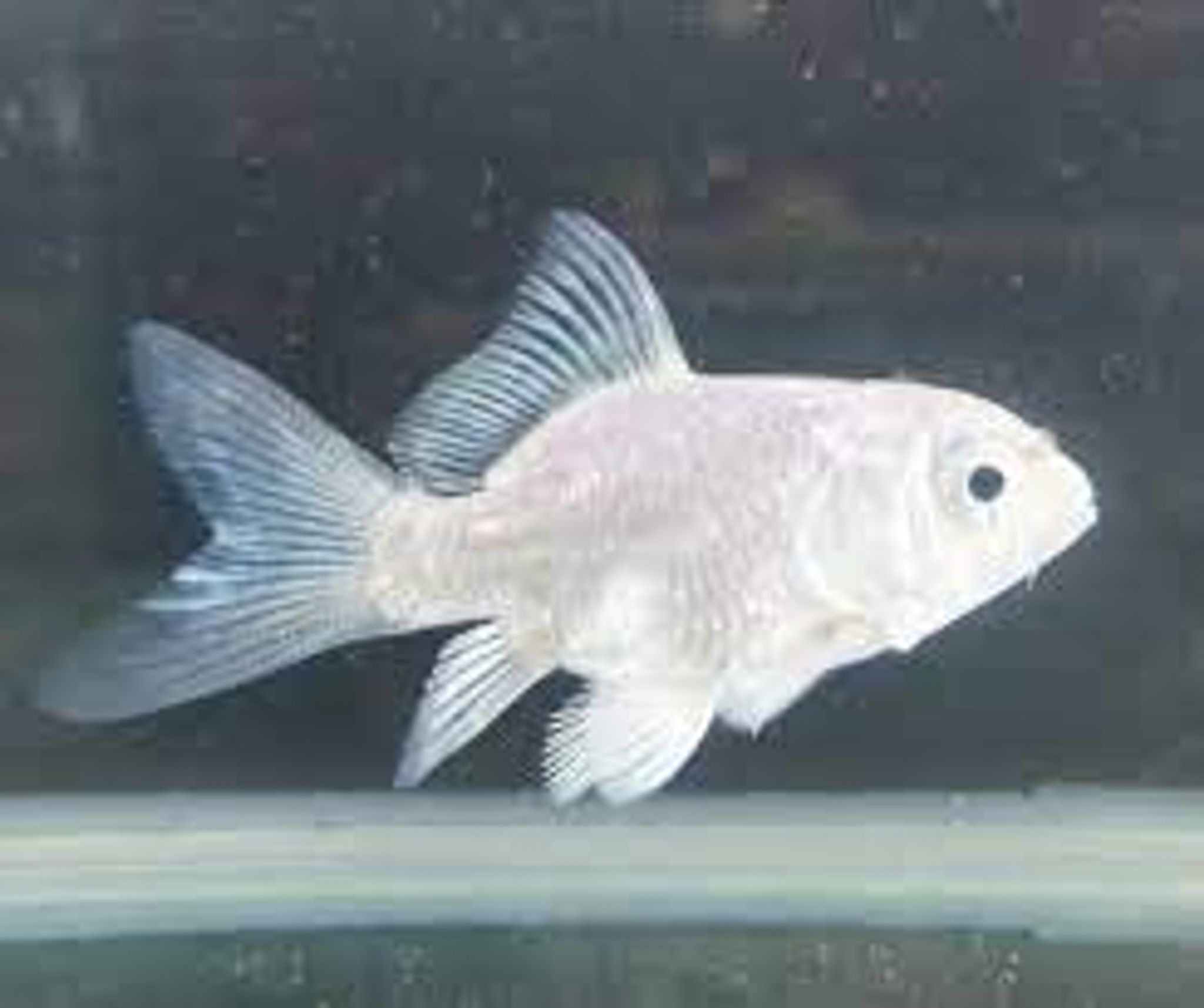
Butterfly Koi are known for their long, flowing fins and elegant appearance. They may be available in many different colours and patterns, combining traditional Koi markings with extended finnage.
When comparing Koi for sale, look for:
For premium Koi, buyers may also compare body conformation, skin quality, colour intensity and pattern balance. Recent photos or videos can be useful when evaluating individual fish.
Koi are large, active fish and require substantially more water volume than most aquarium fish. A properly designed pond should provide enough swimming space, good oxygenation and strong filtration.
A suitable Koi pond may include:
Pond design should be based on the expected adult size and number of Koi rather than the size of the fish at purchase.
Small juvenile Koi may sometimes be kept temporarily in very large indoor tanks, but Koi are generally better suited to ponds because of their adult size and swimming needs.
A standard home aquarium is usually not an appropriate permanent setup for mature Koi. Long-term planning should therefore focus on pond space rather than the fish's current juvenile size.
Koi are omnivorous and benefit from a balanced diet formulated for ornamental pond fish.
Suitable foods may include:
Feeding quantity should be adjusted according to fish size, water temperature and activity level. Avoid overfeeding, as uneaten food can quickly affect pond water quality.
Koi are often kept with other Koi and sometimes with compatible pond fish. Tankmates should be large enough not to be swallowed and should tolerate similar water conditions.
Avoid overcrowding, as high stocking levels can place heavy demands on filtration and reduce water quality.
Koi sold in Singapore may come from different breeders and countries, including Japan and regional farms. Japanese Koi are especially well known in the ornamental fish hobby for established bloodlines and selective breeding.
Origin alone does not determine whether a fish is suitable for your pond. When comparing Koi, consider health, body conformation, colour, pattern, size and seller information together.
Koi prices in Singapore vary considerably depending on size, variety, breeder, origin, body shape, colour and pattern quality.
Smaller pond-grade Koi may be relatively affordable, while larger or premium specimens from recognised bloodlines can command substantially higher prices. Show-quality Koi can be valued very differently from everyday pond fish.
FishyHub brings Koi listings from pond specialists, breeders and aquarium sellers across Singapore together in one marketplace, making it easier to compare available fish from multiple sources.
When comparing Koi listings, consider:
Seller inventory changes regularly, so available varieties, sizes and prices may change as breeders and shops update their listings.
Browse current Koi listings on FishyHub to compare Kohaku, Sanke, Showa, Butterfly Koi, Ogon and other varieties from sellers across Singapore. Check individual listings for current size, price, seller details and available collection or delivery options.
Prices vary widely depending on size, variety, breeder, origin and quality. Everyday pond Koi can be relatively affordable, while premium specimens can cost significantly more.
Koi can grow quite large under suitable conditions, so ponds should be designed around their mature size rather than juvenile size.
Juvenile Koi may sometimes be kept temporarily in large tanks, but ponds are generally more appropriate for long-term care.
Kohaku are primarily red and white. Sanke add black markings over a white base, while Showa typically display stronger black coloration combined with red and white.
Feeding frequency depends on fish size, water temperature and activity. Feed controlled portions and avoid leaving excess food in the pond.
Butterfly Koi are distinguished mainly by their longer flowing fins. Their care requirements are broadly similar to other Koi, including the need for ample pond space and good filtration.
Explore Koi fish for sale on FishyHub and compare Kohaku, Sanke, Showa, Butterfly Koi, Ogon and other varieties from sellers across Singapore. Compare sizes, patterns, breeders and prices to find Koi suited to your pond.