

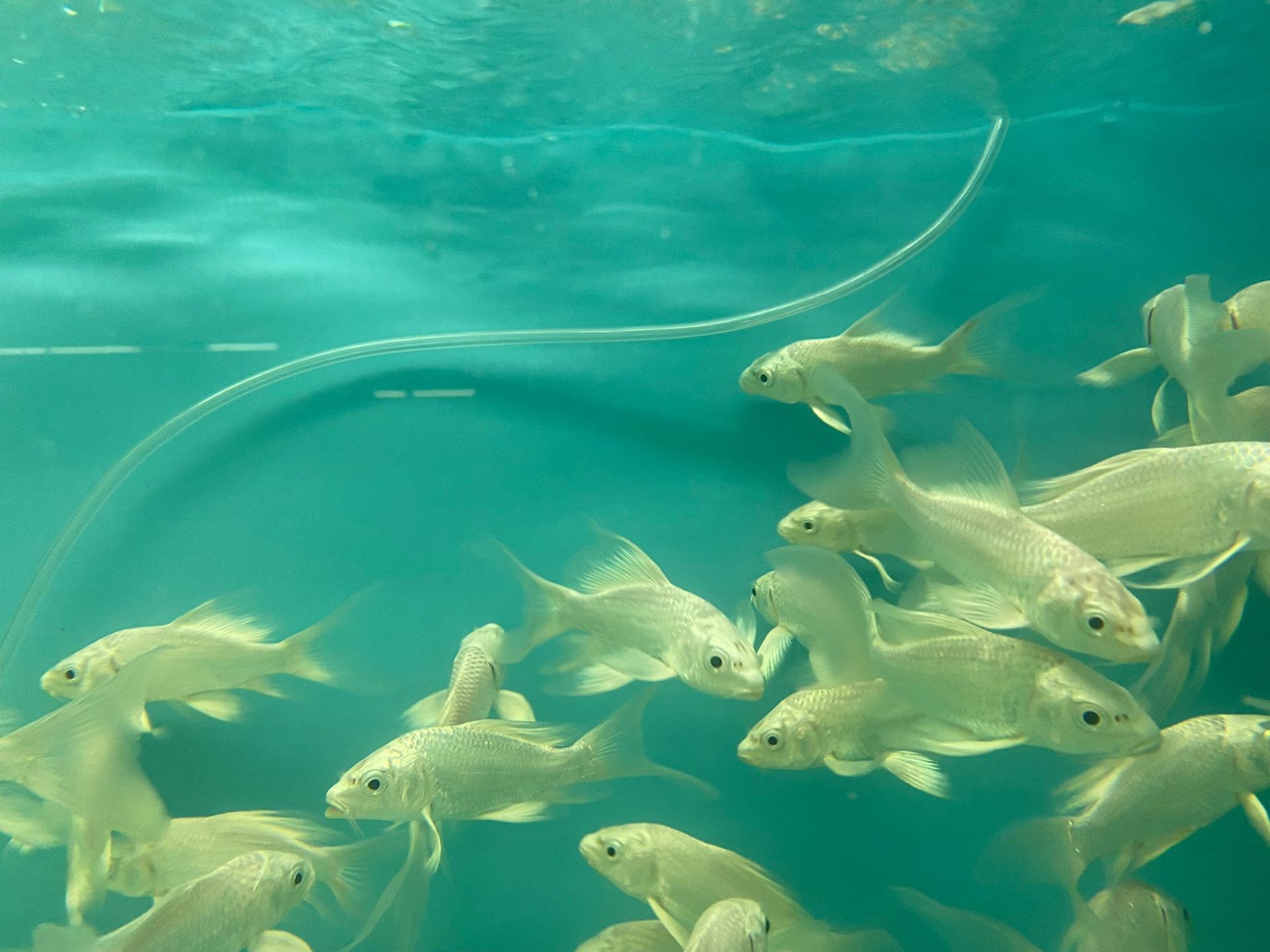

Kenapa Ikan Koi Lompat dari Kolam? Koi Jumping, Flashing and Sudden Deaths Explained
Kenapa ikan koi lompat dari kolam? A koi fish that jumps now and then may just be spawning, startled or chasing food. Repeated jumping, flashing (scratching against walls) or sudden deaths almost always point to a problem in the water. The most common causes in Malaysian ponds are parasites, low oxygen on hot nights and before dawn, ammonia or nitrite from overfeeding or a weak filter, and pH or KH crashes after heavy rain. Start by testing the water, adding aeration right away, and doing a partial water change with dechlorinated water. Then work through the causes below.
Kenapa Ikan Koi Lompat dari Kolam? Normal vs Worrying Jumping
| Behaviour | Likely meaning |
|---|---|
| Occasional jump, fish otherwise eating and active | Usually normal (play, startle, chasing) |
| Chasing, splashing and jumping near plants in the morning, often after rain | Spawning behaviour |
| Repeated jumping plus flashing / rubbing on walls | Parasites or water irritation |
| Gasping at the surface, crowding near waterfalls | Low oxygen |
| Jumping, red streaks on fins, clamped fins, lethargy | Ammonia, nitrite or pH problem |
| Several fish die suddenly overnight | Oxygen crash or a water-quality spike. Act immediately |
Cause 1: Parasites
External parasites irritate the skin and gills, so koi flash, rub, jump and produce extra slime. Common culprits include protozoa (such as Trichodina, Costia and white spot), flukes, fish lice (Argulus) and anchor worm.
Signs: flashing, jumping, clamped fins, cloudy skin, red spots, and visible lice or worms.
What to do:
- Inspect a fish closely in a bowl or net. Some parasites are visible, but others need a microscope (some koi dealers and vets offer skin scrapes).
- Treat with a product made for koi and the parasite you suspect, following the label for your pond volume. See fish medication.
- Quarantine new koi for several weeks before adding them to the main pond. Many outbreaks start with a new fish.
More in our koi disease guide and the fish lice and anchor worm guide.
Cause 2: Low Oxygen on Hot Nights
Warm water holds less oxygen, and Malaysian pond water often sits around 28–31°C. At night, algae and plants stop producing oxygen and start using it, so oxygen is lowest just before dawn. A stocked pond with green water on a hot, still night can crash.
Signs: koi gasping at the surface early in the morning, crowding at the waterfall or return, and sudden deaths of the biggest fish first.
What to do:
- Add an air pump and airstones and run them 24/7. A waterfall or venturi helps too.
- Never switch off pumps at night to save power.
- Keep a battery-backed air pump for power cuts. See our power outage guide.
- Reduce feeding in heatwaves and during haze.
- Shade the pond to keep it cooler.
Browse air pumps and pond equipment.
Cause 3: Ammonia and Nitrite
Koi produce a lot of waste. If the filter is too small, newly set up, or was cleaned too hard, ammonia and nitrite rise. Both burn gills and skin.
Signs: jumping, gasping, red-streaked fins, lethargy, and koi sitting on the bottom.
What to do:
- Test with a water test kit. Ammonia and nitrite should be zero.
- Do a 20–30% water change with tap water treated with anti klorin, and repeat daily until the readings improve.
- Stop or cut feeding for a day or two.
- Never clean all filter media at once, and rinse bio media in pond water only.
- Upgrade the filter if the readings keep creeping up. See our penapis kolam ikan guide.
Read more in our ammonia poisoning guide.
Cause 4: pH or KH Crash After Heavy Rain
Rainwater is soft and slightly acidic. A big downpour into an open pond, especially one with low KH (common with soft Malaysian tap water), can drop the pH suddenly. Runoff from roofs and gardens can also carry dirt and chemicals.
Signs: koi jumping or behaving oddly the morning after heavy rain, plus cloudy water.
What to do:
- Test pH and KH after storms.
- Keep KH stable. Some koi keepers add a buffer (follow the product label), and regular water changes with tap water help too.
- Fit an overflow pipe so rain doesn't overfill the pond, and divert roof runoff away.
- See our rainwater guide and monsoon pond guide.
Cause 5: Chlorine, Chemicals and Temperature Shock
- Topping up with untreated tap water. Malaysian tap water is chlorinated, so always use anti klorin, even for top-ups.
- Garden chemicals, pesticides, fogging (for mosquito control) or paint drifting into the pond.
- Sudden temperature changes, such as a large cold water change on a hot day.
Cause 6: Predators and Disturbance
Herons, cats, monitor lizards and otters can scare koi into jumping or hiding, and leave wounds. Fireworks and loud noise can also startle fish. See our pond predator guide.
Action Plan: What to Do Right Now
- Add aeration immediately: an air pump, a stronger waterfall, or spray from a hose pipe.
- Test the water for ammonia, nitrite, nitrate, pH, KH and temperature.
- Do a 20–30% water change with dechlorinated water at a similar temperature.
- Stop feeding for 24–48 hours.
- Check the fish closely for parasites, wounds or red streaks.
- Remove dead fish quickly, as they rot fast in warm water.
- Cover the pond with a net to stop koi jumping out while you fix the cause.
- Treat for parasites only once water quality is OK, using koi-safe medication at the right dose.
- Ask for help from an experienced koi dealer or aquatic vet if the deaths continue.
Koi Jumping Prevention Checklist
| Habit | Why |
|---|---|
| Net cover or raised edge | Stops jumpers landing on the ground |
| Air pump running 24/7 | Prevents pre-dawn oxygen crashes |
| Quarantine new koi | Stops parasites coming in |
| Test water weekly | Catch ammonia or pH drift early |
| Feed lightly in hot weather | Less waste, less oxygen demand |
| Overflow and rain diversion | Prevents pH crashes |
| Anti klorin for all tap water | Protects gills and filter bacteria |
Frequently Asked Questions
Kenapa ikan koi lompat dari kolam? Biasanya kerana parasit, oksigen rendah pada waktu malam, ammonia tinggi atau pH turun selepas hujan lebat. Uji air, tambah pam udara dan tukar sebahagian air dengan air yang dirawat anti klorin.
Kenapa ikan koi tiba-tiba mati? Punca biasa ialah oksigen terlalu rendah sebelum subuh, ammonia atau nitrit tinggi, atau perubahan pH selepas hujan. Penyakit dan parasit juga boleh jadi punca. Pasang pam udara 24 jam dan uji air dengan segera.
Is it normal for koi to jump? An occasional jump is normal, especially during spawning. Repeated jumping with flashing or gasping is not.
Why do koi rub against the pond walls? Flashing usually means skin irritation from parasites or poor water quality. Test the water and inspect the fish.
How do I stop koi jumping out of the pond? Fix the cause, and in the meantime use a net cover or raise the pond edge.
Keep your koi fish safe: browse koi, water test kits and pond equipment from sellers across Malaysia on FishyHub.