

Jenis Ikan Koi: Kohaku, Showa, Sanke & Butterfly Koi Fish Varieties
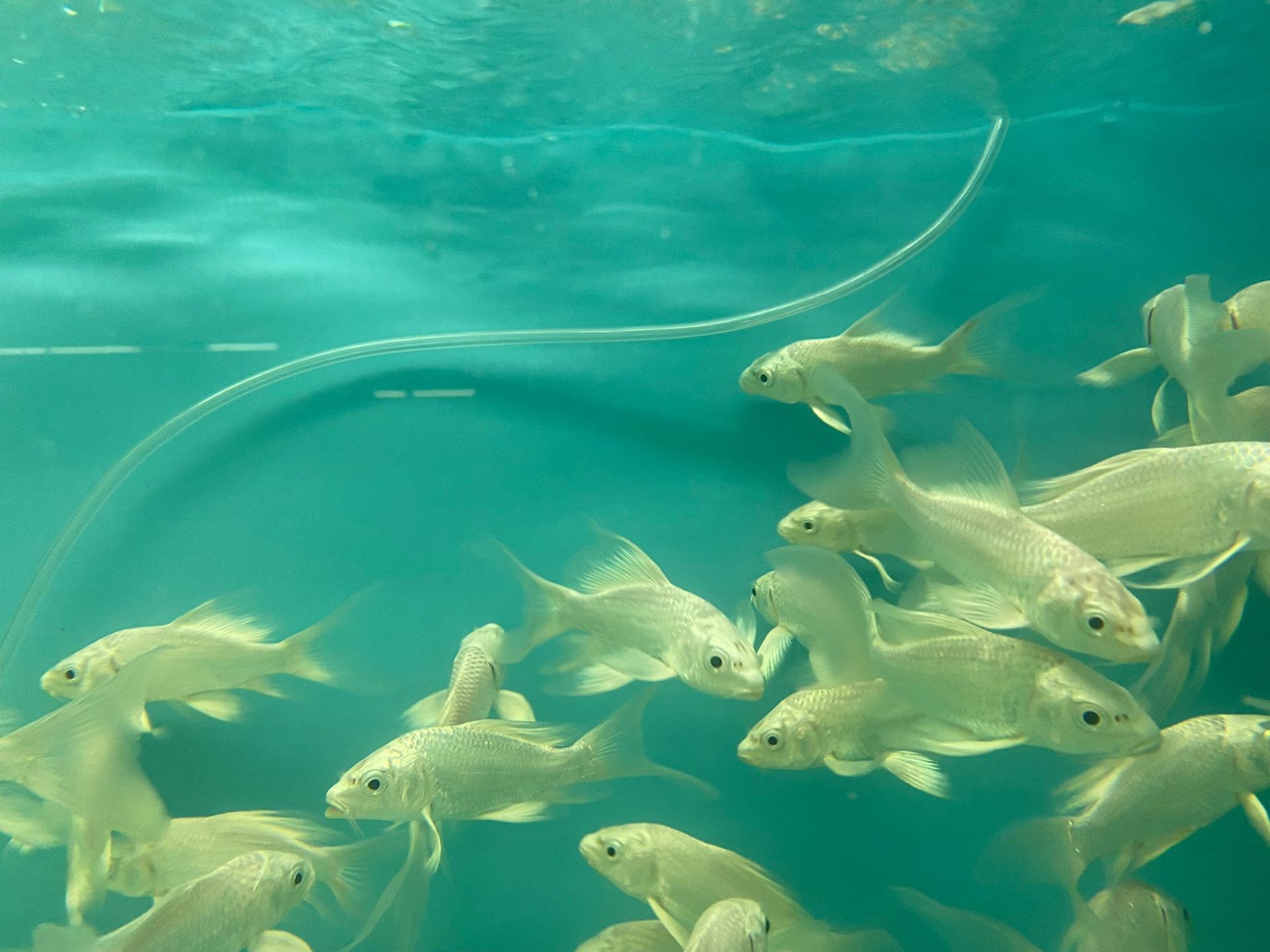
There are dozens of jenis ikan koi (koi fish varieties), but most Malaysian buyers start with the big three, called the gosanke: Kohaku (white with red), Taisho Sanke (white with red and black) and Showa (black with red and white). Beyond them come metallic Ogon, blue-scaled Asagi, scaleless Doitsu, sparkling Ginrin, friendly brown Chagoi and long-finned butterfly koi. Price depends far more on quality and size than on variety alone. This guide explains each main type, the grading words sellers use (tosai, tategoi), and the difference between Japanese and local-bred koi fish.
Basic Koi Fish Vocabulary
Before the varieties, a few Japanese terms you'll see on Malaysian listings:
| Term | Meaning |
|---|---|
| Hi | Red pattern |
| Sumi | Black pattern |
| Shiroji | White base skin |
| Kiwa | The edge of a pattern; a sharp edge is prized |
| Doitsu | Scaleless or with only a few rows of large scales |
| Ginrin | Sparkly, reflective scales |
| Tosai | Koi in its first year |
| Nisai / sansai | Second-year / third-year koi |
| Tategoi | A young koi expected to improve with age; bought for its potential |
| Jumbo | A large adult, usually in its prime |
Gosanke: The Big Three
Kohaku
White body with red (hi) patches, no black. Simple to look at but the hardest to perfect. Judges look for a pure white base, deep even red and sharp edges. A Kohaku with a single red spot on the head and no other red is called Tancho Kohaku, a favourite for its resemblance to the Japanese flag.
Taisho Sanke (Sanke)
White base with red patches plus small black (sumi) spots on the upper body, usually not on the head. Think "Kohaku with black accents".
Showa Sanshoku (Showa)
A black base with red and white patches. The black wraps around the body and often appears on the head. Showa and Sanke are often confused:
| Sanke | Showa | |
|---|---|---|
| Base colour | White | Black |
| Black on head | Usually none | Usually yes |
| Black pattern | Small spots on top | Large bands wrapping the body |
| Pectoral fins | White or with black stripes | Often black at the base (motoguro) |
Other Popular Jenis Ikan Koi
| Variety | Look | Why people like it |
|---|---|---|
| Utsurimono (Shiro, Hi, Ki Utsuri) | Black base with white, red or yellow | Bold contrast |
| Bekko | White, red or yellow base with black spots | Clean, simple pattern |
| Asagi | Blue-grey net-pattern scales, red sides and belly | One of the oldest varieties |
| Shusui | Doitsu (scaleless) version of Asagi | Blue back with a row of scales |
| Ogon | Single metallic colour: gold (Yamabuki), platinum, orange | Shines in the pond |
| Hikari Moyo / Hikari Utsuri | Metallic with patterns | Shiny Kohaku or Showa look |
| Kujaku | Metallic with net pattern and red | Very striking from above |
| Goshiki | Five-colour, Kohaku pattern over dark net scales | Darkens or lightens with water |
| Koromo | Kohaku with blue-edged red scales | Subtle, mature look |
| Chagoi | Brown or bronze, single colour | Very friendly, grows big, hand-feeds |
| Soragoi | Grey-blue, single colour | Calm "pond leader" |
| Karashi | Mustard yellow | Bright and friendly |
| Butterfly koi | Long flowing fins in any colour | Elegant, popular for smaller ponds and big tanks |
Chagoi and Soragoi are often recommended for ponds because they tame quickly and lead other koi fish to the surface at feeding time.
Butterfly koi
Butterfly or long-fin koi have long, flowing fins and barbels. They come in most colour patterns. Traditional koi shows in Japan don't judge them as standard varieties, but they are very popular with hobbyists. Full care guide: ikan koi butterfly.
Ikan Koi Jepun vs Local-Bred Koi
| Japanese-bred (ikan koi Jepun) | Locally bred / regional | |
|---|---|---|
| Bloodlines | From established Japanese breeders | Mixed; quality varies widely |
| Paperwork | Often sold with breeder certificate or photos | Usually none |
| Price | Higher, especially at higher grades | Lower; good for beginners |
| Heat adaptation | Bred in cooler climate; needs careful acclimatisation | Often already used to tropical water |
| Best for | Collectors, show hobbyists | New pond owners, community ponds |
Local and regional farms supply most of the koi fish seen in Malaysian pet shops, and they are a sensible way to start. If you want Japanese koi, buy from a seller who can show the breeder and history of the fish.
What Affects Koi Fish Price in Malaysia
We won't list RM figures, because prices vary hugely by grade. What drives price:
- Quality of skin and colour: pure white, deep red and lacquer-like black.
- Pattern balance and sharp edges (kiwa).
- Body shape: a strong, torpedo-shaped body with good volume.
- Size and age: a well-grown jumbo of good quality costs far more than a tosai.
- Breeder and origin: well-known Japanese breeders command premiums.
- Variety rarity: some varieties are harder to breed to a high standard.
- Tategoi potential: a young fish expected to improve can cost more than one that already looks finished.
Compare current RM prices on FishyHub's koi fish listings and ask sellers for clear photos or videos of the actual fish.
Choosing Koi for a Malaysian Pond
- Pick hardy varieties first: Kohaku, Ogon, Chagoi and local-bred mixed koi are forgiving.
- Watch the heat: koi fish prefer cooler water than Malaysian ponds often reach. Provide shade, depth and strong aeration with a reliable air pump.
- Size the pond for adults: koi fish grow large, so plan for the adult size, not the size you buy.
- Quarantine new fish before adding them to an existing pond.
- Chinese New Year demand: koi fish are popular gifts for good fortune around CNY, so stock and prices can move then. See our koi fish CNY guide.
For keeping koi indoors, read cara jaga ikan koi dalam akuarium. Never release koi fish into lakes, rivers or drains. They are an introduced species, and each state sets its own rules on releasing fish.
Frequently Asked Questions
Apakah jenis ikan koi yang paling popular di Malaysia?
Jenis yang paling popular ialah Kohaku (putih dan merah), Sanke (putih, merah dan hitam) dan Showa (hitam, merah dan putih). Ikan koi Ogon yang berkilat dan koi butterfly yang bersirip panjang juga digemari ramai.
Apa beza ikan koi Jepun dengan koi tempatan?
Ikan koi Jepun biasanya datang daripada penternak terkenal di Jepun dan selalunya lebih mahal, terutamanya gred tinggi. Koi tempatan lebih murah dan sudah biasa dengan cuaca panas, jadi ia sesuai untuk pemula.
What is the difference between Sanke and Showa?
Sanke has a white base with small black spots, usually none on the head. Showa has a black base with large black bands and usually black on the head.
What does tosai mean?
Tosai means a koi fish in its first year. Nisai and sansai mean second- and third-year fish.
Which koi fish are friendliest?
Chagoi, Soragoi and Karashi are known for becoming tame quickly and often lead other koi to hand-feed.
Browse koi fish, koi food and pond equipment from Malaysian sellers on FishyHub. Check each listing for size, origin and whether the photo is of the actual fish.