

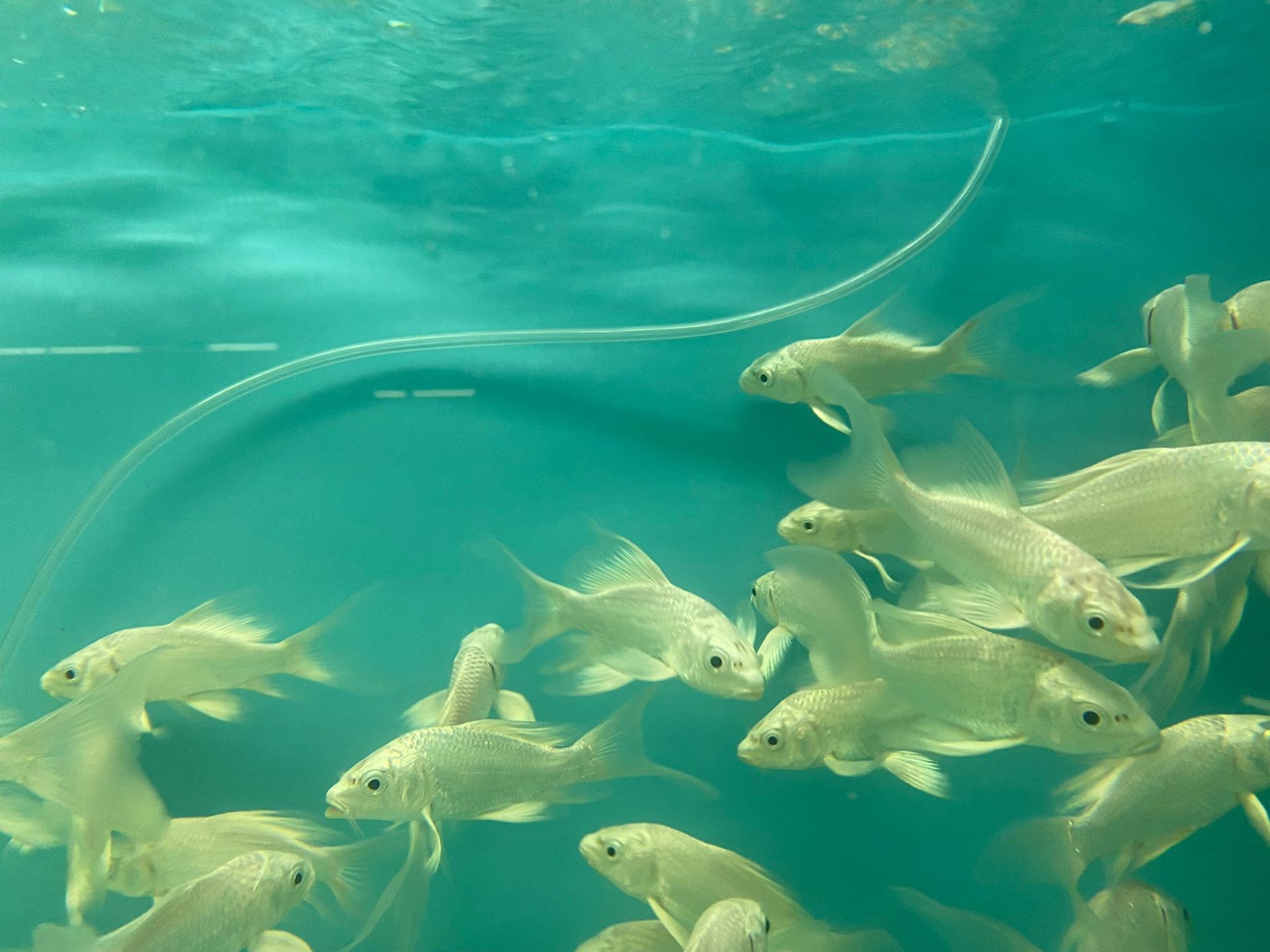

Ikan Koi for Chinese New Year 2027: Choosing, Prices & Kolam Ikan Koi in Malaysia
Chinese New Year 2027 falls on Saturday, 6 February 2027, ushering in the Year of the Goat. For many Malaysian families, the weeks before CNY are when a new kolam ikan koi (koi pond) gets filled, or a few fresh ikan koi join the household for good fortune. Koi fish are linked with perseverance, success and prosperity, thanks to the old legend of the carp that leapt the Dragon Gate and became a dragon.
But koi fish are also long-lived, large and demanding pets. A healthy fish bought now can be with your family for many CNYs to come, if its pond is right. This guide covers how to choose koi fish, what really drives koi fish prices in Malaysia, and how to build a pond that copes with our heat.
Why Koi Fish Are Popular for CNY
- Symbolism: Red, gold and orange koi fish represent luck and wealth. Gold metallic koi such as Yamabuki Ogon are a favourite for prosperity.
- The legend: The carp leaping the Dragon Gate stands for overcoming obstacles, which is a popular theme for new beginnings.
- Feng shui: Many people follow the popular feng shui practice of keeping nine koi fish, with eight red or gold fish and one black, and placing a pond or water feature near the entrance. Feng shui practices vary, so ask your own consultant if this matters to you.
- Gifting: Koi fish are sometimes given to business owners or newly married couples. Only give live fish to someone you know is prepared for them.
Plan Ahead: Timing Your Purchase for CNY 2027
| When | What to do |
|---|---|
| November–December 2026 | Build or upgrade the pond; start the filter so it can cycle |
| Late December–early January 2027 | Buy fish and quarantine them for 2–4 weeks |
| Mid–late January 2027 | Move healthy fish into the main pond |
| 6 February 2027 | Enjoy settled, healthy fish for CNY |
Avoid buying fish in the last few days before CNY. Shops and farms get busy, couriers face festive-season backlogs, and fish put into a brand-new pond are far more likely to get sick. Check delivery and self-collect arrangements early with each seller.
Popular Koi Fish Varieties in Malaysia
| Variety | Look | Notes |
|---|---|---|
| Kohaku | White body with red patterns | The classic and most popular; red and white is very "CNY" |
| Taisho Sanke (Sanke) | White, red and small black spots | A "Gosanke" big-three variety |
| Showa | Black base with red and white | The third Gosanke variety; bold look |
| Tancho | White with a single red circle on the head | Considered especially auspicious; resembles the Japanese flag |
| Ogon / Yamabuki Ogon | Solid metallic gold or platinum | Popular "wealth" fish |
| Chagoi | Brown/bronze | Friendly, grows large, often first to hand-feed |
| Asagi / Shusui | Blue-grey with red | Shusui is the scaleless (doitsu) form |
| Butterfly koi | Long, flowing fins | Often local-bred; graceful in ponds |
Japanese vs local-bred koi fish
You'll see listings labelled koi Jepun (Japanese-bred) or local-bred. Japanese koi fish from established breeders command a premium, especially with certificates and known bloodlines. Local and other Asian-bred koi fish are much more affordable and often better adapted to tropical conditions, making them a sensible choice for most home ponds.
Ikan Koi Harga: What Drives Koi Fish Price in Malaysia?
There is no single "harga ikan koi". Prices in RM range from very affordable for small, pond-grade fish to extraordinary for top Japanese show fish. To give a sense of the top end, the New Straits Times reported in 2022 that a Terengganu hobbyist sold land to buy a Japanese Sakai Kohaku for RM300,000, with its market value said to reach RM600,000. He valued other fish in his home pond at between RM20,000 and RM60,000 each. Those are collector fish; ordinary pond koi fish cost a tiny fraction of that.
What affects price:
- Size. Small tosai (first-year fish) are cheapest. Price climbs steeply with length.
- Origin and breeder. Named Japanese breeders cost far more than local or other imported fish.
- Variety. Gosanke (Kohaku, Sanke, Showa) and Tancho with good patterns cost more than common colours.
- Quality. Pattern balance, clean white skin, deep red (hi), body shape and fin condition.
- Grade. Shops often sell "pond grade" or mixed batches cheaply, and hand-selected fish at a premium.
- Certificates. Show or breeder certificates add value for Japanese fish.
Compare current listings and RM prices on FishyHub's koi fish page.
How to Choose a Healthy Koi Fish
- Swimming: Look for fish that swim smoothly and stay with the group. Avoid fish sitting alone on the bottom, gasping at the surface or flicking against walls.
- Body: It should be well-rounded and symmetrical, without a pinched belly or bent spine.
- Skin and scales: Avoid fish with red streaks in fins, ulcers, raised scales, white spots or cotton-like patches.
- Fins: Fins should be fully open, not clamped or ragged.
- Eyes: They should be clear and not sunken or cloudy.
- The other fish in the tank: If several fish in the same tank look sick, skip the whole batch.
Always quarantine new koi fish in a separate tank or tub with good aeration for 2–4 weeks before adding them to an established pond.
Kolam Ikan Koi Malaysia: Building a Pond for Our Climate
Koi fish naturally prefer temperate water, and in Malaysia the big challenges are heat, oxygen and sun.
Size and depth
| Recommendation | |
|---|---|
| Depth | At least about 1 m if possible; deeper water stays cooler and more stable |
| Volume | Several thousand litres for a small group of adult fish; bigger is always better |
| Stocking | Start with only a few fish; koi fish can grow beyond 60 cm |
| Shape | Avoid sharp corners and dead spots where waste collects |
Shallow decorative ponds and small glass tanks heat up fast in Malaysian sun. Juvenile koi fish can live temporarily in a large tank, but adults need a pond. You can also use preformed or liner artificial ponds for smaller setups.
Shade and temperature
- Shade at least part of the pond with a roof, shade net, pergola or floating plants such as water lettuce.
- Avoid ponds in full afternoon sun on west-facing walls.
- Keep the water moving; a waterfall or fountain helps cool and oxygenate.
Filtration and oxygen
Koi fish eat a lot and produce a lot of waste. A proper pond needs:
- Strong mechanical and biological filtration, sized generously for the pond volume
- A pond pump to move the water through the filter (see pond external pumps)
- A UV sterilizer to control green water, which is very common in sunny ponds
- Air pumps and airstones. Warm water holds less oxygen, and a battery-backup air pump protects fish during power cuts.
See pond equipment & accessories for filters, UV units and fittings.
Water
Malaysian tap water is chlorinated, and the Ministry of Health standard allows up to 5 mg/L of residual chlorine, so always dose anti klorin when topping up or changing water. Do partial water changes (around 10–20% a week, depending on the pond and stocking) rather than draining the pond. Monsoon rain can dilute and change pond chemistry quickly, so test pH and KH after heavy downpours, and make sure the pond can't overflow and wash fish out.
Feeding Koi Fish
- Feed quality koi pellets, sized to fit the fish's mouth, from the koi food range.
- Feed only what they finish in about 5 minutes, two or three times a day.
- In very hot weather or when the water is above about 30°C, reduce feeding, since fish digest and breathe harder in warm water.
- Colour-enhancing foods (with spirulina or astaxanthin) can deepen red tones; wheatgerm-based foods are easier to digest.
- Watermelon, lettuce and oranges make occasional treats.
Jangan Lepaskan Ikan Koi ke Sungai
If you can no longer keep your koi fish, do not release them into rivers, lakes or drains. The Department of Fisheries (DOF) Malaysia reports around 80 alien species established in Malaysian waters, and release rules are set by each state: Perlis, for example, now fines people up to RM20,000 for releasing foreign fish into rivers without written permission. Rehome them through a koi club, local shop or other hobbyists instead, and confirm current rules with DOF Malaysia.
Frequently Asked Questions
Berapa harga ikan koi di Malaysia? Harga ikan koi sangat berbeza. Ikan kecil gred kolam paling murah, manakala koi Jepun bersaiz besar dengan sijil boleh mencecah ratusan ribu ringgit. Harga bergantung pada saiz, jenis, kualiti corak dan asal penternak. Semak harga semasa dalam RM pada setiap senarai penjual.
Berapa dalam kolam ikan koi yang sesuai? Sebaik-baiknya sekurang-kurangnya kira-kira satu meter. Kolam yang lebih dalam lebih sejuk dan stabil, sesuai untuk cuaca panas Malaysia. Pastikan ada teduhan, penapis yang kuat dan pam udara.
Bila tarikh Tahun Baru Cina 2027? Tahun Baru Cina 2027 jatuh pada hari Sabtu, 6 Februari 2027. Beli ikan koi beberapa minggu lebih awal supaya ada masa untuk kuarantin.
Can I keep koi fish in an aquarium? Small juveniles can be grown in a large aquarium temporarily, but adult koi fish grow too large and produce too much waste for most home tanks. Plan for a pond.
How many koi fish should I start with? Start with only a few, depending on the pond's volume and filtration. Koi fish grow quickly, and overstocking is the most common cause of poor water and disease in Malaysian ponds.
Which koi fish is luckiest for CNY? Many people choose red-and-white Kohaku, Tancho (with its single red head spot) or metallic gold Ogon for luck and prosperity. Choose the healthiest fish first, since a sick fish brings no luck at all.
Getting ready for CNY 2027? Browse koi fish, koi food and pond equipment from Malaysian sellers on FishyHub, with prices in RM.