


Ikan Koi Butterfly: Long-Fin Koi Fish Care in Malaysian Tanks & Ponds
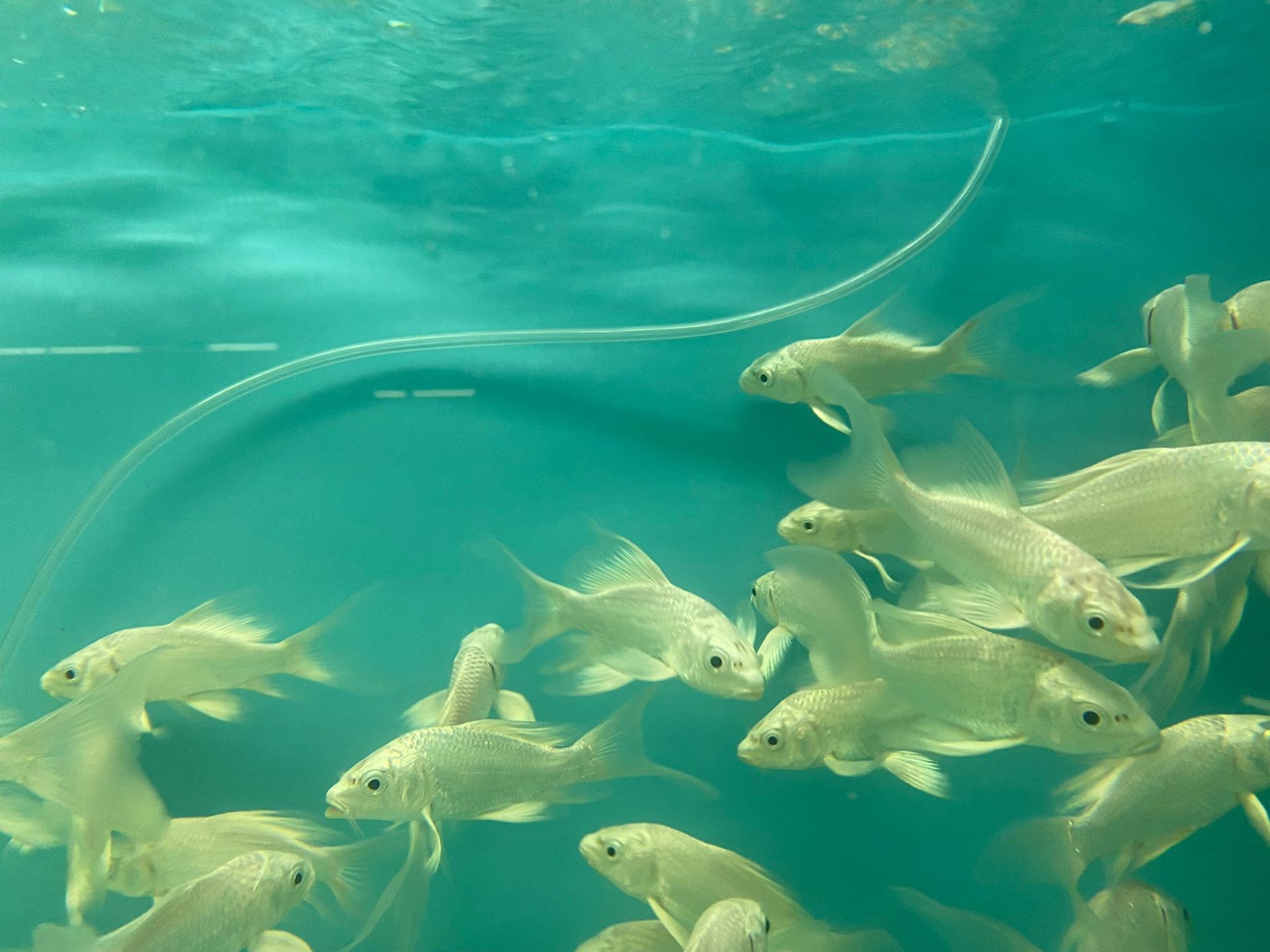
Ikan koi butterfly (butterfly koi, long-fin koi) are koi fish with long, flowing fins and tails that trail behind them like veils. They need the same basic care as standard koi fish: plenty of space, strong filtration, high oxygen and cool, shaded water. They do not stay small, so plan for a fish that can grow well over 50 cm. The main differences are that their fins tear and get infected more easily and they swim a little more slowly, which makes them a good choice for calmer ponds and large aquariums viewed from the side. This guide covers how they compare with standard koi fish and how to keep them healthy in Malaysian heat.
Butterfly Koi vs Standard Koi Fish
| Butterfly koi | Standard koi fish | |
|---|---|---|
| Fins | Long, flowing pectoral, dorsal and tail fins | Short, rounded fins |
| Body | Often slightly slimmer | Fuller, torpedo-shaped body prized in shows |
| Adult size | Large; plan for 50 cm and up | Large; plan for 50–70 cm and up |
| Colours | Most patterns: Kohaku, Ogon, Platinum, Showa and more | All varieties |
| Swimming | Graceful, a little slower | Strong, fast |
| Japanese show judging | Not judged as a standard variety in traditional shows | Judged in standard classes |
| Best viewed | From the side (tank) or above (pond) | Mostly from above |
Butterfly koi are commonly said to have been developed in the 1980s, outside Japan, by crossing koi with a long-finned wild carp from Indonesia. Because of this, traditional Japanese koi judges don't treat them as a standard variety, but hobbyists everywhere love them. For other varieties, see jenis ikan koi.
Ikan Koi Butterfly Care Basics
| Need | Recommendation |
|---|---|
| Temperature | Cooler is better; aim to keep water below about 28°C with shade, depth and aeration |
| Pond size | Ideally at least about 1,000 L for a few adults; deeper ponds stay cooler |
| Tank size | Juveniles only, in at least a 4 kaki (about 230–270 L) tank; move to a pond as they grow |
| Filtration | Strong biological filtration sized for heavy waste |
| Oxygen | Air pump with airstones running 24 hours |
| pH | Around 7–8; stable matters more than exact |
| Food | Quality koi pellets plus occasional vegetables |
| Tankmates | Other koi fish, goldfish in large ponds; no fin-nippers |
Fin Care: The Big Difference
Long fins look beautiful but are more fragile:
- Remove sharp objects. Avoid jagged rocks, rough concrete edges, sharp plastic decorations and exposed pipe ends. Smooth pond walls and rounded stones are best.
- Watch for fin rot. Ragged, frayed or white-edged fins, often with red streaks, signal infection. This usually follows poor water quality. Improve water first, then treat with a suitable fish medication following the label. See our fin rot guide.
- Avoid fin-nipping tankmates, such as barbs or aggressive fish, in tanks.
- Handle gently. Use a soft, fine net or a koi bowl when moving them, and never lift them by the tail.
- Expect fins to regrow if damage is minor and the water is clean.
Heat and Oxygen in Malaysia
Koi fish come from a temperate background, and Malaysian ponds can easily reach 30°C or more on hot afternoons, especially shallow ponds in full sun. Warm water holds less oxygen, just as koi need more of it.
Keep them cooler and better oxygenated:
- Shade at least part of the pond with a roof, shade cloth or floating plants.
- Go deeper. Deeper ponds have a cooler bottom zone.
- Run an air pump with airstones 24 hours a day; add a battery backup for power cuts.
- Use a waterfall or fountain to break the surface.
- Feed less on very hot days, because digestion uses oxygen.
- Top up evaporation with dechlorinated water, not raw tap water.
Signs of low oxygen: koi gasping at the surface, crowding near the waterfall or air stones, and lethargy in the early morning. Read ikan berenang di permukaan for what to do.
Butterfly Koi in Aquariums
Butterfly koi fish look stunning from the side, which makes them a popular choice for big indoor tanks. But:
- Keep only juveniles in tanks; most grow out of even a large tank.
- Use a strong external filter or top filter, plus an air pump.
- Change water frequently, about 25–30% weekly, using anti klorin.
- Plan where they will go when they outgrow the tank.
Full details in cara jaga ikan koi dalam akuarium.
Makanan Ikan Koi Butterfly
| Food | How often | Notes |
|---|---|---|
| Koi pellets (floating) | 1–3 times a day, small amounts | Main diet; choose a size that suits the fish |
| Colour-enhancing pellets | Occasionally | Brightens red and orange |
| Wheat-germ or easy-digest pellets | During very hot spells | Easier on digestion |
| Vegetables (lettuce, peas, watermelon) | Treats | Remove leftovers |
| Live or frozen foods | Treats | Small amounts |
Feed only what they eat within about 5 minutes. Browse koi food on FishyHub.
What Affects Butterfly Koi Price
We won't quote RM figures, because prices vary widely. Key factors:
- Fin length and symmetry: long, even fins with no splits.
- Colour and pattern: bright, clean colours; metallic types like Platinum and Ogon are popular.
- Body shape and health: straight spine, no damage.
- Size: larger fish cost more.
- Source: breeder and how the fish were raised.
Compare listings on FishyHub's koi fish page and ask sellers for videos showing the fish swimming.
Responsible Keeping
Koi fish are introduced species in Malaysia. Never release them into lakes, rivers or drains. Each state sets its own rules on releasing fish, and some now fine people for releasing foreign species. If you can't keep your koi, rehome them to another pond owner or a shop.
Frequently Asked Questions
Ikan koi butterfly boleh duduk dalam akuarium ke?
Boleh, tetapi hanya semasa masih kecil. Koi butterfly boleh membesar lebih 50 cm, jadi perlukan akuarium sekurang-kurangnya 4 kaki dengan penapis yang kuat, dan akhirnya perlu dipindahkan ke kolam.
Ikan koi butterfly makan apa?
Ikan koi butterfly makan pelet koi yang terapung sebagai makanan utama. Anda boleh beri sayur seperti salad atau kacang pea sebagai makanan tambahan. Bagi secukupnya, iaitu apa yang dihabiskan dalam masa lebih kurang 5 minit.
Are butterfly koi harder to keep than standard koi?
Not really. They need the same water care, but their long fins are more prone to tearing and infection, so smooth decor and clean water are especially important.
Do butterfly koi stay small?
No. They grow large like standard koi fish, so plan for adult size from the start.
Can butterfly koi live with goldfish?
In a large, well-filtered pond, yes. In a tank, space and waste become problems quickly.
Shop koi fish, koi food and pond equipment from Malaysian sellers on FishyHub. Check each listing for size, fin quality and delivery or self-collect options.