Platinum Koi
Click to enlarge

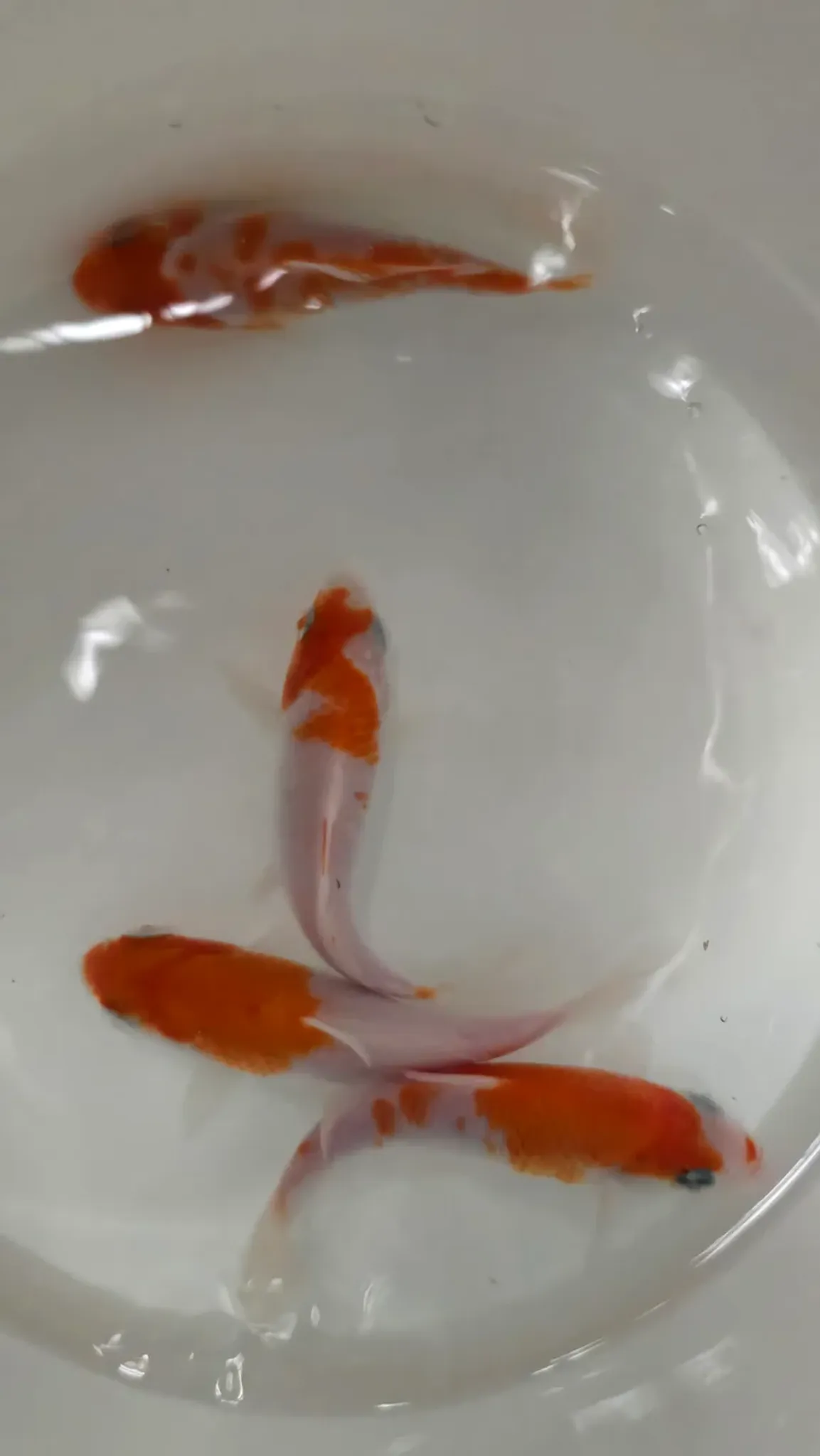
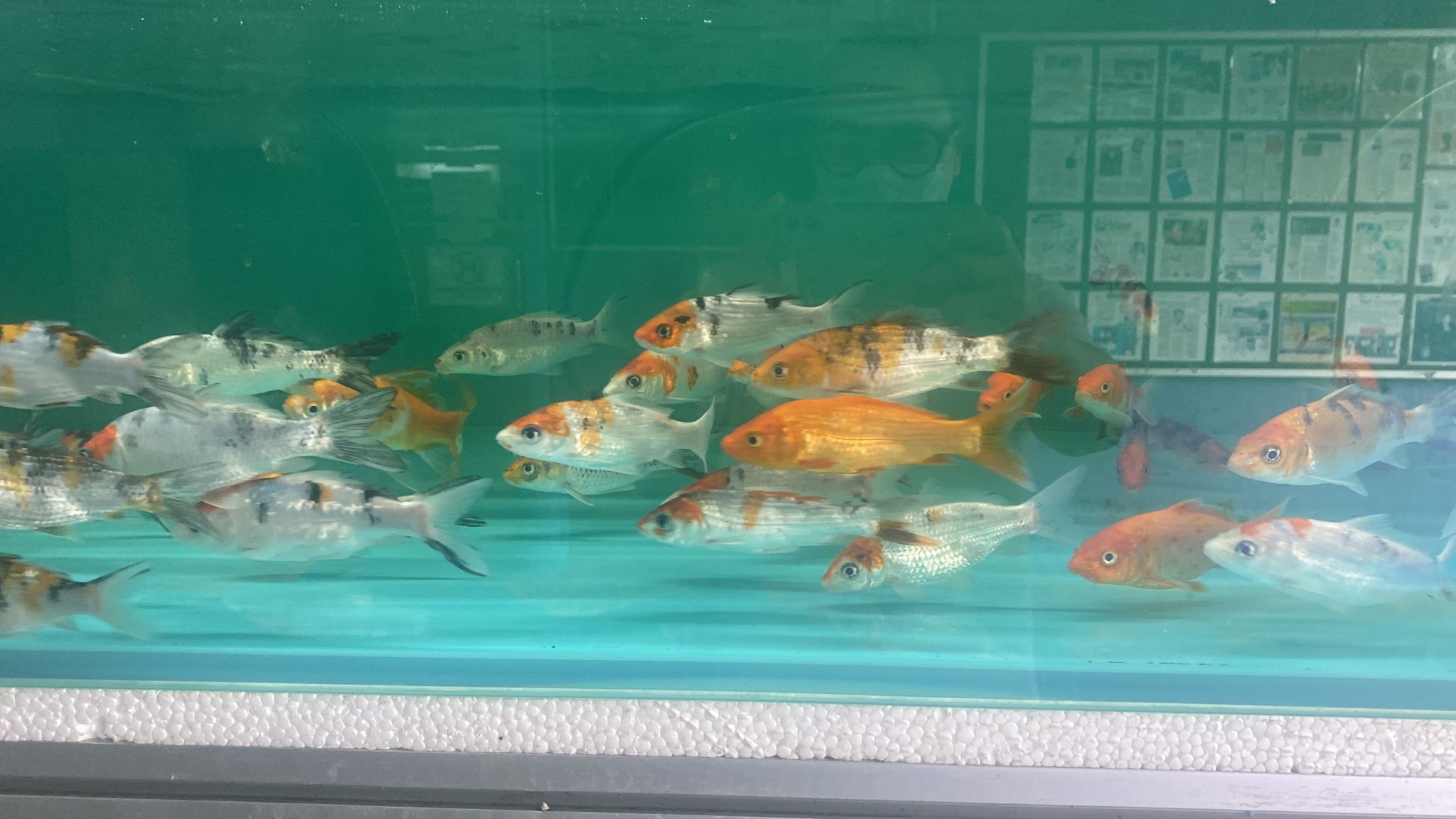
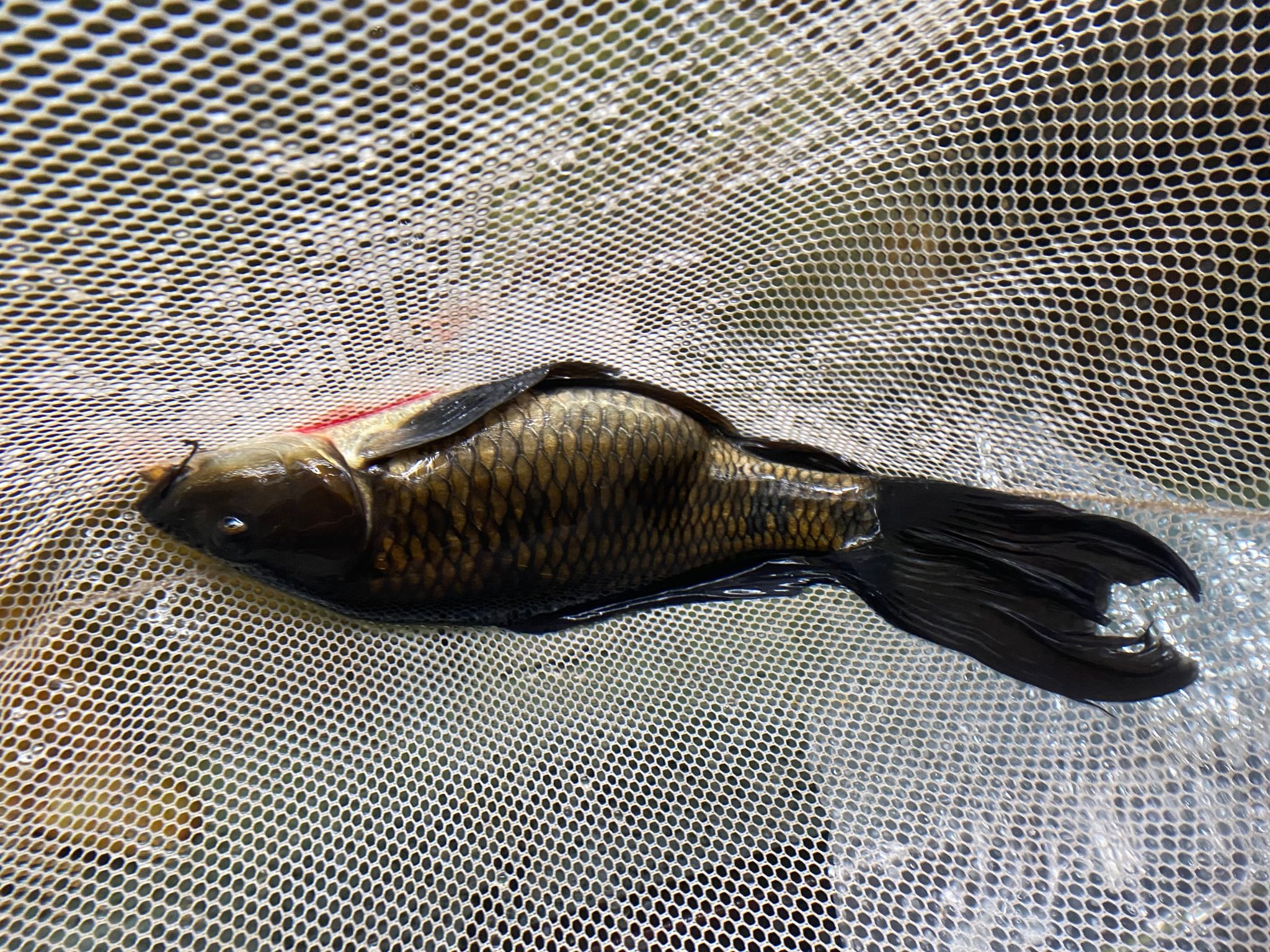
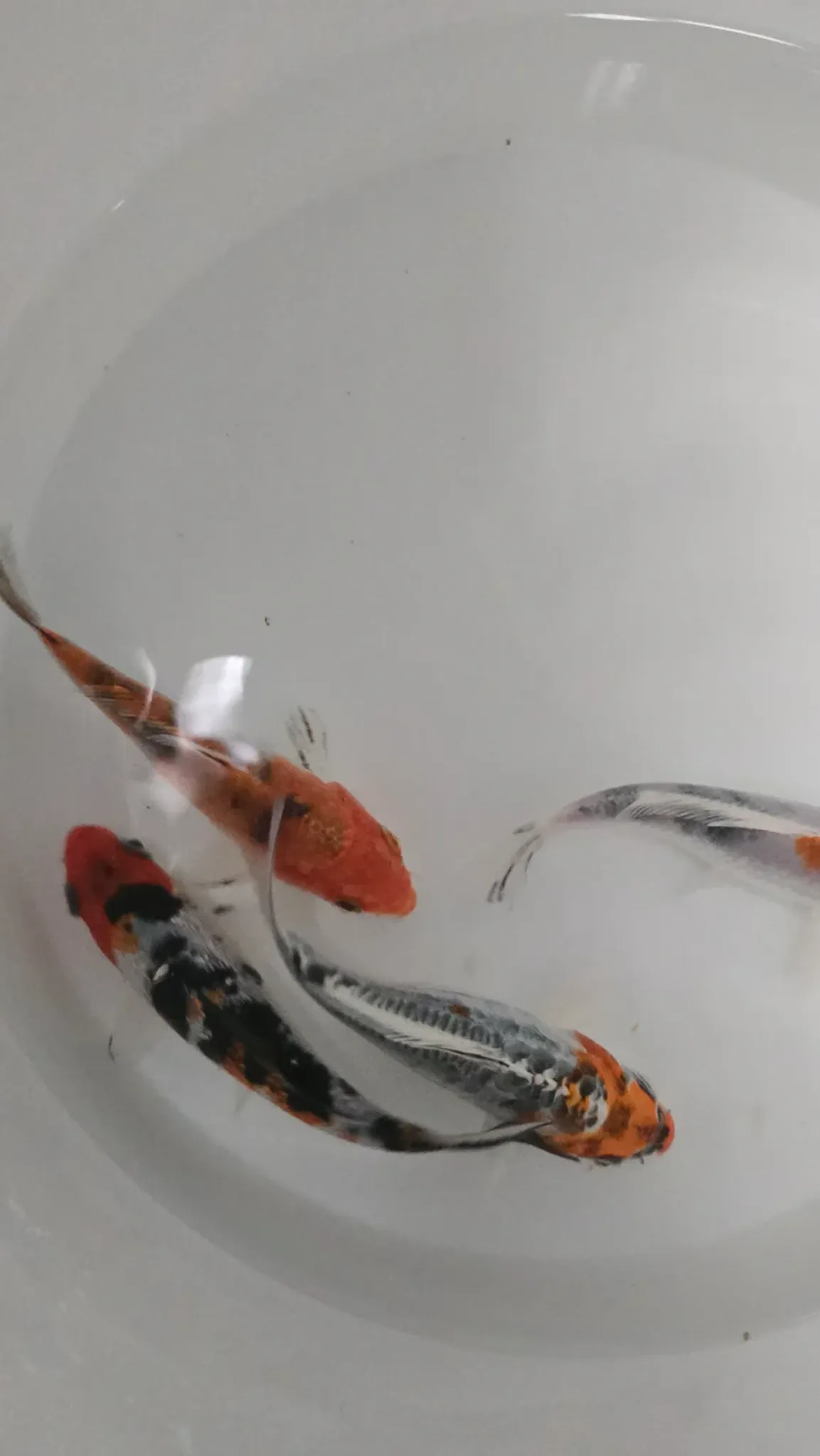
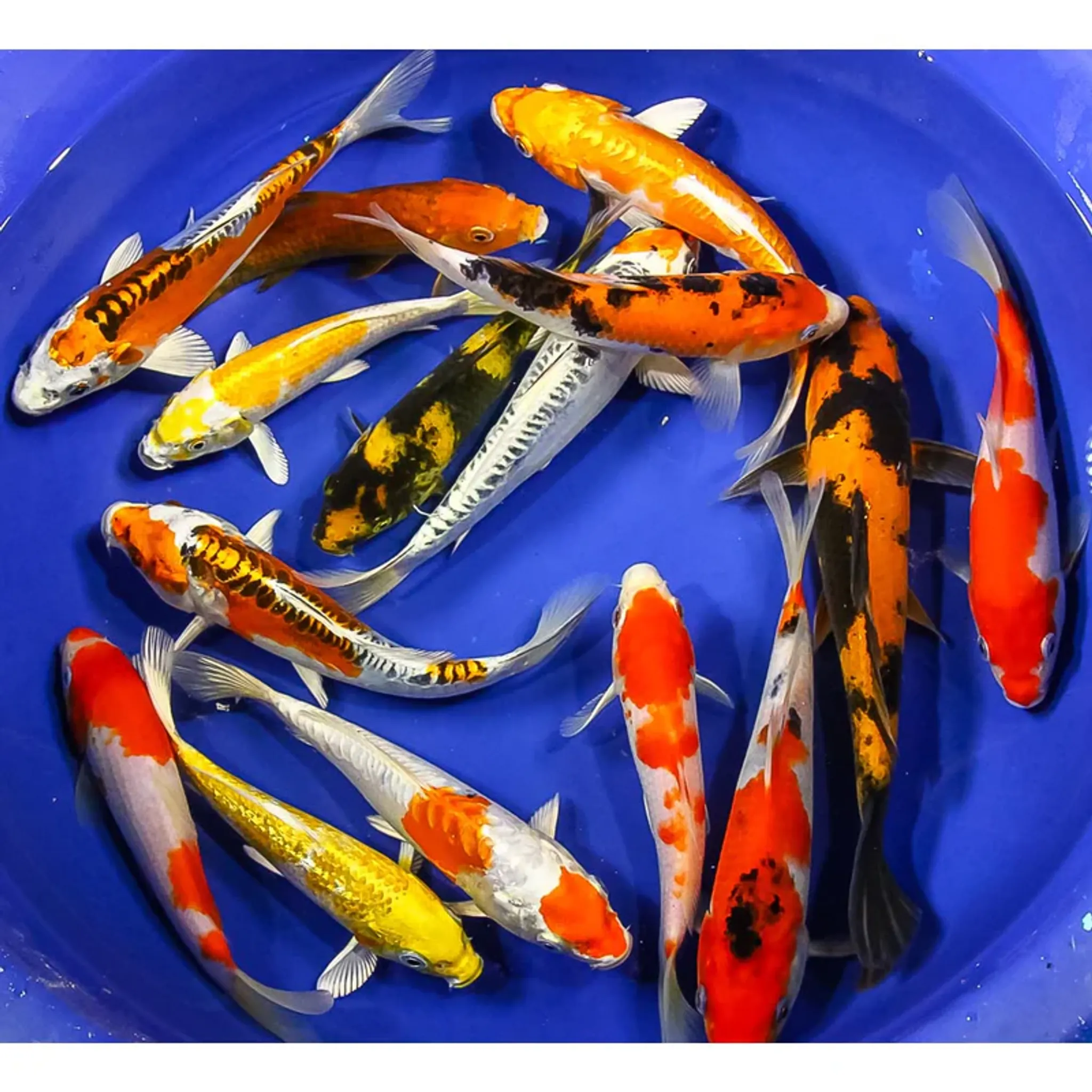
Unless otherwise stated, product might differ from image as image is representative of species and not of actual product

Platinum Koi

SGD 180.00

Product Variations

Quantity

Stock: 2

Product Details

Size

20cm - 20cm

Temperament

Peaceful

Product Description

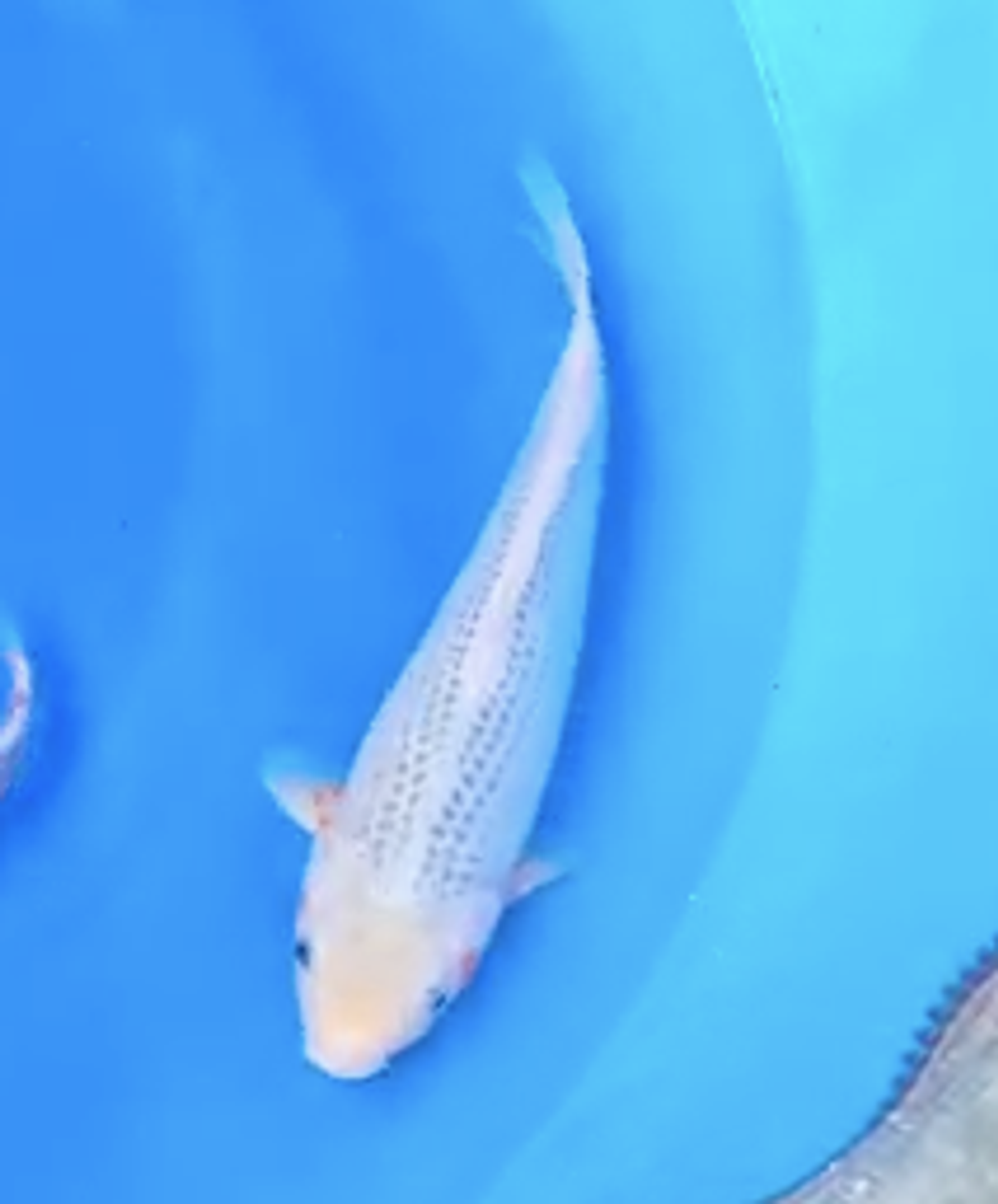
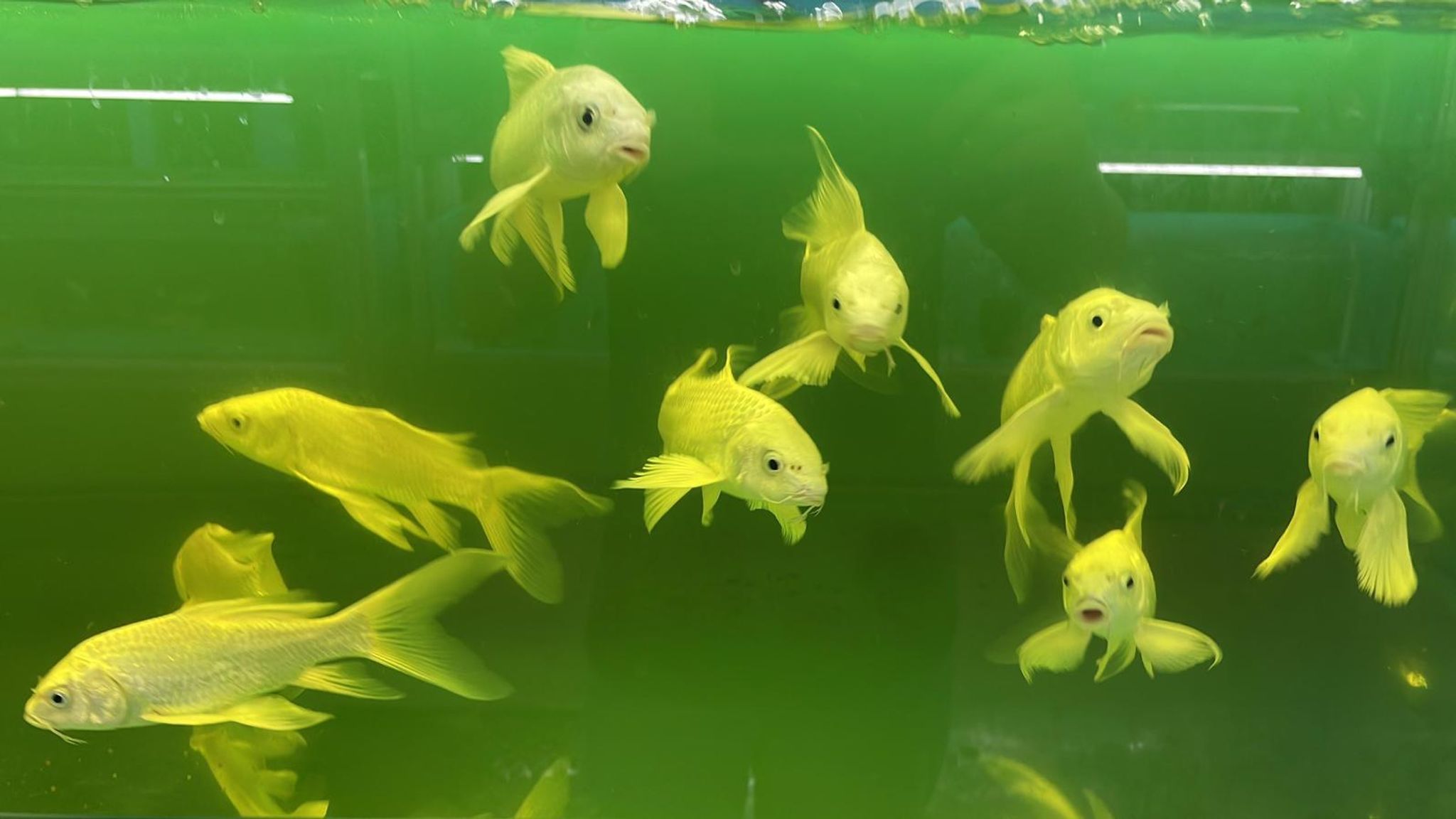
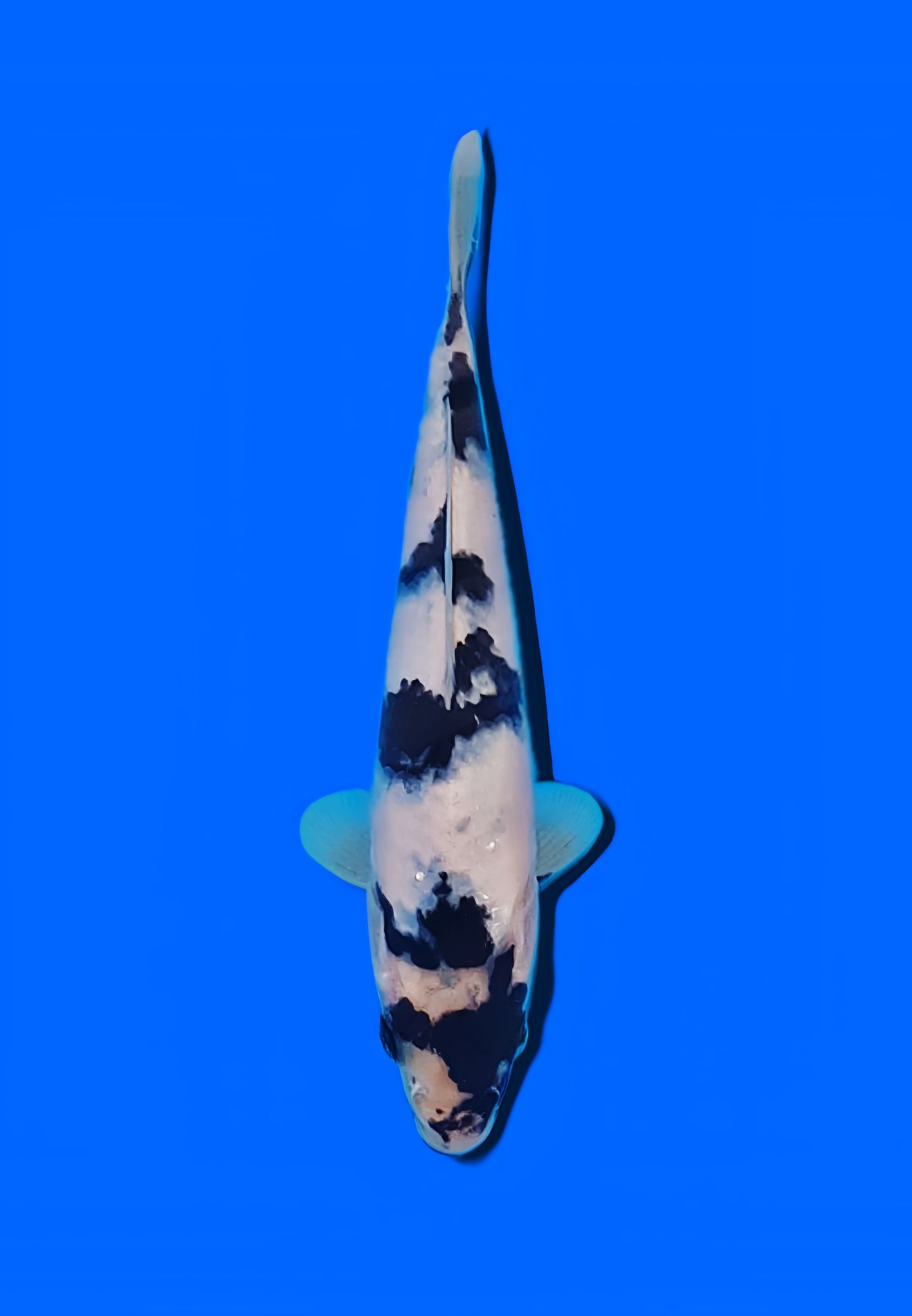
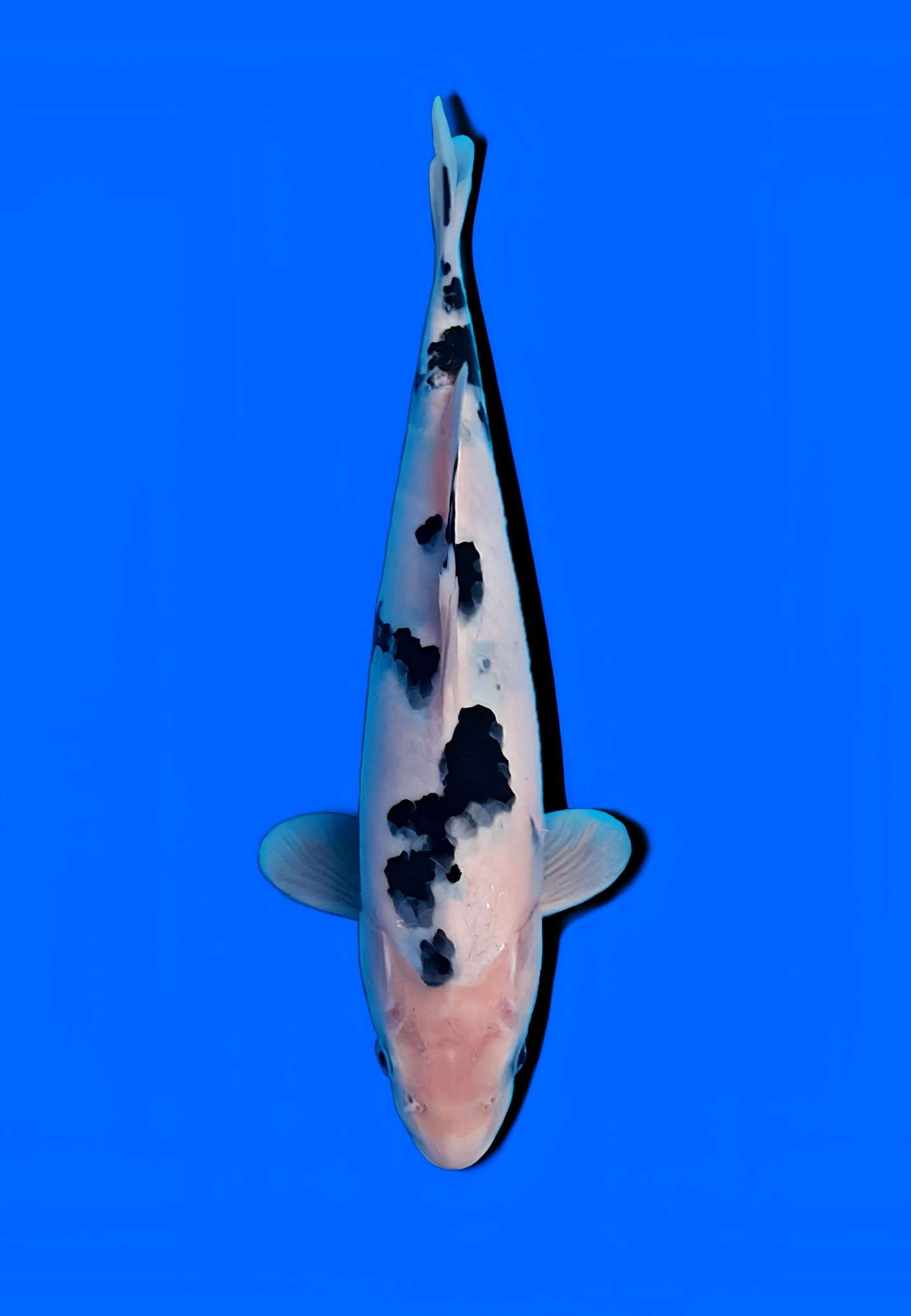
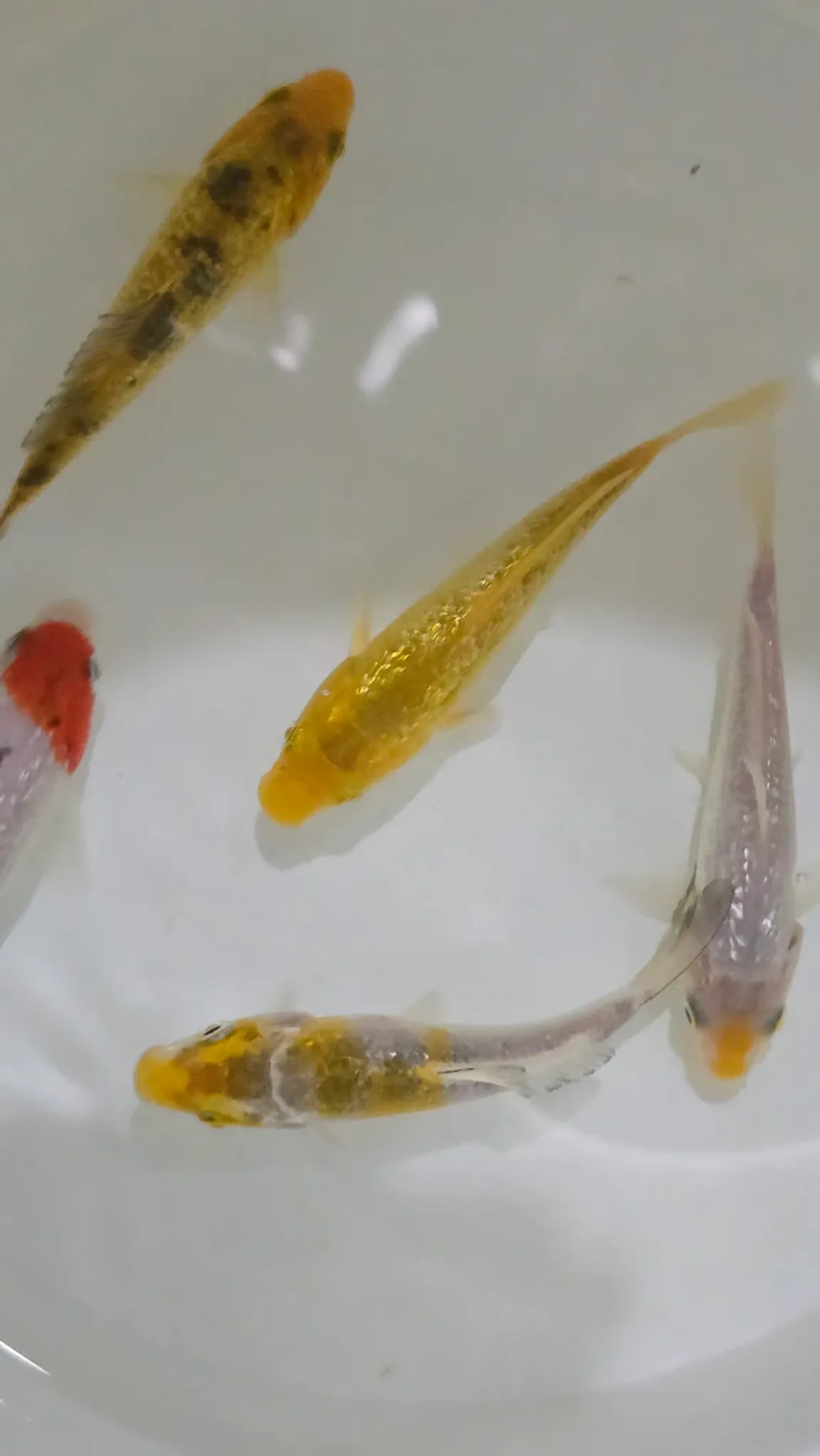
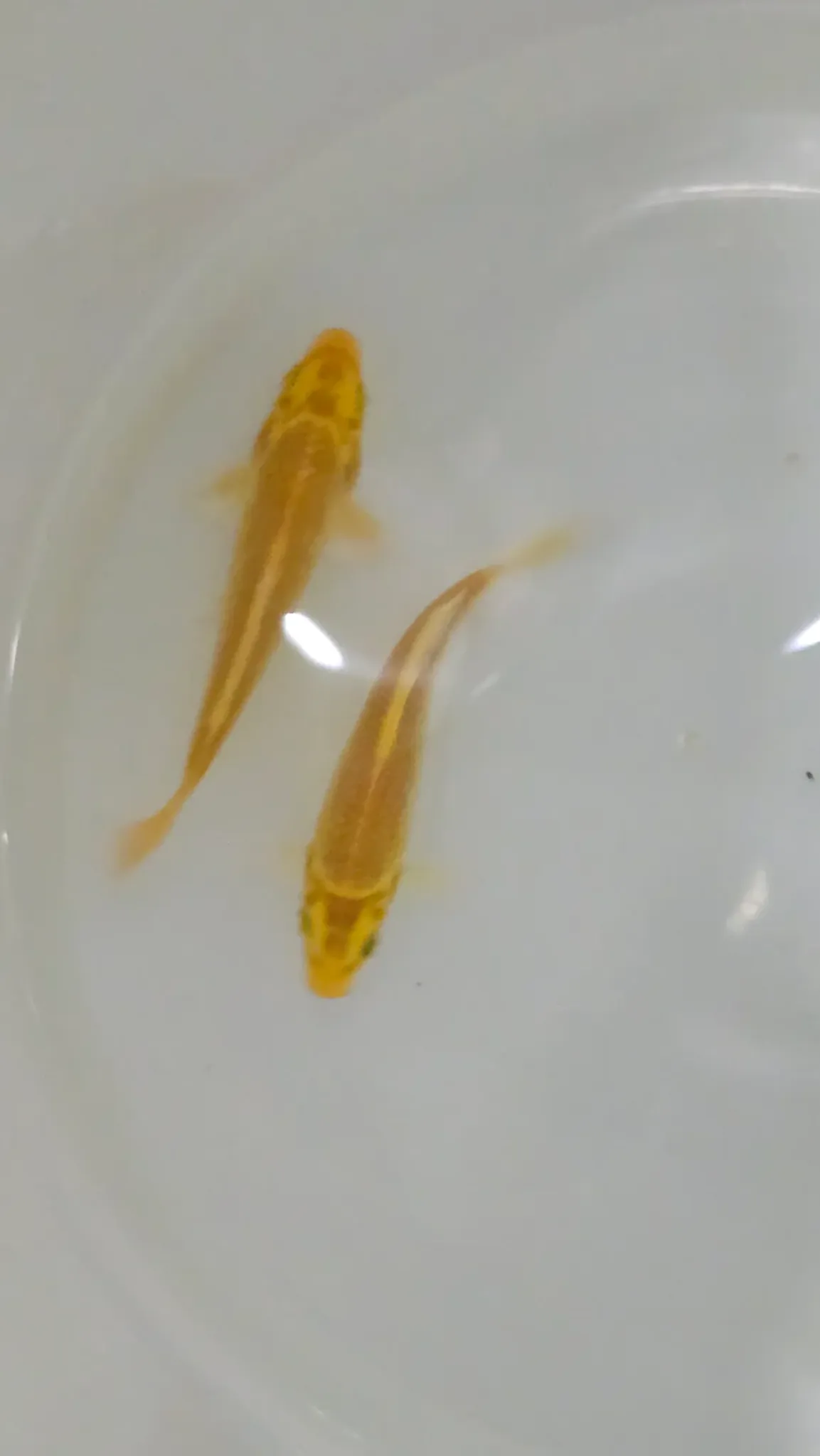
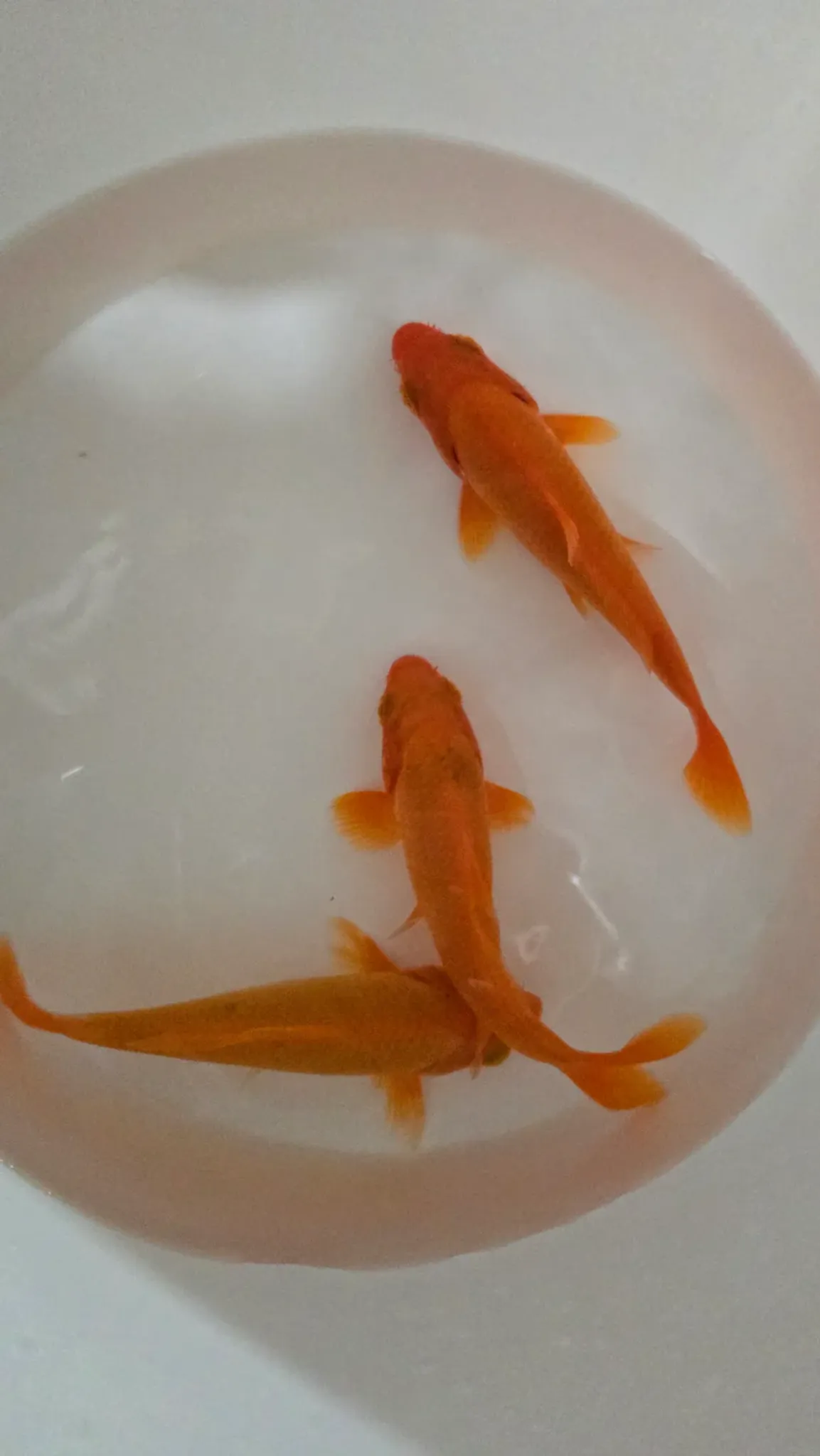
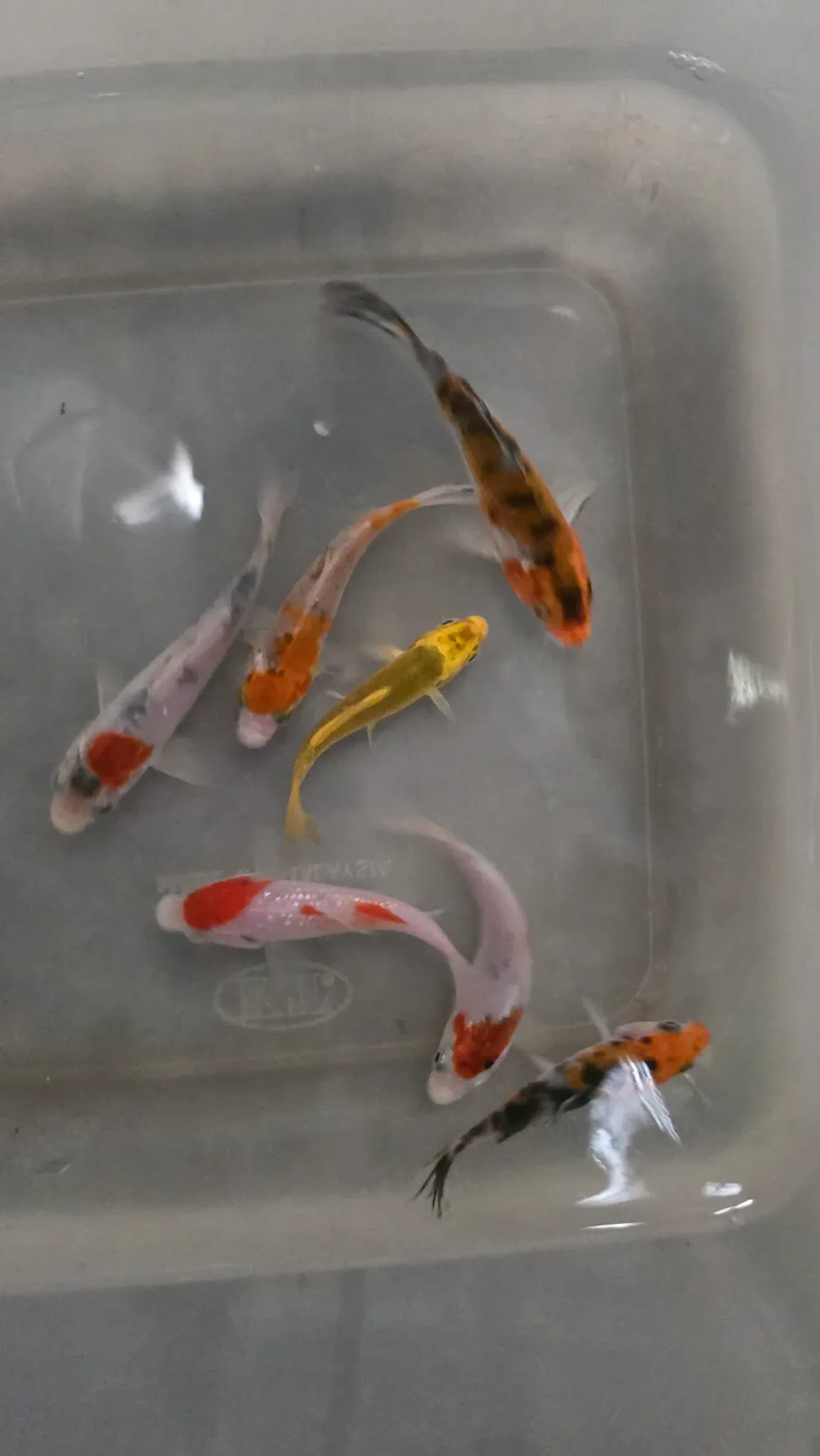
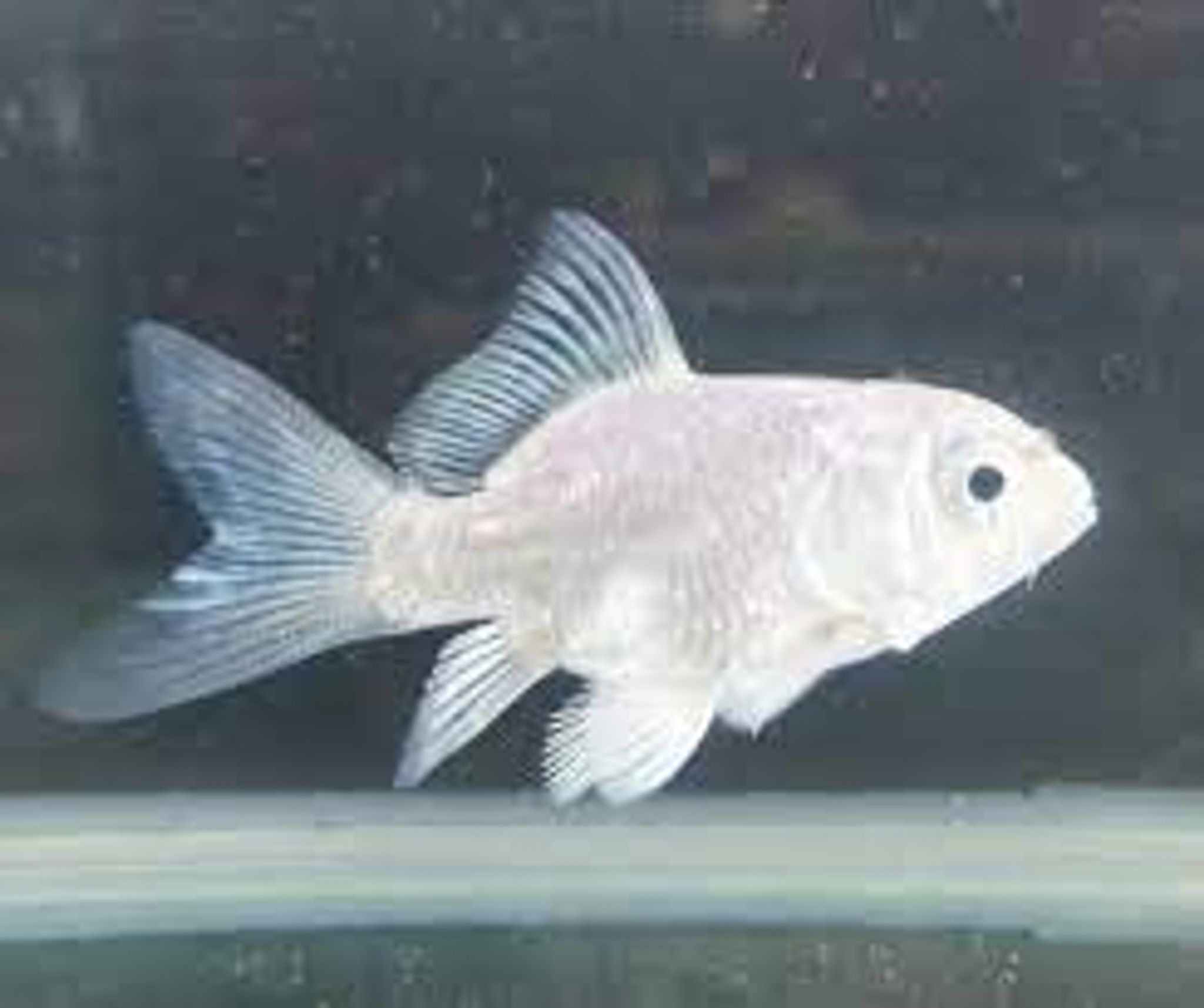
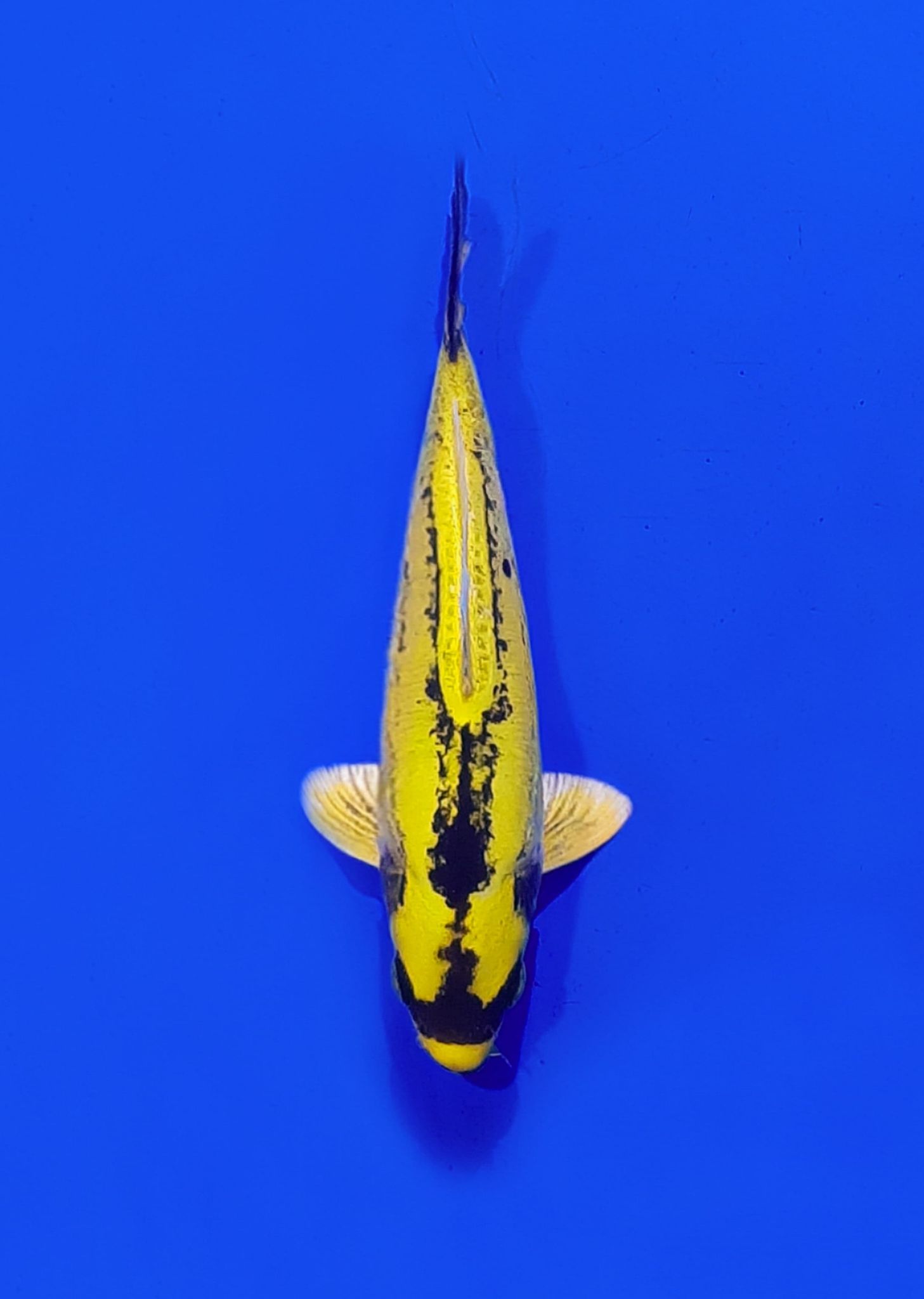
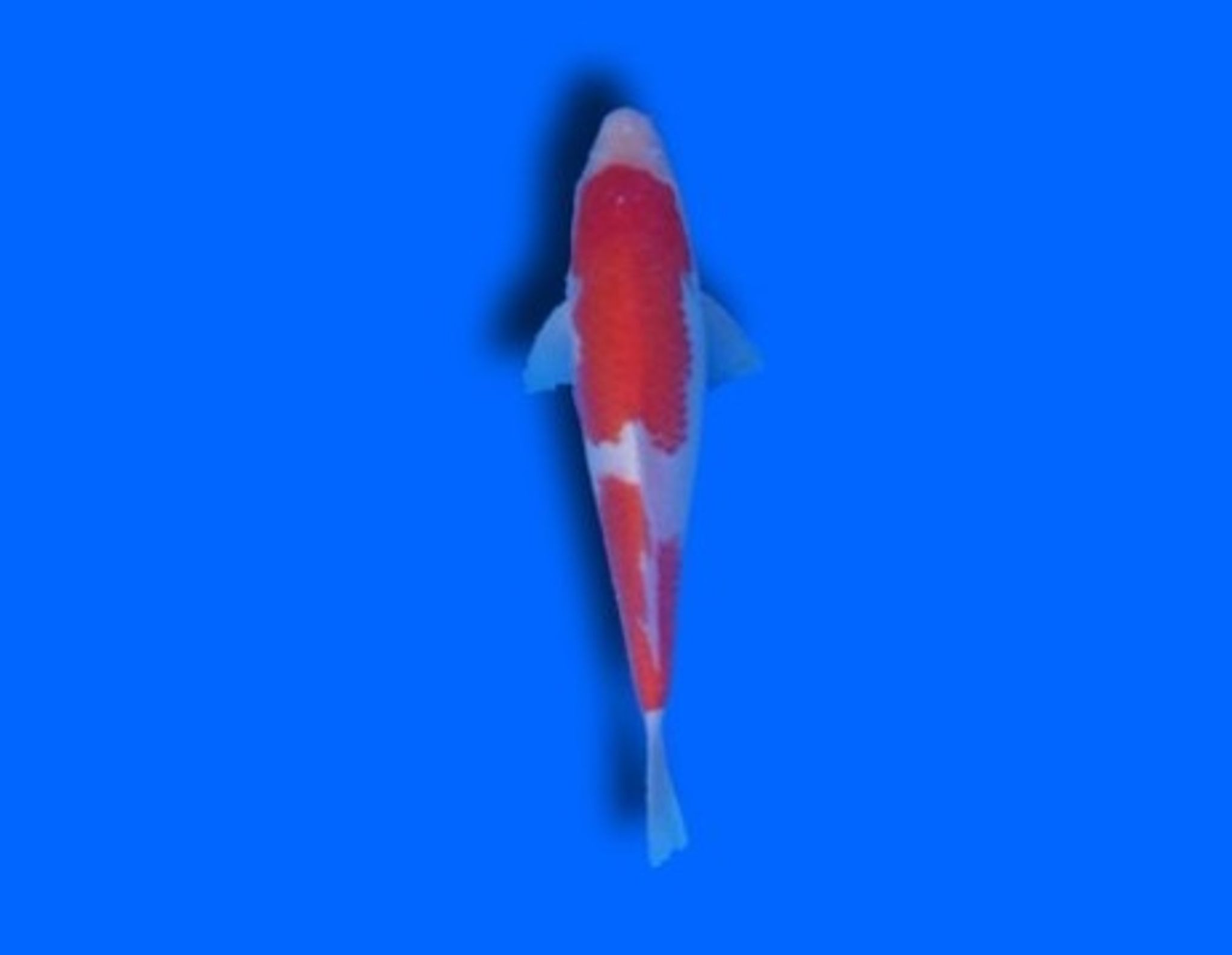
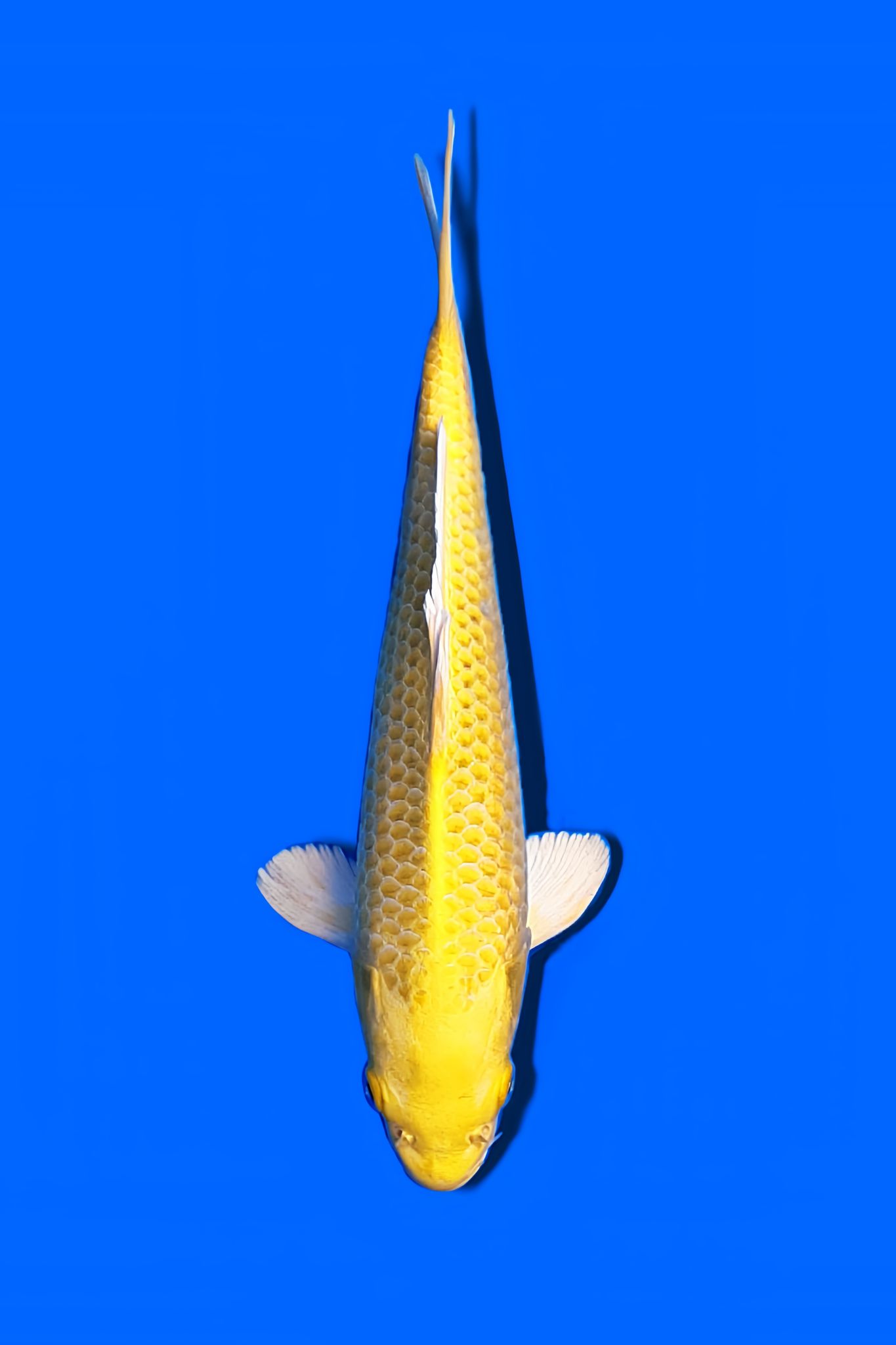
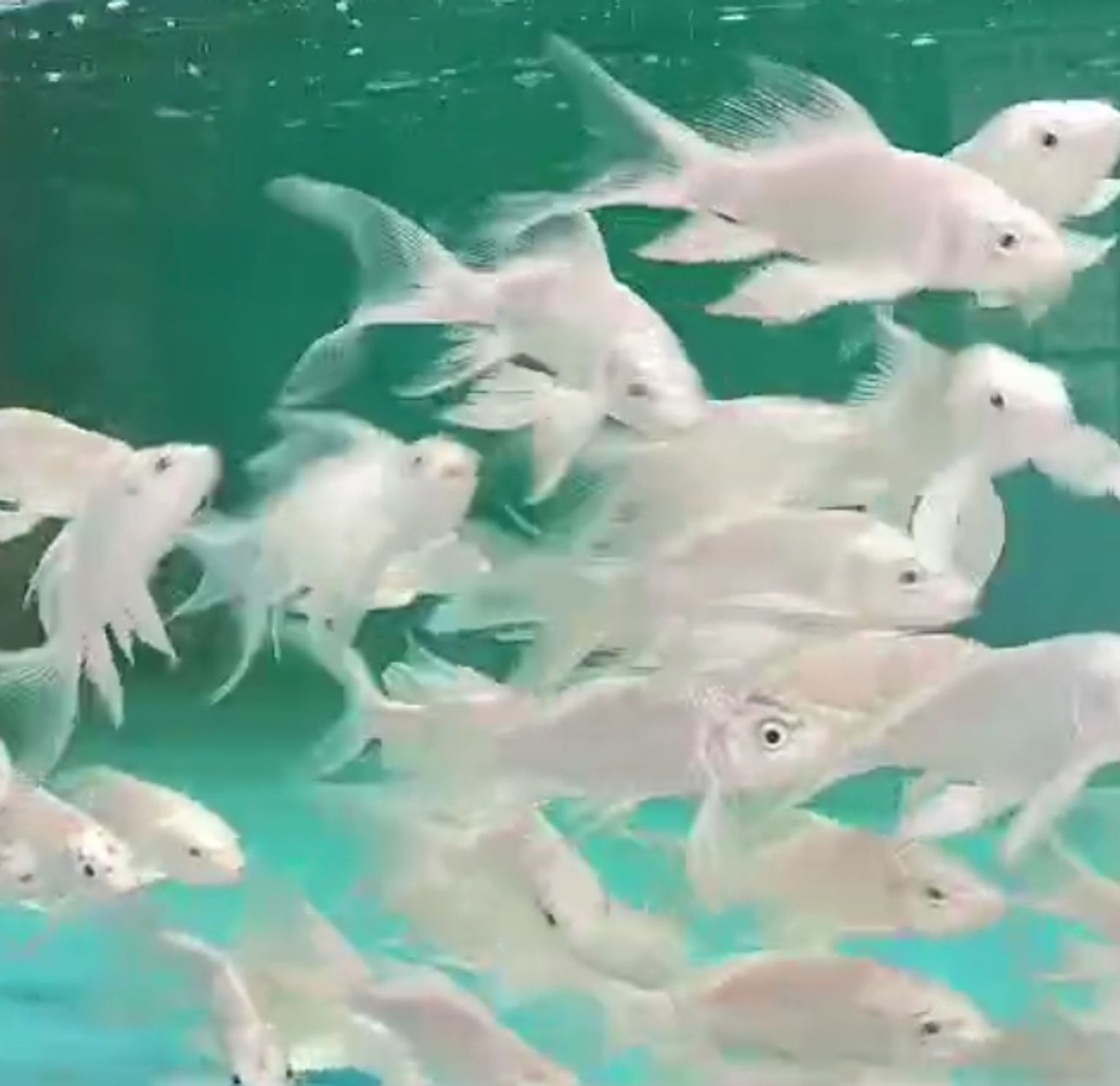
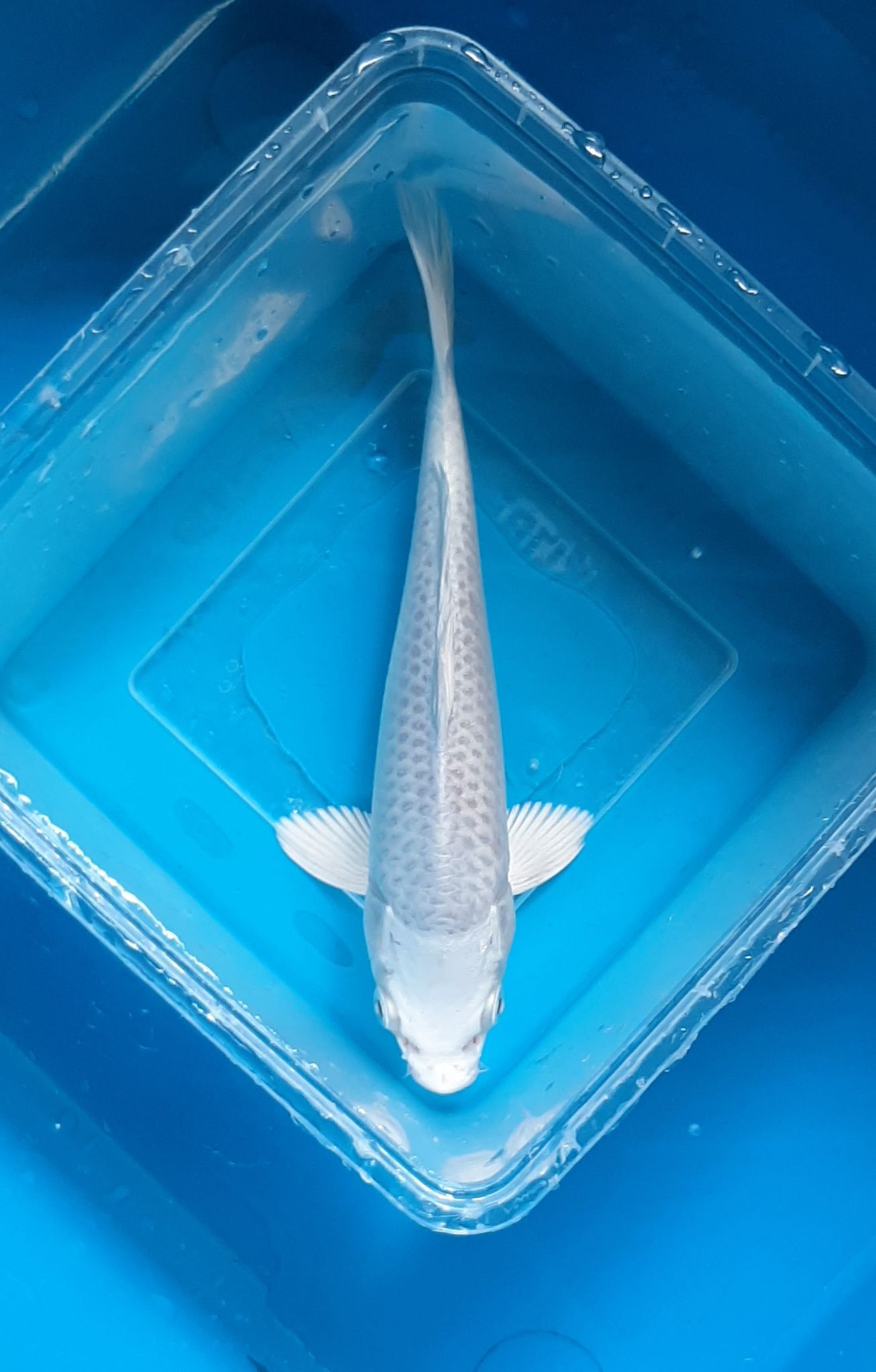
Platinum Koi are stunning metallic-white ornamental fish, prized for their elegance, hardiness, and serene presence in garden ponds and large aquariums.

  • Water Conditions: Platinum Koi thrive in cool, well-oxygenated water with a stable temperature range of 15°C to 24°C (59°F to 75°F). They are remarkably adaptable but demand excellent water quality to maintain their brilliant metallic sheen. The ideal pH range is between 7.0 and 8.5, with a general hardness (GH) of 100 to 250 ppm and carbonate hardness (KH) of 80 to 200 ppm to buffer against pH swings. Ammonia and nitrite must always read 0 ppm, while nitrate should be kept below 40 ppm. A robust filtration system—ideally a combination of mechanical, biological, and UV clarification—is essential to handle their substantial bioload. Regular water changes of 20–30% weekly are non-negotiable, as Koi produce significant waste. If kept indoors in an aquarium, a minimum tank size of 500 litres (130 gallons) for a single fish is recommended, with an additional 200 litres per extra fish. For outdoor ponds, a depth of at least 1.2 metres (4 feet) is advised to protect them from temperature extremes and predators. Strong water movement and aeration are vital; consider adding a venturi pump or air stone to keep dissolved oxygen levels above 6 mg/L. Platinum Koi are cold-water fish and do not require a heater in most temperate climates, but in freezing winters, a de-icer or pond heater is crucial to keep a section of the surface ice-free for gas exchange. Sudden temperature shifts can cause stress and suppress their immune system, so always acclimate slowly over 30–45 minutes when introducing them to a new environment.
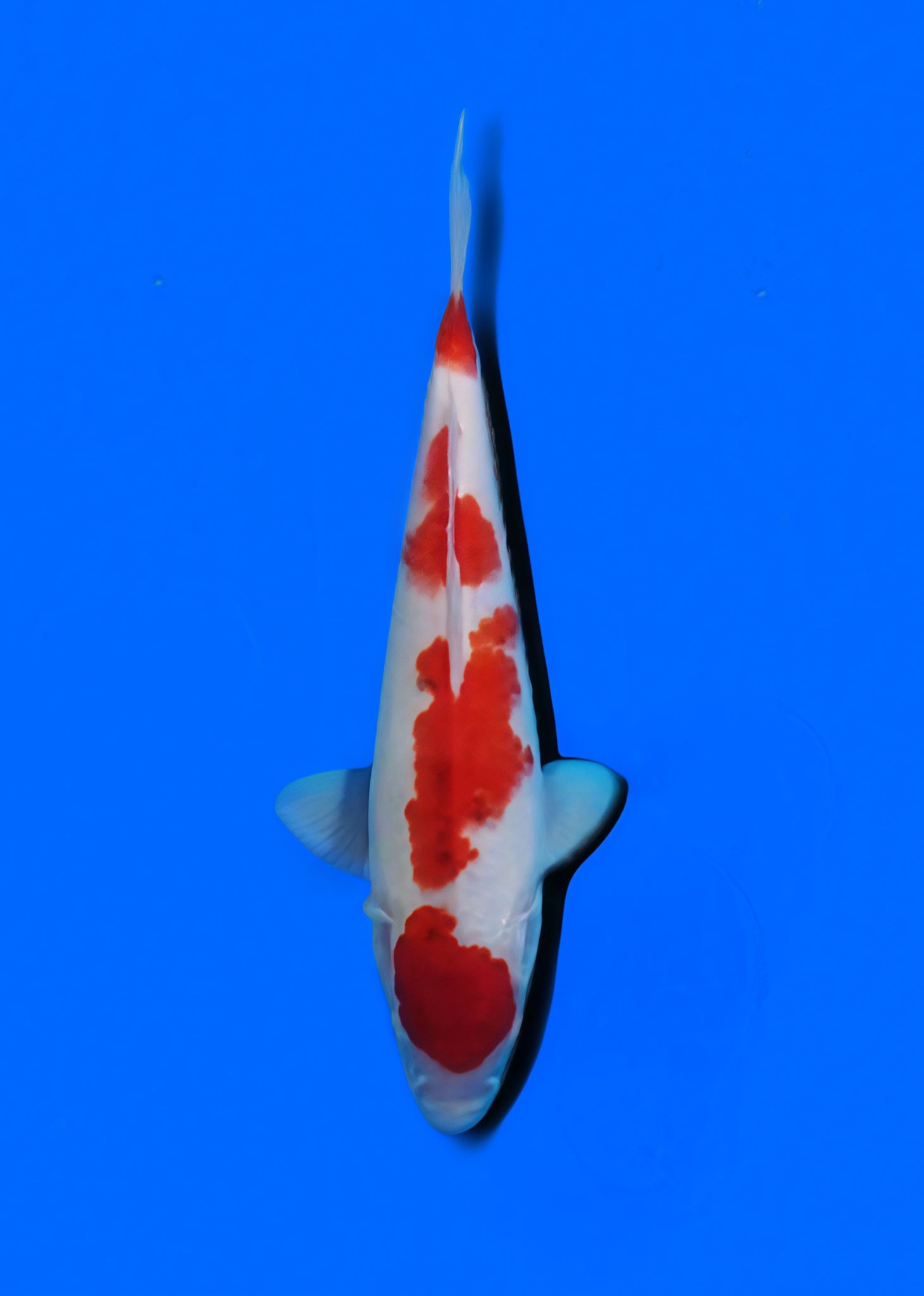
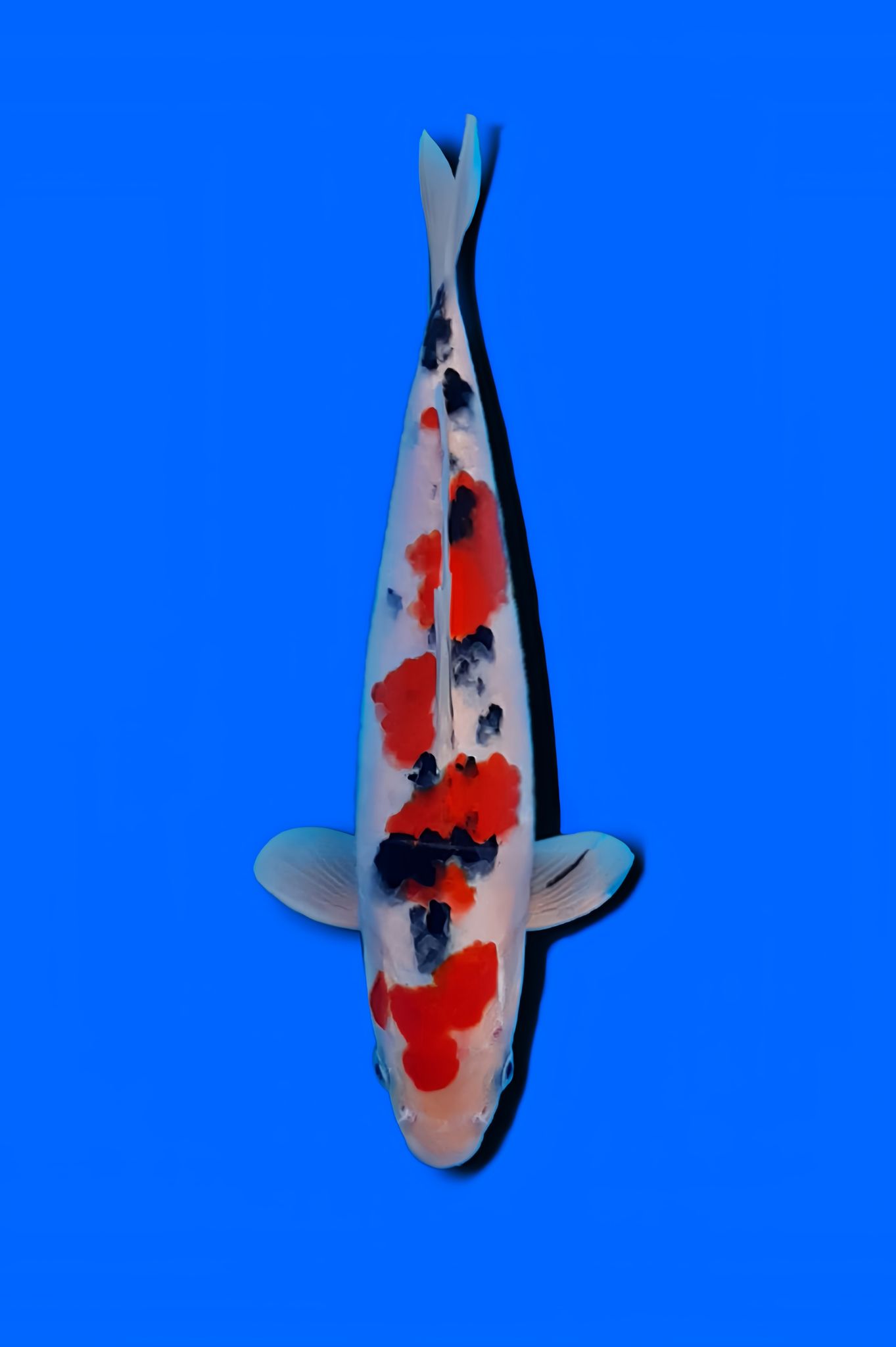
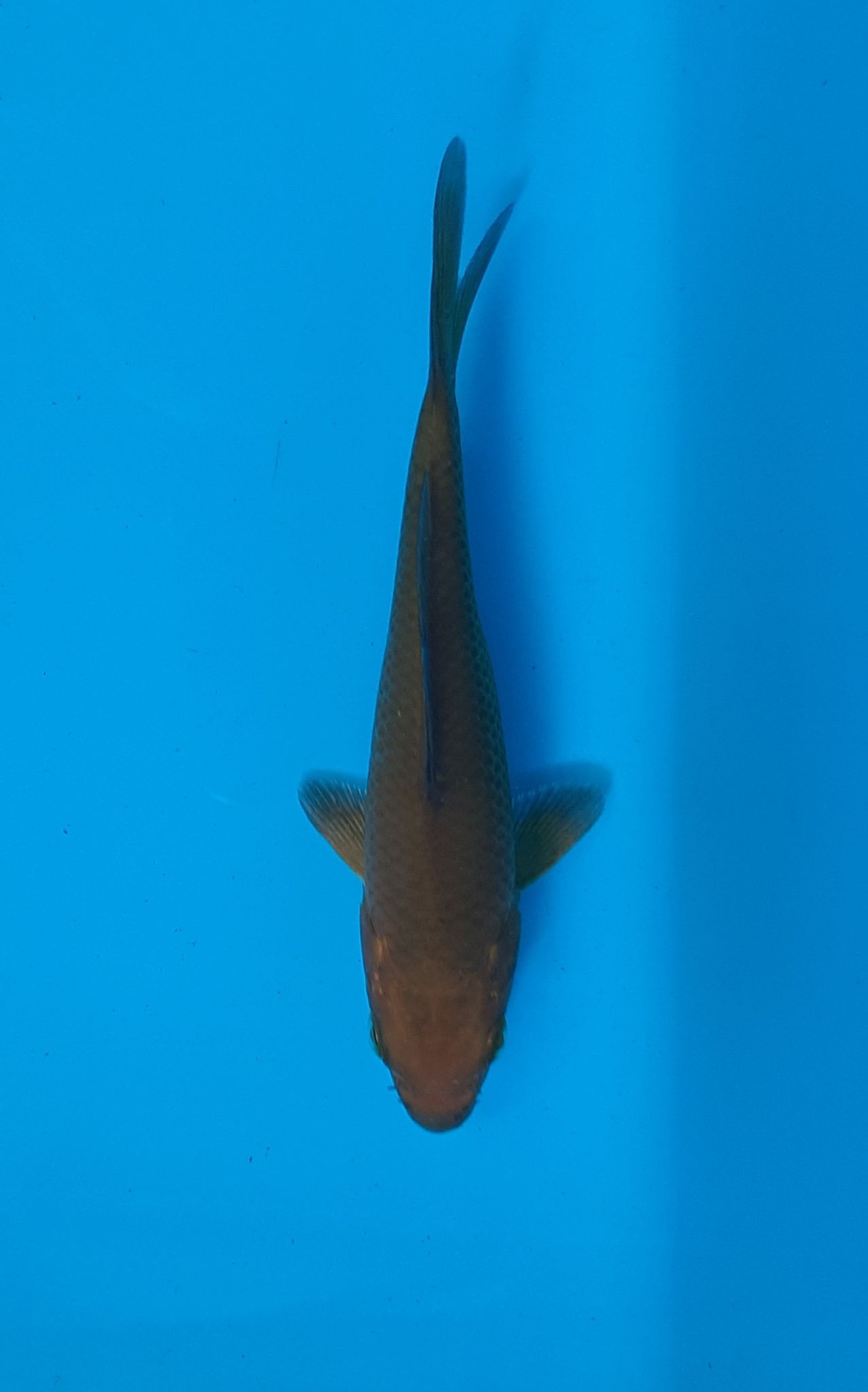
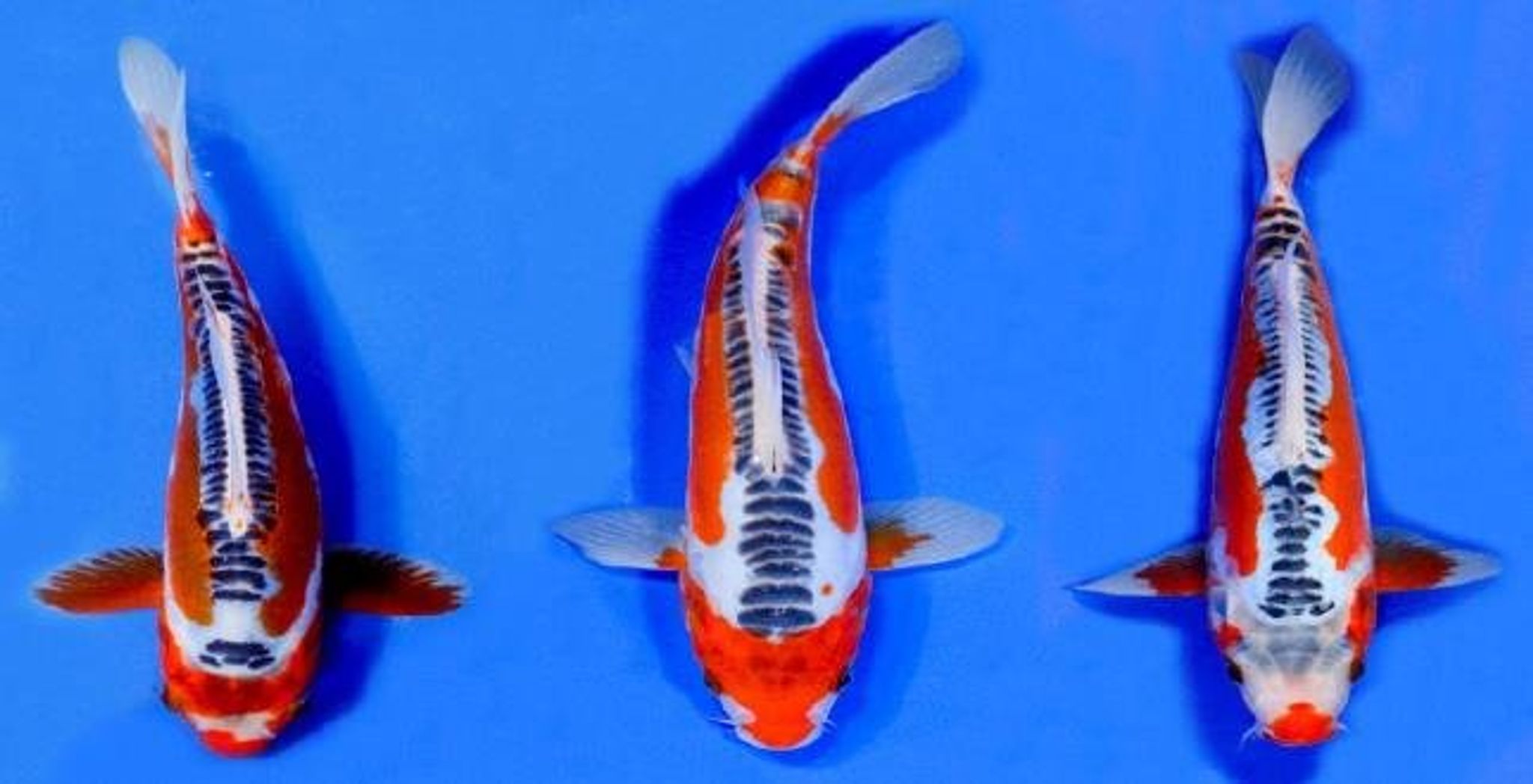
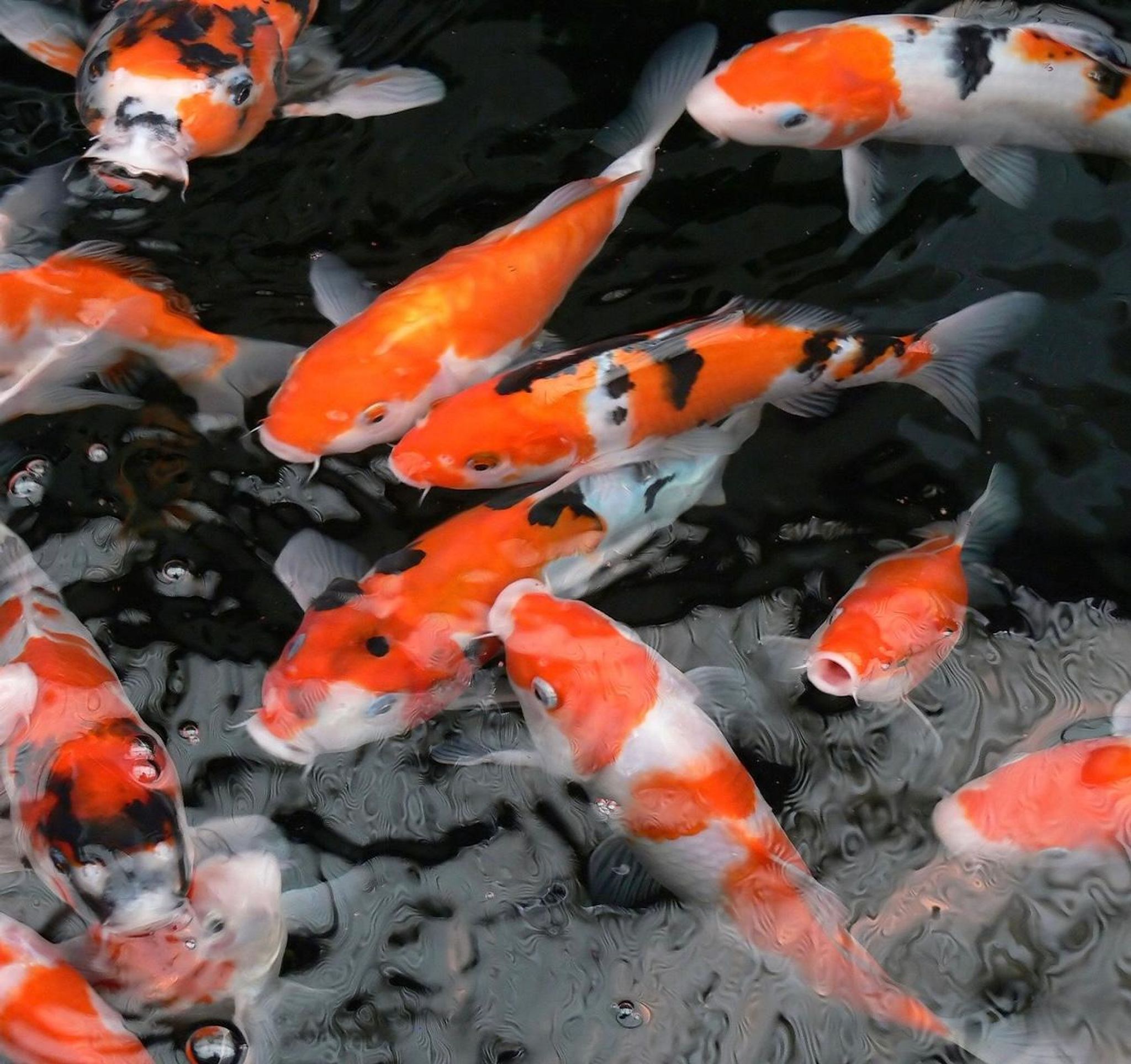
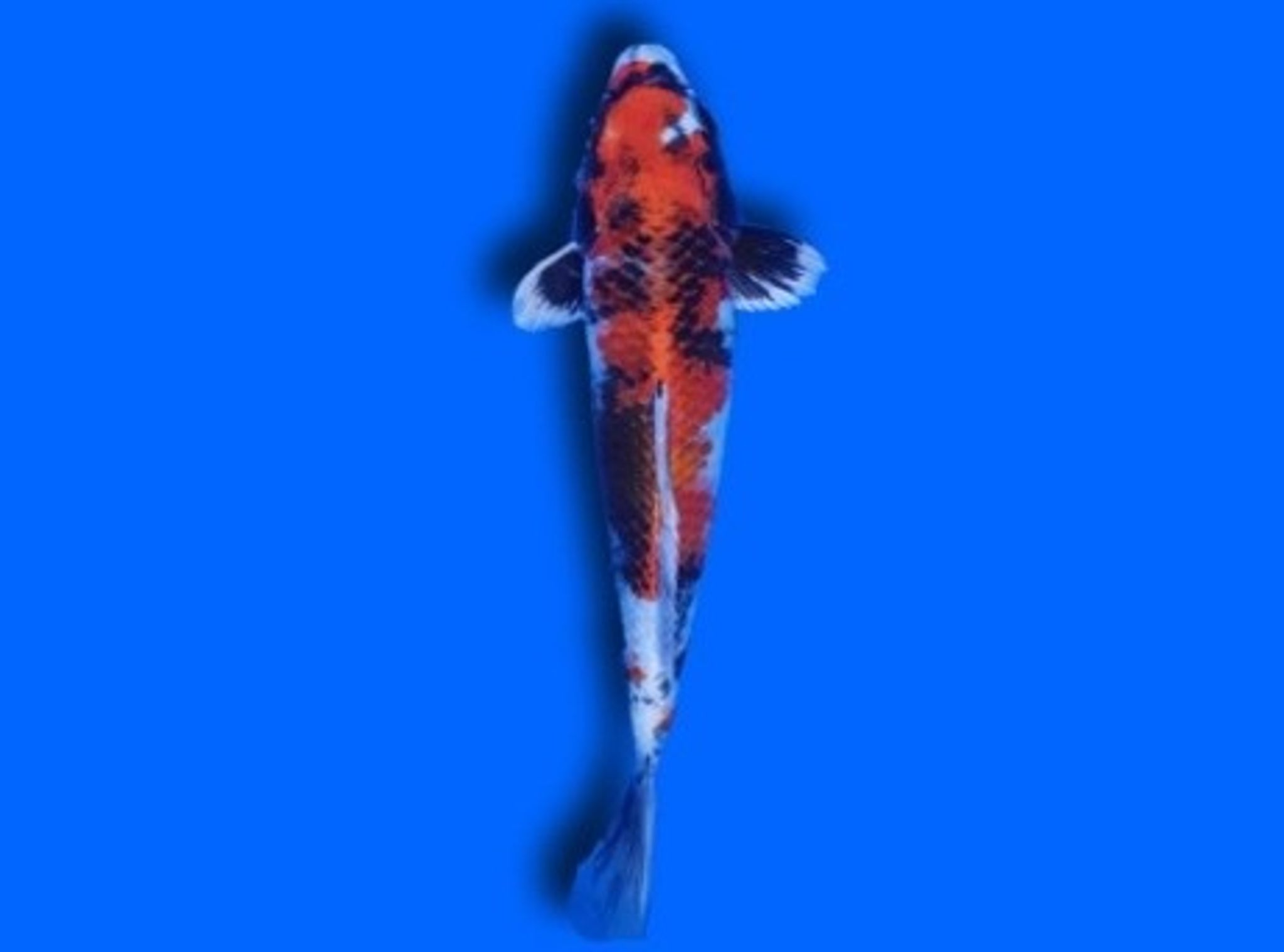
  • Suitable Tank Mates: Platinum Koi are peaceful, social fish that thrive alongside other cold-water species of similar temperament and size. Ideal pond companions include other varieties of Koi, such as Kohaku, Sanke, and Showa, as well as Goldfish varieties like Comets, Shubunkins, and Sarasa Comets. They also coexist harmoniously with Orfe (Golden Orfe or Blue Orfe), which add active surface-dwelling movement, and with Sterlet or other small cold-water sturgeon species in very large ponds. For a natural touch, Bitterling and Rosy Minnows make excellent dither fish that encourage Koi to feel secure. Avoid housing Platinum Koi with aggressive or nippy species such as Tiger Barbs or Red-Tailed Black Sharks, which may damage their delicate fins and metallic scales. Equally, avoid warm-water tropical fish like Cichlids or Discus, as they require incompatible temperatures. Small, slow-moving fish such as fancy Goldfish (e.g., Bubble Eyes or Celestial Eyes) should also be avoided—they are too slow to compete for food and may be outcompeted. Always ensure tank mates are roughly similar in size to prevent predation, as Platinum Koi will readily consume smaller fish and fry. When adding new companions, quarantine them for at least two weeks to prevent introducing parasites or diseases into your established ecosystem.
  • Feeding Habits: Platinum Koi are omnivorous, opportunistic feeders with voracious appetites, and they will readily accept a wide range of foods. A high-quality, sinking or floating pelleted diet specifically formulated for Koi should form the staple of their nutrition—look for pellets containing at least 30–35% protein, preferably from fish meal, spirulina, or krill, to support growth and enhance their metallic white coloration. Feed 2–4 times daily in small portions that they can consume within 2–3 minutes, avoiding overfeeding, which can pollute the water and lead to obesity. To provide dietary variety and boost immune function, supplement with fresh or blanched vegetables such as peas, spinach, lettuce, and zucchini, as well as fruits like watermelon and orange slices (in moderation). Occasionally offer protein-rich treats like bloodworms, brine shrimp, daphnia, and earthworms—these are excellent for conditioning but should only be given once or twice a week. Avoid mammalian meats such as beef heart or pork, as Koi cannot properly digest these and may suffer from fatty liver disease. During warmer months (above 15°C/59°F), feed a higher-protein growth formula, and reduce feeding frequency as temperatures drop. Below 10°C (50°F), Koi's metabolism slows dramatically—stop feeding entirely when water temperature falls below 8°C (46°F), as their digestive systems cease to function and undigested food can rot internally. Always use a floating ring or feeding station to contain food and monitor intake, and fast your Koi for one day per week to allow their digestive tracts to clear.
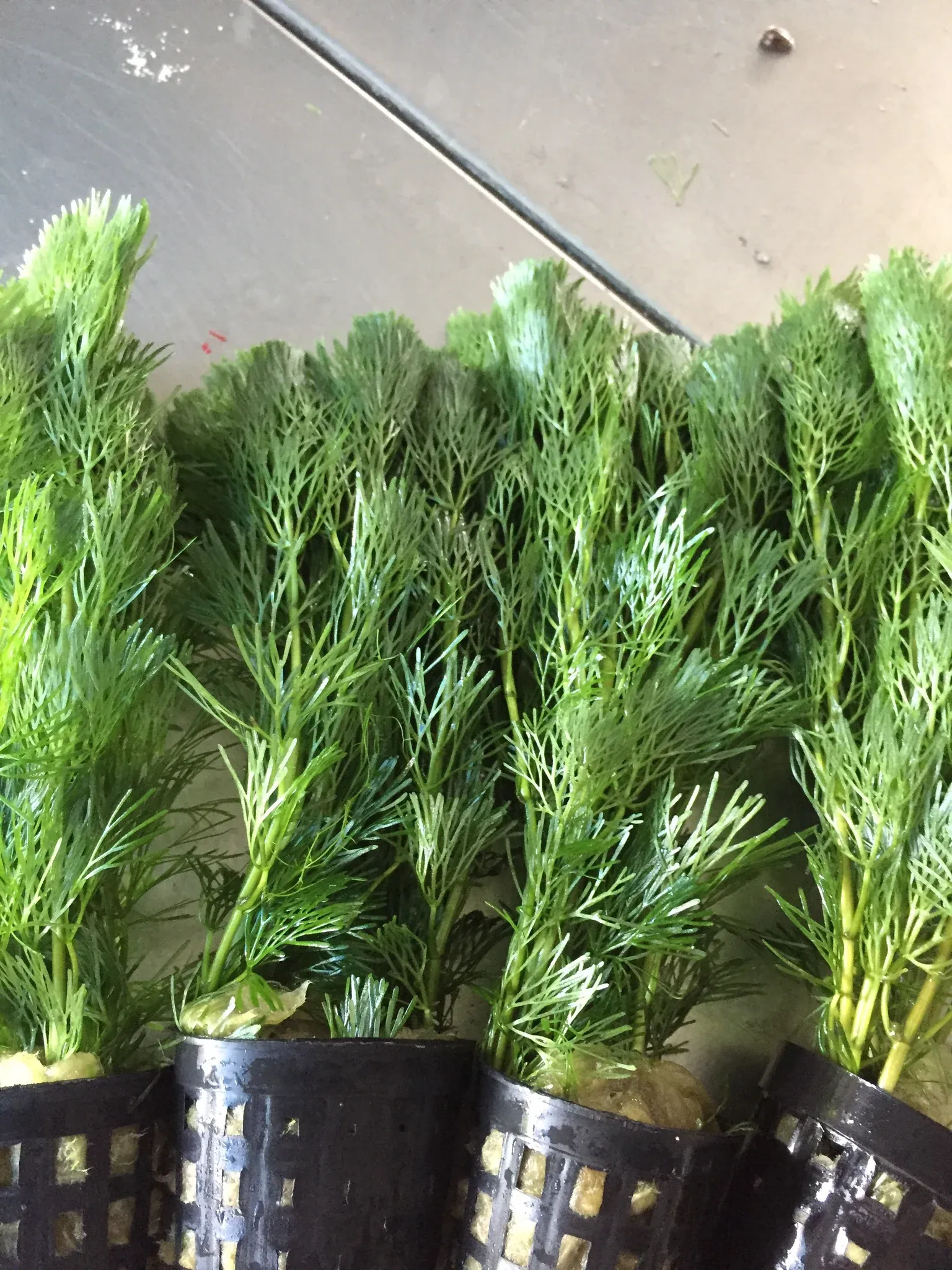
  • Care Requirements: Platinum Koi are robust and relatively low-maintenance once established, but they demand a dedicated owner who stays on top of water quality and health monitoring. As a long-lived species (they can live 25–35 years or more) and growing up to 60–90 cm (24–36 inches) in a spacious pond, they are a lifetime commitment. Begin with a cycled, mature system—never introduce Koi into a new pond or aquarium with uncycled filtration. Perform weekly water tests using a liquid test kit (not strips, which are unreliable) and keep a log to spot trends early. Quarantine new fish for a minimum of three weeks in a separate tank, and treat for parasites preventively if needed. Observe your Platinum Koi daily for signs of stress such as flashing (rubbing against surfaces), clamped fins, rapid gill movement, or reduced appetite—these can indicate ammonia spikes, gill flukes, or bacterial infections. Maintain adequate stocking density: a golden rule is no more than one Koi per 1,000 litres (260 gallons) of pond water to ensure proper growth and low stress. Provide ample swimming space and avoid sharp decorations or rough pond liners that could scrape their scales, as damaged metallic scales may regenerate with a duller finish. Offer hiding spots using aquatic plants (e.g., water lilies, hornwort) or Koi caves, but leave open areas for swimming. Perform regular pond maintenance, including cleaning filters, skimming surface debris, and pruning plants, while minimising handling—always use a soft, wet net and support their body fully when moving them. During winter, ensure the pond does not freeze solid and provide a winter resting period by reducing feeding. Finally, research your local veterinary options for cold-water fish and keep a basic first-aid kit with salt, methylene blue, and an anti-parasitic treatment ready for emergencies.

More From This Merchant

IHSAN KOI

IHSAN KOI

View Store →

Suitable Tank Mates for Platinum Koi
You May Also Like