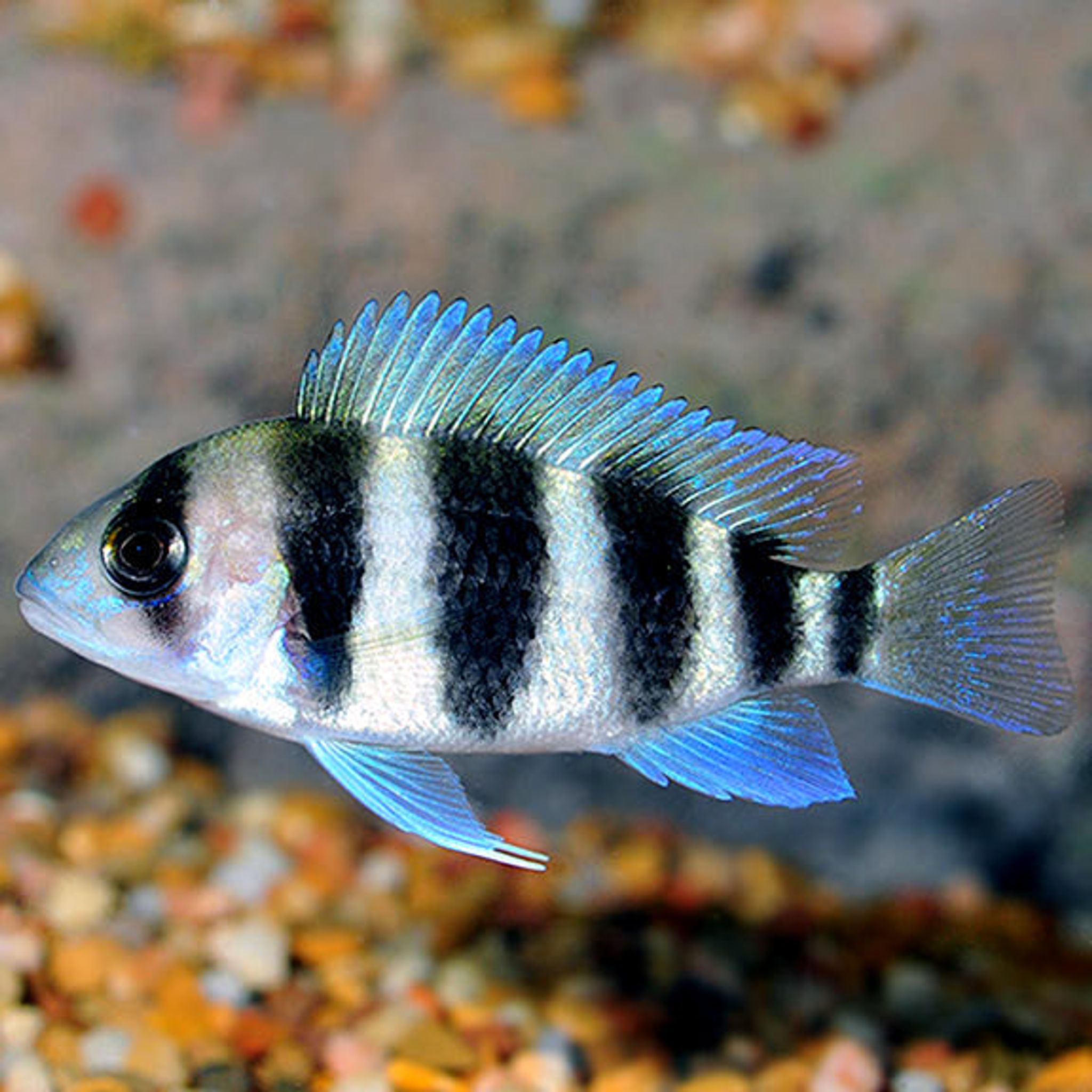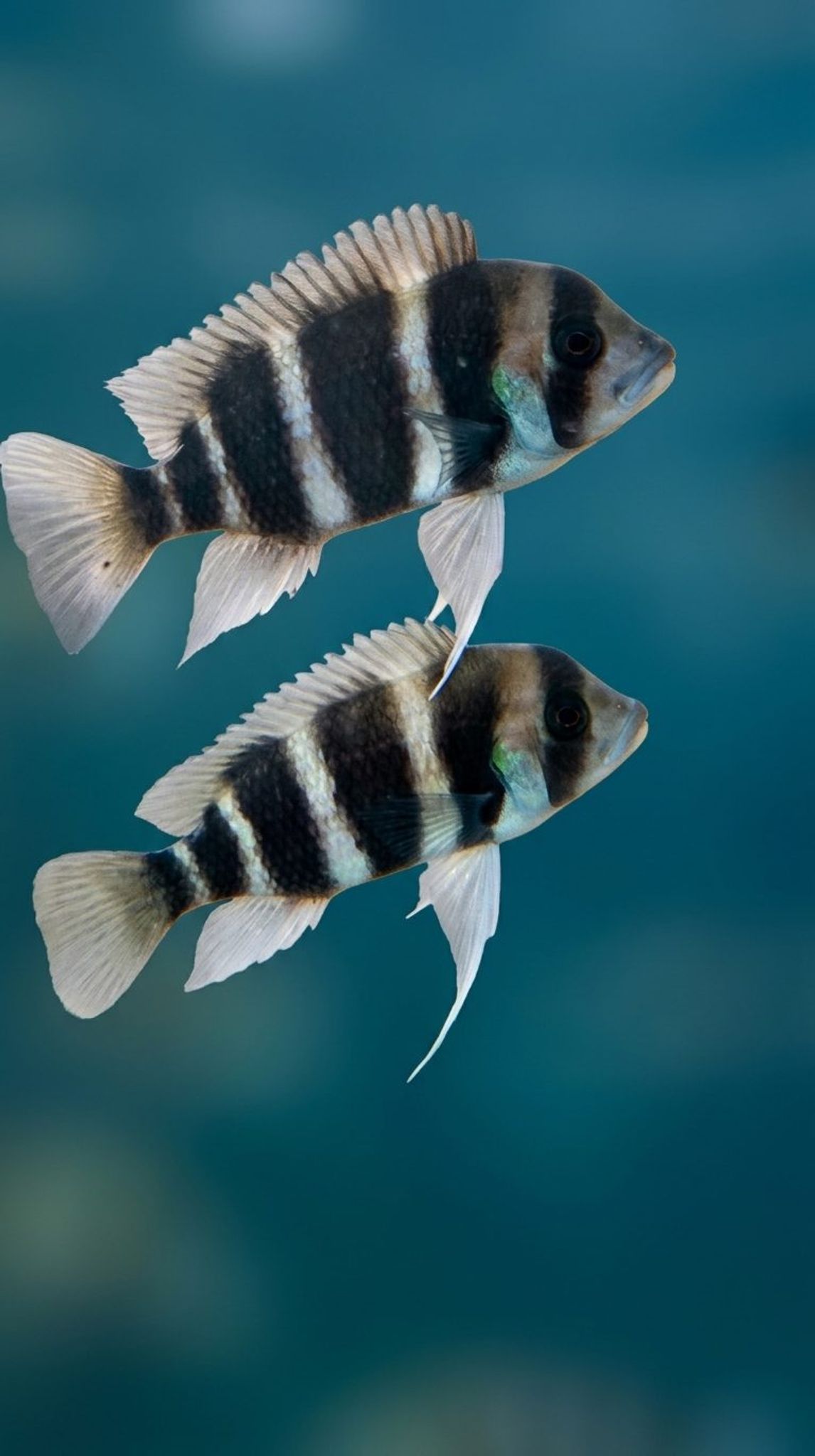
Frontosa Burundi / Cyphotilapia frontosa
Click to enlarge

Unless otherwise stated, product might differ from image as image is representative of species and not of actual product

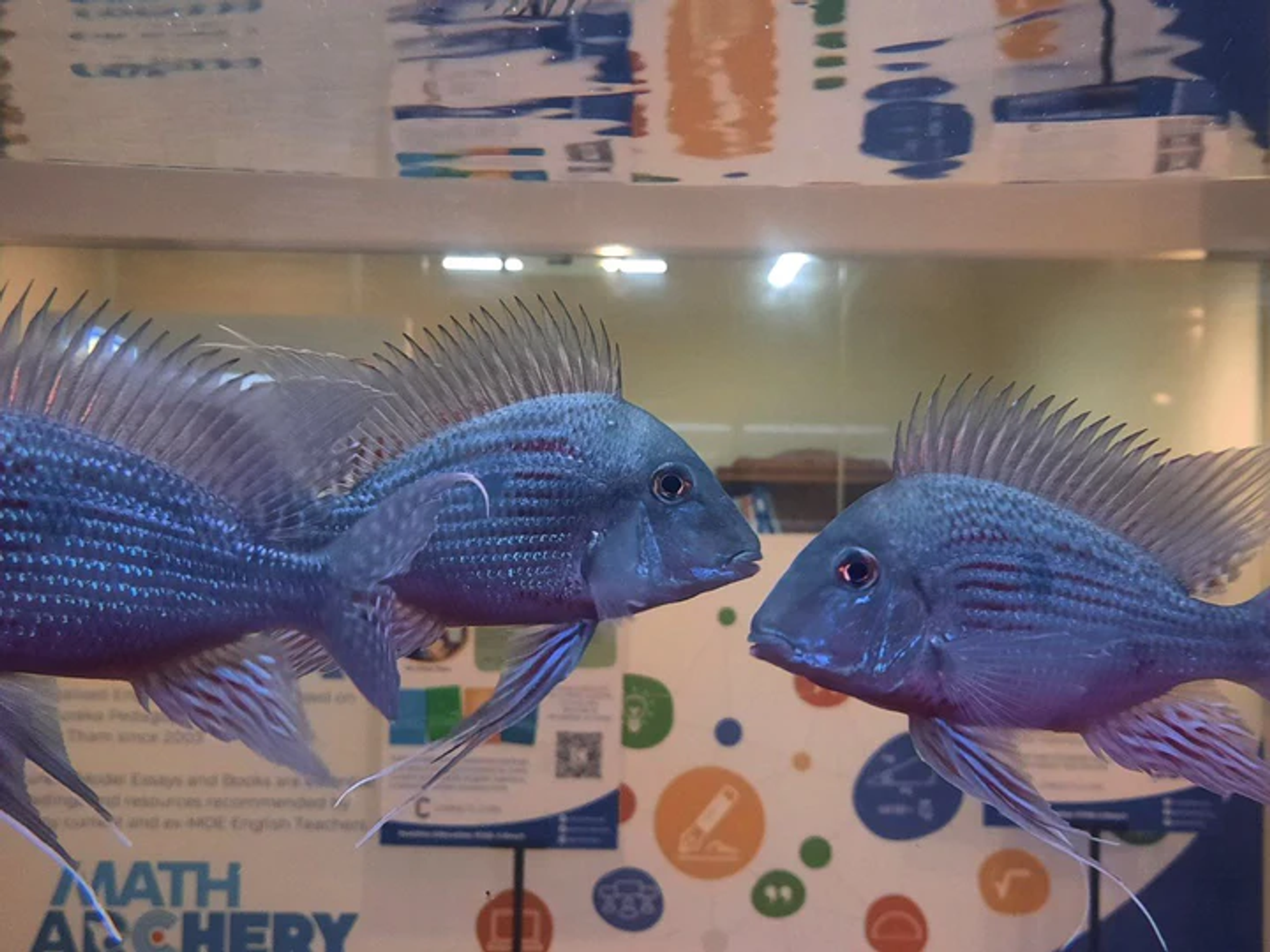
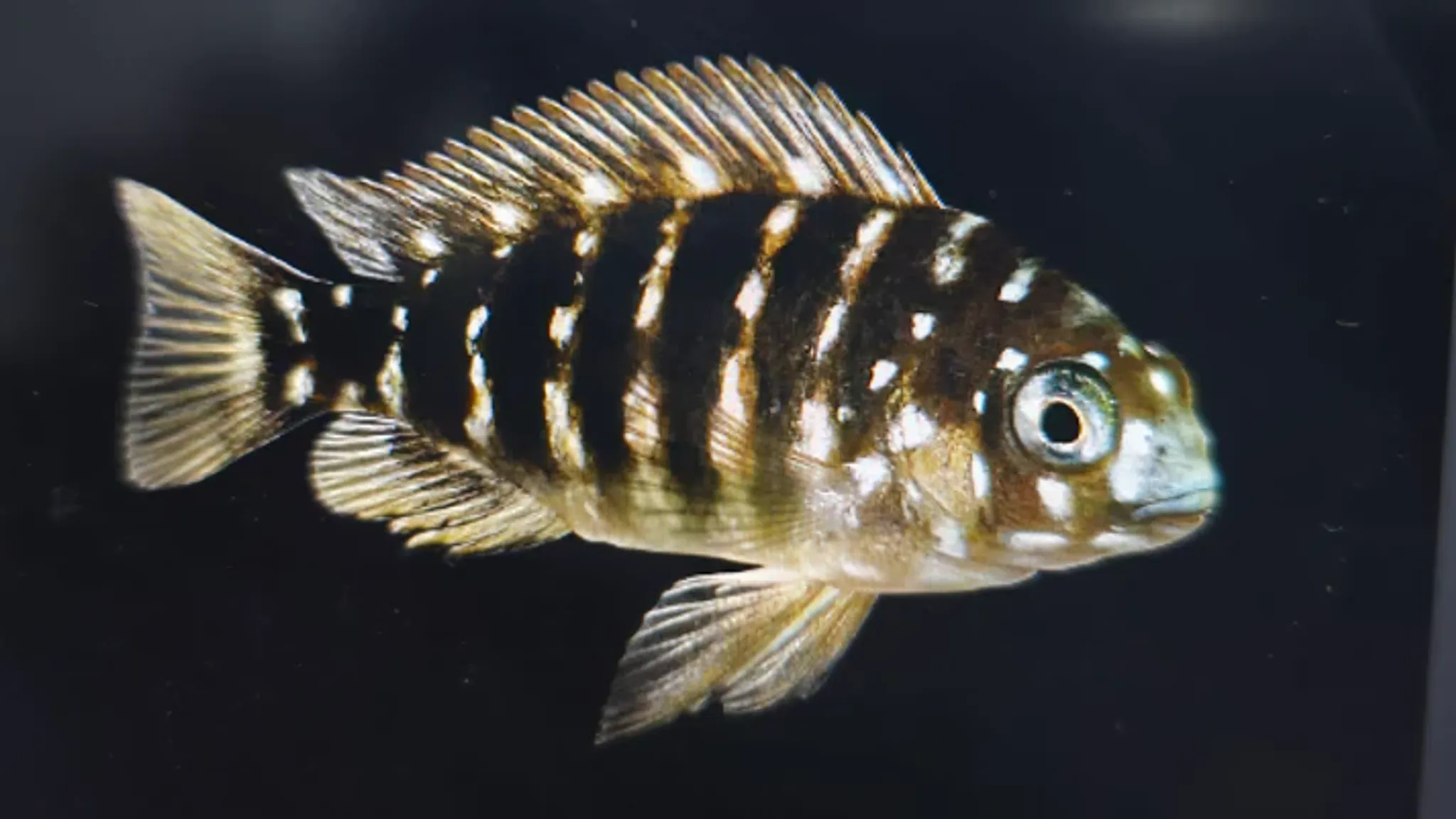
Frontosa Burundi / Cyphotilapia frontosa

SGD 18.00

Product Variations

Quantity

Stock: 12

Product Details

Size

10cm - 12cm

Temperament

Semi Aggressive

Water Condition

High PH

Product Description

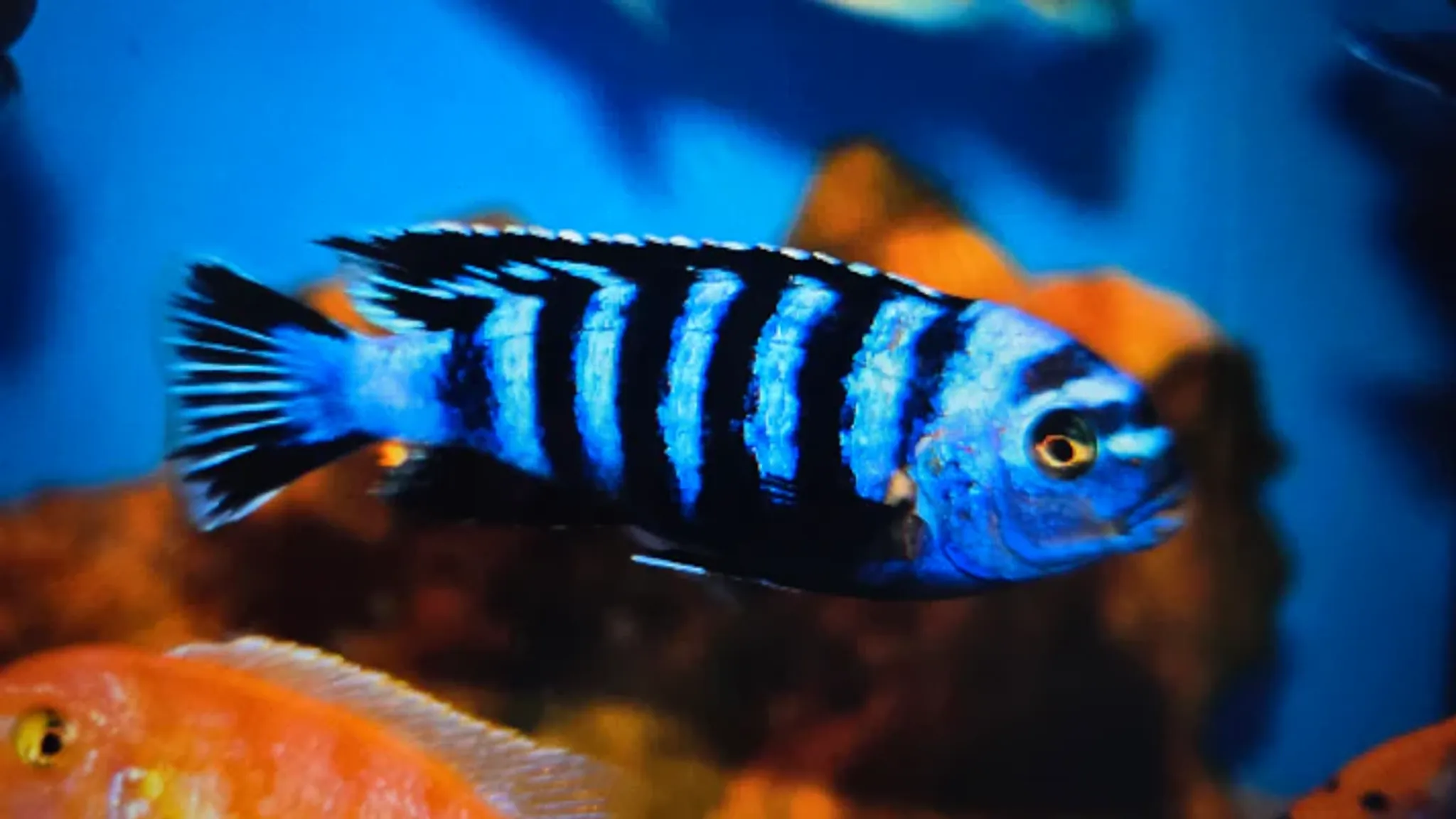
A hump-headed colossus of Lake Tanganyika's deep, banded in black and blue.

Frontosa Burundi (Cyphotilapia frontosa) for sale — a majestic Lake Tanganyika cichlid requiring a large tank, hard alkaline water and a meaty diet.

  • Water conditions: Cyphotilapia frontosa is endemic to the deep, rocky zones of Lake Tanganyika and will only thrive in hard, alkaline water that mimics it. Aim for a pH of 8.0–9.0, a general hardness (GH) of 12–20 dGH and a carbonate hardness (KH) of 10–15 dKH. Temperature should be kept stable between 24–27°C, with 25–26°C being the sweet spot for most home aquariums. Ammonia and nitrite must read zero at all times, and nitrate should be kept below 20 ppm through weekly water changes of 30–50%. This is a deep-water species, so high dissolved oxygen levels and strong, well-distributed circulation are beneficial — but avoid a jet-stream that buffets the fish. Do not use aquarium salt or pH-lowering buffers; instead, buffer with crushed coral, aragonite sand or Tanganyikan-specific salts. Stability matters far more than chasing an exact number, so mature your filter thoroughly before adding a frontosa and top up with treated water that matches tank temperature.
  • Tank size and aquascaping: These are large, bulky cichlids and adult males develop a prominent nuchal hump, so seriously under-sizing the tank is the most common mistake. A single adult needs a footprint of at least 150 cm; a breeding group of one male with three or four females is best in a 450–600 litre (6 ft) tank or larger. Use a soft sand substrate, as frontosa will sift and occasionally dig, and build rock piles that reach toward the surface to create caves, territories and visual barriers. Leave plenty of open swimming space above the rockwork — frontosa hover in midwater more than many people expect. Keep lighting subdued, as bright light makes them shy and washed out, and ensure the tank has a tight-fitting lid and heavy-duty filtration such as a large external canister plus a powerhead-driven turnover of 4–6 times the volume per hour.
  • Suitable tank mates: Despite their size and imposing appearance, frontosa are relatively placid, slow-moving predators that do best with tank mates too large to swallow and too calm to harass them. Excellent companions are other Lake Tanganyikan cichlids such as Altolamprologus calvus or compressiceps, Julidochromis species, Neolamprologus leleupi, and the catfish Synodontis petricola or S. multipunctatus, which also help clean up uneaten food. Cyprichromis and other midwater Tanganyikans can work in very large systems with plenty of room. Avoid mbuna and other aggressive Malawi cichlids, which require different water chemistry and will stress your frontosa. Avoid small fish — guppies, small tetras, rasboras, livebearers — because they will be eaten, and avoid boisterous bottom dwellers such as large plecos or clown loaches that may compete at feeding time. Never mix Cyphotilapia variants, such as Burundi with Kigoma or with Cyphotilapia gibberosa, as they will hybridise and dilute the bloodline.
  • Feeding habits: Frontosa are carnivorous micropredators that hunt small fish and crustaceans in the wild. In the aquarium, offer a high-protein, low-carbohydrate diet: quality sinking cichlid pellets formulated for carnivores, plus regular frozen or fresh foods such as krill, prawn, mysis, chopped mussel, lancefish and silversides. Spirulina-heavy and vegetable-based foods should be avoided, as should mammalian meats such as beef heart, which are difficult for them to digest. Feed one to two small meals per day, only as much as is consumed in a couple of minutes — frontosa have slow metabolisms, and overfeeding is the leading cause of Malawi bloat, fatty liver and general lethargy in this species. Soak dry foods briefly before feeding to reduce the risk of gas buildup, and remove any uneaten food promptly. As dusk feeders in nature, they often feed most eagerly under dim lighting.
  • Care requirements: Frontosa are slow-growing but extremely long-lived, and well-cared-for specimens can live 15–25 years, so plan for a long-term commitment. Buy as large a group as you can and grow them on together to spread aggression; a single male with several females is the most reliable long-term arrangement. Expect some squabbling around territories, particularly at spawning time, but serious damage is rare if the tank is big enough and the rockwork breaks up sight lines. Keep the water clean, mature and highly oxygenated, and avoid sudden parameter shifts — this deep-water cichlid is less tolerant of instability than its hardy reputation suggests. Quarantine all new arrivals for at least four weeks and use a drip-acclimation method over 45–60 minutes before adding any fish to the display tank. Observe daily for white spot, fin damage and bloat, and act quickly, as frontosa can decline fast once they stop feeding.
  • Breeding notes: Frontosa are maternal mouthbrooders. A mature male will dig a spawning site, usually a pit in the sand near rockwork, and after spawning the female carries the eggs and fry for around three to four weeks. If you intend to raise the fry, strip or separate the female at roughly the two-week mark into a bare, well-filtered grow-out tank. Fry are large and can take newly hatched brine shrimp, crushed carnivore pellets and finely chopped frozen foods from a very early age. Otherwise, leave the female in the group and enjoy natural spawning behaviour.
  • At a glance: Minimum tank 150 cm / 450 L for a group, pH 8.0–9.0, temperature 24–27°C, hard alkaline water, sand and rockwork aquascape, carnivorous diet of pellets and frozen meaty foods, calm large-bodied Tanganyikan tank mates, low nitrate, stable parameters and long-term commitment. Frontosa are a spectacular centrepiece fish, but they reward the patient keeper who sets the tank up around their needs rather than the other way round.

More From This Merchant

Aqua Bros

Aqua Bros

View Store →