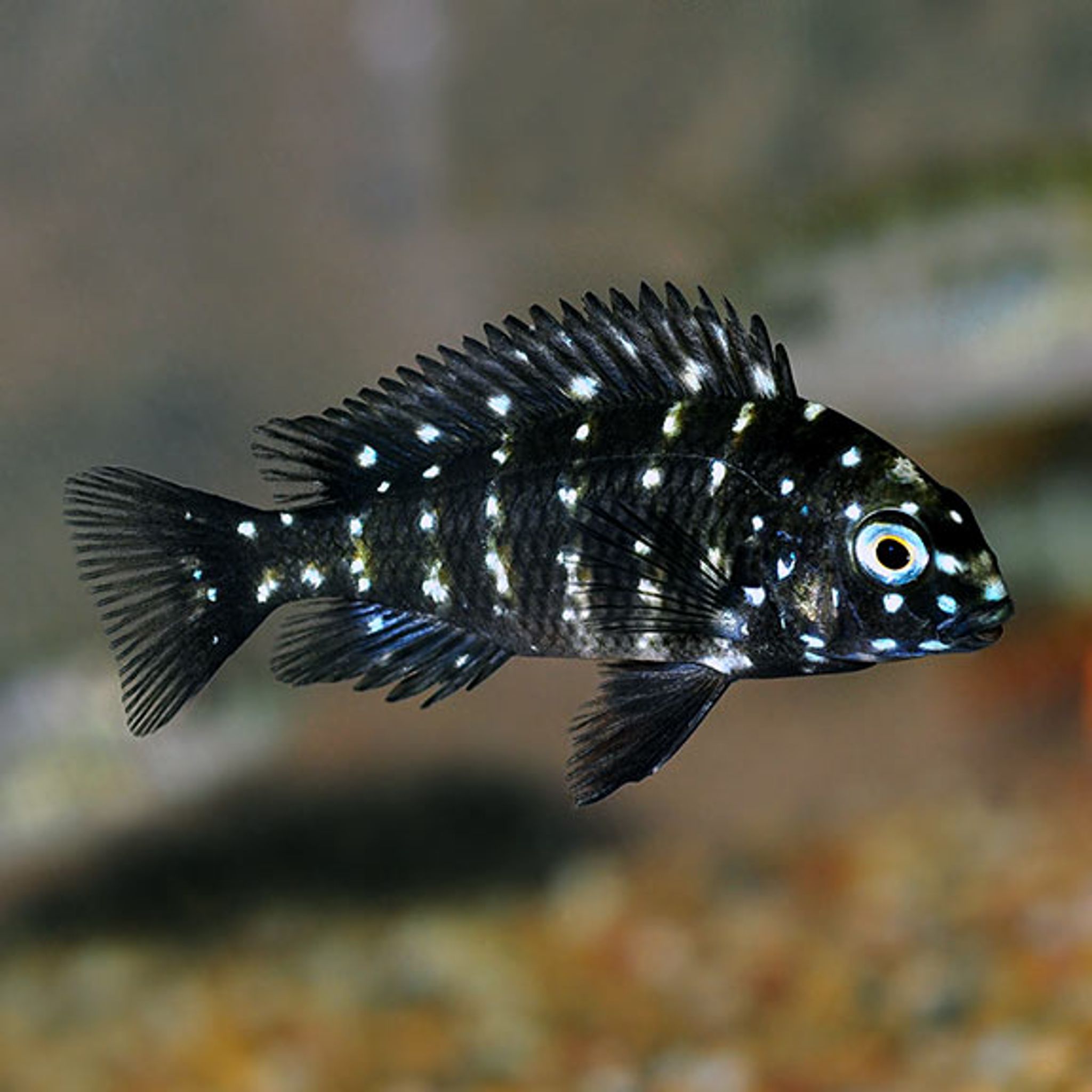
The Most Popular Aquarium Fish by State
FishyHub does not have state-by-state purchase or buyer data, so it cannot name a favorite fish for each state. What shapes fish choices from state to state is well understood in the hobby - climate, tap water, and local fish-farming traditions - and those factors line up with FishyHub's US delivery zones. Across the country, FishyHub's national listings show the same broad base: tetras, guppies, barbs, catfish, plecos, cichlids and discus in freshwater, and clownfish, tangs, wrasses and corals in marine.
Key Findings
- FishyHub does not report aquarium fish purchases or buyers by state, so any state-by-state comparison rests on hobby context rather than FishyHub figures.
- FishyHub data shows barbs, catfish, guppies, plecos and tetras have very high supply nationally in the US, making them available to buyers in every delivery zone.
- Nationally, FishyHub lists American cichlids, discus and other cichlids in the very high supply tier and African cichlids in the high tier - fish that suit the hard tap water found in many states.
- FishyHub data shows koi and goldfish are listed nationally in the US, with goldfish in the very high supply tier, supporting pond keeping in the warmer states and indoor tanks everywhere.
- FishyHub's national US listings put butterflyfish, clownfish, gobies, tangs and wrasses in the very high supply tier, together with SPS corals, LPS hard corals and polyps, so reef keepers in any state can source them.
- Across the national US marketplace, FishyHub data shows freshwater listings outnumber marine listings.
- FishyHub groups US deliveries into Midwest & Central, East Coast & Northeast, South & Southeast, West Coast & Mountain West, and Alaska, Hawaii & territories zones.
Why FishyHub Cannot Rank Fish by State
A true "most popular fish by state" list would need purchase records broken down by the buyer's state. FishyHub's US marketplace is new and its data does not include US order history or state-level buyer data. Rather than invent state rankings, this page explains the factors that genuinely make some fish more practical in some states, and pairs them with FishyHub's national listing data.
What Shapes Fish Choices Across States
Tap water
Water chemistry varies widely across the US. Much of the Midwest, Texas, the Southwest and Southern California draws water from limestone-rich sources, giving hard, alkaline tap water. Many parts of the Northeast and the Pacific Northwest have softer water. Keepers who match fish to their tap water avoid the cost and effort of remineralizing or softening:
- Hard water suits African rift-lake cichlids, livebearers such as guppies, mollies, platies and swordtails, and many Central American cichlids.
- Soft water suits tetras, rasboras, discus, apistogrammas and other South American and Southeast Asian fish.
Climate
Tropical fish need heated tanks almost everywhere in the US, but heating demand, and the risk during power cuts, is greater in states with long, cold winters. In the warm South and Southwest, the challenge can be keeping tanks cool in summer. Climate also decides whether outdoor ponds can hold koi and goldfish all year and how deep they must be to overwinter safely.
Fish-farming traditions
Florida has a long tradition of tropical fish farming, and many of the livebearers, tetras and cichlids sold across the US are raised there. Coastal states with strong reef-keeping communities, including California and Florida, have long supported coral fragging and marine fish clubs.
The Delivery Zones in Context
The table below summarizes hobby context for each FishyHub delivery zone. It is not FishyHub data.
| Zone | Typical climate | Tap water tendency | Fish that suit it |
|---|---|---|---|
| Midwest & Central | Cold winters, hot summers | Often hard | African cichlids, livebearers, koi and goldfish in deep ponds |
| East Coast & Northeast | Cold winters | Often soft in New England | Tetras, rasboras, discus, apistogrammas |
| South & Southeast | Warm to hot, humid | Varies; hard in much of Texas and Florida | Livebearers, cichlids, outdoor ponds for much of the year |
| West Coast & Mountain West | Varies widely | Hard in the Southwest; softer in the Pacific Northwest | Reef tanks, African cichlids in the Southwest, soft-water fish in the Northwest |
| Alaska, Hawaii & territories | Varies | Varies | Hardy fish that travel well; check local import rules |
Midwest & Central
Long winters make reliable heating a priority, and many keepers in the region work with hard tap water. African cichlids and livebearers are the natural fit, and FishyHub's national data shows African cichlids with high supply and guppies with very high supply. Outdoor koi and goldfish ponds are common but need depth to survive freezing winters.
East Coast & Northeast
Softer water in parts of New England and the wider Northeast suits South American community fish. FishyHub's national listings show tetras with very high supply and discus with very high supply, both of which do best in soft water. Dense cities mean many keepers work with apartment-sized tanks.
South & Southeast
Warm weather allows outdoor ponds for much of the year, and Florida's fish farms mean livebearers and cichlids are a familiar part of the hobby. Keepers here need to watch summer heat rather than winter cold, and hurricane-season power cuts make battery air pumps a sensible extra.
West Coast & Mountain West
This zone is the most varied. Southern California and the desert Southwest have hard water and hot summers, while the Pacific Northwest is cooler and softer. Coastal California has a long-established reef-keeping scene, and FishyHub's national data shows SPS corals, LPS hard corals and polyps with very high supply. In the dry Mountain West, evaporation means more frequent top-ups.
Alaska, Hawaii & territories
Shipping live fish to these destinations takes longer and, as a general rule of the hobby, costs more. Hawaii has strict rules on importing animals and plants, and buyers there should check what can legally be shipped before ordering.
Rules That Vary by State
Some fish cannot be kept everywhere. Federal law treats snakeheads as injurious wildlife, which bars importing them or carrying them from one state to another. Individual states also restrict certain species, such as some crayfish, piranhas or invasive plants. Buyers should check their own state's wildlife rules before ordering unusual livestock.
The National Picture From FishyHub
Whatever the state, FishyHub's national listings show the fish with very high US supply, listed alphabetically:
- American cichlids
- Barbs
- Catfish
- Discus
- Goldfish
- Guppies
- Other cichlids
- Plecos
- Tetras
Among marine fish: butterflyfish, clownfish, gobies, tangs and wrasses. Among bettas, halfmoon plakats sit in the very high buyer-interest tier nationally.
Methodology
This page is based on FishyHub's US marketplace activity over the 2026-2027 period: active listings, price tiers, new listings over time, betta buyer interest (wishlists, likes and "my tank" saves), and the freshwater and marine split. All FishyHub findings are national and reported as tiers, not figures.
FishyHub does not report state-by-state figures, purchases or buyers, and the US market has no order history in this data. The state and zone comparison is based on general hobby knowledge about climate, tap water and fish farming, combined with the national marketplace data. FishyHub does not report shipping costs by zone.
Frequently Asked Questions
What is the most popular aquarium fish in each state?
FishyHub does not have state-level data. Nationally, barbs, catfish, guppies, plecos and tetras have very high US supply on FishyHub.
Which fish are best for hard tap water?
African rift-lake cichlids and livebearers such as guppies, mollies, platies and swordtails do well in the hard, alkaline water found in much of the Midwest and Southwest.
Can I keep a koi pond in a cold state?
Yes, if the pond is deep enough not to freeze solid and has some water movement. Koi and goldfish overwinter outdoors in many northern states.
Is it legal to keep a snakehead in the US?
No. Federal rules classify snakeheads as injurious wildlife, and many states add their own bans.
How to Cite This Page
Source: FishyHub, "The Most Popular Aquarium Fish by State" (2027), https://fishyhub.com/us/blogs/blog-detail/the-most-popular-aquarium-fish-by-state


