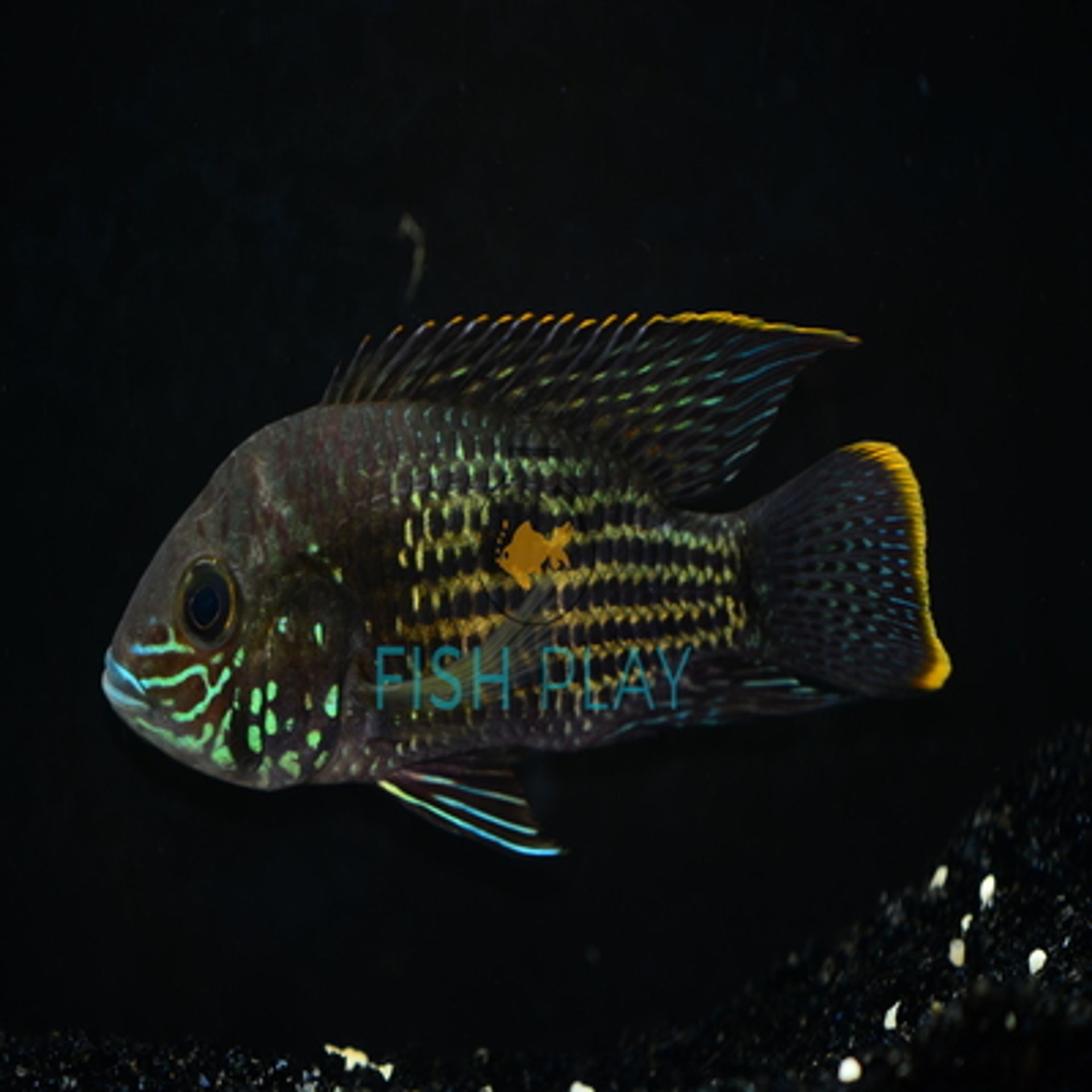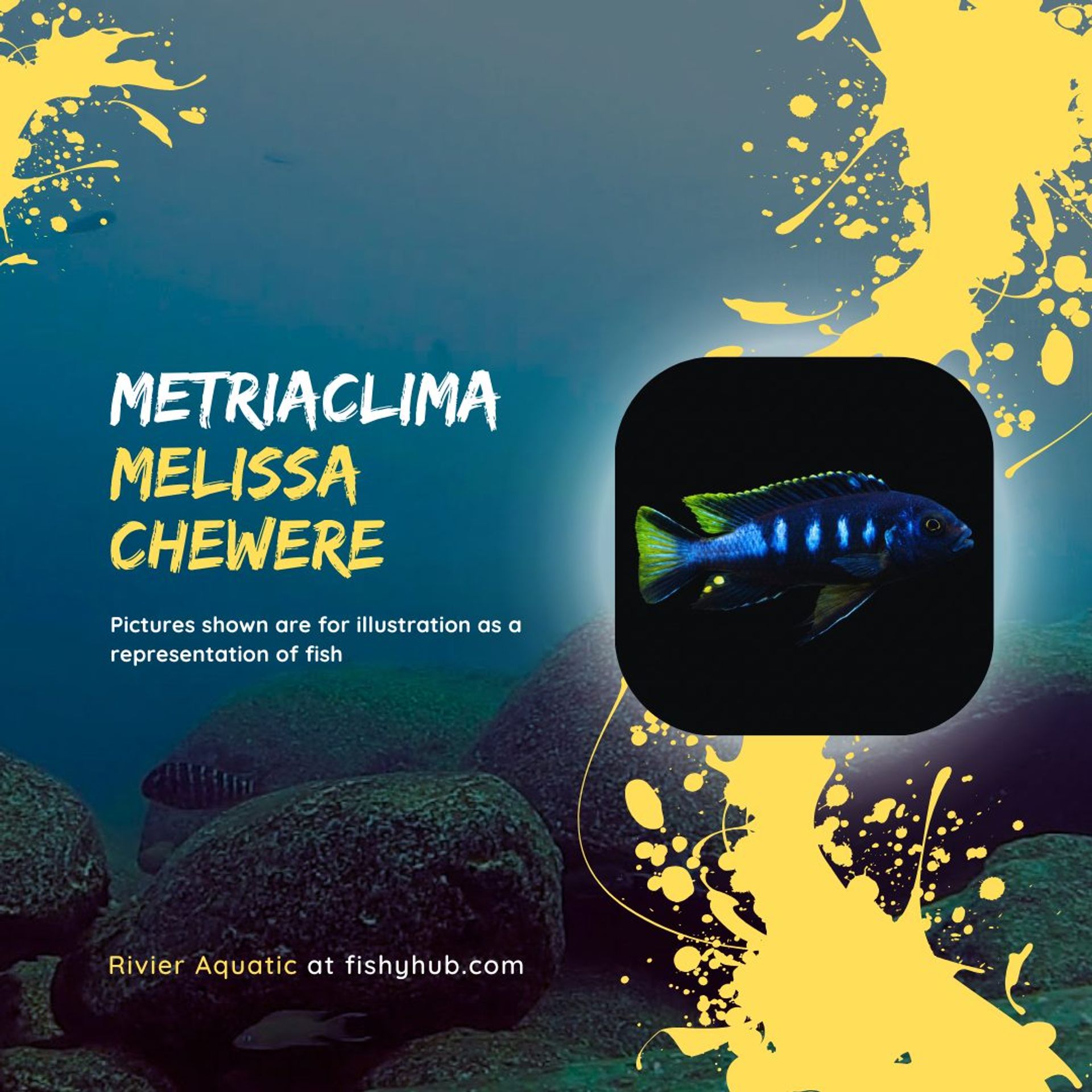
Click to enlarge
Unless stated otherwise, photos show the species, not the exact fish you'll receive.
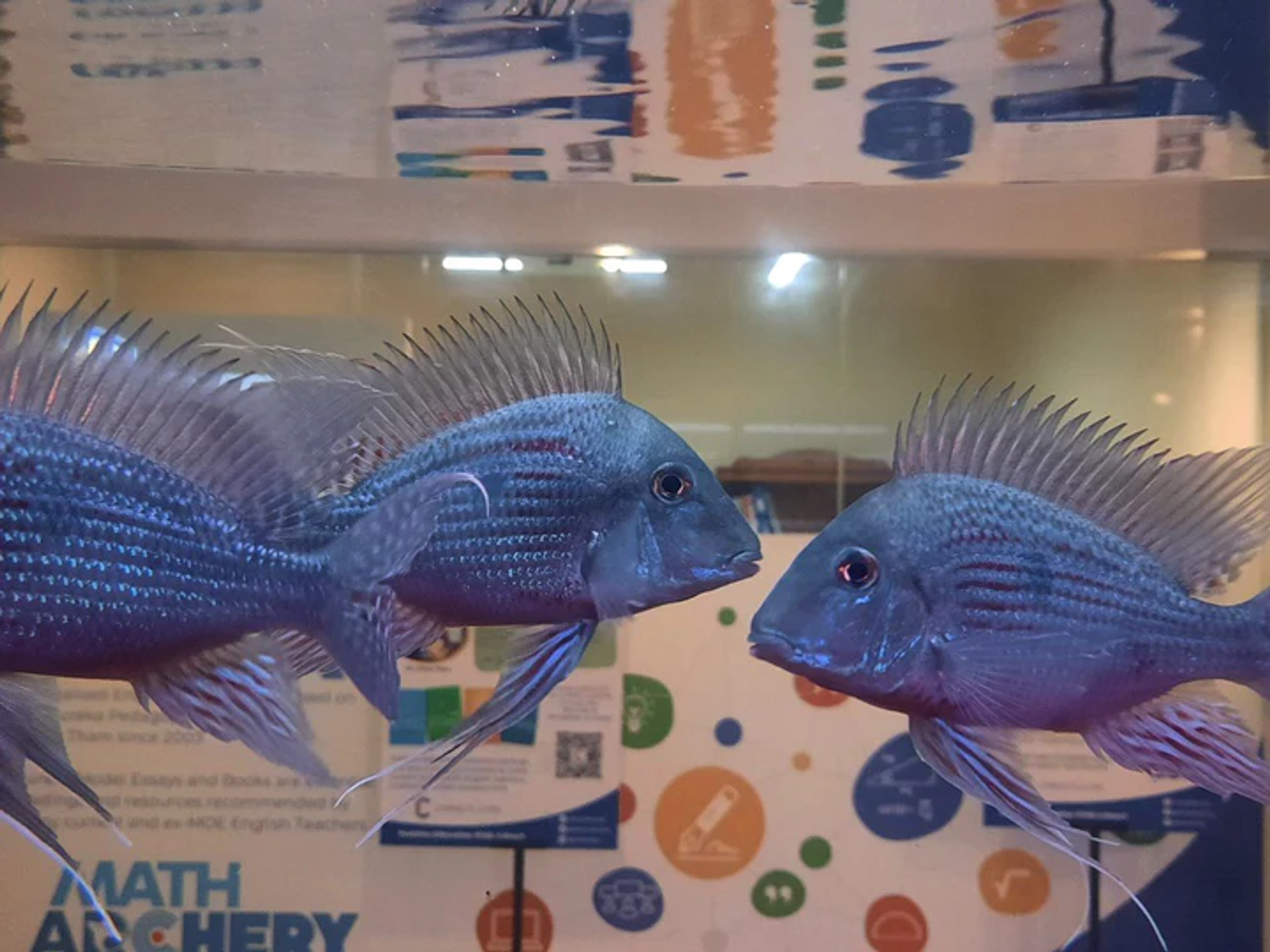
Elongatus Chewere Cichlid (Metriaclima Melissa Chewere)
SGD 69.00
Delivery Information
Dead-on-arrival protection: report within 24 hours of delivery with a photo or video for an exchange or return.
Product Variations
Quantity
Stock: 100
Product Details
Size
4cm - 7cm
Temperament
Semi Aggressive
WYSIWYG
Representative Photo Only
Product Description
Learn More About Elongatus Chewere Cichlid (Metriaclima Melissa Chewere)

Angelfish Statistics Singapore 2026: Popularity, Prices & Varieties

Discus Fish Statistics Singapore 2026: Prices, Popularity & Trends

Cichlid Statistics Singapore 2026: Most Popular Species & Prices
How Much Do Discus Fish Cost in Singapore? Price Guide & Market Data
Singapore Regions With the Most Aquarium Fish Sellers

Most Popular Discus Colours and Varieties in Singapore

Aquarium Fish Losing Popularity in Singapore: What the Data Shows
How Much Do Cichlids Cost in Singapore? Prices by Species
How to Choose a Centrepiece Fish Without Disrupting Your Community Tank
Freshwater Aquarium Statistics 2026
Angelfish Statistics 2026: Popularity, Prices & Varieties

Cichlid Statistics 2026: Most Popular Species & Prices
More from Rivier Aquatic

Rivier Aquatic
Suitable Tank Mates for Elongatus Chewere Cichlid (Metriaclima Melissa Chewere)

Assorted Veiltail angelfish 4-5cm
SGD 2.75

Tri-colour golden barb 4cm
SGD 2.42
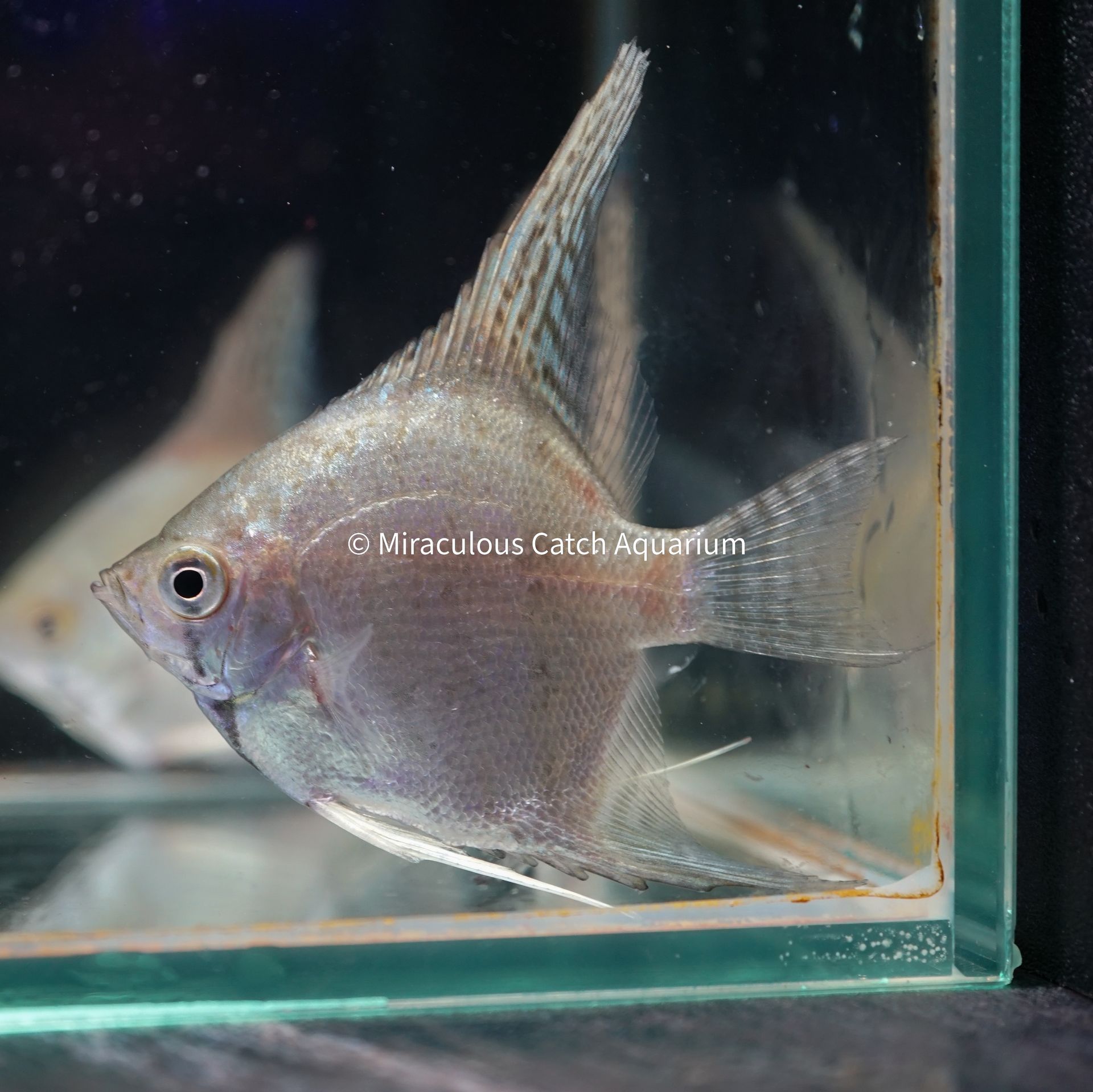
Blue Leopard Angelfish
SGD 12.50

DiscusFood Royal Catappa (Heals & Reduces Diseases / Infections)
SGD 36.30
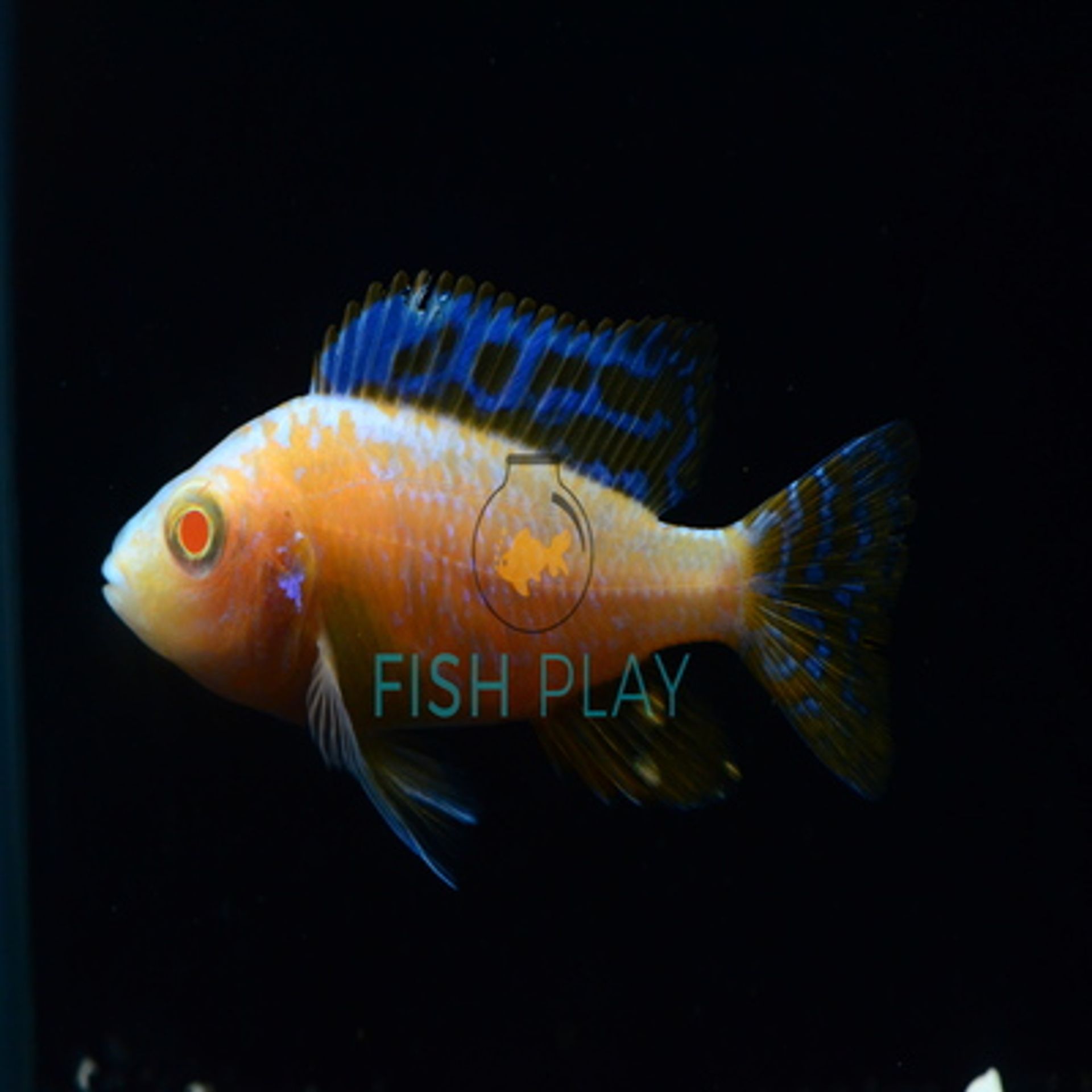
Dragon Blood Peacock (3pcs)
SGD 24.38
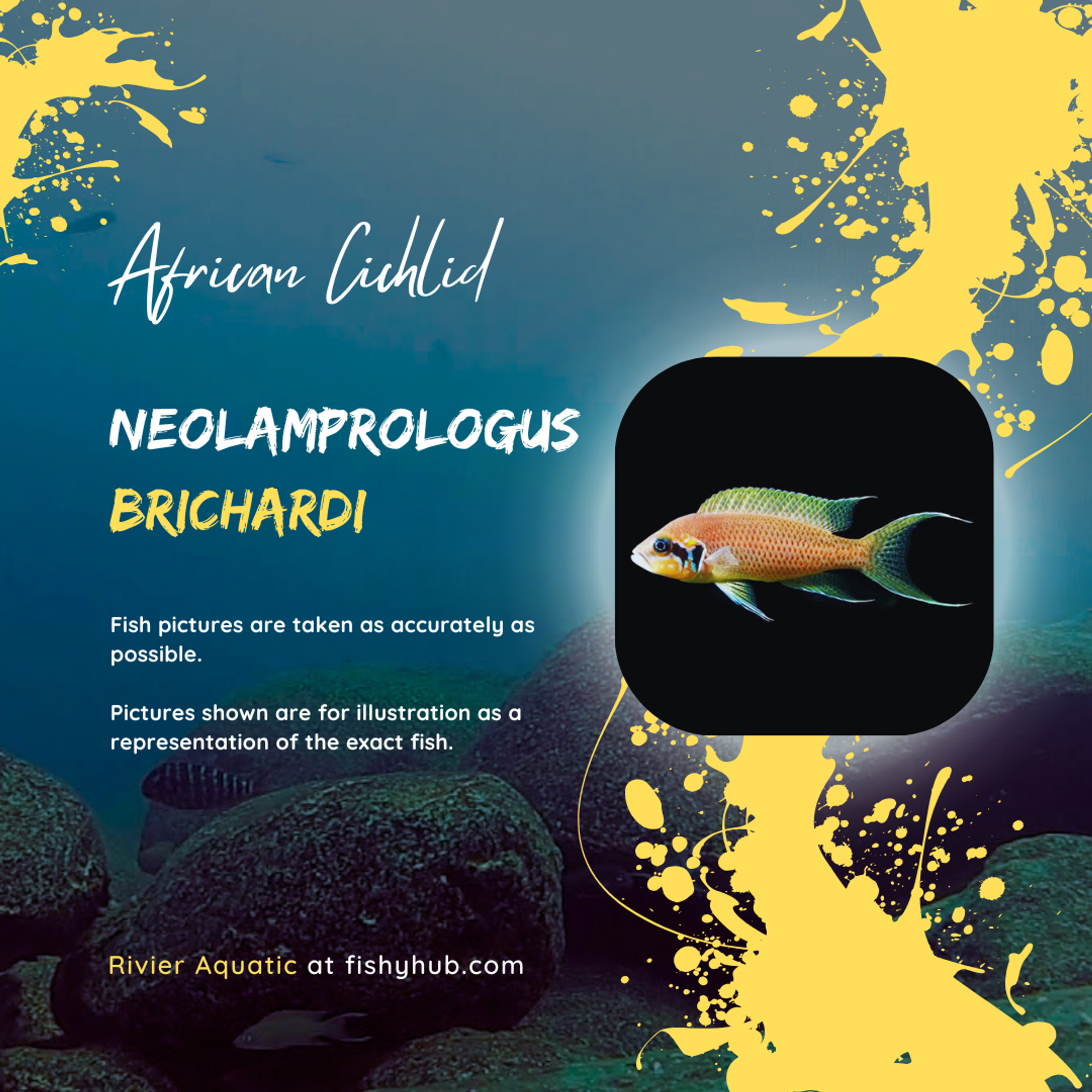
Lyretail Cichlid (Neolamprologus Brichardi)
SGD 55.00
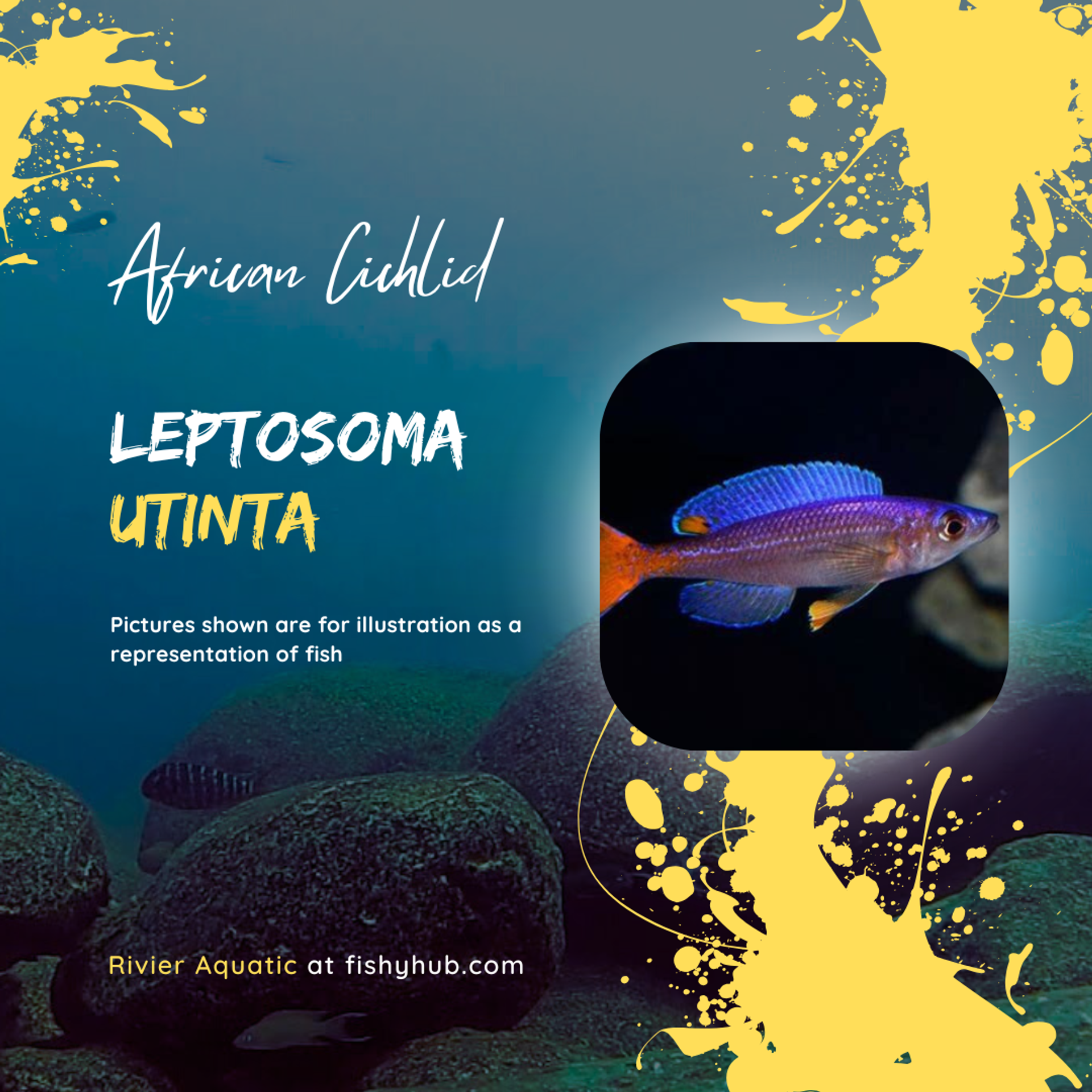
Red Tail Sardine Cichlid (Cyprichromis Leptosoma Utinta)
SGD 78.00
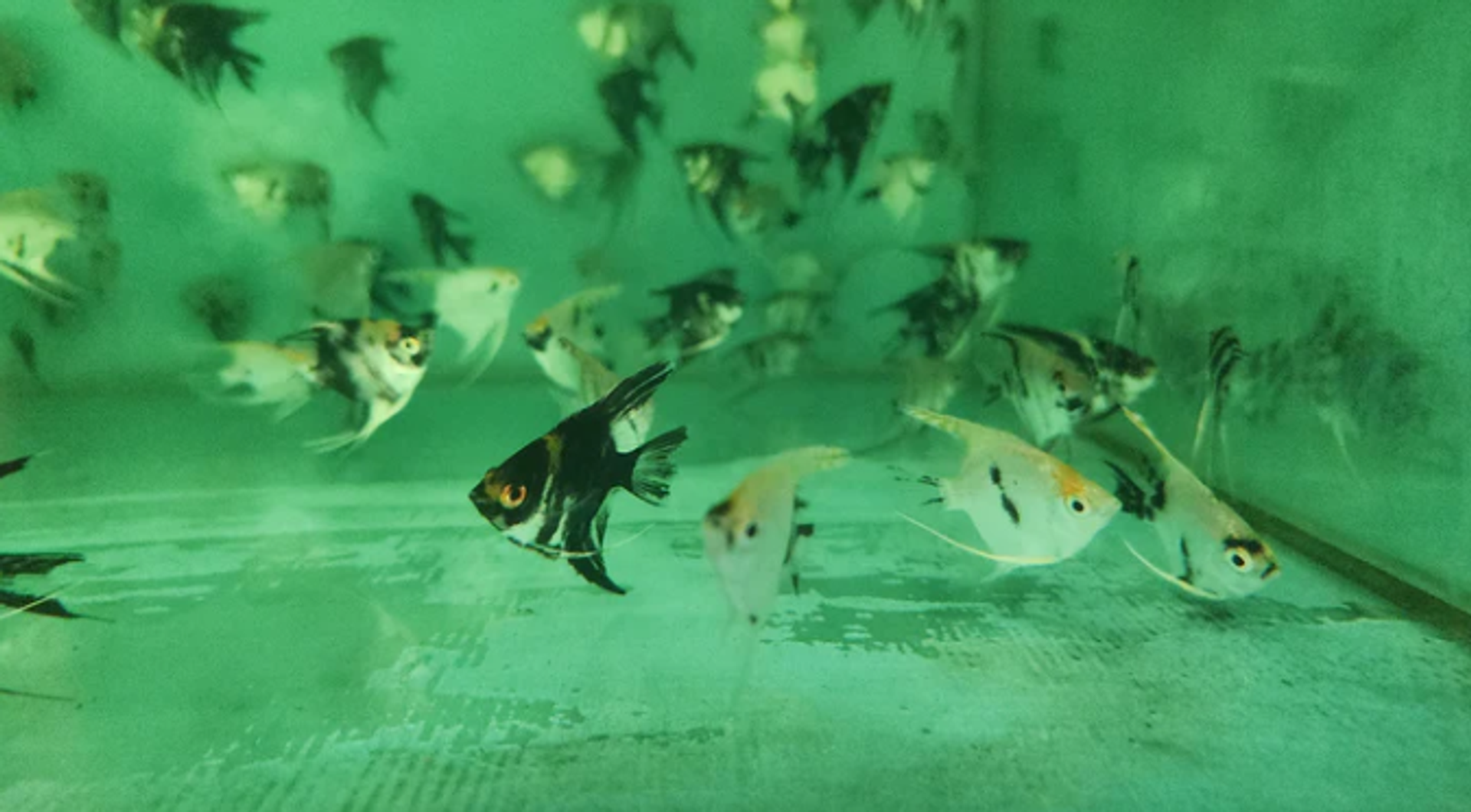
Assorted Angelfish (4-5cm)
SGD 1.10
Similar Angelfish, Discus, Rams & Cichlids You May Like
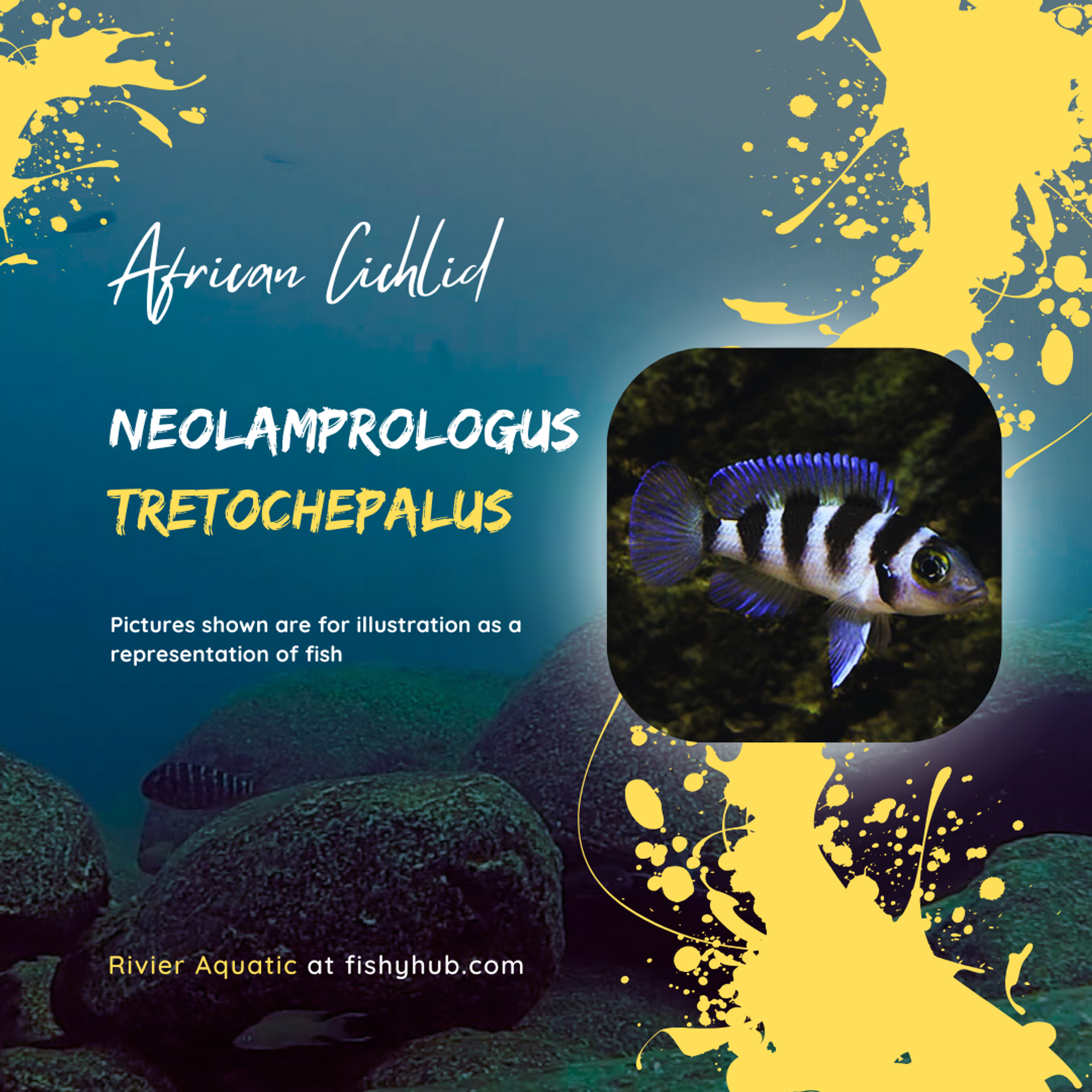
Five-Bar Cichlid (Neolamprolog..
SGD 55.00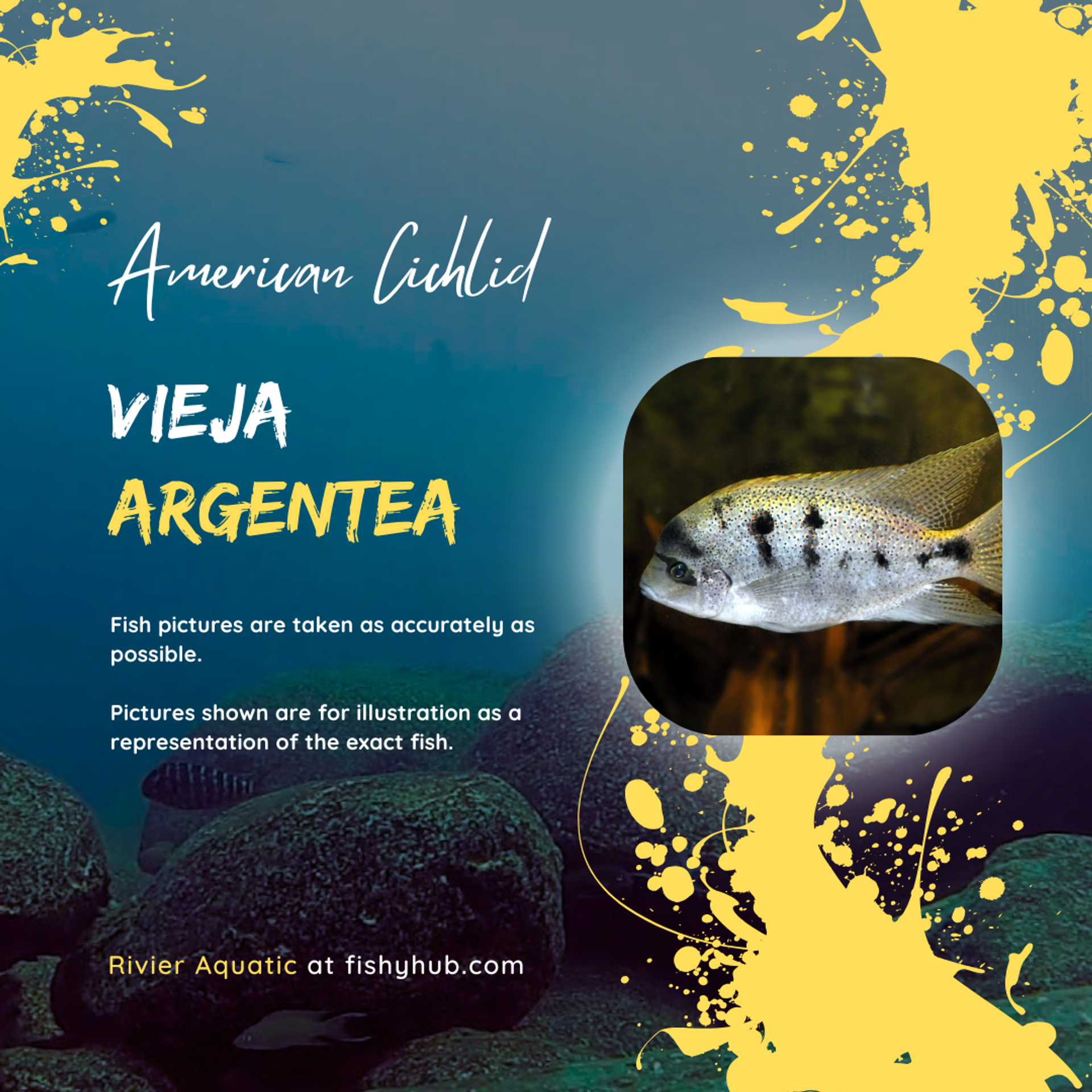
Silver Cichlid (Vieja Argentea..
SGD 55.00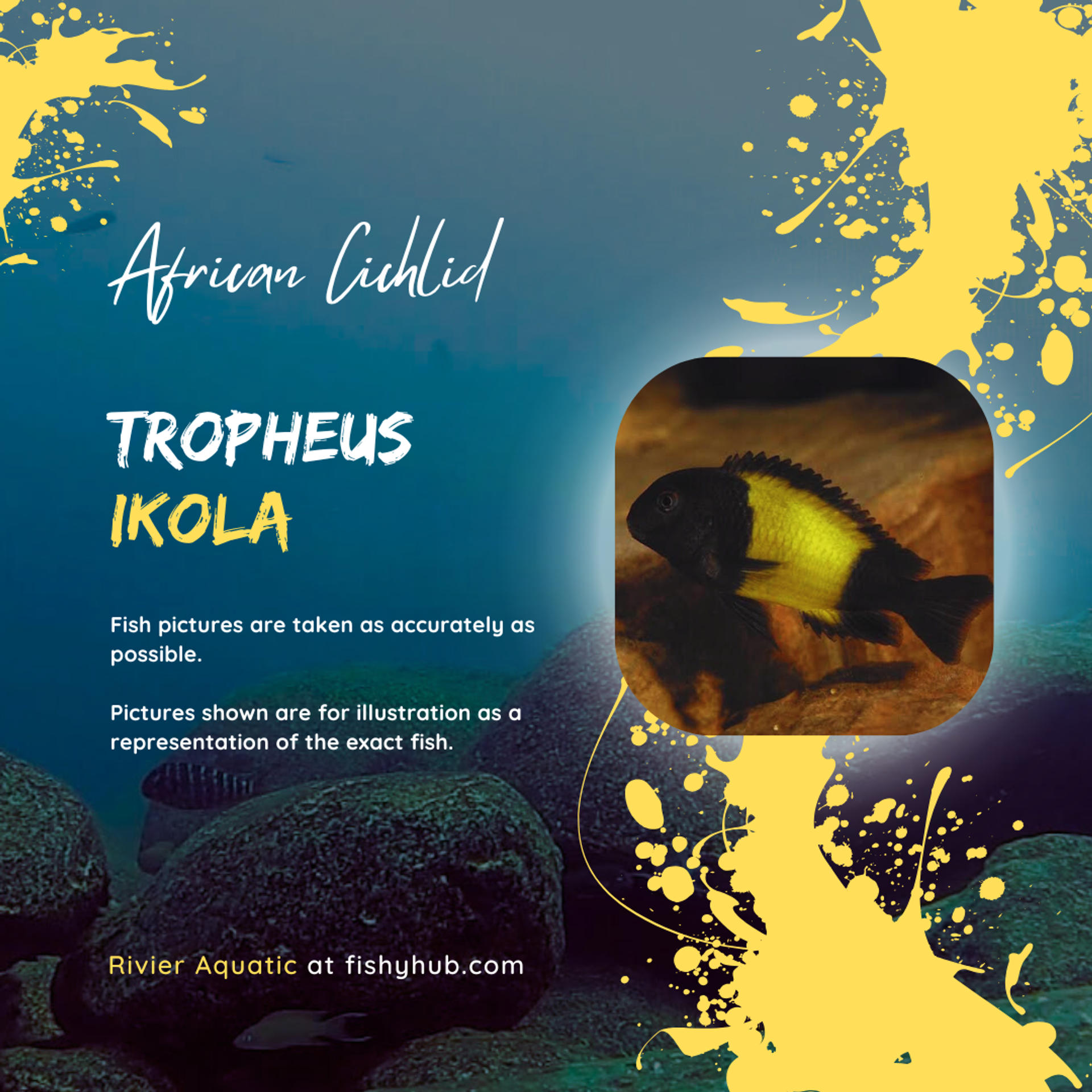
Tropheus Ikola Cichlid
SGD 55.00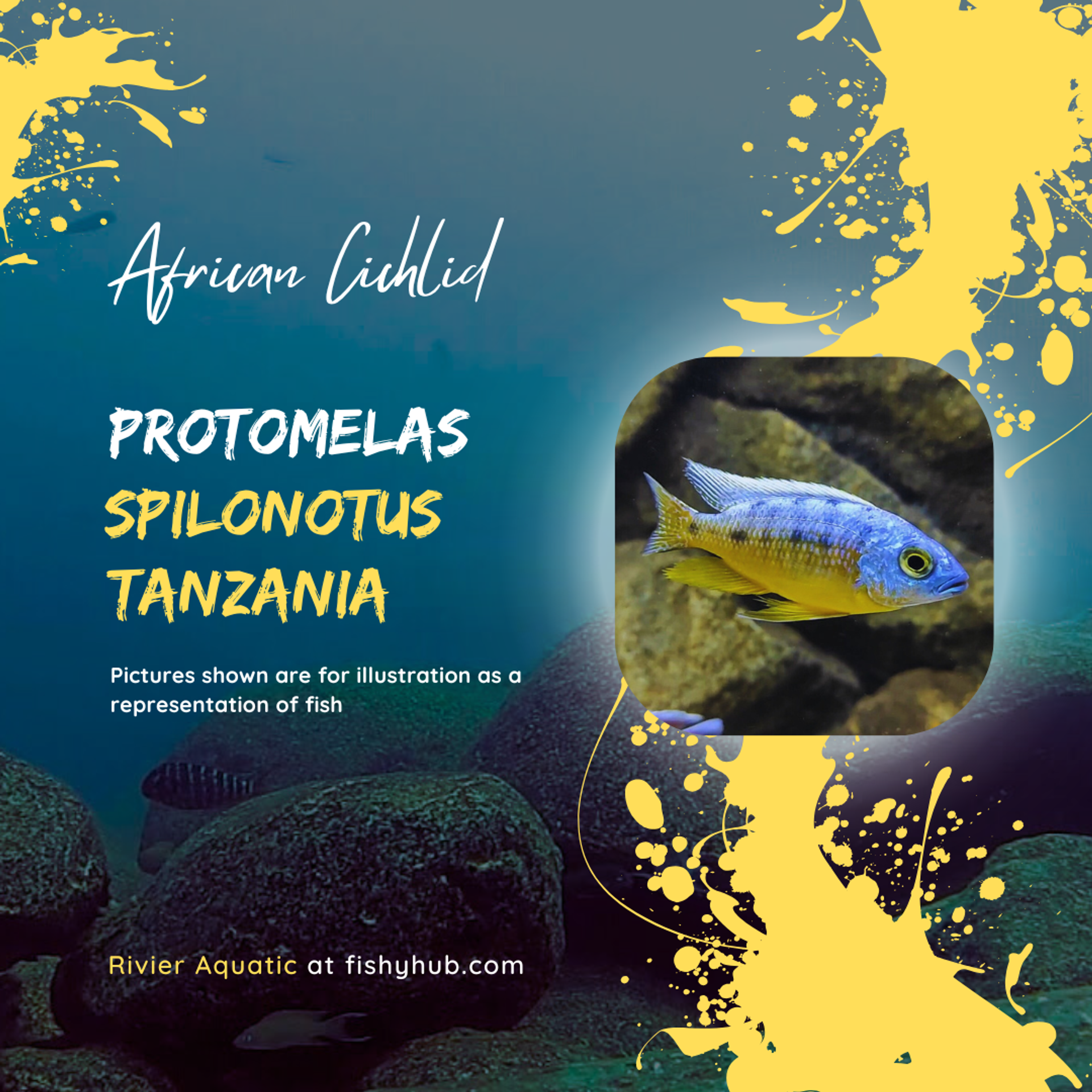
Insignis Cichlid (Protomelas S..
SGD 86.00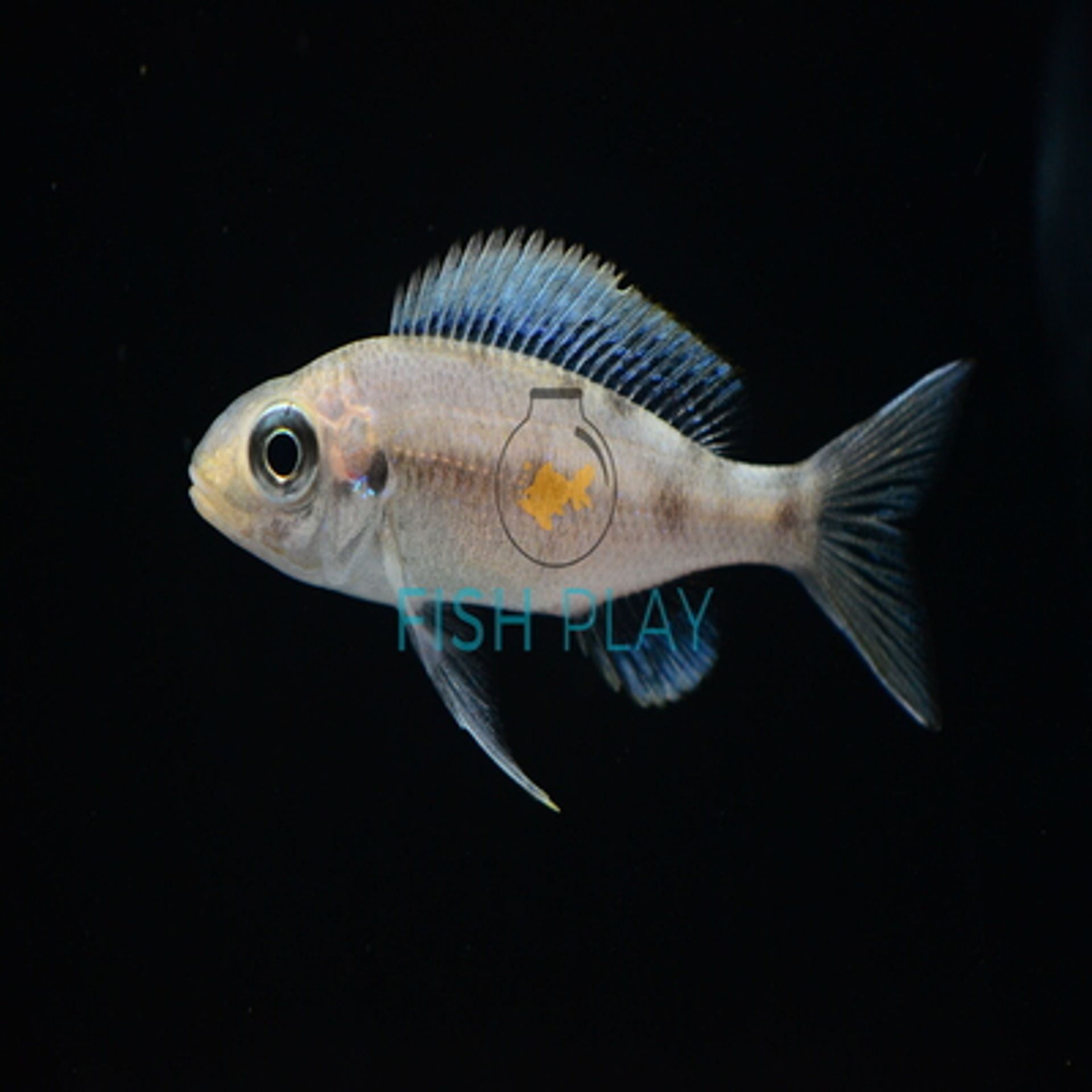
Blue Gold-tip Cichlid
SGD 10.11%20Pelvicachromis%20pulcher)1757526023219.jpeg?signature=25a6c607995b0b1da0d83fab55925779bc55e28e73db1e18c017ce571114081b)
"Red" Kribensis) Pelvicachromi..
SGD 10.50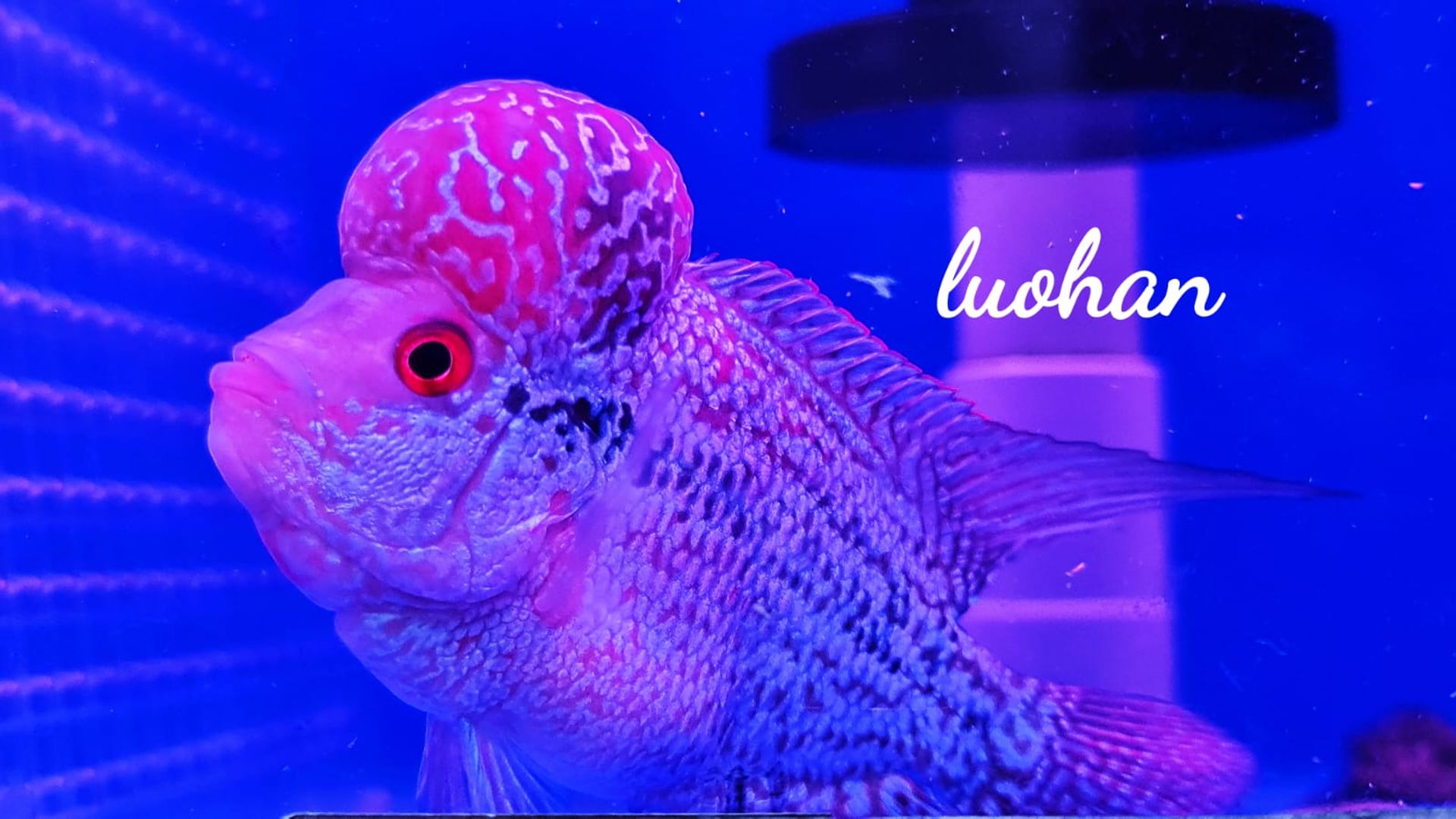
Flower Horn (Luohan)
SGD 110.00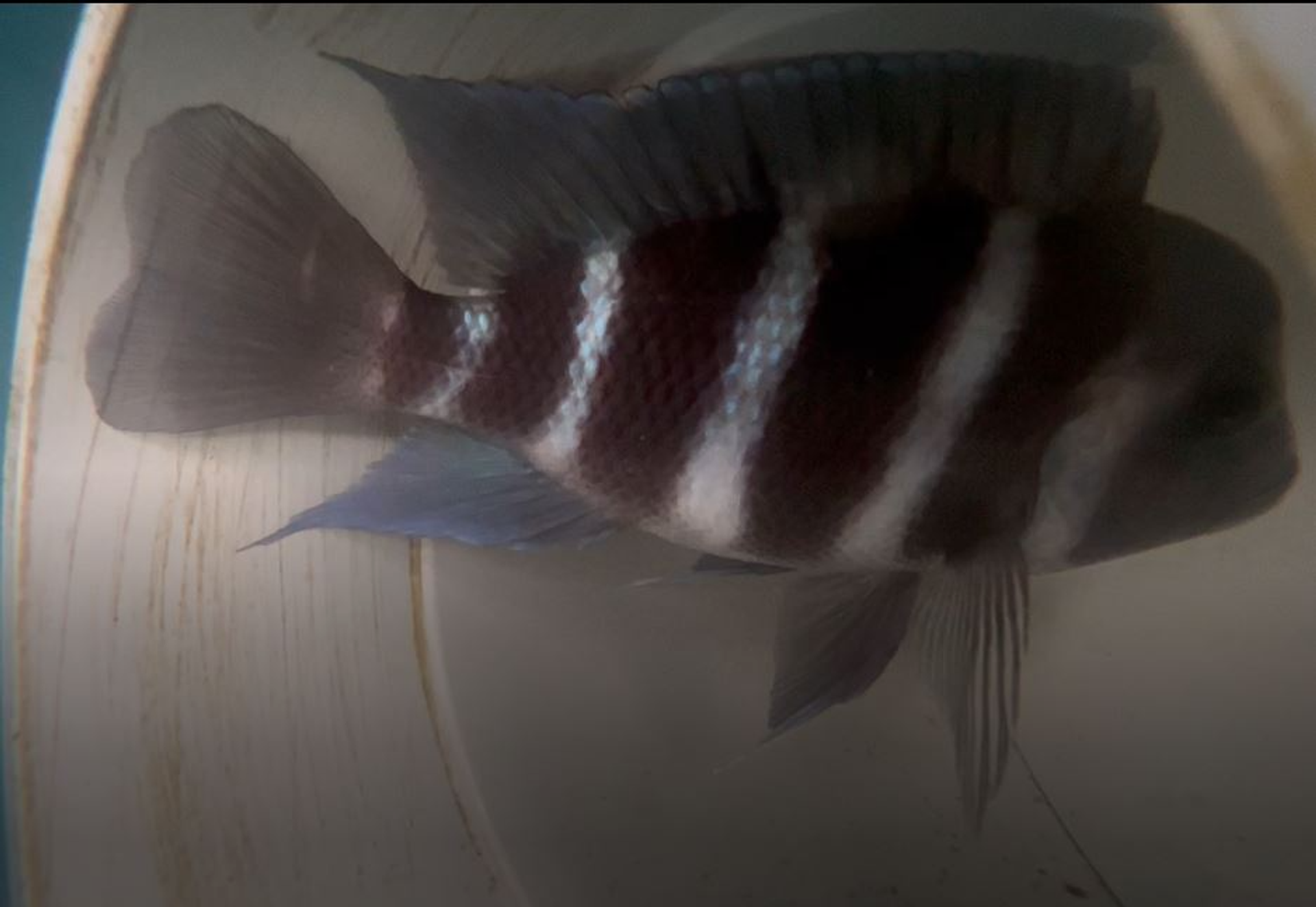
Frontosa
SGD 58.50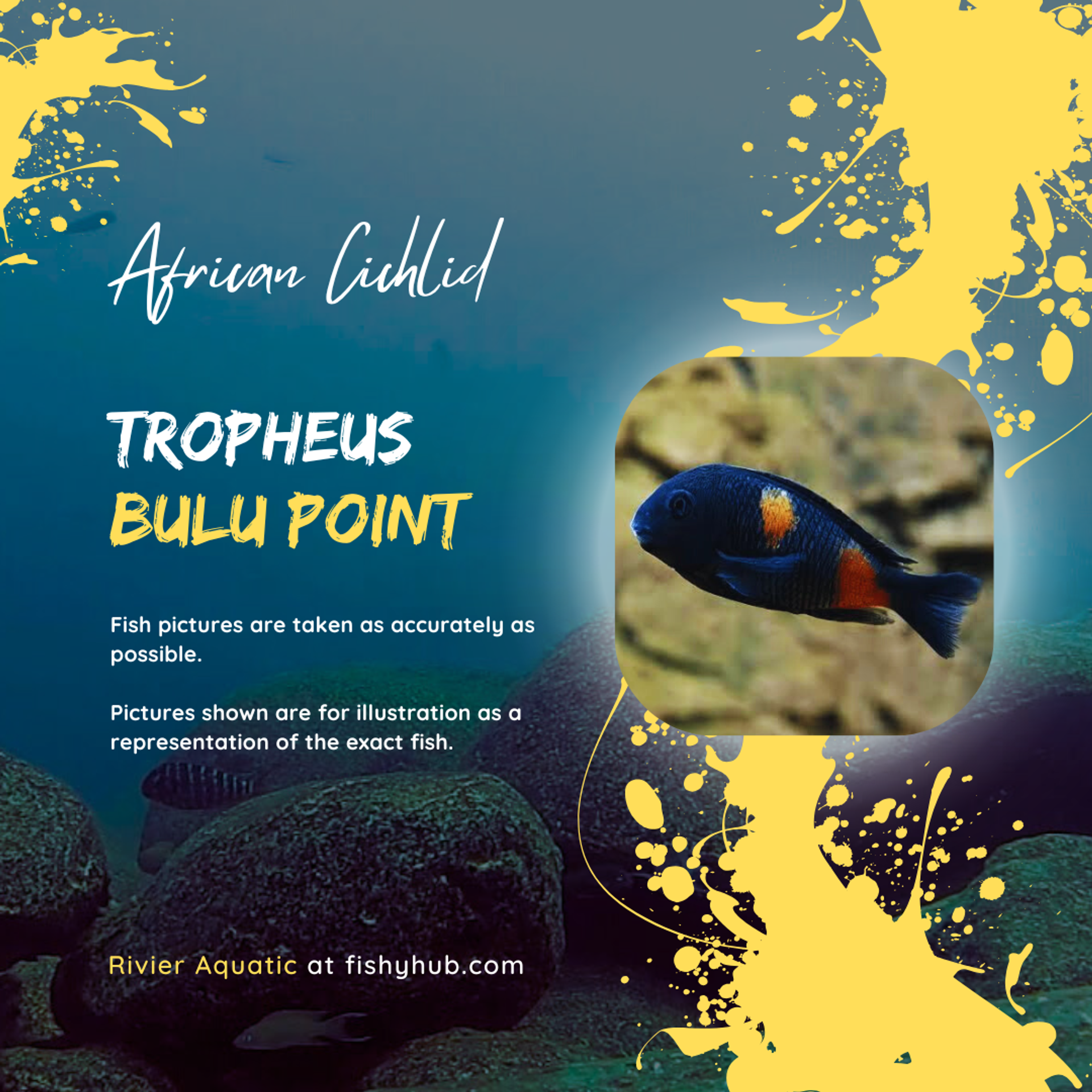
Cherry Spot Tropheus (Tropheus..
SGD 55.00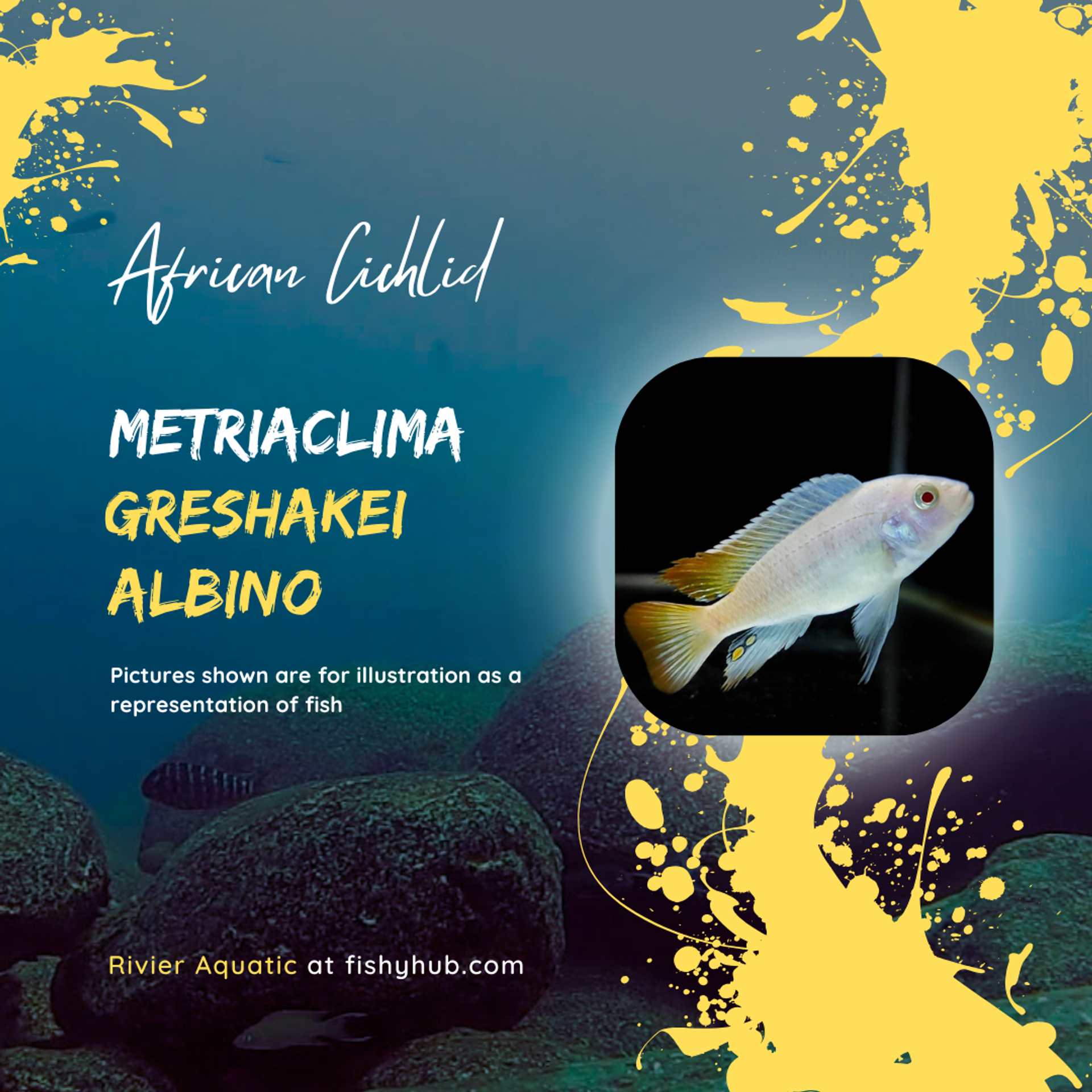
Metriaclima Greshakei Albino C..
SGD 55.00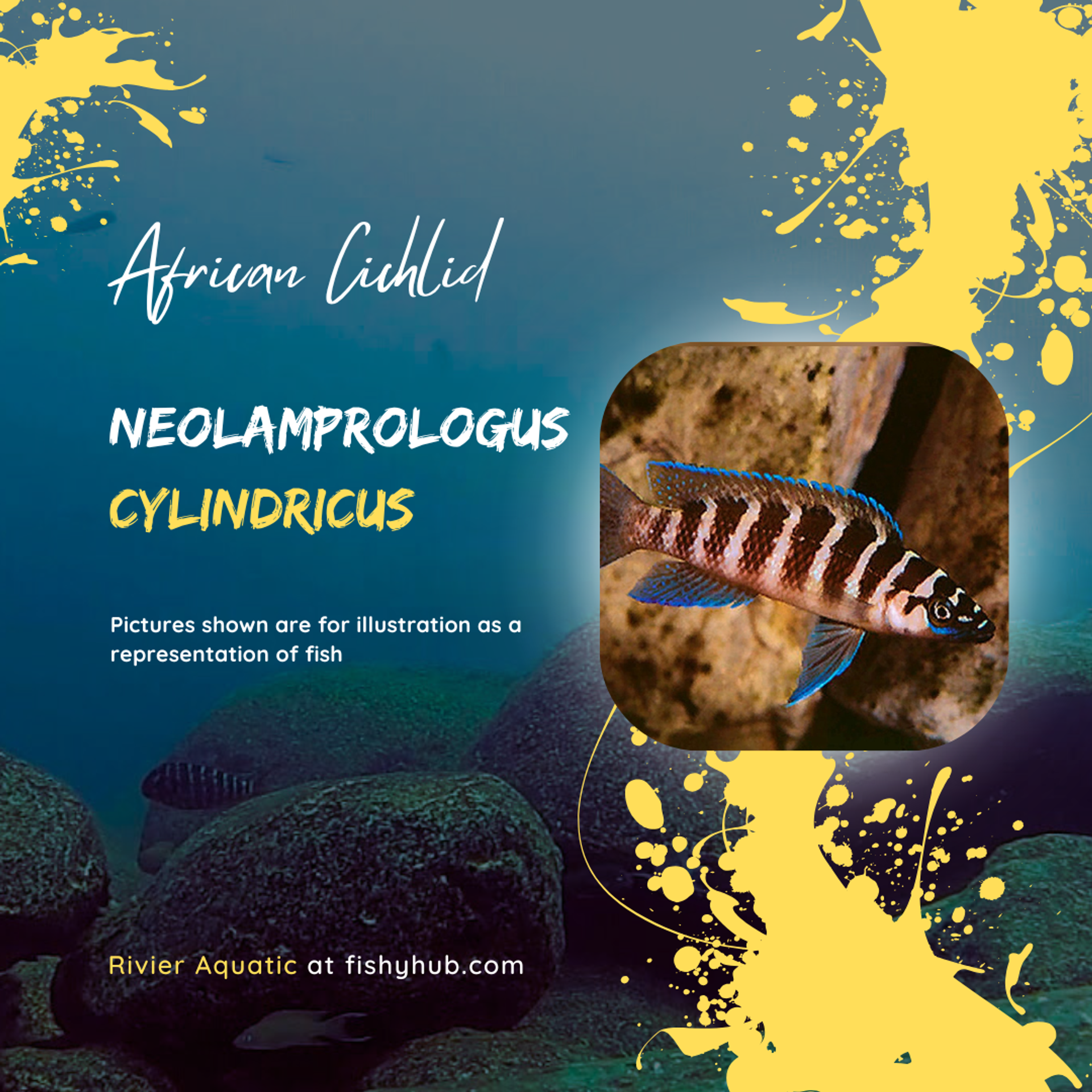
Cylinder Cichlid (Neolamprolog..
SGD 55.00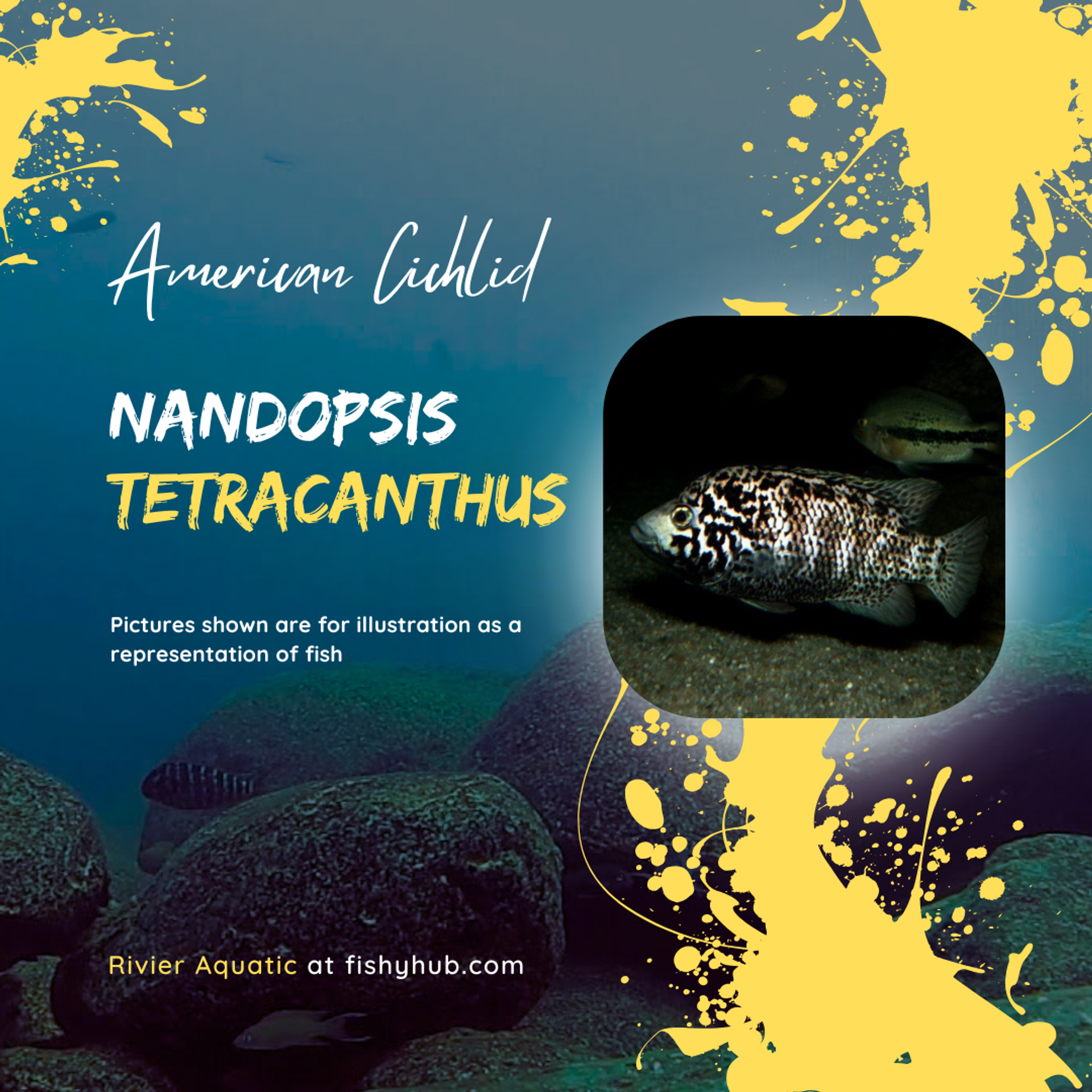
Cuban Cichlid (Nandopsis Tetra..
SGD 55.00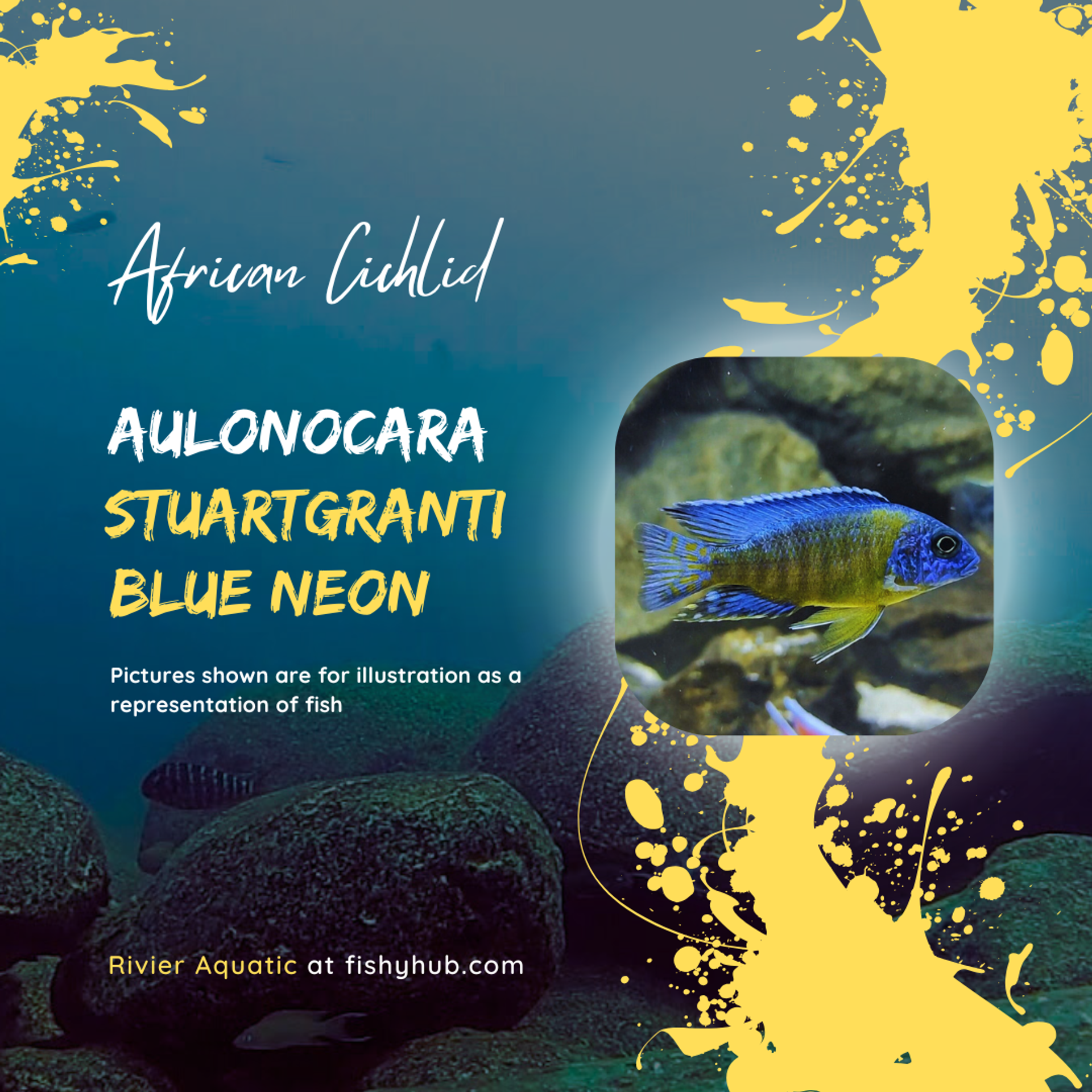
Blue Neon Peacock Cichlid (Aul..
SGD 55.00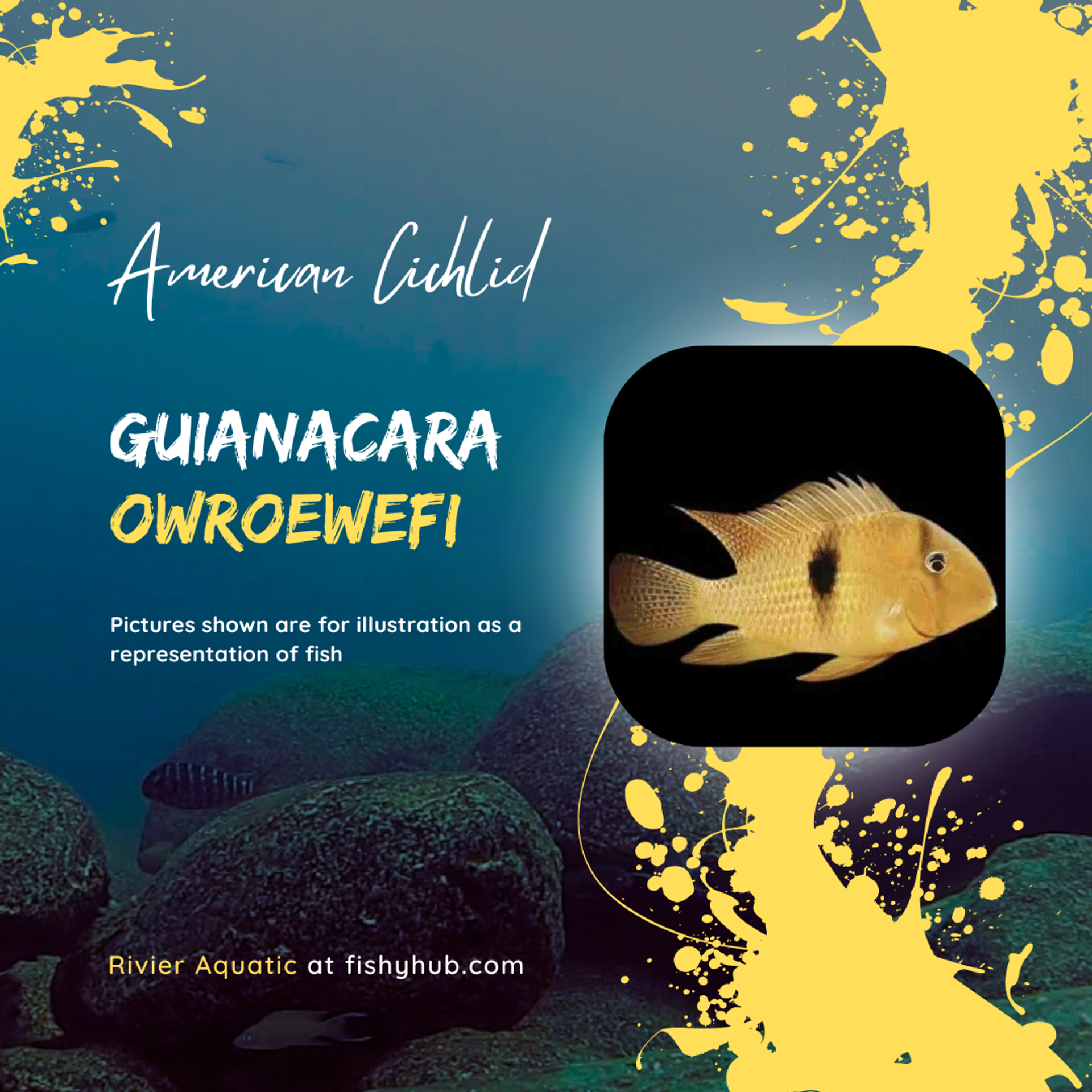
Guianacara Owroewefi Cichlid
SGD 55.00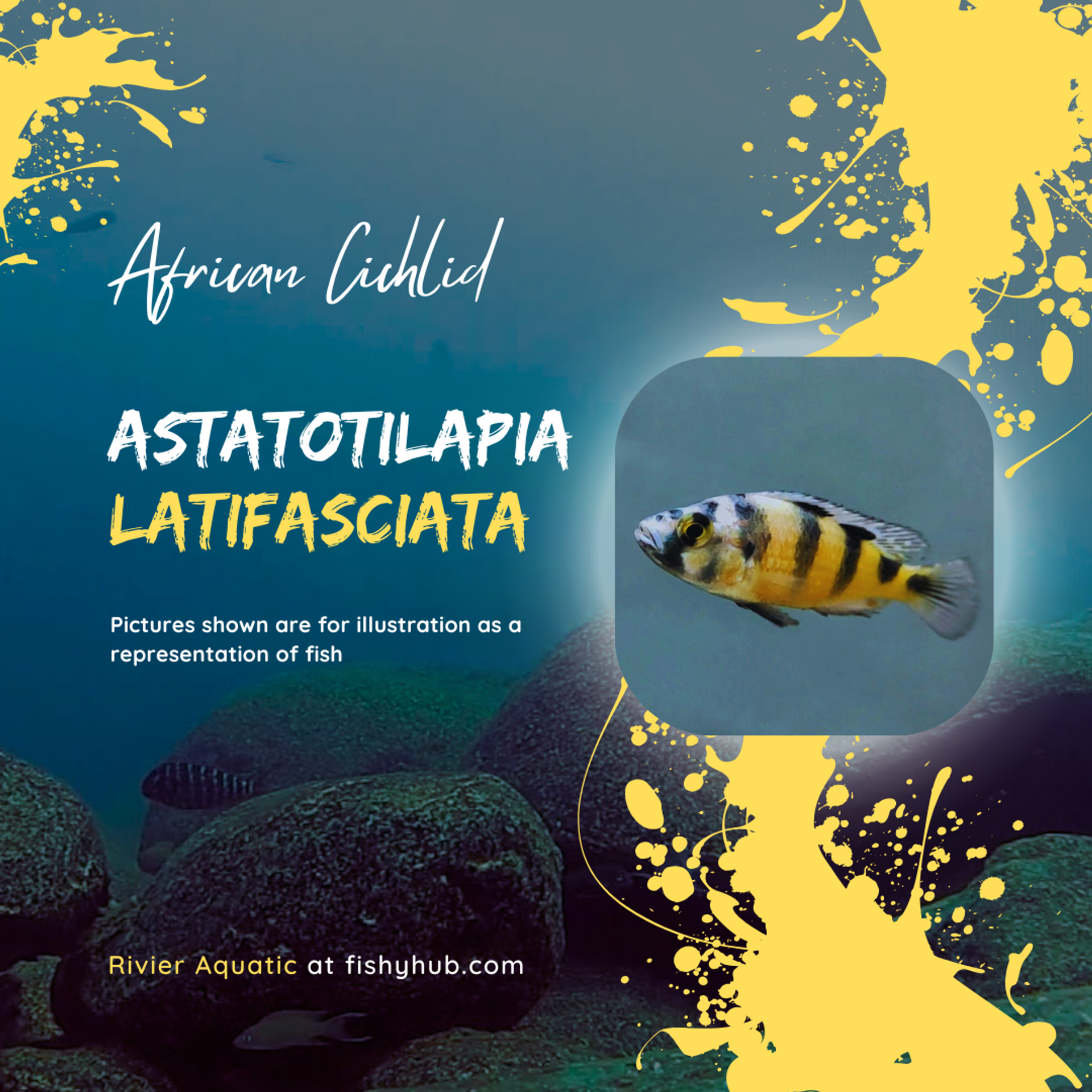
Crimson Tide Cichlid (Astatoti..
SGD 55.00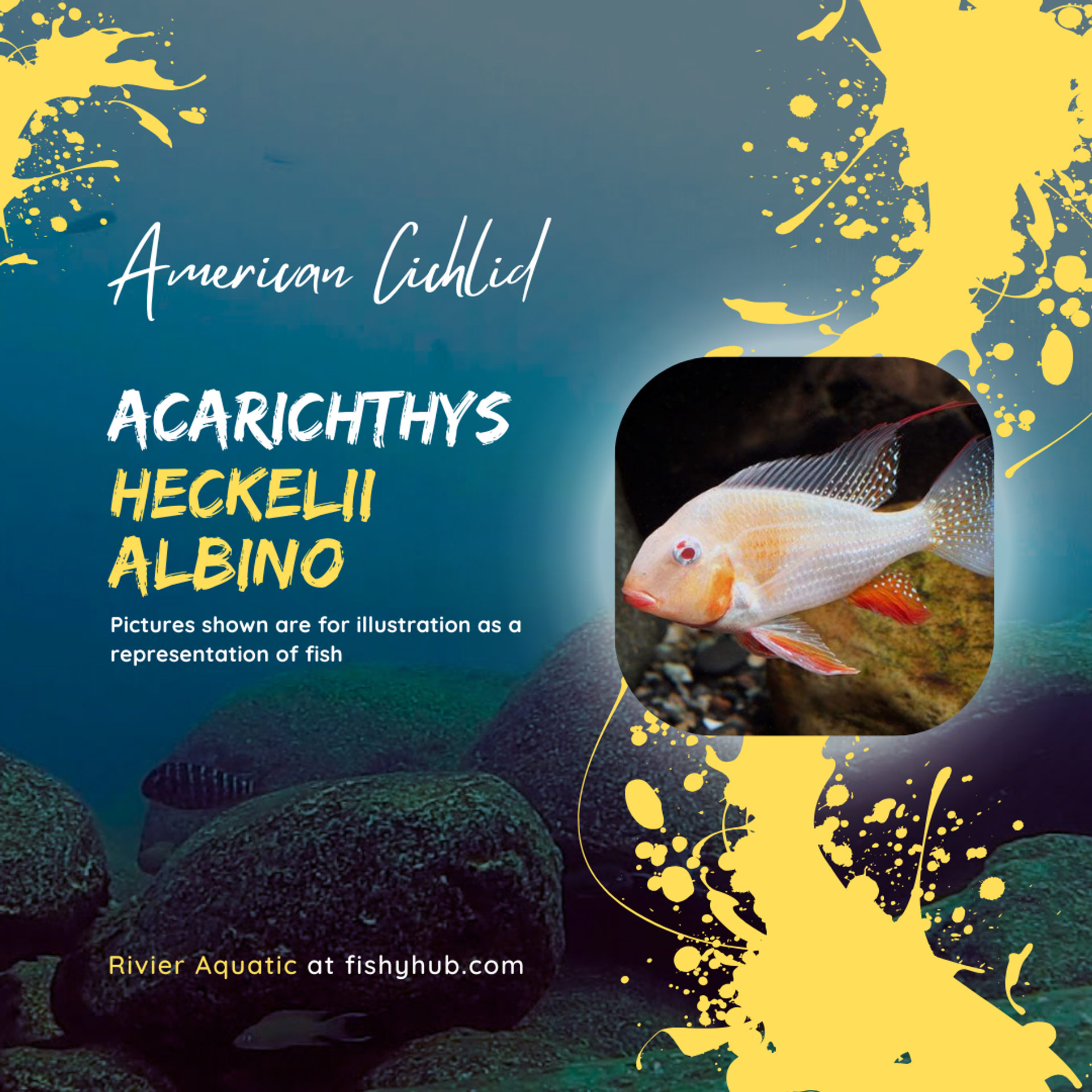
Threadfin Acara Albino (Acaric..
SGD 55.00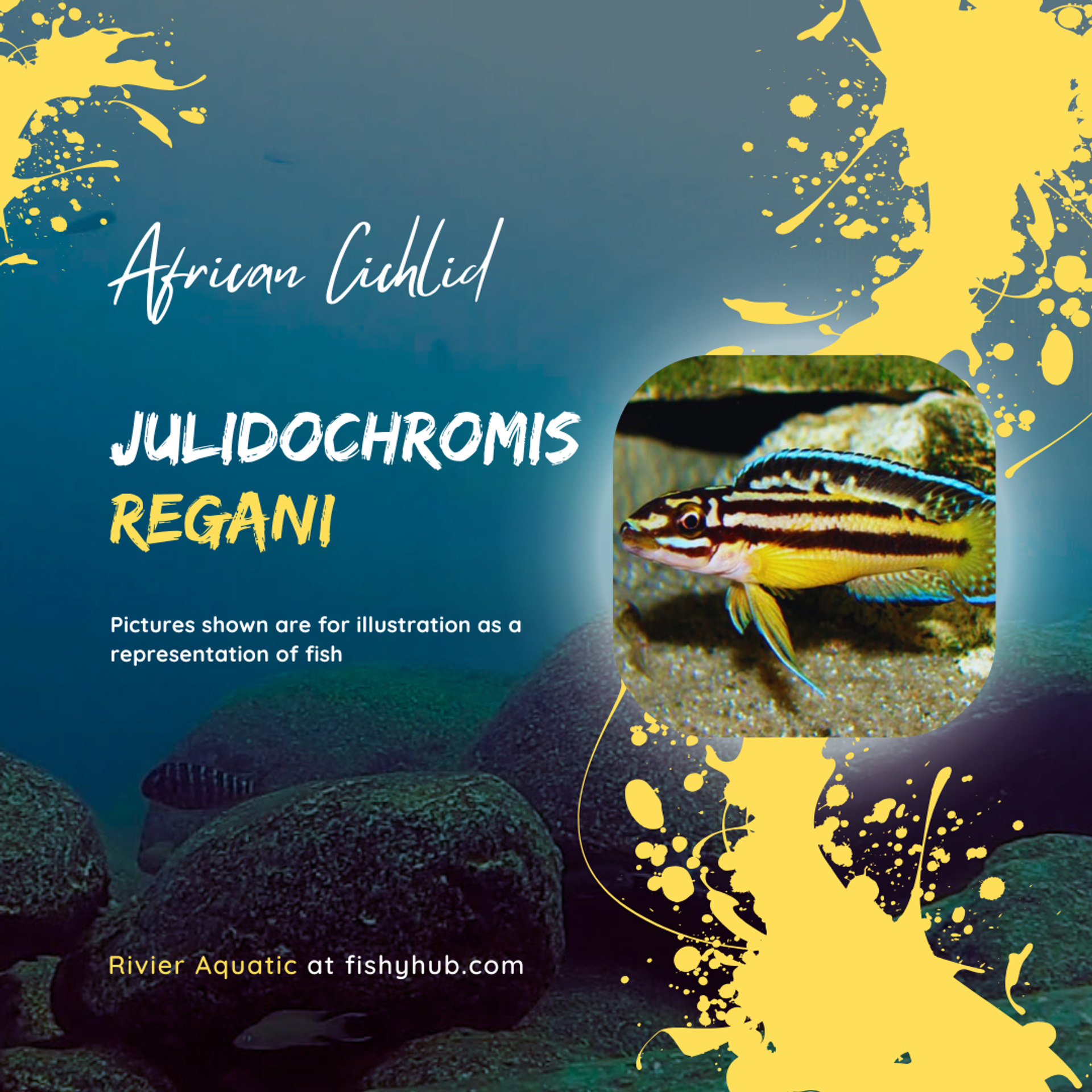
Convict Julie Cichlid (Julidoc..
SGD 55.00
Albino Paradise Fish
SGD 1.00
Fairy Cichlid
SGD 3.51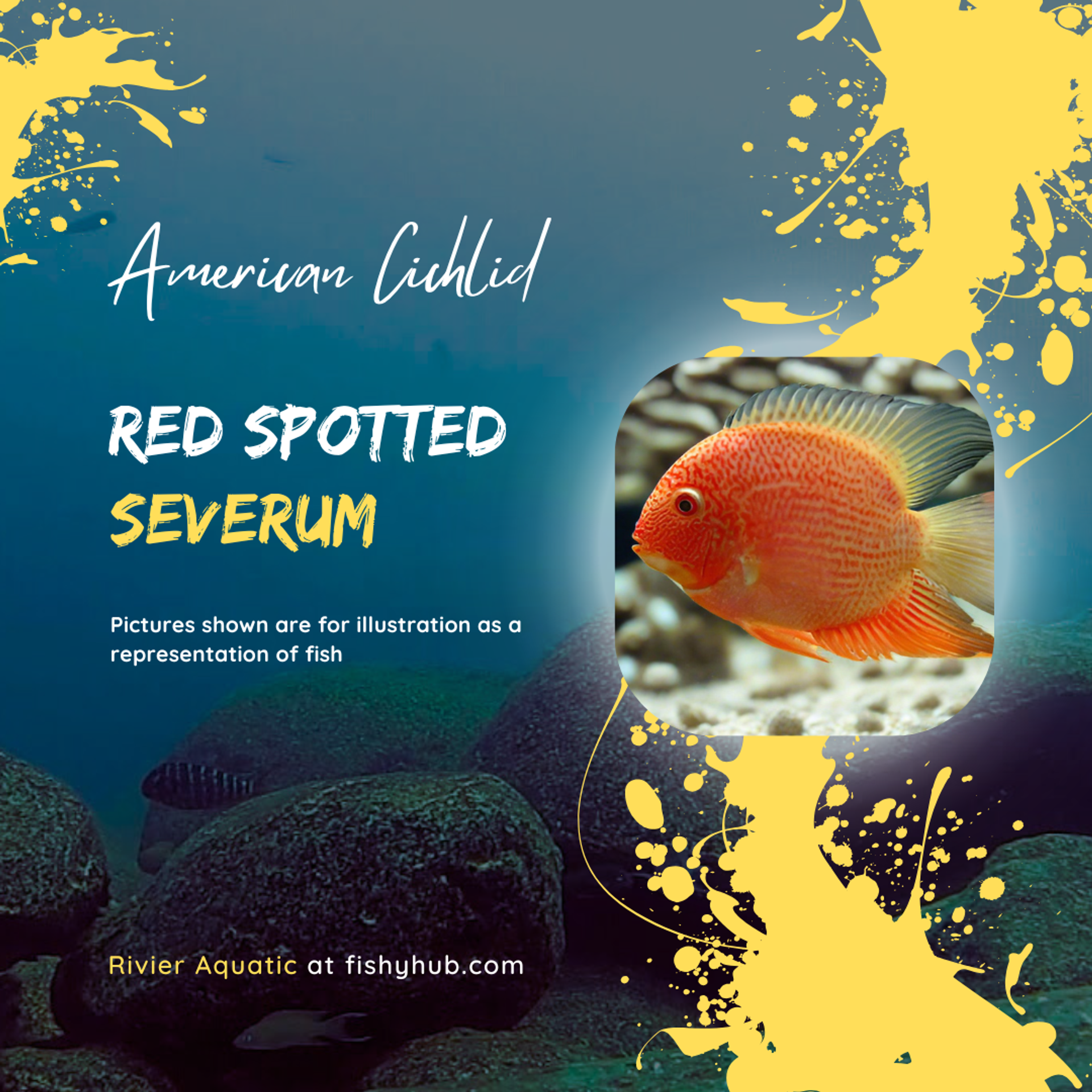
Red Spotted Severum
SGD 50.00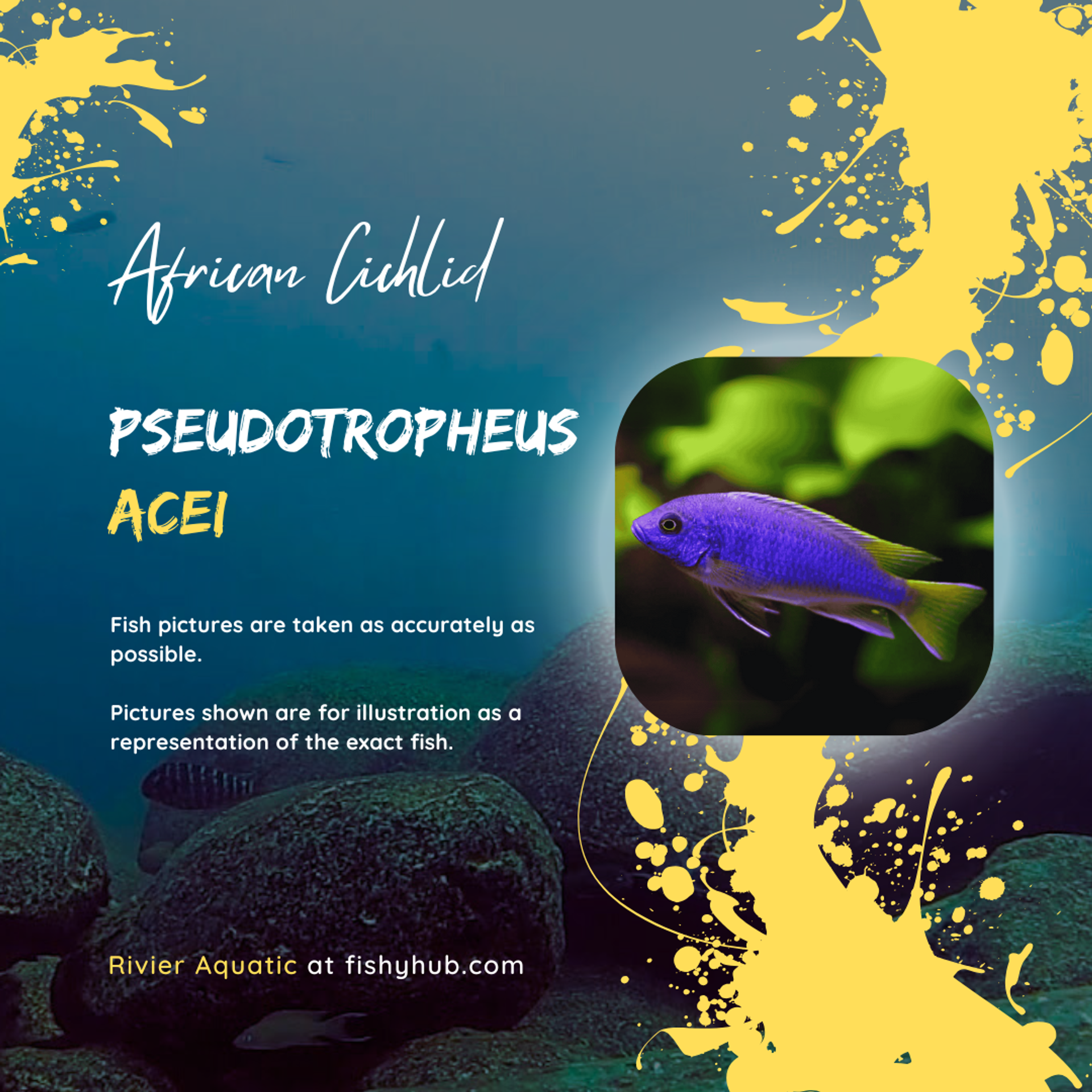
Yellowtail Acei Cichlid (Pseud..
SGD 55.00
Cichlid (Taeniacara Candidi)
SGD 20.00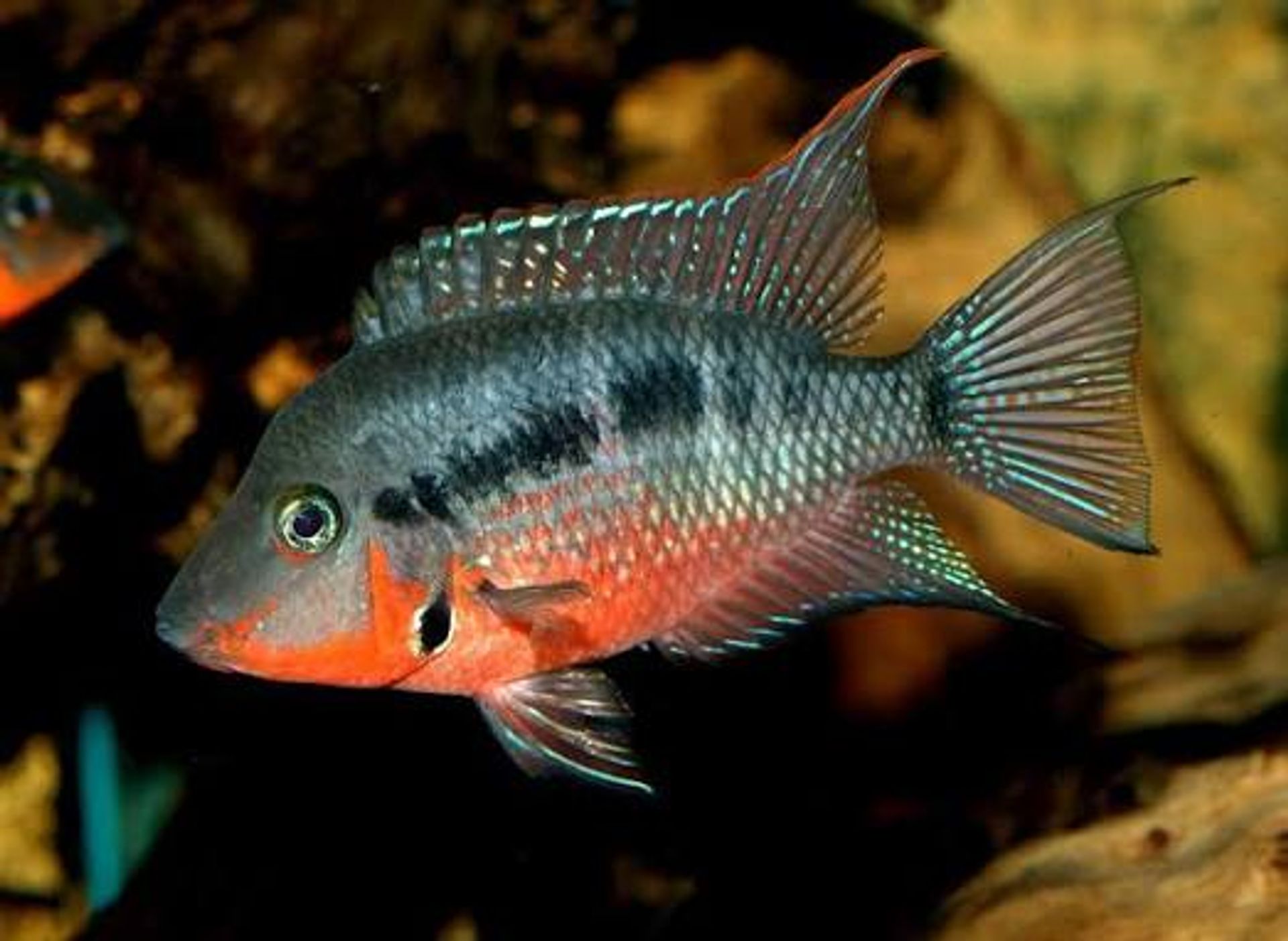
Fire Mouth Cichlid
SGD 3.00
Frontosa Cichlid (5 inch plus)
SGD 66.00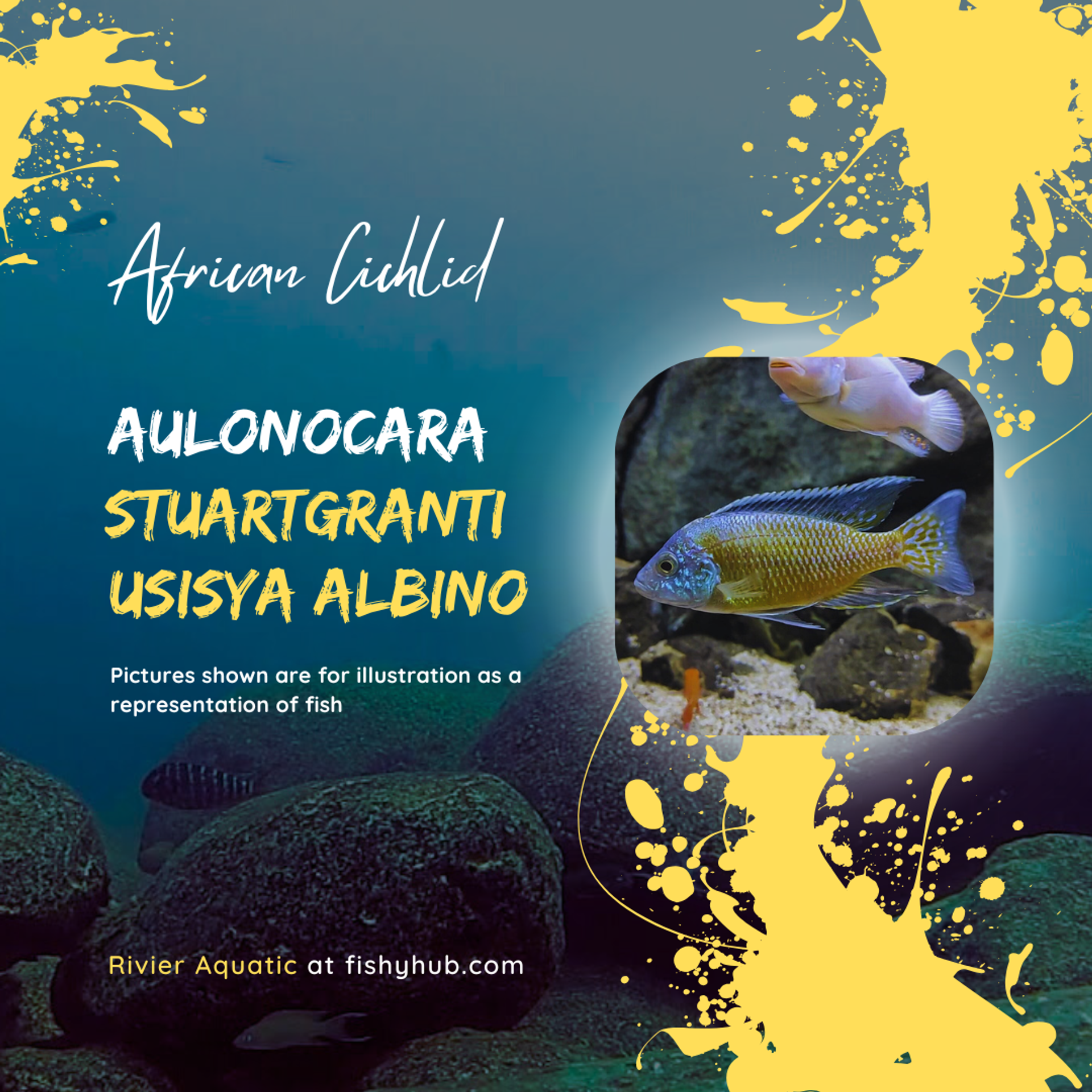
Flavescent Peacock Cichlid (Au..
SGD 55.00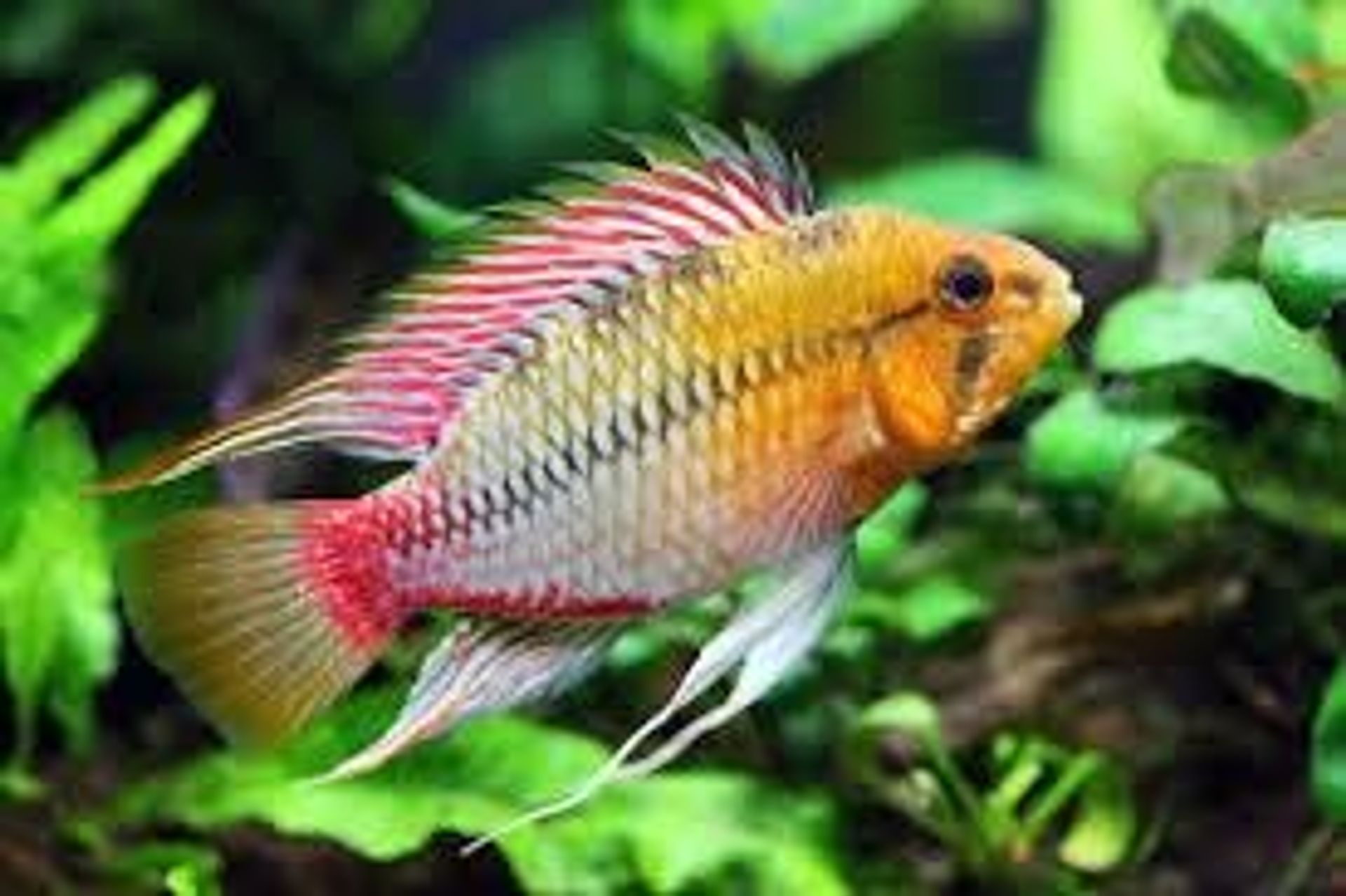
Hongslo's Dwarf Cichlid (Apist..
SGD 30.00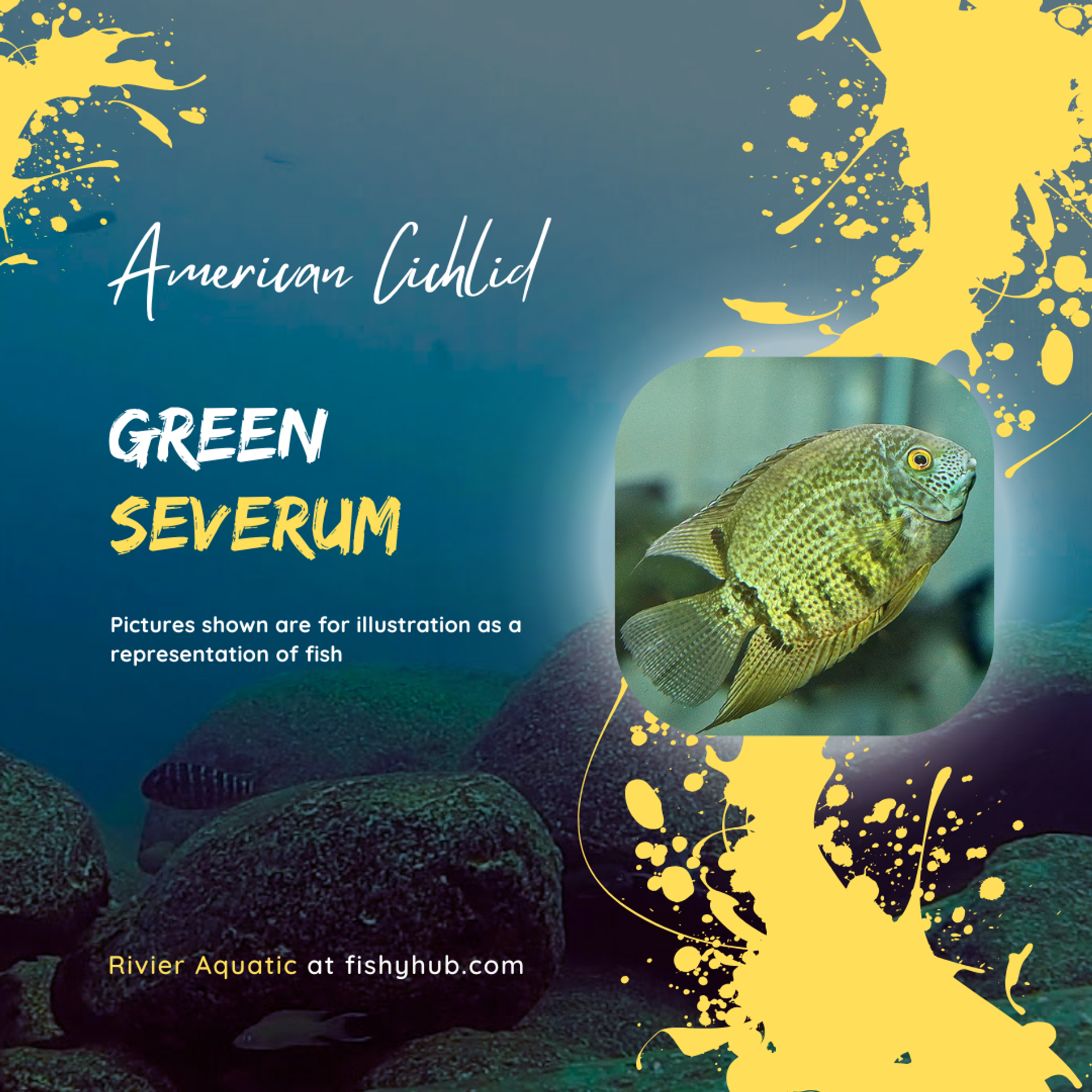
Green Severum
SGD 50.00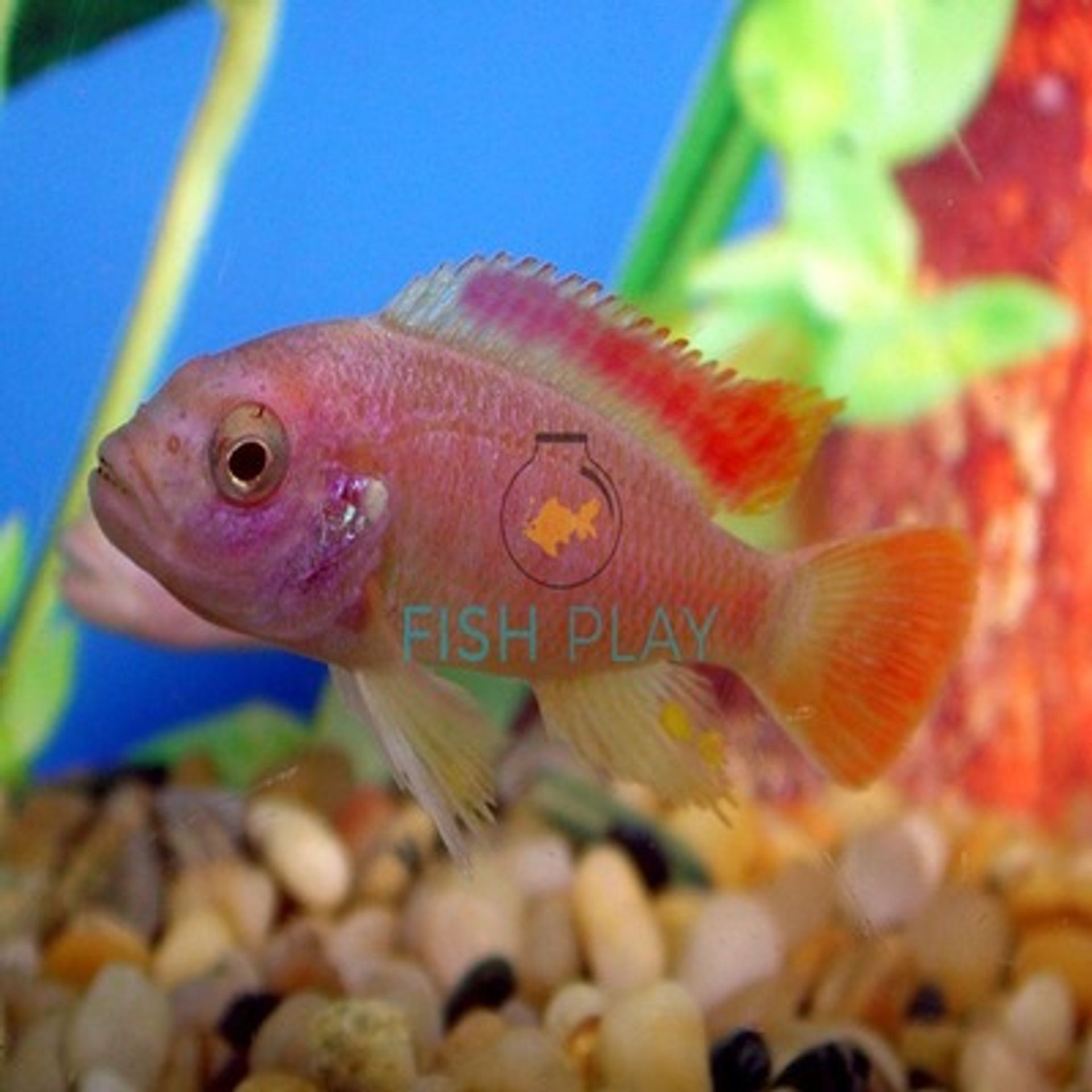
Albino Red Top Ice Blue Cichli..
SGD 16.43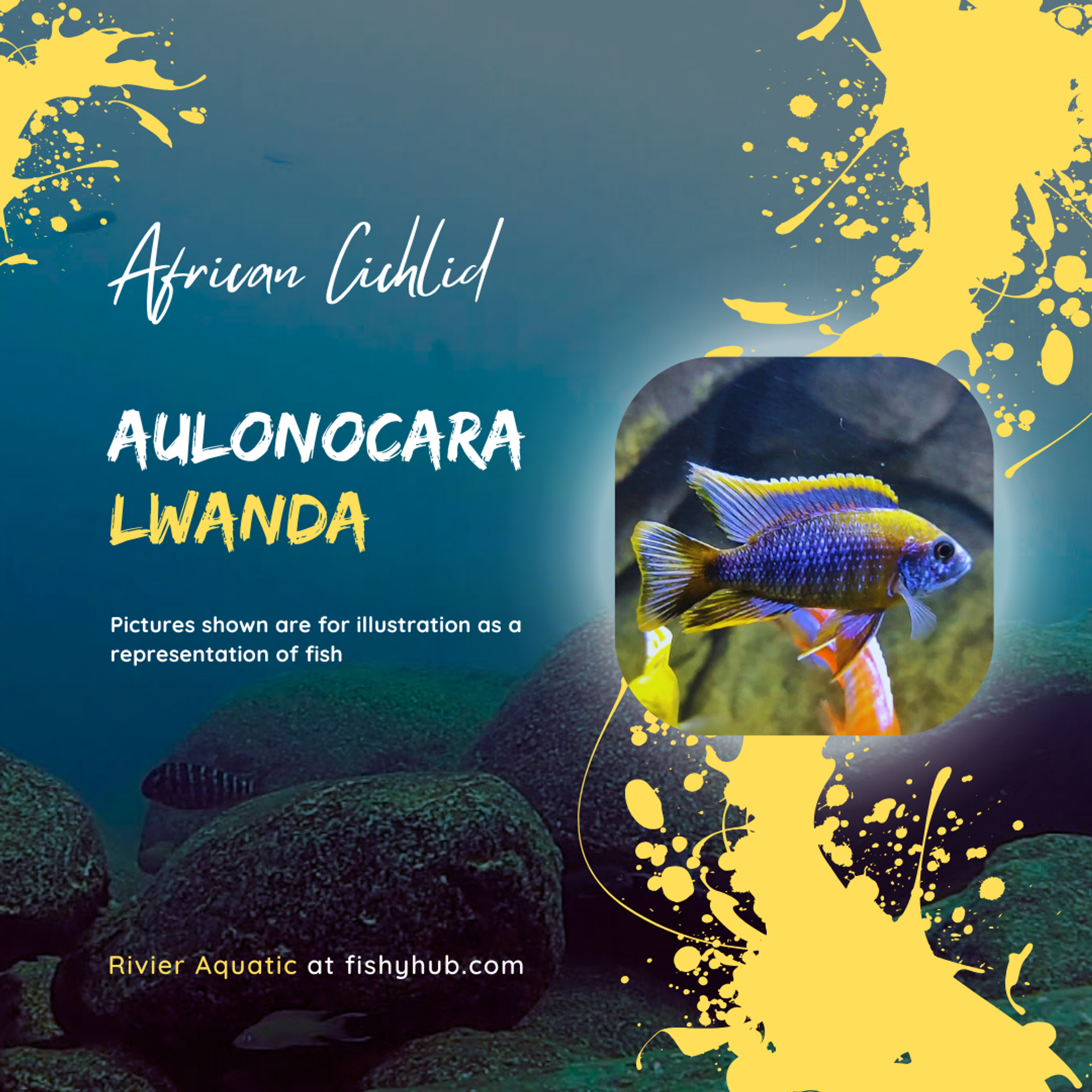
Red Top Lwanda Peacock Cichlid..
SGD 51.00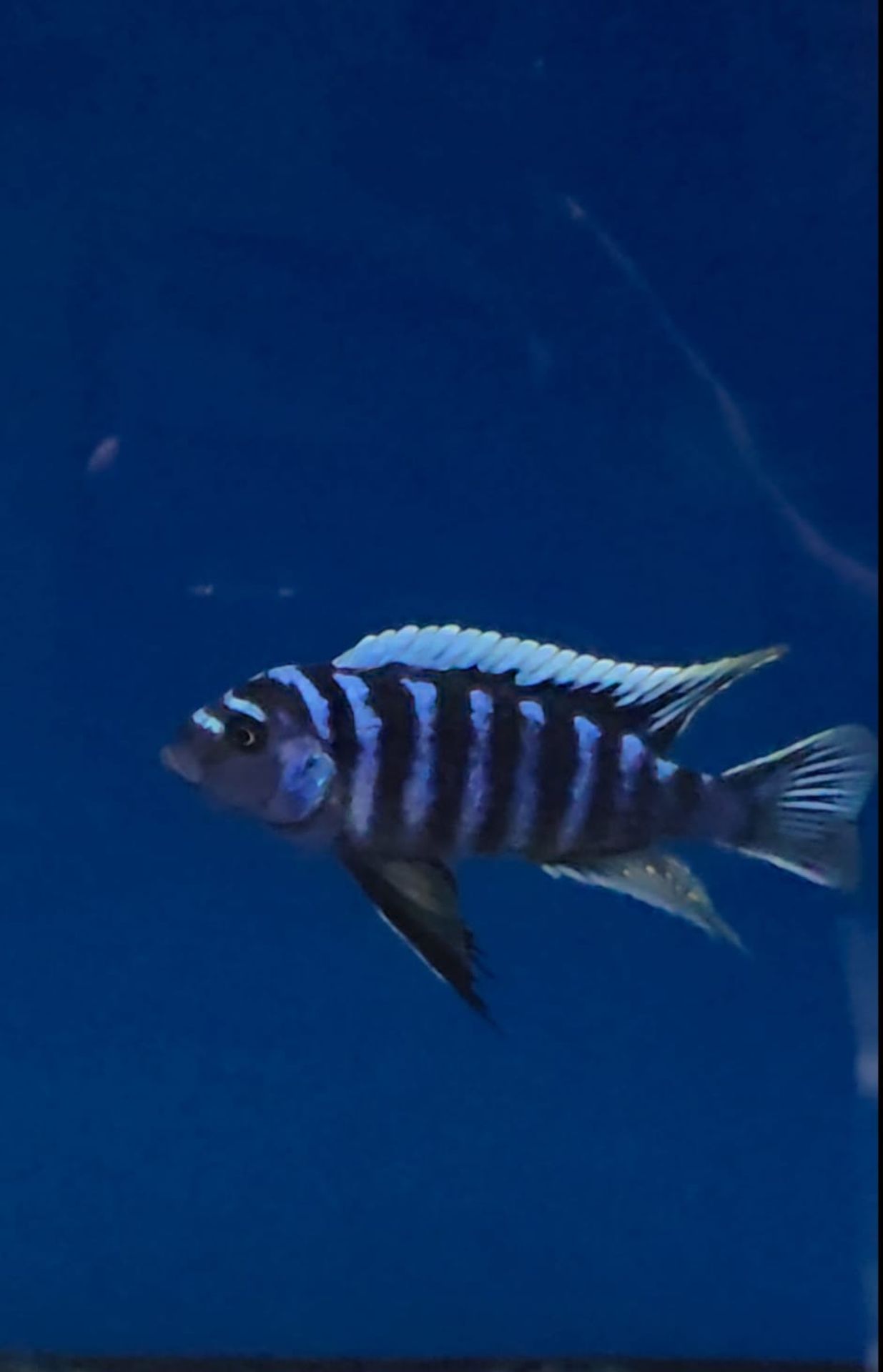
Cichlid (cynotilapia zebroides..
SGD 30.00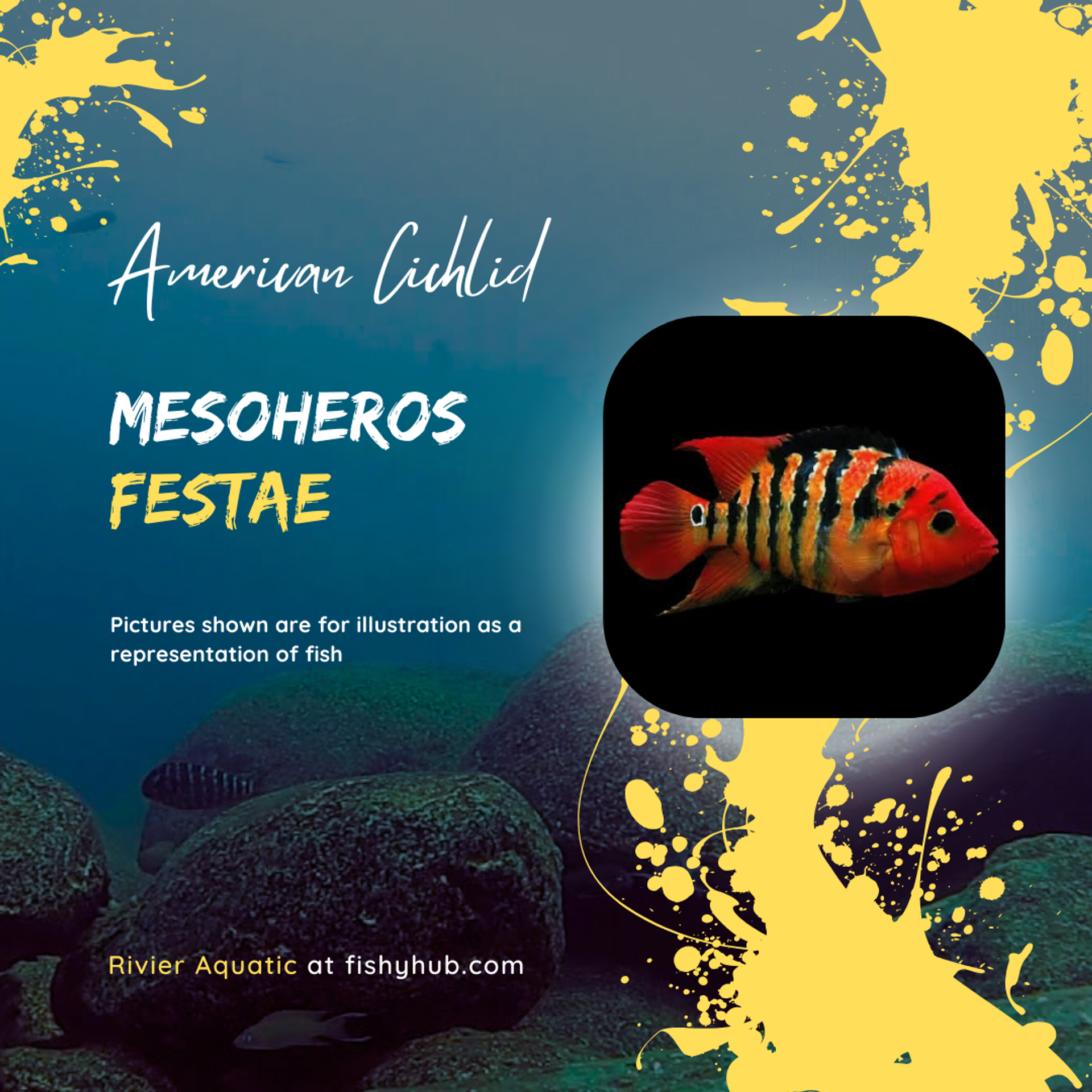
Red Terror Cichlid (Mesoheros ..
SGD 55.00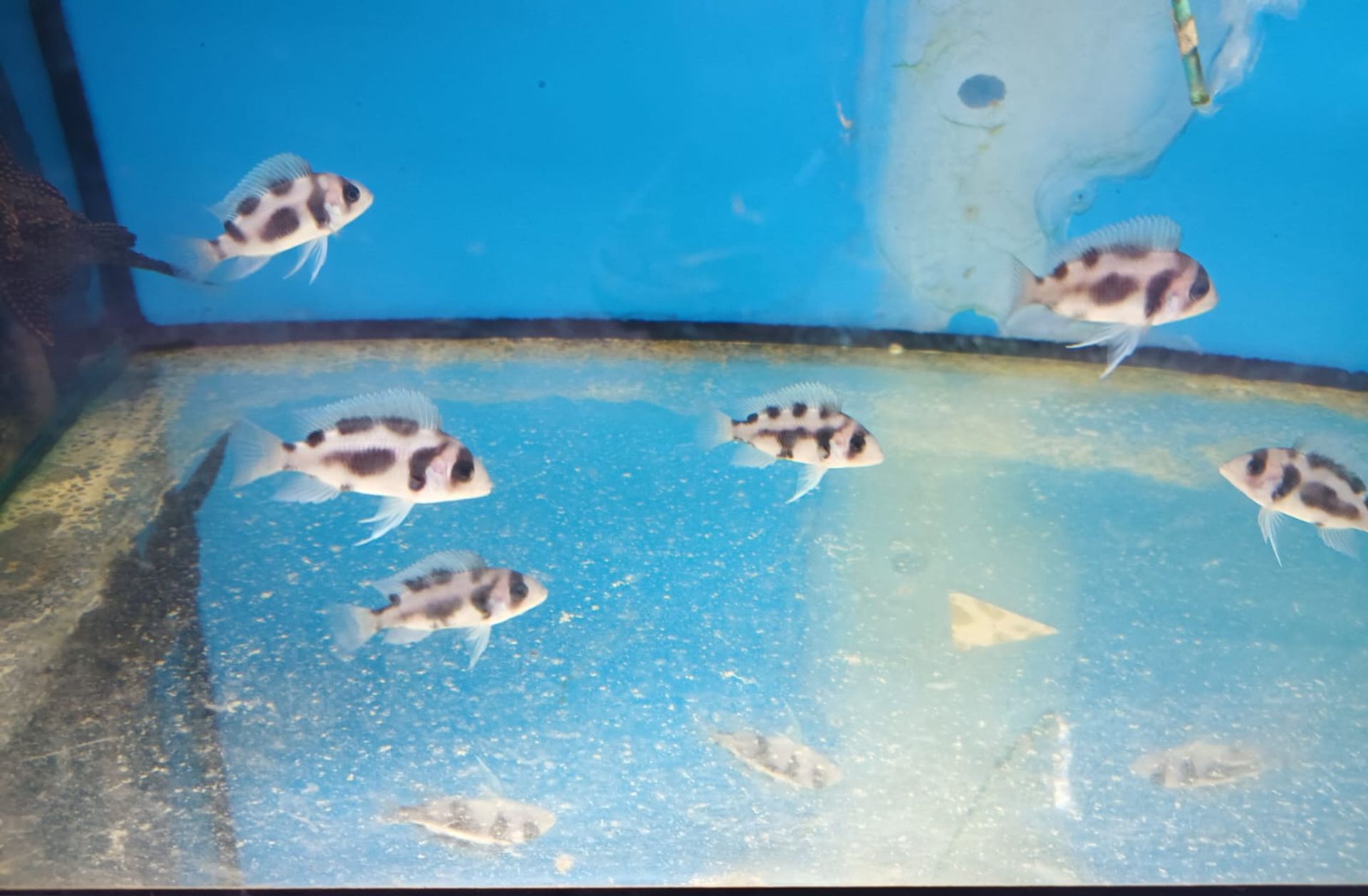
Black Widow Frontasa (oo-4900)
SGD 23.00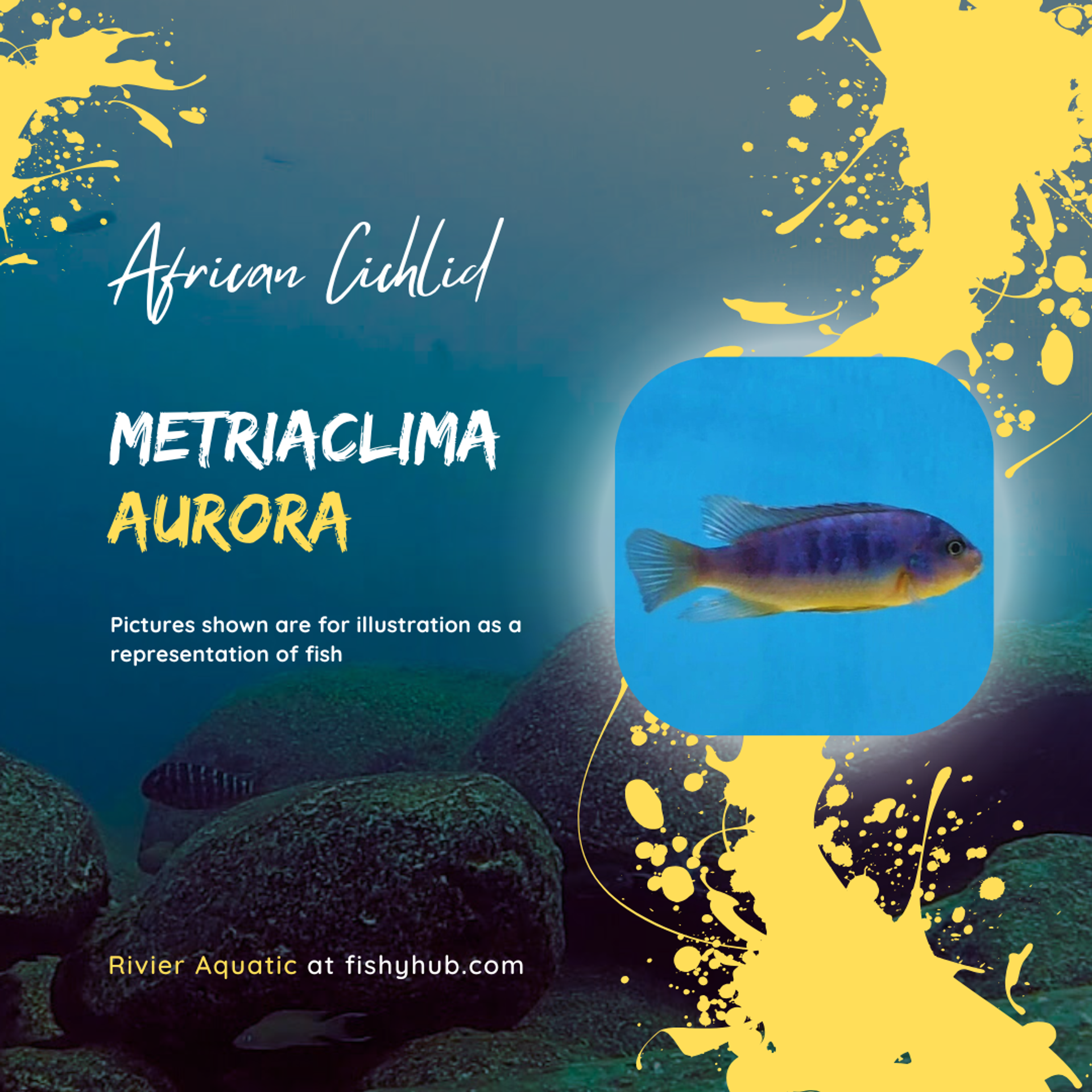
Aurora Cichlid (Metriaclima Au..
SGD 55.00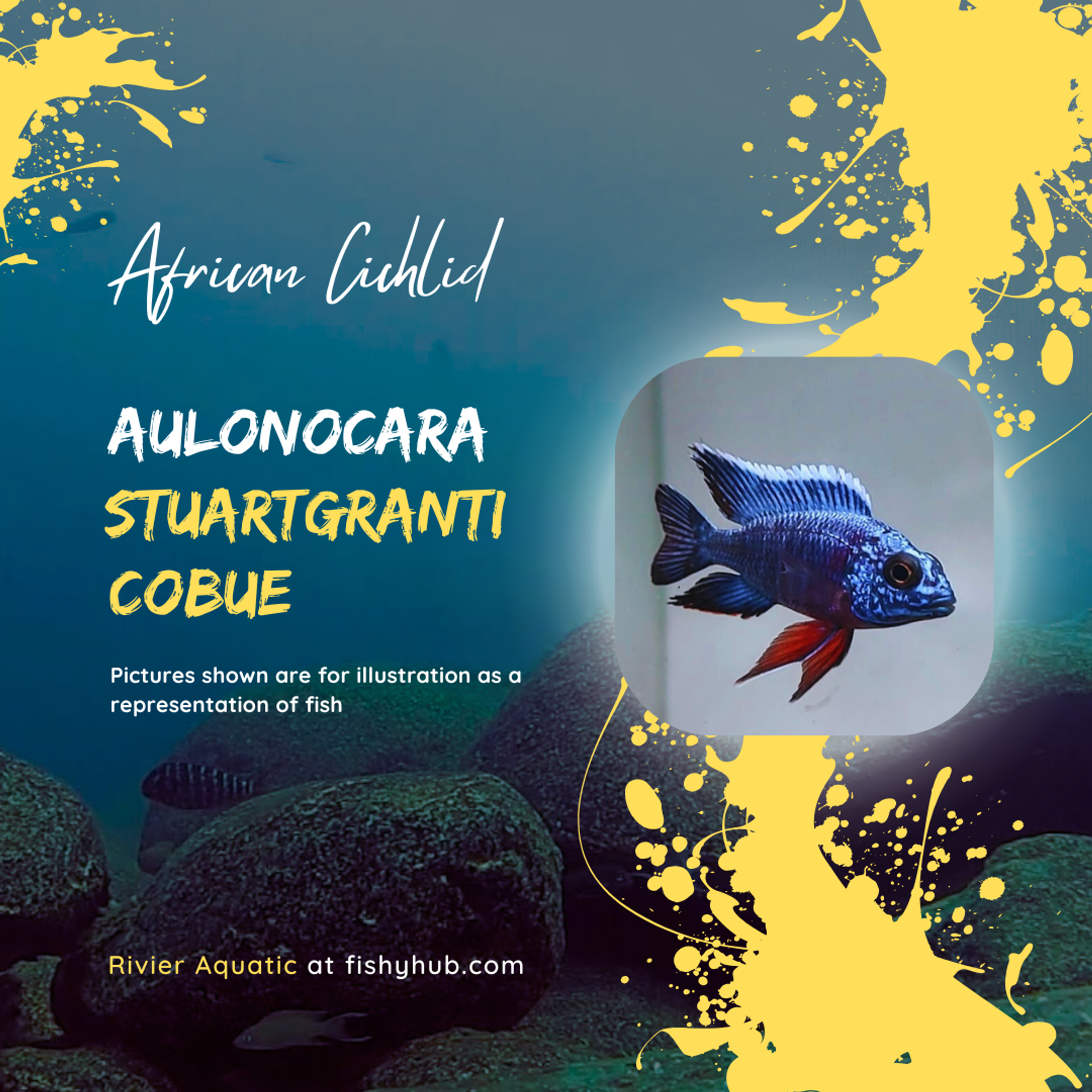
Blue Regal Peacock Cichlid (Au..
SGD 55.00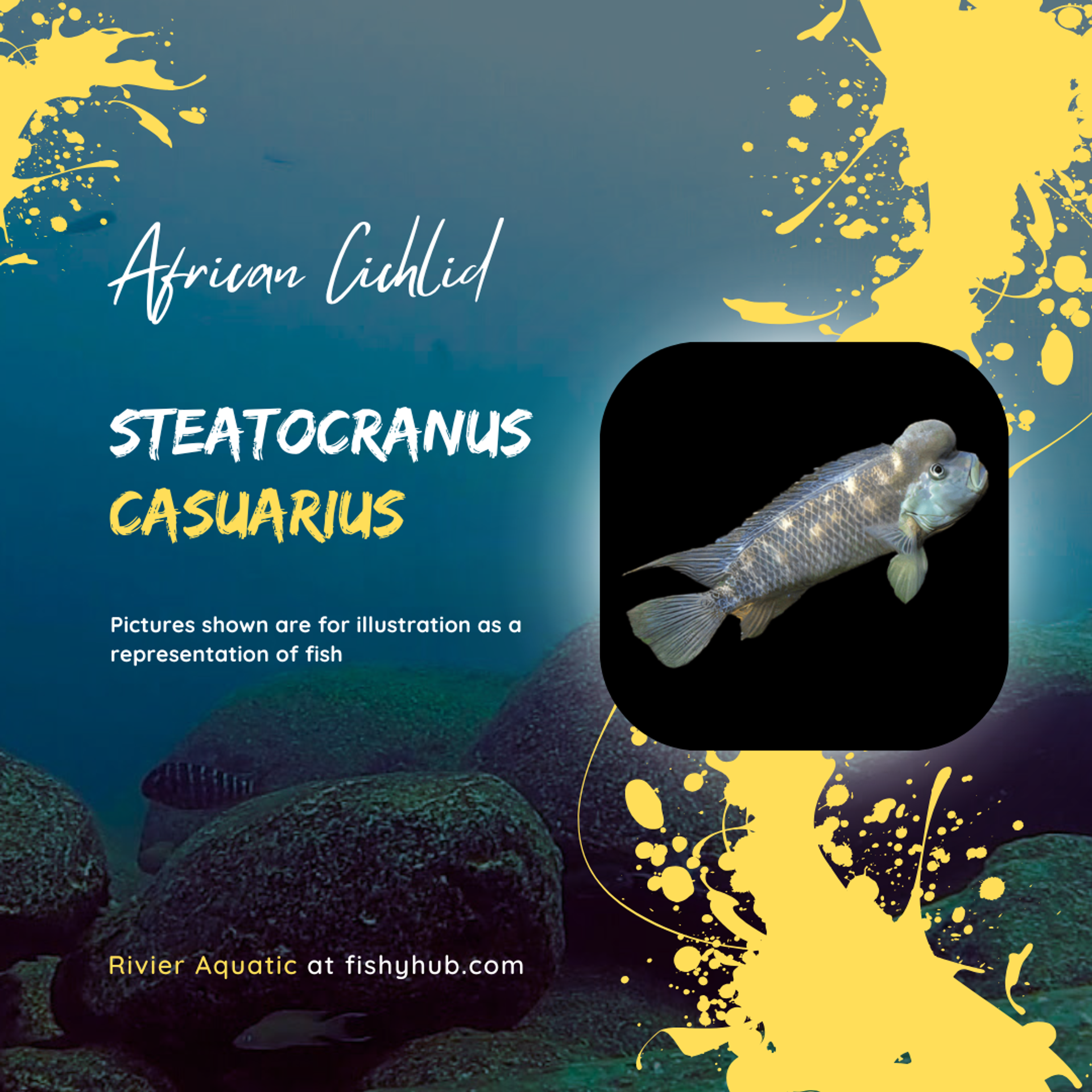
Lionhead Cichlid (Steatocranus..
SGD 55.00Lyretail Cichlid (Neolamprolog..
SGD 55.00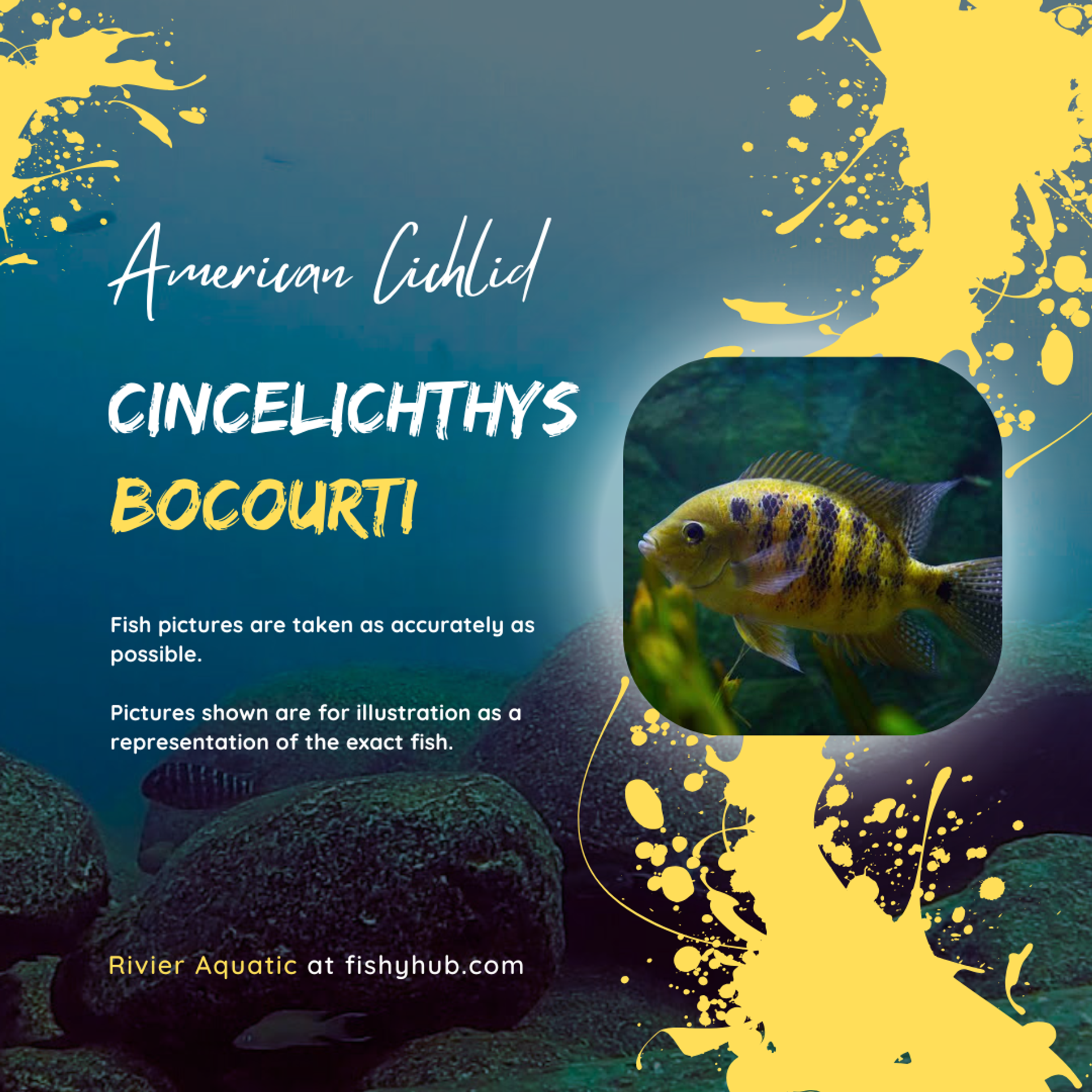
Chiseltooth Cichlid (Vieja Boc..
SGD 55.00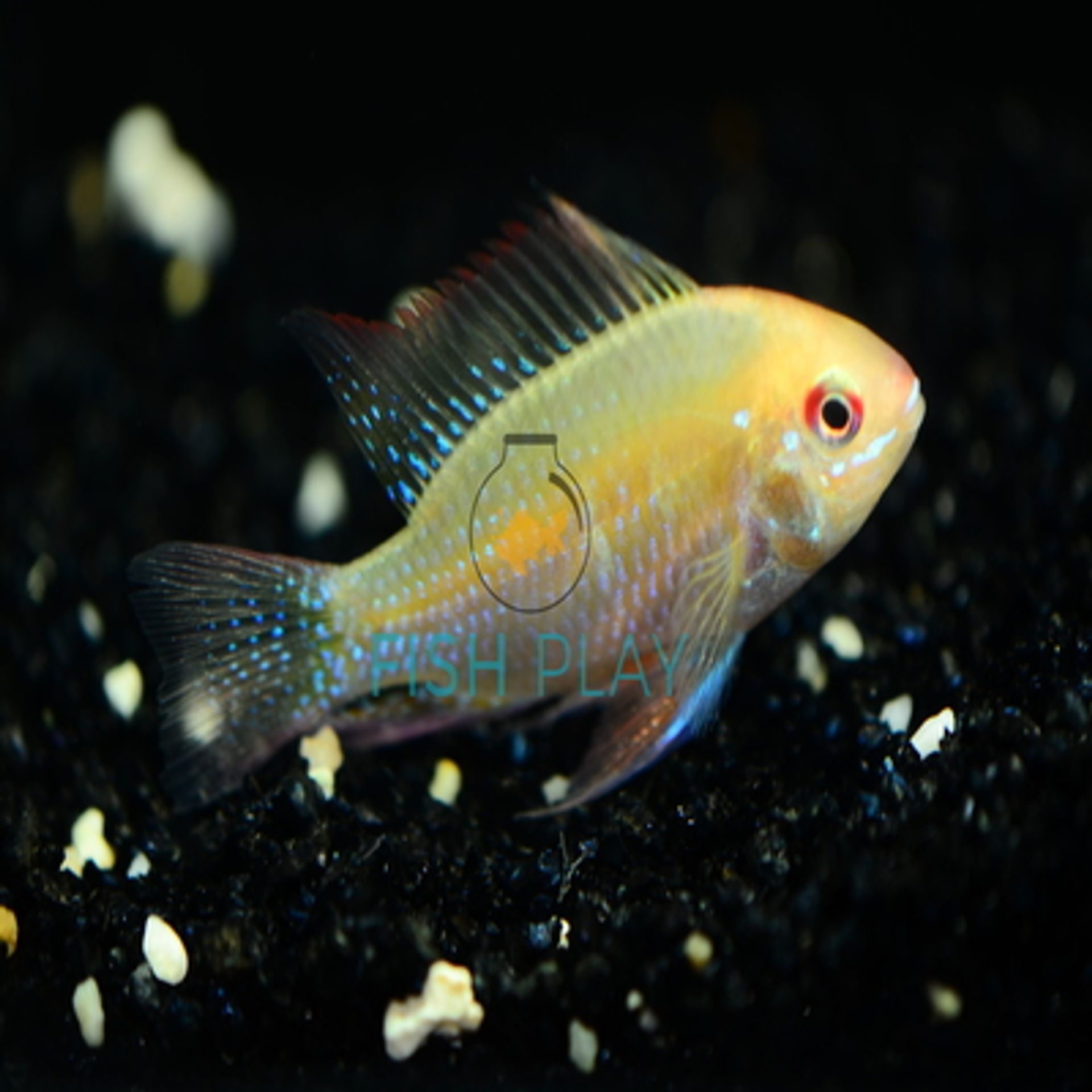
Dwarf Cichlid
SGD 29.25
Mixed Cichlids
SGD 6.00