
Click to enlarge
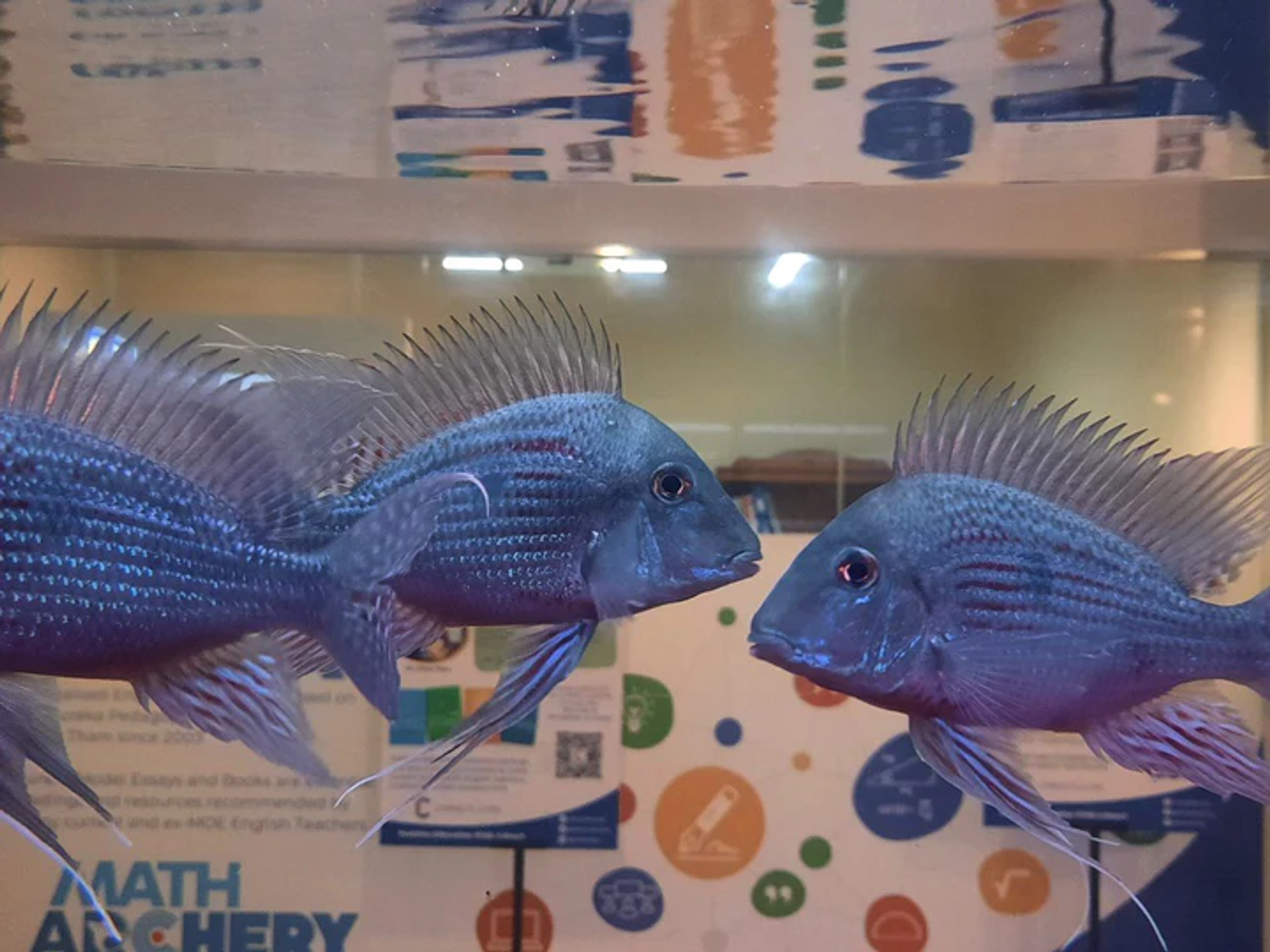
Unless stated otherwise, photos show the species, not the exact fish you'll receive.
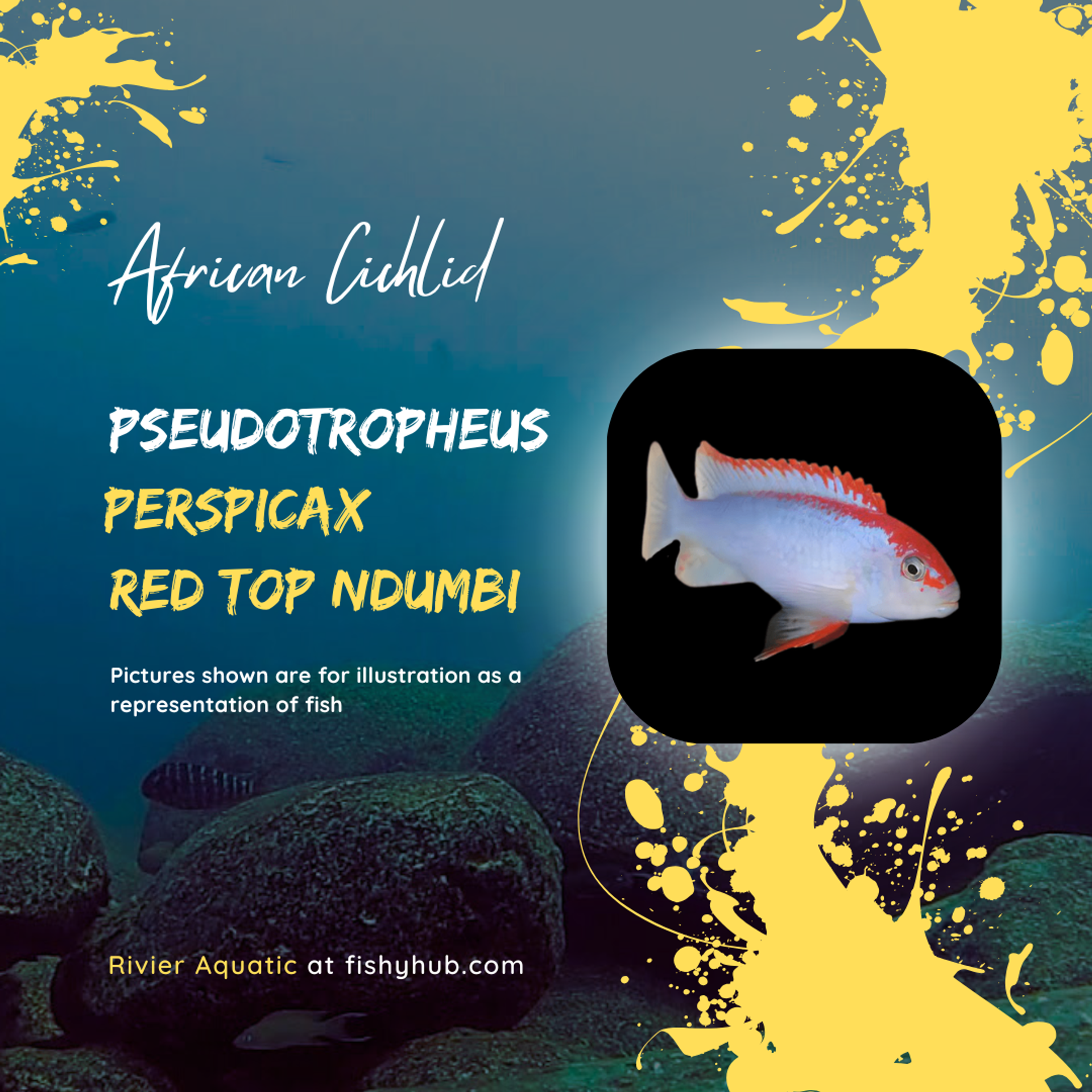
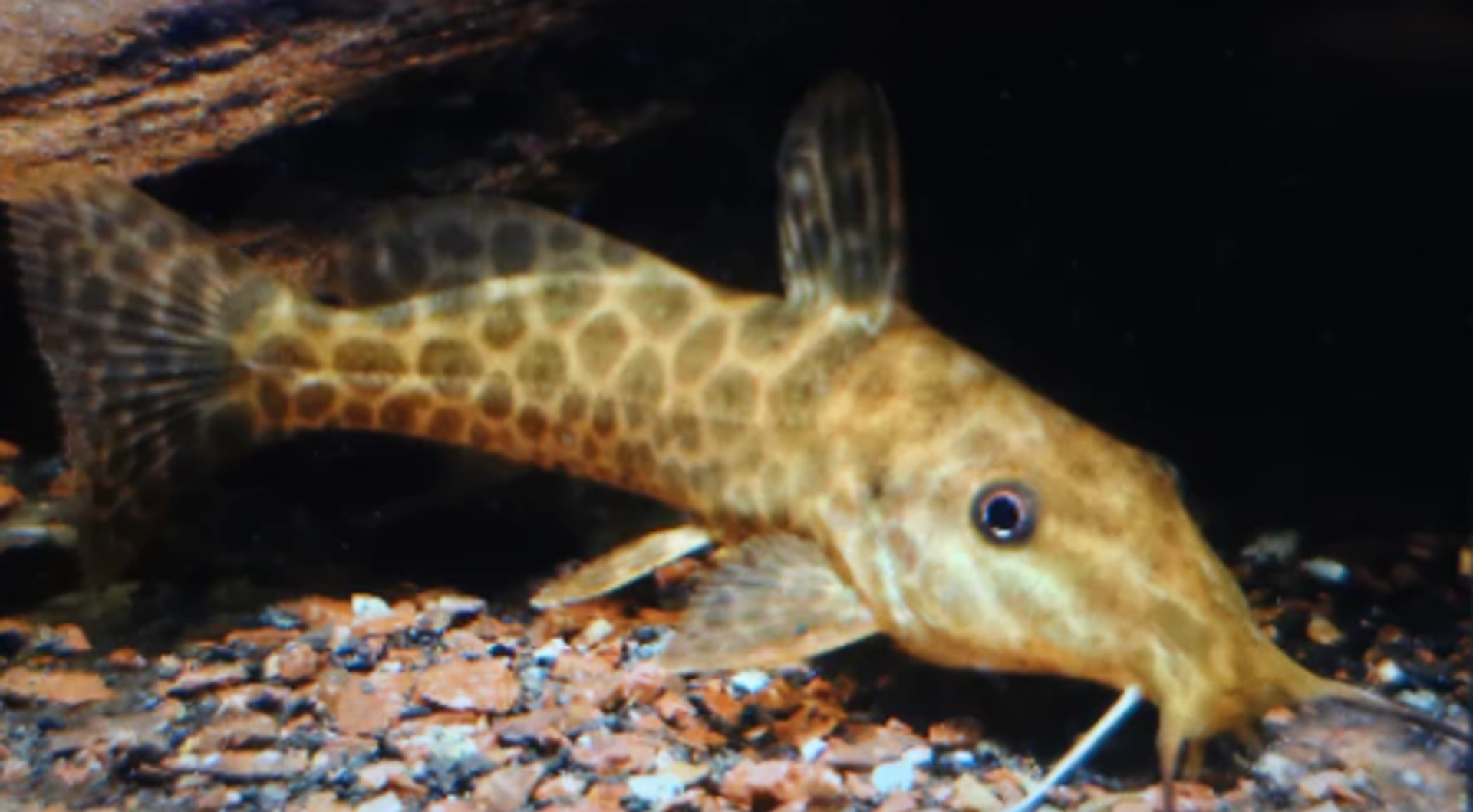
Red Top Ndumbi Cichlid (Pseudotropheus sp. Perspicax)
SGD 73.00
Delivery Information
Dead-on-arrival protection: report within 24 hours of delivery with a photo or video for an exchange or return.
Product Variations
Quantity
Stock: 100
Product Details
Size
4cm - 7cm
Temperament
Semi Aggressive
WYSIWYG
Representative Photo Only
Product Description
Learn More About Red Top Ndumbi Cichlid (Pseudotropheus sp. Perspicax)

Angelfish Statistics Singapore 2026: Popularity, Prices & Varieties

Discus Fish Statistics Singapore 2026: Prices, Popularity & Trends

Cichlid Statistics Singapore 2026: Most Popular Species & Prices
How Much Do Discus Fish Cost in Singapore? Price Guide & Market Data
Singapore Regions With the Most Aquarium Fish Sellers

Most Popular Discus Colours and Varieties in Singapore

Aquarium Fish Losing Popularity in Singapore: What the Data Shows
How Much Do Cichlids Cost in Singapore? Prices by Species
How to Choose a Centrepiece Fish Without Disrupting Your Community Tank
Freshwater Aquarium Statistics 2026
Angelfish Statistics 2026: Popularity, Prices & Varieties

Cichlid Statistics 2026: Most Popular Species & Prices
More from Rivier Aquatic
Rivier Aquatic
Suitable Tank Mates for Red Top Ndumbi Cichlid (Pseudotropheus sp. Perspicax)
Similar Angelfish, Discus, Rams & Cichlids You May Like
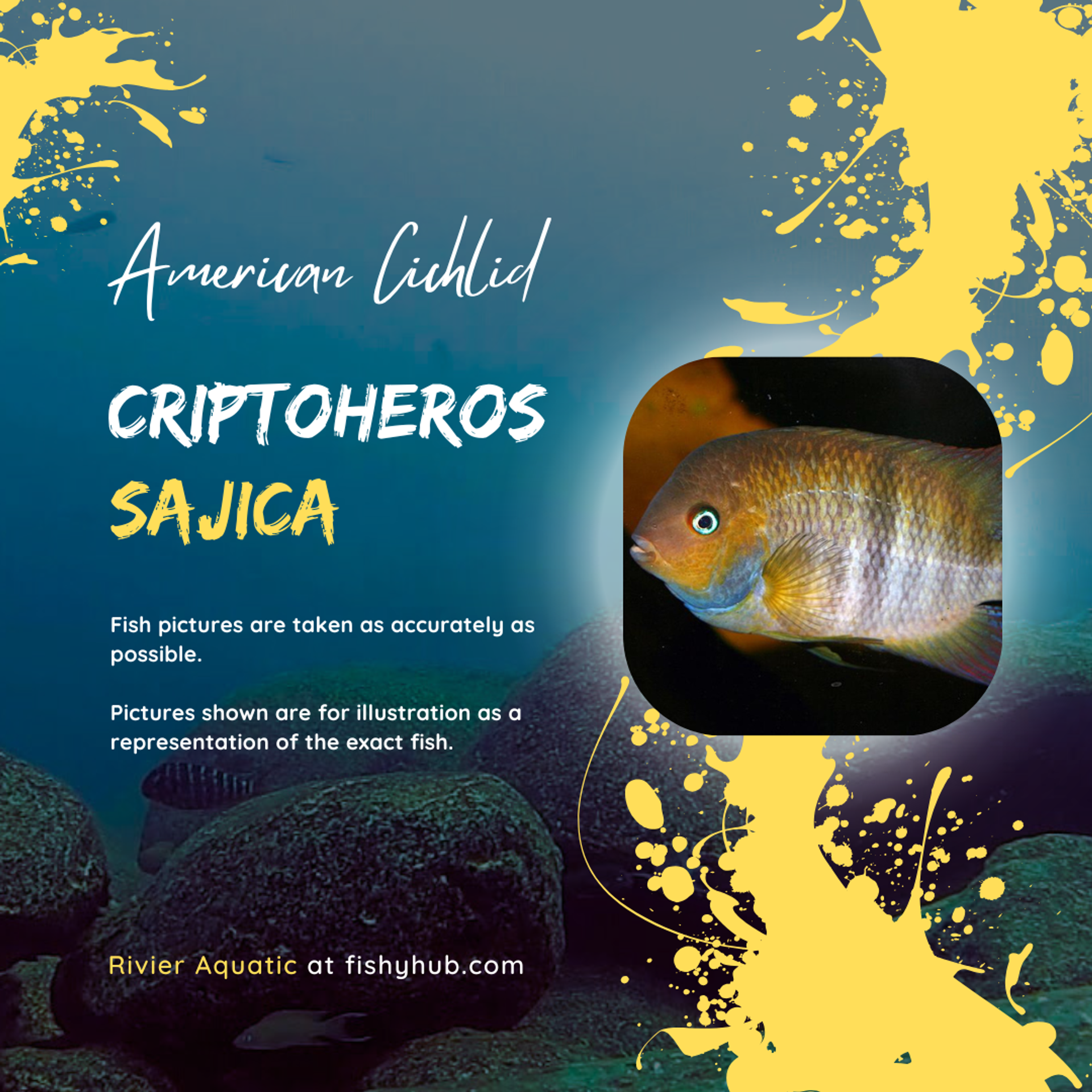
T-bar Cichlid (Criptoheros Saj..
SGD 55.00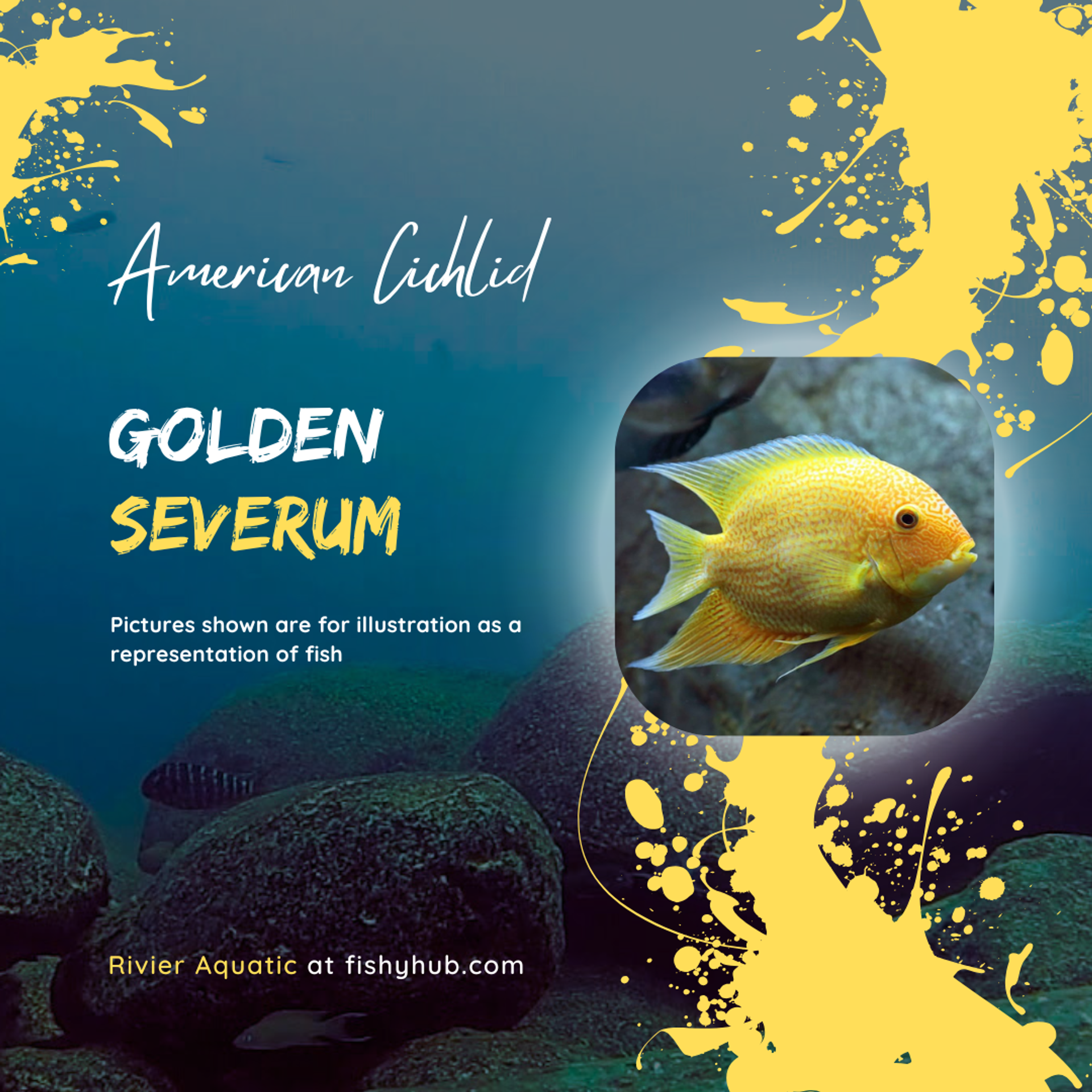
Golden Severum
SGD 50.00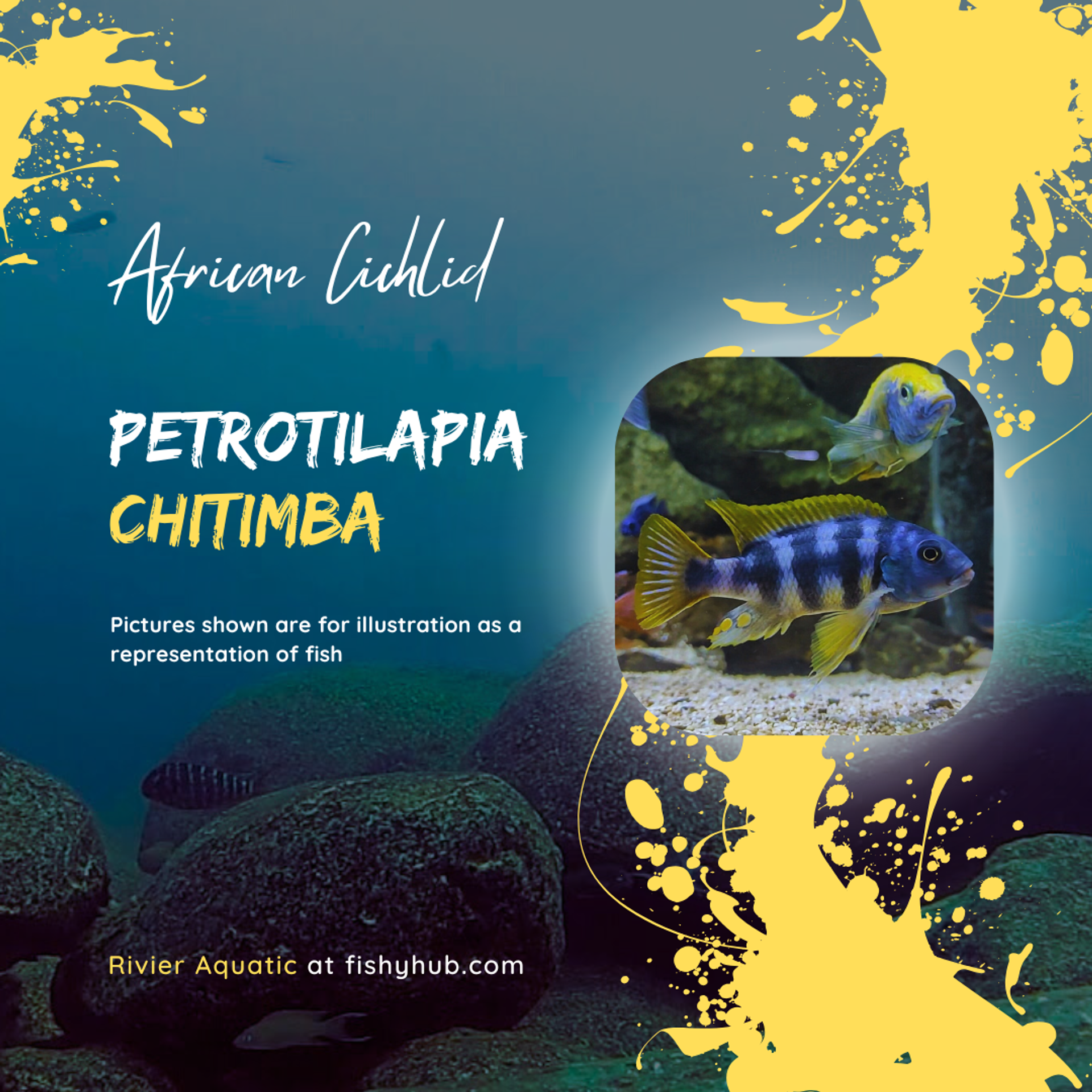
Thick Bar Chitimba Cichlid (Pe..
SGD 55.00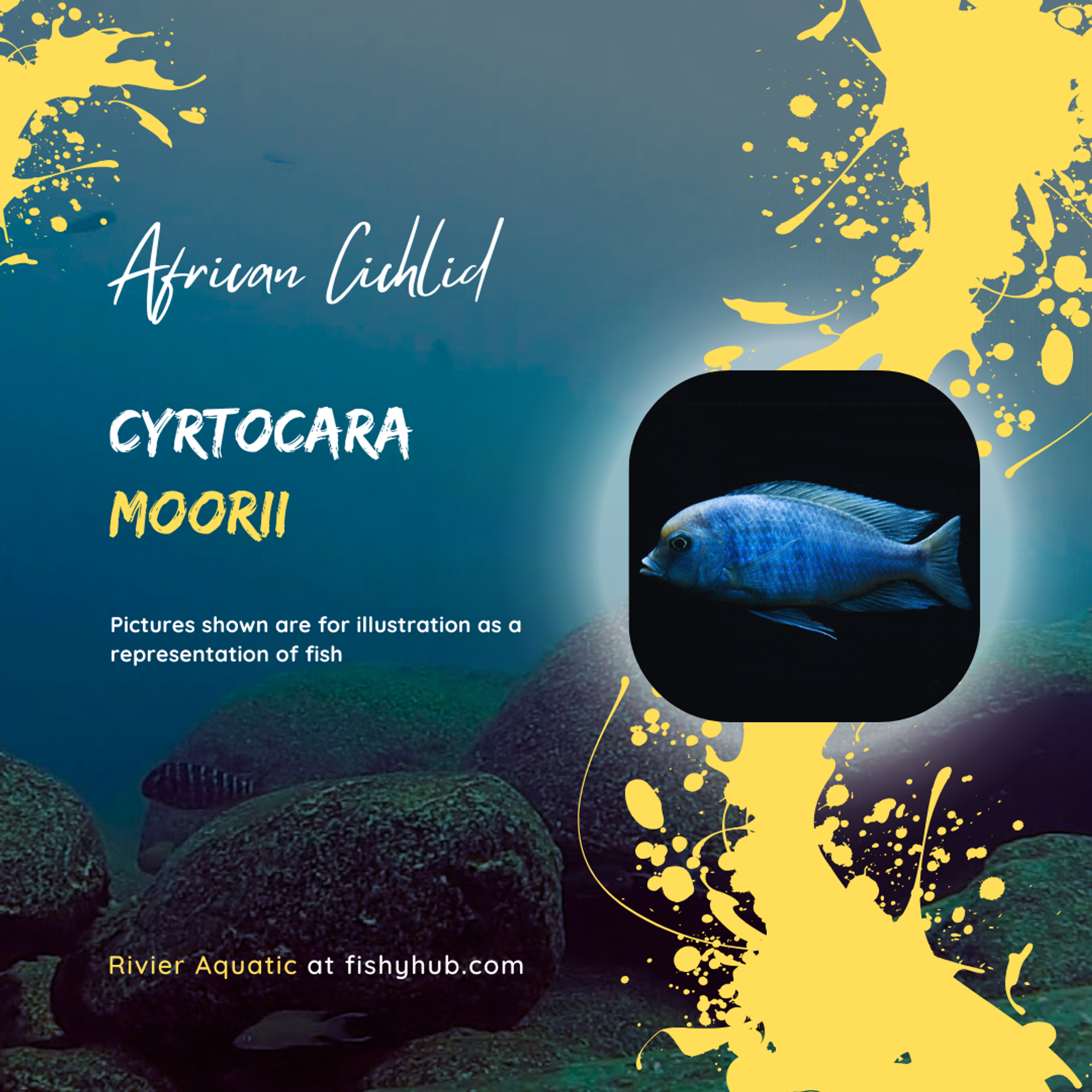
Blue Dolphin Cichlid (Cyrtocar..
SGD 55.00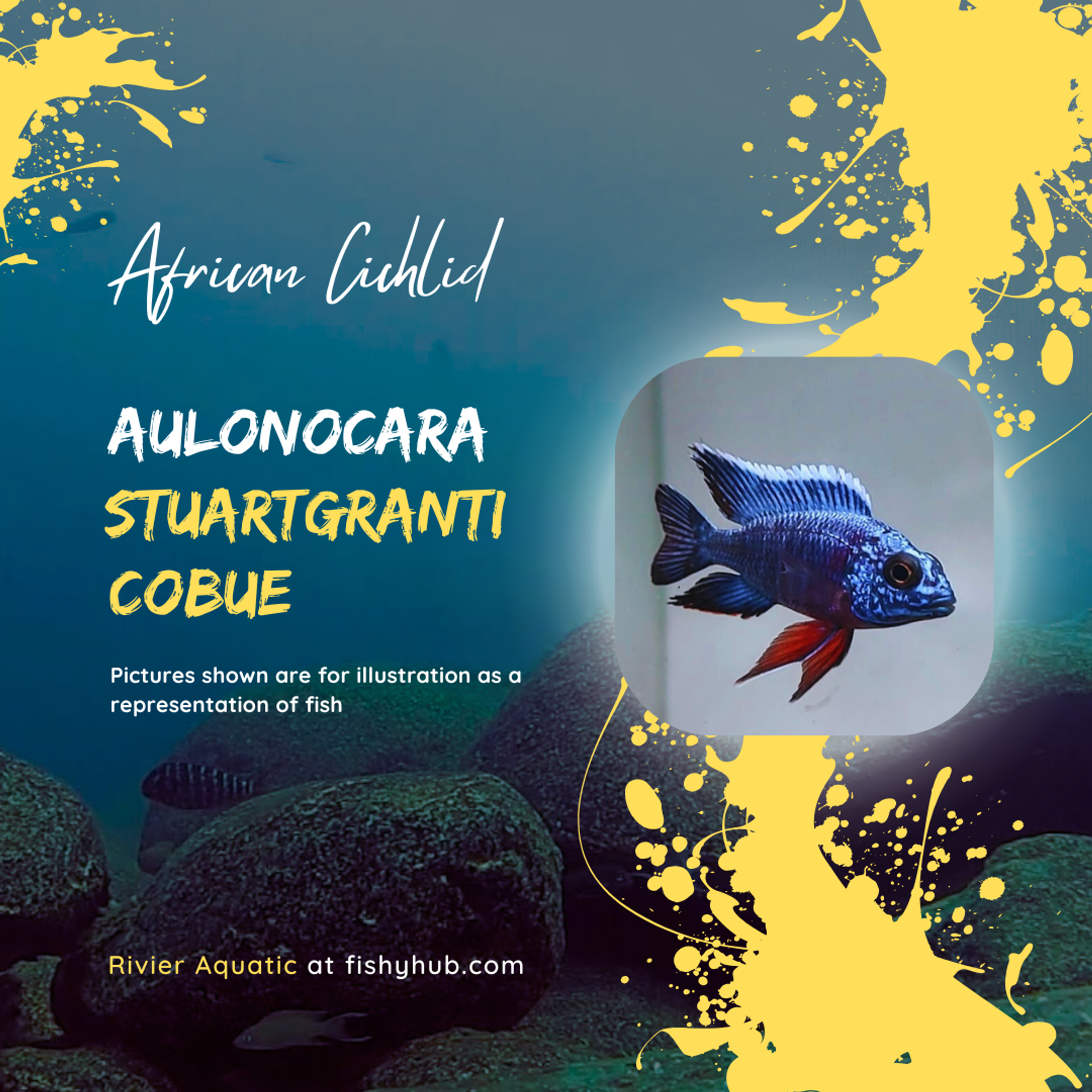
Blue Regal Peacock Cichlid (Au..
SGD 55.00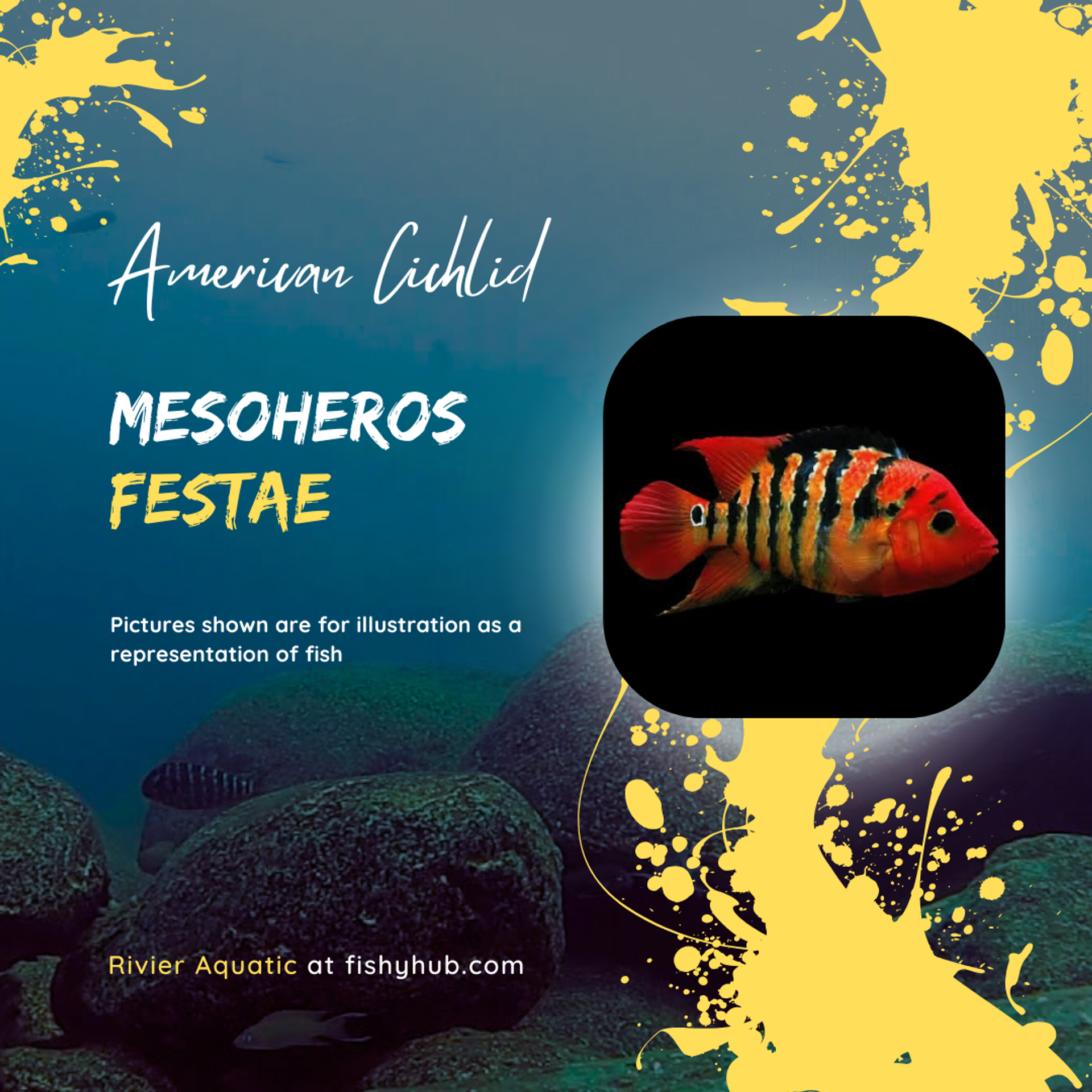
Red Terror Cichlid (Mesoheros ..
SGD 55.00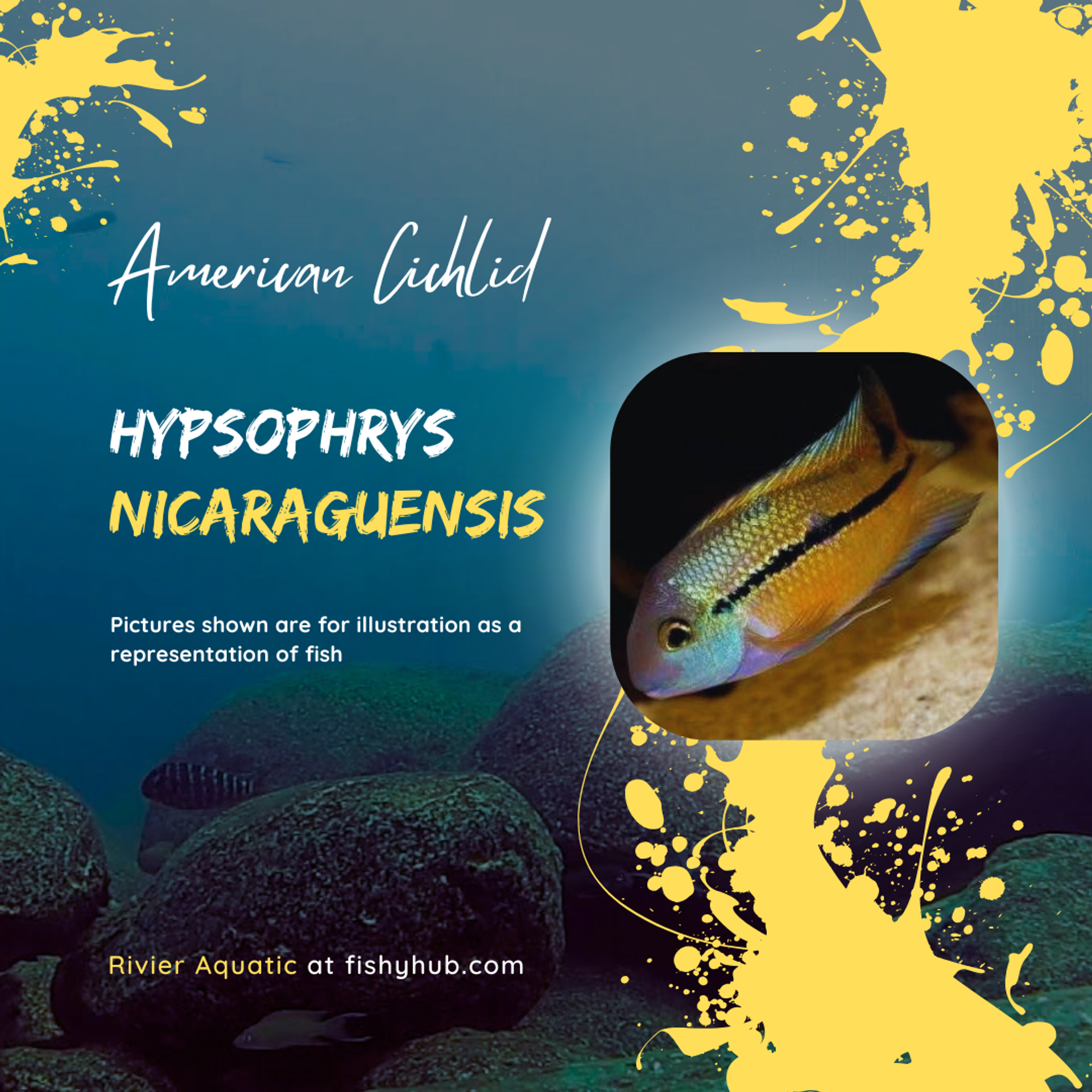
Nicaraguan Cichlid (Hypsophrys..
SGD 55.00%20Pelvicachromis%20pulcher)1757526023219.jpeg?signature=25a6c607995b0b1da0d83fab55925779bc55e28e73db1e18c017ce571114081b)
"Red" Kribensis) Pelvicachromi..
SGD 10.50
Frontosa Cichlid (4 inch)
SGD 21.00
Cichlid (KAVIAT SLAYER 14CM - ..
SGD 160.00Red Top Ndumbi Cichlid (Pseudo..
SGD 73.00
Yellow Lemon Lab Cichlid
SGD 2.40
Malawi Sand Diver Cichlid (Fos..
SGD 55.00
Green Chromide (Etroplus Surat..
SGD 12.29
Flag Cichlid (Mesonauta Festiv..
SGD 55.00
Albino Cobalt Cichlid
SGD 26.25
Duboisi Tropheus 3.5cm
SGD 8.75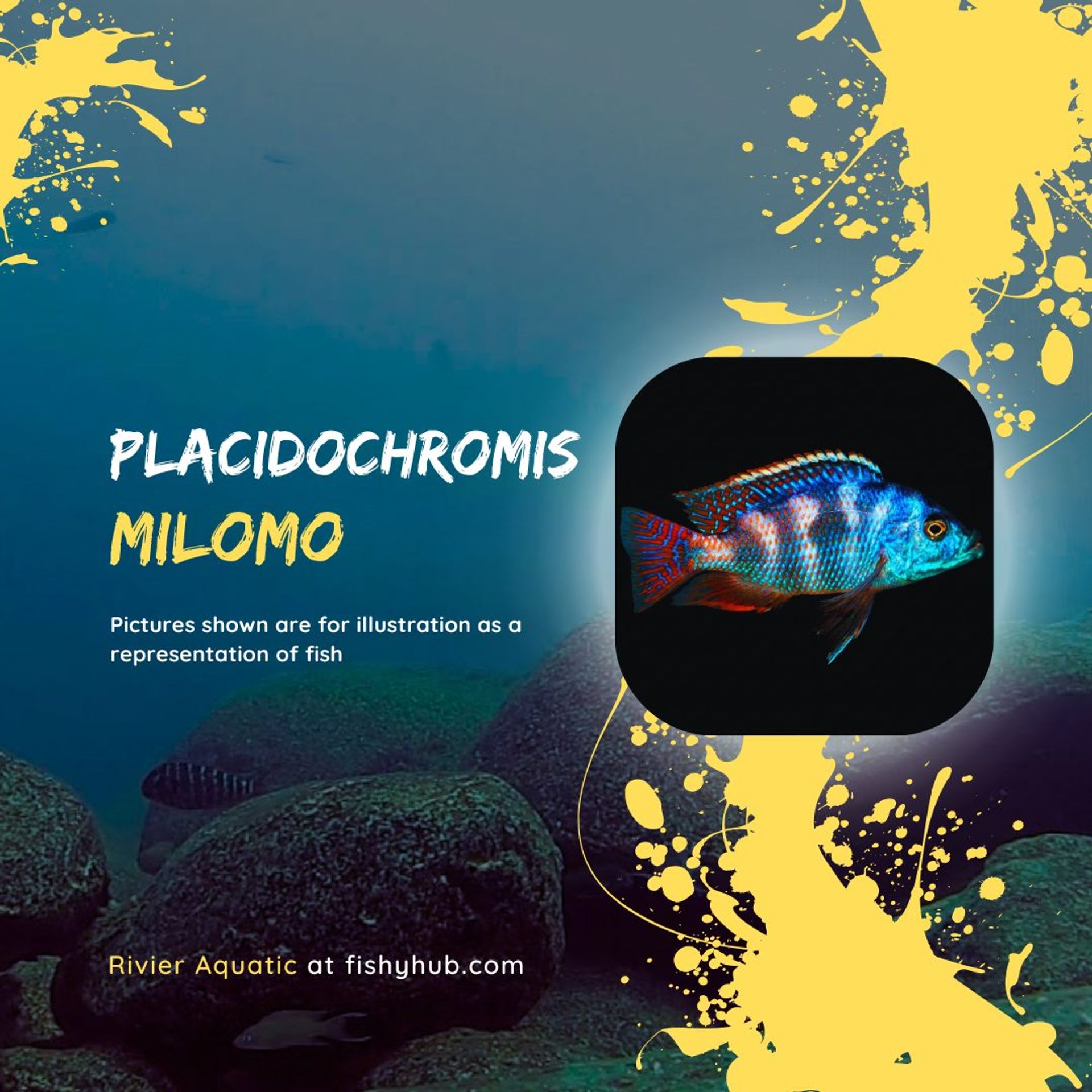
Super VC-10 Cichlid (Placidoch..
SGD 73.00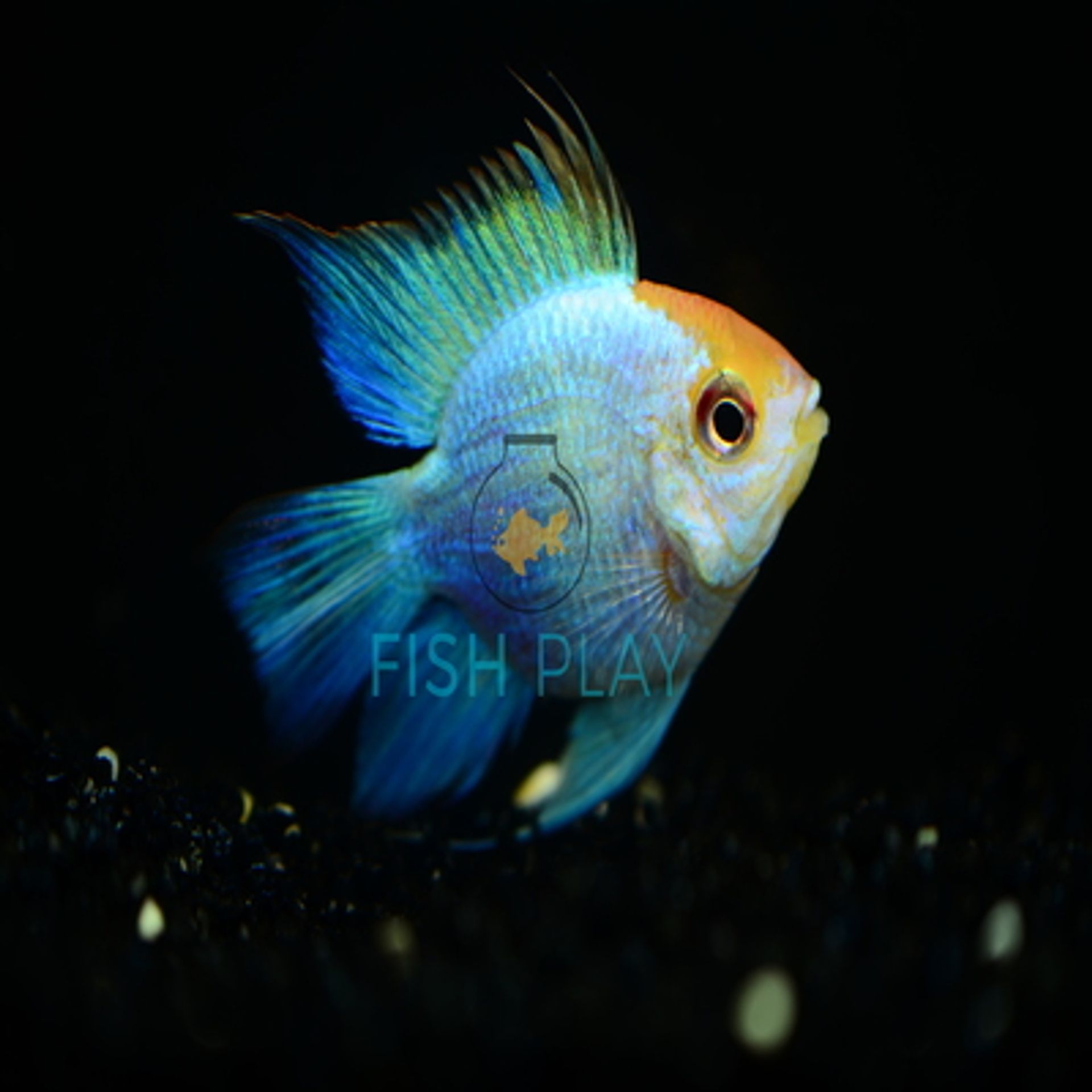
Golden Head Electric Blue Ram(..
SGD 131.63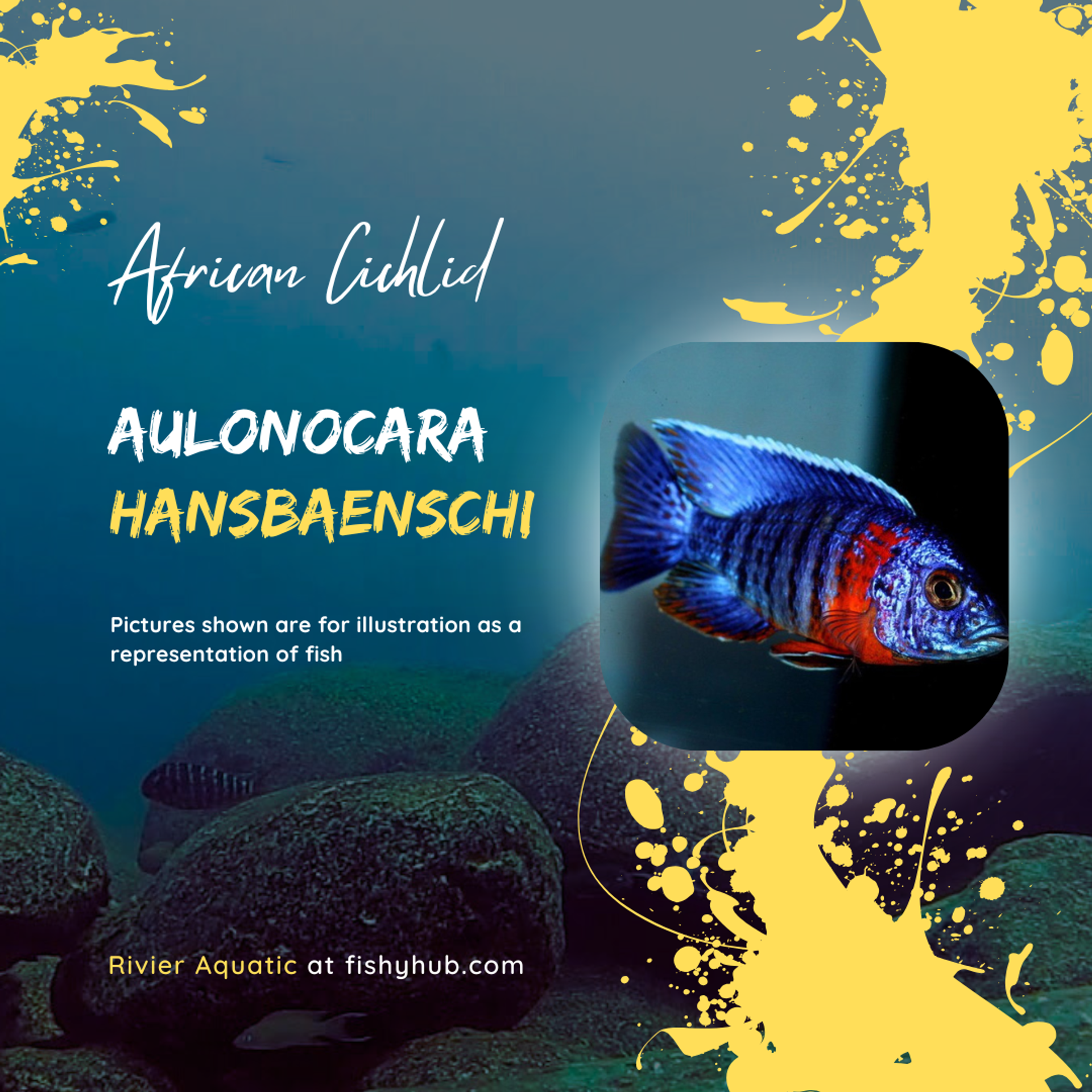
Red Flush Peacock (Aulonocara ..
SGD 55.00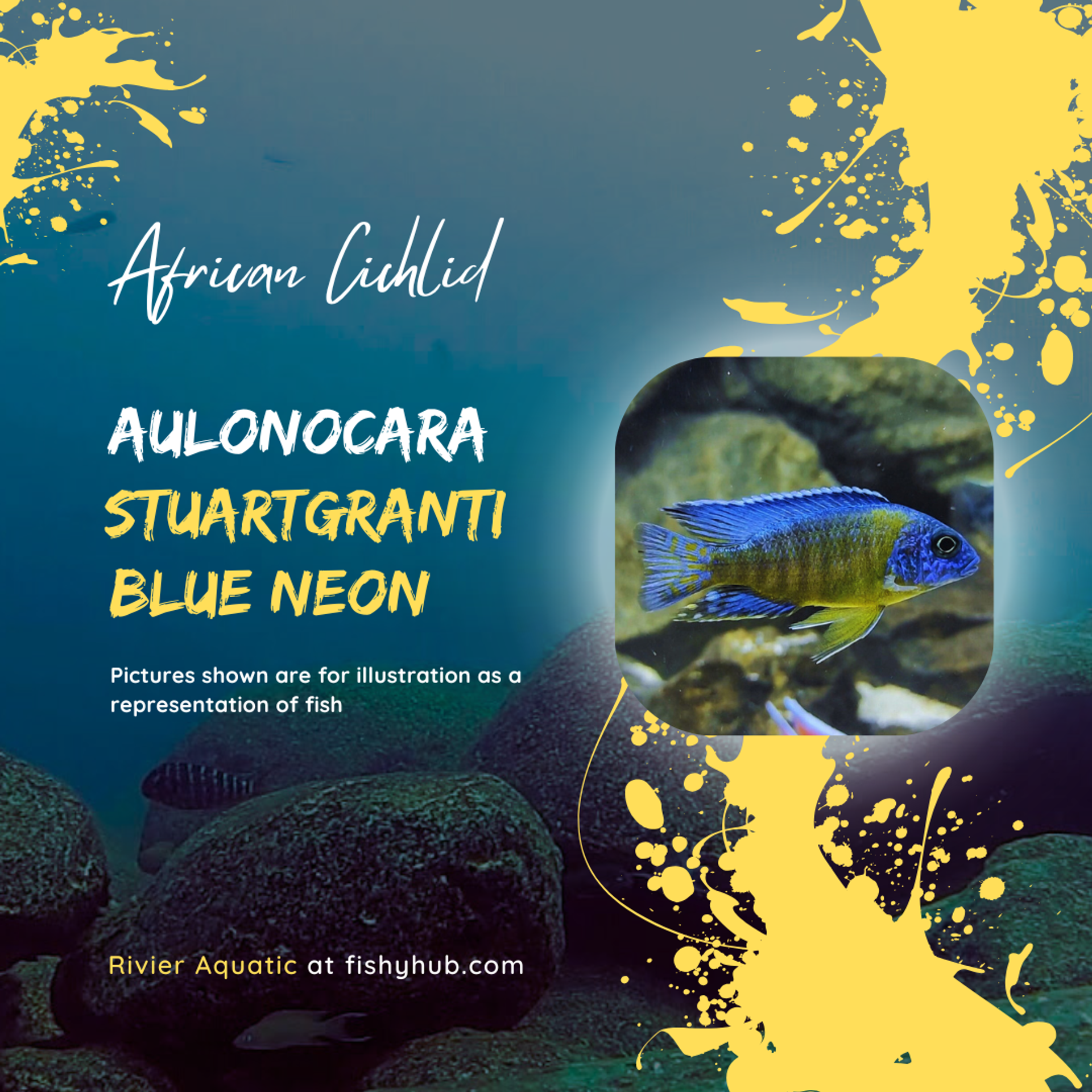
Blue Neon Peacock Cichlid (Aul..
SGD 55.00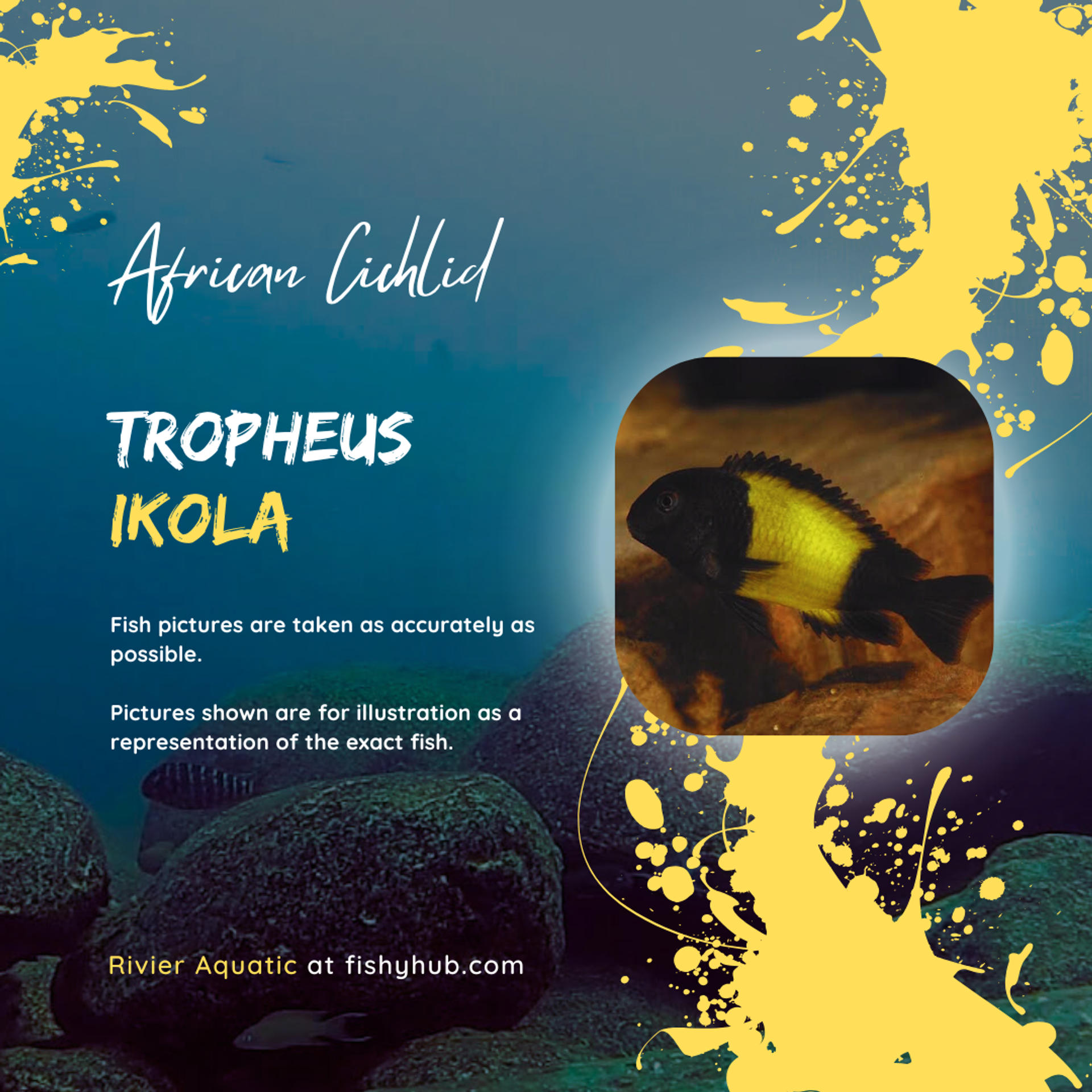
Tropheus Ikola Cichlid
SGD 55.00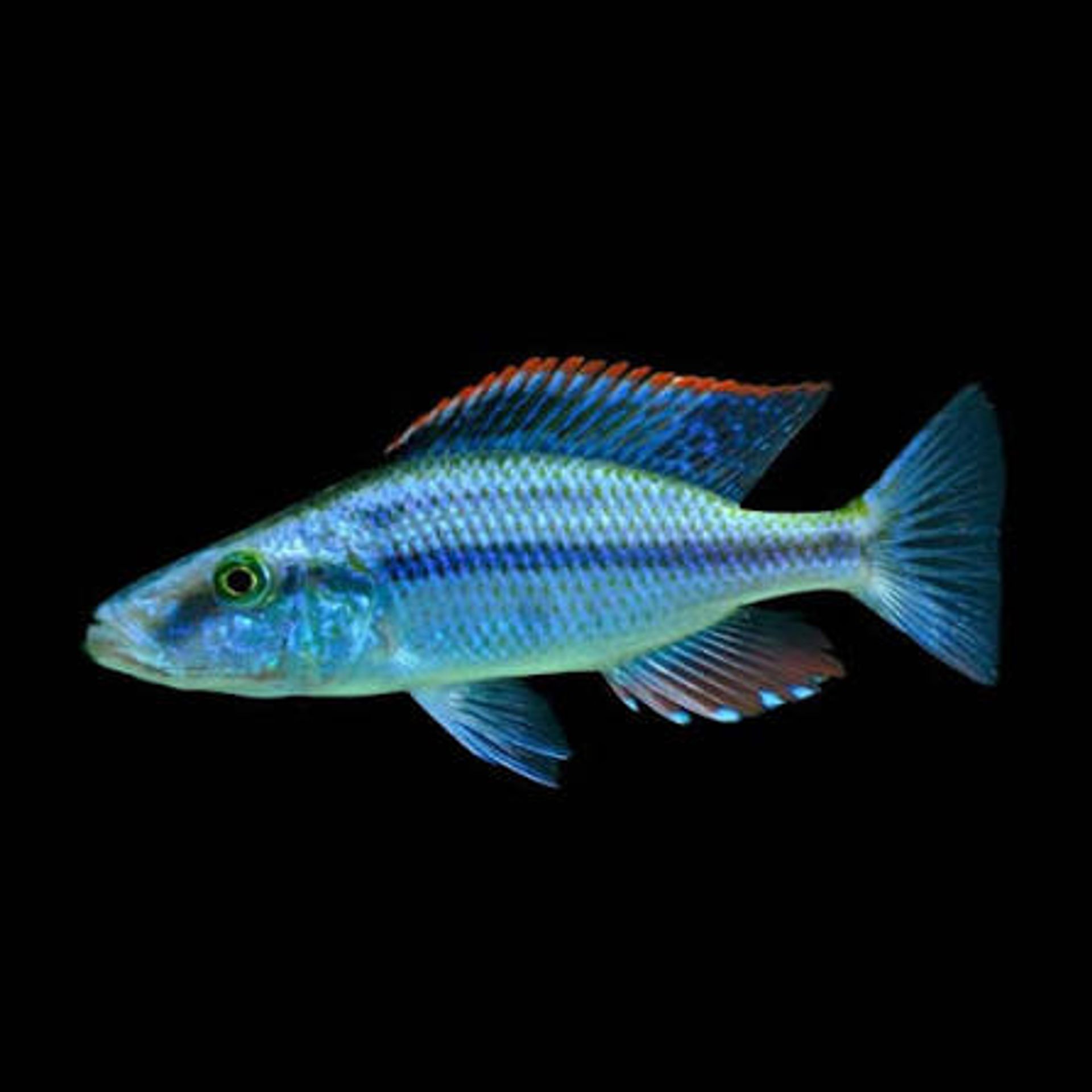
Malawi Eyebiter
SGD 60.00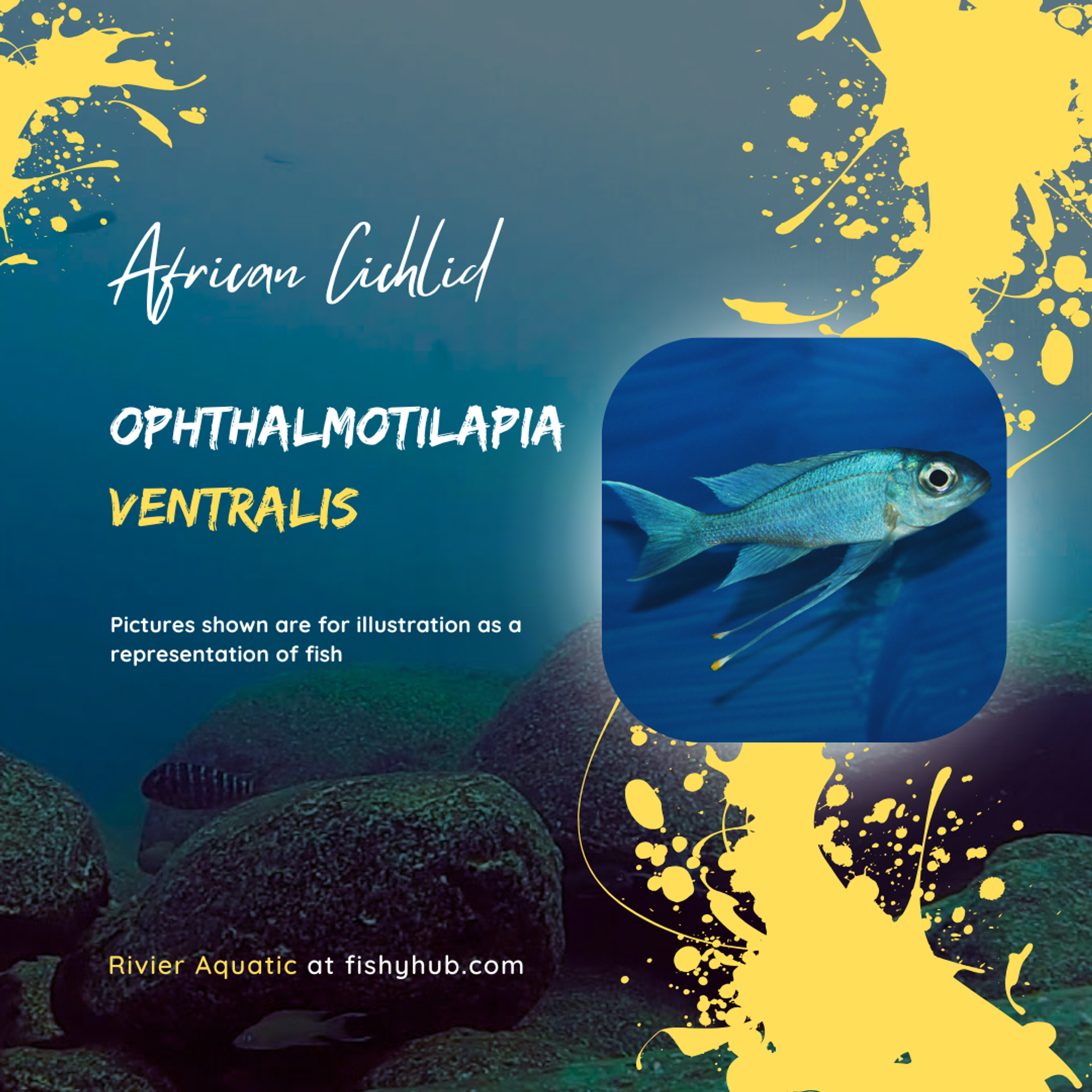
Blue Gold-Tip Cichlid (Ophthal..
SGD 55.00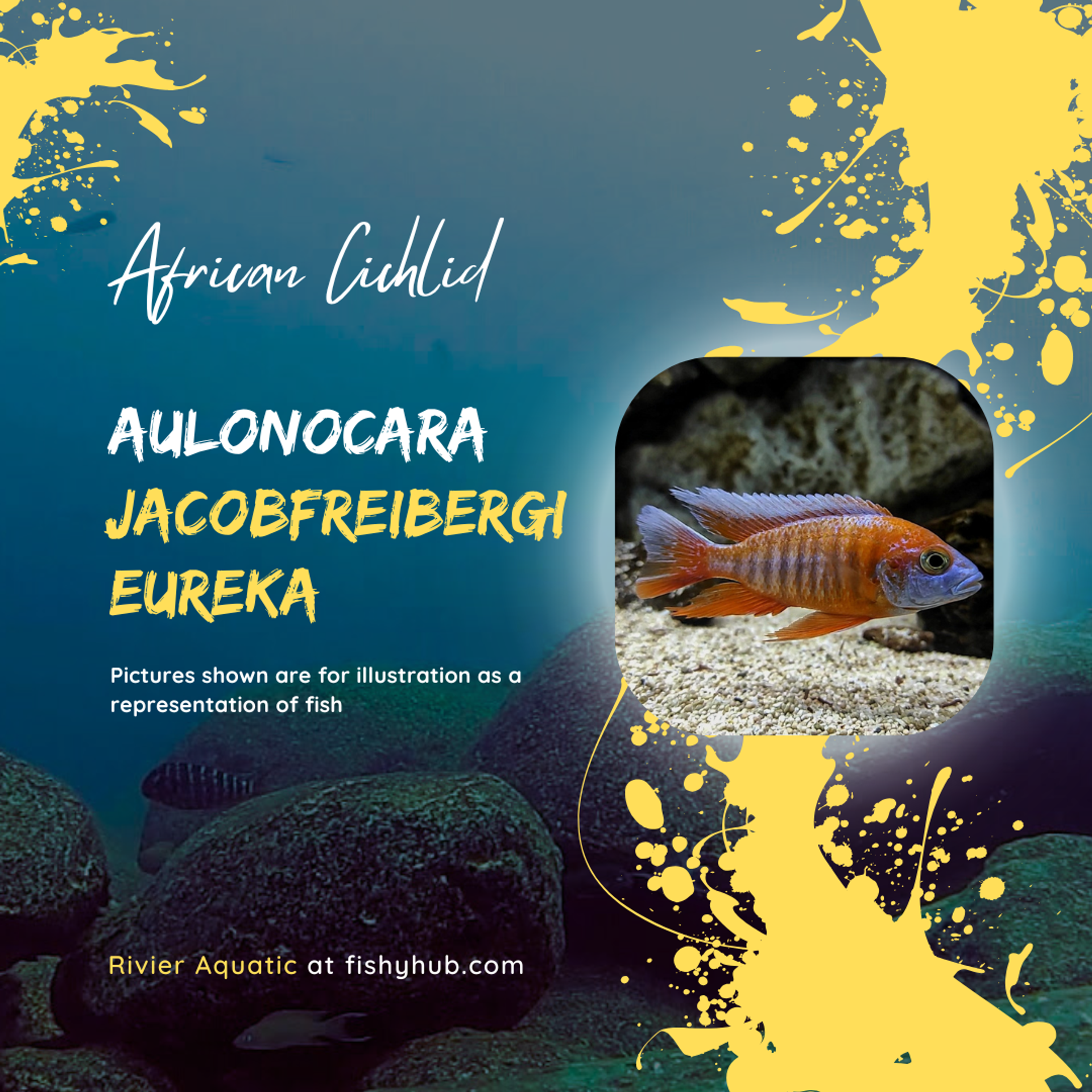
Malawi Butterfly Cichlid (Aulo..
SGD 47.00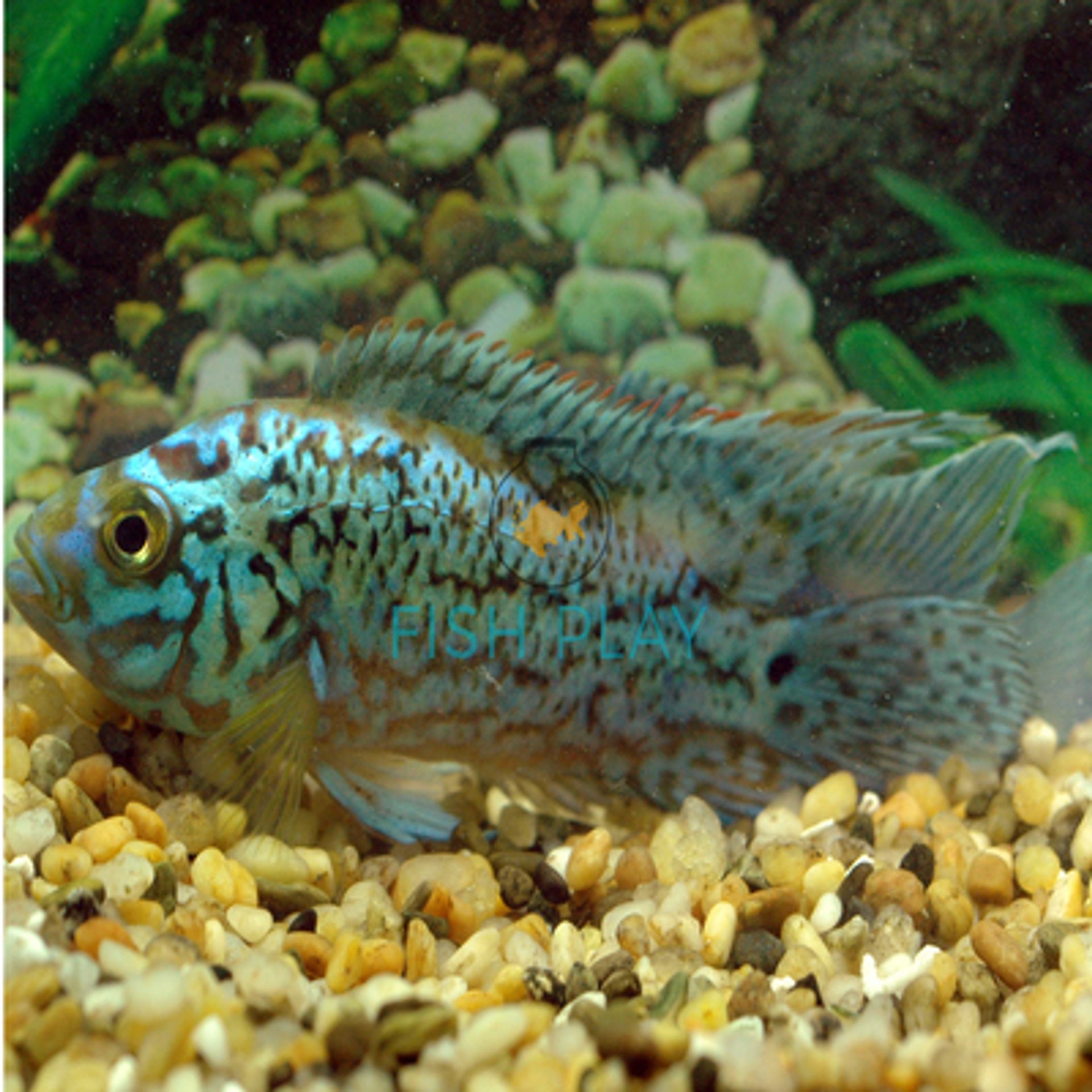
Blue Dempsey (5pcs)
SGD 50.00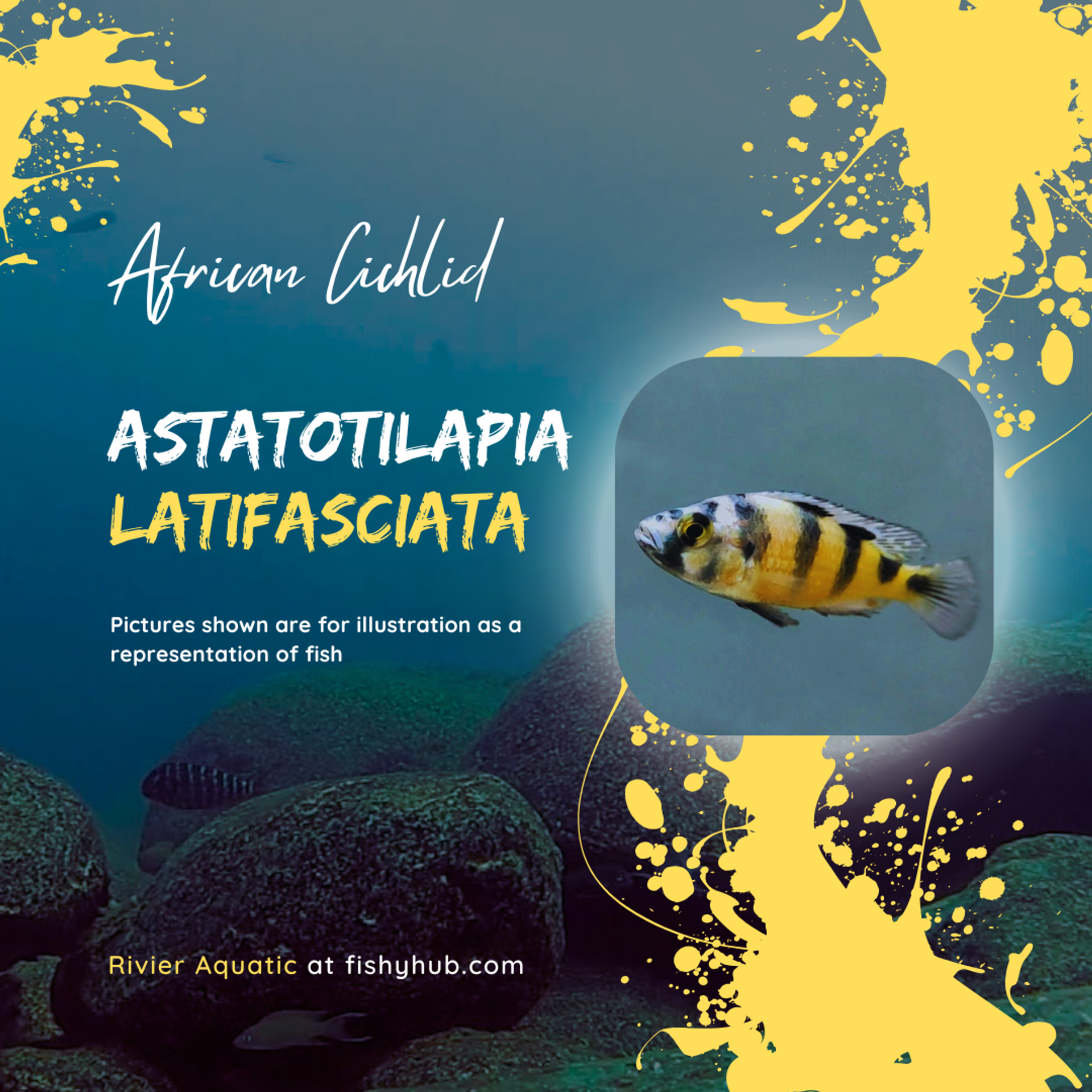
Crimson Tide Cichlid (Astatoti..
SGD 55.00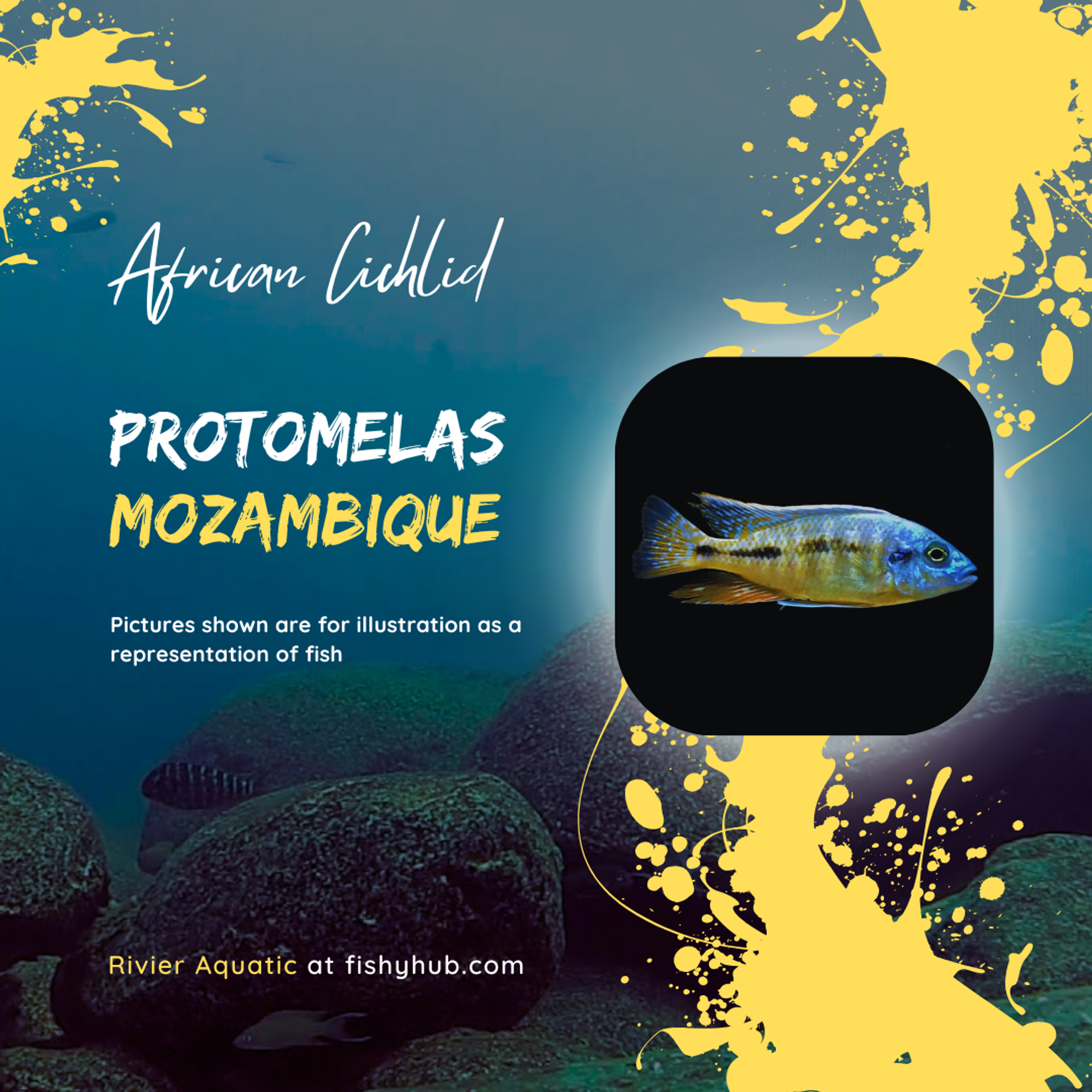
Mozambique Cichlid (Protomelas..
SGD 69.00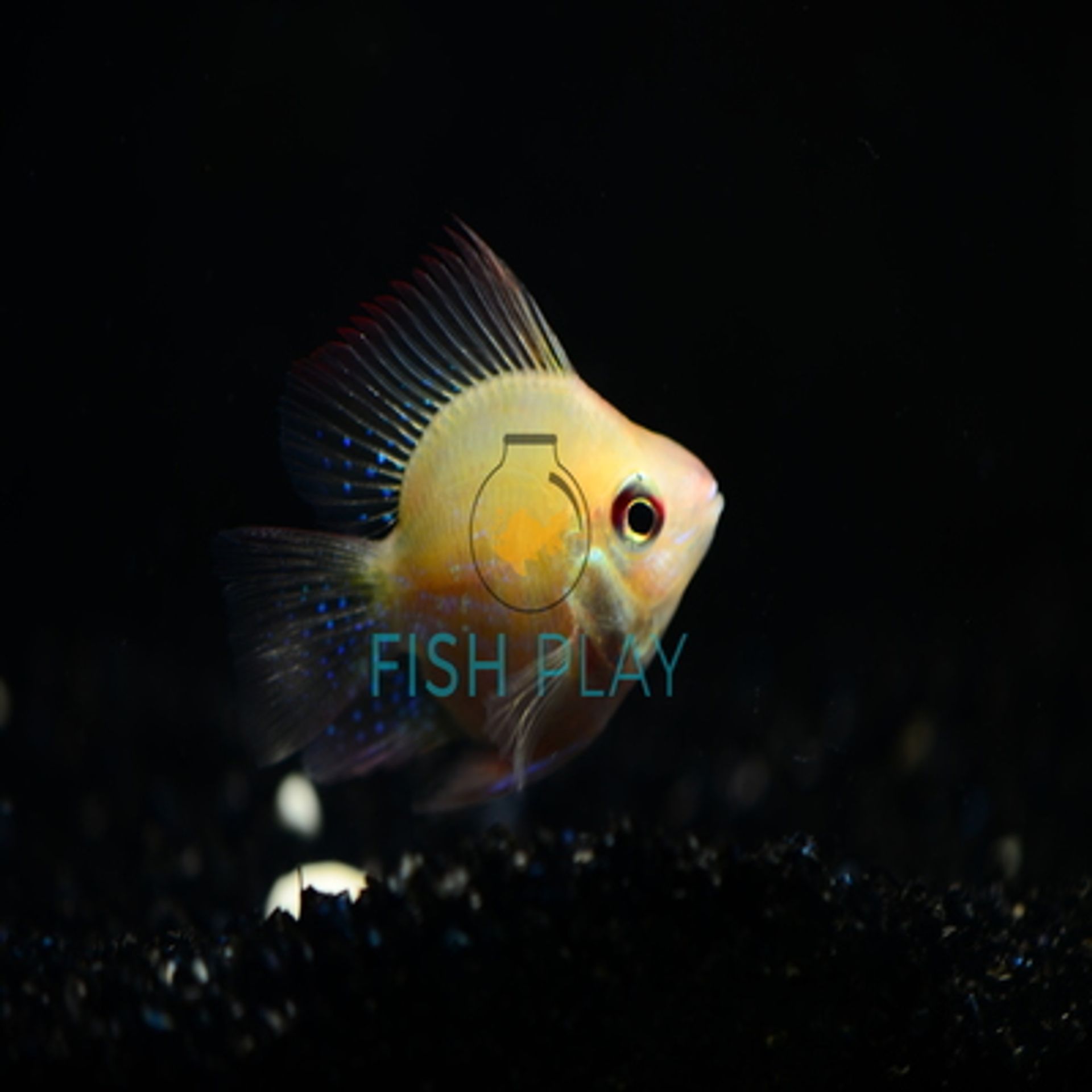
Gold Balloon Ram
SGD 43.90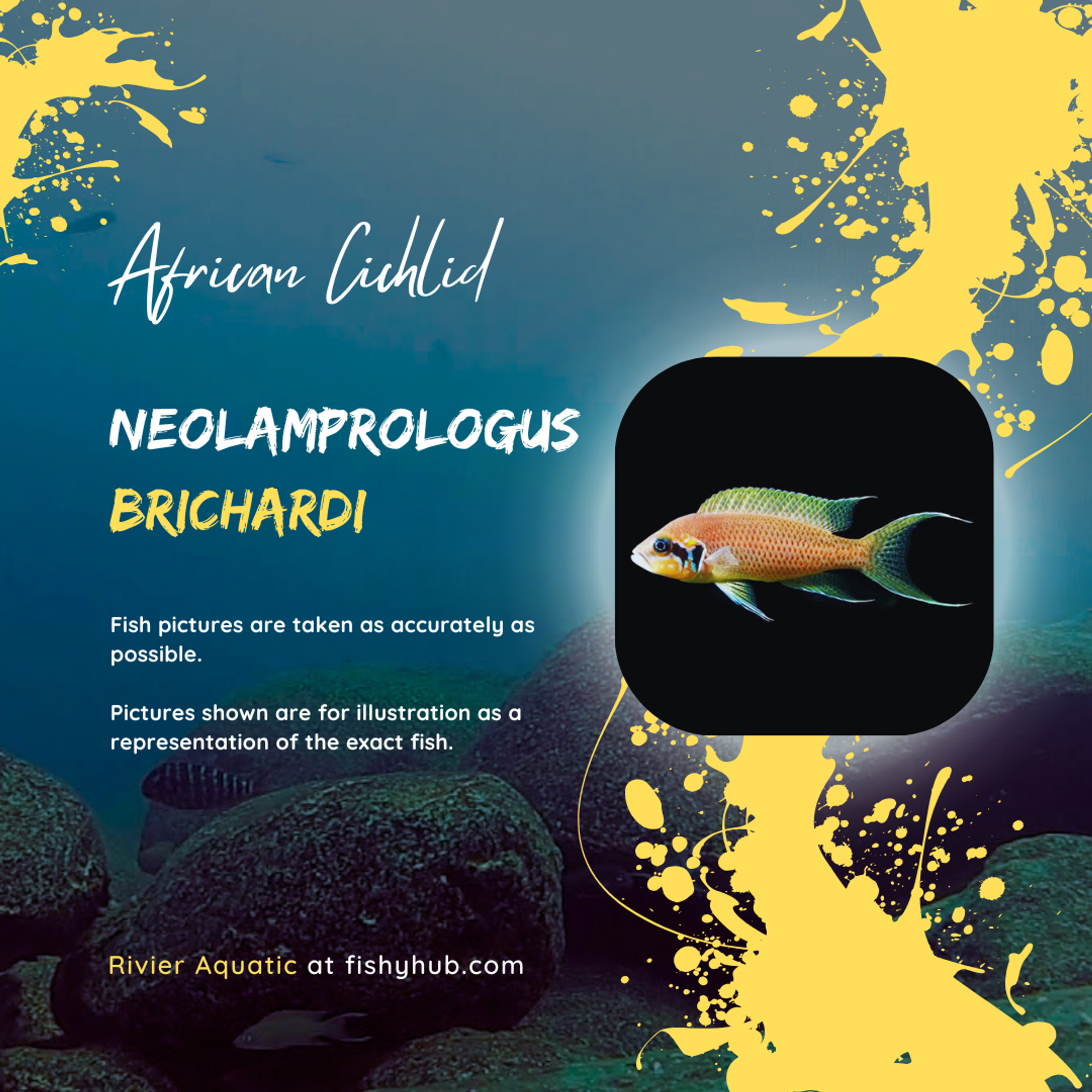
Lyretail Cichlid (Neolamprolog..
SGD 55.00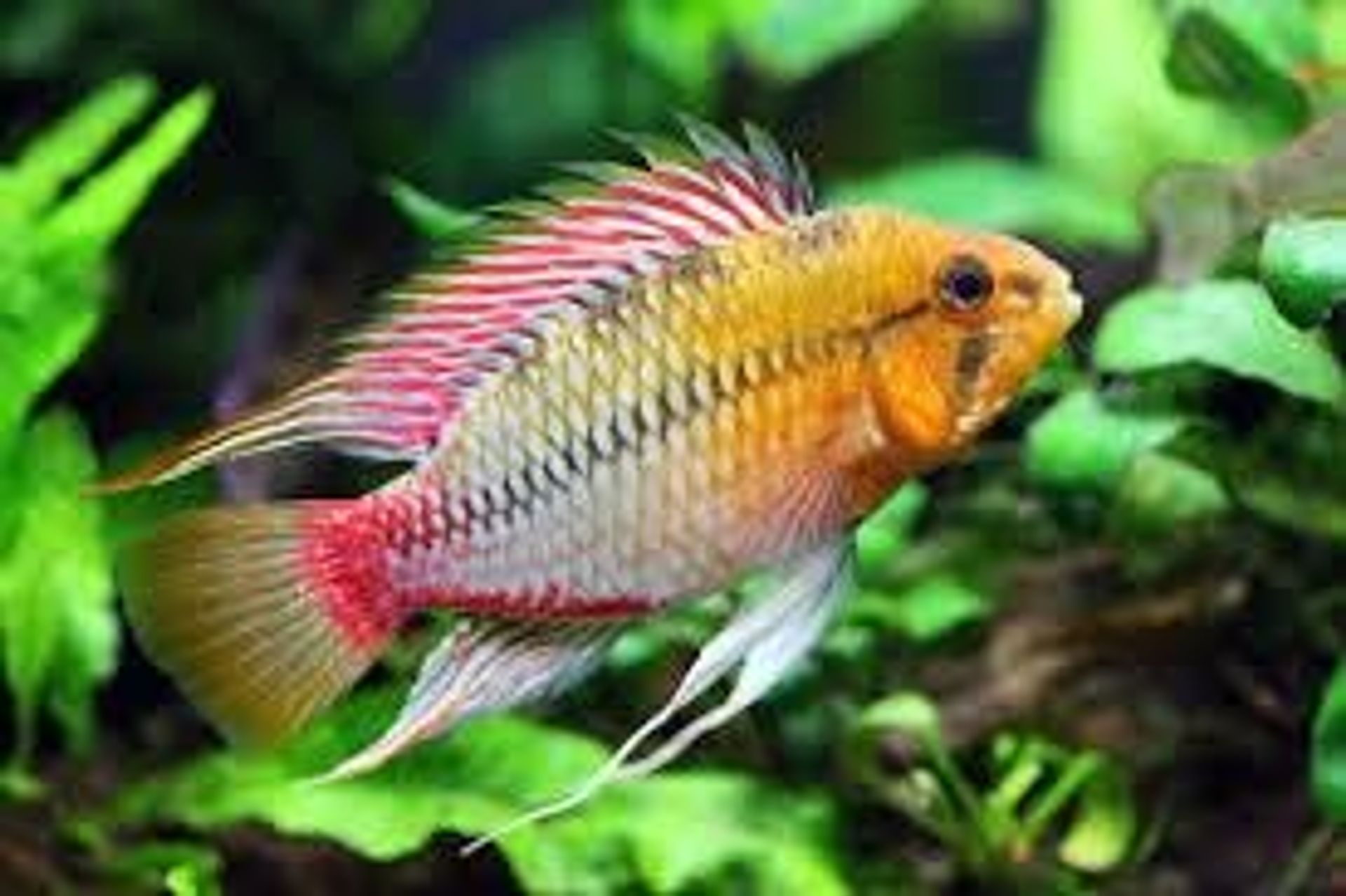
Hongslo's Dwarf Cichlid (Apist..
SGD 30.00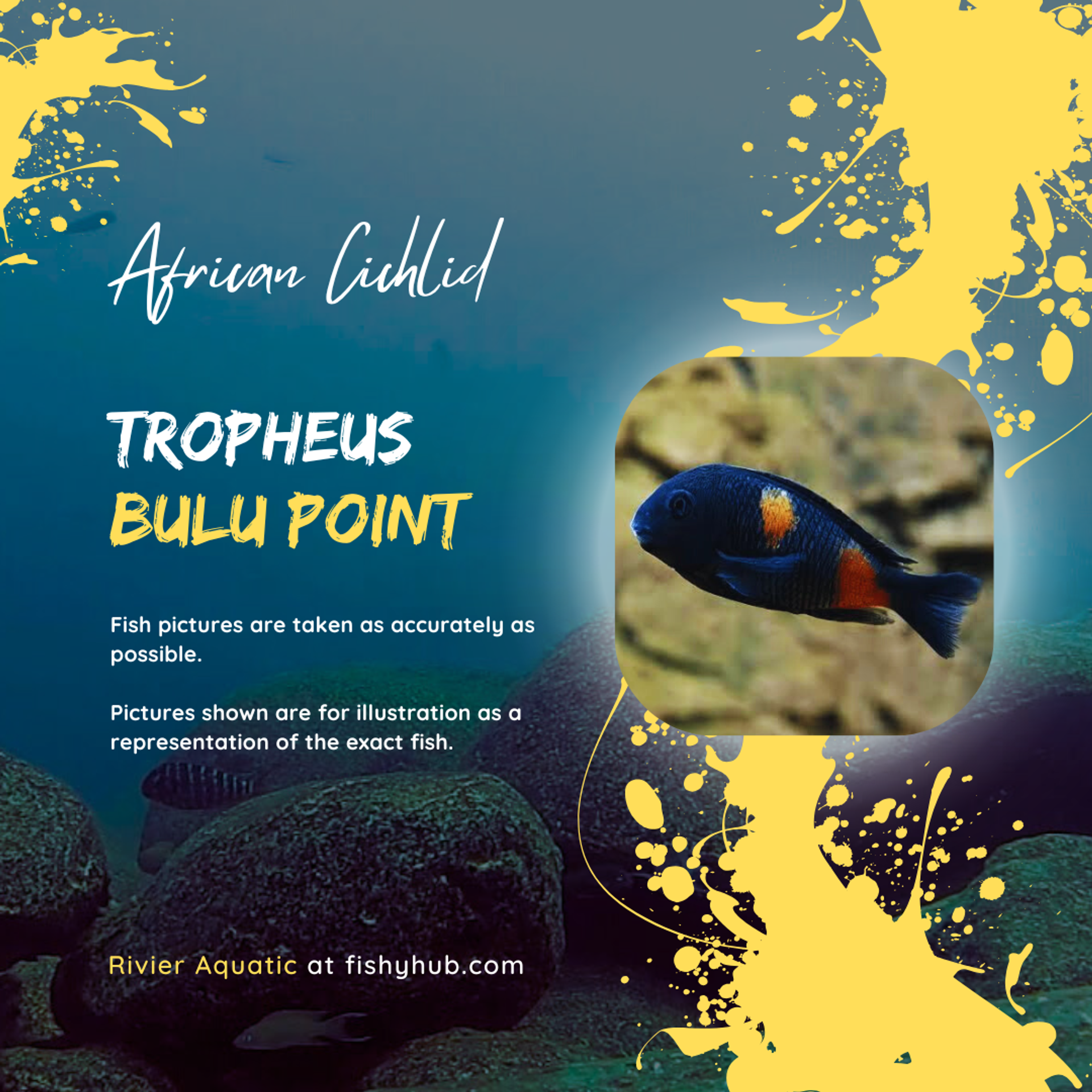
Cherry Spot Tropheus (Tropheus..
SGD 55.00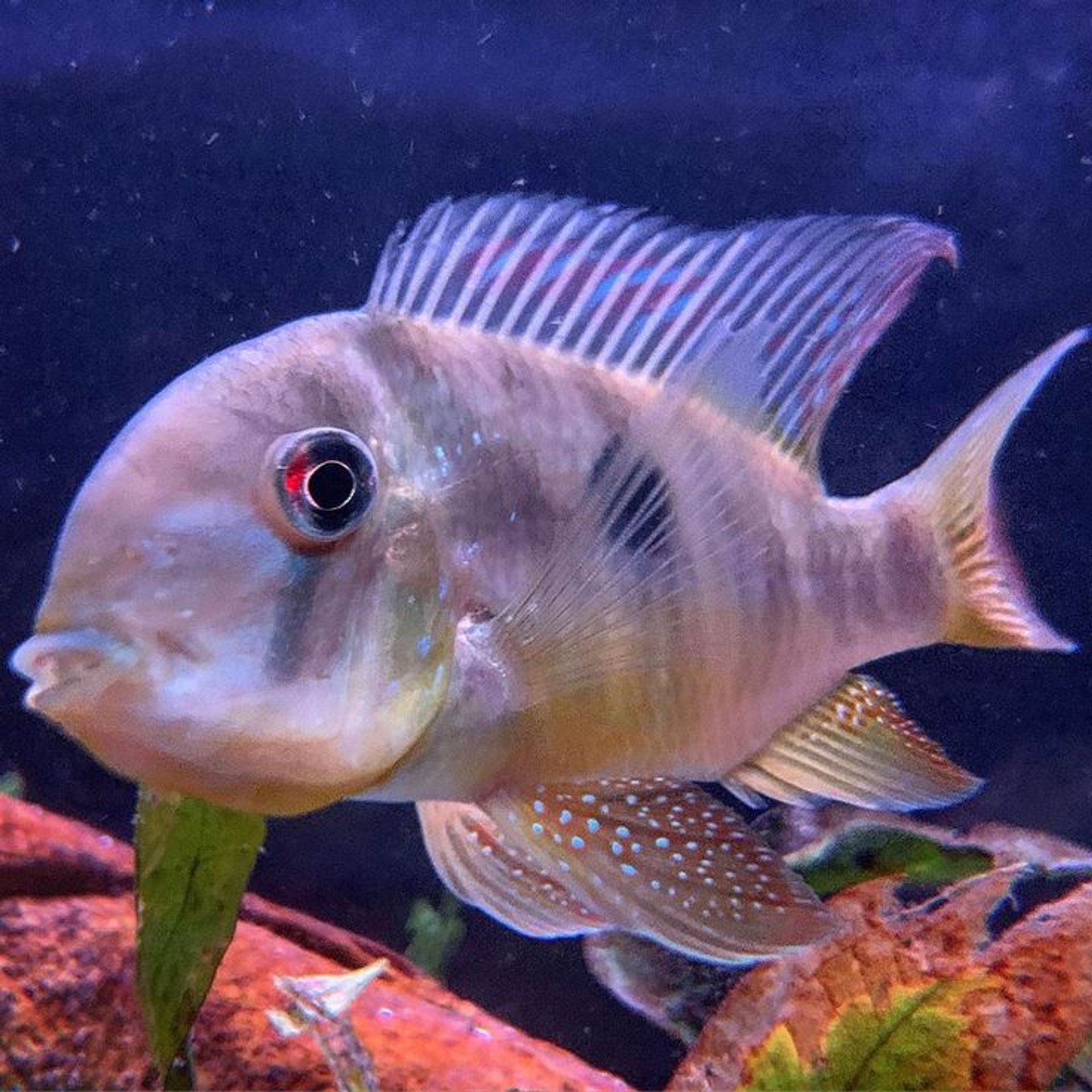
Cichlid (Balzani)
SGD 20.00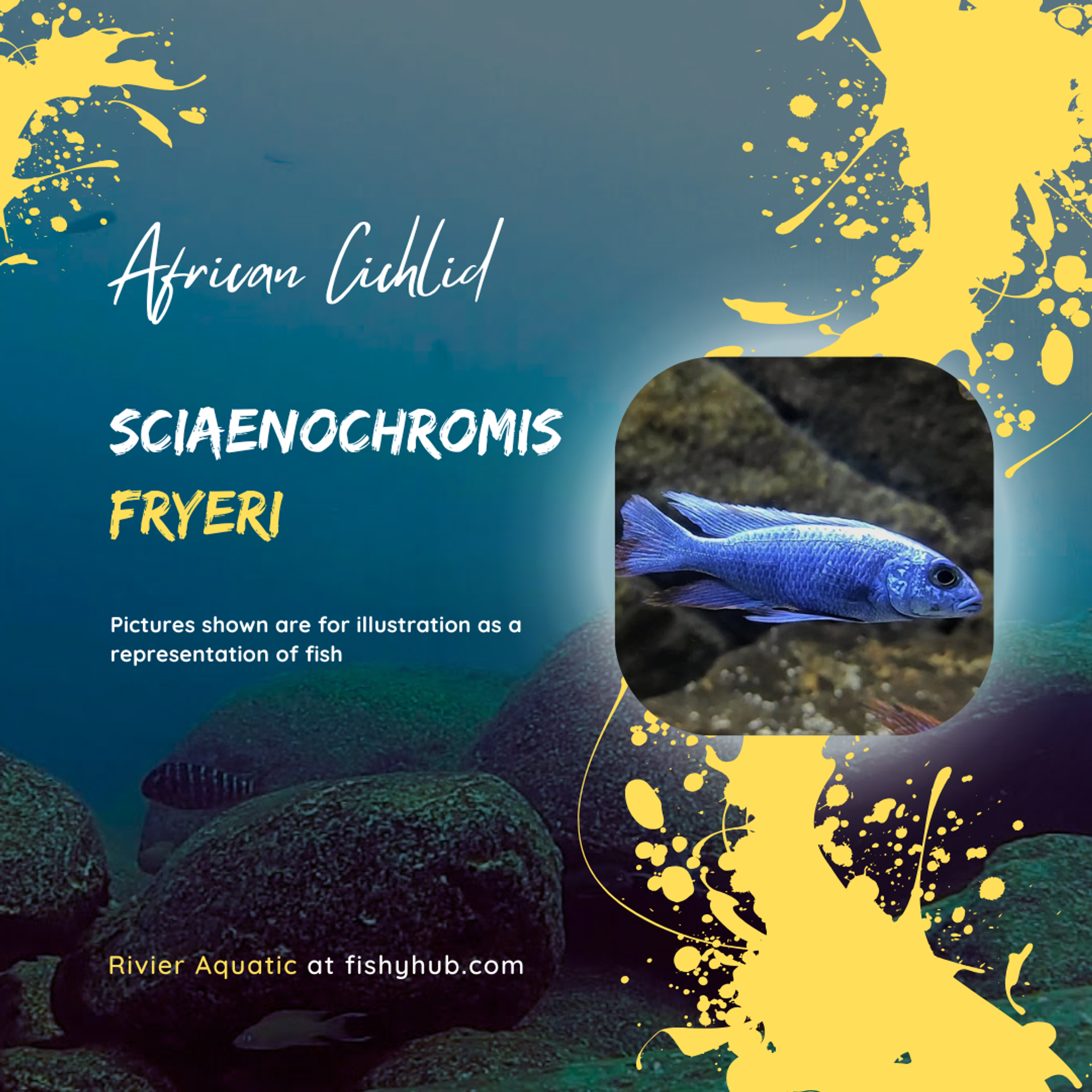
Electric Blue Hap Cichlid (Sci..
SGD 69.00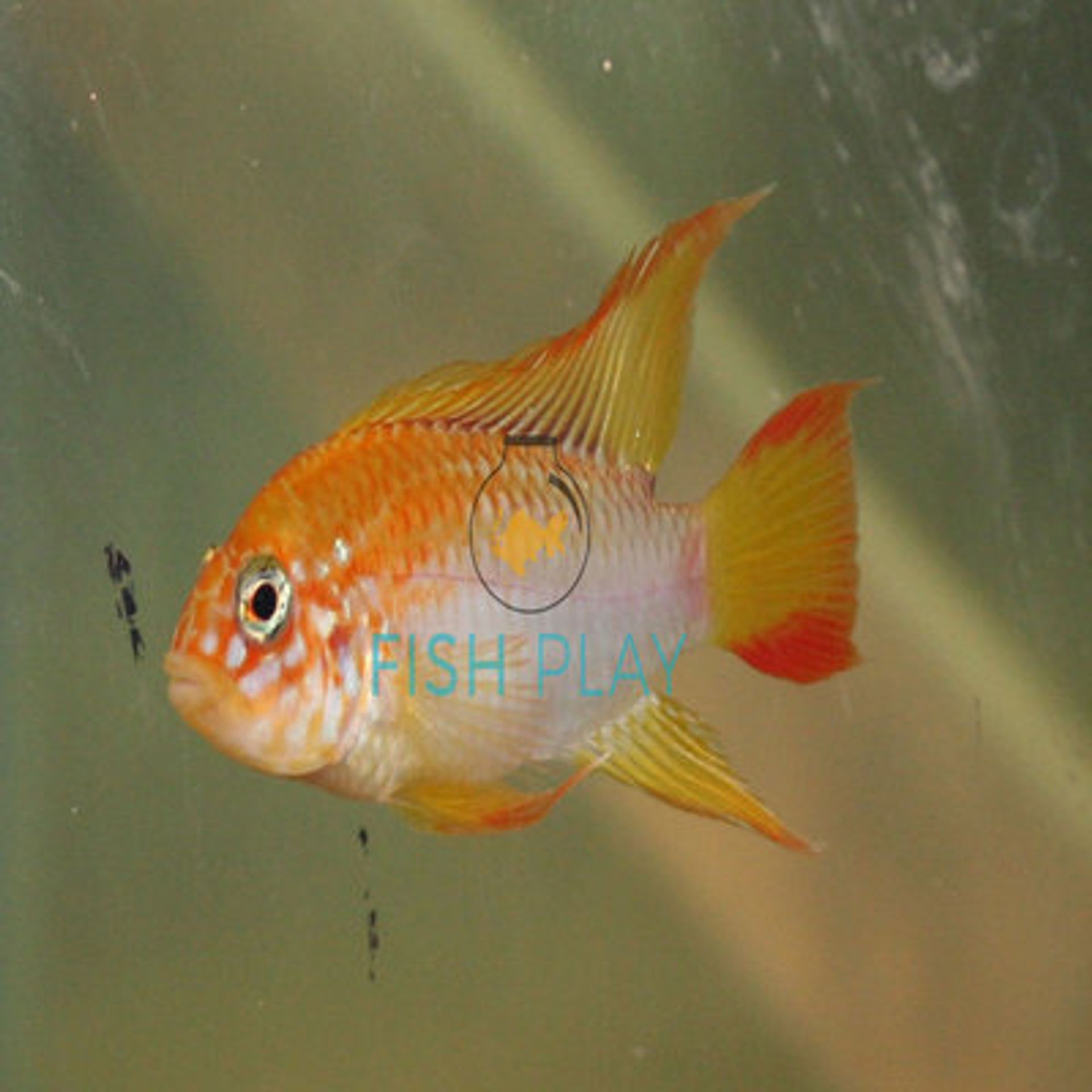
Viejita Cichlid (Gold Viejita ..
SGD 111.87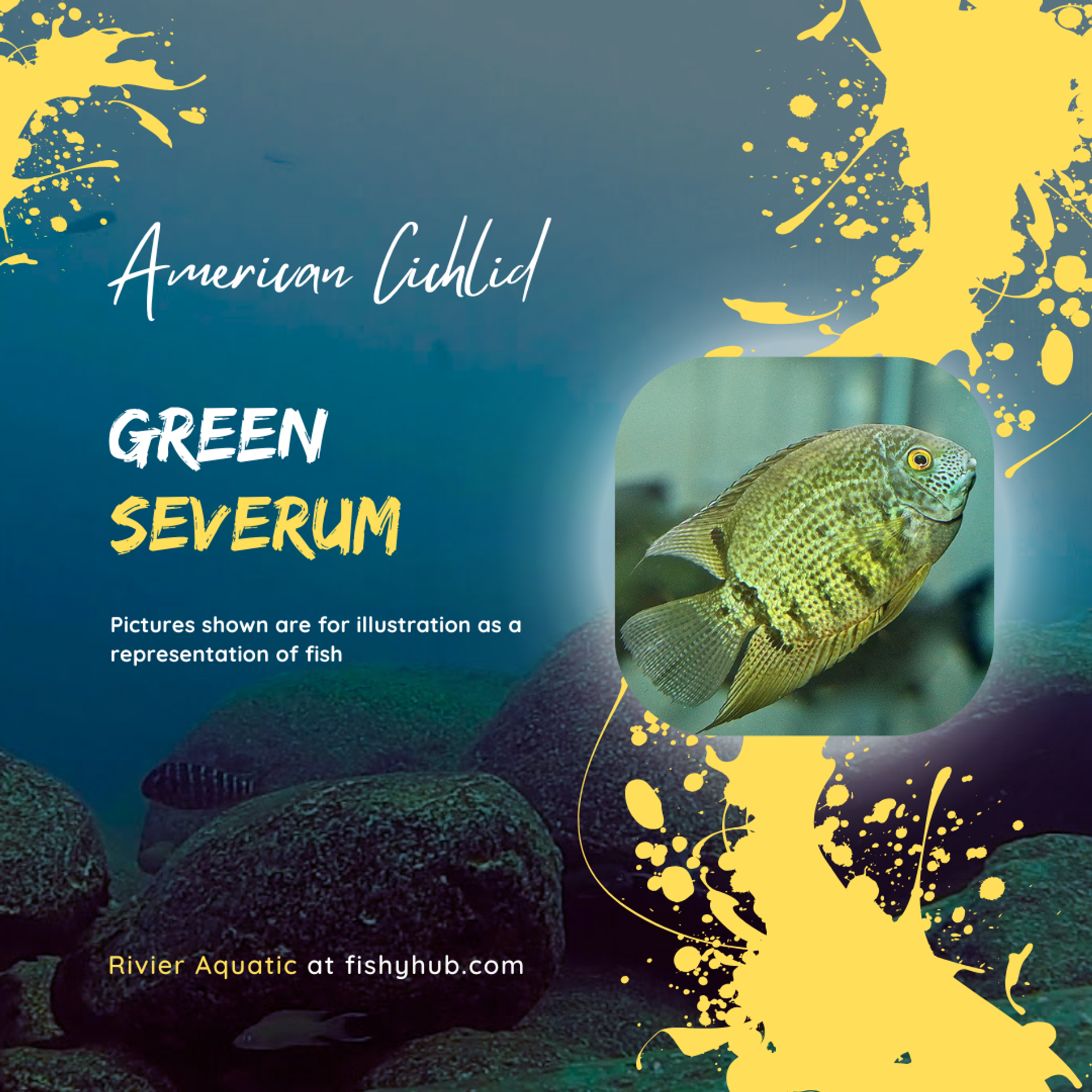
Green Severum
SGD 50.00
Albino Paradise Fish
SGD 1.00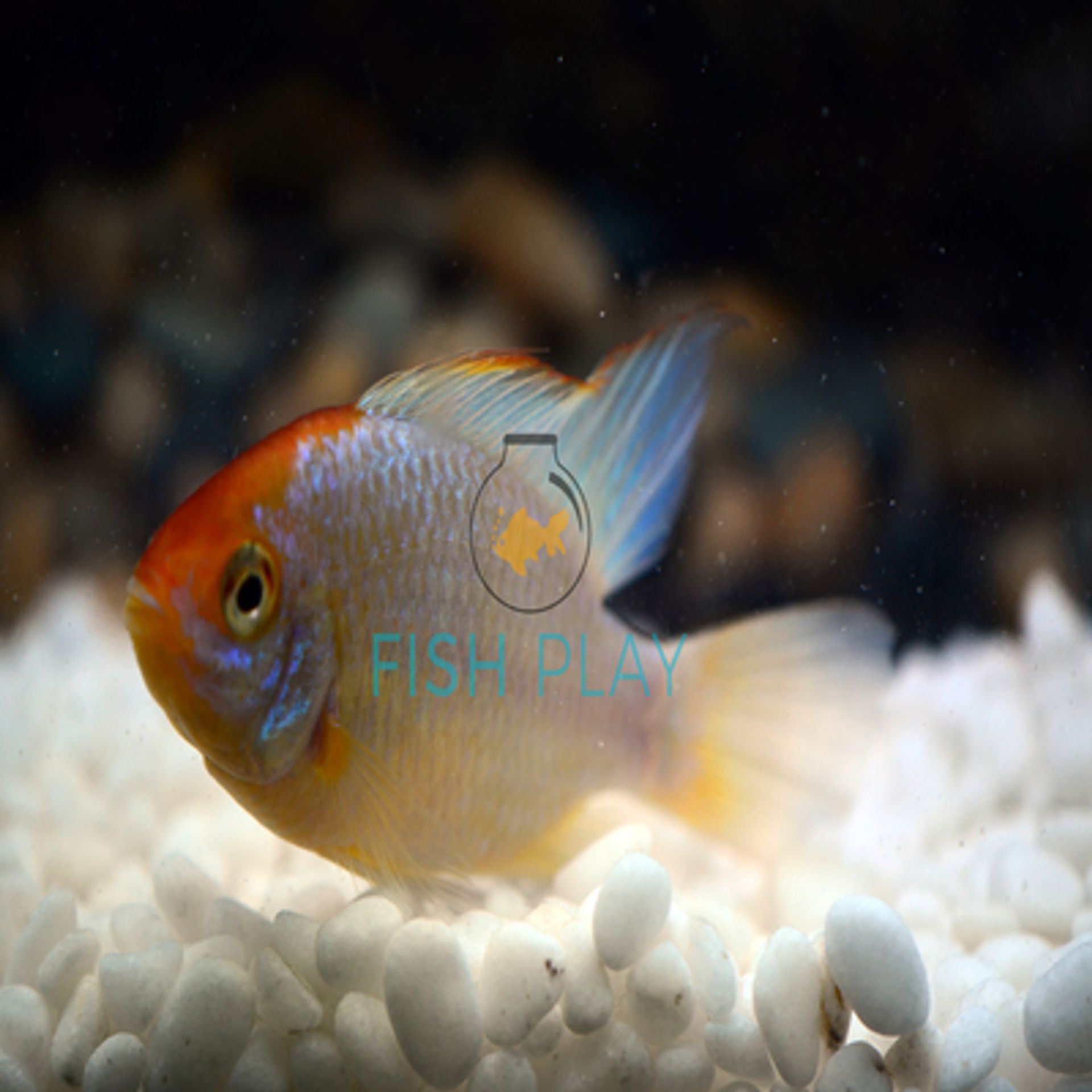
Golden Head EE Ram
SGD 17.55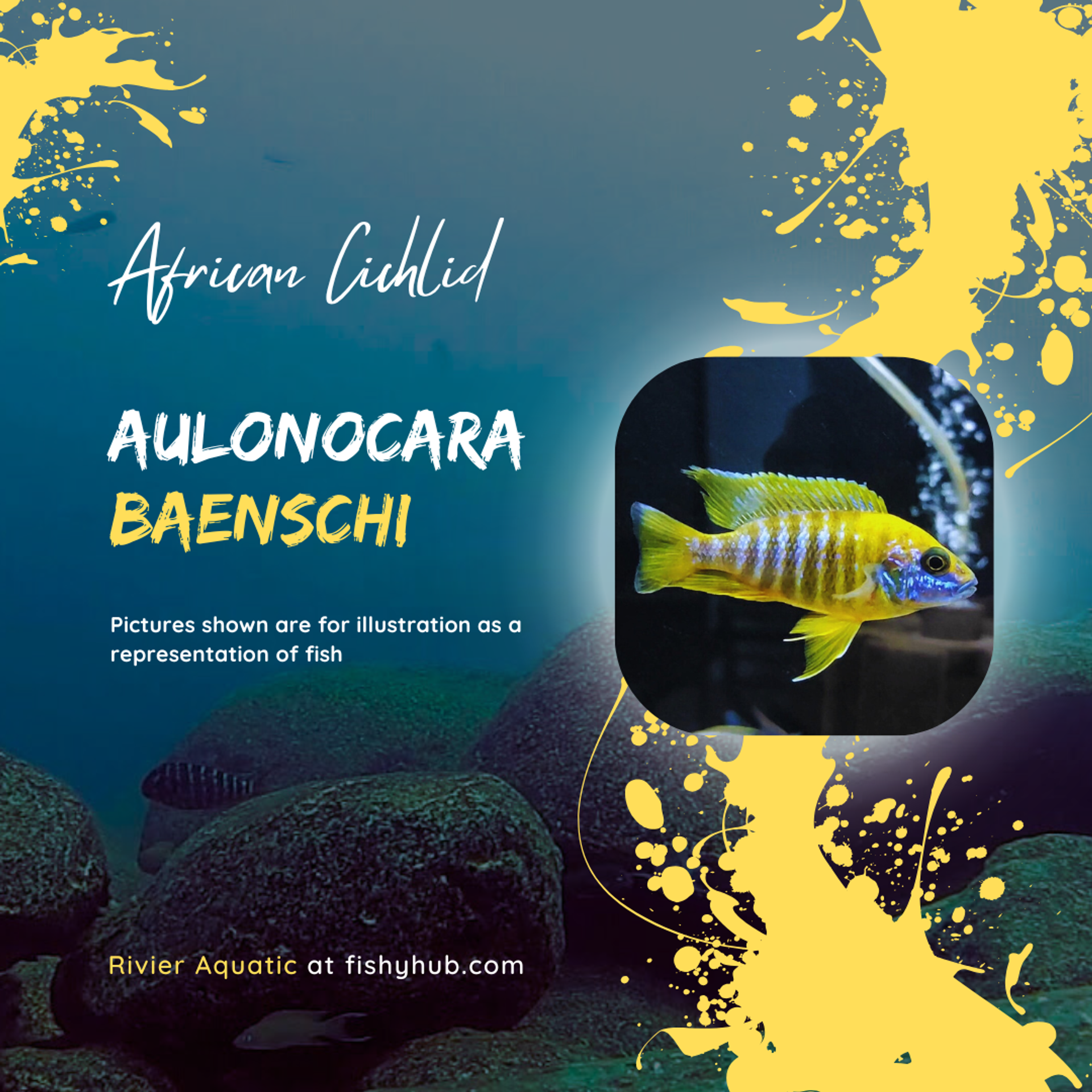
Sunshine Peacock (Aulonocara B..
SGD 47.00