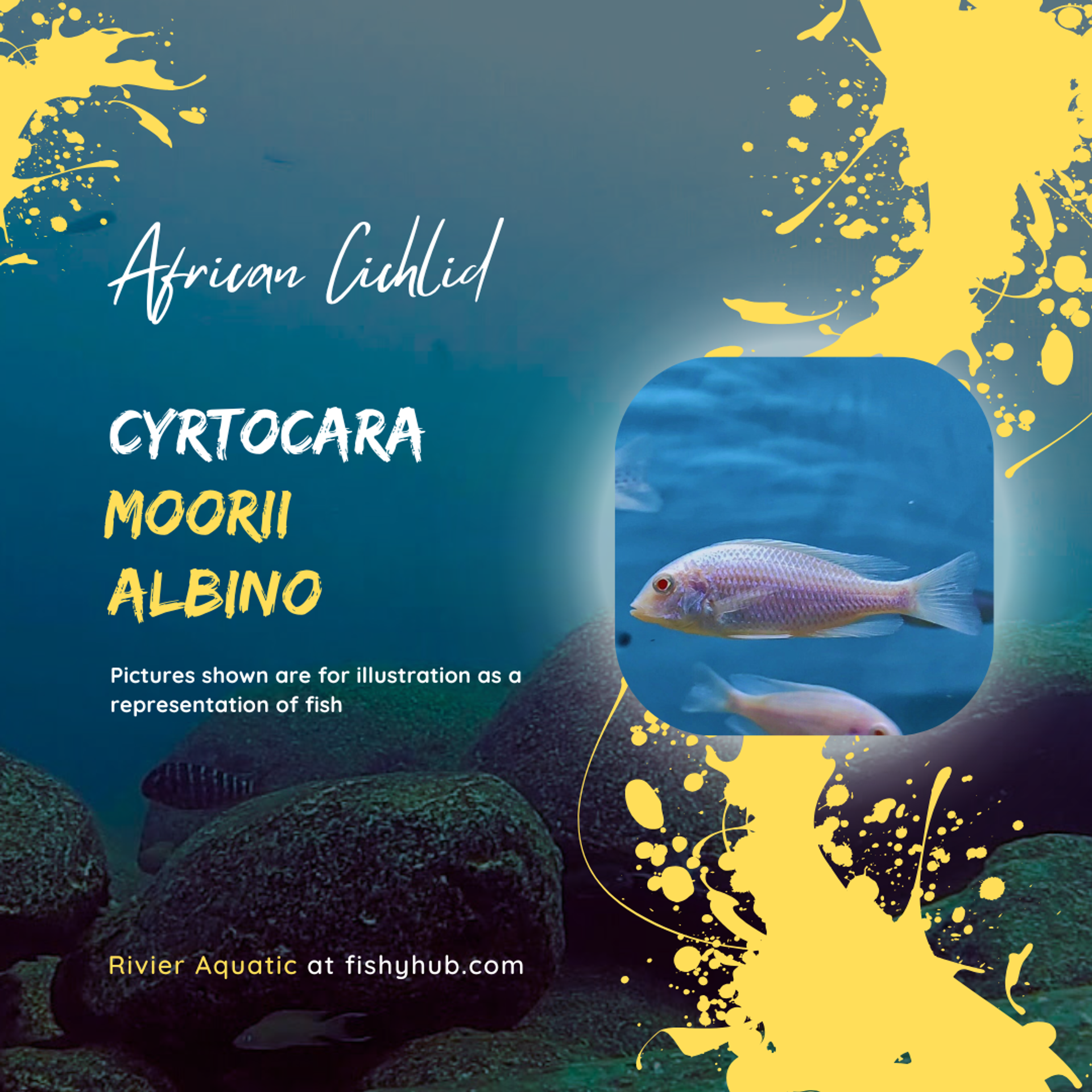

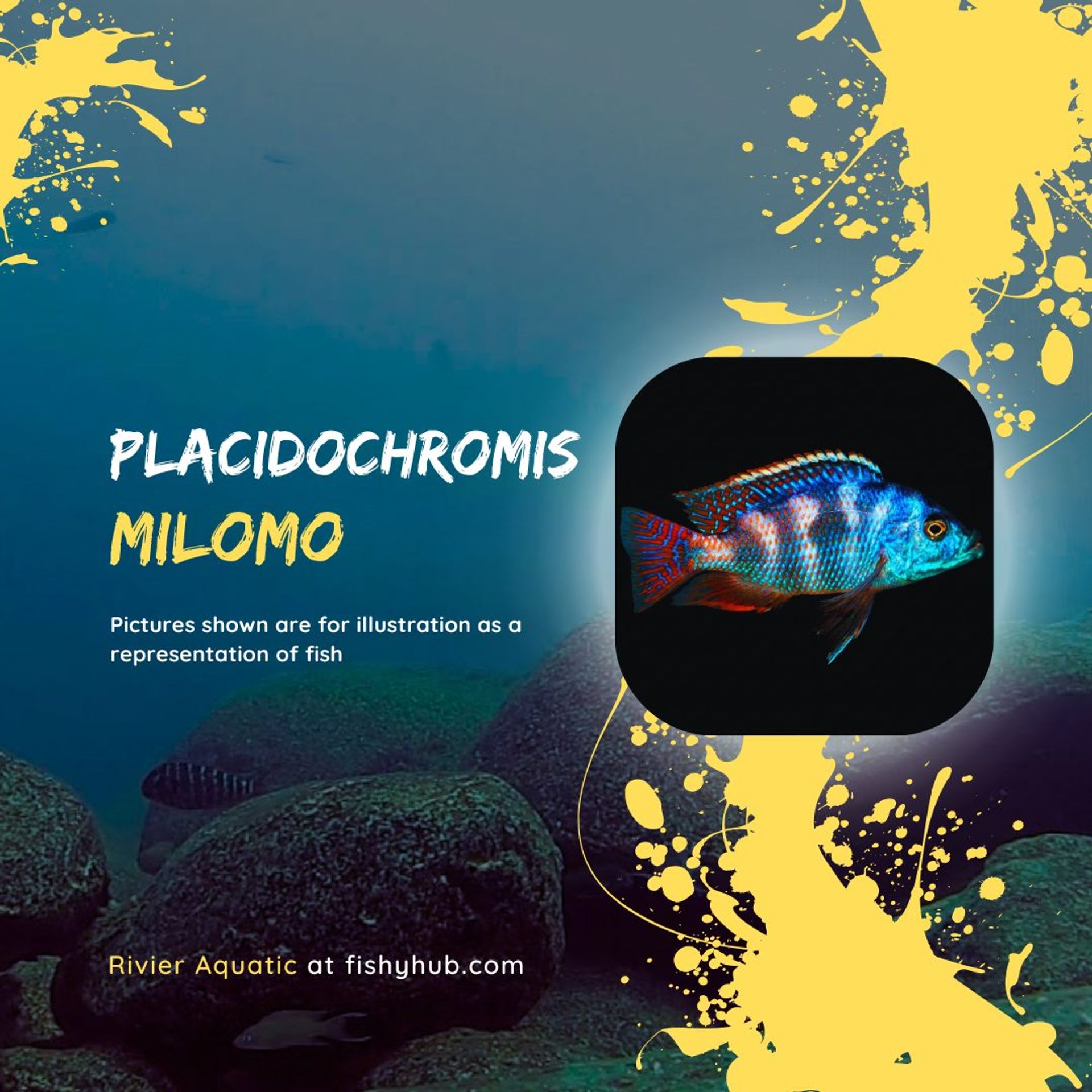
Click to enlarge
Unless stated otherwise, photos show the species, not the exact fish you'll receive.
Super VC-10 Cichlid (Placidochromis Milomo)
SGD 73.00
Delivery Information
Dead-on-arrival protection: report within 24 hours of delivery with a photo or video for an exchange or return.
Product Variations
Quantity
Stock: 100
Product Details
Size
4cm - 7cm
Temperament
Semi Aggressive
WYSIWYG
Representative Photo Only
Product Description
Learn More About Super VC-10 Cichlid (Placidochromis Milomo)

Angelfish Statistics Singapore 2026: Popularity, Prices & Varieties

Discus Fish Statistics Singapore 2026: Prices, Popularity & Trends

Cichlid Statistics Singapore 2026: Most Popular Species & Prices
How Much Do Discus Fish Cost in Singapore? Price Guide & Market Data
Singapore Regions With the Most Aquarium Fish Sellers

Most Popular Discus Colours and Varieties in Singapore

Aquarium Fish Losing Popularity in Singapore: What the Data Shows
How Much Do Cichlids Cost in Singapore? Prices by Species
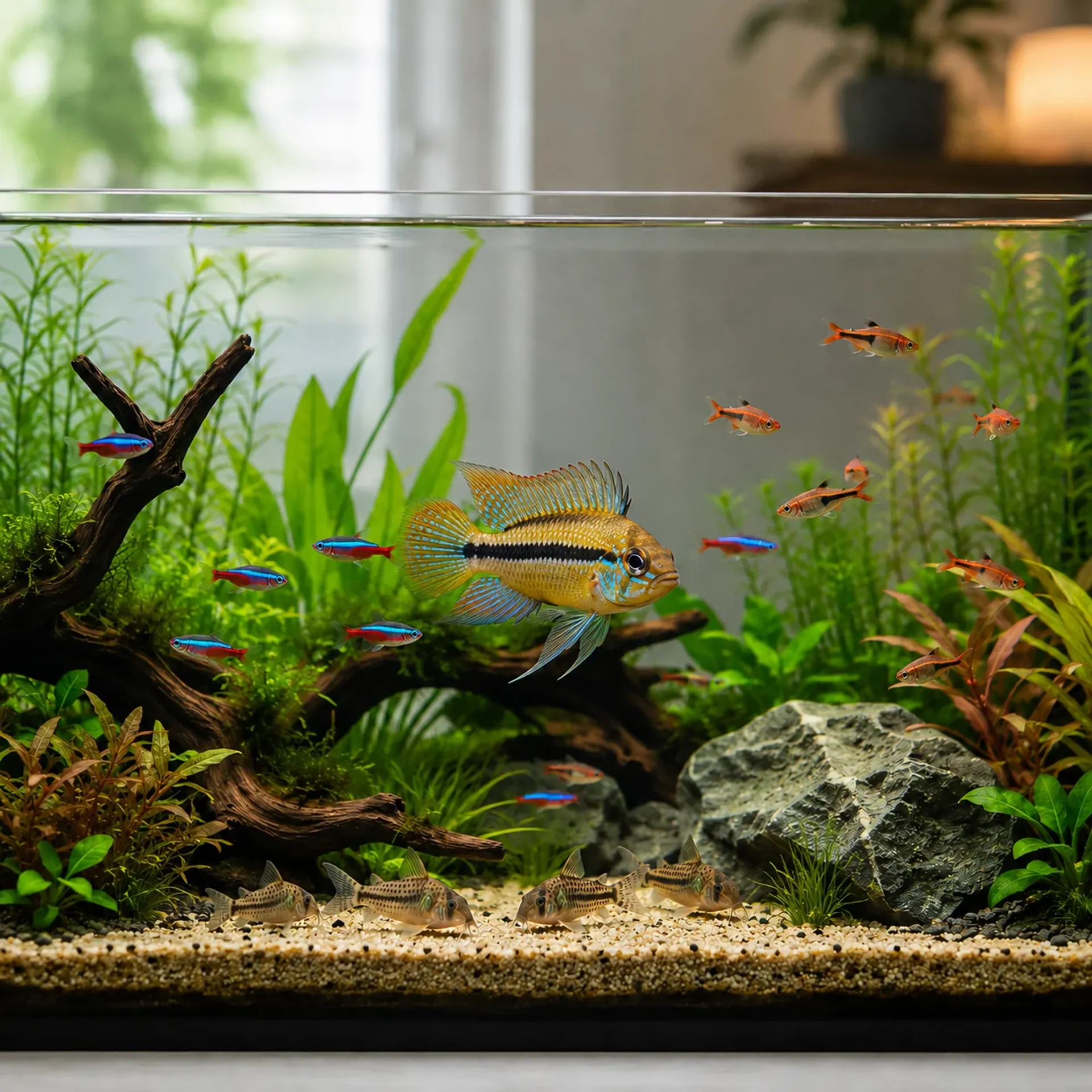
How to Choose a Centrepiece Fish Without Disrupting Your Community Tank
Freshwater Aquarium Statistics 2026
Angelfish Statistics 2026: Popularity, Prices & Varieties

Cichlid Statistics 2026: Most Popular Species & Prices
More from Rivier Aquatic

Rivier Aquatic
Suitable Tank Mates for Super VC-10 Cichlid (Placidochromis Milomo)

DiscusFood Natural Humin (Concentrated Pure Blackwater)
SGD 36.30
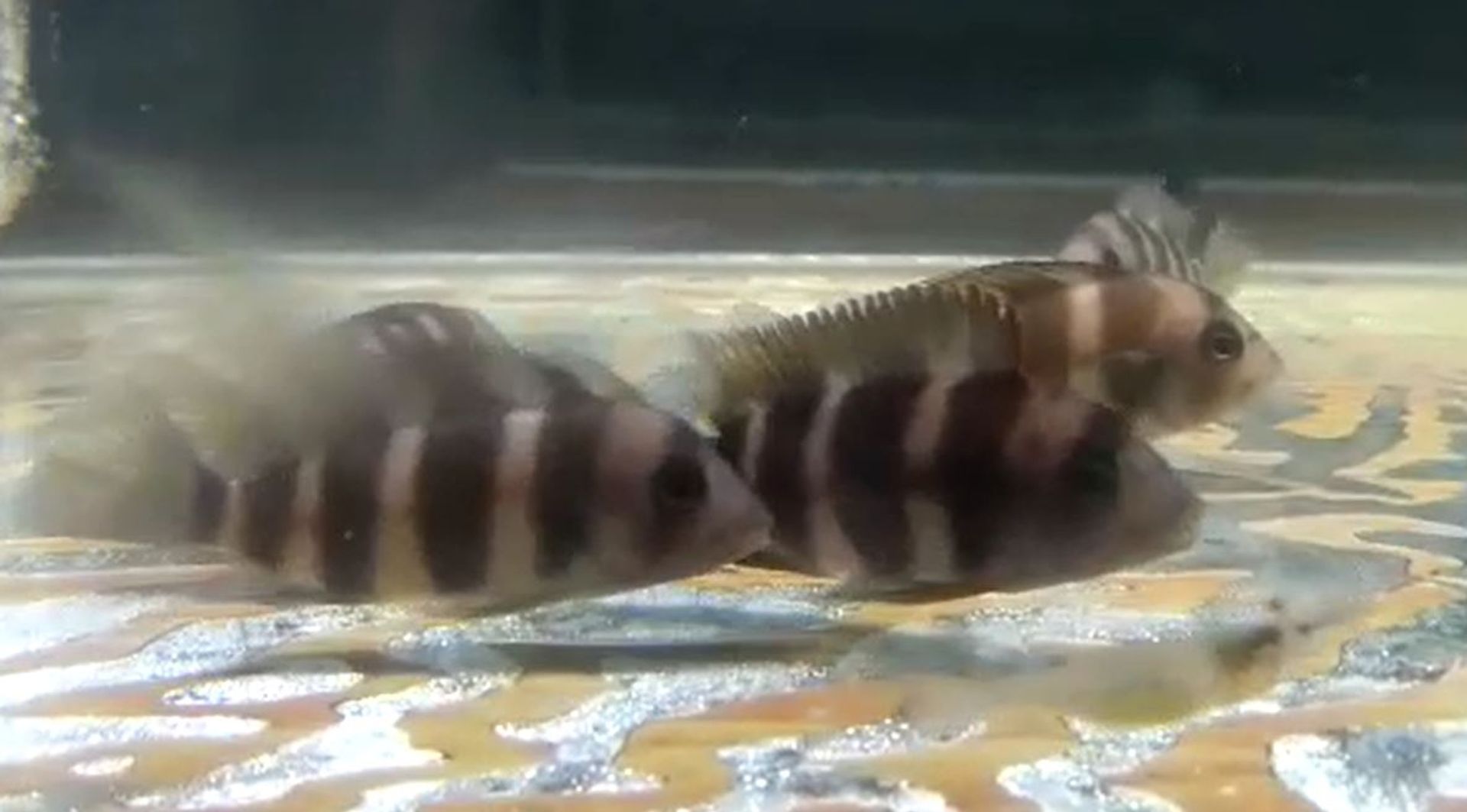
Frontosa Cichlid (4 inch)
SGD 21.00
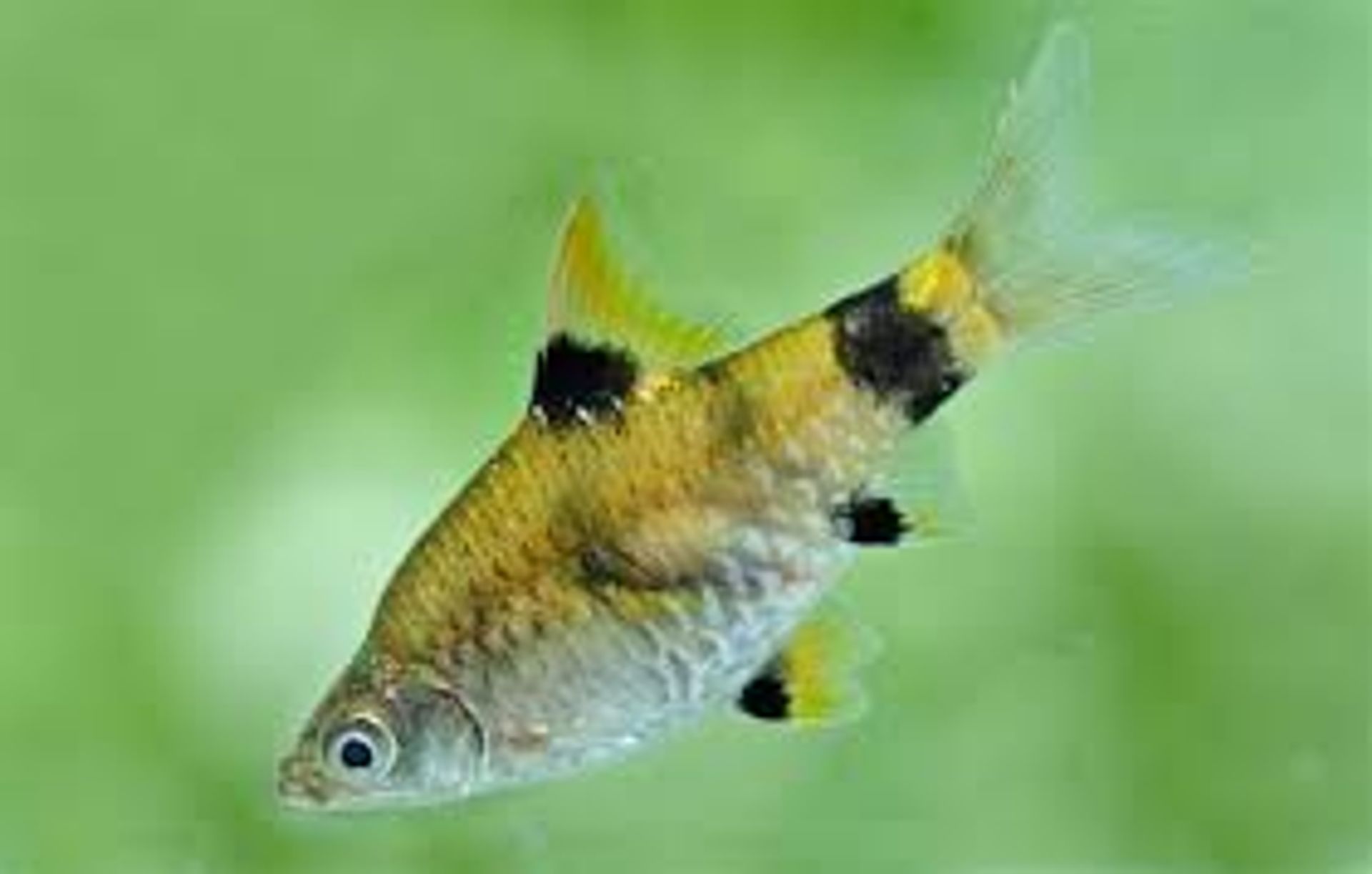
Pygmy Barb Golden Dwarf Barb
SGD 1.50
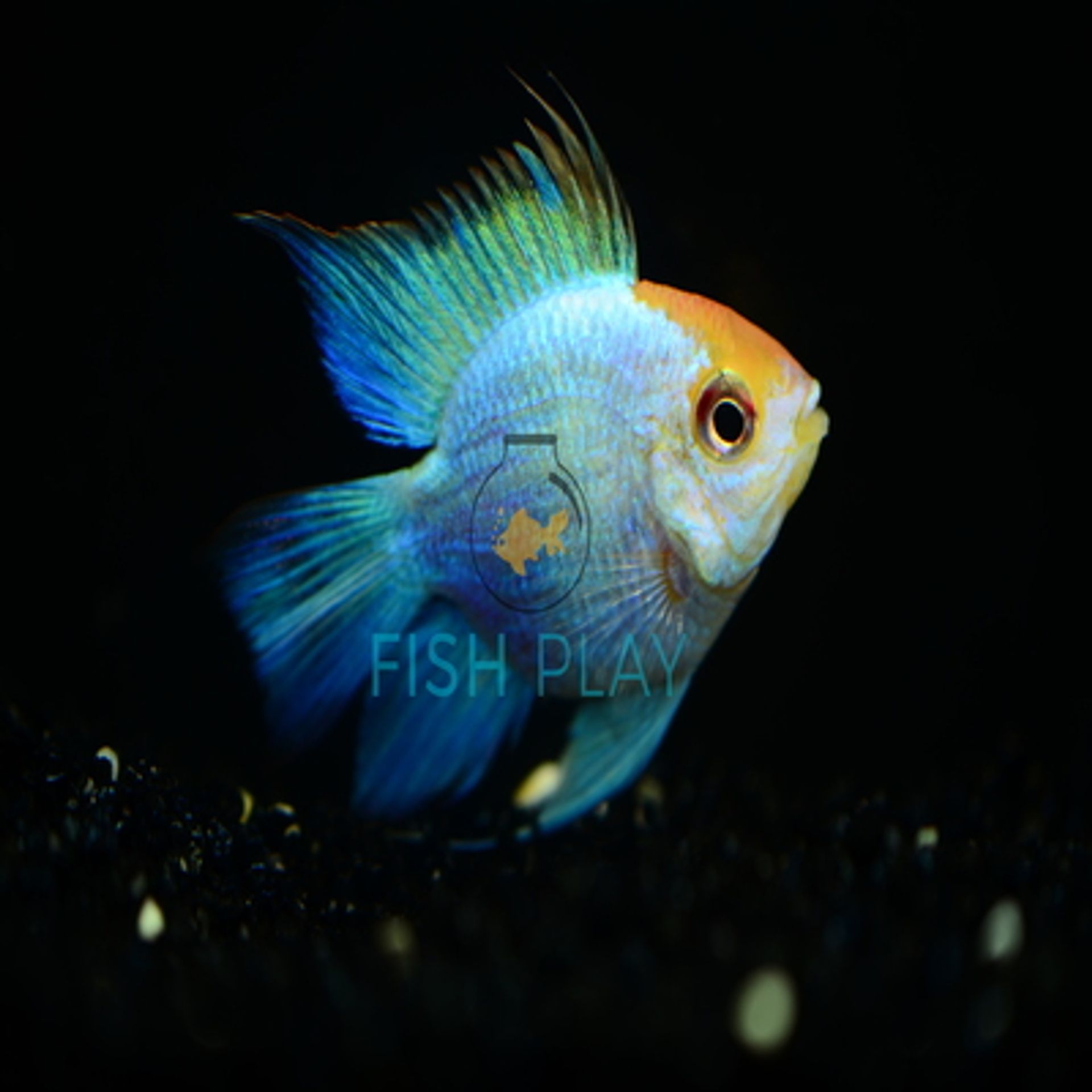
Golden Head Electric Blue Ram(5pcs)
SGD 131.63
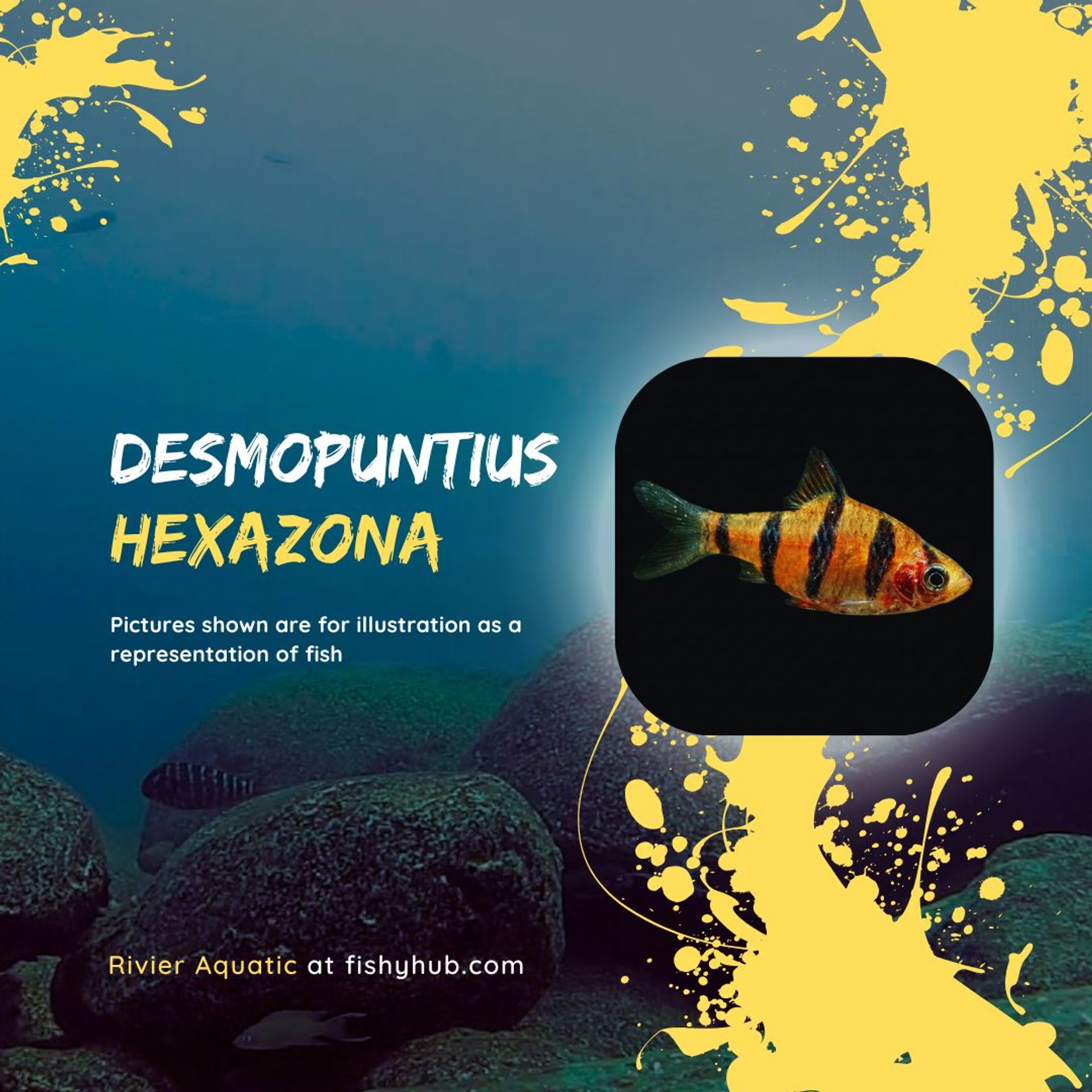
Six Banded Barb (Desmopuntius Hexazona)
SGD 69.00
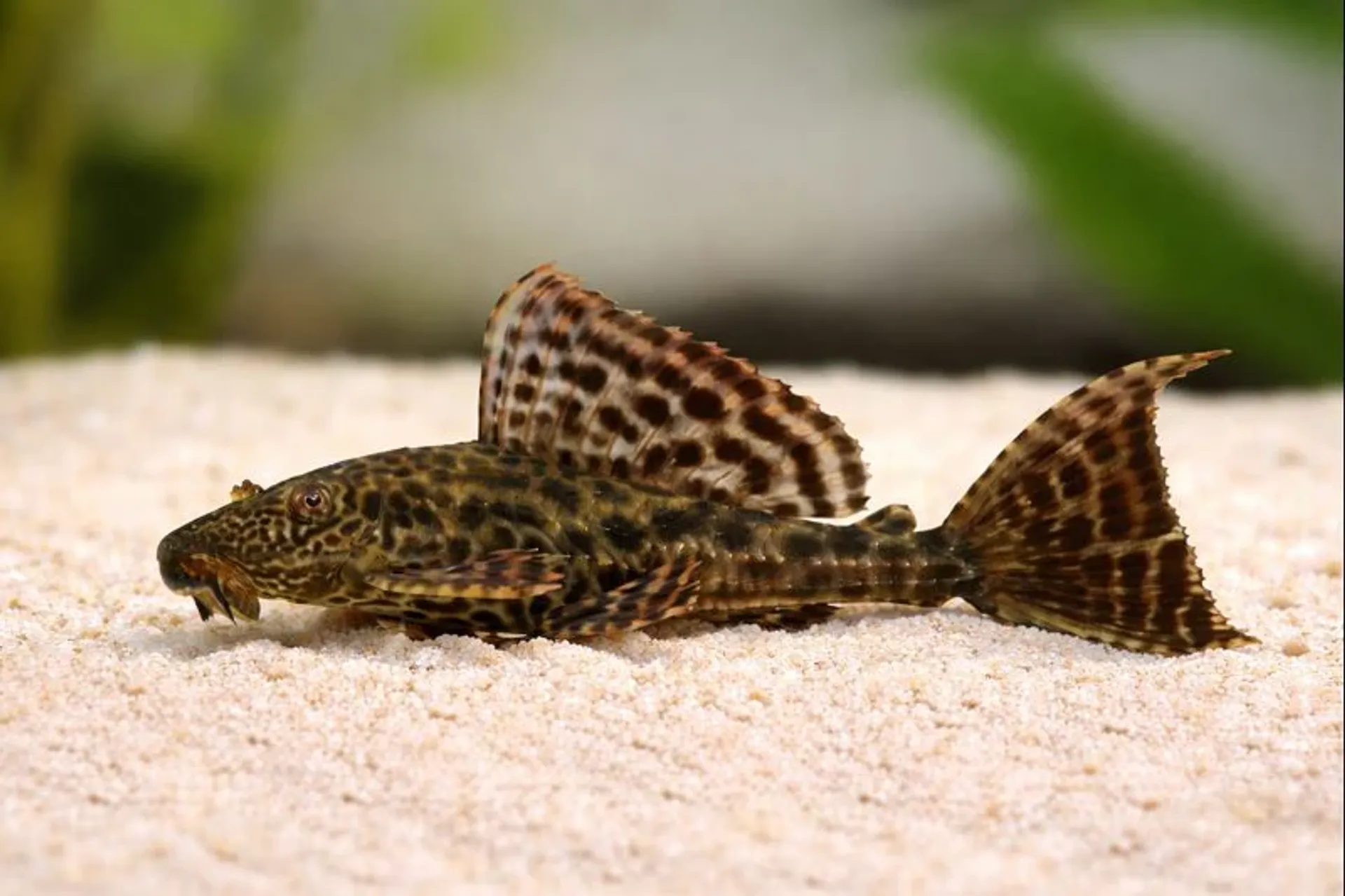
Pleco L001
SGD 3.30
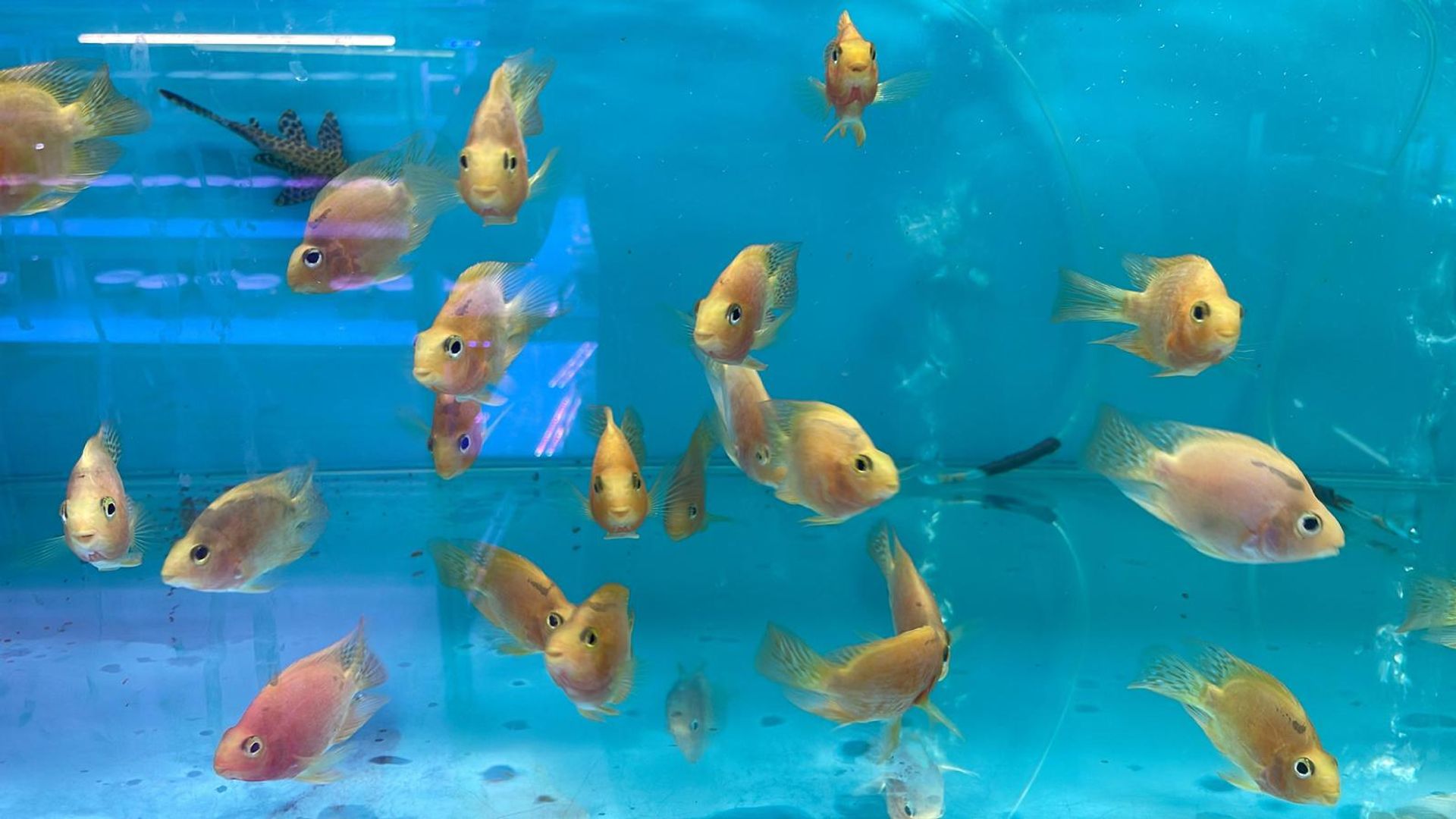
Yellow Blood Parrot (Cc5060)
SGD 7.20
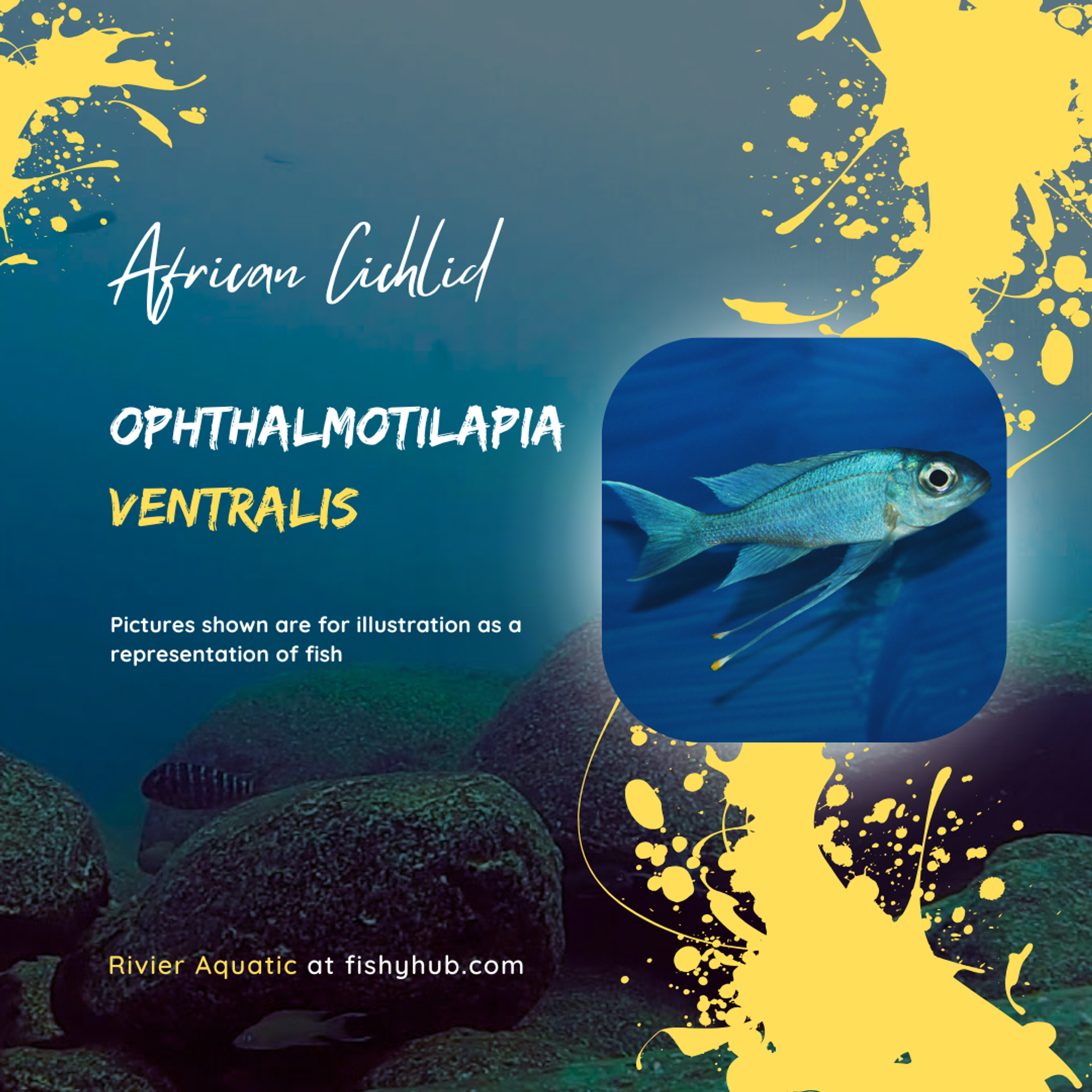
Blue Gold-Tip Cichlid (Ophthalmotilapia Ventralis)
SGD 55.00
Similar Angelfish, Discus, Rams & Cichlids You May Like
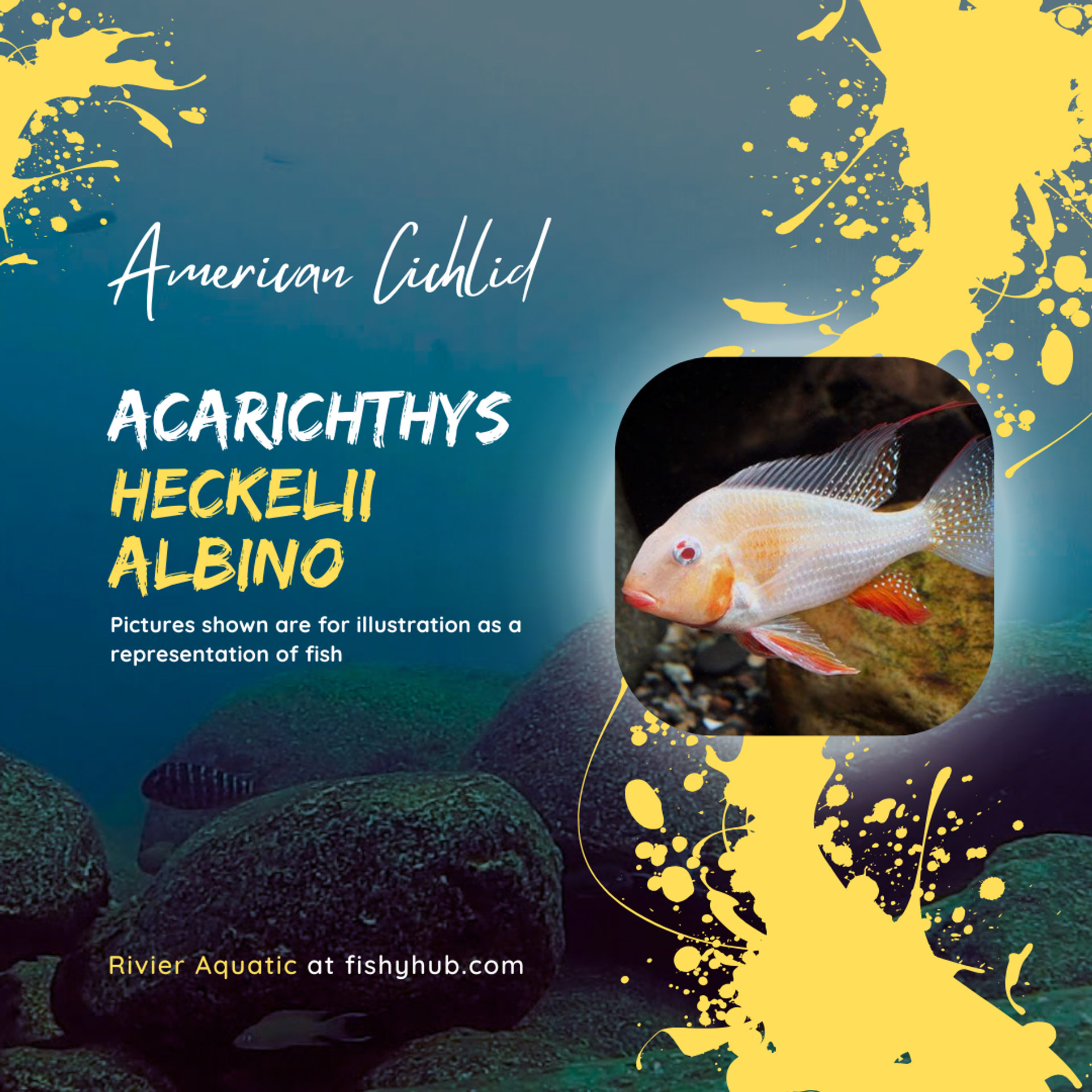
Threadfin Acara Albino (Acaric..
SGD 55.00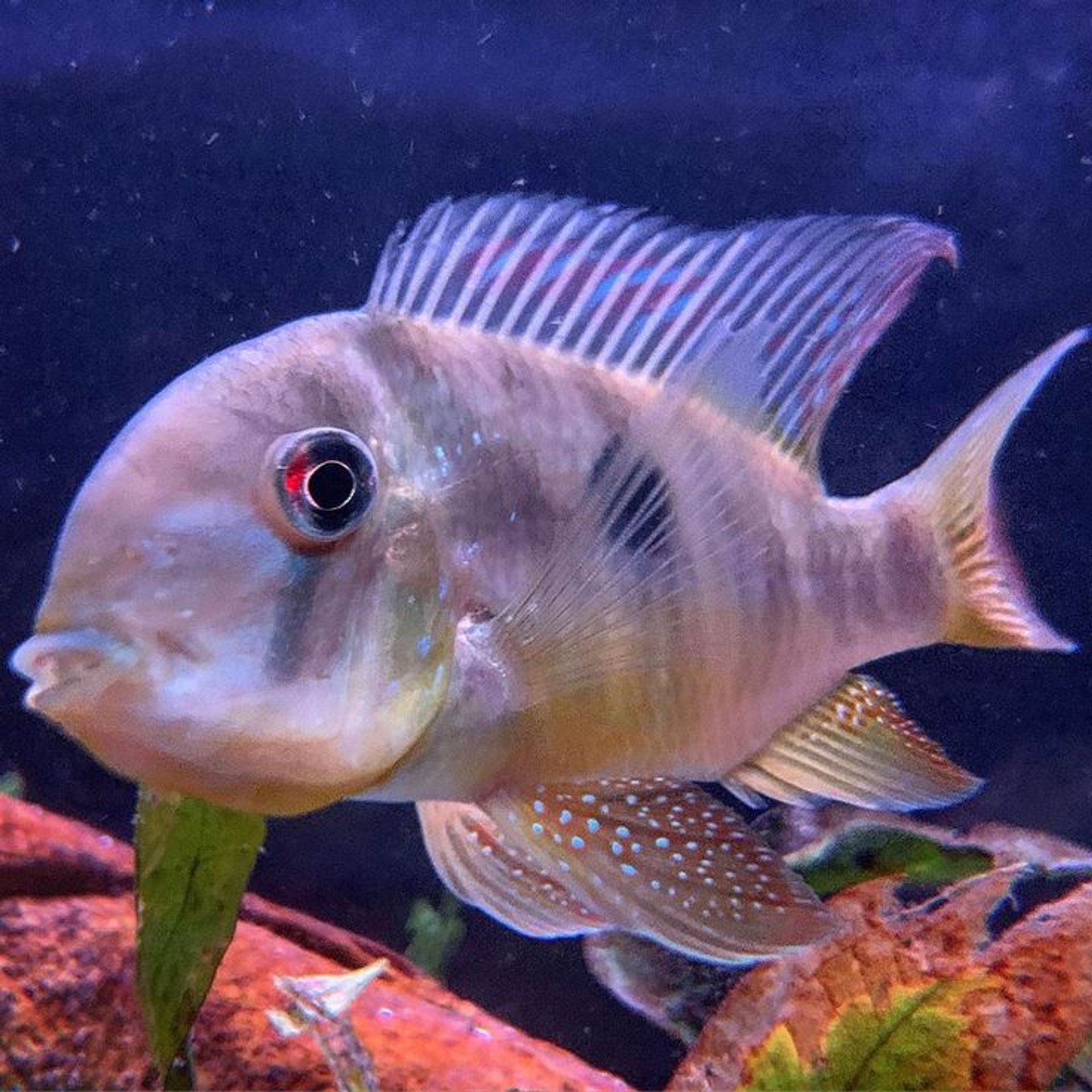
Cichlid (Balzani)
SGD 20.00
Malawi Sand Diver Cichlid (Fos..
SGD 55.00
Frontosa
SGD 58.50
Guianacara Owroewefi Cichlid
SGD 55.00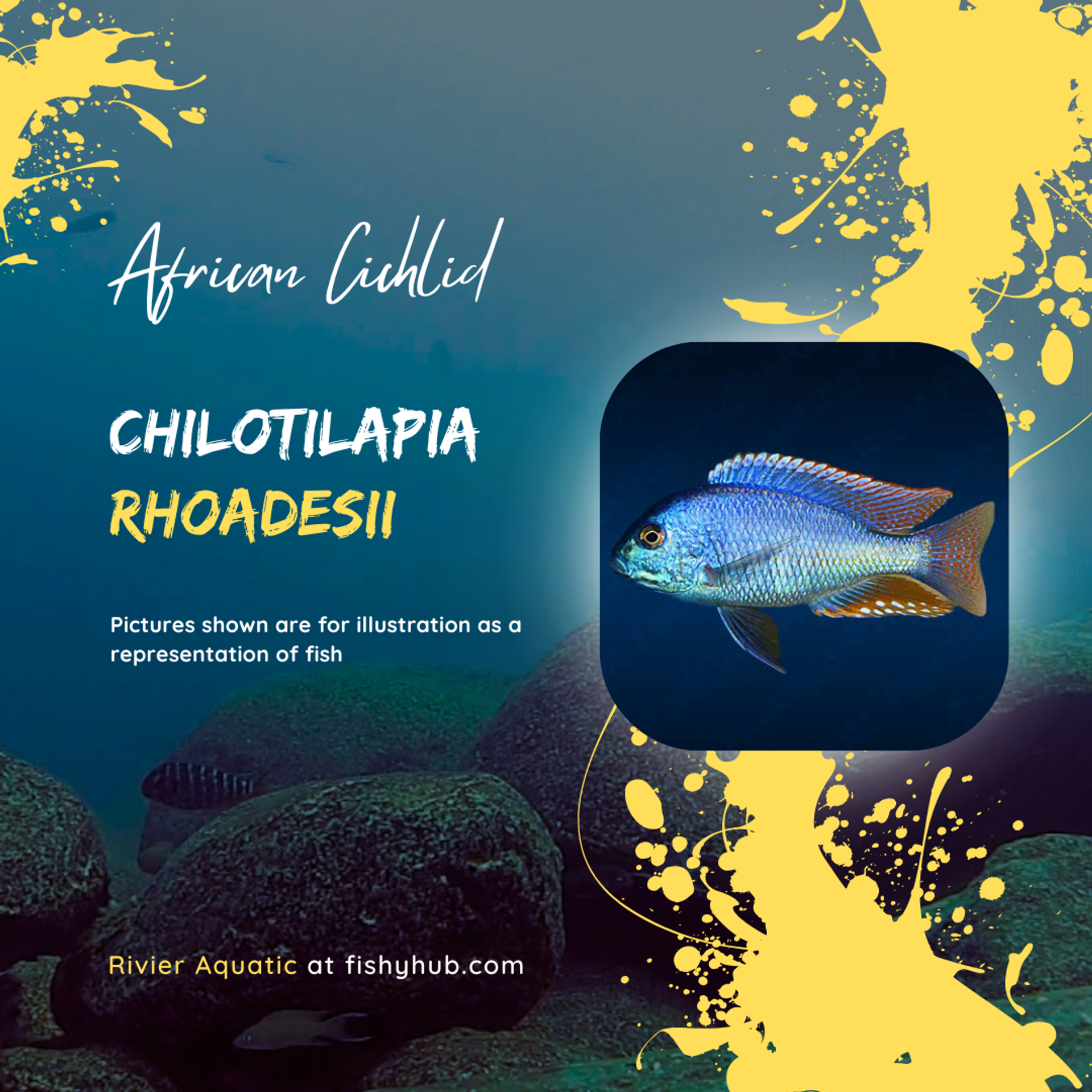
Malawi Bream (Chilotilapia Rho..
SGD 55.00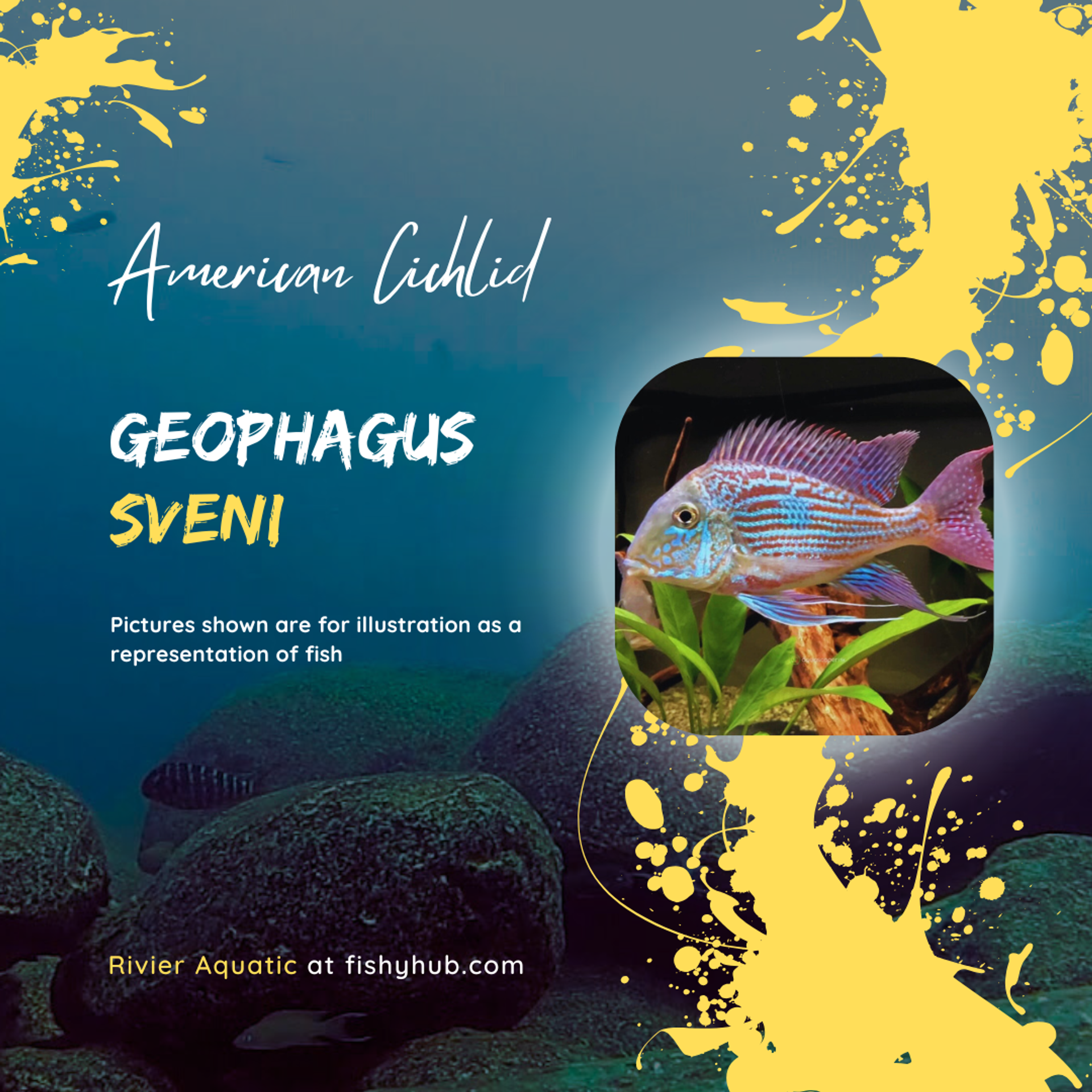
Eartheater (Geophagus Sveni)
SGD 80.00
Albino Red Top Ice Blue Cichli..
SGD 16.43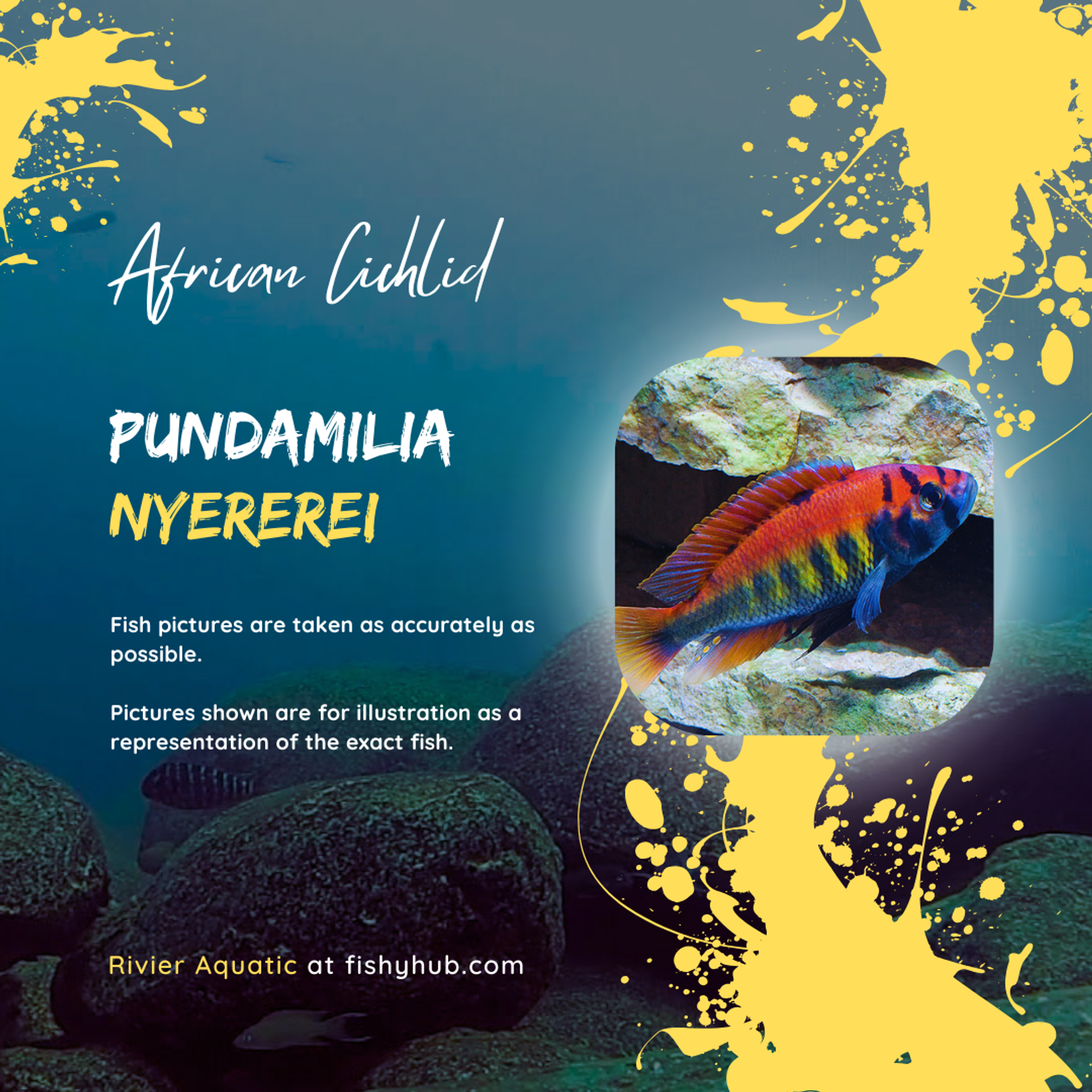
Flameback Cichlid (Pundamilia ..
SGD 55.00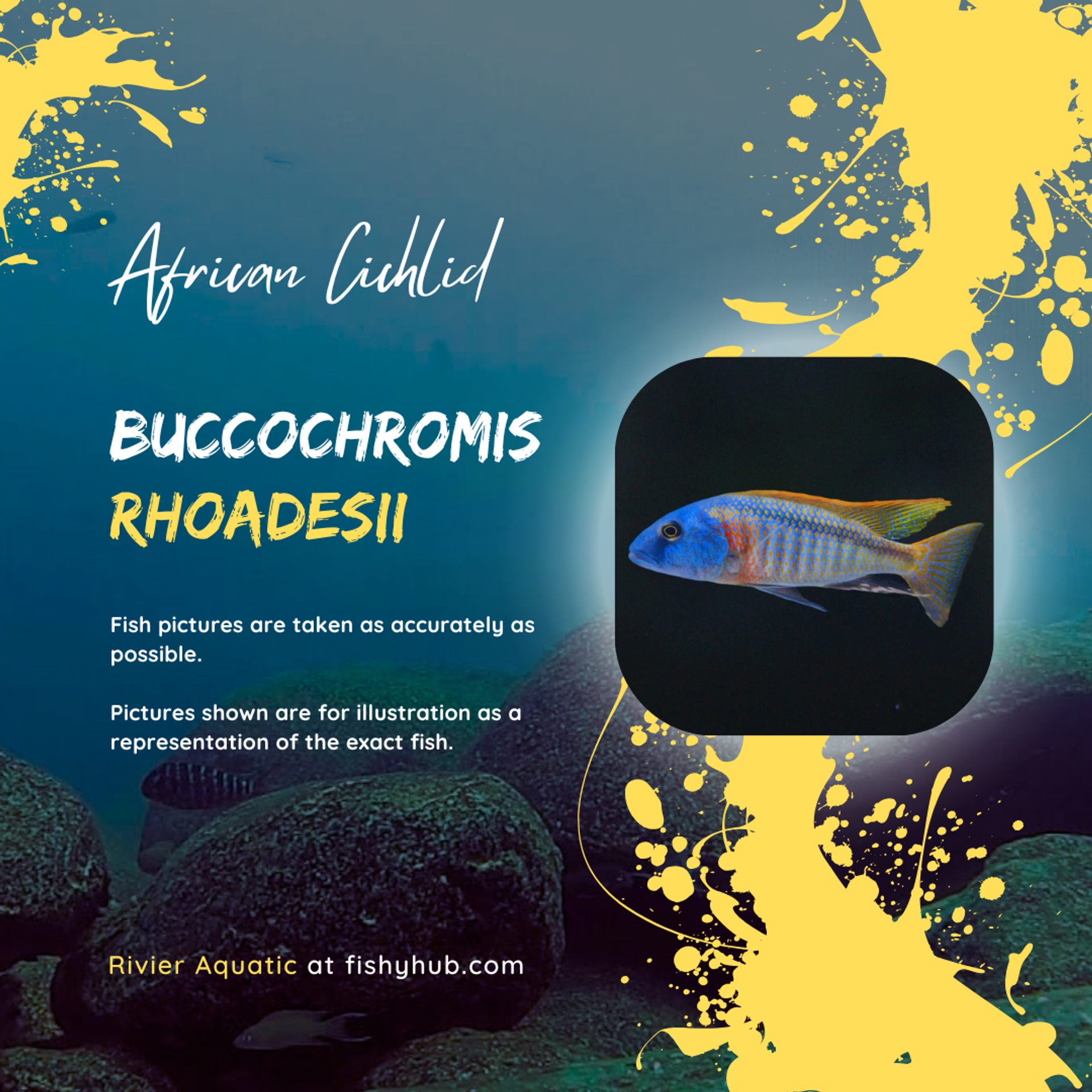
Yellow Lepturus Cichlid (Bucco..
SGD 55.00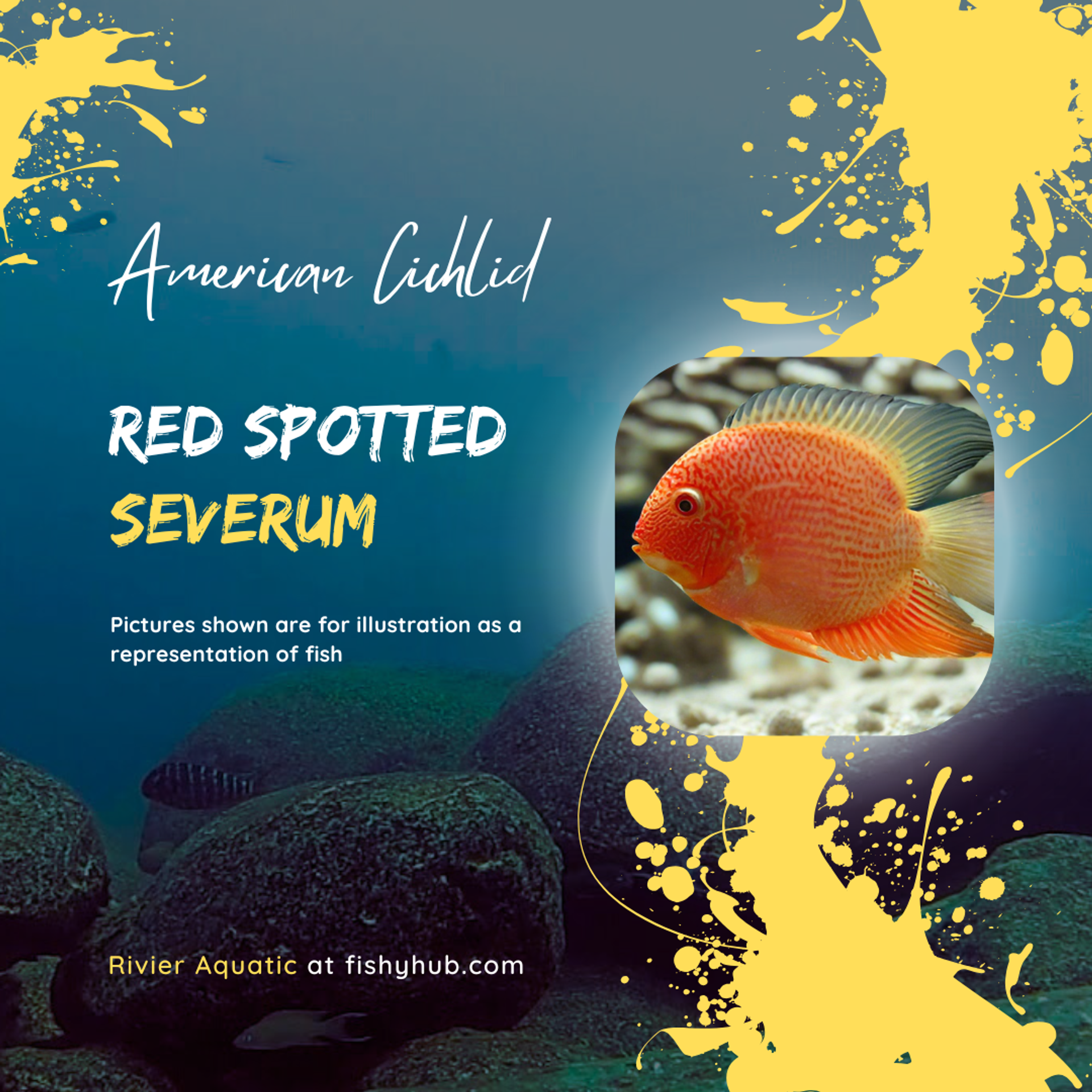
Red Spotted Severum
SGD 50.00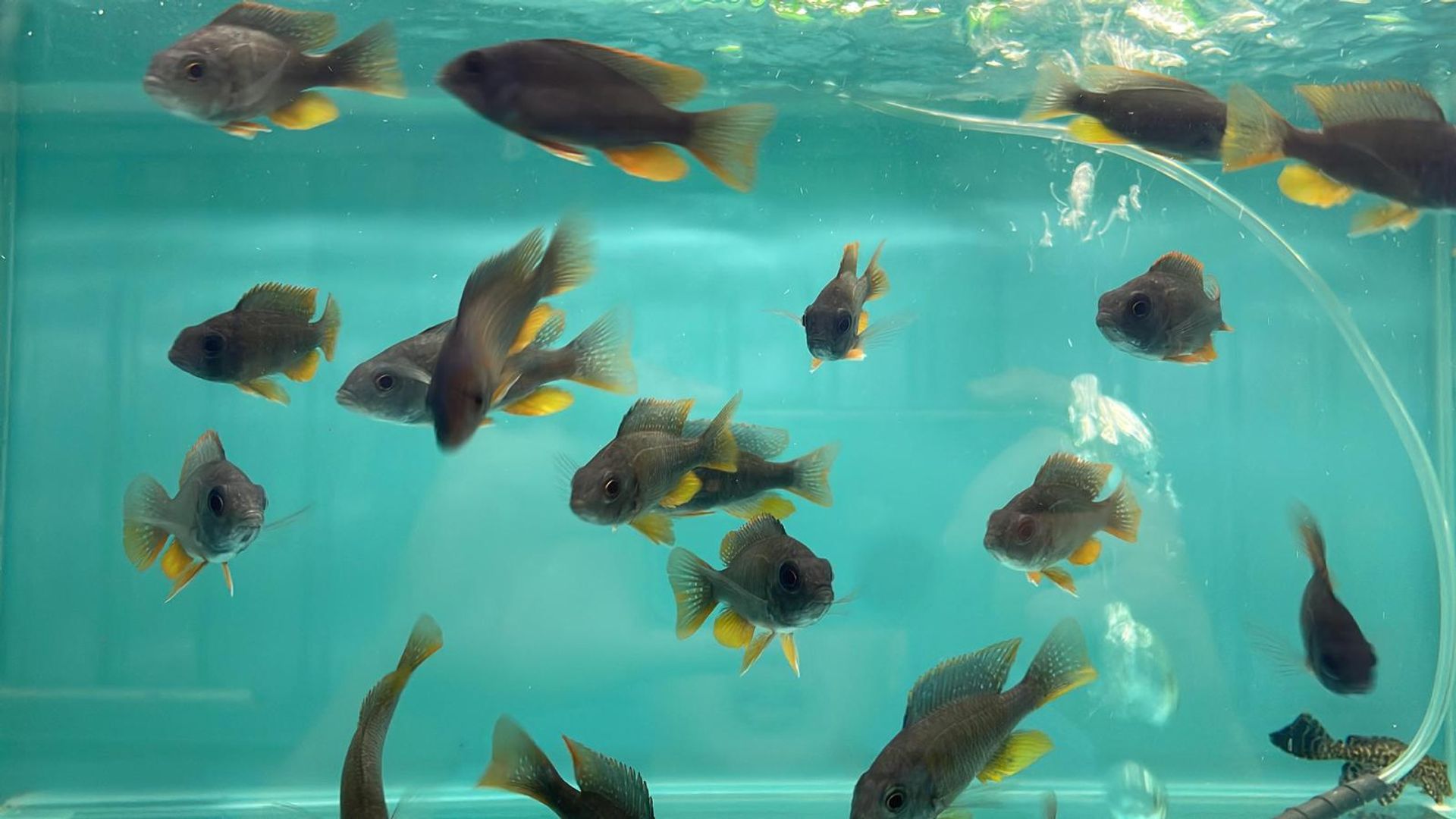
Peacock Cichlid (Assorted Peac..
SGD 4.80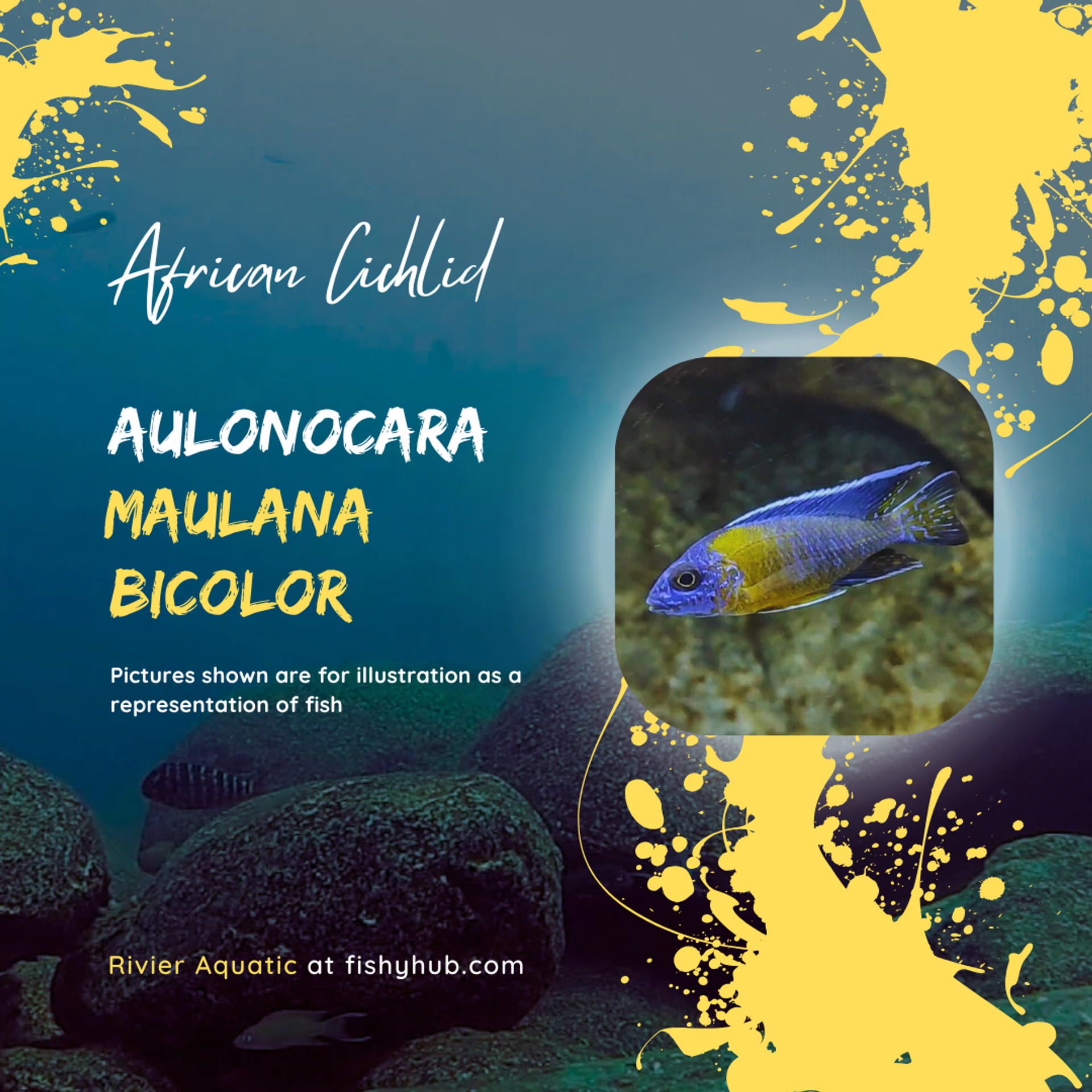
Bicolor 500 Peacock Cichlid (A..
SGD 47.00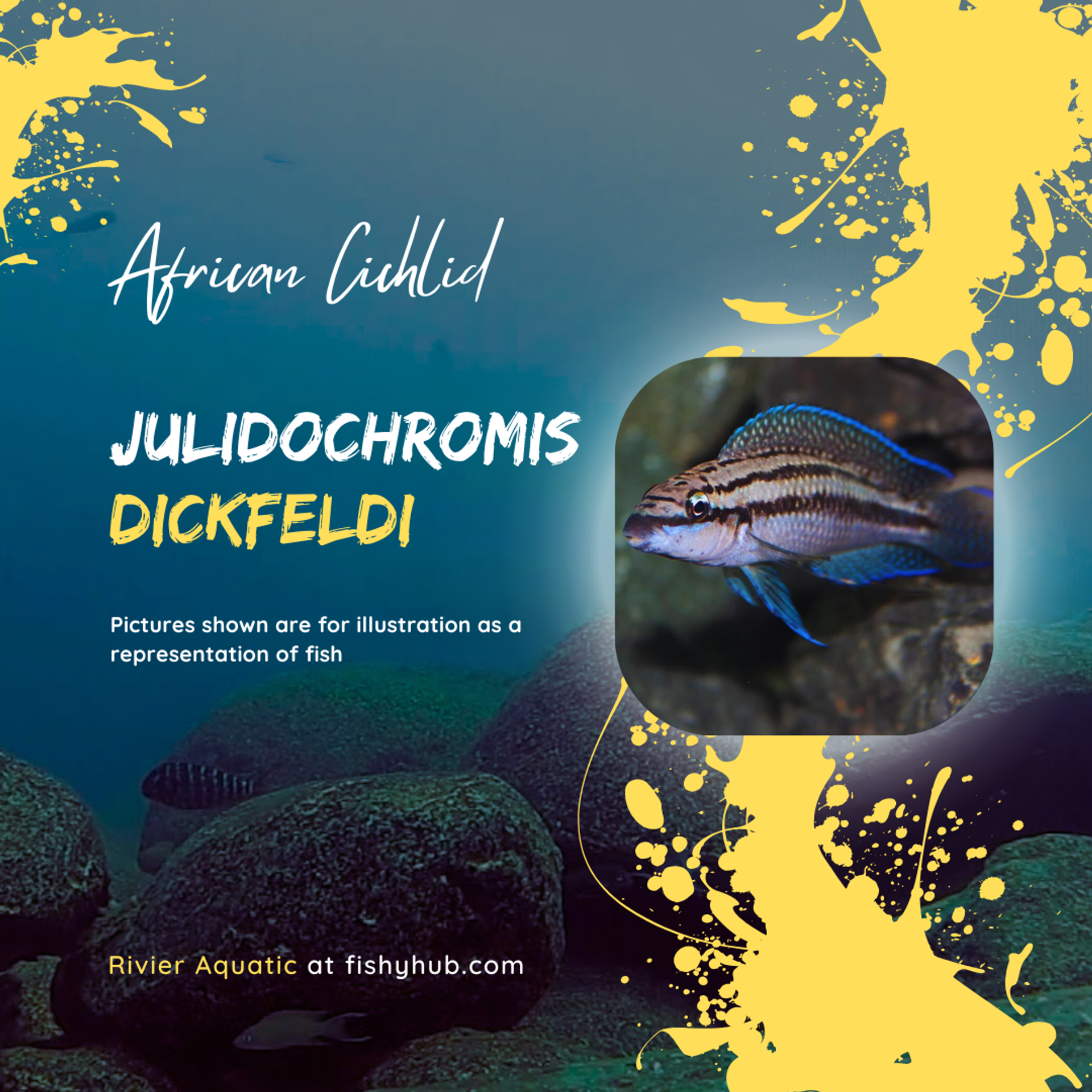
Dickfeld's Julie Cichlid (Juli..
SGD 55.00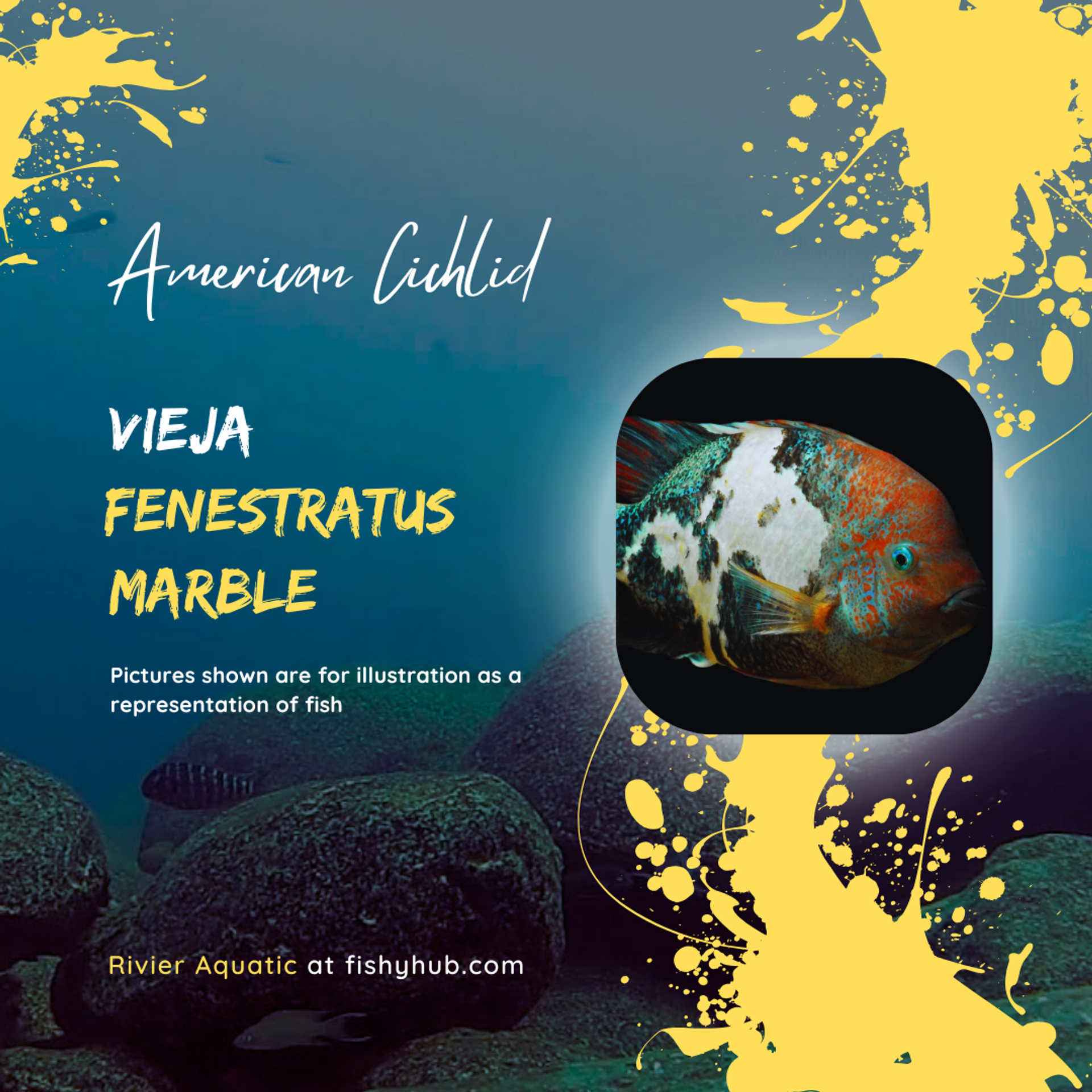
Marbled Fenestratus Vieja Cich..
SGD 70.00
Fire Cracker Tropheus 3.5cm
SGD 8.13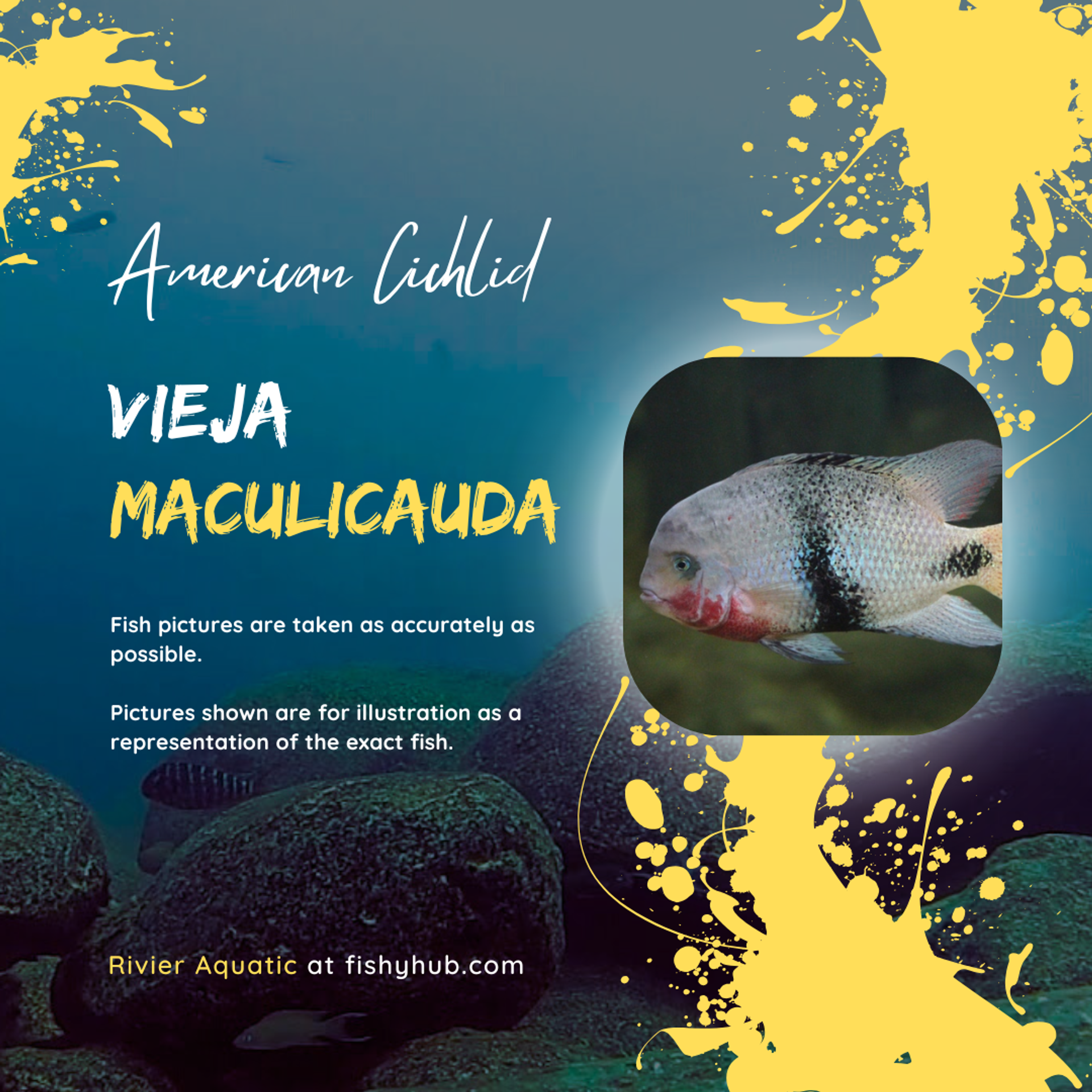
Blackbelt Cichlid (Vieja Macul..
SGD 55.00
Thick Bar Chitimba Cichlid (Pe..
SGD 55.00
Black Widow Frontasa (oo-4900)
SGD 23.00Super VC-10 Cichlid (Placidoch..
SGD 73.00
Assorted Cichlid (CC3062)
SGD 3.60
Albino Paradise Fish
SGD 1.00
Silver Cichlid Vieja Argentea
SGD 43.00
Short Body Flowerhorn (Luohan)
SGD 158.00%20Pelvicachromis%20pulcher)1757526023219.jpeg?signature=25a6c607995b0b1da0d83fab55925779bc55e28e73db1e18c017ce571114081b)
"Red" Kribensis) Pelvicachromi..
SGD 10.50
Black Calvus Cichlid (Altolamp..
SGD 78.00
Kribensis Cichlid
SGD 2.00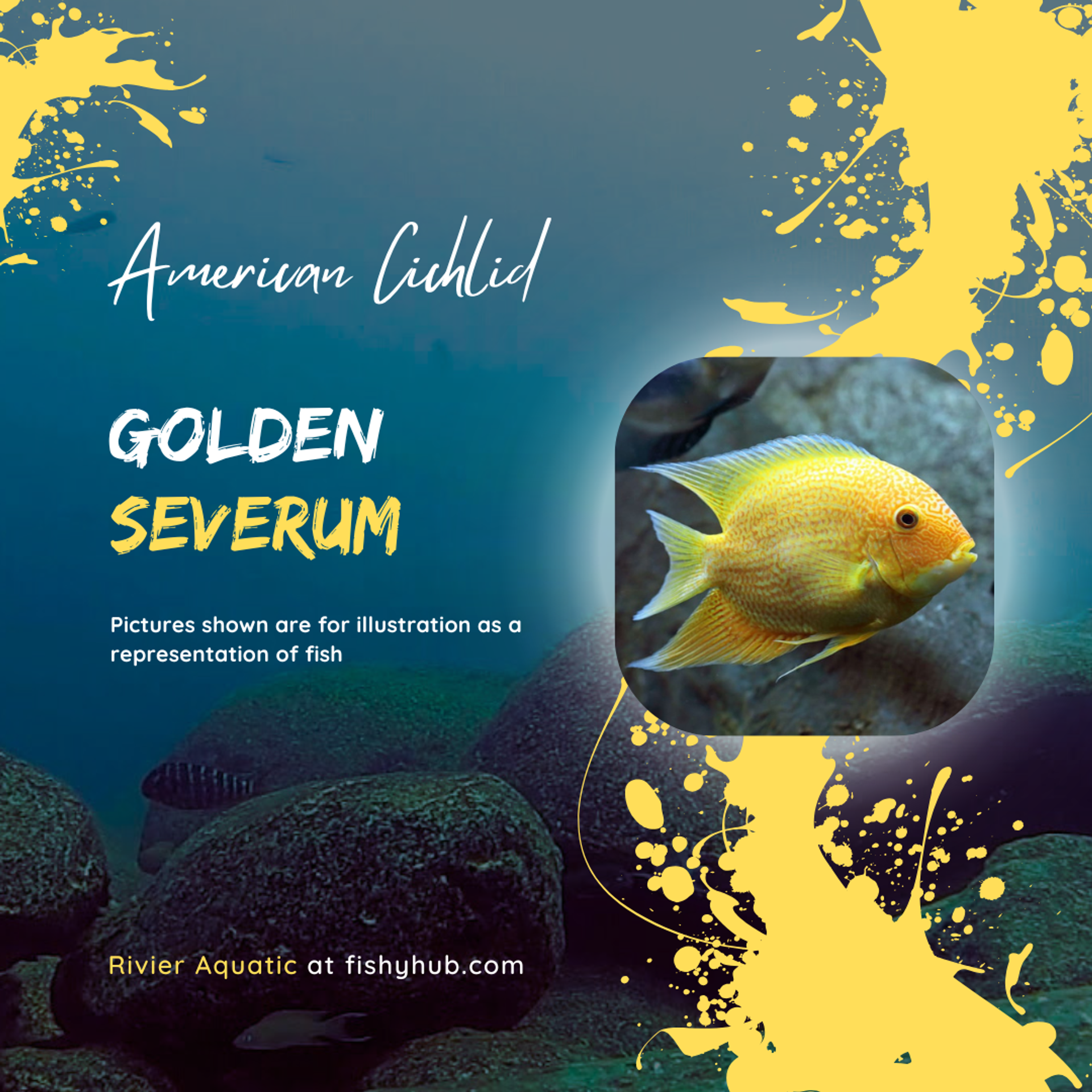
Golden Severum
SGD 50.00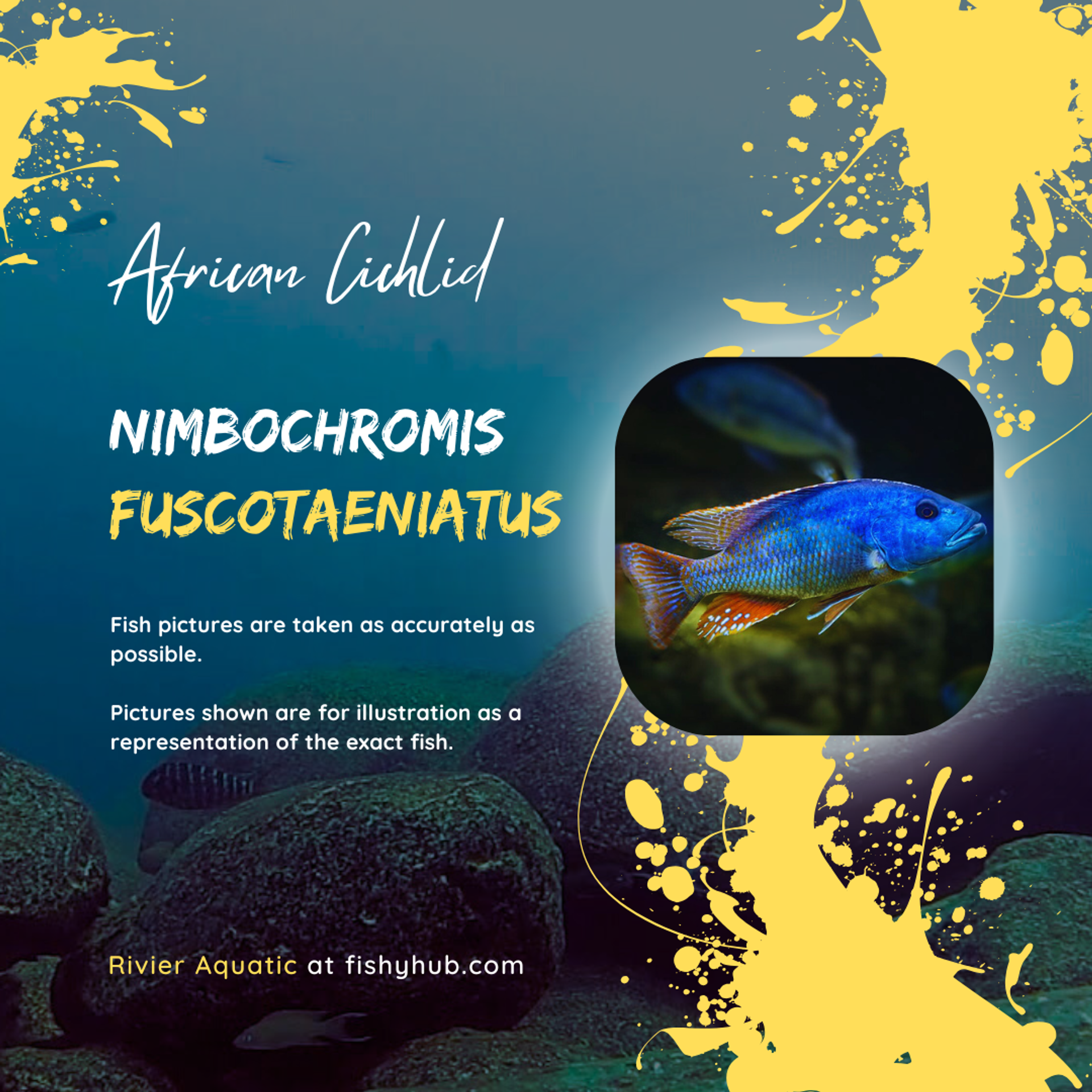
Fusco Cichlid (Nimbochromis Fu..
SGD 55.00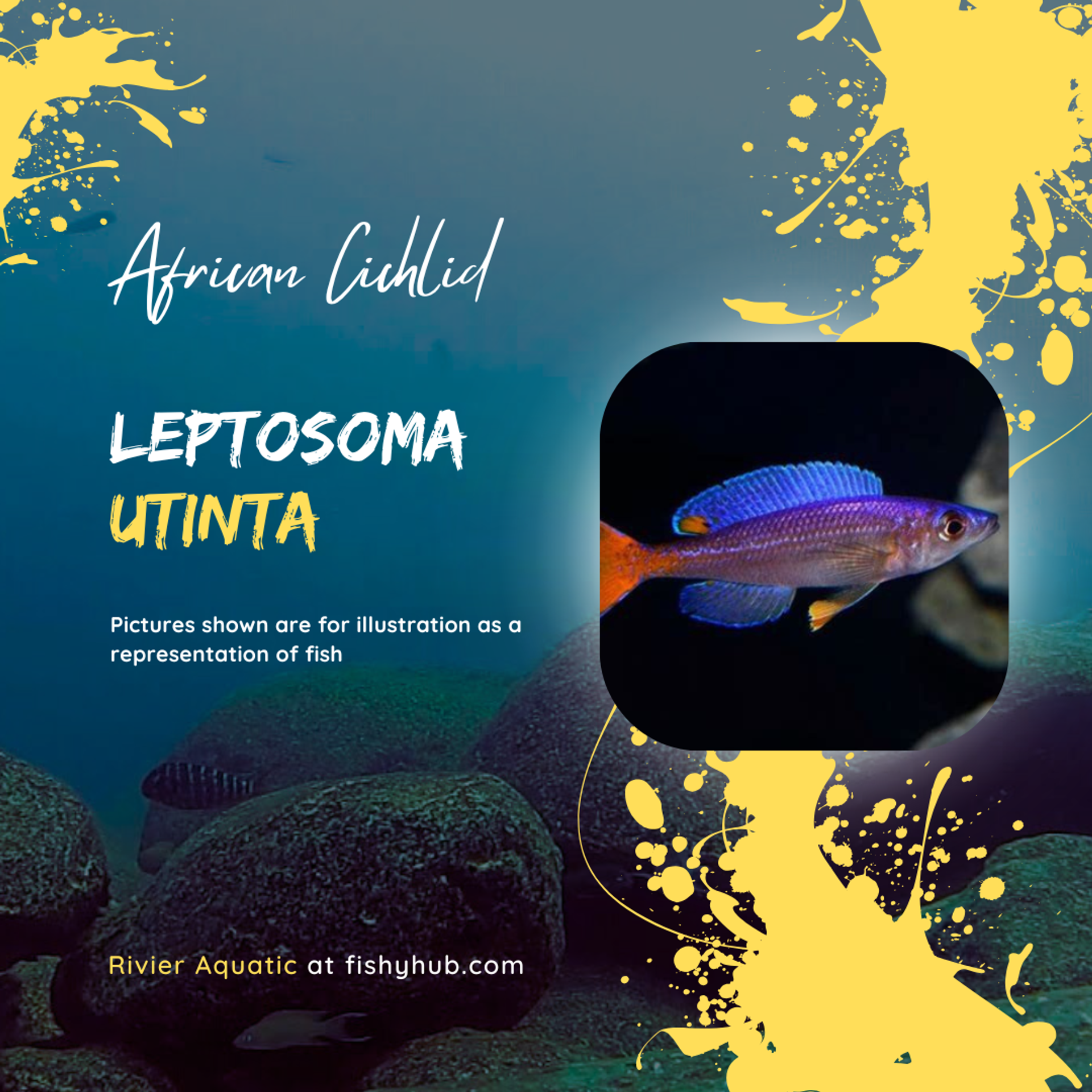
Red Tail Sardine Cichlid (Cypr..
SGD 78.00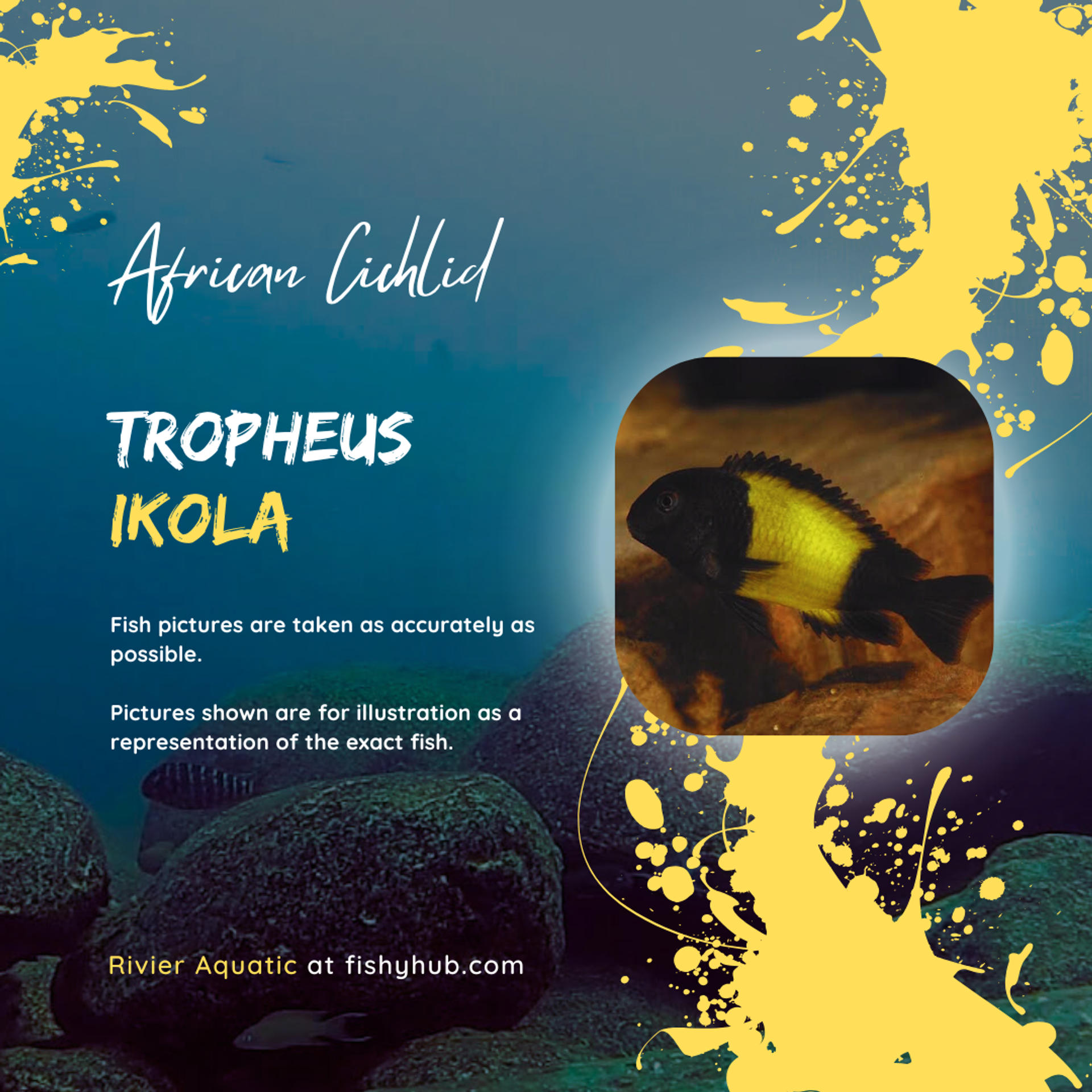
Tropheus Ikola Cichlid
SGD 55.00
Sulphurhead Peacock (Aulonocar..
SGD 47.00
Flavescent Peacock Cichlid (Au..
SGD 55.00
Red Top Lwanda Peacock Cichlid..
SGD 51.00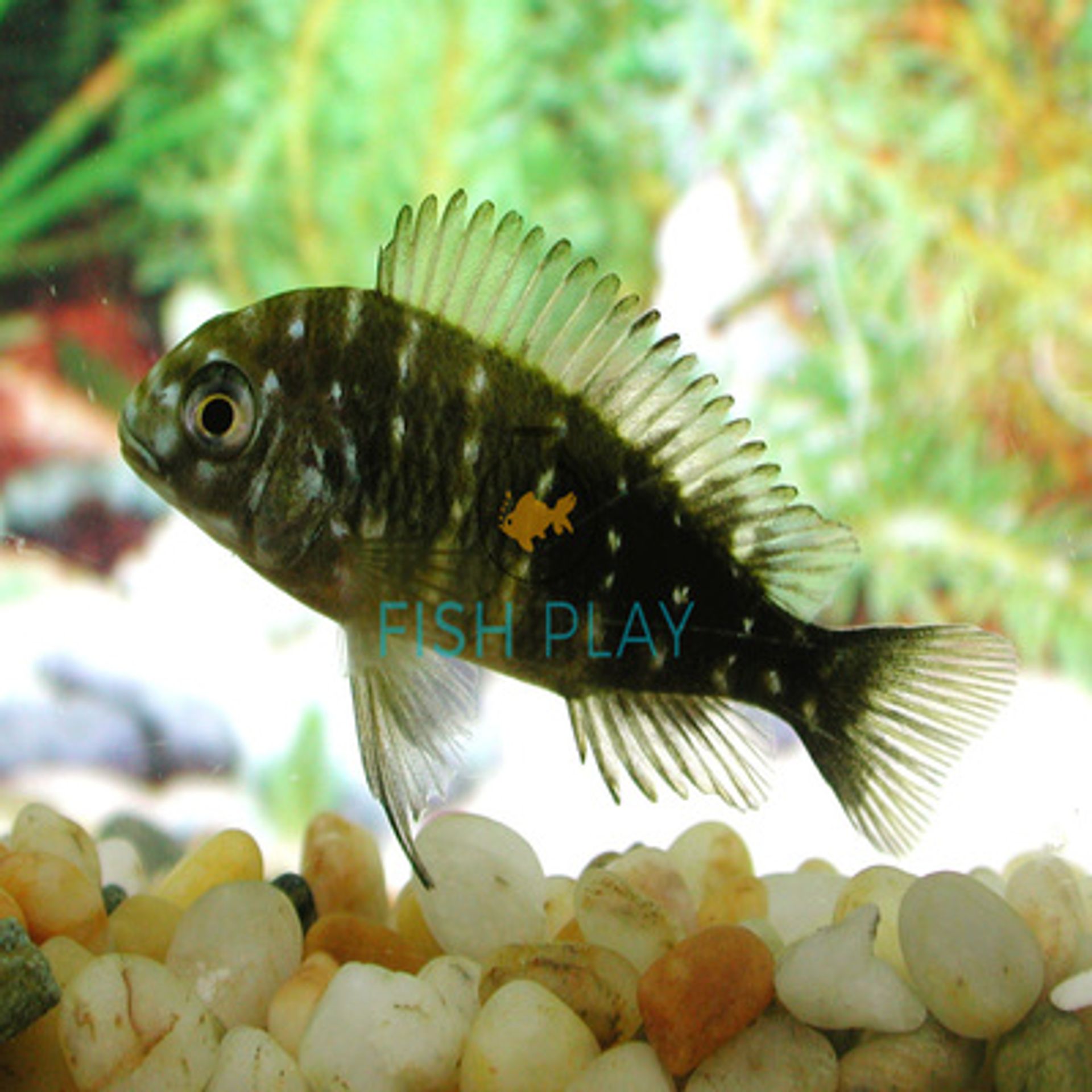
Duboisi Tropheus 3.5cm
SGD 8.75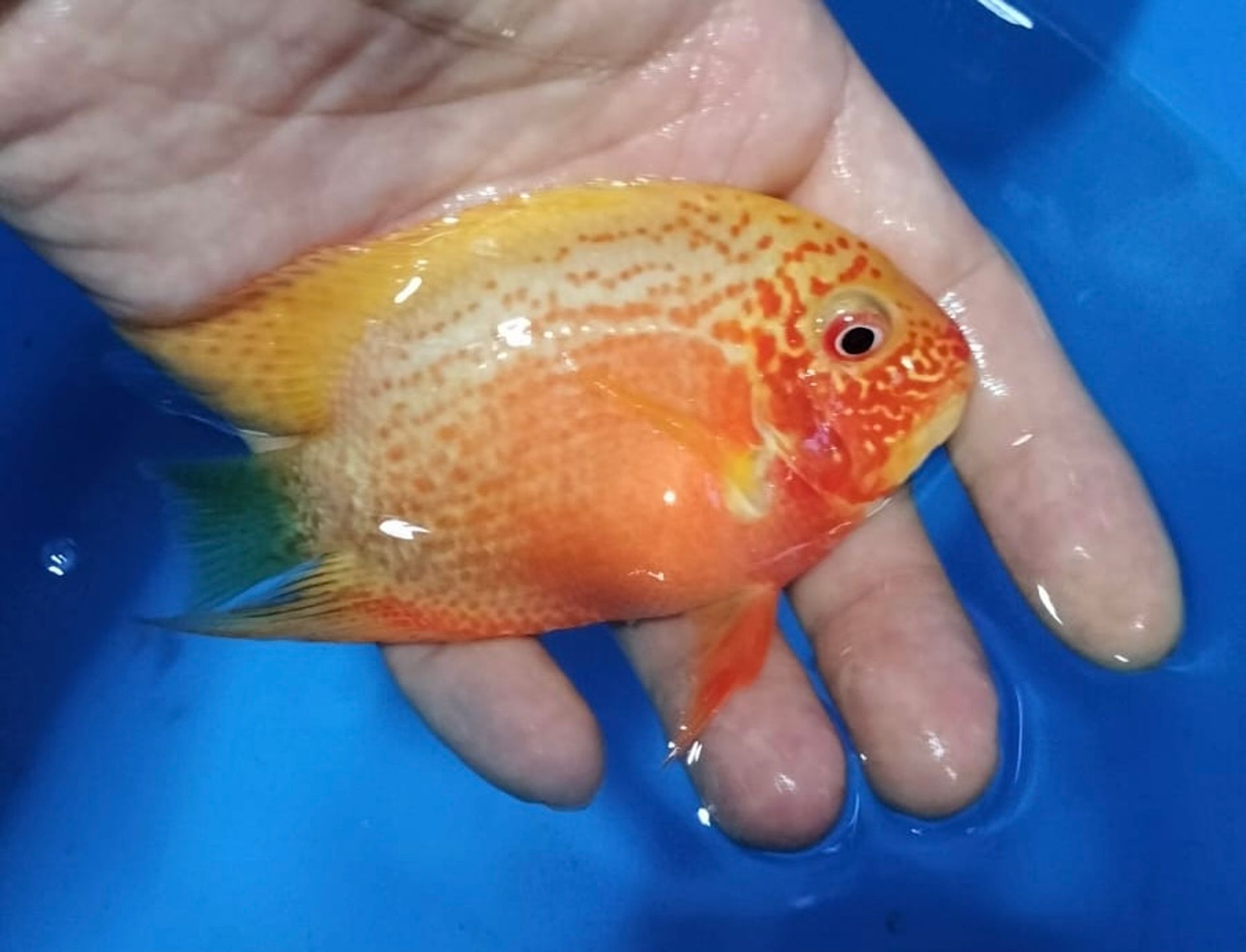
Red Polo (Red spotted Severum ..
SGD 25.00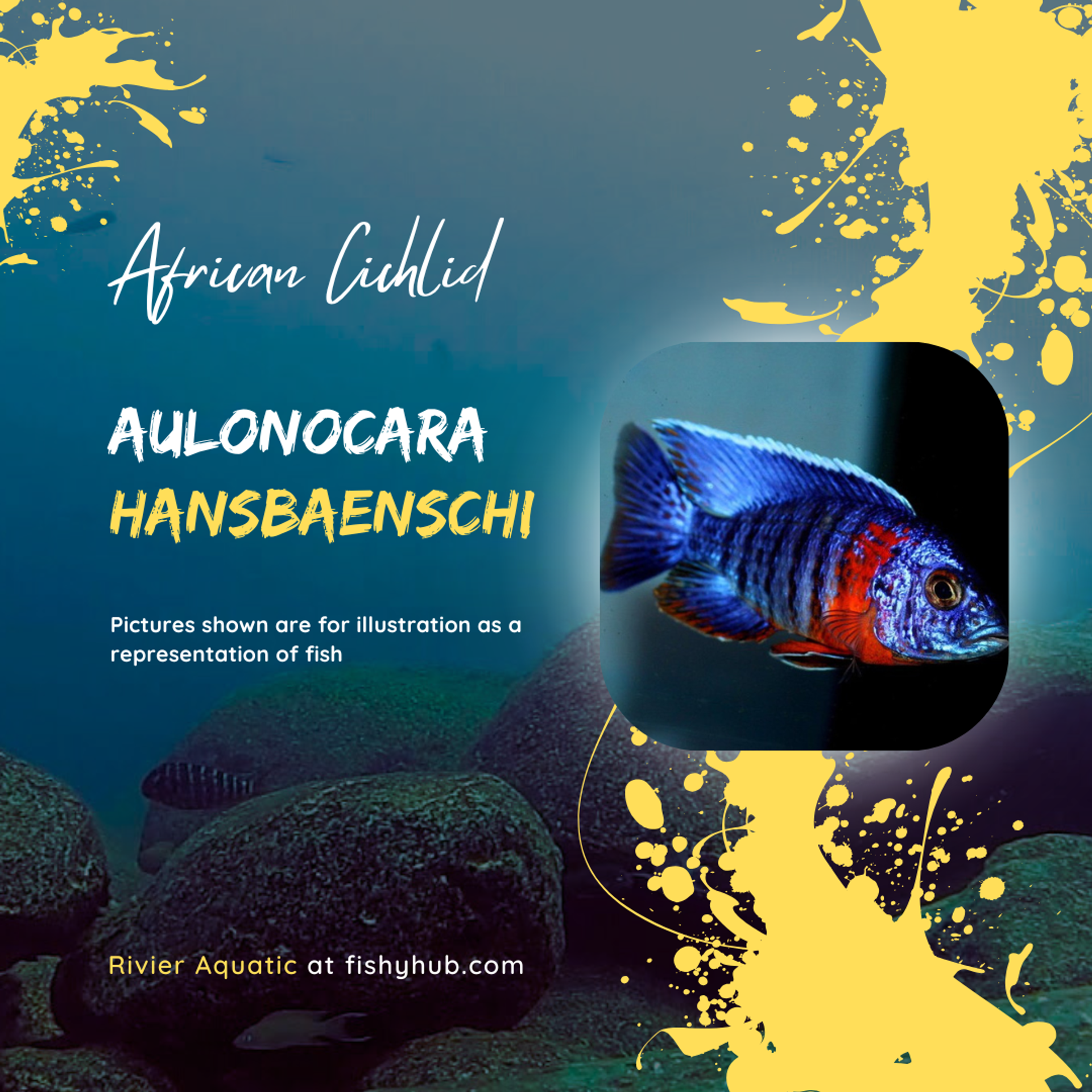
Red Flush Peacock (Aulonocara ..
SGD 55.00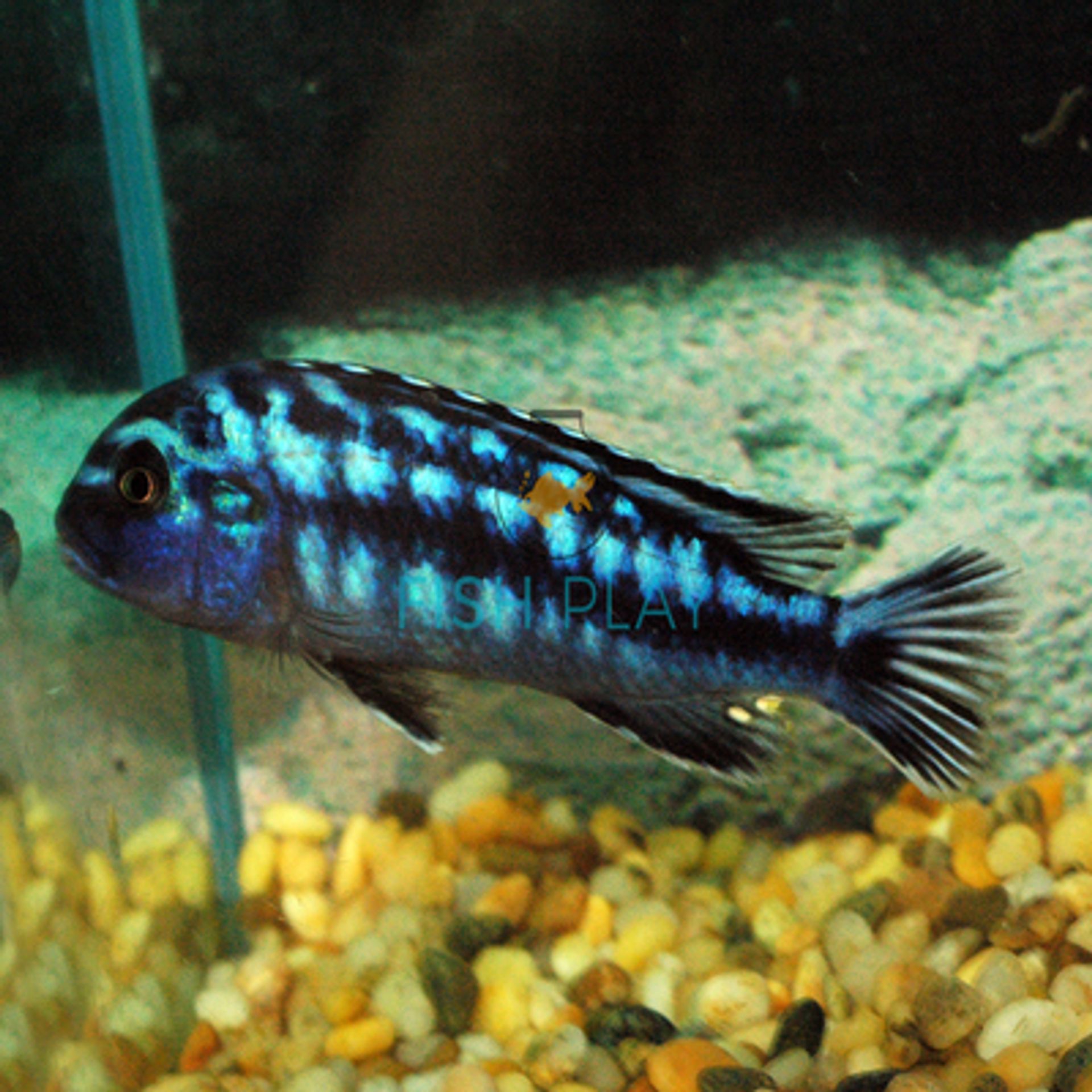
Electric Blue Johanni
SGD 13.00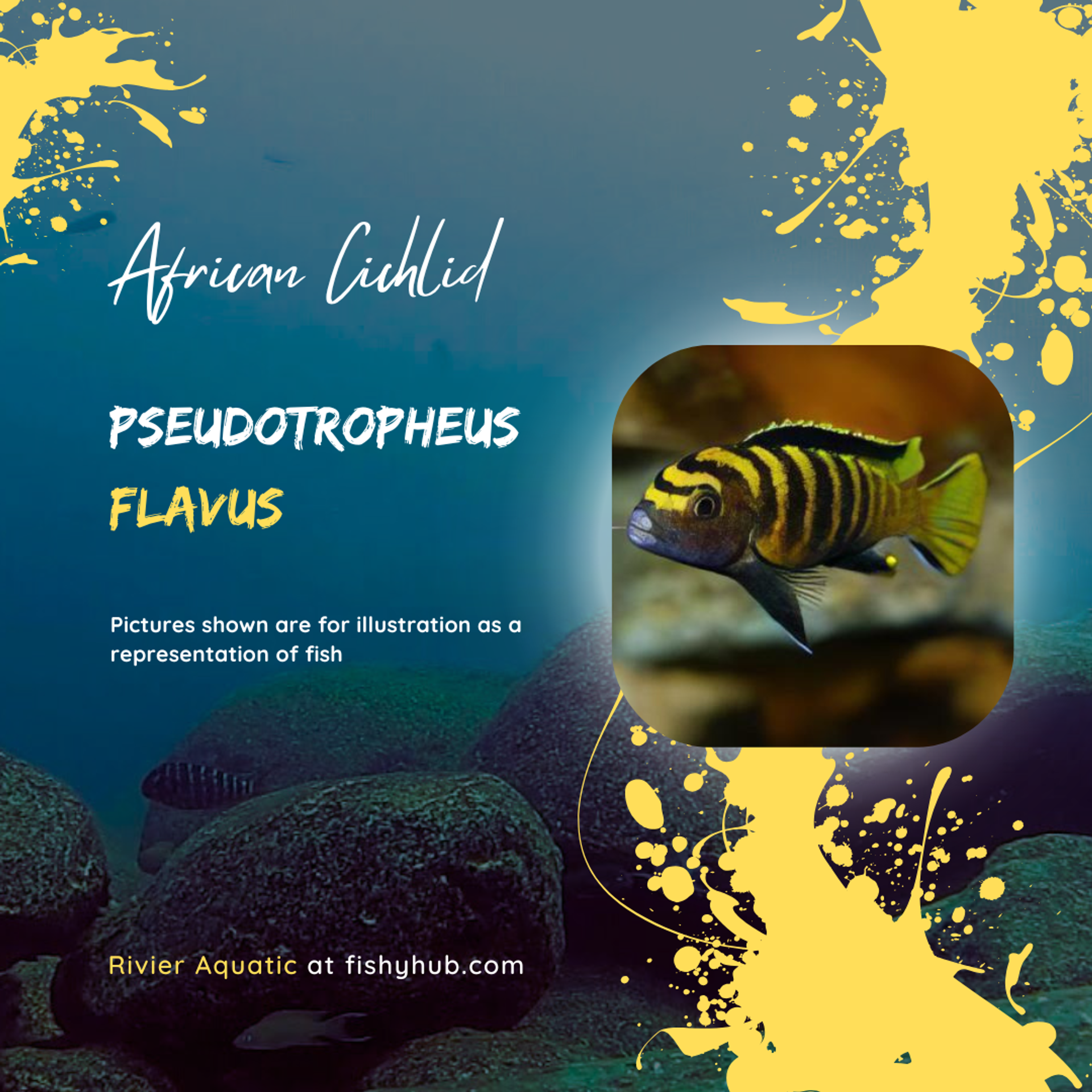
Dinghani Cichlid (Pseudotrophe..
SGD 55.00