1–9 of 9
The halfmoon is the betta most people picture when they think of a show fish: a long-finned male whose tail opens into a perfect "D" when he flares. Known locally as ikan laga halfmoon, it is one of the most popular varieties at Malaysian betta contests and in home aquariums alike.
Halfmoons suit anyone who wants a single, eye-catching fish in a small tank, and they are a good next step for keepers who started with a plakat. FishyHub lists halfmoon bettas from Malaysian breeders, hobbyists and aquarium shops, with prices in RM, so you can compare fins and colours from many sellers without driving from shop to shop.
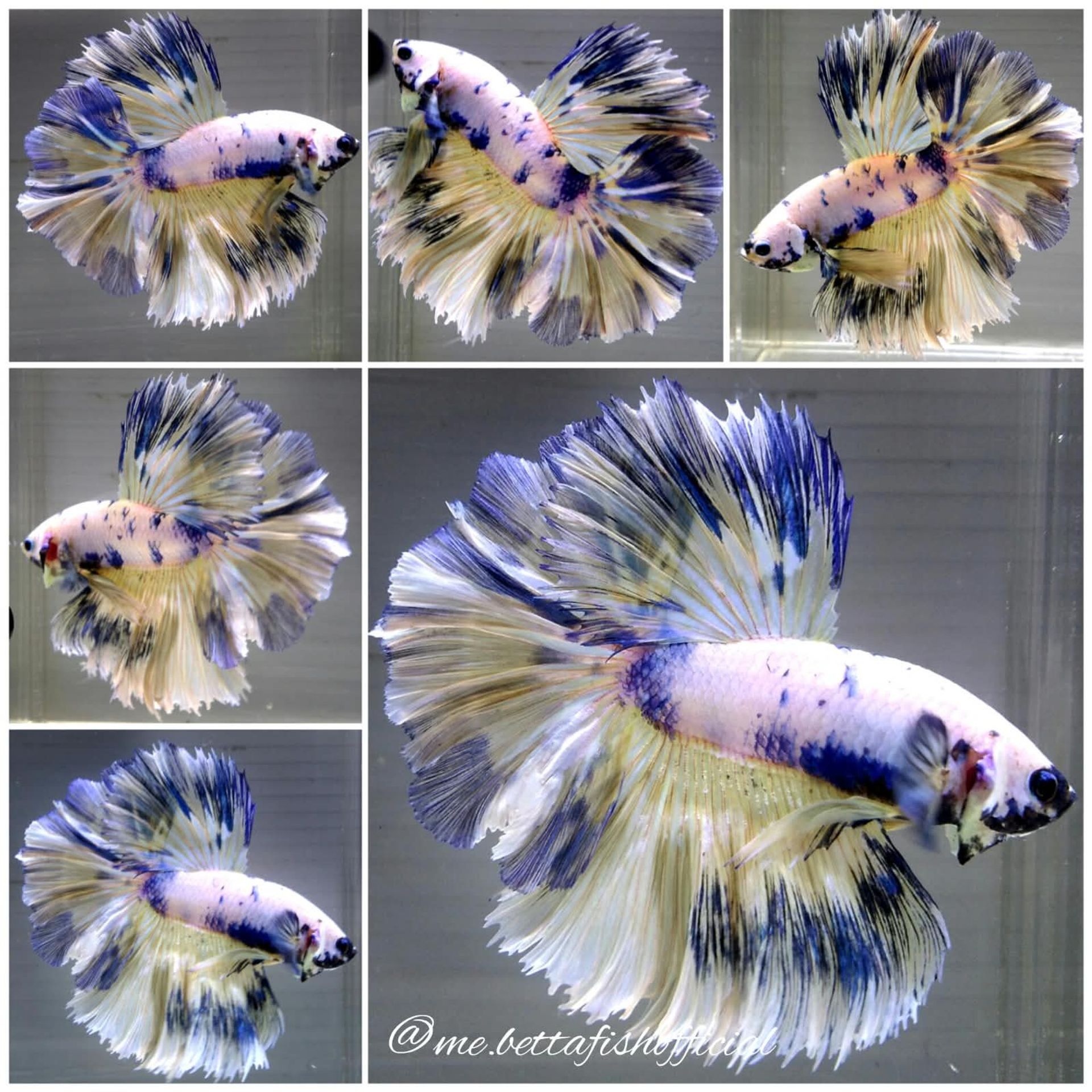
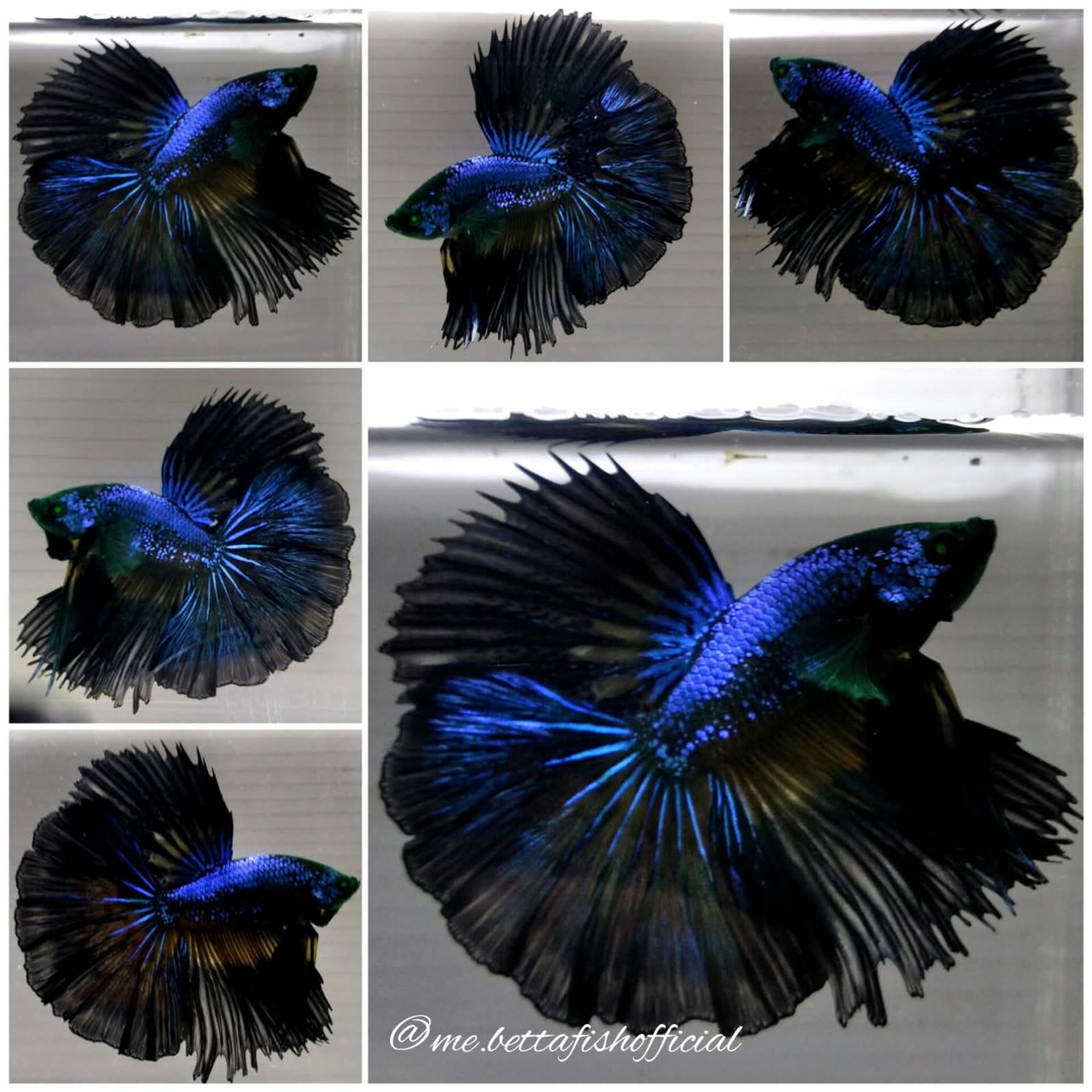
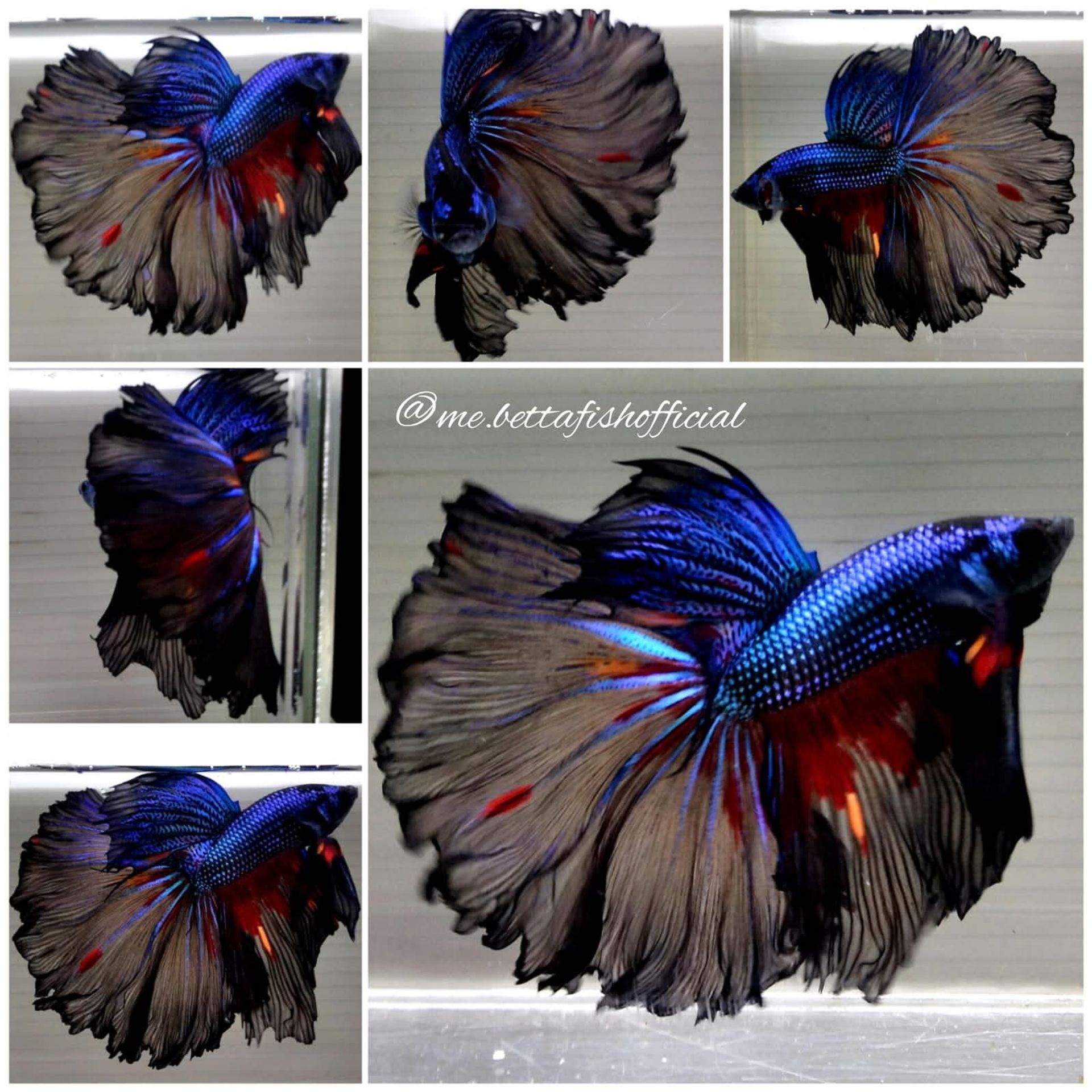
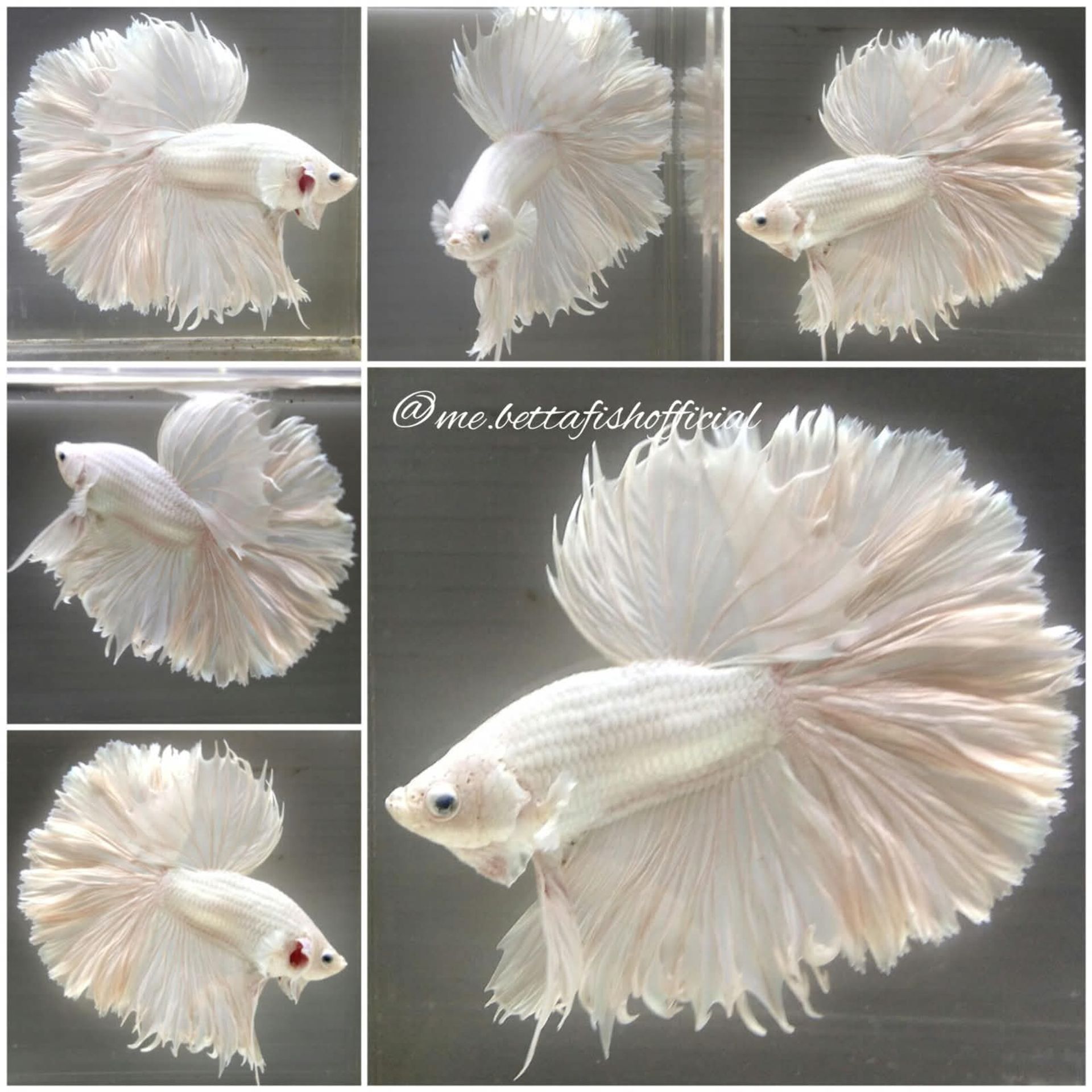
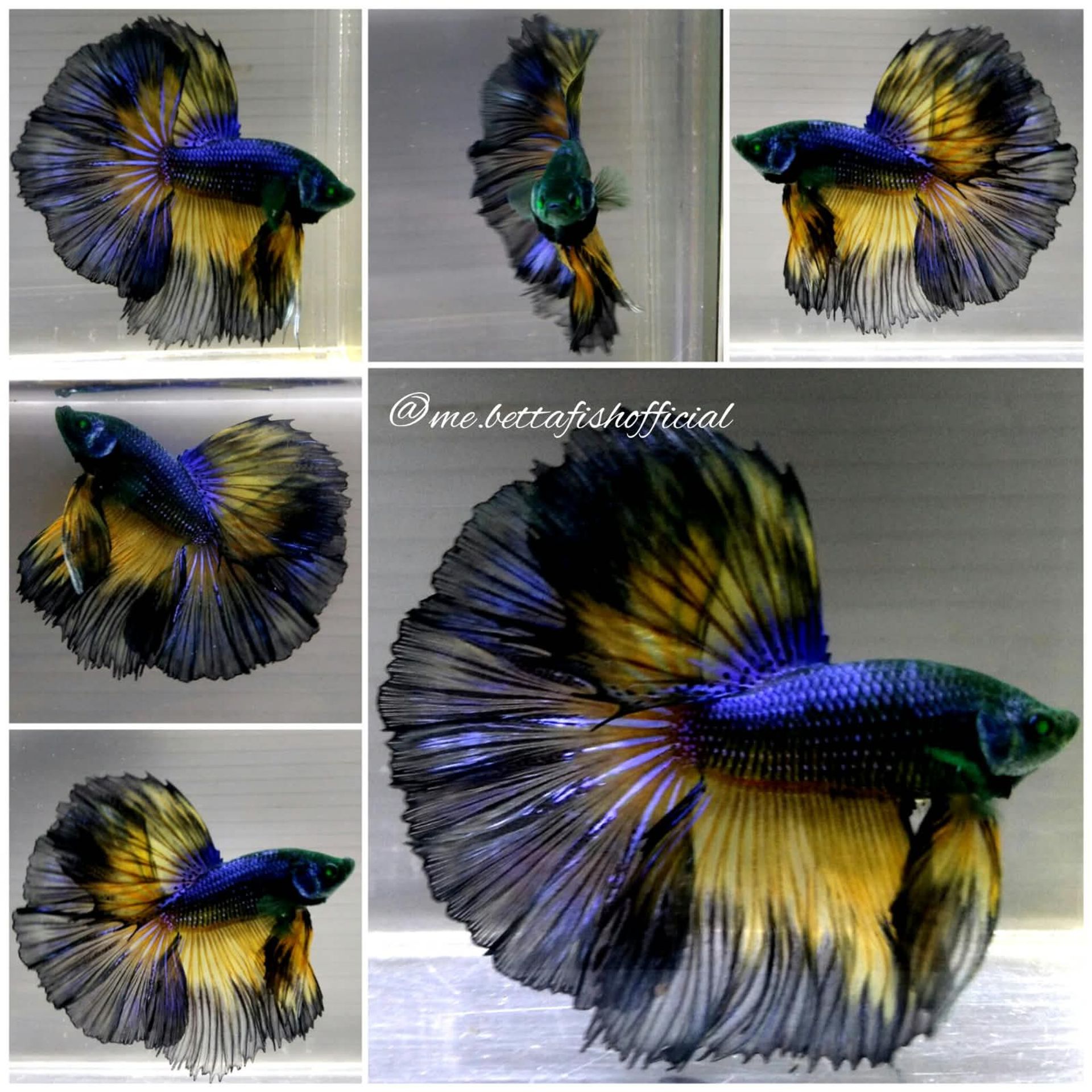
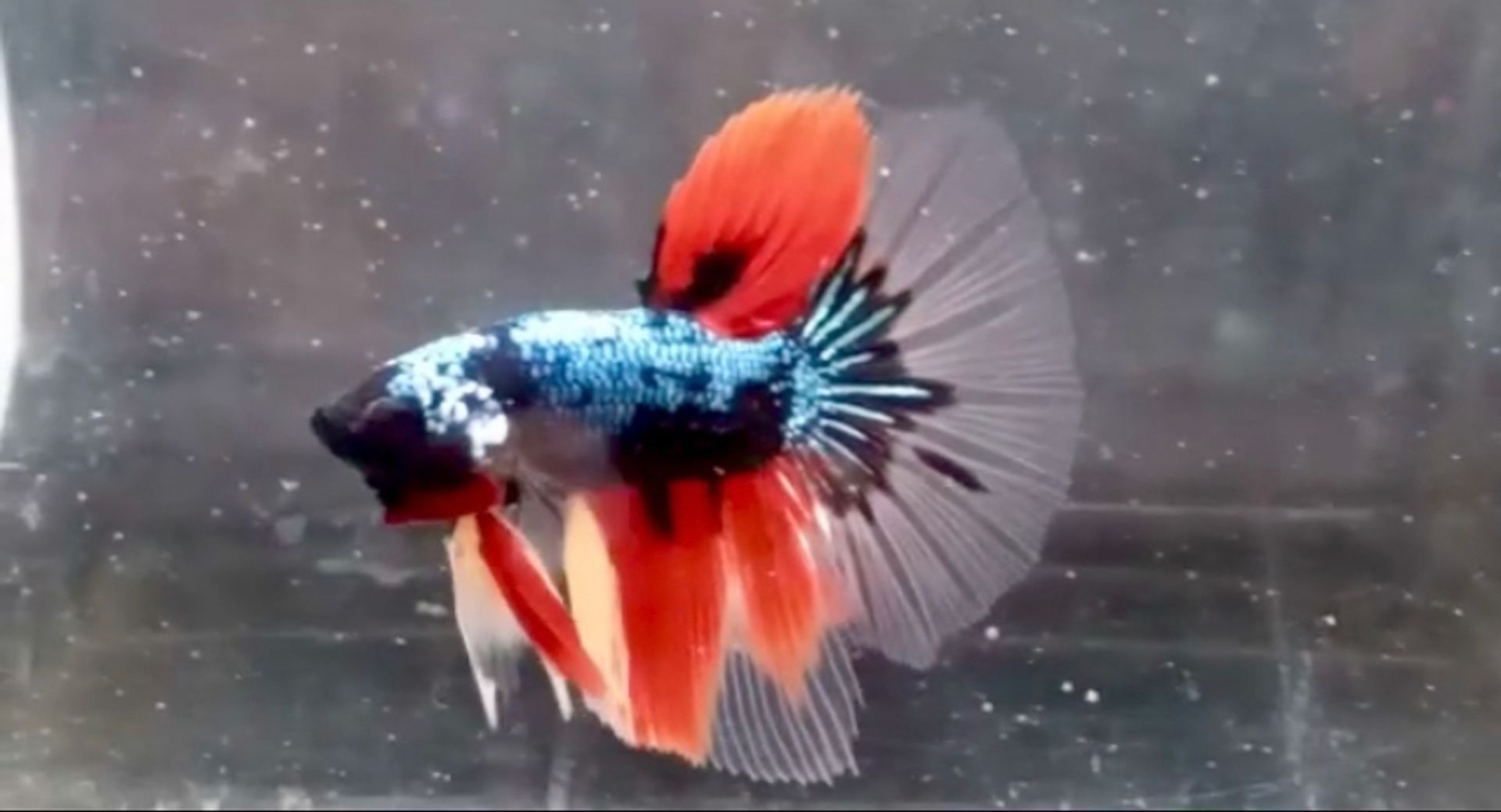
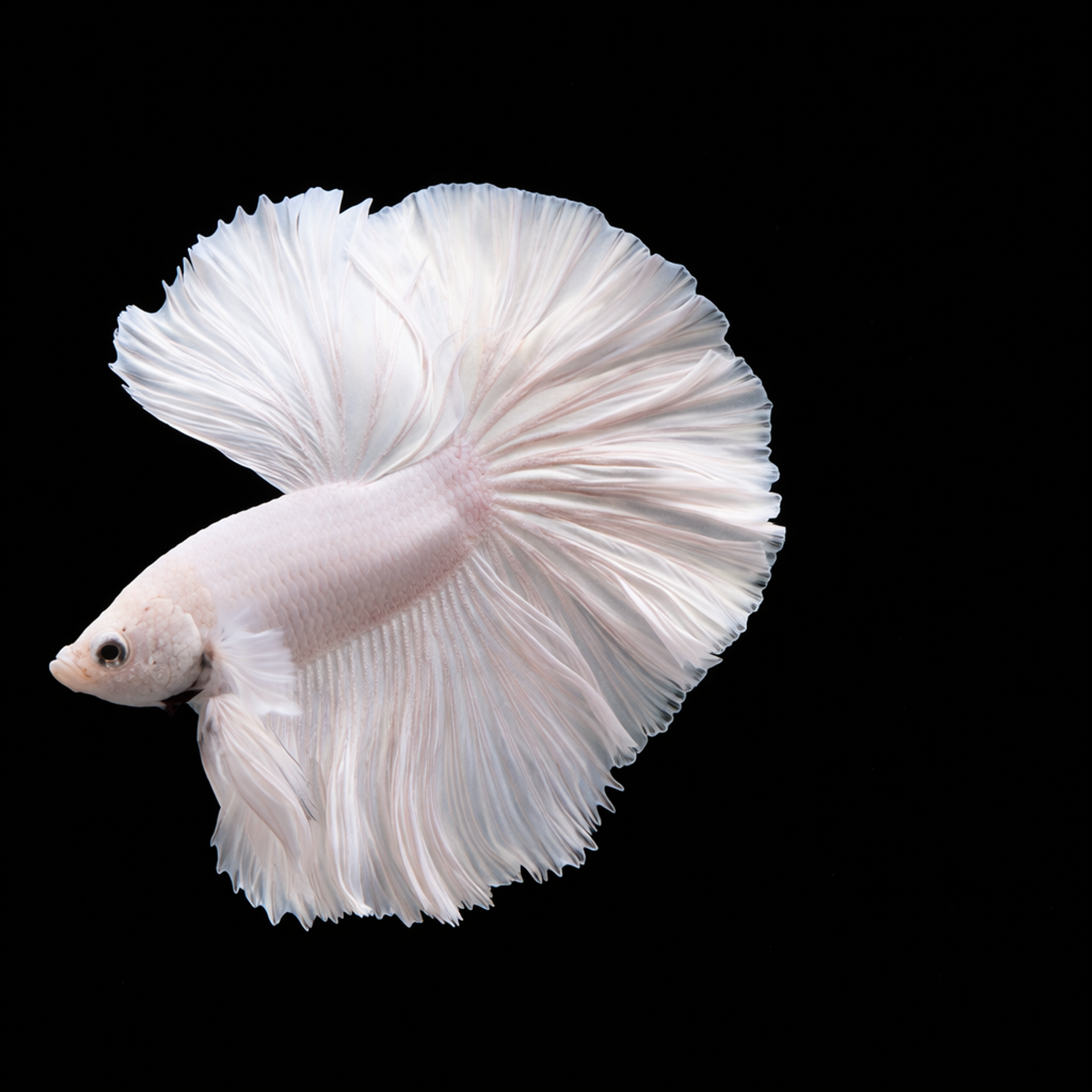
When a halfmoon flares, the top and bottom edges of its tail line up in a straight vertical line, giving a 180-degree spread. The dorsal and anal fins are broad and overlap the tail, so the whole fish looks round. Look for:
Fish that spread a little less are usually sold as super delta or delta. Some halfmoons spread past 180 degrees and are called "over-halfmoon", and those with heavily overlapping rays are sold as rosetail. Labels vary, so a flaring video tells you more than the name.
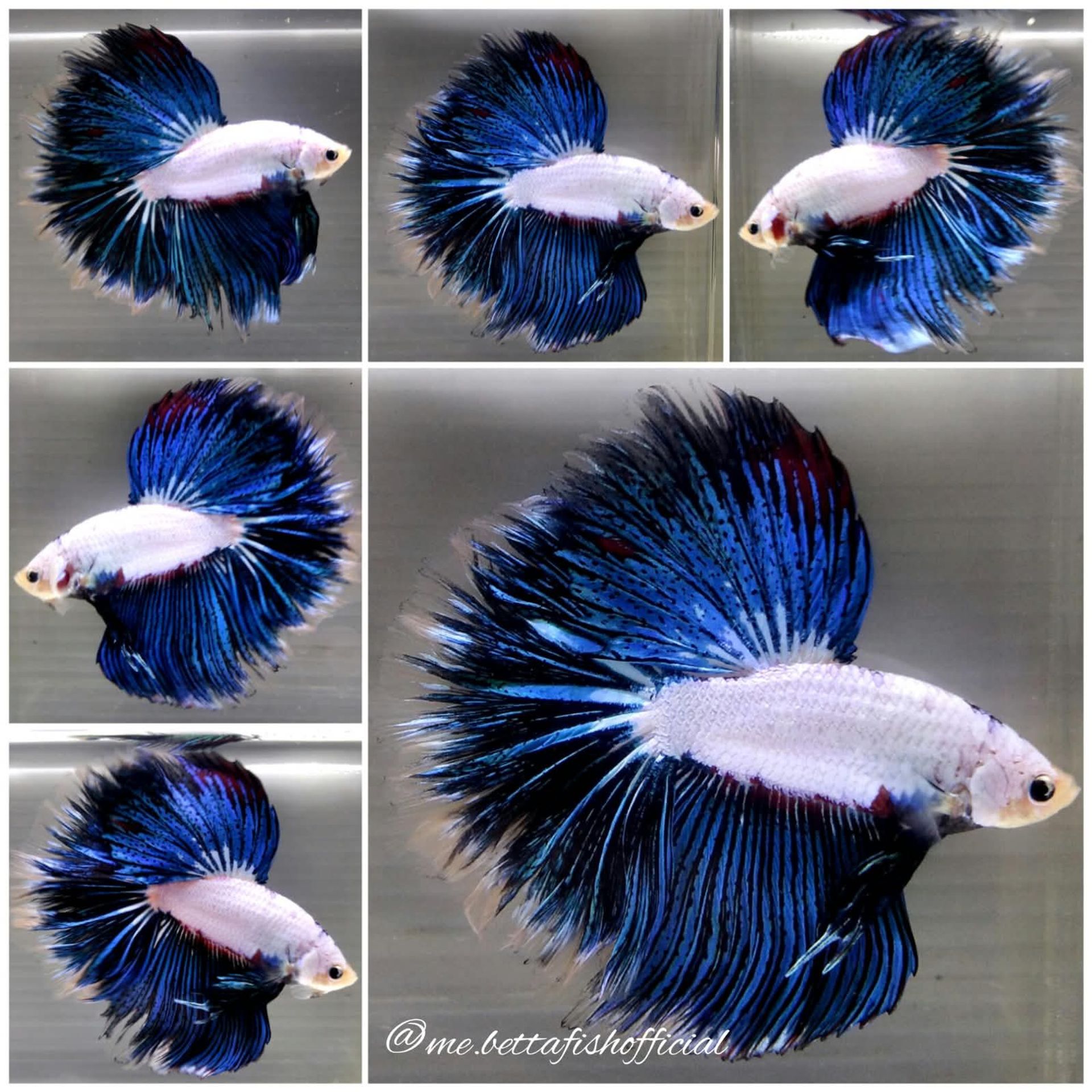
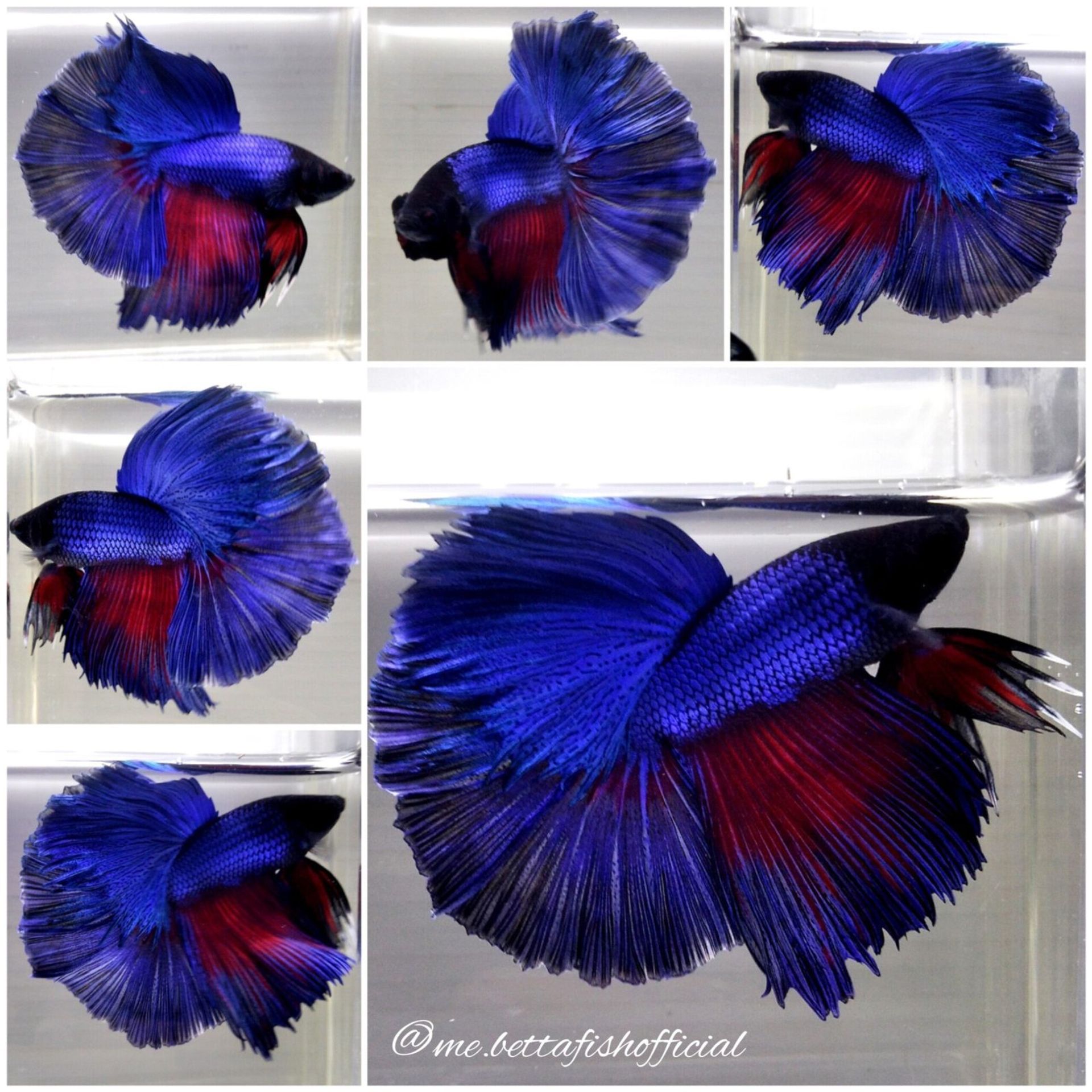
From steel blue to deep royal blue. Solid blue on long fins is a classic look and easy to find.
Bright, even red from body to fin edges. Good reds show no blue or black wash in the fins.
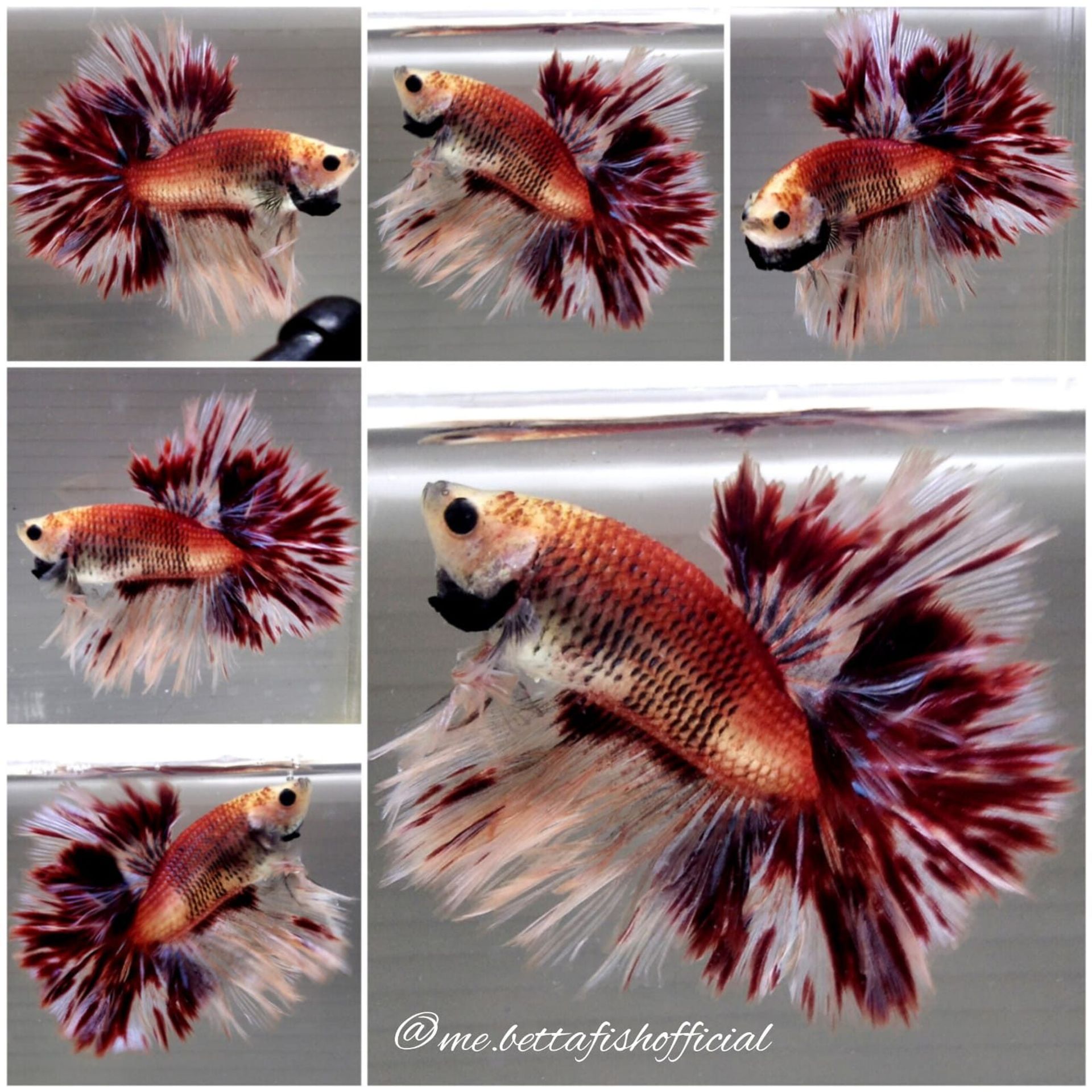
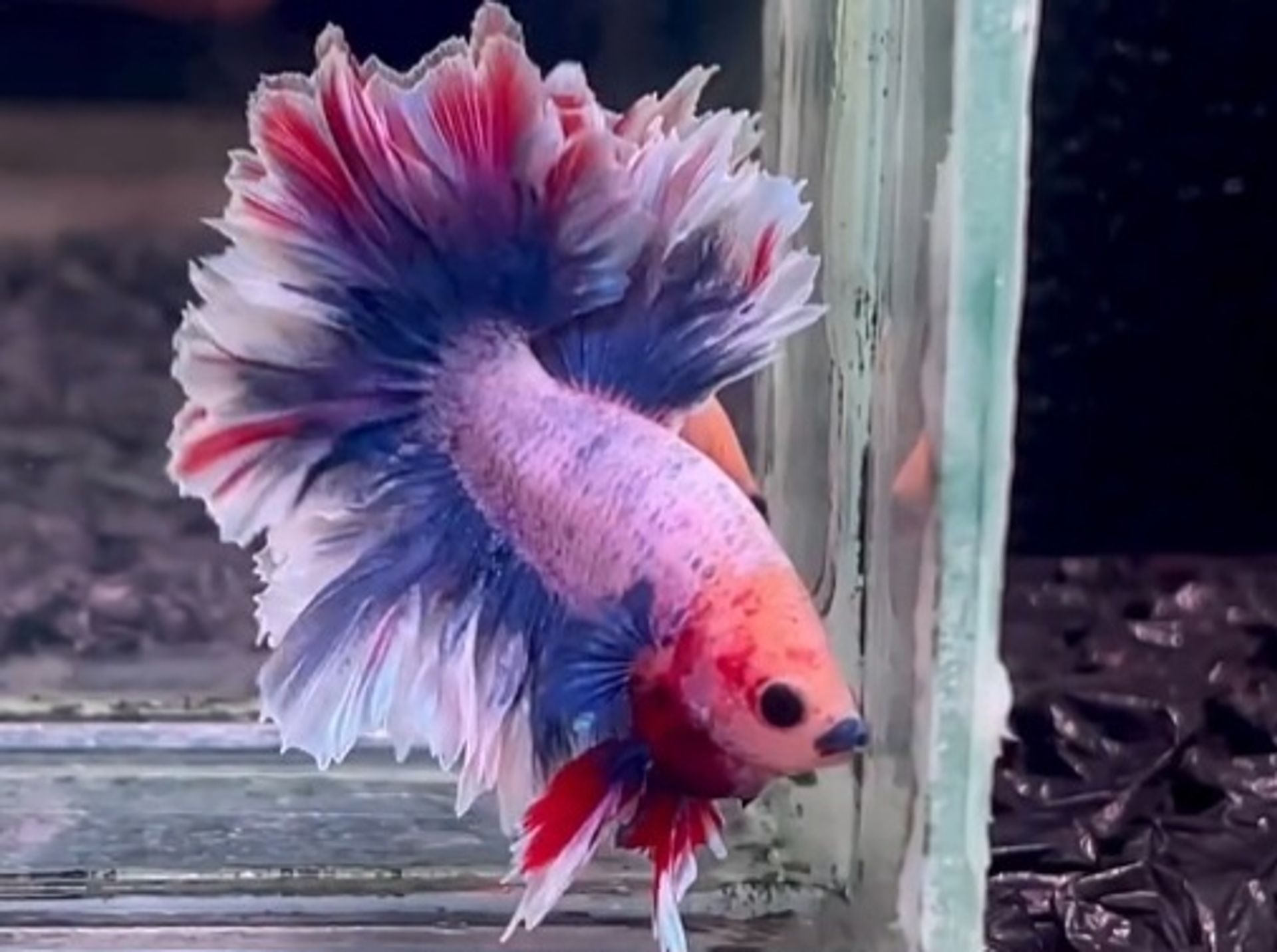
Patches of red, white, black and orange. Marble genes make these patterns change as the fish ages, which some keepers love and others find frustrating.
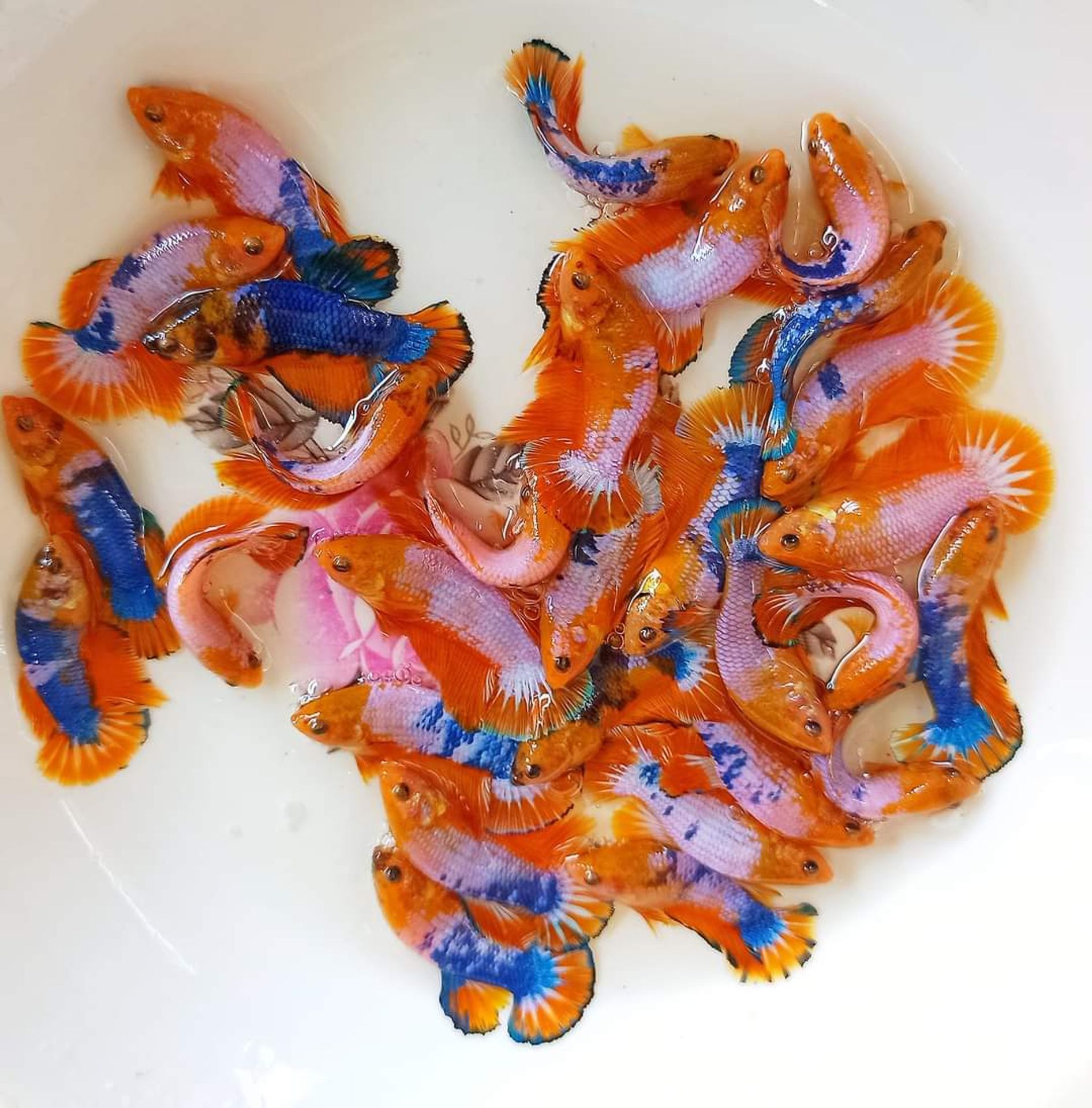
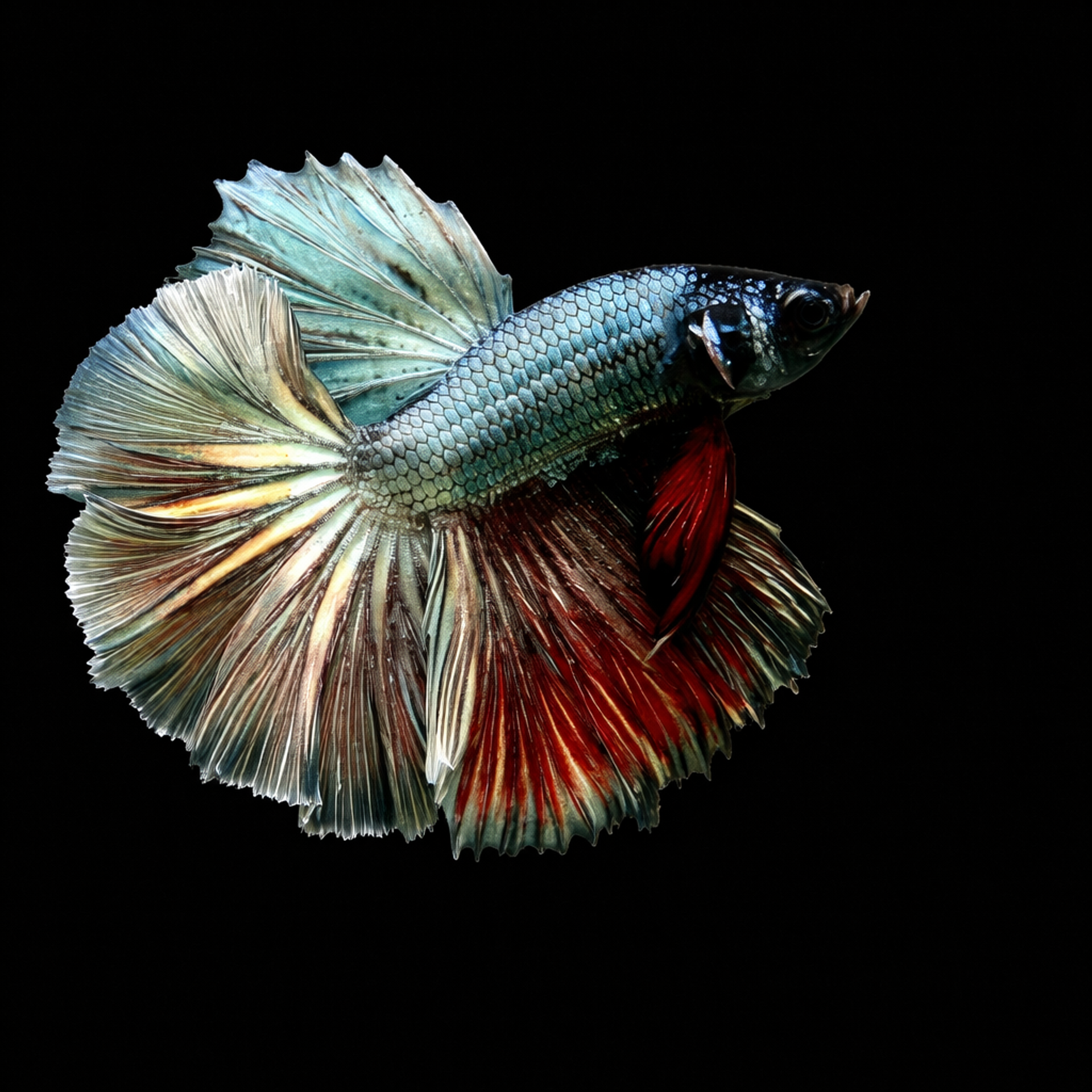
"Fancy" covers multicolour fish without a fixed pattern. Dragon scale halfmoons have thick, silvery-white scales, and metallic types shine under light.
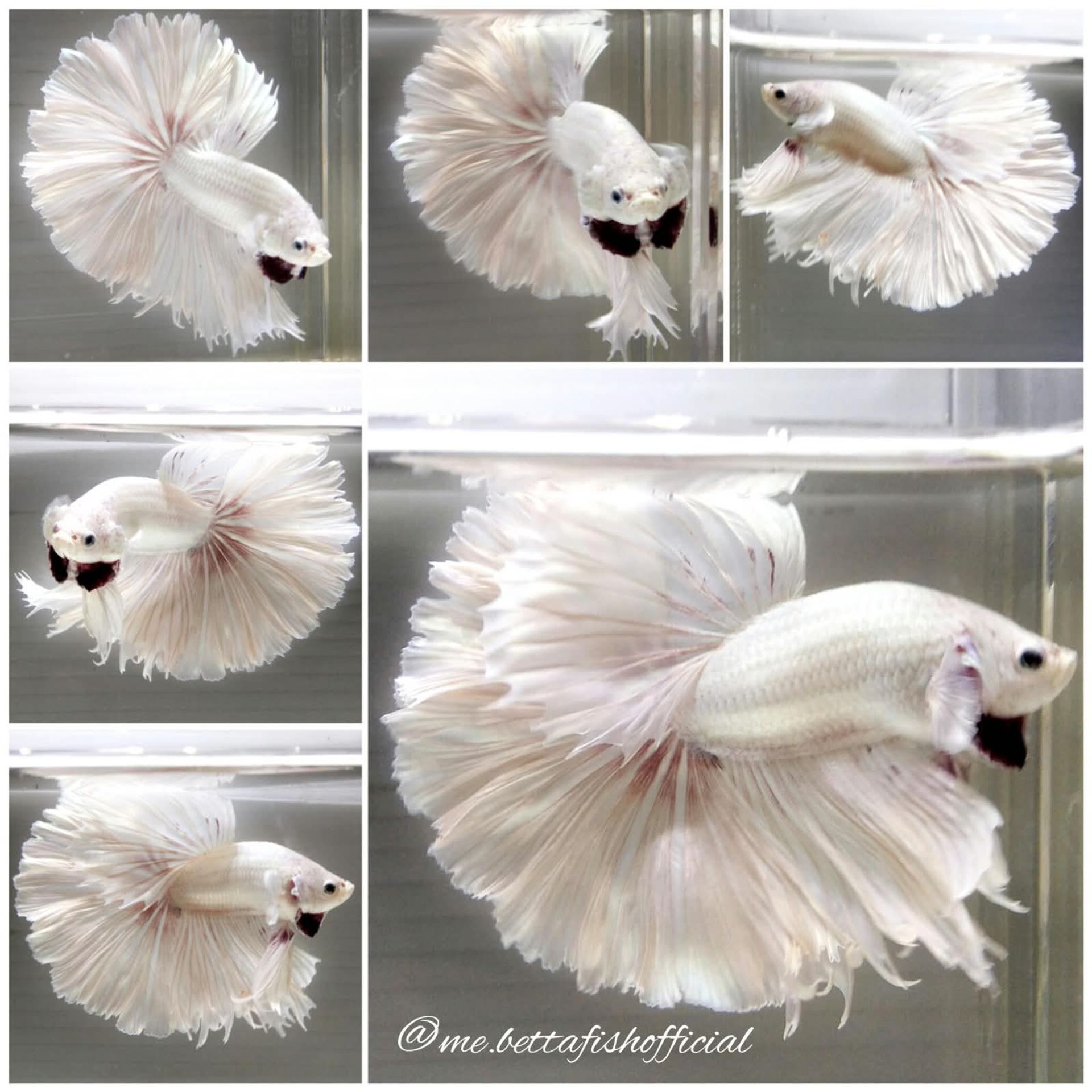
Platinum white, black orchid, black samurai and yellow halfmoons are less common and usually sit higher in the RM price range.
| Variety | Fins | How it differs from a halfmoon |
|---|---|---|
| Halfmoon plakat | Short | Same 180-degree spread, but short fins; swims faster and is hardier |
| Delta / super delta | Long | Tail spread is less than 180 degrees |
| Veiltail | Long | Tail droops down instead of spreading flat |
| Crowntail | Long | Reduced webbing gives spiky ray tips |
| Care point | Halfmoon betta |
|---|---|
| Temperature | 26–29°C. Most Malaysian rooms (26–31°C) need no heater, but watch for tanks running above 30°C. |
| Minimum tank | 1 kaki (30 cm), about 12–15 litres; 2 kaki (60 cm, about 55–65 L) if adding tankmates |
| Temperament | Males are territorial; one male per tank |
| Diet | Betta pellets as staple; cacing darah, artemia or daphnia as treats |
| Beginner-friendly? | Yes, with calm water, smooth decor and regular water changes |
Those big fins are beautiful but heavy. A halfmoon in strong current will hide, rest on the bottom or get pushed around. A sponge filter driven by a small pam udara, or a hang-on filter on its lowest setting, is ideal.
Easy plants such as anubias, java fern and floating salvinia work well and don't need CO2.
Our year-round warmth suits bettas, and in most homes you won't need a heater. The real risk is heat during dry spells and heatwaves, when a tank by a window can climb past 31°C. Warm water holds less oxygen, which is harder on a heavy-finned fish. Keep the tank out of direct sunlight and leave some surface movement. If you run the air-conditioner all night, a small heater keeps temperatures from swinging.
Tap water here is chlorinated, so treat it with anti klorin every time. Leaving water to endap overnight removes some chlorine but not chloramine. Many keepers also use daun ketapang to tint the water and recreate a soft, peat-swamp feel.
Torn or shrinking fins are the most common halfmoon complaint. Causes include sharp decor, a strong filter intake, fin-nipping tankmates and poor water quality. Some long-finned males also bite their own tails, often when stressed or bored. Fix the cause first: clean water, gentle flow and a calmer setup usually let fins grow back over a few weeks. If the edges turn dark and keep receding, it may be fin rot, and you may need ubat ikan from your seller or local shop.
Pet-grade halfmoons are affordable, while graded fish from known breeders cost far more, and contest-grade halfmoons can fetch a great deal. Prices in RM depend on fin spread and symmetry, colour, sex, age and the breeder's line. Females (betina) are usually cheaper than males from the same spawn.
Many halfmoons on FishyHub are sold as individual fish, so the photo really matters. Before you buy, check:
Bettas ship well because they breathe air at the surface. Sellers often send live fish early in the week to avoid weekend depot stays. In Sabah or Sarawak, check with the seller first, as delivery to East Malaysia takes longer.
Harga ikan laga halfmoon bergantung pada bentuk ekor, warna, jantina dan baka. Ikan gred biasa lebih murah, manakala ikan gred pertandingan boleh jadi jauh lebih mahal. Bandingkan harga dalam RM daripada beberapa penjual di FishyHub.
Biasanya tidak perlu, kerana suhu rumah di Malaysia sekitar 26–31°C. Pemanas kecil hanya berguna jika bilik berhawa dingin untuk masa yang lama.
Sometimes, in a 2-foot planted tank. Choose small, calm species and avoid known fin nippers. Watch how your betta reacts, as some males won't accept any tankmates.
Bettas don't flare all day. A healthy fish flares when it sees a rival or its reflection. If he is also clamping his fins or hiding, check the water temperature and quality.
Slightly. Halfmoons need gentler flow and more care with decor because their fins are long and easily torn.
Browse blue, red, koi, fancy and rare-colour halfmoons from sellers across Malaysia, and compare photos and prices in RM. For something sturdier, see Halfmoon Plakat, or try Double Tail Halfmoon for a split-tail twist.
Tankmates: Not a general community fish, but one male can share a calm, well-planted tank with peaceful, non-nipping, non-long-finned species (e.g. small rasboras, Corydoras, otocinclus) and snails. Avoid other labyrinth fish, fin nippers (tiger barbs, some tetras) and fancy-finned livebearers. Bettas often hunt shrimplets and may attack adult cherry shrimp; larger Amano shrimp usually fare better.
Feeding: Insectivores/micropredators. Overfeeding is a common cause of bloat and poor water quality. Wild-caught fish may need live or frozen food before accepting pellets.