Tankmates: Not a general community fish, but one male can share a calm, well-planted tank with peaceful, non-nipping, non-long-finned species (e.g. small rasboras, Corydoras, otocinclus) and snails. Avoid other labyrinth fish, fin nippers (tiger barbs, some tetras) and fancy-finned livebearers. Bettas often hunt shrimplets and may attack adult cherry shrimp; larger Amano shrimp usually fare better.
Feeding: Insectivores/micropredators. Overfeeding is a common cause of bloat and poor water quality. Wild-caught fish may need live or frozen food before accepting pellets.
1–3 of 3
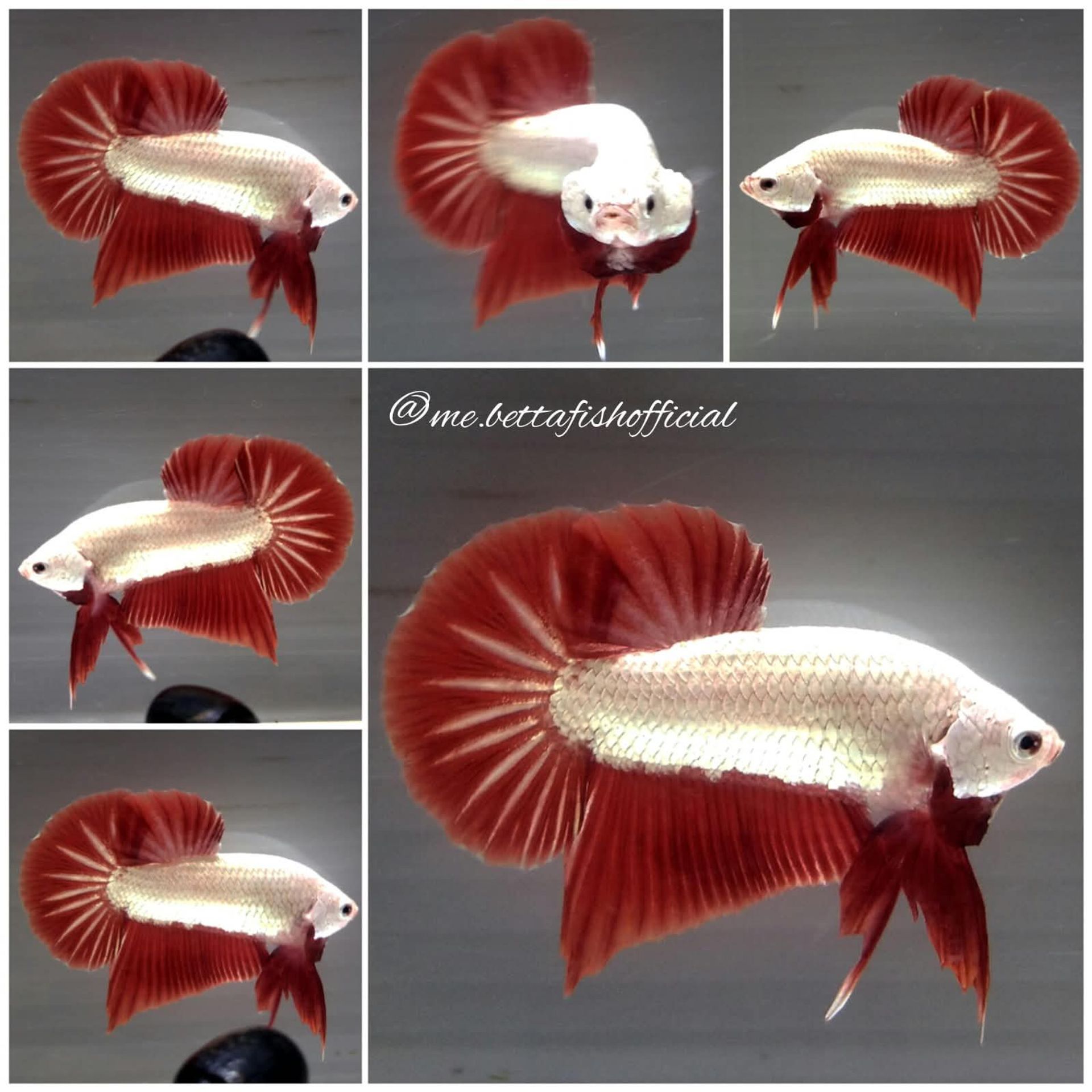
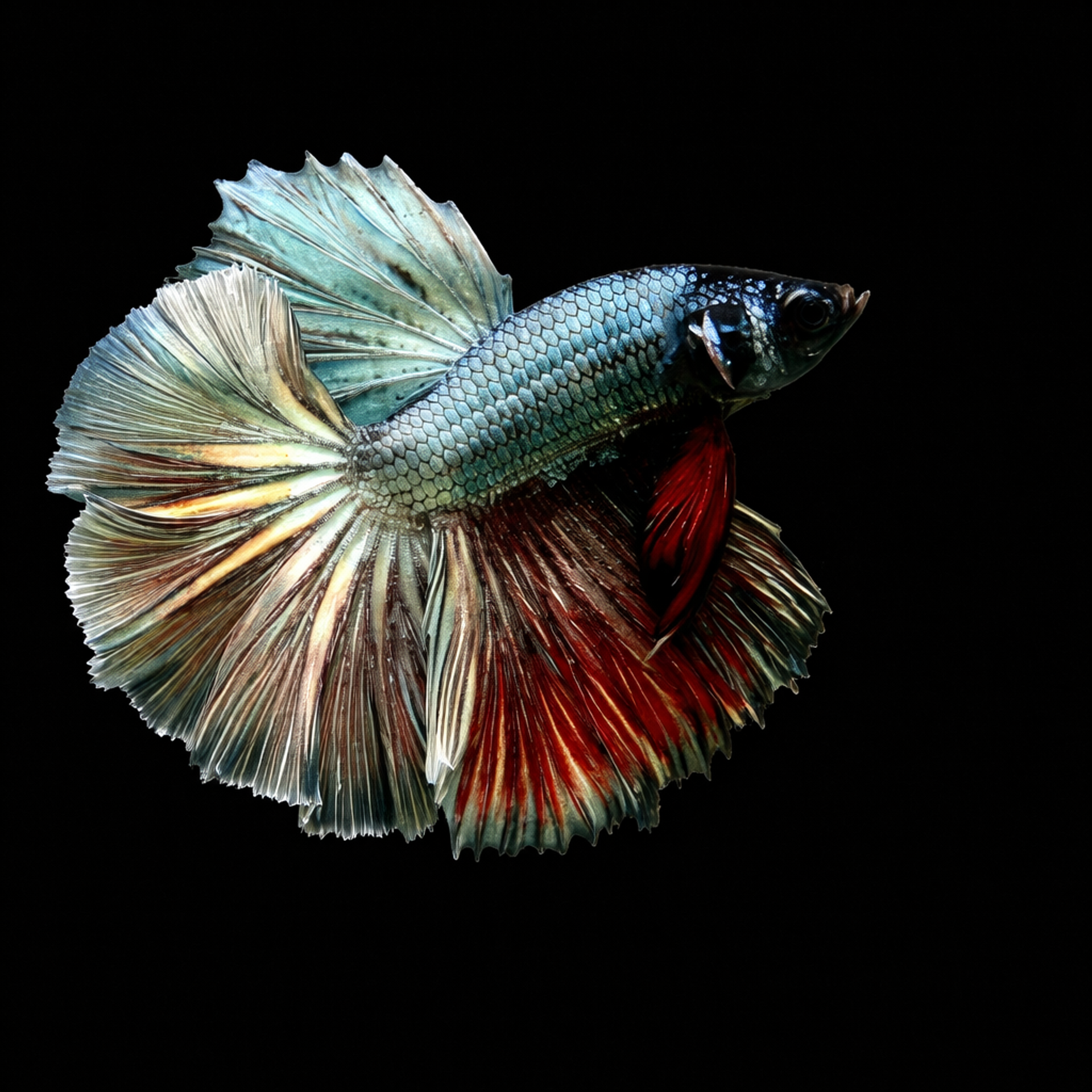
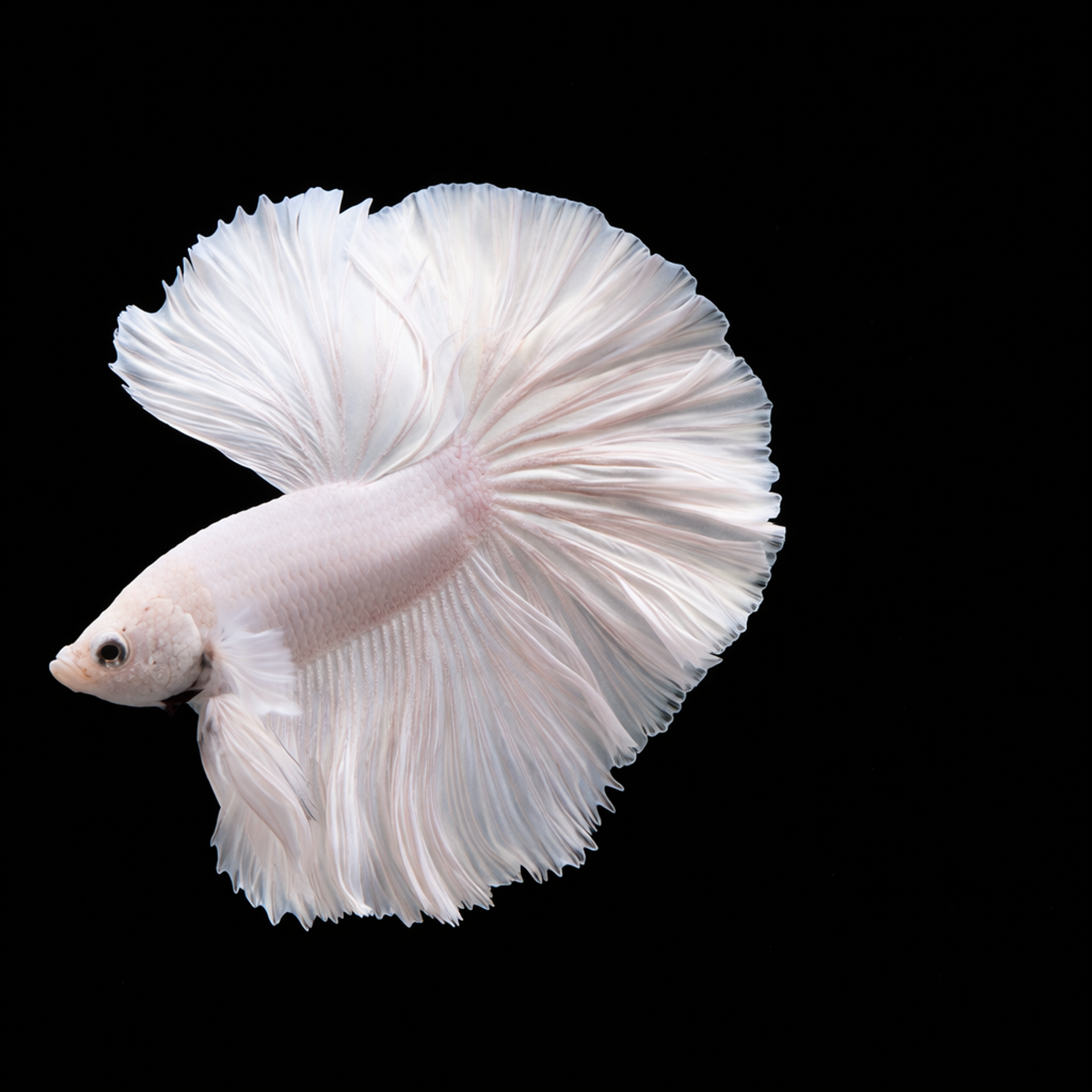
The halfmoon plakat, or HMPK, is a short-finned betta with a tail that still opens to a full 180 degrees when it flares. It combines the tough, athletic build of the traditional fighting fish with modern show fins. In Malaysia it is usually just called ikan laga plakat, and it is one of the most bred and most bought bettas in the country.
HMPKs are a great pick for beginners: hardy, active and less prone to fin damage than long-finned types. On FishyHub you can compare halfmoon plakats from Malaysian breeders and aquarium shops, with prices listed in RM.
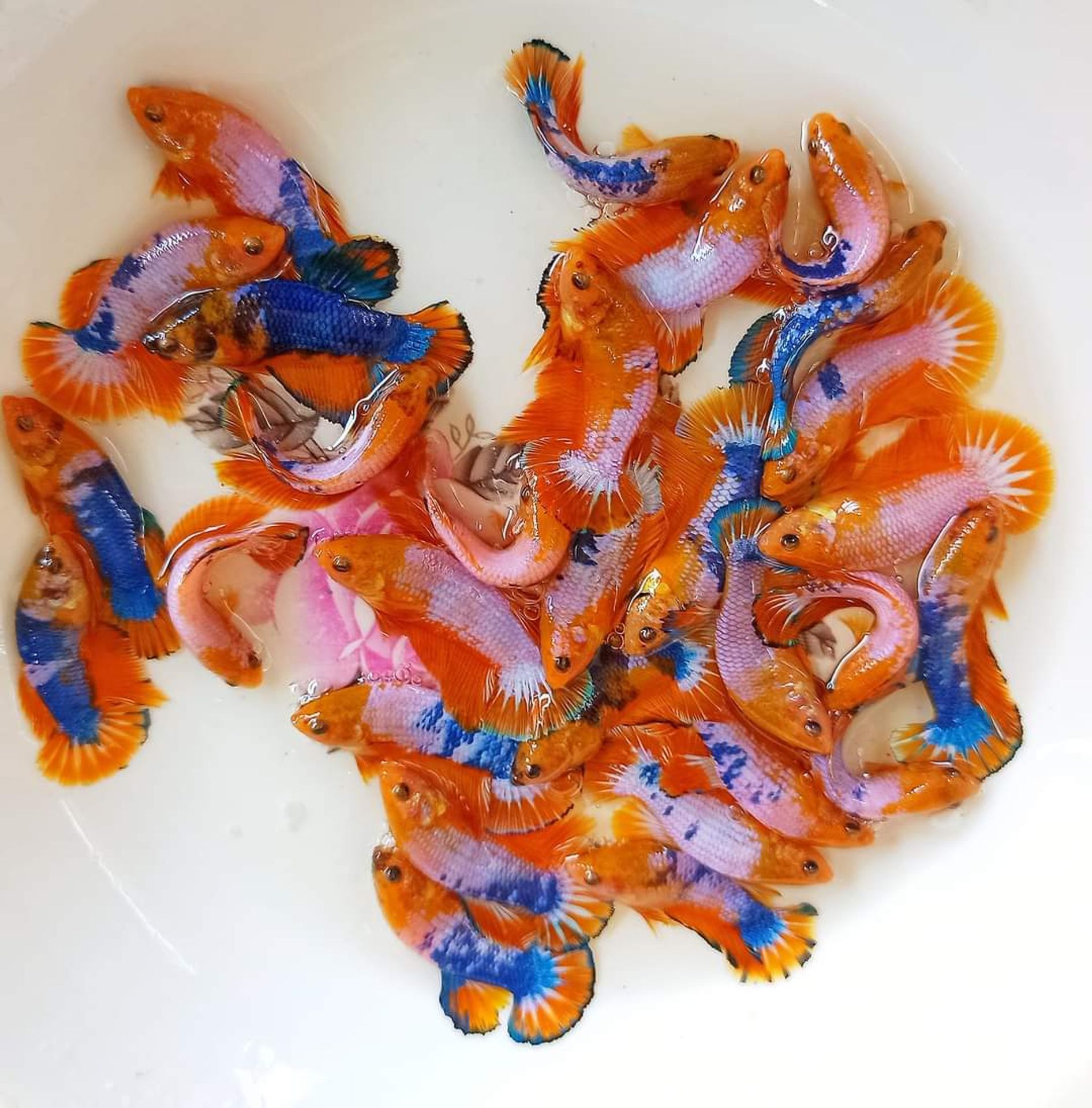
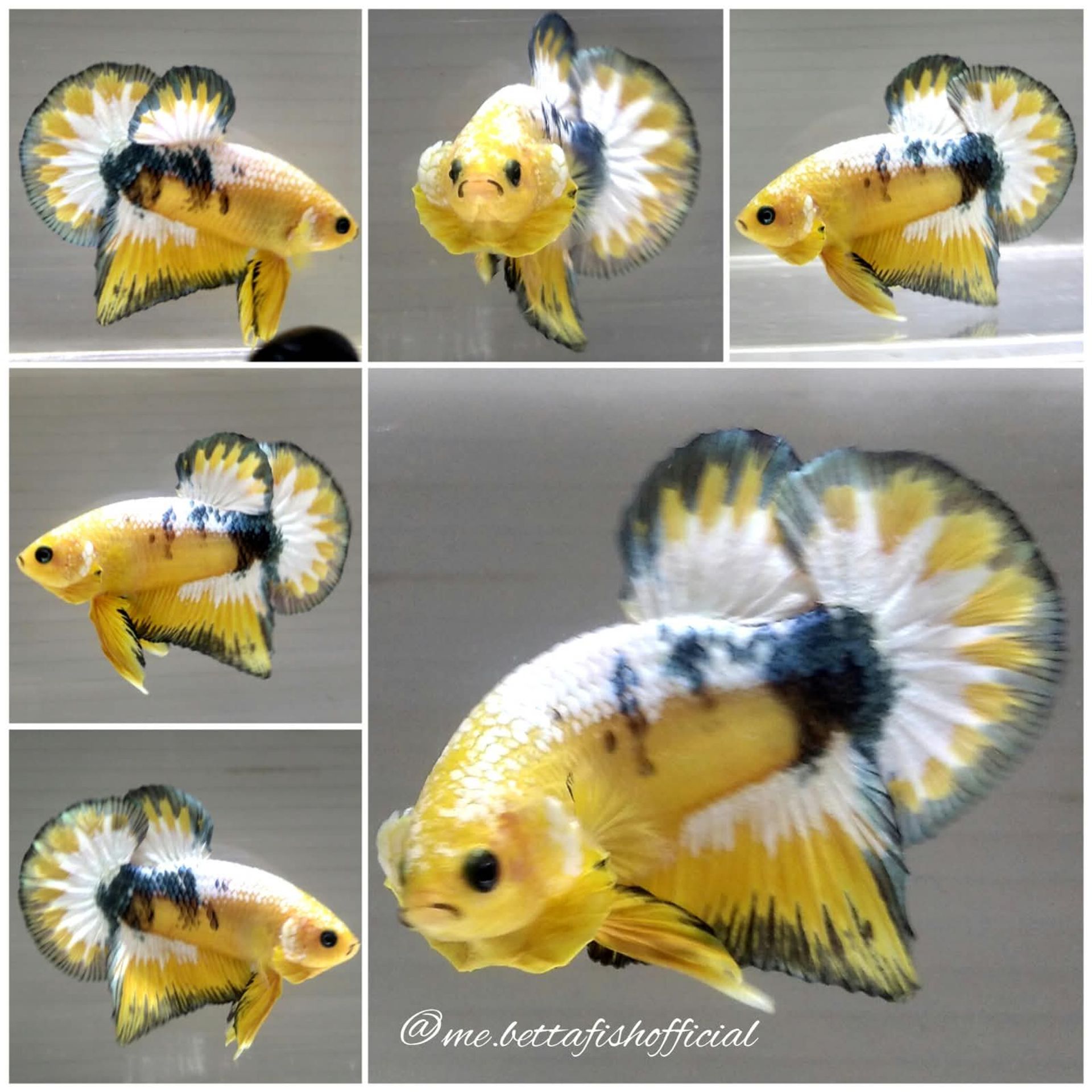
Koi plakats show marbled patches; nemo types mix orange, red and black, and galaxy koi add shiny blue spots. These marble-based patterns can change as the fish grows.
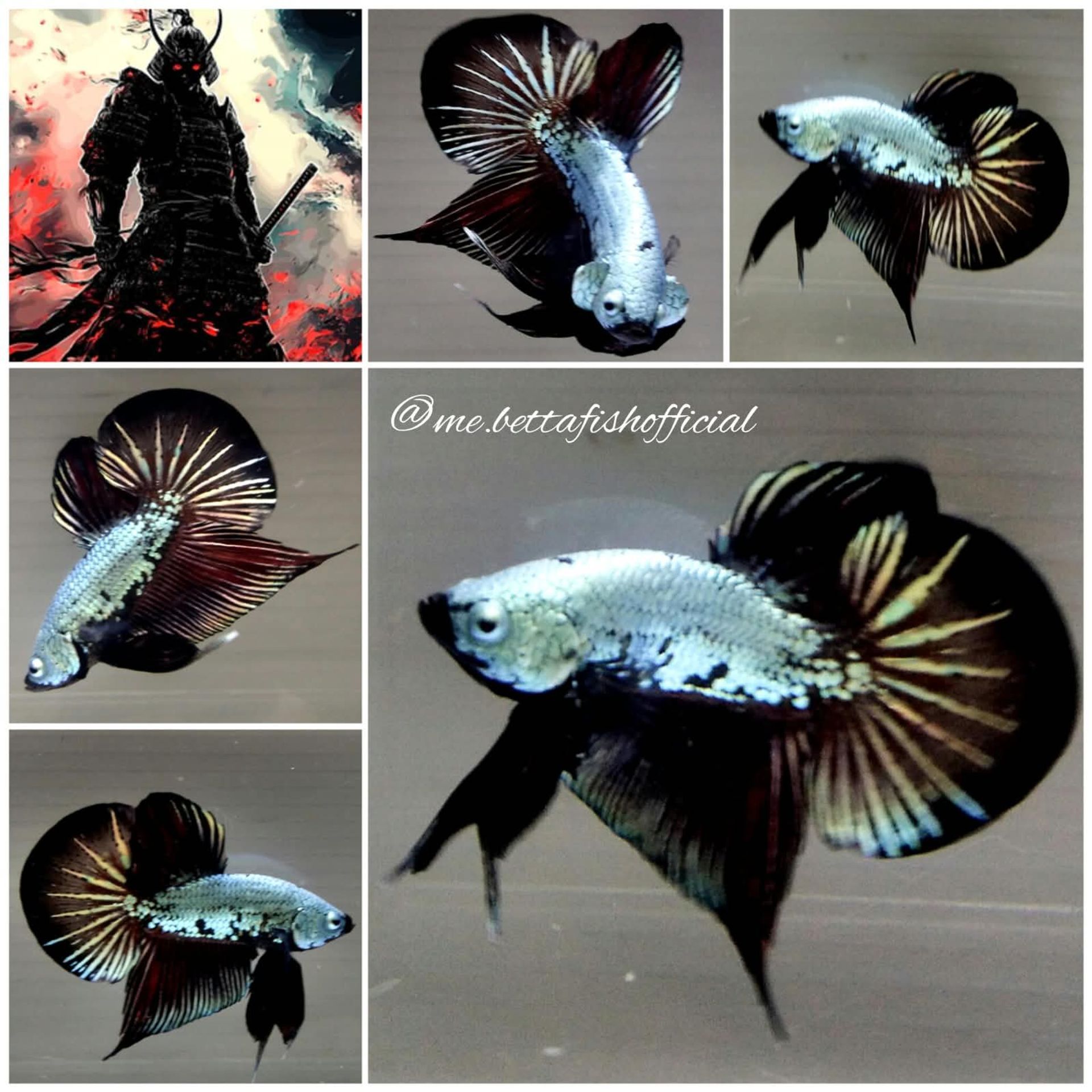
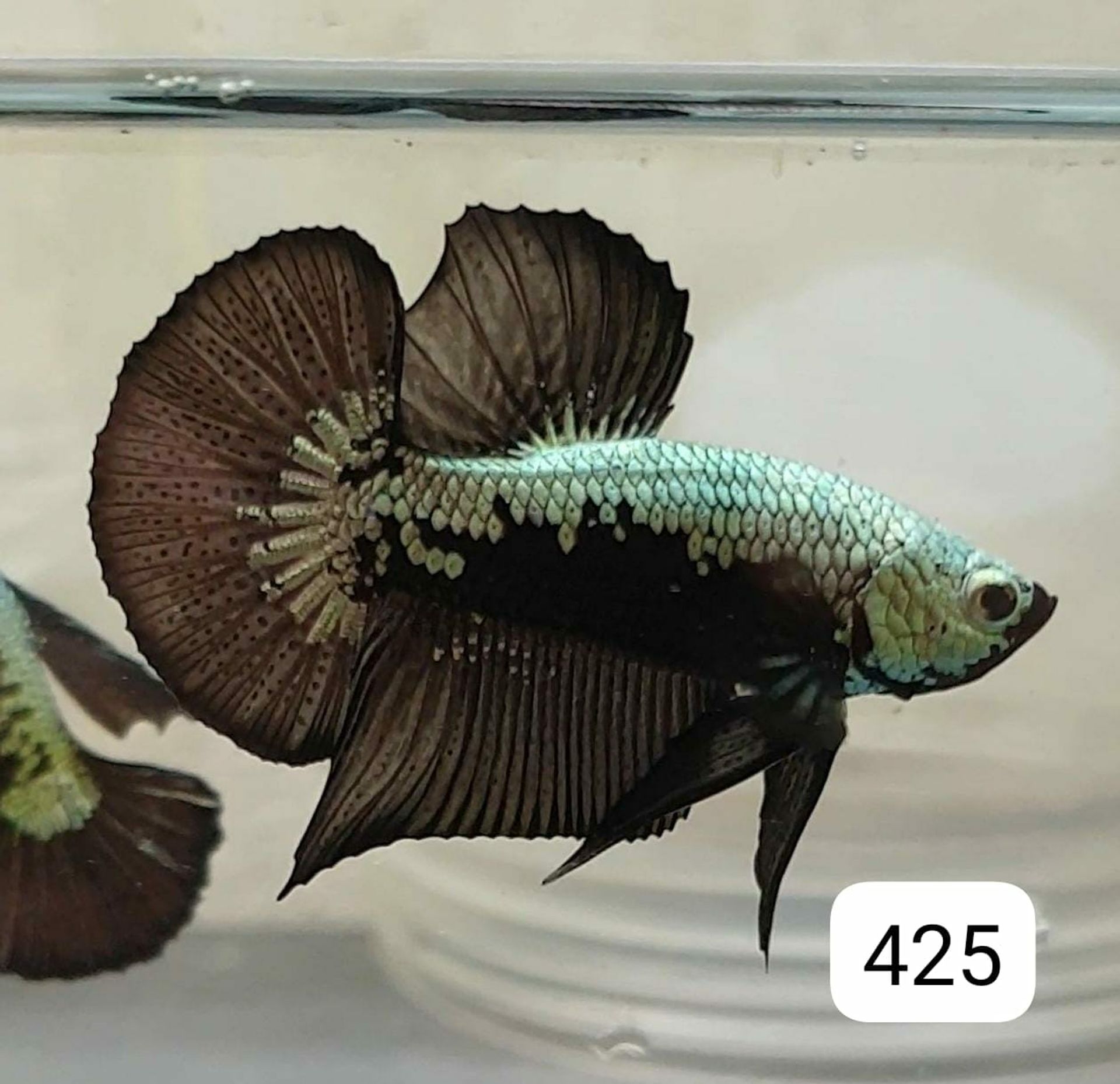
Heavy metallic scaling in blue-green (avatar) or copper-gold. They shine under aquarium lights.
Red, black, blue, yellow and white plakats are classic choices and often more affordable.
Giants are bred for a much larger body, and dumbos have oversized pectoral fins. Both have their own categories on FishyHub.
| Care point | Halfmoon plakat betta |
|---|---|
| Temperature | 26–30°C. A normal Malaysian room (26–31°C) suits them without a heater. |
| Minimum tank | 1 kaki (30 cm), about 12–15 litres, with a cover |
| Temperament | Active and feisty; males fight each other |
| Diet | Betta pellets daily; bloodworm, artemia or cacing grindal as extras |
| Beginner-friendly? | Very. One of the easiest bettas to keep |
Short fins mean plakats cope with a little filter current and recover fast from small fin nicks. They suit our warm climate and rarely need a heater. Just keep the tank away from direct sun, since small tanks heat up quickly on hot afternoons.
Use anti klorin whenever you add tap water. Because local tap water is often soft, a few pieces of daun ketapang and a stable routine of small weekly water changes are better than rare, big changes.
Plakats are strong jumpers. A lid is not optional, especially right after a water change when they get excited.
Both have short fins, but they are bred for different things. HMPKs are selected for colour and a 180-degree show tail. Ikan laga kampung are traditional, fighter-type bettas valued for hardiness and spirit, usually with rounder tails and darker colour. If you want looks, pick a HMPK; if you want a hardy, nostalgic betta, look at kampung types.
Ordinary plakats can be very affordable, around RM5–10 for basic fish, while graded and contest-quality HMPKs from known breeders cost far more. East Malaysia buyers should ask the seller about live shipping before ordering.
Jantan biasanya lebih berwarna, sirip lebih besar dan suka mengembangkan sirip. Betina lebih kecil, badan lebih bulat dan selalunya ada titik putih kecil (ovipositor) di bawah perut.
Dengan penjagaan yang baik, ikan laga plakat boleh hidup sekitar 2 hingga 4 tahun.
Yes. Plakats are hardy, swim well and forgive small beginner mistakes better than long-finned bettas.
A female group (sorority) can work in a large, well-planted tank of 2 feet or more, but fights still happen. It's best for keepers with some experience.
Compare koi, nemo, avatar and solid-colour HMPKs from sellers across Malaysia, with prices in RM. Also browse Giant Halfmoon Plakat and Double Tail Halfmoon Plakat for bigger or split-tail options.