1–40 of 335
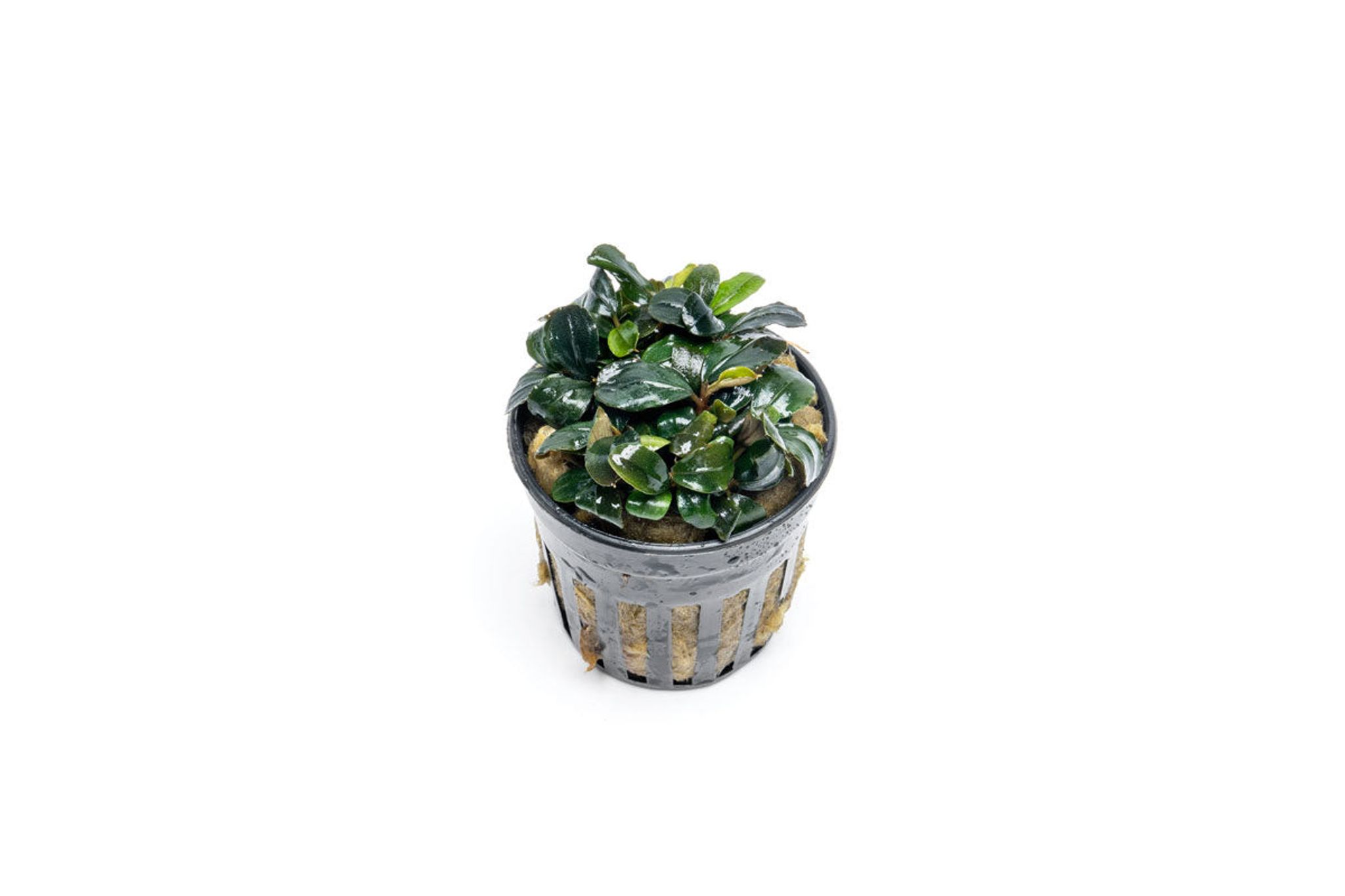
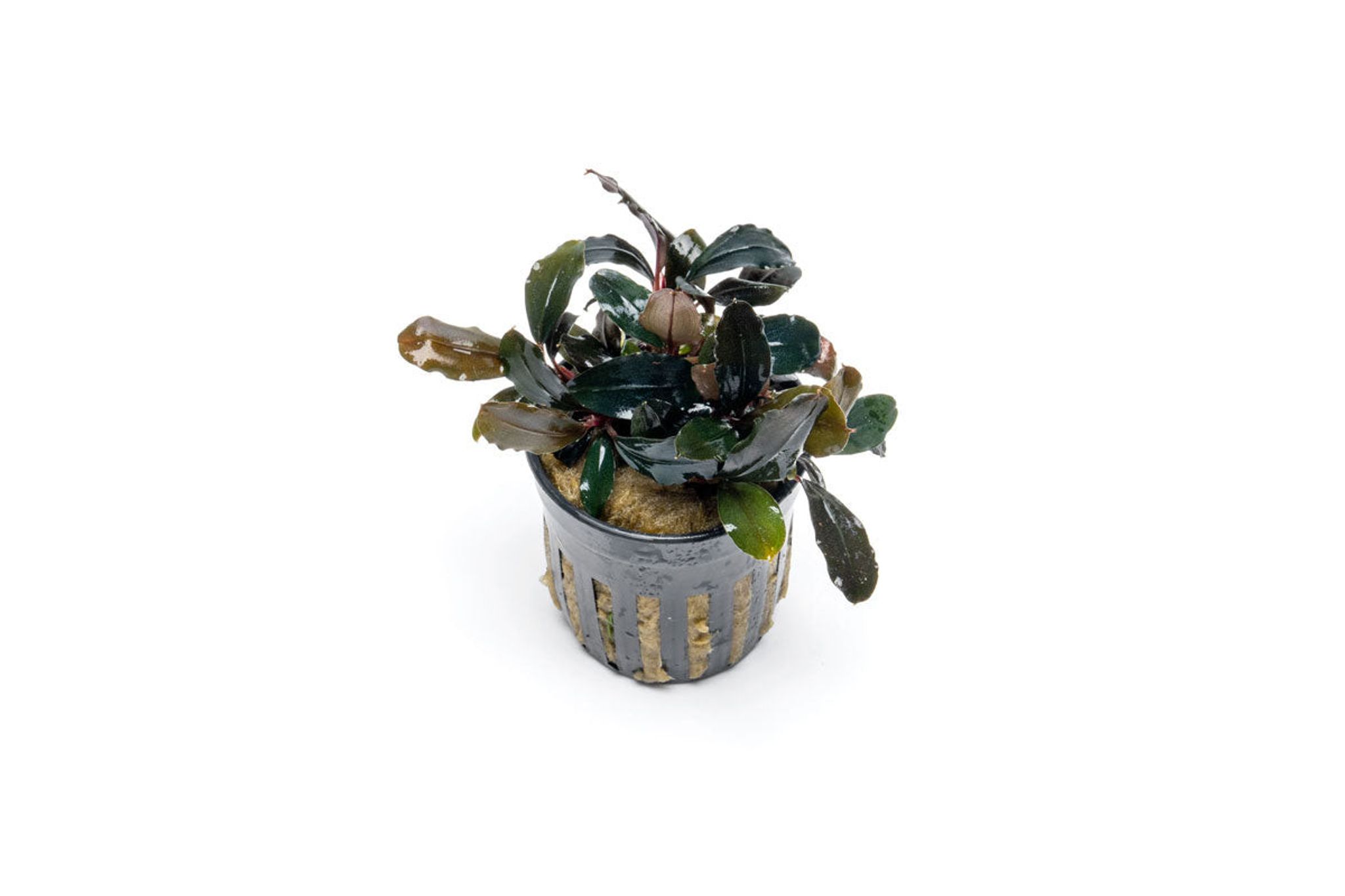
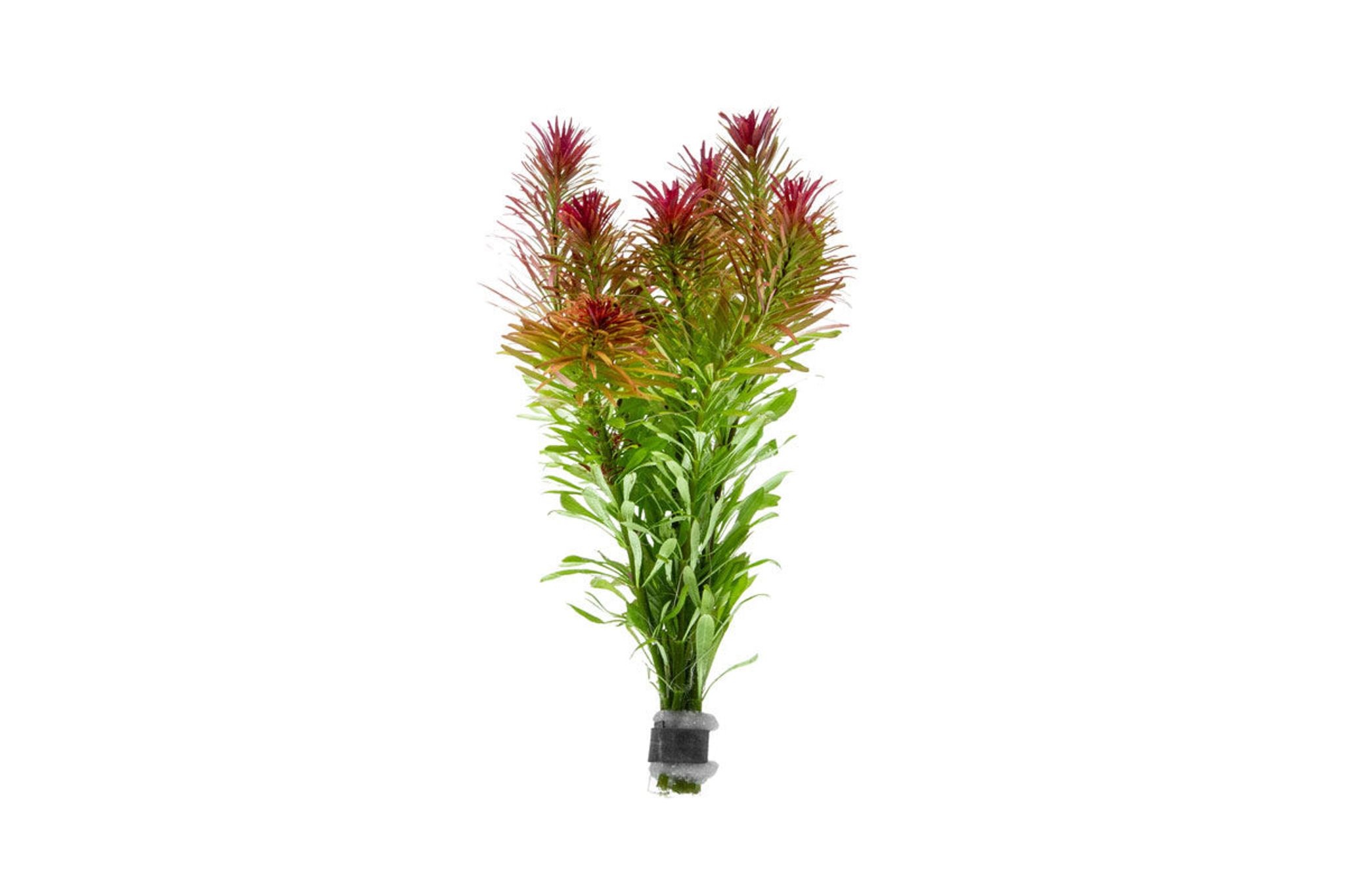
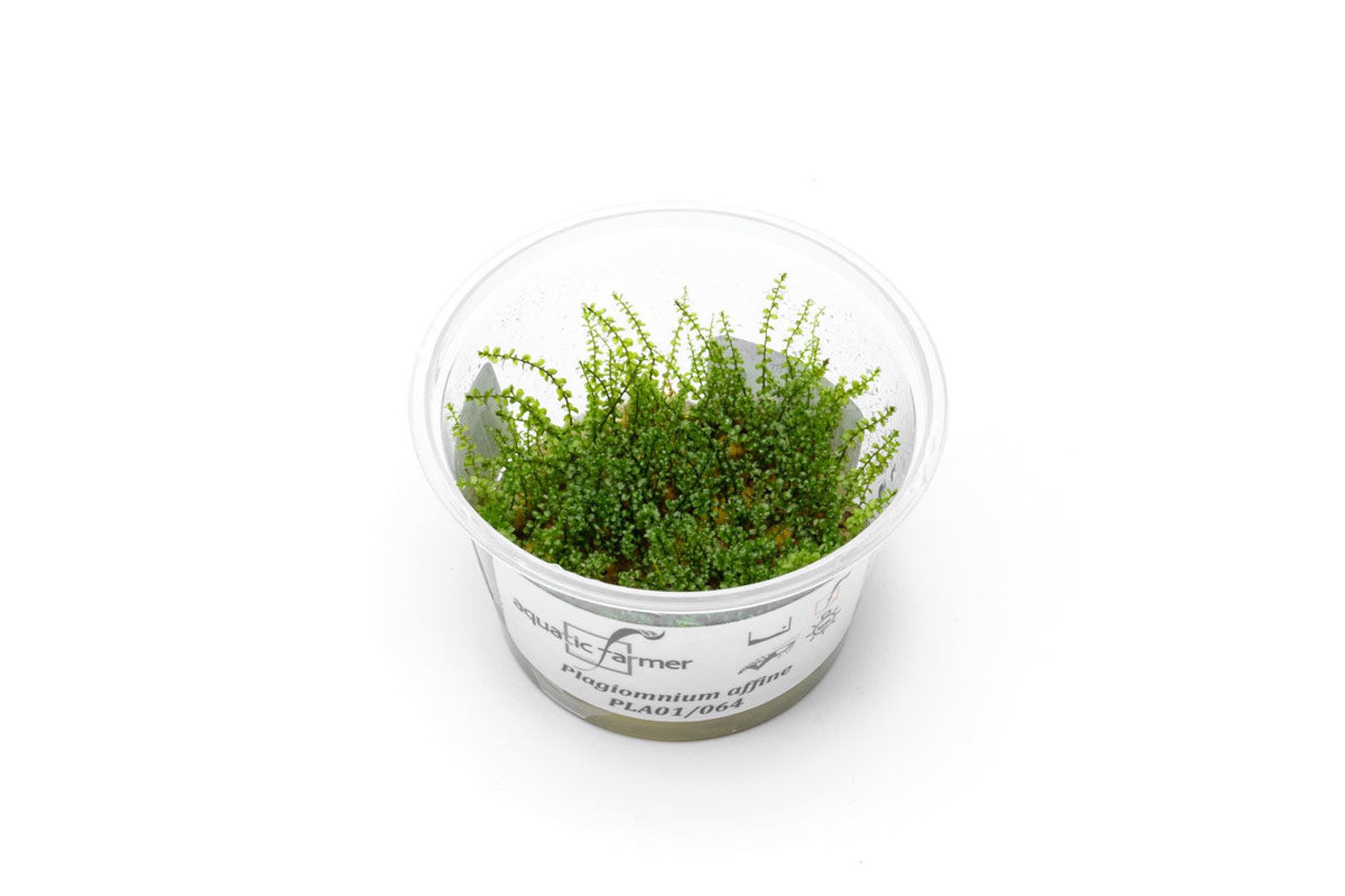
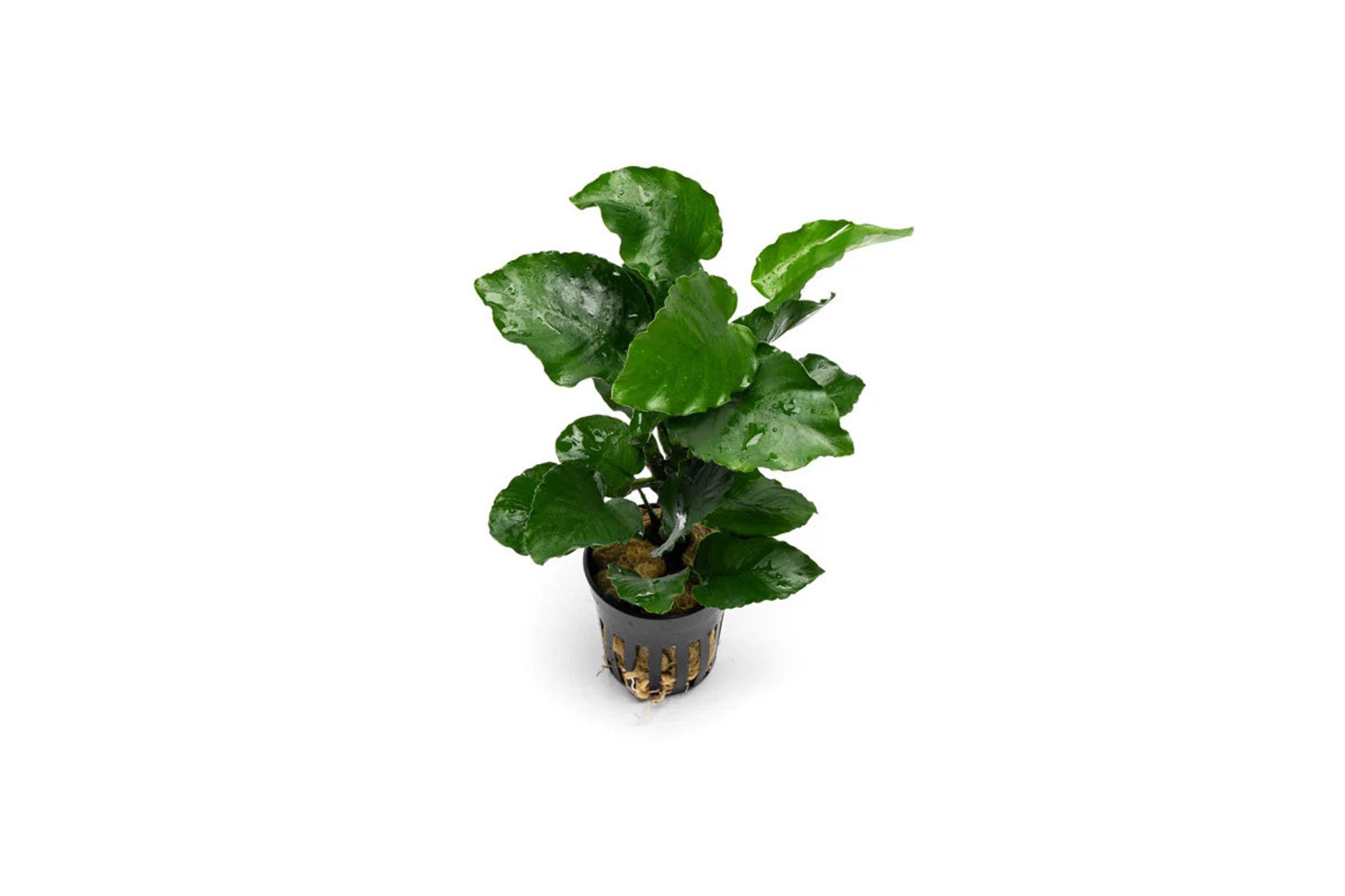
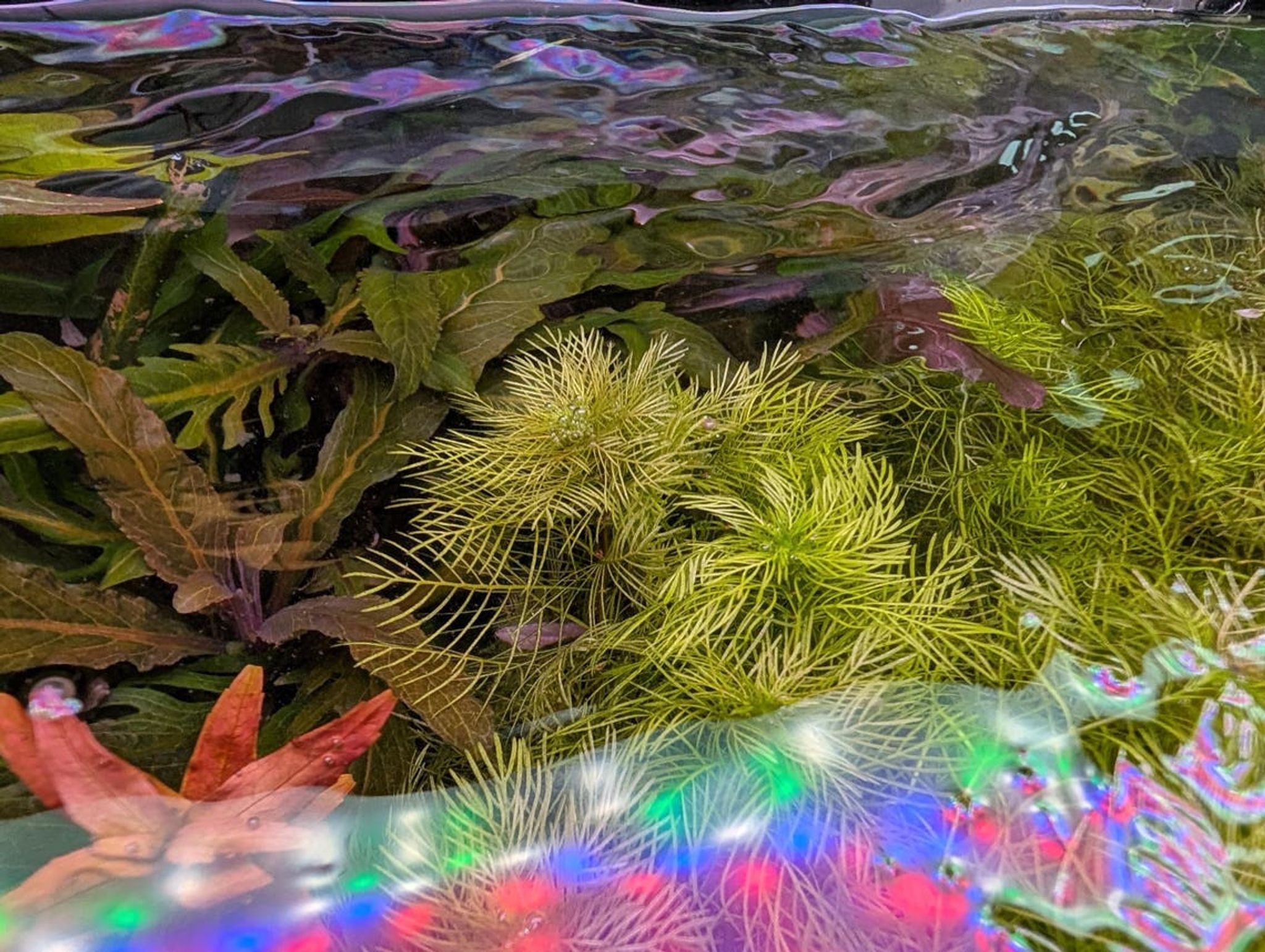
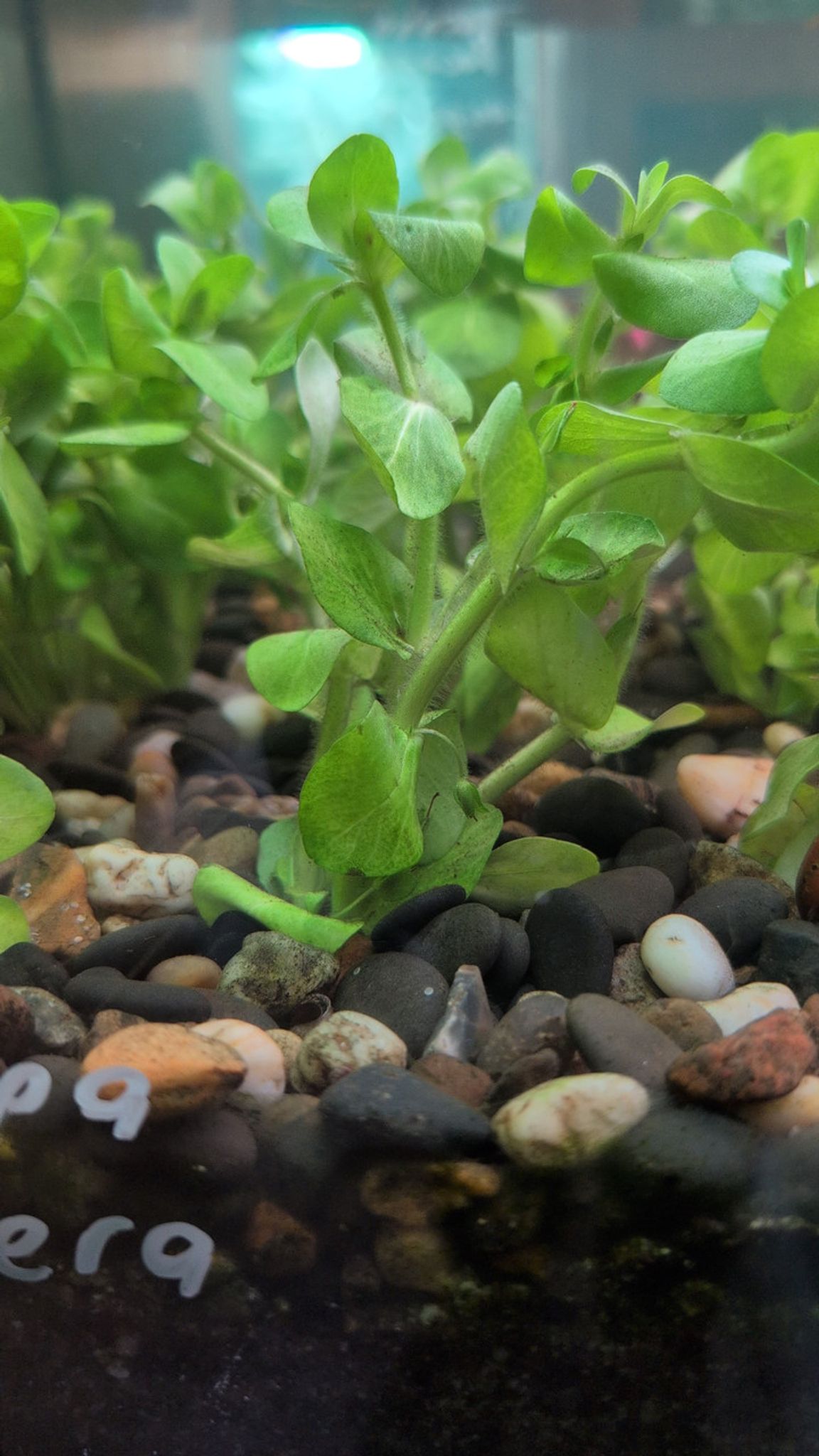

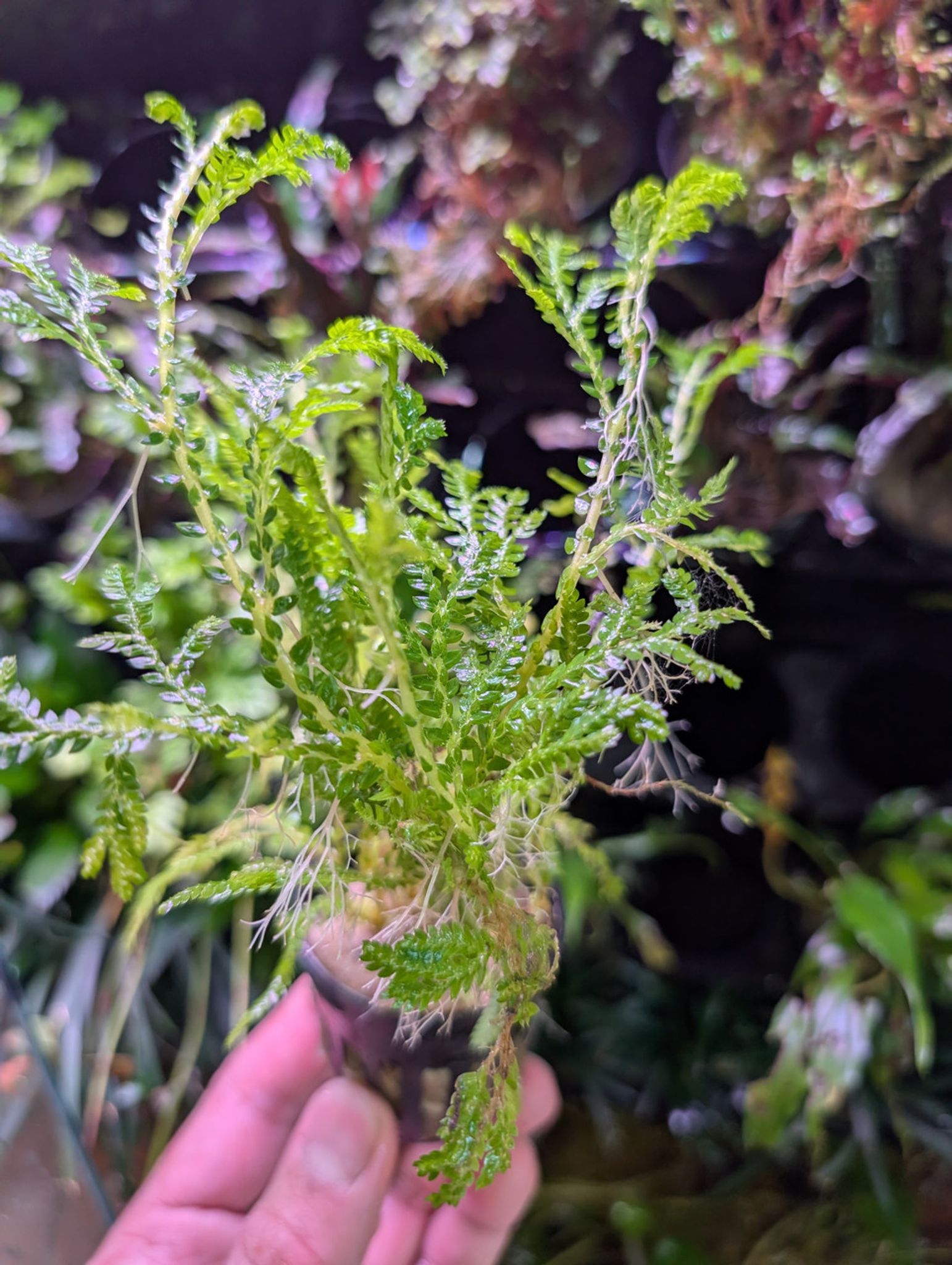

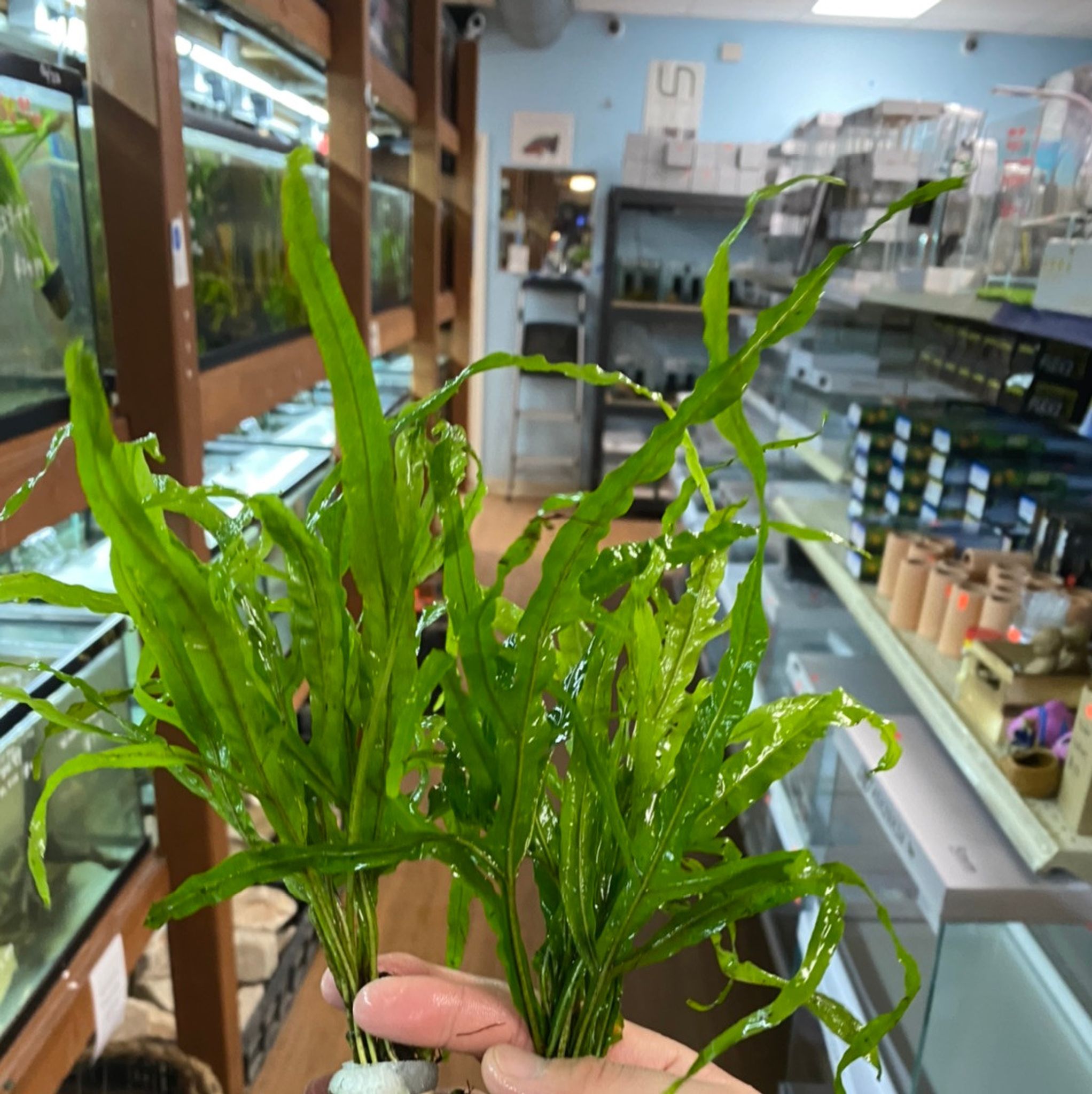
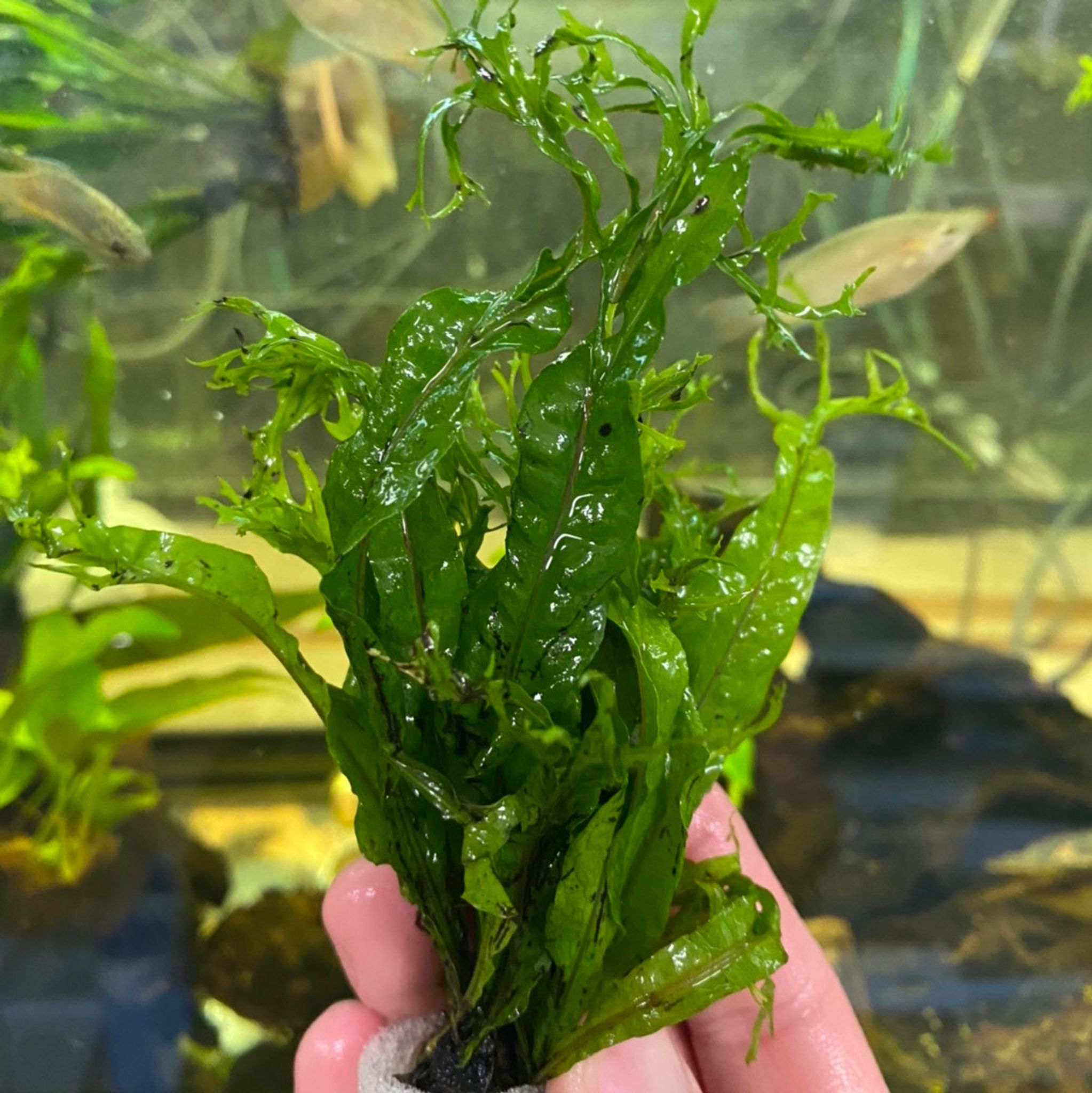
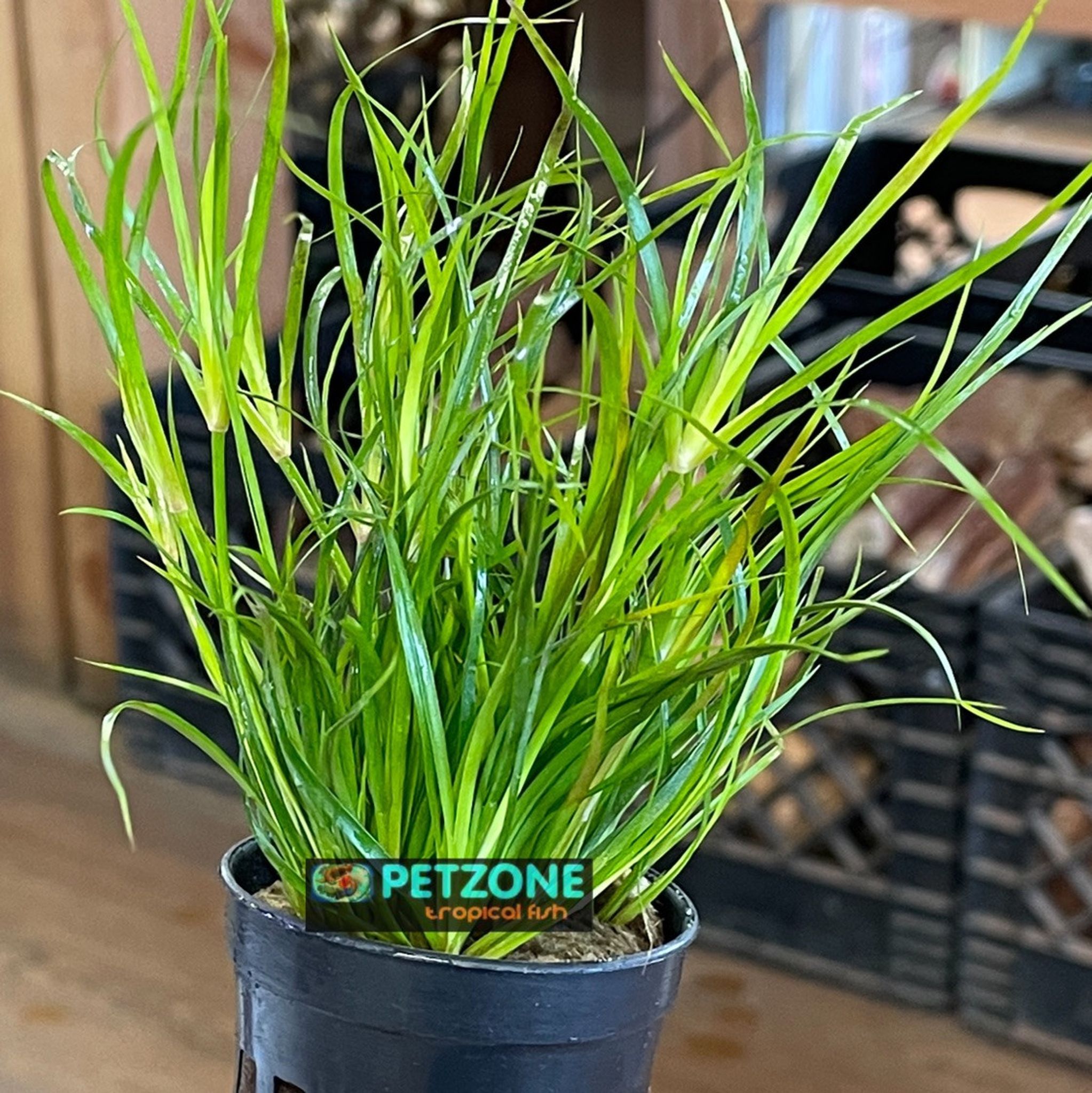

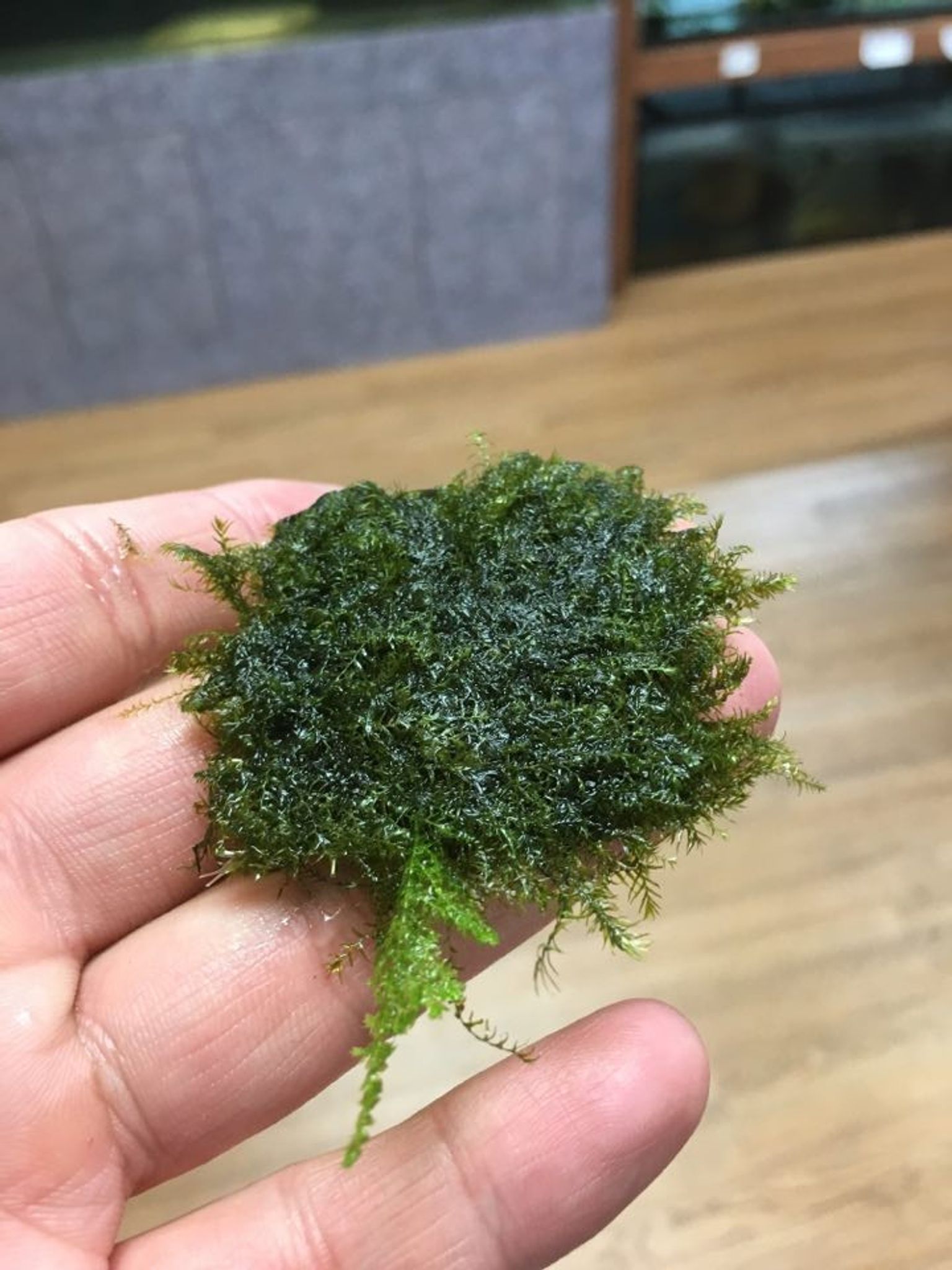
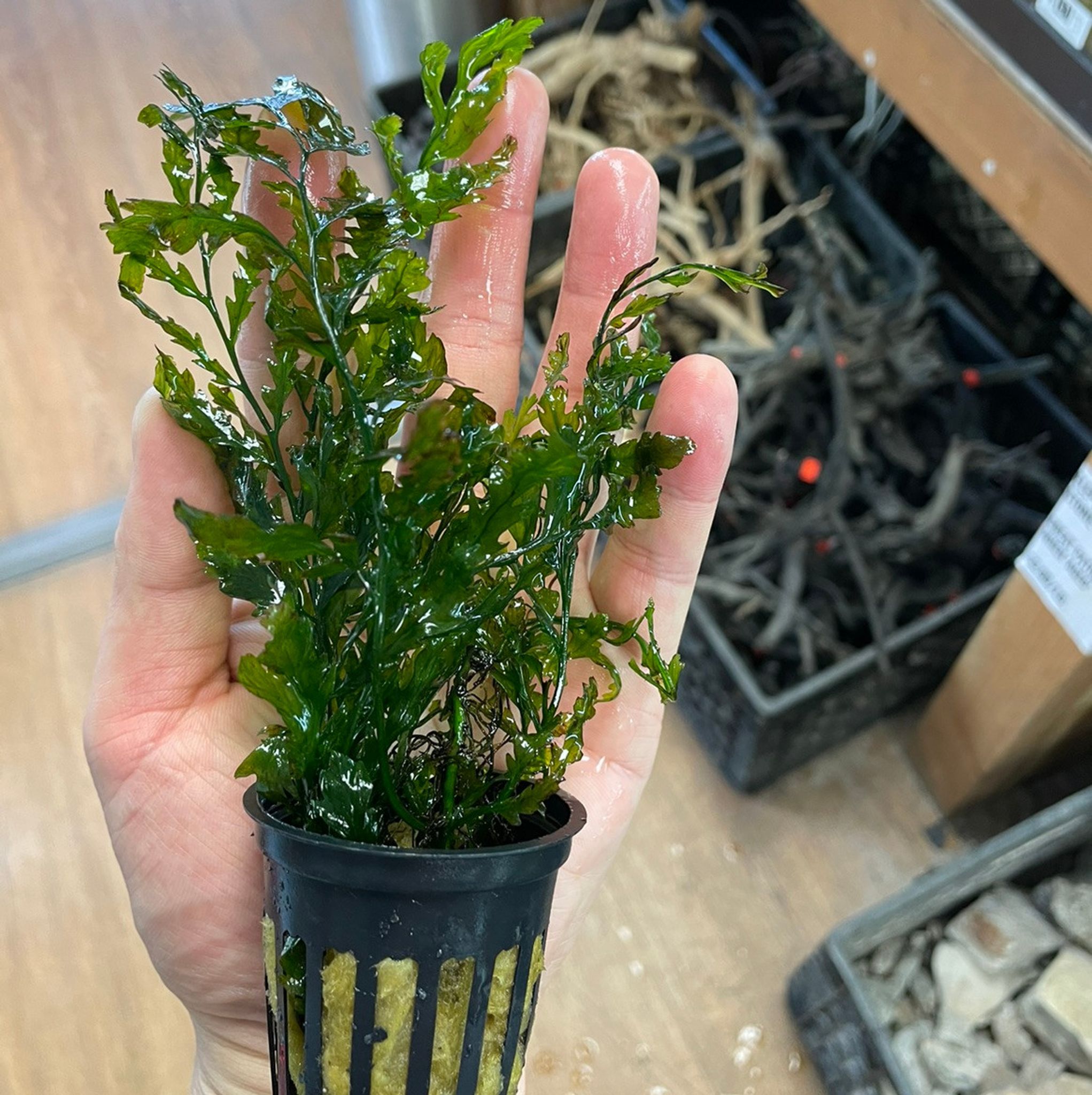
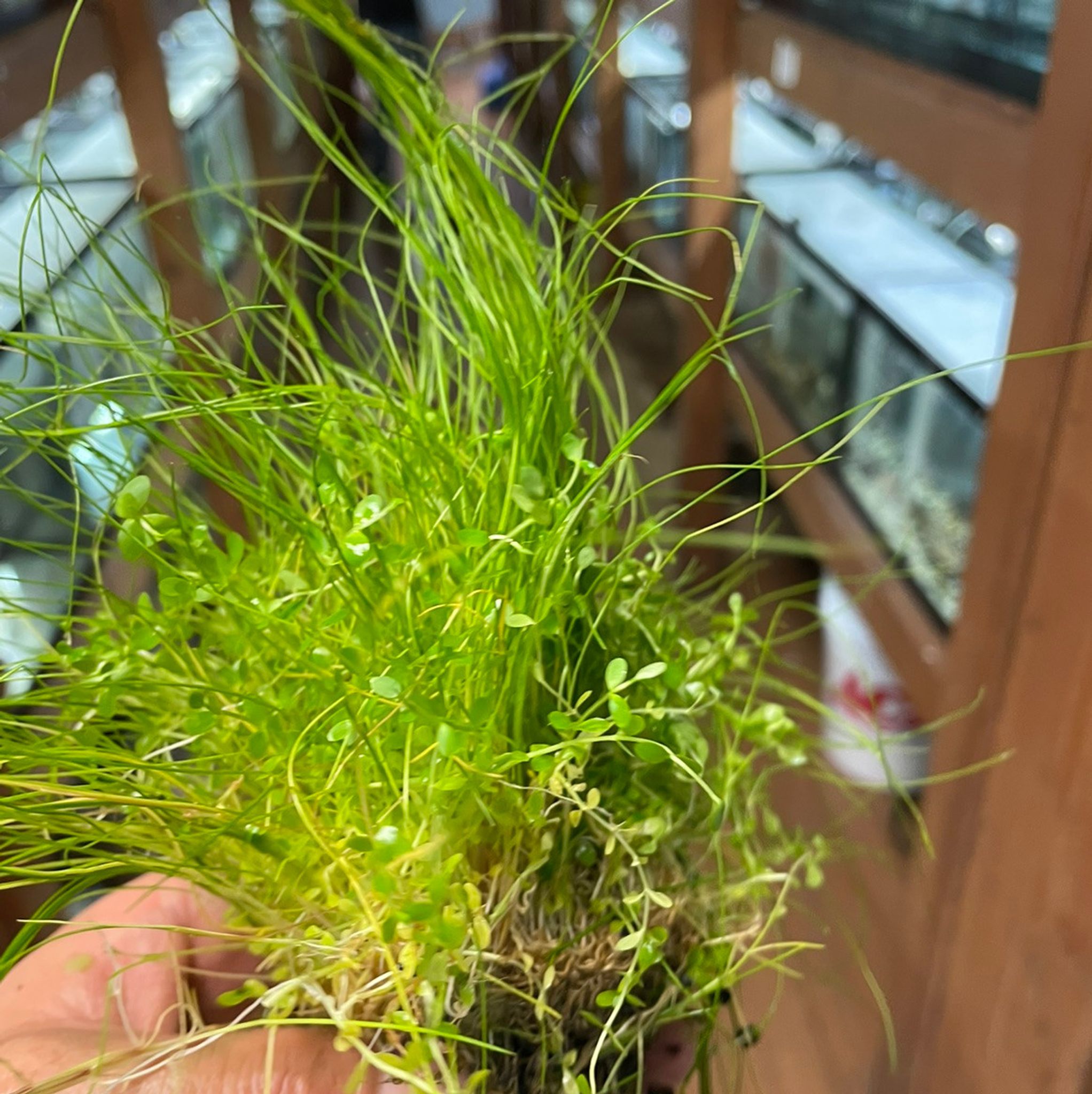
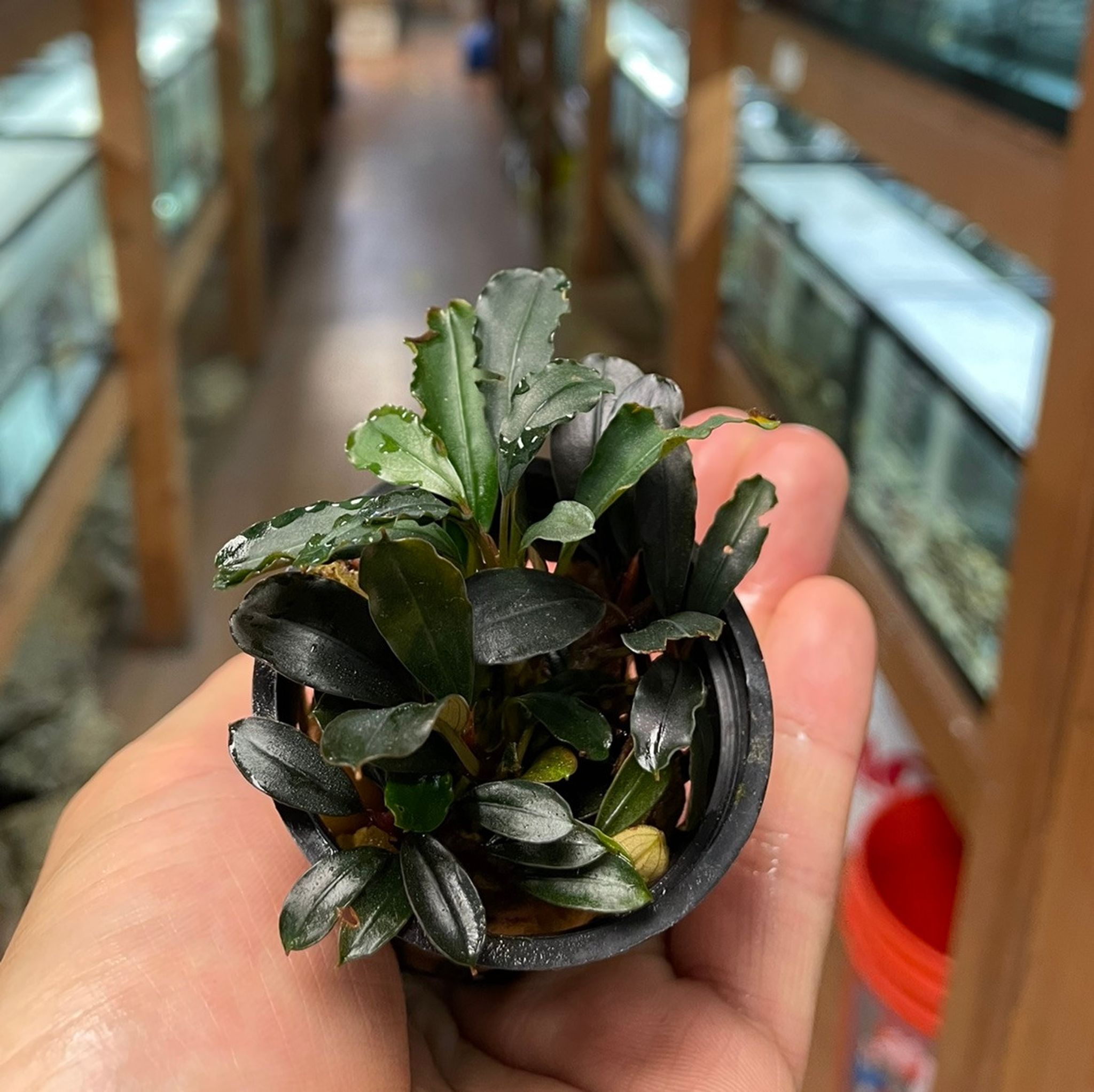
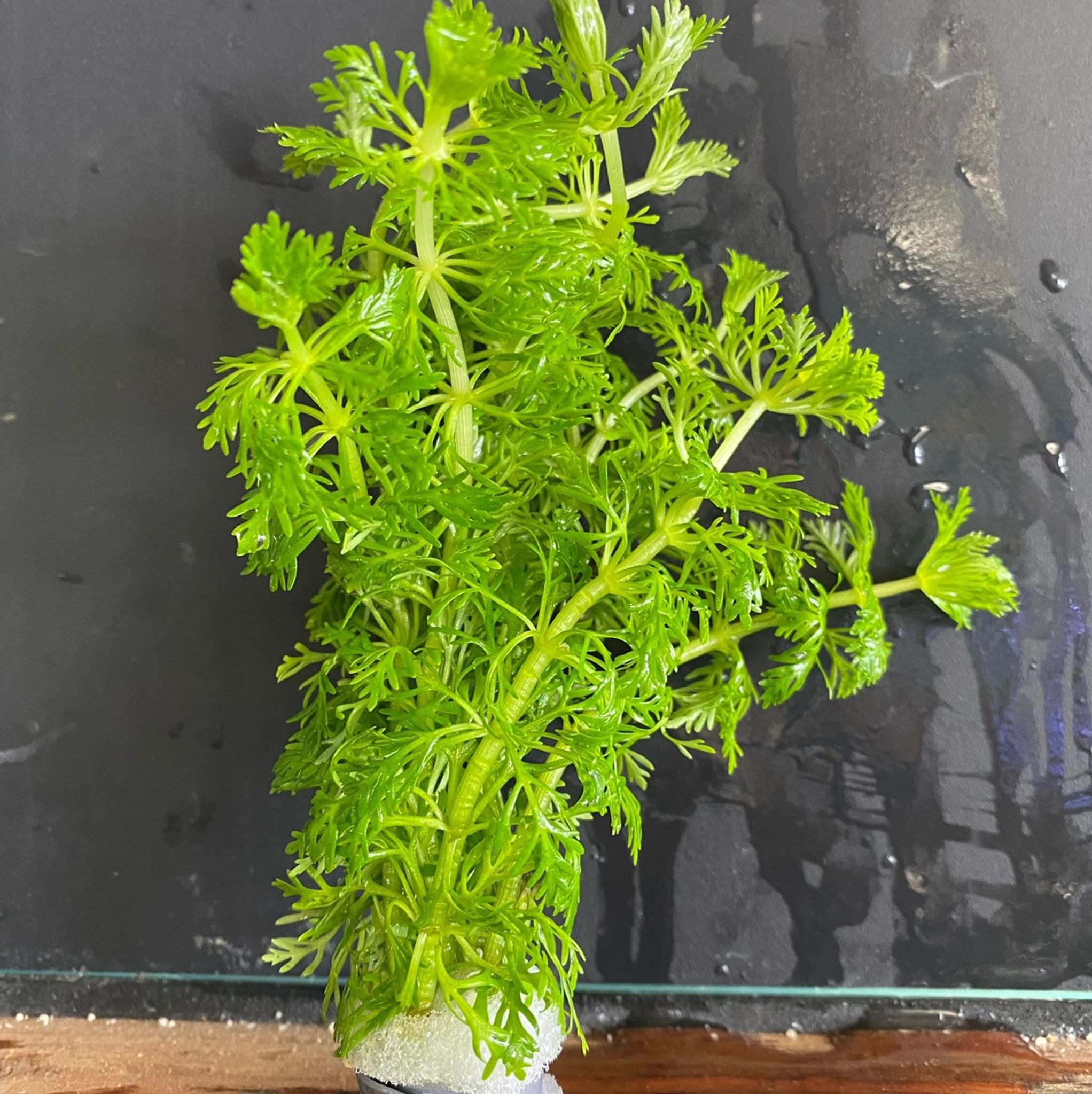
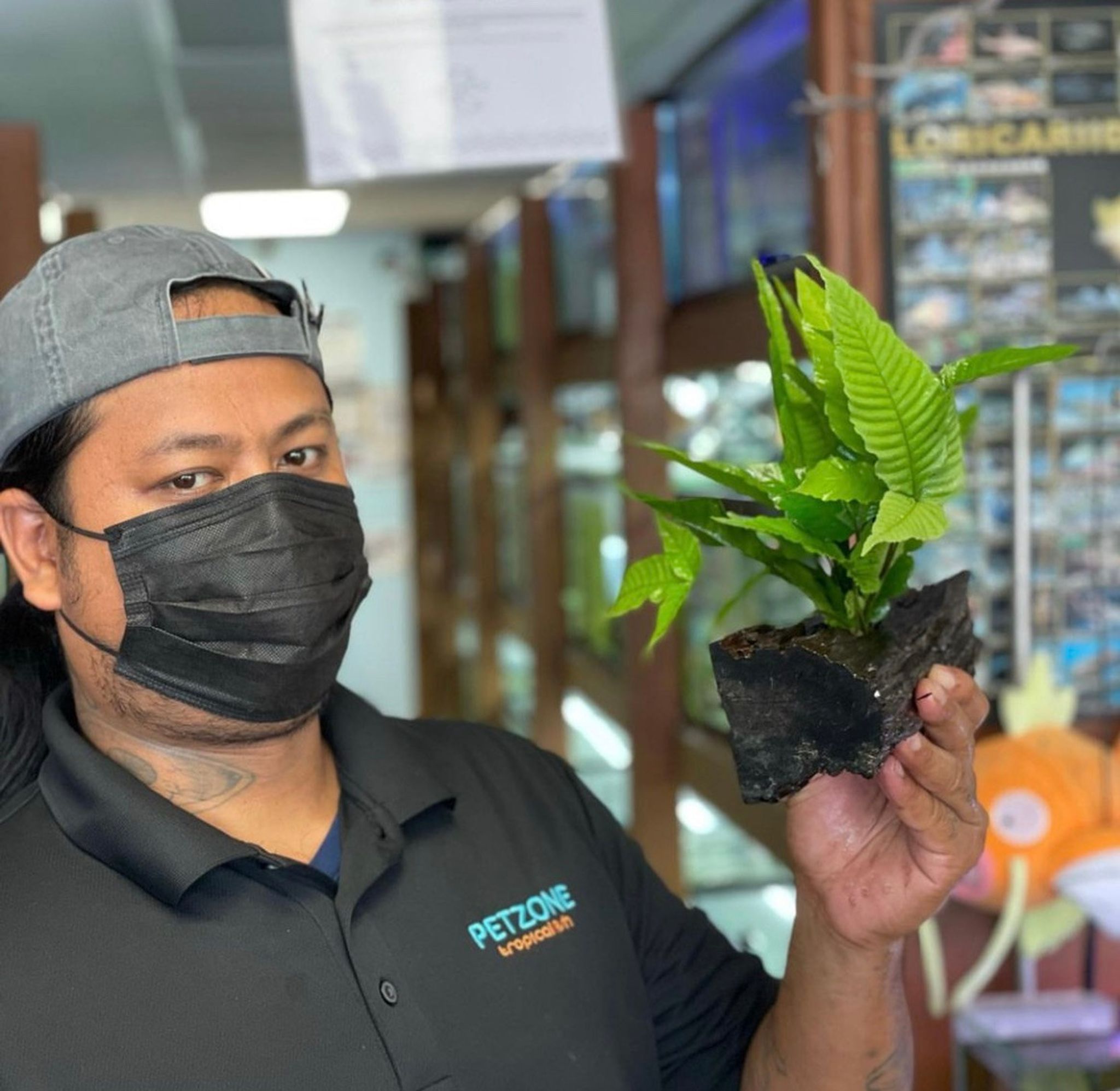
Shop live aquarium plants online from aquatic plant stores, growers and specialist sellers across the United States on FishyHub. Compare foreground plants, midground plants, background plants, floating plants, epiphytes and other freshwater aquarium plants by species, growth style and seller.
Aquatic plants can transform a freshwater aquarium by adding structure, color, shelter and a more natural environment for fish and shrimp. FishyHub helps U.S. hobbyists compare aquarium plant listings from multiple sellers in one marketplace.
Buying aquarium plants online gives hobbyists access to a broader range of species, growth forms and aquascaping styles than may be available from a single local aquarium store.
Compare plant type, expected size, placement, lighting needs, growth speed, seller information and shipping options before choosing plants for your aquarium.
Popular aquatic plant categories include:
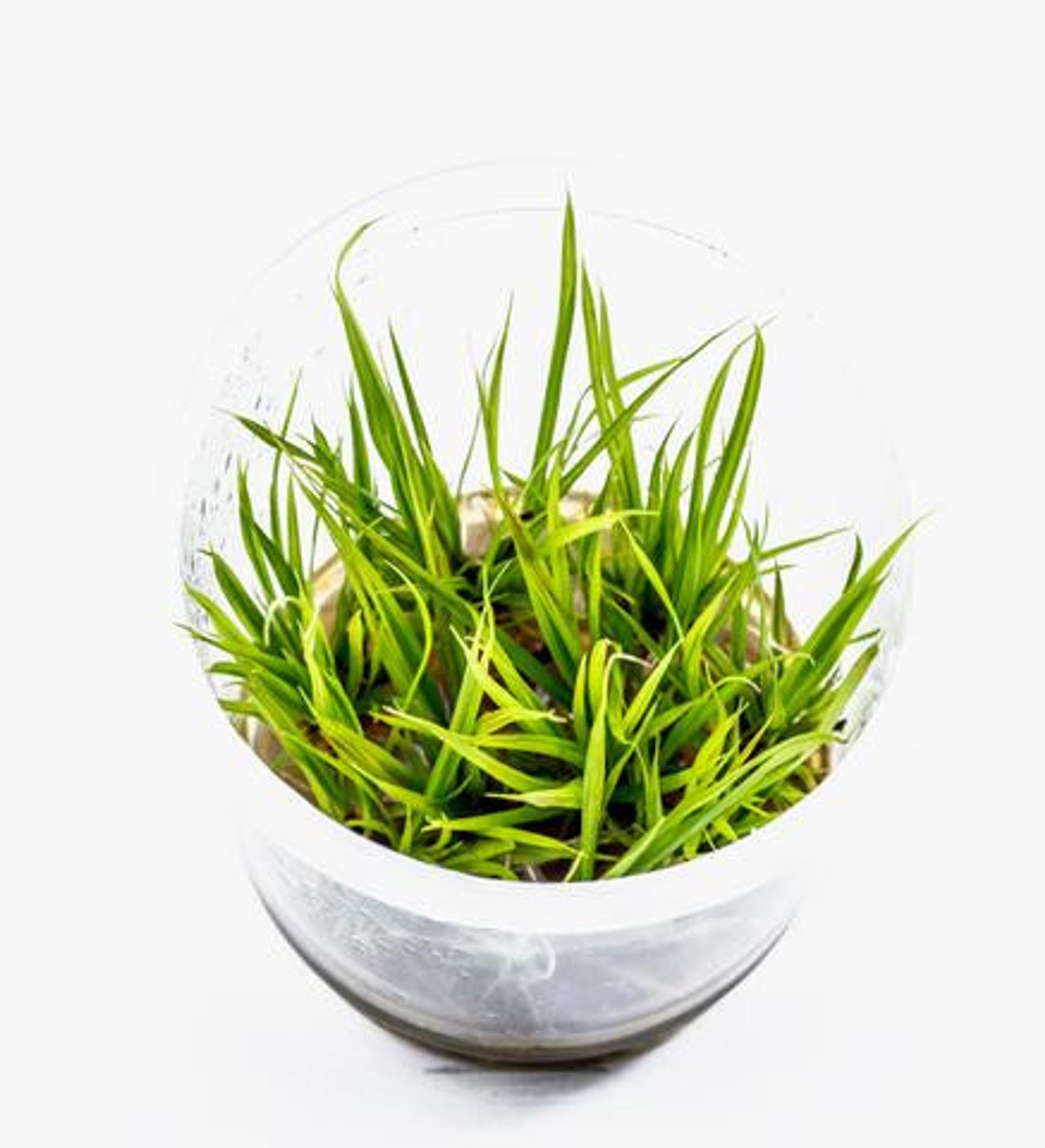
Foreground plants are typically placed toward the front of an aquarium where shorter growth helps preserve visibility into the aquascape.
They can be used to create low plant clusters, small textured areas or carpet-style layouts depending on species and growing conditions.
Midground plants help connect the front and rear sections of an aquascape and can soften transitions around rocks, wood and larger plants.
They are useful for creating depth and visual layering without blocking the entire aquarium view.
Background plants are generally taller-growing species used toward the rear or sides of the aquarium.
They can provide a green backdrop, hide equipment and create sheltered areas for fish while adding vertical structure to planted tanks.
Floating plants grow at the water surface and can provide shade, cover and additional structure for fish and shrimp.
Growth can be rapid in suitable conditions, so floating plants may need regular thinning to avoid blocking too much light or covering the entire surface.
Epiphyte plants are commonly attached to driftwood, rocks or other hardscape rather than planted deeply into substrate.
Anubias, Java Fern and Bucephalandra-type plants are popular choices for aquascapes where natural-looking growth around wood and rock is desired.
Carpeting plants are used to create low-growing plant coverage across the substrate.
Some species can form dense carpets under suitable lighting, nutrient and CO2 conditions, while others are better suited to looser foreground growth.
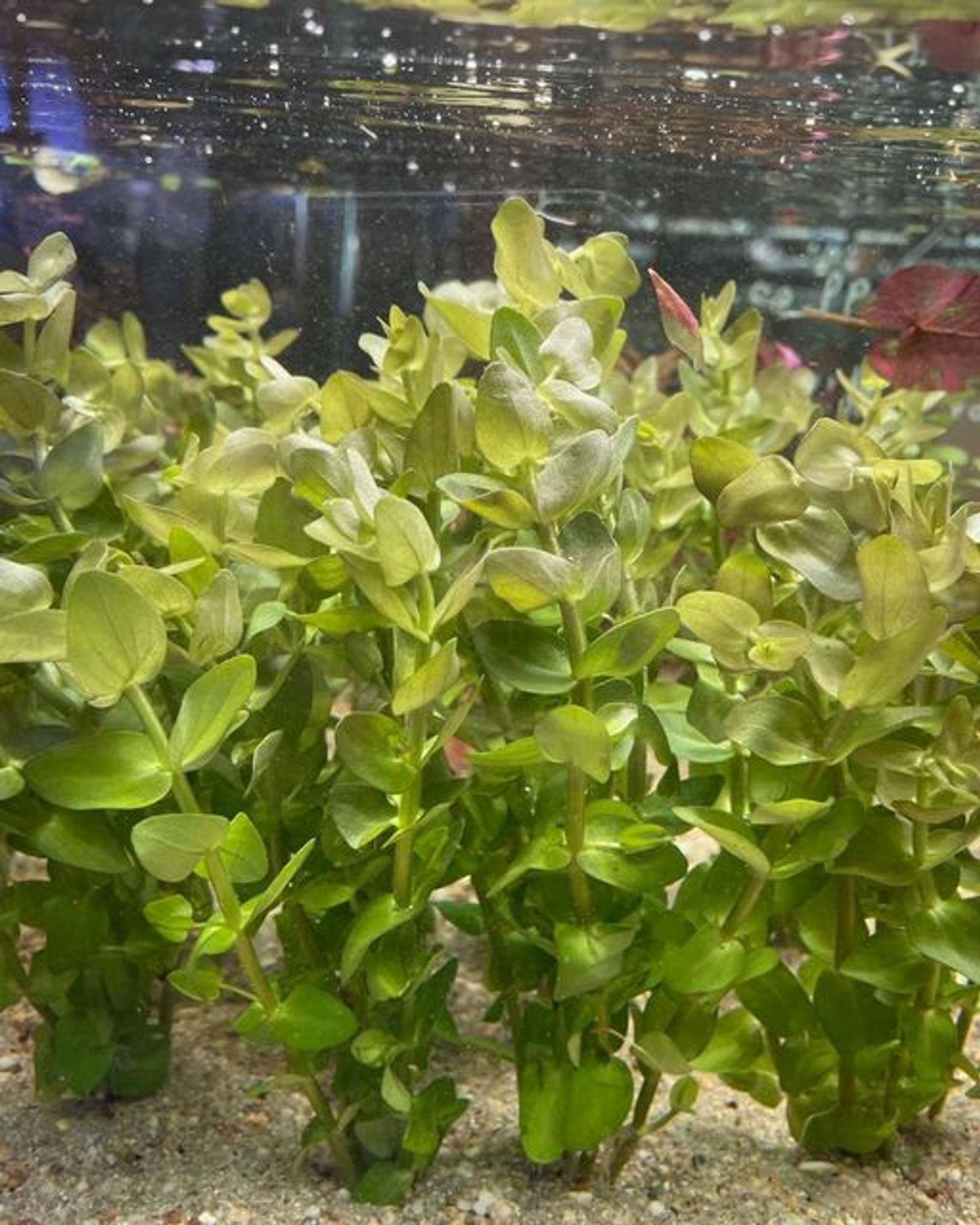
Stem plants are popular for fast growth, easy propagation and strong visual impact in planted aquariums.
They can be trimmed and replanted to create dense groups and are often used in midground or background areas depending on height.
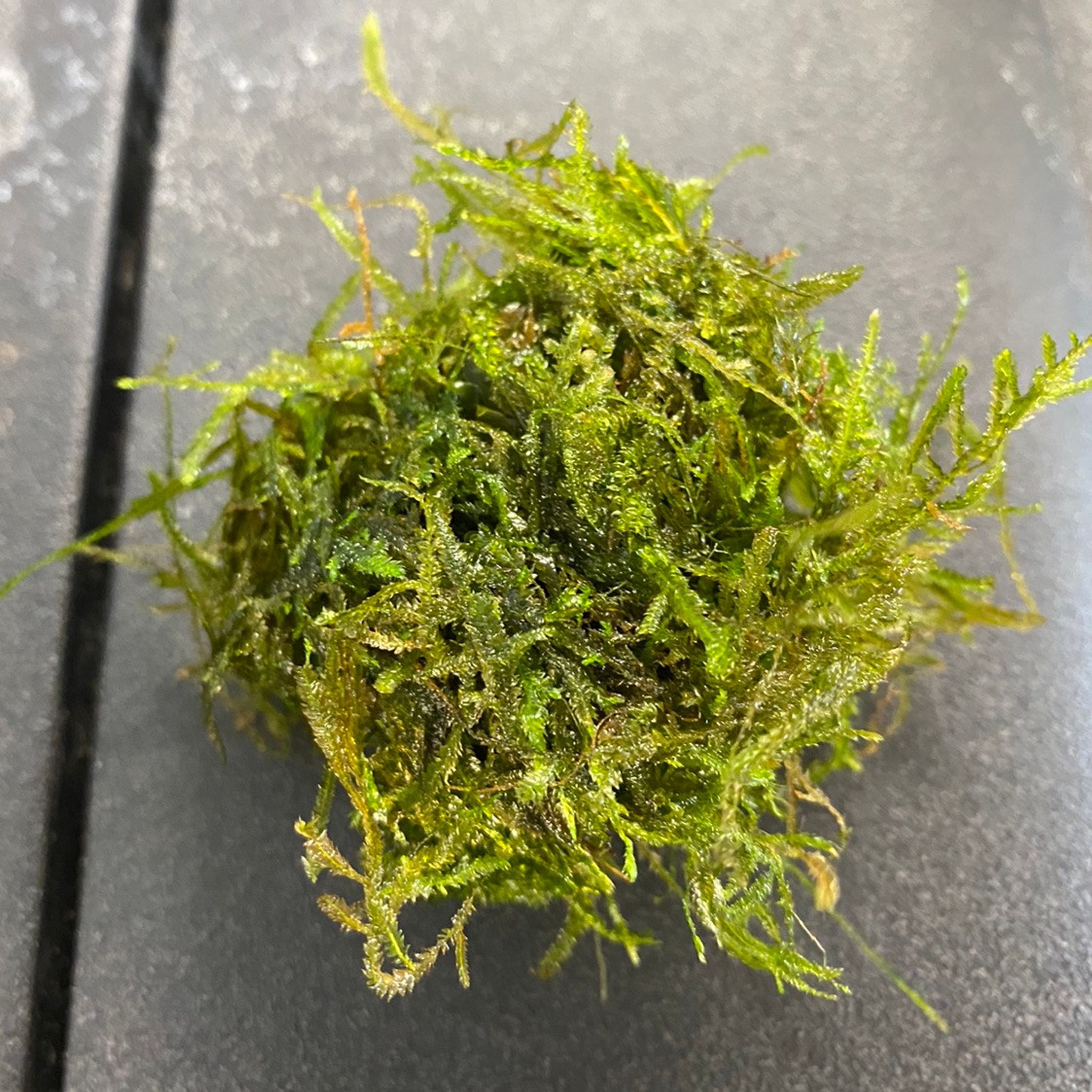
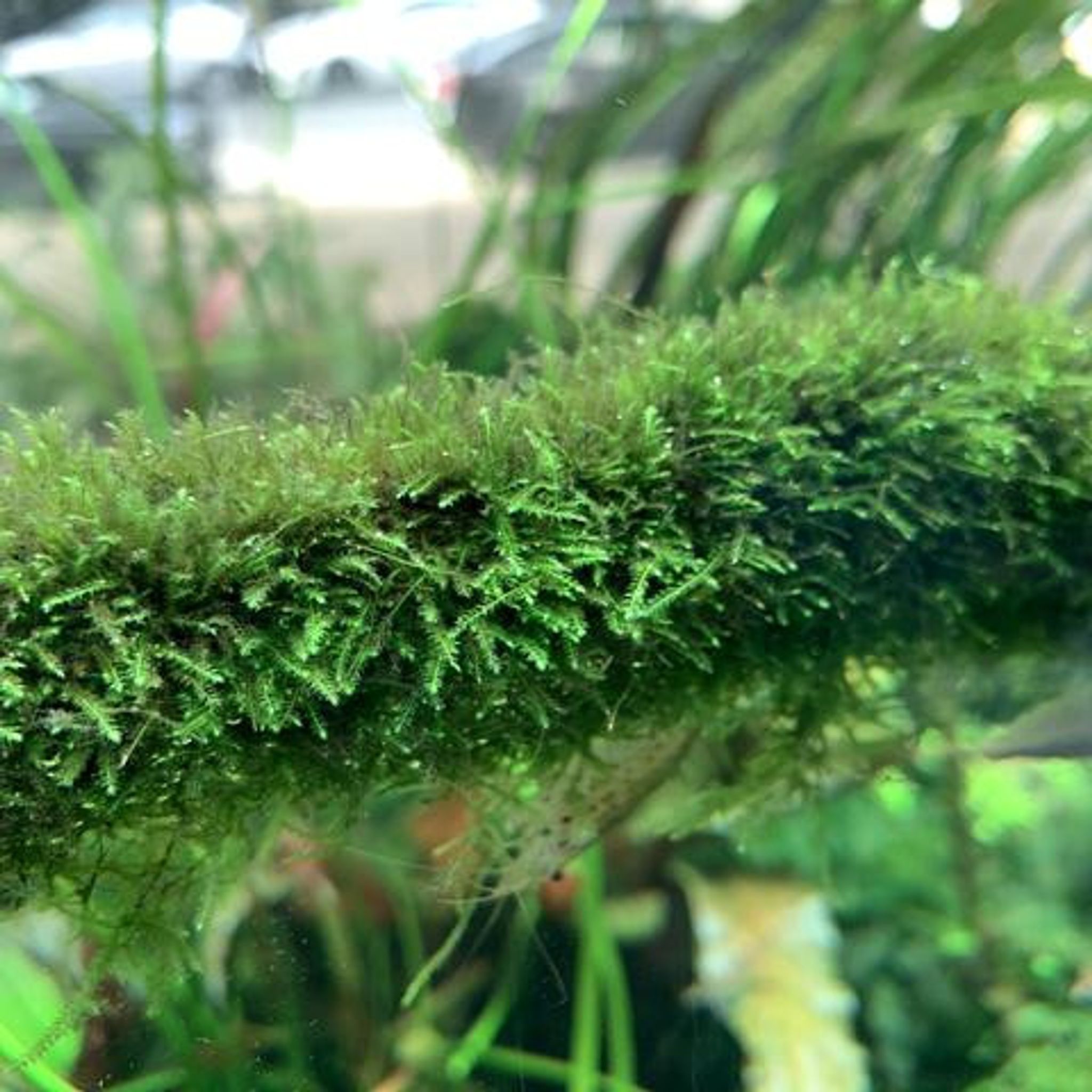
Aquarium mosses can be attached to rocks, wood, mesh or other hardscape to create soft natural textures.
Mosses are especially popular in shrimp tanks and nature-style aquascapes because they provide dense cover and fine surfaces for grazing.
Anubias are popular slow-growing aquarium plants valued for sturdy leaves and flexible placement on wood or rock.
They are often chosen for low-maintenance aquariums, though growth rate, leaf size and form vary by type.
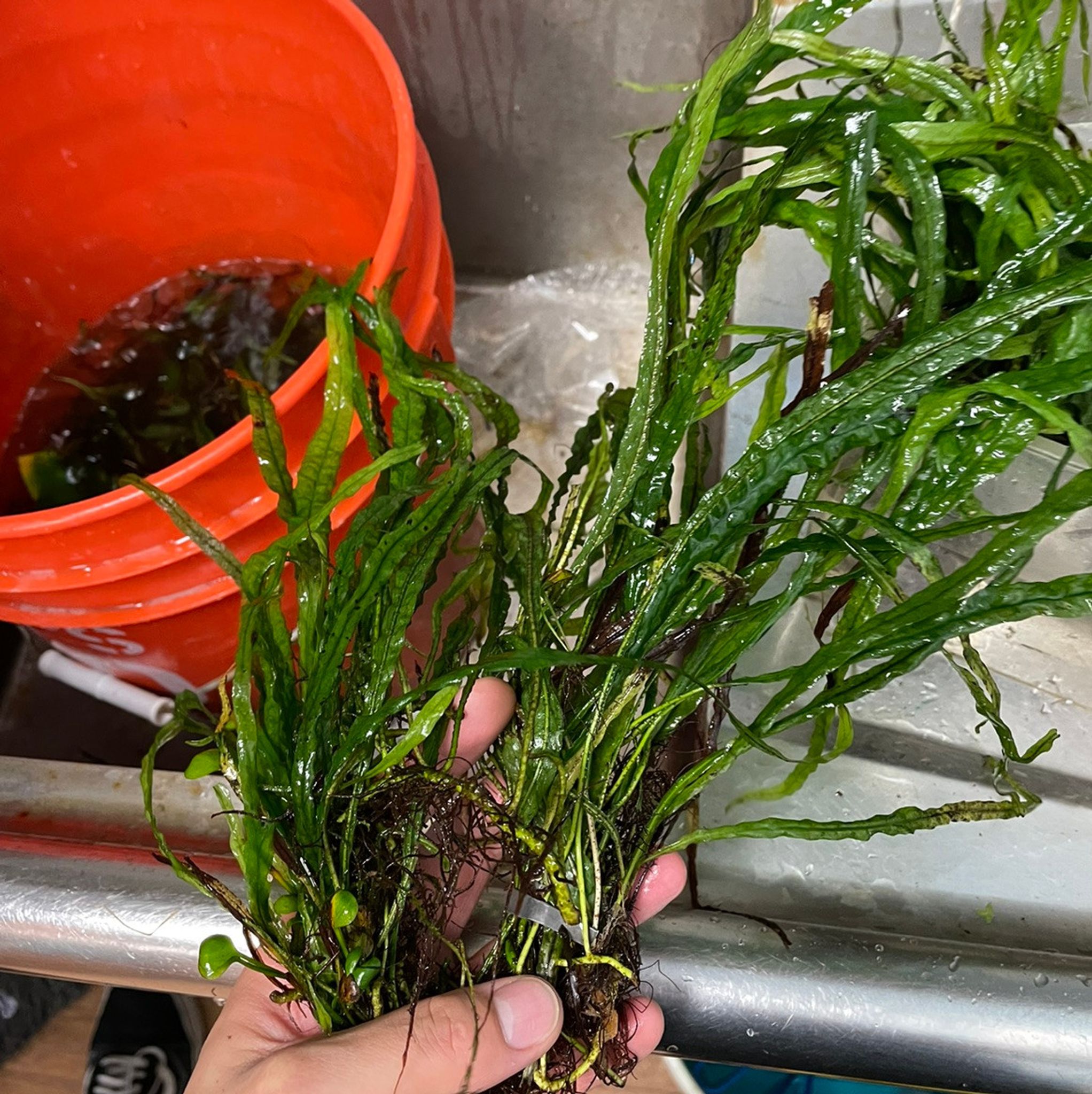
Java Fern is a familiar epiphyte plant commonly attached to driftwood or stone.
It is widely used in community tanks and beginner planted aquariums because it can adapt to a range of setups and does not need to be rooted deeply in substrate.
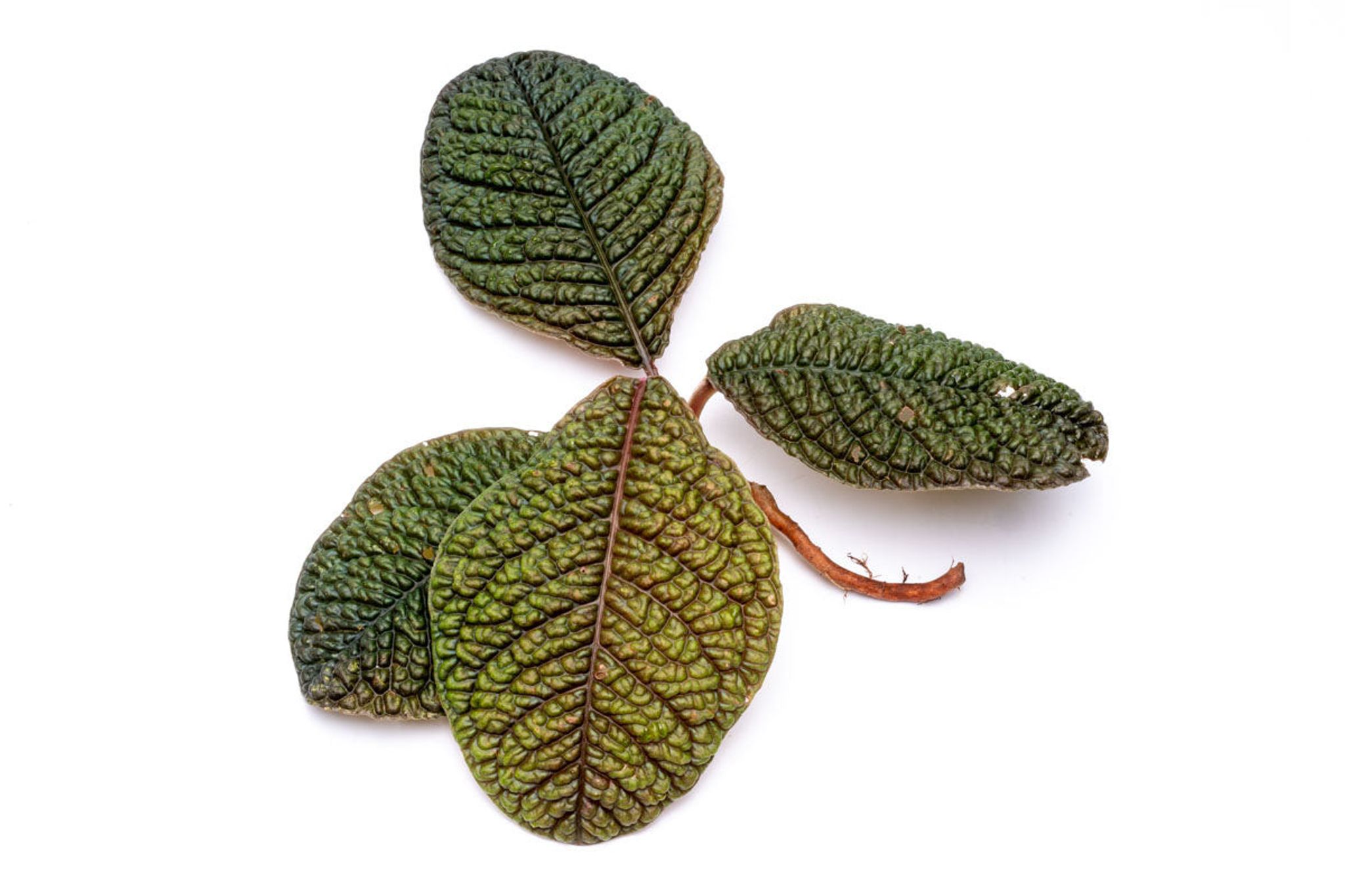
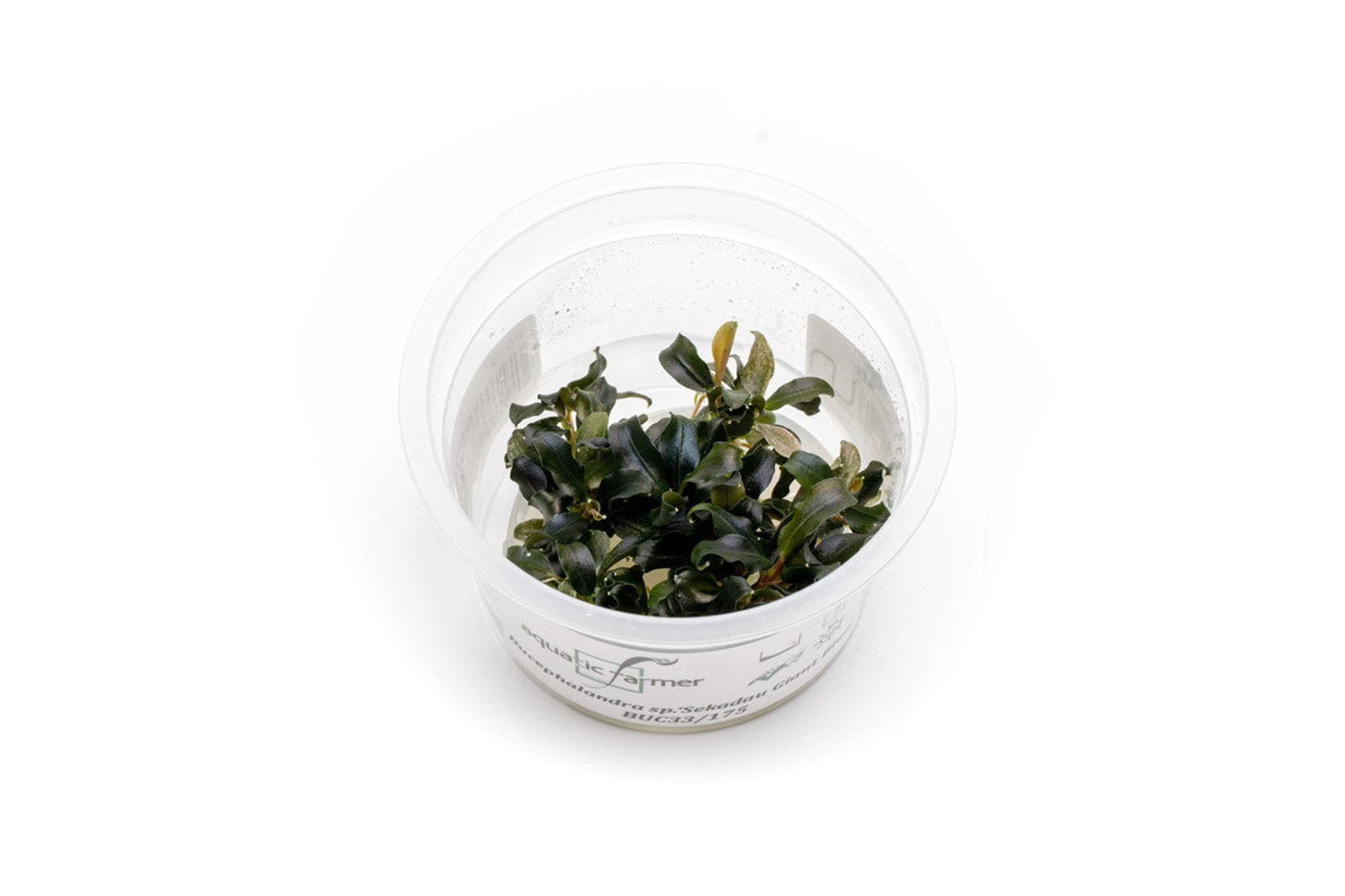
Bucephalandra are compact epiphyte plants known for varied leaf shapes, colors and subtle iridescence.
They are popular in detailed aquascapes where slower growth and fine-scale texture are desirable.
Cryptocoryne are rosette plants available in many sizes, leaf shapes and colors.
Depending on the species, they can work in foreground, midground or larger planted layouts and are widely used in natural-style aquariums.
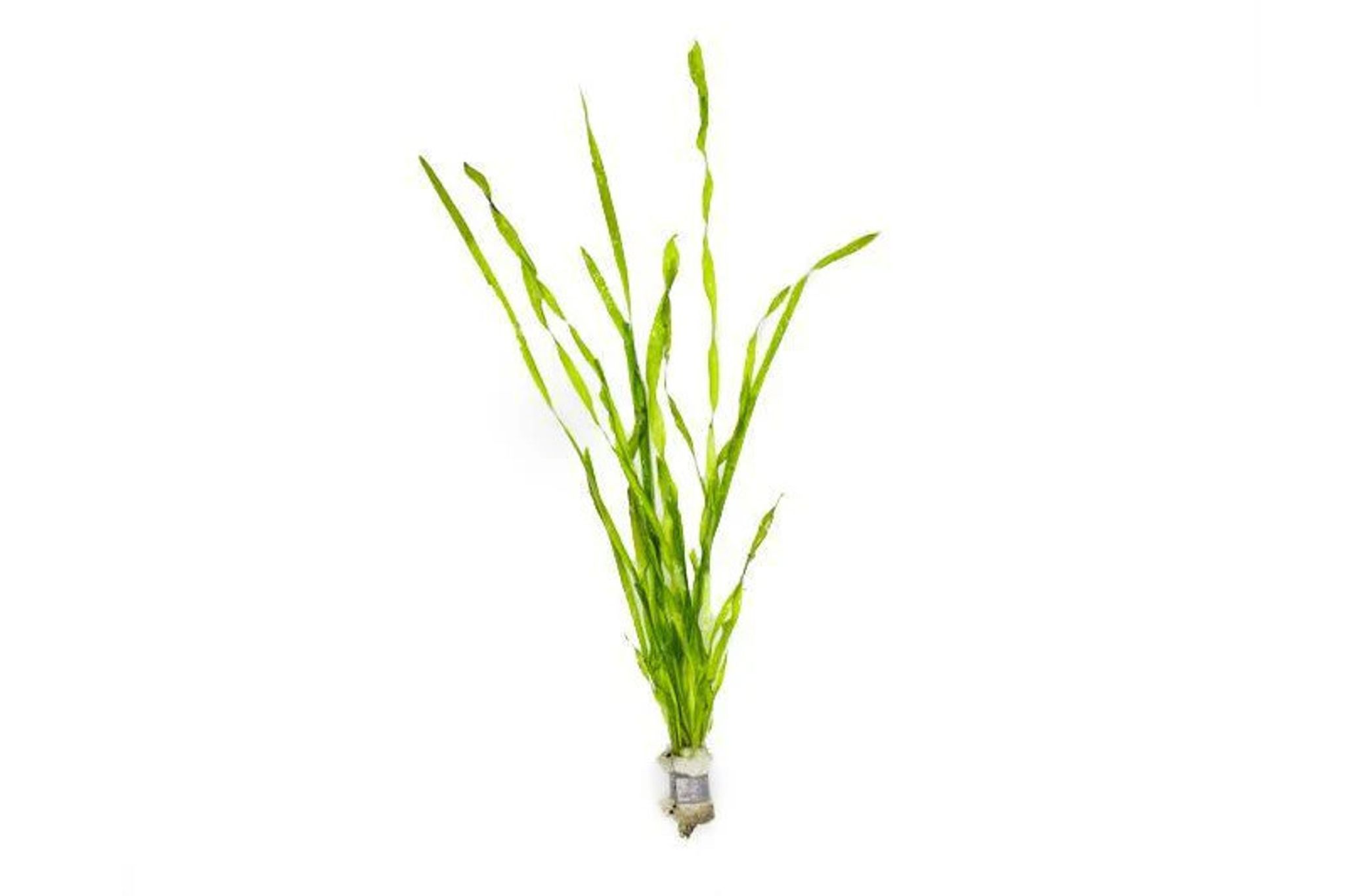
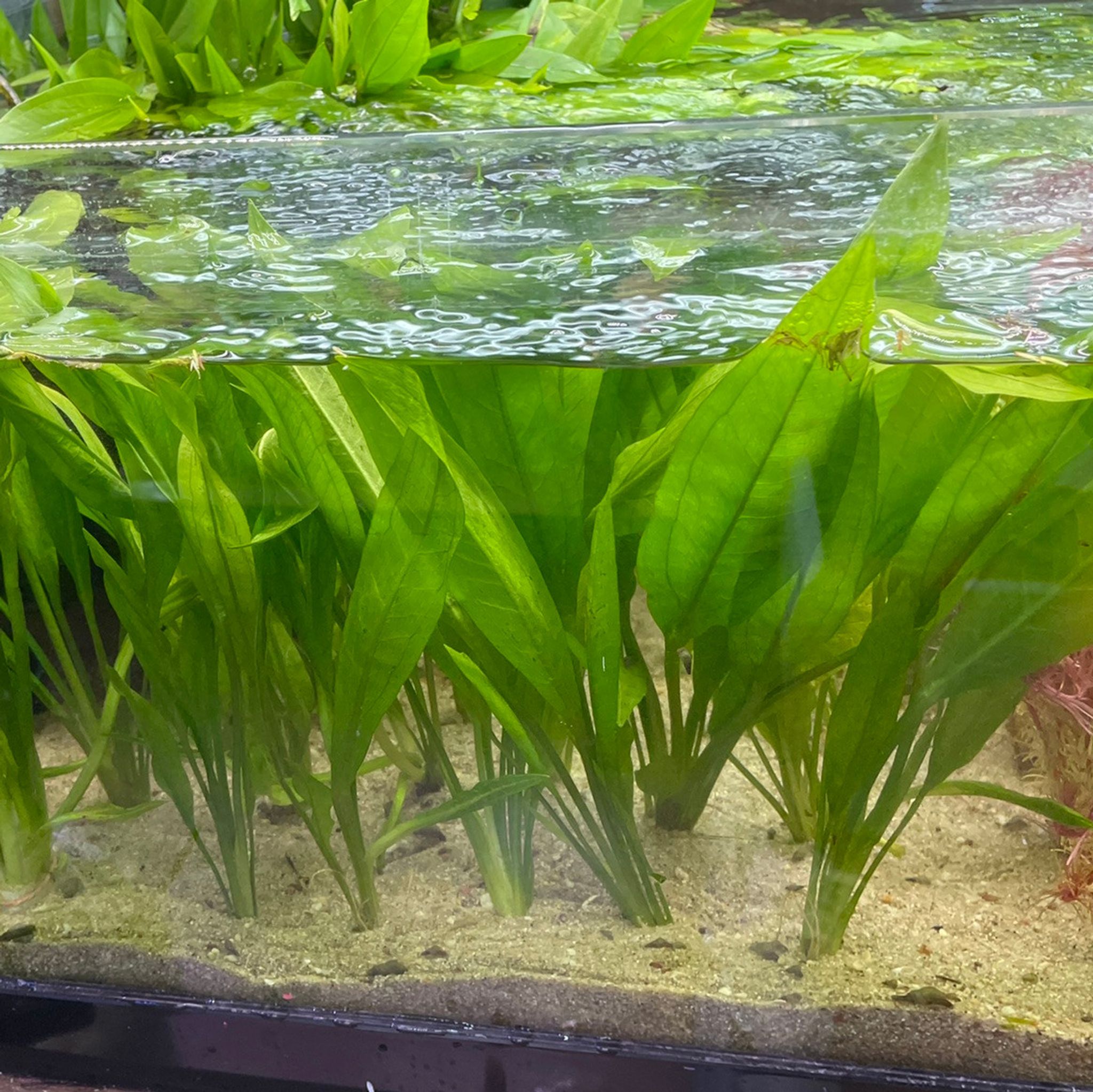
Vallisneria are grass-like aquarium plants often used along the rear or sides of freshwater aquariums.
Their long leaves can create dense vertical cover and a flowing background effect in suitable setups.
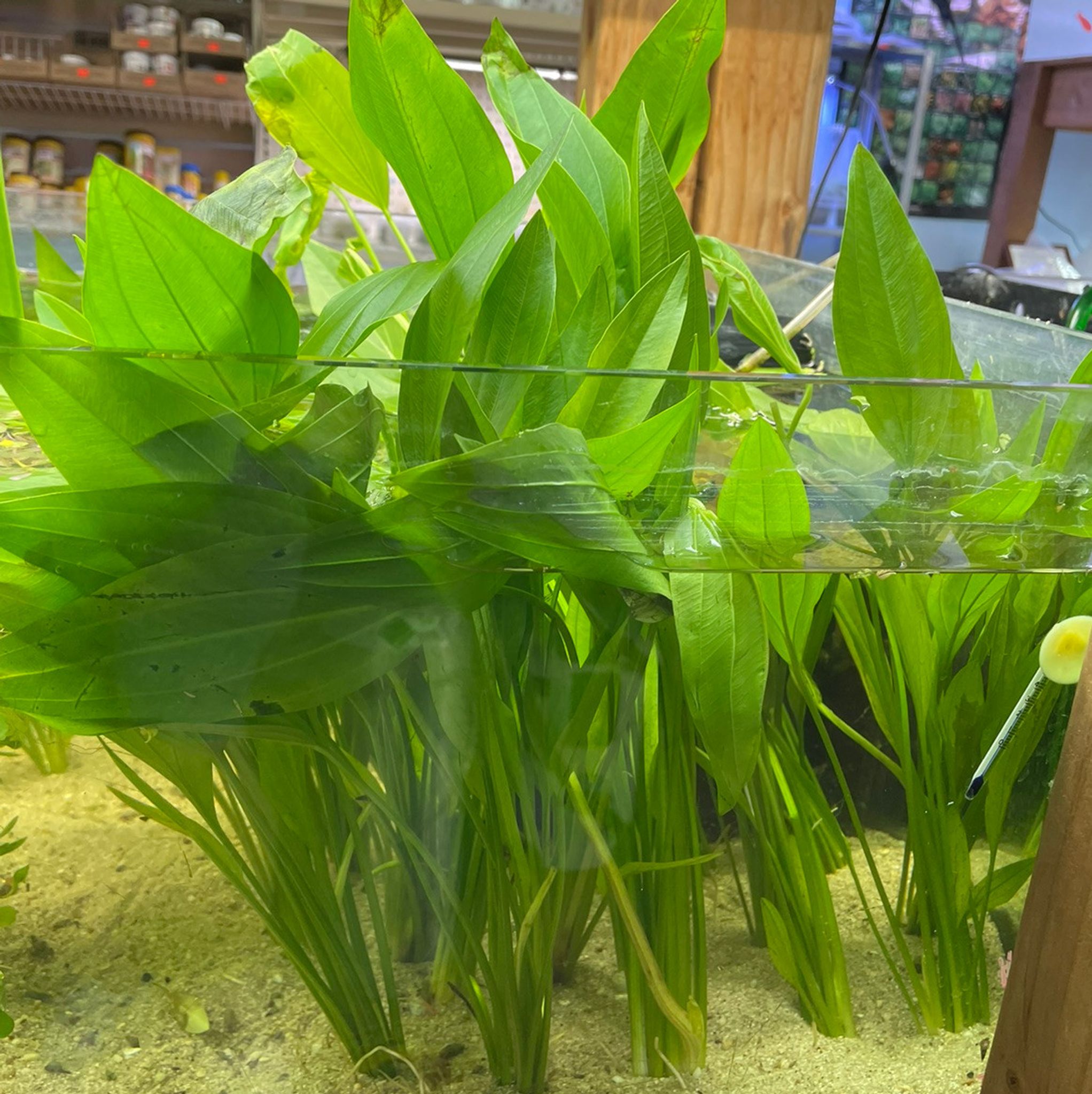
Amazon Sword-type plants are large rosette plants that can become prominent focal points in freshwater aquariums.
Their mature size should be considered before planting because larger forms can dominate smaller tanks.
Some aquatic plants are more forgiving of modest lighting and slower-growing setups.
Anubias, Java Fern, selected Cryptocoryne and some mosses are often considered for lower-maintenance aquariums, although care still varies by plant and system.
Many aquarium plants can grow without injected CO2 when lighting, nutrients and plant selection are matched appropriately.
Slower-growing epiphytes, mosses and selected rosette plants are often used in low-tech planted tanks where simplicity and stability are prioritized over maximum growth speed.
High-light aquascapes with injected CO2 and nutrient management can support more demanding plant species and faster growth.
Carpeting plants, red stem plants and other demanding species may show stronger growth and coloration when their specific requirements are met.
Beginner-friendly aquarium plants are generally those that tolerate a wider range of conditions and do not require intensive trimming or equipment.
Choose plants based on your lighting, substrate, aquarium size and maintenance routine rather than simply selecting the fastest-growing species.
Live plants can provide shrimp with cover, grazing surfaces and complex habitat.
Mosses, epiphytes and dense fine-leaved plants are especially popular because they provide many small surfaces for biofilm and shelter.
Live plants can create cover, resting places and visual structure in Betta aquariums.
Broad-leaved plants, floating plants and gentle epiphytes can work particularly well when the layout preserves easy access to the water surface.
Community fish can benefit from planted layouts that provide open swimming areas together with cover and visual barriers.
Background plants, midground clusters and epiphytes around hardscape can create a balanced aquarium without overcrowding the swimming space.
Aquascaping uses plants, hardscape and open space to create deliberate visual compositions underwater.
Combining foreground, midground and background plants can create depth, while epiphytes and mosses help integrate rocks and driftwood into the layout.
A simple way to plan a planted aquarium is by position:
Mature plant size matters just as much as fish size when planning an aquarium.
Compact plants may suit nano aquariums, while large swords, tall stem plants and Vallisneria-type plants may require considerably more space.
Lighting requirements vary widely between aquatic plant species.
Some plants tolerate modest light, while carpeting plants and colorful stem species may require stronger lighting. Match light intensity and duration to the plants being grown rather than assuming more light is always better.
Rooted aquarium plants may benefit from nutrient-rich substrate or targeted root nutrition depending on the species.
Epiphytes such as Anubias and Java Fern are typically attached to hardscape instead of planted with their rhizomes buried deeply.
Aquatic plants require nutrients for healthy growth, but nutrient demand varies with plant type, lighting, growth rate and aquarium stocking.
Fertilization should be adjusted to the aquarium rather than added blindly, since excessive or imbalanced nutrients can contribute to algae problems.
Injected CO2 can support faster plant growth and help demanding plants perform well in high-light aquariums.
CO2 is not mandatory for every planted tank, and low-tech aquariums can be successful with appropriate plant selection, lighting and nutrient management.
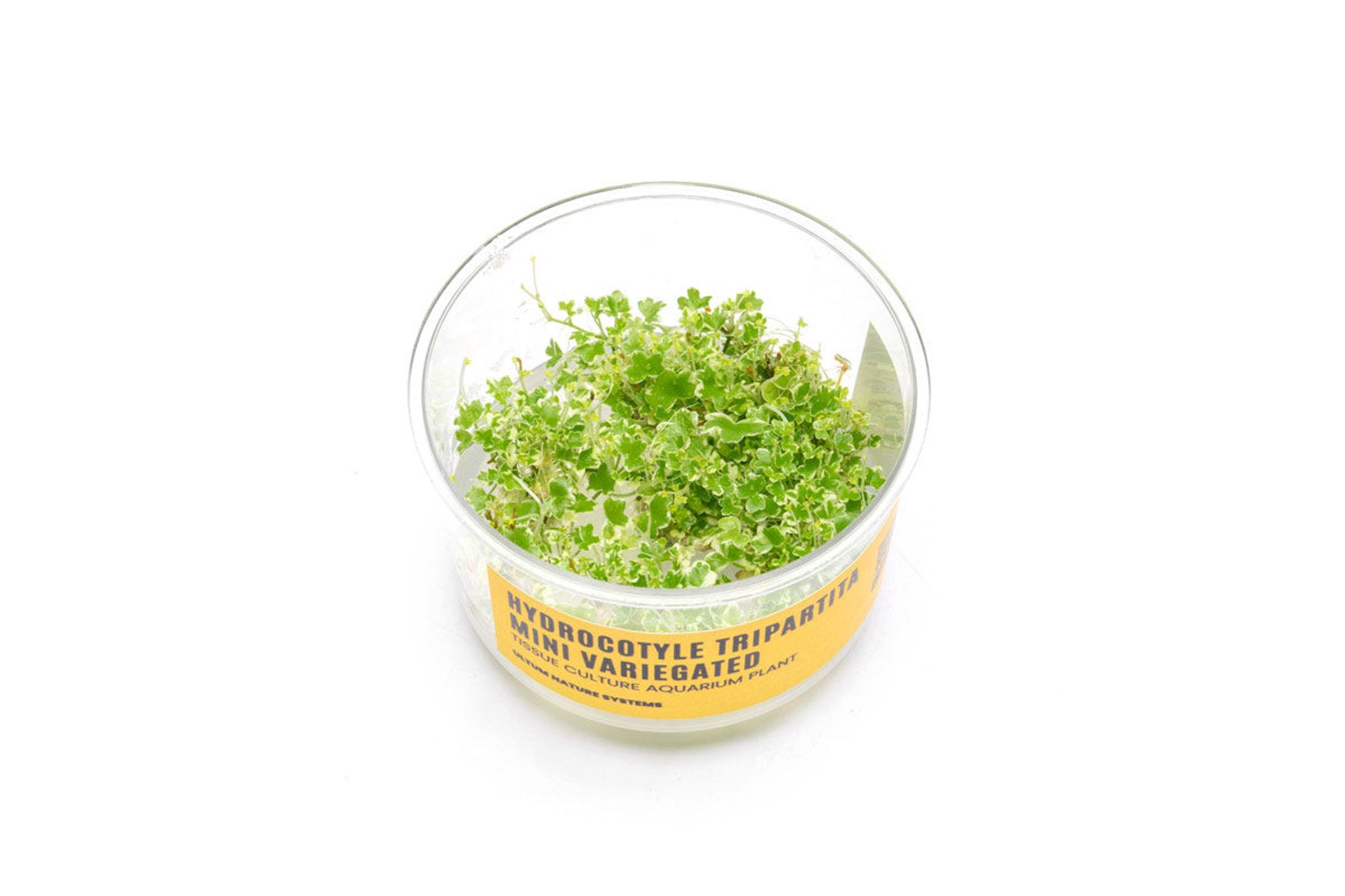
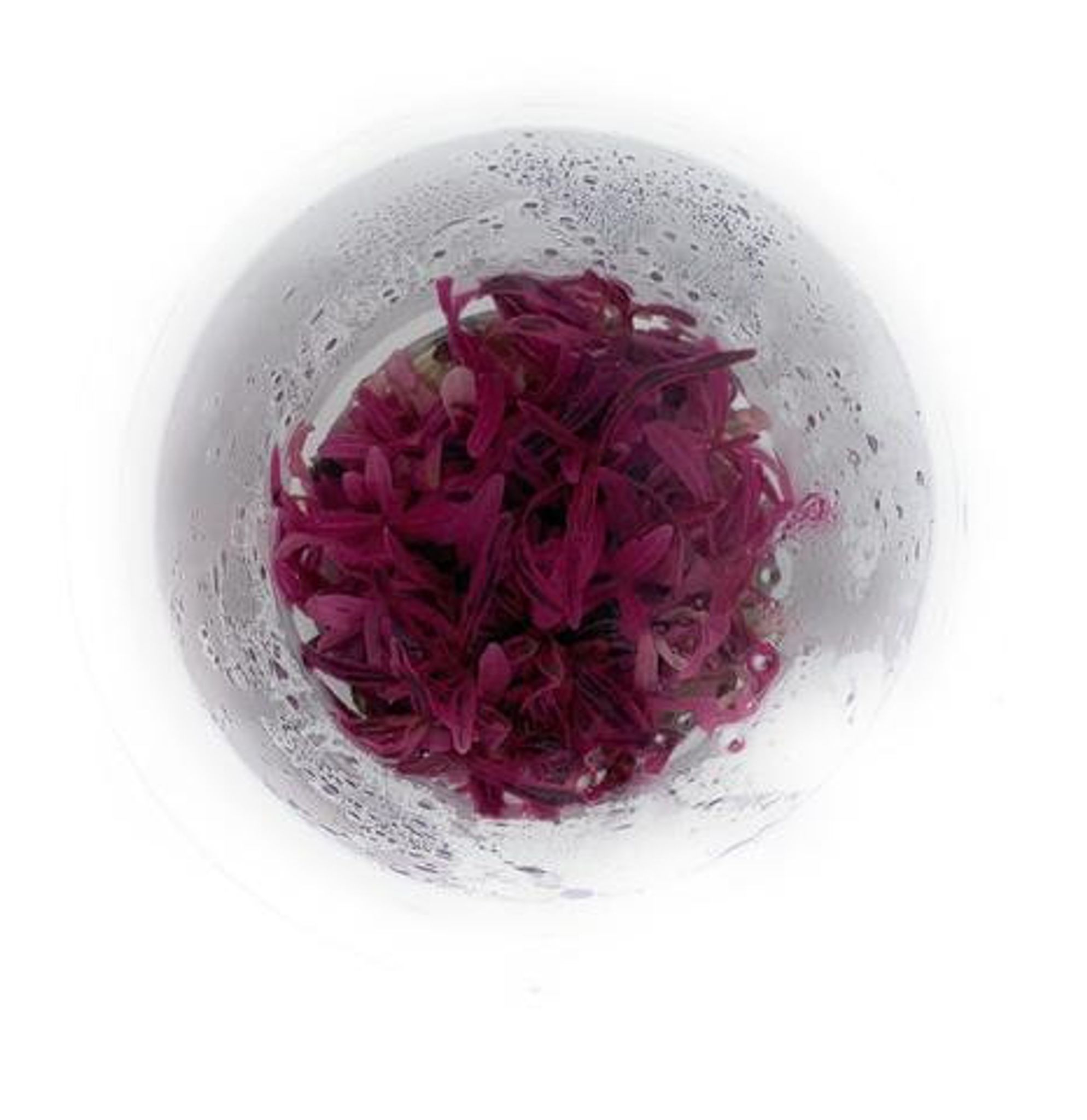
Tissue culture plants are grown in sterile laboratory conditions and are often sold in sealed cups or containers.
They can be useful for hobbyists seeking plant material without many of the hitchhikers that can arrive on conventionally grown aquarium plants.
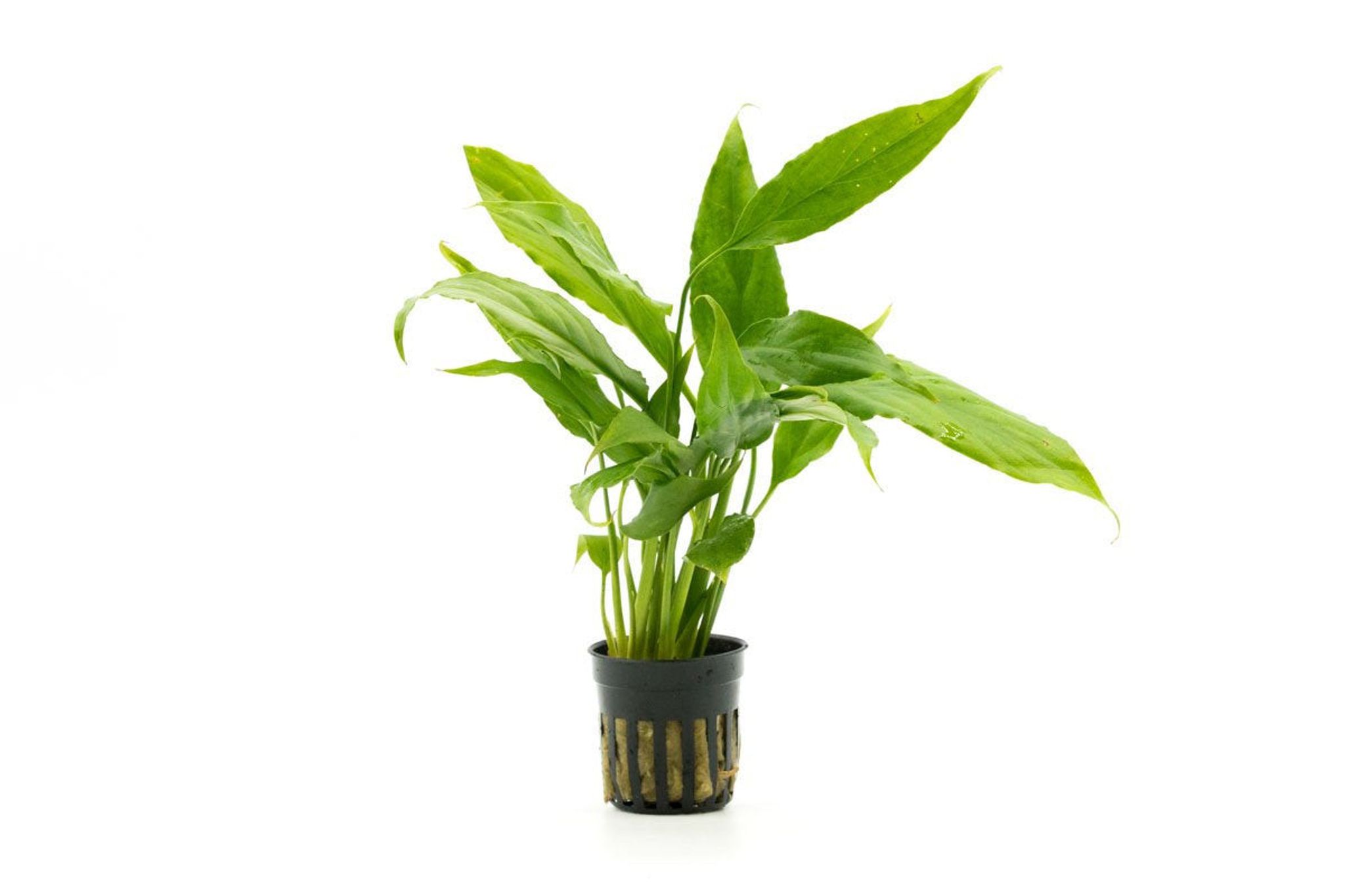
Many aquarium plants are sold in pots or baskets containing rock wool or other growing media.
Buyers should follow plant-specific planting guidance and remove or retain growing media only as appropriate for the species and seller instructions.
Plant bundles can be useful for hobbyists building a new planted aquarium or looking for a mix of textures and heights.
Check which species are included, expected mature size and care requirements to make sure the bundle suits your aquarium setup.
When comparing live aquarium plants for sale, look for:
Newly shipped aquatic plants may show temporary stress or leaf loss after moving between growing conditions.
Remove damaged material, plant according to the species and allow time for new submerged growth to develop under stable aquarium conditions.
Some aquarium plants may lose older leaves after being moved into a new environment or converted from emersed to submerged growth.
This does not always mean the entire plant is dead. Healthy roots, crowns or rhizomes may produce new aquarium-adapted growth when conditions are suitable.
Conventionally grown live plants can sometimes carry snails, eggs, algae or other small organisms.
Inspect and prepare new plants before adding them to an established aquarium, especially if you want to reduce unwanted hitchhikers.
Aquarium plant prices vary according to species, portion size, rarity, growth form, cultivation method and seller.
Common beginner plants and rare collector varieties can differ substantially in price, so compare plant size, quantity, condition and seller information rather than price alone.
FishyHub brings aquatic plant listings from aquarium stores, growers and specialist sellers together in one marketplace.
When comparing aquarium plants online, consider:
Shipping availability depends on the seller, destination, weather, plant type and live-plant shipping policy.
Review delivery timing, packaging and live-arrival terms before ordering, especially during periods of extreme heat or cold.
Yes. Aquarium stores, plant growers and specialist sellers offer live aquatic plants online across the U.S., depending on seller shipping coverage and live-plant policies.
Anubias, Java Fern, selected Cryptocoryne and some mosses are commonly chosen for lower-maintenance planted aquariums.
Not all do. Many aquarium plants can grow without injected CO2 when lighting, nutrients and species selection are appropriate.
Mosses, epiphytes and dense fine-leaved plants are popular because they provide cover and many grazing surfaces for shrimp.
Epiphyte plants such as Anubias, Java Fern, Bucephalandra and many mosses are commonly attached to driftwood or rocks.
Tissue culture plants are propagated in sterile laboratory conditions and are commonly sold in sealed containers with reduced risk of many common plant hitchhikers.
Some plants lose older leaves while adapting to new water, lighting or submerged conditions. Healthy roots, crowns or rhizomes may still produce new growth.
FishyHub helps U.S. hobbyists compare live aquarium plants from aquatic plant stores, growers and specialist sellers in one marketplace.
Explore live aquarium plants for sale on FishyHub and compare foreground, midground, background, floating, epiphyte, carpeting and other freshwater aquatic plants. Discover listings from aquatic plant sellers across the United States, and compare species, growth style, placement, lighting needs, price and shipping options before choosing plants for your aquarium.