1–40 of 156
![[Chihiros] CO2 Air Hose PRO for CO2 Regulator](https://image-cdn-prodv2.fishyhub.com/fit-in/2048x2048/inventory-images/products/product_finsandpaws_chihiros-co2-air-hose-pro-for-co2-regula_1789274805662_0.jpeg?signature=248296c423e87499a253529087c5c357a4c24a8a2edaa372d23a308c3bc02fe9)
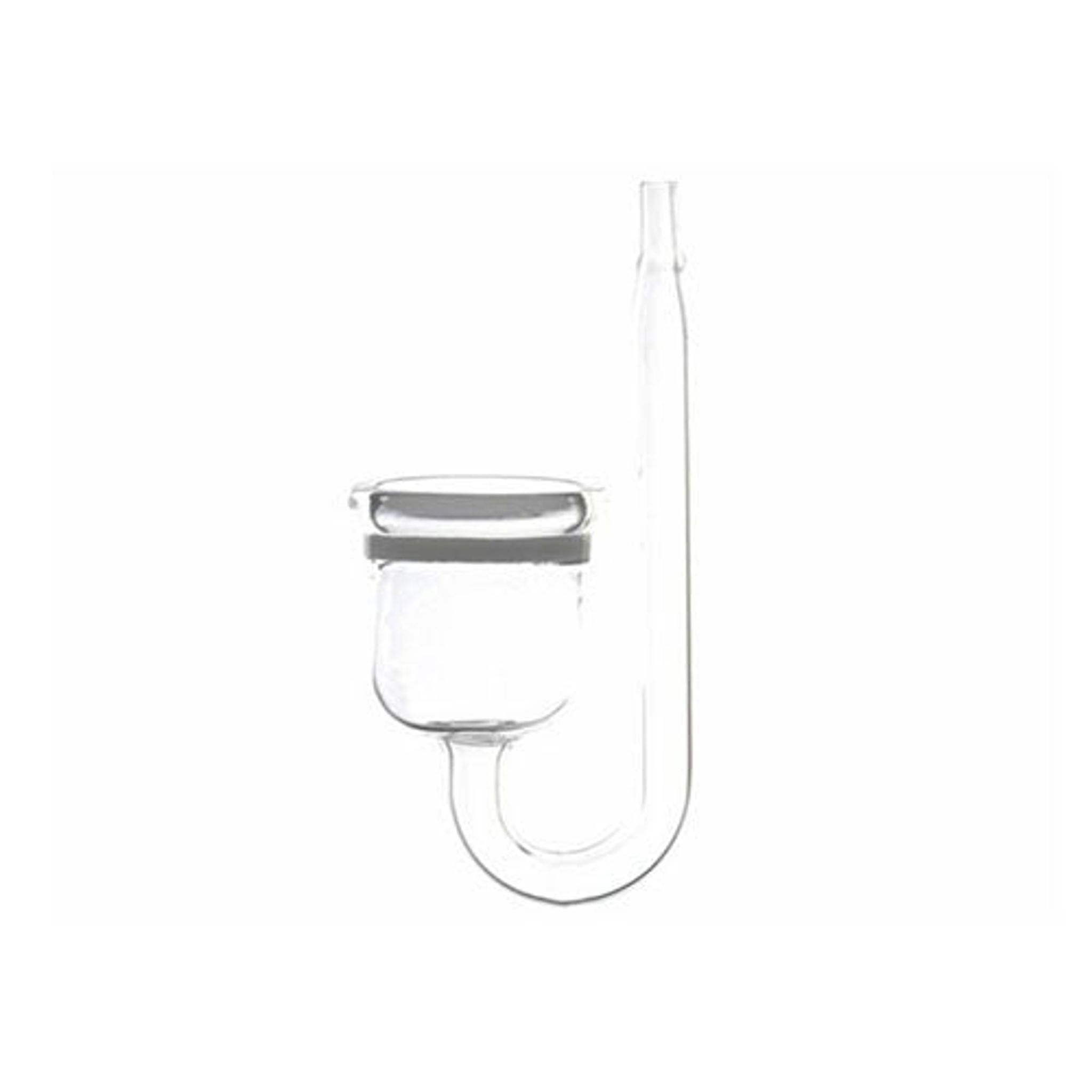
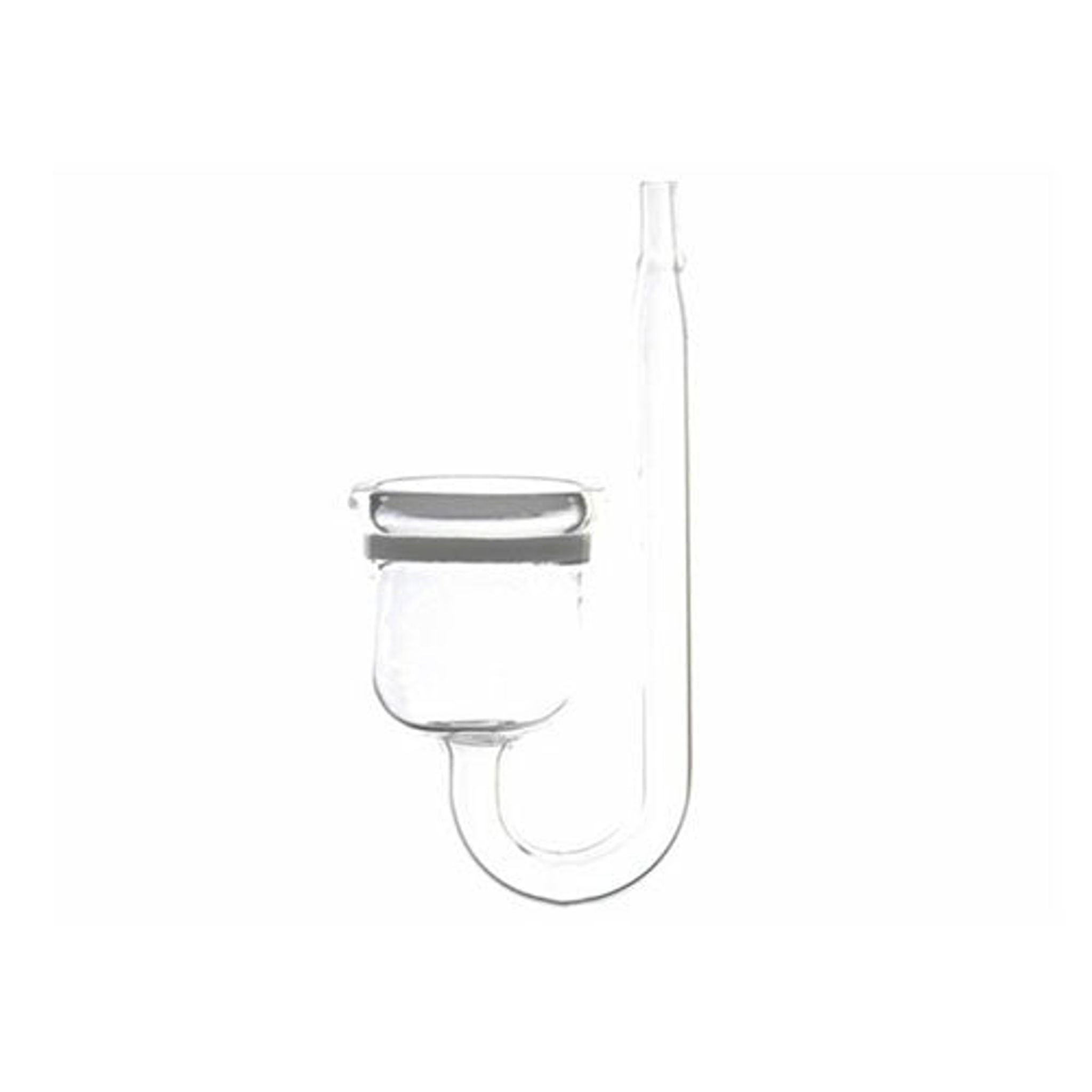
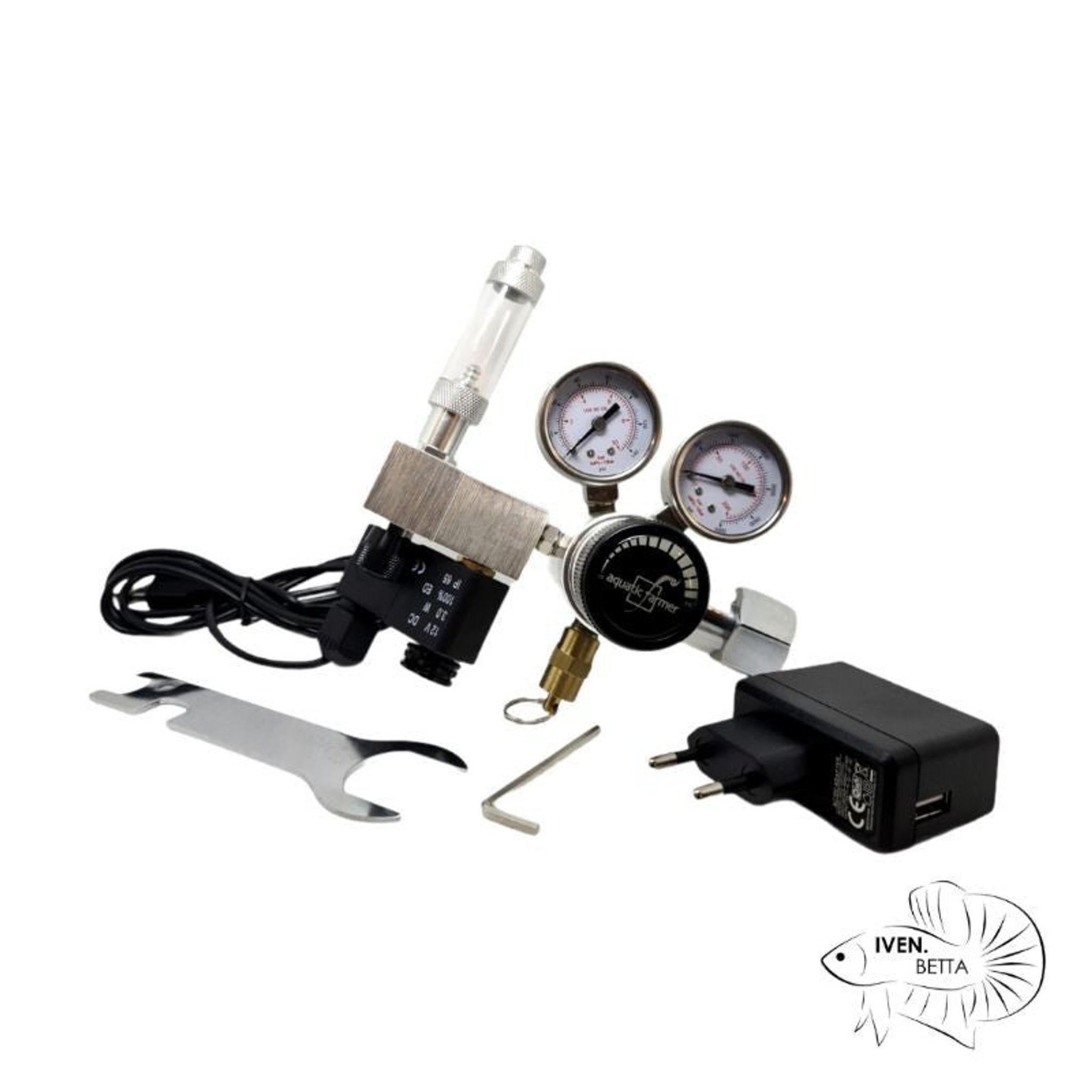
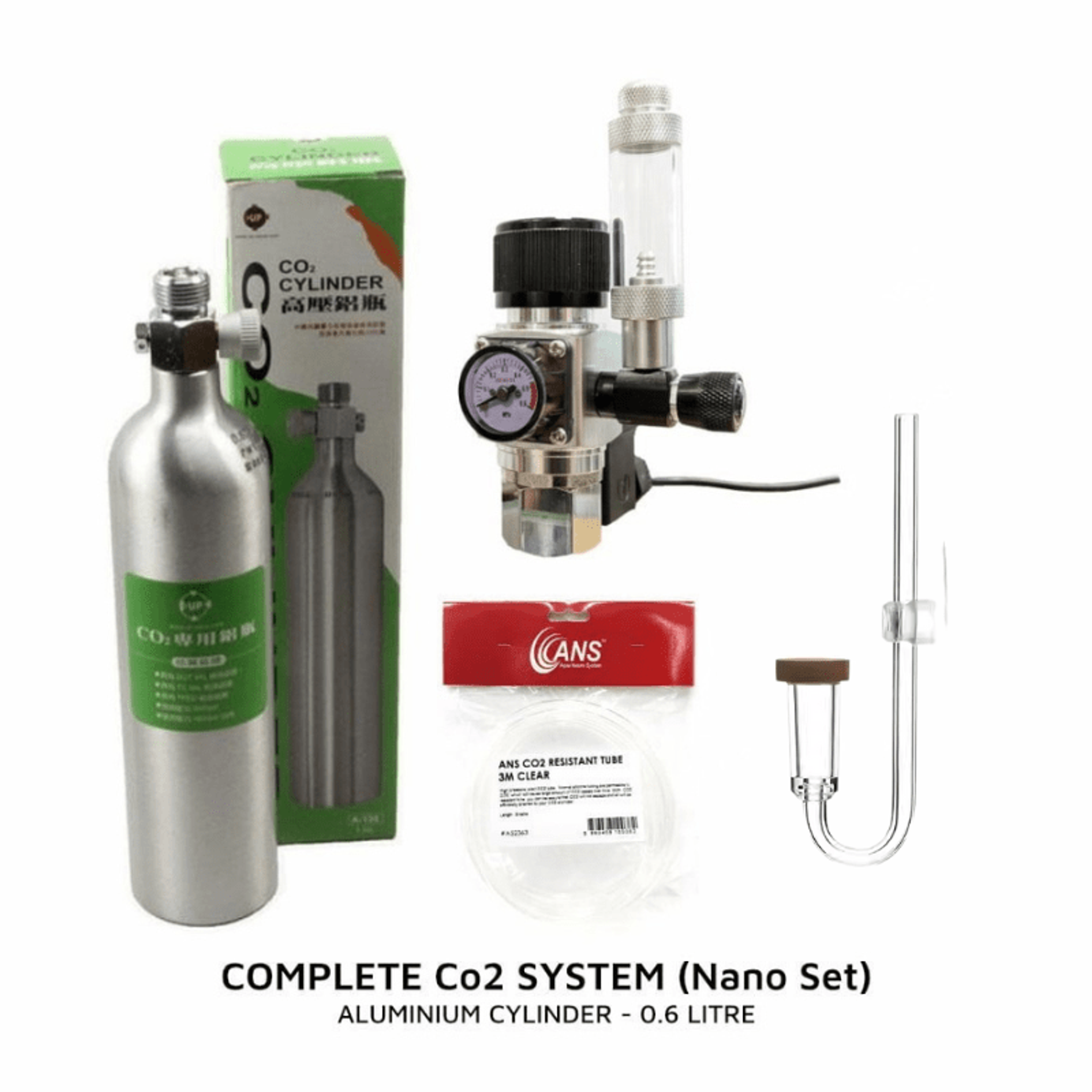
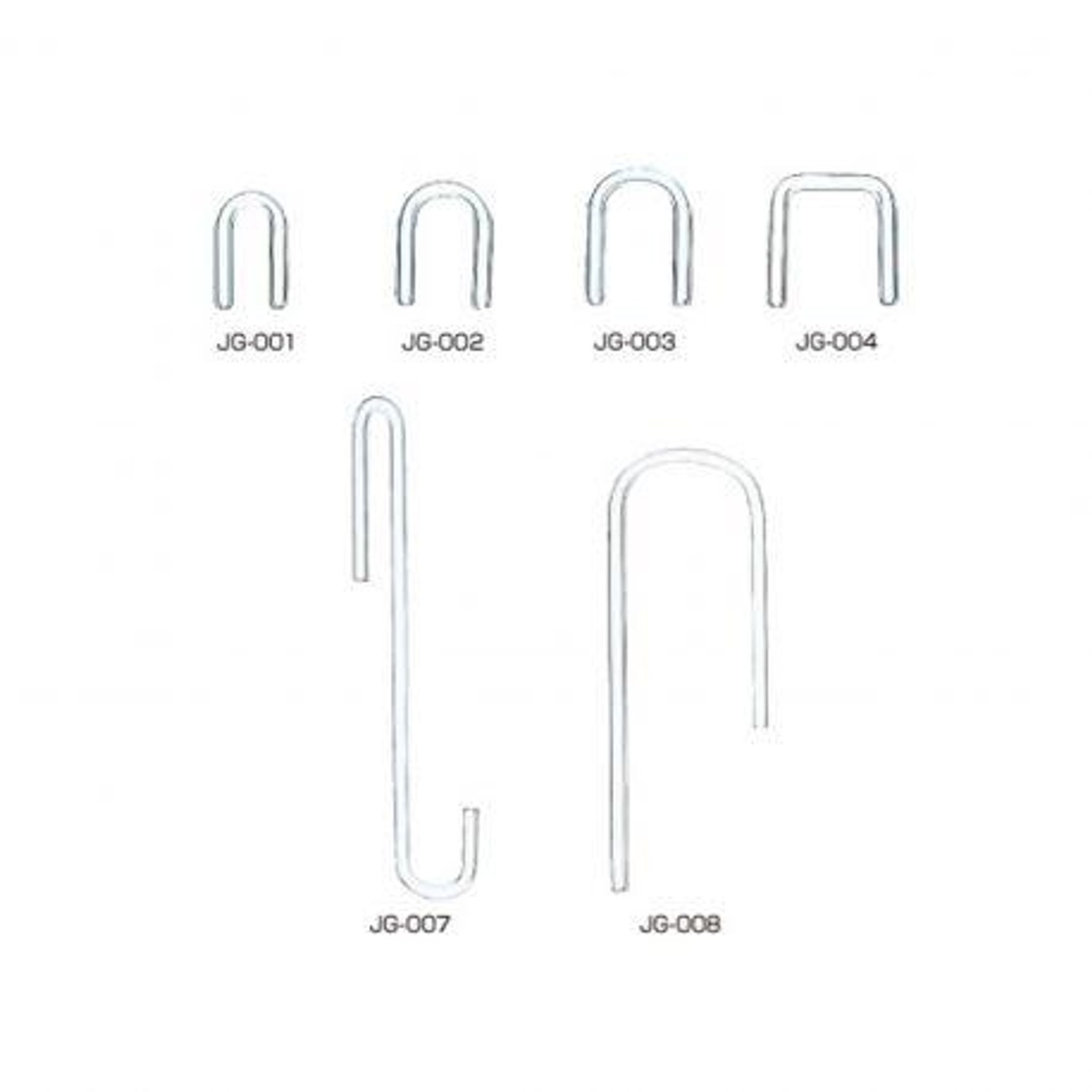
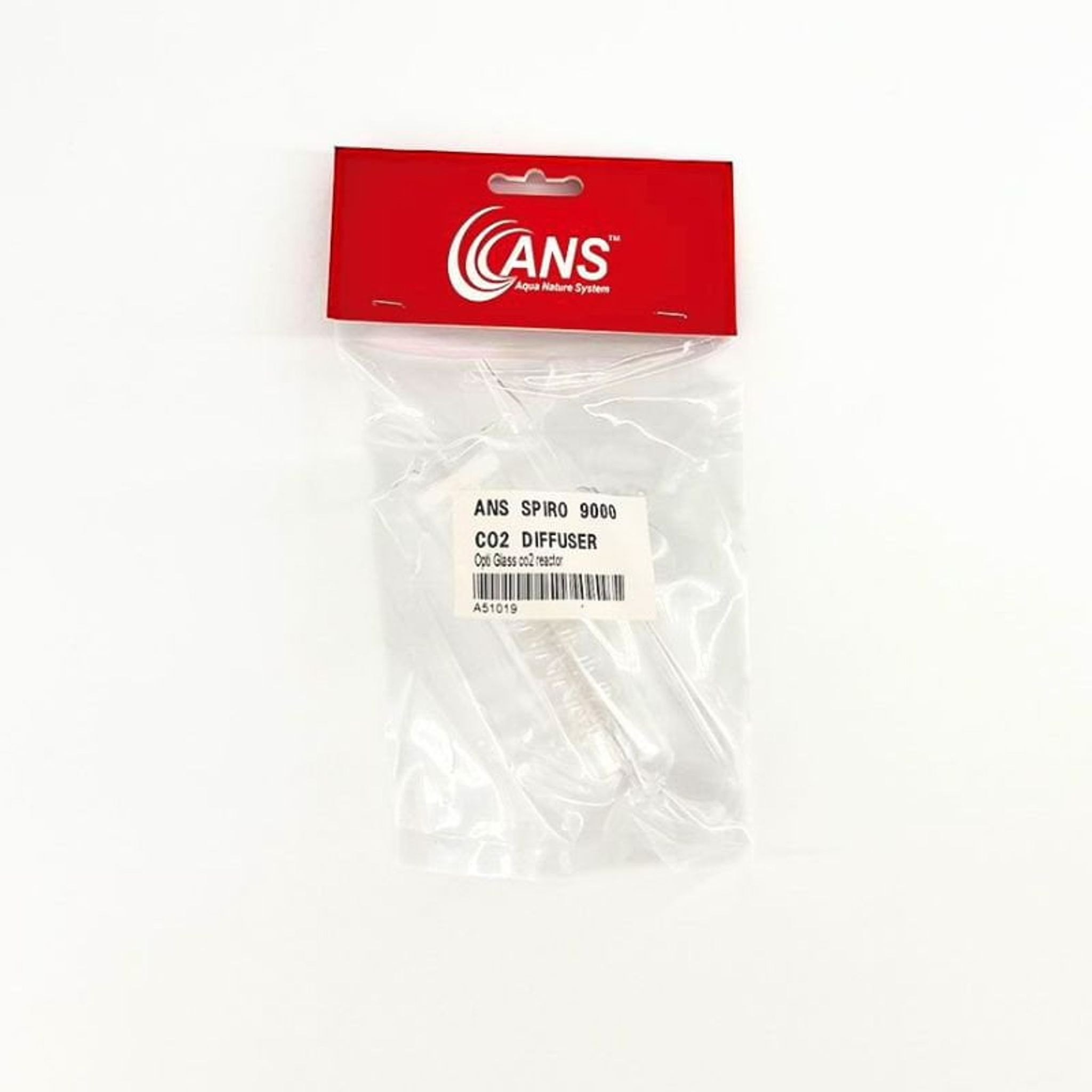
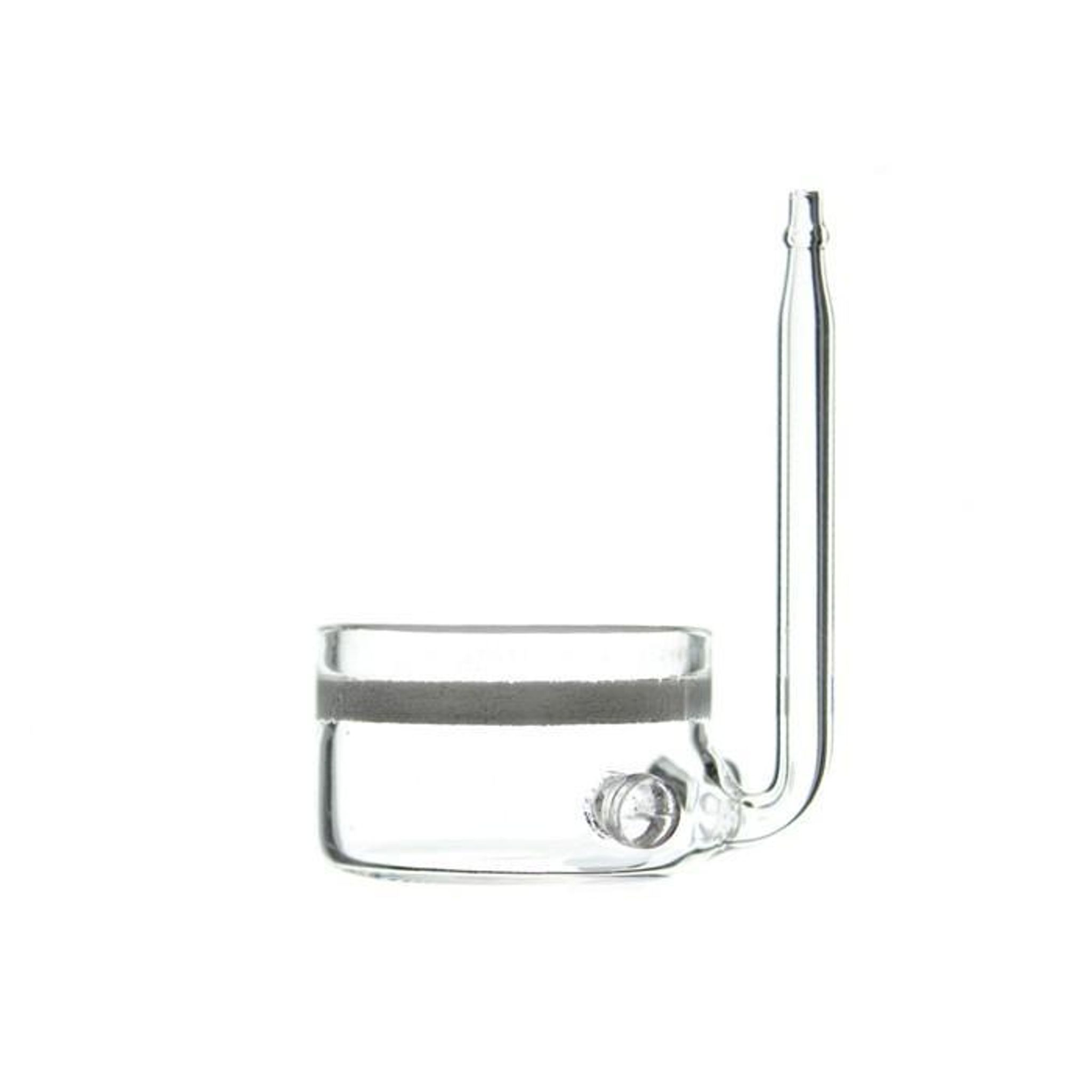
Explore aquarium CO2 systems for planted tanks in Singapore from aquarium shops, aquascaping stores and equipment sellers on FishyHub. Compare CO2 regulators, diffusers, cylinders, tubing, bubble counters and complete CO2 kits for planted aquariums.
Carbon dioxide is an important resource for aquatic plants. While many low-tech plants can grow without injected CO2, a pressurised CO2 system can support faster, denser and more compact growth in higher-demand planted aquariums.
An aquarium CO2 system delivers controlled carbon dioxide into a planted tank so aquatic plants have greater access to carbon for photosynthesis.
A typical pressurised setup uses a CO2 cylinder, regulator, tubing and diffuser, with additional components used to control and monitor gas delivery.
Injected CO2 can support:
CO2 is not a substitute for suitable lighting, nutrients or maintenance. The best results come from balancing all parts of the planted aquarium together.
Not every planted aquarium requires pressurised CO2.
Many Anubias, Java Fern, Cryptocoryne and other low-tech plants can grow without injected CO2. More demanding carpeting plants and high-light aquascapes often benefit much more from controlled CO2 supplementation.
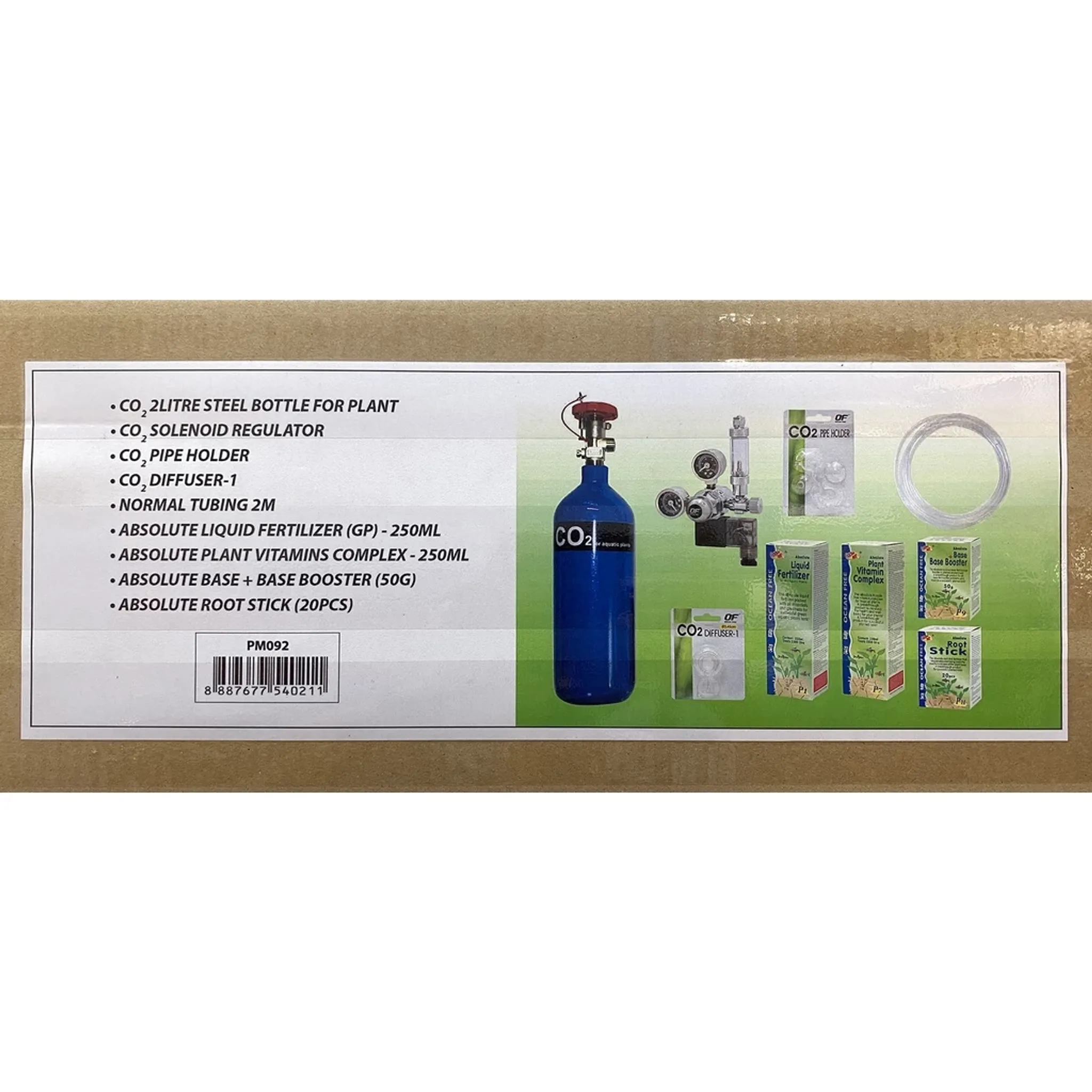
Complete CO2 kits can make it easier to assemble a planted aquarium system by combining several compatible components.
Depending on the product, a kit may include:
Always check the individual listing because complete kit contents vary between brands and sellers.
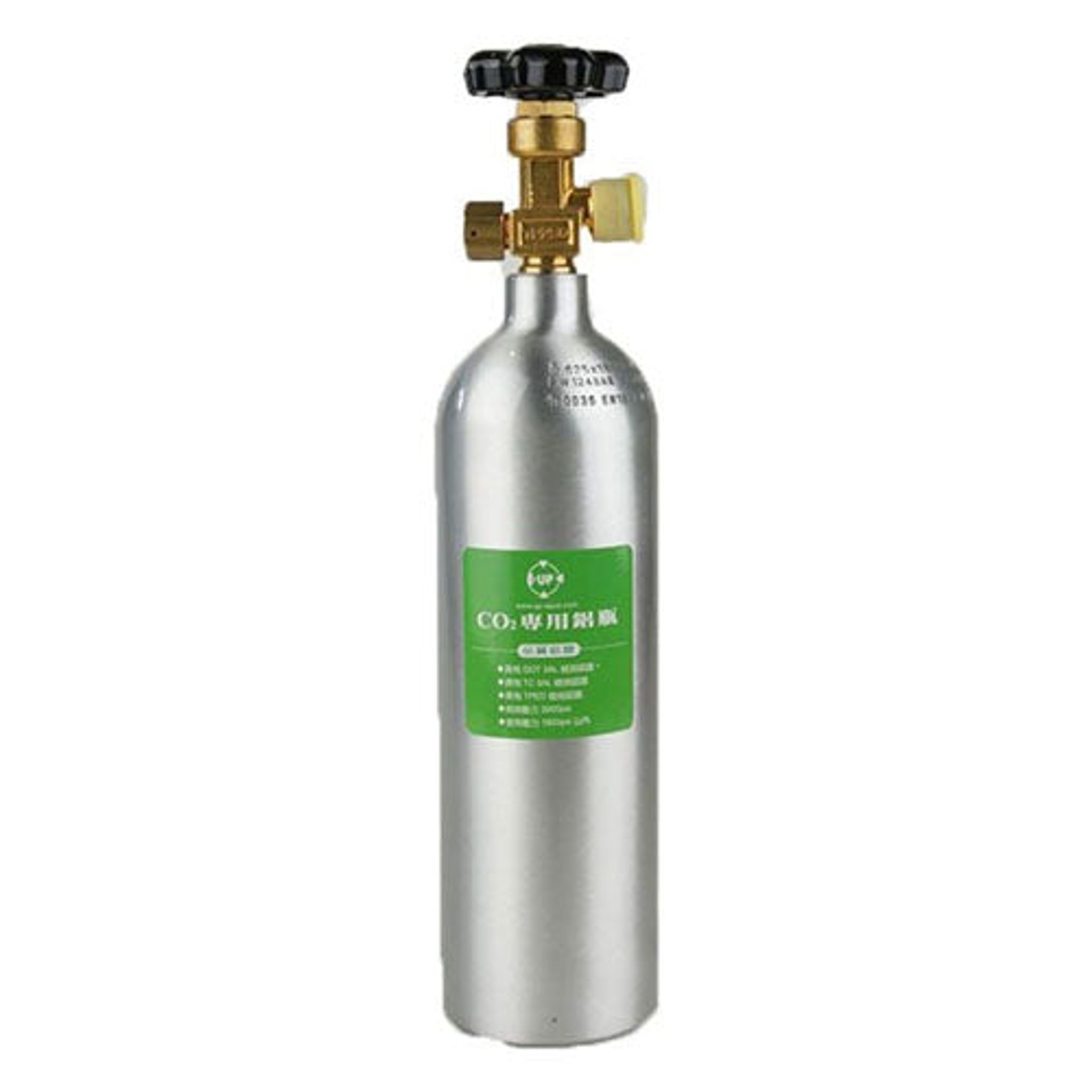
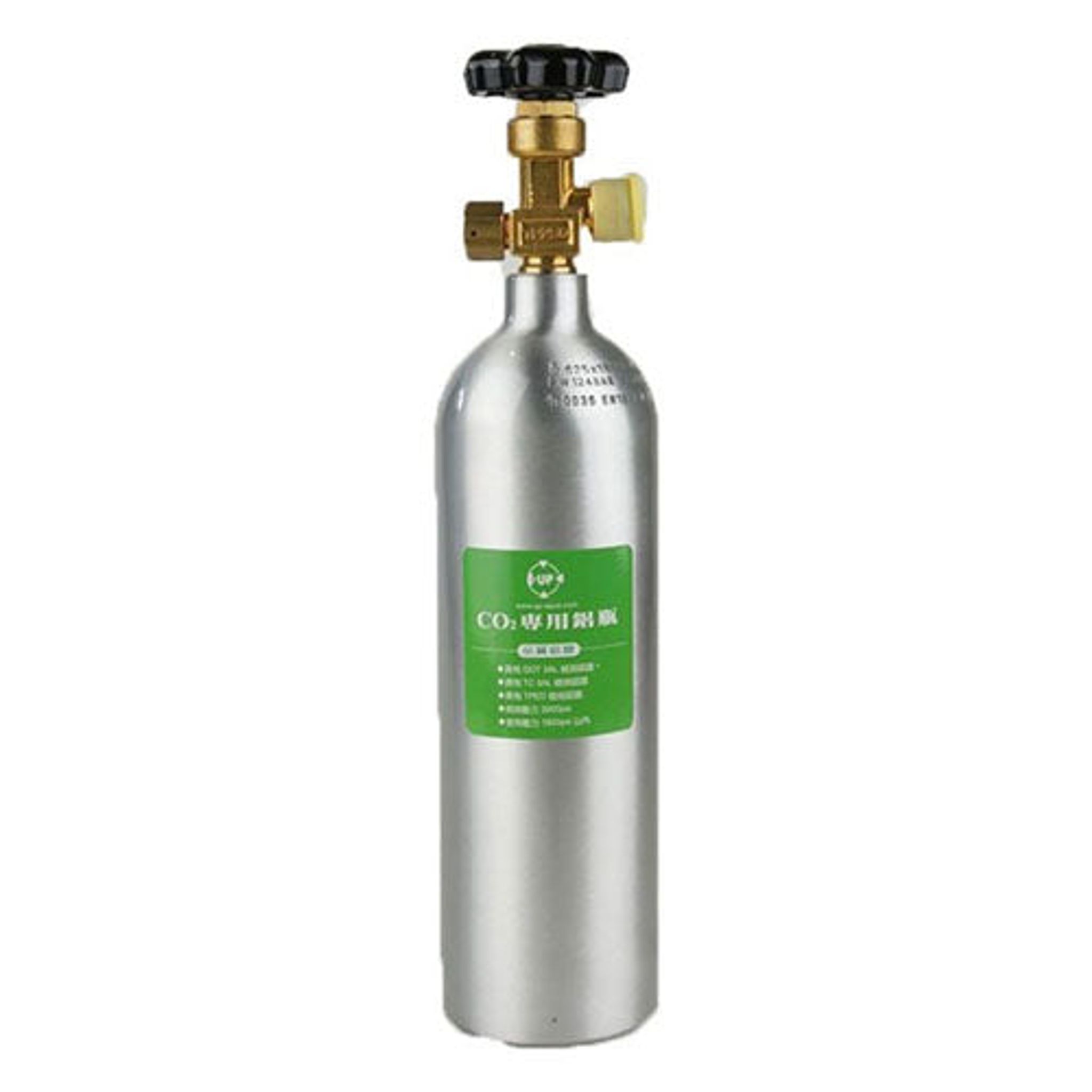
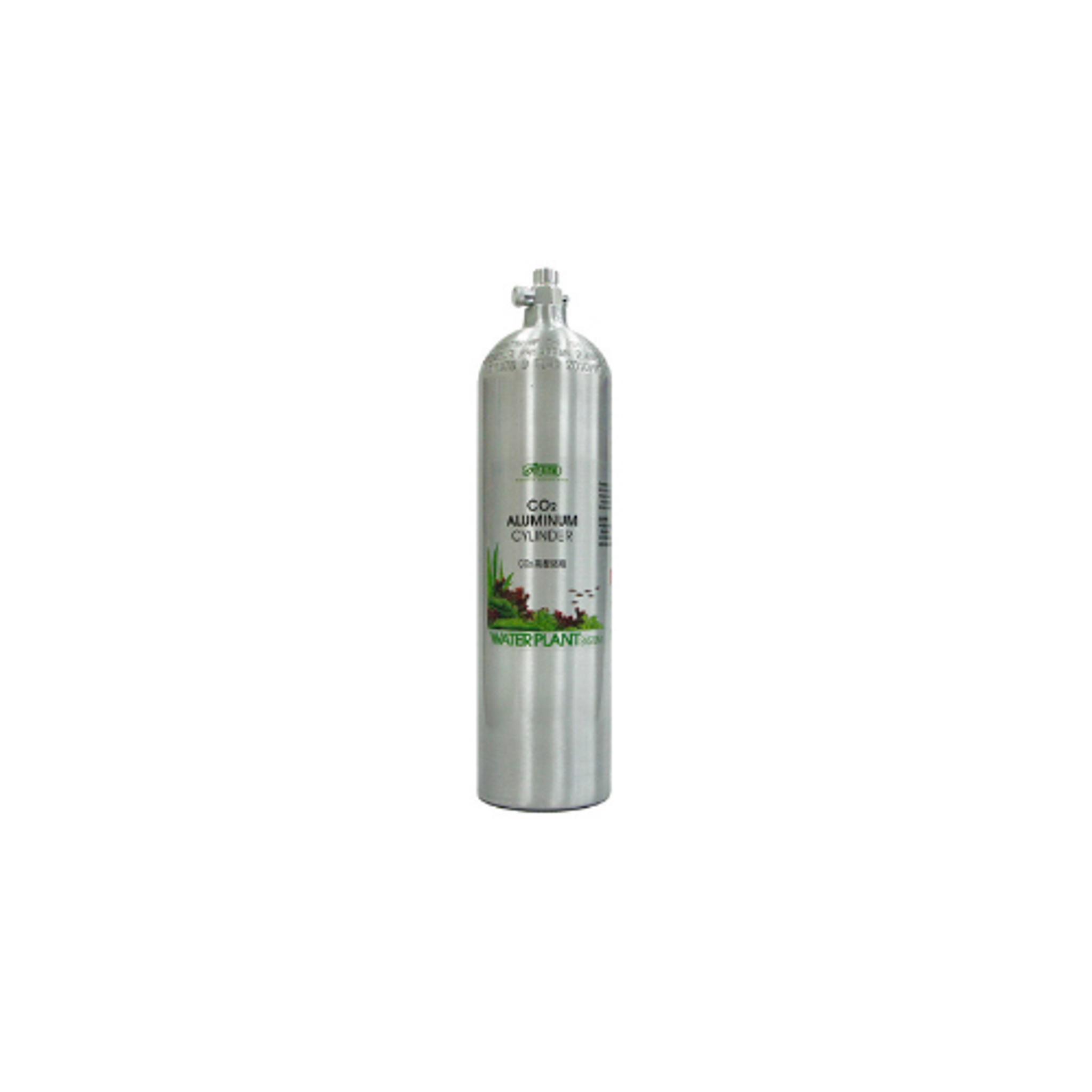
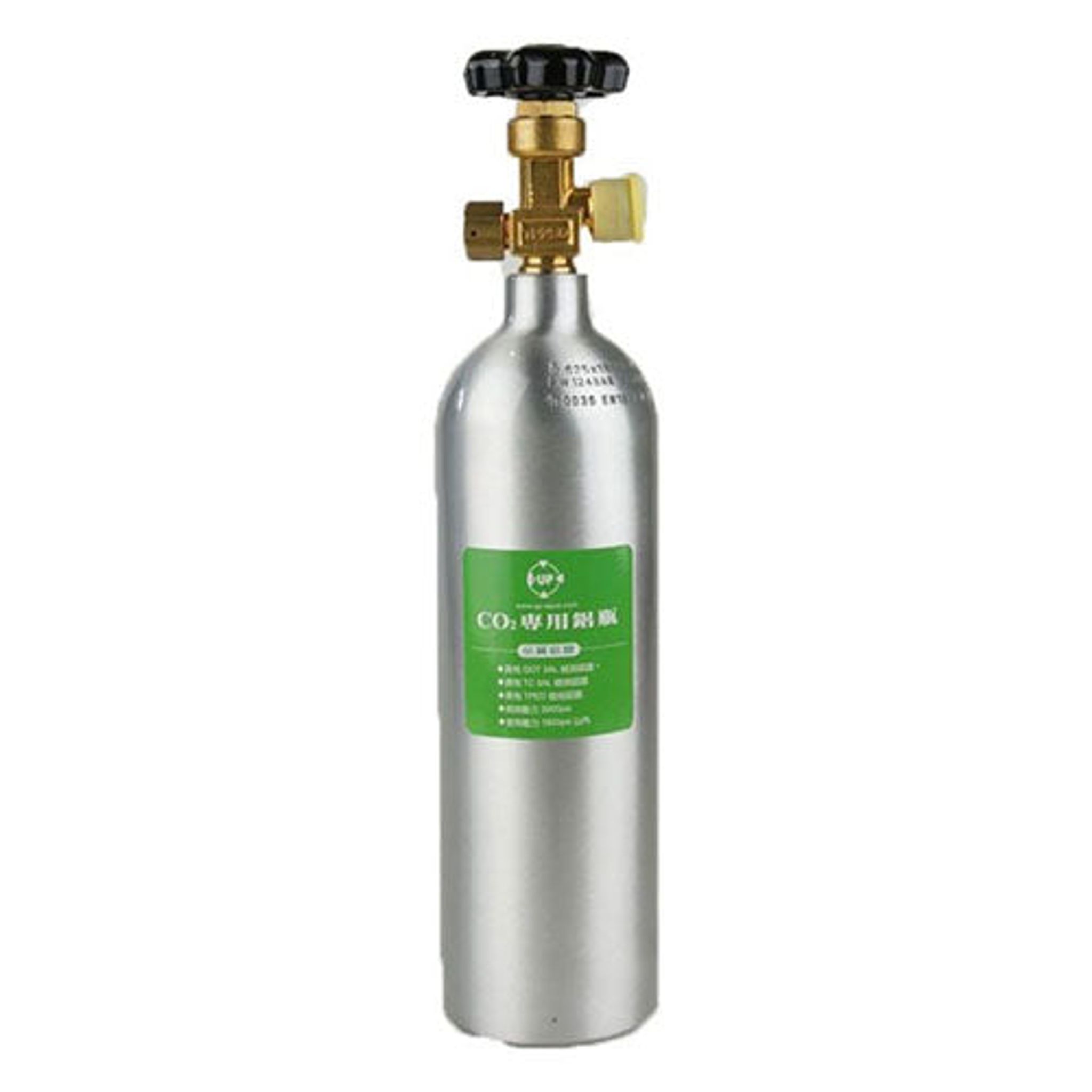
A pressurised CO2 cylinder stores the gas used by the planted aquarium system.
Cylinder sizes vary, so consider available cabinet space, expected consumption, refill convenience and compatibility with the regulator being used.
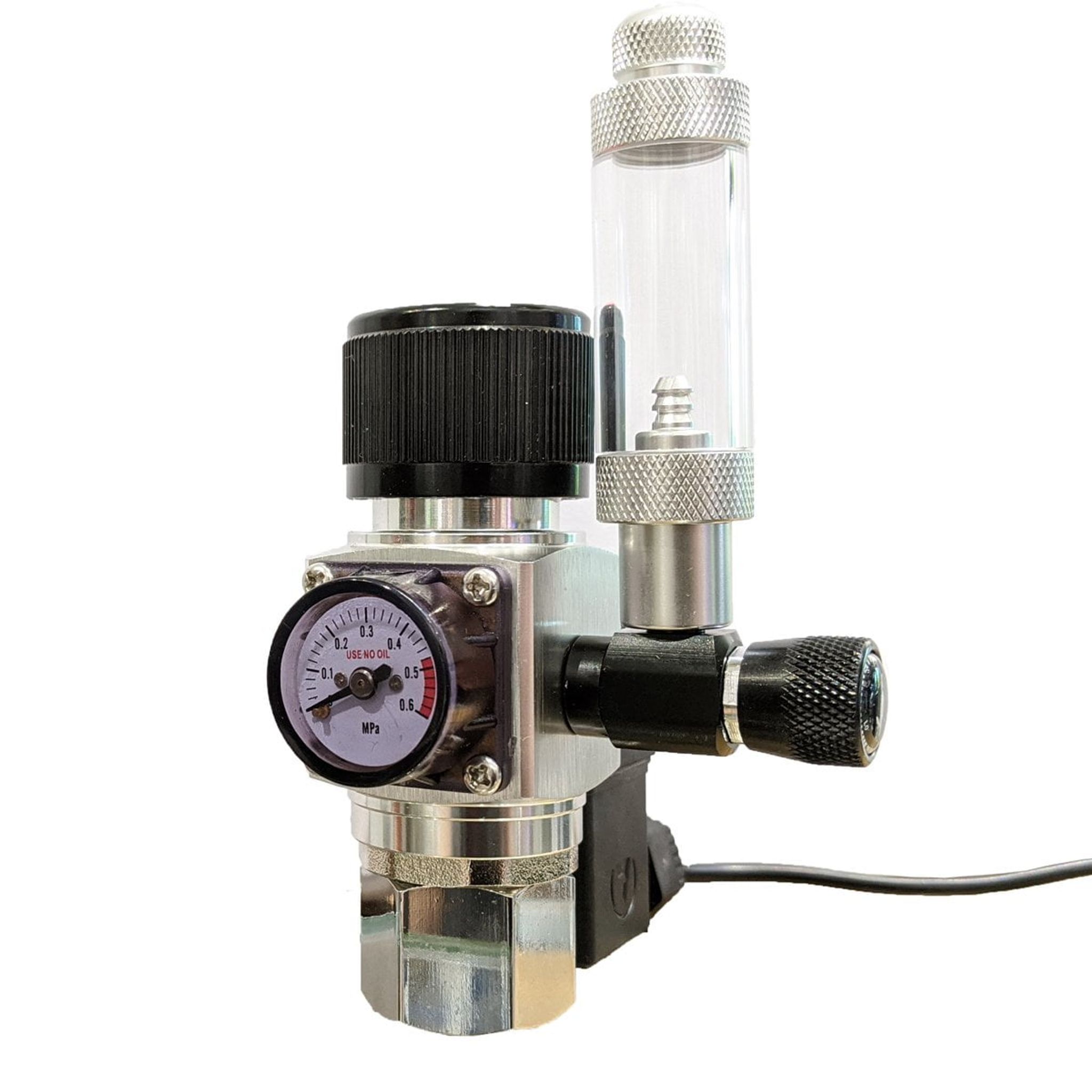
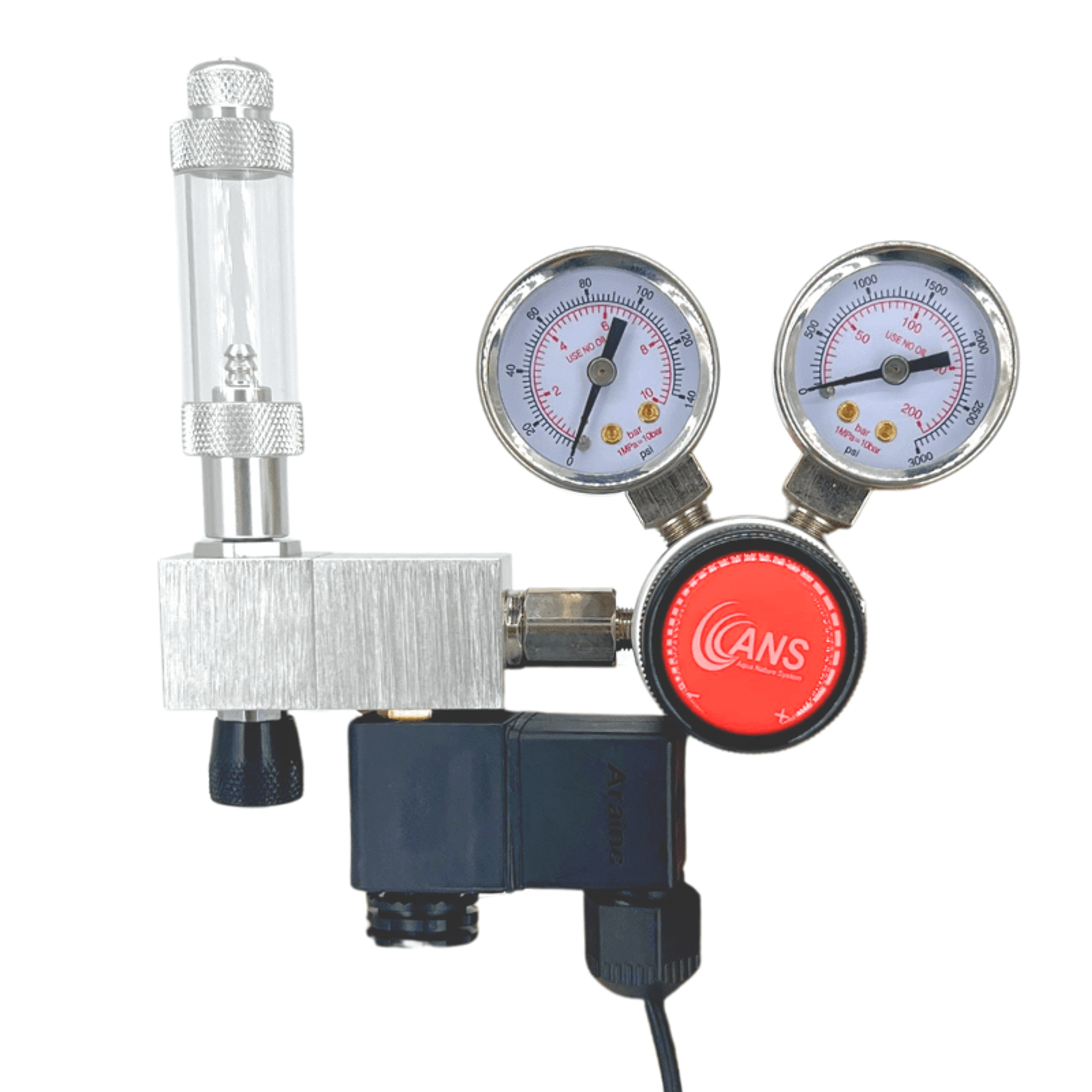
A regulator reduces the high pressure inside a CO2 cylinder to a controlled working pressure suitable for aquarium use.
Regulators vary in design, adjustment precision and included components. Compatibility with the cylinder connection should be confirmed before purchase.
Dual-stage regulators are designed to reduce gas pressure in more than one stage.
They are popular among planted-tank enthusiasts who want stable and controllable delivery from a pressurised CO2 cylinder.
A solenoid valve allows electrical control of CO2 flow.
It can be connected to a timer or compatible controller so CO2 injection is switched on and off automatically according to the aquarium's schedule.
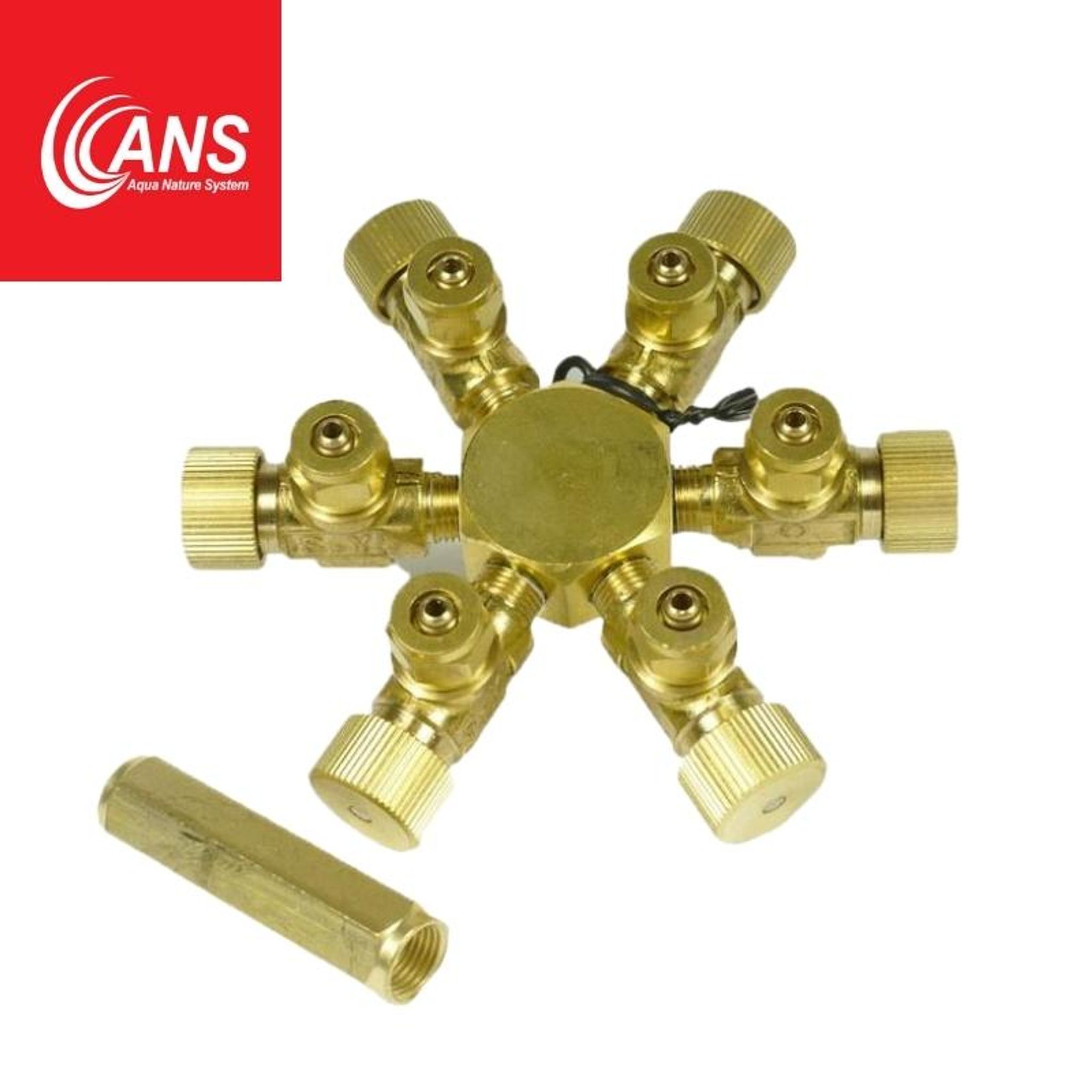
A needle valve provides fine adjustment of the amount of CO2 flowing through the system.
Fine control is useful because planted aquariums generally need gradual adjustments rather than large sudden changes in gas delivery.
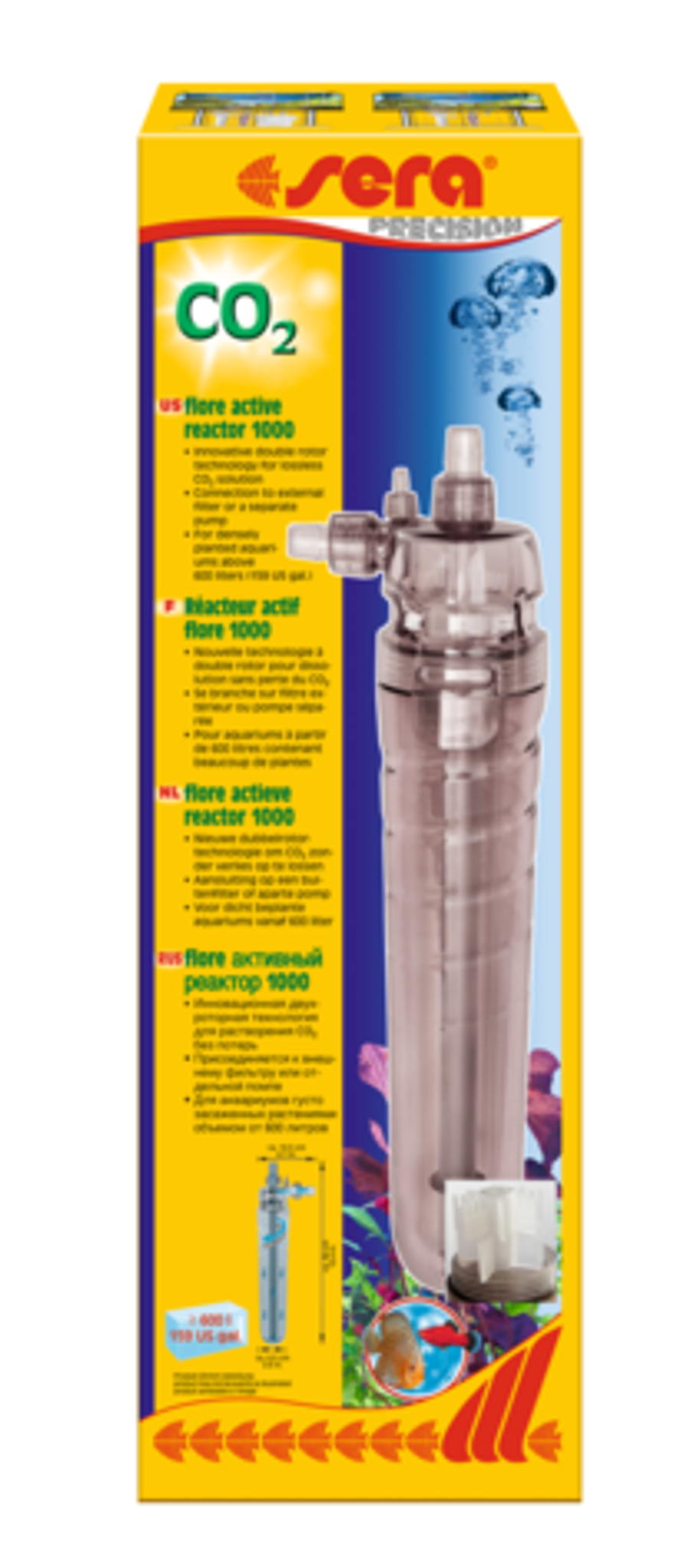
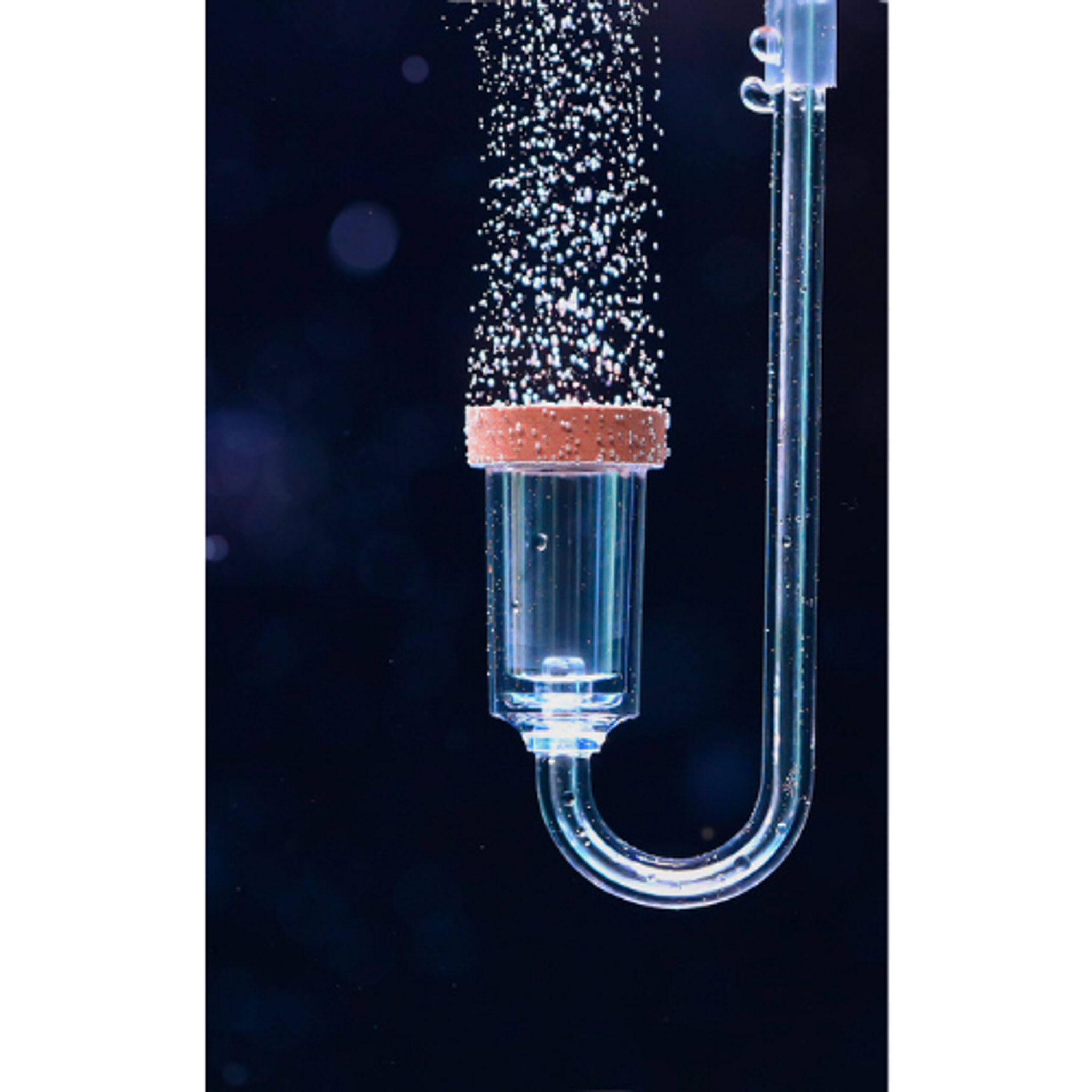
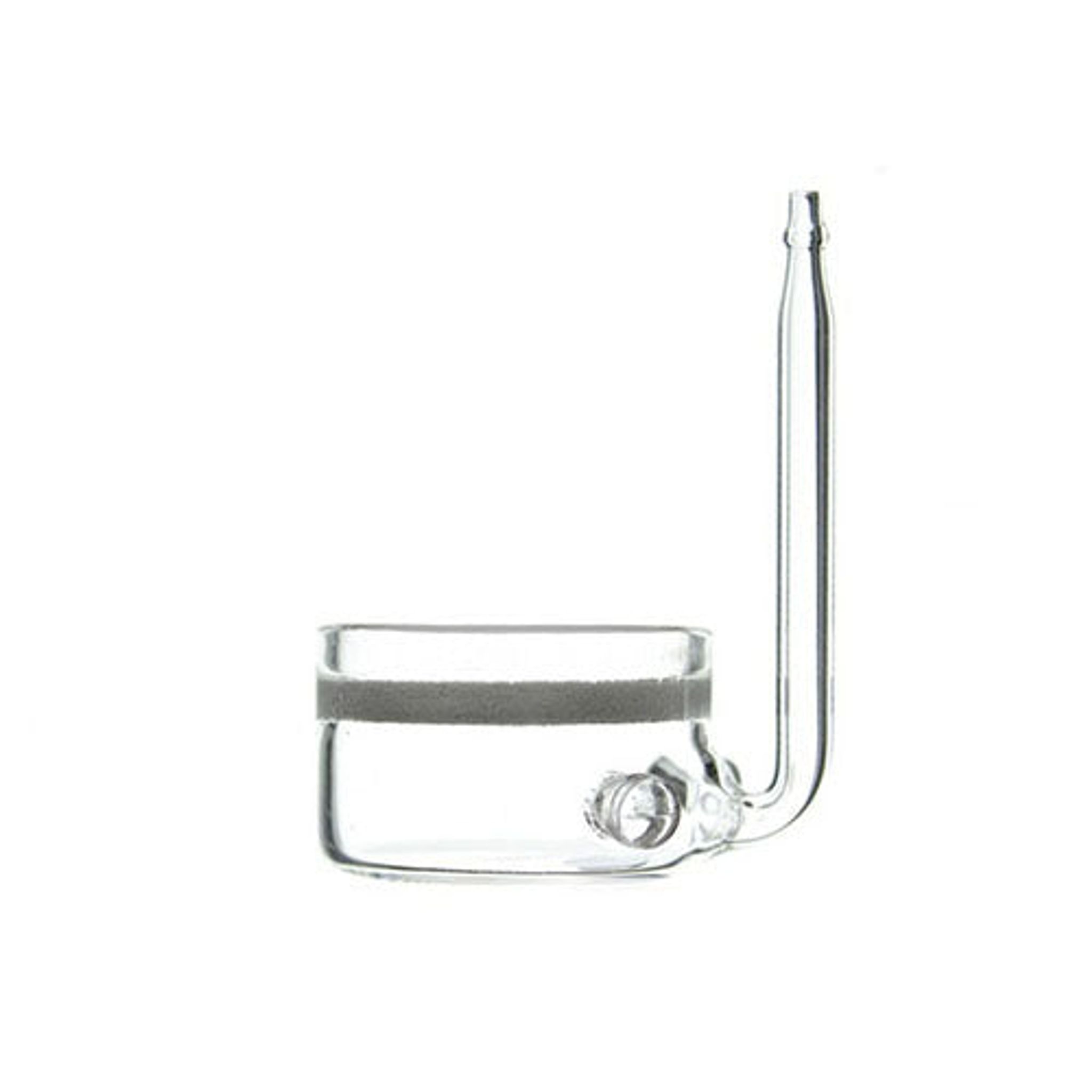
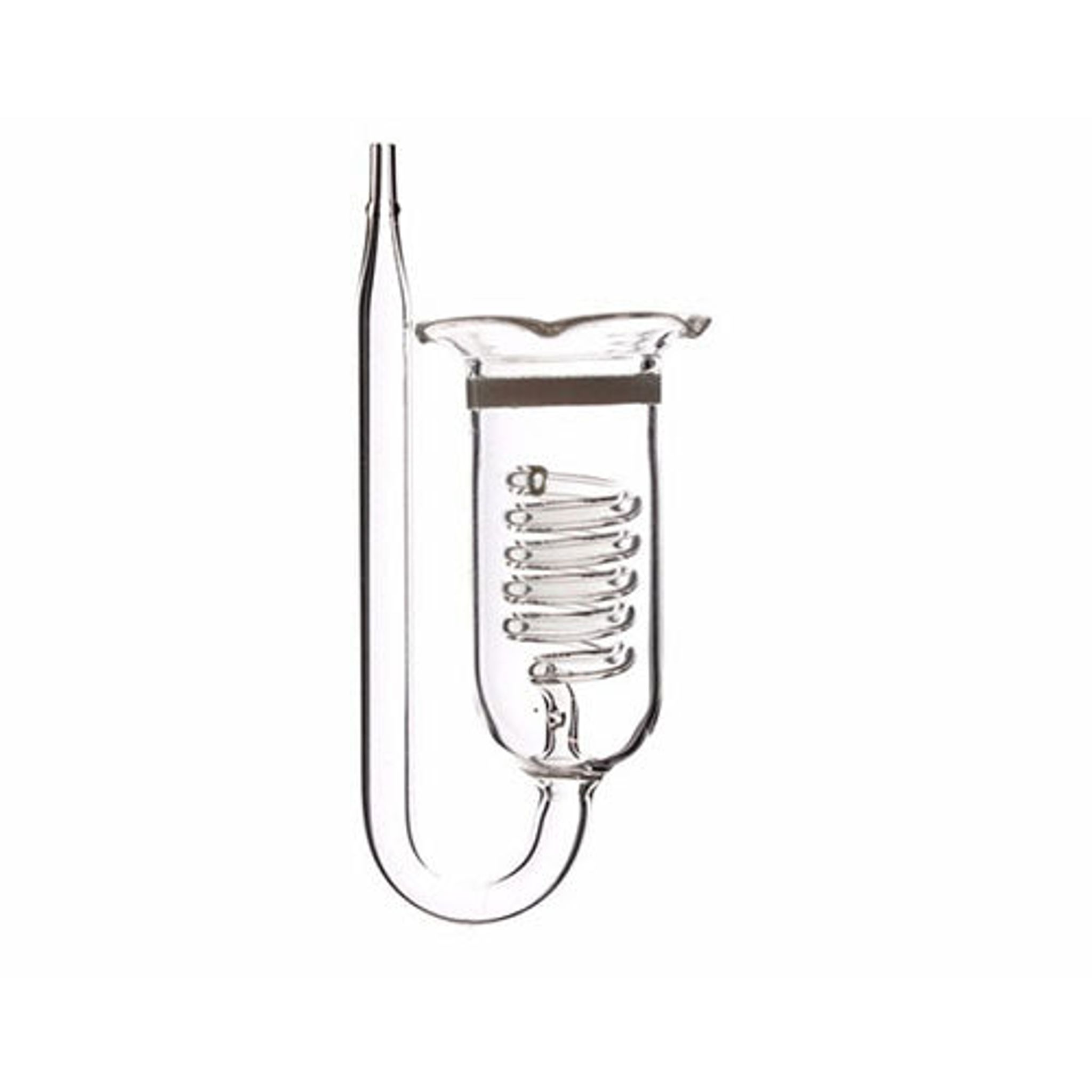
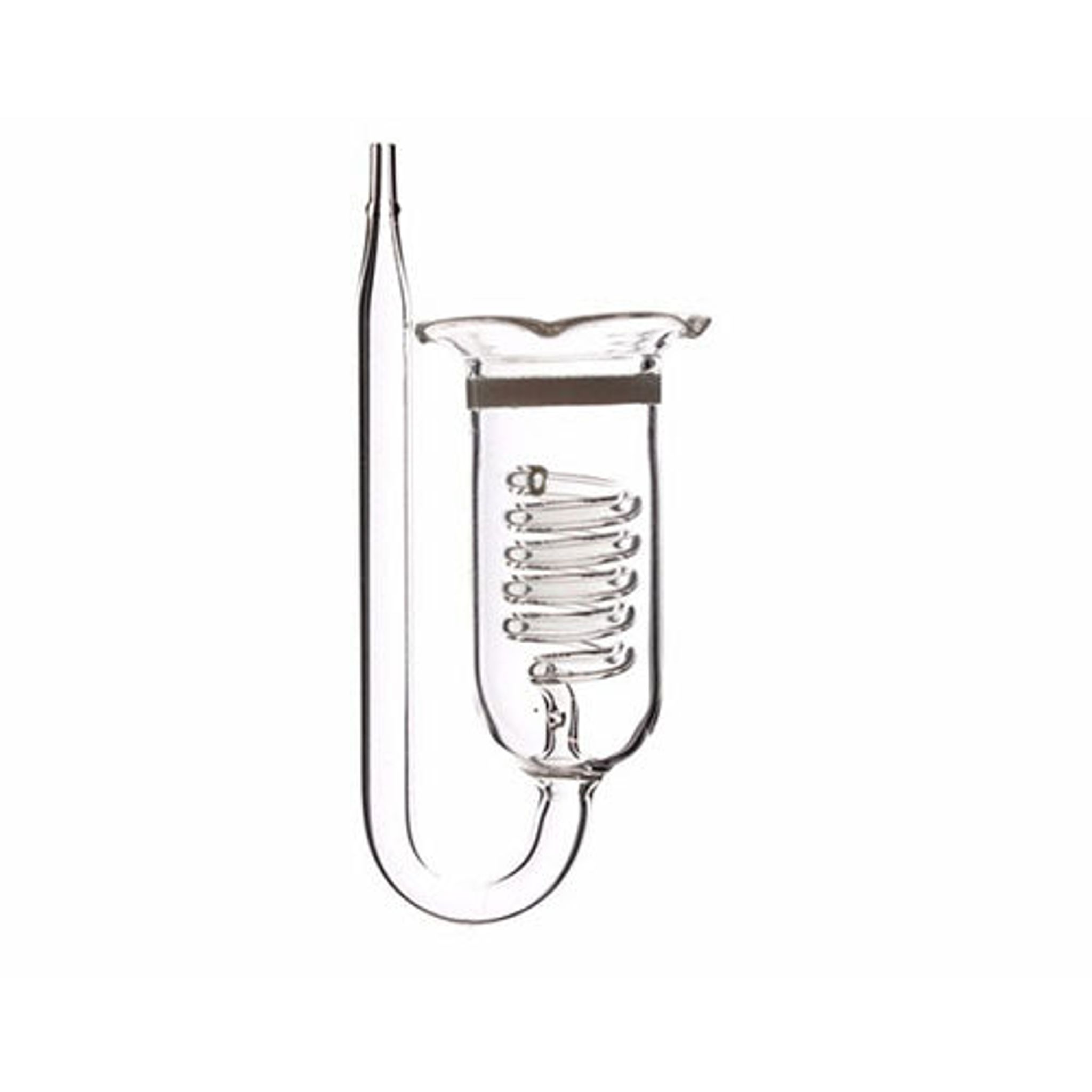
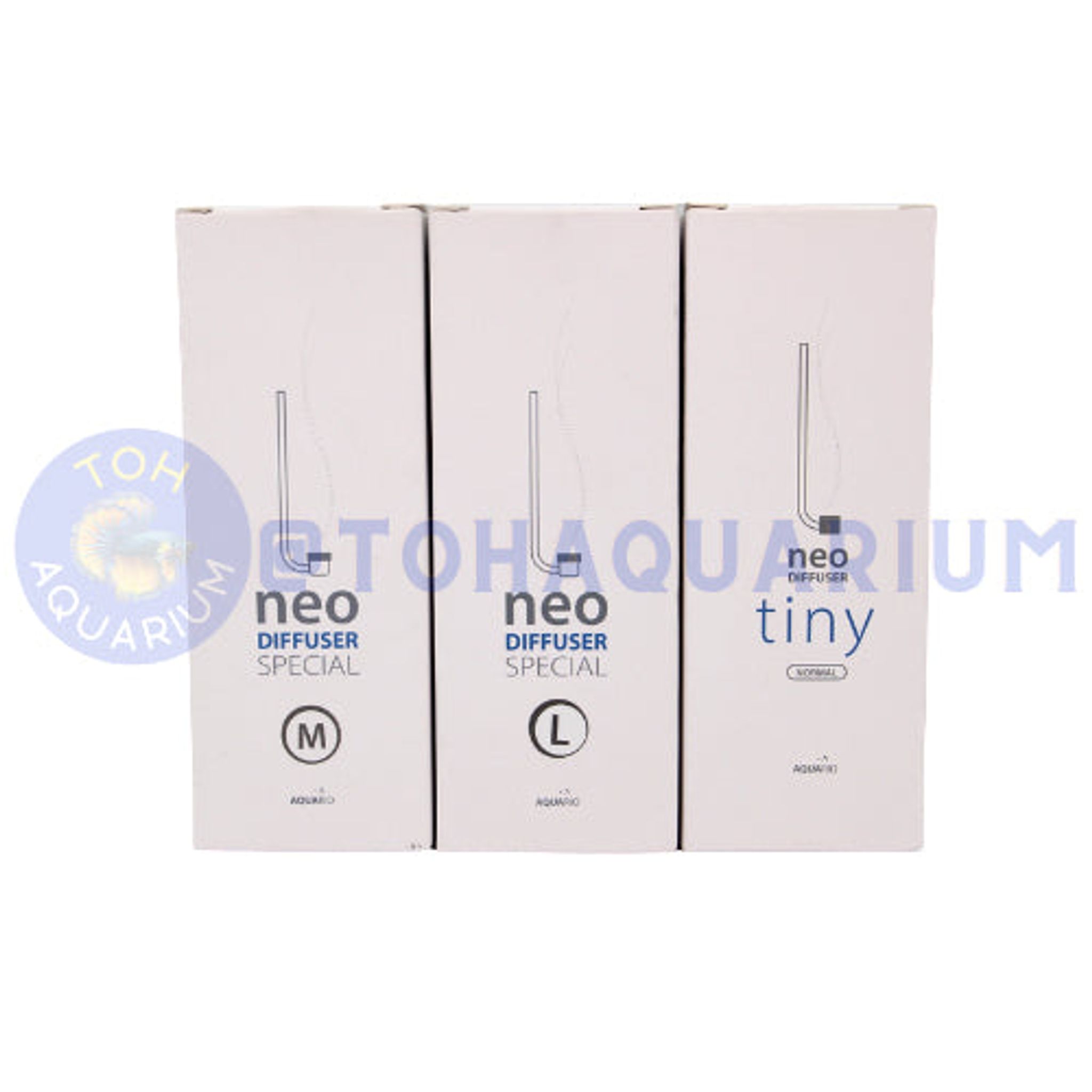
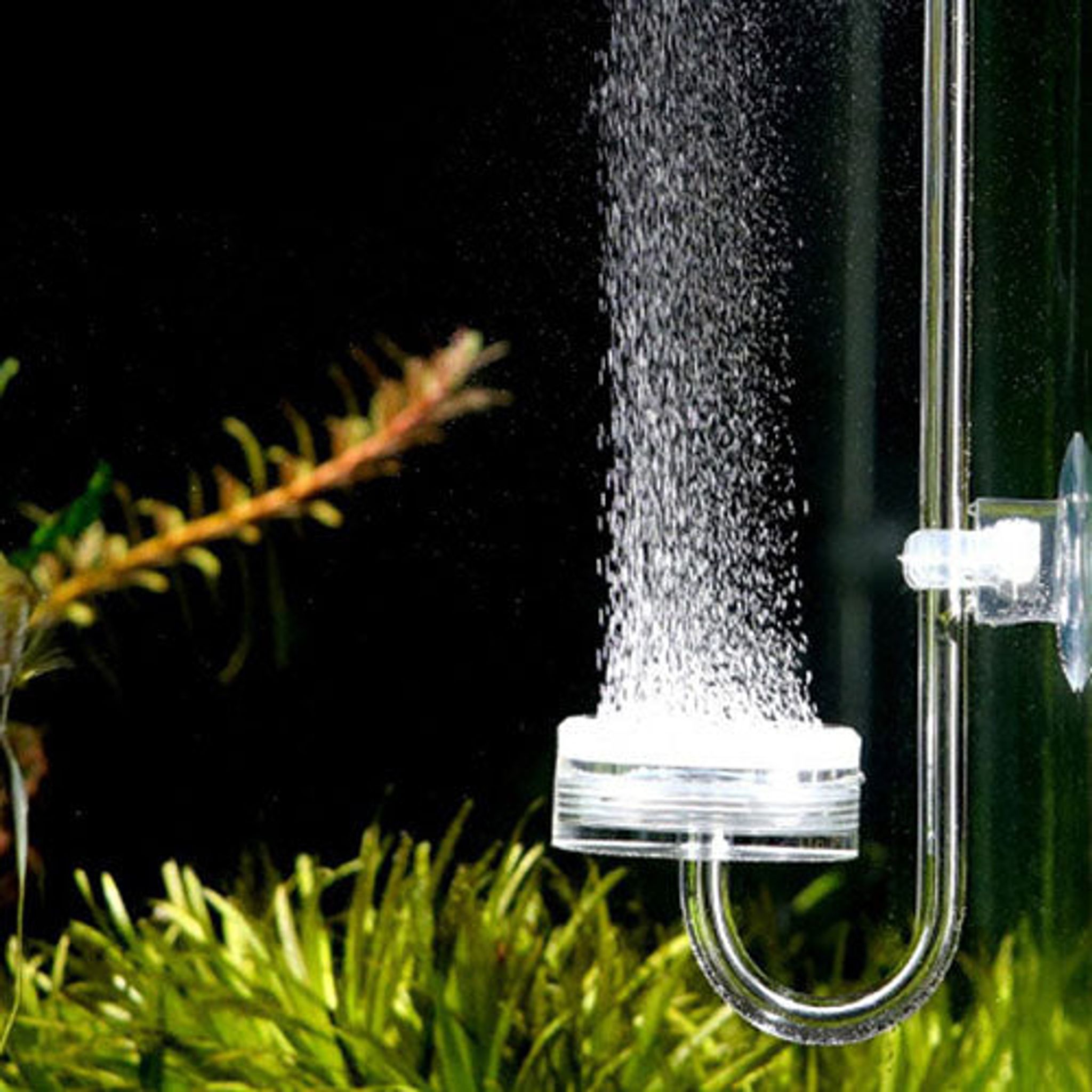
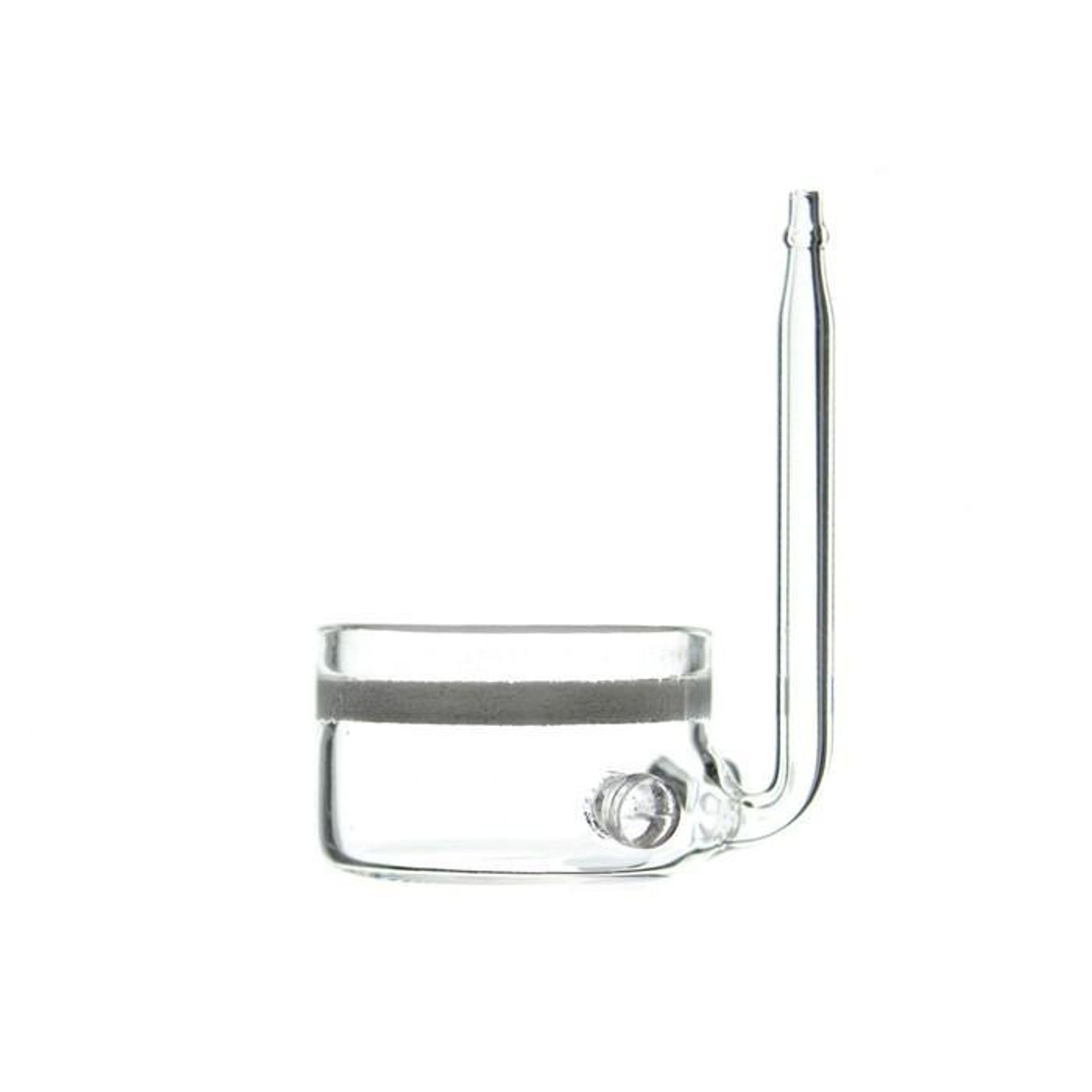
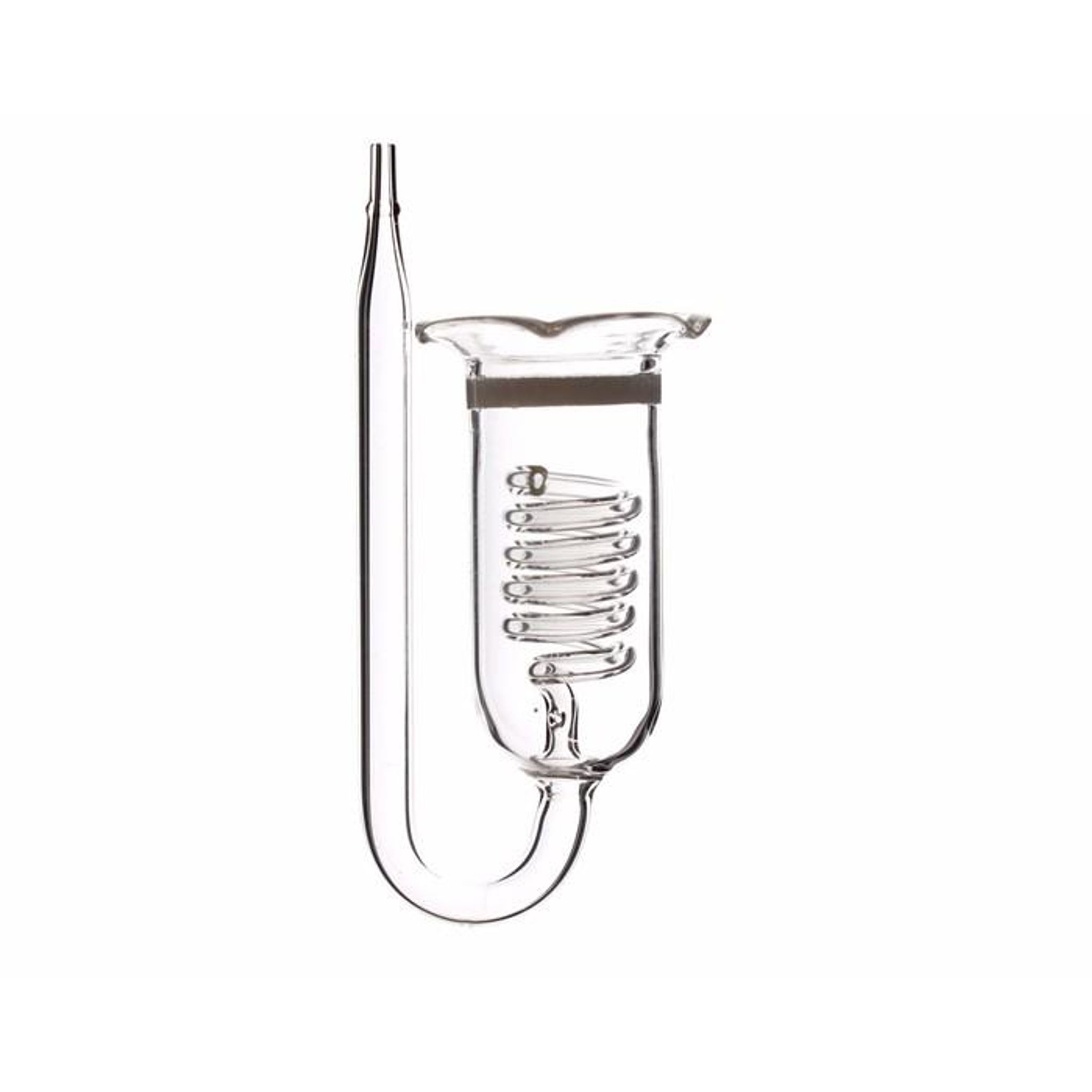
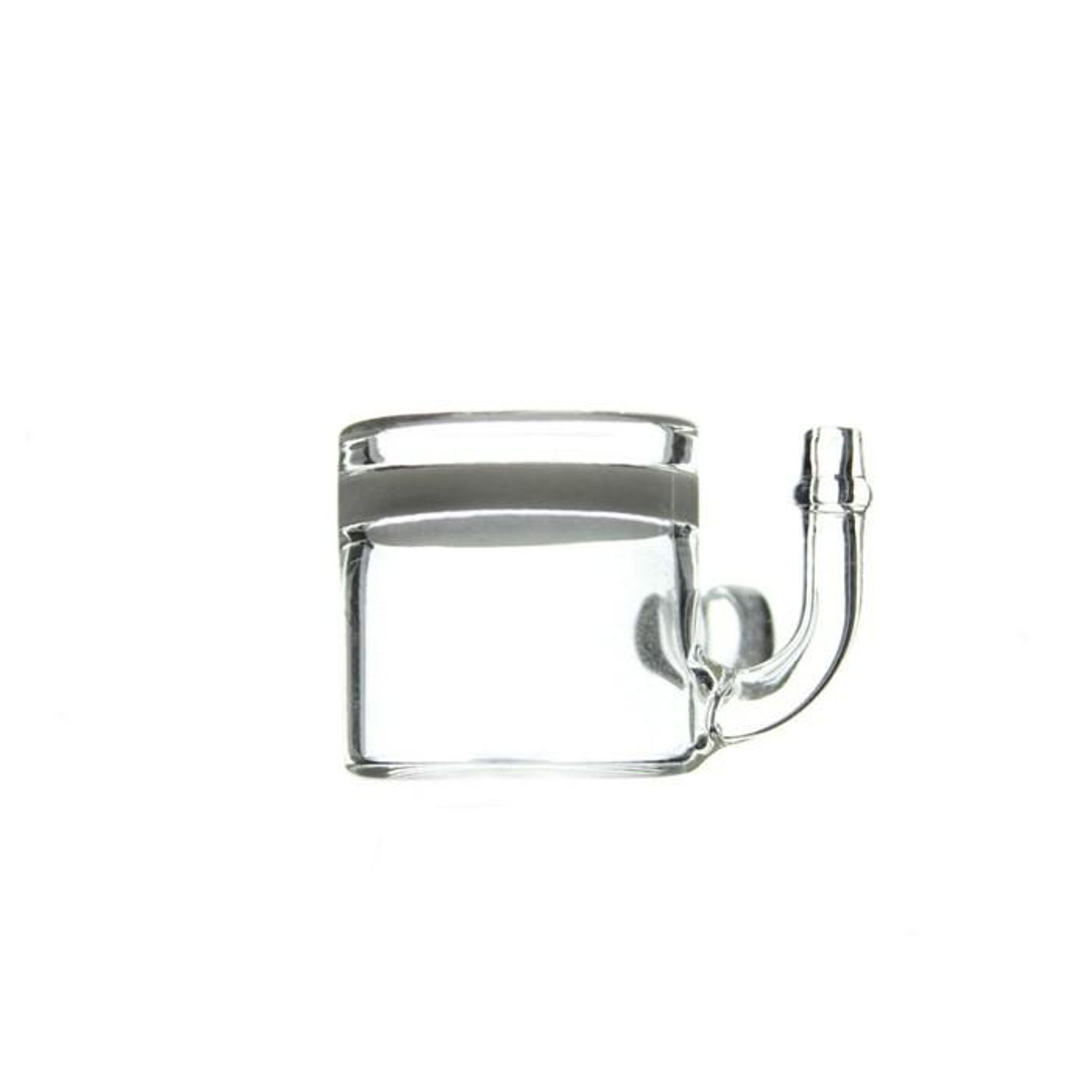
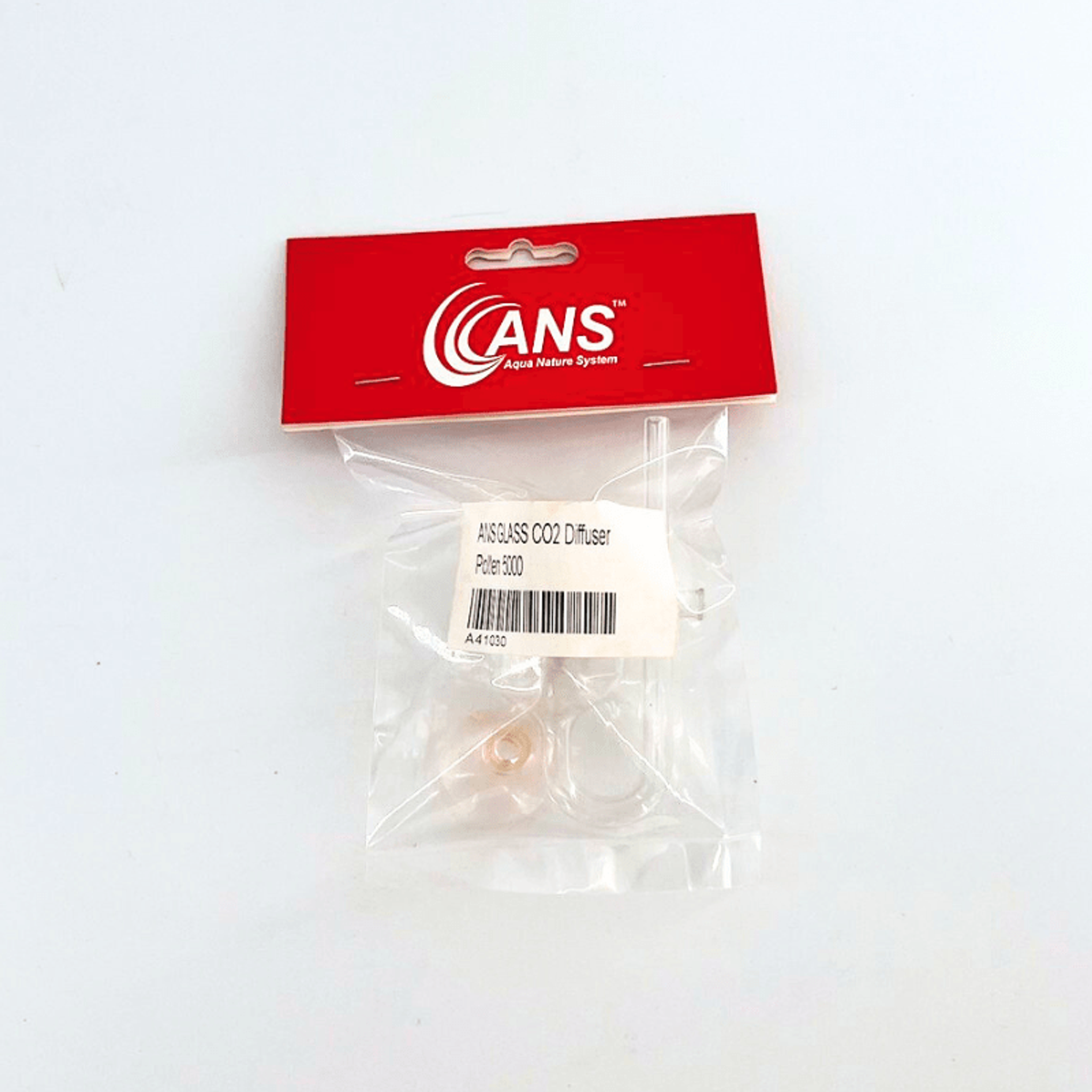
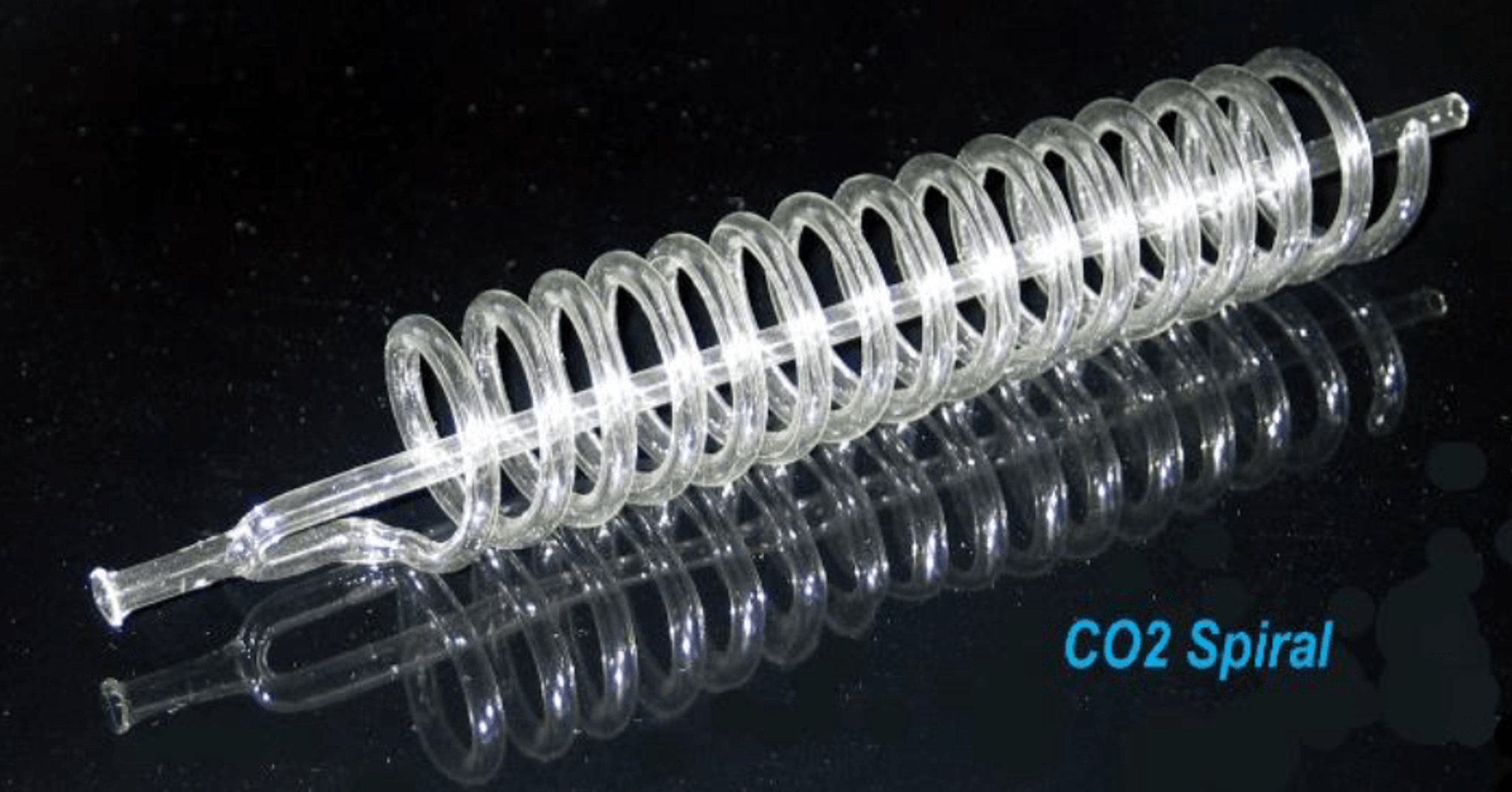
A CO2 diffuser breaks gas into small bubbles so it can dissolve more efficiently into aquarium water.
Diffusers are available in different sizes and designs for nano tanks, larger aquariums and external filtration setups.
In-tank diffusers are installed directly inside the aquarium and release fine CO2 bubbles into the water.
Positioning the diffuser near suitable circulation can help move dissolved CO2 through the planted areas of the tank.
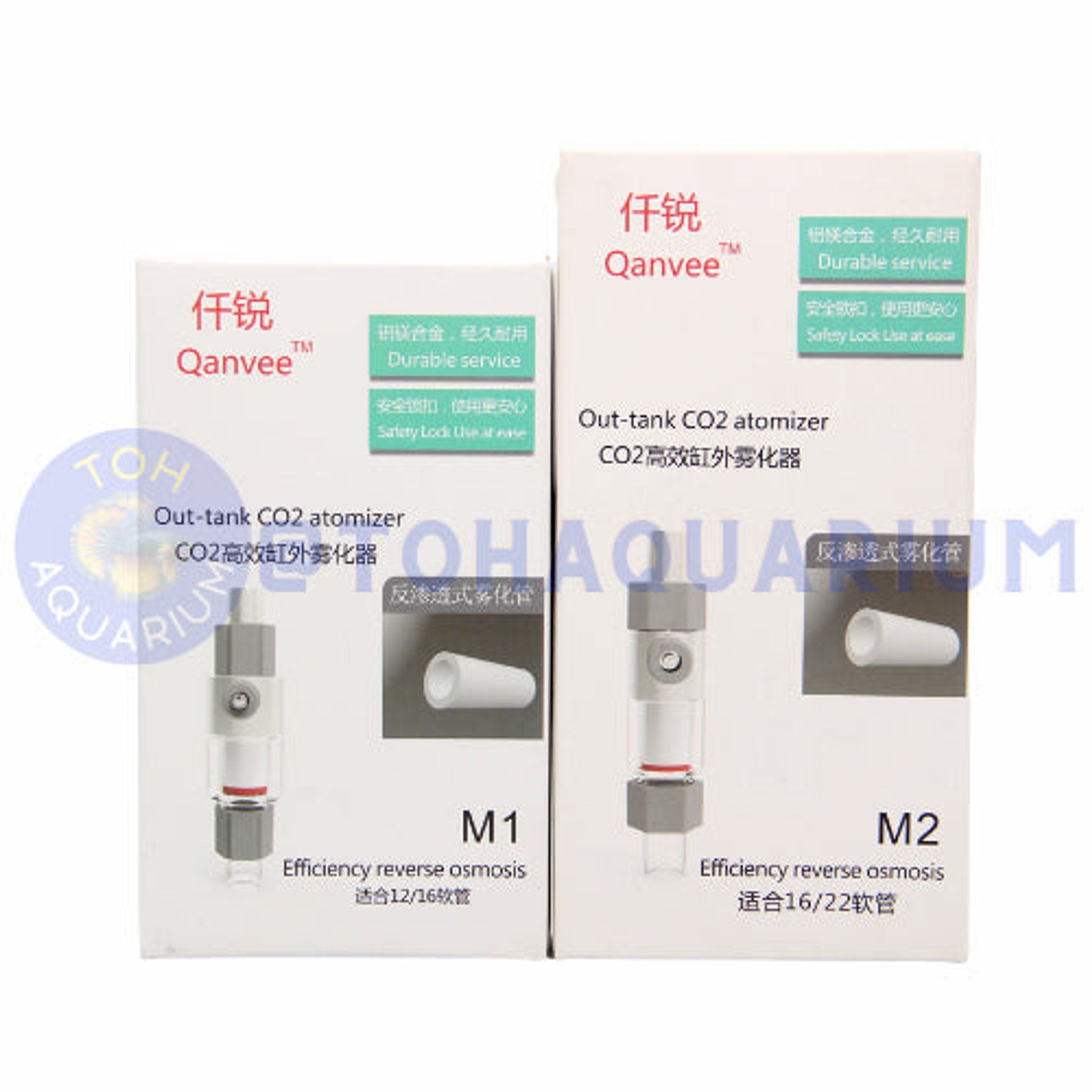
Inline diffusers or reactors can be connected to compatible external filter plumbing.
This can reduce visible equipment inside the aquarium and may provide efficient gas dissolution, making inline systems popular in larger planted aquascapes.
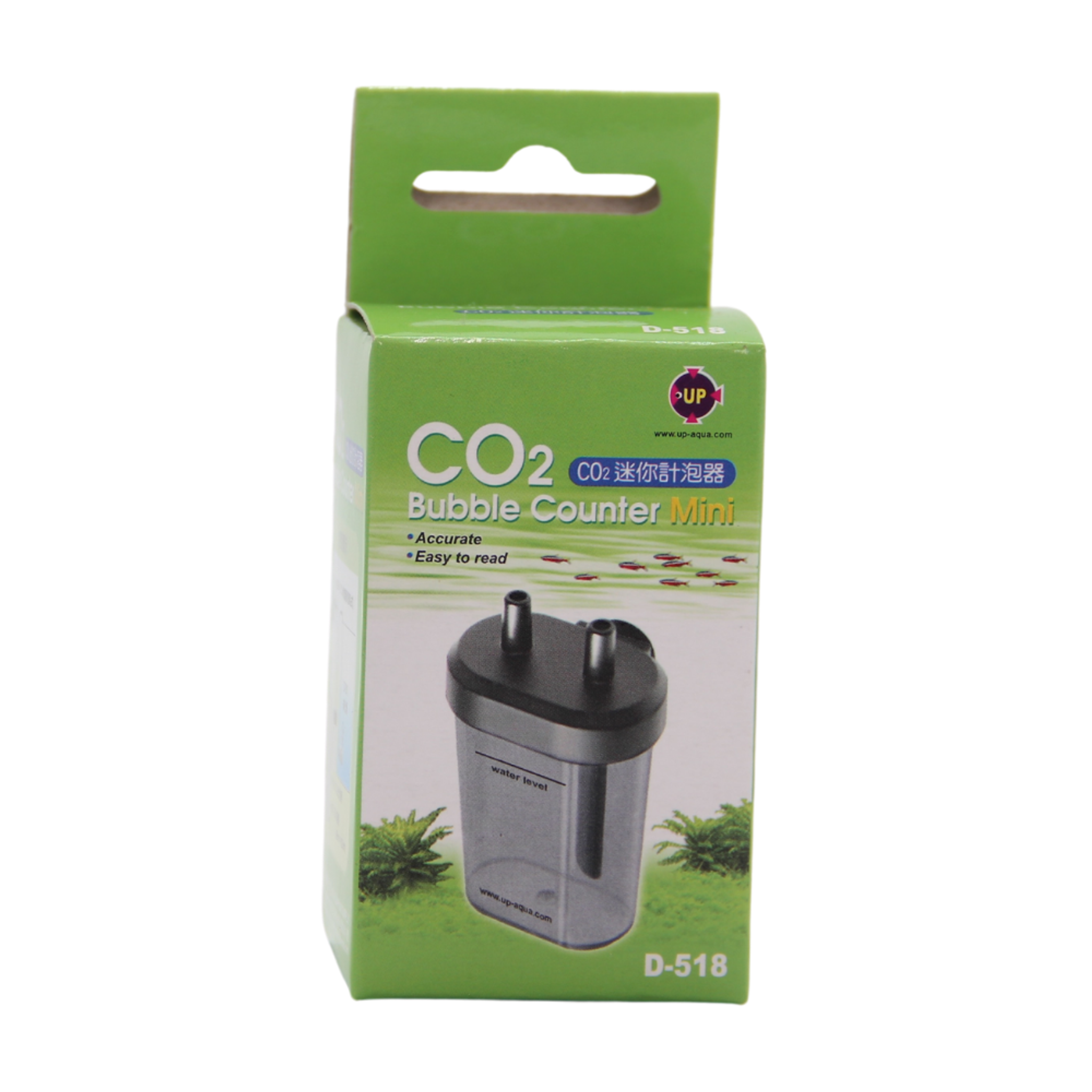
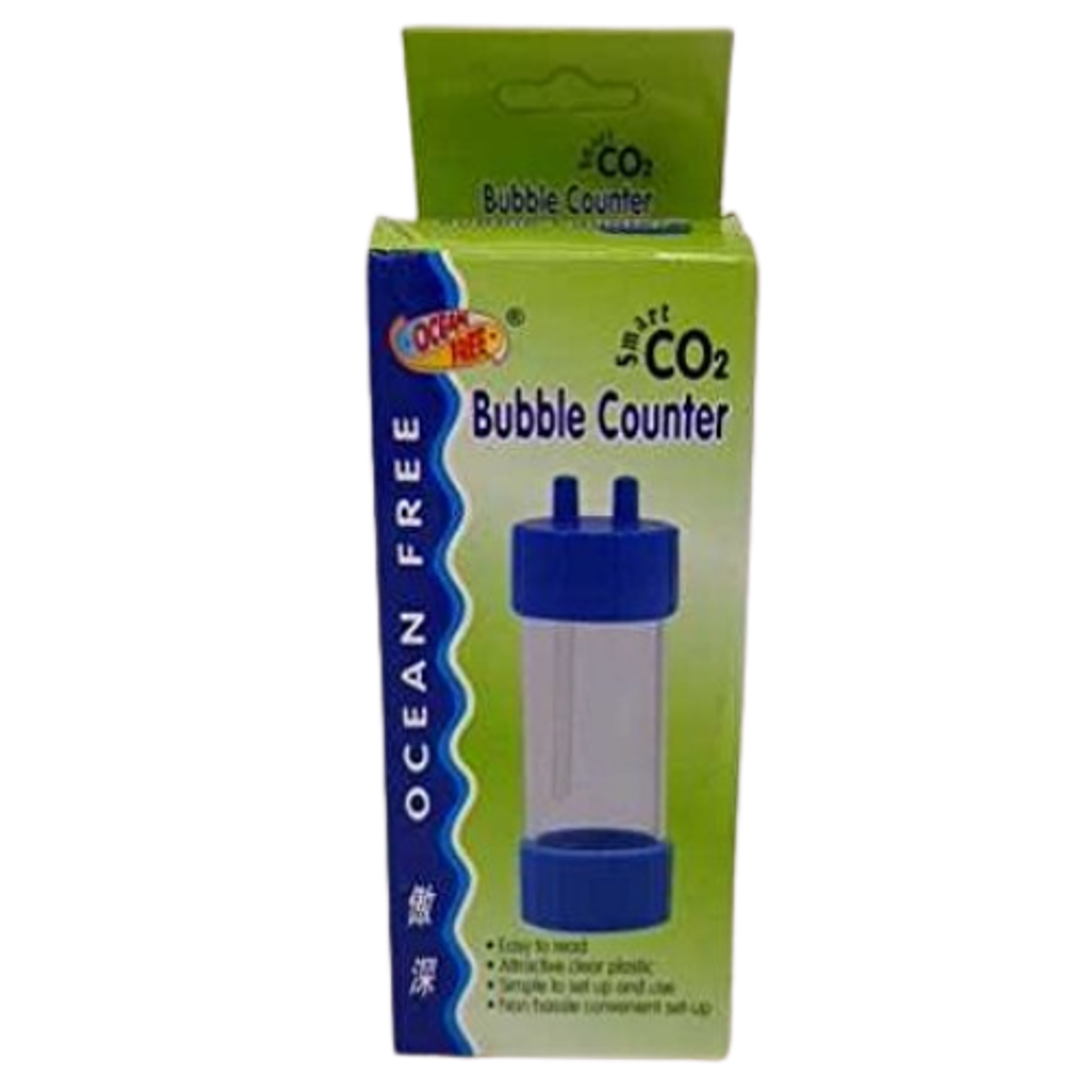
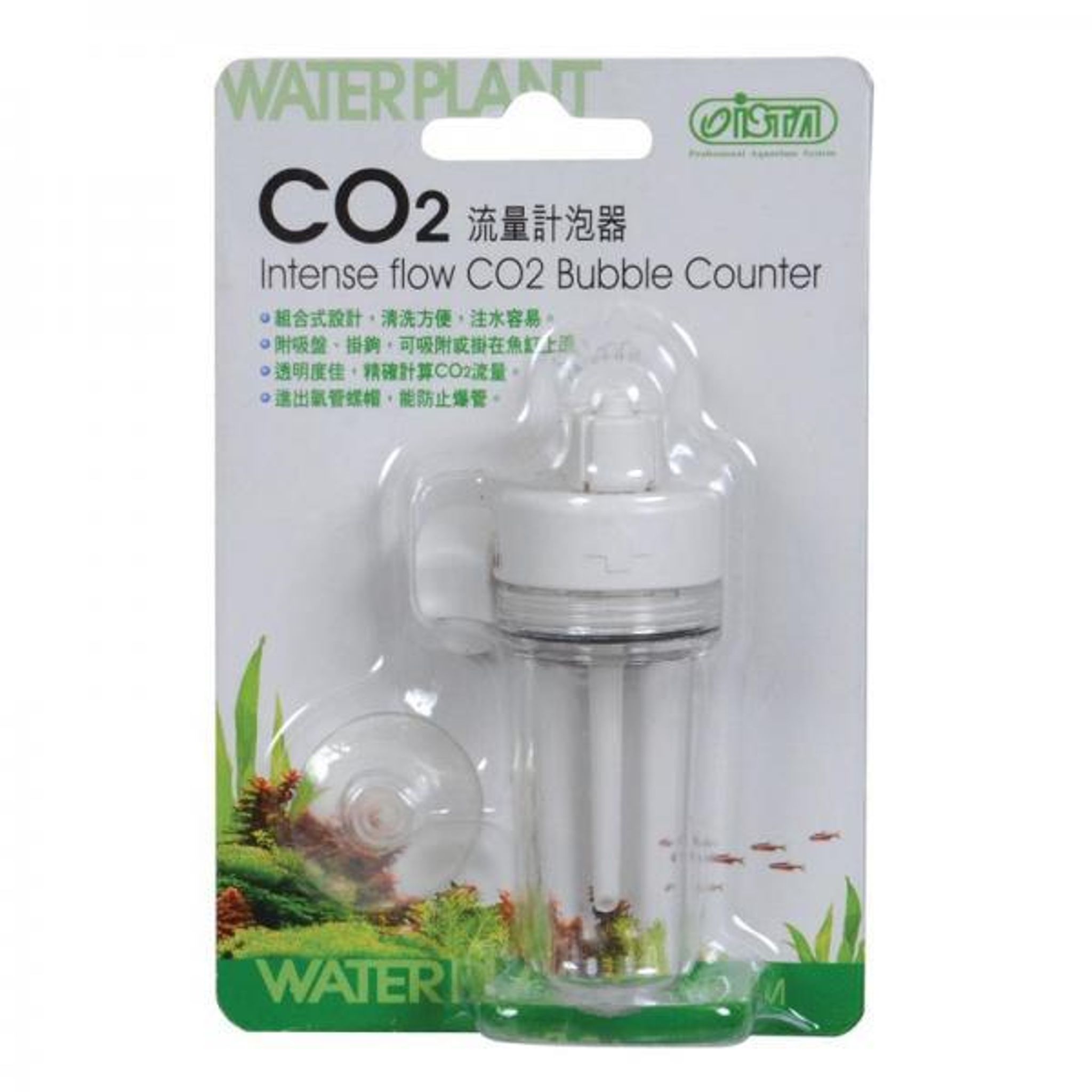
A bubble counter provides a simple visual reference for the rate at which CO2 is entering the aquarium system.
Bubble rate is useful for making consistent adjustments, but it should not be treated as a universal measure because bubble size and equipment differ between setups.
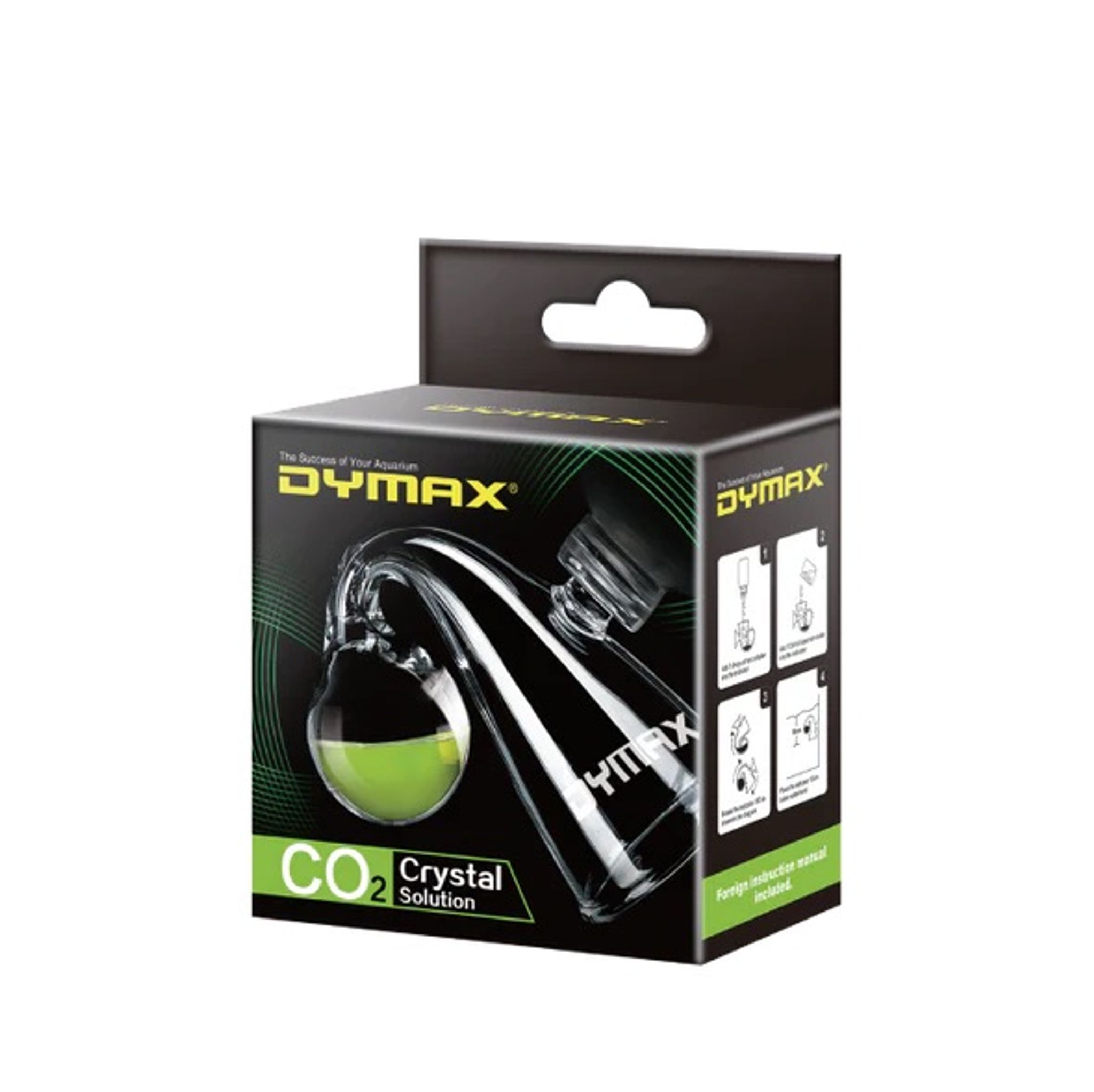
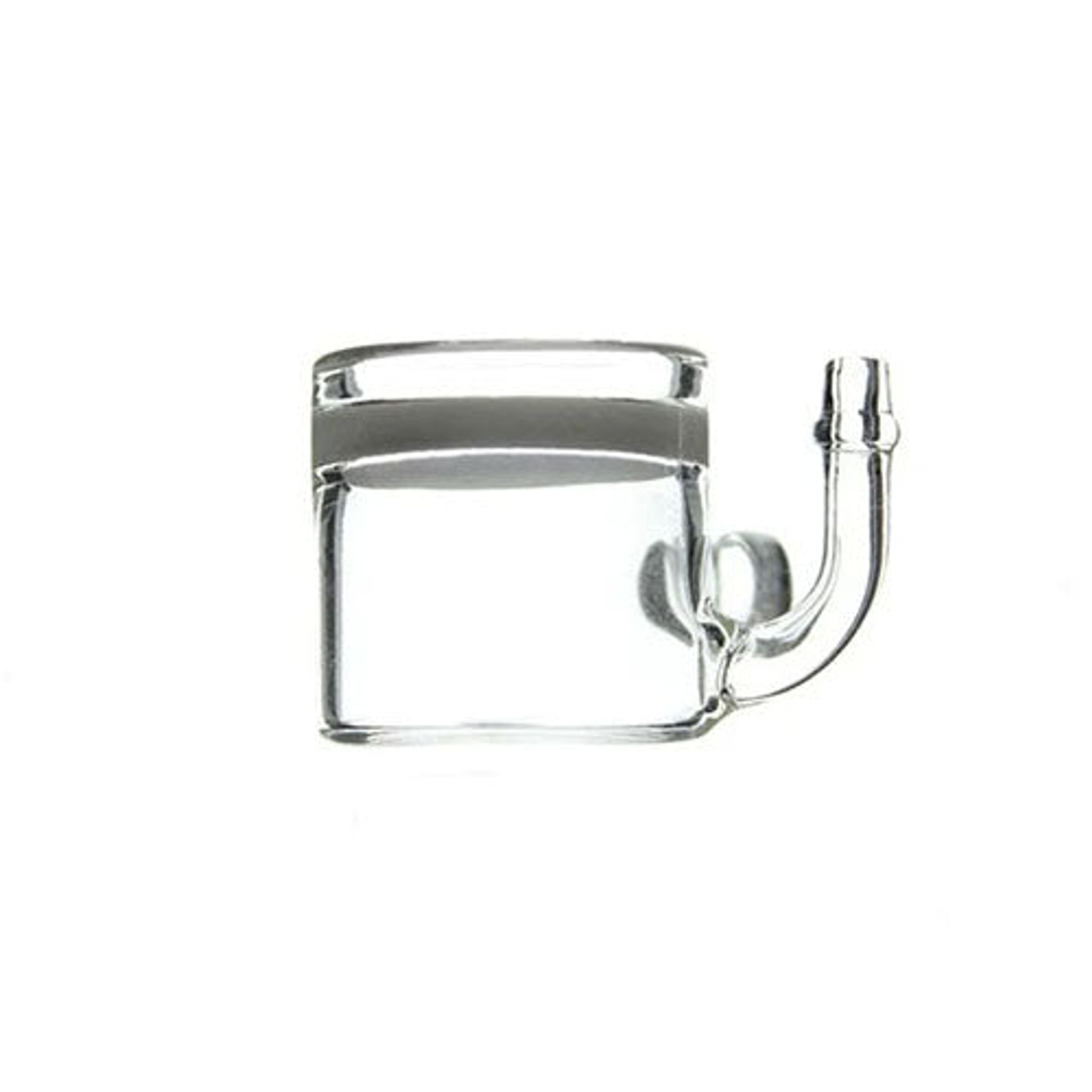
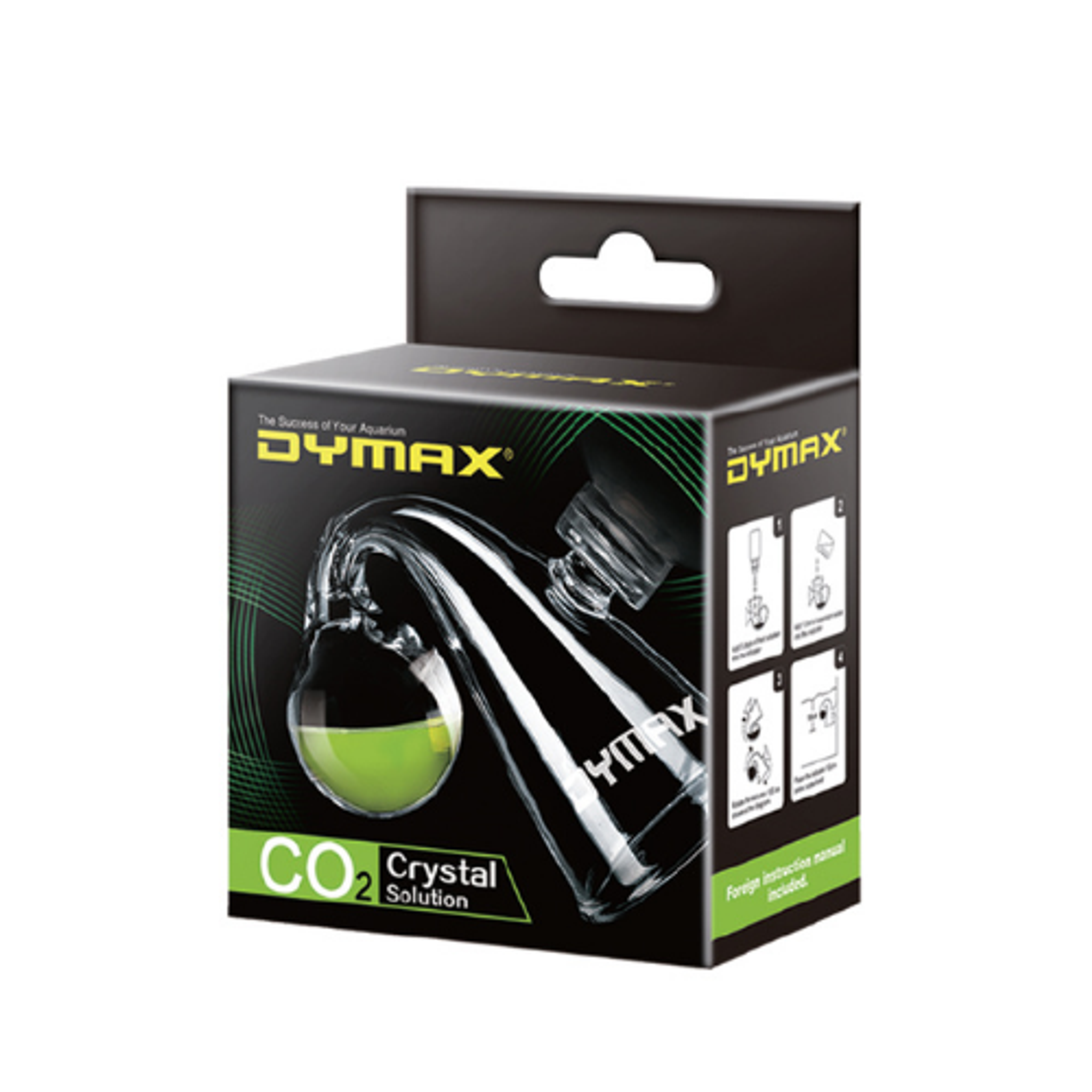
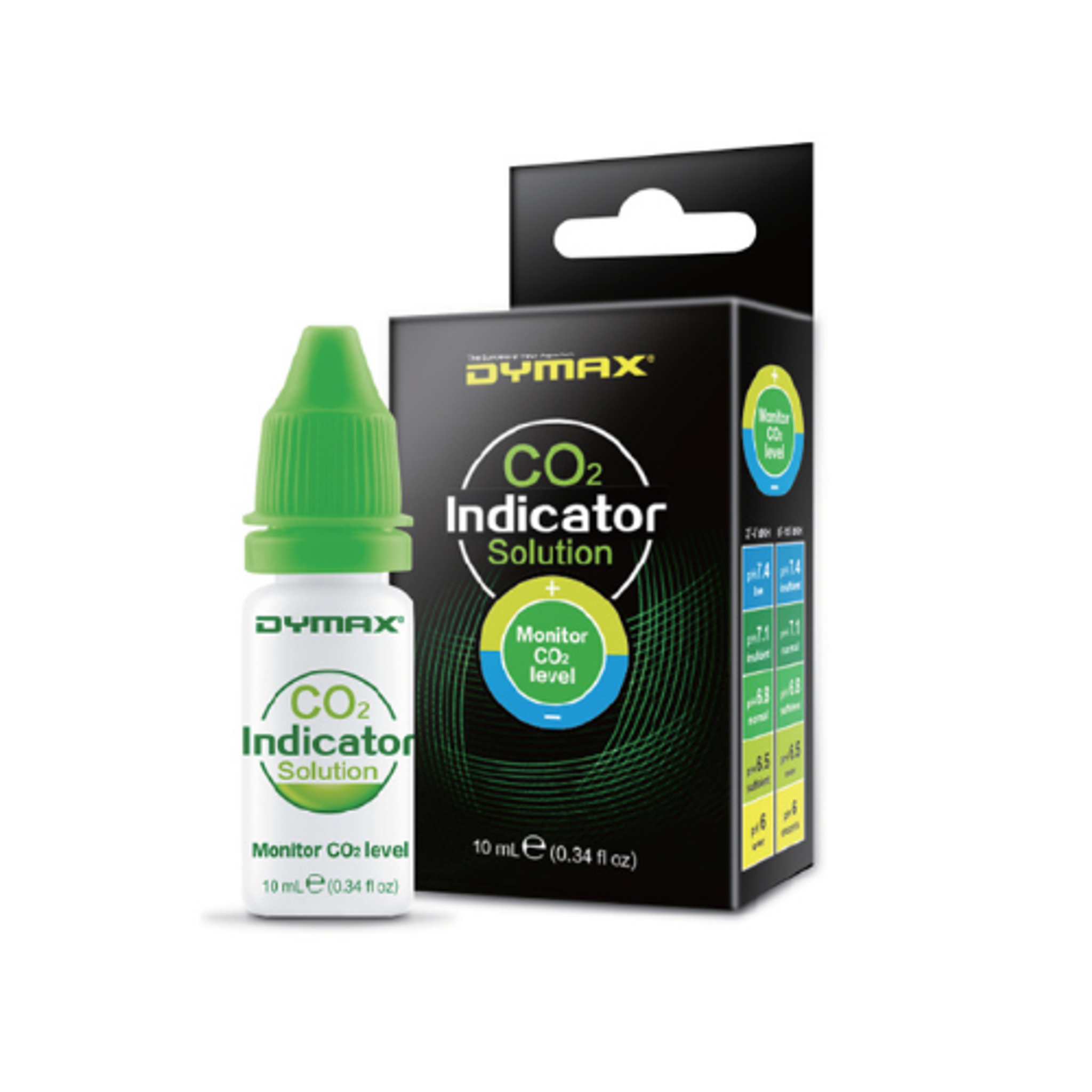
A drop checker provides a visual indication of dissolved CO2 conditions using an indicator solution.
It responds gradually rather than instantly, so it is better used as one reference alongside plant growth, fish behaviour and overall aquarium conditions.
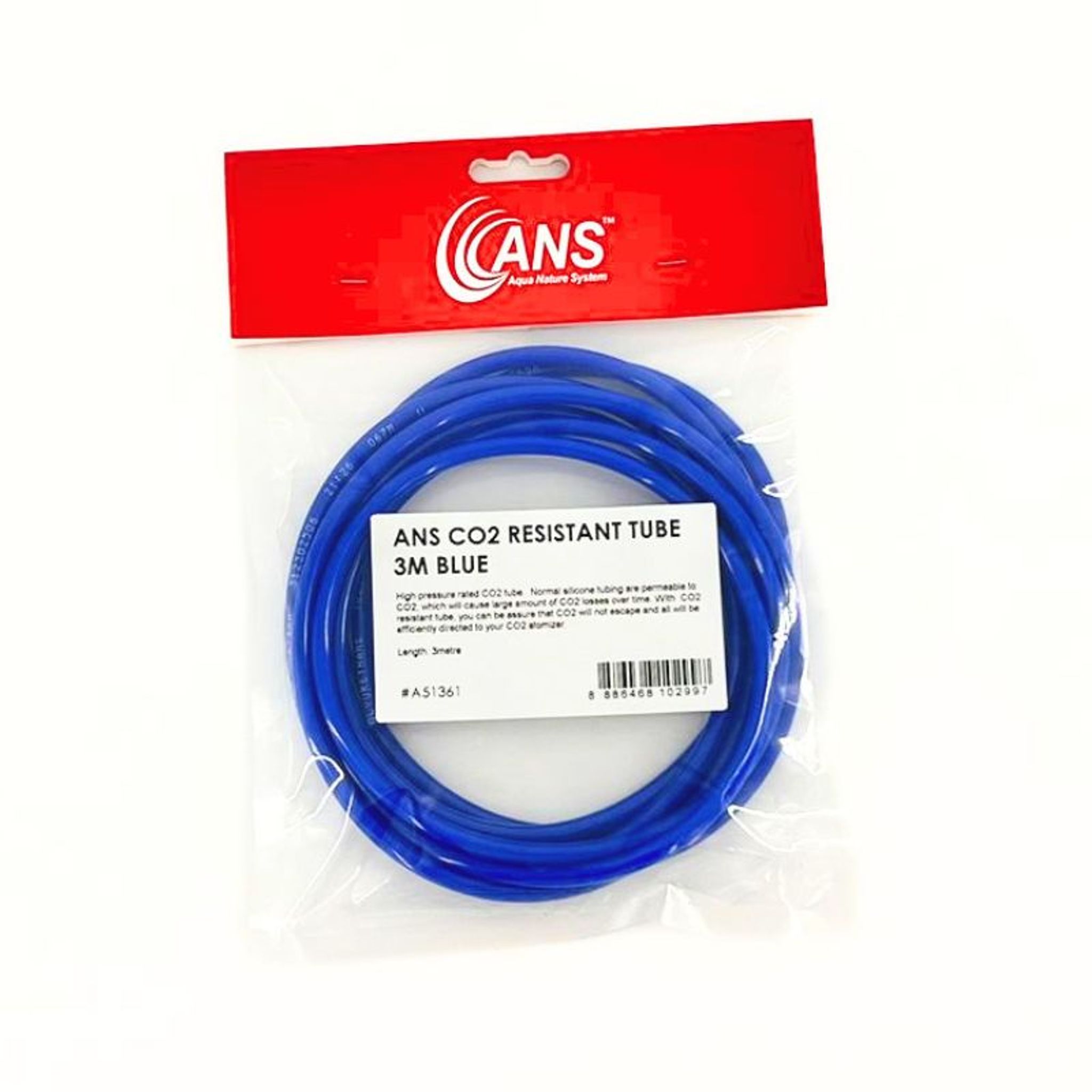
CO2 tubing connects the regulator to other components in the system.
Use tubing intended for aquarium CO2 systems because unsuitable tubing may allow excessive gas loss or may not fit equipment securely.
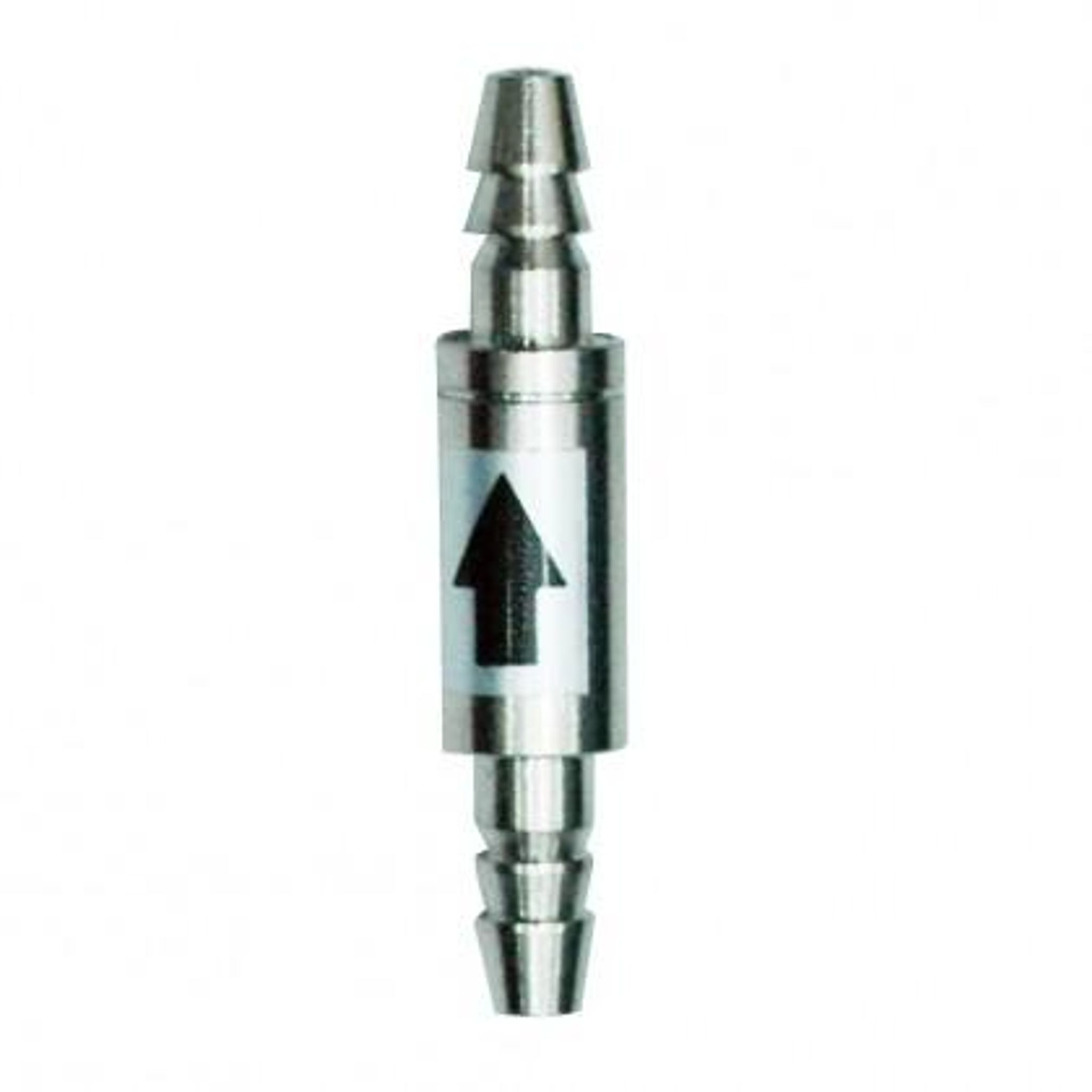
A check valve helps prevent aquarium water from travelling backwards through the CO2 tubing.
Install it in the correct direction according to the product instructions.
Many popular carpeting plants benefit significantly from injected CO2.
Monte Carlo, Glossostigma, Dwarf Hairgrass and other foreground plants can often spread more quickly and densely when light, nutrients and CO2 are balanced properly.
Many colourful stem plants perform best in well-managed high-tech aquariums.
CO2 can support healthy growth, while final coloration also depends on plant species, lighting, nutrients and overall conditions.
Iwagumi aquascapes often use large areas of low carpeting plants.
A pressurised CO2 system is commonly used in high-tech Iwagumi tanks to encourage dense, compact carpet growth around the stone layout.
Nature-style planted aquariums often combine several plant species with different growth rates.
Controlled CO2 injection can help support dense plant growth and give aquascapers more flexibility when choosing foreground, midground and background plants.
Small planted aquariums can also use pressurised CO2, but changes happen quickly because the water volume is limited.
Fine control is especially important in nano tanks, and equipment should be appropriately sized for the aquarium.
Larger aquariums may require greater gas capacity and more efficient distribution to reach planted areas consistently.
Larger cylinders, suitable regulators and inline diffusion systems may be considered depending on the tank dimensions and filtration setup.
DIY systems can provide a lower-cost introduction to CO2 supplementation, while pressurised systems generally offer greater control and consistency.
Aquarists with demanding planted tanks often prefer pressurised equipment because gas delivery can be adjusted more precisely.
Products marketed as liquid carbon are not the same as supplying gaseous carbon dioxide through a pressurised CO2 system.
Their purpose, ingredients and use differ, so they should not be treated as a direct equivalent to CO2 injection.
A typical pressurised system may involve:
Always follow the manufacturer's instructions for the cylinder, regulator and other pressurised equipment.
CO2 is generally used during the aquarium's lighting period, when plants are actively photosynthesising.
Many aquarists use a solenoid and timer to begin injection before or around the start of the lighting period and stop it before the lights switch off. Exact timing depends on the individual aquarium.
In most planted aquariums using pressurised injection, continuous overnight CO2 is unnecessary.
Plants are not photosynthesising without light, so many systems use a solenoid to stop gas delivery outside the lighting period.
Producing fine CO2 bubbles is only part of the system.
Good water circulation helps carry dissolved CO2 throughout the aquarium so plants in different areas can access it. Filter outlet and diffuser placement can therefore have a major effect on distribution.
Higher lighting can increase plant demand for carbon and nutrients.
Increasing light without providing sufficient CO2 and nutrients can create an imbalanced planted tank, so these factors should be adjusted together rather than independently.
Faster plant growth under injected CO2 can increase nutrient demand.
A suitable fertilisation strategy may therefore become more important in a high-tech aquarium. Nutrients should be adjusted according to actual plant growth and tank conditions.
Controlled CO2 injection can be used successfully in aquariums containing fish and shrimp.
Excessive CO2 can cause distress, so gas should be increased gradually and livestock behaviour should always be monitored. Good circulation and gas exchange remain important.
Fish showing unusual breathing behaviour, gathering near the surface or displaying sudden distress can indicate a problem with gas levels or oxygen availability.
If livestock appears distressed, stop or reduce CO2 injection and increase aeration or surface movement while investigating the cause.
Lack of bubbles can result from insufficient working pressure, a closed valve, blocked diffuser, leaking connection or incorrectly installed equipment.
Check the system from the cylinder through to the diffuser and follow the manufacturer's troubleshooting instructions.
Secure connections are important because leaking gas wastes CO2 and can reduce the consistency of injection.
Inspect regulator fittings, tubing and connectors according to the manufacturer's recommended leak-check procedure before regular operation.
Cylinder duration varies significantly between aquariums.
Tank size, injection rate, daily operating time, diffuser efficiency and cylinder capacity all affect how frequently a refill is needed.
When comparing planted tank CO2 systems, consider:
Compatibility between the cylinder, regulator and fittings is particularly important when components are purchased separately.
Aquarium CO2 system prices in Singapore vary depending on cylinder size, regulator quality, included components, diffuser design and brand.
Simple components may be relatively affordable, while complete pressurised kits with higher-quality regulators and accessories can cost more.
FishyHub brings aquarium CO2 equipment listings from aquarium shops, aquascaping stores and equipment sellers across Singapore together in one marketplace, making it easier to compare planted tank CO2 systems from multiple sources.
When comparing products, look at:
Product ranges and compatibility can vary between brands, so check the current specifications of each listing before purchasing.
All aquatic plants use carbon dioxide, but many low-tech species can grow without pressurised injection. More demanding planted tanks often benefit significantly from added CO2.
No. Low-tech planted tanks can be successful without pressurised CO2, while high-tech aquascapes may use it to support faster and denser plant growth.
Many carpet plants benefit from injected CO2 and may spread more quickly and compactly when lighting and nutrients are also suitable.
It can be used safely when controlled properly, but excessive CO2 can stress fish and other livestock. Increase injection gradually and observe the aquarium carefully.
In most pressurised planted-tank setups, CO2 is turned off when the lights are off because plants are not actively photosynthesising.
A solenoid electrically opens or closes the CO2 supply, allowing injection to be controlled automatically with a timer or compatible controller.
It breaks CO2 gas into small bubbles to increase contact with the water and improve dissolution.
The best size depends on aquarium volume, injection rate, available storage space and how convenient refilling is for you.
Explore aquarium CO2 systems for sale on FishyHub and compare regulators, cylinders, diffusers, solenoids, bubble counters, tubing and complete CO2 kits from sellers across Singapore. Find suitable equipment for carpet plants, nature aquariums, Iwagumi layouts and other planted tank setups.