Tankmates: Best kept in a species-only tank because of the expense of the shrimp and their water needs; a few tiny peaceful fish (e.g. otocinclus) are possible. Crystal/bee shrimp and tiger shrimp can hybridise.
Feeding: Overfeeding is a common cause of losses in shrimp tanks. A mature tank with biofilm provides much of their diet.
1–39 of 39

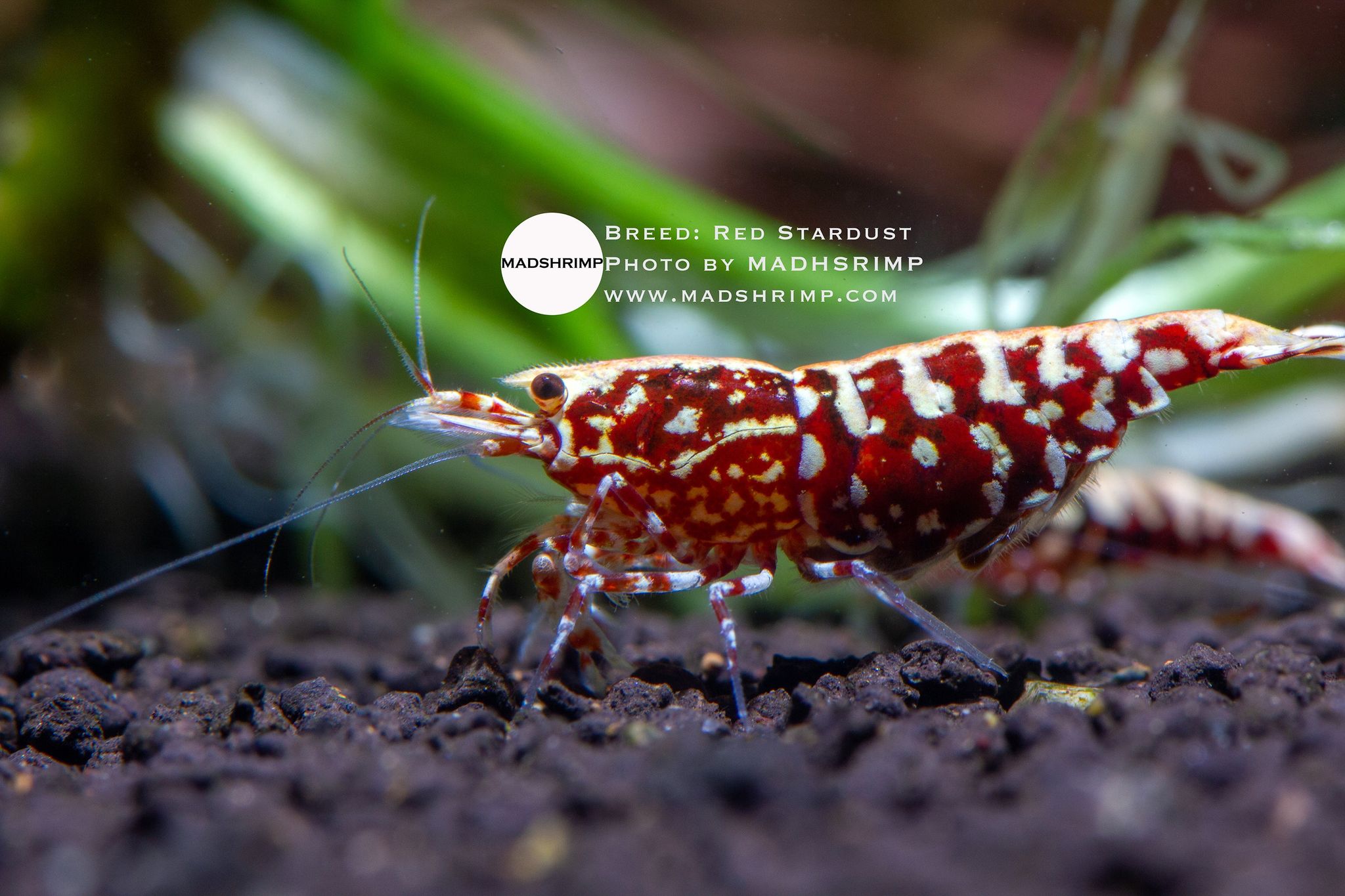
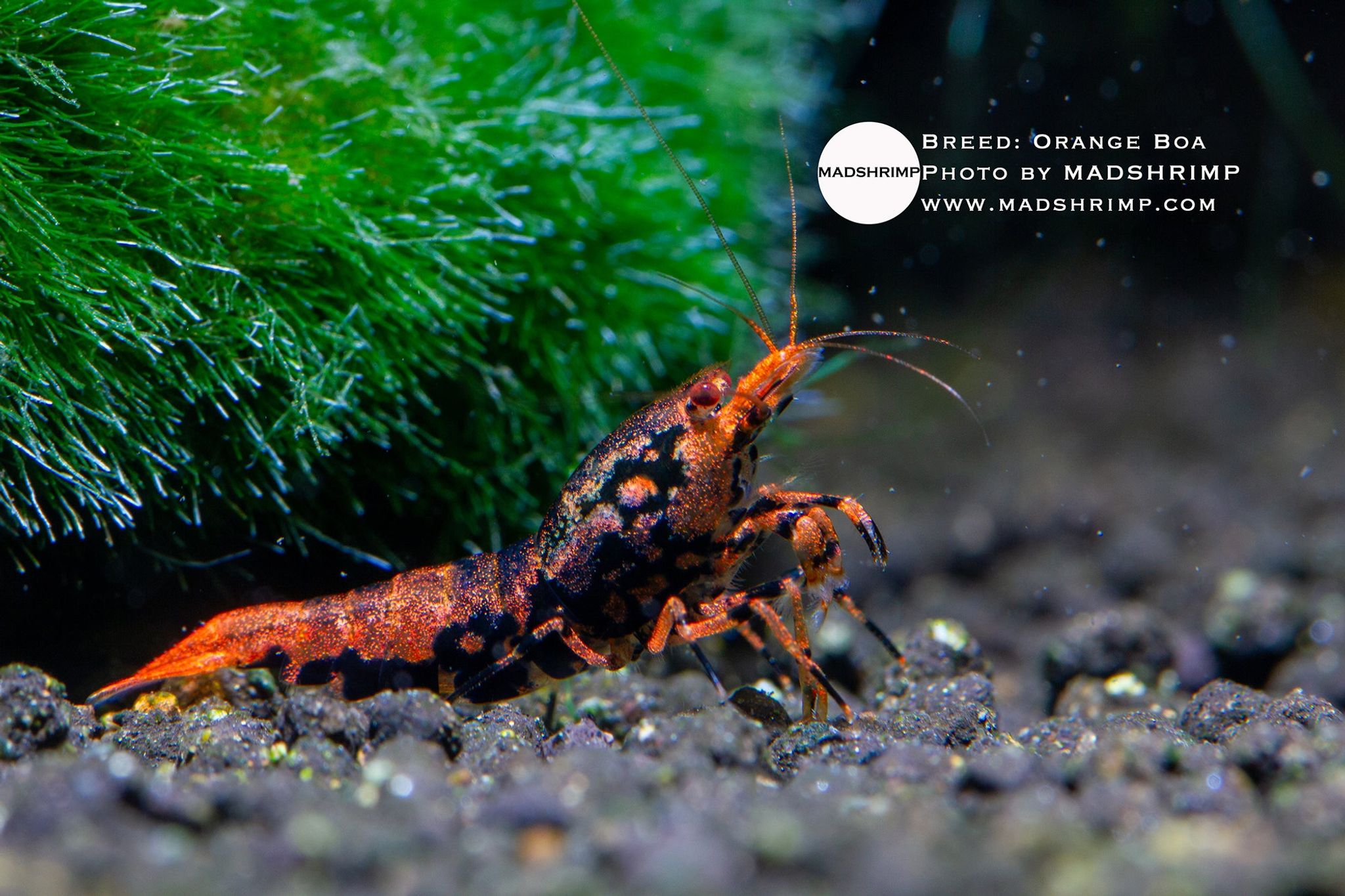
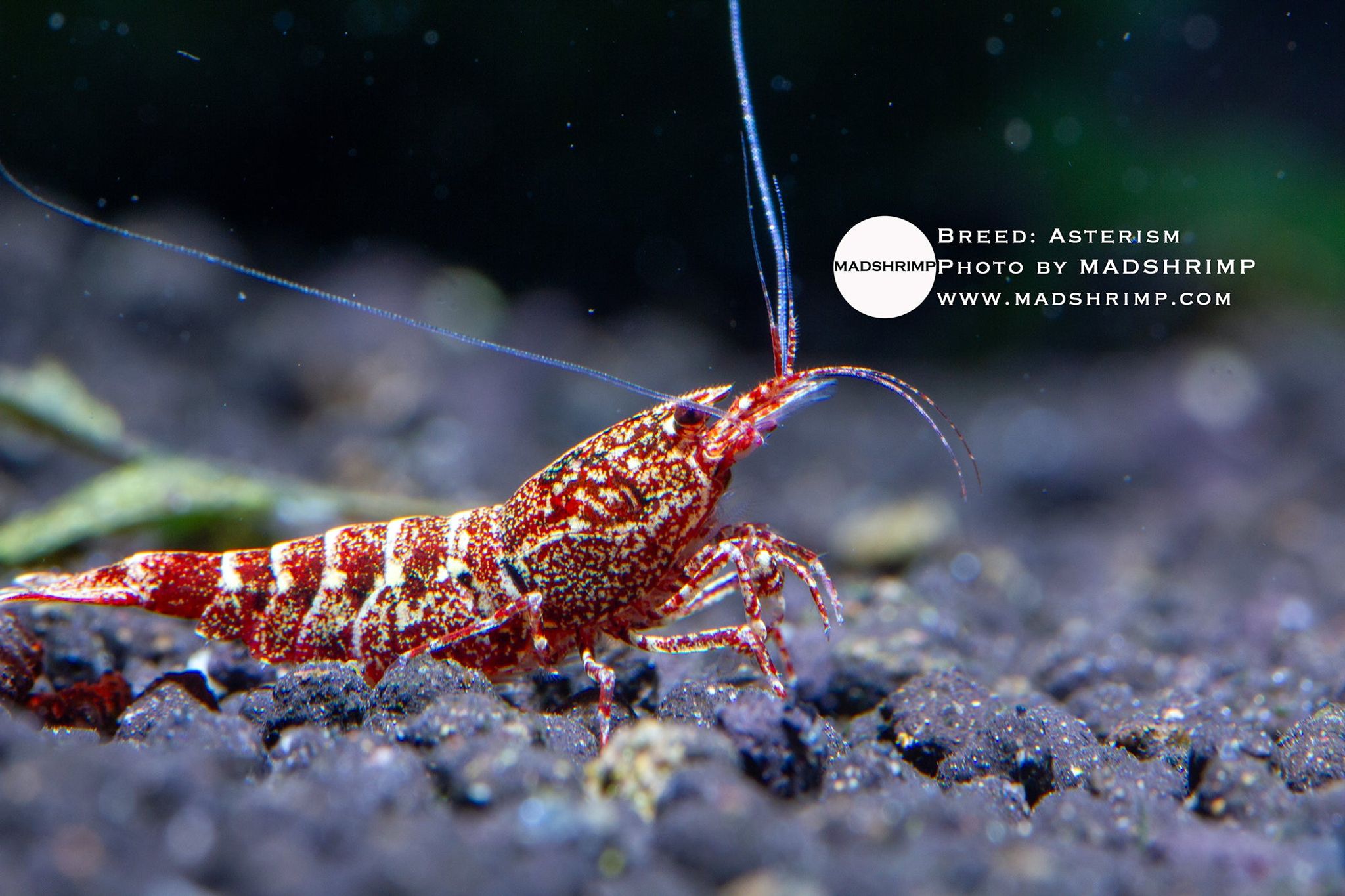
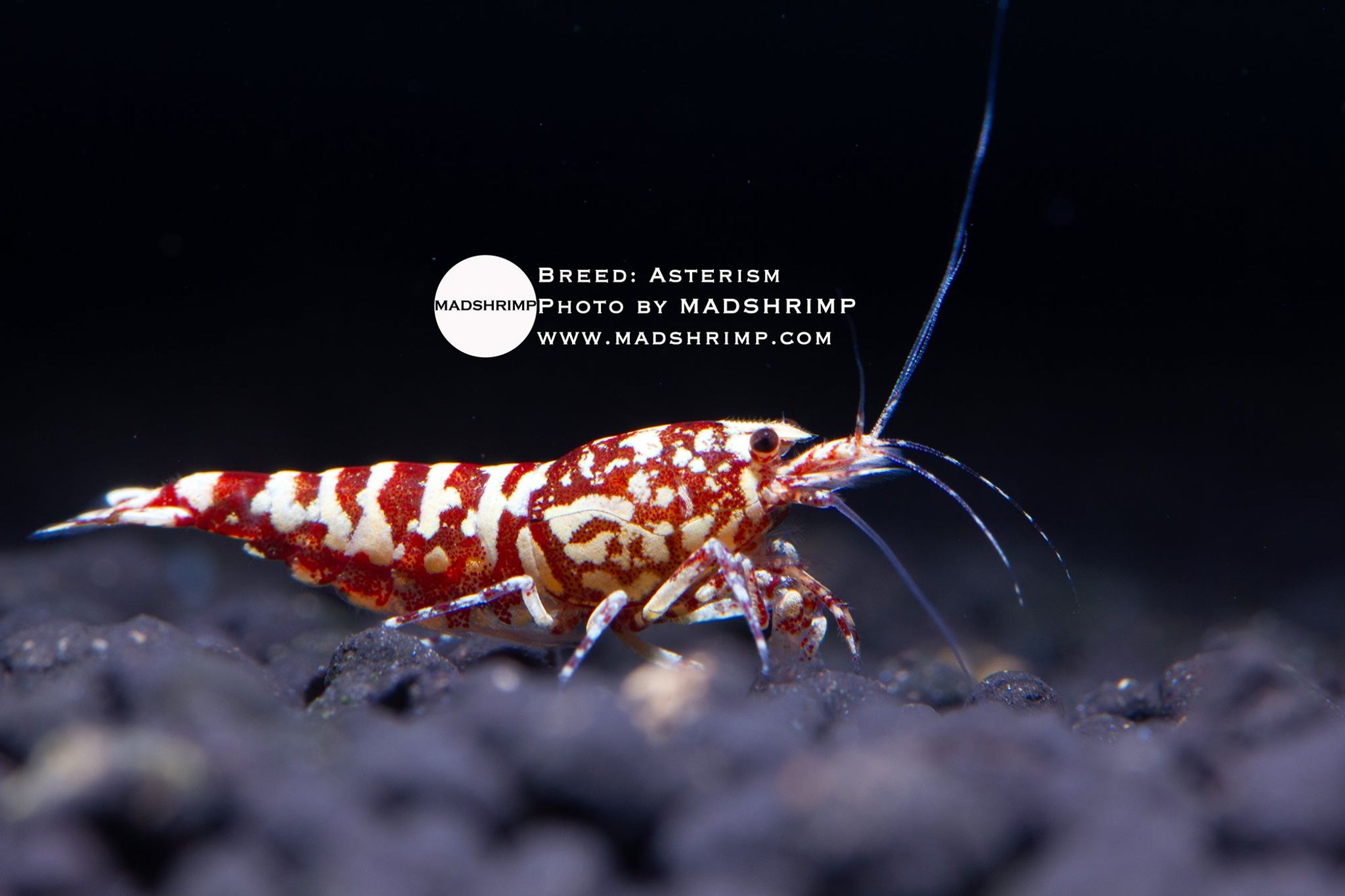
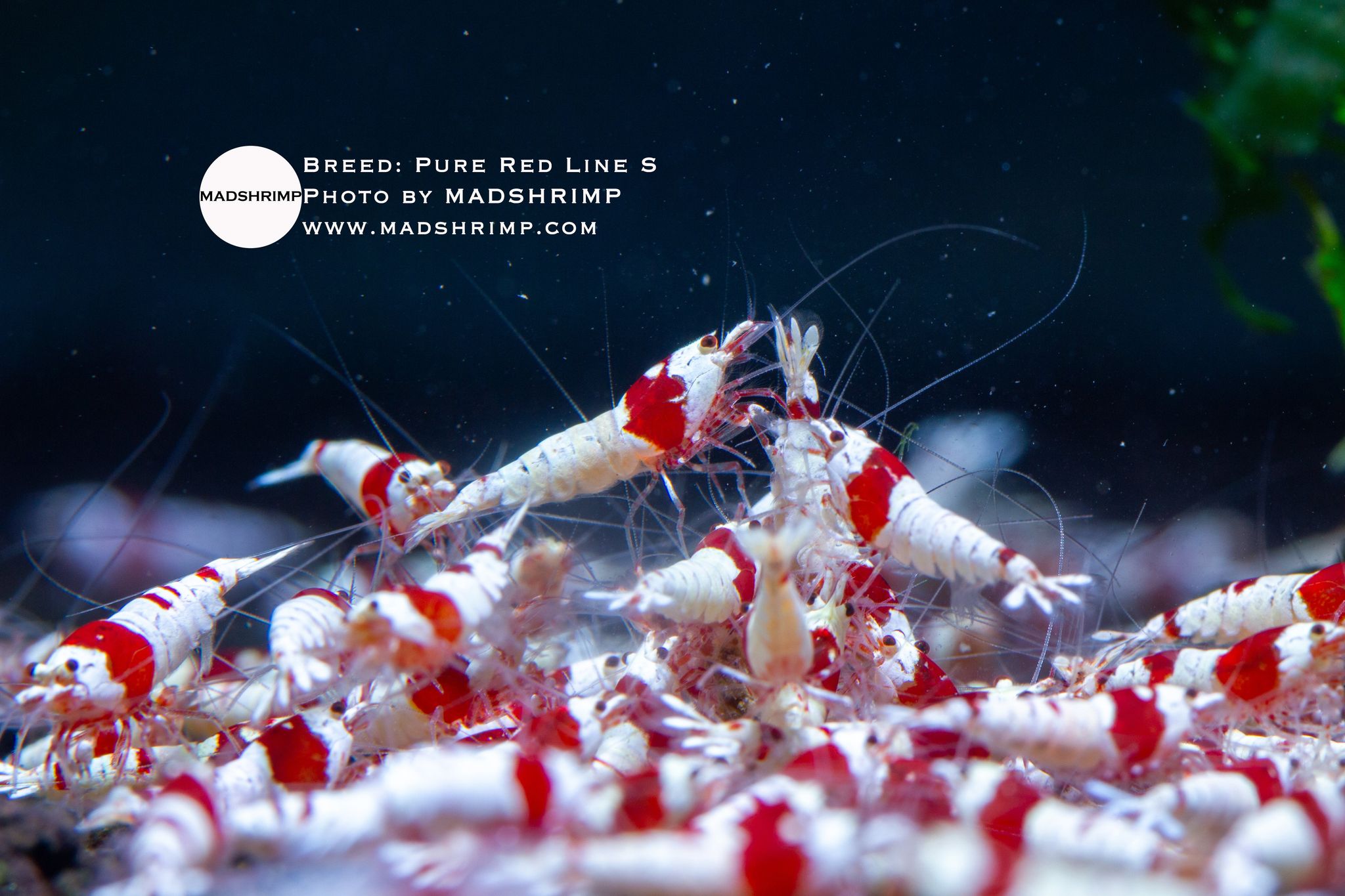
![Pure Red Line Shrimp (Pure Red Line [Breeding Size])](https://image-cdn-prodv2.fishyhub.com/fit-in/2048x2048/inventory-images/products/product_madshrimp_pure-red-line-breeding-size_1789274230269_0.jpeg?signature=fe07f53f72f6afb75a2bf98caaaa38c4e9b648ed580470a75915b3d0e0344613)
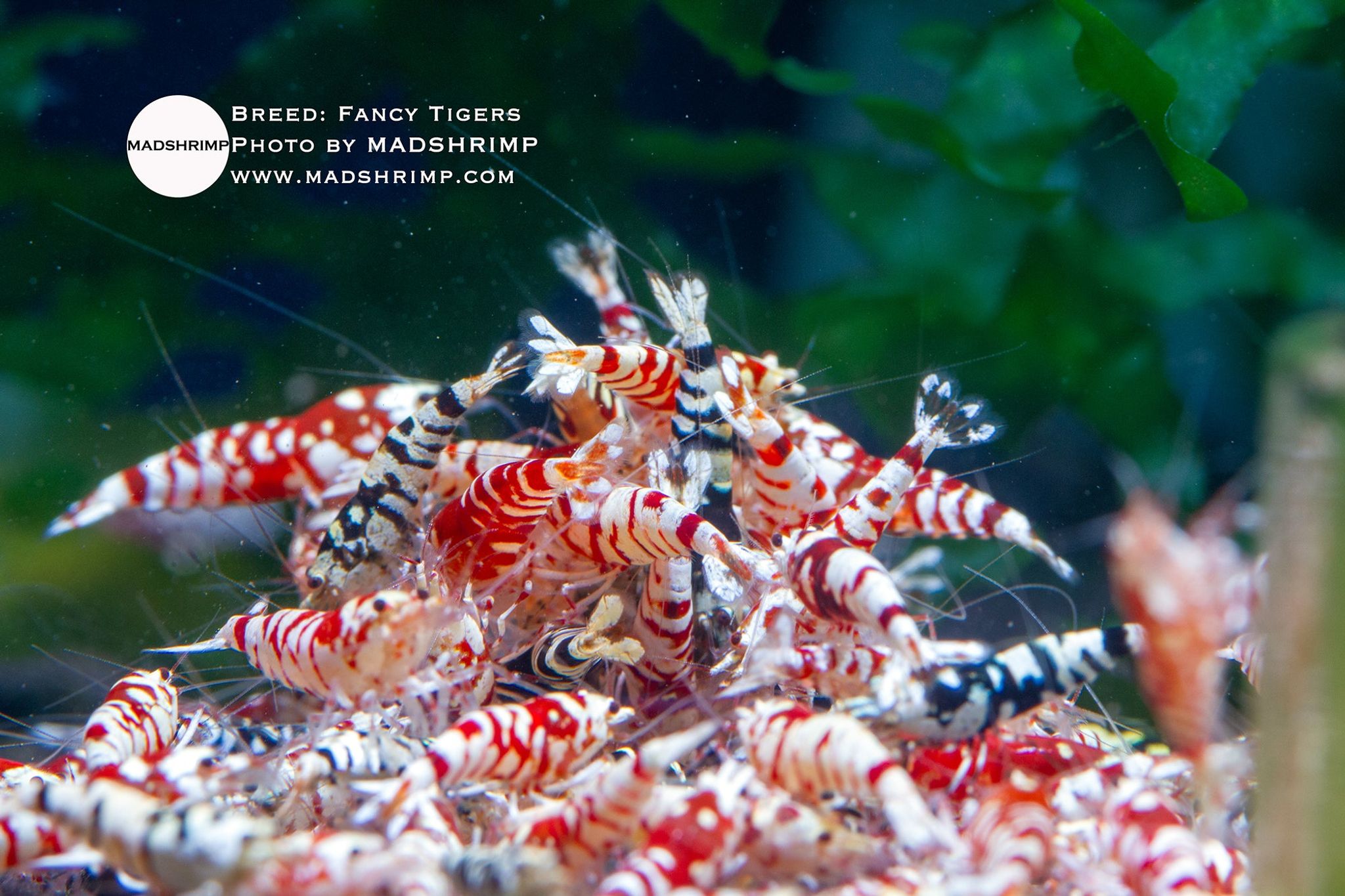
![Red Fancy Tiger Shrimp (Red Fancy Tiger S [Breeding Size])](https://image-cdn-prodv2.fishyhub.com/fit-in/2048x2048/inventory-images/products/product_madshrimp_red-fancy-tiger-s-adult_1789274228810_0.jpeg?signature=7278ff7322ba8ceaa9de03b005698e3489ab06b01fcd5f0080fff15d692592cd)
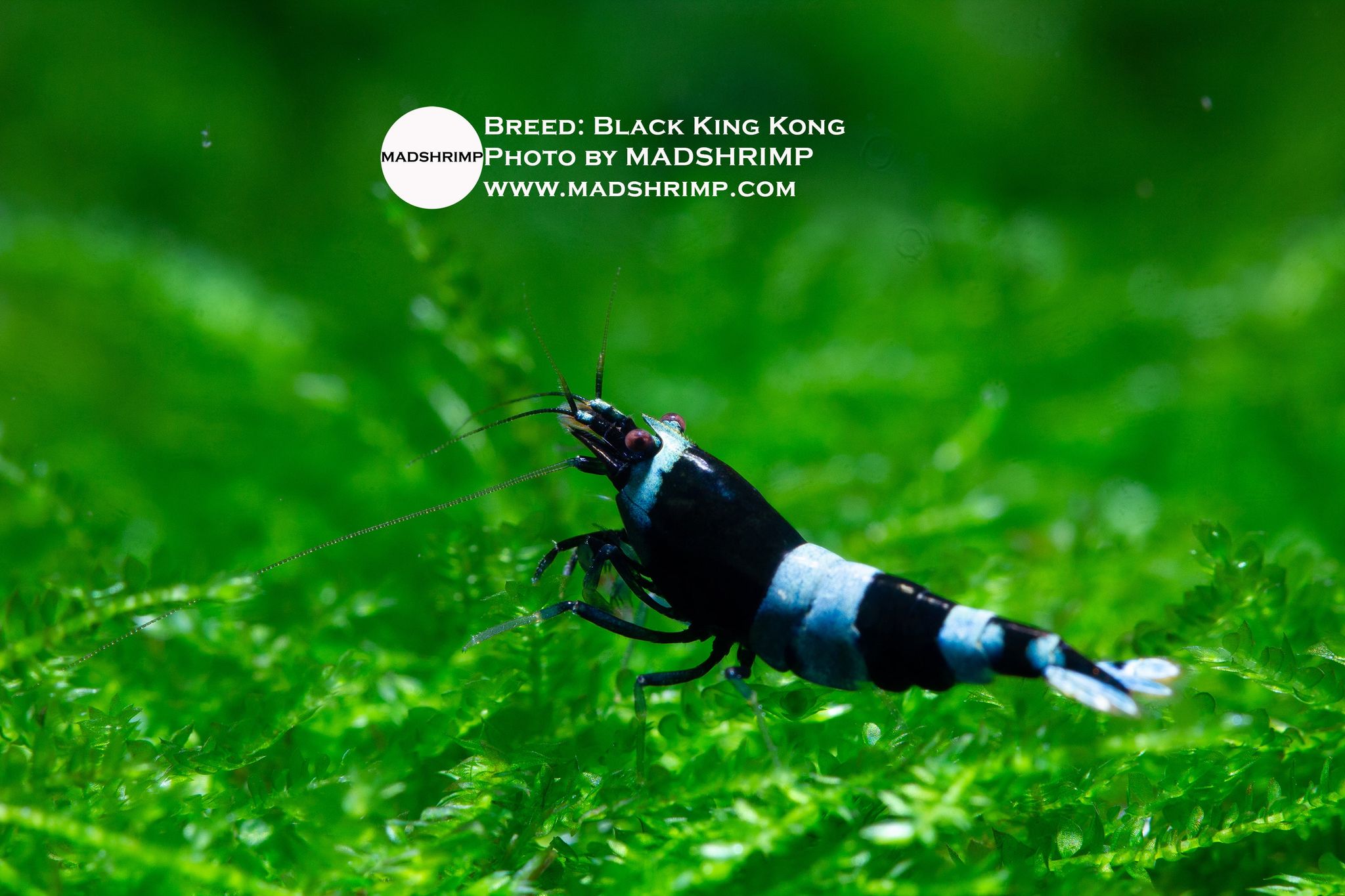
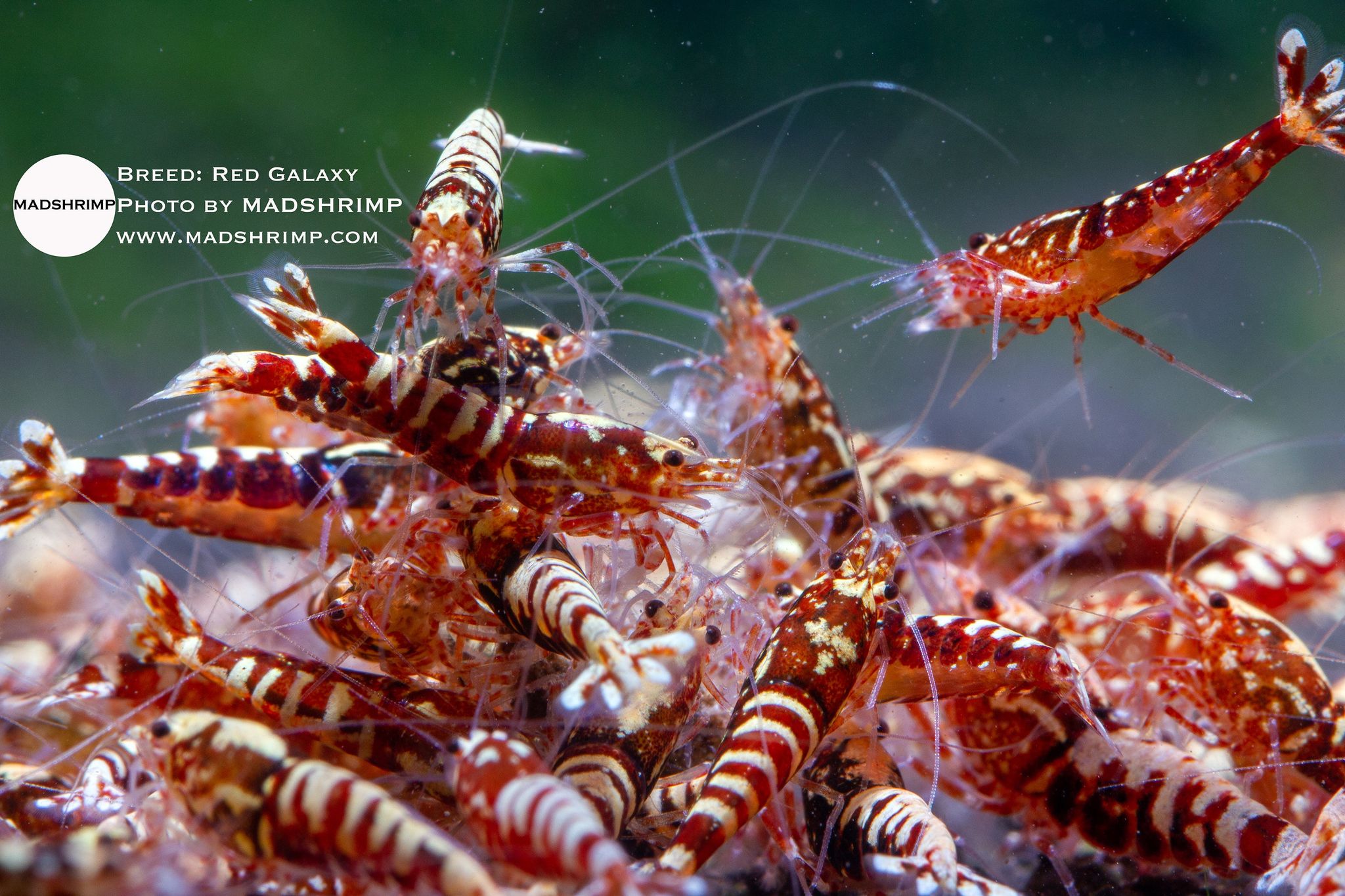

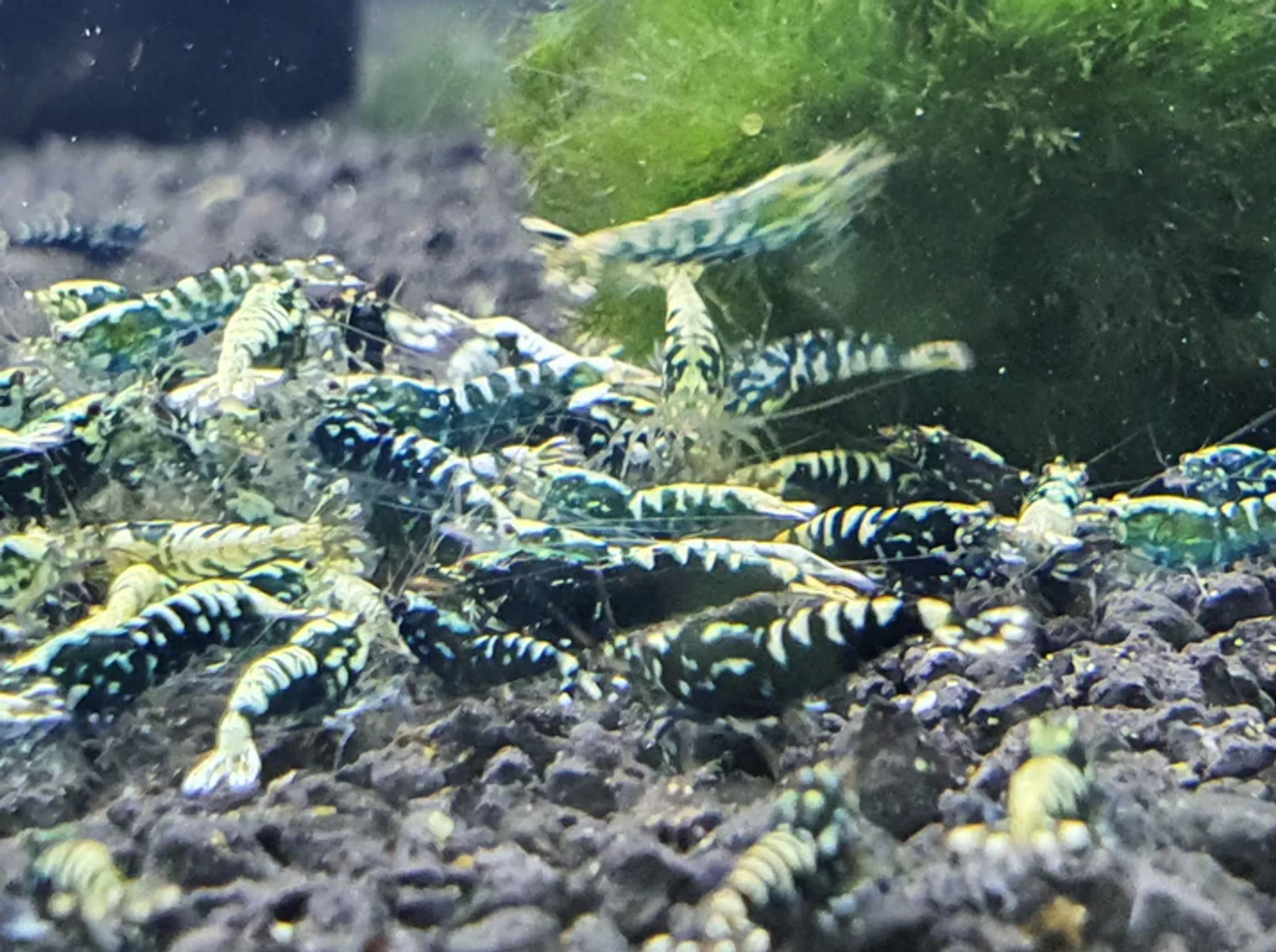
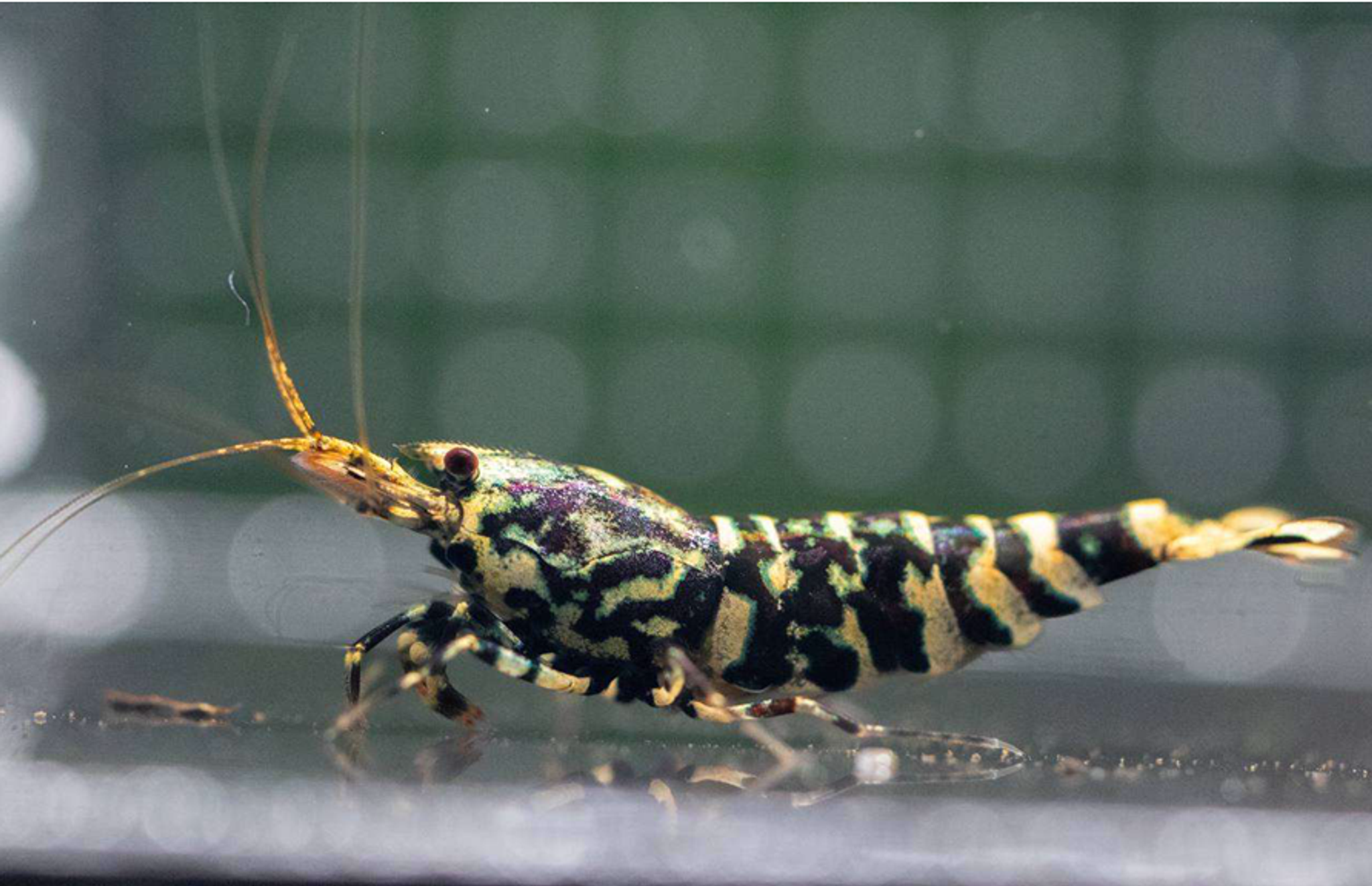
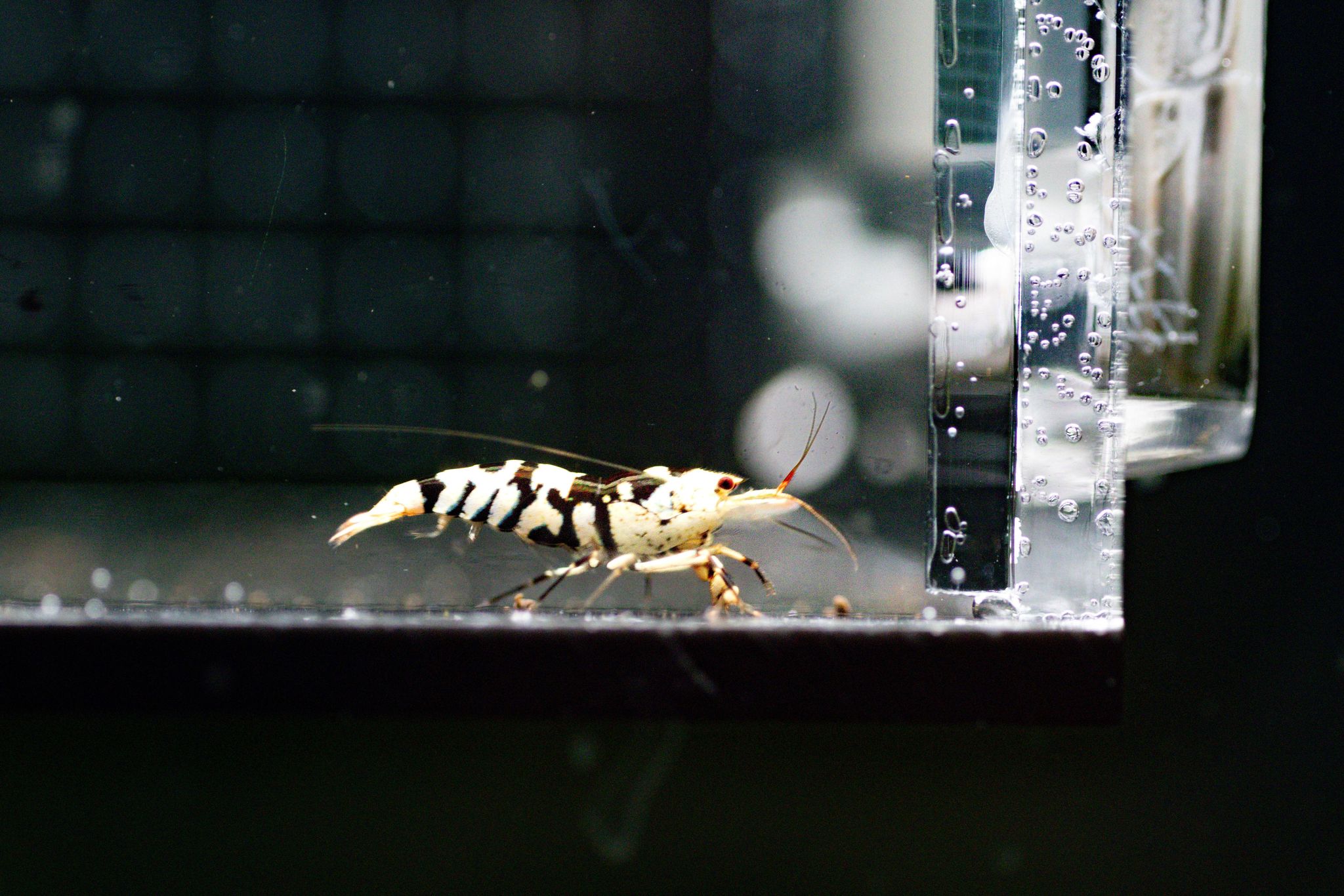

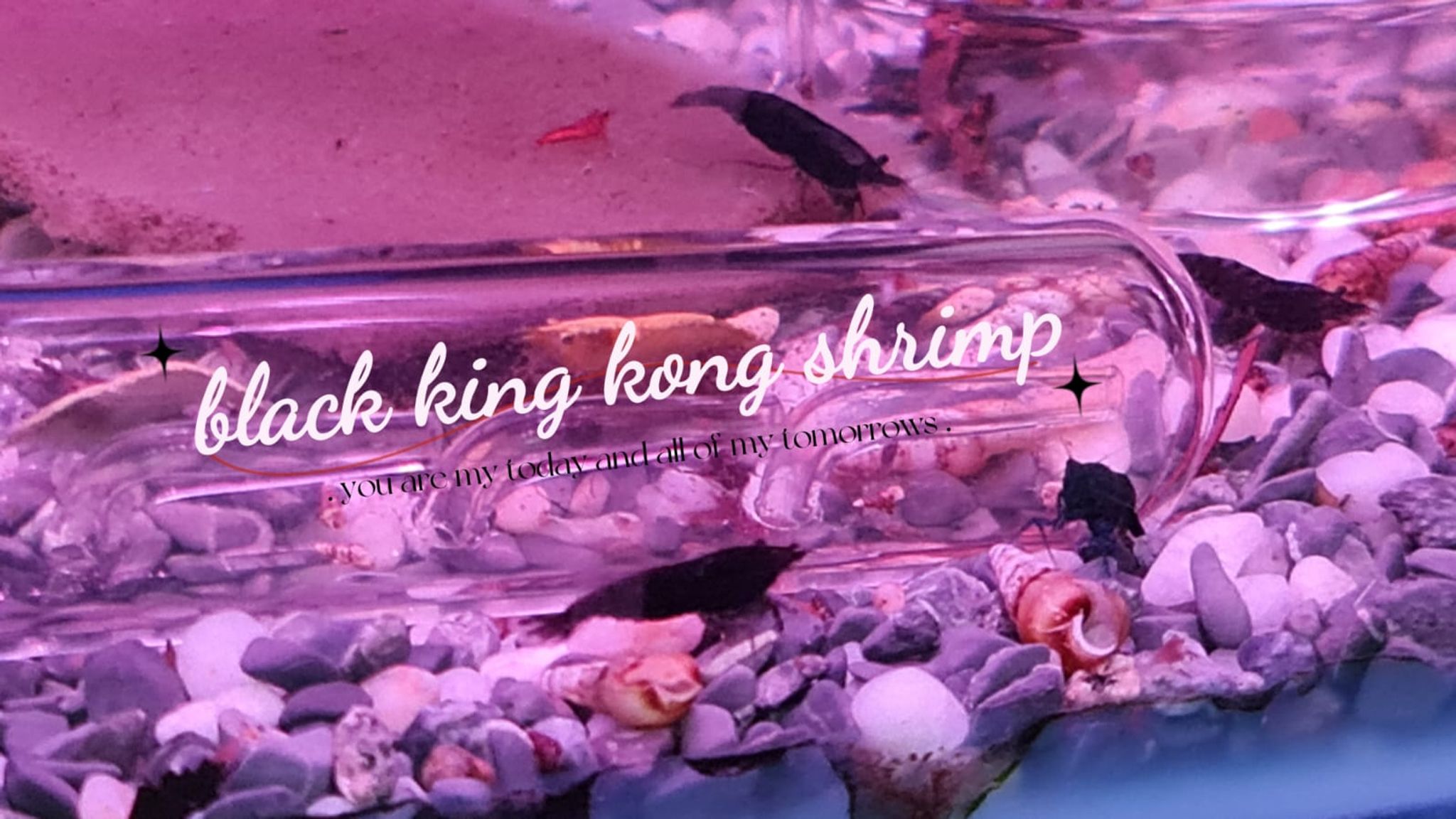
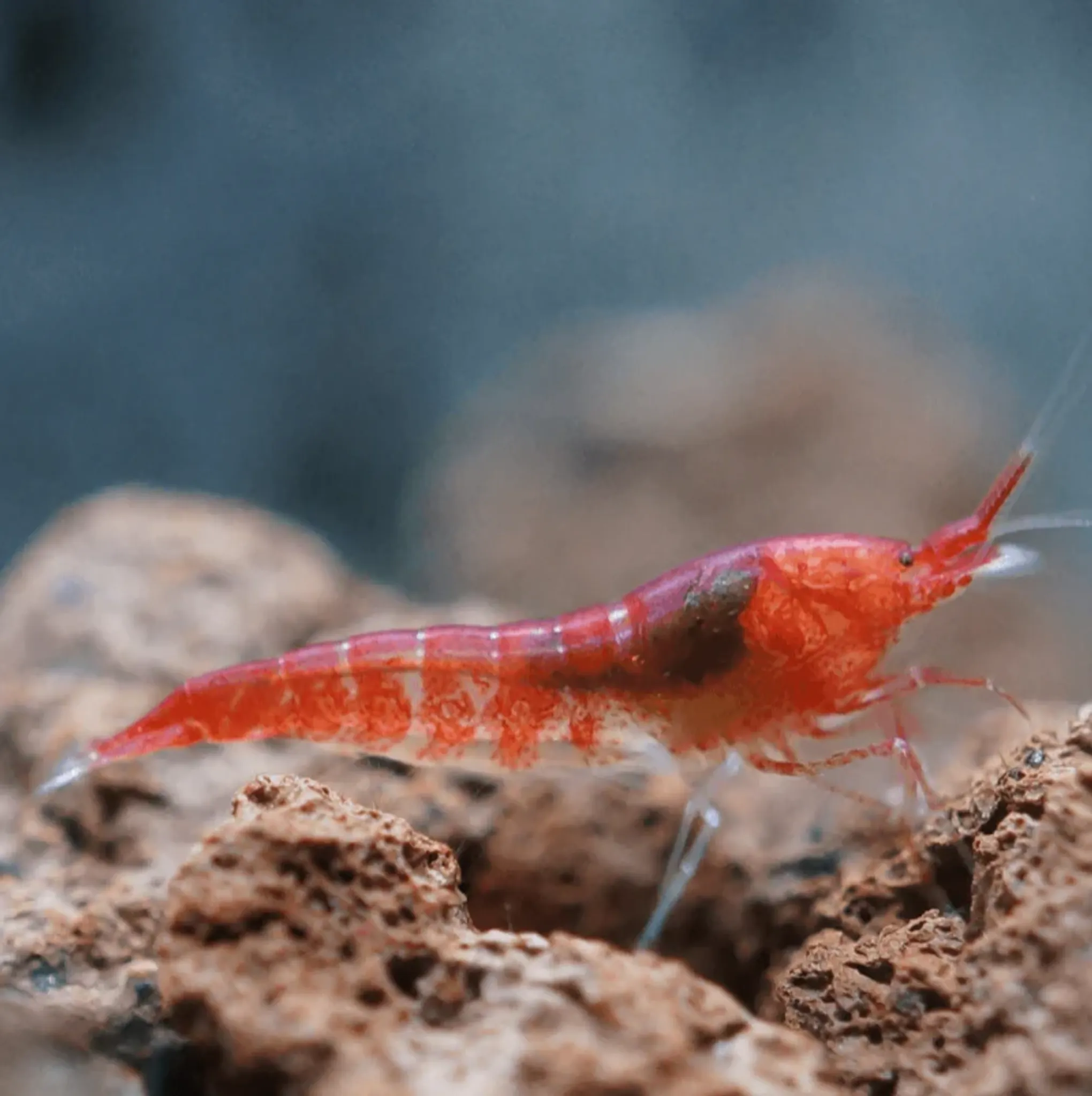
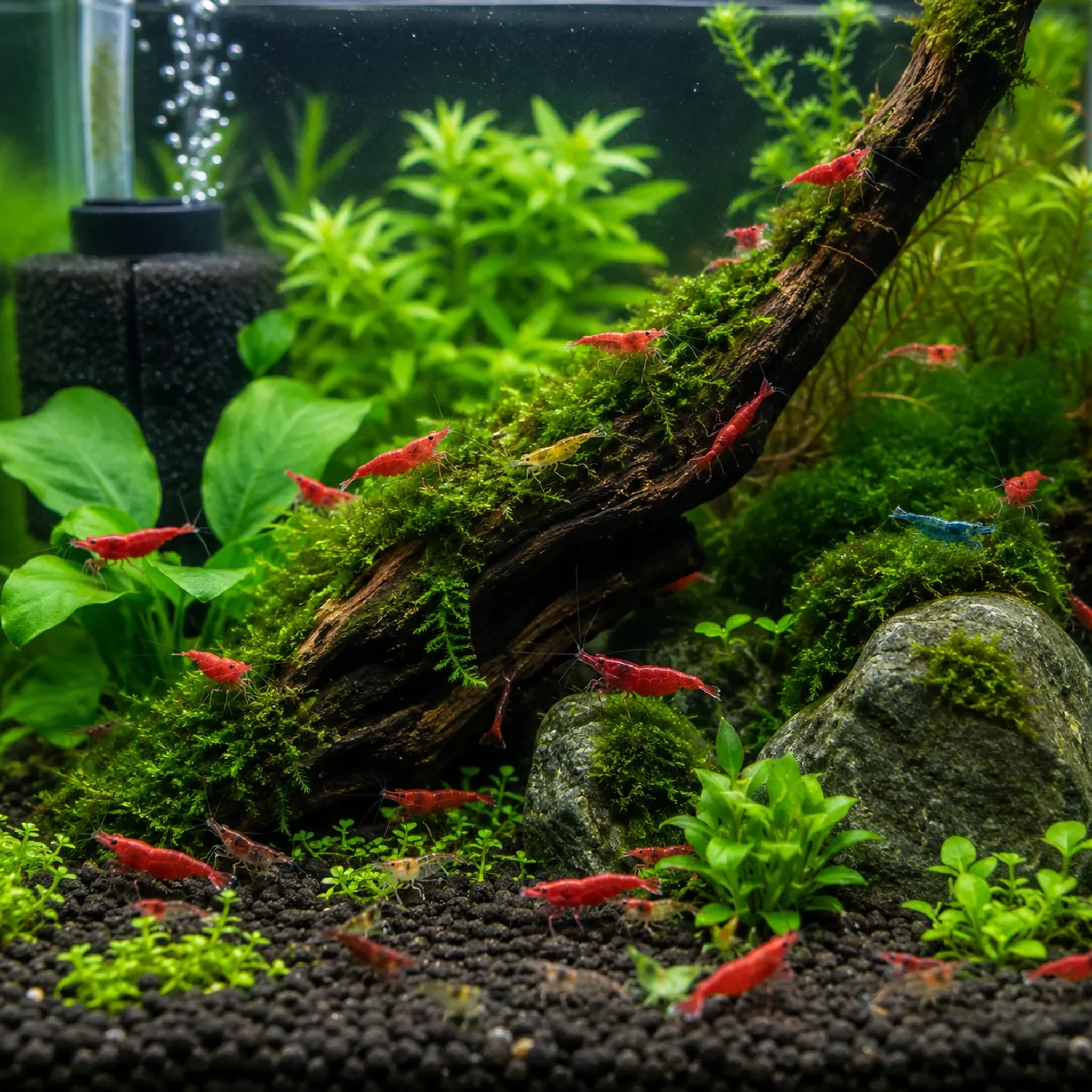
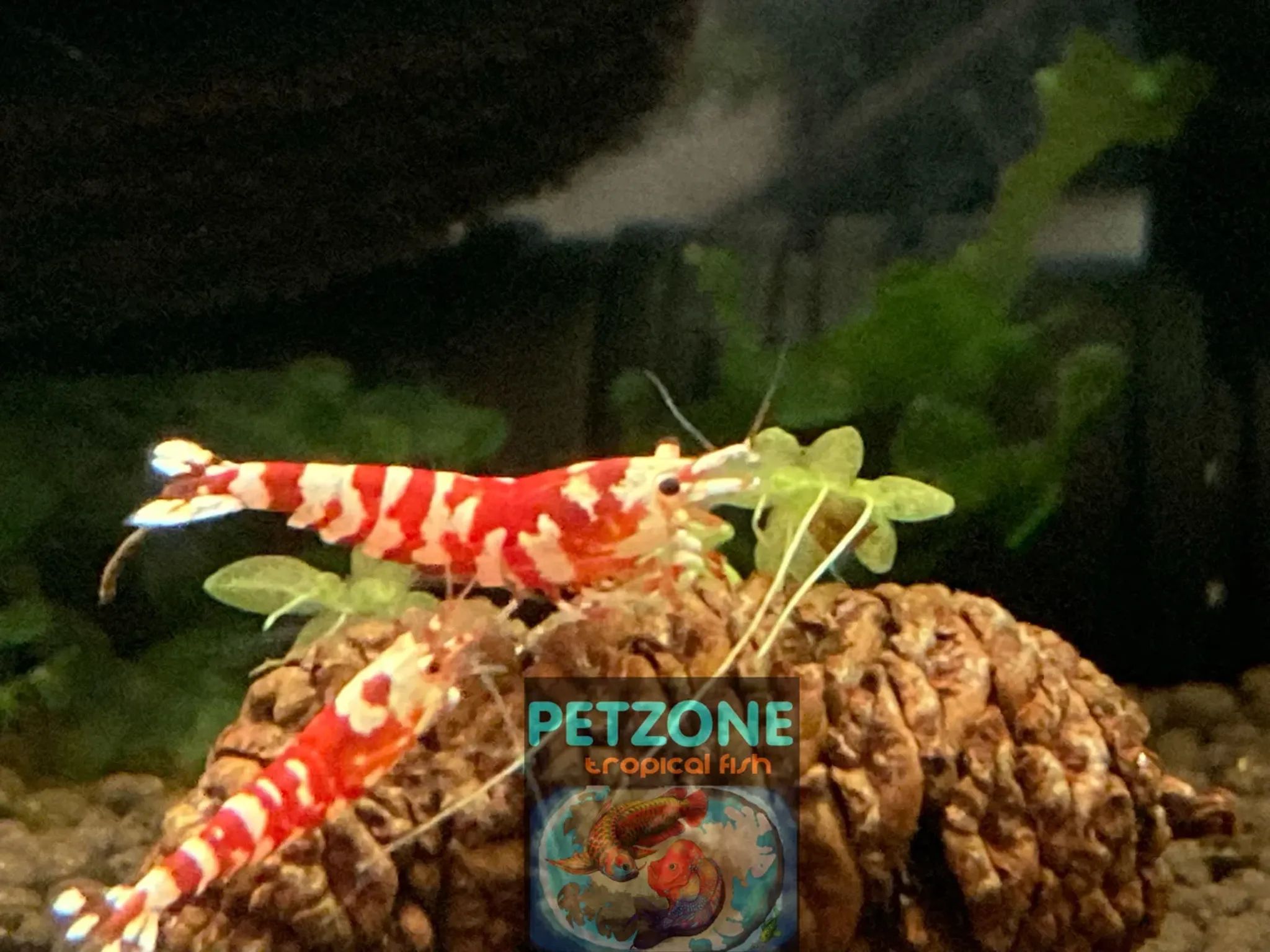

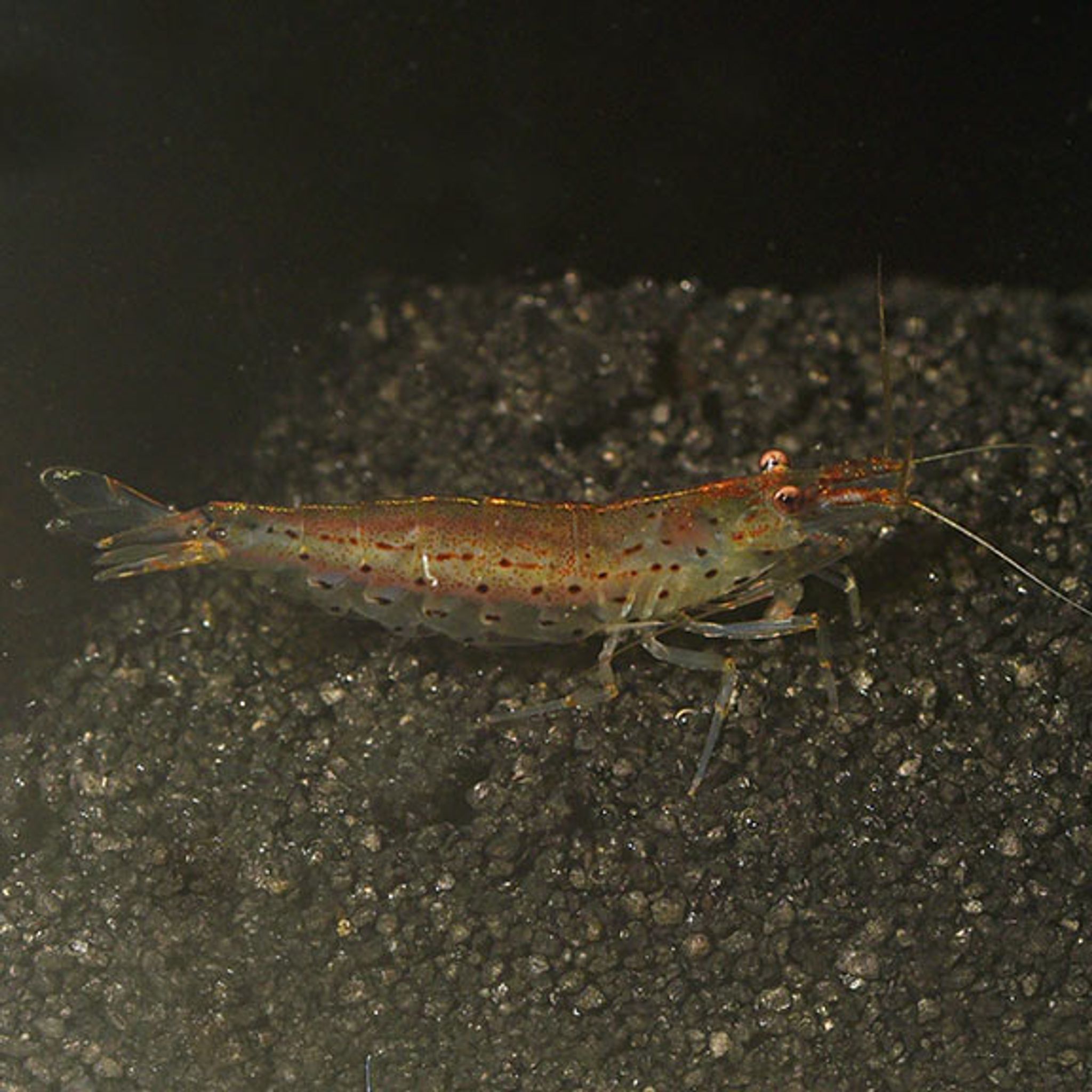
Explore Caridina shrimp for sale in Singapore from aquarium shops, breeders and freshwater shrimp specialists on FishyHub. Compare Crystal Red, Crystal Black, Blue Bolt, Taiwan Bee, Pinto, Galaxy and other Caridina varieties by grade, pattern, size and seller.
Caridina shrimp are prized for intricate patterns, intense colours and highly selective breeding lines. Many popular Caridina varieties require more specialised and stable water conditions than Neocaridina shrimp, making them especially popular with dedicated shrimp keepers.
Caridina is a large freshwater shrimp group that includes many of the most recognisable premium aquarium shrimp.
Hobbyists often keep them in dedicated shrimp tanks where water chemistry, filtration, feeding and breeding can be controlled carefully.
Selective breeding has produced a remarkable range of colours and patterns, with names and grading systems that can vary between breeders and sellers.
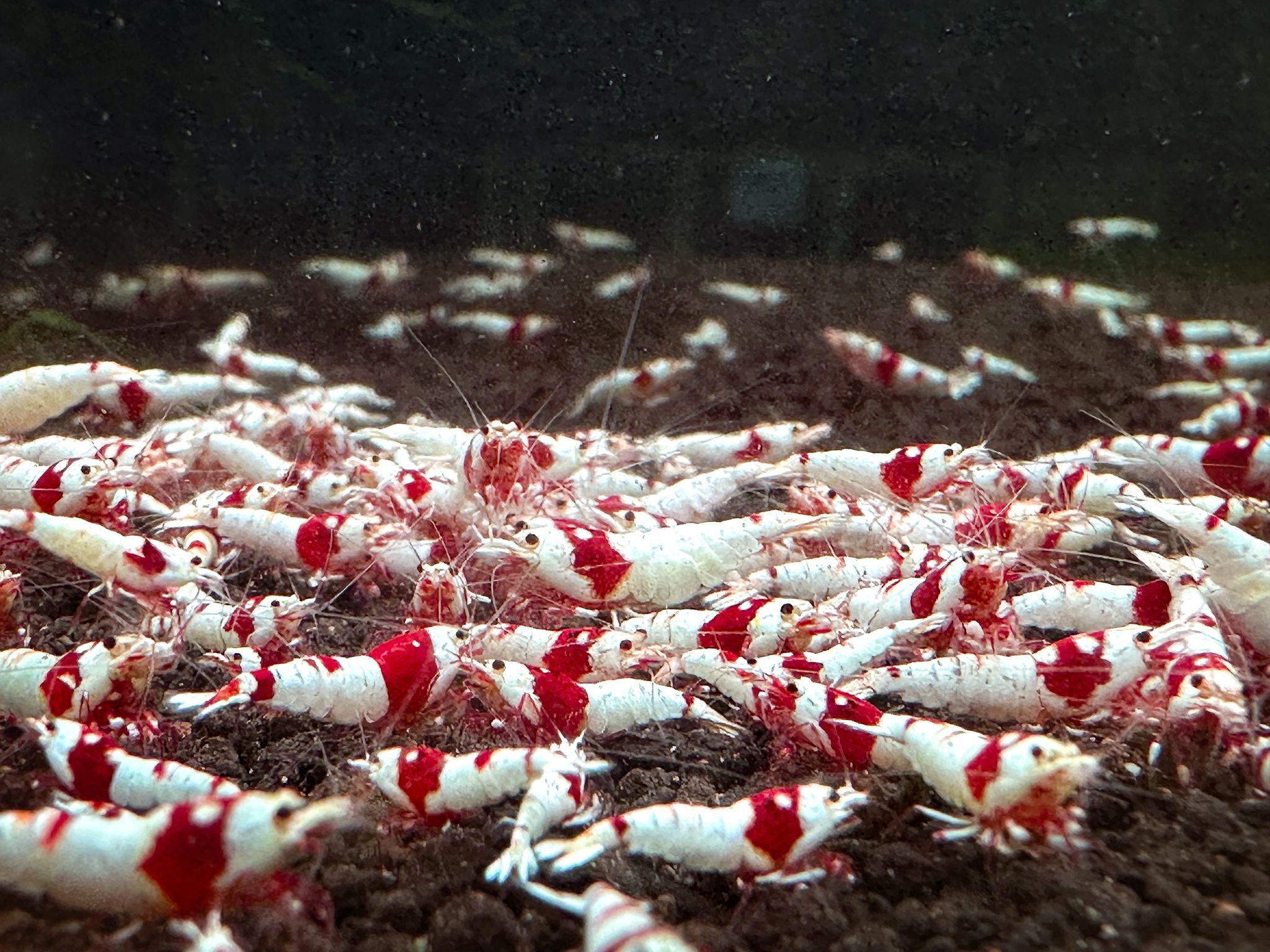
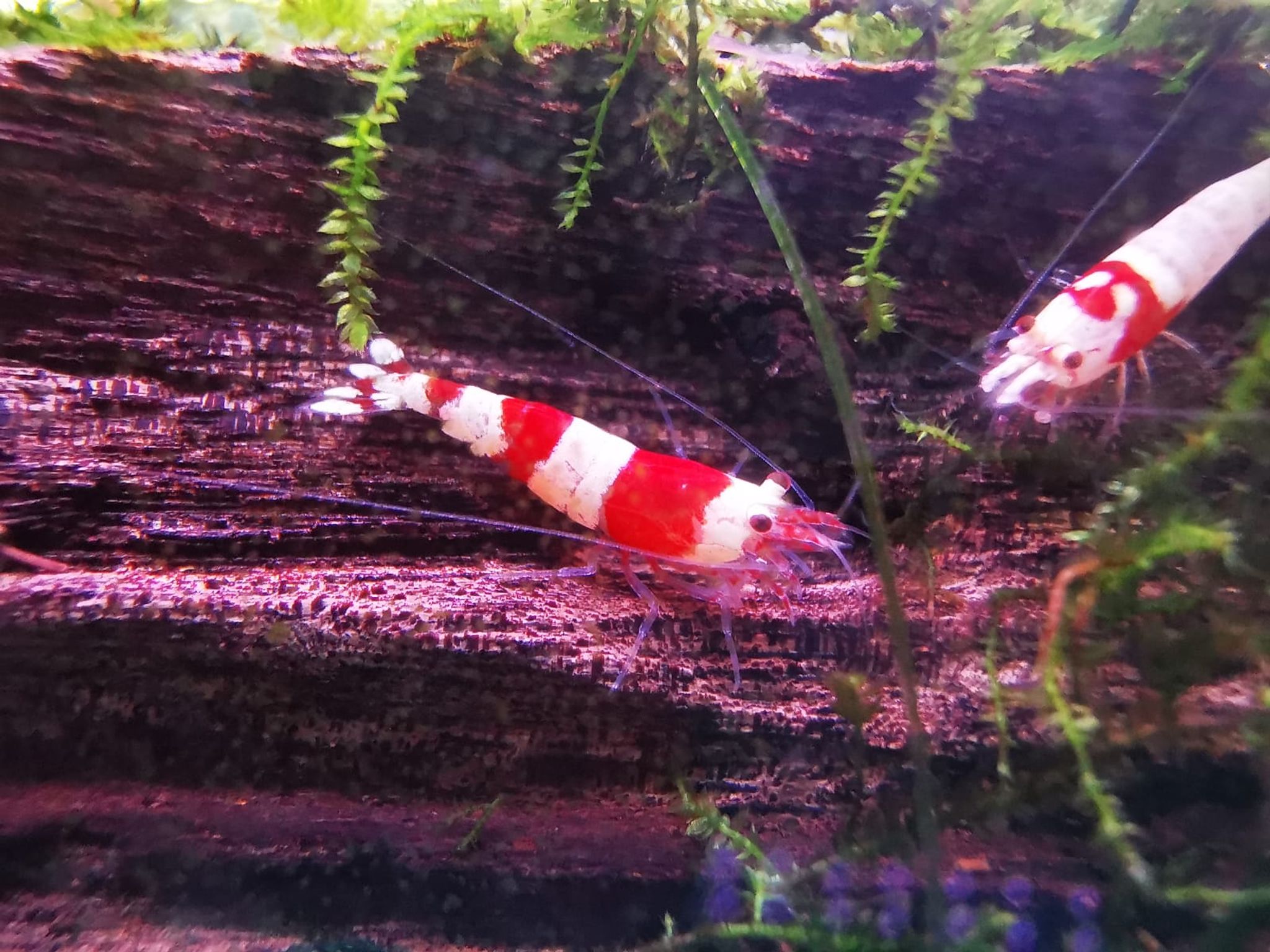
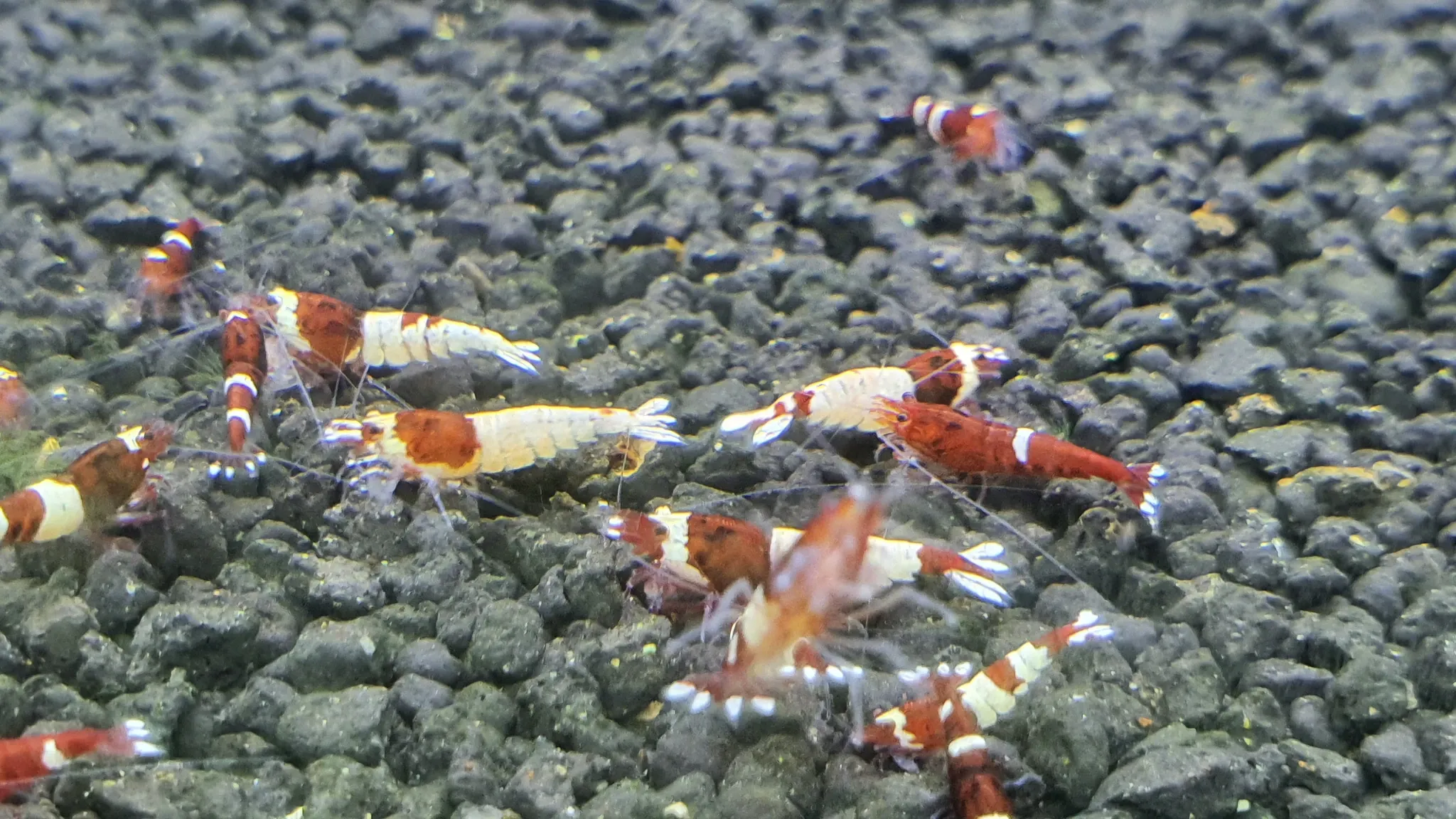
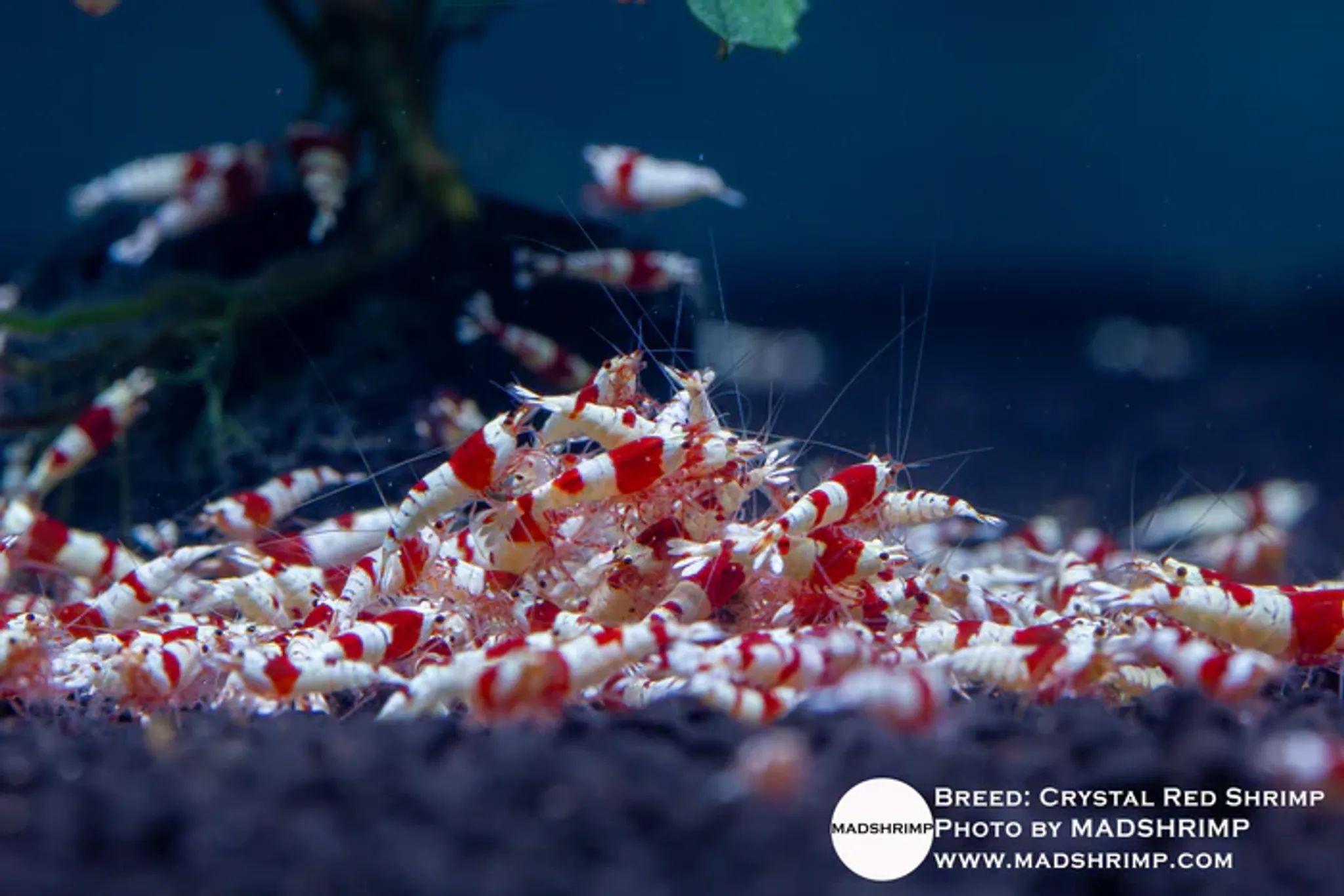
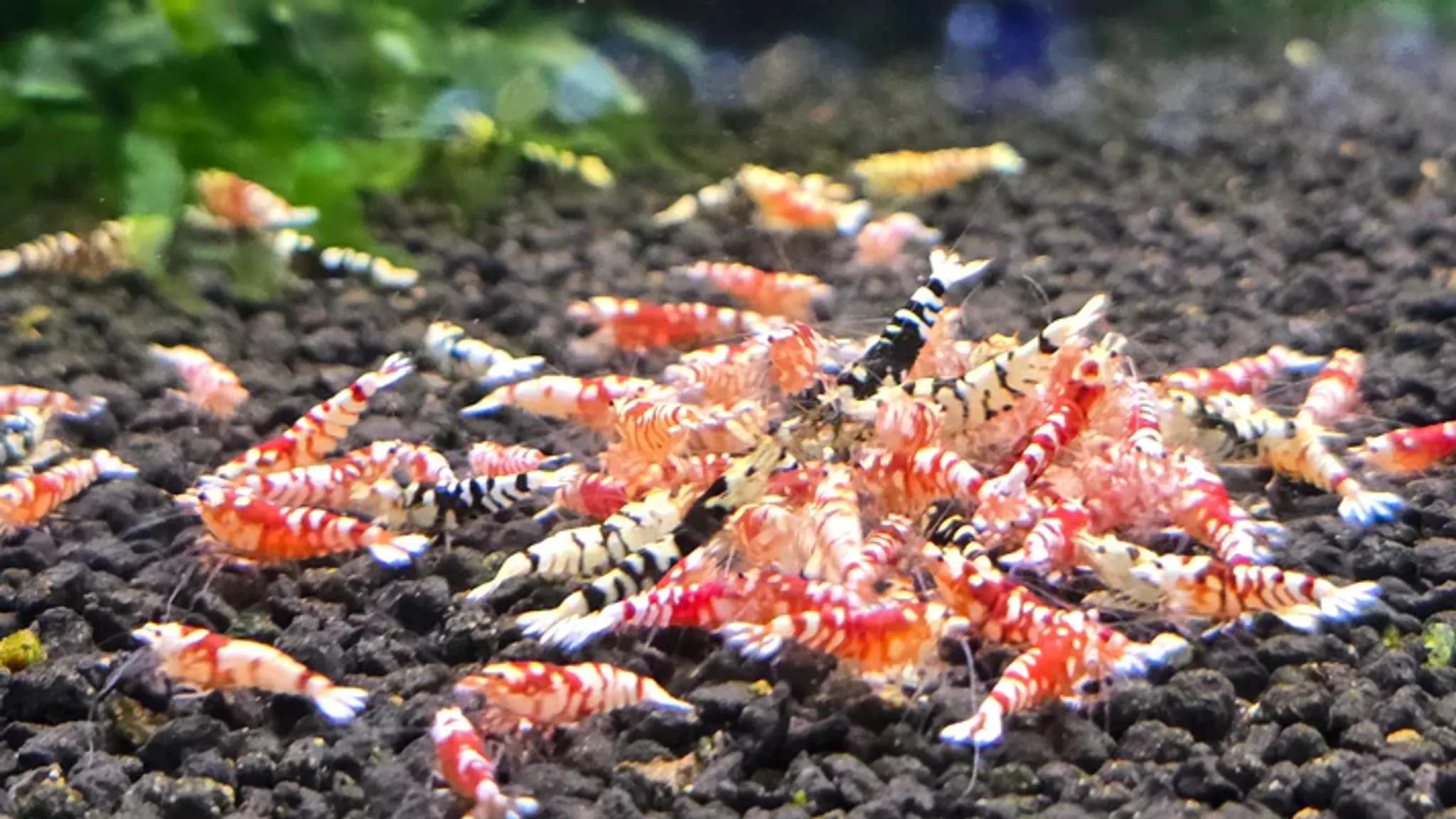
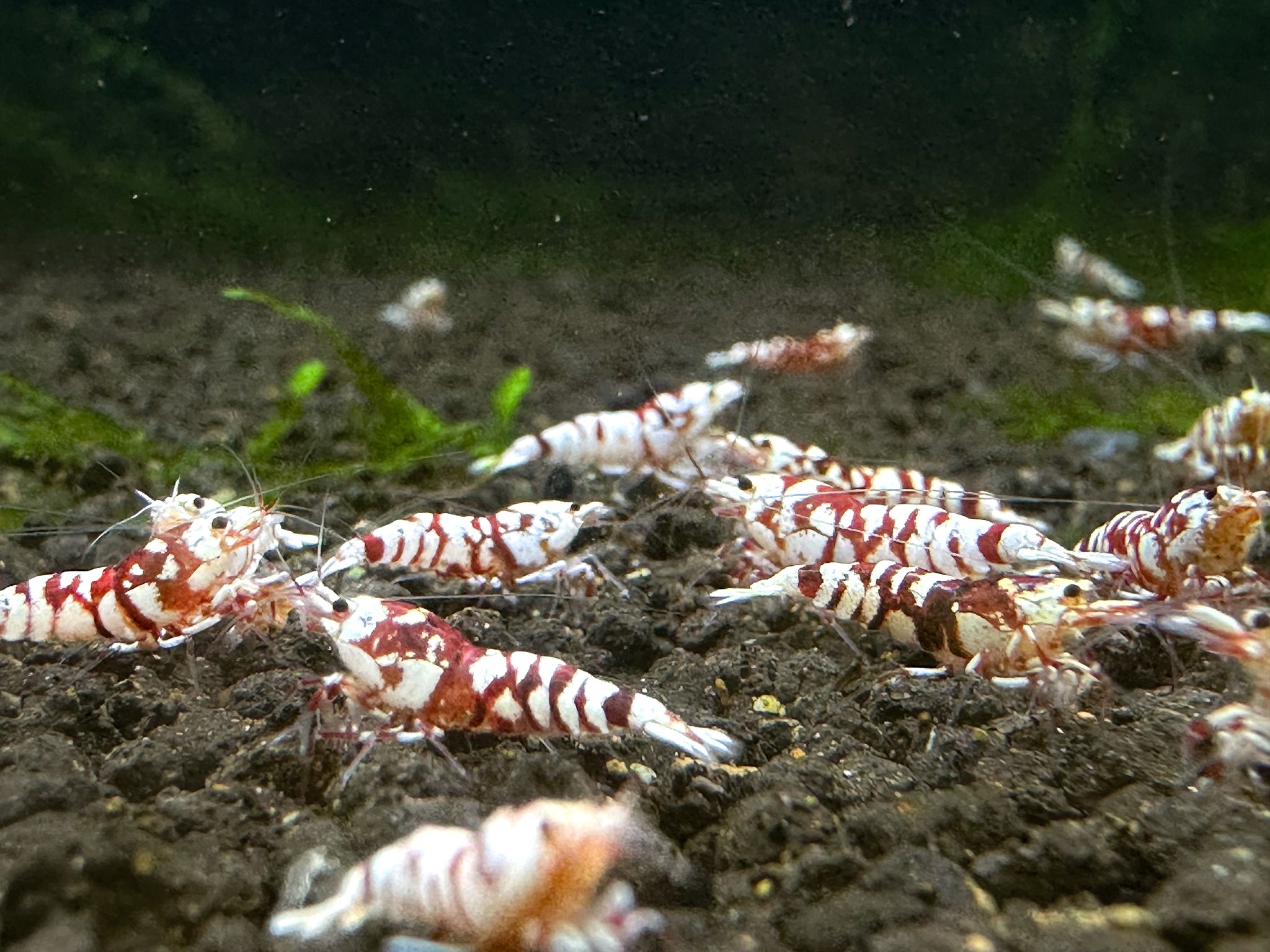
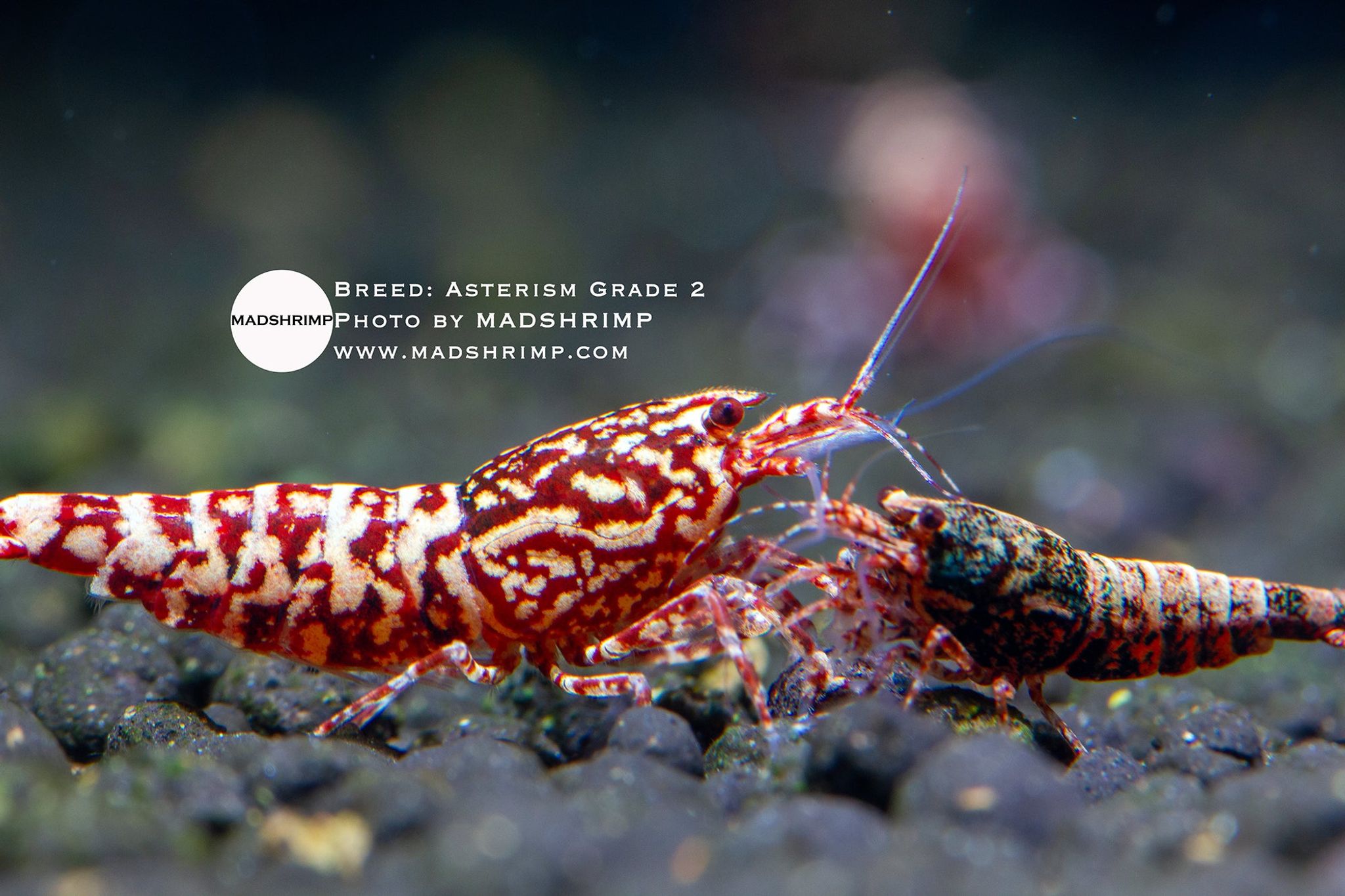
Crystal Red Shrimp are among the best-known Caridina varieties and display contrasting red and white patterns. Different grades may vary in colour coverage, intensity and pattern definition.
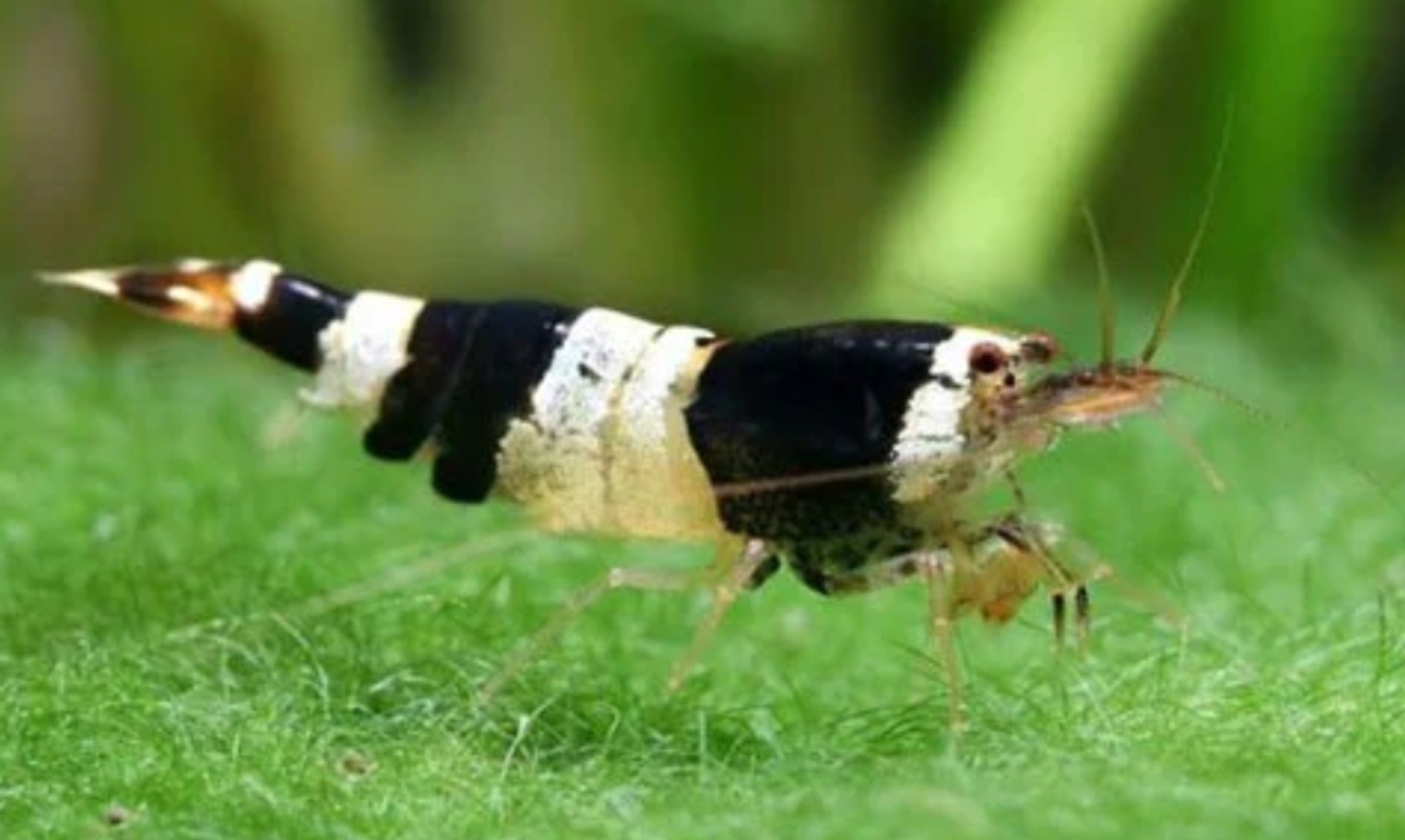
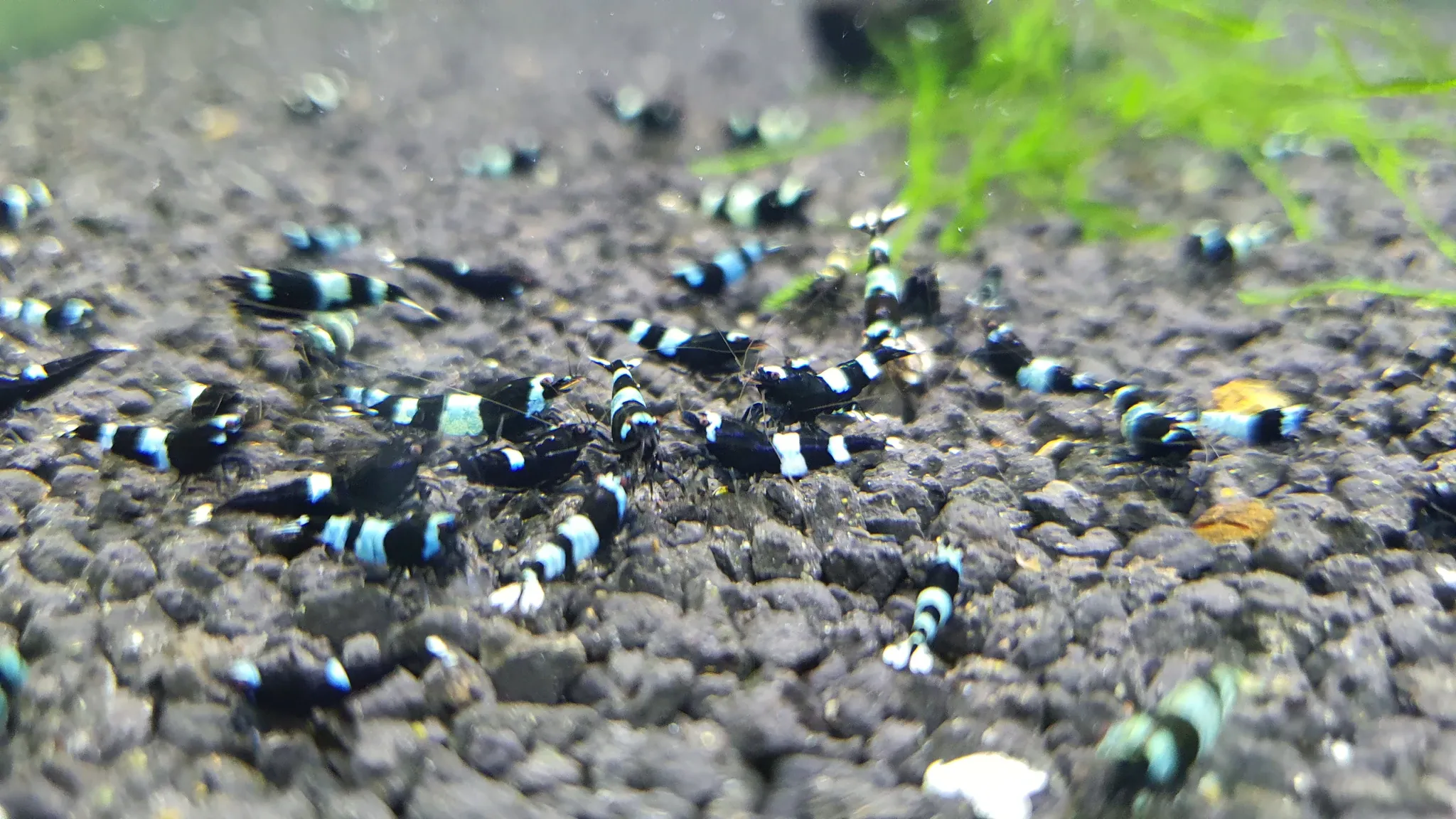
Crystal Black Shrimp show striking black-and-white patterns and are closely associated with the same selective breeding tradition as Crystal Red Shrimp.
Taiwan Bee shrimp include a number of highly selective Caridina lines known for deep colour, unusual patterning and premium breeding potential.
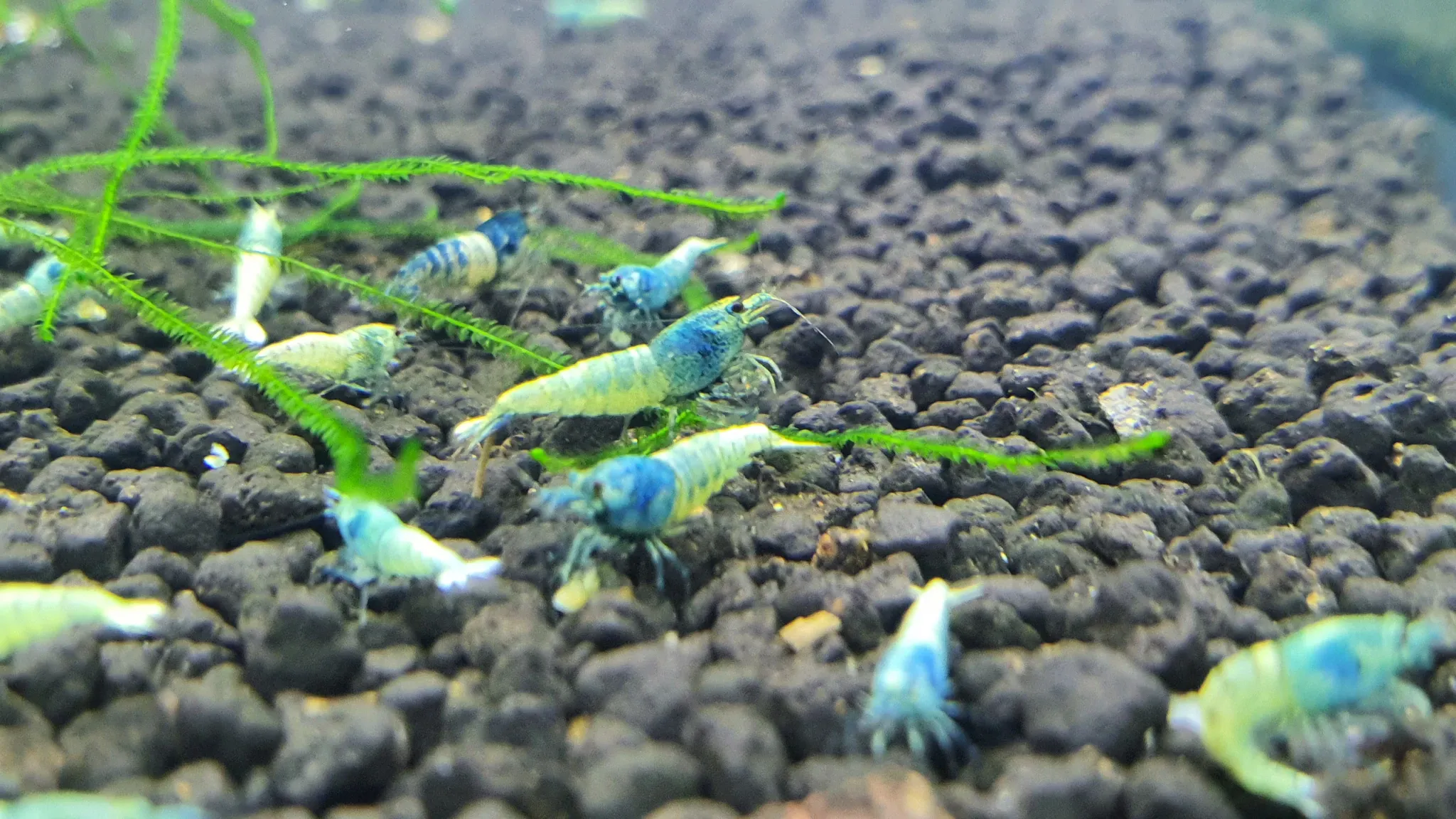
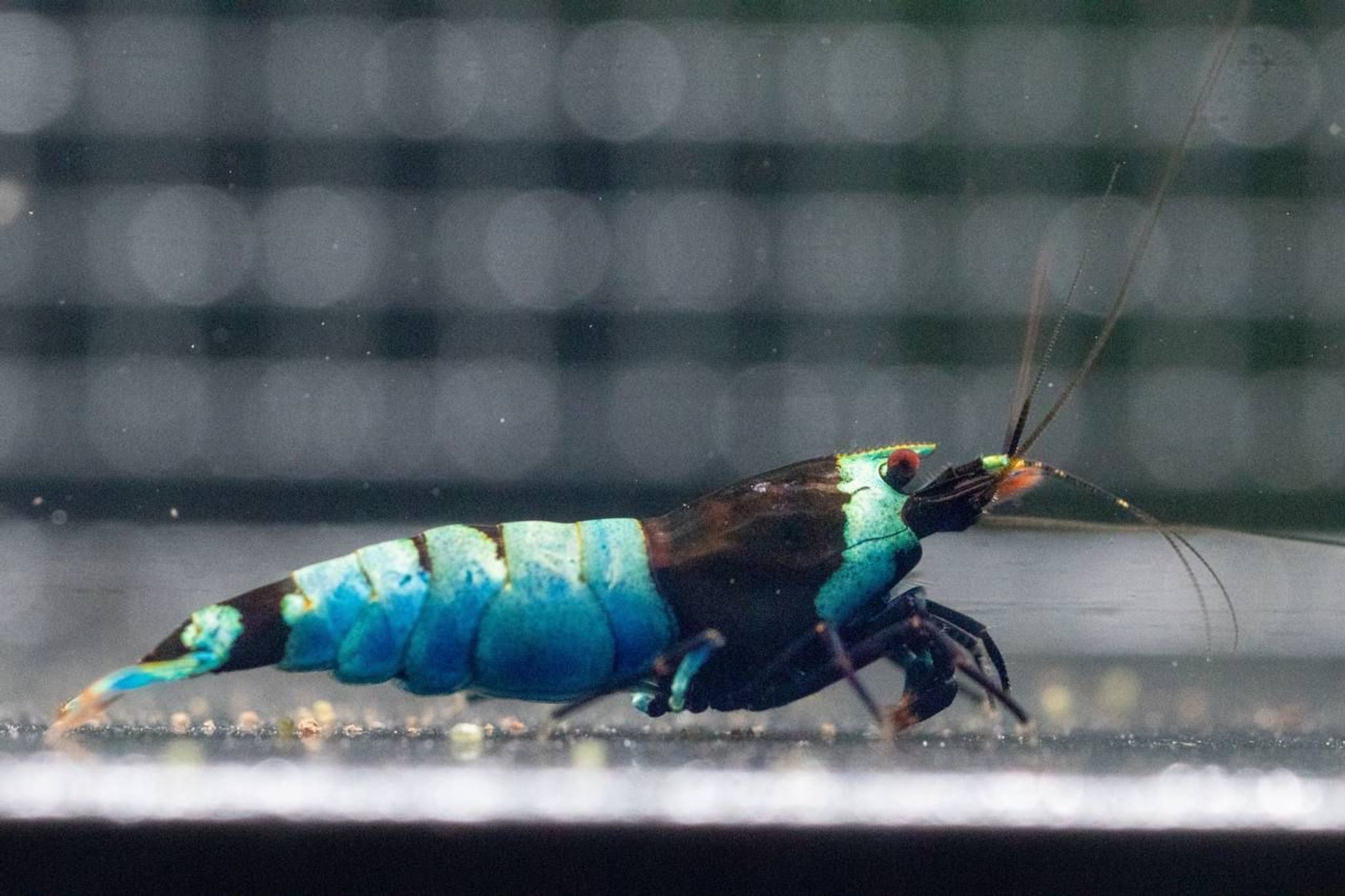
Blue Bolt Shrimp are prized for pale to intense blue coloration, often combined with white or translucent areas. Colour depth can vary between individuals and breeding lines.
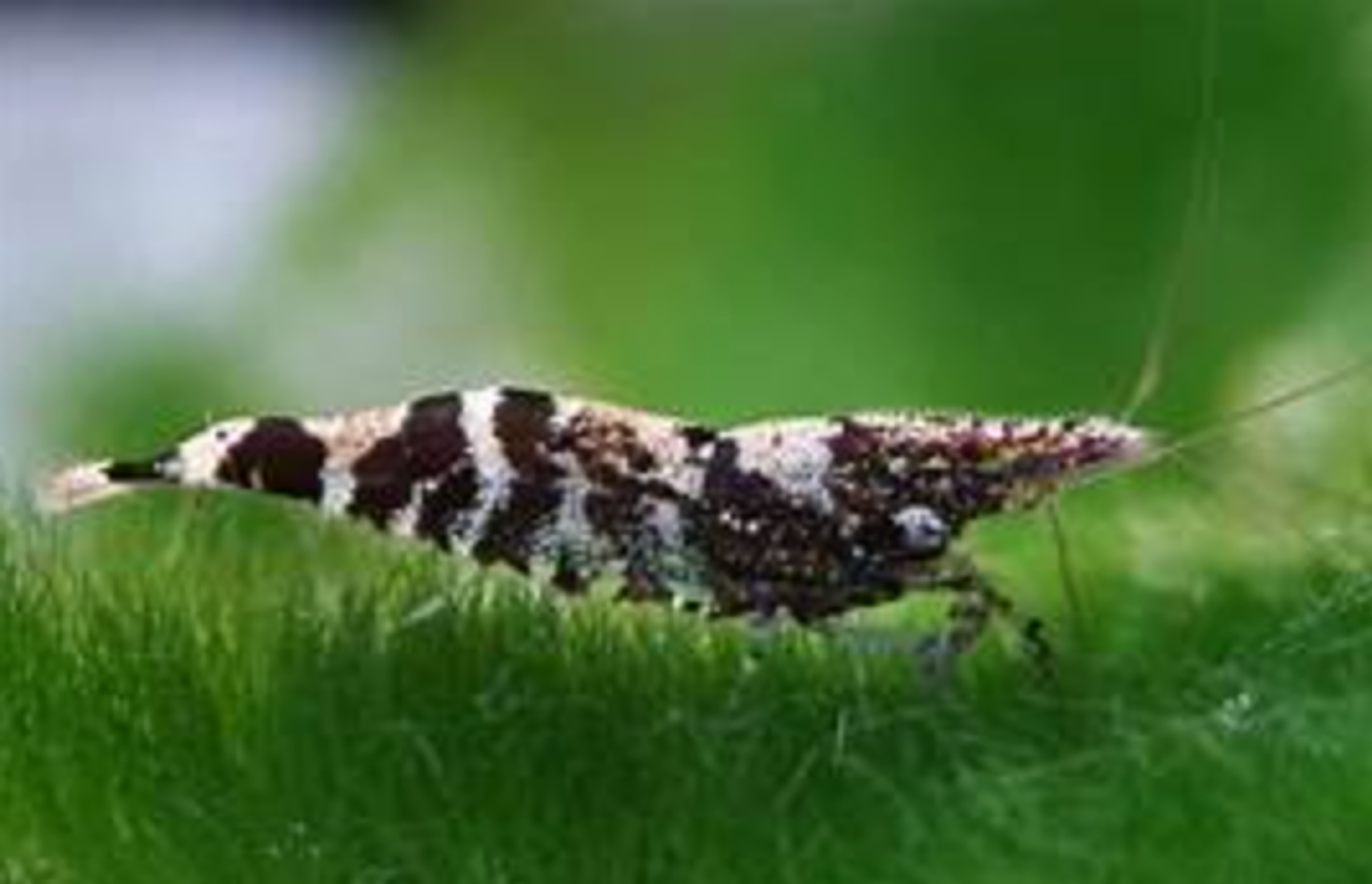
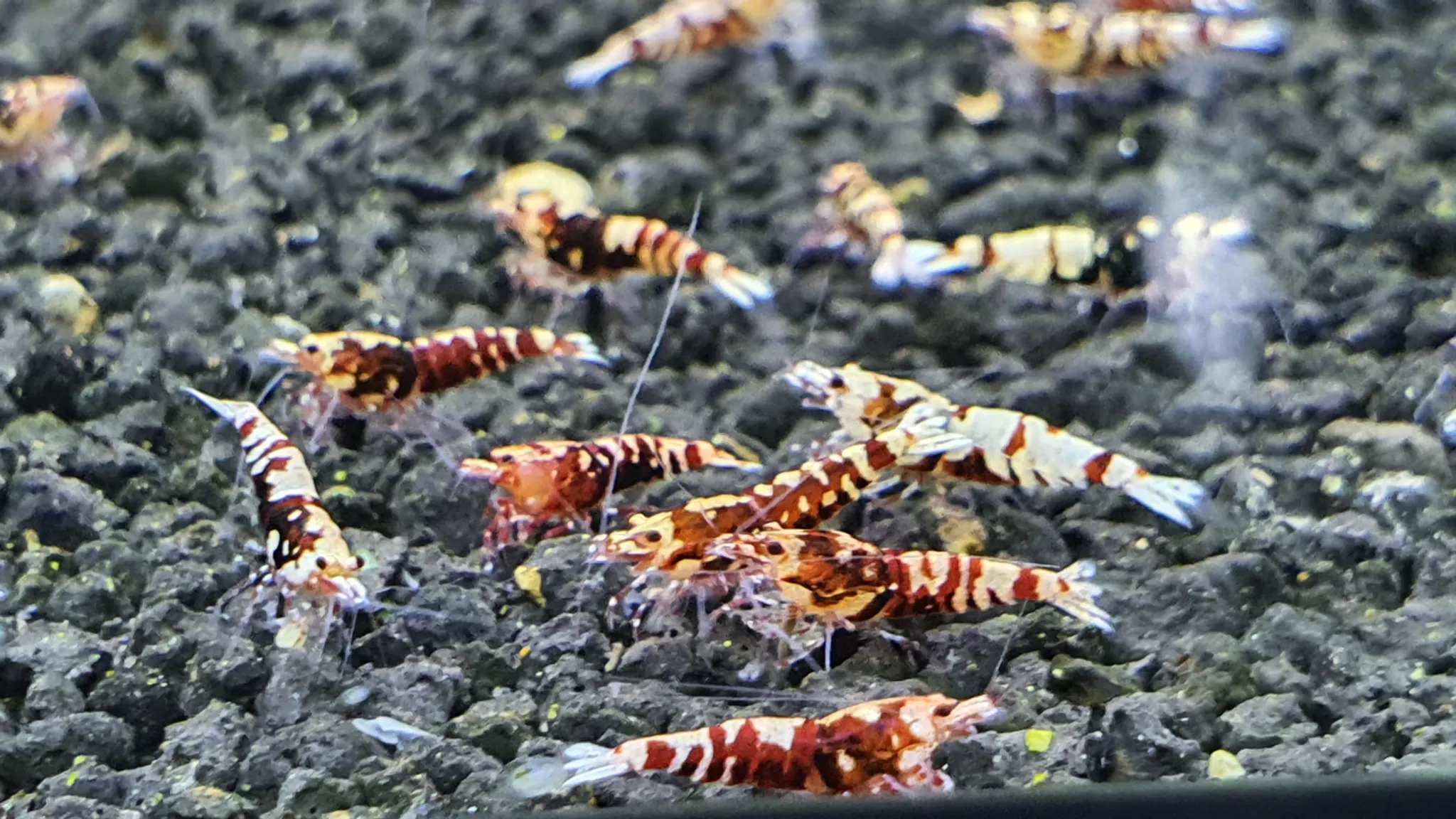
Pinto shrimp are popular for complex black, red and white patterns produced through selective breeding. Pattern terminology can vary widely among breeders.
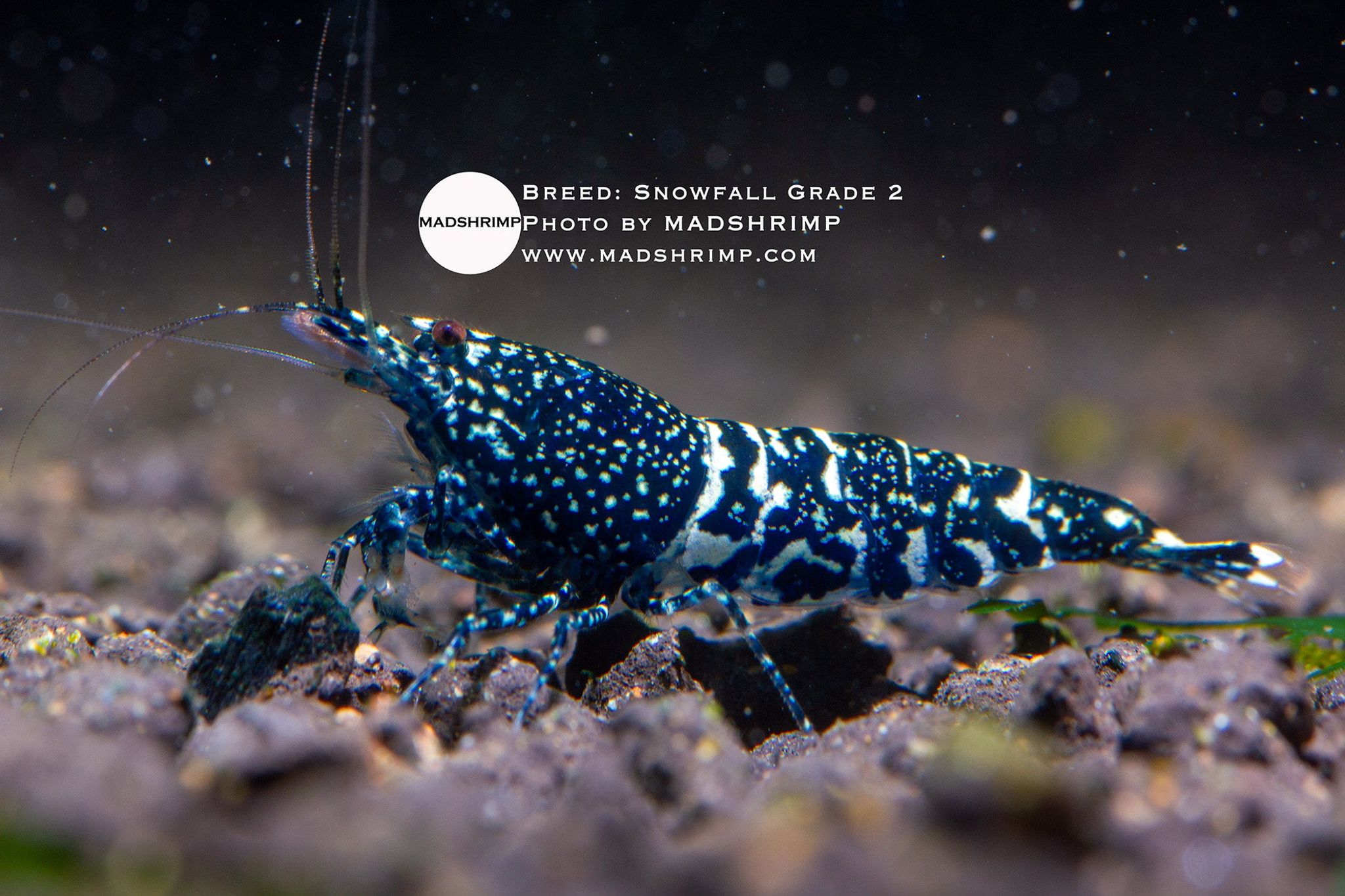
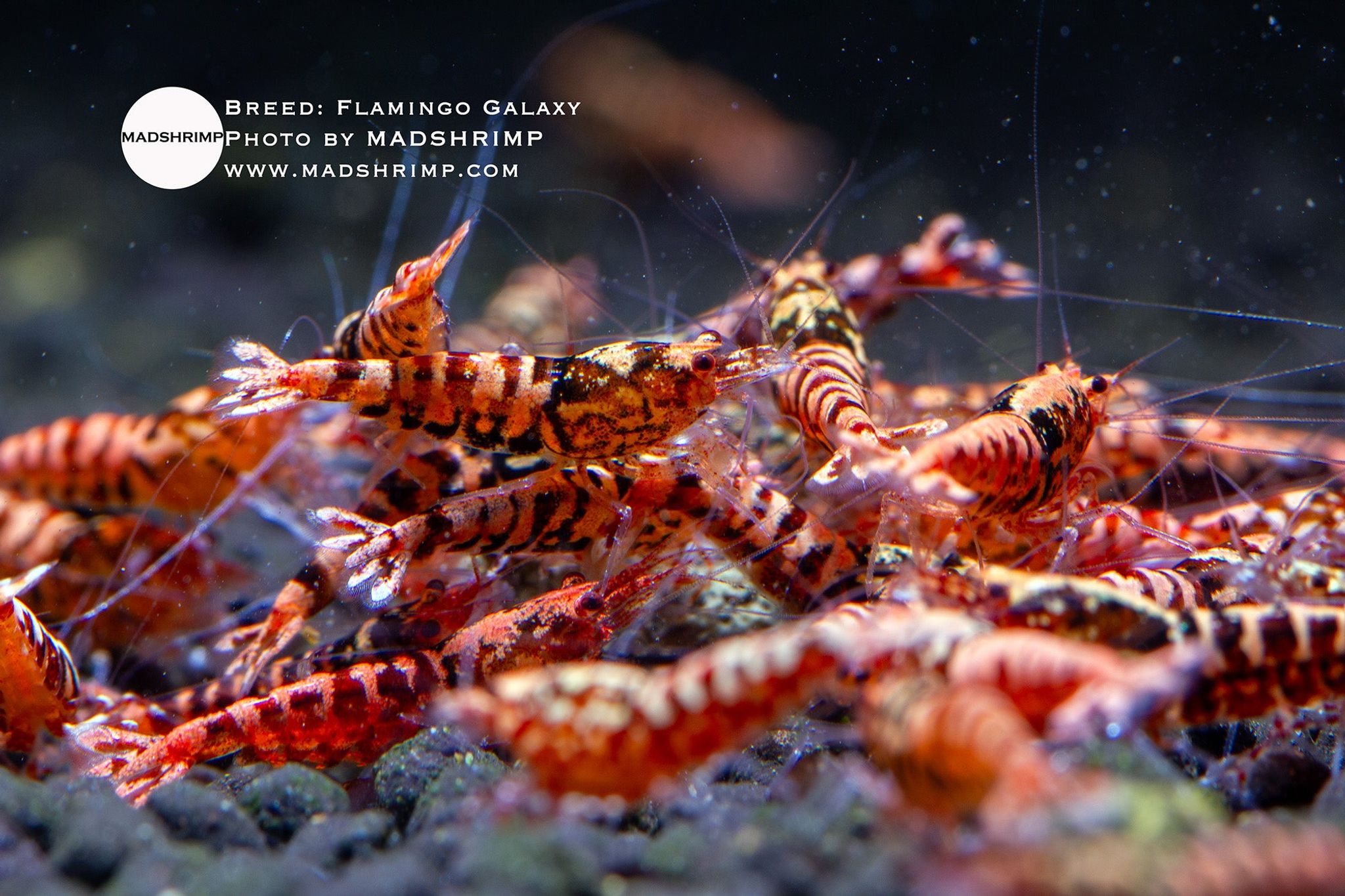
Galaxy-type Caridina are known for intricate spotting and head patterns, making them especially attractive to hobbyists interested in high-grade selective lines.
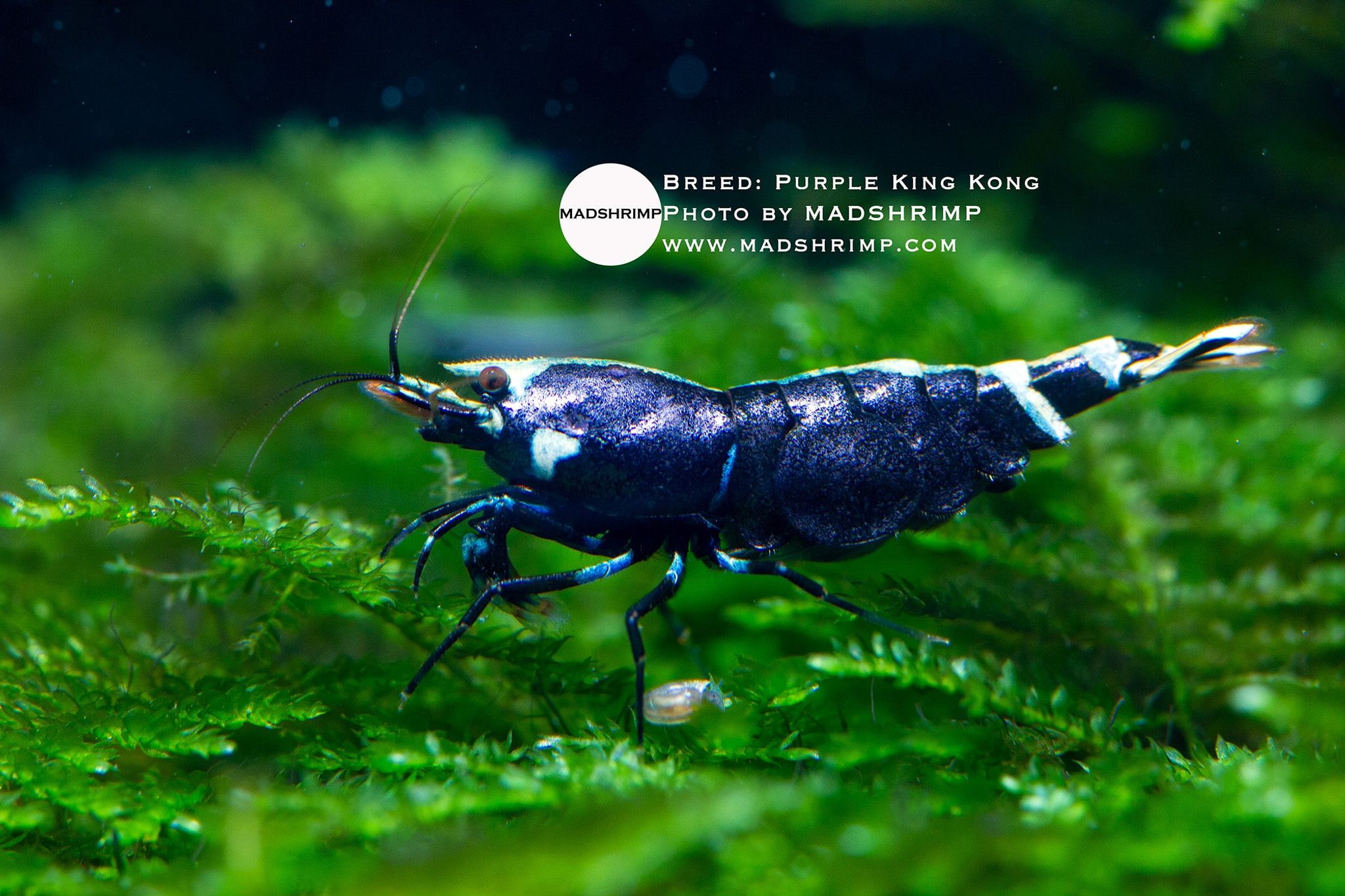
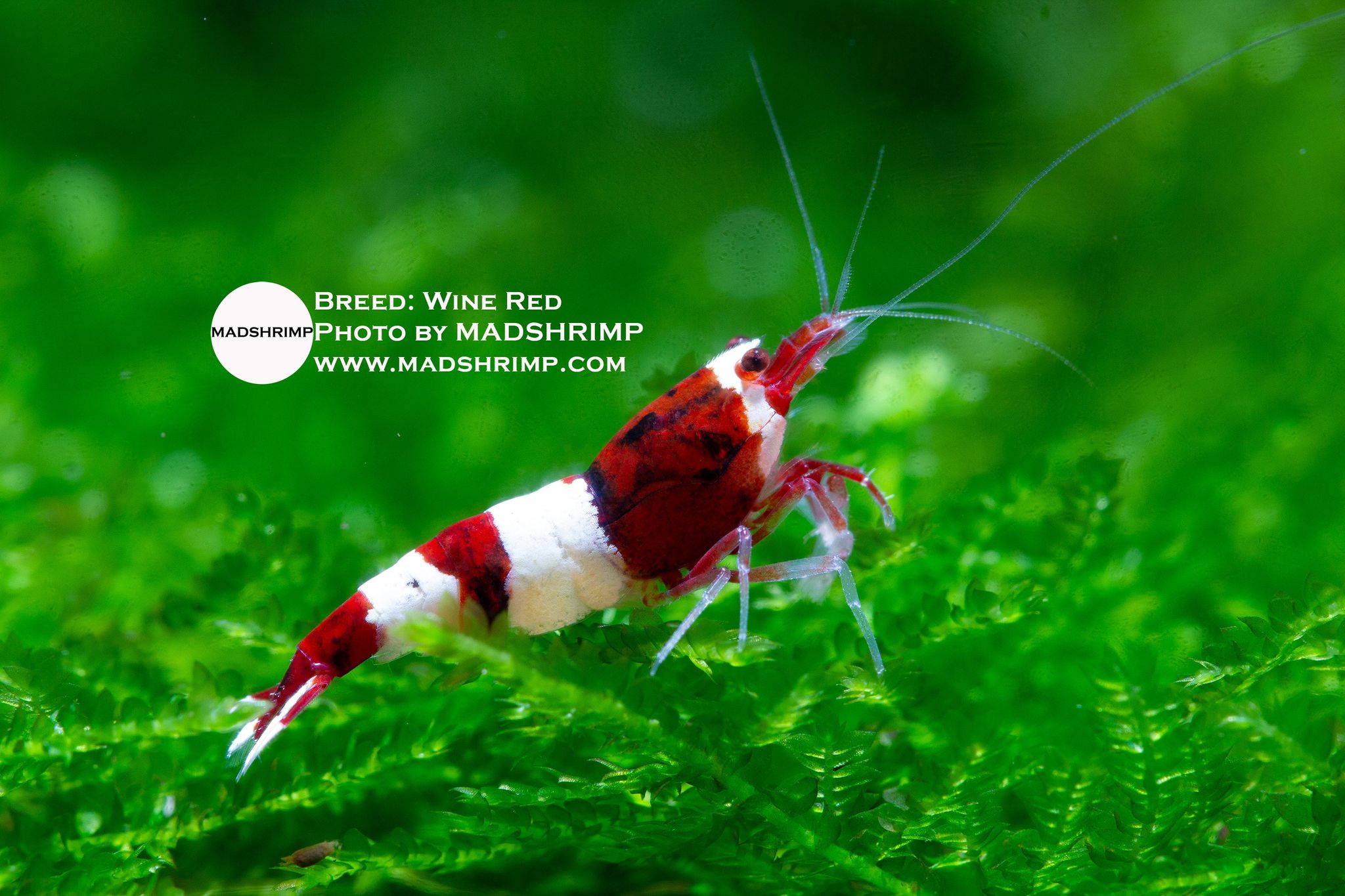
Other Caridina lines may include King Kong, Panda, Red Wine and additional selectively bred forms depending on breeder and seller availability.
Caridina is a genus of freshwater shrimp containing many aquarium species and selective colour lines.
In the aquarium hobby, the term often refers to premium dwarf shrimp such as Crystal Red, Crystal Black, Taiwan Bee and related selectively bred varieties.
Caridina and Neocaridina are different shrimp groups with different water preferences and breeding lines.
Many popular Caridina varieties are kept in softer, more carefully controlled water than common Neocaridina shrimp, so they should not automatically be treated as interchangeable.
Caridina dwarf shrimp remain small and are well suited to dedicated shrimp aquariums and planted nano tanks.
Females are generally larger and fuller-bodied than males, particularly when mature or carrying eggs.
Their compact size makes Caridina suitable for nano aquariums, but small water volume can also make conditions change quickly.
Stability is especially important for more selective lines, so lightly stocked, mature systems are often easier to manage than crowded nano setups.
Caridina shrimp can thrive in carefully maintained planted aquariums where they have access to biofilm, mosses and sheltered grazing surfaces.
Plants can also help create visual cover for juvenile shrimp while making colour and pattern stand out beautifully.
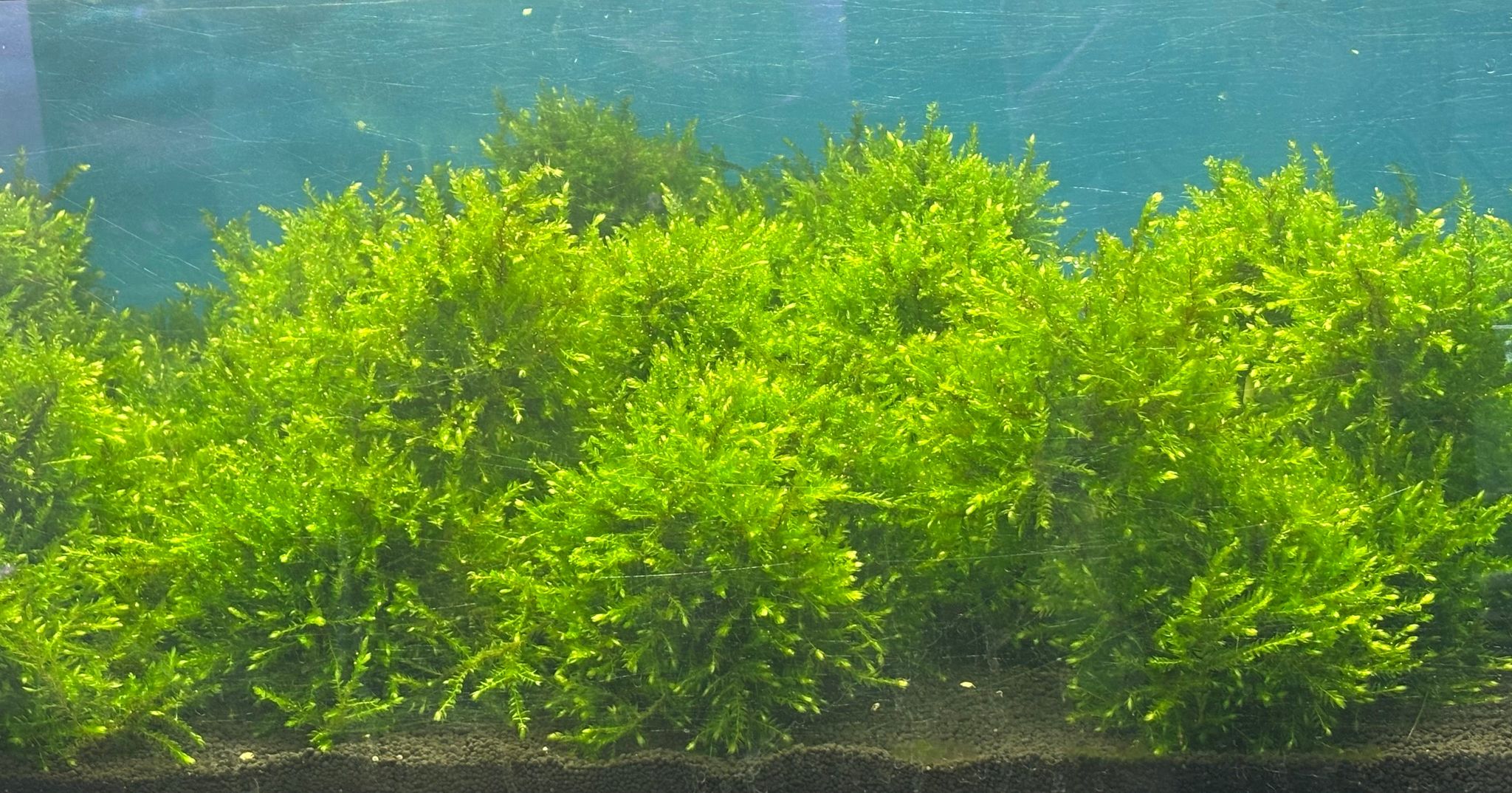
Moss is especially useful in Caridina tanks because it supports biofilm and provides dense cover for shrimplets.
Fine plant structure also creates a large grazing surface where young shrimp can feed throughout the day.
Many Caridina keepers use specialised shrimp substrates designed to support the softer, more acidic water conditions preferred by selected lines.
Substrate choice should match the particular shrimp and water-management approach rather than being selected solely for appearance.
Many premium Caridina lines are more sensitive to water chemistry than common Neocaridina shrimp.
Stable temperature, hardness and overall water chemistry are generally more important than chasing minor fluctuations or repeatedly adjusting the tank.
Some Caridina keepers use reverse-osmosis water and remineralise it to create more predictable water conditions.
This approach can offer greater control, but remineralisation should be consistent and tailored to the particular shrimp line being maintained.
Some Caridina may adapt to local tap-water conditions, while more specialised lines may perform better under carefully controlled water chemistry.
Test the actual water in your aquarium rather than assuming all Singapore homes or all Caridina varieties require the same setup.
Heater requirements depend on the actual aquarium temperature and the shrimp line being kept.
In Singapore, air-conditioned rooms may be much cooler than the outdoor climate, while tanks near windows or warm equipment can experience higher temperatures.
Some sensitive Caridina lines are commonly kept in cooler, stable conditions, but a chiller is not automatically required for every setup.
Monitor actual aquarium temperature and match equipment to the needs of the specific shrimp rather than using a one-size-fits-all rule.
Gentle, mature filtration works well for Caridina shrimp aquariums.
Sponge filters and protected intakes are particularly useful because tiny shrimplets can otherwise be pulled into exposed filter intakes.
Caridina generally do not require intense current.
Gentle circulation with stable filtration and plenty of grazing surfaces is usually preferable to very strong flow.
Caridina graze biofilm, algae and fine organic material from aquarium surfaces throughout the day.
Their diet can be supplemented with high-quality shrimp foods and other suitable foods in carefully controlled portions.
Biofilm is an important natural food source for adult shrimp and developing shrimplets.
Mature plants, wood, stones, moss and filtration surfaces all contribute valuable grazing areas in an established aquarium.
Feed according to colony size and the amount of natural food available in the aquarium.
Overfeeding can quickly reduce water quality, so small portions are usually preferable to leaving large amounts of food in the tank.
Caridina shrimp graze biofilm and some soft algae as part of their normal feeding behaviour.
They should not be purchased as the sole solution to an aquarium algae problem.
Adult Caridina may coexist with selected small peaceful fish, but young shrimplets are vulnerable to predation.
Dedicated shrimp tanks generally provide the best environment for breeding valuable or selectively bred Caridina lines.
Small peaceful Tetras may coexist with adult Caridina, but juvenile shrimp may be eaten.
If breeding is a priority, a fish-free shrimp tank is usually more predictable.
Very small Rasboras may coexist with adult shrimp, although shrimplets can still become prey.
Dense moss and plant cover may improve survival but cannot guarantee protection.
Smaller Corydoras may coexist with adult Caridina in some community tanks.
Very small shrimplets remain vulnerable to opportunistic feeding, making dedicated shrimp setups better for selective breeding.
Bettas are unpredictable shrimp tankmates.
Some may ignore adult shrimp while others actively hunt them, so valuable Caridina colonies are generally safer without predatory fish.
Many freshwater snails can coexist peacefully with Caridina shrimp and share similar grazing areas.
They are often easier tankmates than fish because they pose little direct predation risk to shrimplets.
Some Caridina and Neocaridina can live together if their water requirements overlap sufficiently.
More specialised Caridina lines may prefer conditions that are not ideal for Neocaridina, so the tank should be designed around the more demanding livestock.
Caridina can breed successfully in stable aquariums where water chemistry, food and temperature remain suitable.
Selective breeders often maintain separate colonies to preserve particular colours, patterns and genetic lines.
Female Caridina carry eggs beneath the abdomen until the young hatch.
Stable conditions, abundant biofilm and low predation pressure improve the chances of successful reproduction.
Newly hatched Caridina are tiny and depend heavily on biofilm and microscopic food growing across aquarium surfaces.
Mature moss, plants and stable filtration create useful feeding areas for young shrimp.
Female Caridina are generally larger and fuller-bodied than males.
Mature females may also show a broader abdomen suited to carrying eggs.
Caridina grading can be based on colour intensity, pattern, coverage and breeding-line quality.
Grade terminology is not always standardised between breeders, so evaluate actual photographs, lineage information and seller descriptions rather than relying on labels alone.
Selective breeding has produced increasingly complex Caridina patterns including bands, spots, head markings and mixed colour forms.
Buyers interested in breeding should consider lineage and genetic consistency in addition to the appearance of a single shrimp.
Colour can vary with genetics, stress, diet, background, age and overall condition.
Temporary fading after transport may occur, while persistent colour deterioration should be assessed alongside water quality and health.
Caridina periodically shed their exoskeleton as they grow.
A shed shell can look like a dead shrimp, so inspect carefully before removing it from the tank.
Caridina and other shrimp can be sensitive to copper and certain fish medications.
Always check product labels carefully before adding treatments to a shrimp aquarium.
Caridina should be introduced carefully because abrupt changes in water chemistry and temperature can cause significant stress.
Match the acclimation approach to the seller's water and your aquarium conditions rather than transferring sensitive shrimp too quickly.
When comparing Caridina shrimp for sale, look for:
Pattern quality may influence price, but health and body condition should always come before grade.
Some Caridina are manageable for aquarists with shrimp-keeping experience, while highly selective lines can be less forgiving than Neocaridina.
Beginners interested in Caridina should focus first on building stable water-management habits rather than immediately chasing the rarest premium lines.
Caridina shrimp prices in Singapore vary according to variety, grade, pattern, colour intensity, breeding line, rarity and seller.
Common Crystal Shrimp and highly selected Taiwan Bee, Galaxy or Pinto lines can differ substantially in price.
FishyHub brings Caridina shrimp listings from aquarium shops, breeders and freshwater shrimp specialists across Singapore together in one marketplace, making it easier to compare varieties, grades and breeding lines from multiple sellers.
When comparing Caridina listings, consider:
Availability changes regularly, particularly for premium Taiwan Bee, Galaxy, Pinto and unusual selective lines.
Yes. Crystal Red Shrimp are among the best-known selectively bred Caridina aquarium shrimp.
Many popular Caridina lines require more specialised and stable water conditions than common Neocaridina shrimp.
Not every Caridina setup requires RO water, but some keepers use remineralised RO water to achieve more predictable conditions for sensitive lines.
It depends on the actual tank temperature and the particular shrimp line, so monitor the aquarium rather than assuming a chiller is always required.
Some can, but their preferred water conditions may differ, especially with more specialised Caridina varieties.
Adult shrimp may coexist with some peaceful fish, but shrimplets can be eaten and valuable breeding colonies are usually safer without fish.
They graze biofilm and some soft algae, but should not be treated as the only method of algae control.
Some are manageable for careful beginners, but premium selective lines generally reward more experience with stable shrimp-specific water conditions.
Explore Caridina shrimp for sale on FishyHub and compare Crystal Red, Crystal Black, Blue Bolt, Taiwan Bee, Pinto, Galaxy and other freshwater shrimp varieties from aquarium sellers and breeders across Singapore. Compare pattern, grade, colour, lineage, condition and price to find suitable Caridina shrimp for your shrimp aquarium.