Tankmates: Almost any fish that can fit a shrimp in its mouth will eat shrimplets, and many will eat adults. Best alone or with very small peaceful fish (e.g. otocinclus, small rasboras) and snails. Avoid crayfish, crabs, cichlids, bettas (variable) and large fish.
Feeding: Overfeeding is a common cause of losses in shrimp tanks. A mature tank with biofilm provides much of their diet.
1–40 of 84
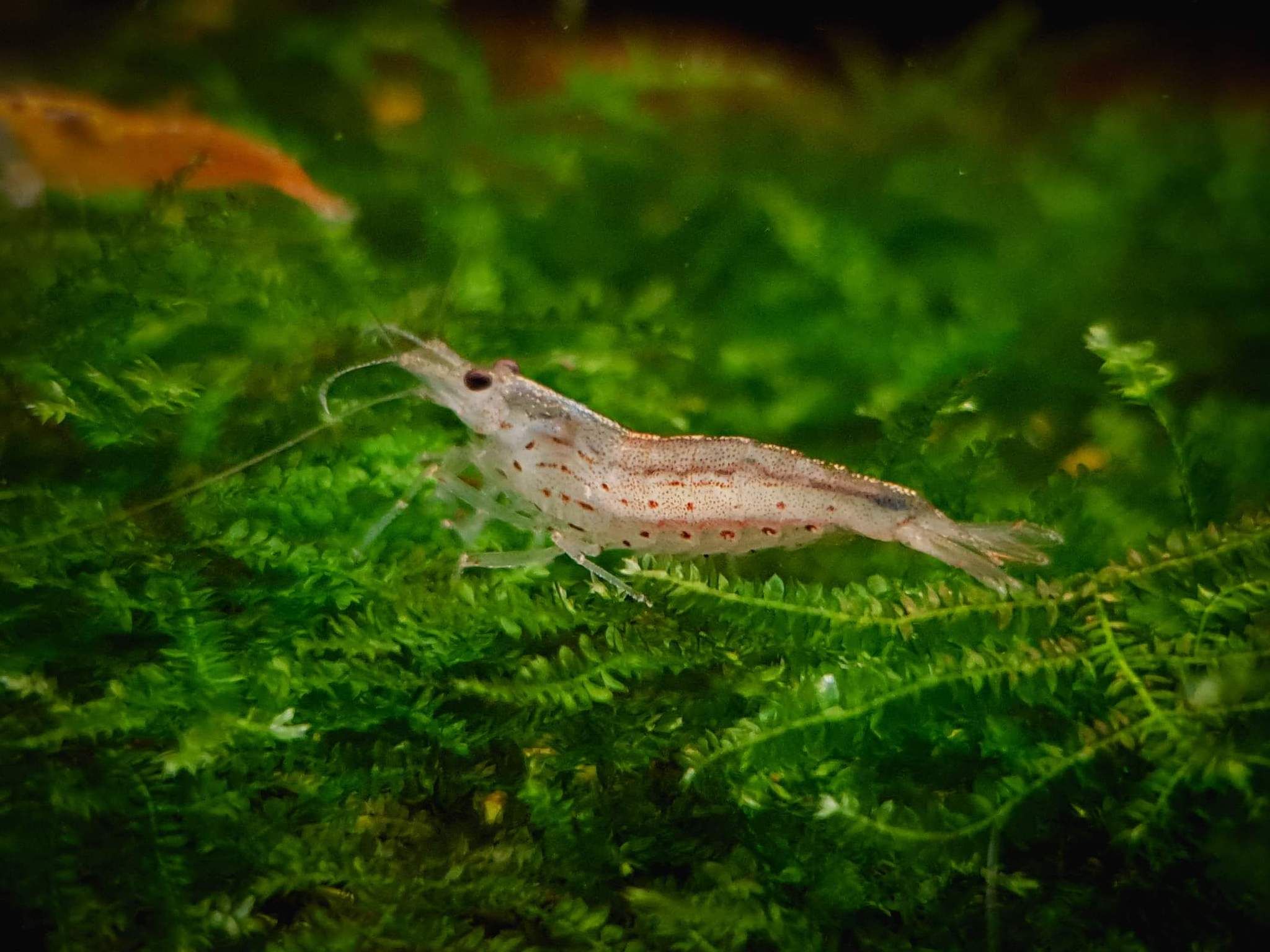
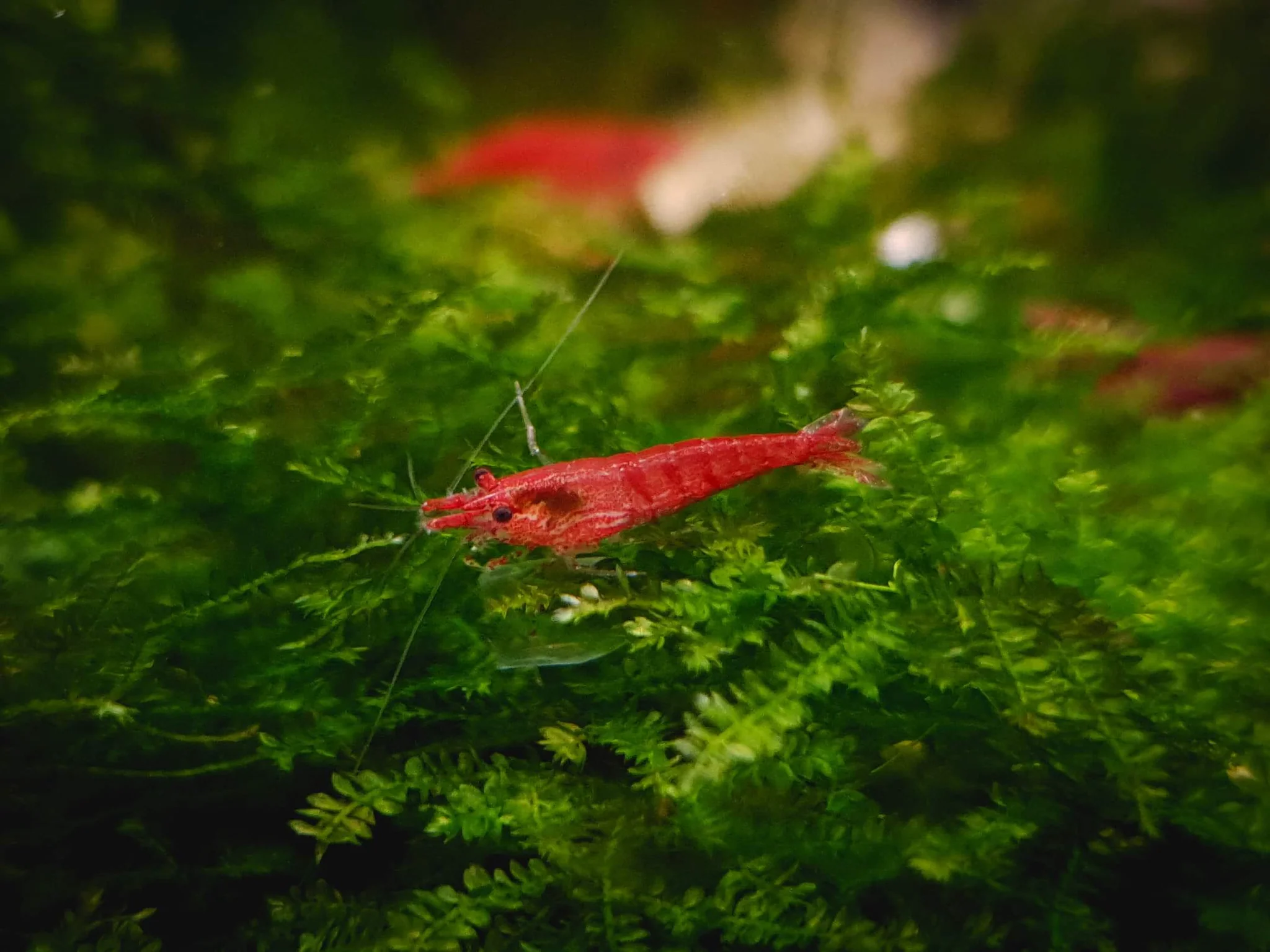
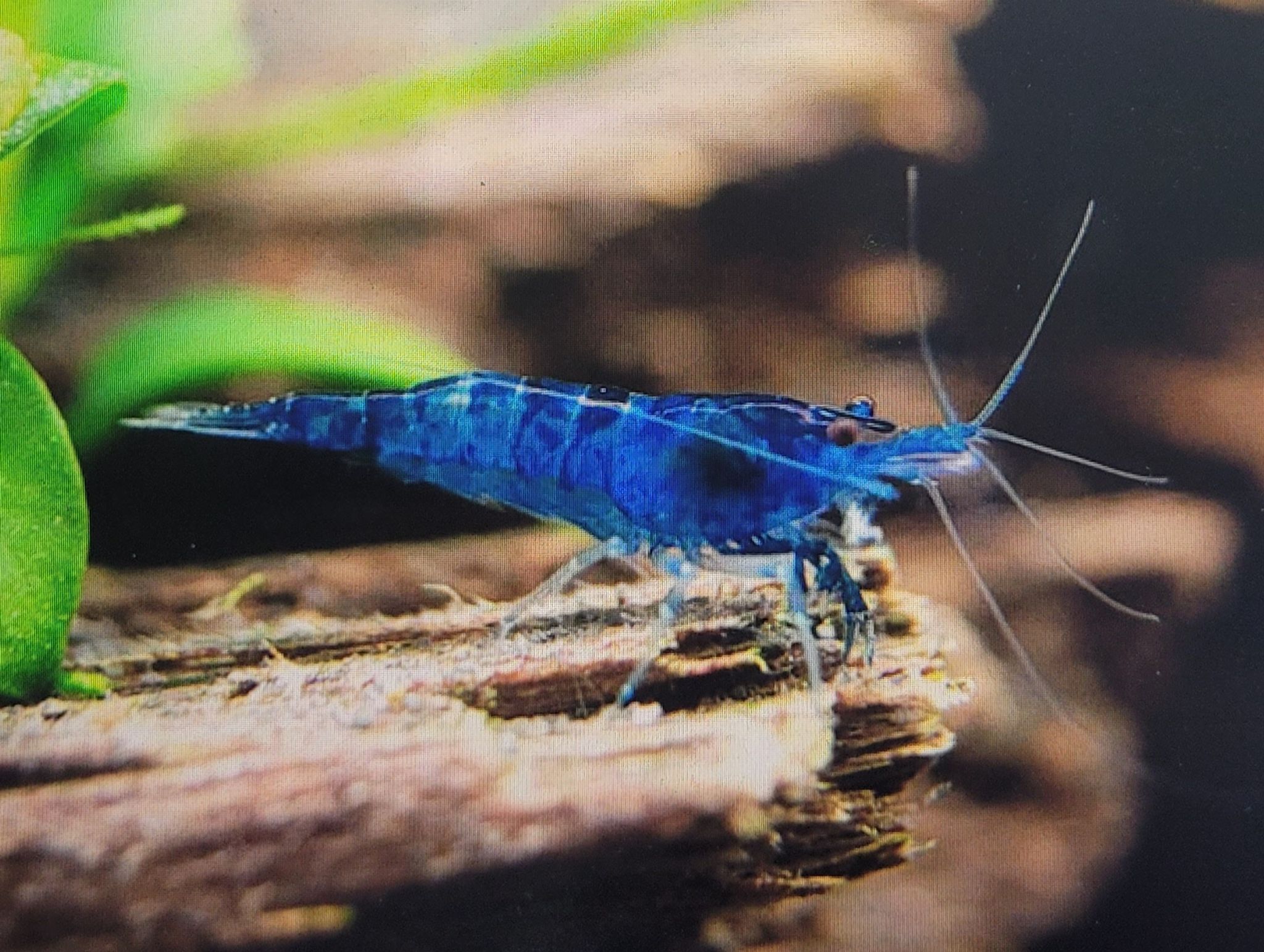
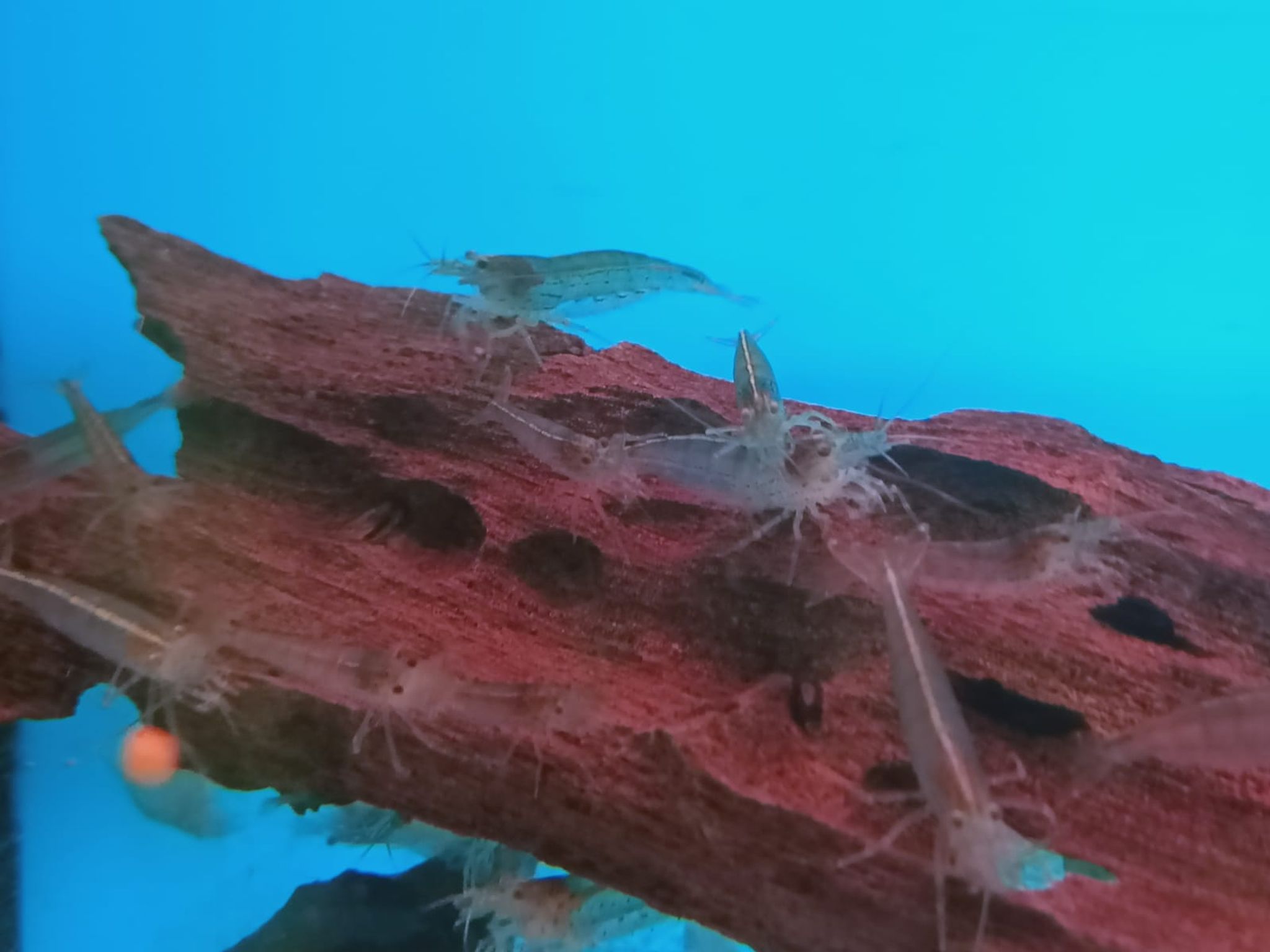
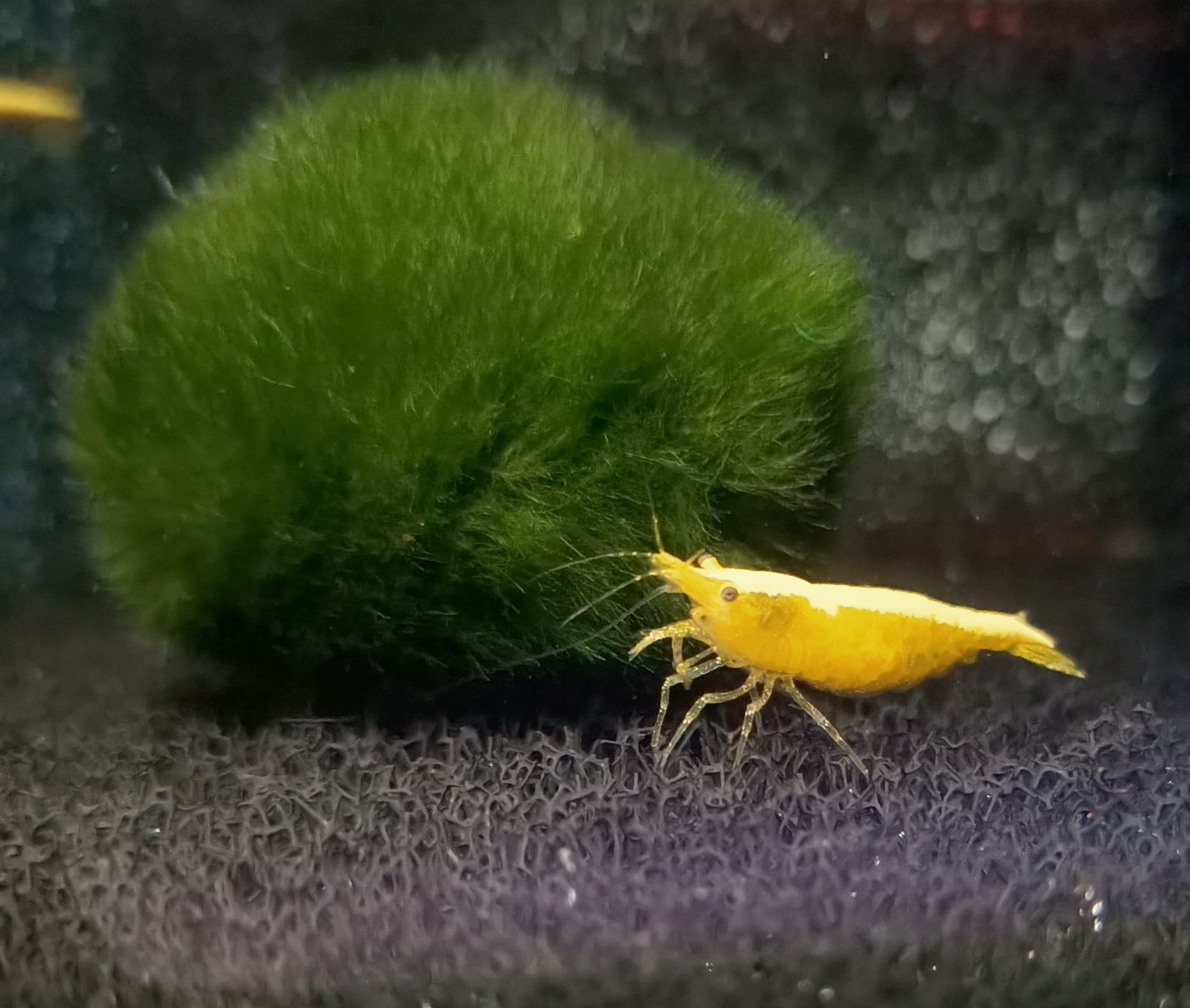
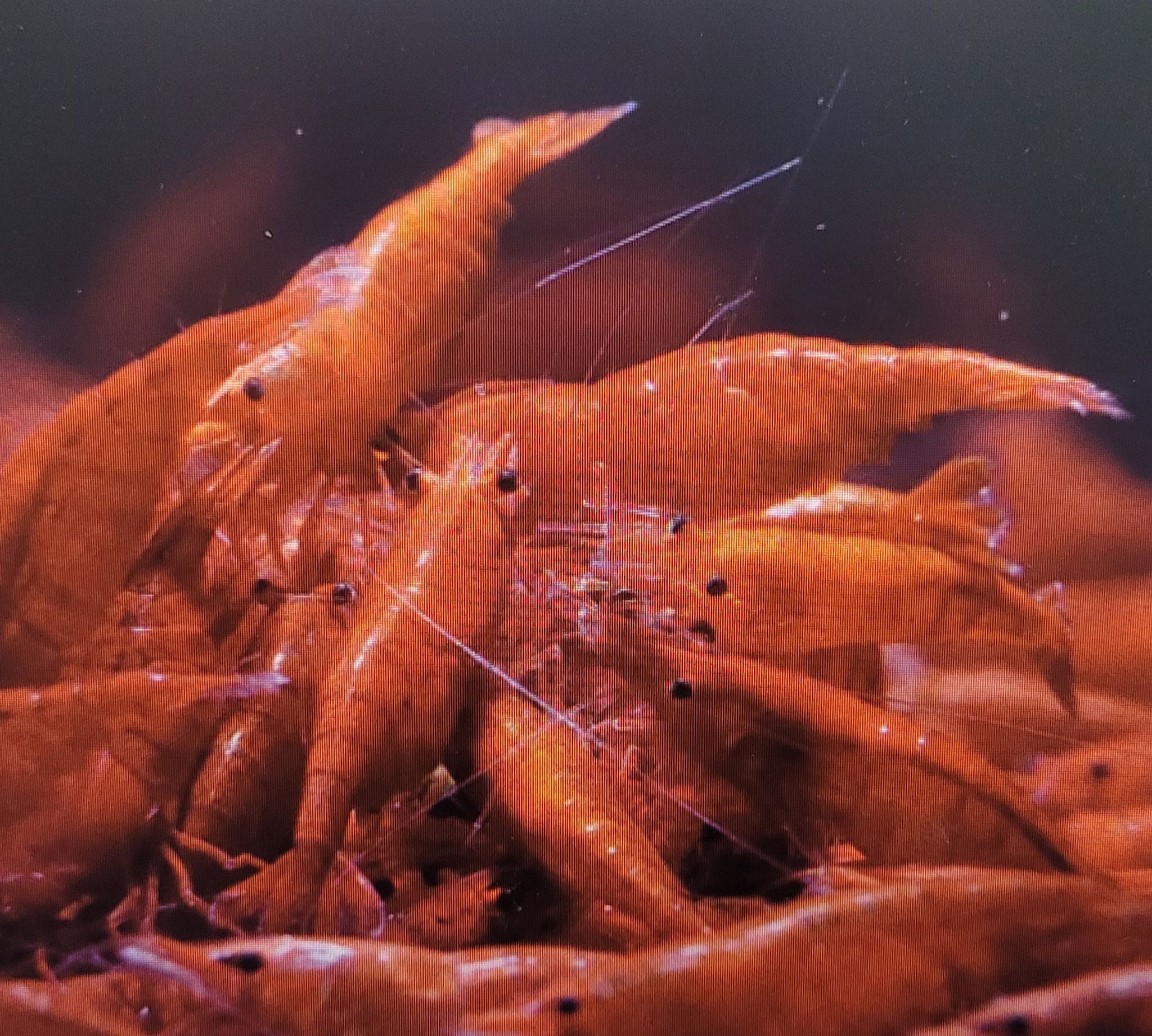
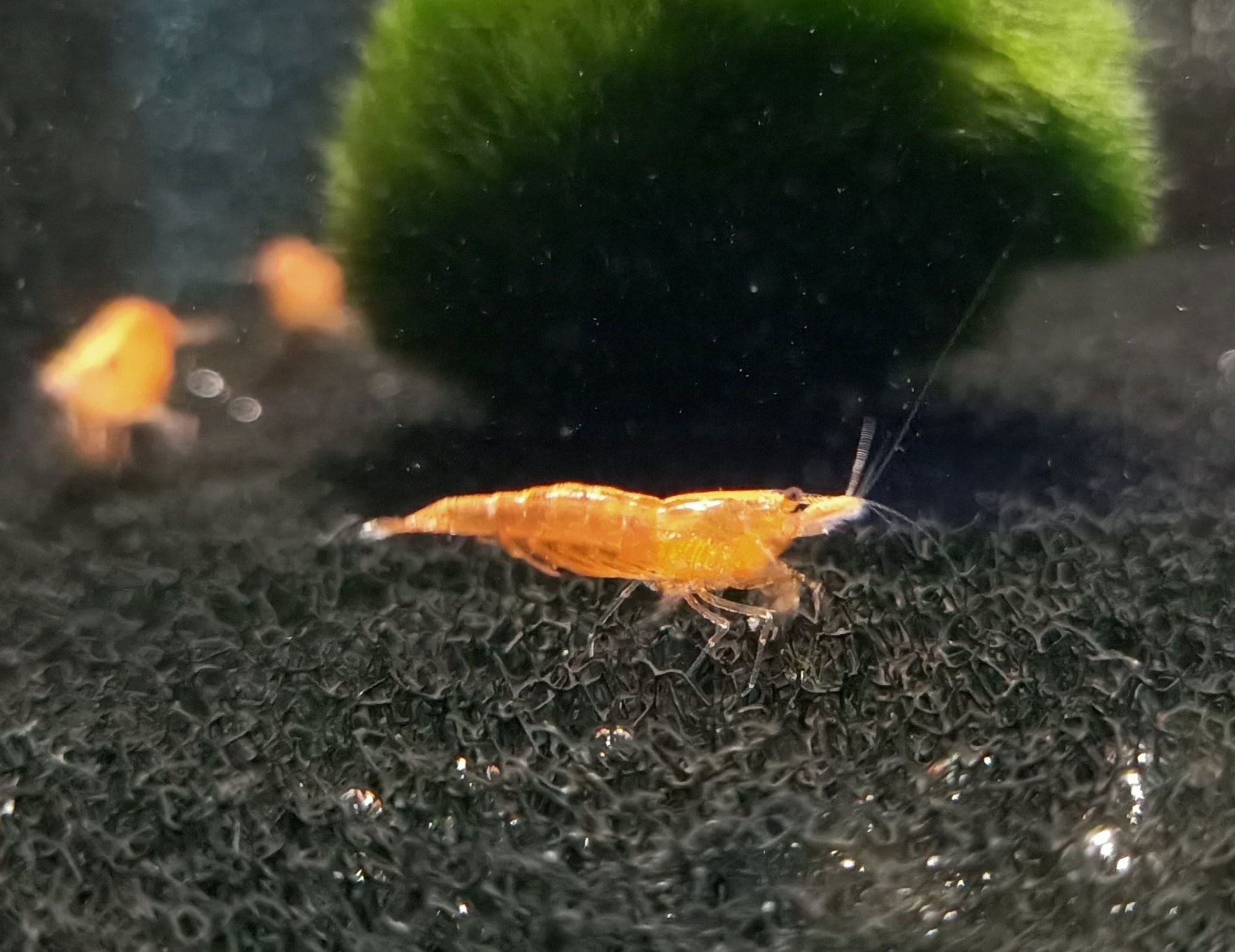
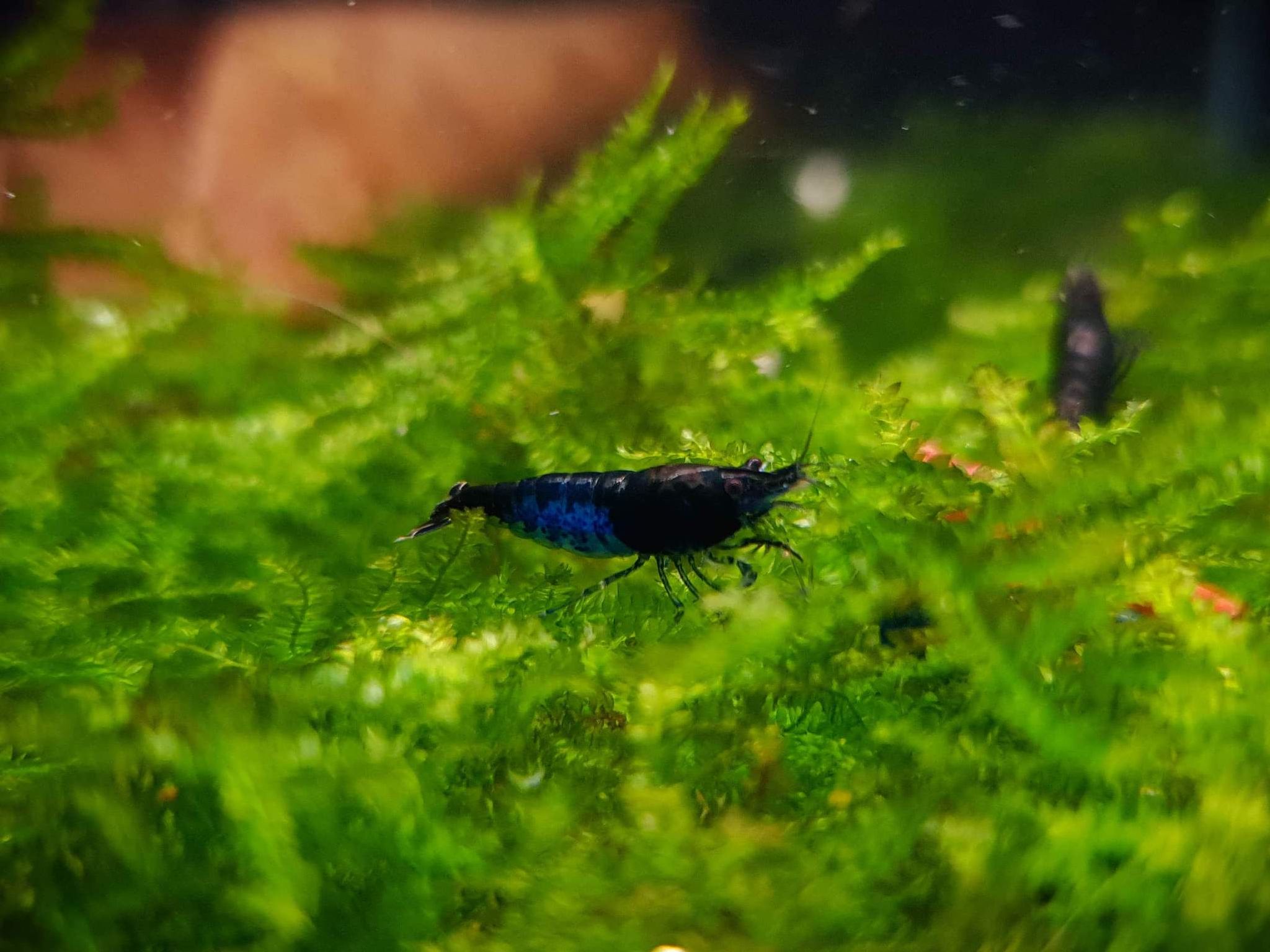
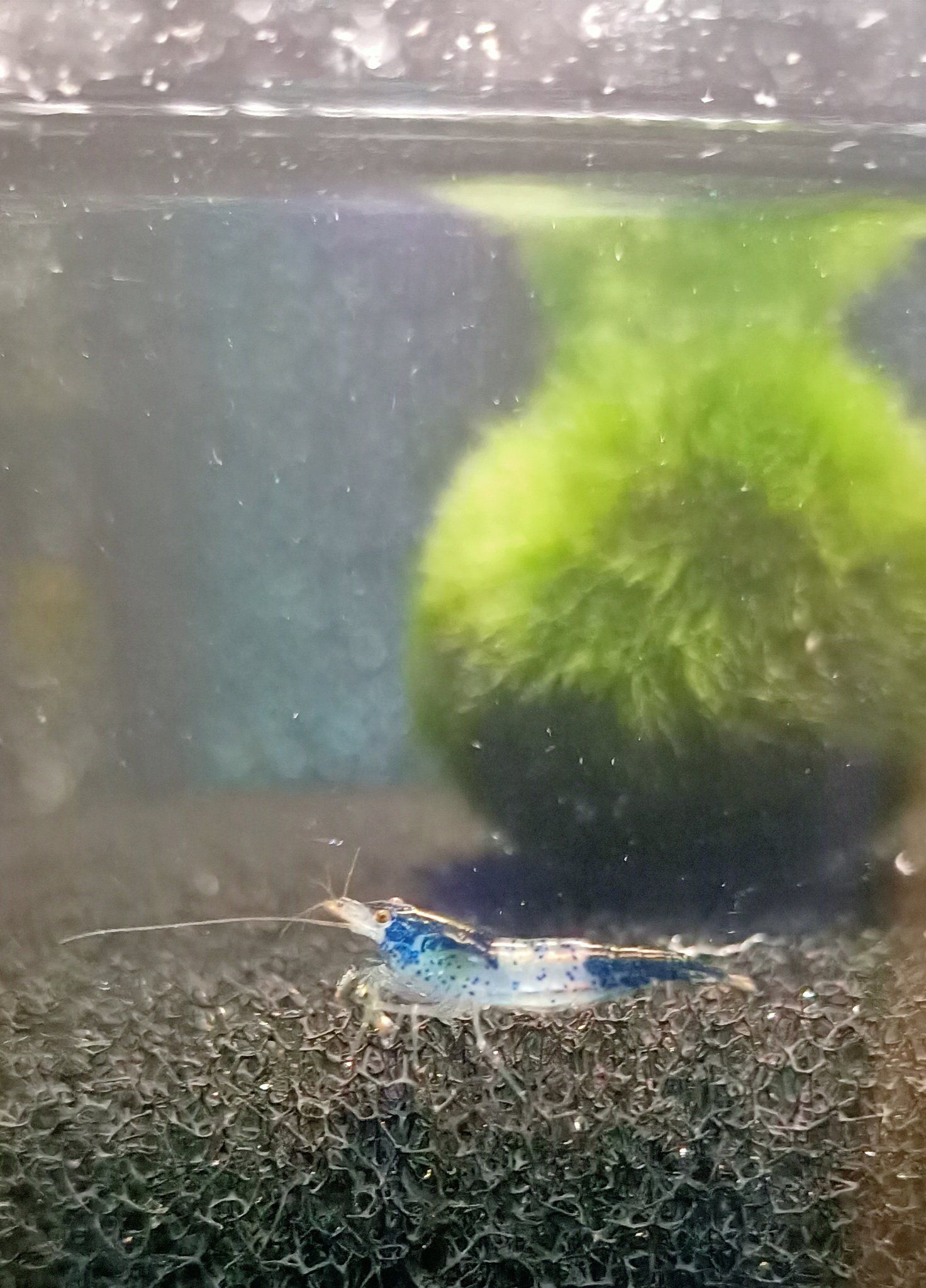
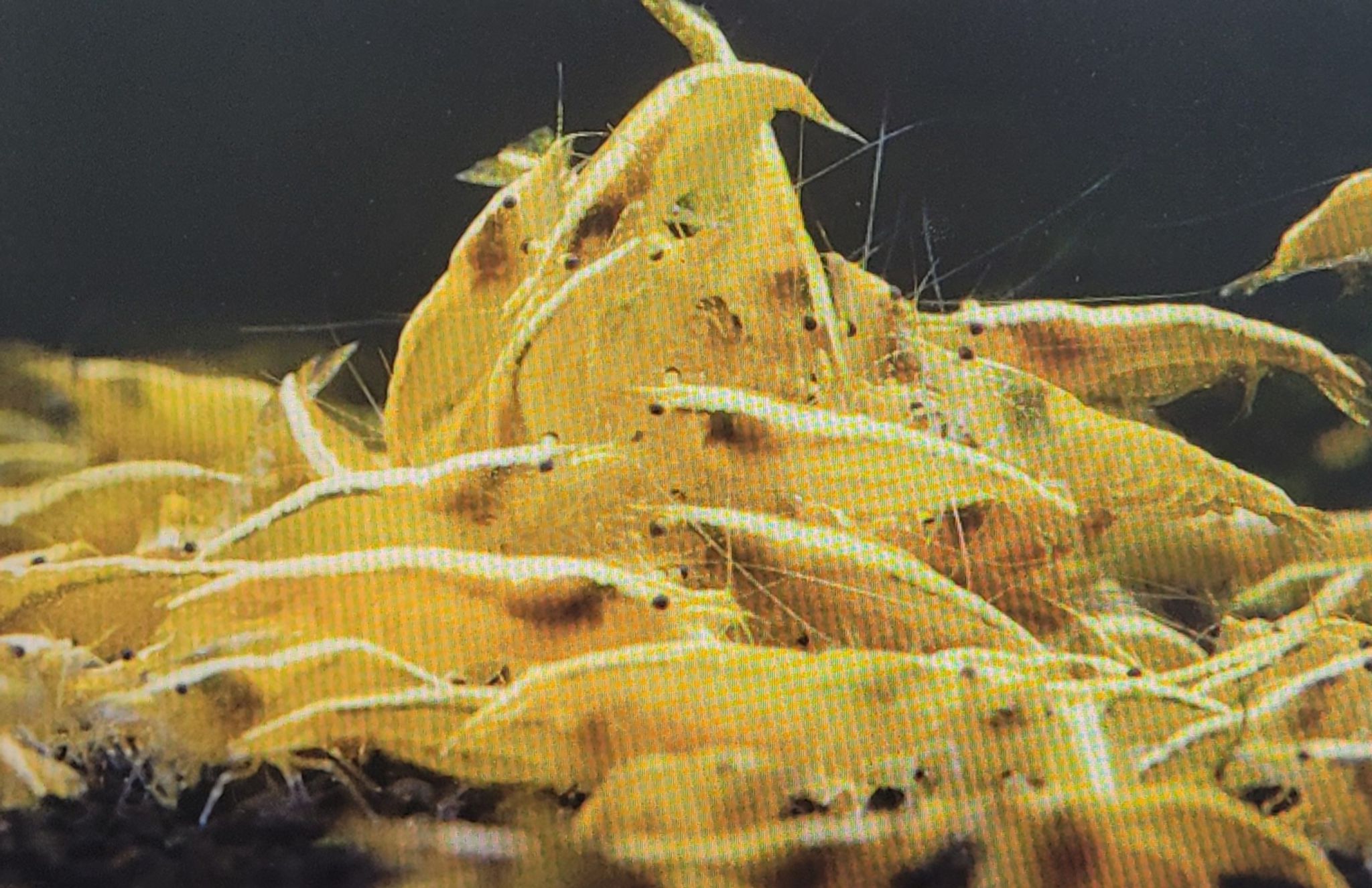
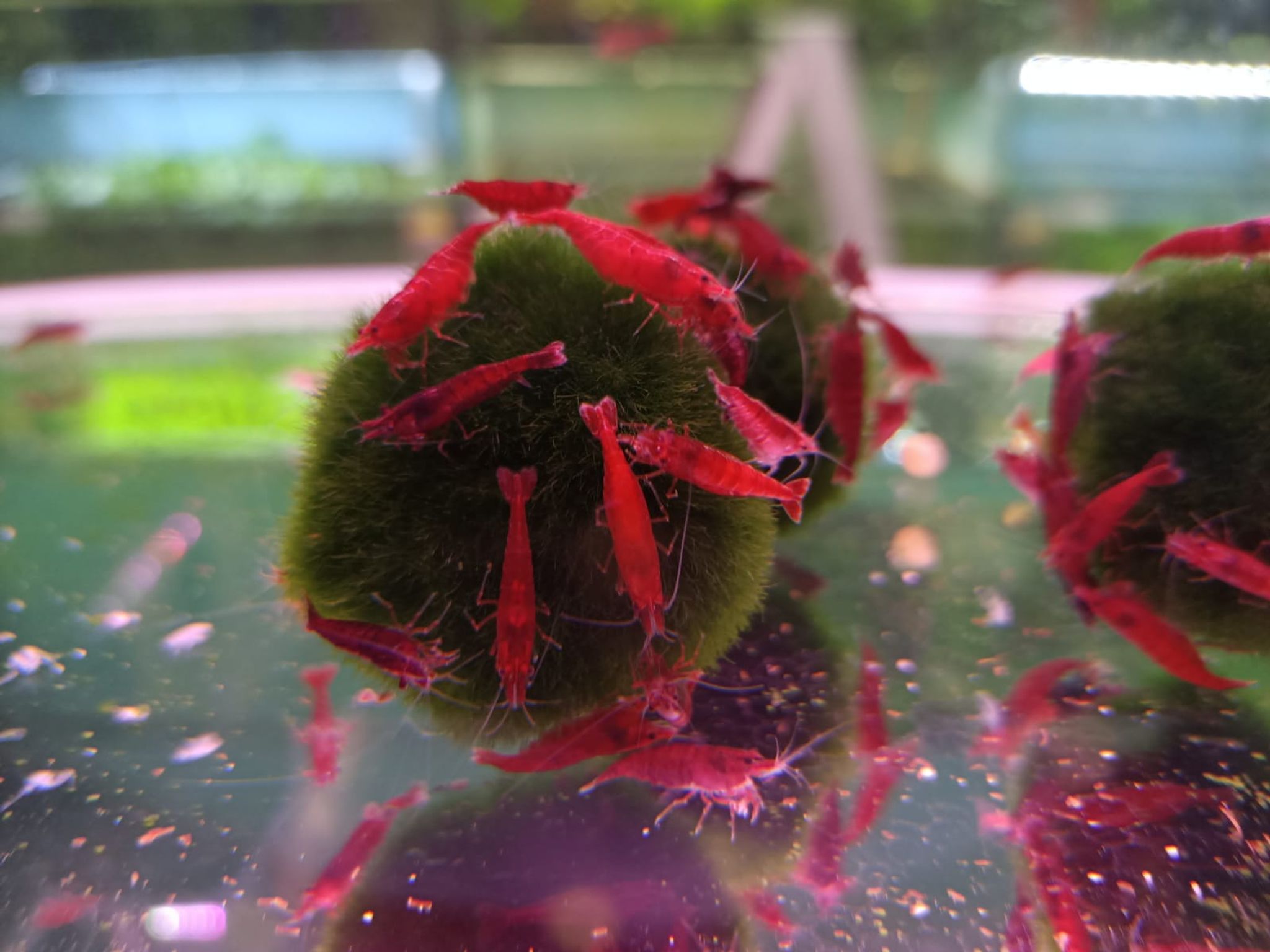
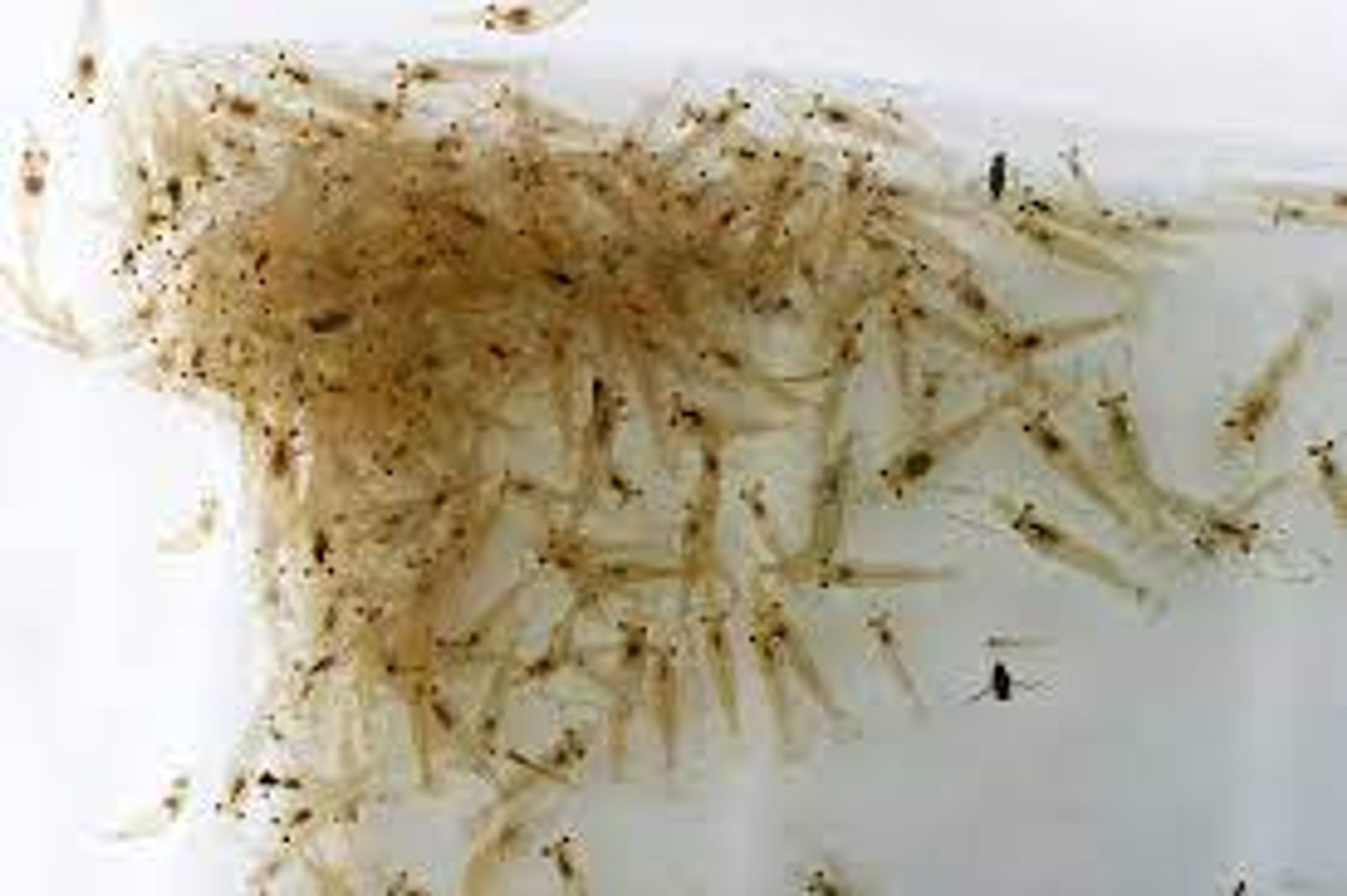
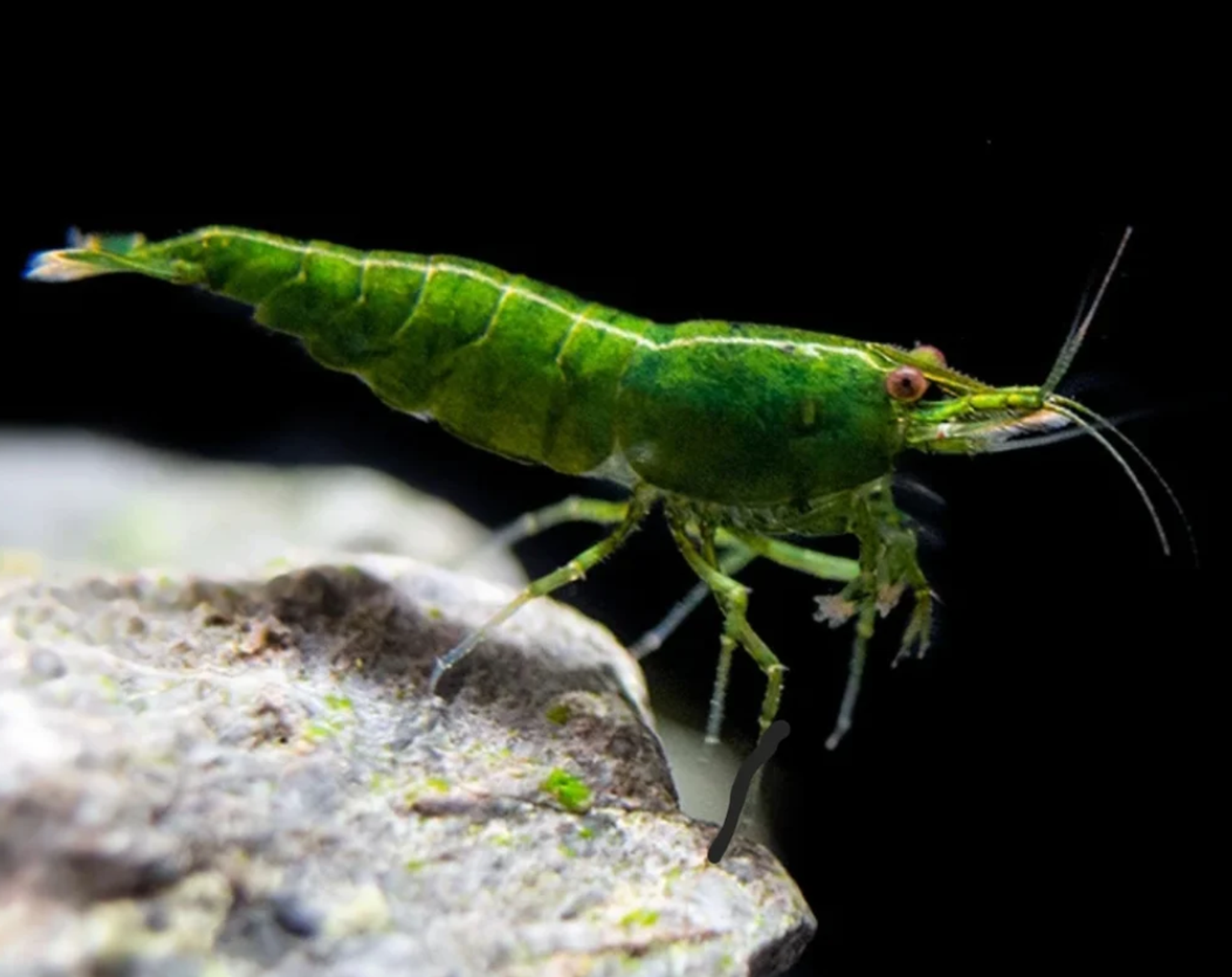
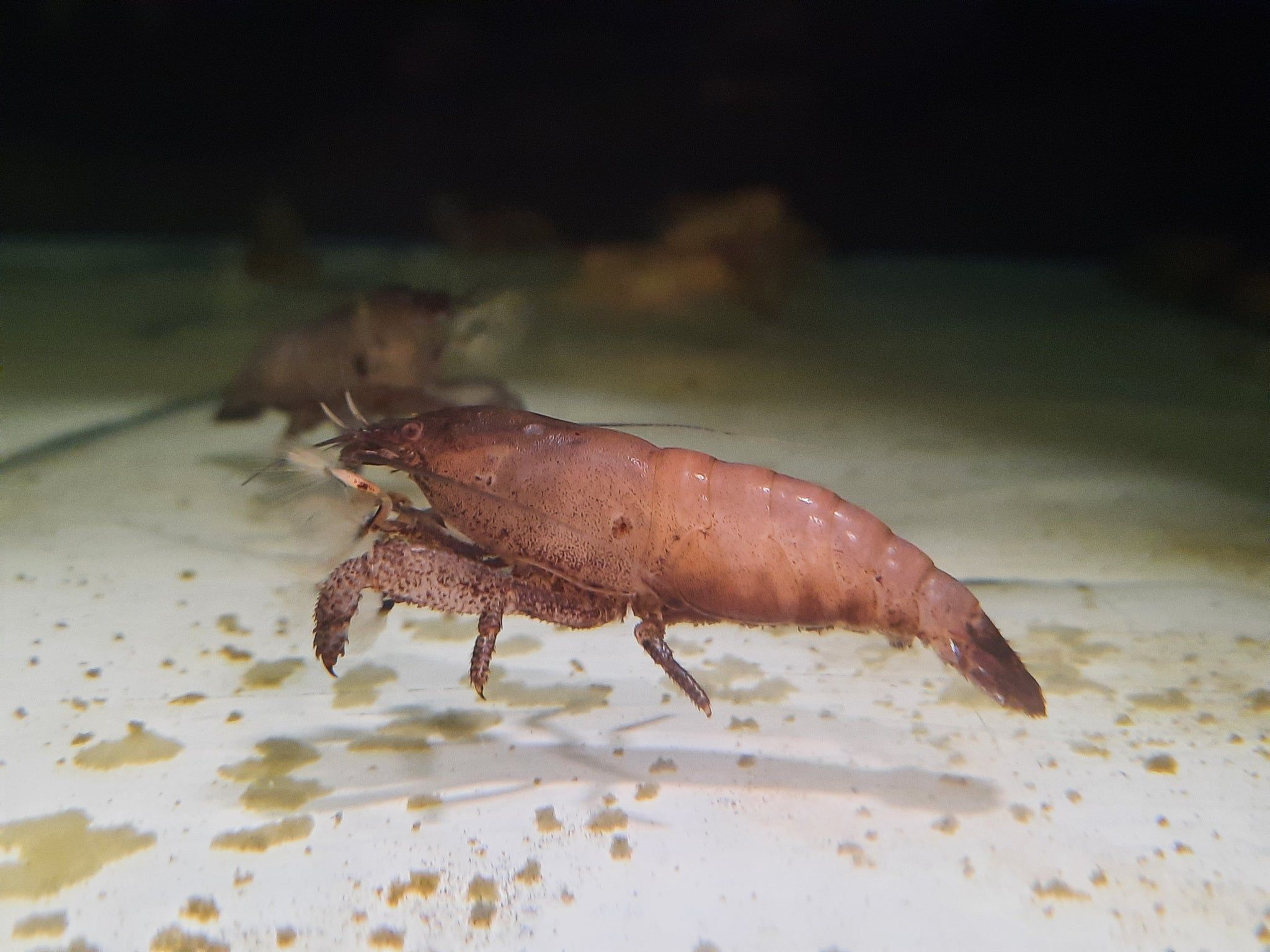
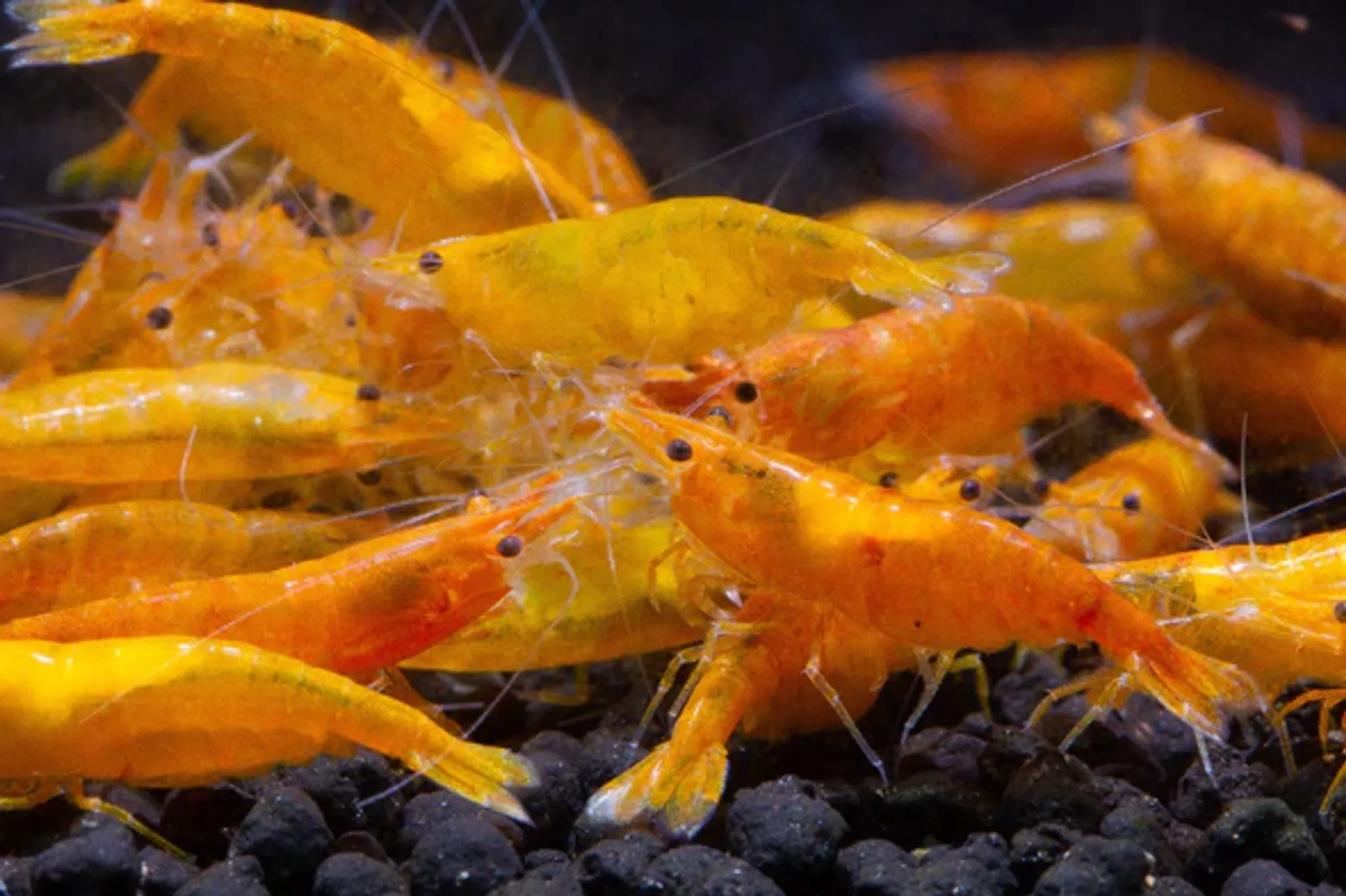


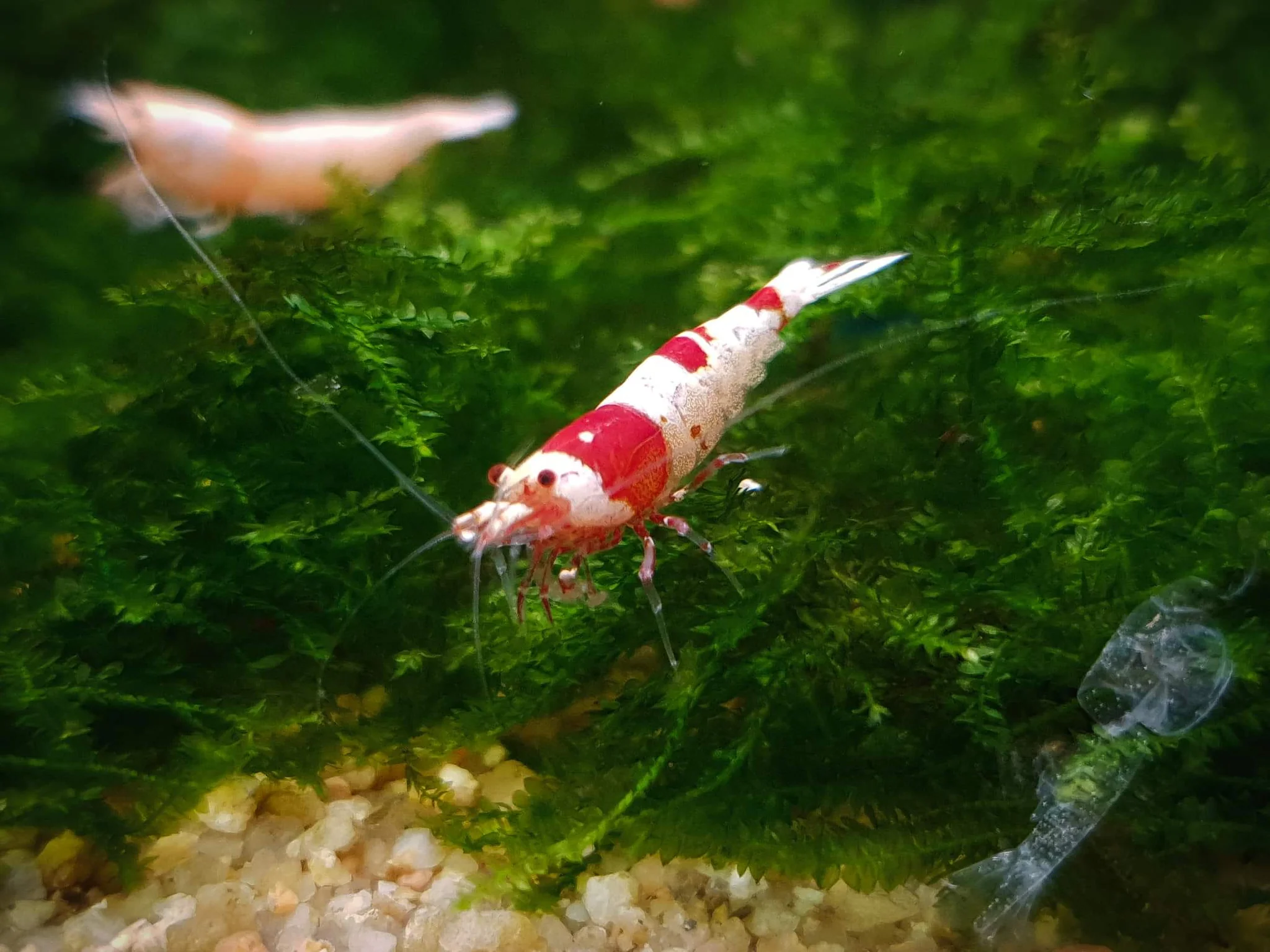
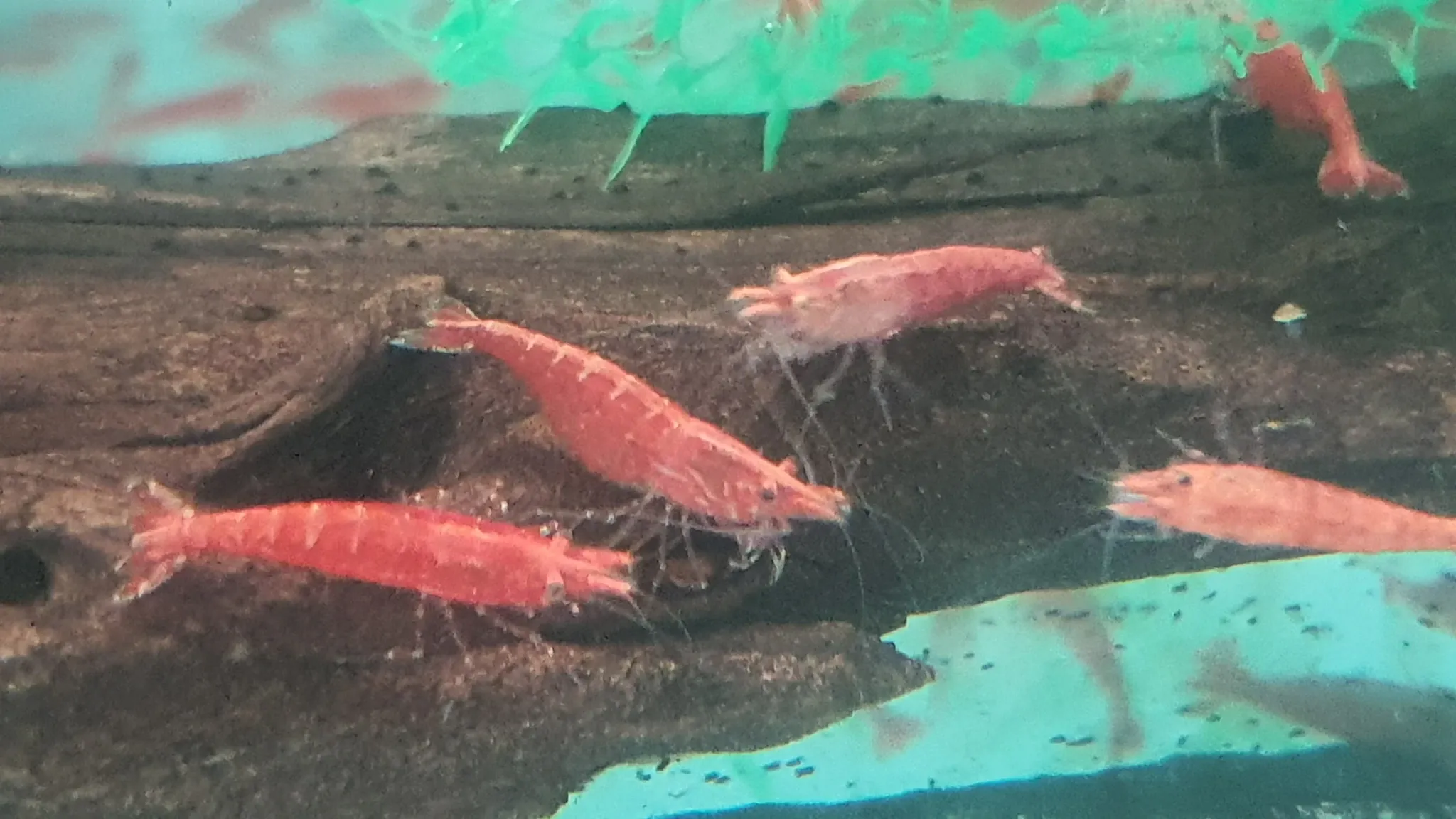
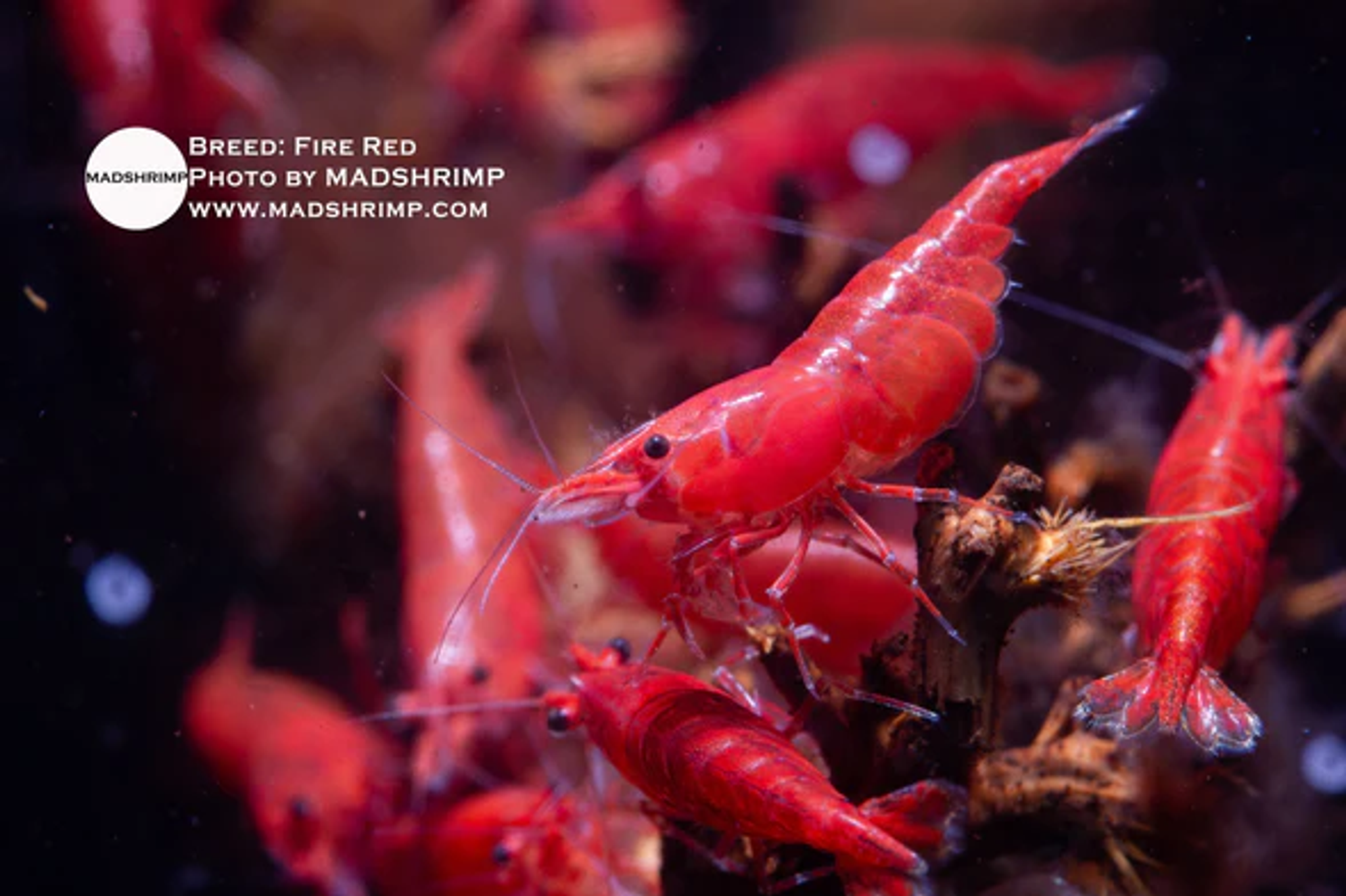
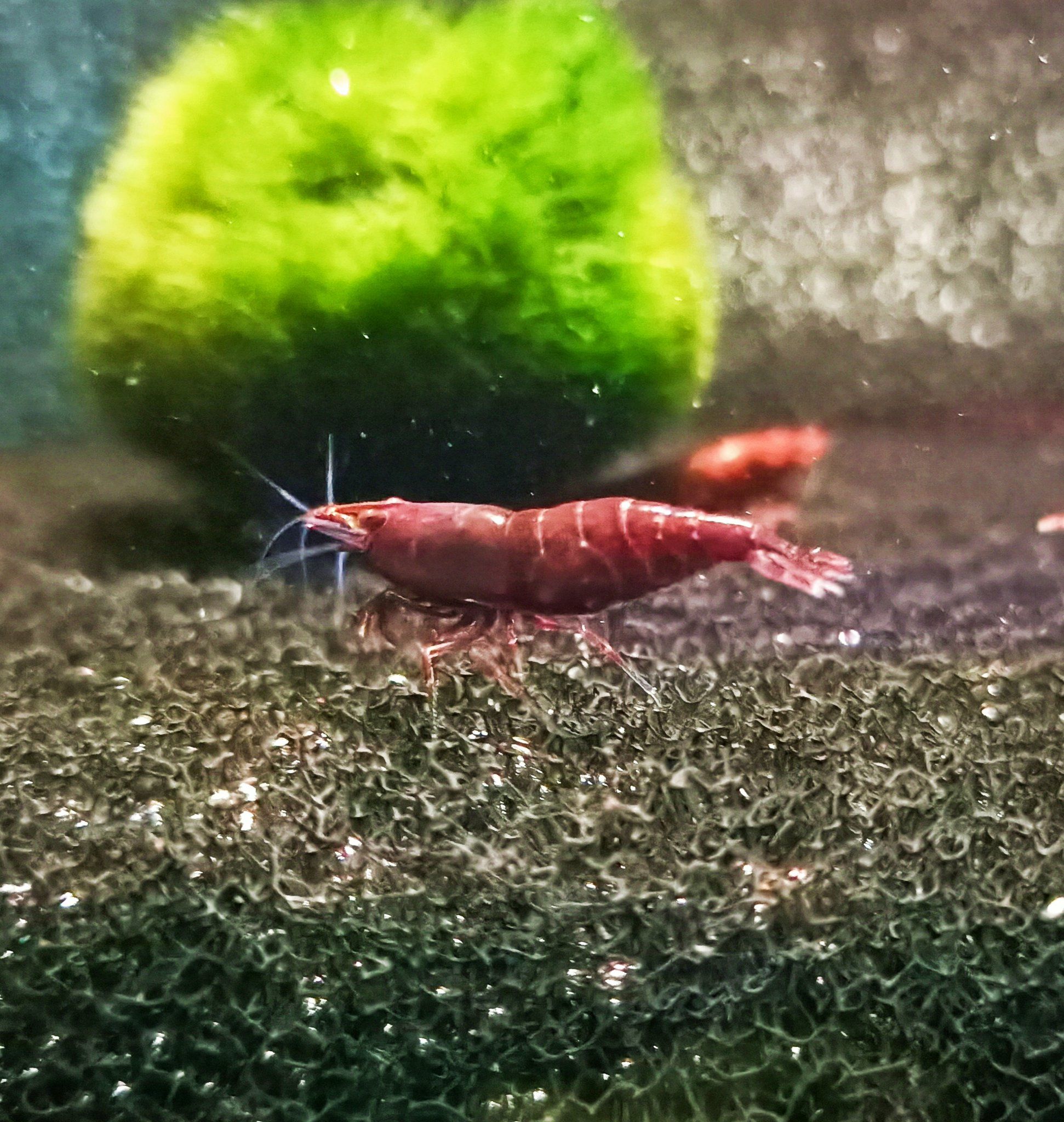
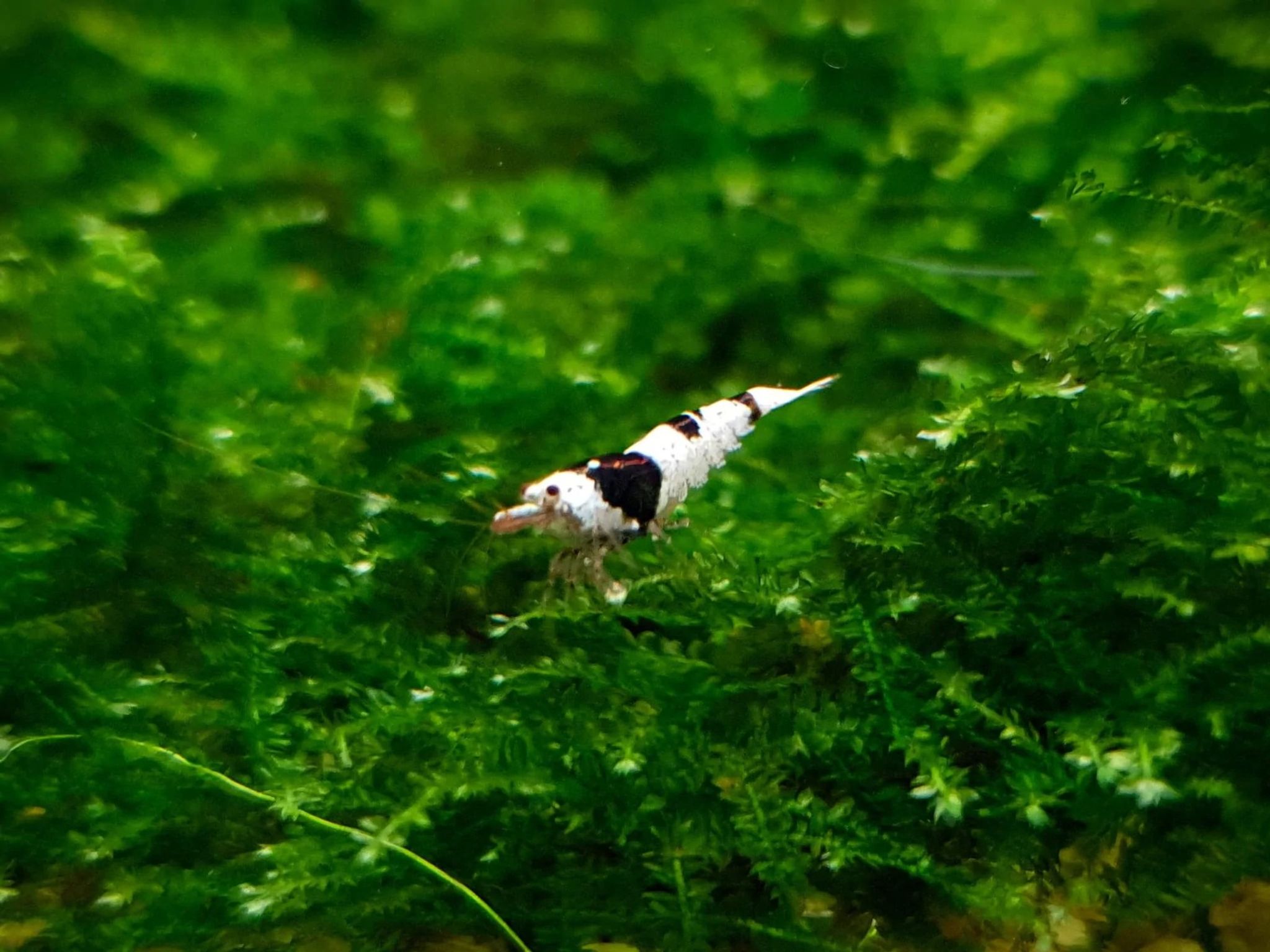
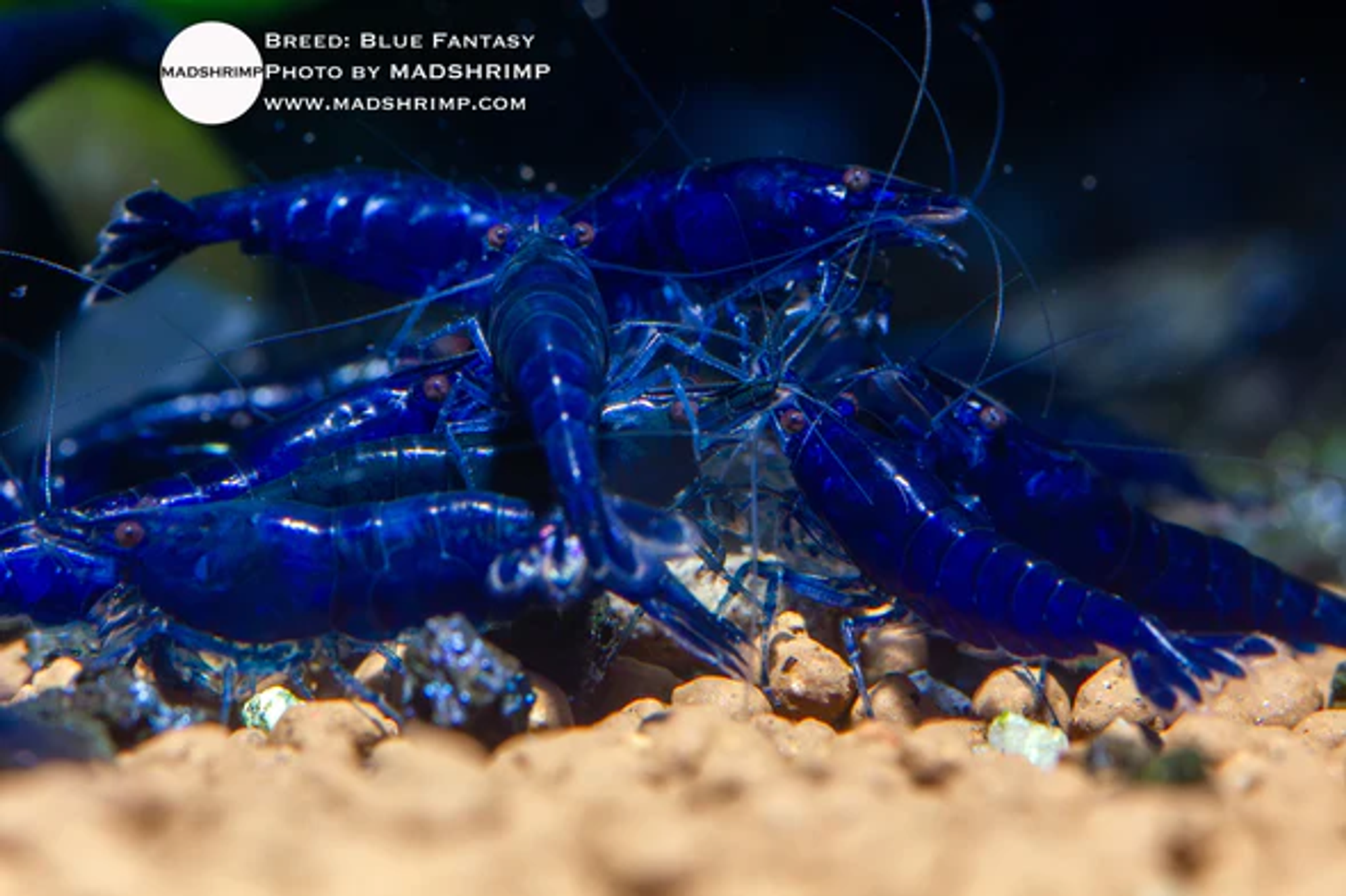

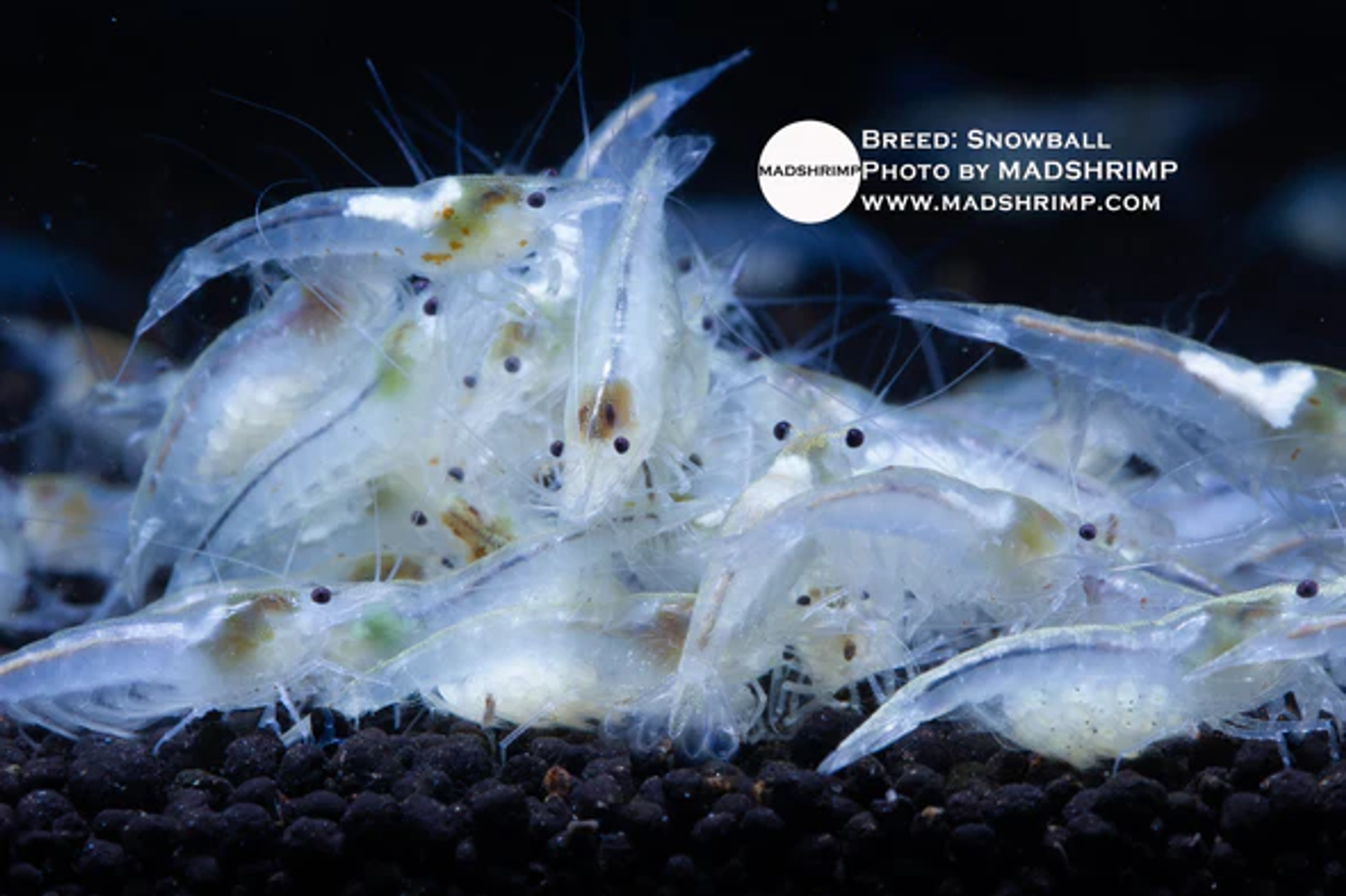

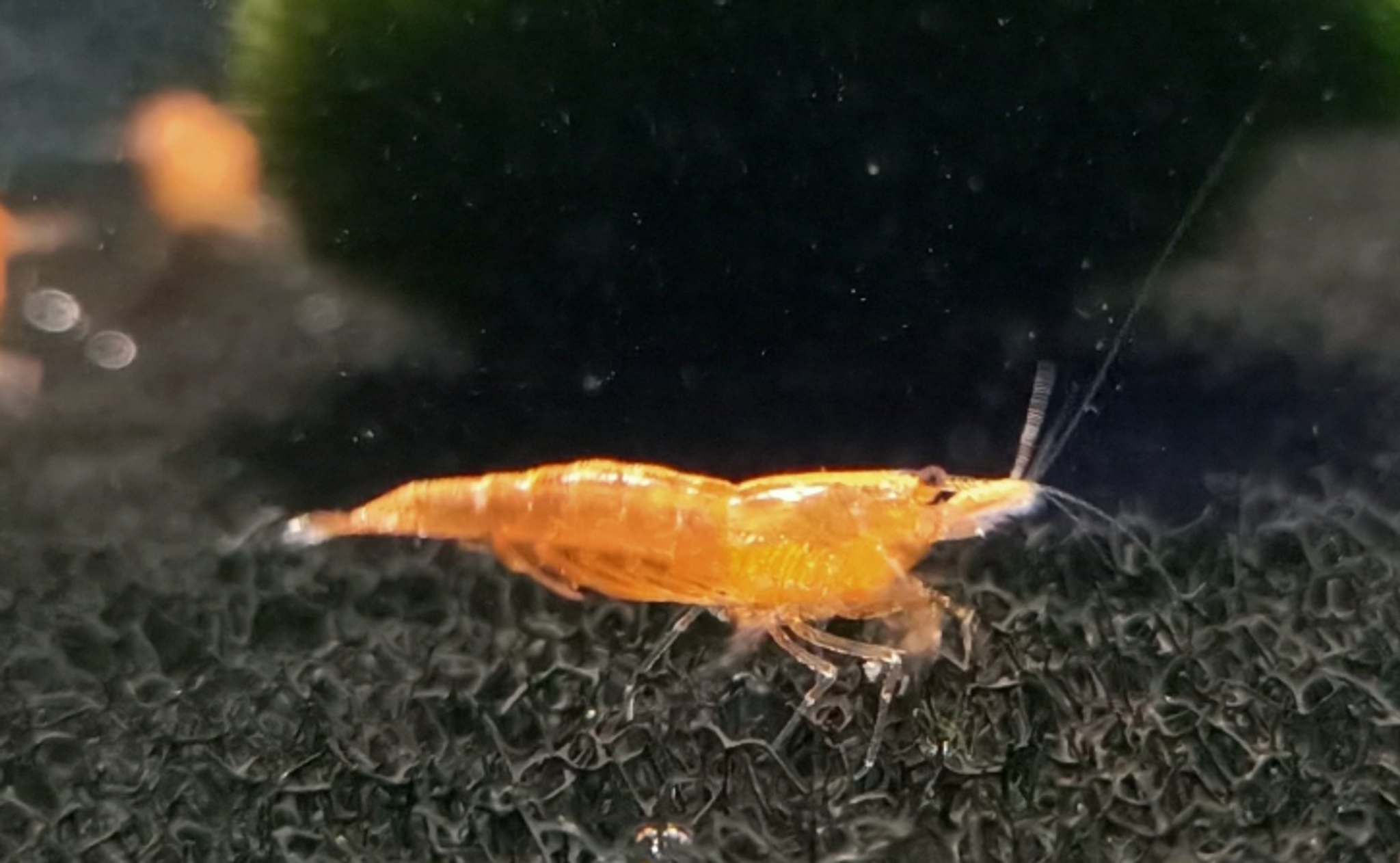
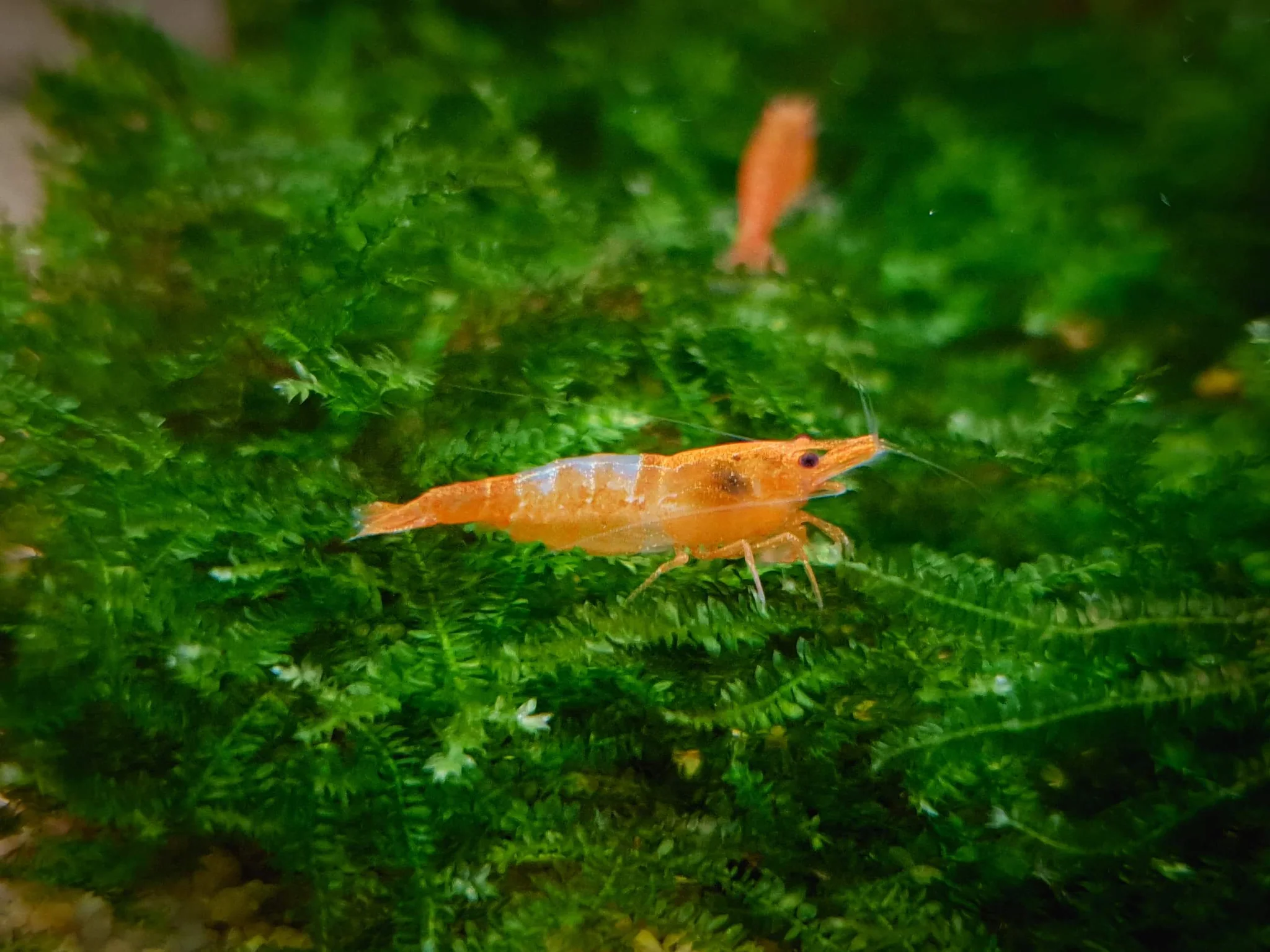


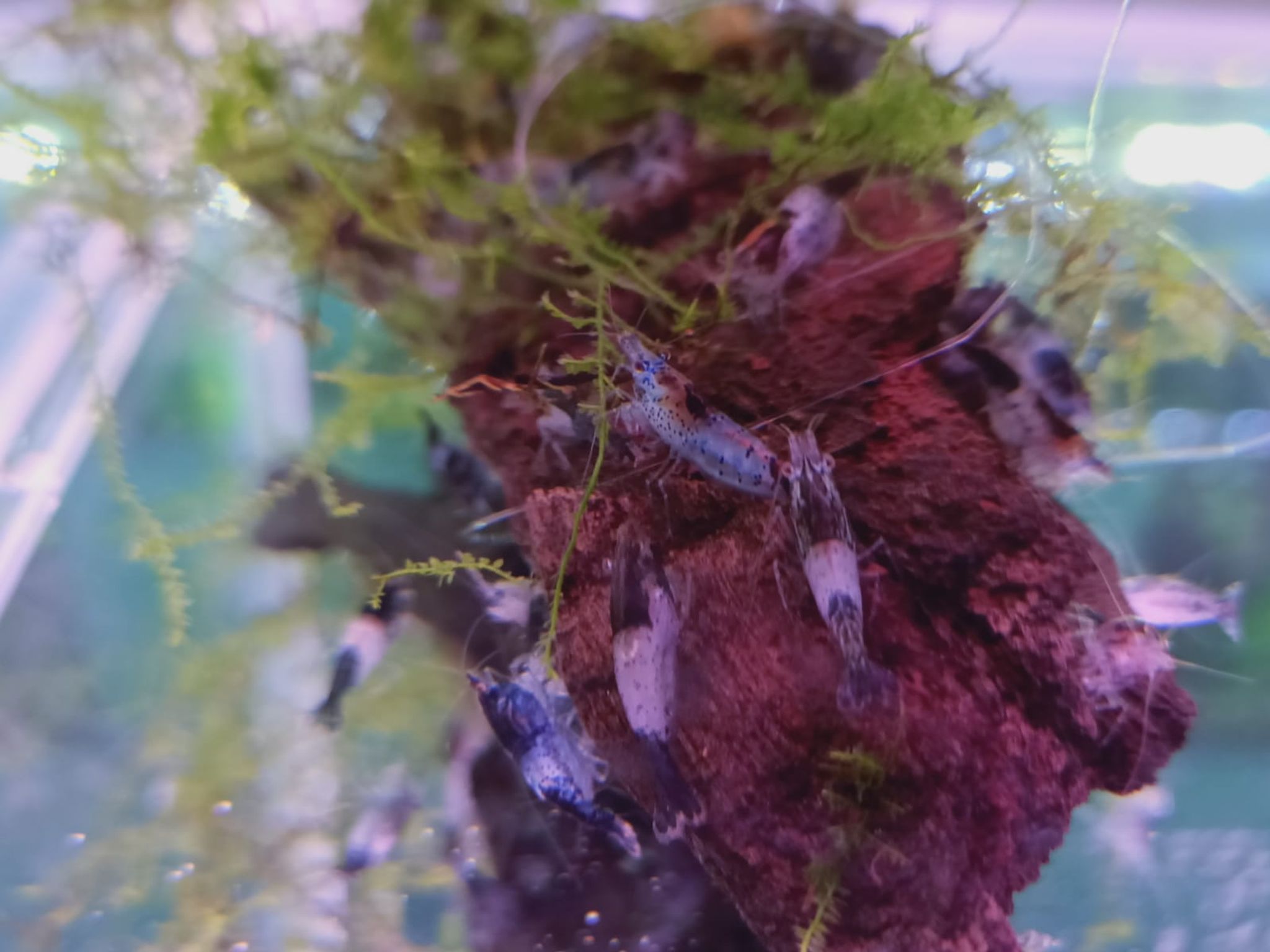
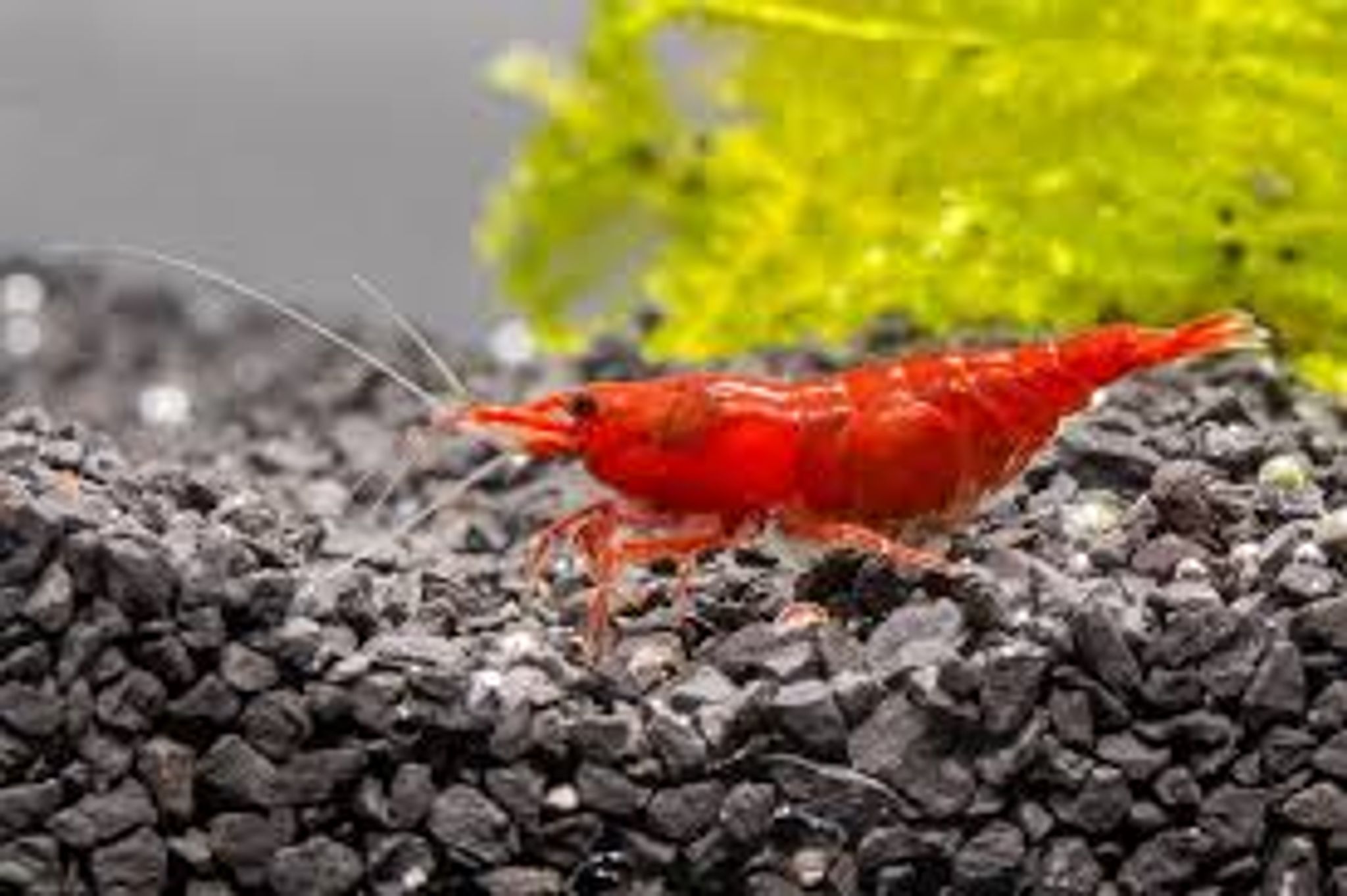


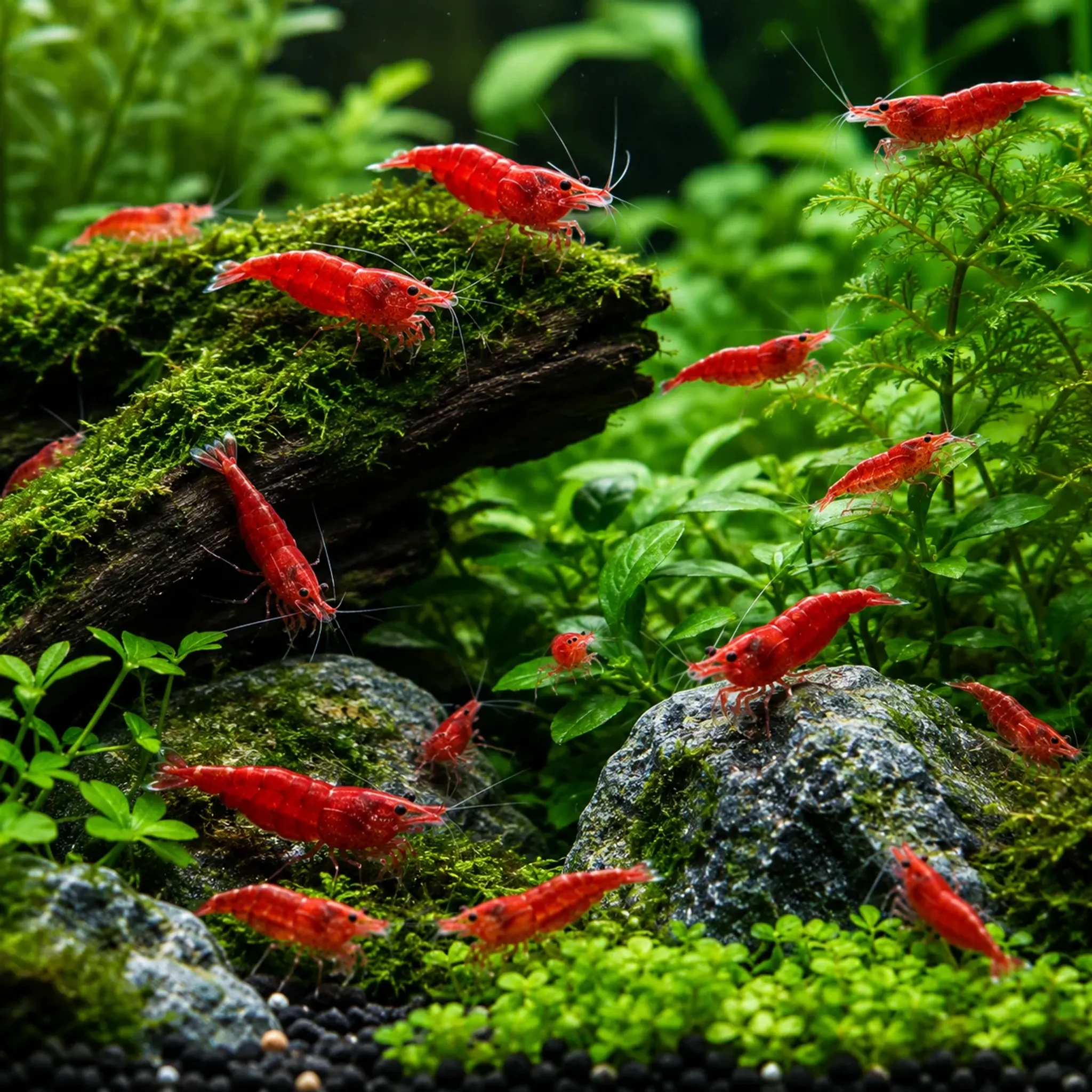
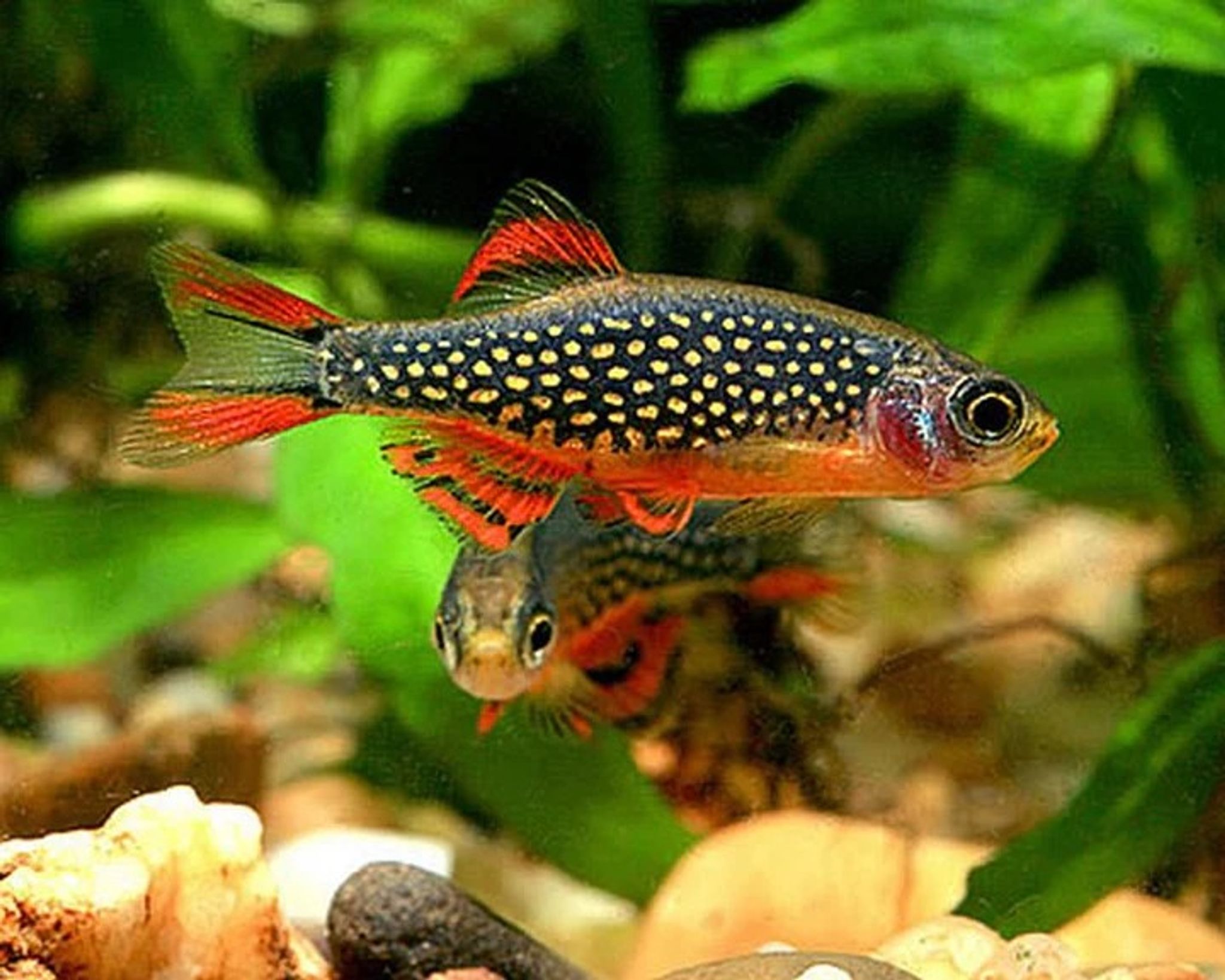
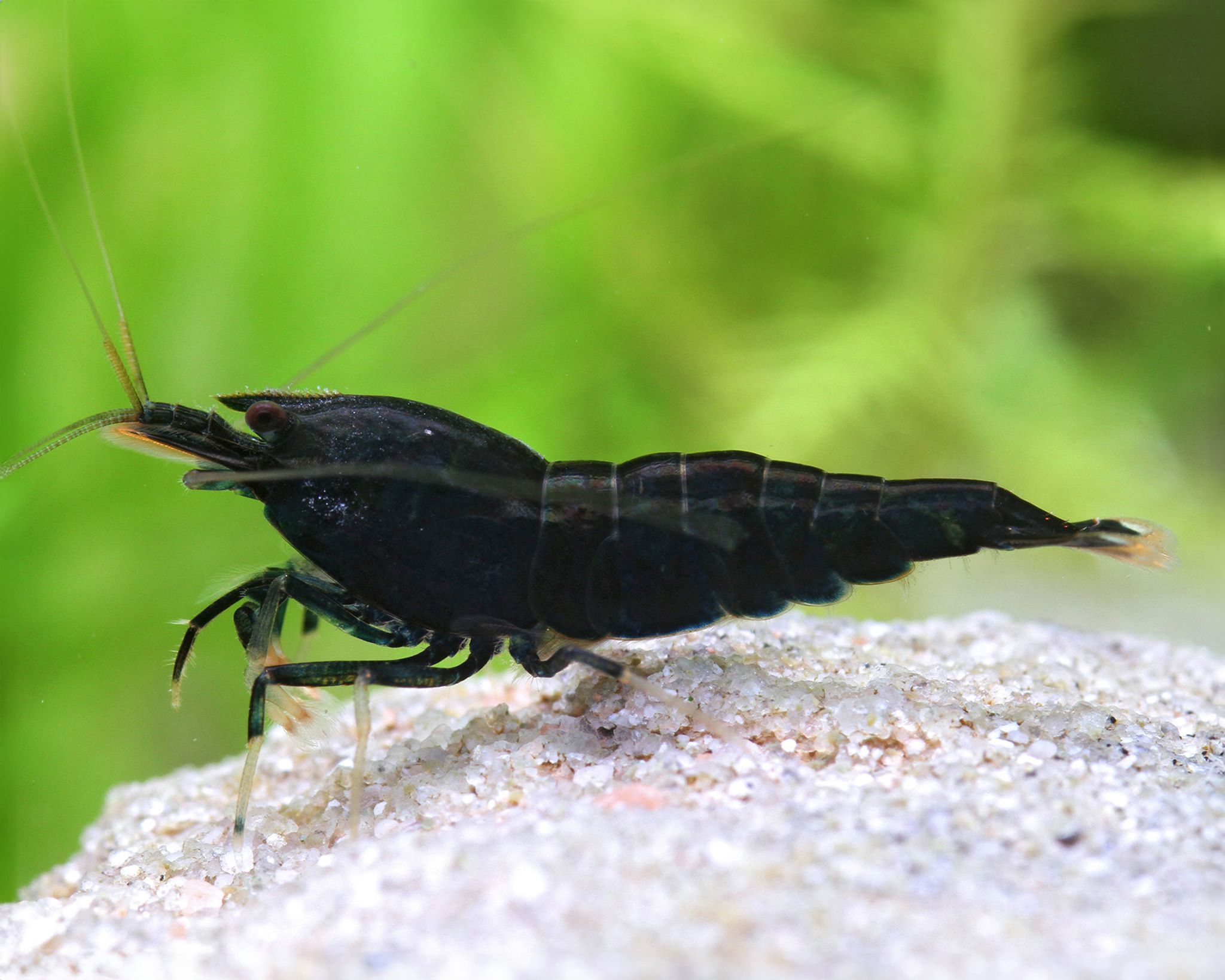
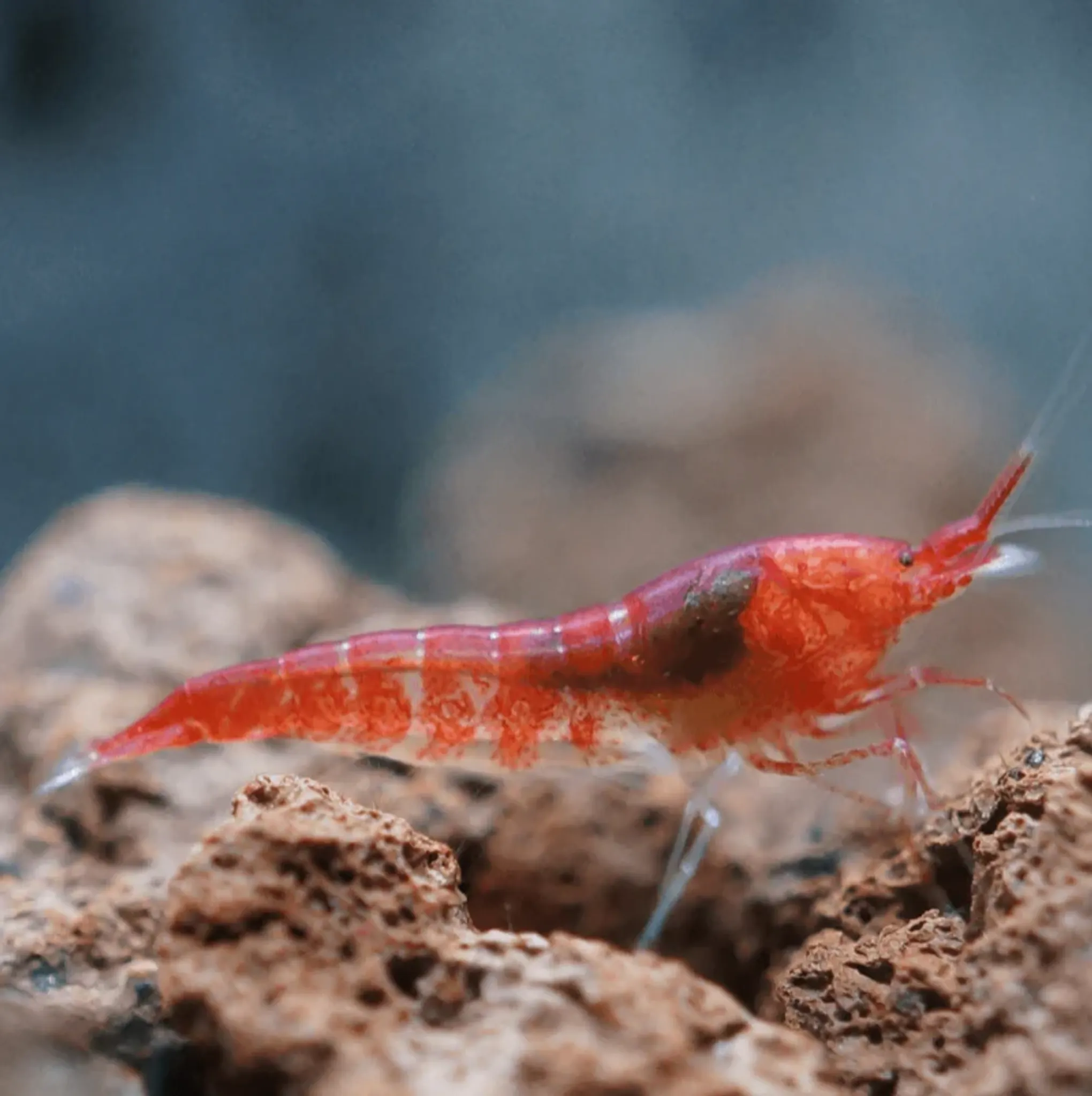

Explore Neocaridina shrimp for sale in Singapore from aquarium shops, breeders and freshwater shrimp sellers on FishyHub. Compare Red Cherry, Blue Dream, Yellow, Orange, Green Jade, Black Rose and other Neocaridina colour varieties by grade, size and seller.
Neocaridina shrimp are among the most popular freshwater aquarium shrimp because of their bright colours, compact size and suitability for planted and nano tanks. They are generally easier to keep than many specialised Caridina shrimp, but stable water conditions and careful tankmate selection are still important.
Neocaridina shrimp are small freshwater dwarf shrimp widely kept in planted aquariums, shrimp tanks and nano setups.
Many aquarium varieties are selectively bred from Neocaridina davidi and are available in vivid red, blue, yellow, orange, green, black and patterned forms.
Neocaridina are especially popular because selective breeding has produced many colour strains while keeping broadly similar care requirements.
Red Cherry Shrimp are among the best-known Neocaridina varieties and range from lighter red grades to deeply coloured selective lines. They are popular with both beginner shrimp keepers and planted-tank hobbyists.
Blue Dream Shrimp are prized for rich blue coloration that stands out strongly against green plants and light-coloured substrate.
Yellow Neocaridina add bright contrast to planted aquariums and are available in different intensities and selective lines.
Orange Neocaridina shrimp can range from warm orange tones to deeper pumpkin-like coloration depending on the strain and grade.
Green Jade Shrimp are a striking Neocaridina variety with green to dark green coloration. Their appearance can vary significantly between different breeding lines.
Black Rose Shrimp are dark Neocaridina varieties prized for deep black or near-black coloration.
Other Neocaridina strains may include Rili patterns and additional selectively bred colour lines depending on breeder and seller availability.
Neocaridina are small freshwater shrimp commonly kept in home aquariums for their colour, grazing behaviour and ease of breeding.
Many of the colourful shrimp sold in aquarium shops belong to selectively bred lines of Neocaridina davidi.
Neocaridina and Caridina are different shrimp groups with different husbandry requirements.
Neocaridina are generally more tolerant of a broader range of aquarium conditions, while many popular Caridina strains are kept under more specialised water conditions.
Neocaridina remain small as adults, making them suitable for planted aquariums and dedicated shrimp tanks.
Females are often larger and fuller-bodied than males, especially when carrying eggs.
Neocaridina are popular choices for nano aquariums because of their small size and relatively low bioload.
Small water volume can change quickly, however, so stability and careful feeding become especially important.
Planted aquariums provide excellent environments for Neocaridina shrimp by offering shelter, grazing surfaces and biofilm.
Mosses, epiphytes, floating plants and dense fine-leaved plants can be especially useful for young shrimp and breeding colonies.
Aquarium mosses provide large surface areas for biofilm and tiny food particles.
They also create dense cover for juvenile shrimp, making moss a popular choice in breeding setups.
Neocaridina can be kept on a range of aquarium substrates as long as water conditions remain suitable and stable.
Dark substrate can make bright red, yellow, orange and blue shrimp stand out visually, while planted substrates can support aquascaping goals.
Neocaridina generally tolerate a broader range of freshwater conditions than many specialised Caridina shrimp.
Stable water is more important than repeatedly adjusting the aquarium to chase an exact number. Sudden changes in hardness, temperature or water chemistry can create unnecessary stress.
Whether local tap water is suitable depends on the actual water chemistry in the aquarium and the requirements of the shrimp line being kept.
Test your water rather than assuming all Singapore homes have identical conditions, especially when keeping selectively bred shrimp.
Heater requirements depend on the actual aquarium temperature rather than Singapore's outdoor climate.
Air-conditioned rooms may be substantially cooler, while tanks in warmer locations may experience higher temperatures, so monitor the aquarium itself.
Gentle filtration works well for shrimp aquariums and helps maintain stable water quality.
Sponge filters and protected filter intakes are especially useful because very small shrimplets can otherwise be drawn into exposed intakes.
Neocaridina generally do not require intense current.
Gentle circulation with areas for grazing and resting is usually more appropriate than continuously blasting the shrimp with strong flow.
Neocaridina graze biofilm, algae and small organic particles throughout the aquarium.
Their diet can be supplemented with quality shrimp foods, algae-based foods and other suitable aquarium foods in small portions.
Biofilm is an important natural food source for both adult shrimp and shrimplets.
Mature plants, wood, rocks and filter surfaces can all support grazing areas in an established aquarium.
Feeding frequency depends on colony size and the amount of natural food available in the aquarium.
Overfeeding is a common problem in shrimp tanks, so offer modest amounts and avoid allowing large quantities of uneaten food to accumulate.
Neocaridina graze some soft algae and biofilm from aquarium surfaces.
They can contribute to general cleanup but should not be expected to solve every algae problem on their own.
Adult Neocaridina can coexist with some peaceful small fish, but virtually any fish capable of fitting a shrimplet into its mouth may eat young shrimp.
Dense planting and moss provide additional cover, but a dedicated shrimp tank offers the best chance of building a large breeding colony.
Small peaceful Tetras may coexist with adult Neocaridina, but shrimplets can be eaten.
Compatibility improves when the aquarium contains dense plants and hiding areas, but reproduction rates may still be lower than in a shrimp-only setup.
Small Rasboras can often live with adult Neocaridina.
Very small shrimplets remain vulnerable, so heavily planted aquariums offer more protection.
Many smaller Corydoras can coexist with adult Neocaridina in community aquariums.
Opportunistic consumption of very small young shrimp is still possible, so breeding colonies are safest without fish.
Betta compatibility is unpredictable.
Some Bettas largely ignore adult shrimp while others actively hunt them, so this pairing should never be assumed safe.
Guppies may coexist with adult Neocaridina but can readily eat newborn shrimplets.
Dense plant cover can improve juvenile survival but will not completely remove predation.
Neocaridina generally coexist well with common freshwater aquarium snails.
Snails and shrimp may share food and grazing areas without the predation risk created by many fish.
Different Neocaridina colour strains can usually live together because they have similar general care requirements.
However, allowing different colour lines to breed together can reduce colour consistency over generations and may produce offspring with less predictable coloration.
Some Neocaridina and Caridina shrimp can physically coexist, but their preferred water conditions may differ.
The aquarium should be designed around compatible requirements rather than simply assuming all dwarf shrimp need the same conditions.
Neocaridina can breed readily in stable aquariums with sufficient food and shelter.
Females carry eggs beneath the abdomen until fully formed miniature shrimp hatch.
A female carrying eggs beneath her abdomen is commonly described by hobbyists as “berried.”
Stable conditions, plentiful grazing surfaces and low predation give the young a better chance of survival.
Newly hatched Neocaridina look like miniature versions of the adults and begin grazing immediately.
Fine-leaved plants, moss and established biofilm provide useful food and shelter during the earliest stages.
Female Neocaridina are generally larger and fuller-bodied than males and may display stronger coloration in many selective lines.
Mature females may also show developing eggs internally or carry eggs beneath the abdomen.
Hobbyists and breeders may describe Neocaridina using grades based on colour coverage, depth and consistency.
Grading terminology can vary between sellers, so compare the actual shrimp photographs and breeding line rather than relying only on a grade name.
Neocaridina colour can vary with genetics, age, stress, background, diet and overall condition.
Temporary fading after transport or disturbance can occur, but persistent poor colour should be assessed alongside water quality and health.
Neocaridina periodically shed their exoskeleton as they grow.
A transparent shed shell can look like a dead shrimp at first glance, so inspect it carefully before removing anything from the aquarium.
Hiding can be normal after introduction, during moulting or when fish are present.
Newly moulted shrimp are especially vulnerable and often remain under plants, wood or rock until the new exoskeleton hardens.
Shrimp can be sensitive to copper and other aquarium treatments that may be tolerated by fish.
Always check medication labels carefully before treating an aquarium containing Neocaridina or other invertebrates.
New shrimp should be introduced carefully because sudden differences in temperature and water chemistry can create stress.
Use an acclimation approach appropriate to the seller water and your aquarium rather than rushing shrimp directly between significantly different conditions.
When comparing Neocaridina shrimp for sale, look for:
Colour alone should not determine your choice. Healthy behaviour and body condition are more important than selecting the darkest individual in the tank.
Neocaridina are among the more beginner-friendly freshwater dwarf shrimp when kept in a stable, cycled aquarium.
They are generally more forgiving than many specialist shrimp, but they still benefit from careful acclimation, stable water and controlled feeding.
Neocaridina shrimp prices in Singapore vary according to colour strain, grade, size, breeding line, rarity and seller.
Common Red Cherry Shrimp and highly selected premium colour lines can differ substantially in price.
FishyHub brings Neocaridina shrimp listings from aquarium shops, breeders and freshwater livestock sellers across Singapore together in one marketplace, making it easier to compare colours, grades and available colonies from multiple sources.
When comparing Neocaridina listings, consider:
Availability changes regularly, especially for premium Blue, Green, Black and patterned Neocaridina lines.
Yes. Red Cherry Shrimp are one of the best-known selectively bred Neocaridina shrimp varieties.
They are generally considered beginner-friendly when kept in a stable, cycled freshwater aquarium.
Yes, but breeding different colour lines together can produce less predictable coloration over future generations.
They graze some soft algae and biofilm, but they should not be relied on as the only method of algae control.
Adult shrimp can coexist with some peaceful small fish, but young shrimplets may be eaten.
It depends on the actual aquarium temperature, especially in air-conditioned rooms, rather than Singapore's outdoor temperature alone.
Healthy colonies can reproduce regularly in stable conditions, but breeding rate varies with maturity, food, temperature and overall husbandry.
Some combinations are possible, but water requirements can differ, so the exact shrimp varieties should be checked before mixing them.
Explore Neocaridina shrimp for sale on FishyHub and compare Red Cherry, Blue Dream, Yellow, Orange, Green Jade, Black Rose and other freshwater shrimp varieties from aquarium sellers and breeders across Singapore. Compare colour, grade, size, condition and price to find suitable Neocaridina shrimp for your planted aquarium or shrimp tank.