1–40 of 73








%201767334449437.jpeg?signature=628bbdd771f51c01b2e8343cbb1bd6be3bc505a8d5e579667e28fda53f03a87e)
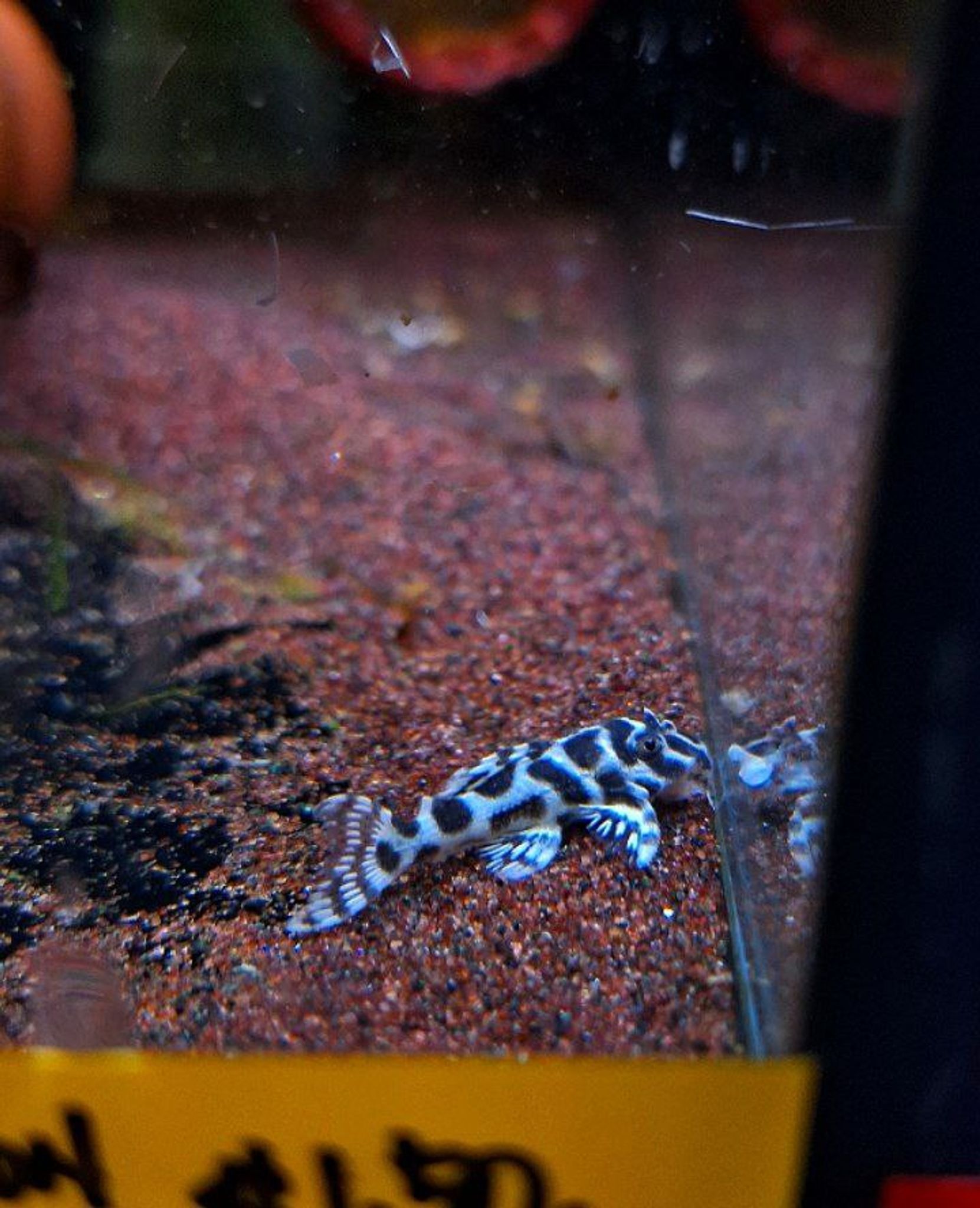
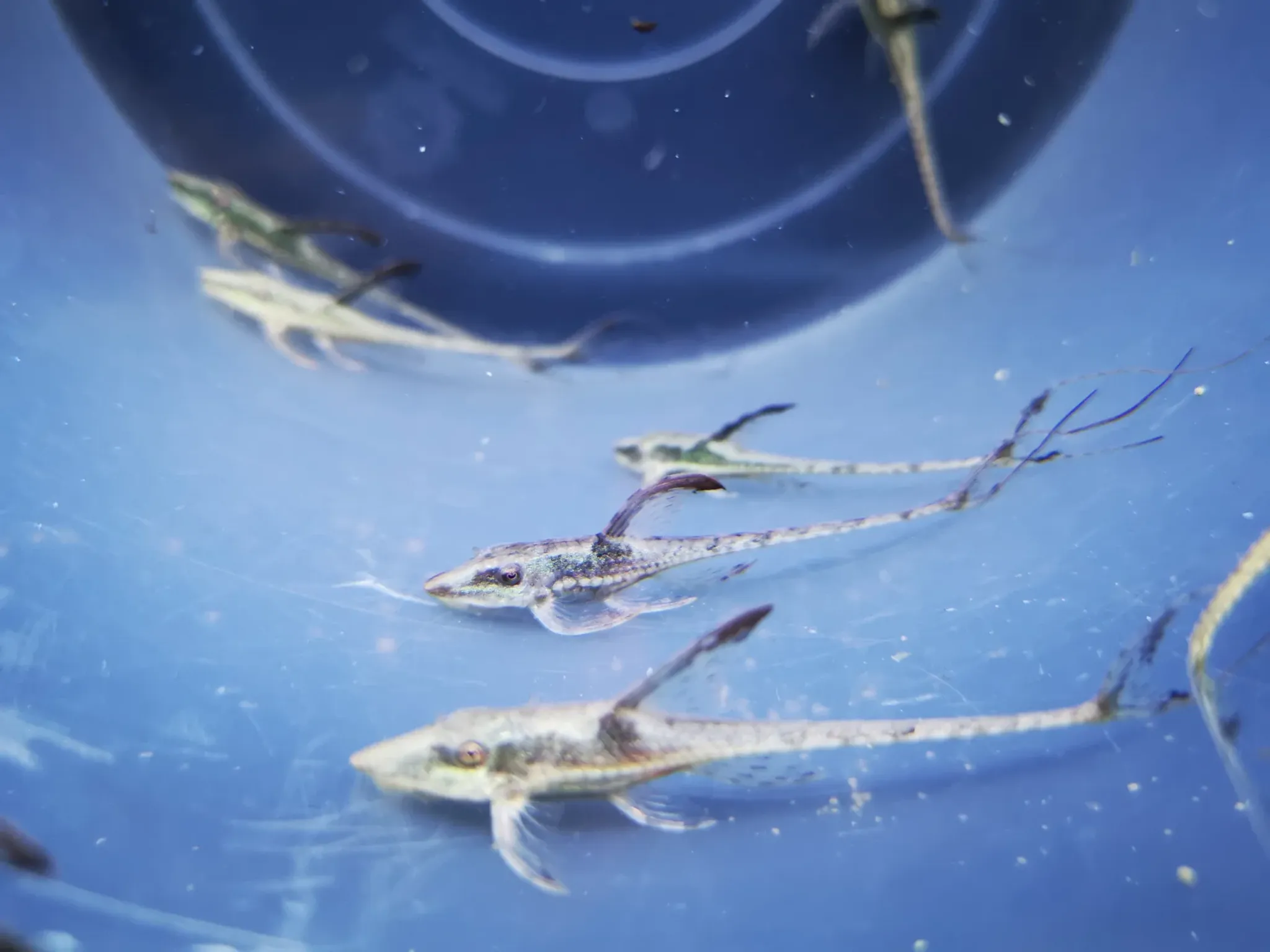
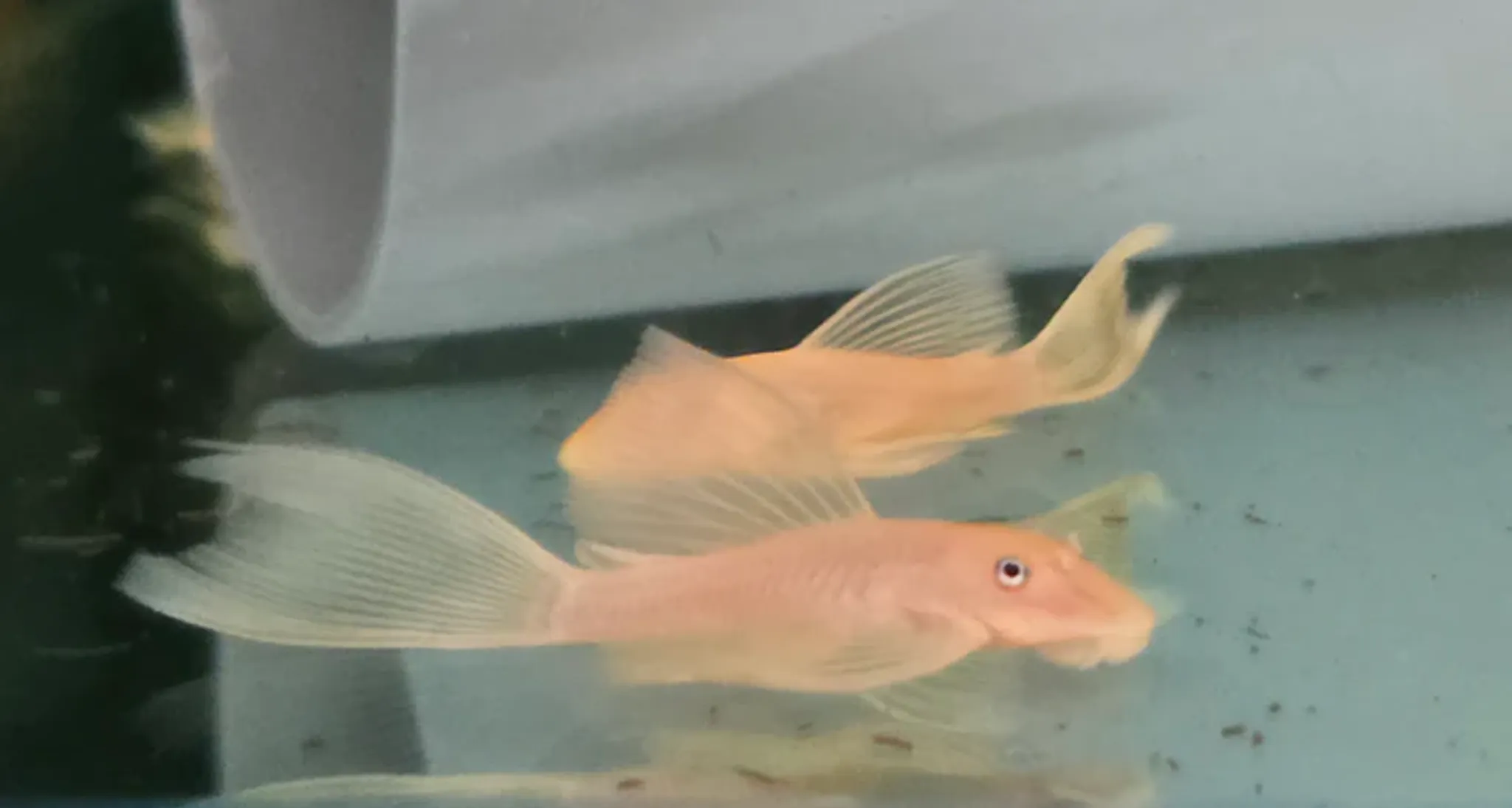
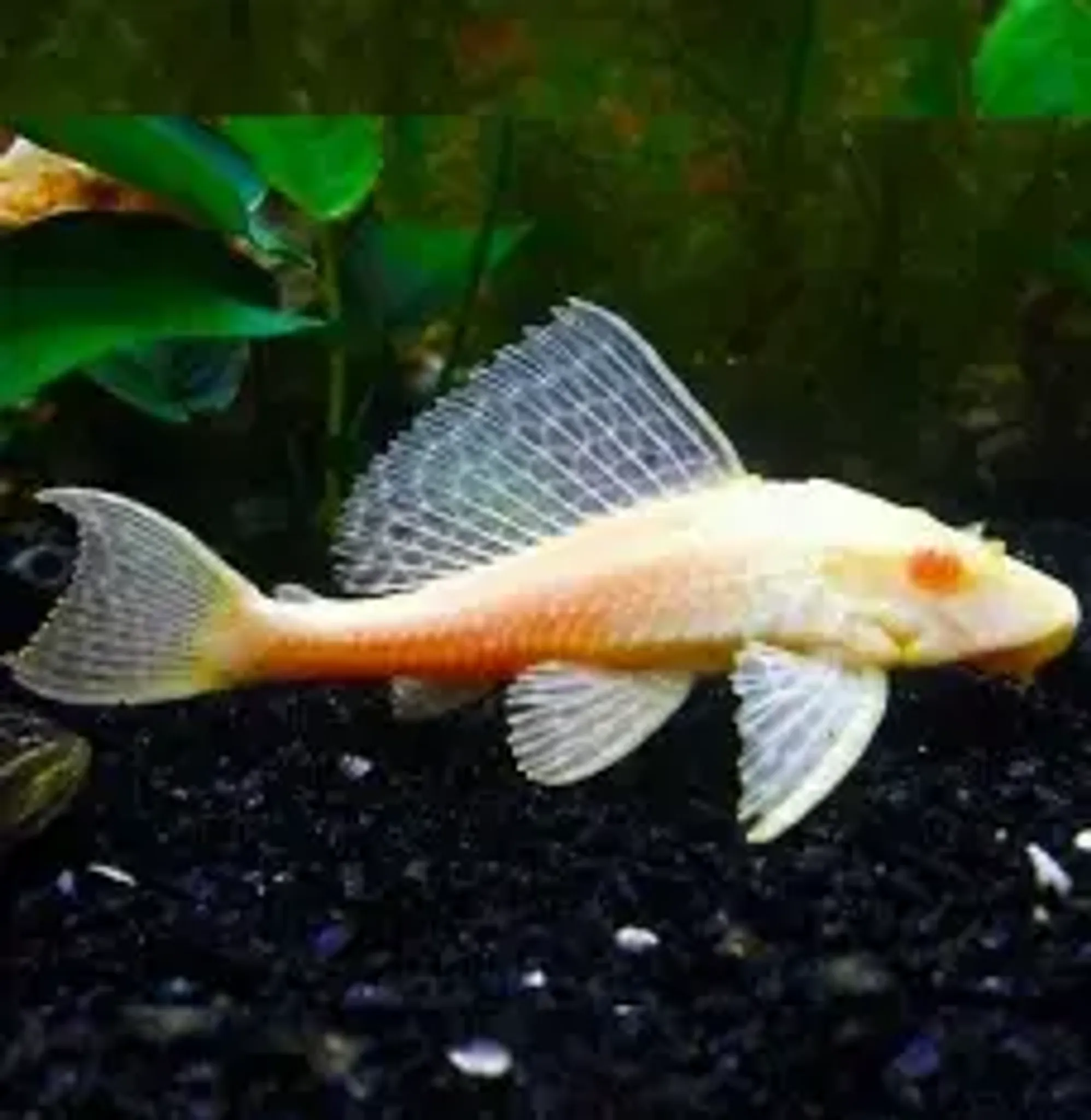
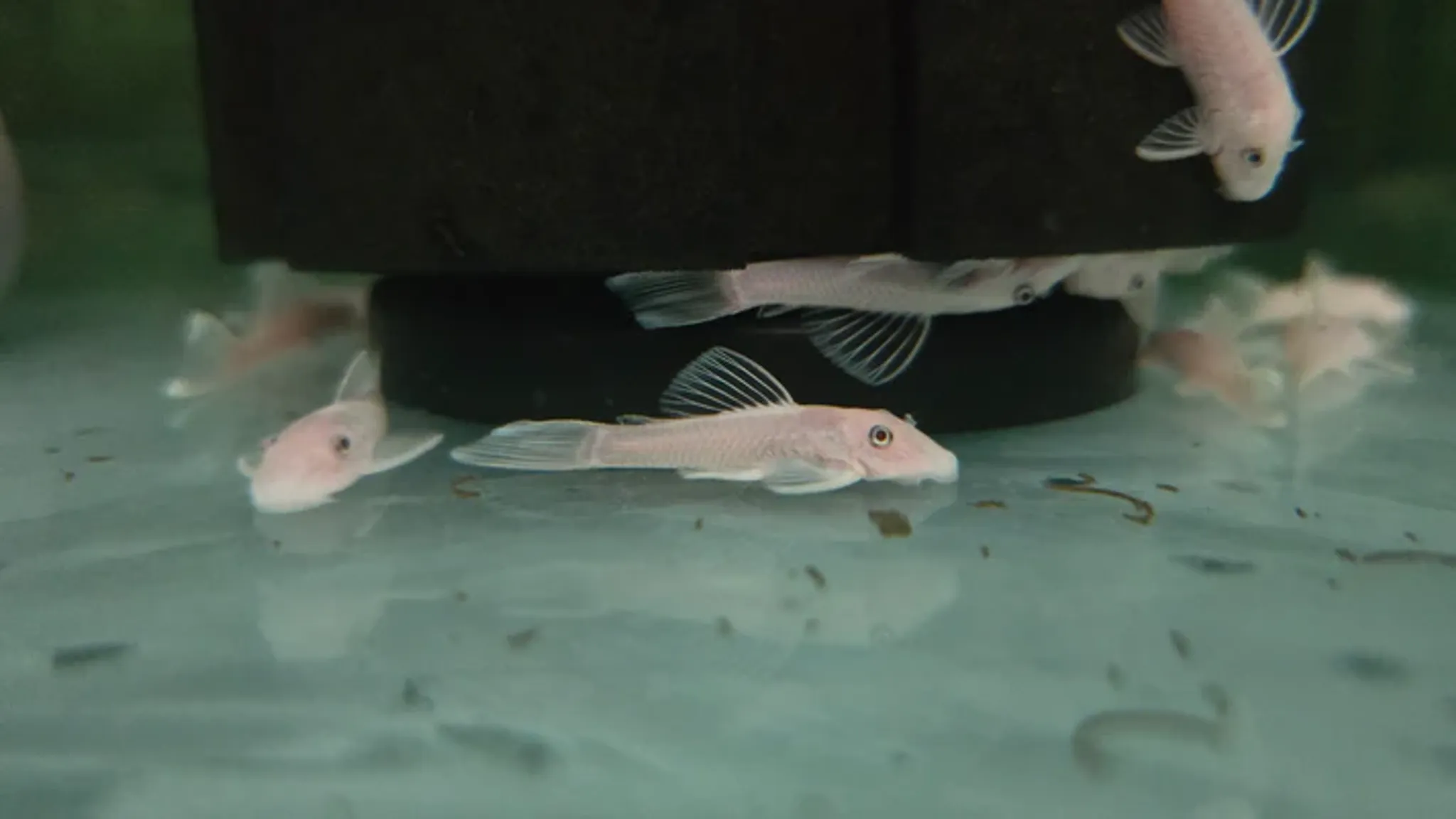
Explore Pleco fish for sale in Singapore from aquarium shops, breeders and specialist sellers on FishyHub. Compare different species, sizes, patterns and prices from multiple sellers in one marketplace.
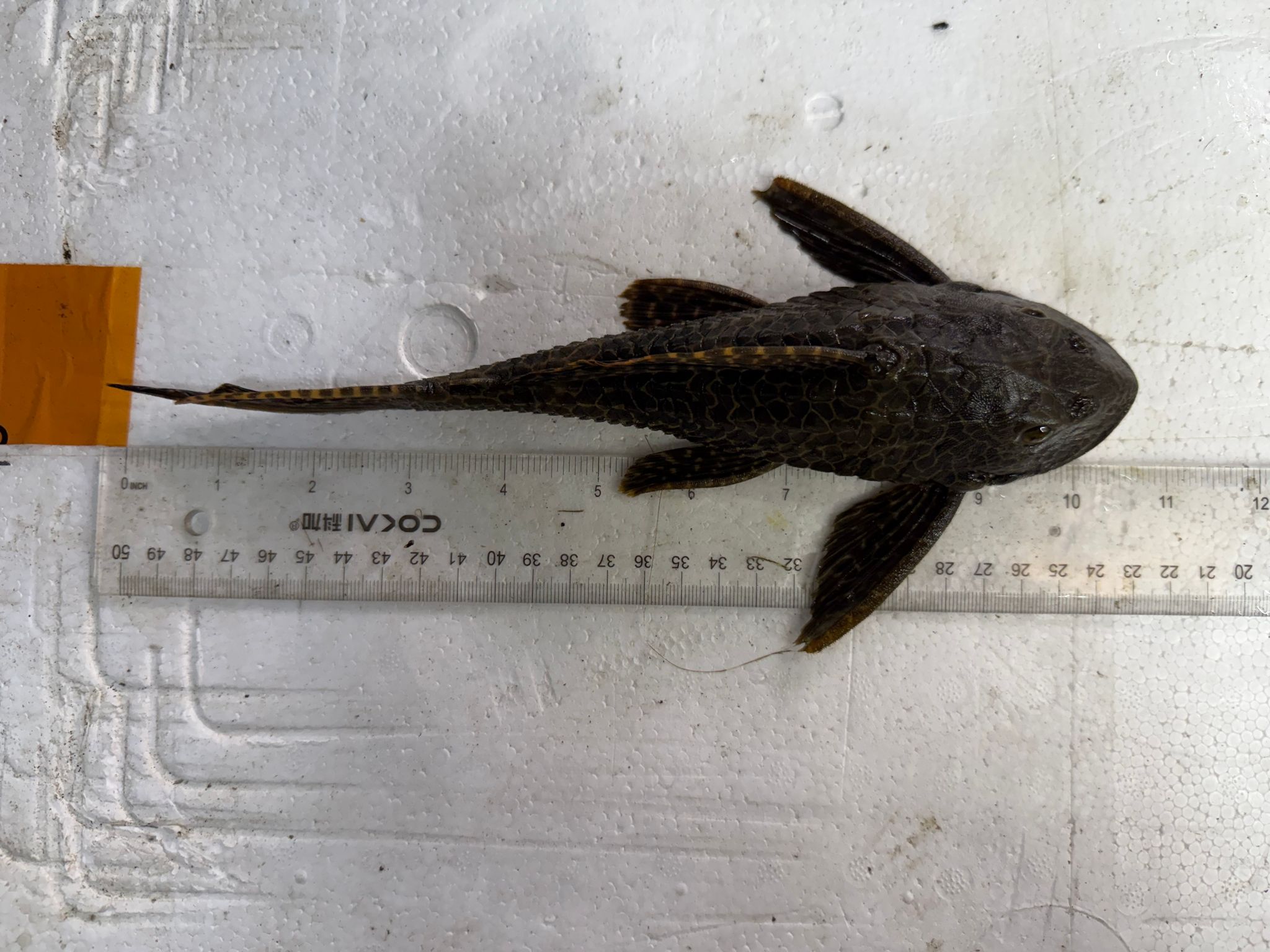
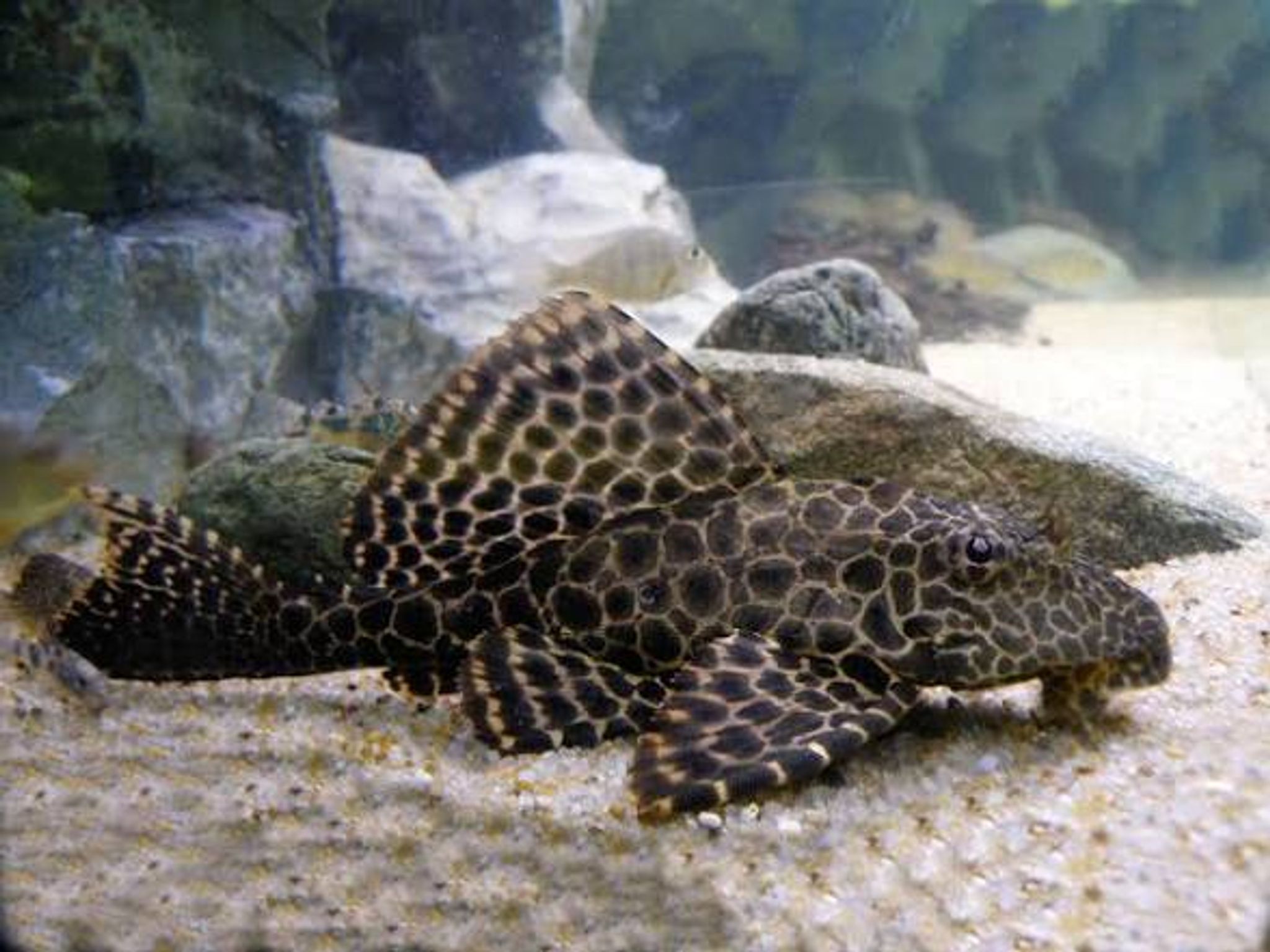
Plecos, or plecostomus catfish, are popular freshwater bottom dwellers known for their armoured bodies, sucker-like mouths and wide variety of shapes and patterns. Some species stay relatively compact, while others can grow very large, so choosing the right Pleco requires careful consideration of adult size and care needs.
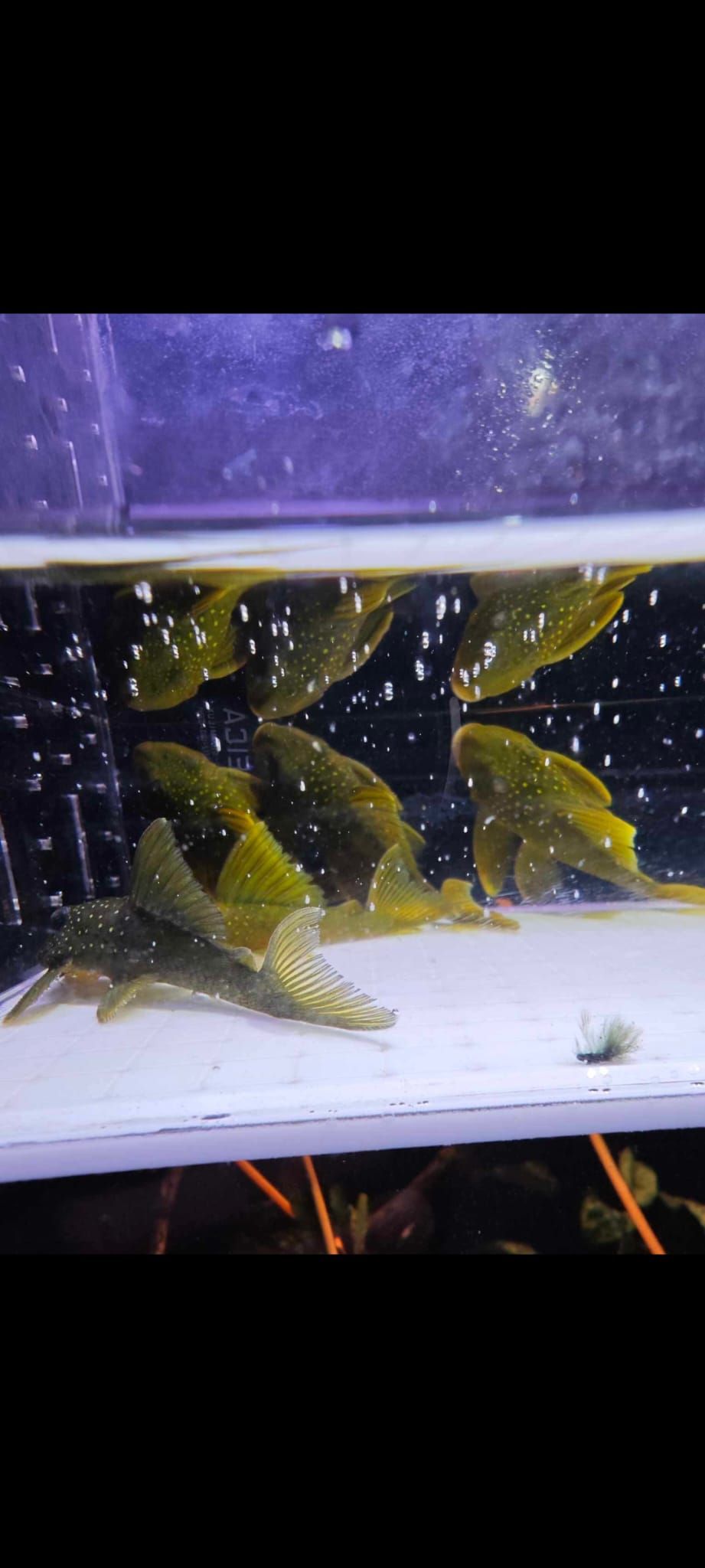
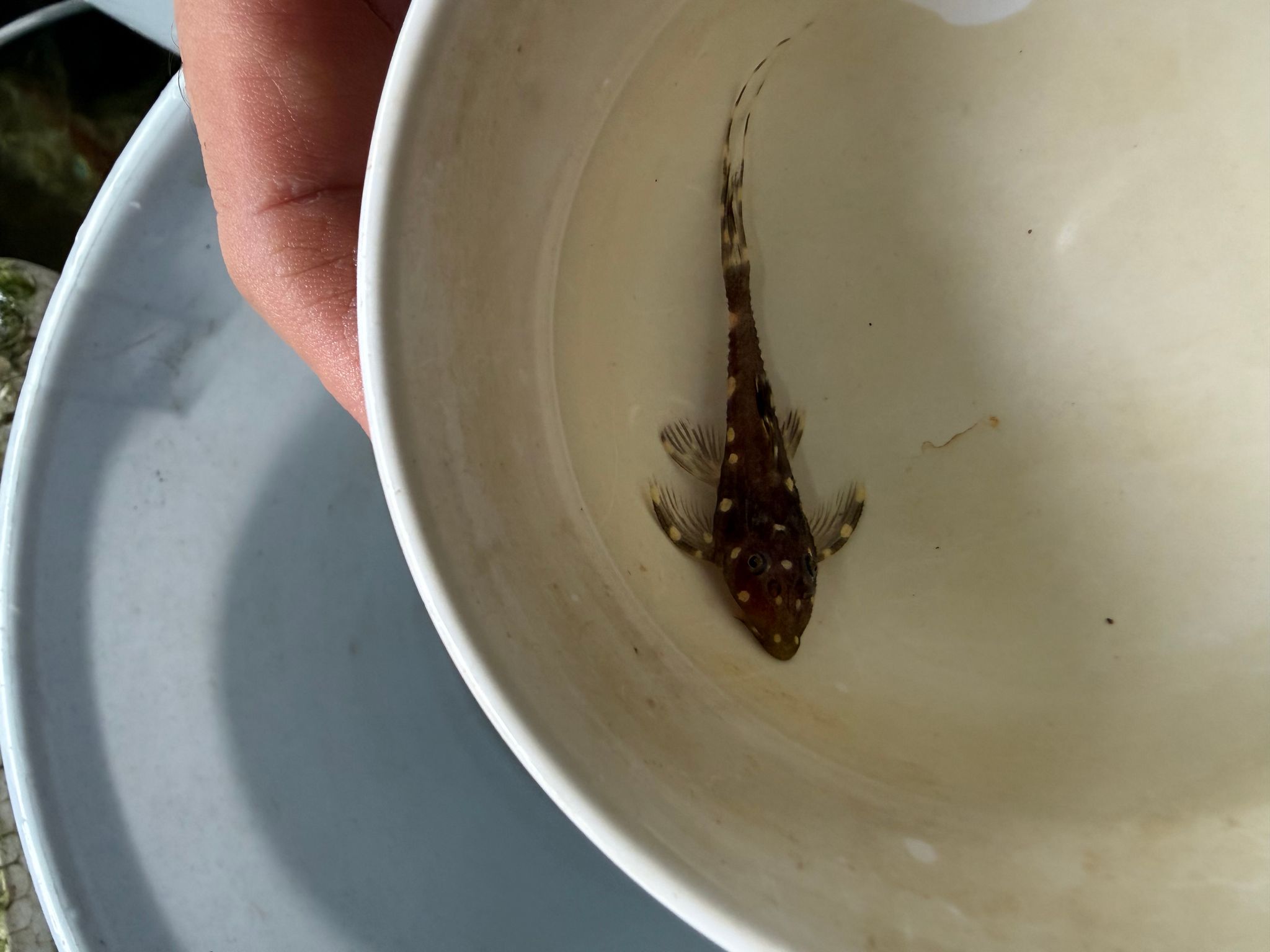
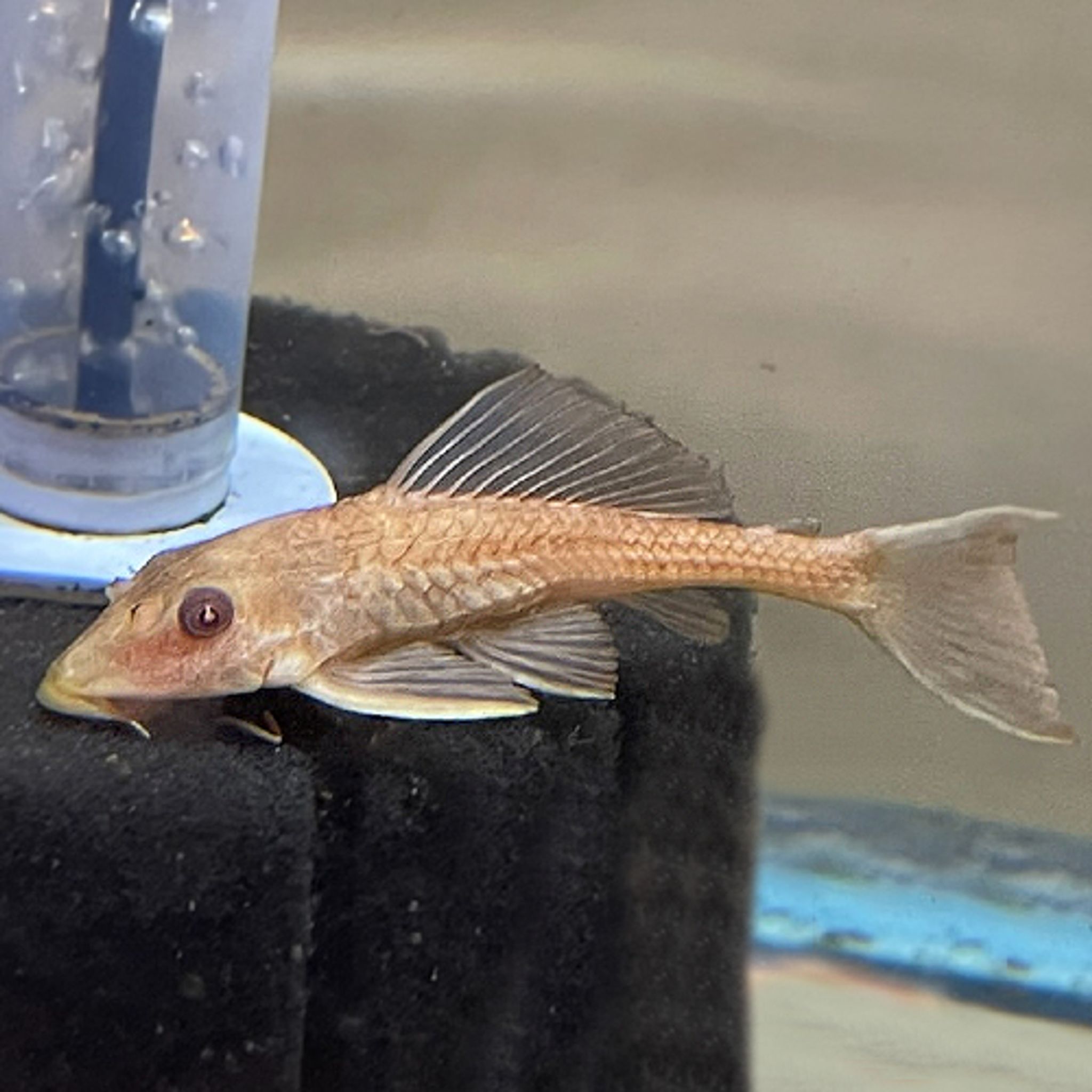
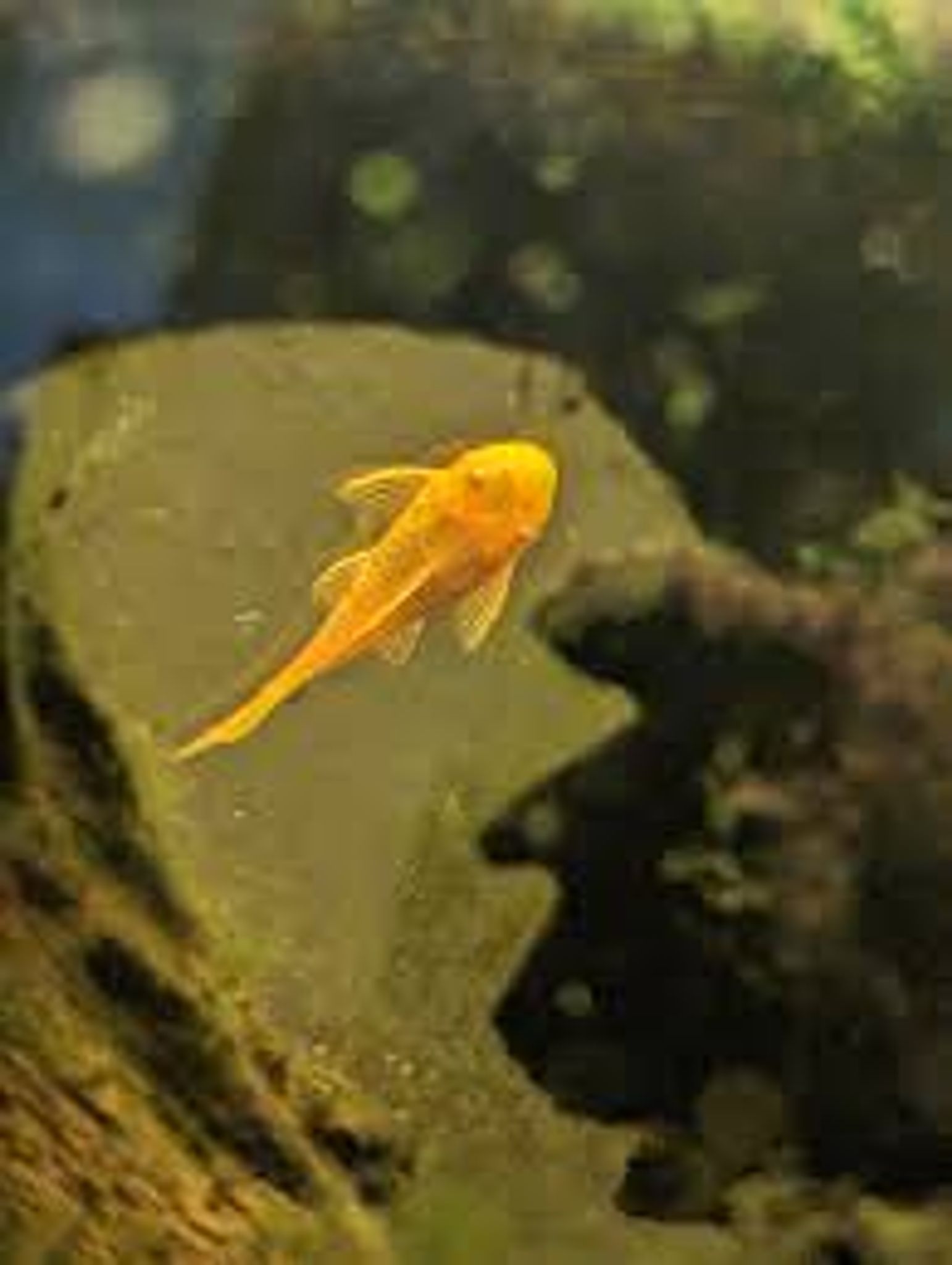
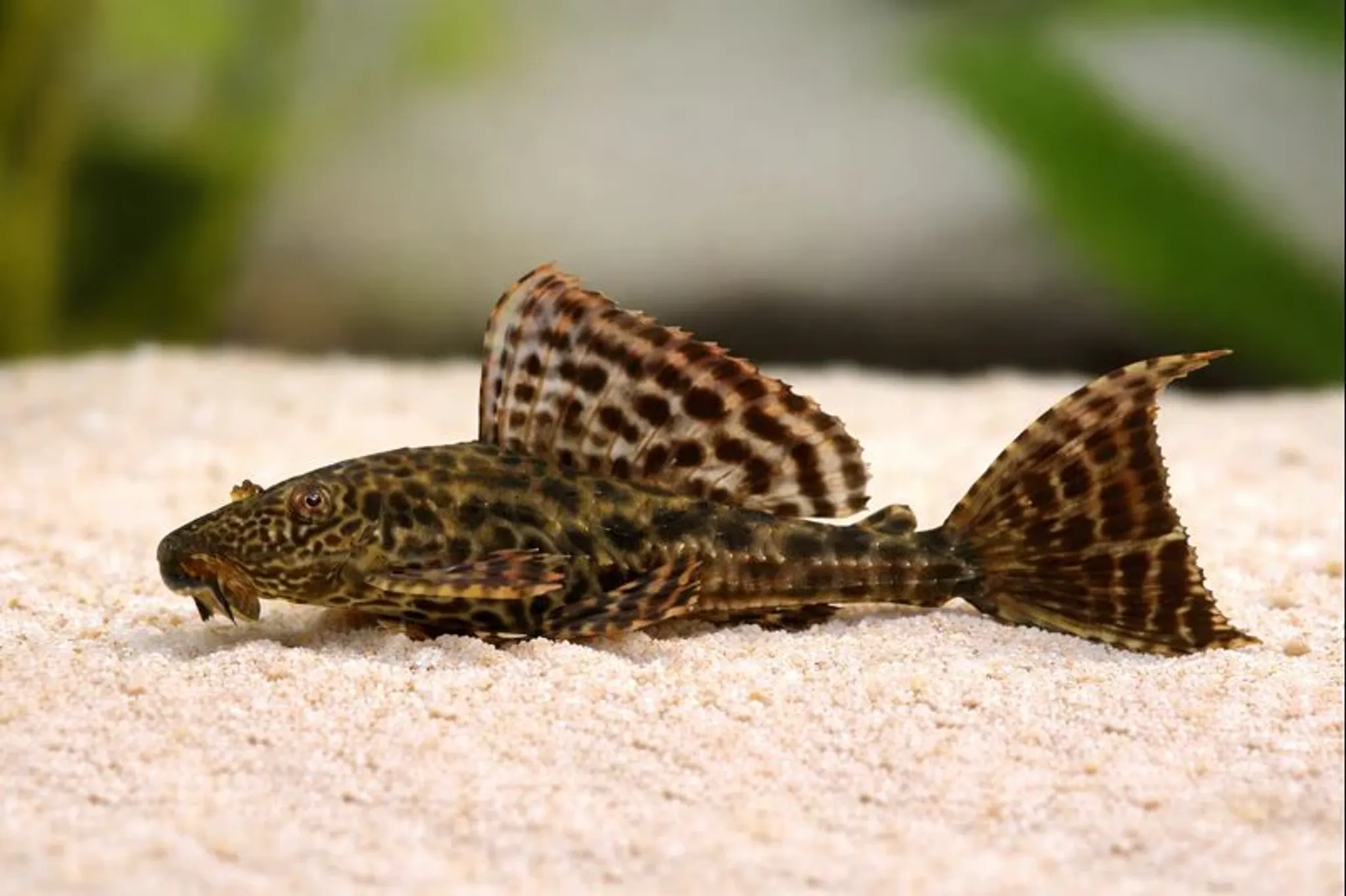
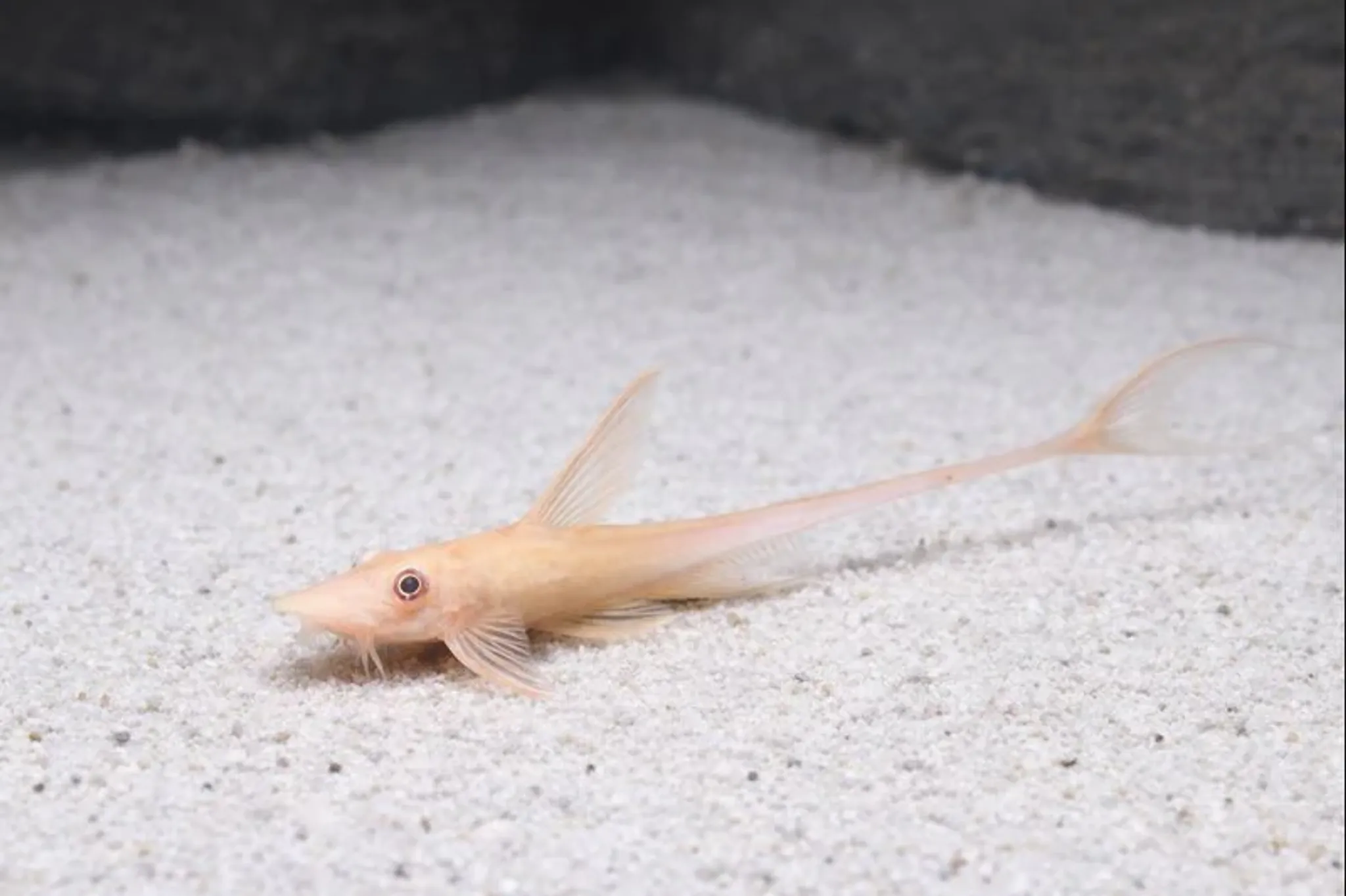
Plecos include a large number of species and trade varieties. Popular types in Singapore may include Bristlenose Plecos, Zebra Plecos, Royal Plecos, Snowball Plecos and other L-number catfish.
Bristlenose Plecos are among the most popular Plecos for home aquariums because they usually remain much smaller than common Plecos. Mature males often develop distinctive facial bristles, while females tend to have fewer or shorter bristles.
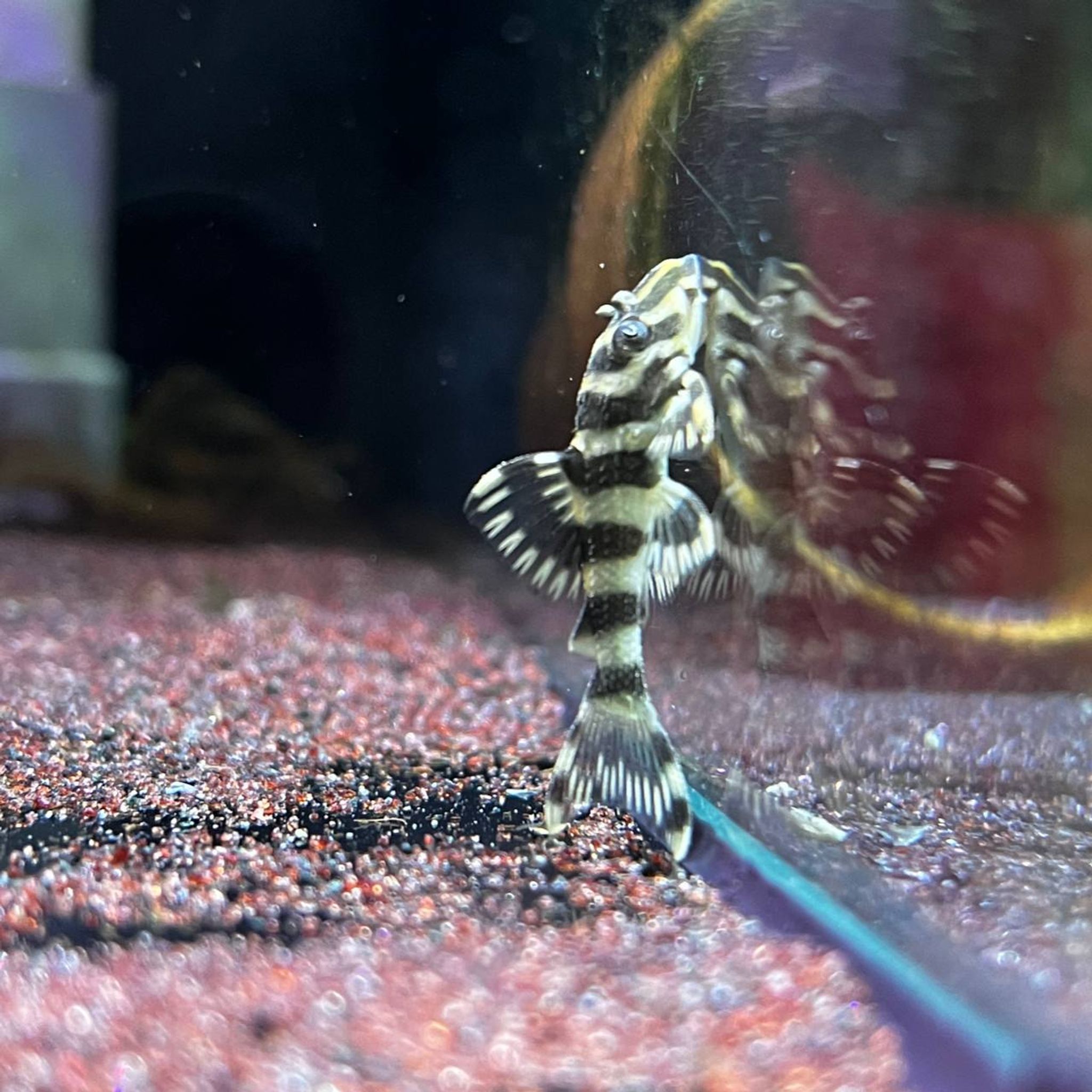
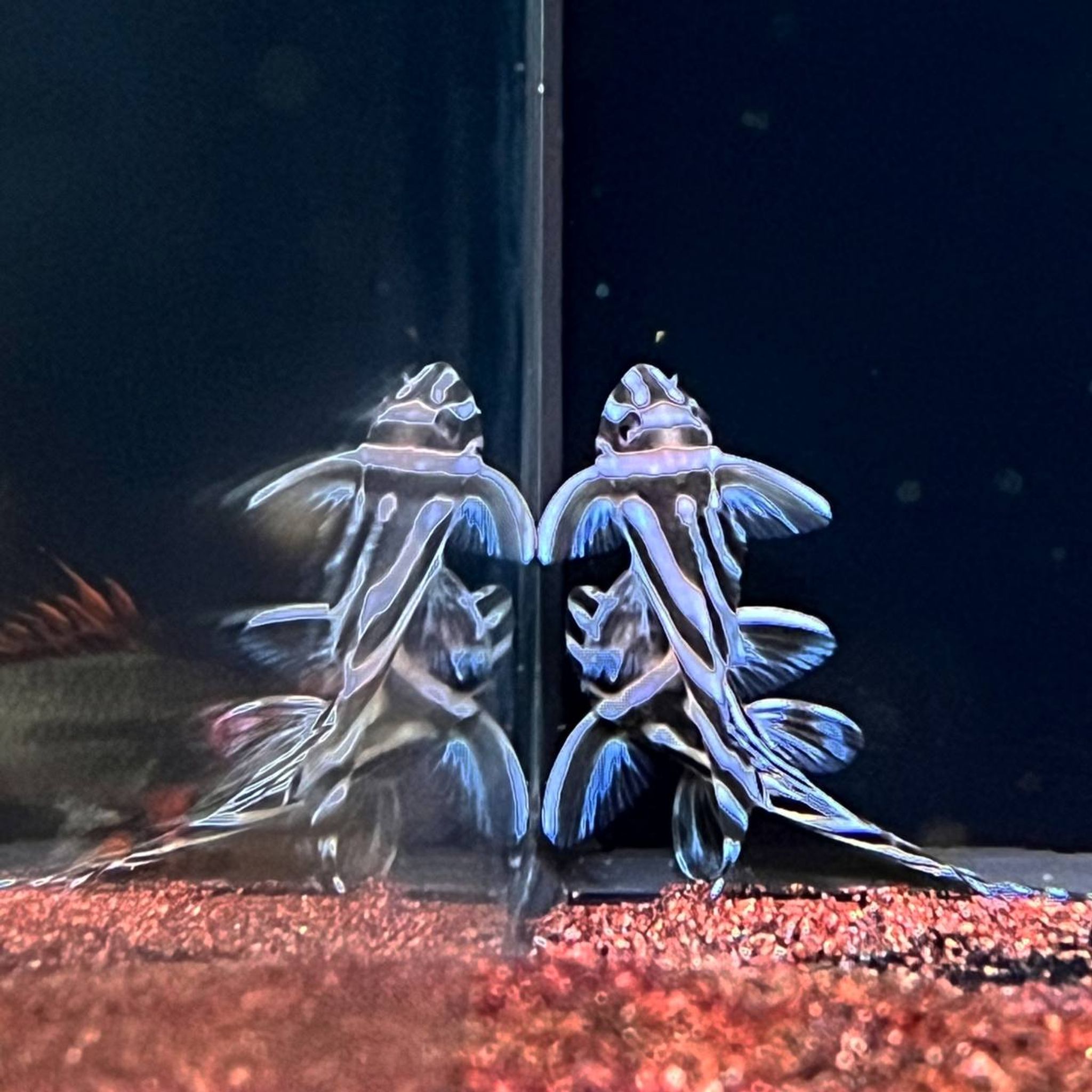
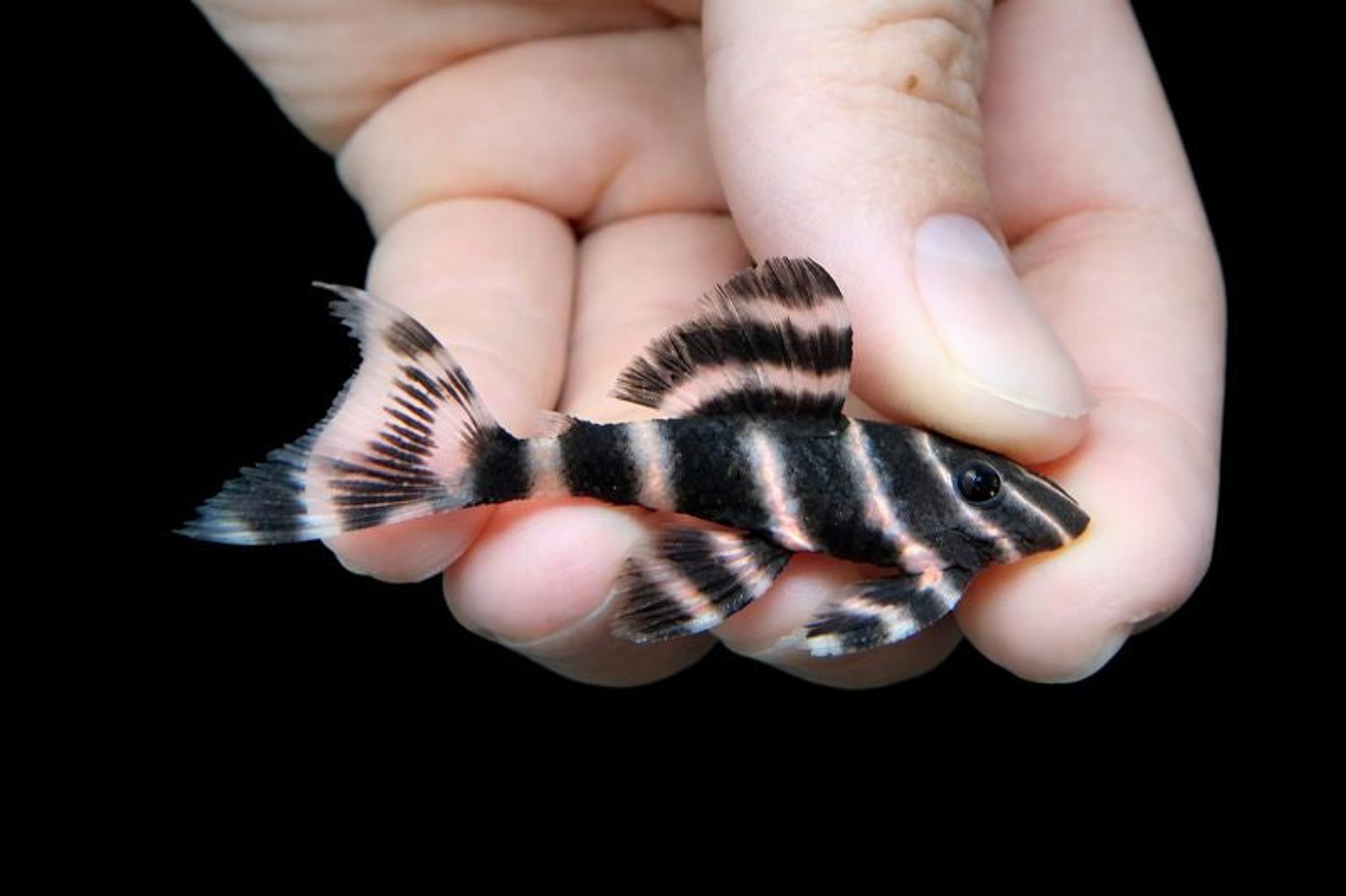
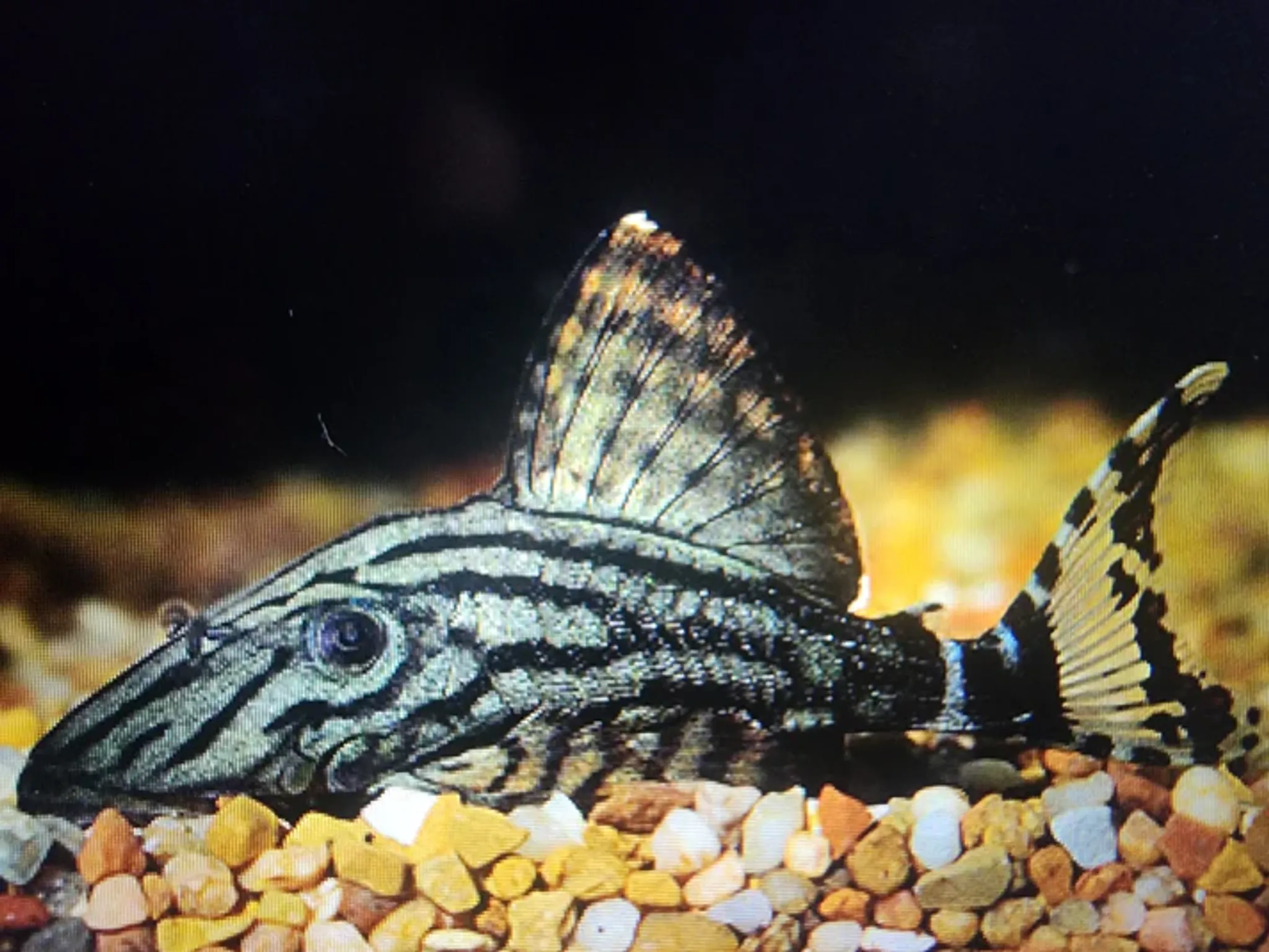
Zebra Plecos are highly distinctive, with bold black-and-white striping. They are popular among specialist catfish keepers and can command premium prices because of their appearance, rarity and breeding demand.
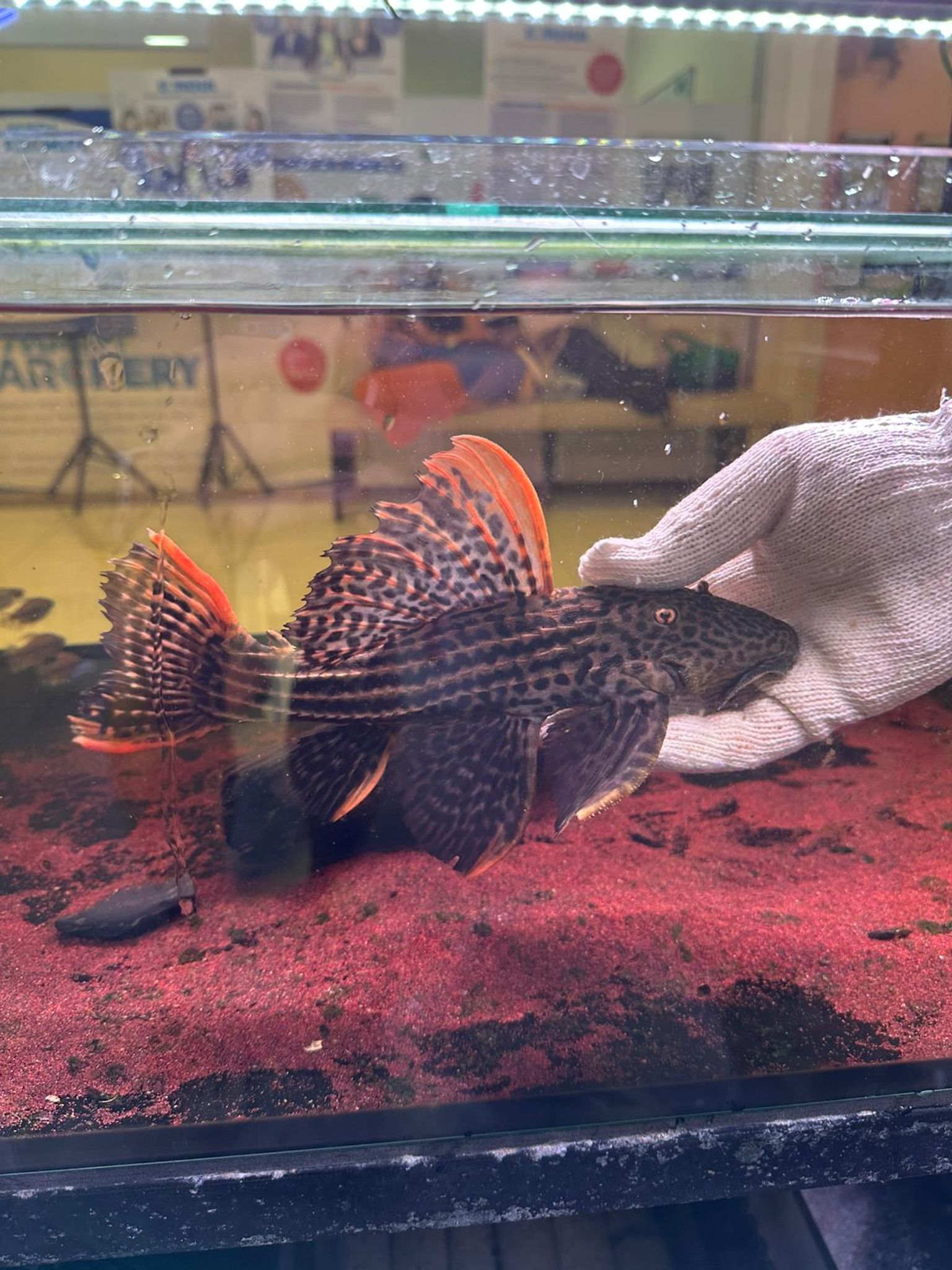
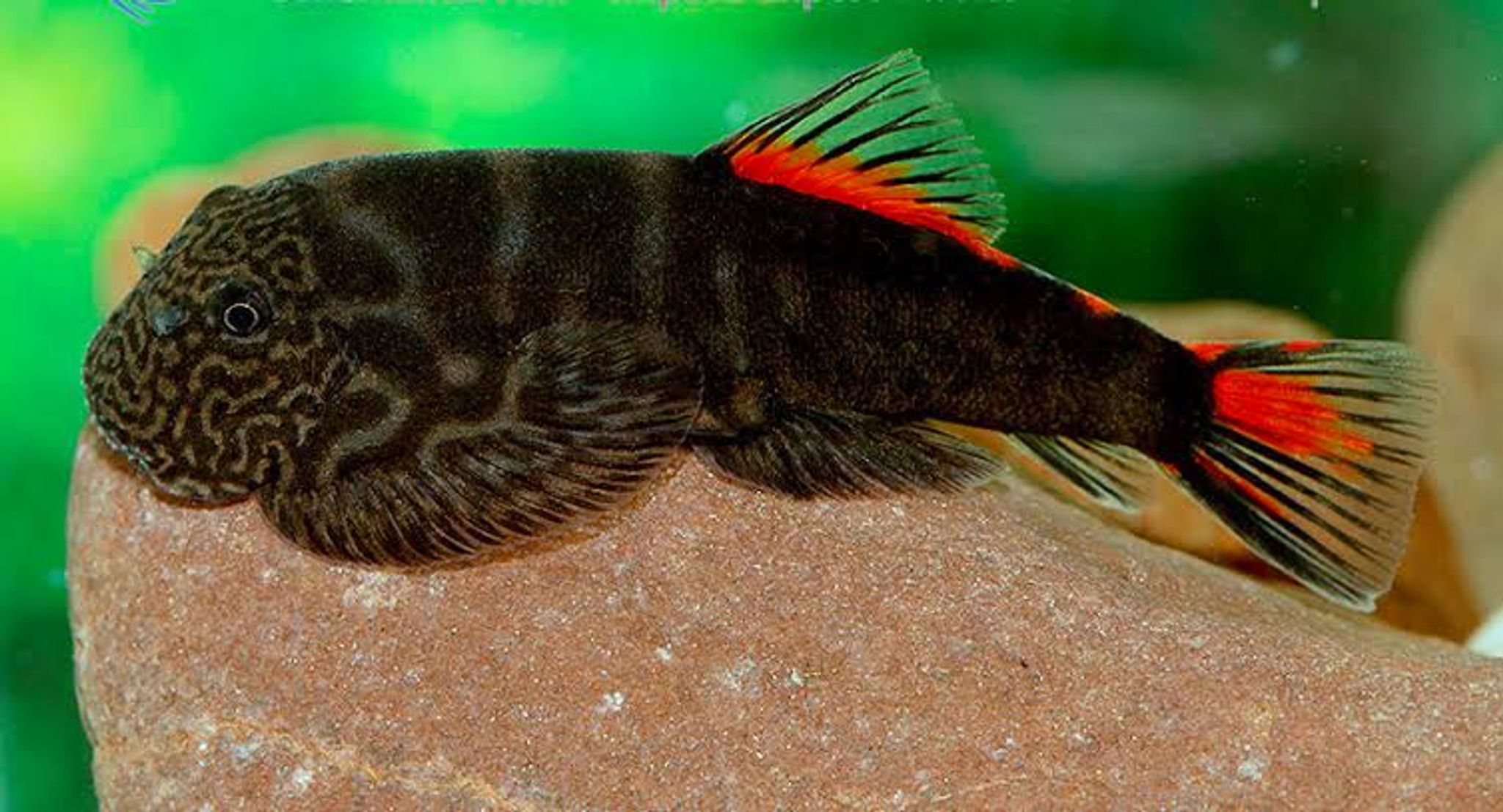
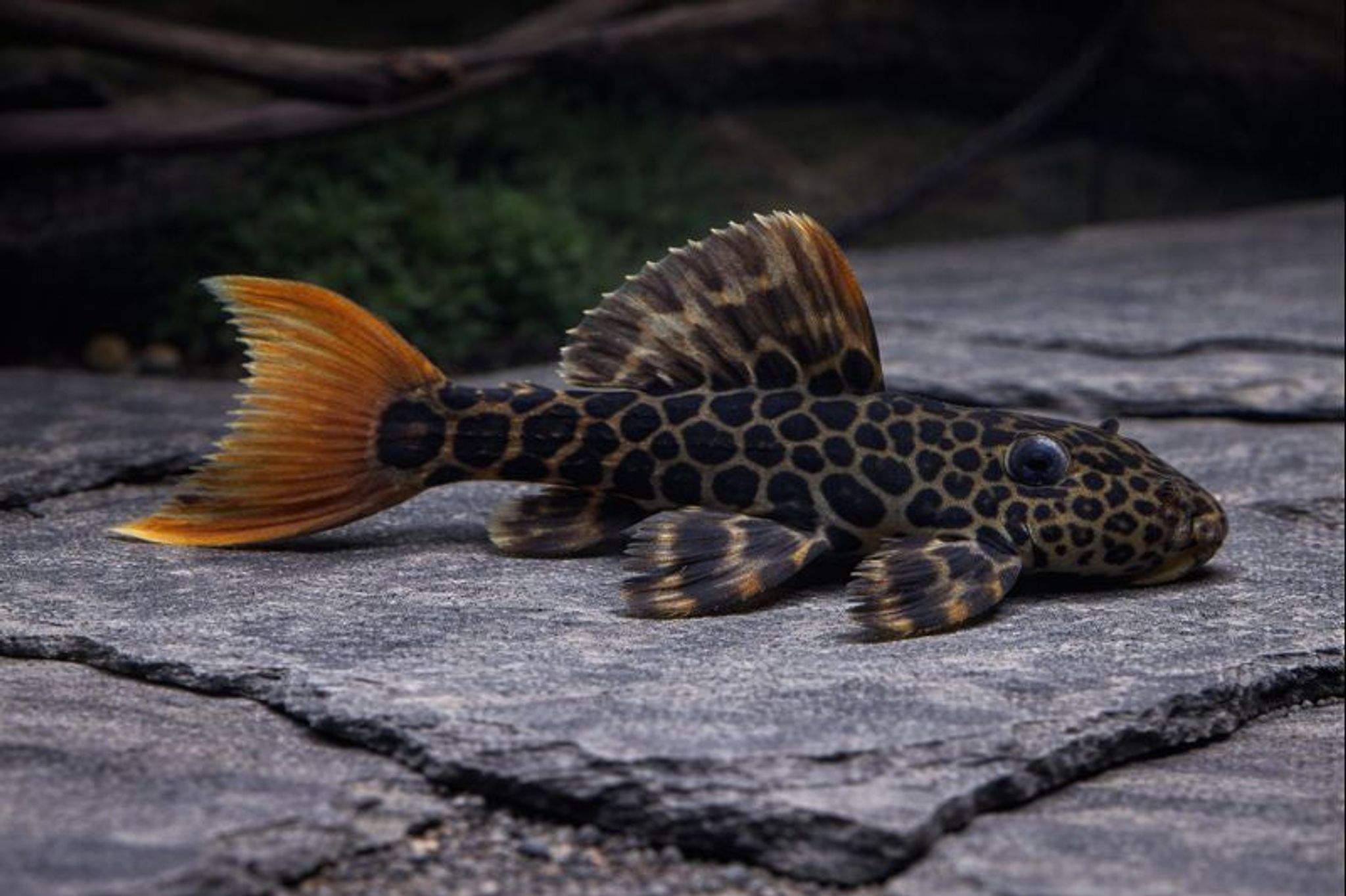
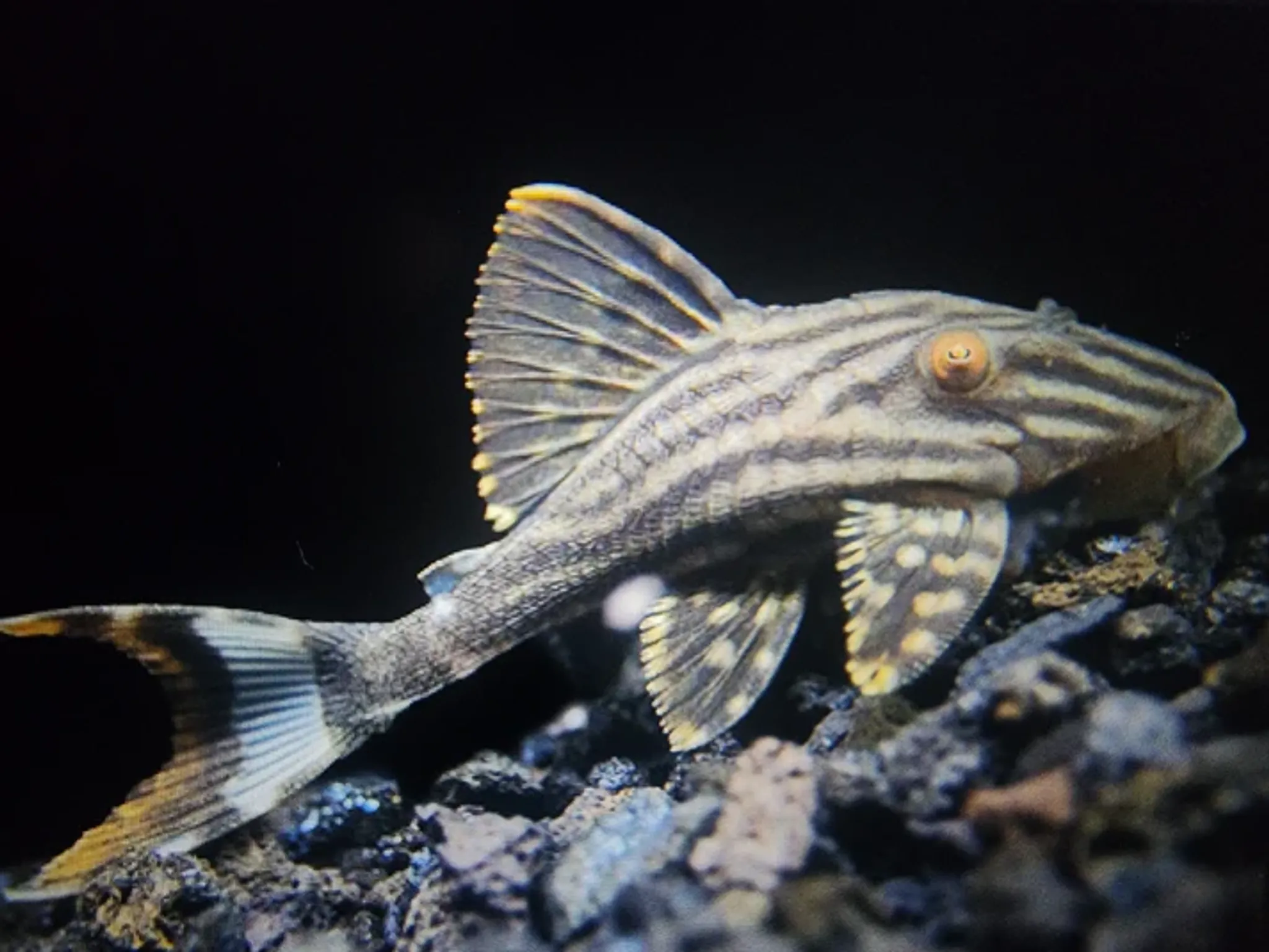
Royal Plecos are striking fish with prominent striping and heavier body shapes. Many grow substantially larger than dwarf Plecos and require more aquarium space, strong filtration and access to suitable wood and plant-based foods.
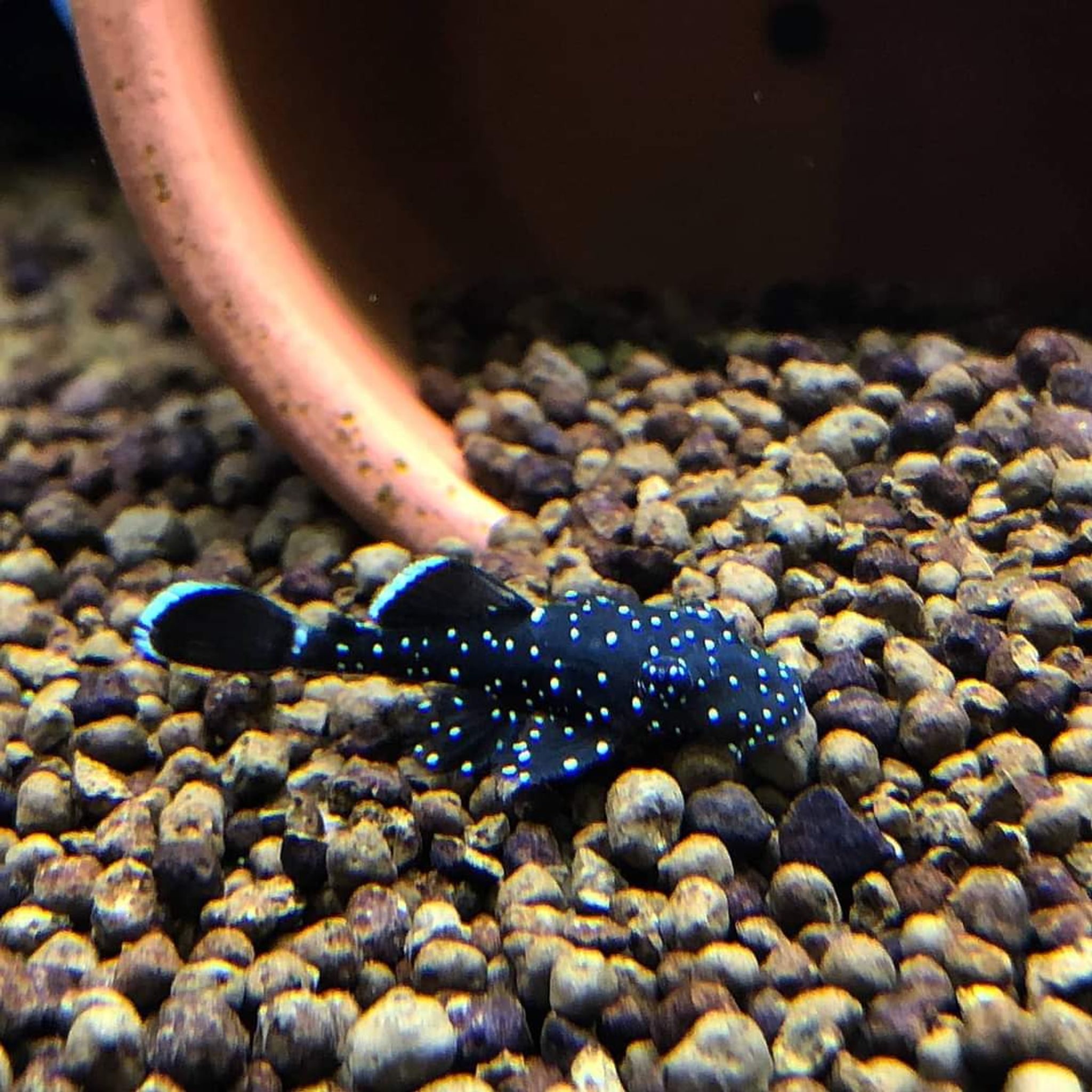
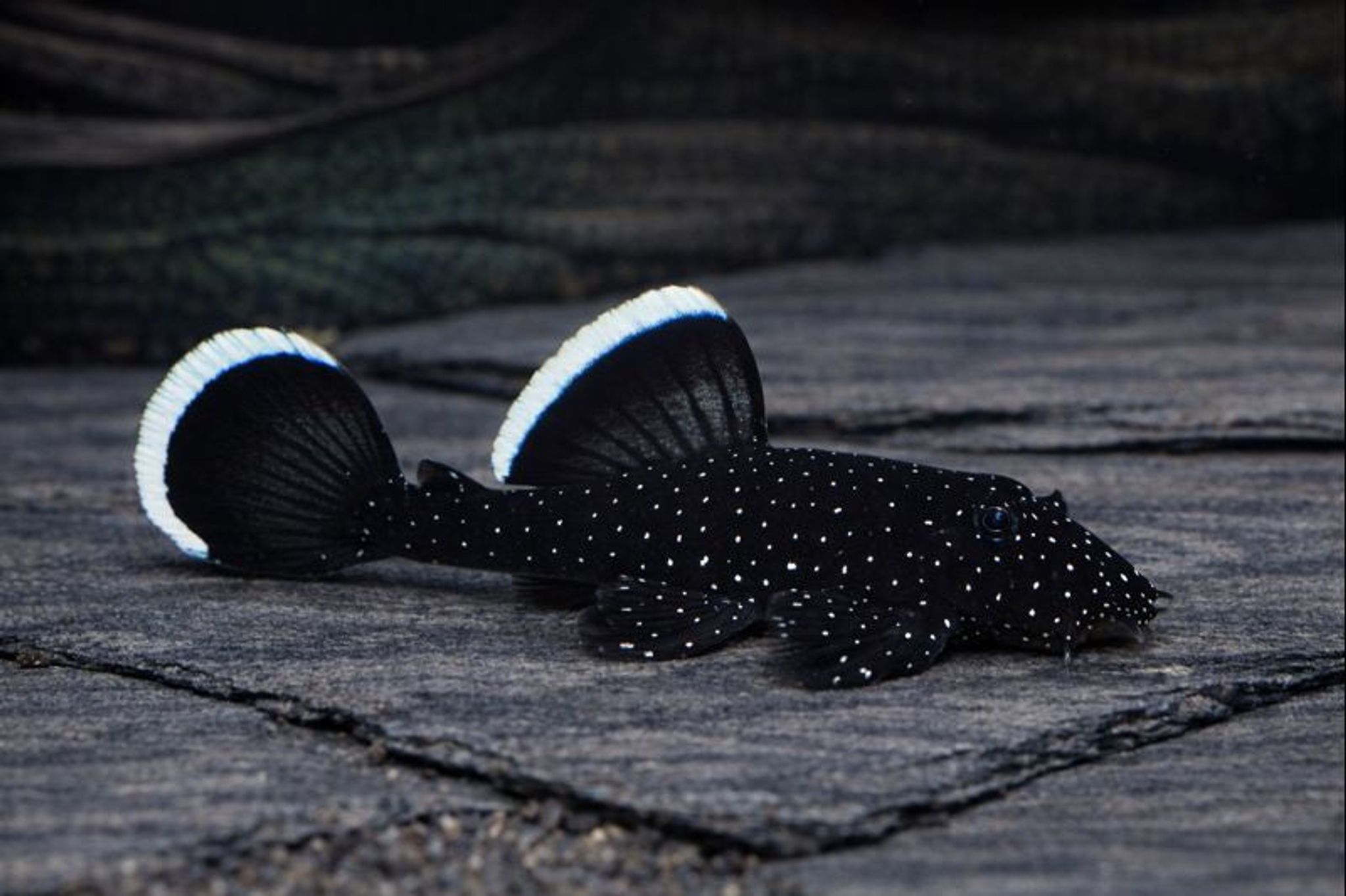
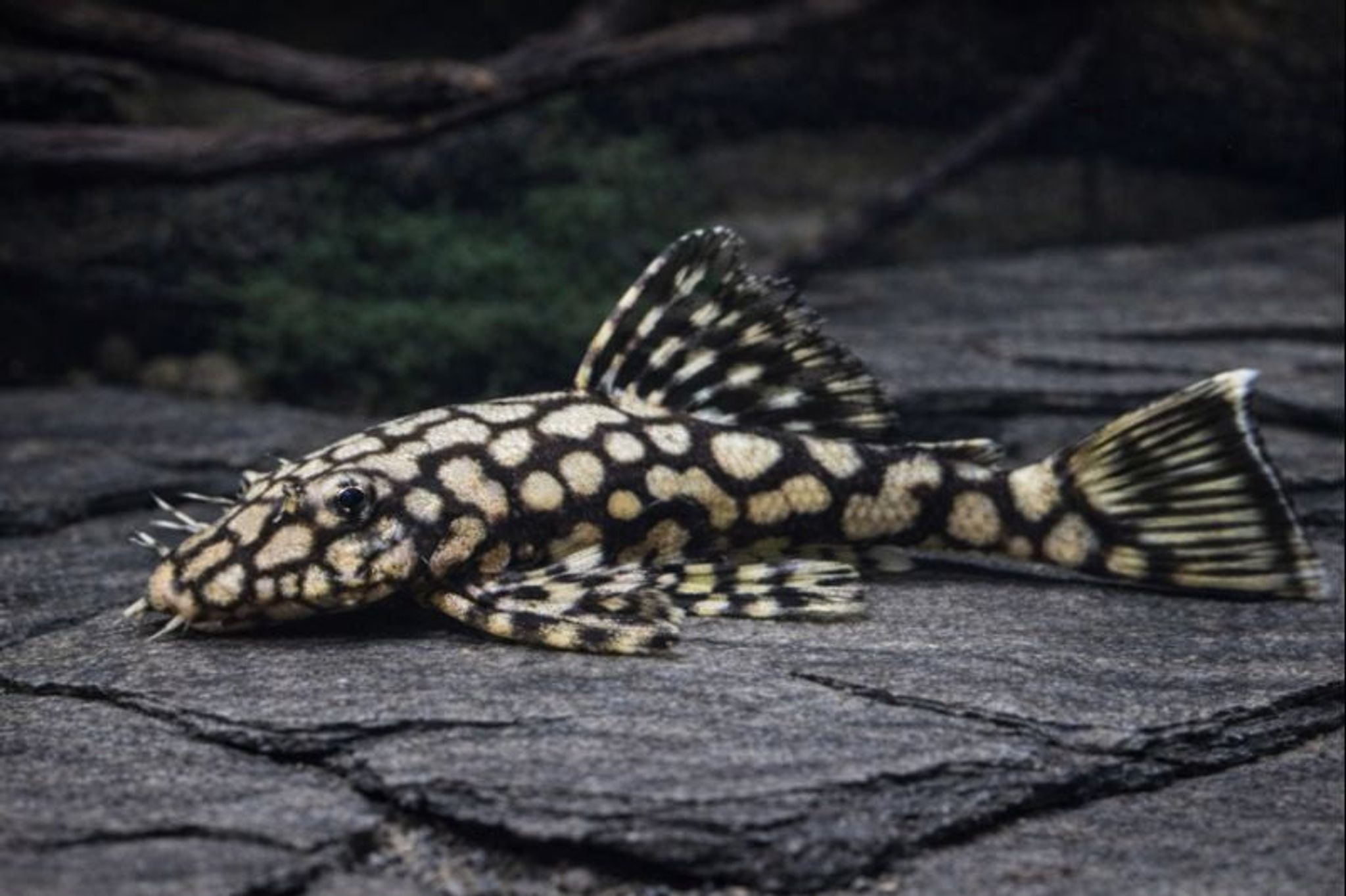
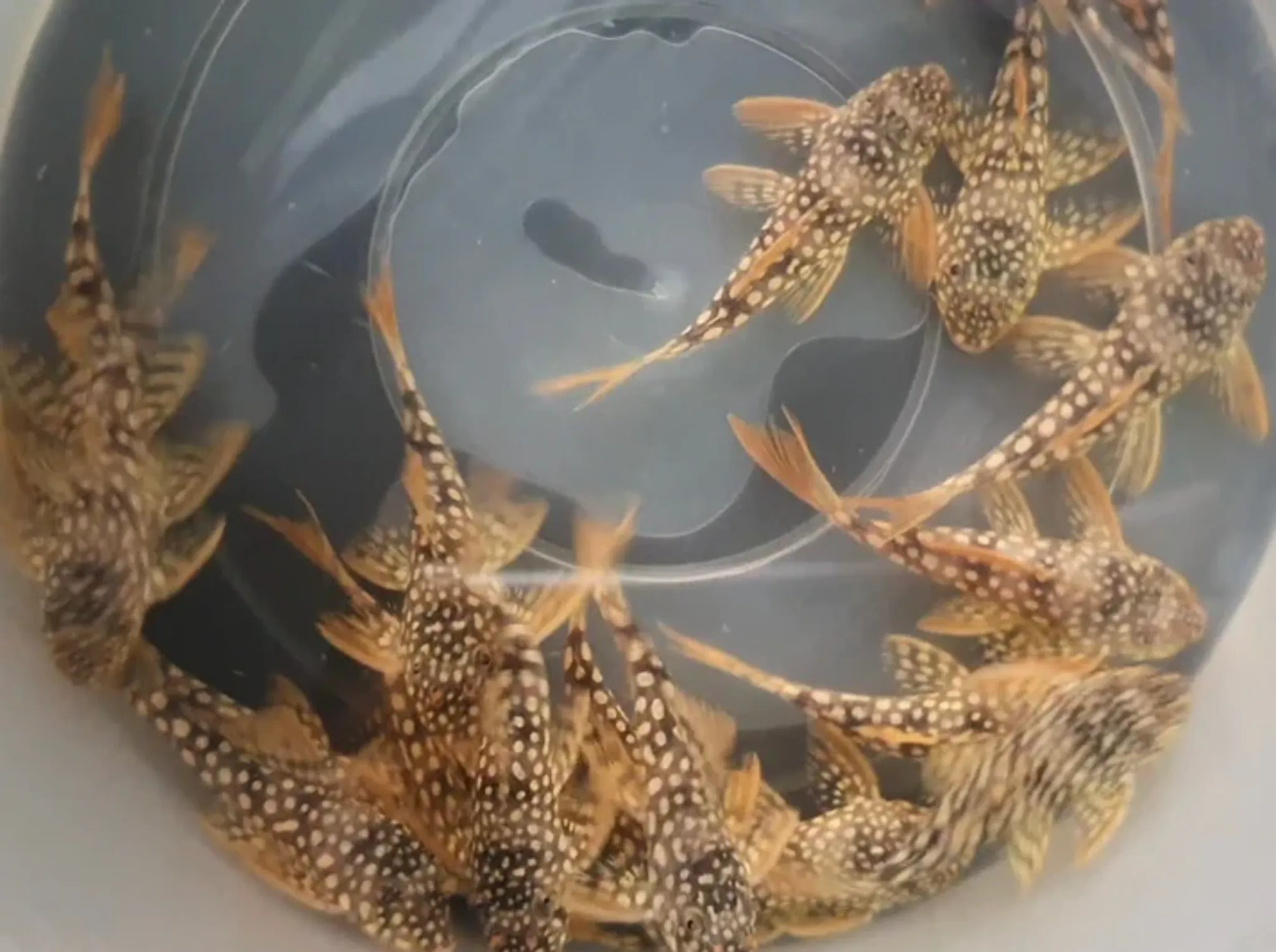
Snowball Plecos are known for light spots against darker body coloration. Several similar-looking species may be sold under trade names, so exact identification can be useful when comparing size and care requirements.
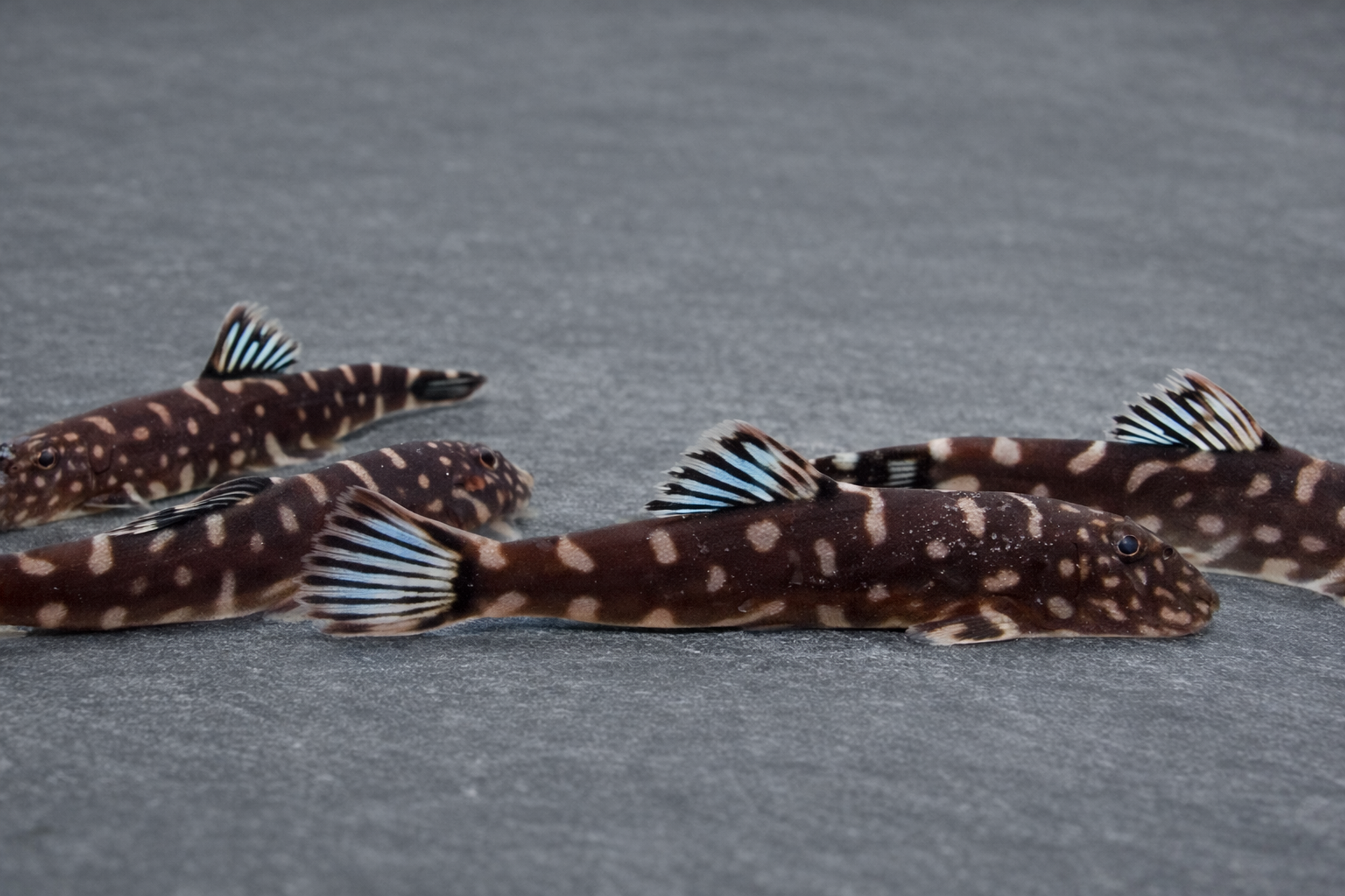
Many Plecos are commonly identified using L-numbers in the aquarium trade. These numbers can help distinguish visually similar species before a formal scientific identification is established or when hobbyists use trade-specific naming. Check the exact L-number where available because adult size, diet and behaviour can vary significantly.
When comparing Plecos for sale, look for:
Because Plecos are often more active in low light, a fish resting quietly during the day is not necessarily unhealthy. Body condition and feeding response can be more informative than daytime activity alone.
Pleco tank size depends heavily on the exact species. Some Bristlenose Plecos remain relatively compact, while common and Royal Plecos can require much larger aquariums as adults.
A suitable Pleco setup may include:
Plecos can produce significant waste, especially larger species, so filtration and regular maintenance should be matched to the expected adult size of the fish.
Driftwood is useful in many Pleco aquariums because it provides hiding areas, grazing surfaces and structure.
Some wood-eating or wood-grazing Pleco species may rely on it more heavily than others. Care should be based on the exact species rather than assuming every Pleco has identical dietary needs.
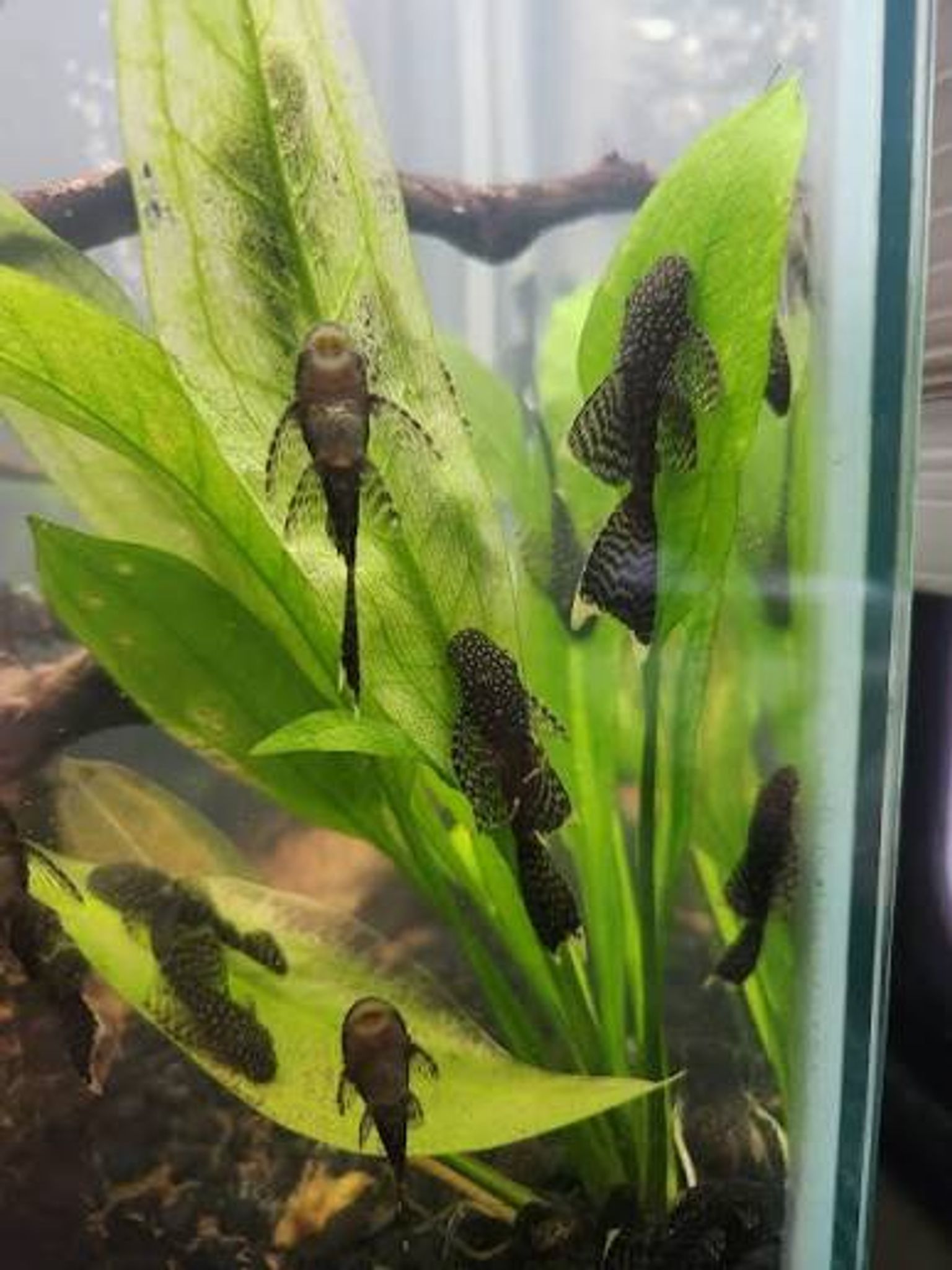
Plecos are often described as algae eaters, but algae alone is not a complete diet for most species. Different Plecos may be herbivorous, omnivorous or more protein-oriented.
Suitable foods may include:
Research the natural diet of the exact Pleco species you keep, particularly for specialist L-number Plecos.
Some Plecos graze on algae and biofilm, but their effectiveness varies by species and age.
A Pleco should not be purchased purely as a cleaning tool. It still needs appropriate food, hiding places, suitable water conditions and enough aquarium space.
Many Plecos can live with community fish because they spend much of their time around the bottom, hardscape and aquarium surfaces.
Suitable tankmates depend on the Pleco species, aquarium size and water requirements. Large or territorial Plecos may become aggressive toward other bottom dwellers, particularly when competing for caves.
Provide multiple hiding places if keeping several bottom-dwelling fish together.
Plecos and Corydoras can often share an aquarium when the tank is large enough and both species have compatible water requirements.
Because both use the bottom area, make sure there is enough feeding space and that Corydoras are not consistently outcompeted by larger Plecos.
Adult size varies enormously between Pleco species. Some dwarf and Bristlenose species remain relatively small, while common Plecos and other large species can become far too big for compact home aquariums.
Always identify the fish as accurately as possible and plan around its expected adult size before purchasing.
Some Plecos, particularly Bristlenose Plecos, can breed successfully in home aquariums. Many species are cave spawners, with males guarding eggs and young inside a suitable cavity.
Successful breeding depends on mature compatible fish, suitable caves, stable water and adequate nutrition. Specialist L-number species may require more specific conditions.
Pleco prices in Singapore vary significantly depending on species, L-number, size, rarity, pattern, breeder and seller.
Common Plecos and Bristlenose varieties may be relatively affordable, while rare L-number Plecos, Zebra Plecos and premium imported specimens can command substantially higher prices.
FishyHub brings Pleco listings from aquarium shops, breeders and specialist sellers across Singapore together in one marketplace, making it easier to compare available fish from multiple sources.
When comparing Pleco listings, consider:
Accurate species identification is especially important with Plecos because different species sold at similar juvenile sizes may eventually have very different adult dimensions and care requirements.
Browse current Pleco listings on FishyHub to compare Bristlenose, Zebra, Royal, Snowball and other L-number Plecos from aquarium shops and breeders across Singapore. Availability changes as sellers update their livestock.
Pleco prices vary greatly depending on species, L-number, size and rarity. Common species can be inexpensive, while rare and premium L-number Plecos may cost significantly more.
Some species, such as Bristlenose Plecos, can be suitable for newer aquarists when kept in an appropriately sized, mature aquarium. Large or specialist Plecos may require considerably more planning.
No. Some species graze on algae, but Plecos still require a proper diet and should not be relied upon as the sole method of algae control.
Driftwood is beneficial for many Pleco species, and some species use wood extensively for grazing. The importance of wood depends on the exact species.
Sometimes, but territorial behaviour can occur between bottom-dwelling catfish. A larger aquarium with multiple caves and feeding areas can reduce competition.
L-numbers are identifiers widely used in the aquarium trade to distinguish different loricariid catfish, especially when similar species or undescribed forms need to be differentiated.
Bristlenose Plecos are among the more commonly kept smaller Plecos, although exact adult size still depends on the species. Always check species identification before purchase.
Explore Pleco fish for sale on FishyHub and compare Bristlenose, Zebra, Royal, Snowball and other L-number Plecos from sellers across Singapore. Compare species, sizes, patterns and prices to find a Pleco suited to your aquarium.