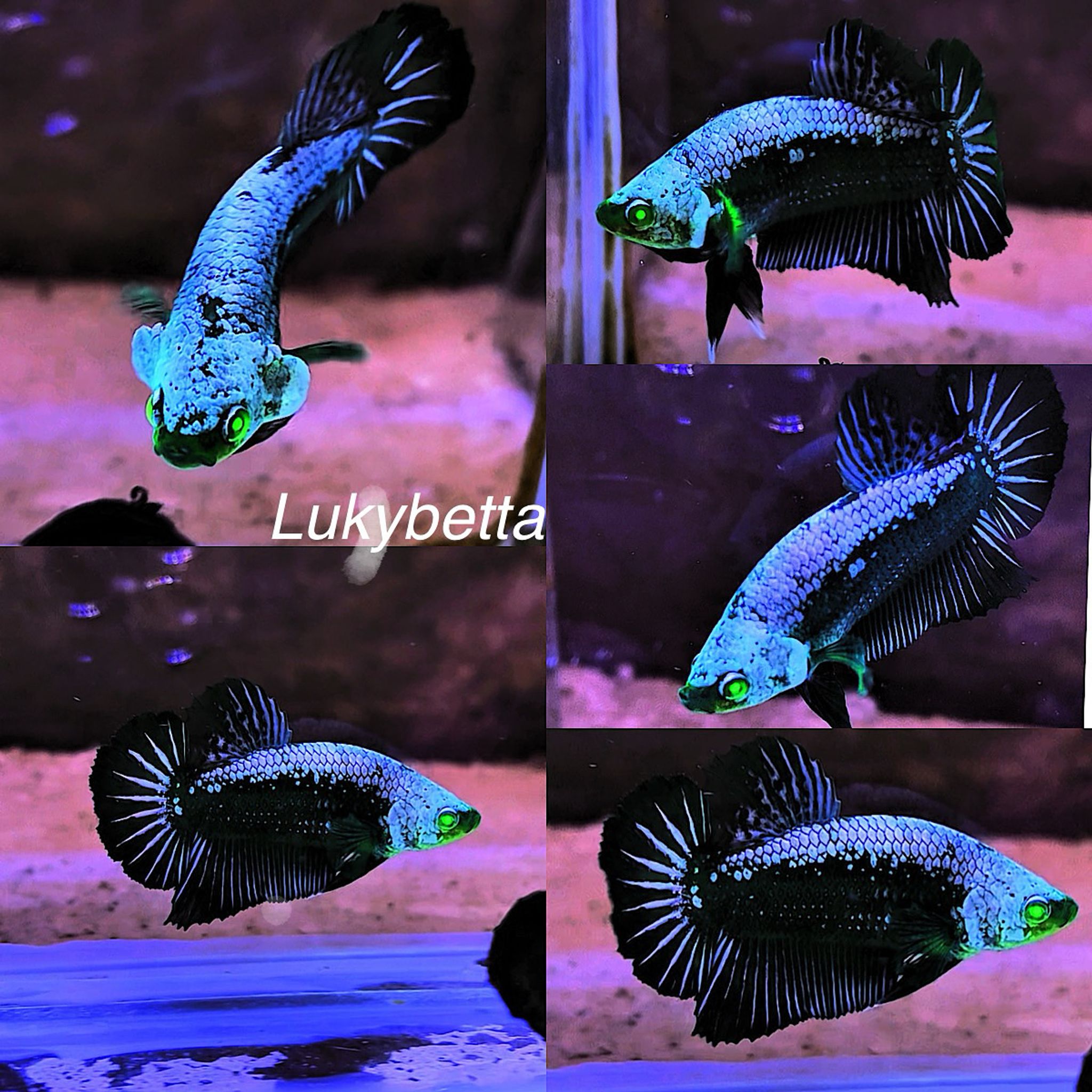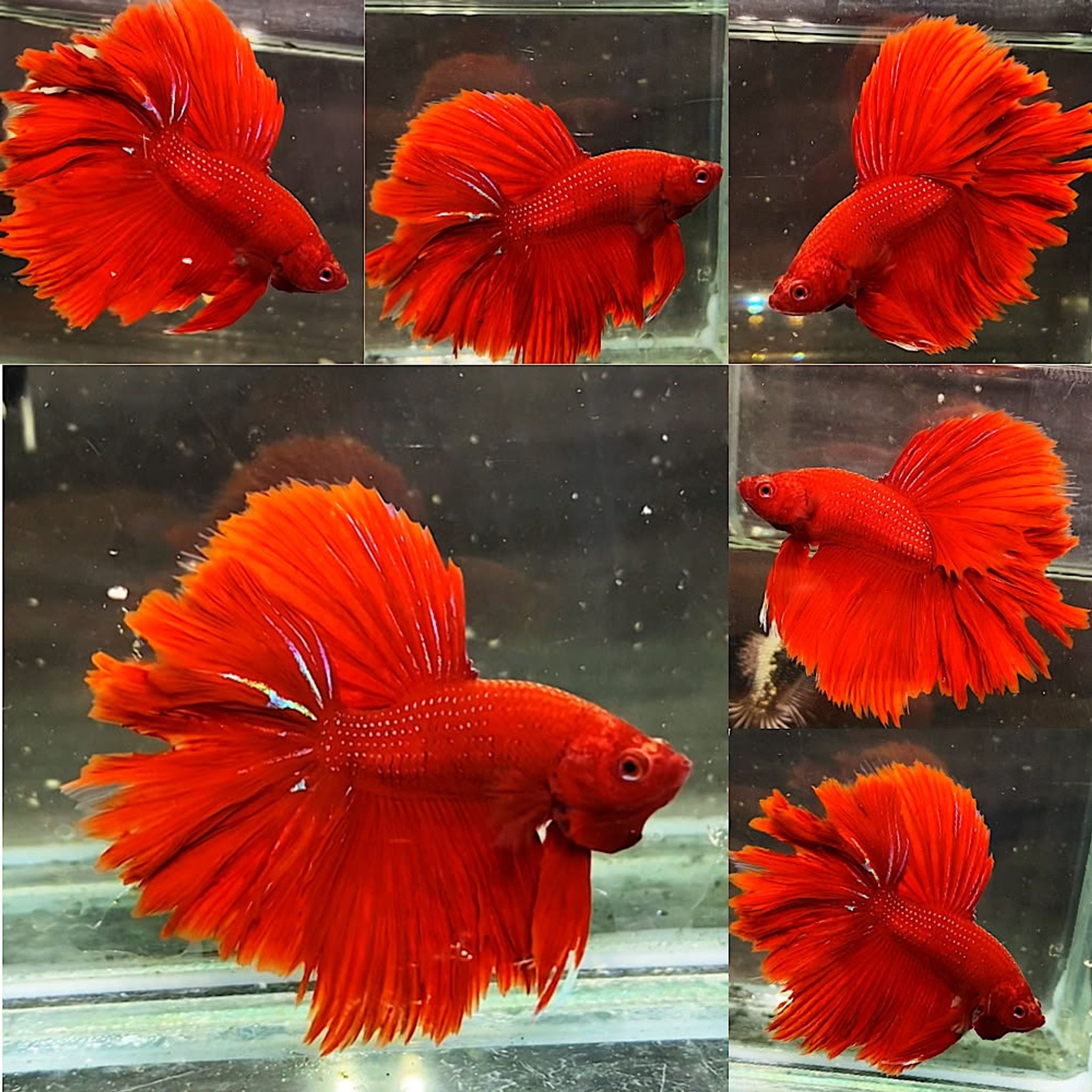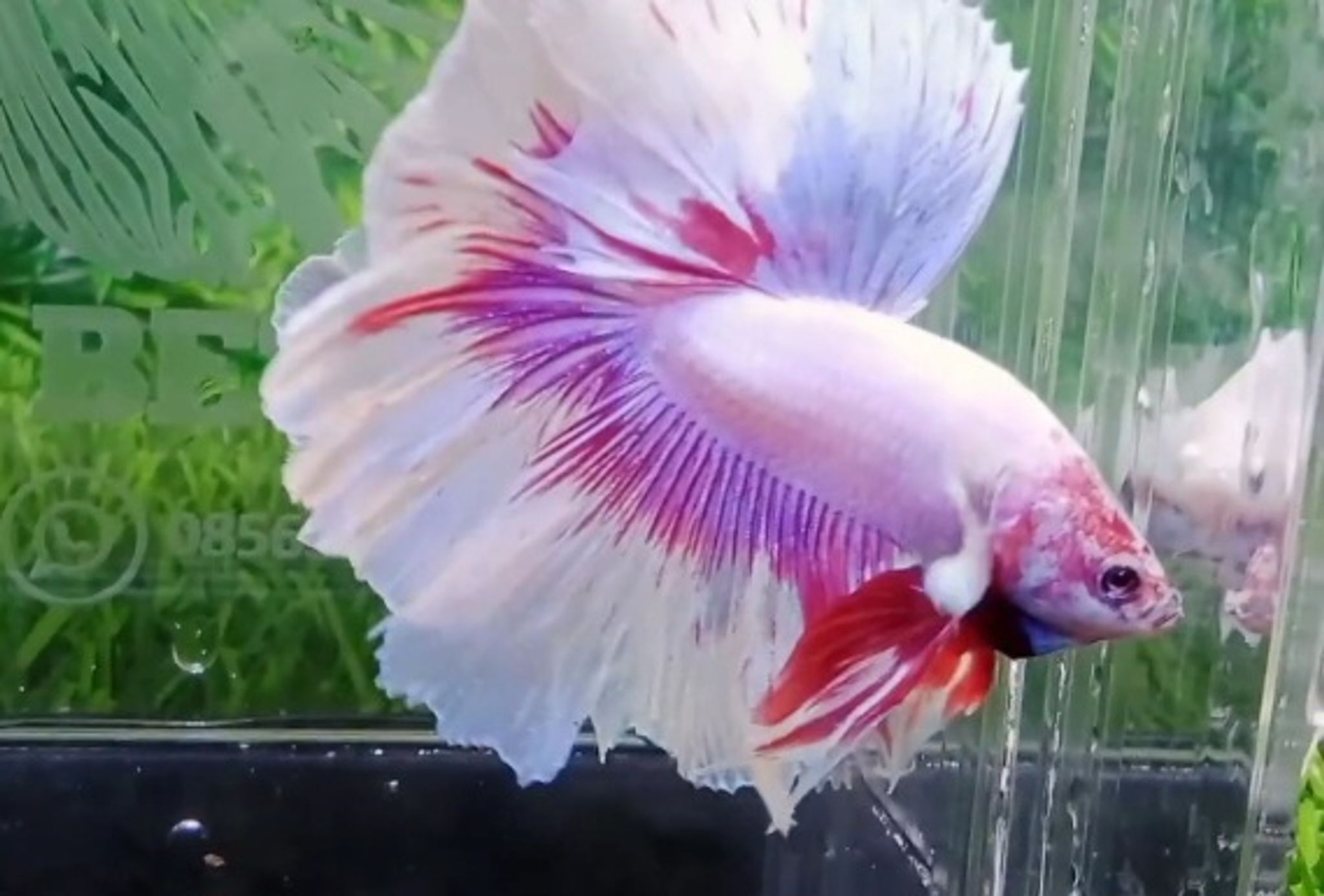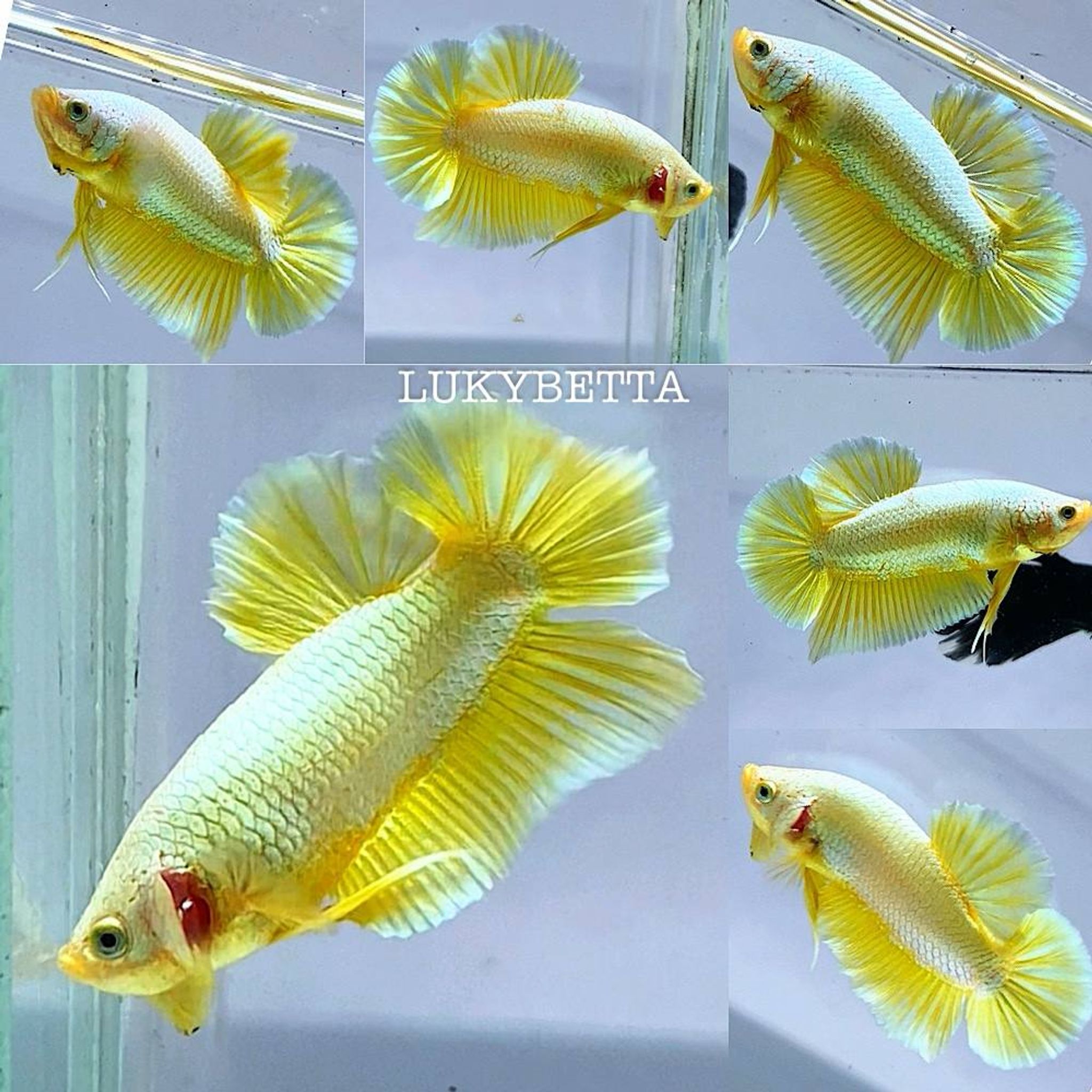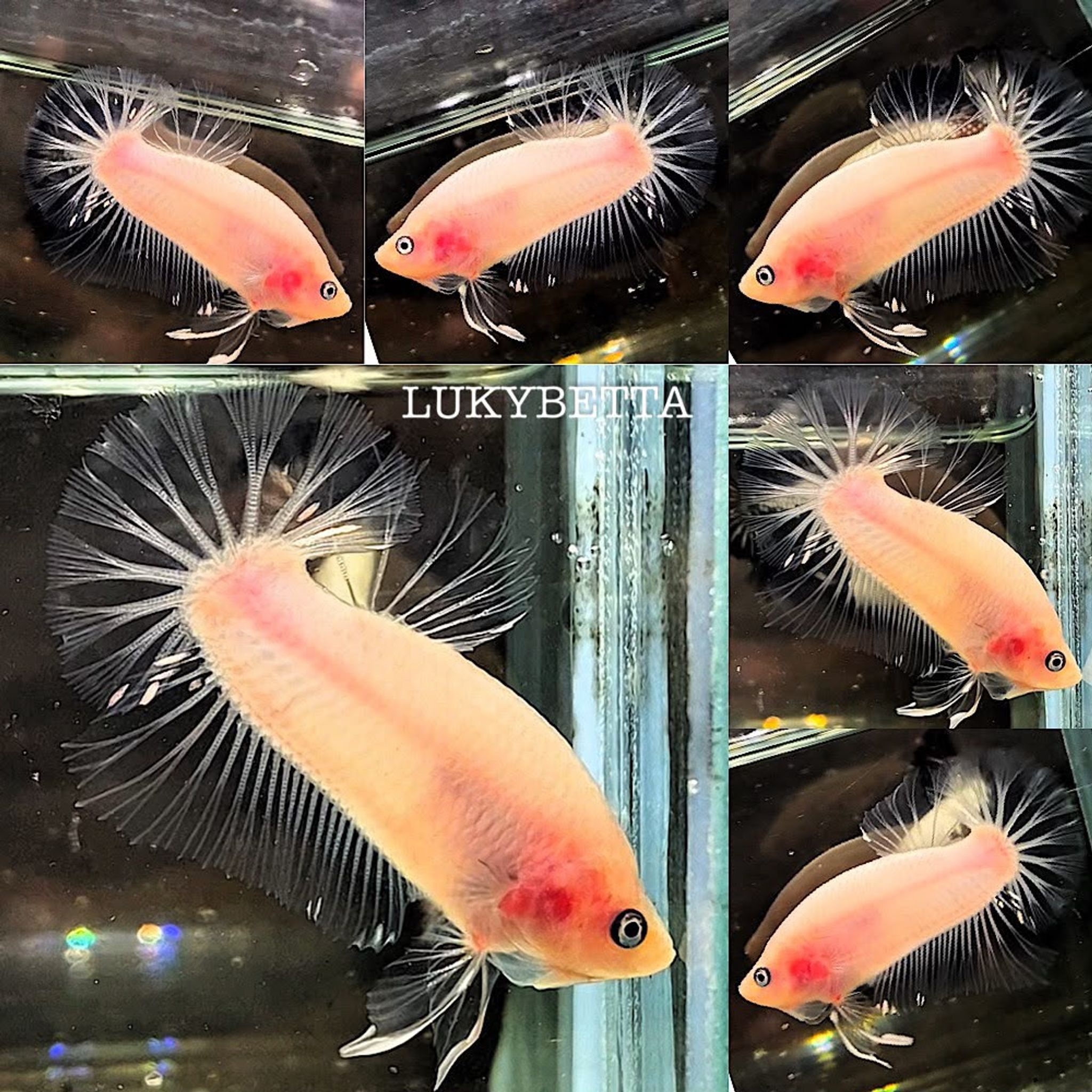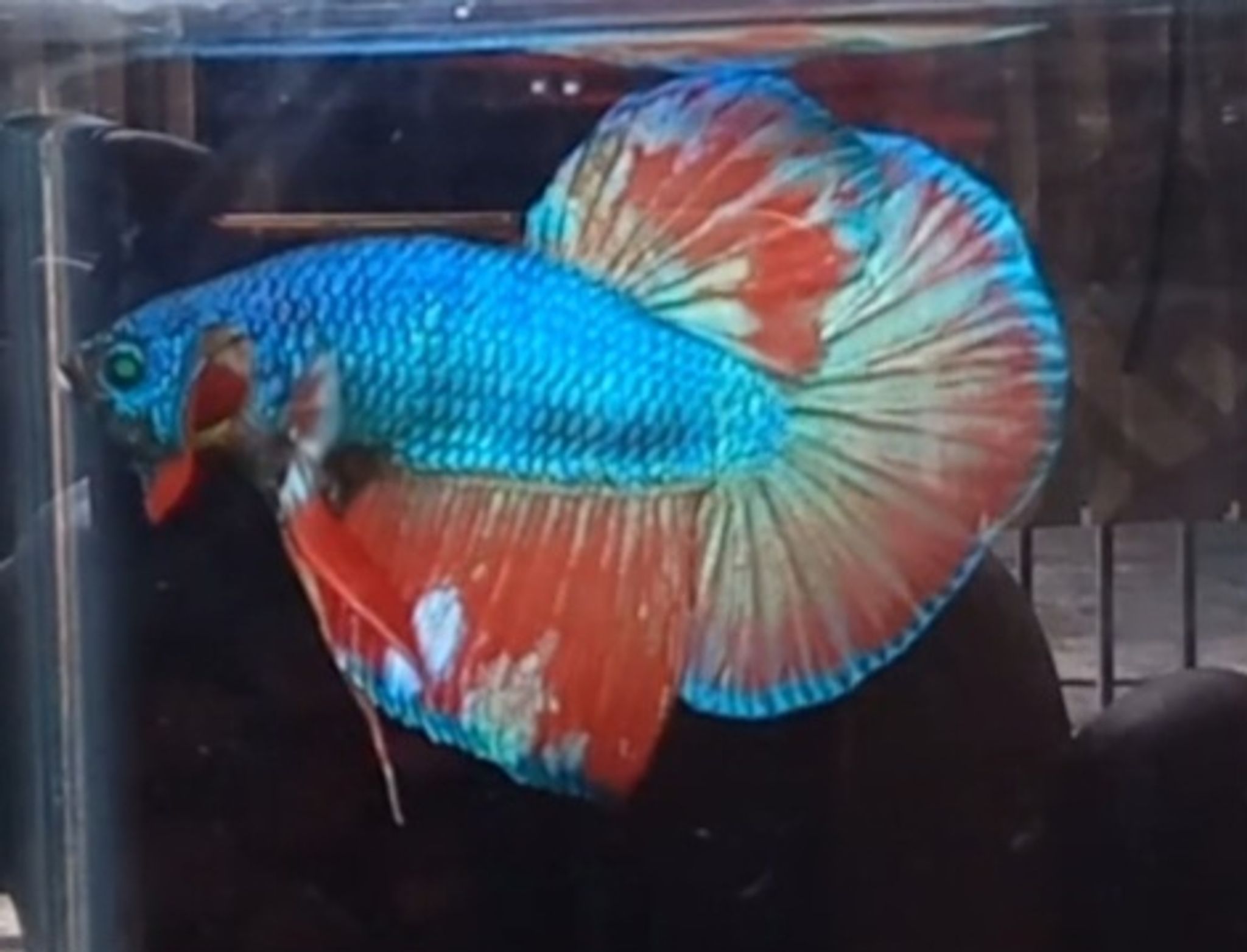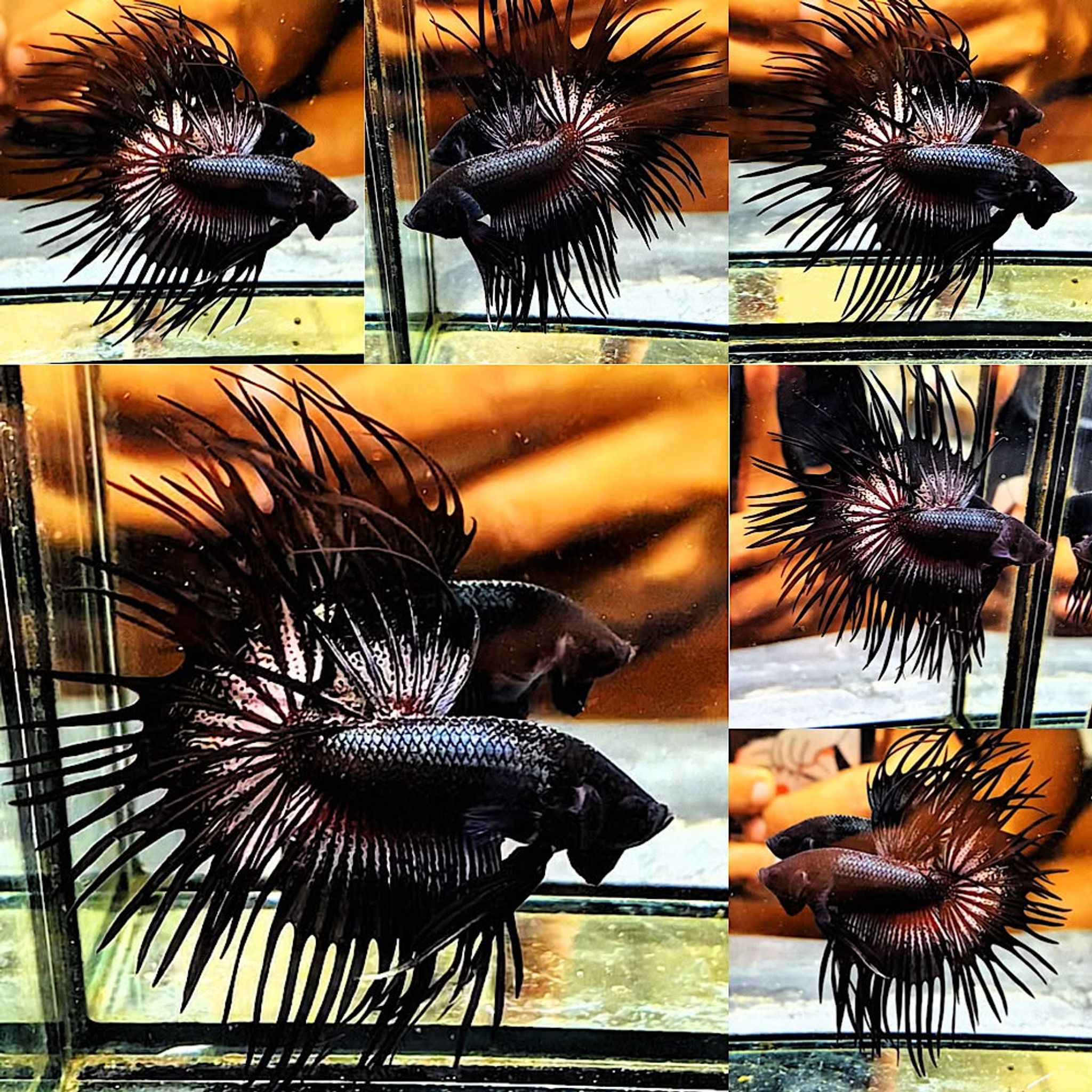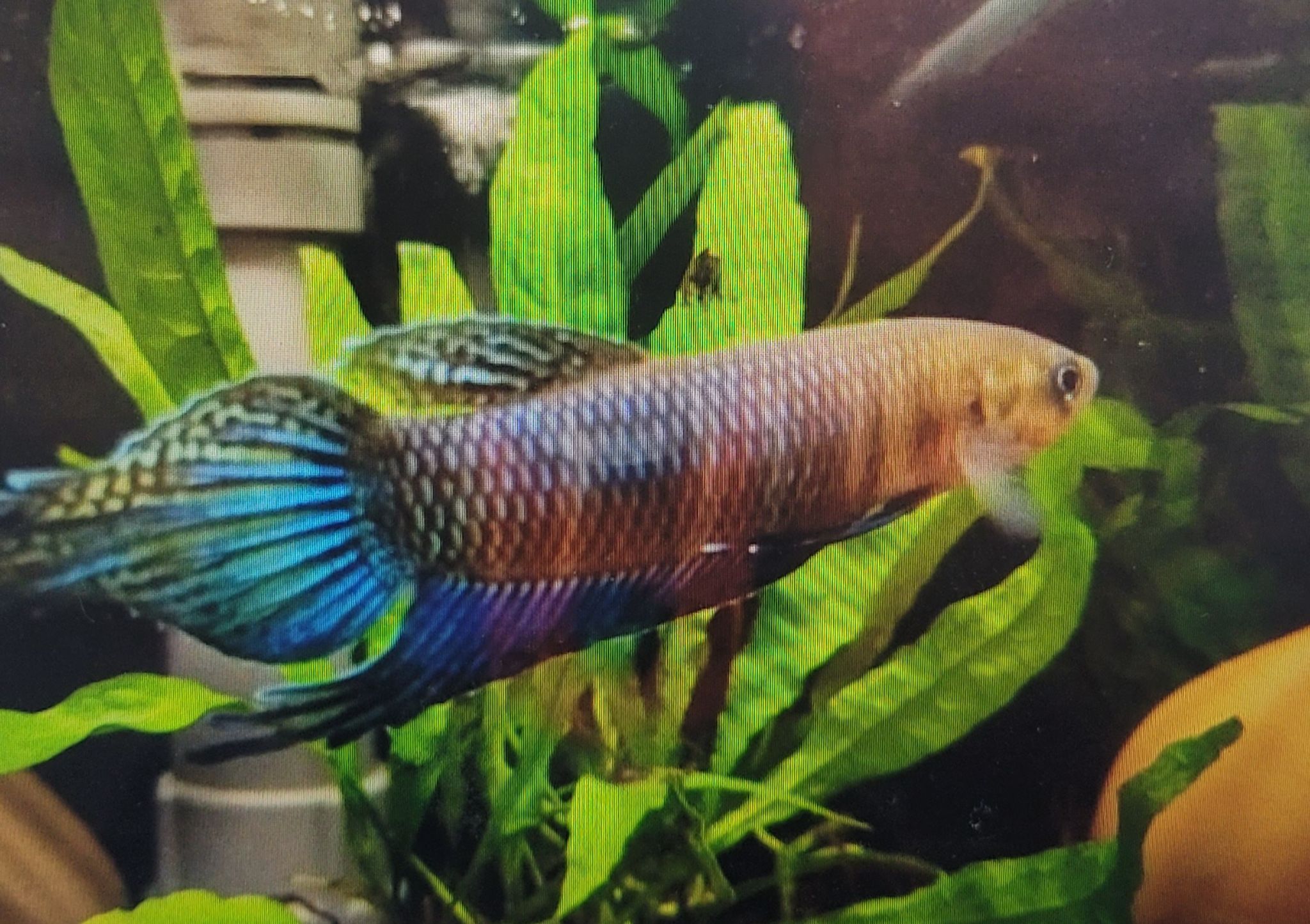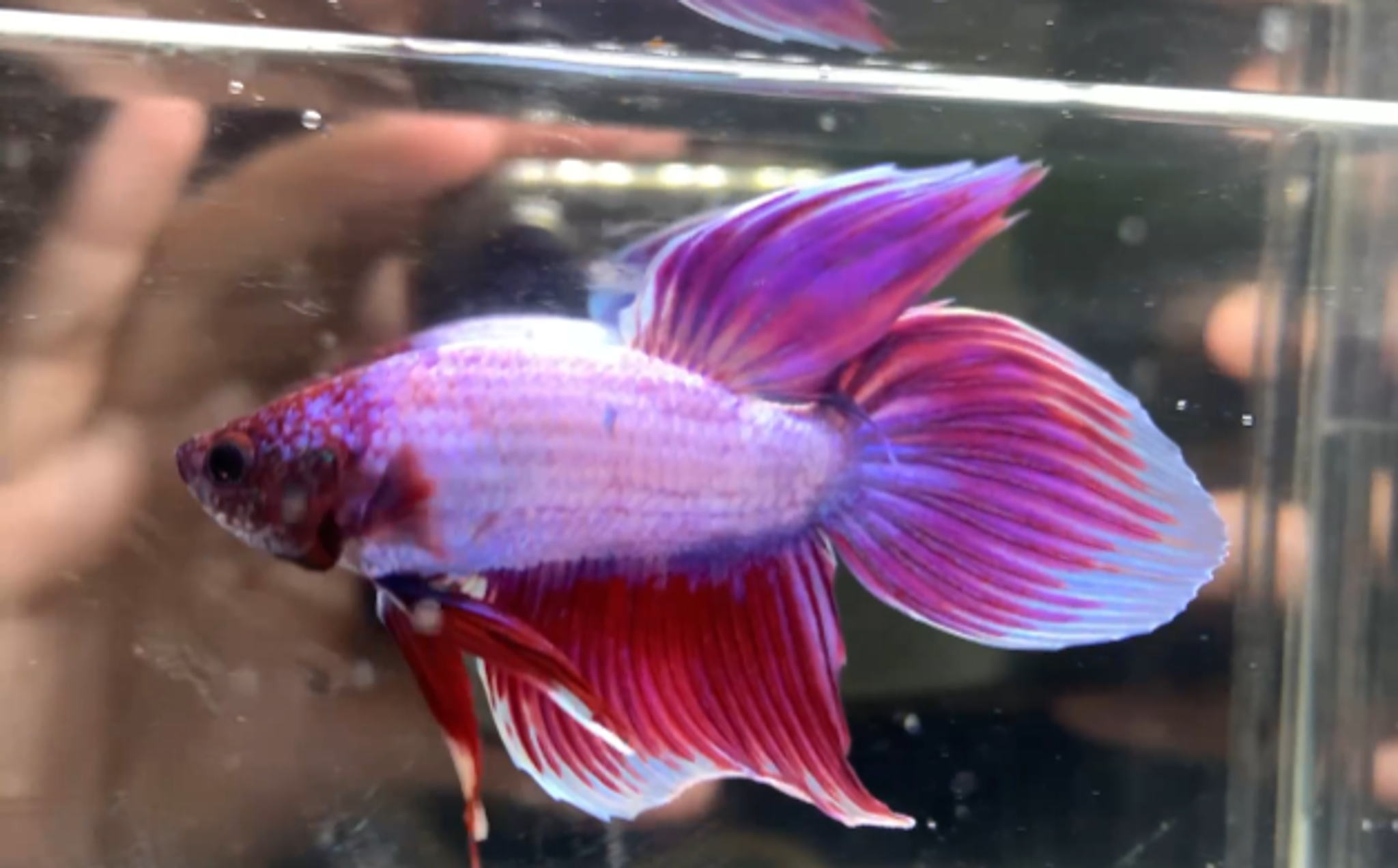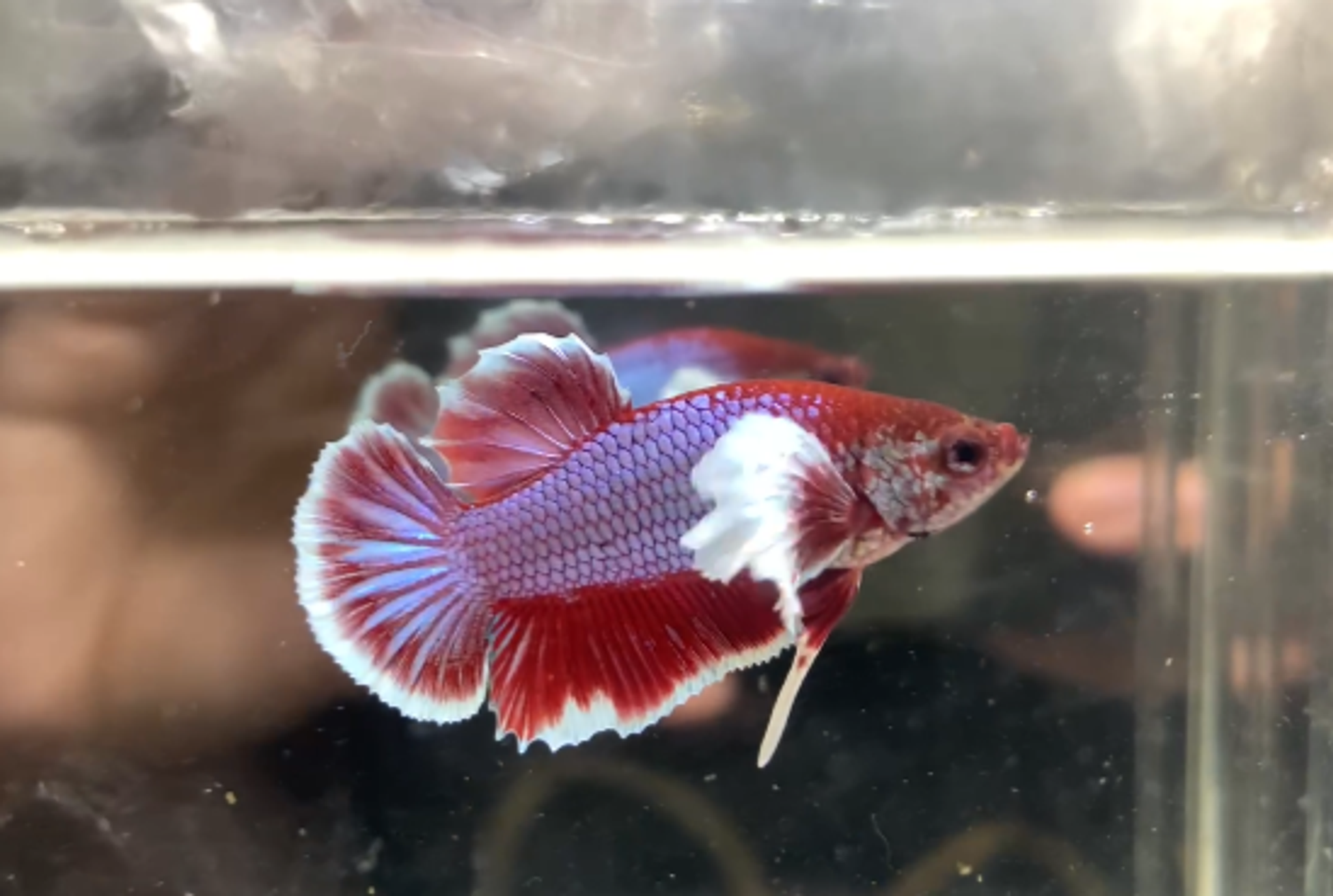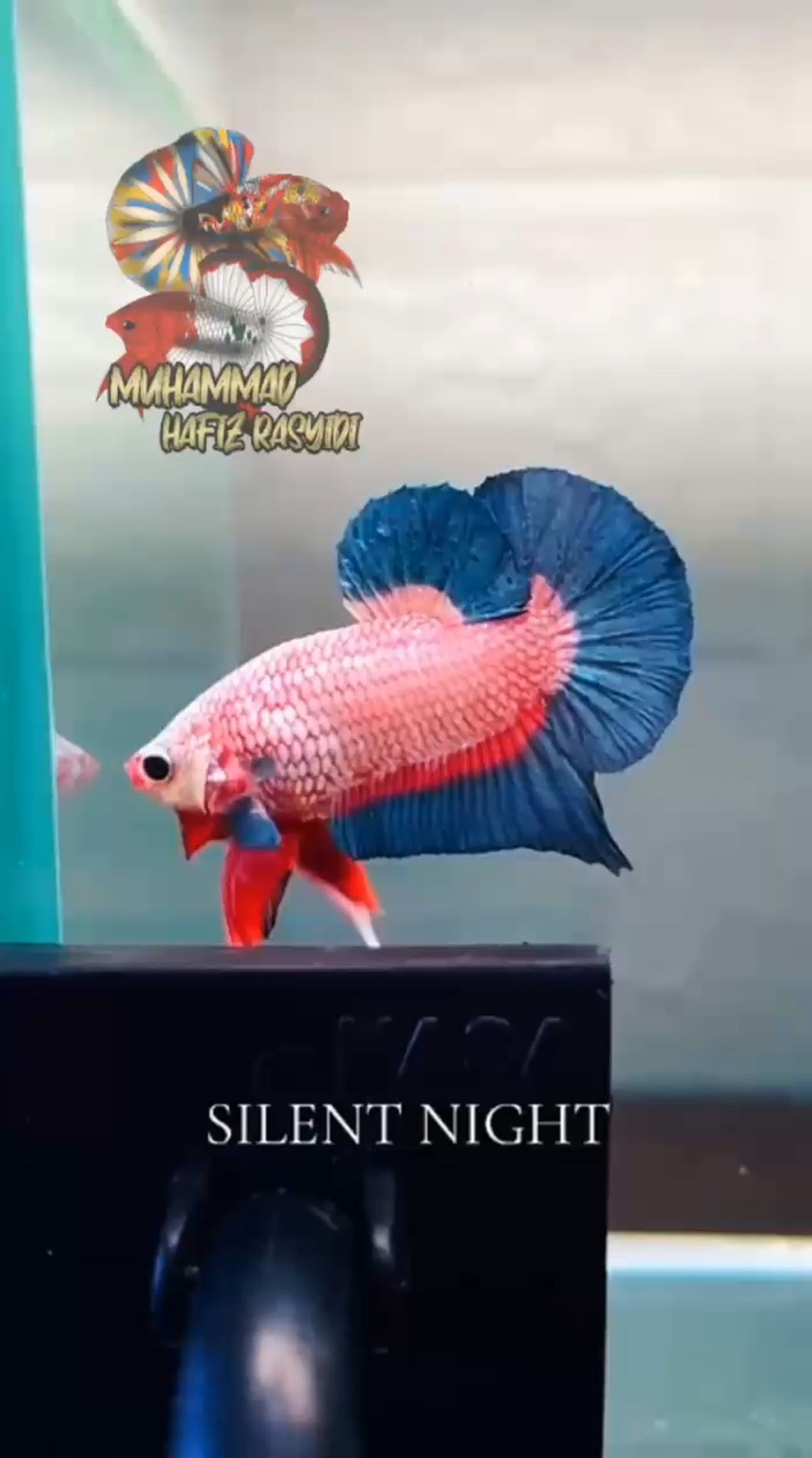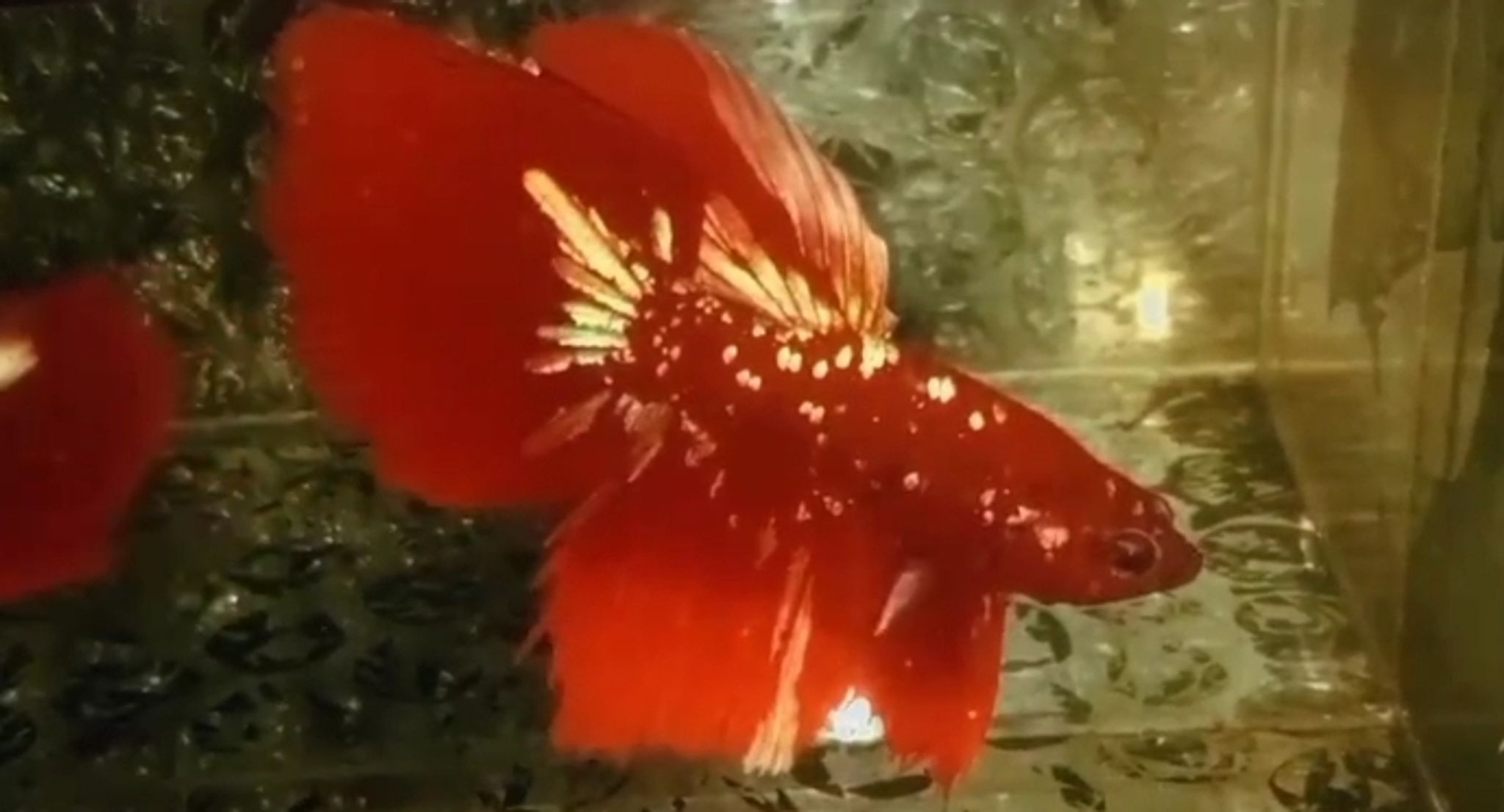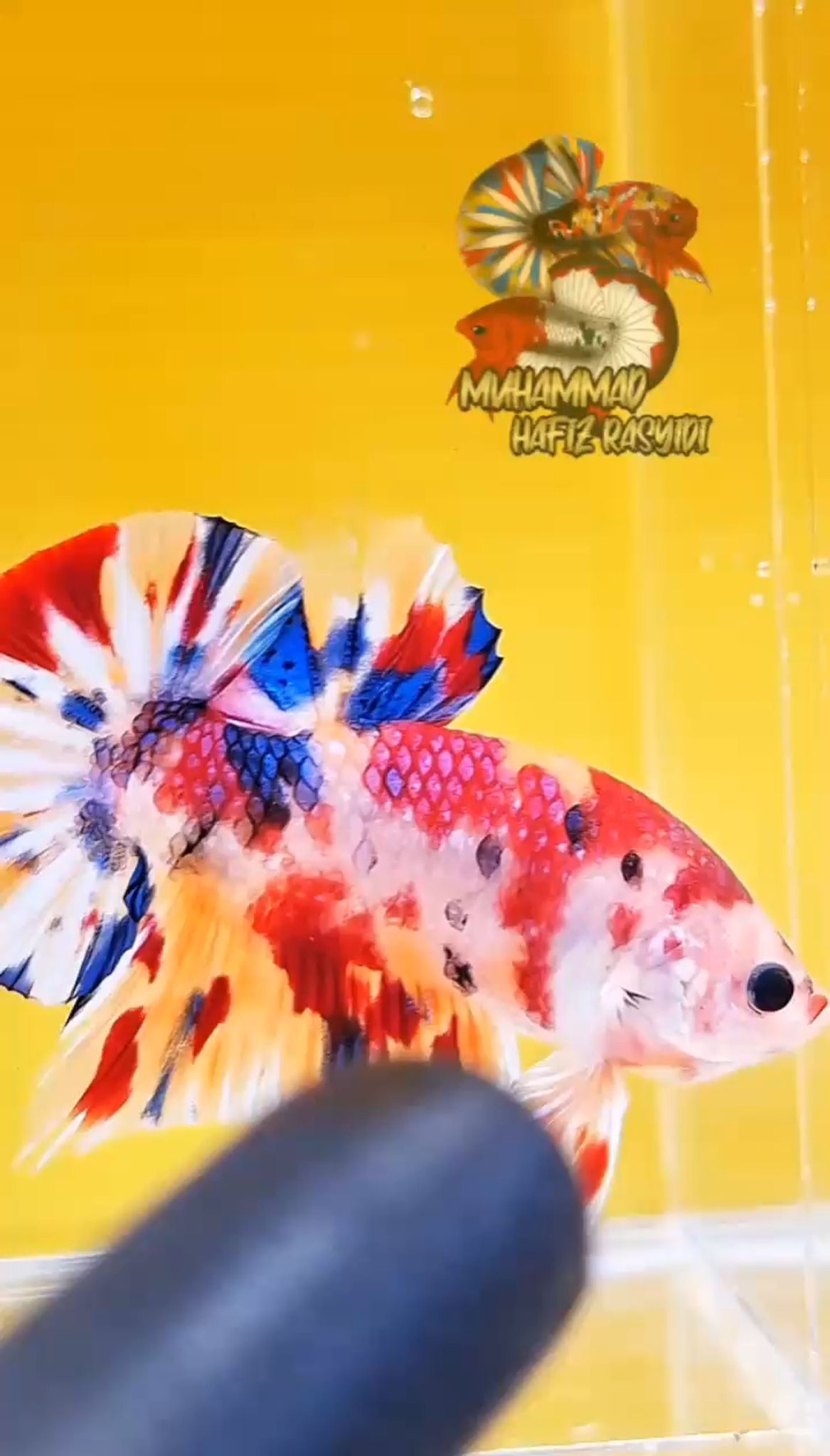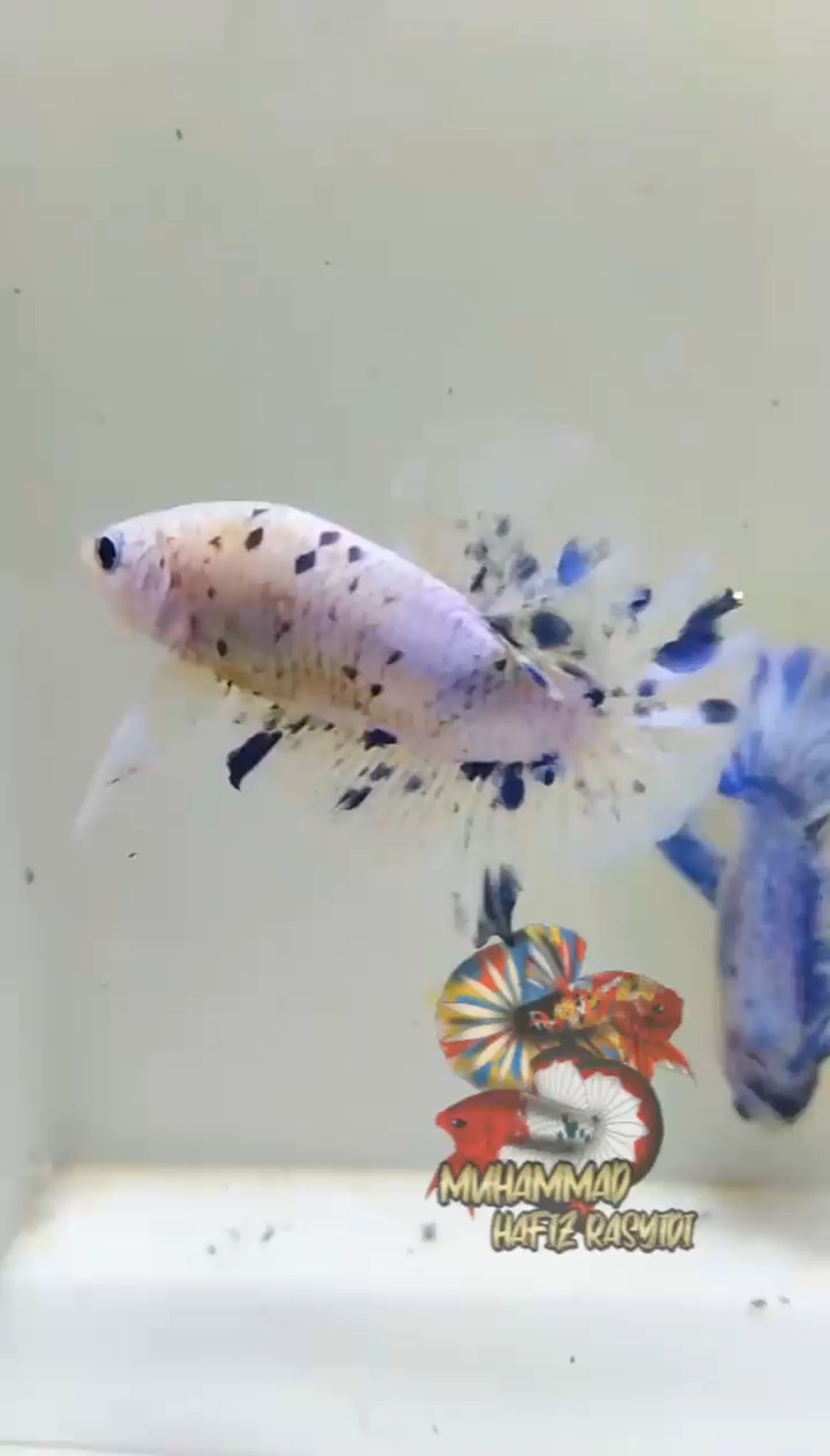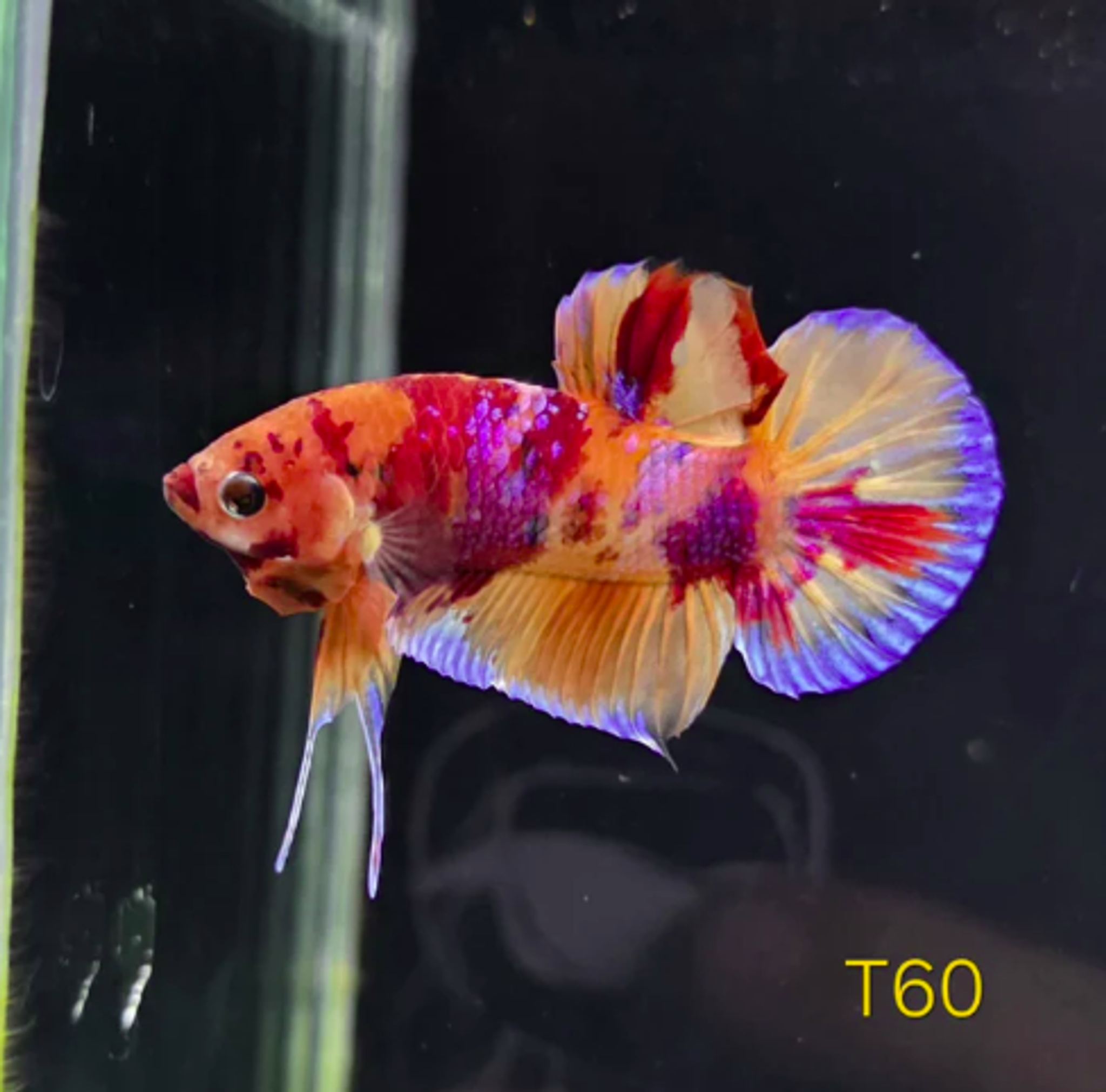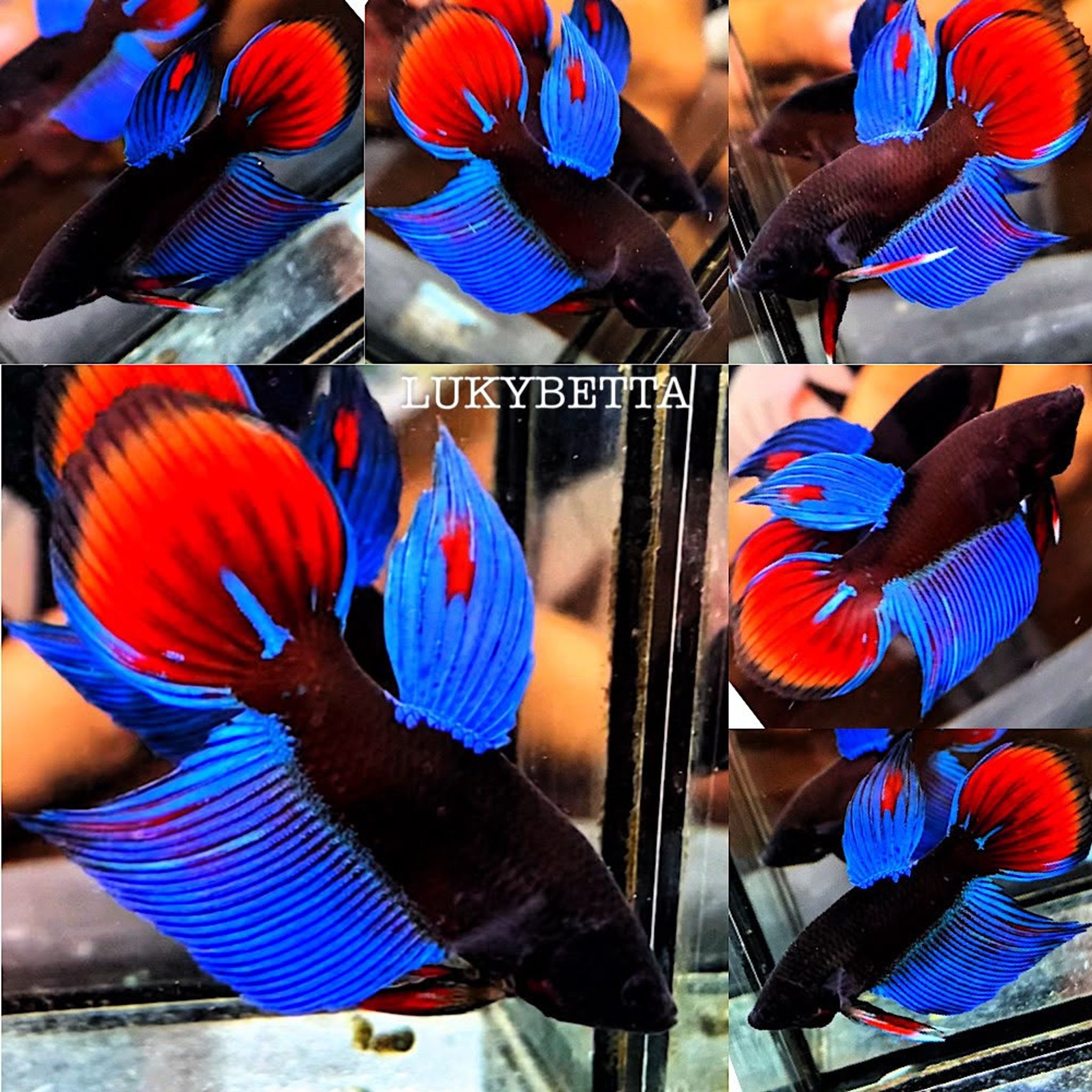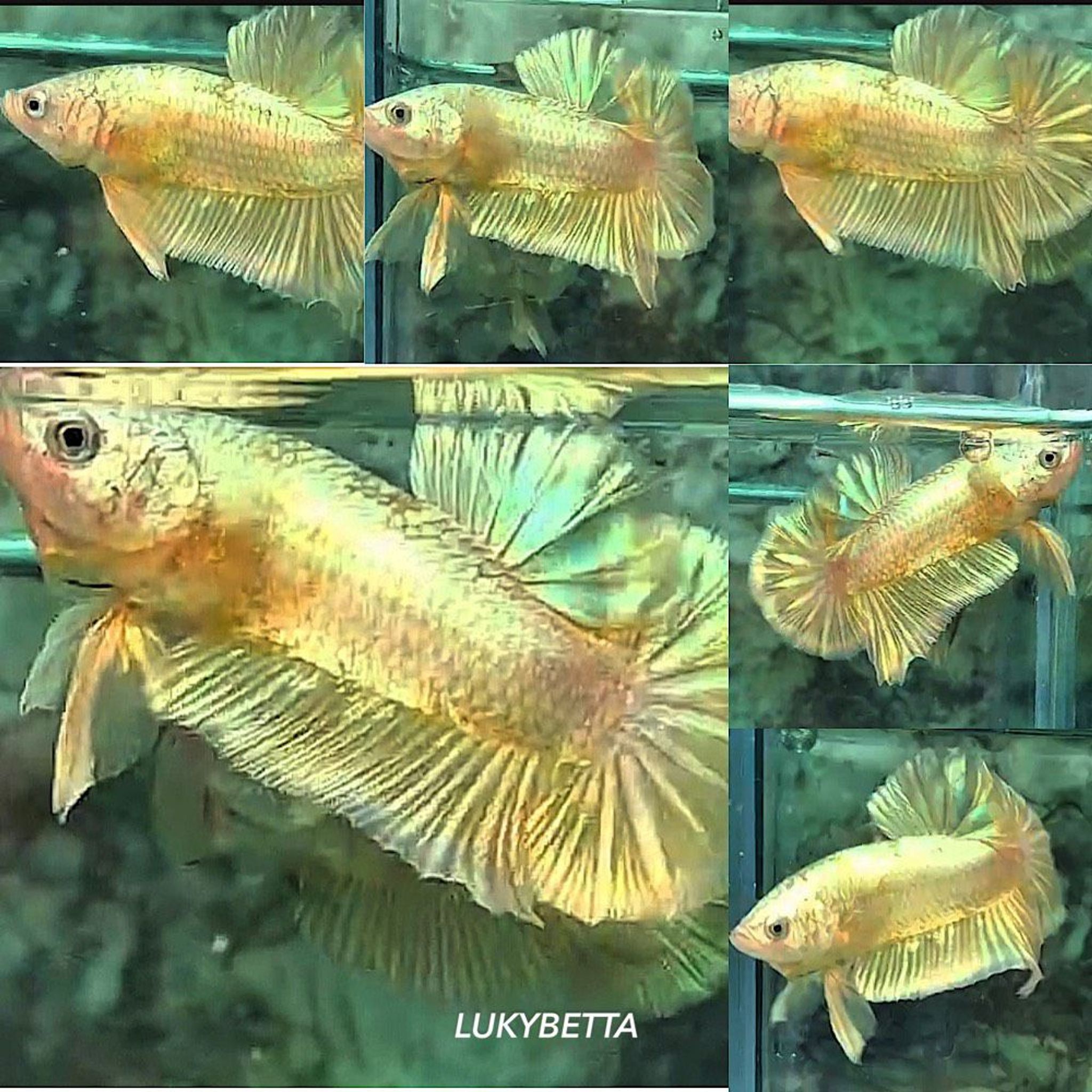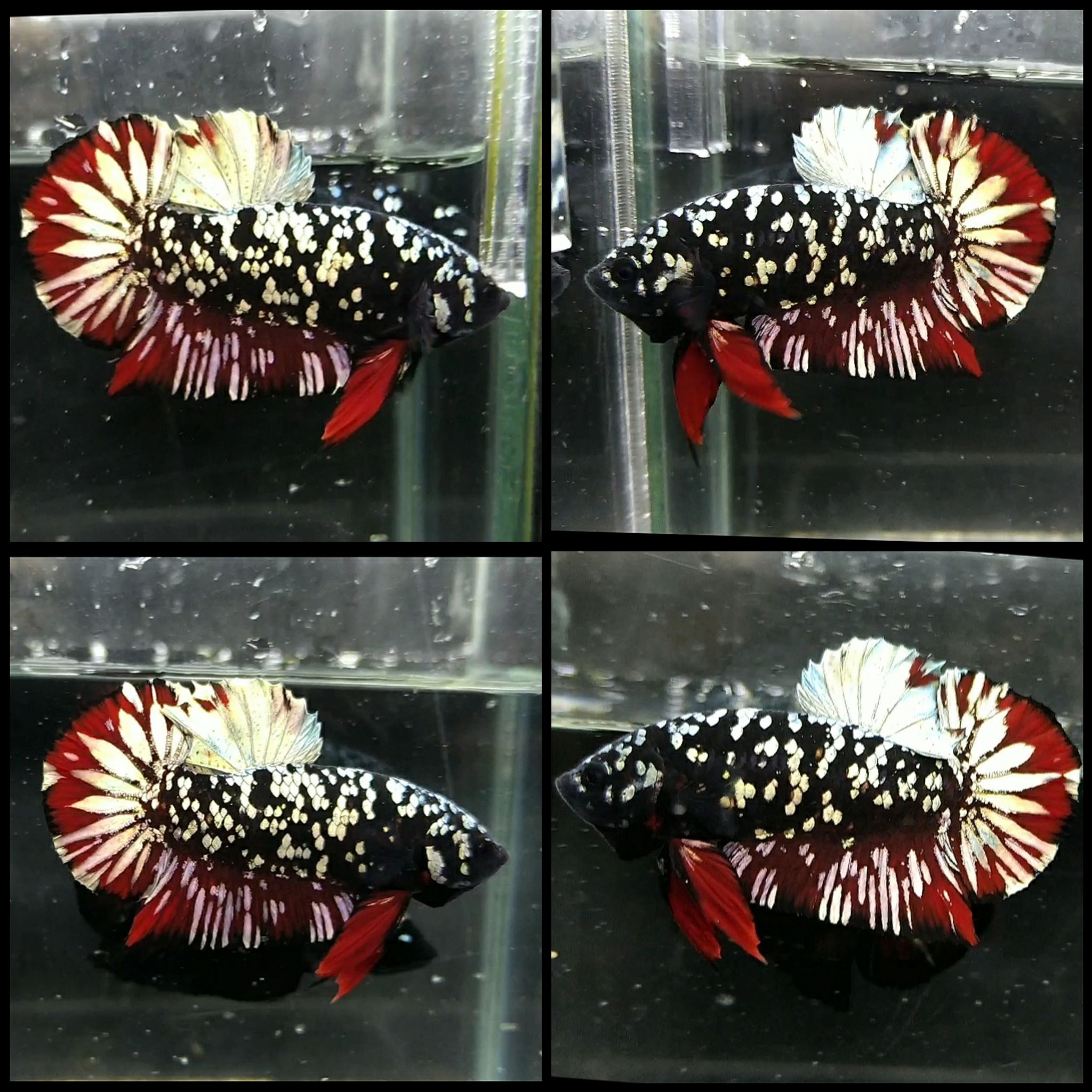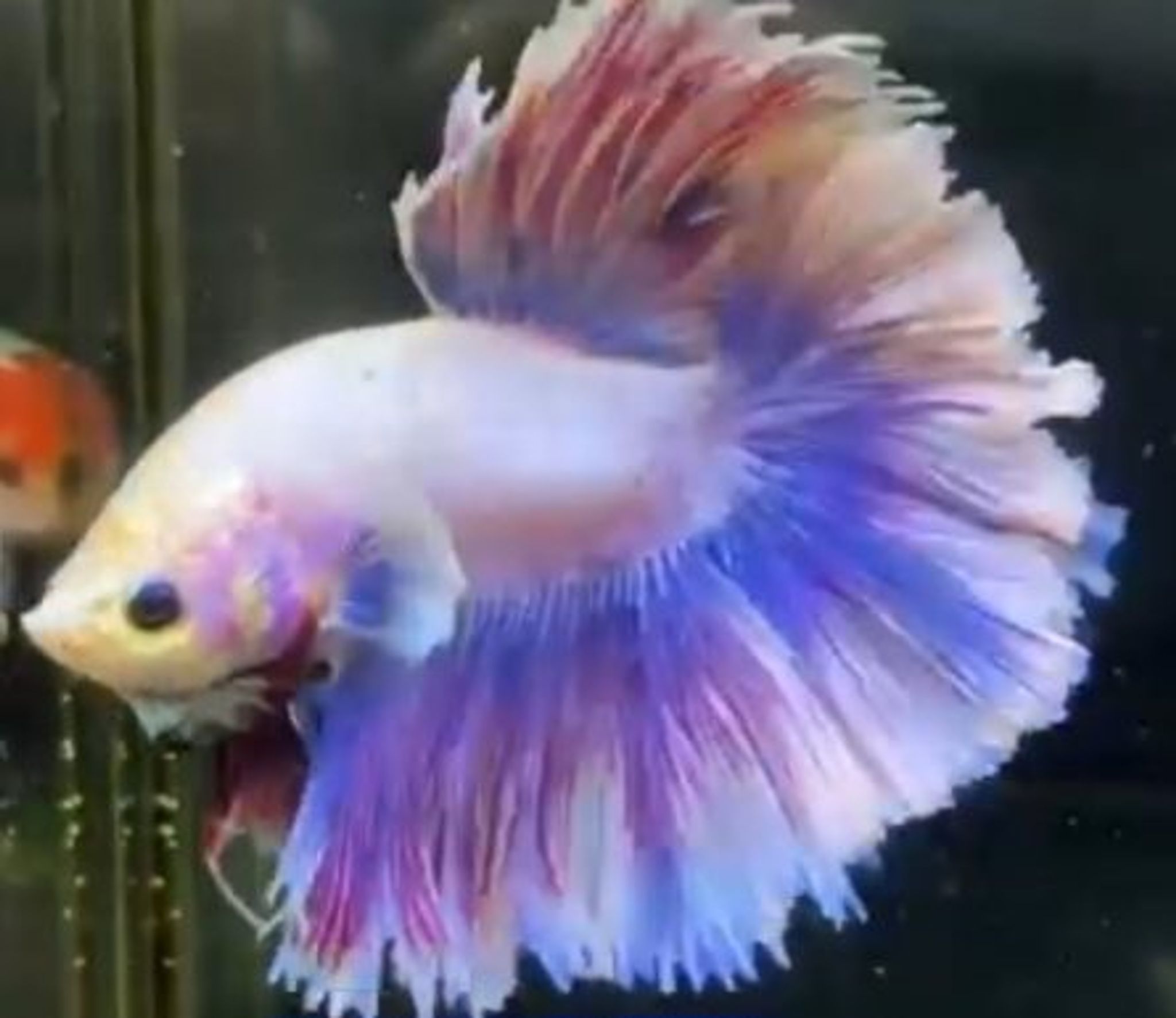
Purple Rosetail
Click to enlarge

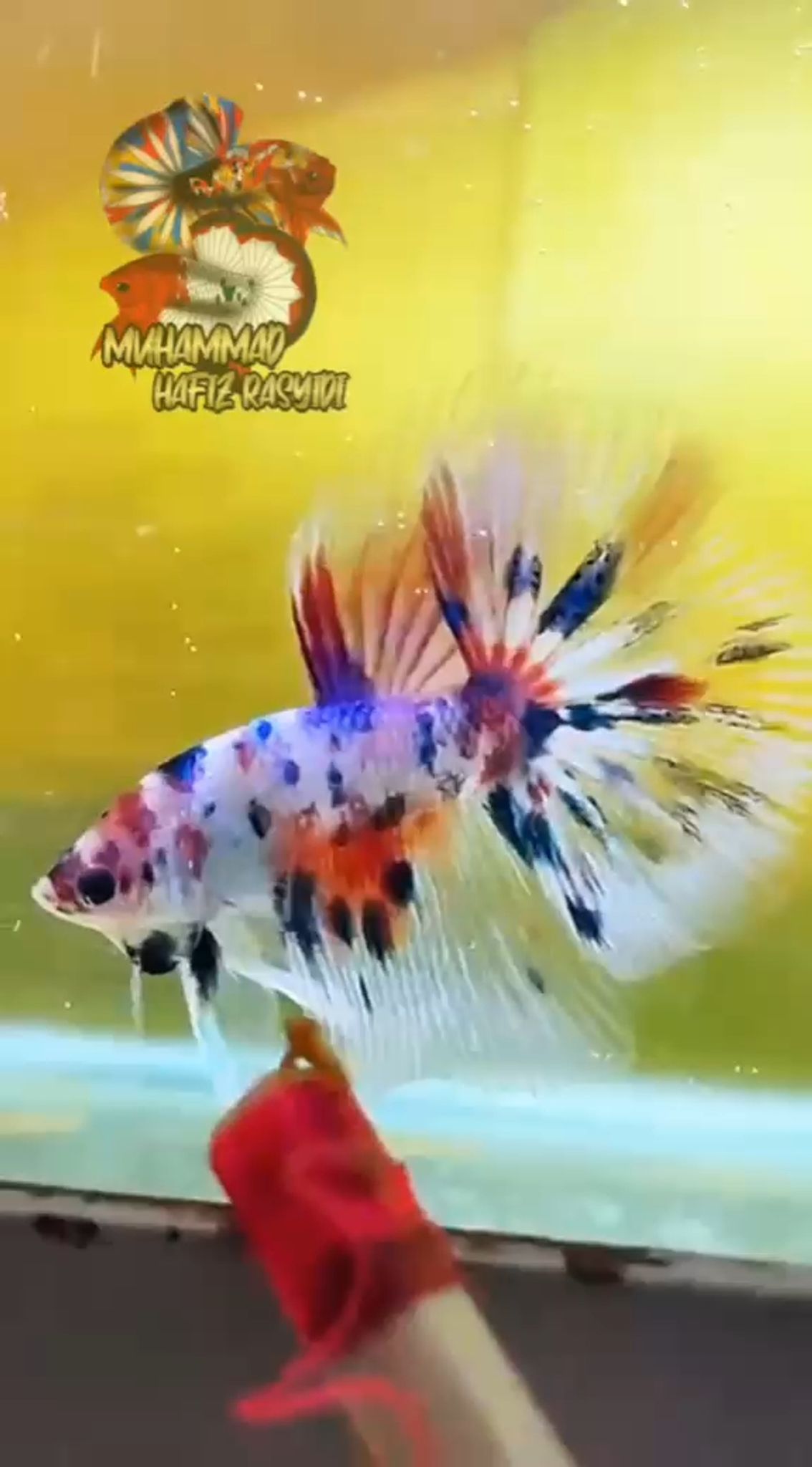
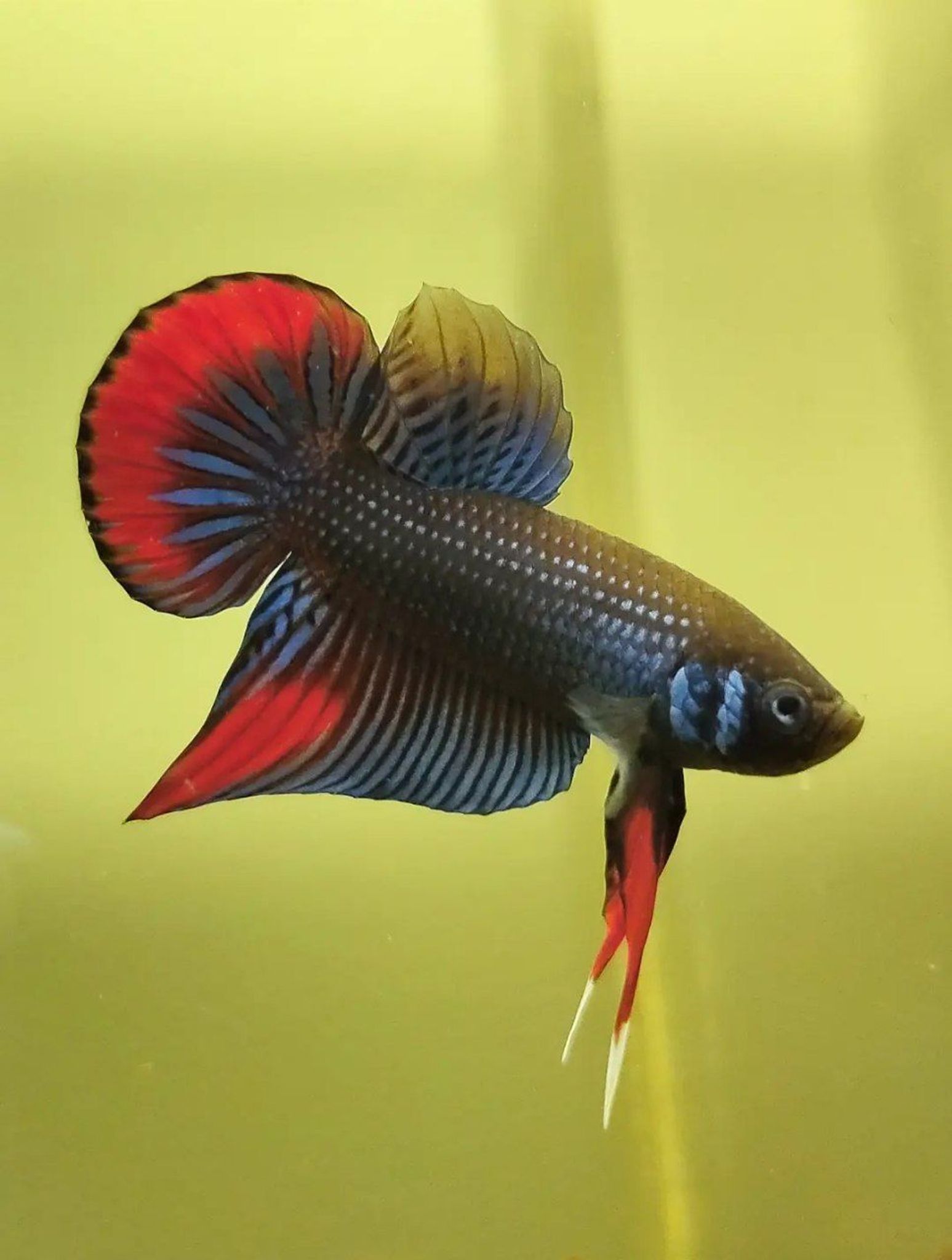
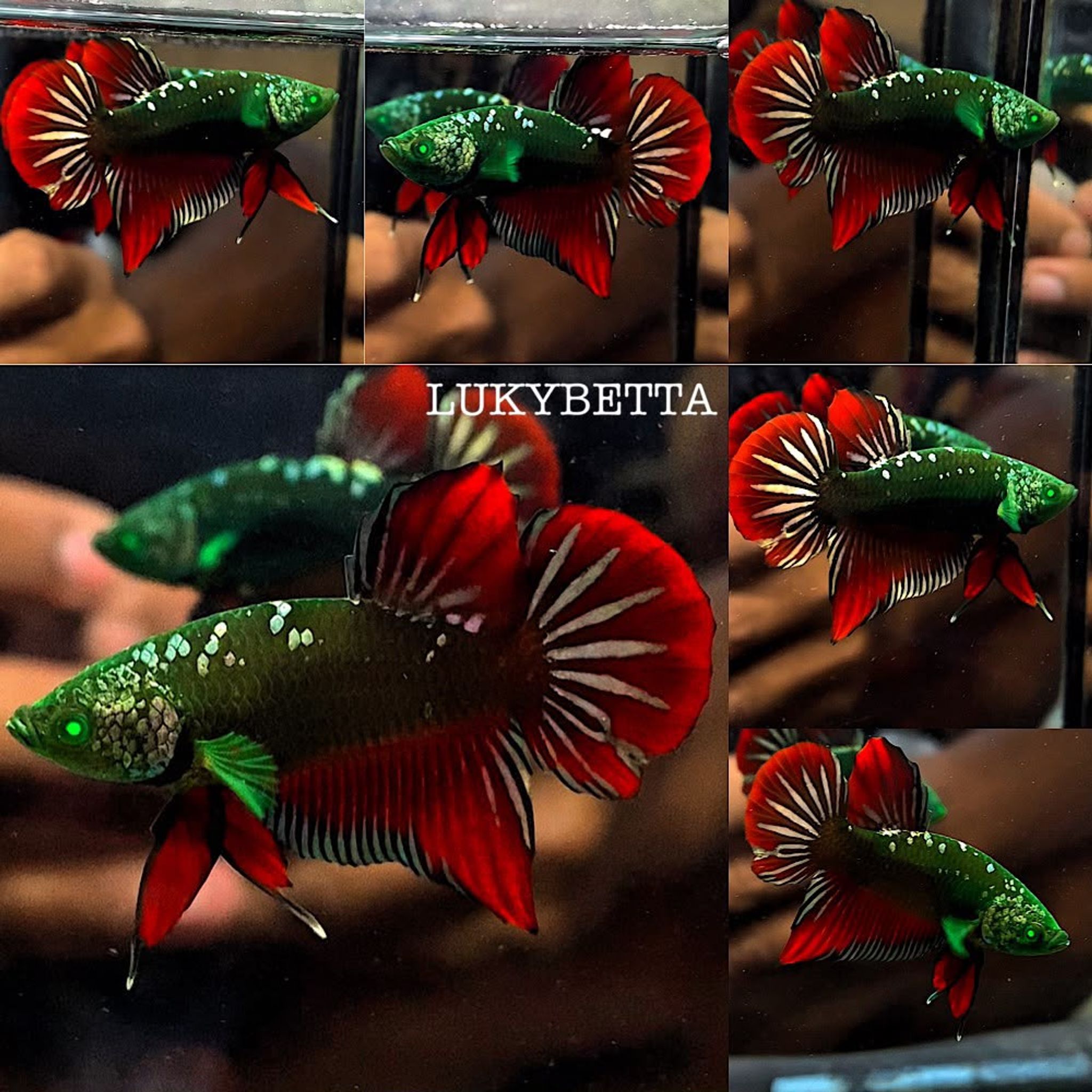
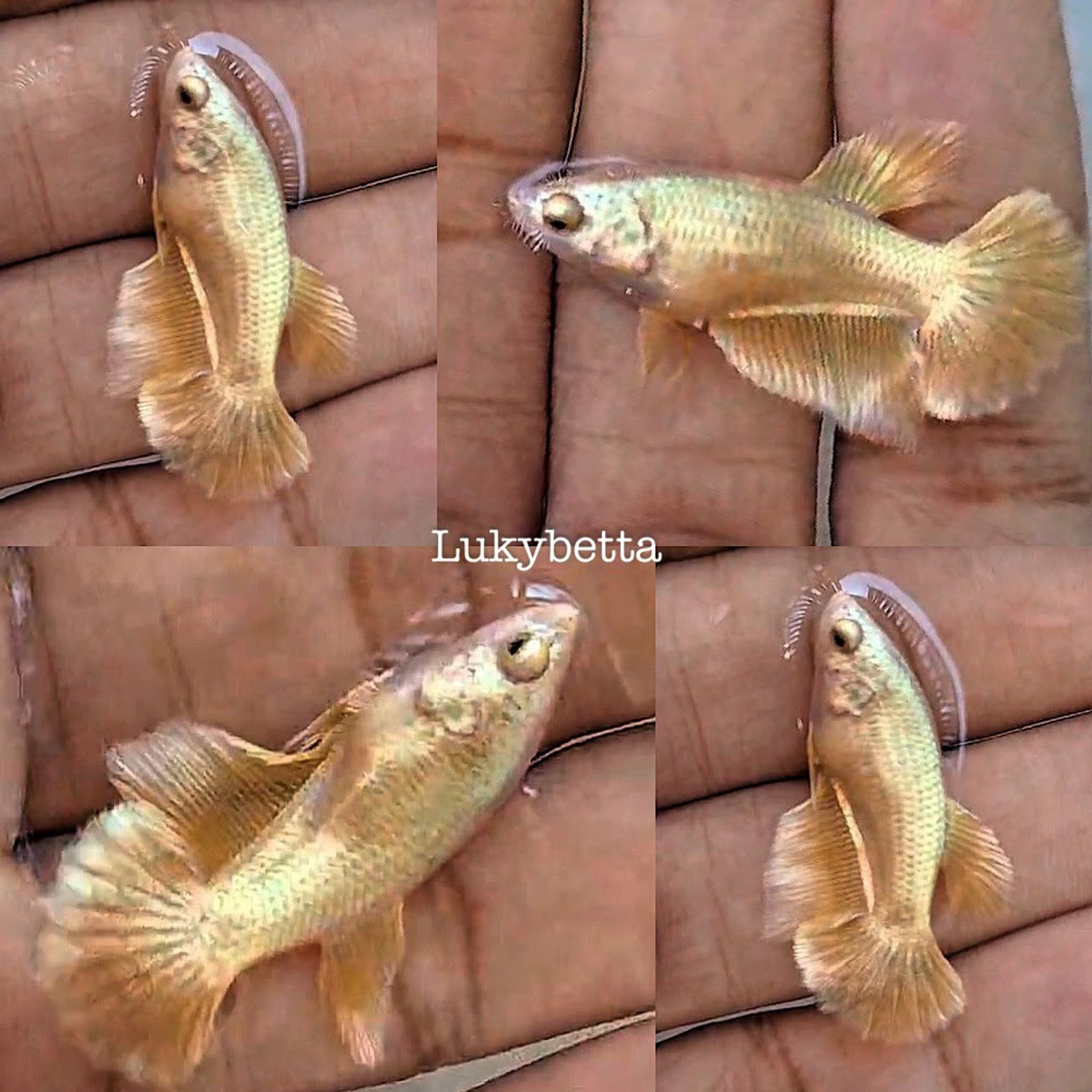
Unless otherwise stated, product might differ from image as image is representative of species and not of actual product

Purple Rosetail

SGD 50.00

Product Variations

Quantity

Stock: 1

Product Details

Size

5cm - 6cm

Temperament

Aggressive

Water Condition

High PH

Product Description

In high-pH currents, a five-centimeter violet rosetail guards its domain with fury.

Purple Rosetail Betta: a stunning but aggressive fish for high pH aquariums. Reaches 5-6cm. Ideal for experienced keepers. Order yours now! Shop today! A true gem.

  • Water Conditions – pH and Hardness: The Purple Rosetail is a true high-pH specialist. Unlike many bettas that prefer acidic water, this variety thrives in alkaline conditions with a pH between 7.5 and 8.2. Water hardness should be moderate to hard, around 8–12 dGH. Stability is far more important than chasing a specific number. Sudden pH swings can lead to stress, fin clamping, and susceptibility to disease. Test your water regularly with a reliable liquid test kit. If your tap water is soft, you may need to add crushed coral or aragonite sand to raise hardness and stabilise pH. Avoid using pH-up chemicals, as they cause dangerous fluctuations. Instead, rely on natural buffers. Always acclimate your Purple Rosetail slowly using the drip method to prevent shock.
  • Water Conditions – Temperature and Filtration: Maintain a constant temperature between 24°C and 28°C (75°F–82°F). A reliable aquarium heater is essential, as bettas are tropical and cannot tolerate cold. Use a thermometer to monitor daily. For filtration, choose a gentle filter, such as a sponge filter or a hang-on-back with a baffle. Rosetail bettas have heavy, flowing fins that make swimming laborious; strong currents will exhaust them and can lead to fin damage. The filter should turn over the tank volume at least 4 times per hour, but the flow must be diffused. Perform weekly water changes of 20–25% to keep nitrates below 20 ppm. Because rosetails produce more waste than short-finned bettas, efficient biological filtration is crucial. Never replace filter media completely; rinse it in old tank water to preserve beneficial bacteria.
  • Tank Setup and Aquascaping: A single Purple Rosetail requires a minimum tank size of 5 gallons (19 litres), but 10 gallons (38 litres) is far better for maintaining stable water conditions. The tank should be fully cycled before introduction. Provide plenty of hiding spots using live or silk plants, caves, and driftwood. Avoid plastic plants with sharp edges that can tear delicate fins. Indian almond leaves are highly recommended; they release tannins that mimic natural blackwater, lower pH slightly (though the Purple Rosetail tolerates higher pH, tannins are still beneficial), and have antibacterial properties. A dark substrate will make the purple coloration pop. Ensure a tight-fitting lid, as bettas are excellent jumpers. Leave some open swimming space at the top, but also provide resting spots near the surface, such as a betta hammock or floating plants. Lighting should be moderate, as bright light can stress them. A photoperiod of 8–10 hours is ideal.
  • Suitable Tank Mates: The Purple Rosetail is aggressive, especially males, so it is best kept alone. However, in a sufficiently large tank (10+ gallons), you can consider a few carefully chosen tank mates. Ideal companions are peaceful bottom-dwellers that occupy different areas of the tank. Corydoras catfish (such as pygmy corys) are excellent, as they are armoured and ignore the betta. Otocinclus catfish are also good, but ensure they have a steady supply of algae or supplementary wafers. Snails like nerites or mystery snails are generally ignored, though very small snails may be eaten. Ghost shrimp can work, but they may become a snack. If you try shrimp, add them first and provide plenty of hiding places. Avoid any fish that are fin-nippers, such as tetras, barbs, or guppies. Also, never house two male bettas together, and do not mix with other aggressive species. Always have a backup plan to separate if aggression occurs.
  • Tank Mates to Avoid: Certain tank mates are a recipe for disaster with a Purple Rosetail. Avoid all other betta fish, including females, unless you are an experienced breeder attempting a controlled sorority. Fin-nippers like serpae tetras, tiger barbs, and some danios will relentlessly nip at the rosetail's long fins, causing stress and infection. Avoid fast-swimming fish that may outcompete the betta for food. Also, avoid large or aggressive fish like cichlids, gouramis, or angelfish, as they may bully or kill your betta. Bottom-dwellers that are too boisterous, such as large plecos, can also cause problems. Remember, every betta has a unique personality; some are more tolerant than others. Always monitor closely for the first few weeks and be ready to remove any fish that shows aggression or is being bullied.
  • Feeding Habits – Diet and Schedule: The Purple Rosetail is a carnivore and requires a high-protein diet. In the wild, bettas eat insects and small crustaceans. In captivity, offer a variety of foods to ensure balanced nutrition. High-quality betta pellets should form the staple. Look for pellets with at least 40% protein and fish meal as the first ingredient. Supplement with frozen or live foods such as bloodworms, brine shrimp, daphnia, and mysis shrimp. These provide essential amino acids and encourage natural hunting behaviour. Feed small amounts 2–3 times daily, only what your betta can consume in 2 minutes. Overfeeding is a common cause of constipation, swim bladder disease, and obesity. A good rule of thumb is to feed 2–3 pellets per feeding, twice a day, plus one frozen food meal. Fast your betta one day a week to allow its digestive system to rest. Soak pellets in tank water for a few minutes before feeding to prevent them from expanding in the stomach.
  • Feeding Habits – Tips for Picky Eaters and Supplementation: Some Purple Rosetails can be finicky eaters. If yours refuses pellets, try soaking them in garlic juice, which acts as an appetite stimulant. You can also crush the pellets or switch to a different brand. Frozen foods are usually eagerly accepted. For picky eaters, start with frozen bloodworms and gradually mix in pellets. Avoid feeding live tubifex worms, as they can carry parasites. If your betta stops eating, check water parameters first—poor water quality is a common cause of appetite loss. Also, ensure the food is not too large; rosetails may have difficulty biting large pieces. You can break pellets in half. Additionally, consider a vitamin supplement, especially if your betta is a fussy eater. A varied diet not only keeps your fish healthy but also enhances its purple coloration. Remember, a hungry betta is more likely to accept new foods, so a short fast can help.
  • Care Requirements – Tank Maintenance: Maintaining a clean environment is vital for the long-term health of your Purple Rosetail. Because of its heavy fins, it is more susceptible to fin rot and fungal infections. Perform weekly water changes of 20–25%, using a gravel vacuum to remove debris from the substrate. Always dechlorinate water with a quality conditioner. Rinse filter media in old tank water monthly, but never replace it all at once. Test water parameters weekly: ammonia 0 ppm, nitrite 0 ppm, nitrate <20 ppm, pH 7.5–8.2. Keep the temperature stable. Clean the glass and remove uneaten food promptly. Avoid using soap or harsh chemicals; hot water and a dedicated sponge are best. If you notice any signs of illness—clamped fins, lethargy, loss of appetite, white spots, or fin deterioration—act immediately. Quarantine new tank mates before adding them to the main tank. A well-maintained tank will keep your Purple Rosetail vibrant and stress-free.
  • Care Requirements – Fin Care and Health: The rosetail's elaborate fins are its crowning glory, but they require special attention. Heavy finnage makes swimming difficult, so ensure the tank has gentle flow and plenty of resting places. Bettas with rosetails are prone to fin nipping themselves (fin biting) due to stress or heavy weight. To minimise this, provide a spacious tank, a varied diet, and a calm environment. Indian almond leaves are excellent for promoting fin health; their tannins have antifungal and antibacterial properties. If you spot fin rot (ragged, receding edges), treat with a broad-spectrum antibiotic or aquarium salt in a quarantine tank. Keep water pristine. Also, watch for signs of constipation (bloated belly, stringy poop). Feed a daphnia meal to help clear the digestive tract. A healthy Purple Rosetail can live 3–5 years with proper care. Regular observation is key. Finally, do not keep your betta in a tiny bowl; that is cruel and leads to a short, unhealthy life. Provide the best possible home, and your Purple Rosetail will reward you with its stunning presence.

More From This Merchant

Gold digger betta

Gold digger betta

View Store →

You May Also Like