
Click to enlarge
Unless stated otherwise, photos show the species, not the exact fish you'll receive.
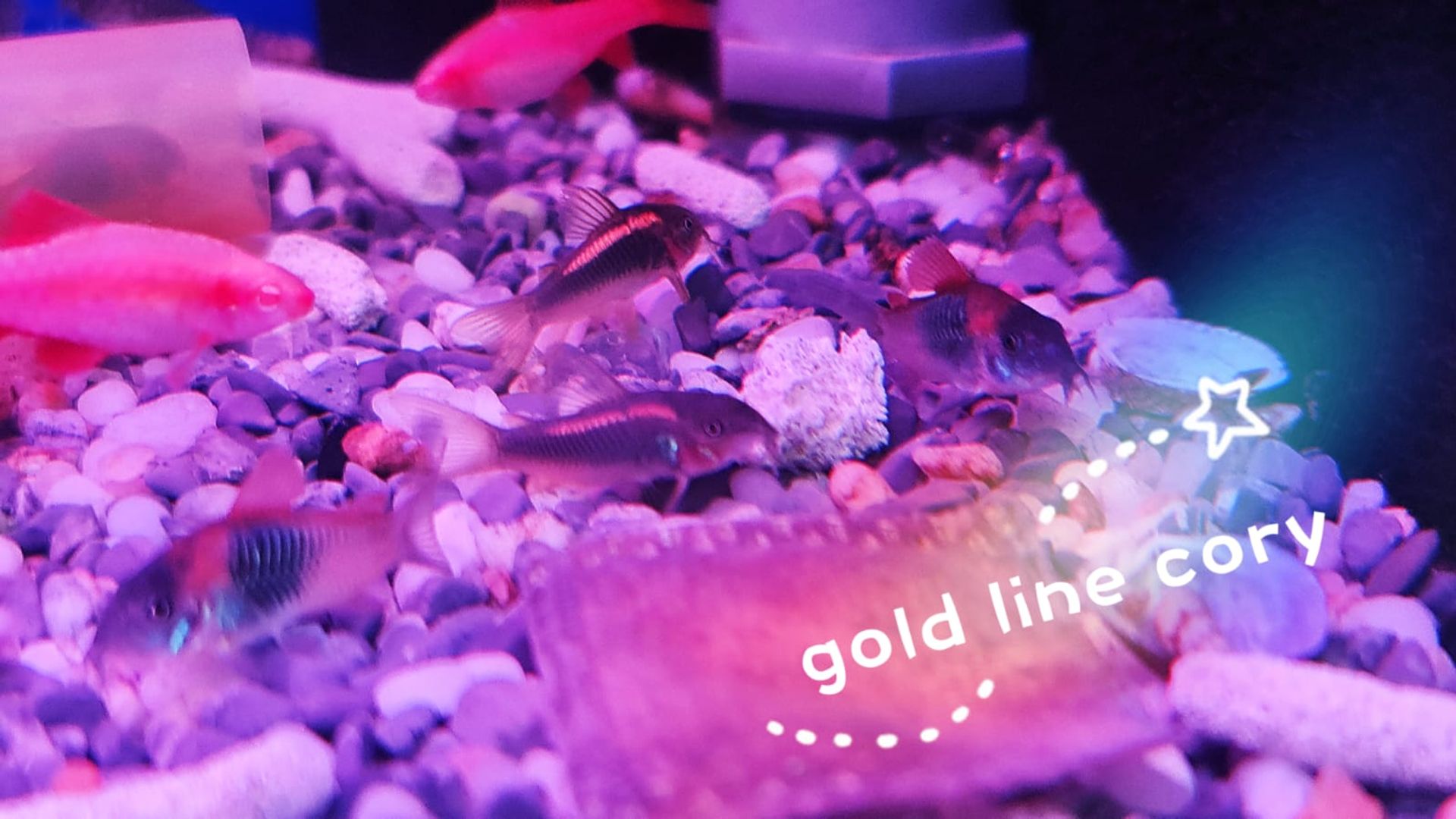
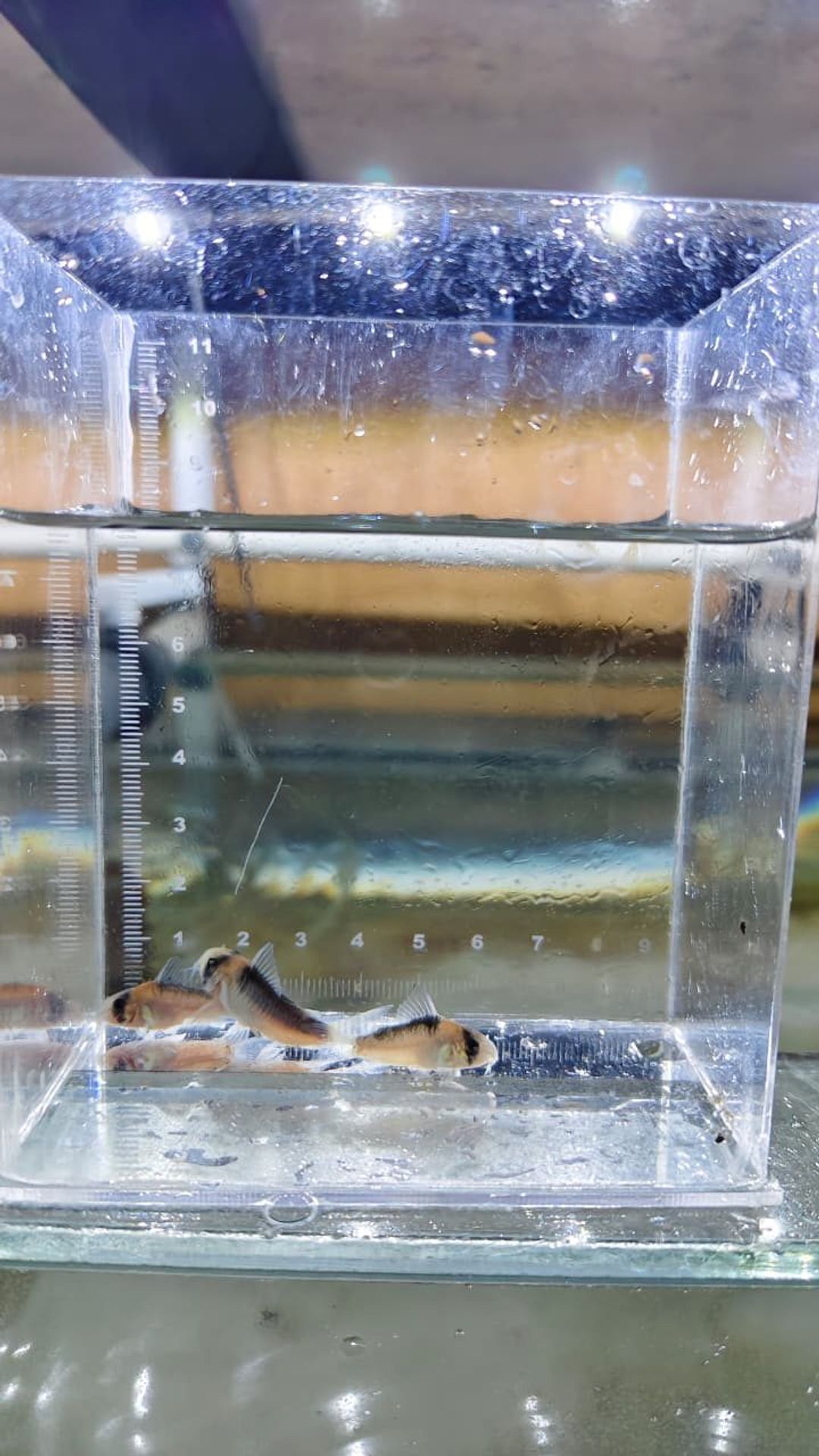
Corydoras Adolfoi (Corydoras Adolfoi / Hoplisoma adolfoi)
SGD 33.50
Delivery Information
Dead-on-arrival protection: report within 24 hours of delivery with a photo or video for an exchange or return.
Product Variations
Quantity
Stock: 50
Product Details
Size
2cm - 2.3cm
Temperament
Peaceful
Water Condition
Low PH
WYSIWYG
Exact Fish Shown
Product Description
Learn More About Corydoras Adolfoi / Hoplisoma adolfoi

Most Purchased Aquarium Fish in Singapore in 2026

Which Fish Sell Out Fastest Online in Singapore? FishyHub Marketplace Data
Corydoras Statistics Singapore: Most Popular Species & Prices
Most Purchased Fish After Being Viewed Online in Singapore
Best Bottom-Dwelling Fish for Keeping the Lower Tank Level Active
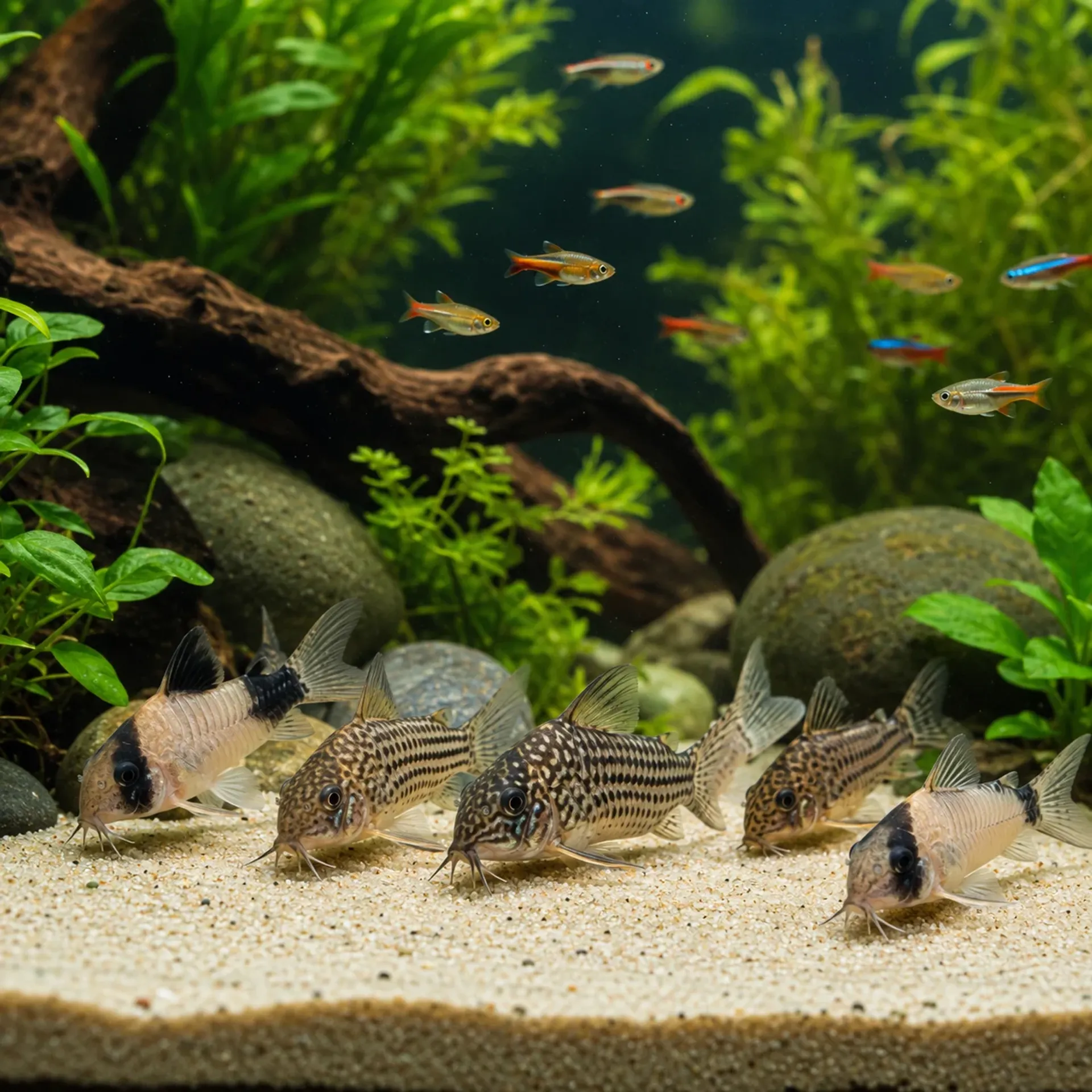
Cory Catfish Care Guide: The Peaceful Bottom-Dweller Every Community Tank Needs
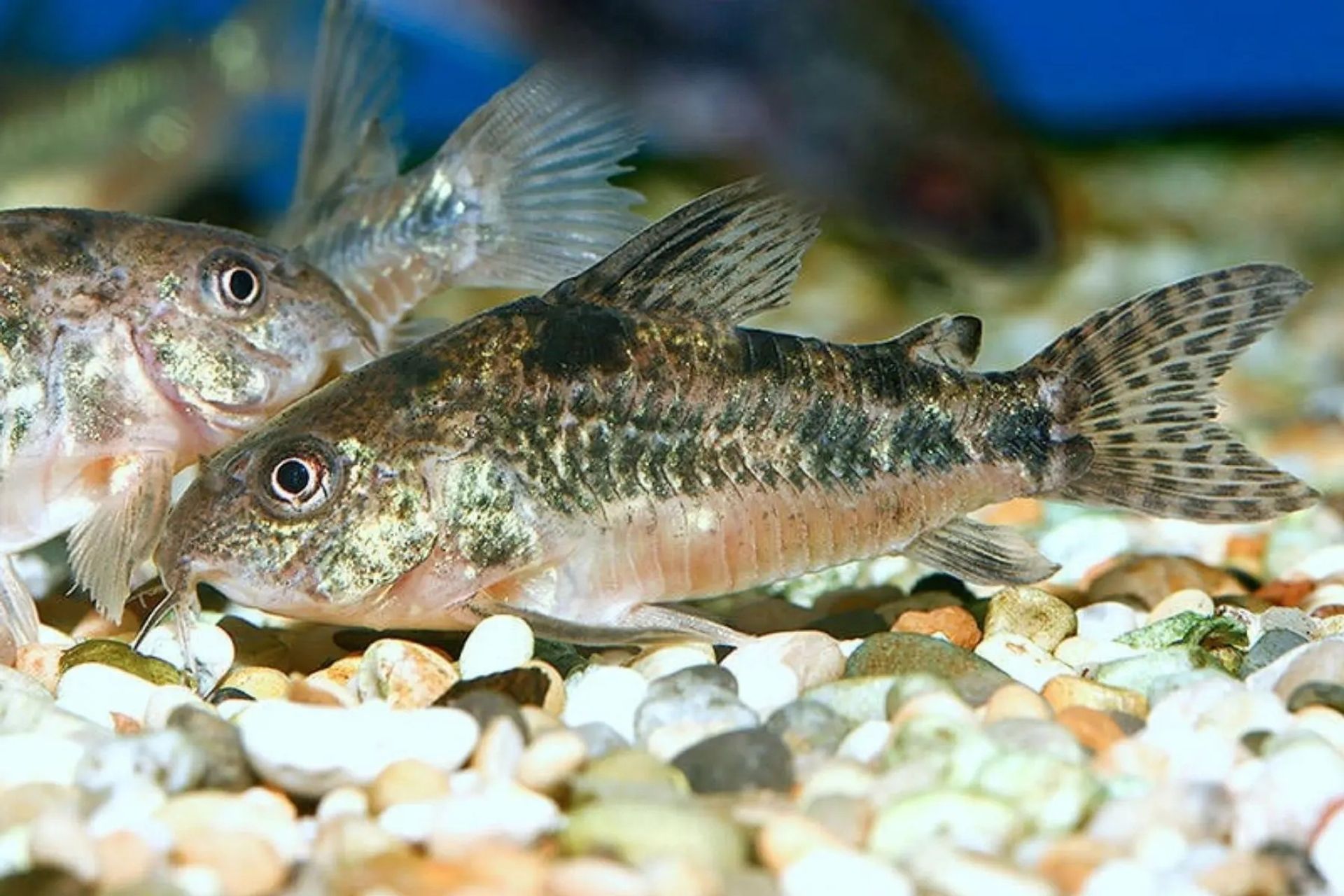
Ikan Corydoras: Cory Catfish Care, Sand & Group Size

The Cheapest Aquarium Fish to Own in 2026

The Most Overlooked Aquarium Fish With Surging Demand

Corydoras Statistics: Most Popular Species & Prices
What Do Sterbai Cory Eat? A Practical Feeding Guide

What Do Panda Cory Eat? A Practical Feeding Guide
More from Aqua Bros

Aqua Bros
Suitable Tank Mates for Corydoras Adolfoi / Hoplisoma adolfoi
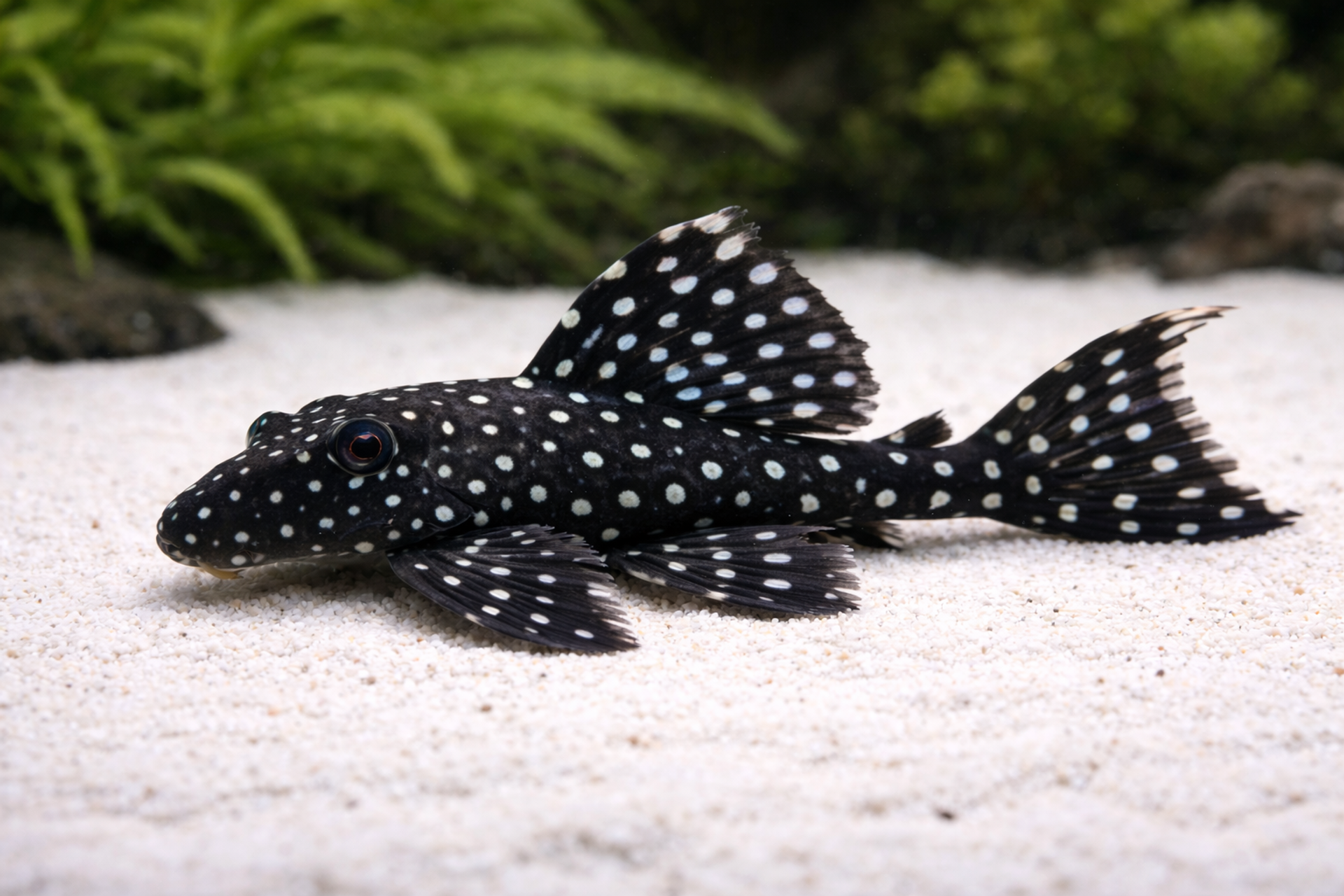
Pleco L240 6-8cm
SGD 66.00
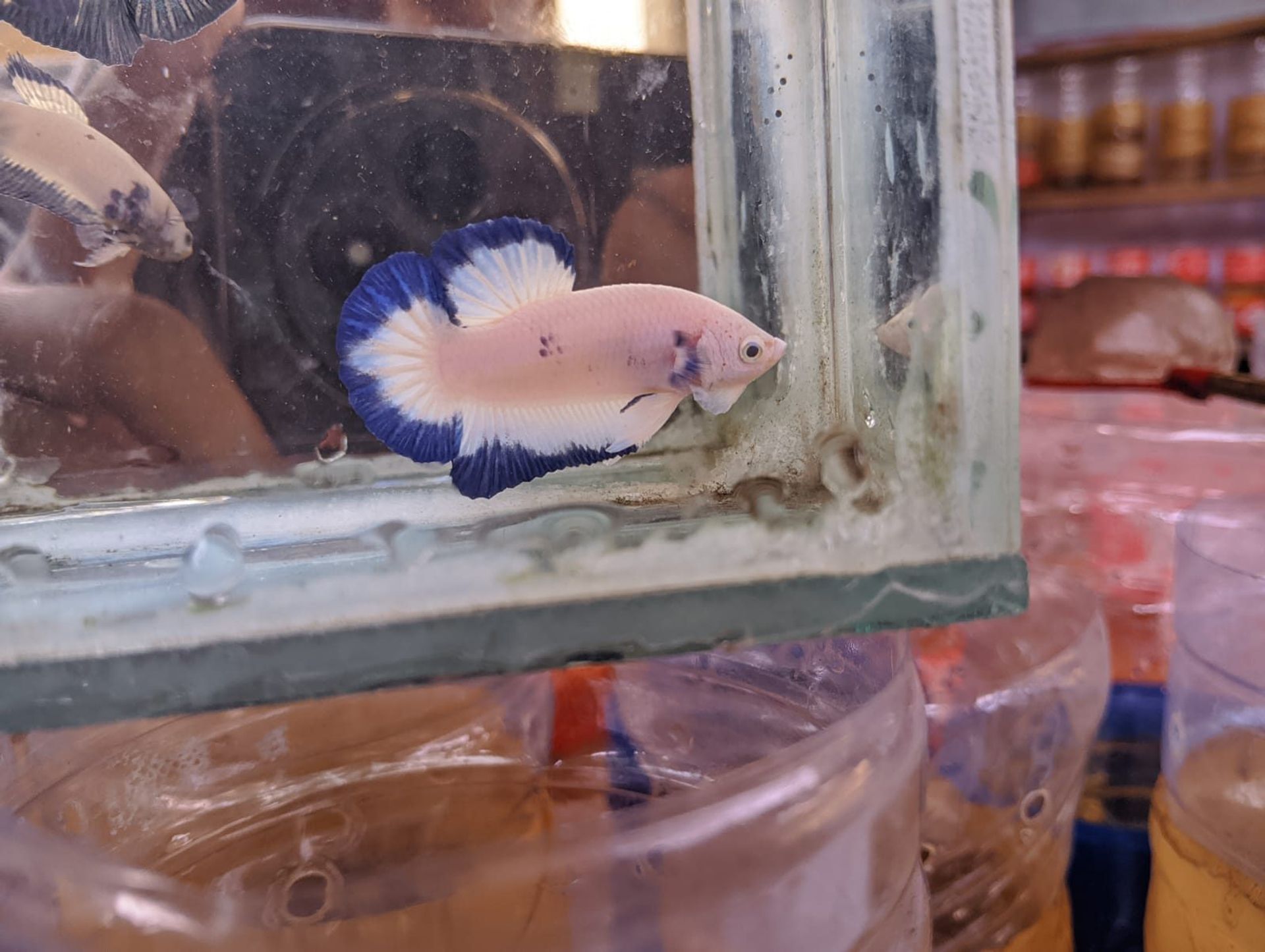
Betta Blue Rim (Betta Blue Rim)
SGD 35.00
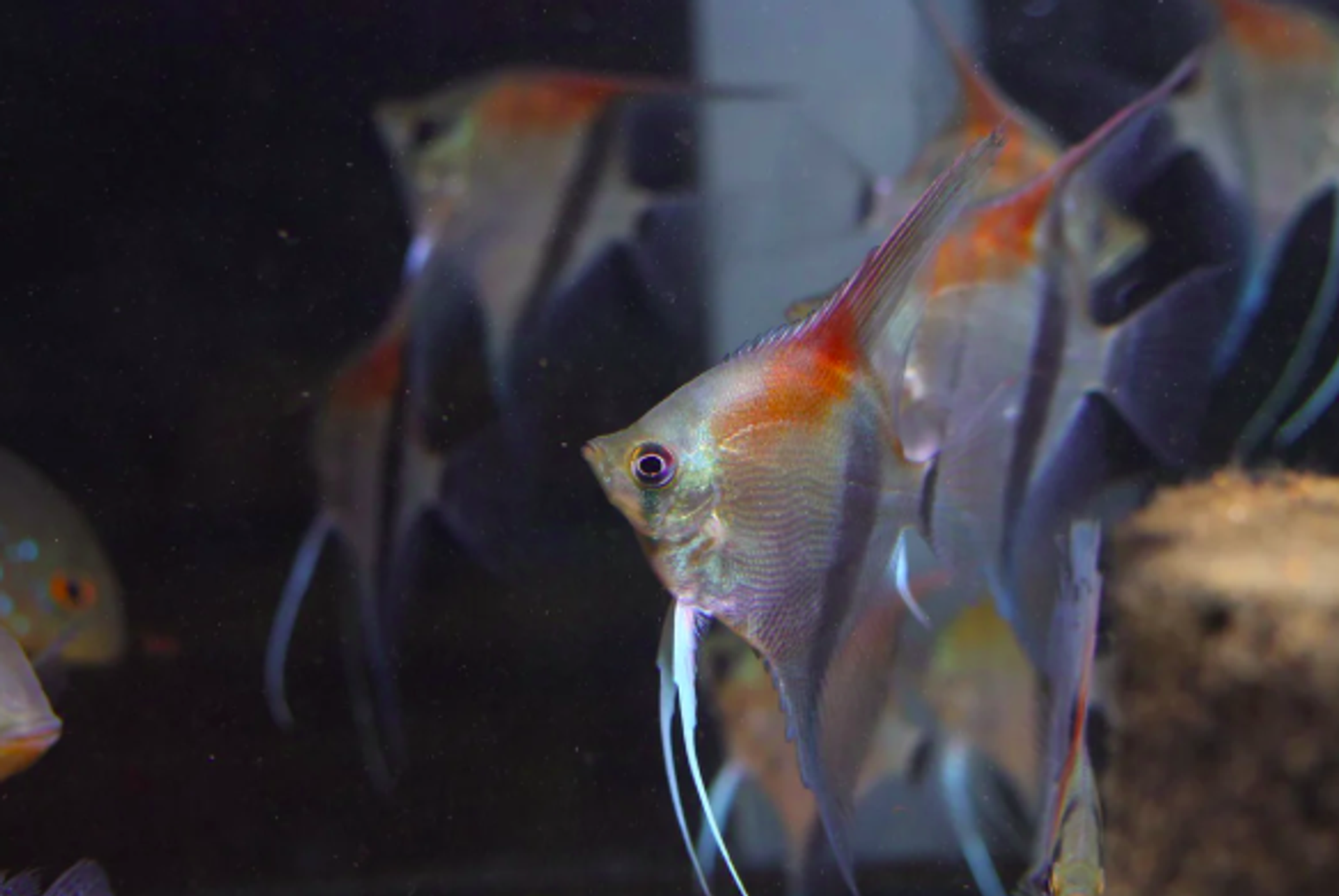
Angelfish (Pterophyllum Scalare sp. 'Manacapuru Red')
SGD 7.00
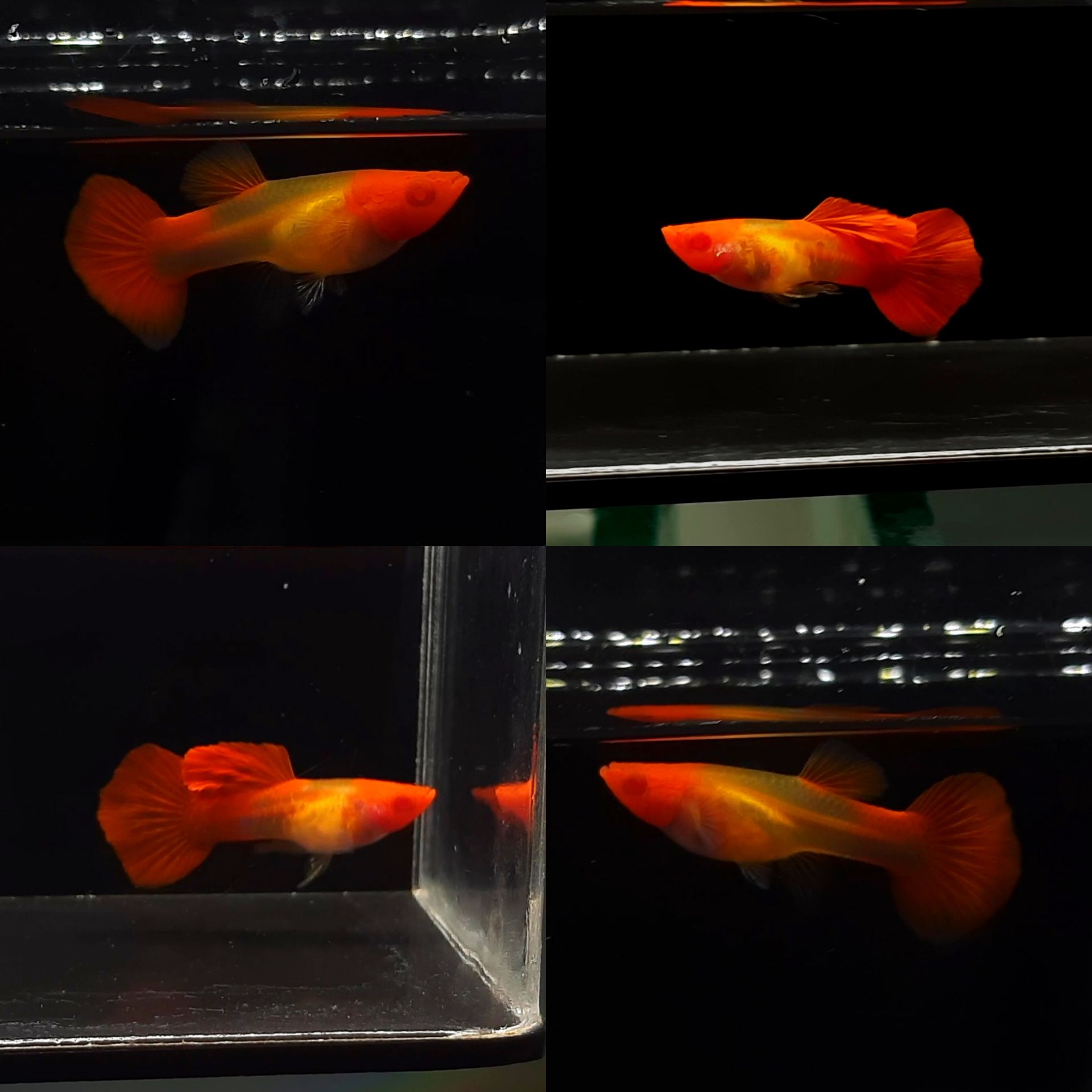
Guppy Albino Snakeskin Koi Glassbelly
SGD 22.00
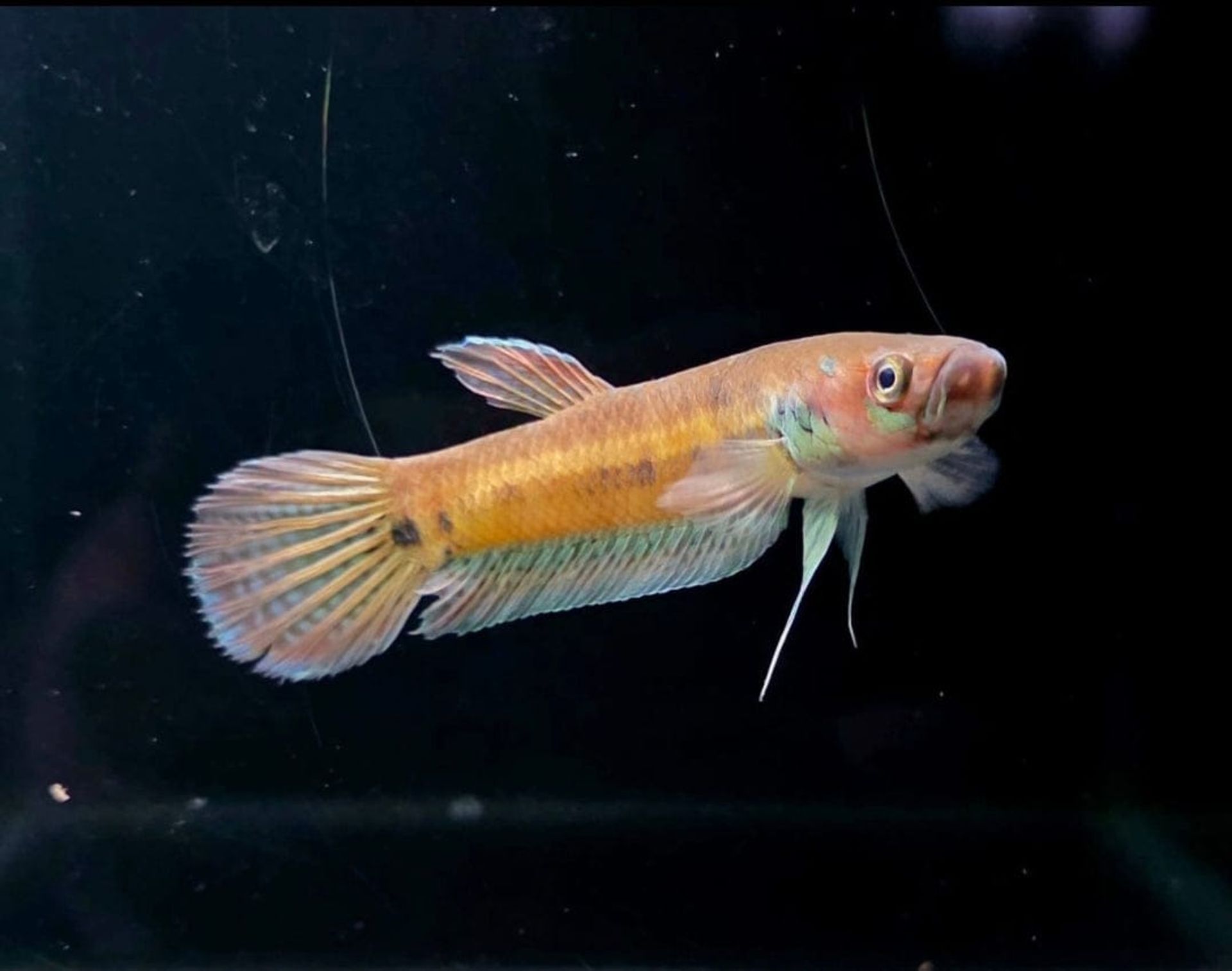
Betta sp. Cerulean
SGD 80.00
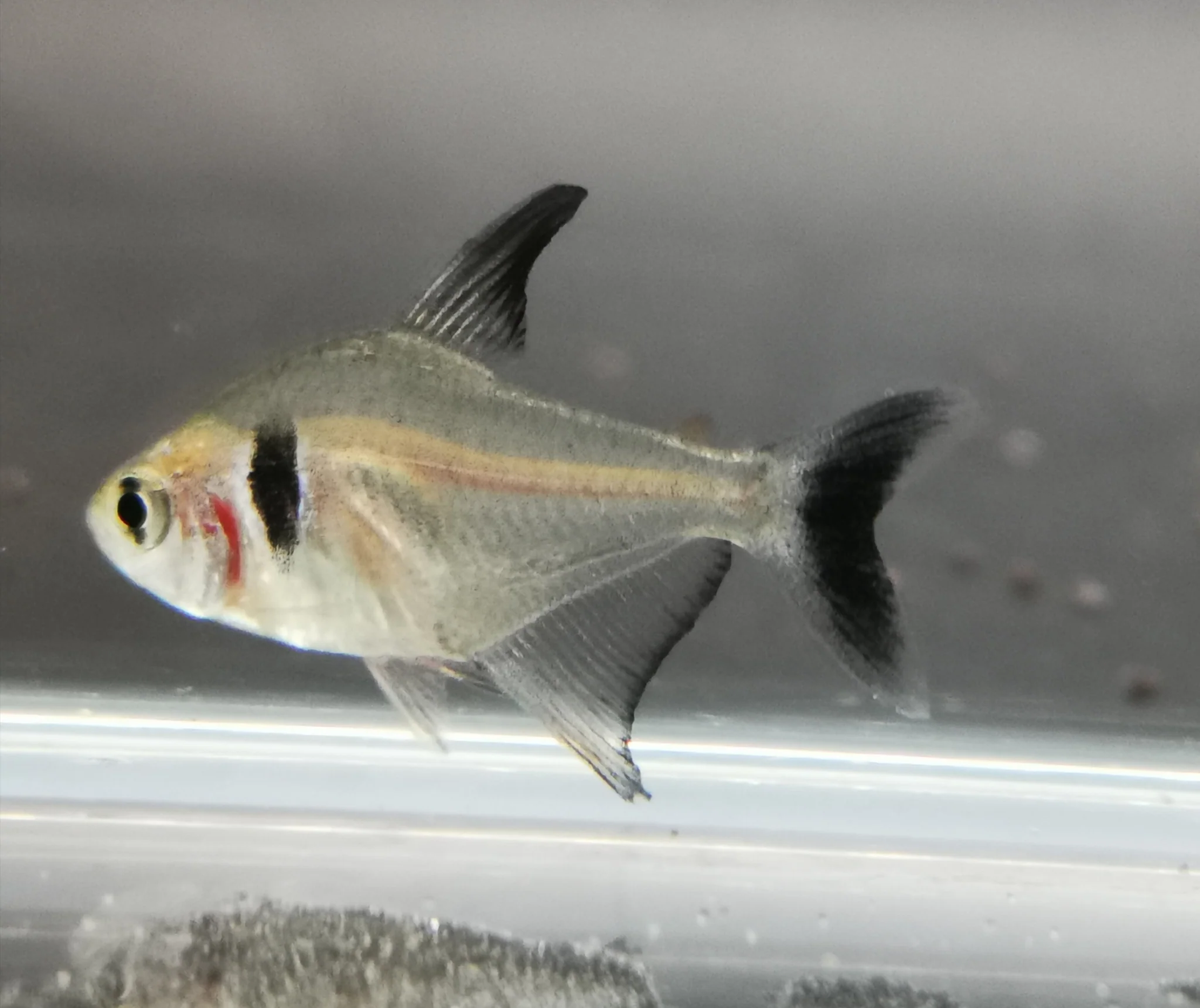
Black phantom tetra 2.5cm
SGD 0.88
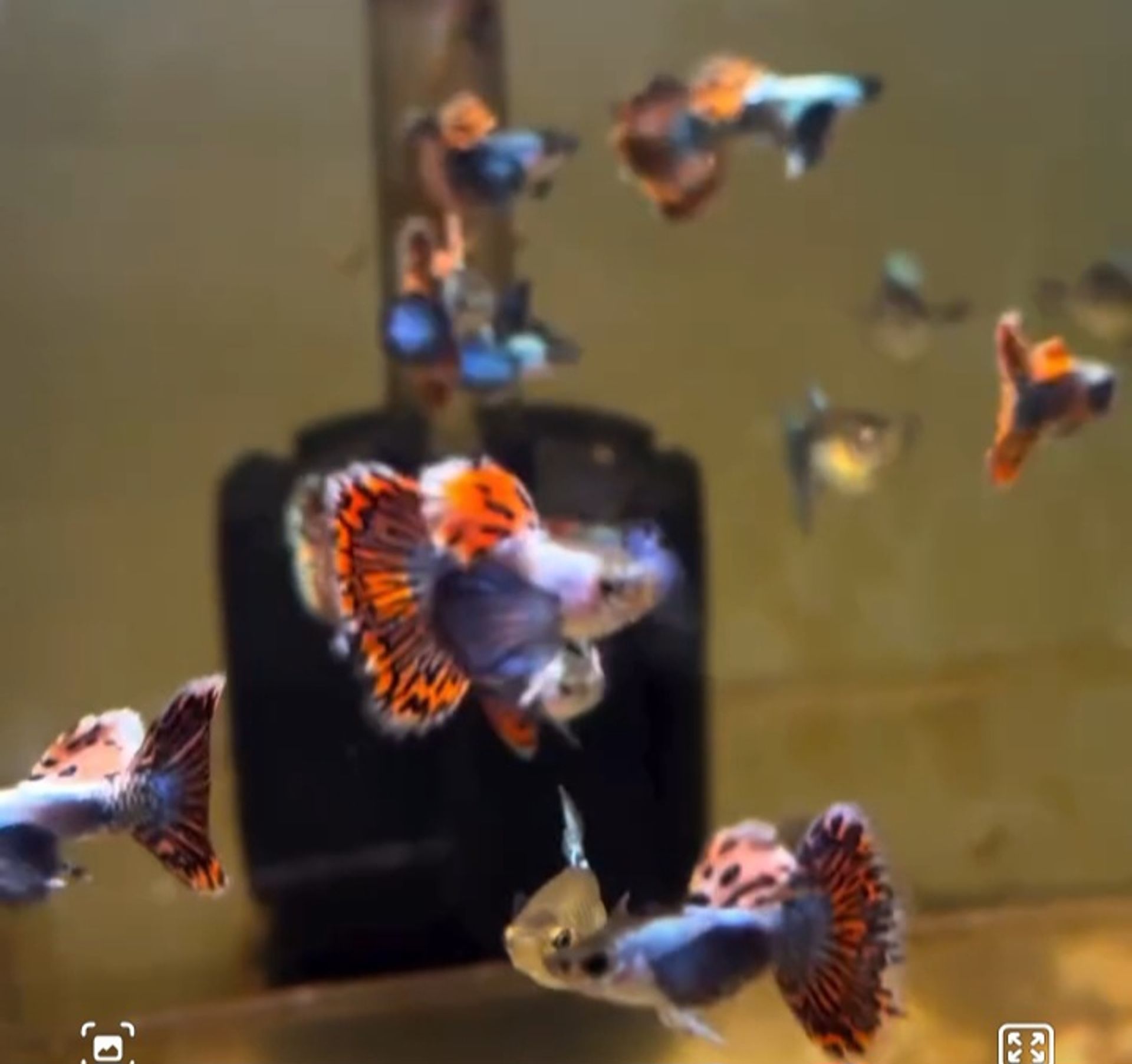
Dumbo Ear Guppy (Platinum Red Mozaik Dumbo ear)
SGD 60.00
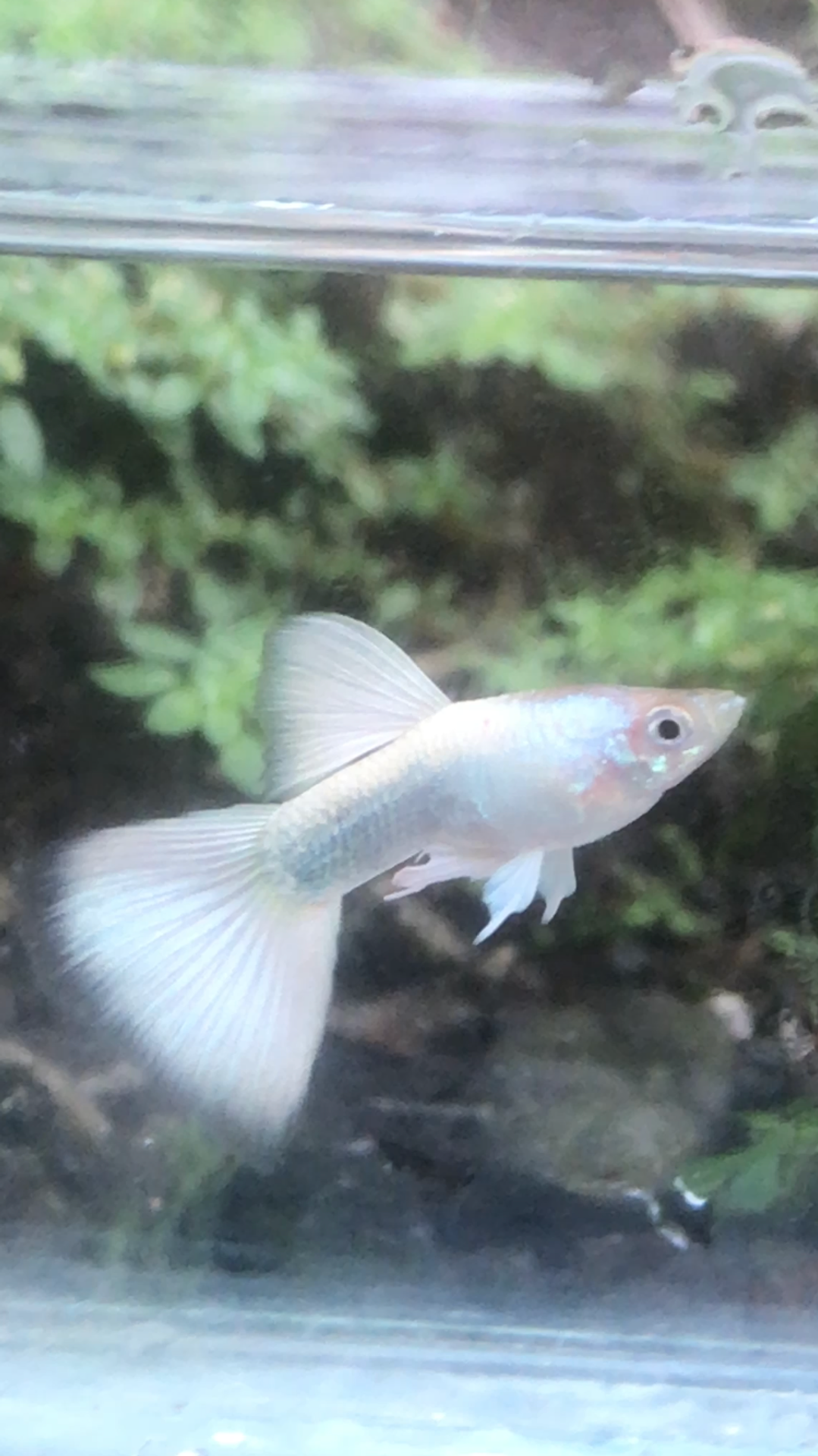
Guppy (Albino Full Platinum Black eyes)
SGD 60.00
Similar Plecos, Corys & Bottom Dwellers You May Like

Tail-Spot Pygmy Cory (Corydora..
SGD 6.00Corydoras Adolfoi (Corydoras A..
SGD 33.50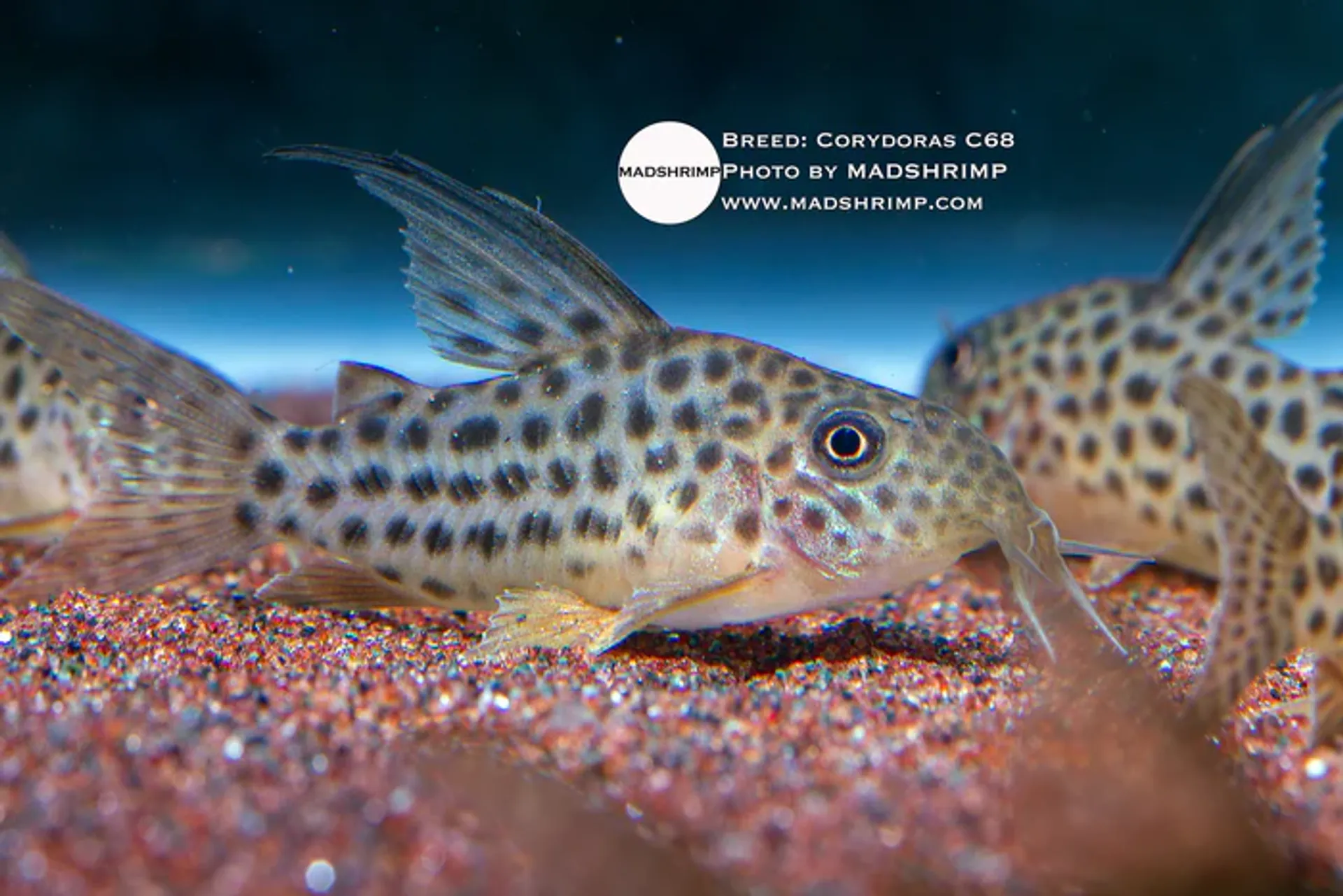
Araguaia Cory (Brochis Araguai..
SGD 52.50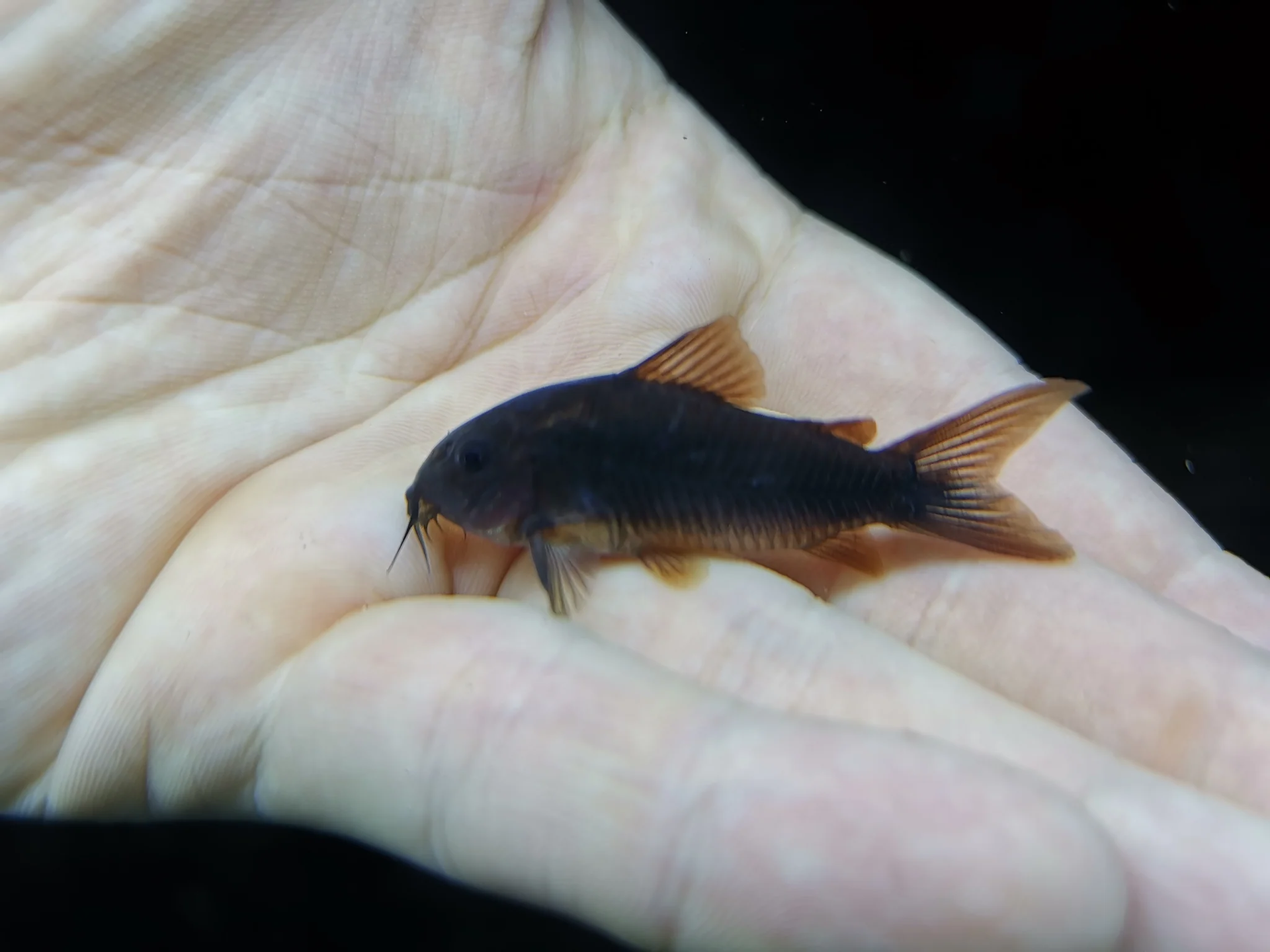
Venezuela Black Cory (Corydora..
SGD 11.00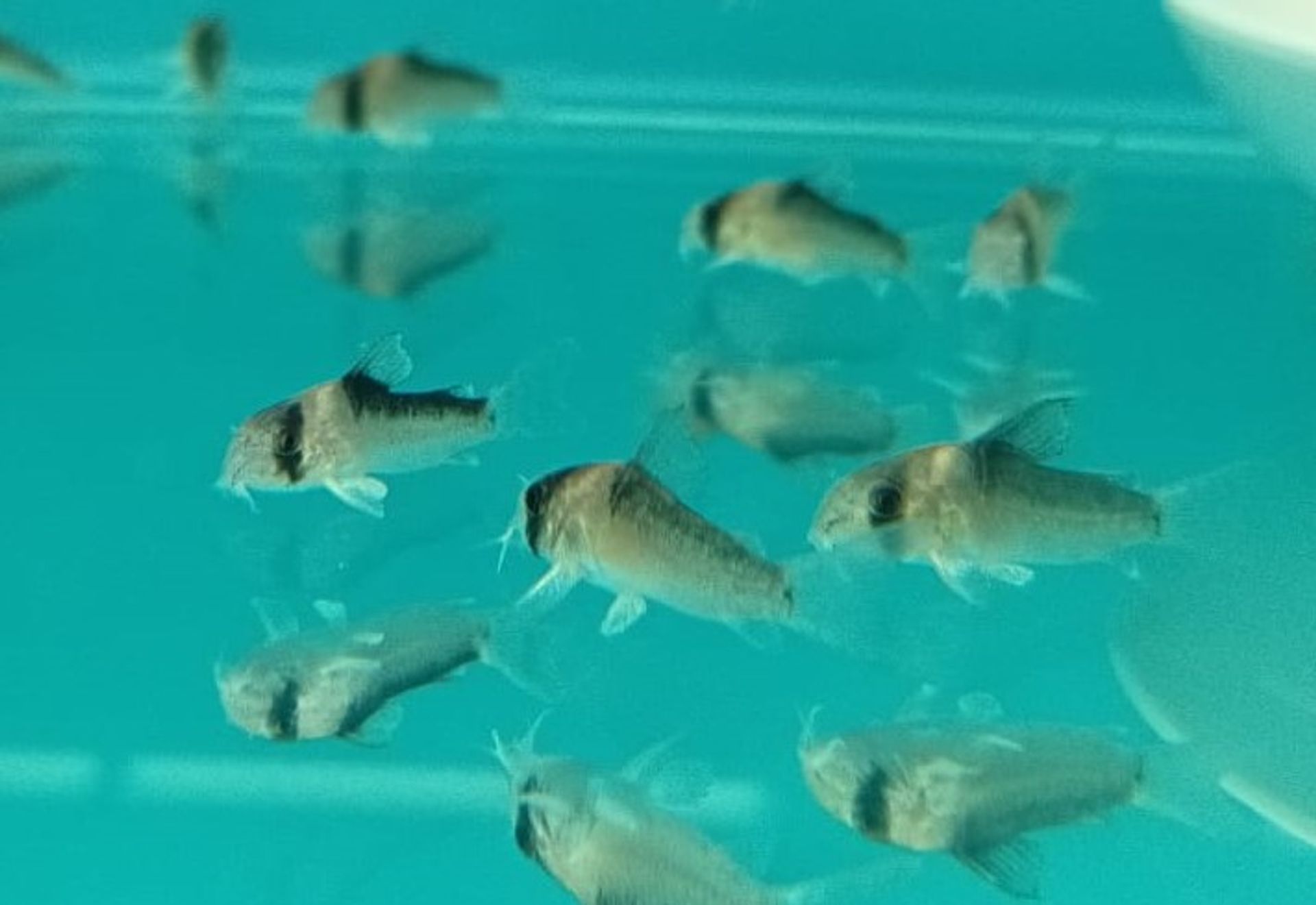
Adolfo's Cory (Aldofus Corydor..
SGD 6.50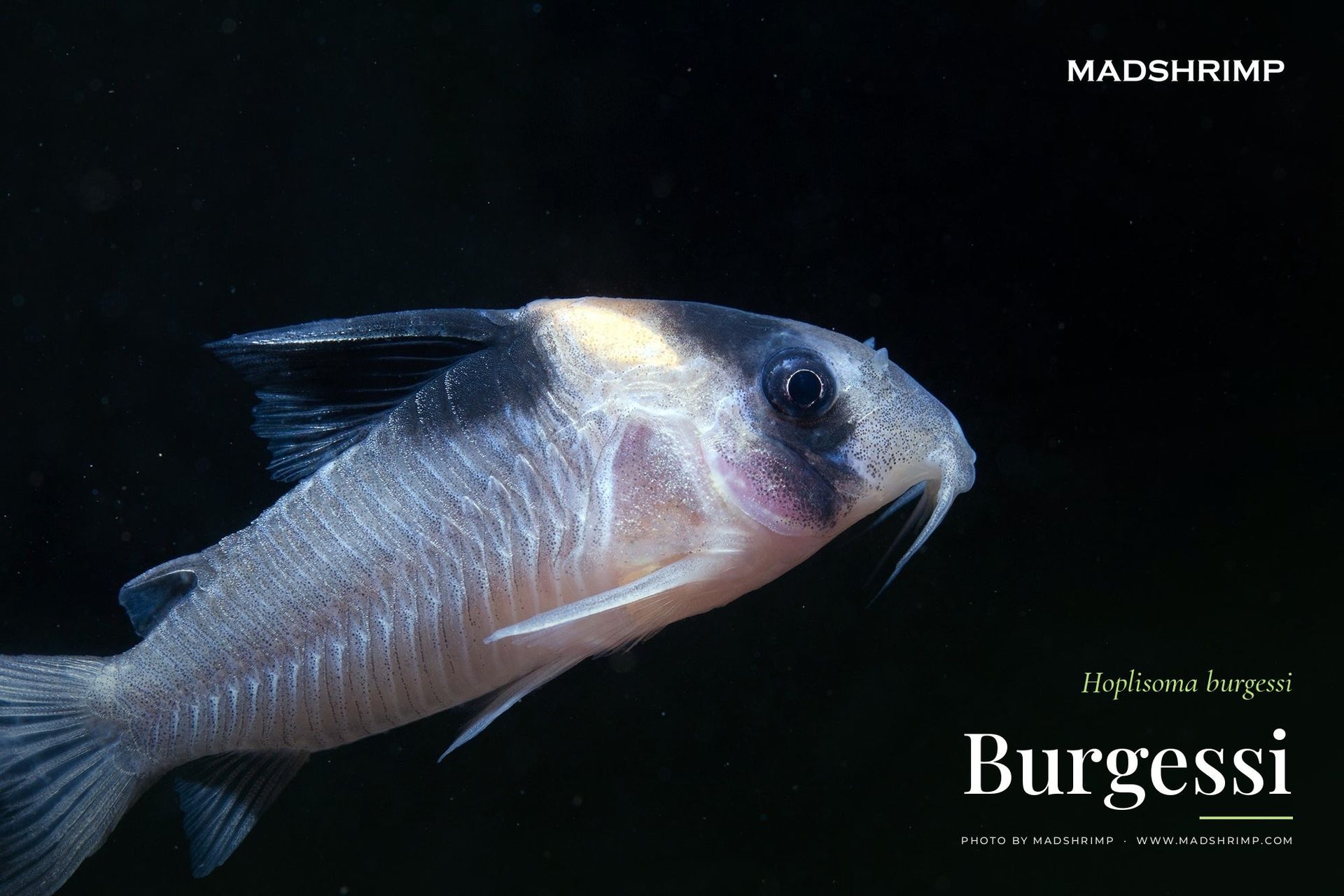
Hoplisoma Burgessi
SGD 43.75
Julii Cory (Corydoras Julii (2..
SGD 1.93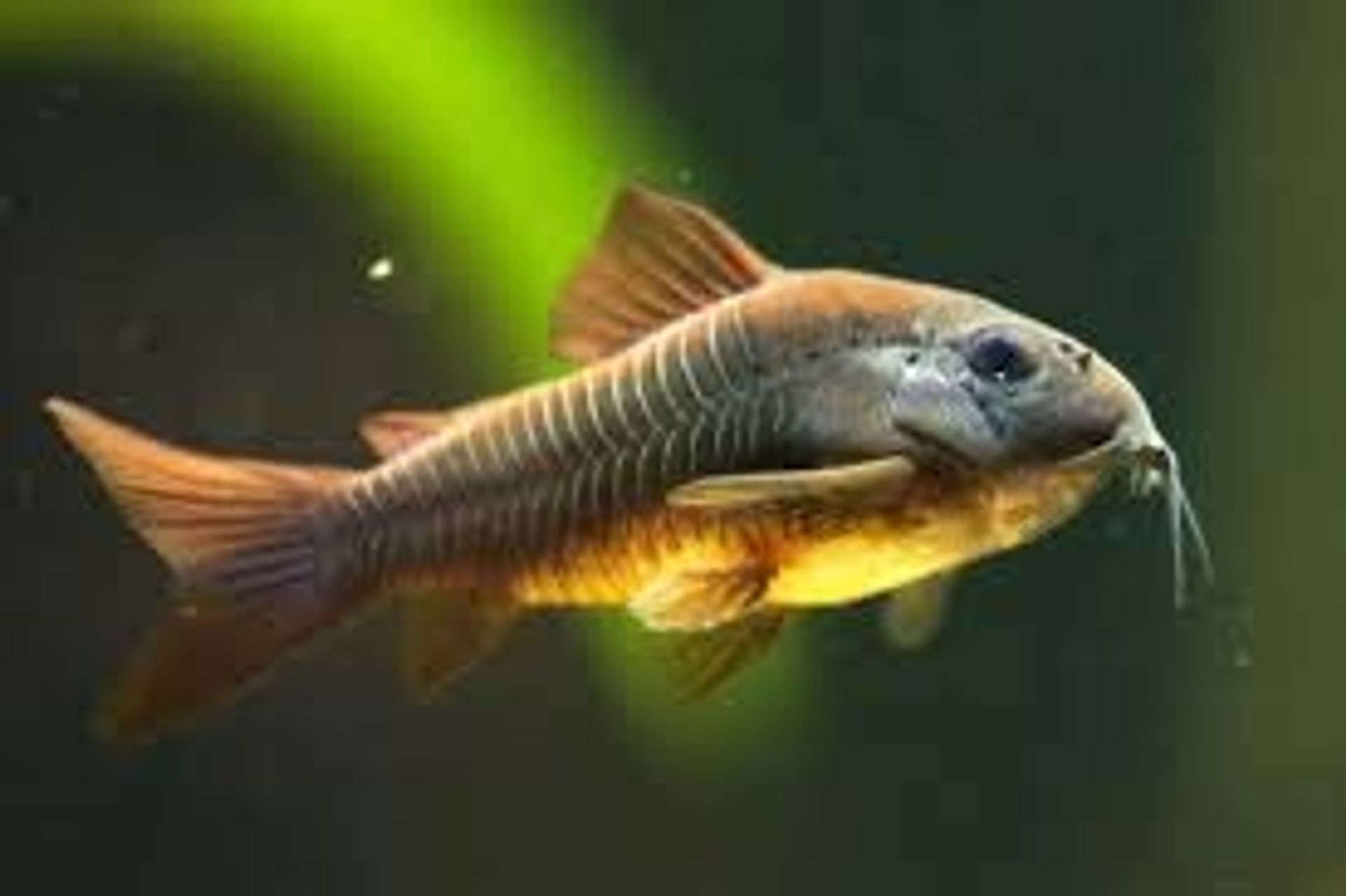
Black Venezuela Cory (Corydora..
SGD 10.00Panda Cory (Corydoras Panda (2..
SGD 1.93
Albino Sterbai Cory (Corydoras..
SGD 2.75
Incolicana Cory (Corydoras Inc..
SGD 36.00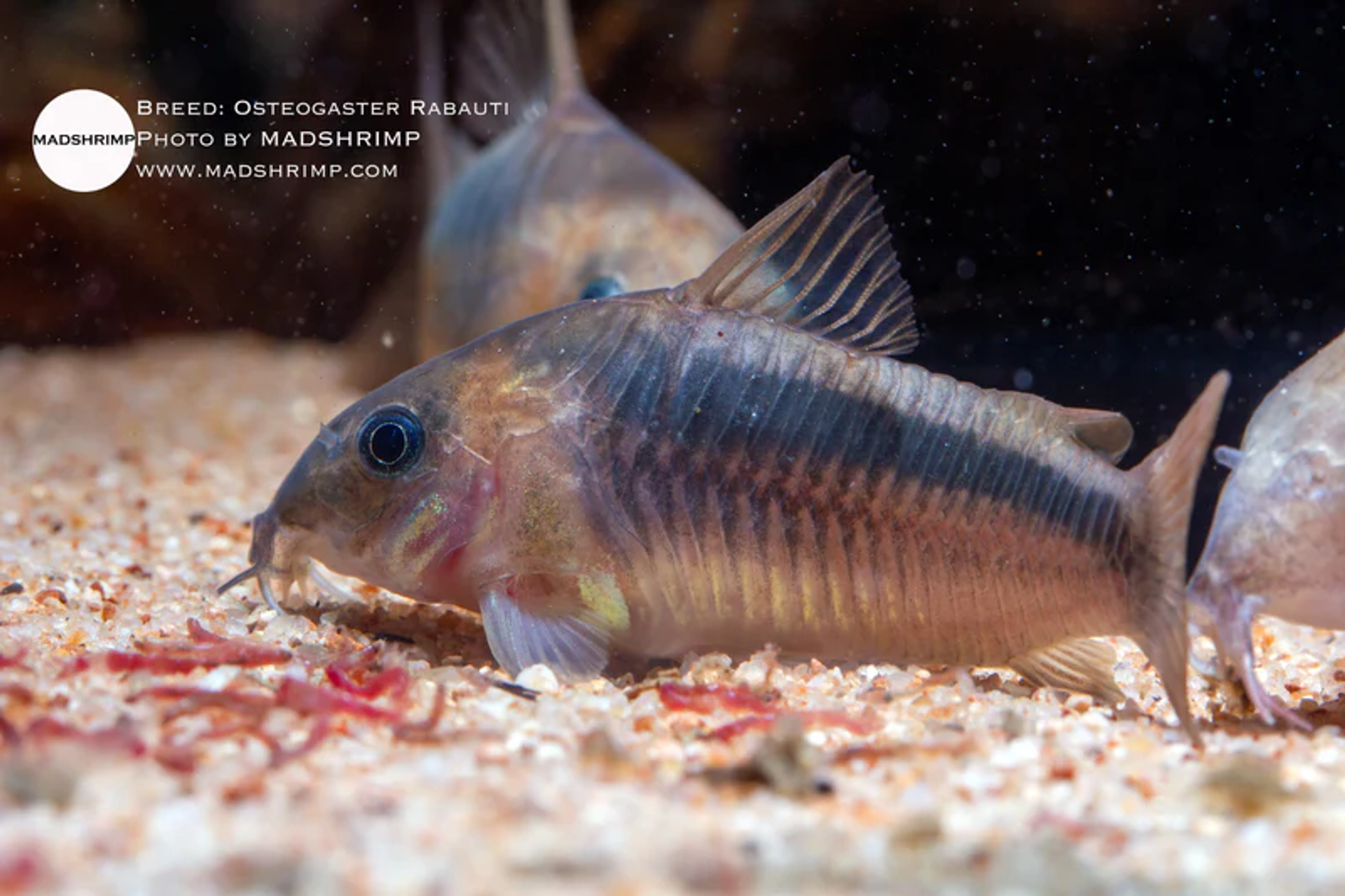
Rabaut's Cory (Osteogaster Rab..
SGD 34.38
Parallel Cory (Corydoras CW127..
SGD 60.50
Colossus Corydoras (Hoplisoma ..
SGD 25.00
Peppered Corydoras Long Fin
SGD 100.70
Corydoras Peppered (3cm)
SGD 0.99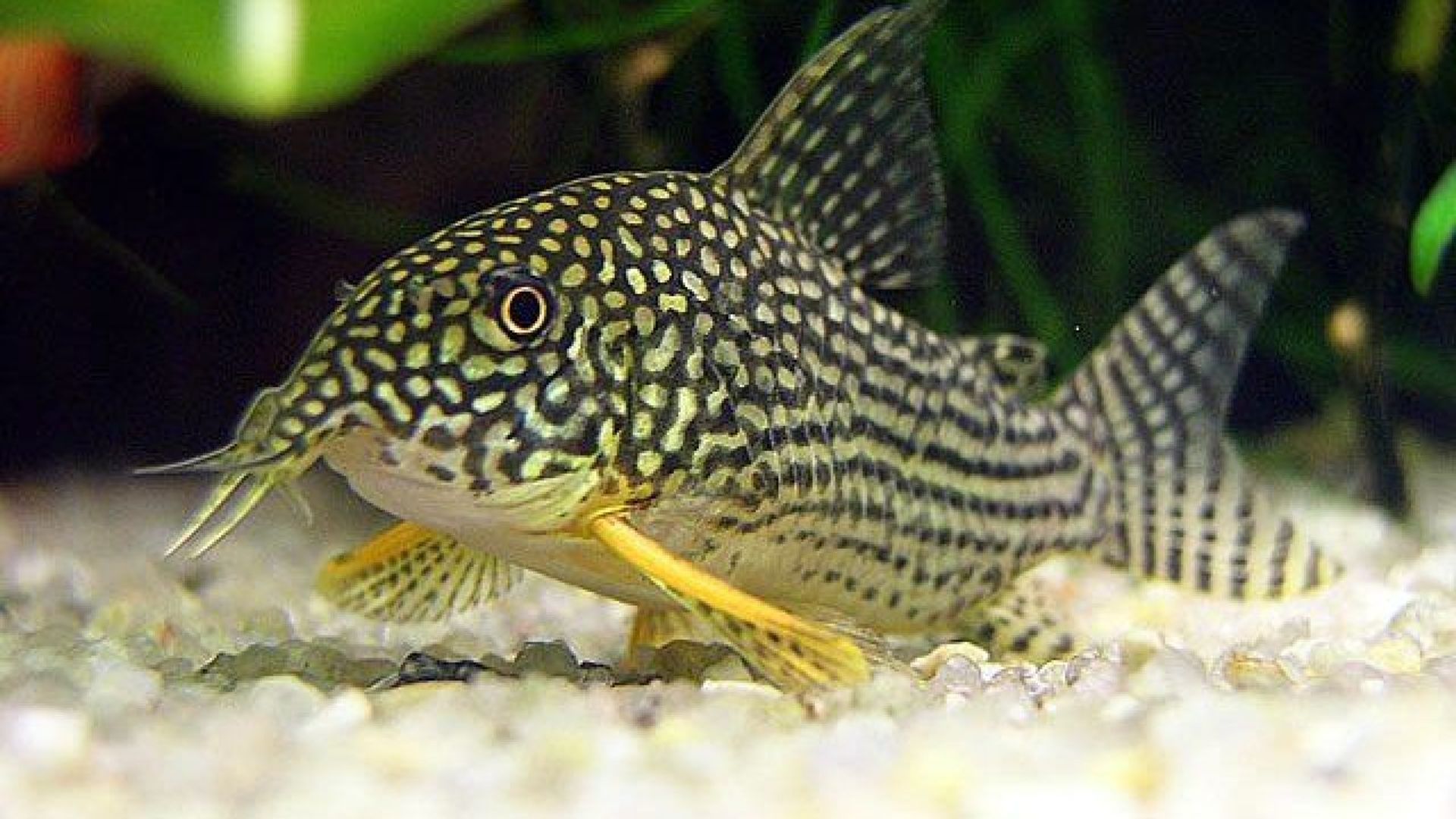
Jumbo Sterbai Corydoras
SGD 15.00
Parallel Cory (Hoplisoma Paral..
SGD 35.00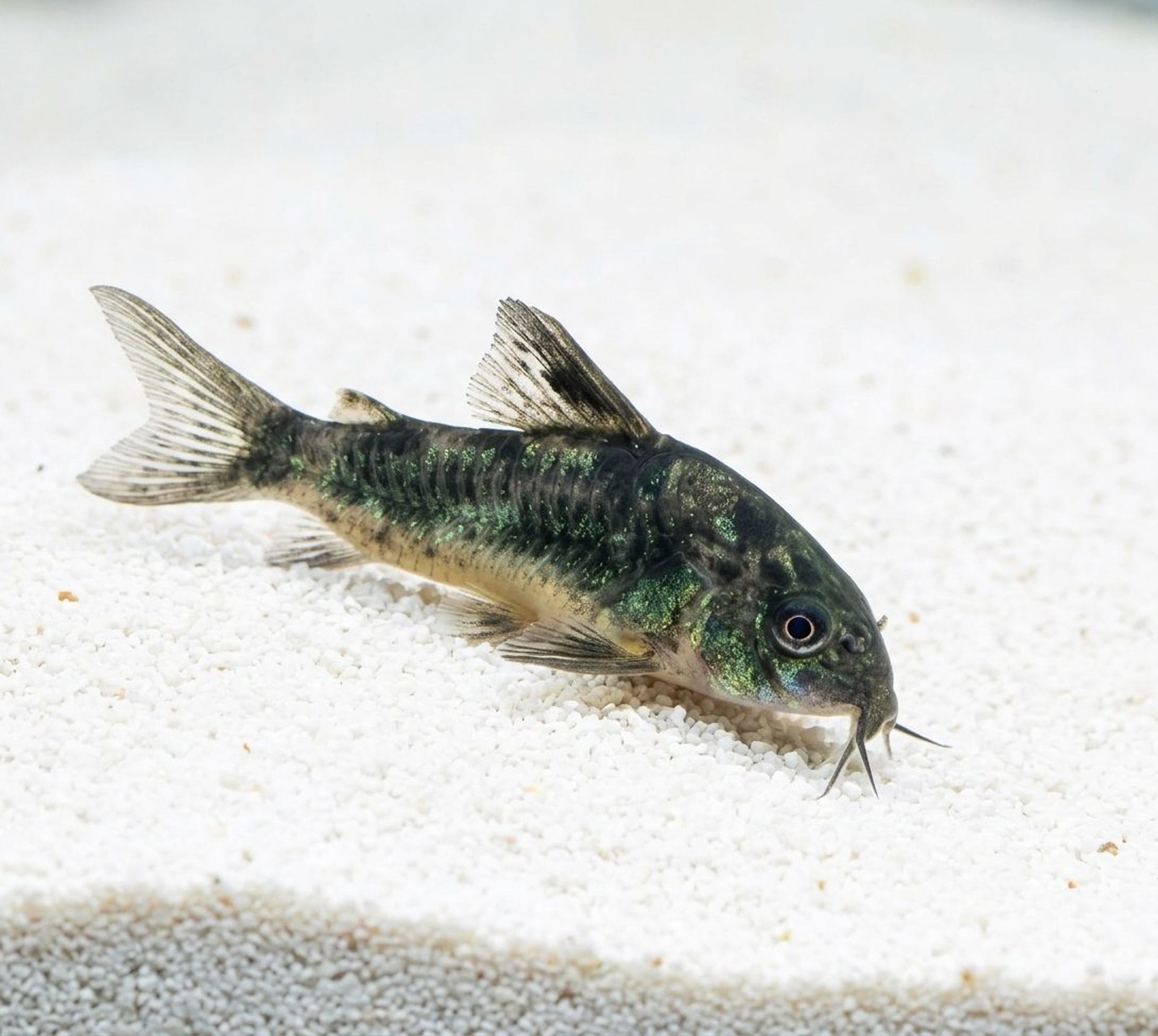
Peppered Corydoras
SGD 95.55
Schwartz's Cory (Corydoras CW2..
SGD 49.50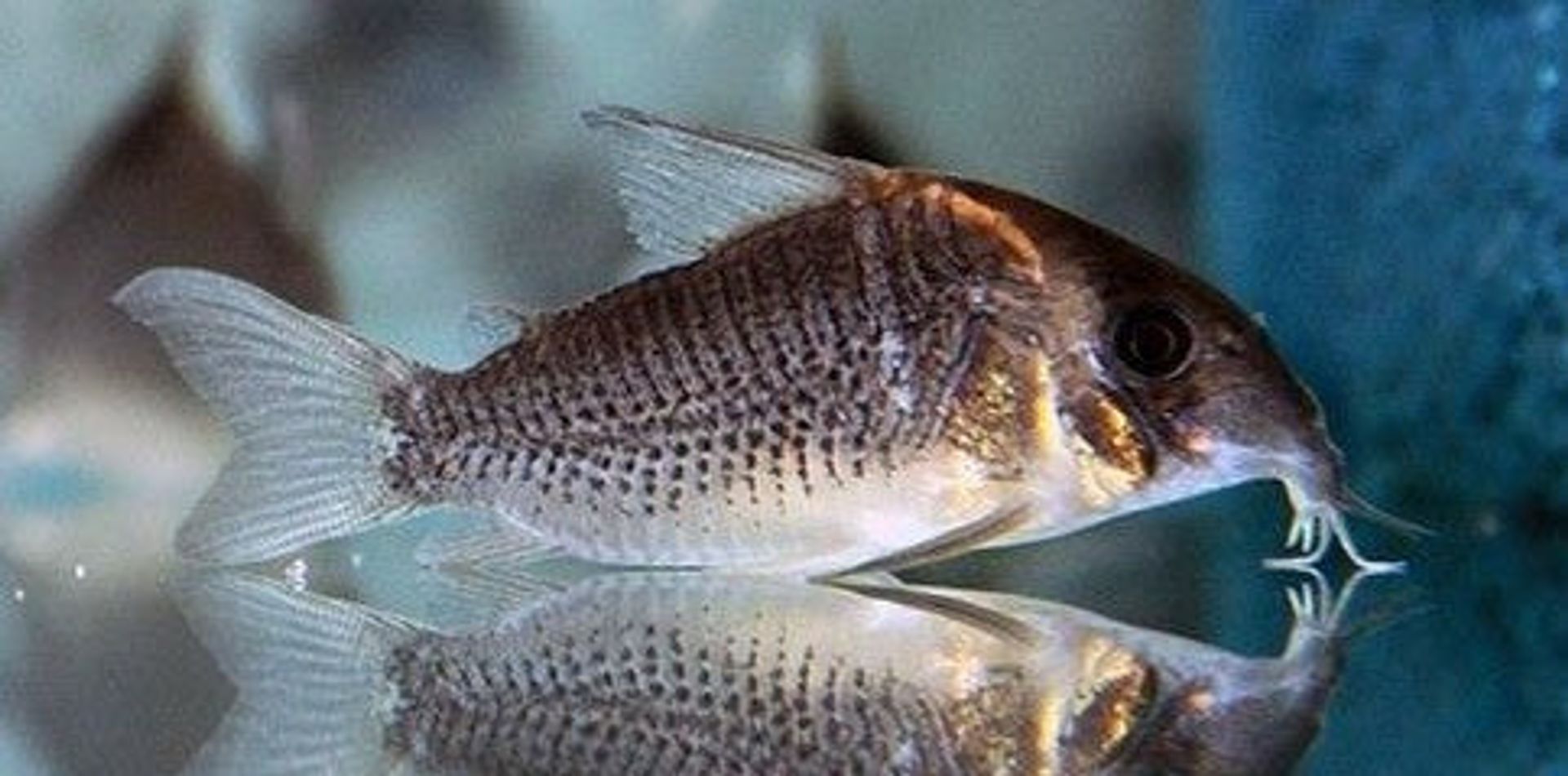
CW102 Corydoras
SGD 42.00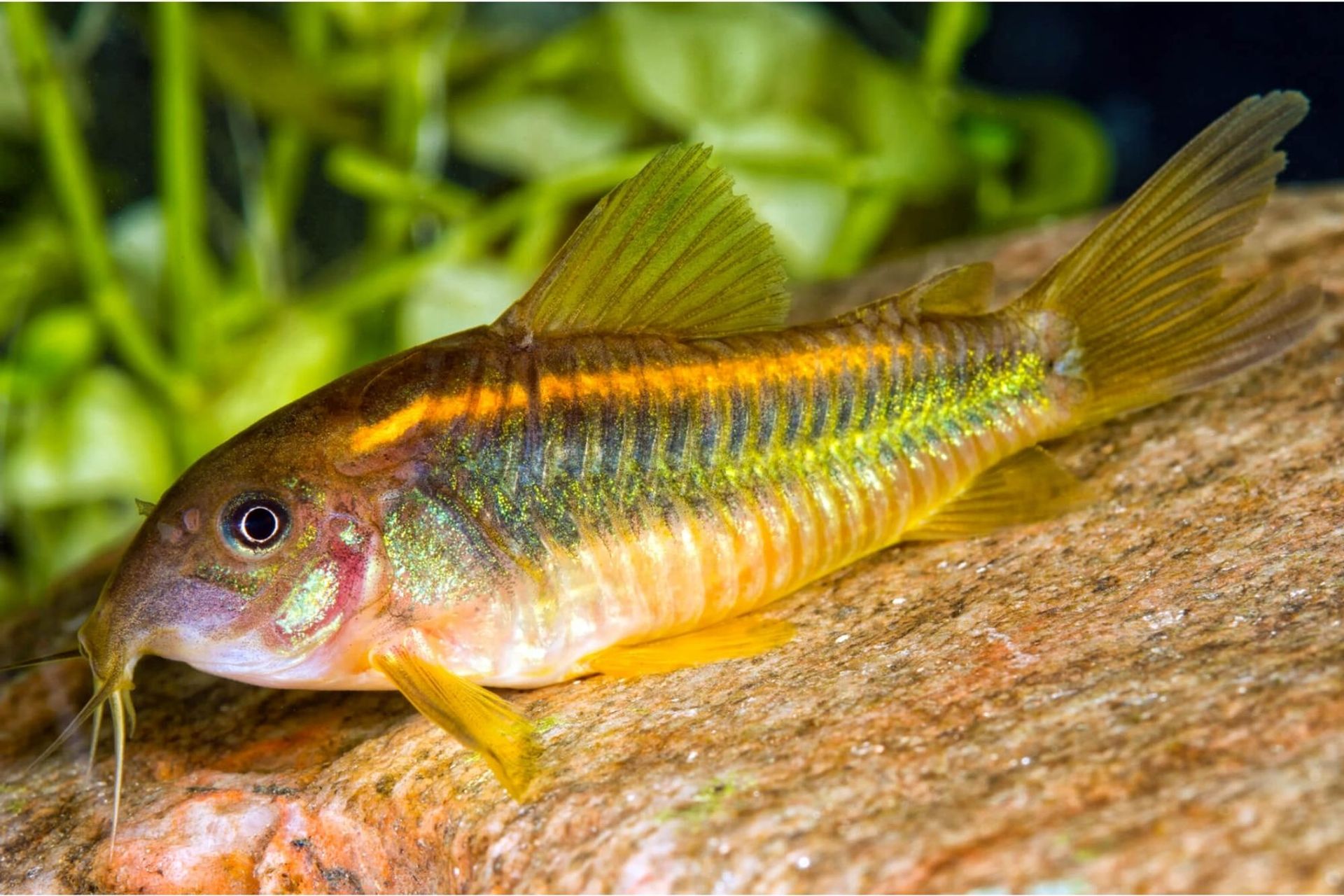
Gold Laser Corydoras
SGD 10.80
Sterbai Cory (Corydoras Sterba..
SGD 2.09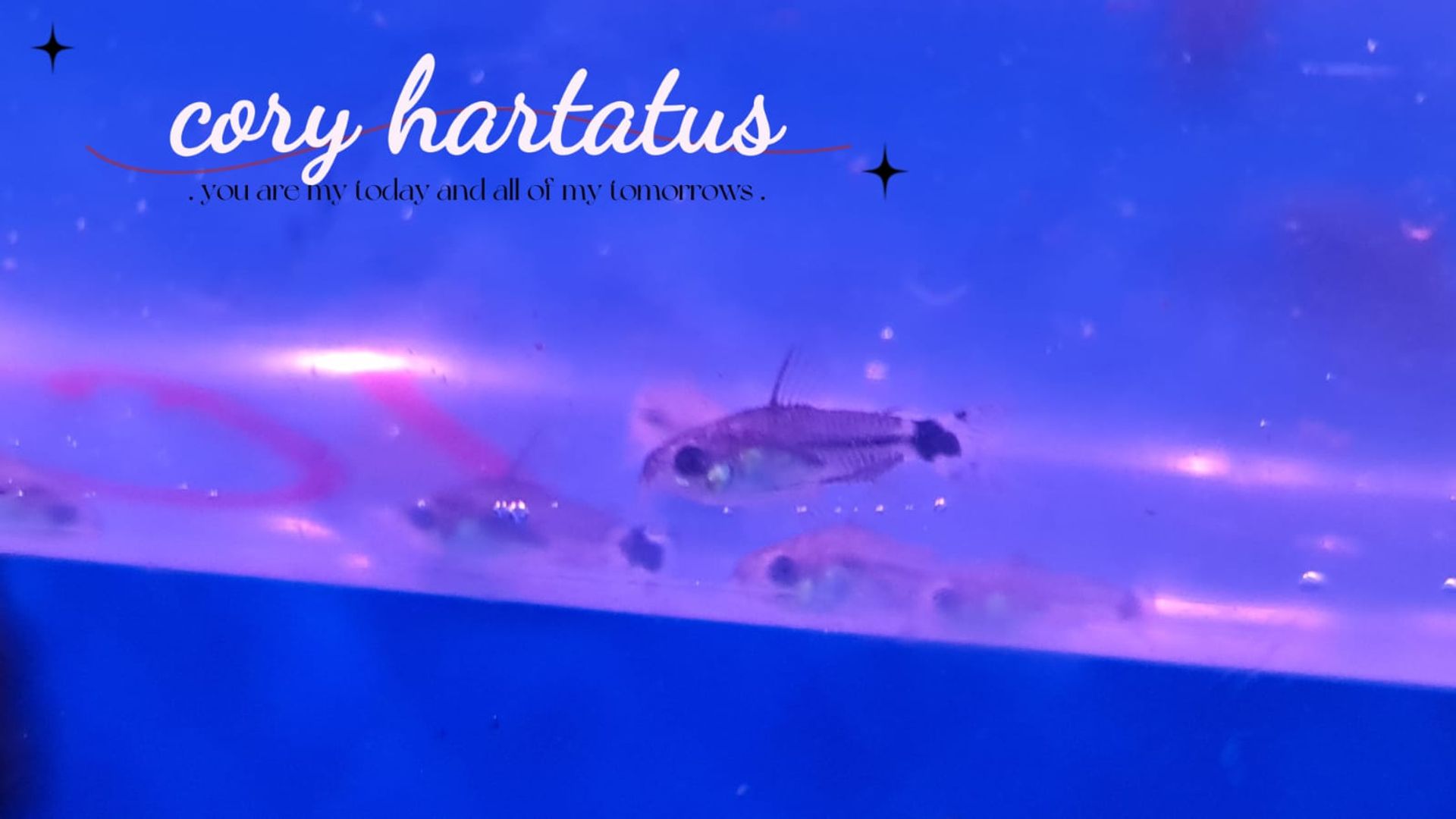
Hastatus Cory (Cory Hartatus)
SGD 10.00PEPPERED CORYDORAS ( CB-0227 )
SGD 1.50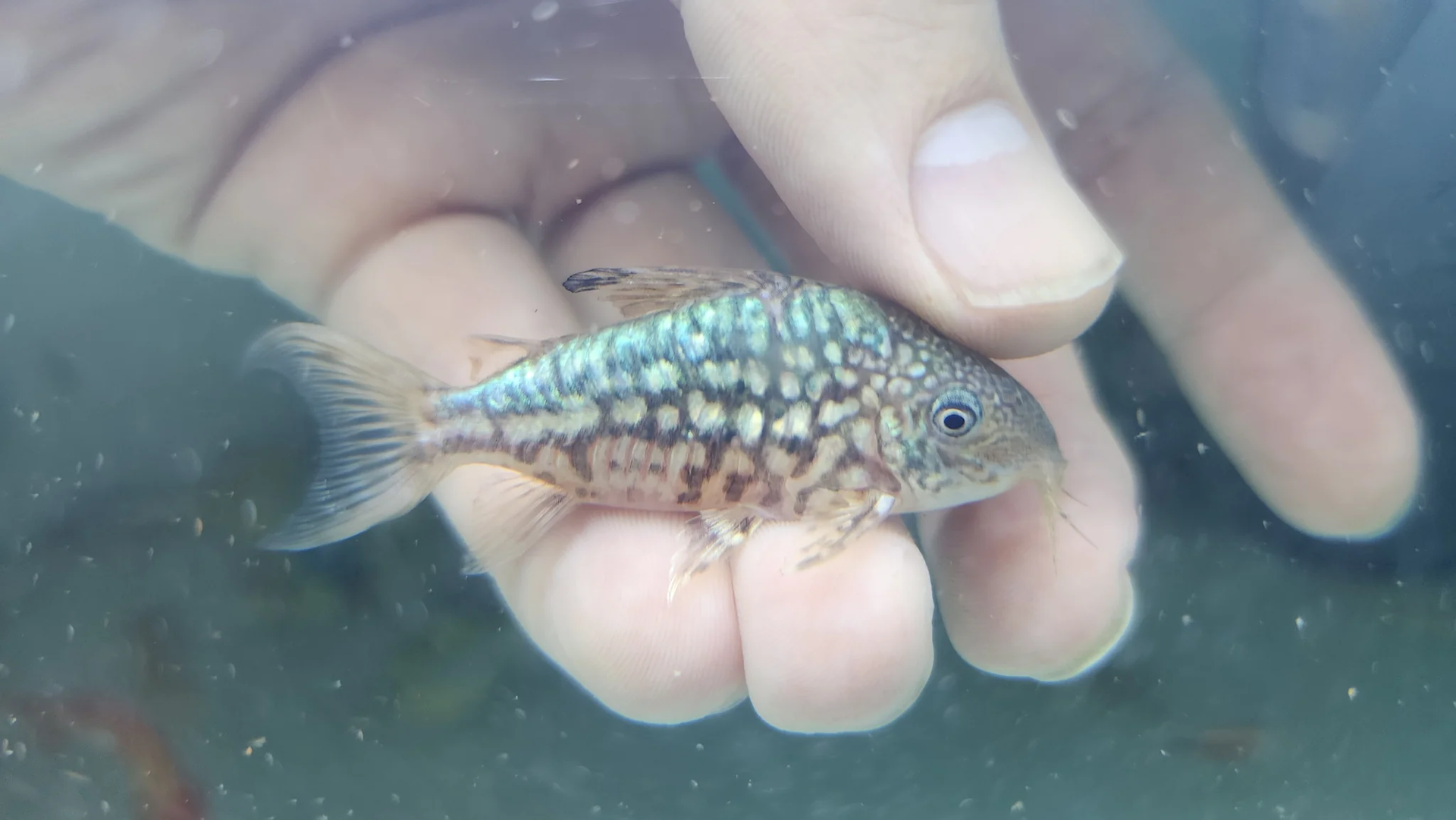
Pantanal Cory (Corydoras Panta..
SGD 13.20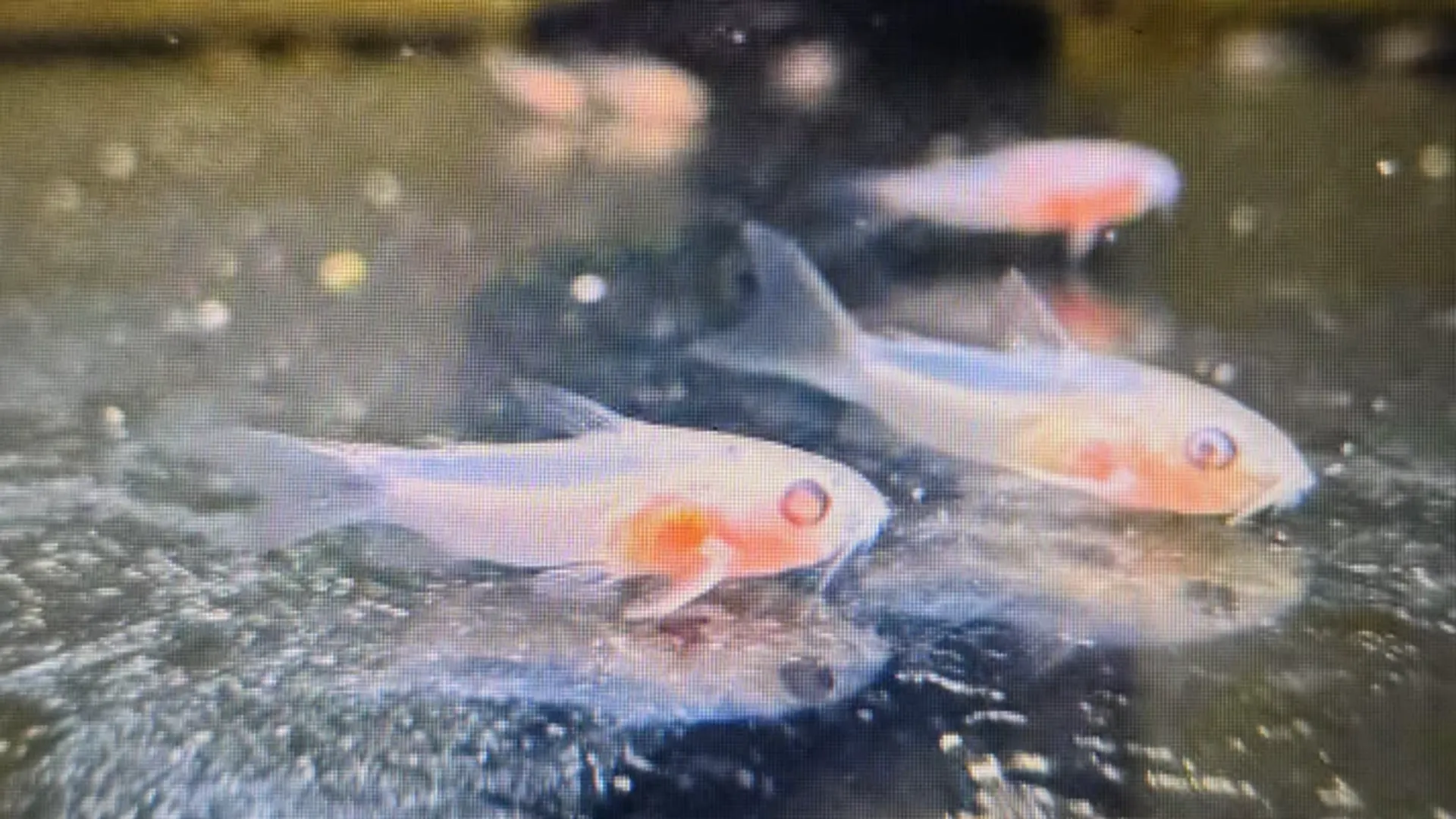
Albino Pygmy Corydoras
SGD 3.30
Paragua Cory (Hoplisoma Paragu..
SGD 50.00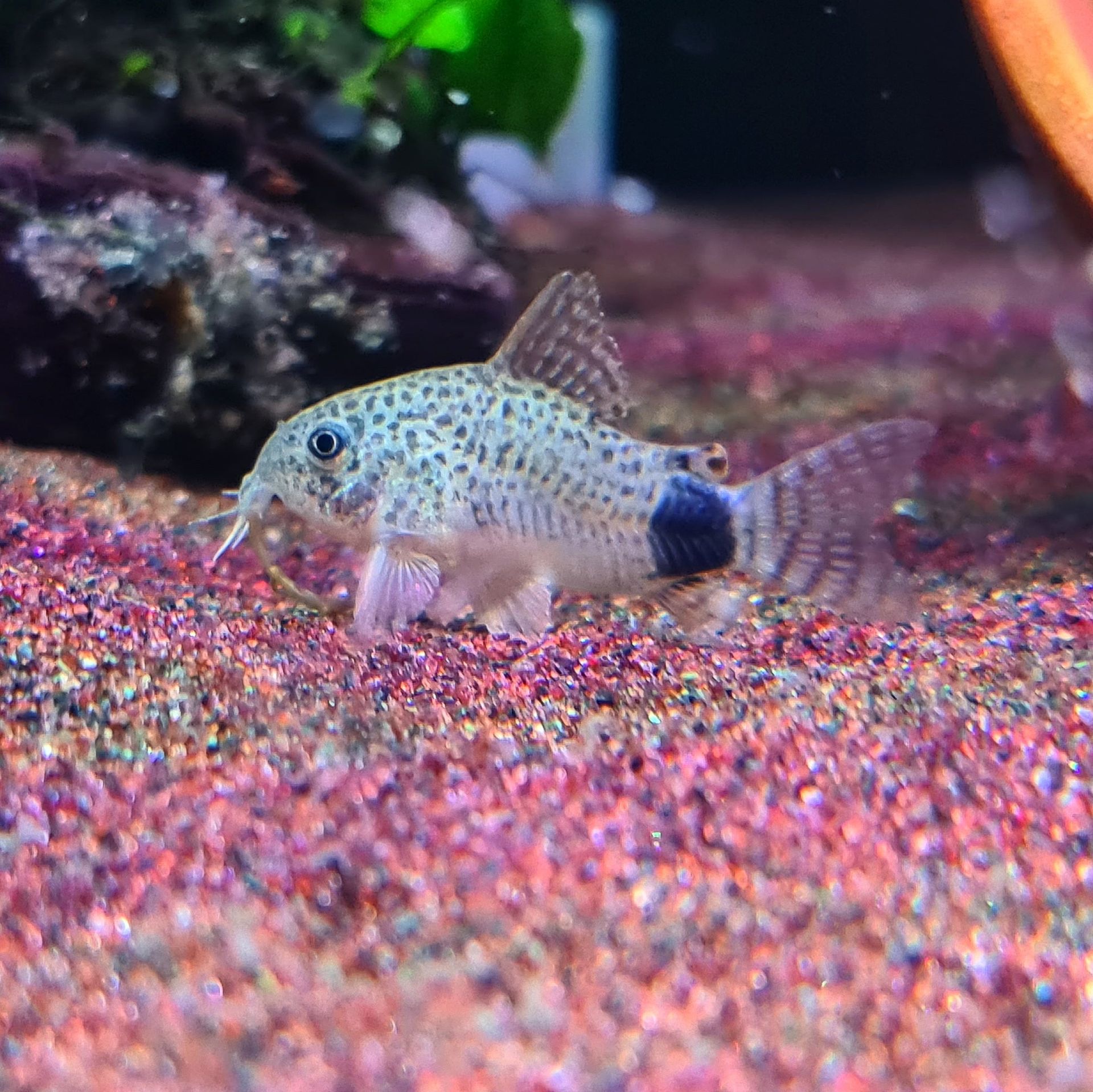
Caudimaculatus Cory (Corydoras..
SGD 6.00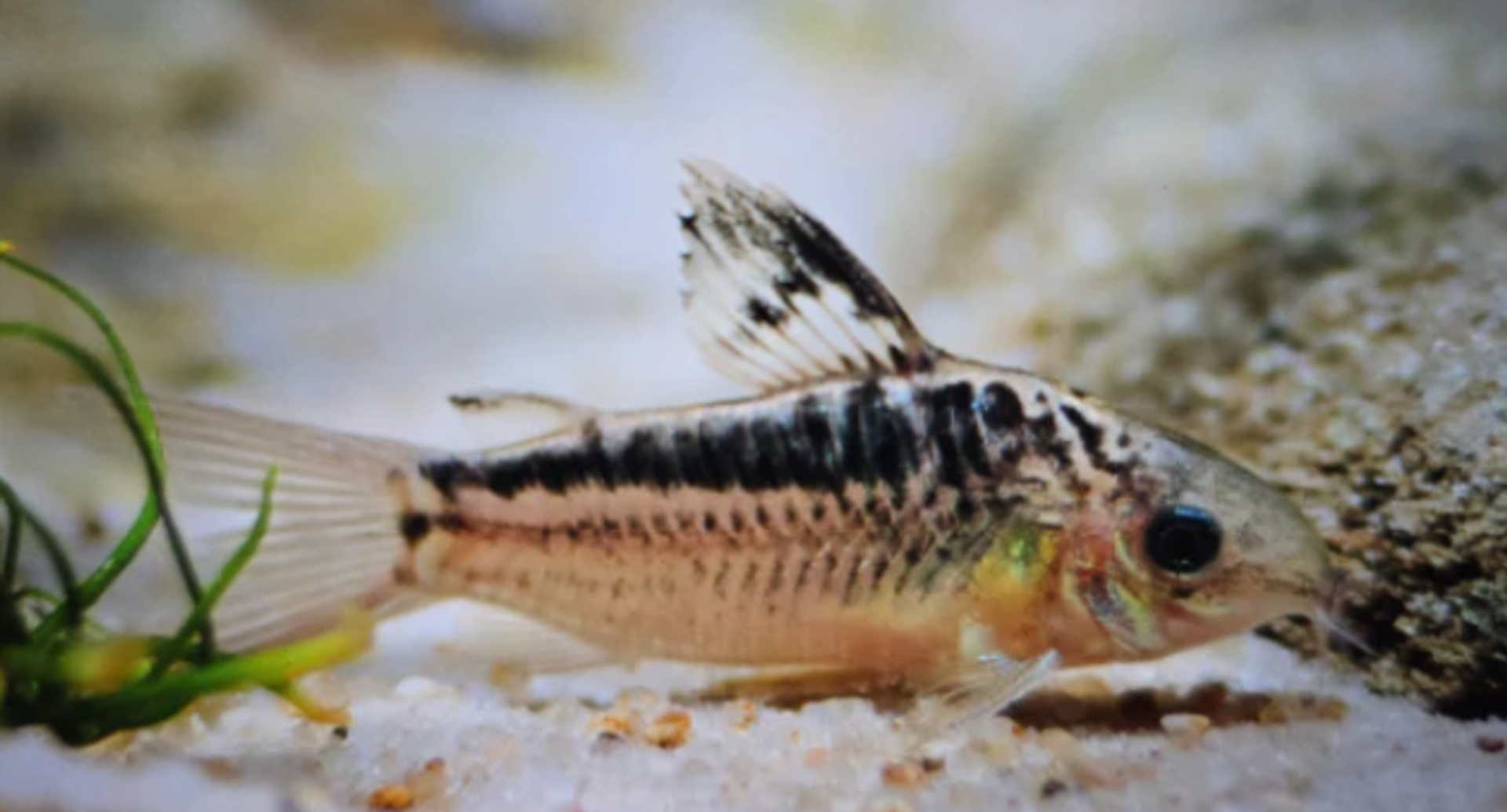
Elegant Cory (Corydoras Elegan..
SGD 9.90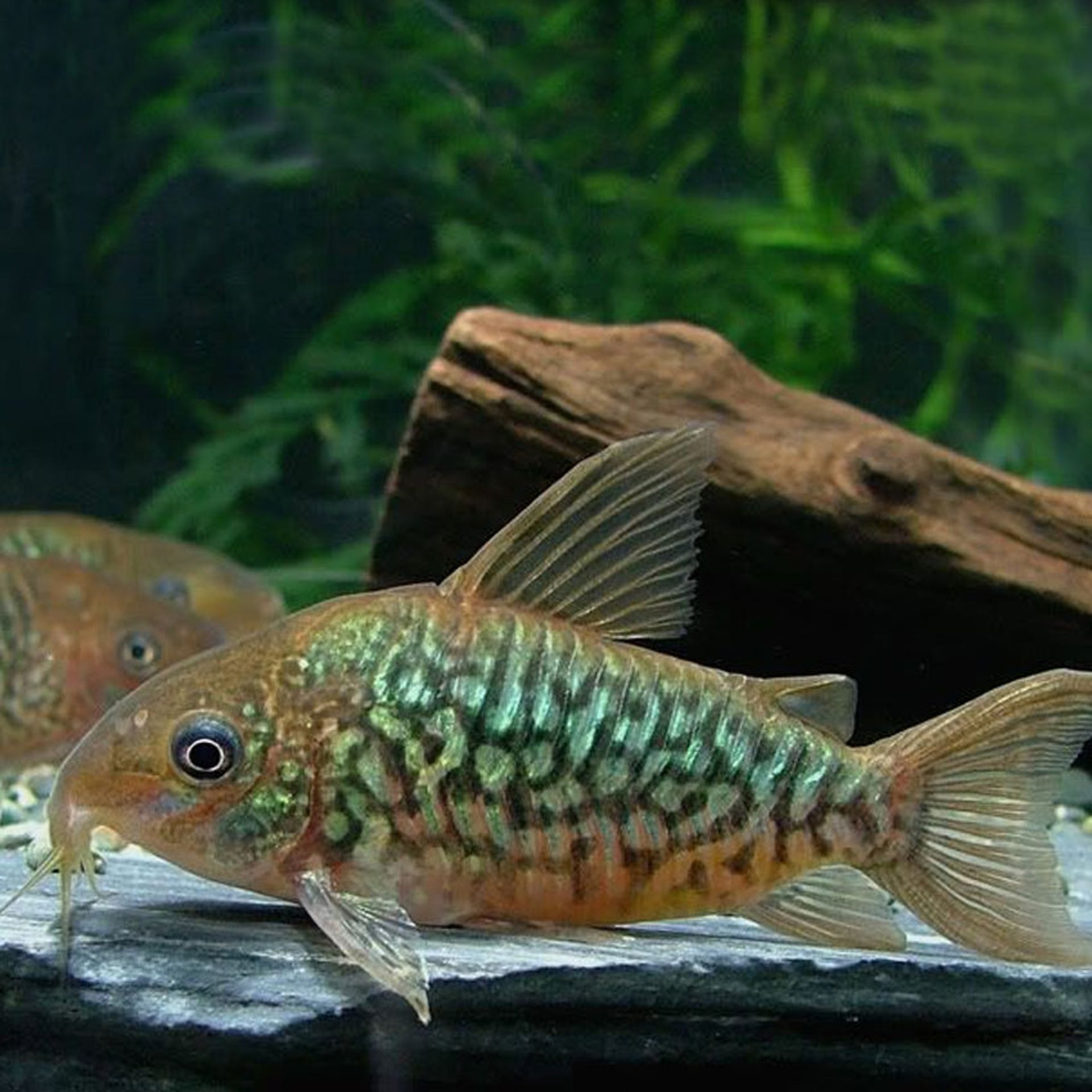
Pantanal Cory (Corydoras Panta..
SGD 58.00
Rio Tomo Cory (Corydoras CW217..
SGD 77.00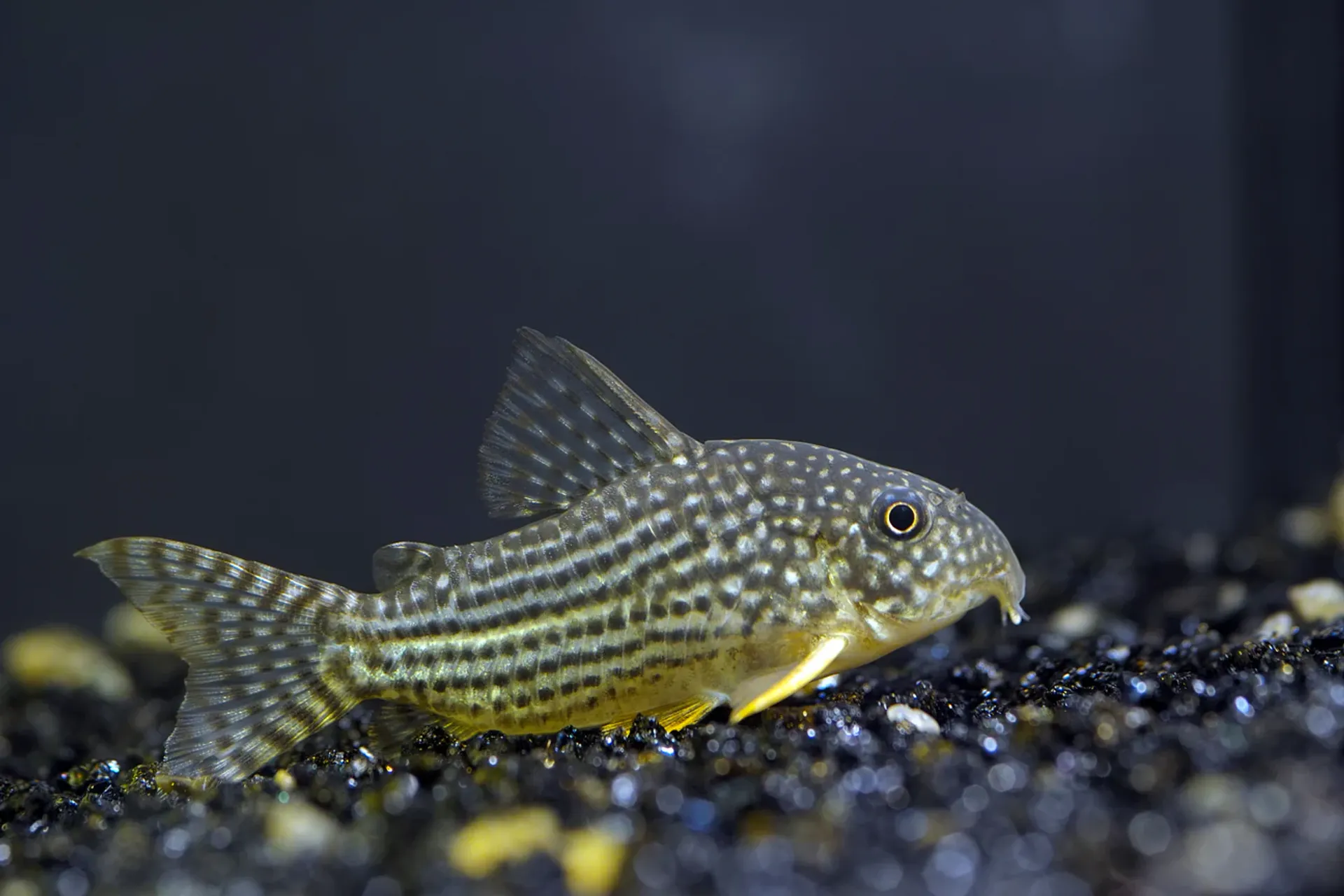
Sterbai Cory (Corydoras Sterba..
SGD 2.00
Longfin Panda corydoras (3cm)
SGD 2.75
Corydoras Albino (3cm)
SGD 0.99
Corydoras Emerald Green (2.5-3..
SGD 2.09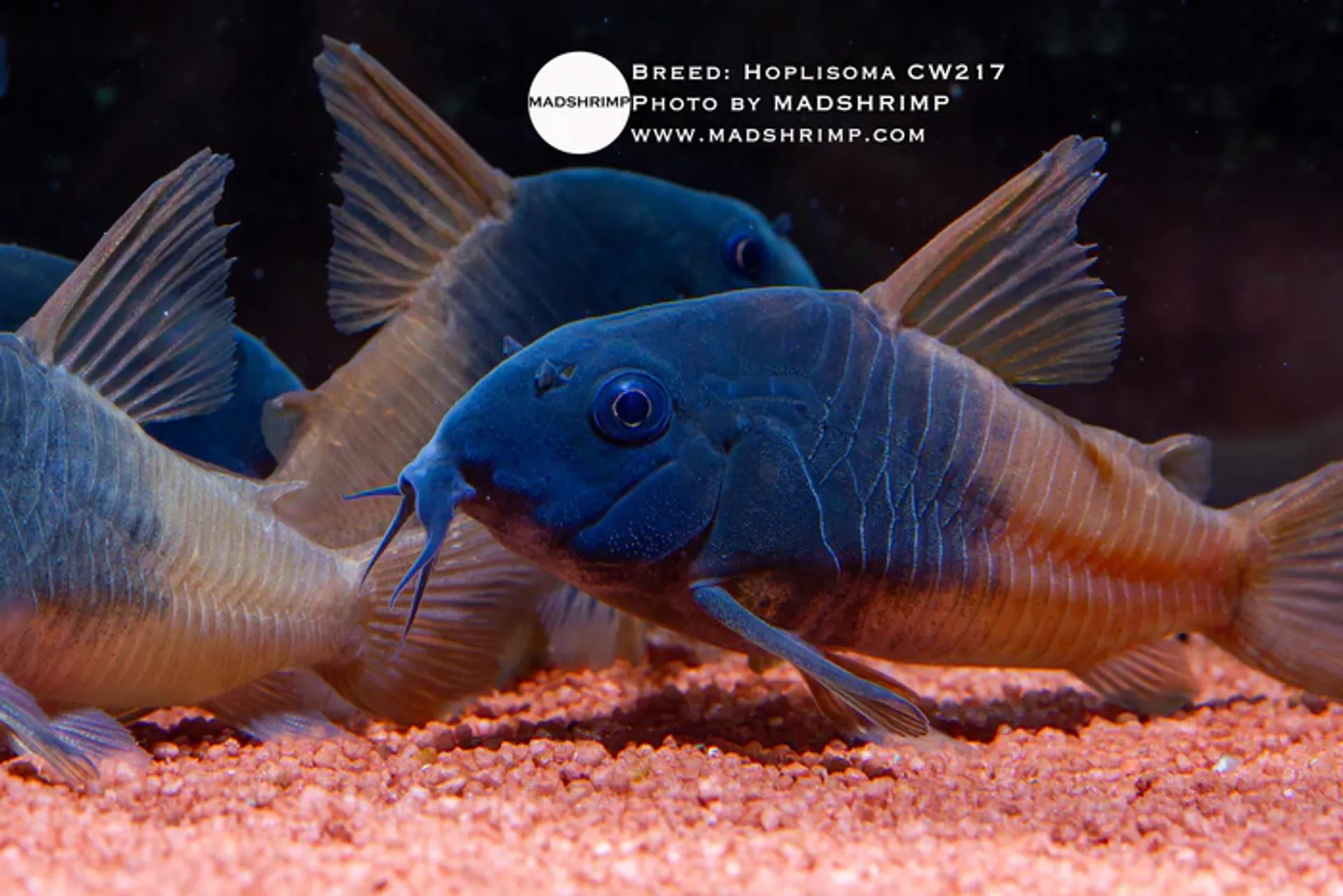
Corydoras (Hoplisoma CW217)
SGD 50.00
Corydoras Orange Venezuela (2...
SGD 1.93Parallel Cory (Corydoras sp. P..
SGD 25.00