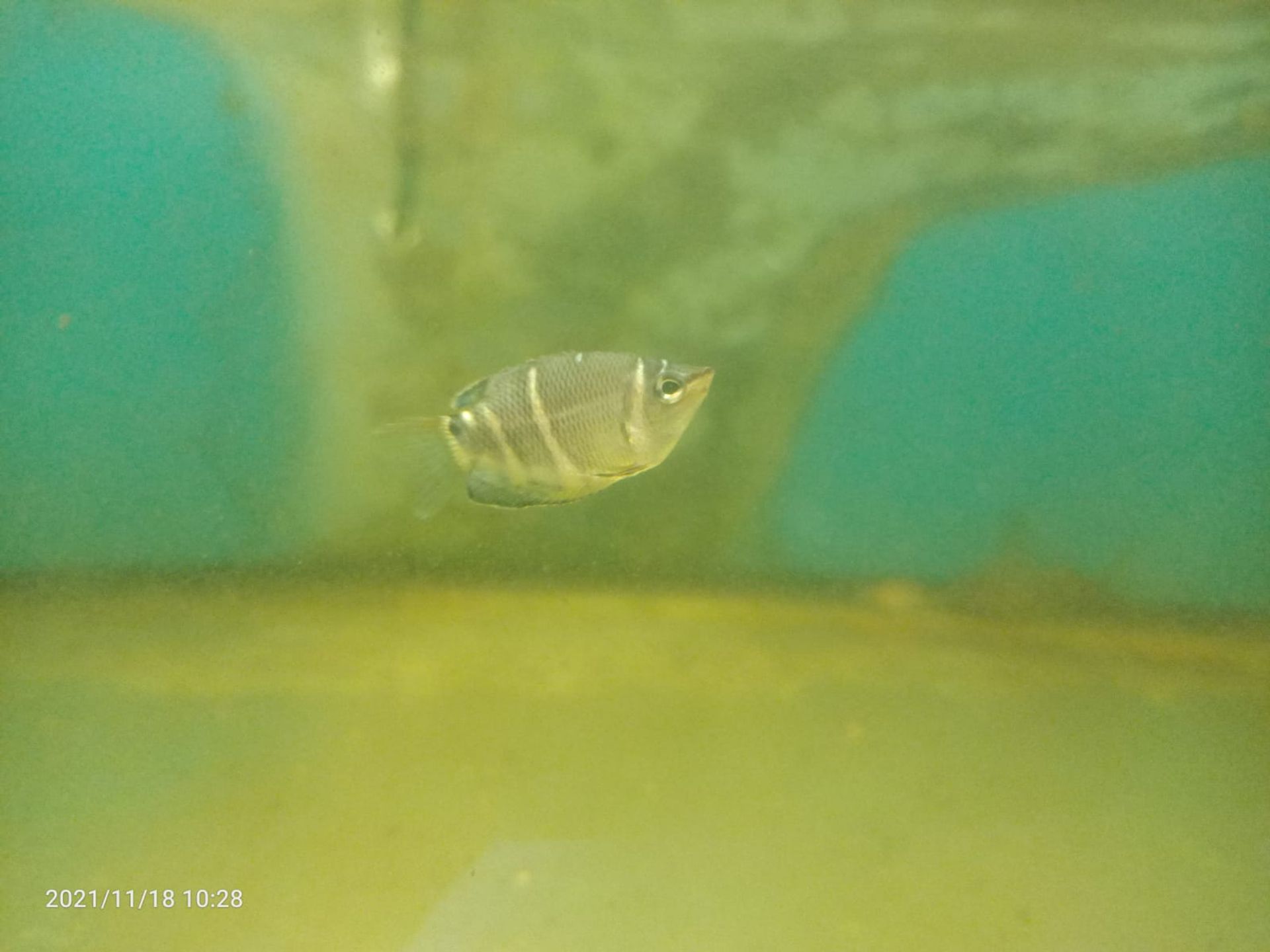
Tankmates: Good with monos, archerfish and other brackish fish of similar size at matching salinity. Will eat very small fish and invertebrates.
Feeding: Needs plenty of vegetable matter. Messy, heavy feeders; filtration must cope.
1–0 of 0
Scats are round, flat-sided fish with spotted or banded patterns, best known in Malaysia as ikan kitang. The spotted scat (Scatophagus argus) lives naturally in our mangroves, estuaries and coastal waters, and many anglers know it from river mouths. In aquariums, scats are hardy, hungry and full of personality, often swimming up to the glass whenever someone walks past.
They suit hobbyists with a large brackish or mangrove-style tank. FishyHub lists scats from Malaysian aquarium shops and sellers, with prices in RM.
The standard Scatophagus argus, green-bronze with dark spots. Hardy and widely available.
A form of the same species with a red or orange flush on the head and back, especially on juveniles. The red tends to fade as the fish matures.
An Australian species with vertical bars and a silvery body. Similar in care, though it tends to be calmer.
| Care point | Scat (ikan kitang) |
|---|---|
| Adult size | Around 15–25 cm in aquariums, sometimes more |
| Temperature | About 24–30°C. Malaysian room temperature suits them without a heater. |
| Minimum tank | 4 kaki (120 × 45 × 50 cm, about 230–270 L) for a small group; 6 kaki (550–650 L) for adults long term |
| Water | Juveniles tolerate fresh or brackish water; adults need brackish and often move to marine. |
| Temperament | Peaceful with similar-sized fish; may eat very small fish. |
| Diet | Omnivore with a big appetite: pellets, spirulina, vegetables, frozen foods. |
| Beginner-friendly? | Intermediate, due to size and salinity. |
Scats are often sold as juveniles in fresh water, but they live longer and healthier lives in brackish water. Raise salinity gradually as they grow, using marine salt and a hydrometer or refractometer. Give them open swimming space, some roots or branches for a mangrove look, and powerful filtration, because scats eat a lot. They will eat most plants, so use hardy or artificial plants.
Keep them in a group, as single scats can become shy or pushy. Good tankmates include monofish, archer fish and larger brackish gobies.
Scats need plenty of vegetable matter. Offer spirulina or vegetable-based pellets as a staple, with blanched vegetables like spinach or zucchini, and frozen artemia or cacing darah (bloodworm) as treats. Feed a few small meals rather than one large one to keep the water cleaner.
Ask the seller whether the scats are kept in fresh or brackish water, so you can match it on arrival. Check the current size, the variety and whether the photo shows the actual fish. Look at the seller's location, delivery or self-collect options and live-arrival policy. Prices in RM depend on size and variety; red scats are usually priced higher than green ones.
Ikan kitang muda boleh hidup dalam air tawar untuk sementara, tetapi apabila dewasa ia lebih sihat dalam air payau. Tambah garam laut sedikit demi sedikit apabila ikan membesar.
Ikan kitang makan hampir semua jenis makanan, tetapi perlukan banyak sayur. Beri pelet spirulina, sayur yang direbus sekejap dan makanan beku seperti artemia.
Their fin spines carry a mild venom. A sting is painful but not usually dangerous; still, handle them carefully and seek medical advice if stung.
Yes. Scats and monos share the same habitats and make a classic brackish-tank combination.
Browse green, red and silver scats from Malaysian sellers, with prices in RM. Pair them with monofish and archer fish, and set up with Malaysian driftwood for a true mangrove look.
No products found