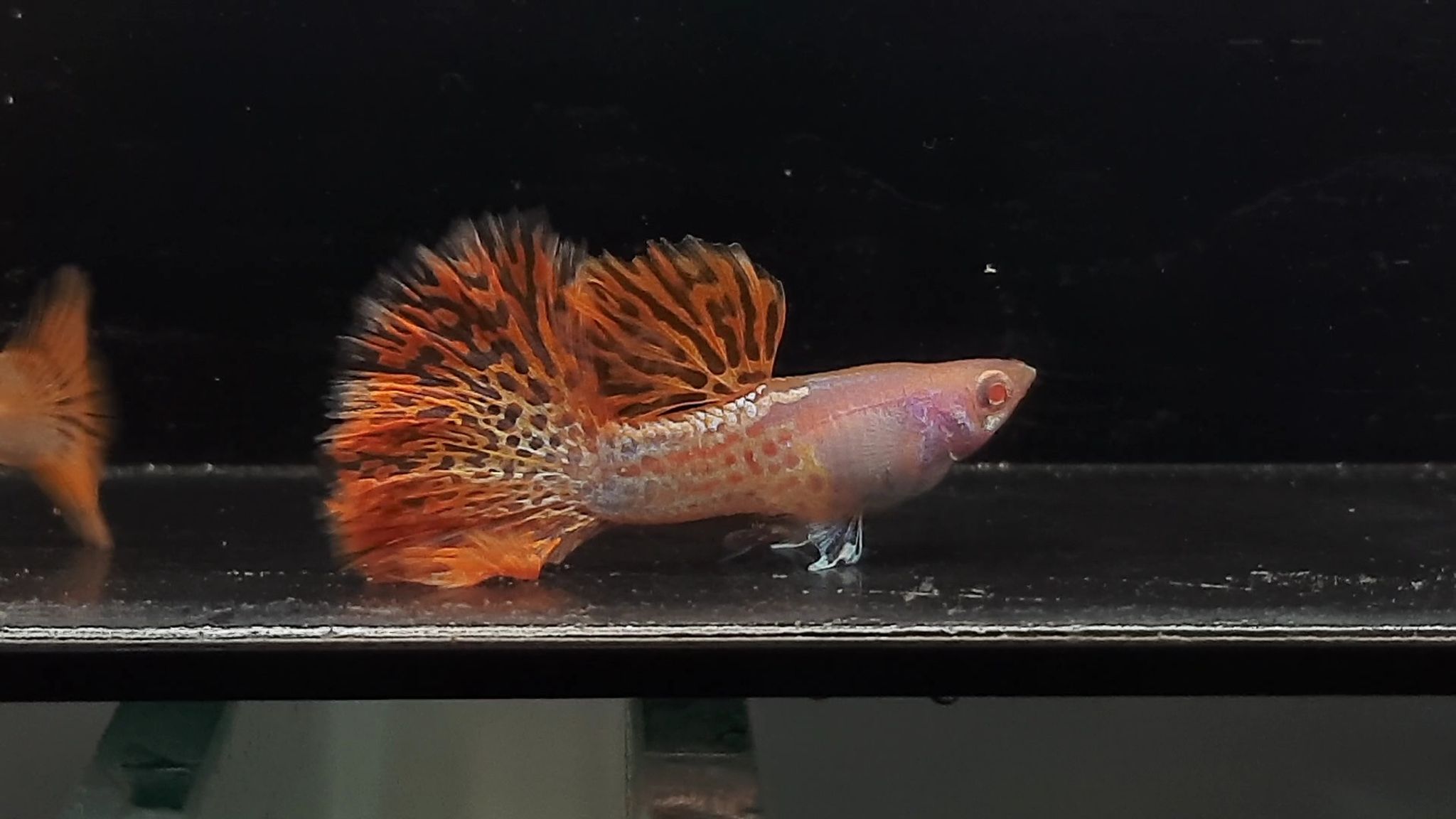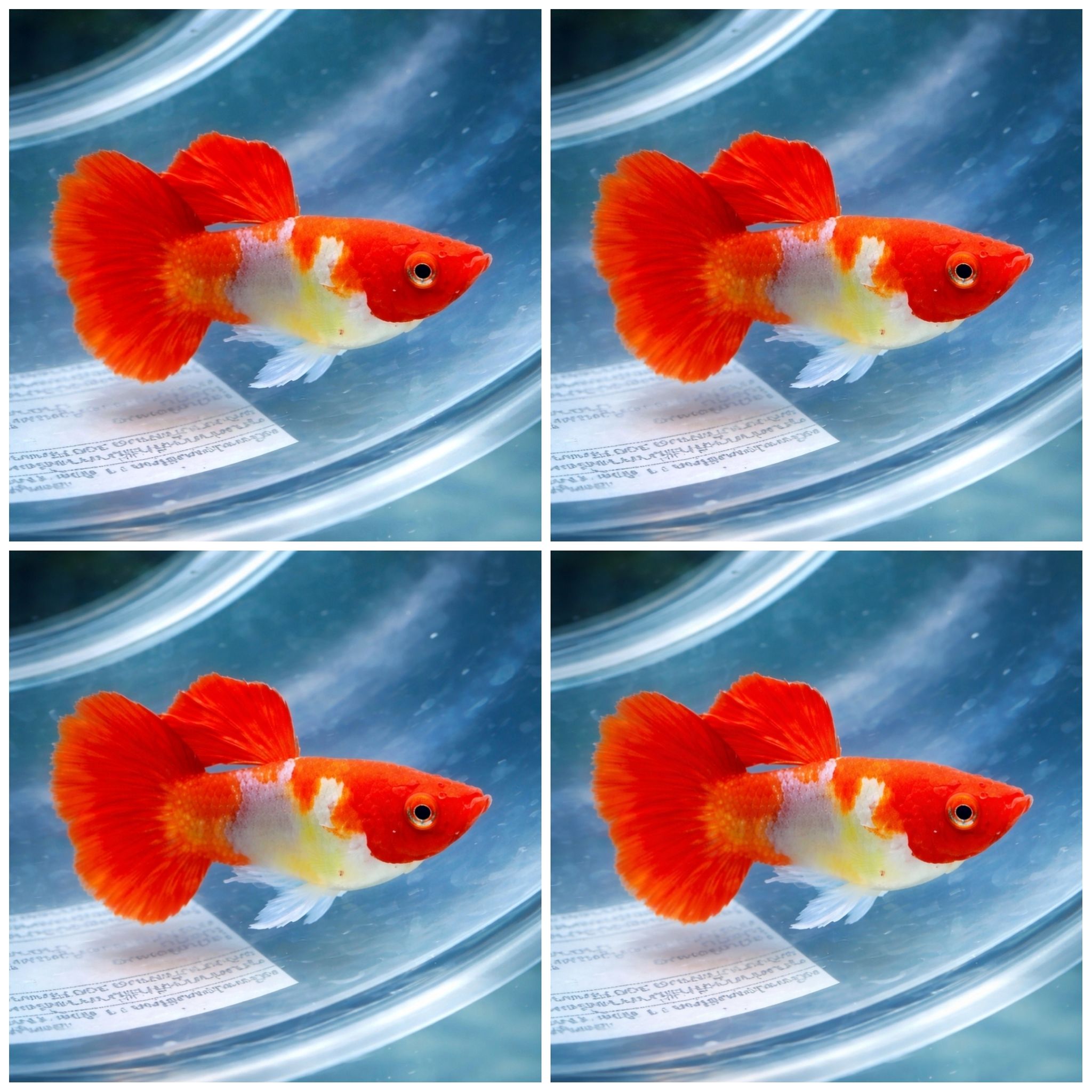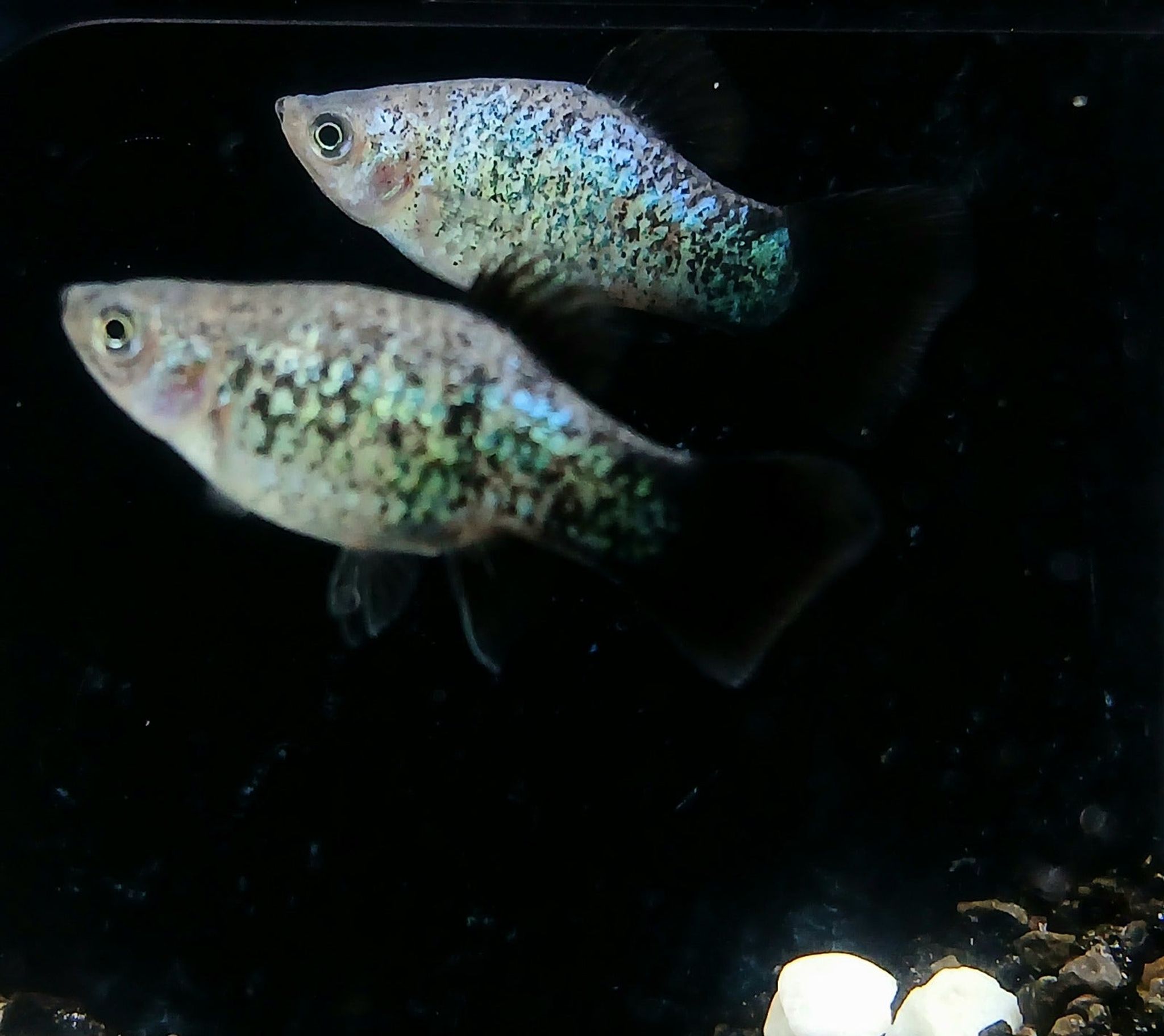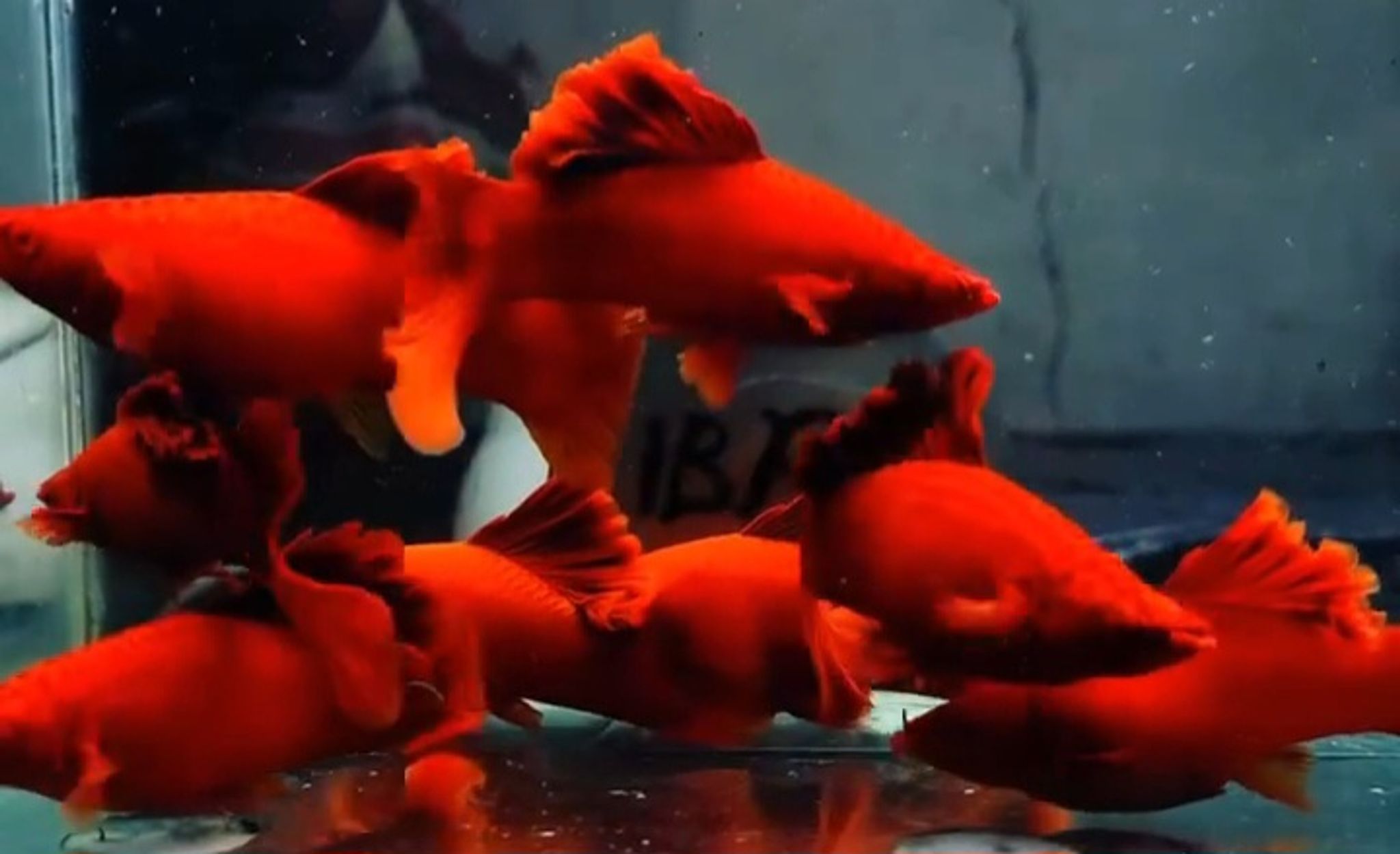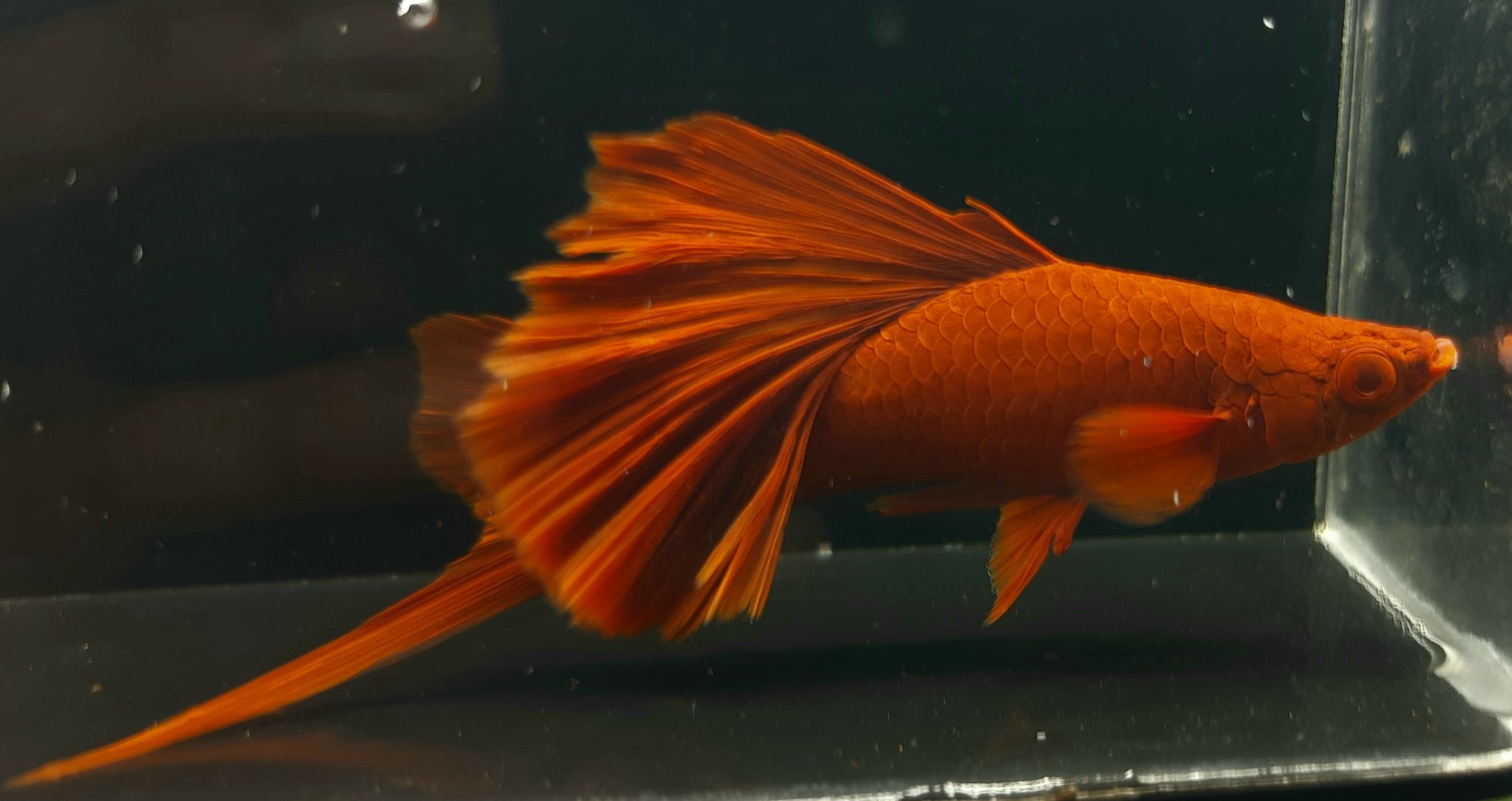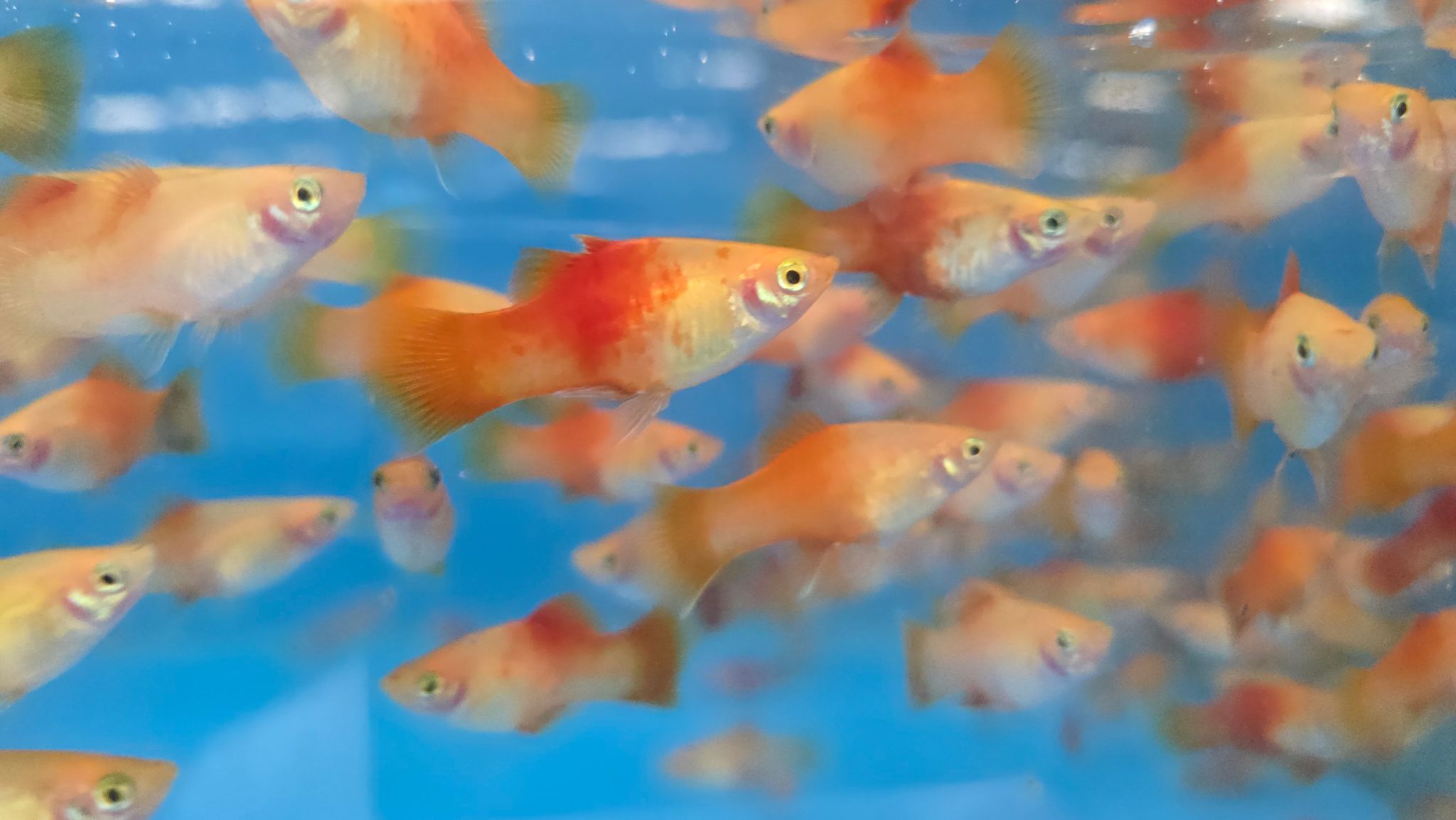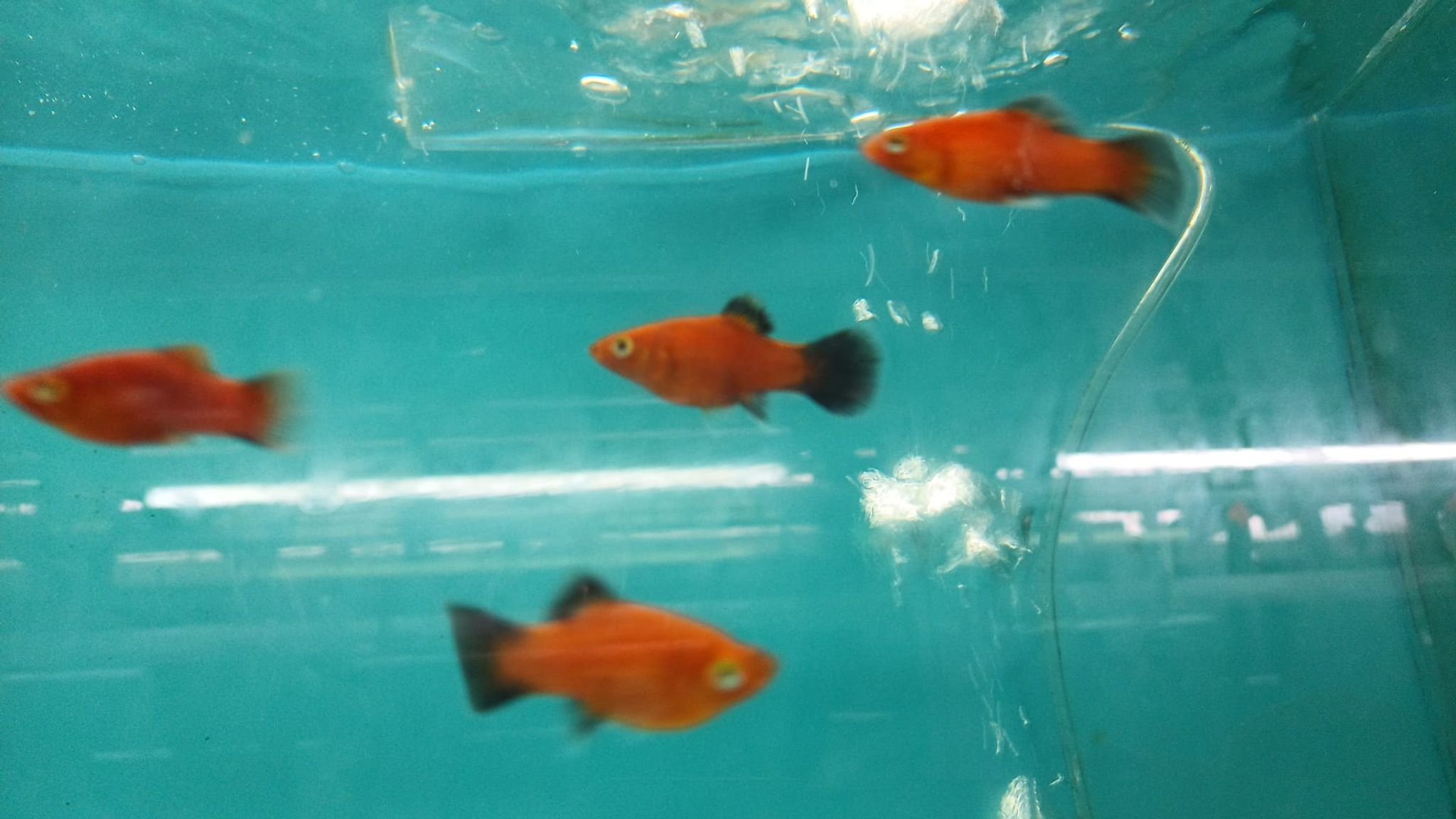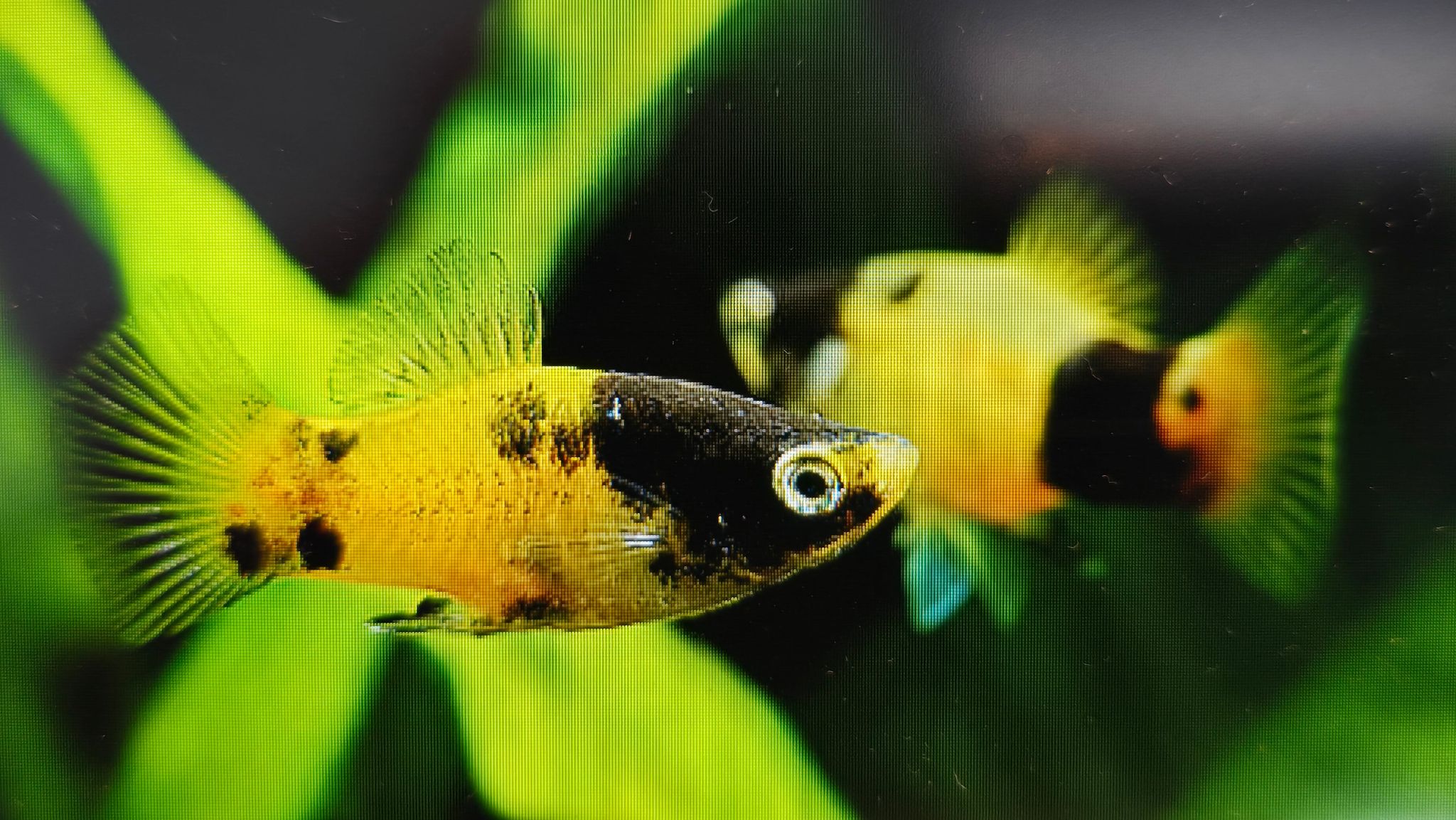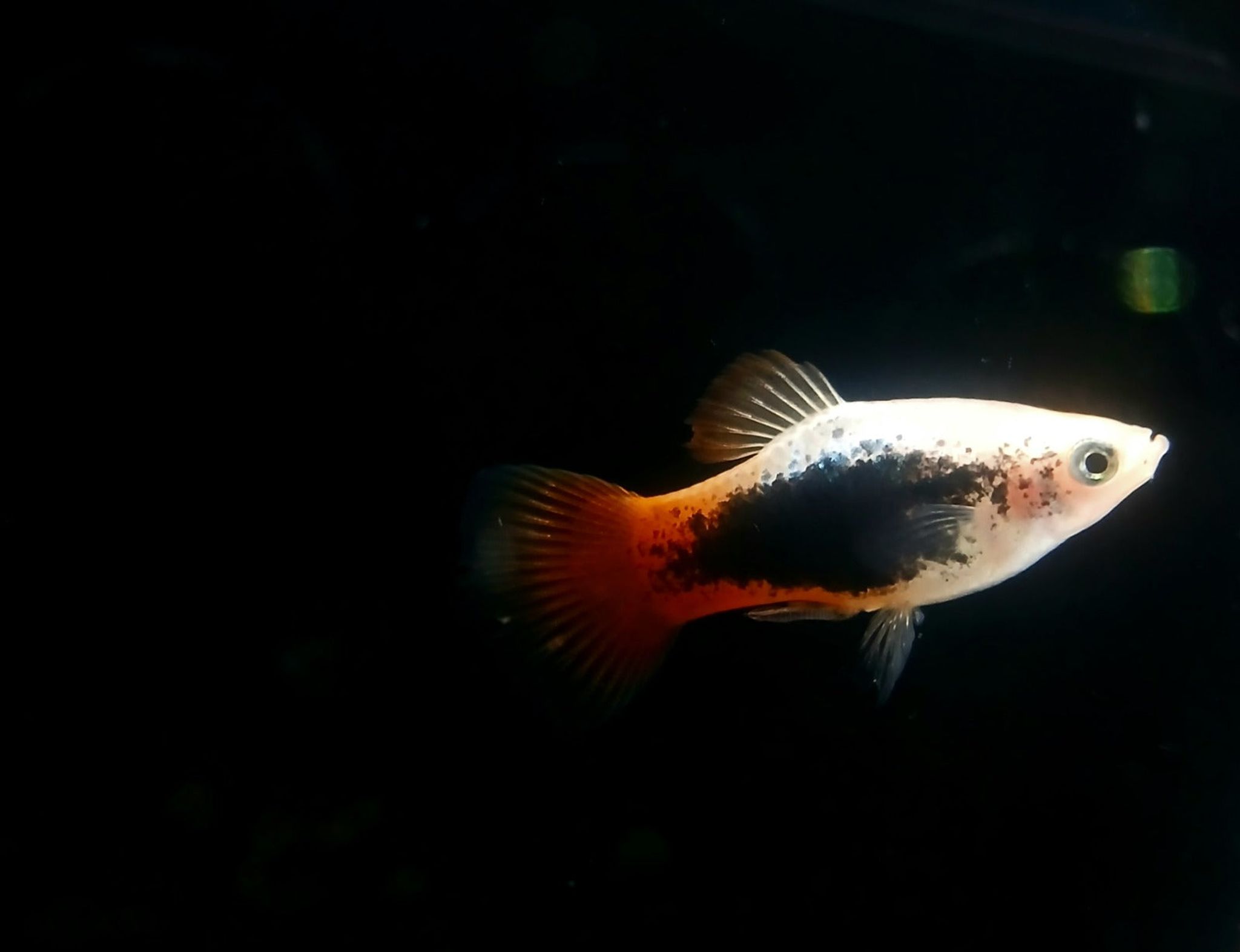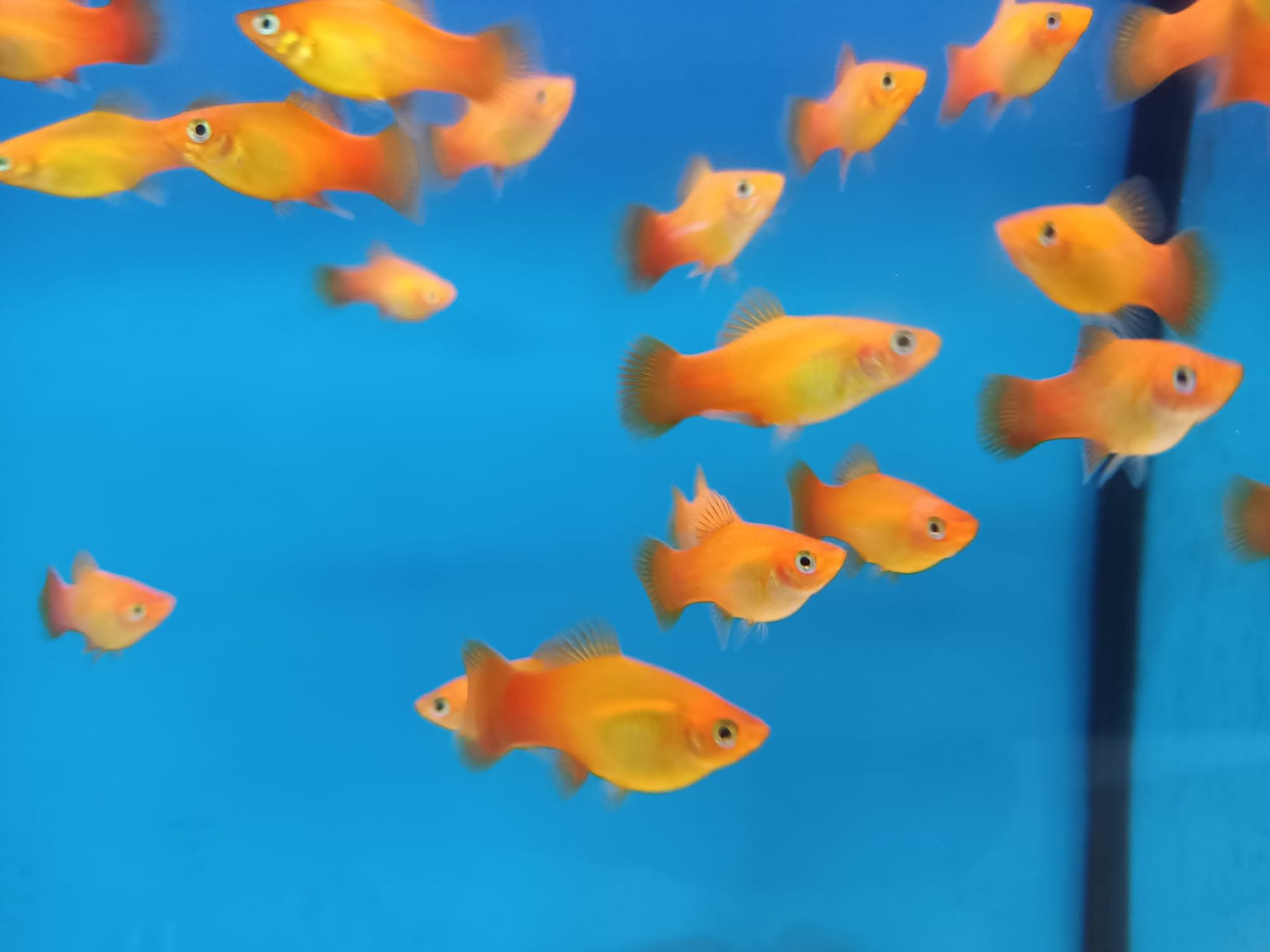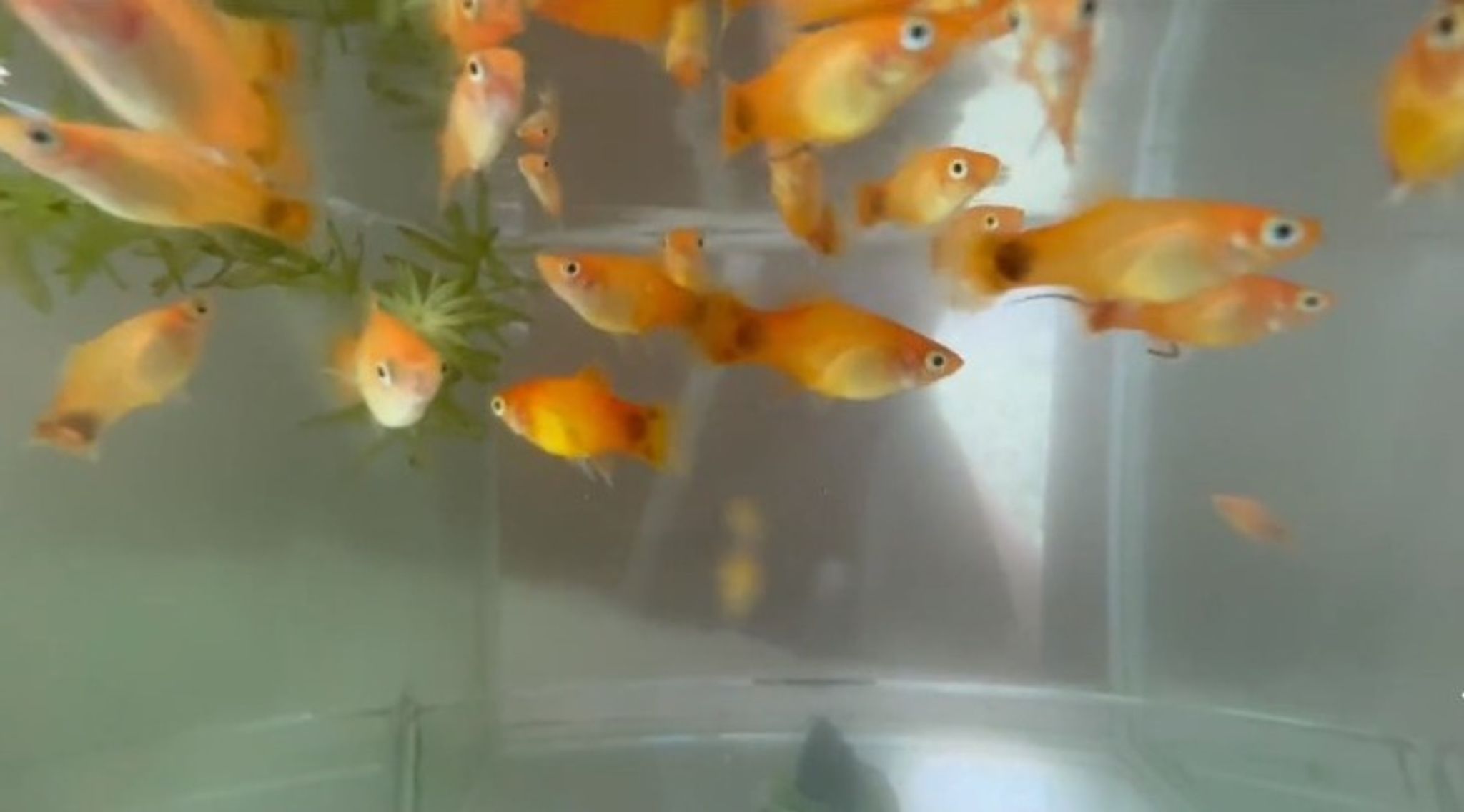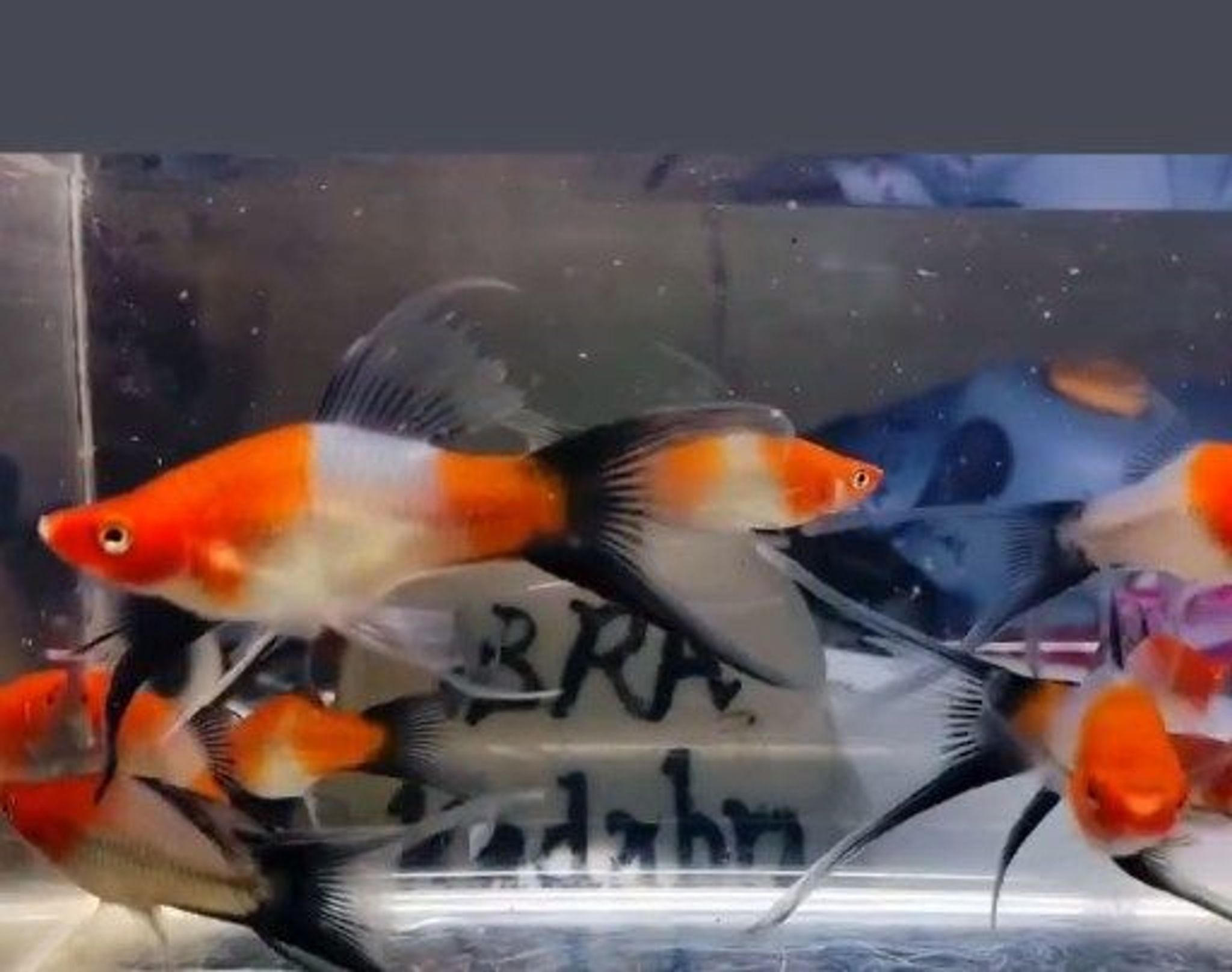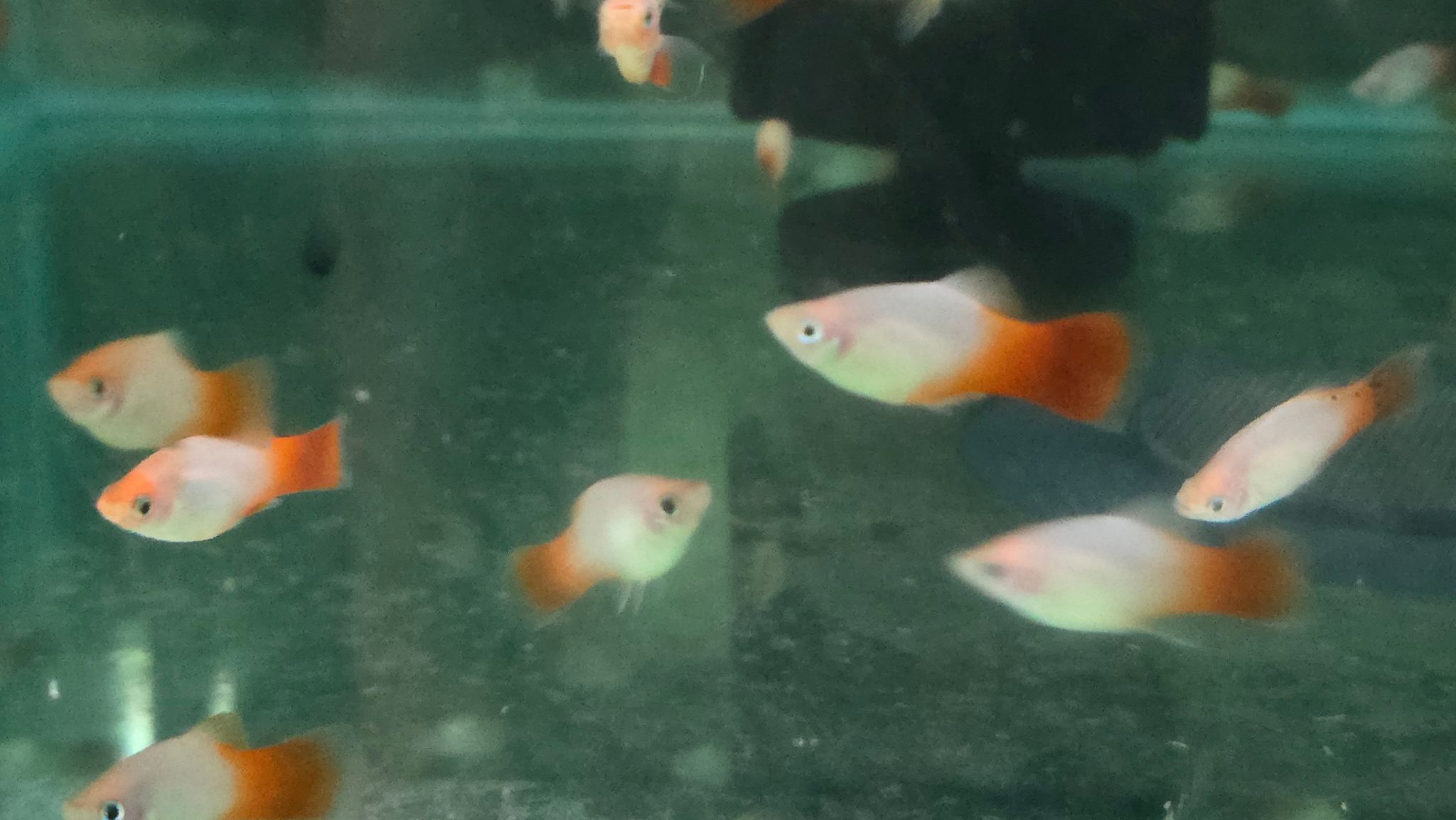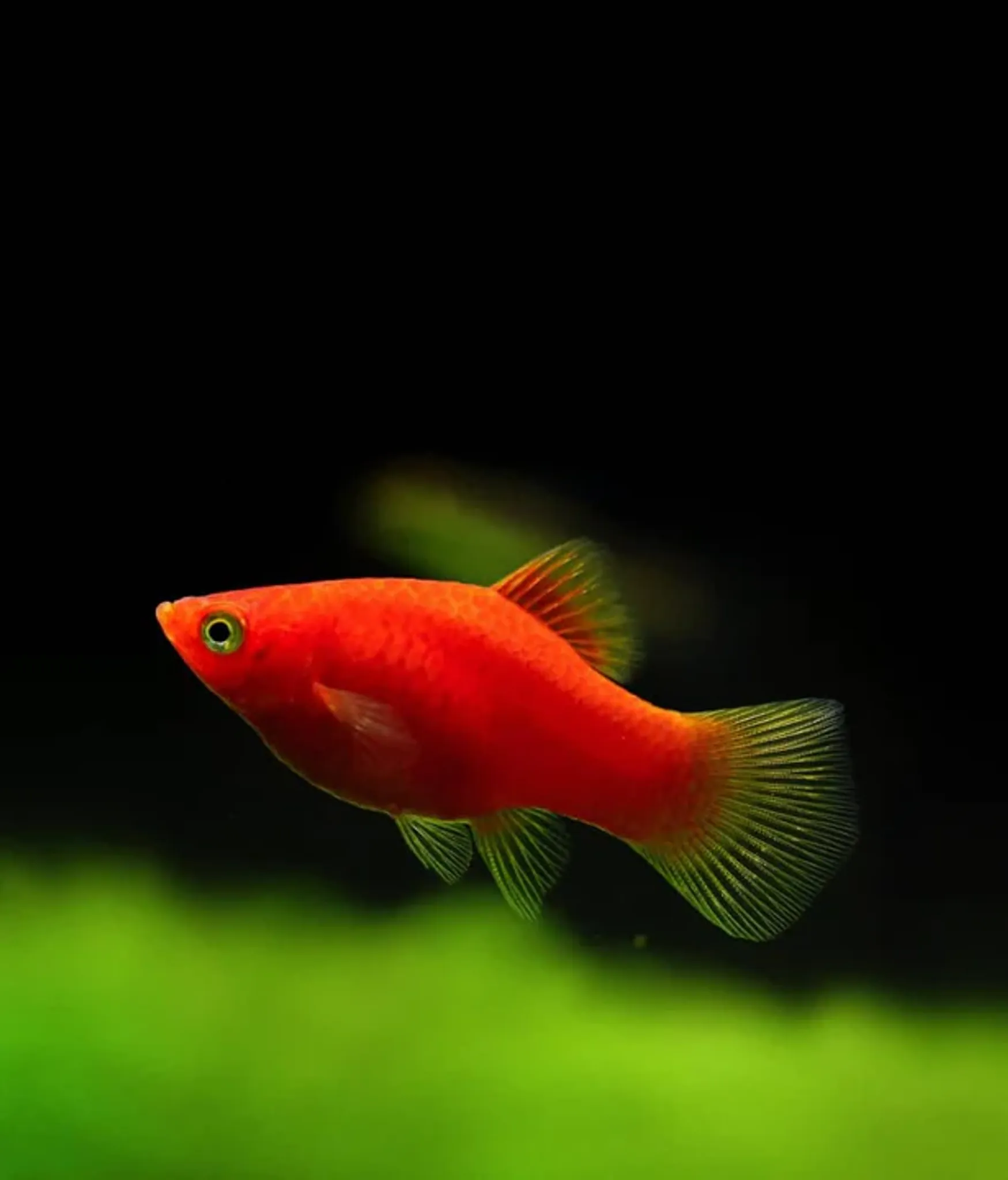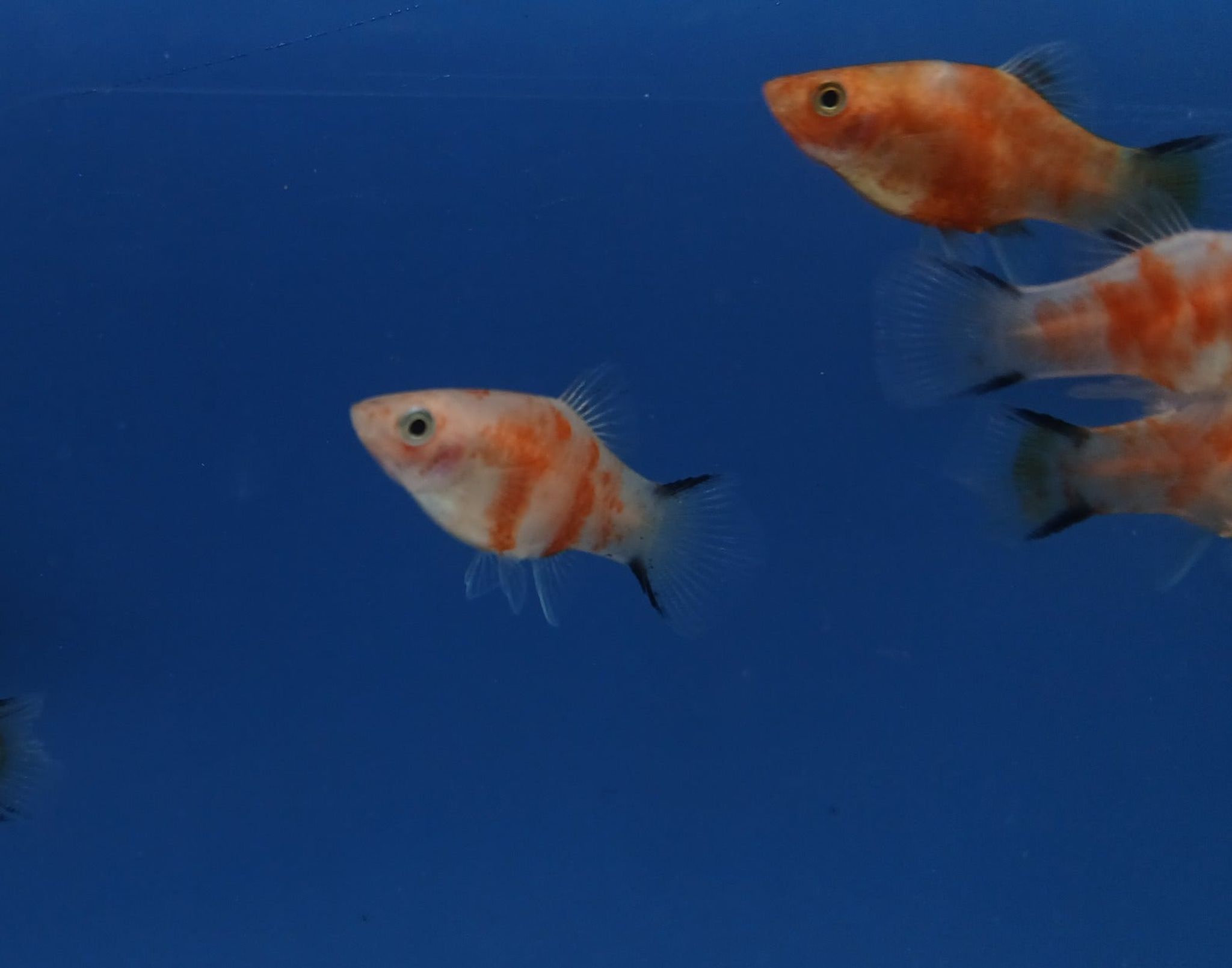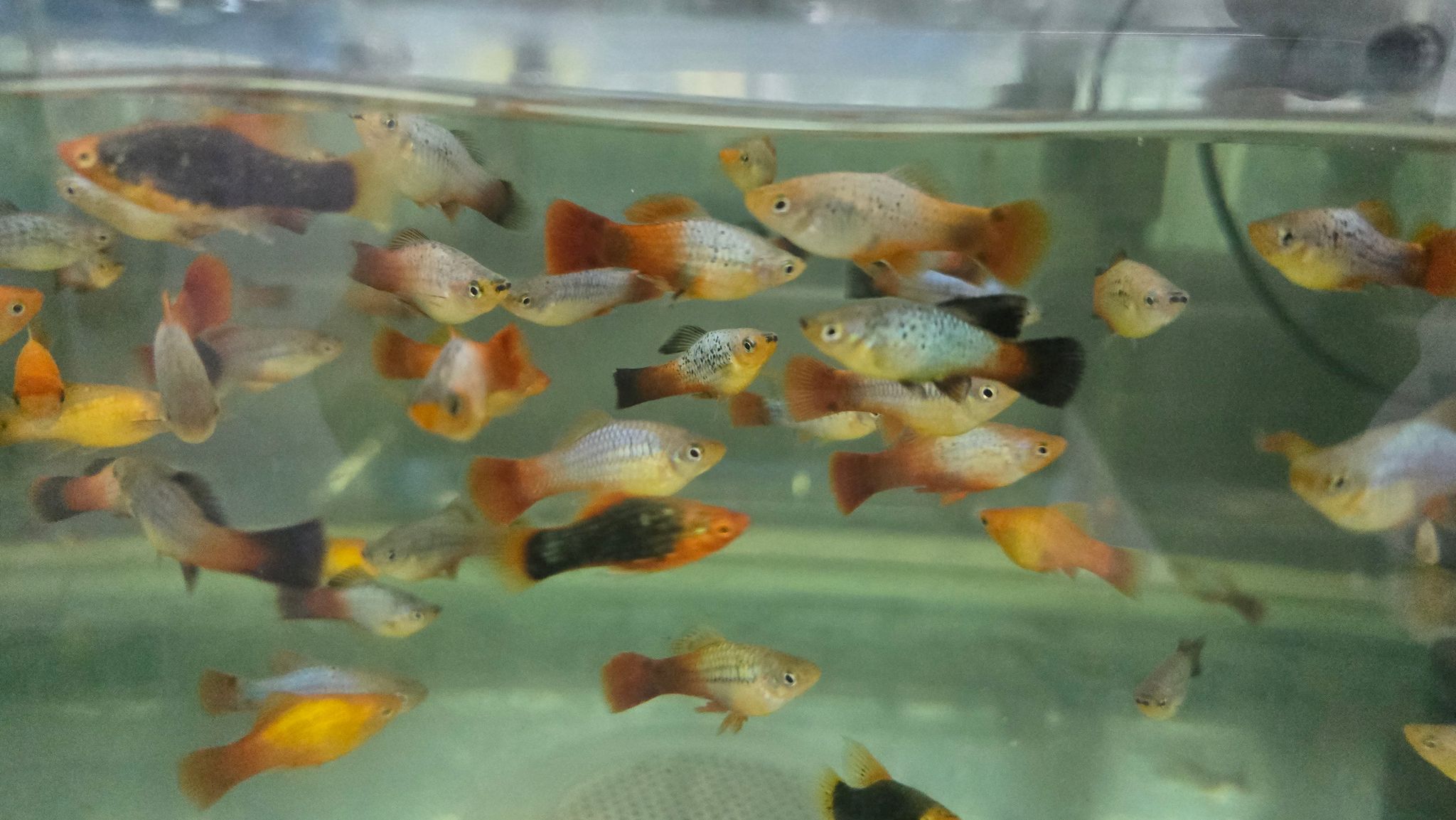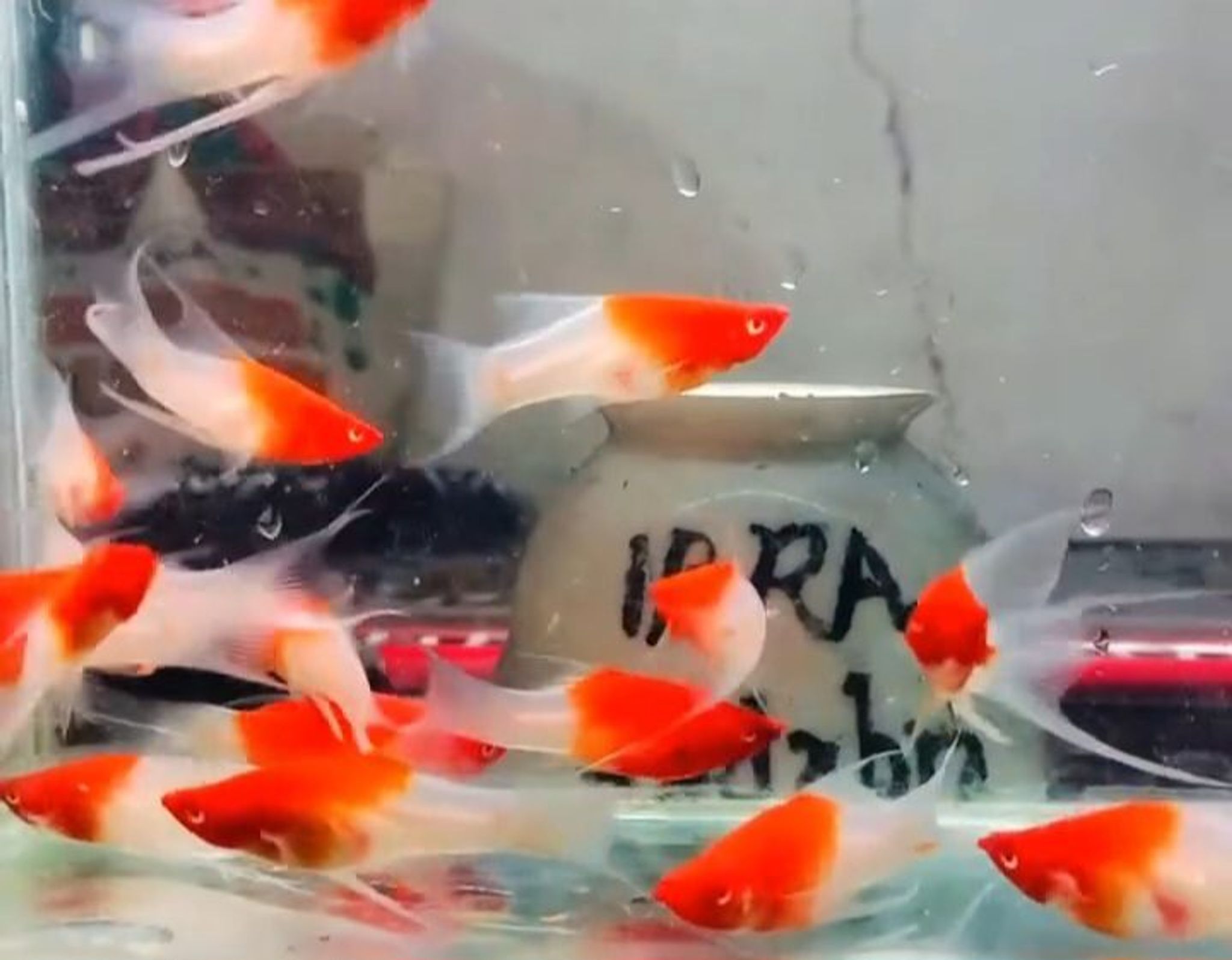
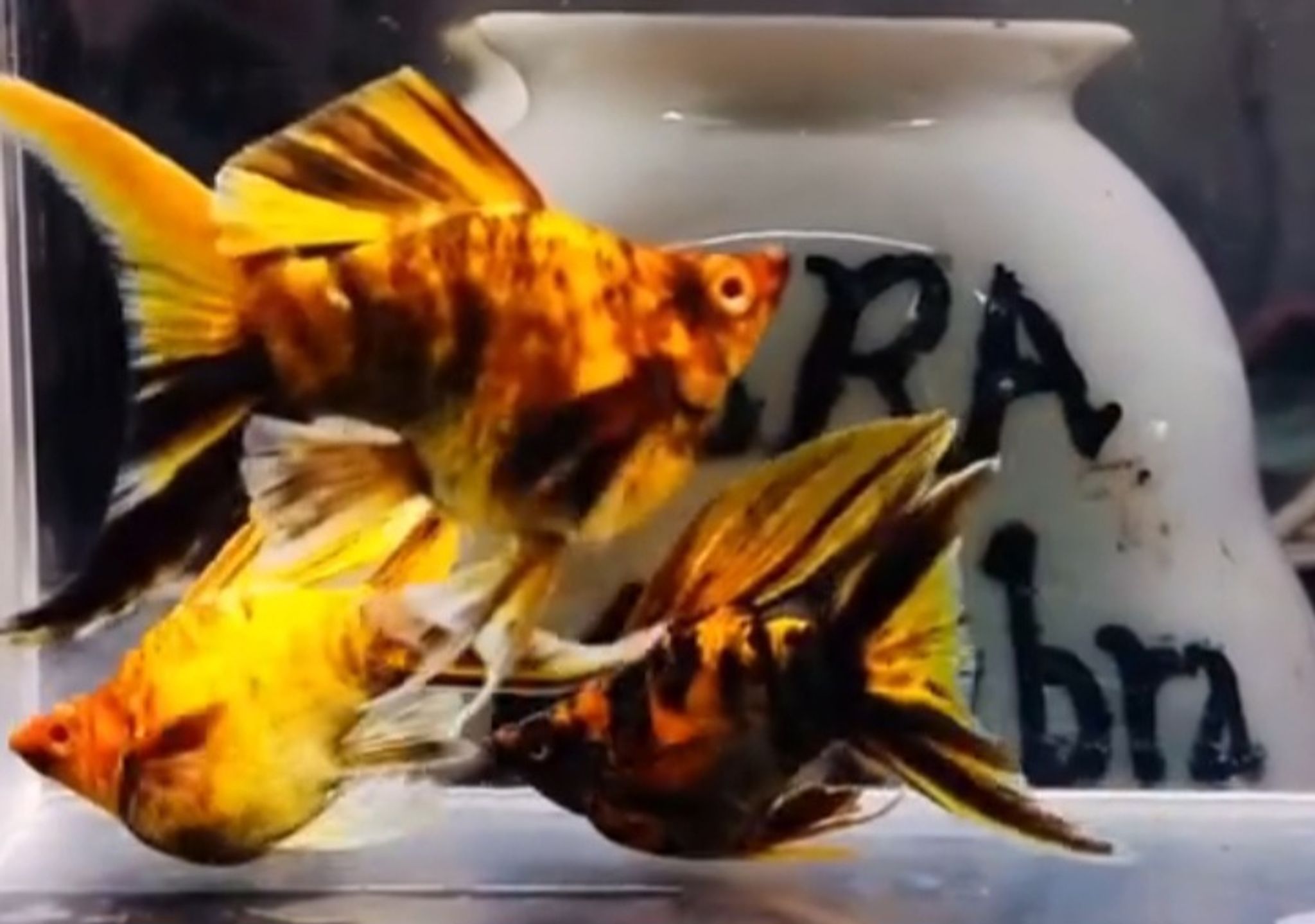
Redcap lyretail platy
Click to enlarge

Unless otherwise stated, product might differ from image as image is representative of species and not of actual product

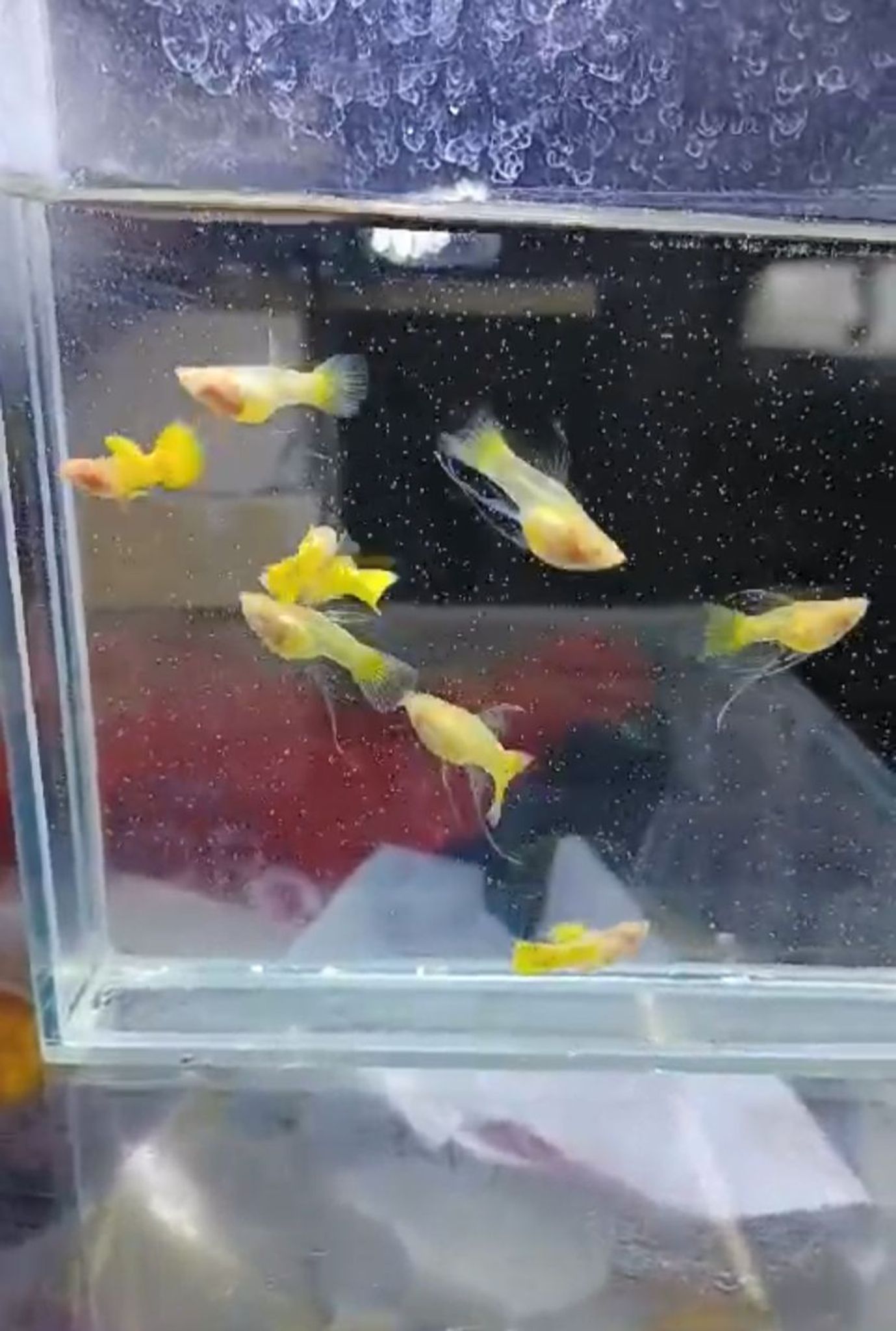
Redcap lyretail platy

SGD 60.00

Delivery Information

Delivery occurs once a month and may take 2 to 4 weeks. Certain areas may require additional charges, and a top-up via PayNow will be needed. This includes Central Business District, Offices, Airport, Hospitals, Tertiary campuses, PSA terminals, Cargo Complexes, cargo ports, shipyards, Government buildings, secured compounds, SAF campus, Marina Bay Sands, Robinson, Marina Square,Orchard, Bras Basah, Sentosa, Tuas, Jurong Island, etc. Our customer service representatives will reach out to you if necessary.

Product Variations

Quantity

Stock: 3

Product Details

Size

3cm - 4cm

Temperament

Peaceful

Water Condition

Low PH

WYSIWYG

Representative Photo Only

Product Description

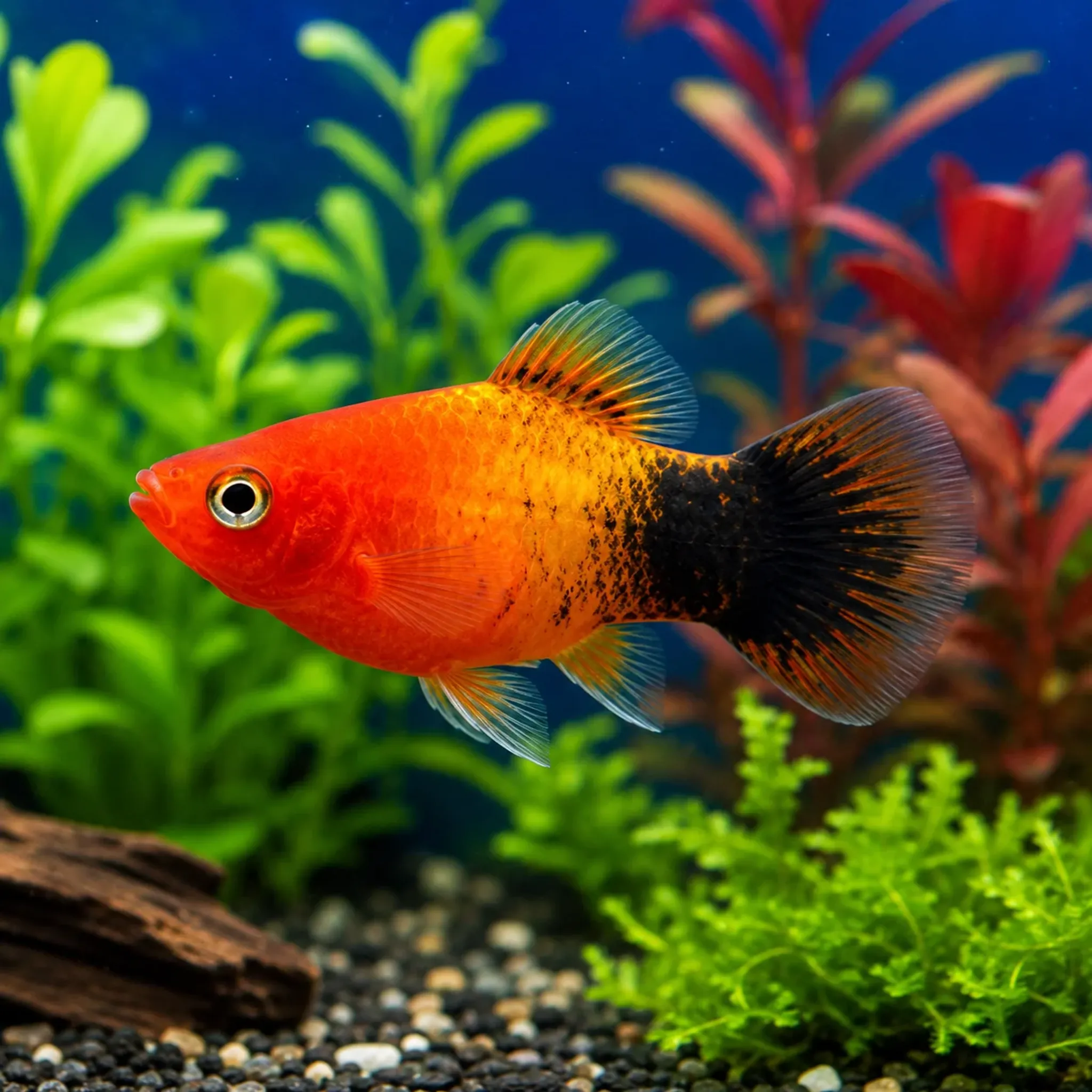
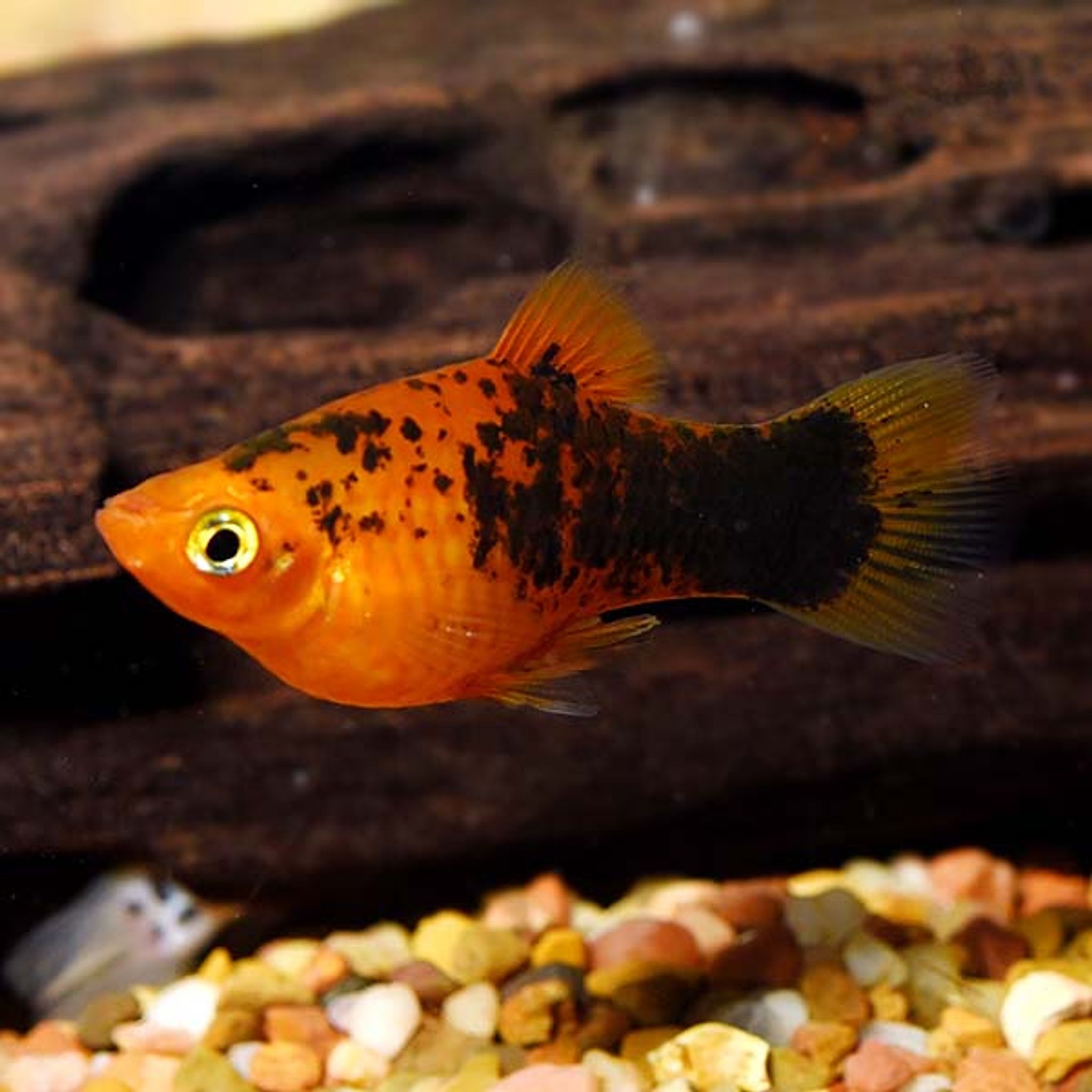
A crimson-capped wanderer, its lyre-shaped tail flowing through gentle, low-pH waters.

Redcap Lyretail Platy: a peaceful, colourful livebearer for community tanks. Easy to care for, 3-4cm, ideal for beginners. Buy now from our aquatics store.

  • Water Conditions: Although the Redcap Lyretail Platy is sometimes listed under low pH, it is not a true blackwater species. For long-term health, aim for a stable pH of 7.0–8.2, though they will tolerate a range from 6.8 to 8.4 if parameters remain constant. Temperature should be 22–28°C (72–82°F), and a general hardness of 10–25 dGH (moderate to hard) is ideal. Soft, acidic water can lead to stress, fin clamping, and increased susceptibility to disease. If your tap water is below pH 7.0, buffer it with crushed coral, aragonite sand, or a commercial buffer. A tank of at least 60 litres is recommended for a small group, with 80–100 litres being better for a mixed community. Use a gentle filter — platies are not strong swimmers — and maintain excellent water quality in a fully cycled aquarium. Perform weekly 25% water changes, siphon the substrate, and avoid drastic parameter swings. Stability matters far more than chasing a specific pH number.
  • Suitable Tank Mates: As peaceful, mid-water shoalers, Redcap Lyretail Platies fit easily into a community aquarium. Ideal companions include small tetras (neon, cardinal, ember), rasboras (harlequin, chili), corydoras catfish, otocinclus, cherry barbs, guppies, mollies, other platies, and swordtails. Avoid fin-nipping species such as tiger barbs, serpae tetras, and black widow tetras, as they may shred the lyretail's long, flowing fins. Male bettas and aggressive cichlids (e.g., convicts, Jack Dempseys) are unsuitable. Angelfish may nip at fins, and large, boisterous fish can intimidate platies into hiding. Keep platies in groups of at least six, with a ratio of one male to two or three females to spread any breeding attention. Because lyretail males have elongated gonopodia, they may not breed successfully, but they still display to females. Do not mix with crayfish or large crabs, which can snatch resting fish at night. A peaceful, similarly sized community is best.
  • Feeding Habits: Platies are omnivorous grazers that thrive on a varied diet. Offer a high-quality micro-pellet or flake food as the staple, supplemented with live or frozen foods such as brine shrimp, daphnia, bloodworms, and cyclops. Vegetable matter is essential for their digestive health — provide blanched spinach, cucumber, zucchini, shelled peas, or spirulina flakes two to three times a week. They will also graze on soft algae and biofilm on plants, driftwood, and decor. Feed small amounts two to three times daily, only what they can consume within two to three minutes. Overfeeding is the most common cause of health issues in platies, leading to bloating, swim bladder problems, and poor water quality. Remove uneaten food promptly. A varied diet enhances the red cap and lyretail colouration and supports a robust immune system. During breeding, females benefit from extra protein. Because they are constant foragers, they appreciate a tank with live plants and driftwood that harbour microfauna.
  • Care Requirements: The Redcap Lyretail Platy is an excellent beginner fish, but the lyretail mutation demands a little extra attention. Set up a well-planted aquarium with open swimming space, gentle filtration, and a heater to keep temperature stable. Acclimate new arrivals slowly using the drip method, especially if your water parameters differ from the supplier's. Quarantine new fish for two to four weeks before adding them to the main tank. Monitor the long lyretail fins for nipping, fin rot, or fungal infections; treat promptly with a suitable medication in a hospital tank. Maintain a regular maintenance schedule: weekly 25% water changes, filter rinses in tank water, and water tests for pH, ammonia, nitrite, and nitrate. Platies are livebearers and will breed readily — if you do not want fry, keep only males or provide dense plants for cover. The lyretail trait can occasionally cause spinal curvature or swimming difficulties, so choose healthy, active stock. With proper care, they live two to three years.

Suitable Tank Mates for Redcap lyretail platy
You May Also Like