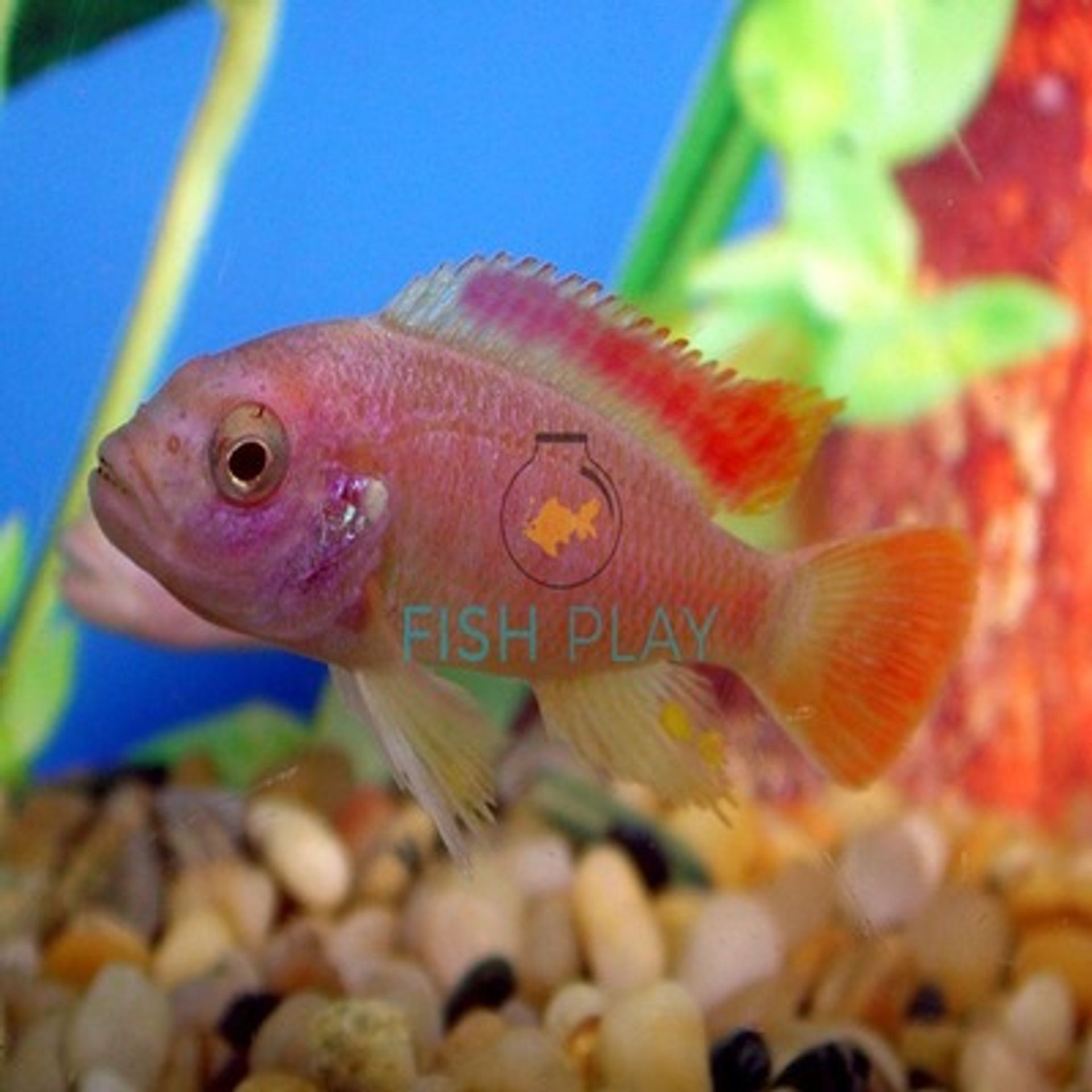
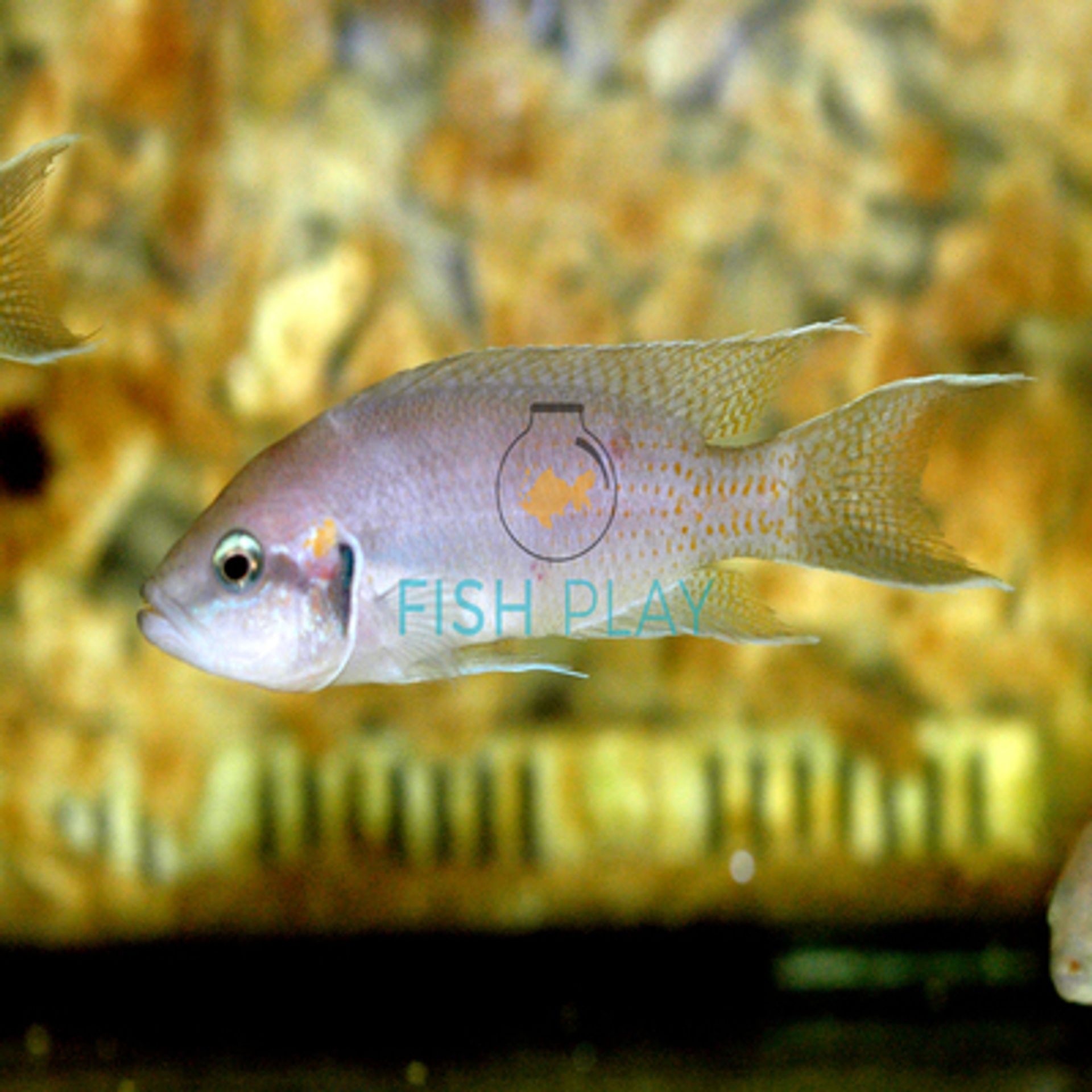
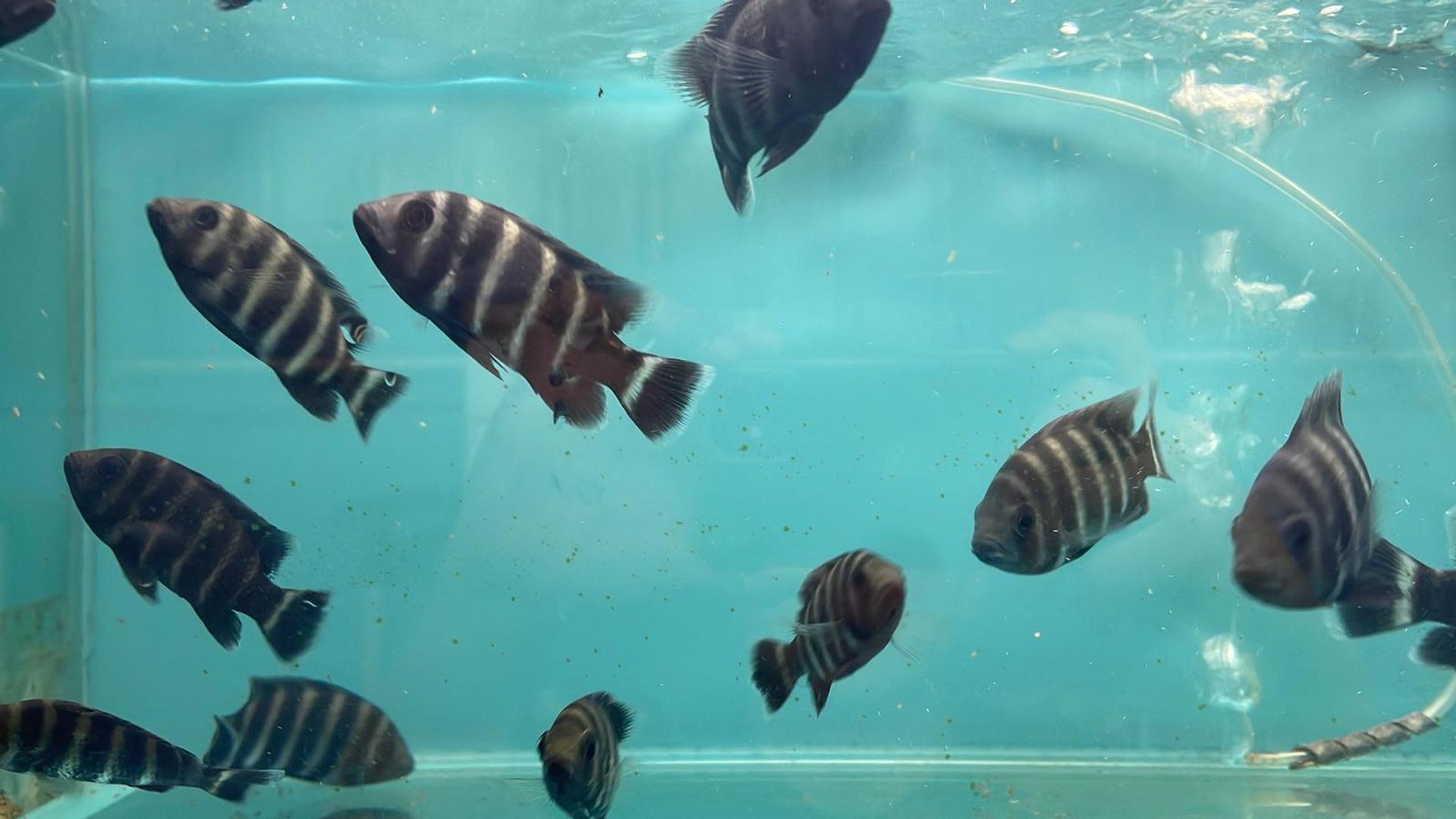
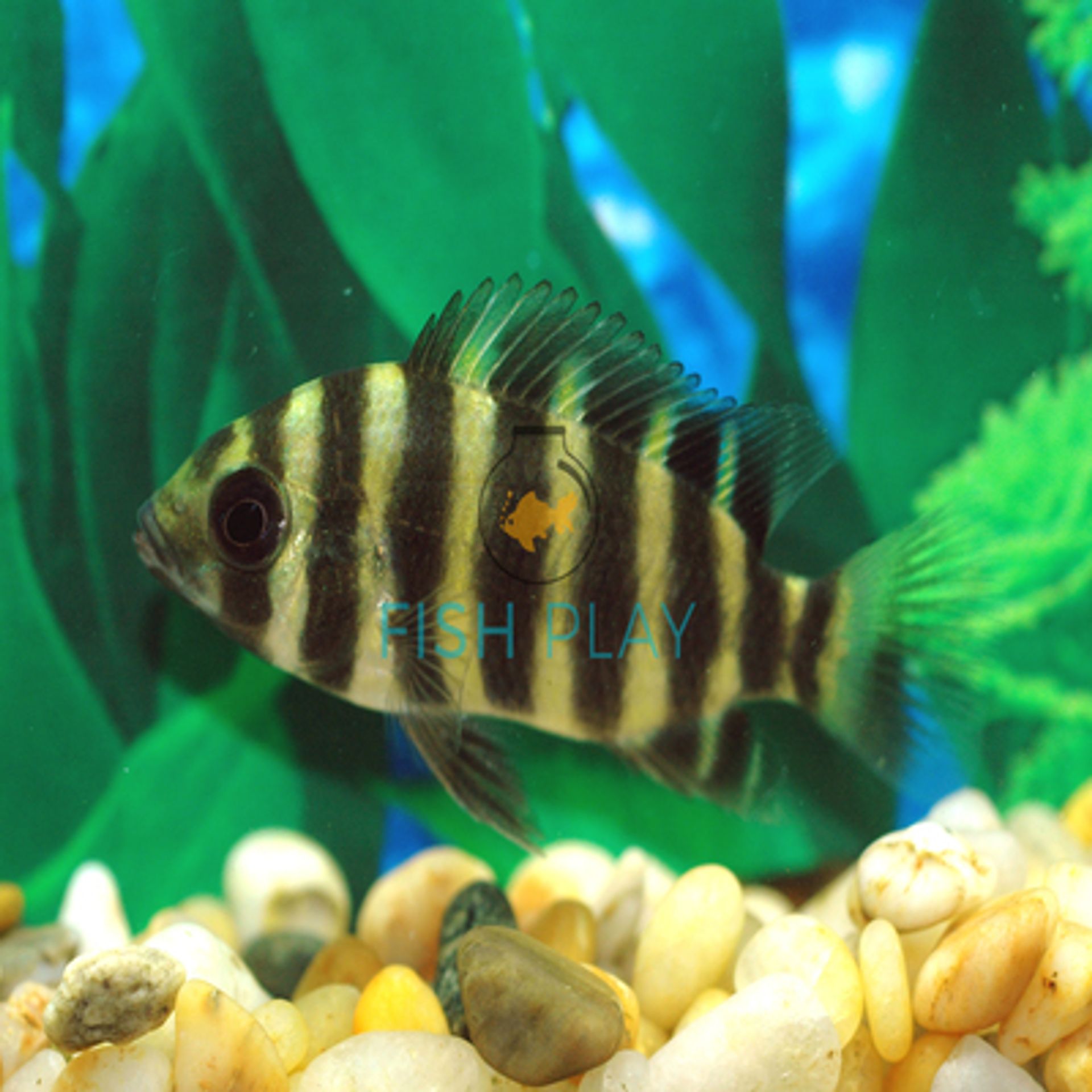
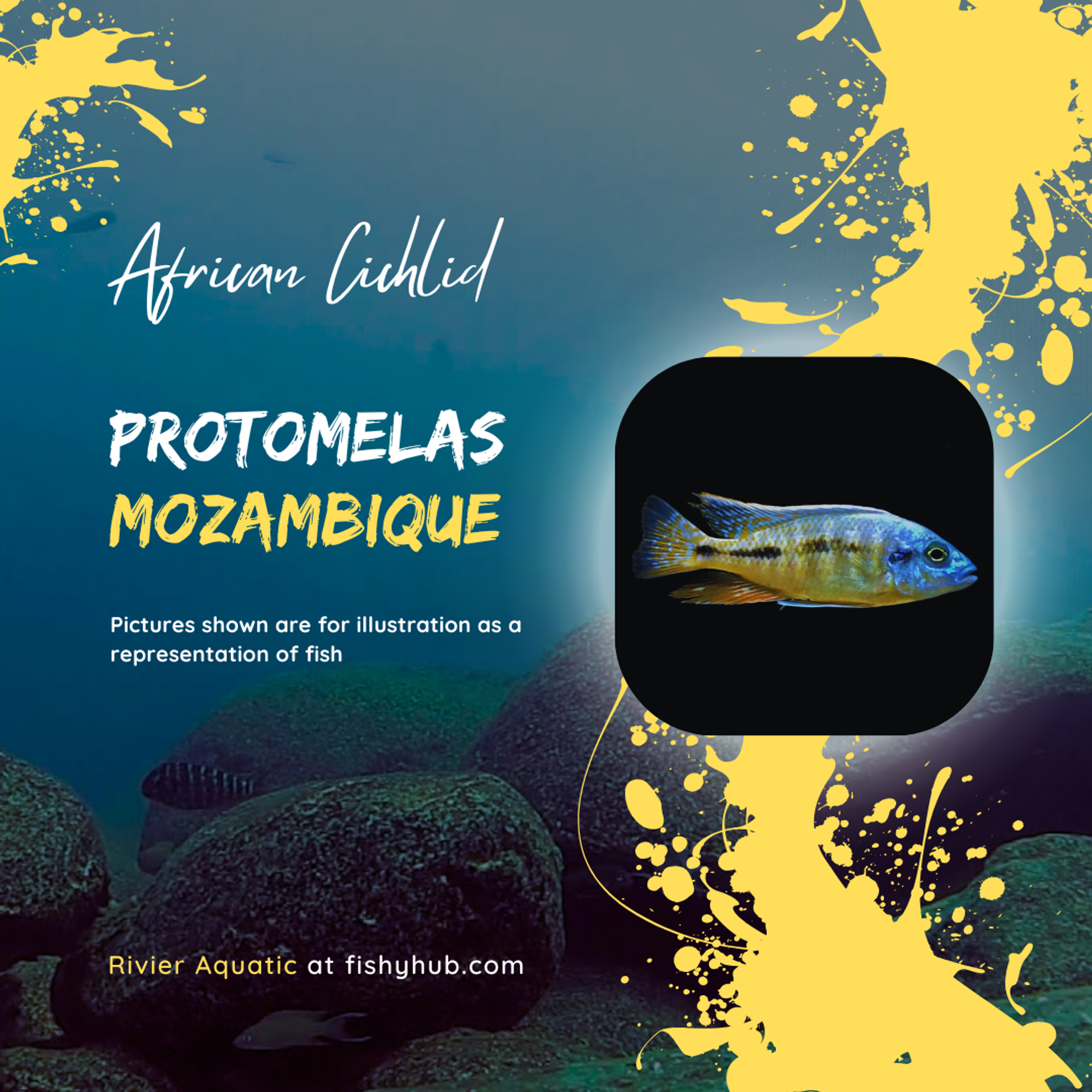
A Lake Malawi cichlid whose shifting hues betray a territorial streak.
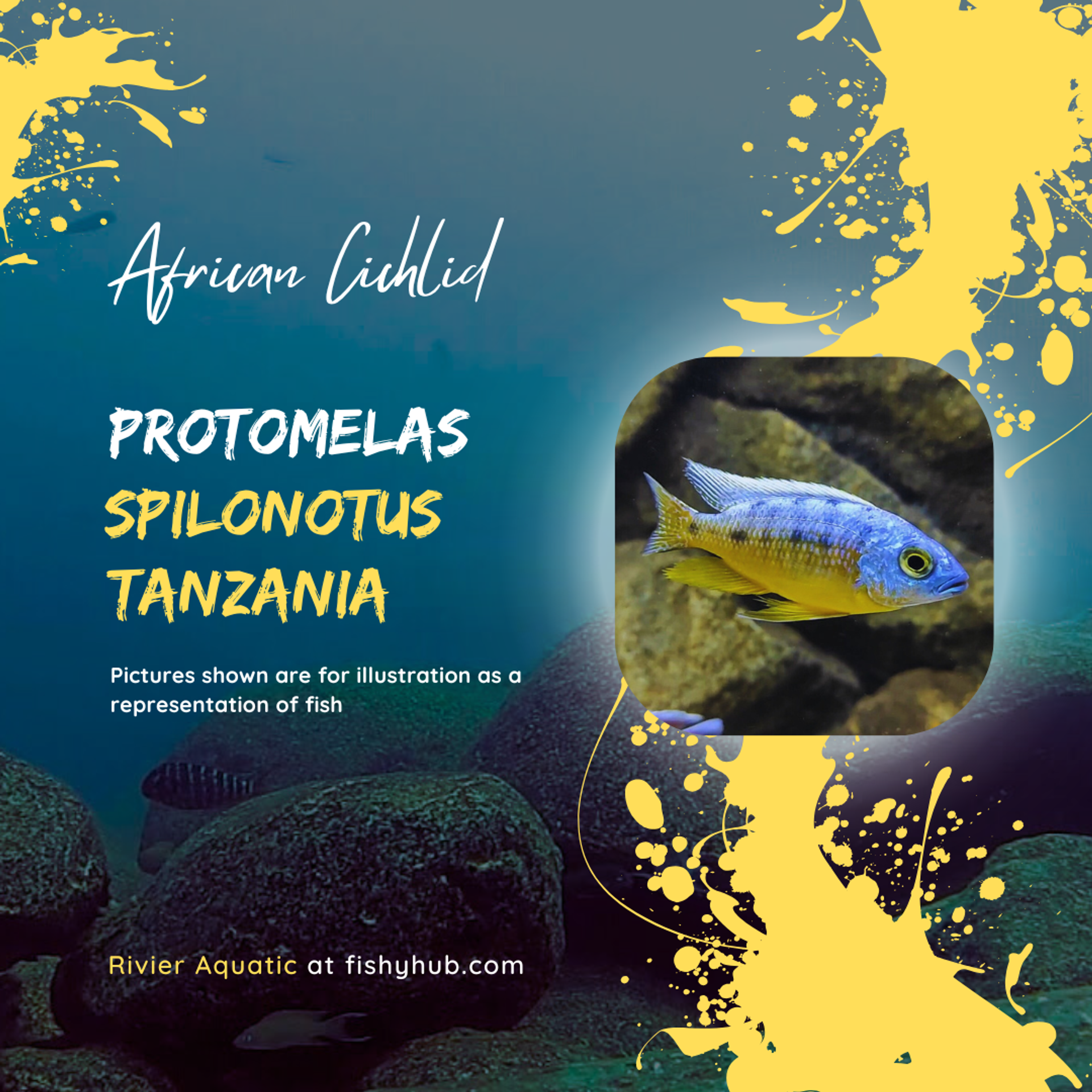
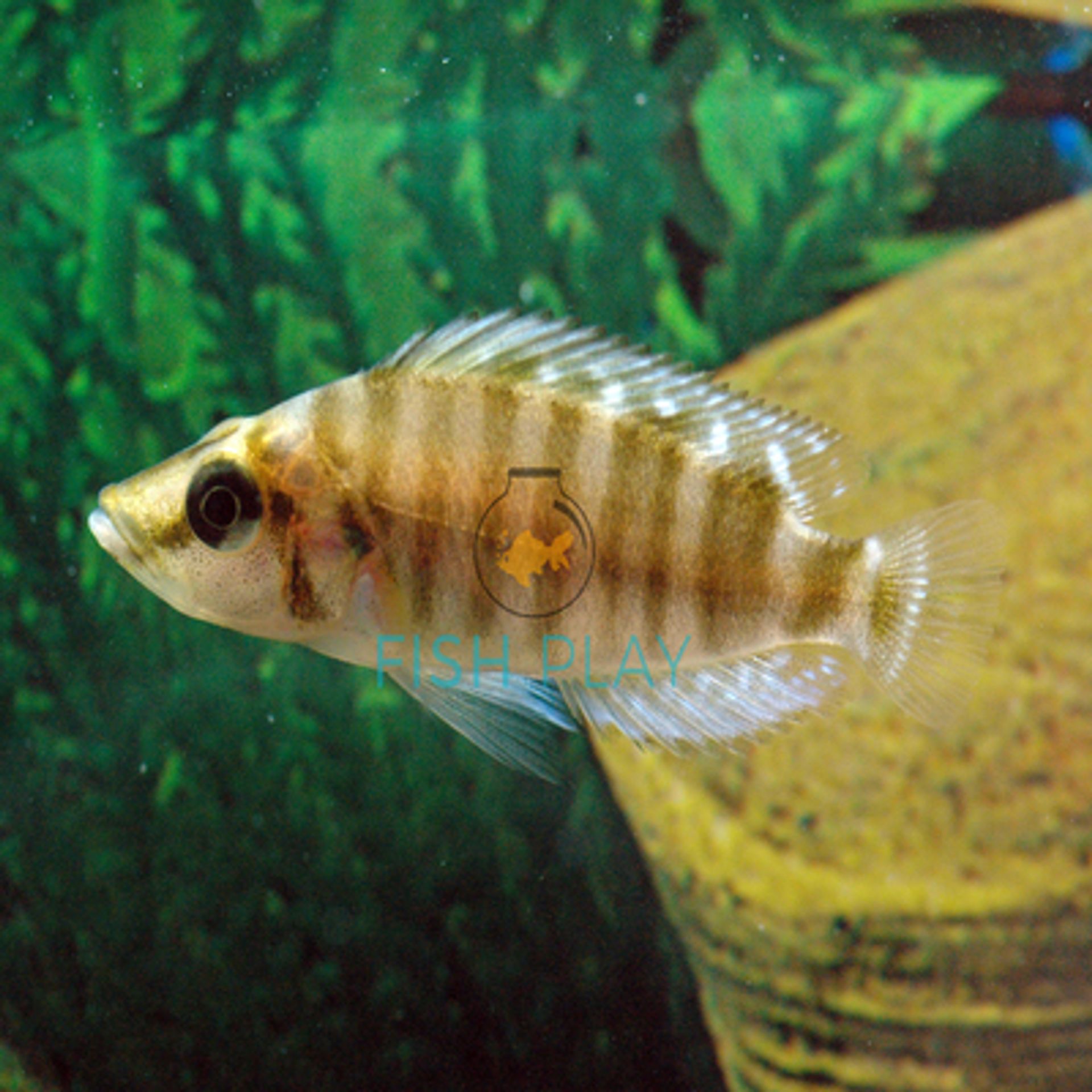
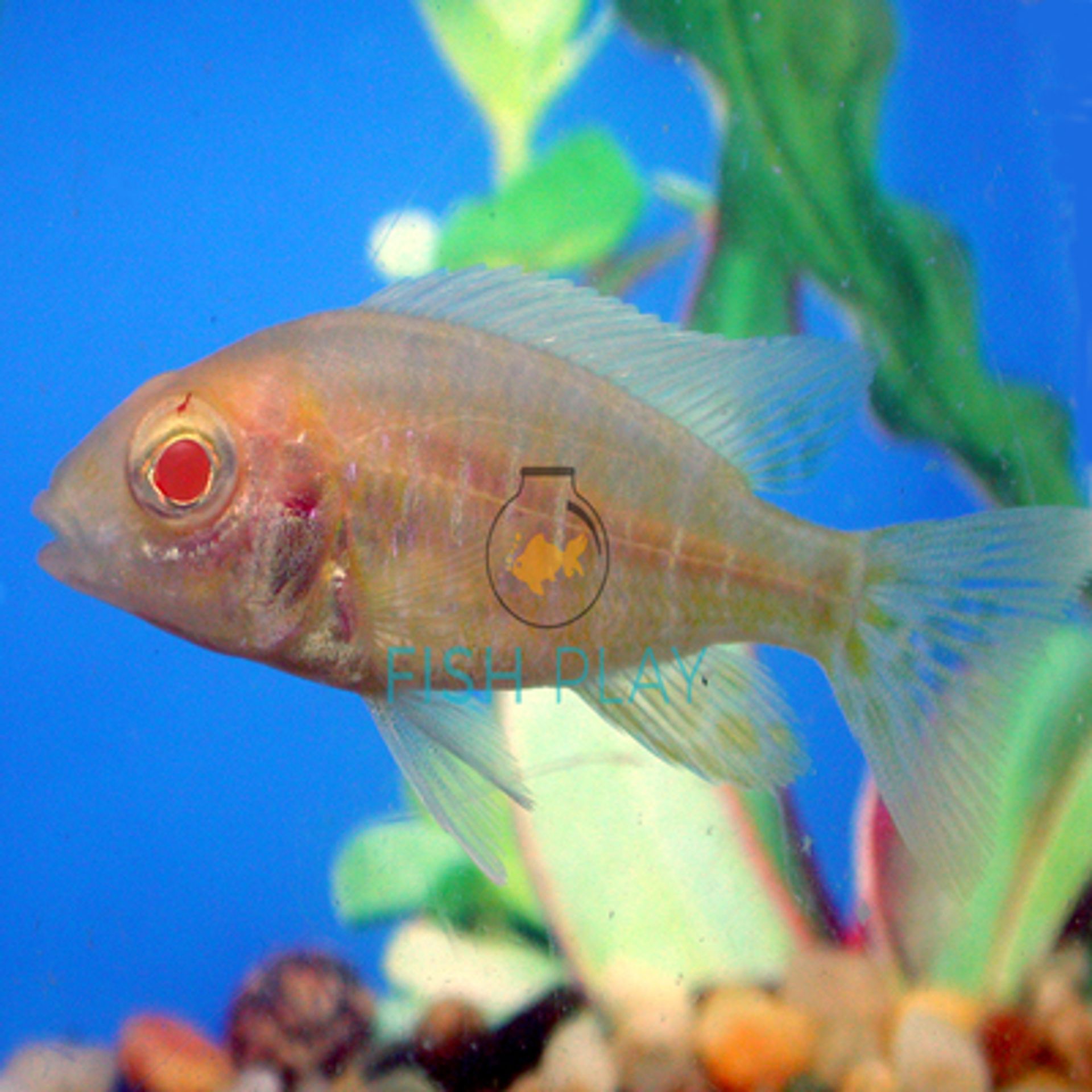
The Mozambique Cichlid (Protomelas spilonotus) is a colourful, semi-aggressive Malawi hap for spacious cichlid aquariums with stable water and mindful tank mates.
- Water conditions: The Mozambique Cichlid is a Lake Malawi haplochromine and thrives in hard, alkaline water with excellent biological filtration and high dissolved oxygen. Aim for a temperature of 24–28°C, pH 7.8–8.6, general hardness around 10–20 dGH and carbonate hardness of 8–12 dKH. Keep ammonia and nitrite at zero and nitrate as low as practicable, ideally below 20–40 ppm, through regular partial water changes and a generous filter turnover. A sand substrate suits this species well, while stable parameters matter far more than chasing exact numbers. Avoid soft, acidic water and sudden swings in pH or temperature. Strong surface agitation, powerheads or a spray bar will help maintain oxygen levels, especially in warmer months. Test water regularly, top up with dechlorinated water and use a reliable heater controller if possible. This is not a fish for an uncycled or newly set-up aquarium; provide a mature filter and a consistent maintenance routine from the start.
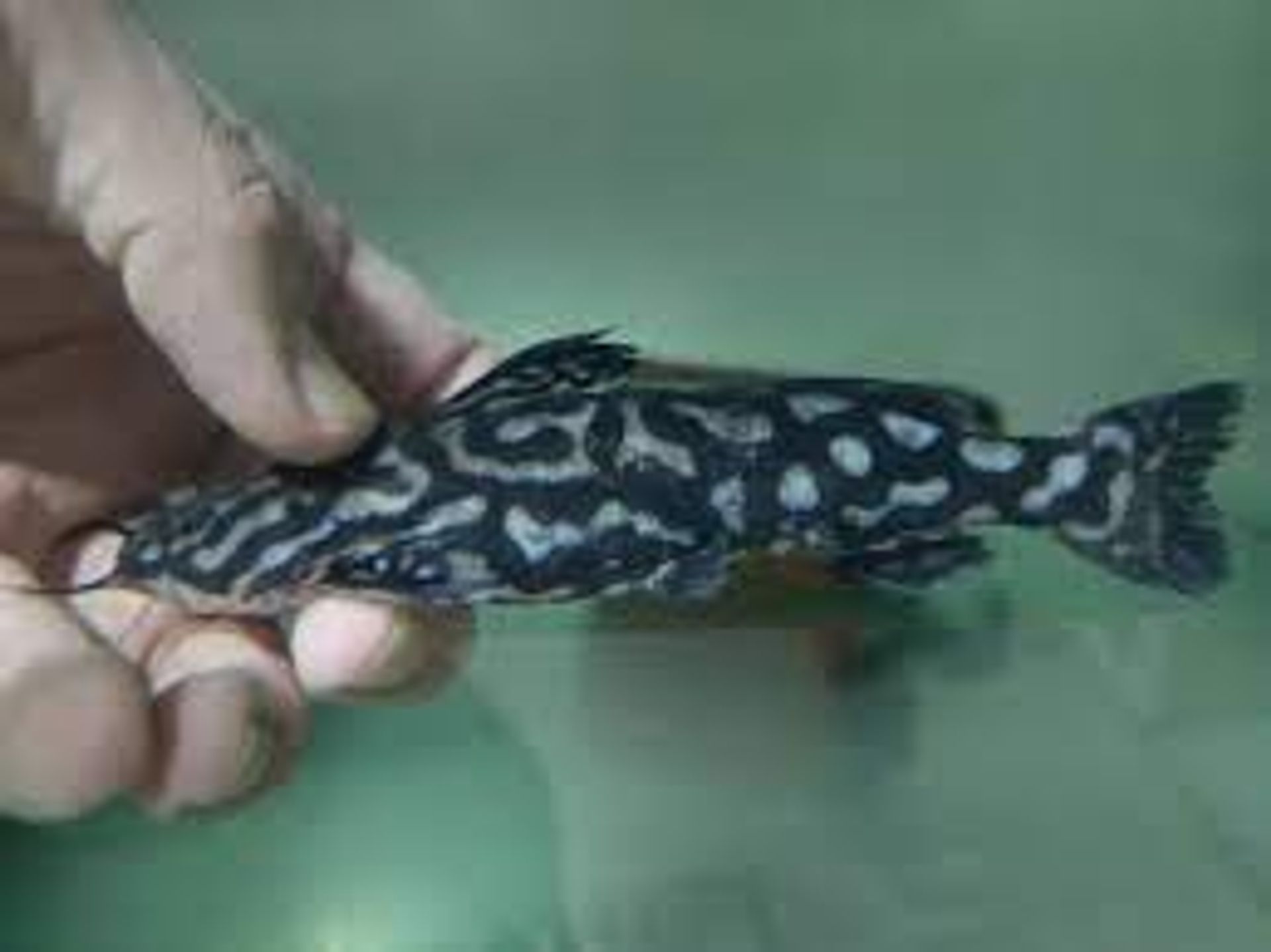
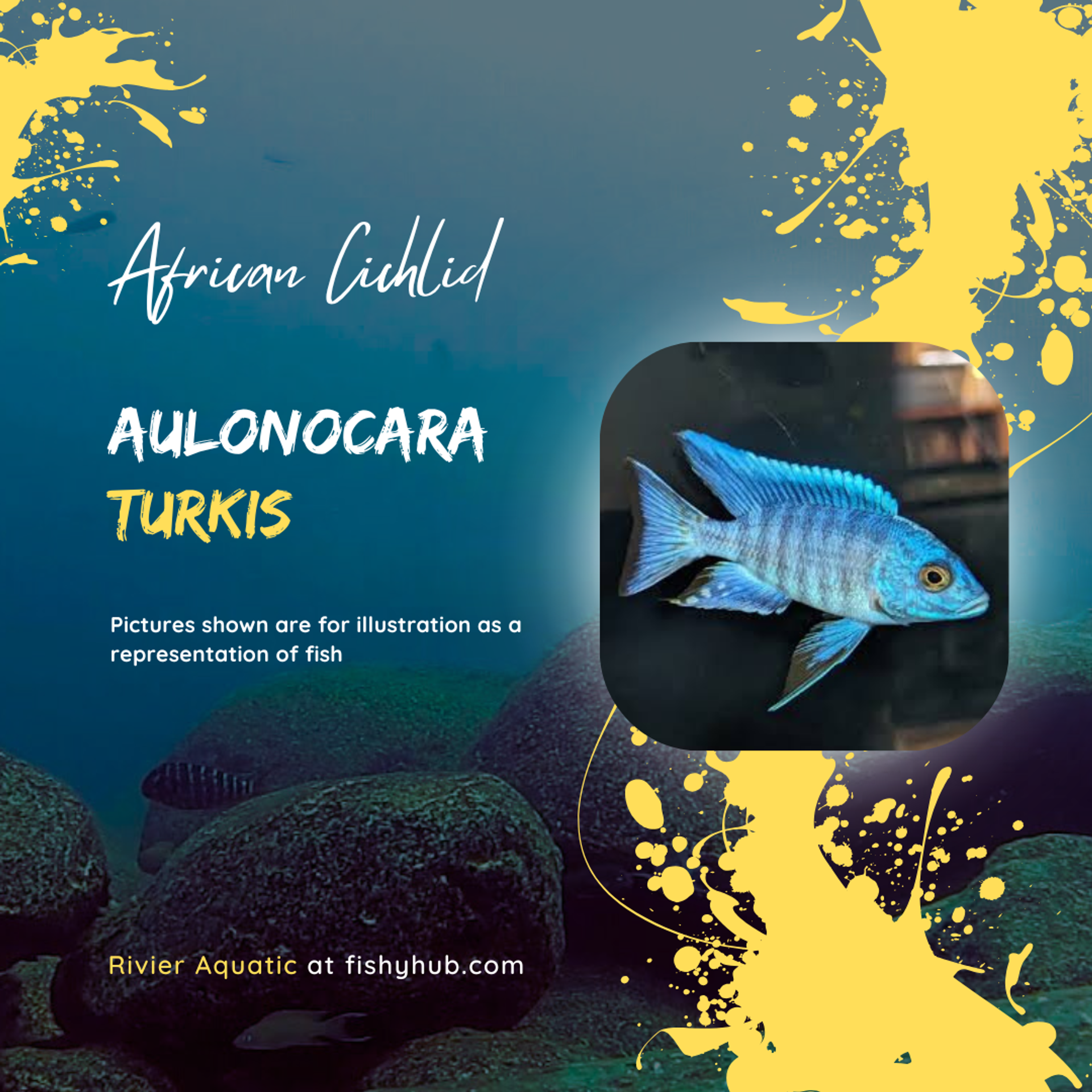
- Suitable tank mates: Because this is a semi-aggressive cichlid, choose tank mates that are robust, similarly sized and able to hold their own without provoking constant conflict. Other peaceful to moderately assertive Lake Malawi haps and peacocks can work well, such as appropriately sized Copadichromis, Placidochromis, Aulonocara and similar utaka-type cichlids. Synodontis catfish from Lake Malawi can also make useful bottom-dwelling companions. Avoid very small fish, delicate community species, guppies, goldfish and slow-moving fish that may be bullied or seen as food. Highly aggressive mbuna are usually a poor match, as they can dominate the tank and cause stress. Keep one male Mozambique Cichlid per aquarium unless the tank is very large and carefully partitioned; multiple males may fight, particularly once mature. If keeping a harem, provide several females per male and plenty of visual barriers. Always quarantine new arrivals and observe aggression closely during the first few weeks, as cichlid hierarchies can change quickly.
- Feeding habits: The Mozambique Cichlid is an omnivore that accepts a wide range of foods, but it does best on a balanced diet rather than a high-protein or fatty regime. Offer a high-quality cichlid staple pellet or flake as the base, supplemented with spirulina-based foods, vegetable matter and moderate amounts of frozen or live foods such as mysis shrimp, brine shrimp and daphnia. Feed two or three small meals daily, offering only what the fish can clear in a few minutes, and remove any uneaten food to protect water quality. Avoid fatty mammalian proteins, cheap high-protein feeds and excessive bloodworm, which can contribute to digestive problems and poor condition in Malawi cichlids. A varied diet helps maintain colour, growth and breeding condition. Because juveniles are offered at 4–7 cm, feed appropriately sized foods and avoid oversized pellets. Observe body condition regularly; a slightly rounded belly is normal, but persistent bloating or stringy waste can indicate dietary or water-quality issues.
- Care requirements: Provide a spacious aquarium of at least 300 litres, ideally 4 feet or longer, for a group or harem of adult Mozambique Cichlids; larger is always better because these fish are active swimmers and can become territorial. Use a sand substrate, secure rockwork and open swimming space, but avoid sharp decorations that could injure fish during spawning chases. Males are typically larger and more colourful than females, and the species is a maternal mouthbrooder. Breeding can increase aggression, so plan territories carefully and avoid overcrowding. Perform weekly partial water changes of around 30–50%, maintain a powerful filter and keep the tank covered, as cichlids can jump when startled. Acclimatise new fish carefully, quarantine where possible and avoid adding them to an immature aquarium. Monitor for signs of stress, fin damage or hiding, which often indicate aggression or poor water quality. With stable conditions, a varied diet and thoughtful tank-mate selection, the Mozambique Cichlid is a rewarding and striking addition to a well-managed Malawi cichlid display.





%20Pelvicachromis%20pulcher)1757526023219.jpeg?signature=25a6c607995b0b1da0d83fab55925779bc55e28e73db1e18c017ce571114081b)