
Click to enlarge
Unless stated otherwise, photos show the species, not the exact fish you'll receive.
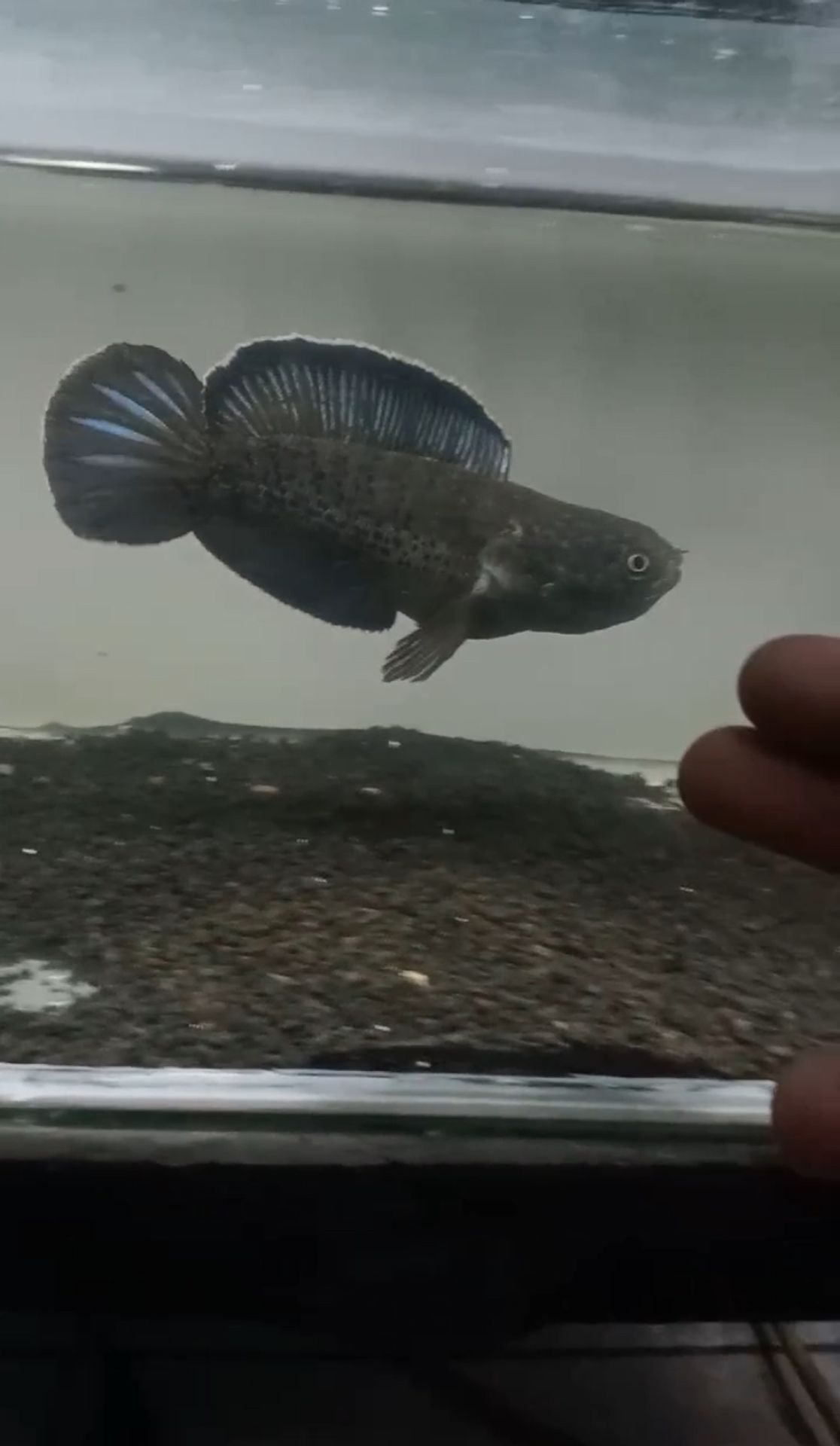
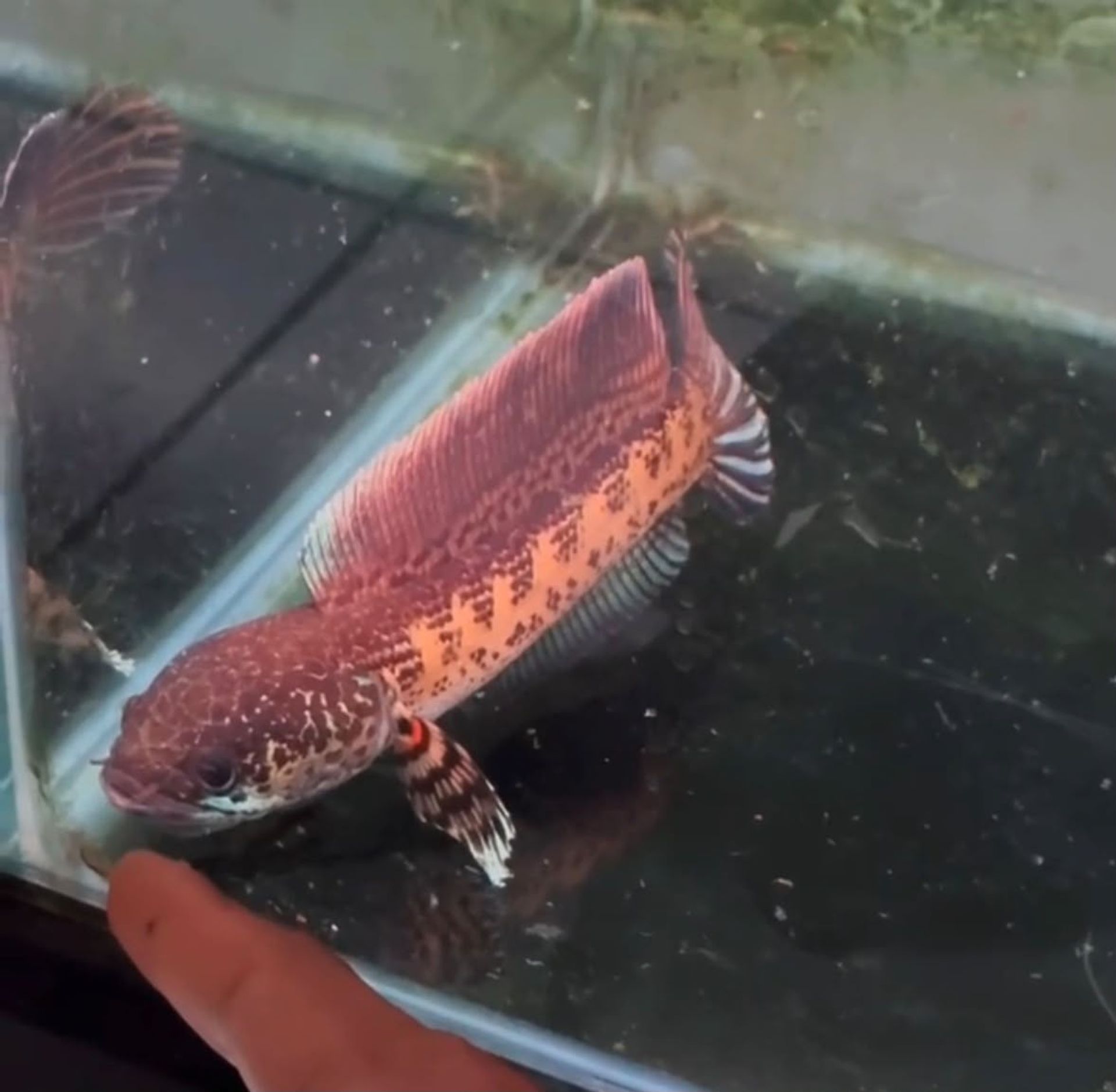
Channa Auranti 18 cm
SGD 170.00
Delivery Information
Dead-on-arrival protection: report within 24 hours of delivery with a photo or video for an exchange or return.
Product Variations
Quantity
Stock: 1
Product Details
Size
18cm - 19cm
WYSIWYG
Exact Fish Shown
Product Description
Learn More About Channa Auranti 18 cm
Most Searched Aquarium Fish in Singapore in 2026
The Most Engaging Aquarium Fish on Social Media in Singapore: FishyHub Data
Singapore Regions With the Most Aquarium Fish Sellers
Which Aquarium Fish Have the Highest Buyer Interest in Singapore?
Most Viewed Aquarium Fish That Singaporeans Don't Buy: What the Data Shows
Are Monster Fish Becoming More Popular in Singapore? Search & Marketplace Data
The Most Expensive Aquarium Fish You Can Buy in Singapore
Most Viewed Aquarium Fish Online in Singapore: FishyHub Marketplace Data
Channa Statistics Singapore: Popular Species, Prices & Search Demand
Channa Statistics: Popular Species, Prices & Search Demand
More from BABA CHANNA

BABA CHANNA
Suitable Tank Mates for Channa Auranti 18 cm
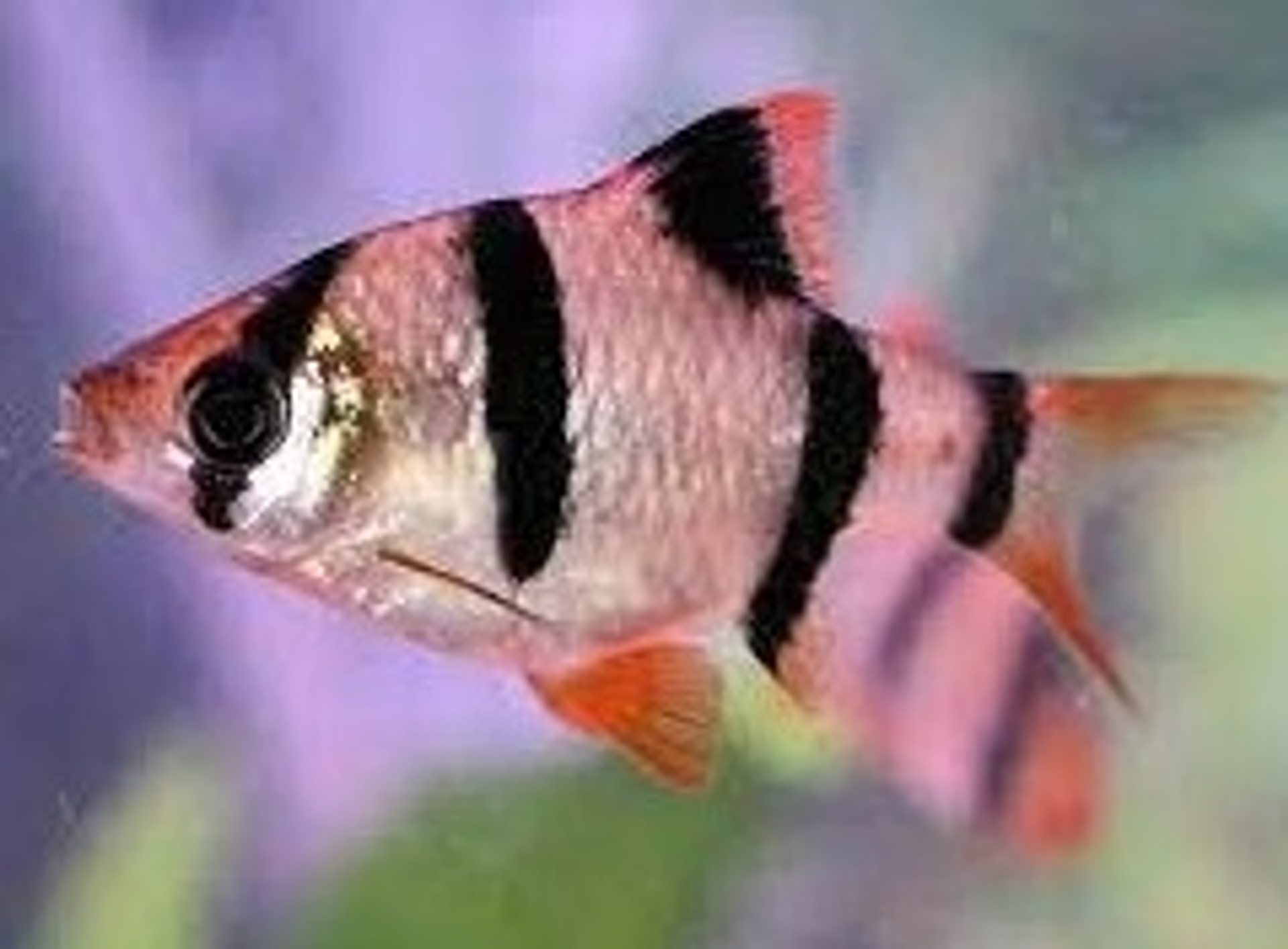
Tiger Barb
SGD 4.40
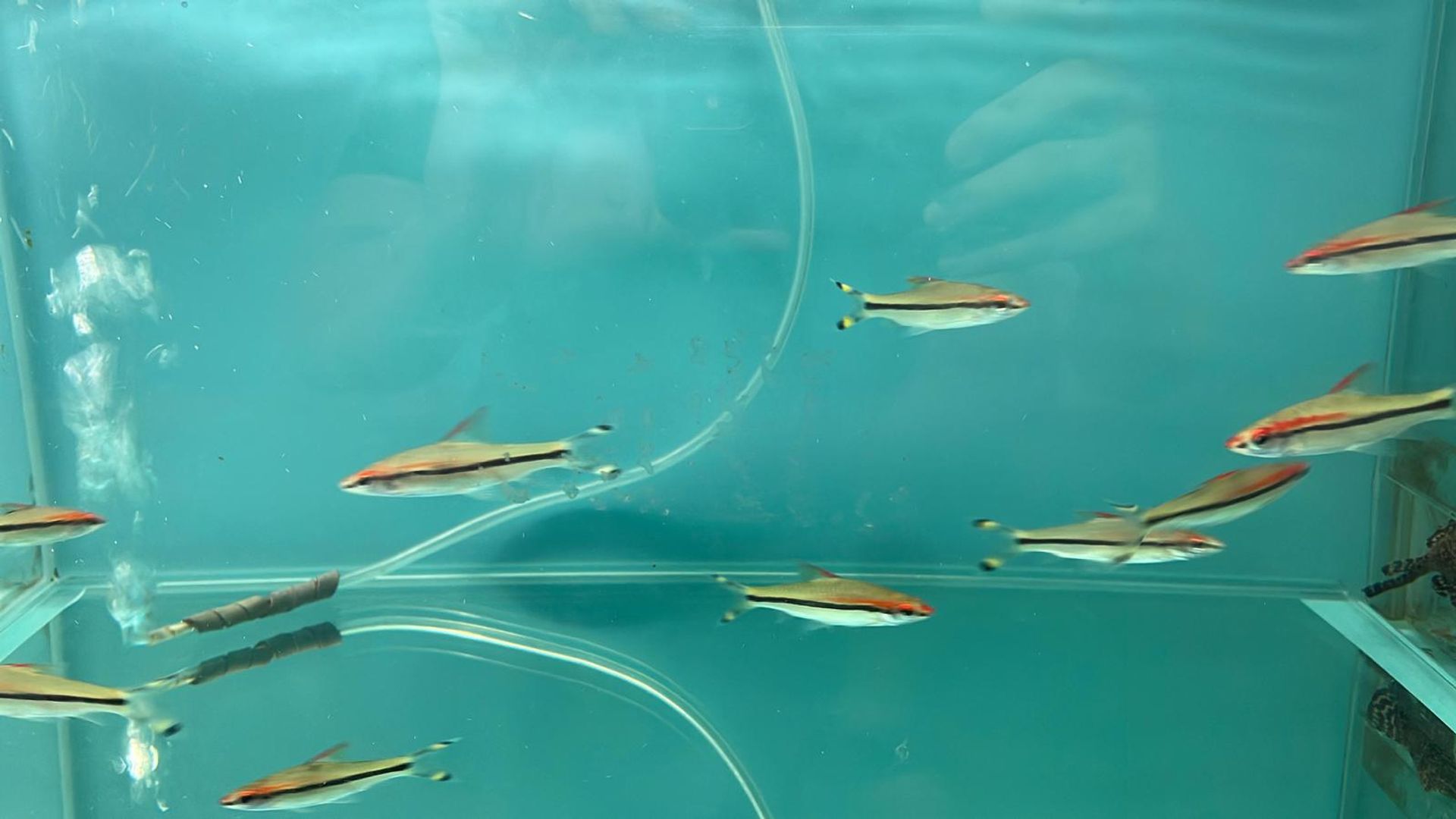
Denison Barb (Puntius Denisonii (OO06781))
SGD 3.60
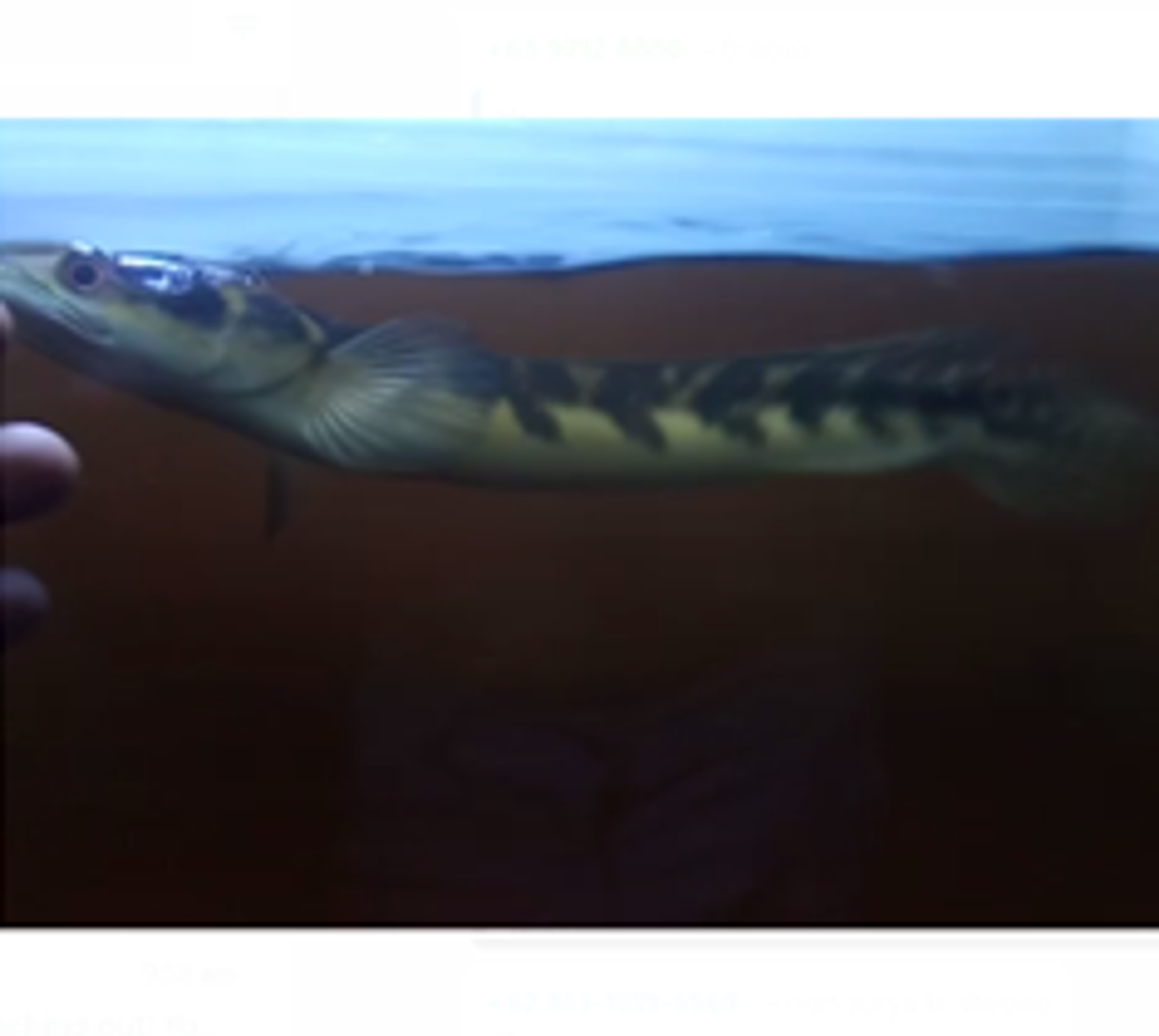
Emperor Snakehead (Channa Maru yellow)
SGD 72.00
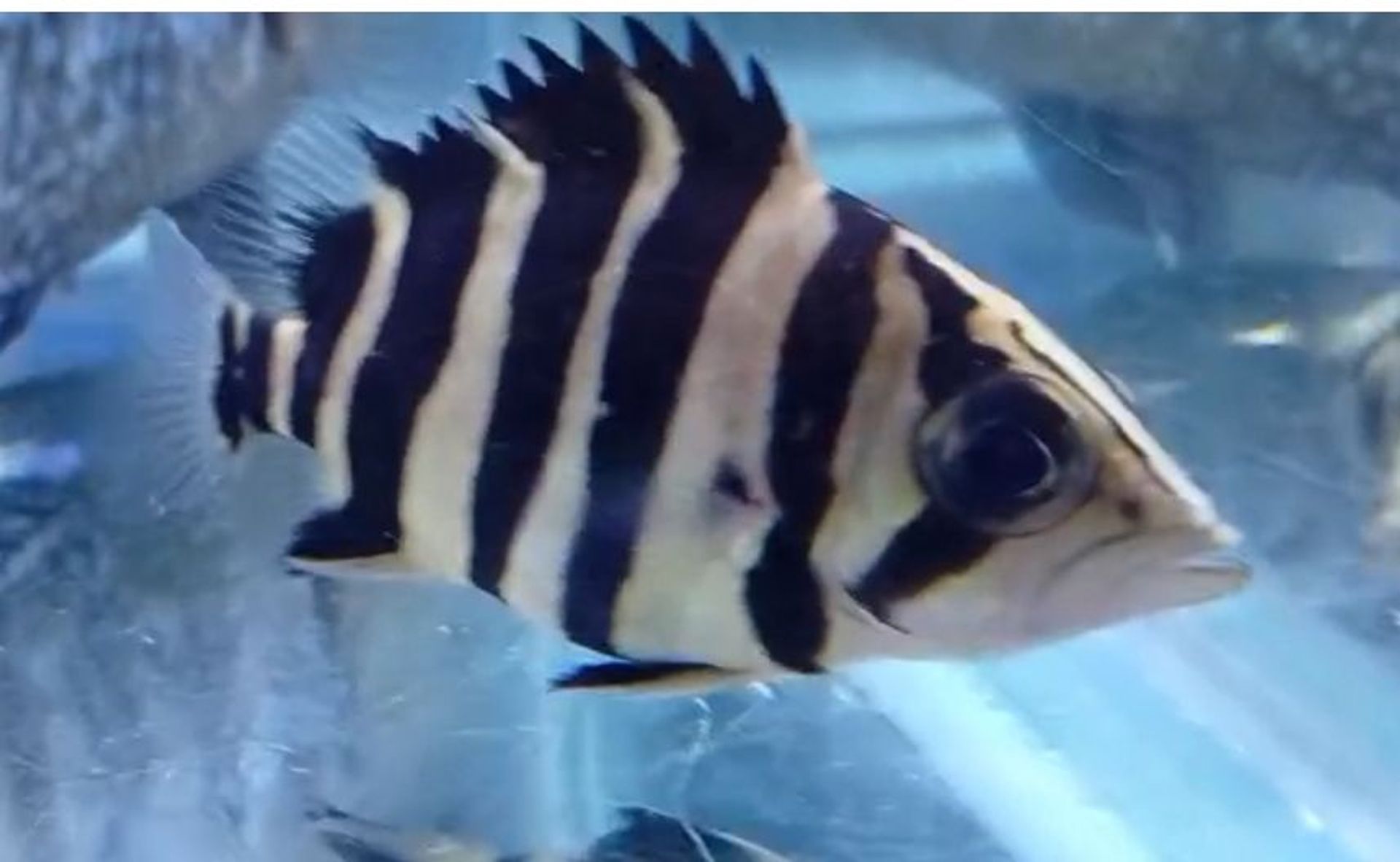
Datnoides microlepis Tiger Fish (different sizes available)
SGD 36.00
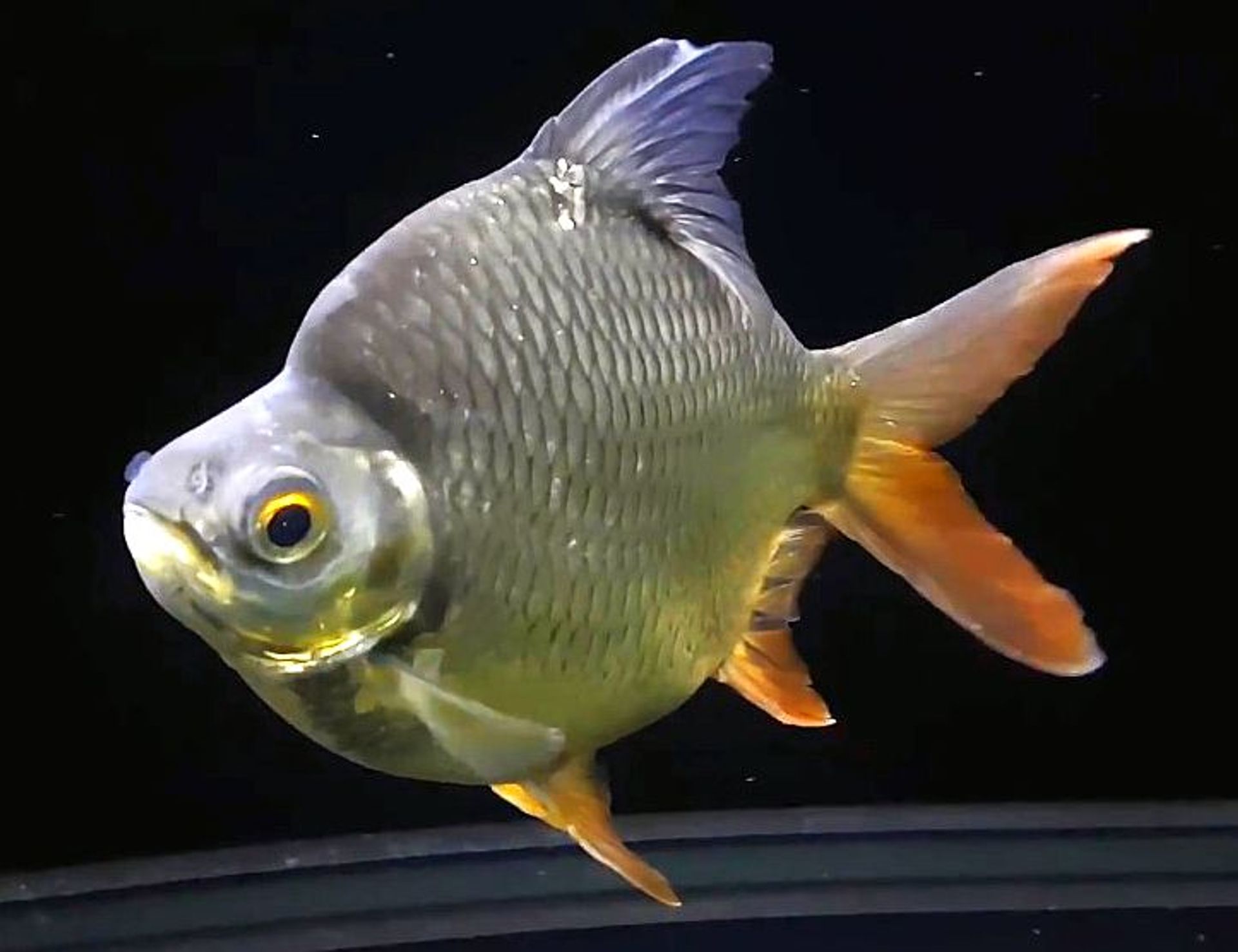
Short Body Tin Foil Barb
SGD 35.00
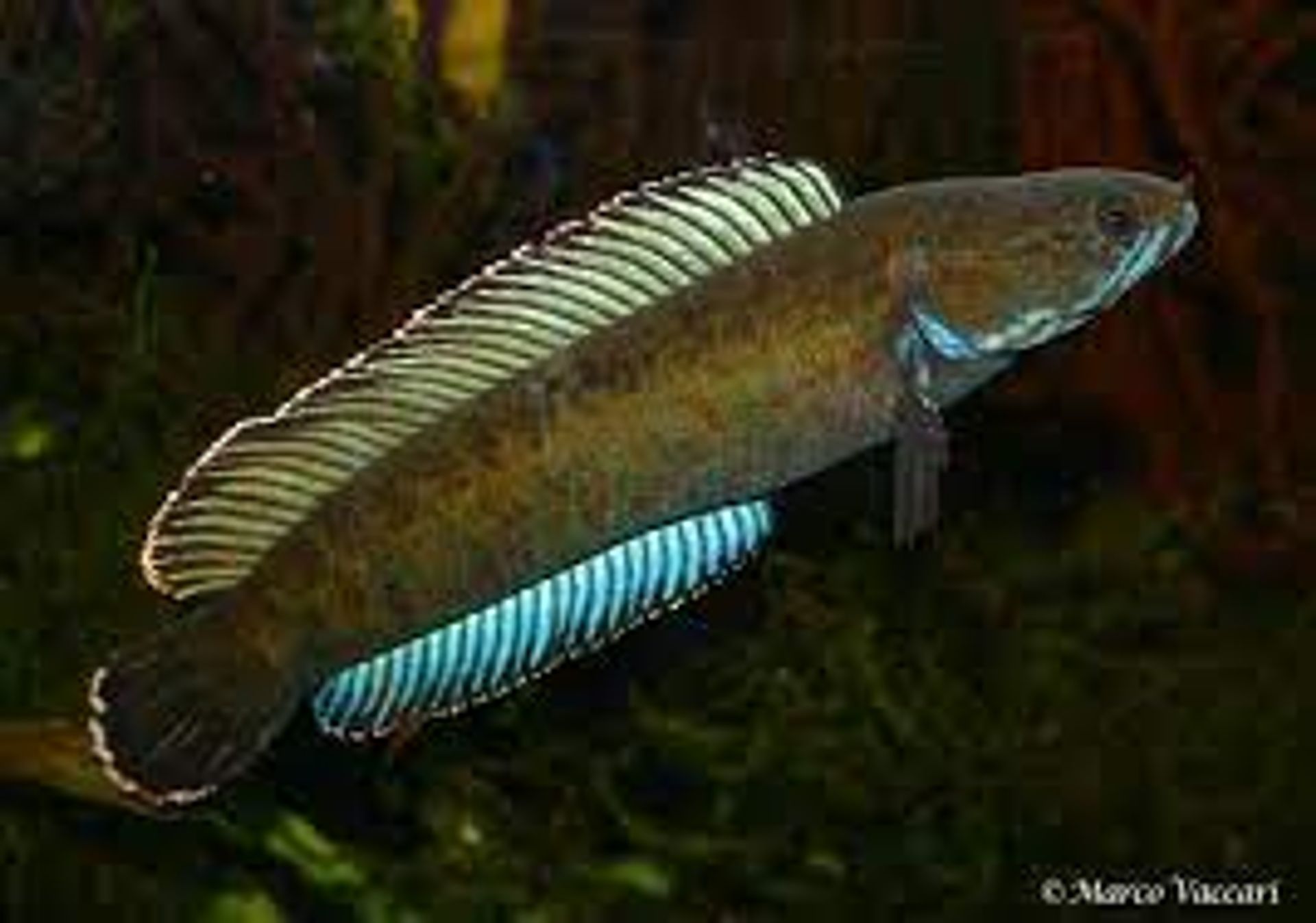
Dwarf Snakehead (Dwarf Channa Andrao)
SGD 85.00
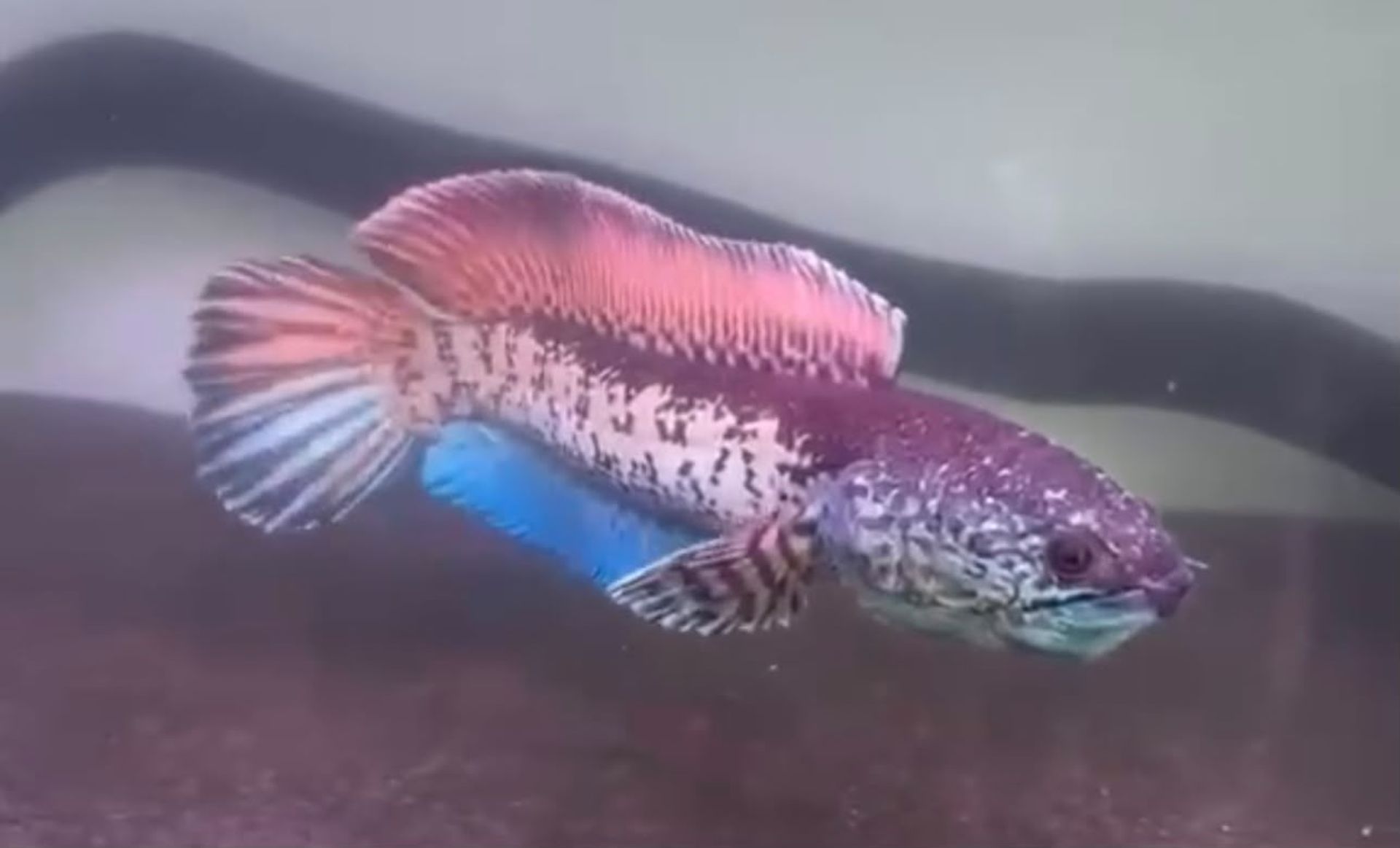
Golden Cobra 26 cm
SGD 380.00
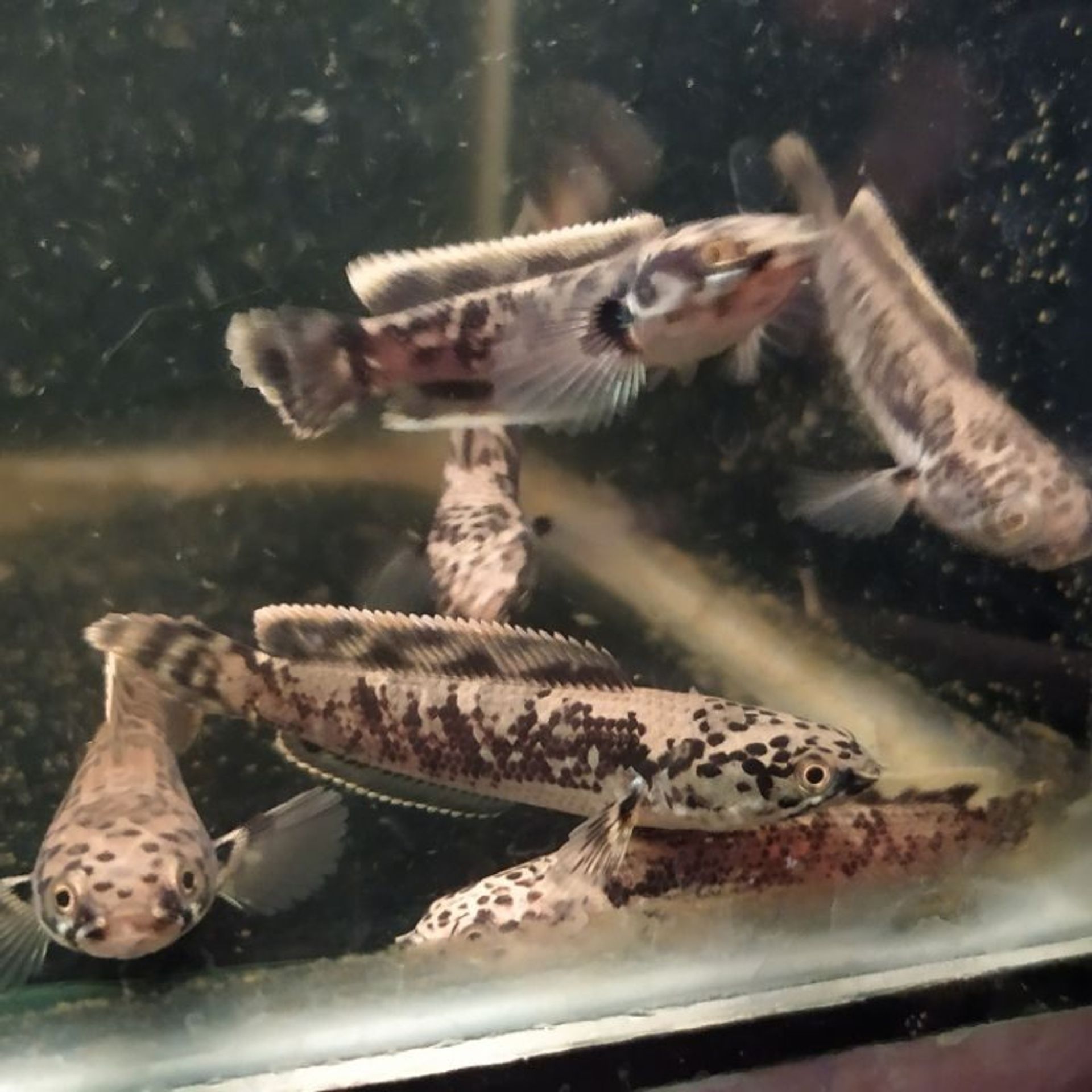
Dwarf Snakehead (Channa Limbata Granit)
SGD 50.00
Similar Monster Fishes You May Like
Asiatic Snakehead (Channa asia..
SGD 65.00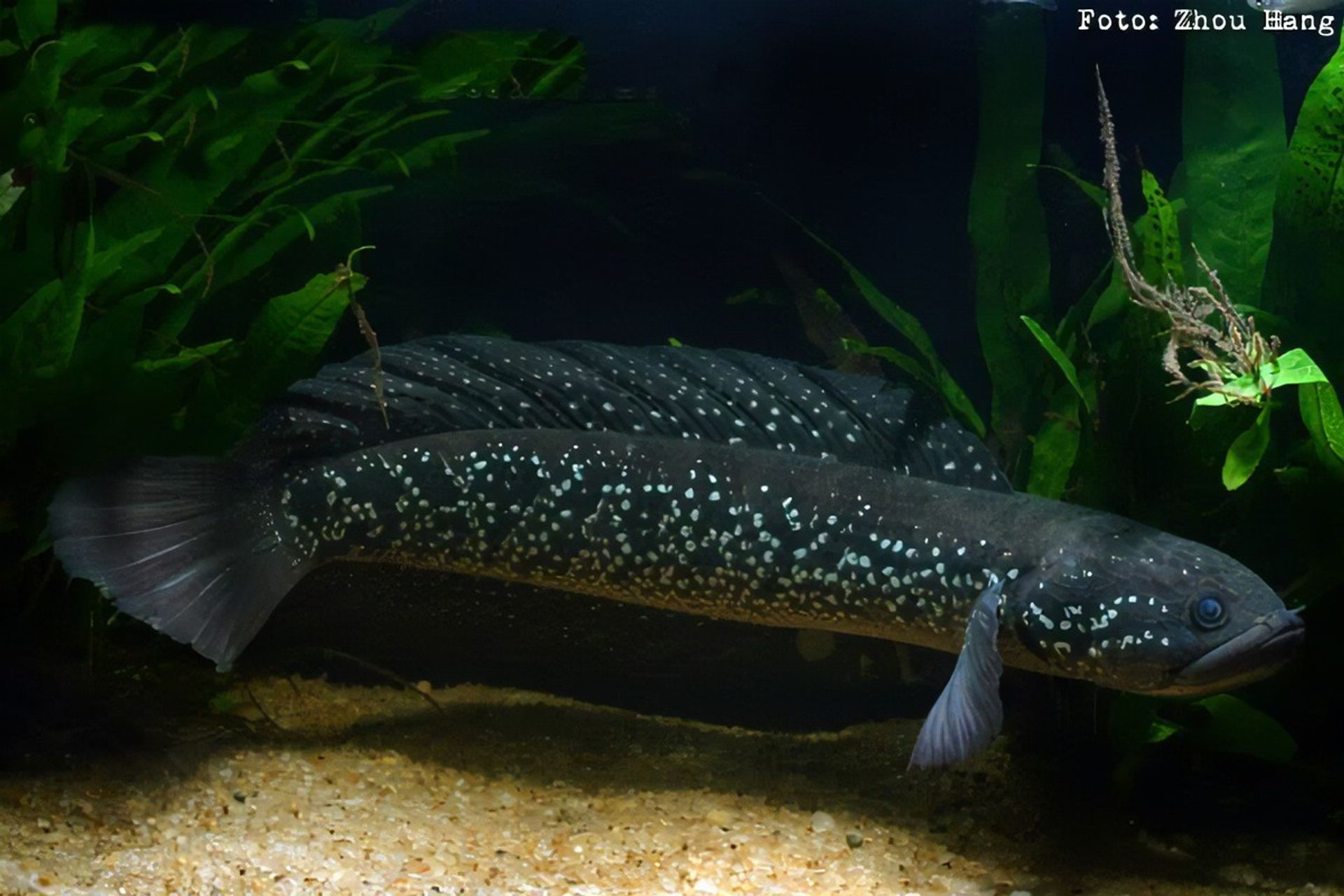
Snakehead (Baby Asiatica RS Fu..
SGD 25.00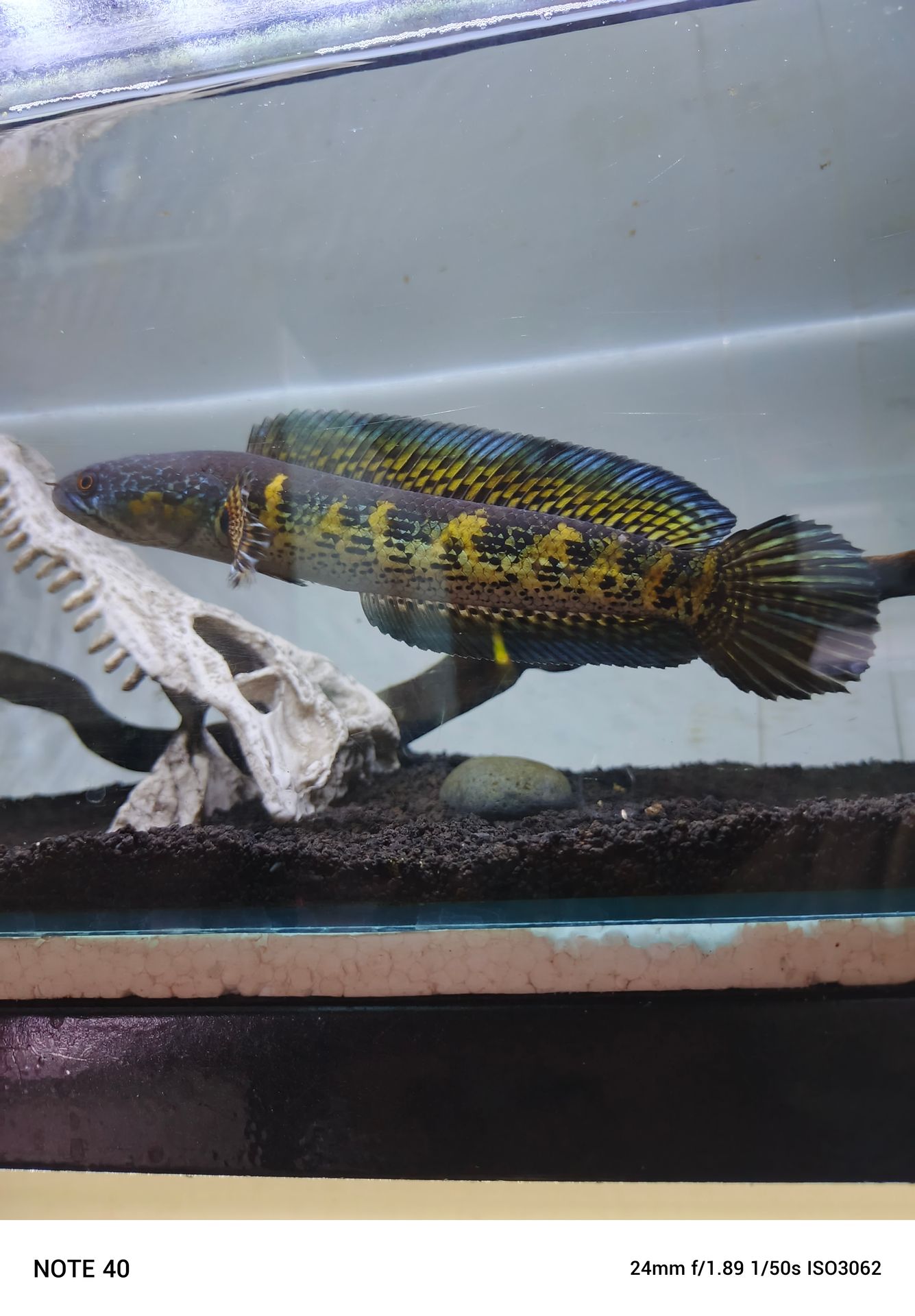
Golden Cobra Snakehead (Channa..
SGD 228.00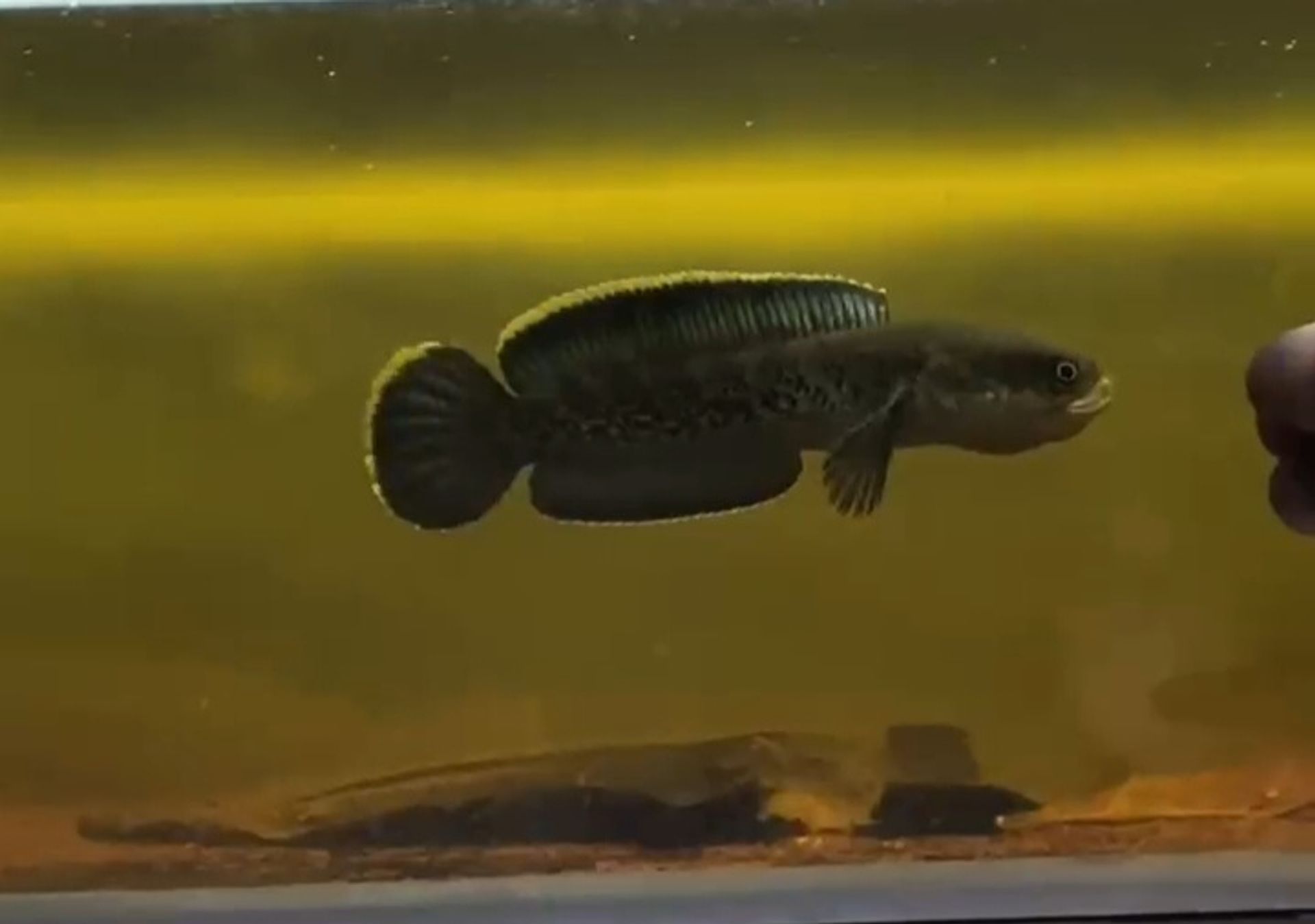
Stewart's Snakehead (Stewarti ..
SGD 75.00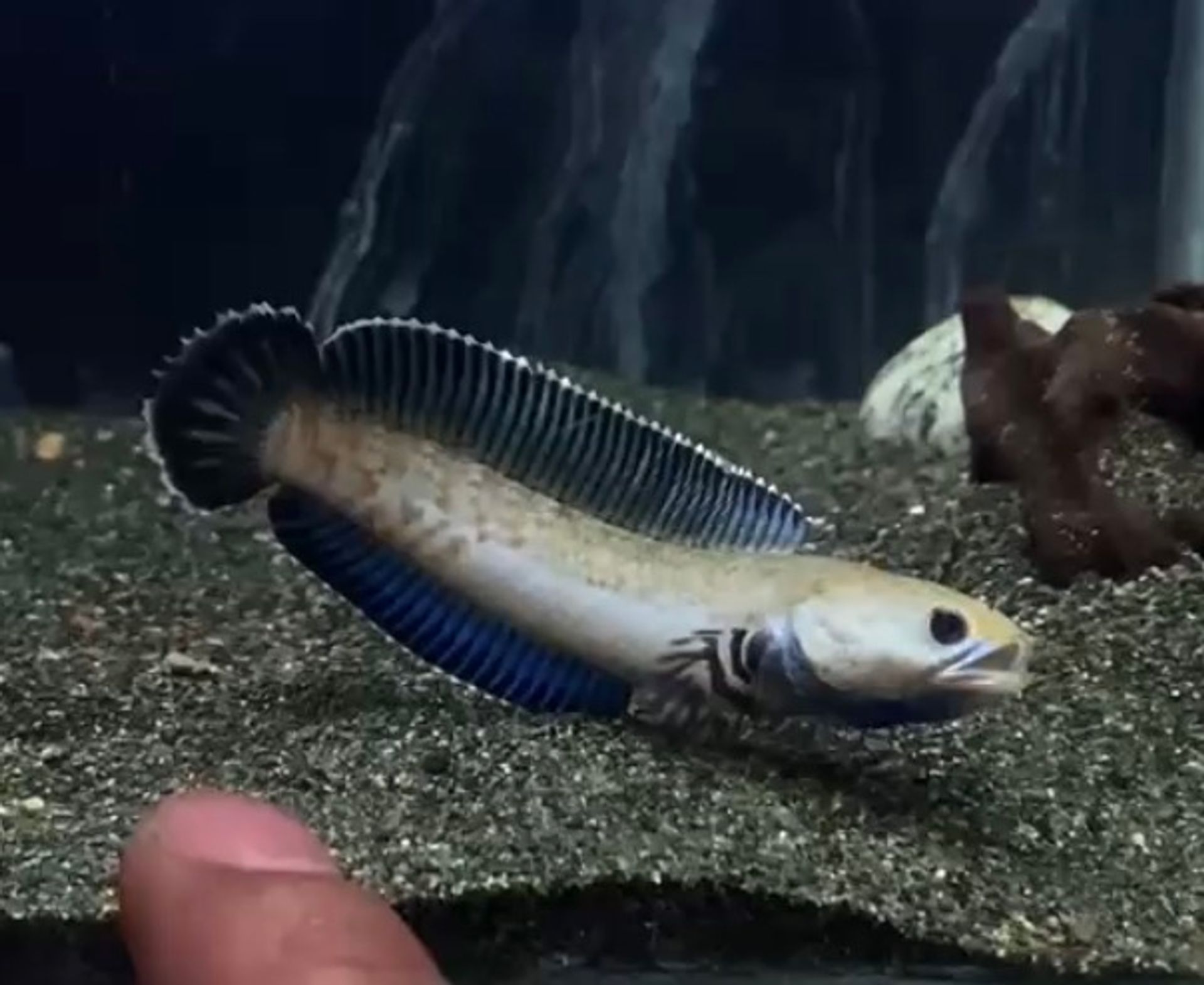
Channa Andrao High Fin
SGD 170.00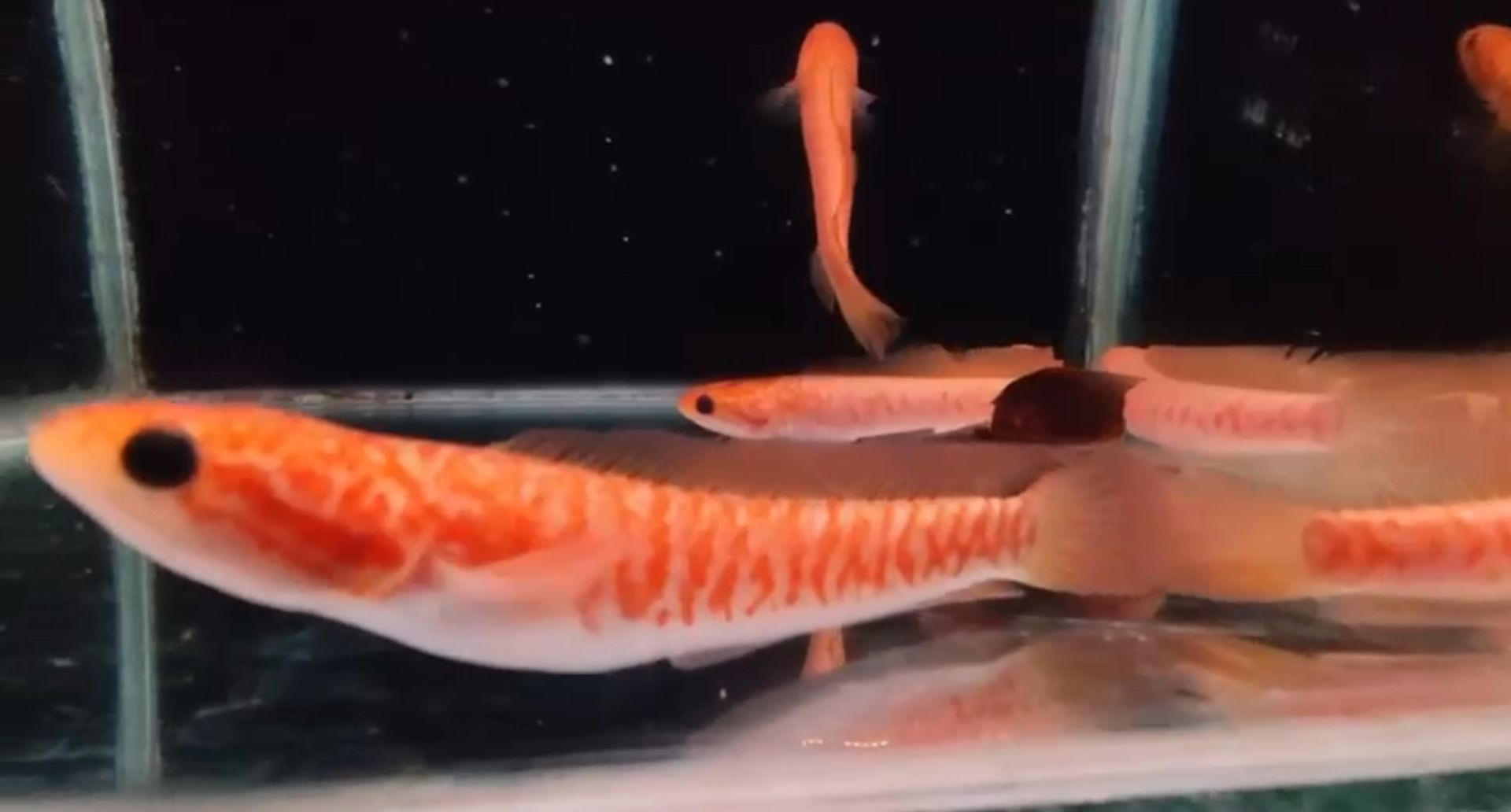
Asiatic Snakehead (Channa Asia..
SGD 130.00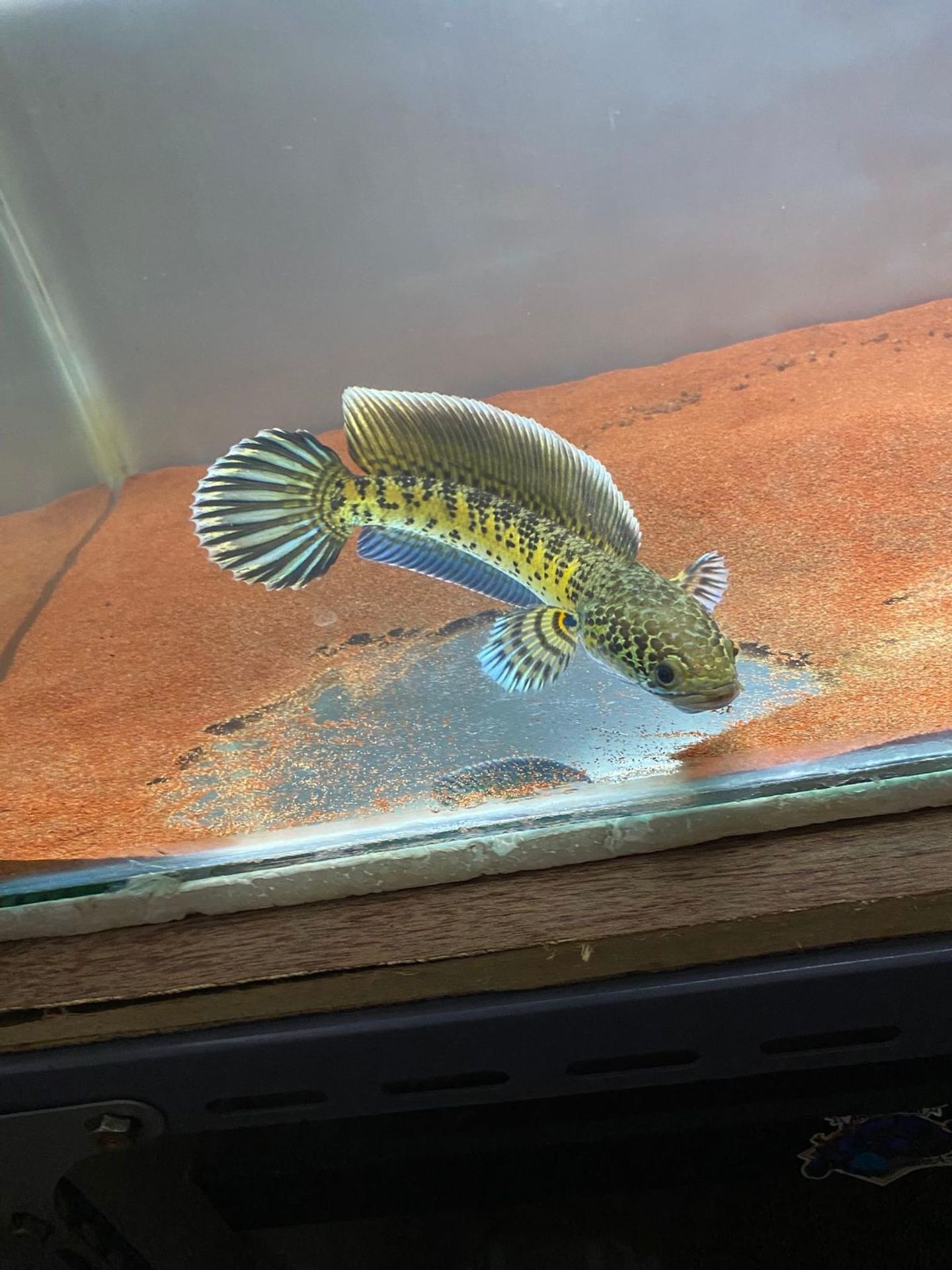
Golden Snakehead (Channa Auran..
SGD 123.00Dwarf Snakehead (Dwarf Channa ..
SGD 85.00Andrao Snakehead (Channa Blue ..
SGD 90.00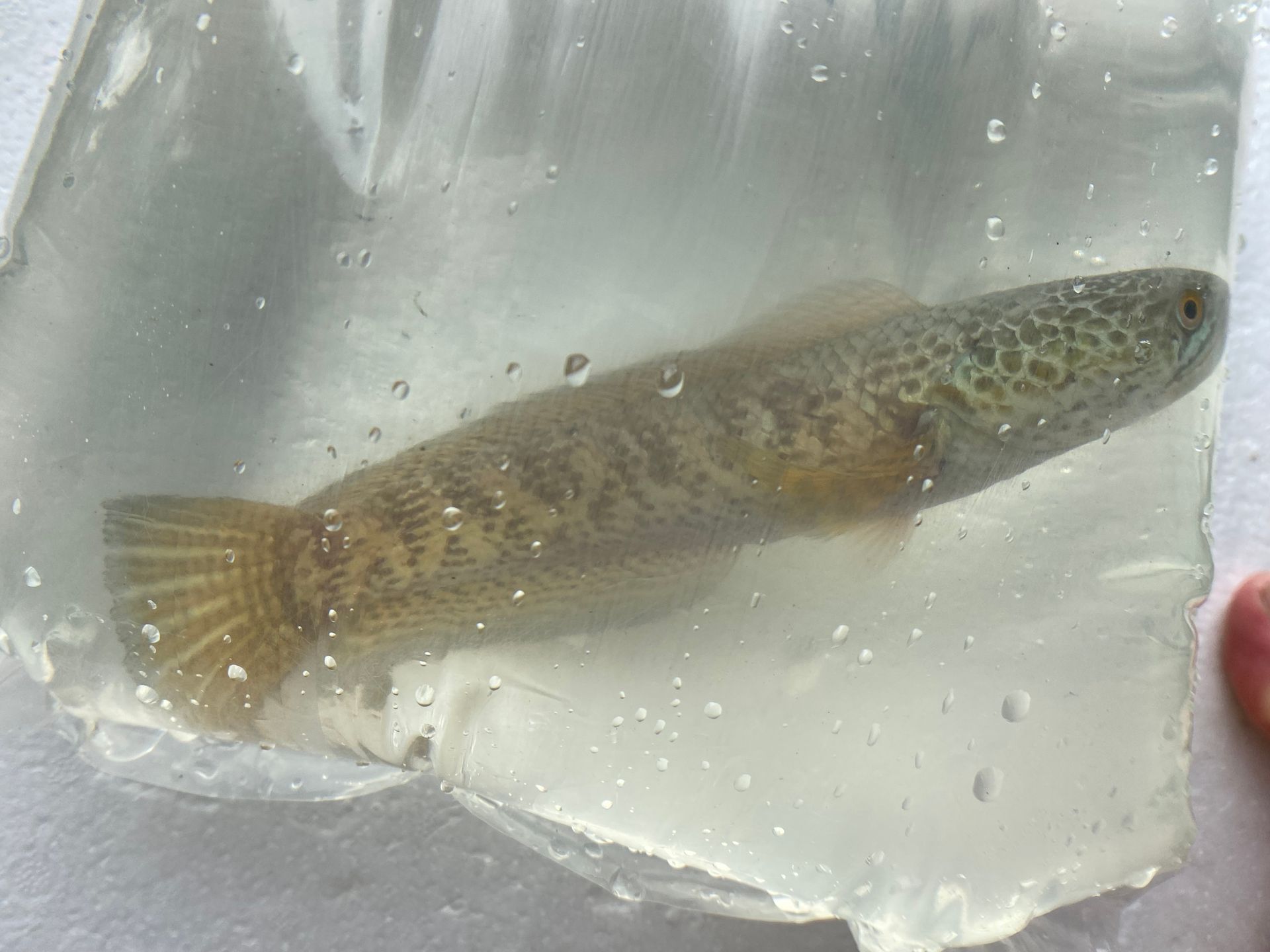
Channa aurantimaculata (cobra ..
SGD 60.00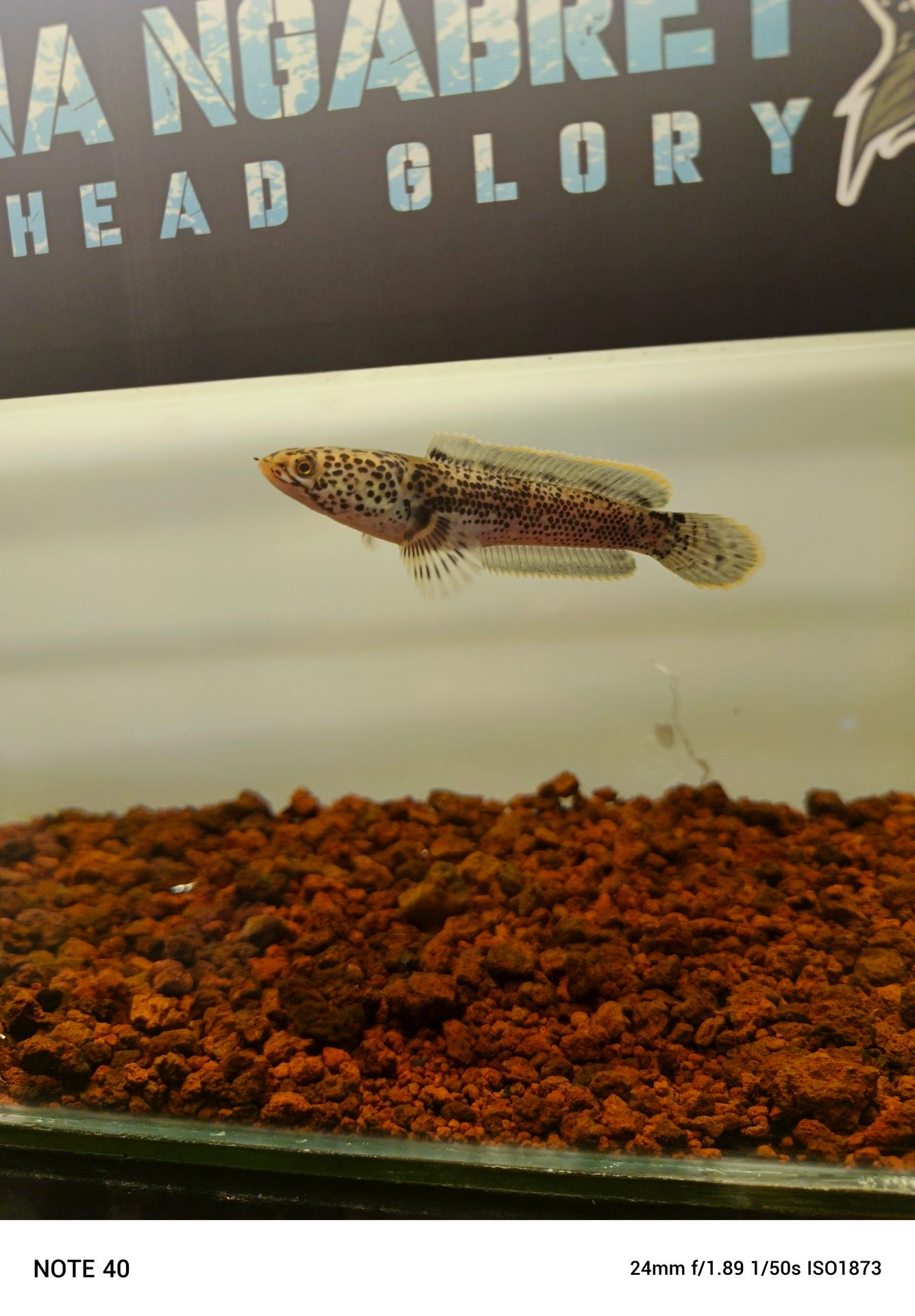
Snakehead (Channa Limbata Gran..
SGD 65.00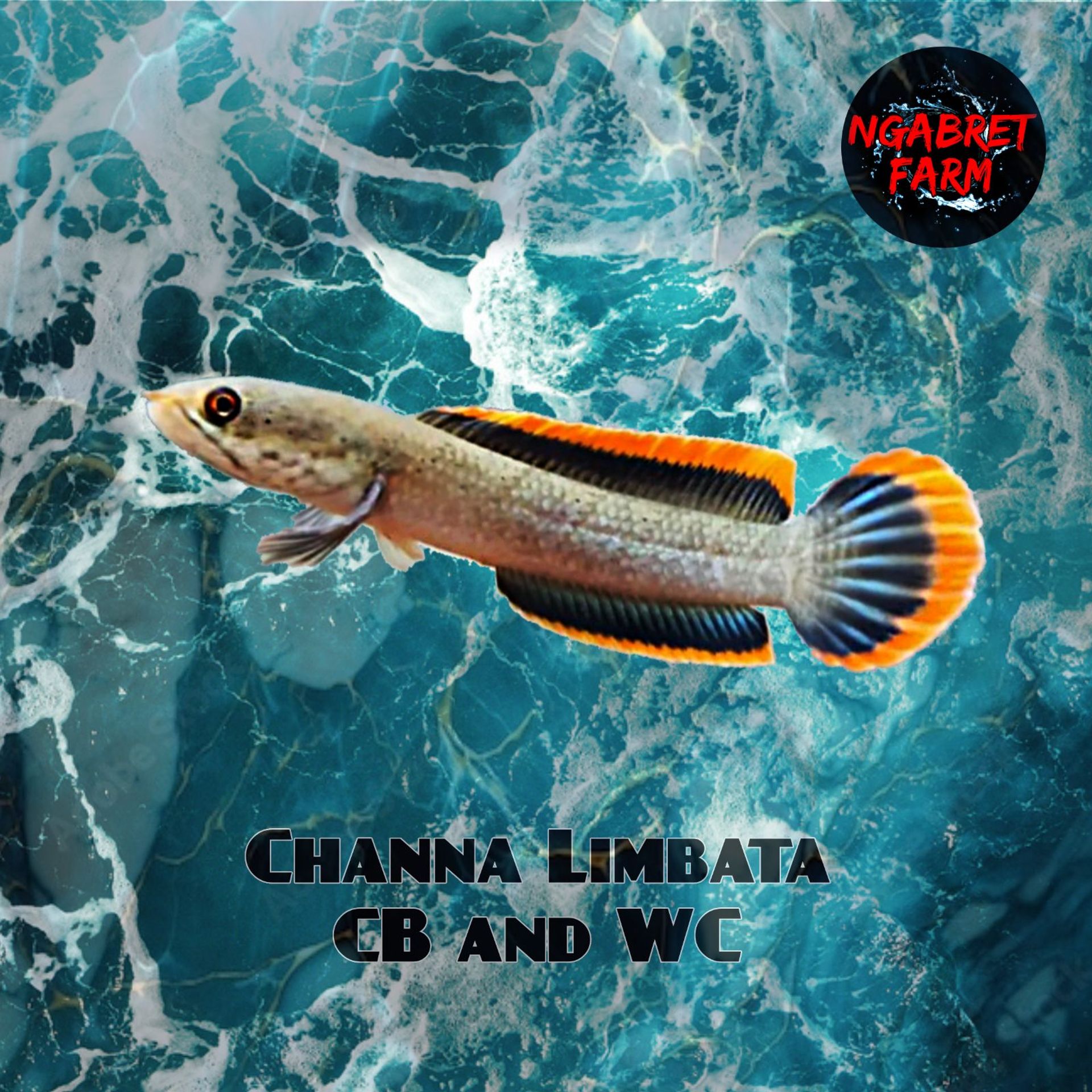
Snakehead (Channa Limbata CB &..
SGD 50.00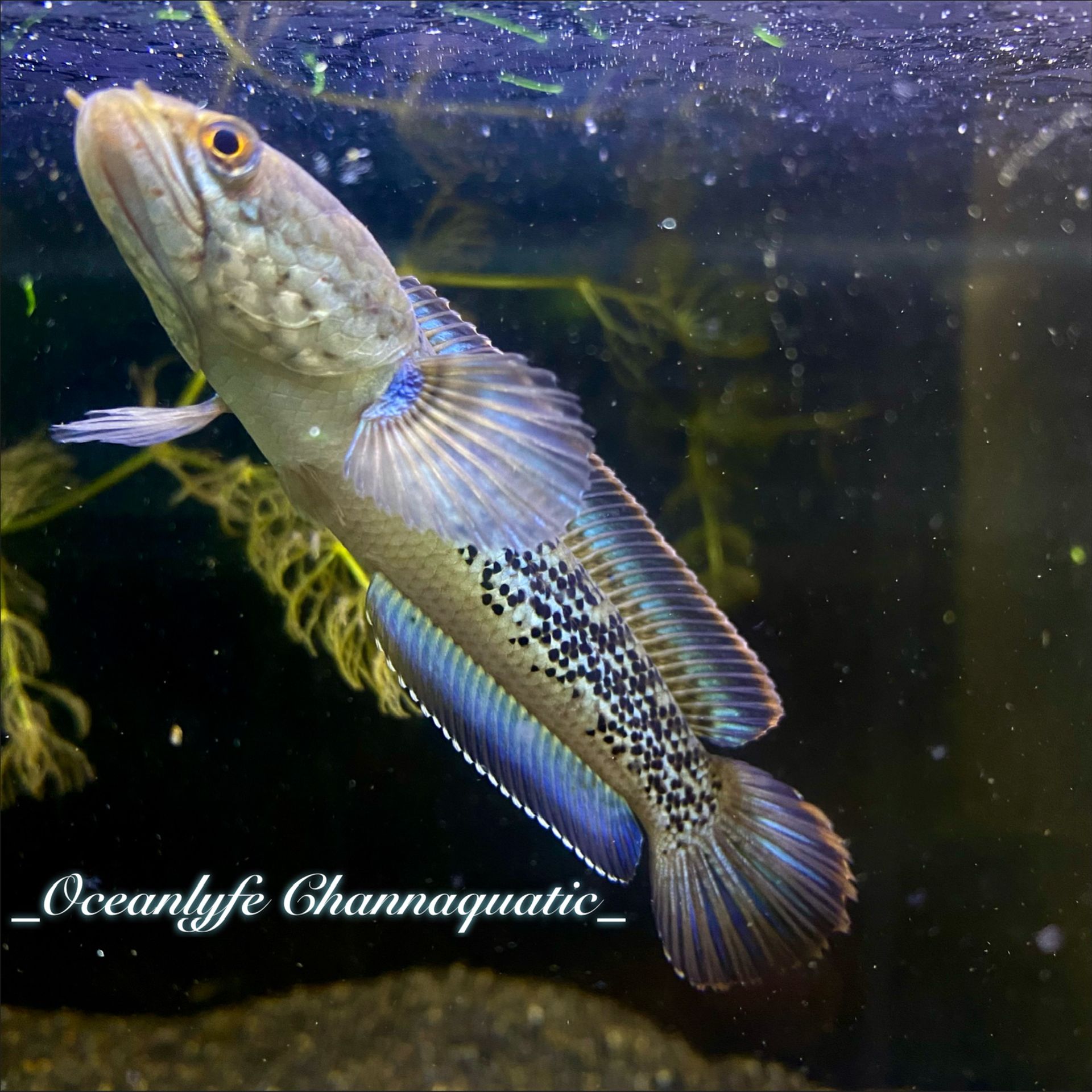
Stewart's Snakehead (Channa St..
SGD 90.00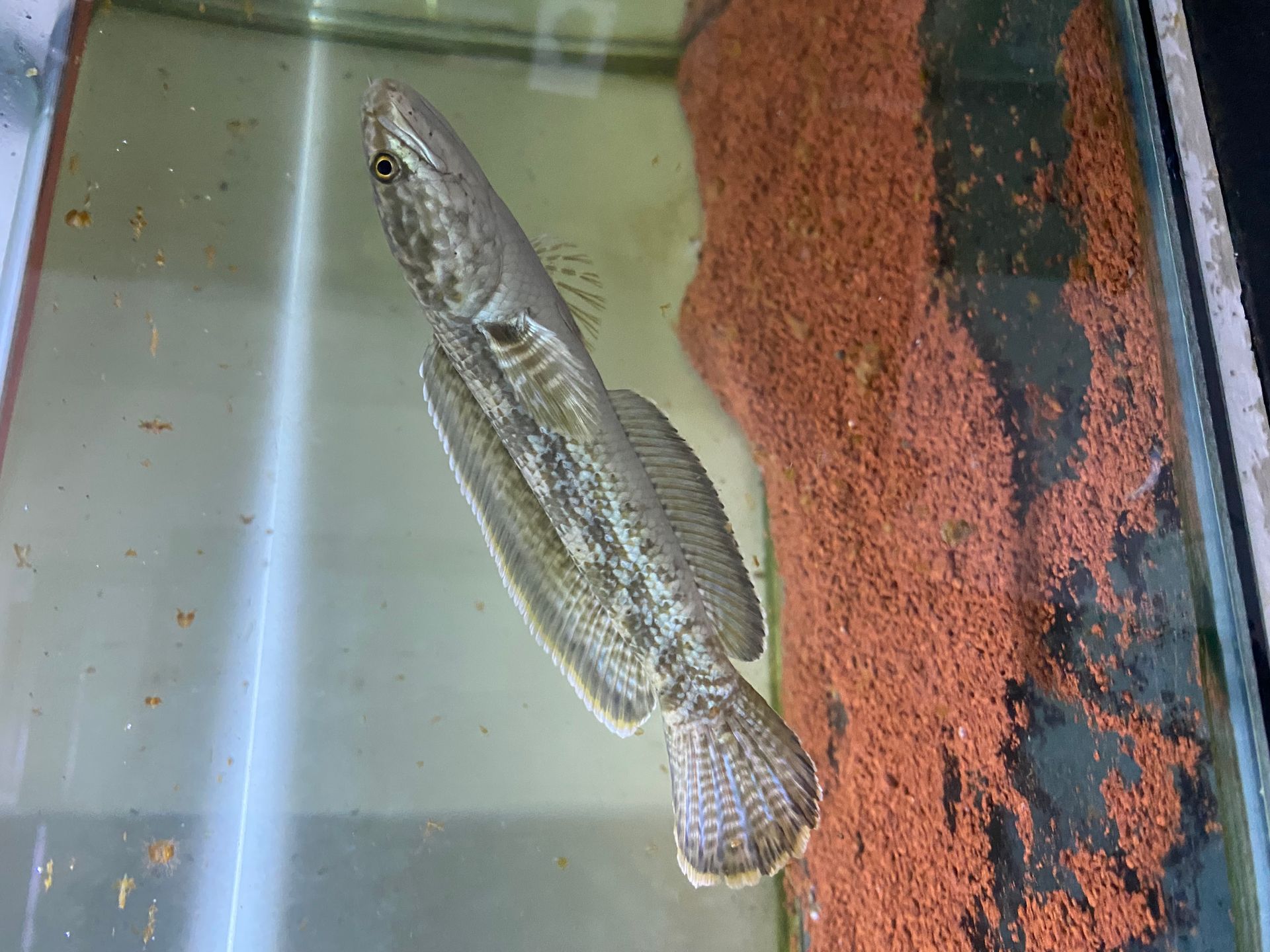
Snakehead (Channa blue cobalt)
SGD 130.00
Peacock Snakehead (Channa pulc..
SGD 25.30Channa Auranti 18 cm
SGD 170.00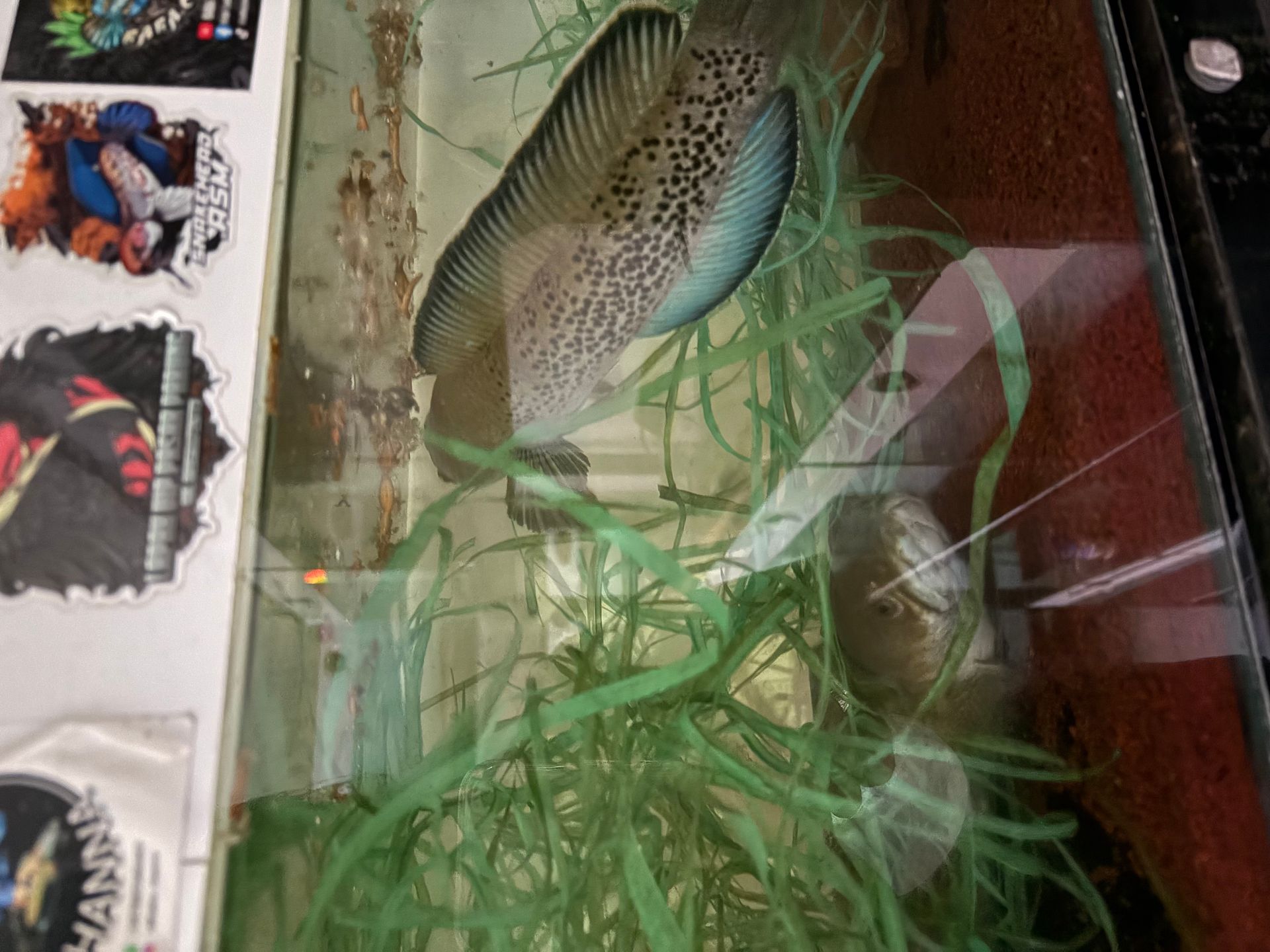
Stewart's Snakehead (Channa st..
SGD 400.00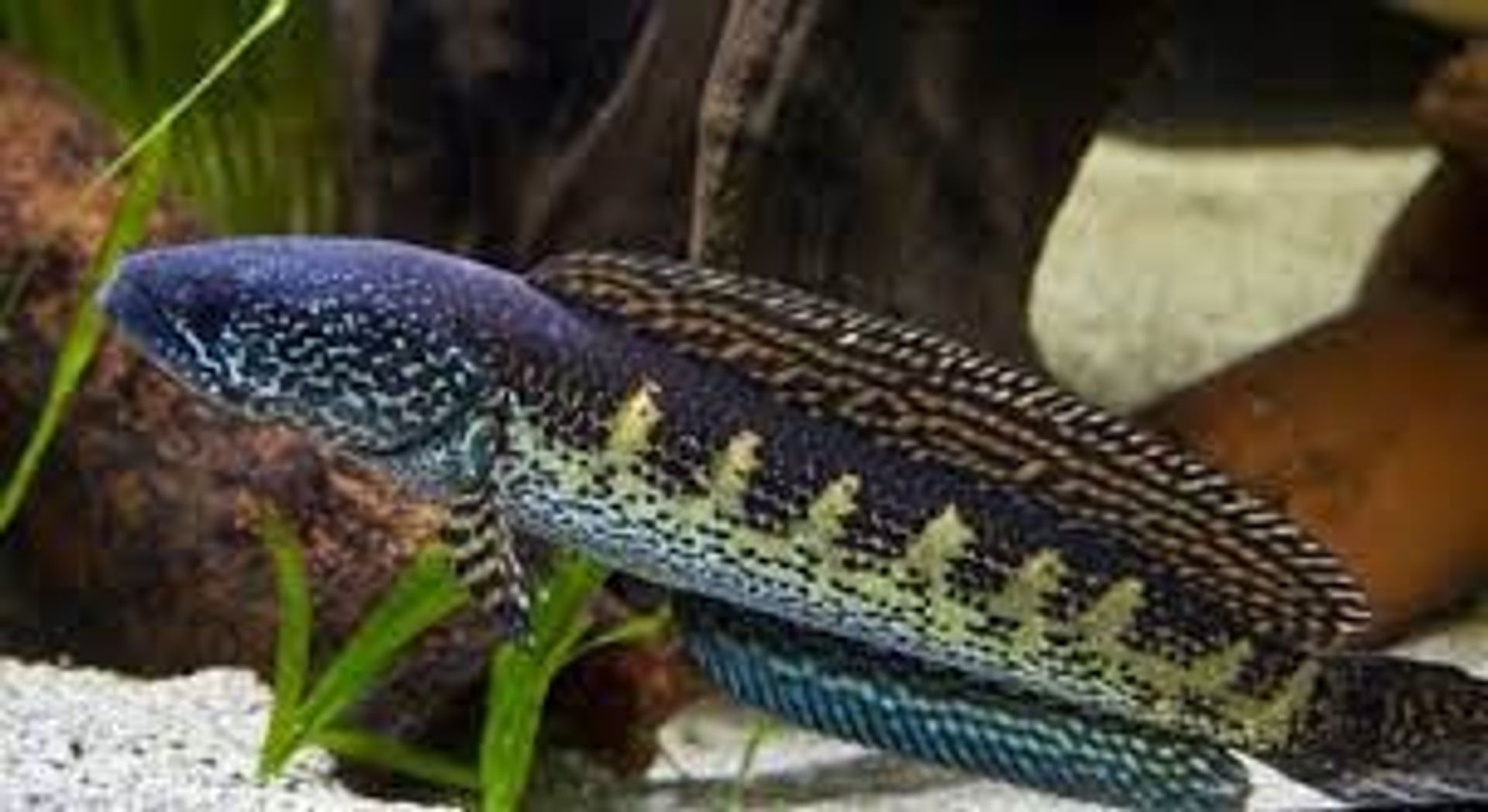
Golden Cobra Snakehead (Channa..
SGD 105.00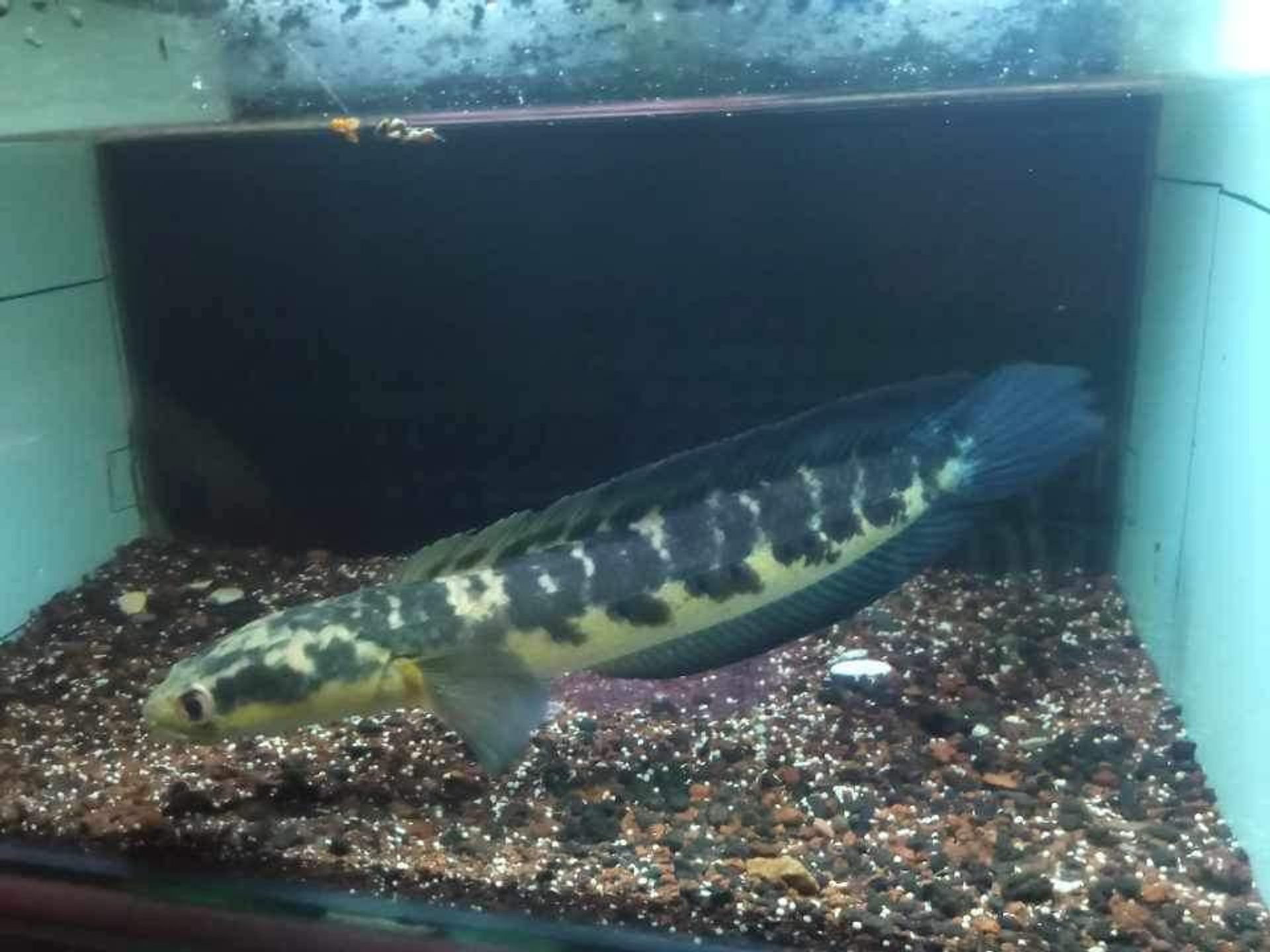
Emperor Snakehead (Channa Maru..
SGD 124.00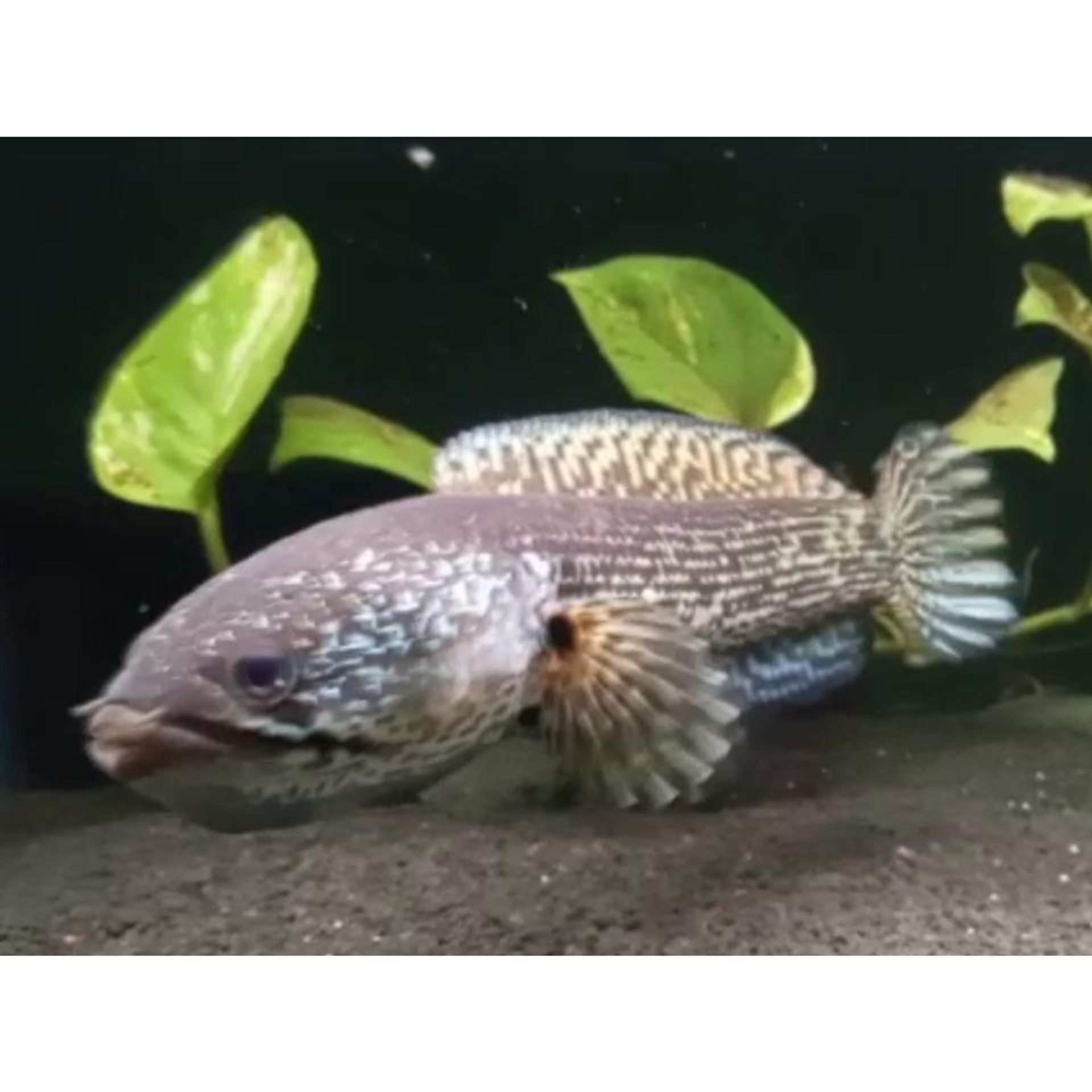
Golden Cobra Snakehead (Channa..
SGD 105.00Golden Cobra 26 cm
SGD 380.00
Ornate Snakehead (Channa ornat..
SGD 30.80
Asiatic Snakehead (Channa Asia..
SGD 105.00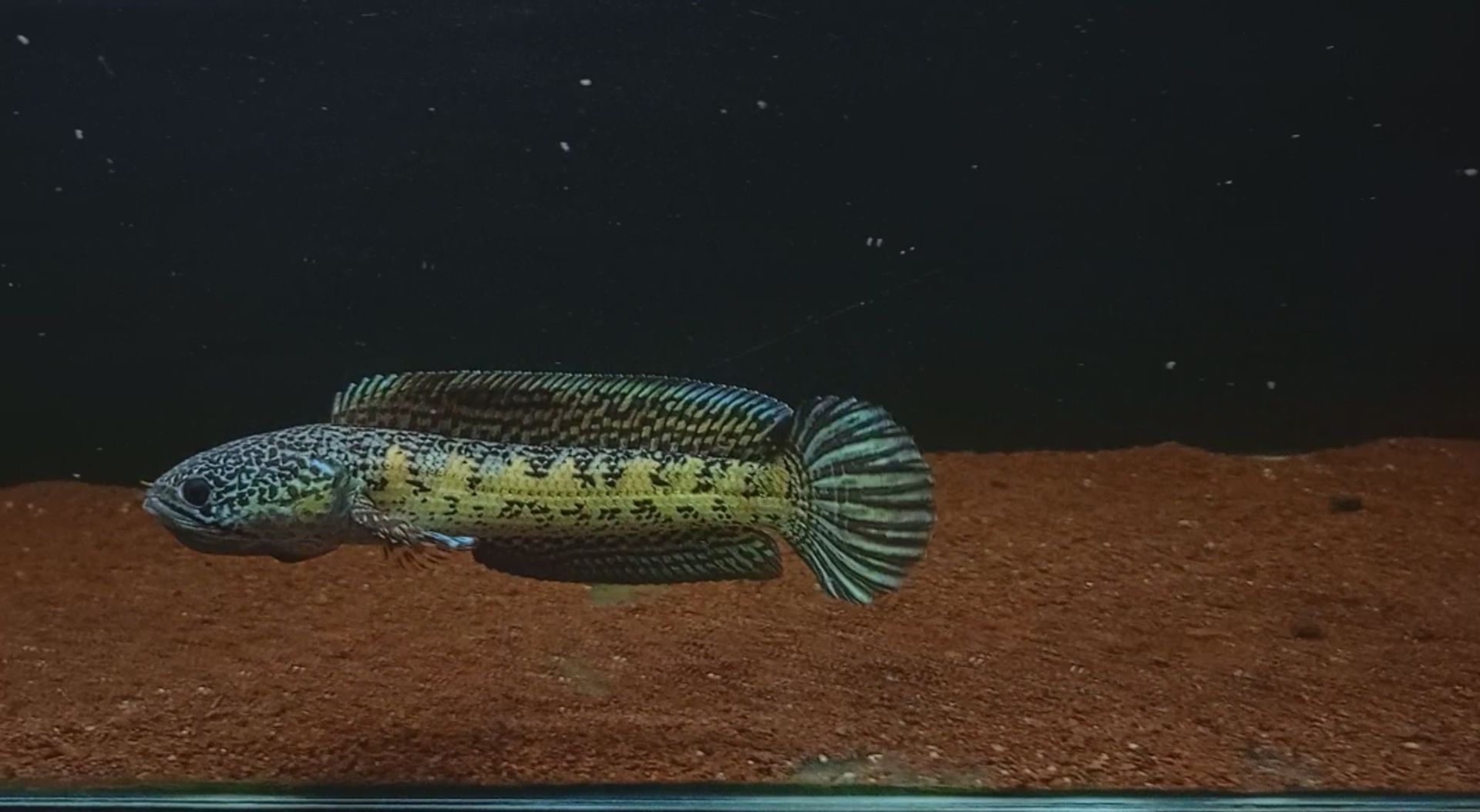
Snakehead auranti maculata
SGD 125.00
Blue Snakehead (Channa Blue Pu..
SGD 240.00
Golden Cobra Snakehead (Channa..
SGD 325.00
Emperor Snakehead (Channa Yell..
SGD 54.00
Orange-Spotted Snakehead (Chan..
SGD 50.00
Blue Dwarf Snakehead (Channa A..
SGD 80.00Dwarf Snakehead (Channa Andrao..
SGD 110.00
Rainbow Snakehead (Channa bleh..
SGD 220.00
Snakehead (Channa Limbata HF s..
SGD 165.00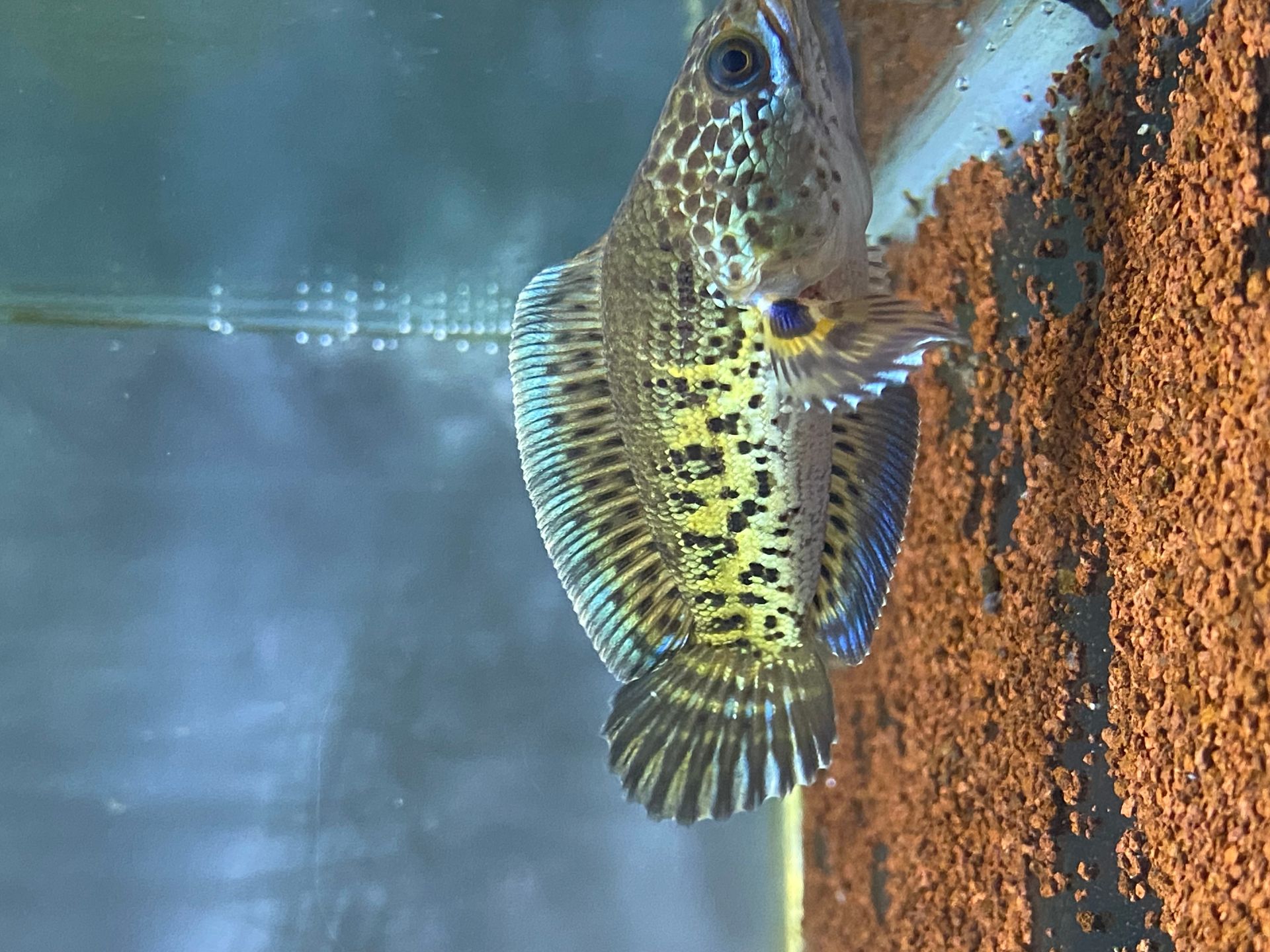
Snakehead (AURANTI KING SHORT ..
SGD 425.00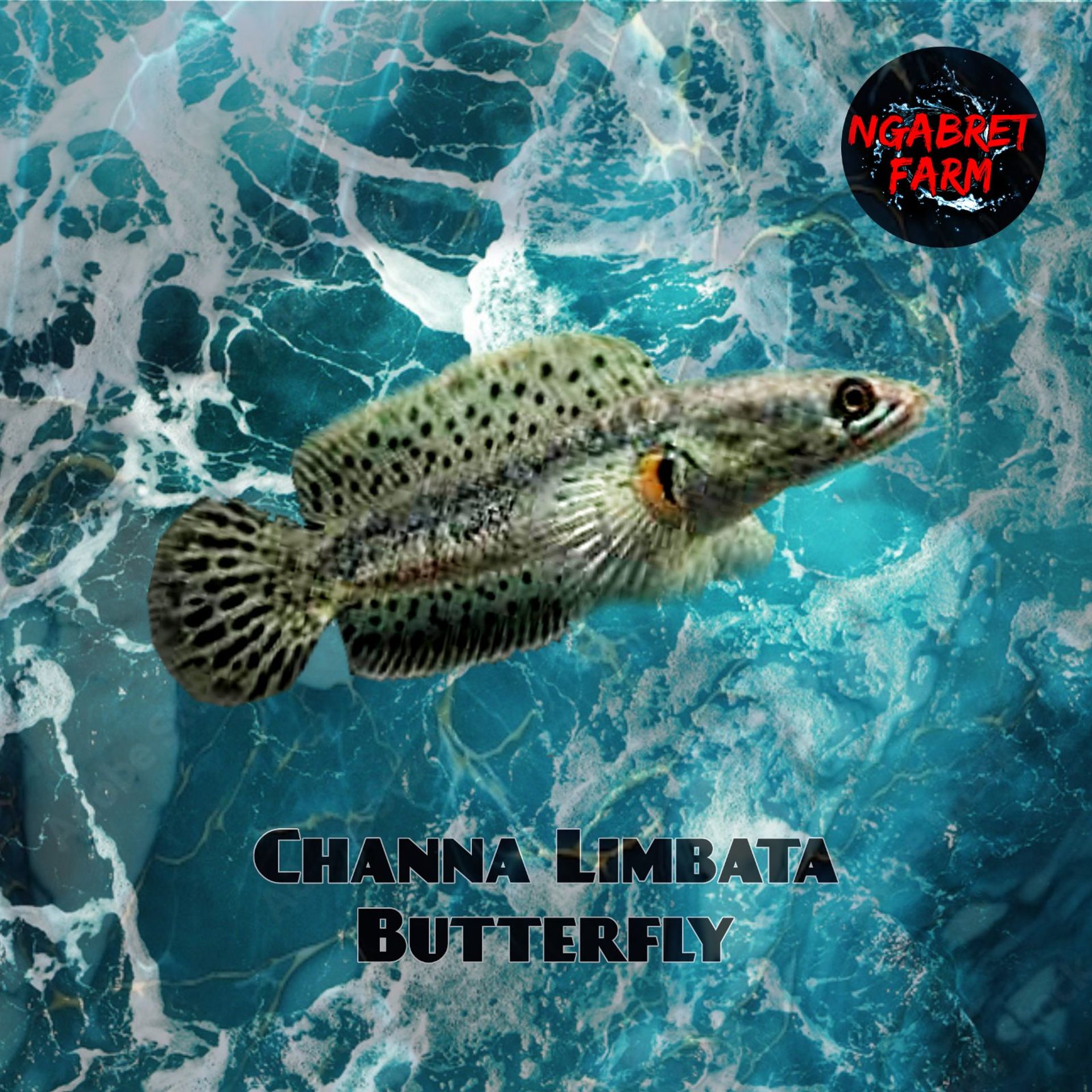
Snakehead (Channa Limbata Butt..
SGD 56.00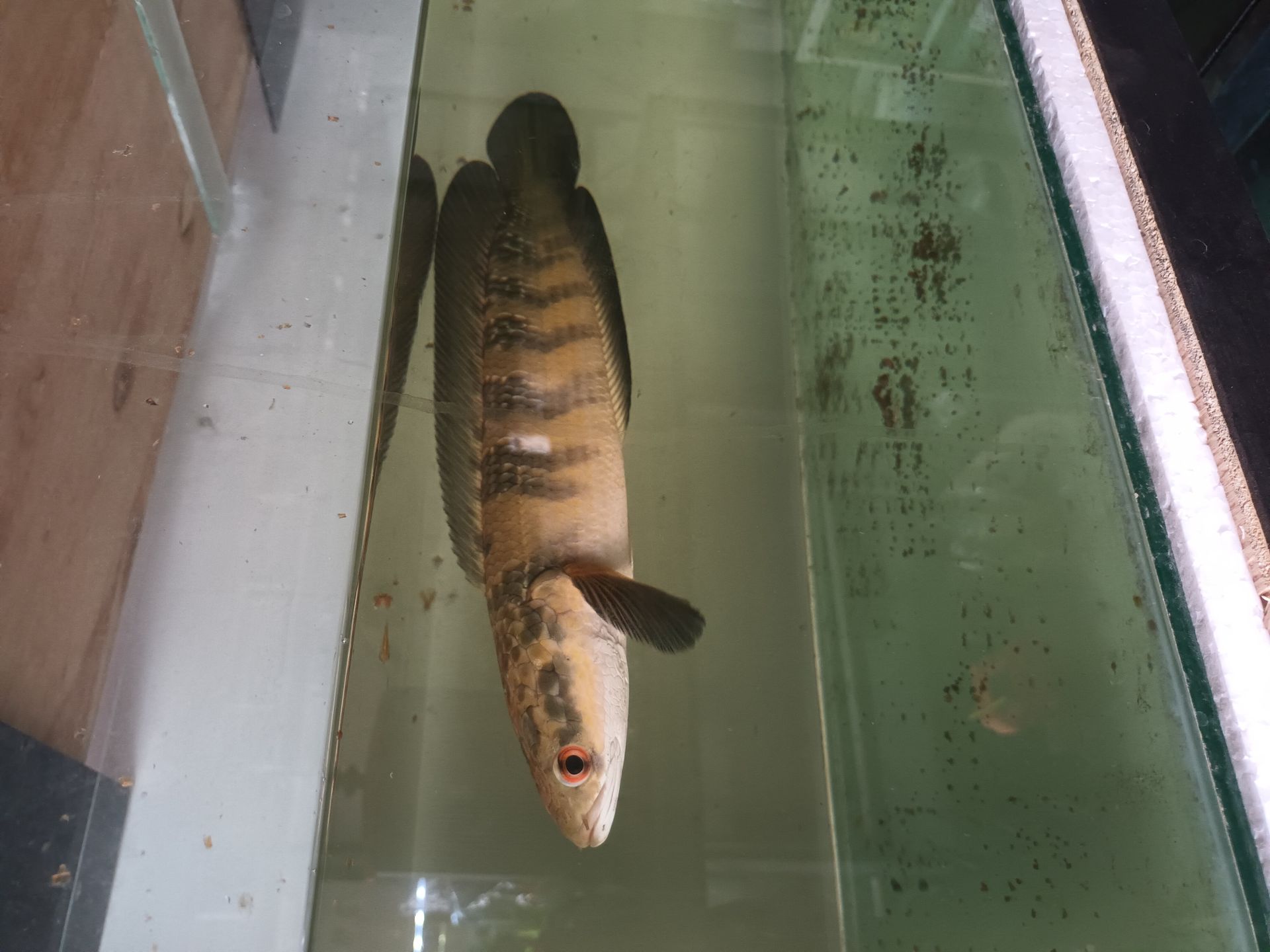
Snakehead (Channa Red Lempuyan..
SGD 260.00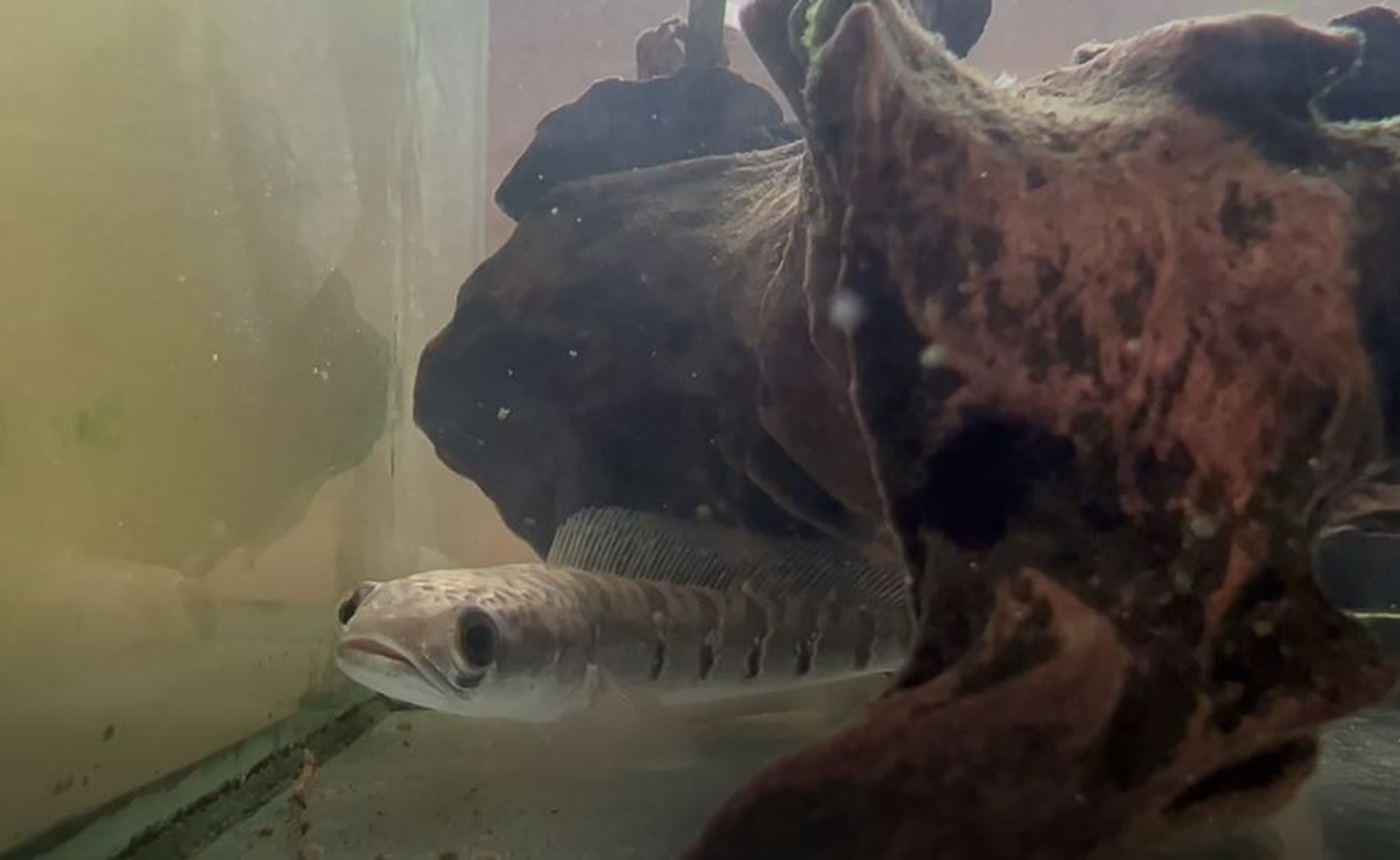
Bullseye Snakehead (Channa Mar..
SGD 54.60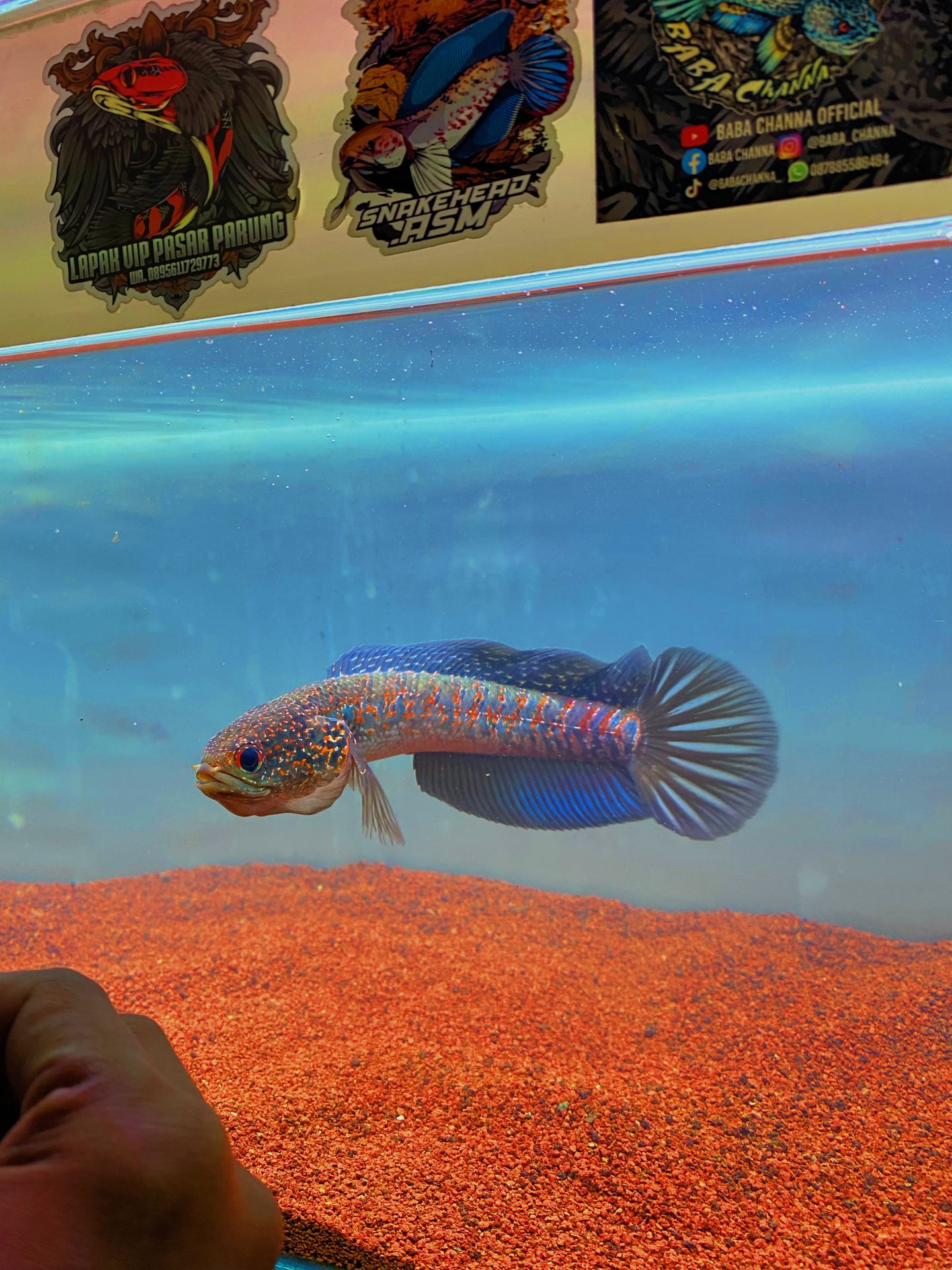
Snakehead (Asiatica red stripe..
SGD 250.00
Golden Snakehead (Channa Stewa..
SGD 130.00
Golden Cobra Snakehead (Channa..
SGD 365.00