1–13 of 13
If you want shrimp that are colourful, hardy and happy to breed in an ordinary home tank, start with Neocaridina. The best known is the red cherry shrimp, or udang cherry, but selective breeding has produced blues, yellows, oranges, greens and blacks, all from the same species.
Neocaridina cope with warmer water and treated tap water far better than Caridina, which makes them the most practical shrimp for Malaysian homes. FishyHub lists them from Malaysian sellers and home breeders, with prices in RM.
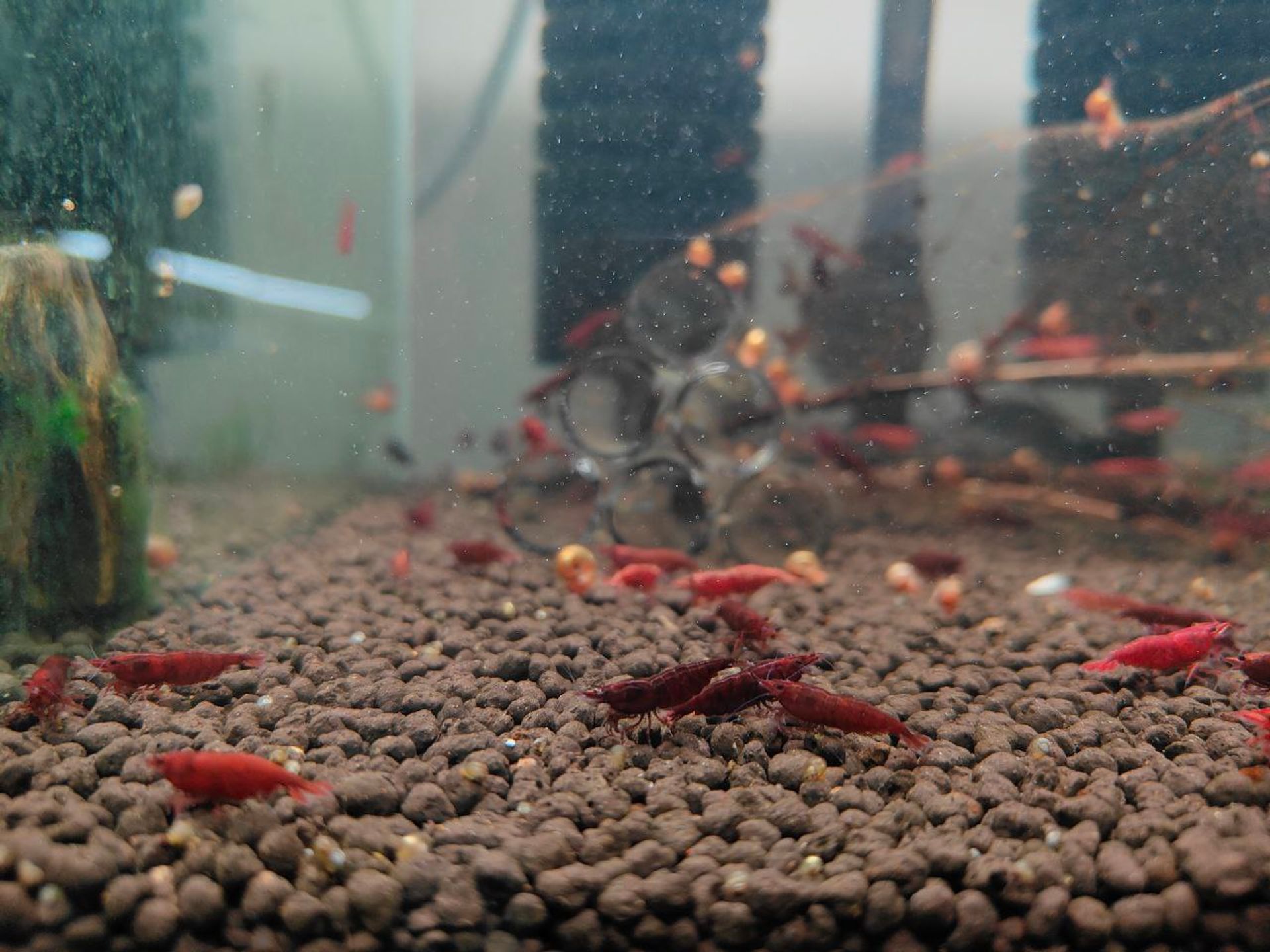
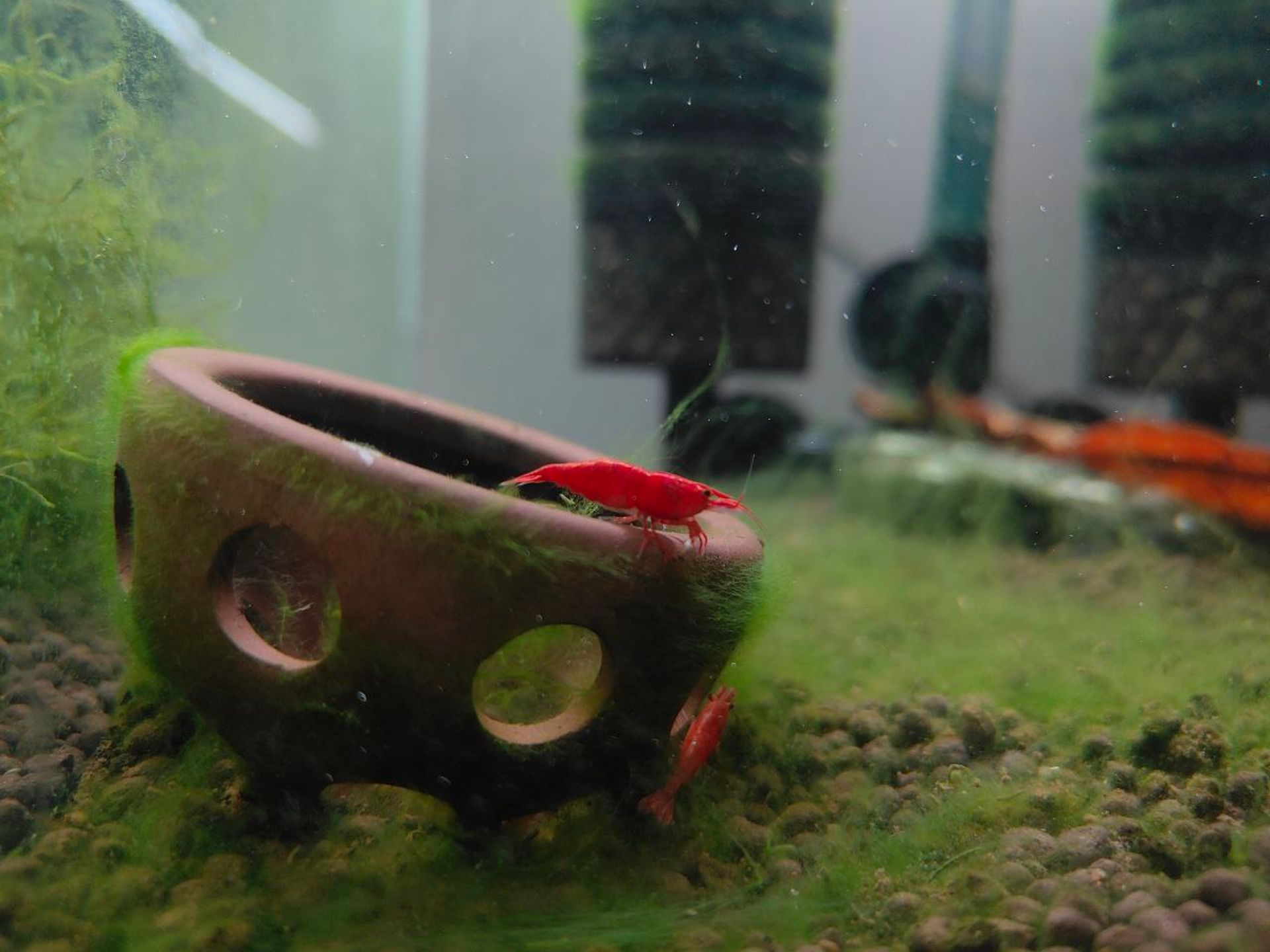
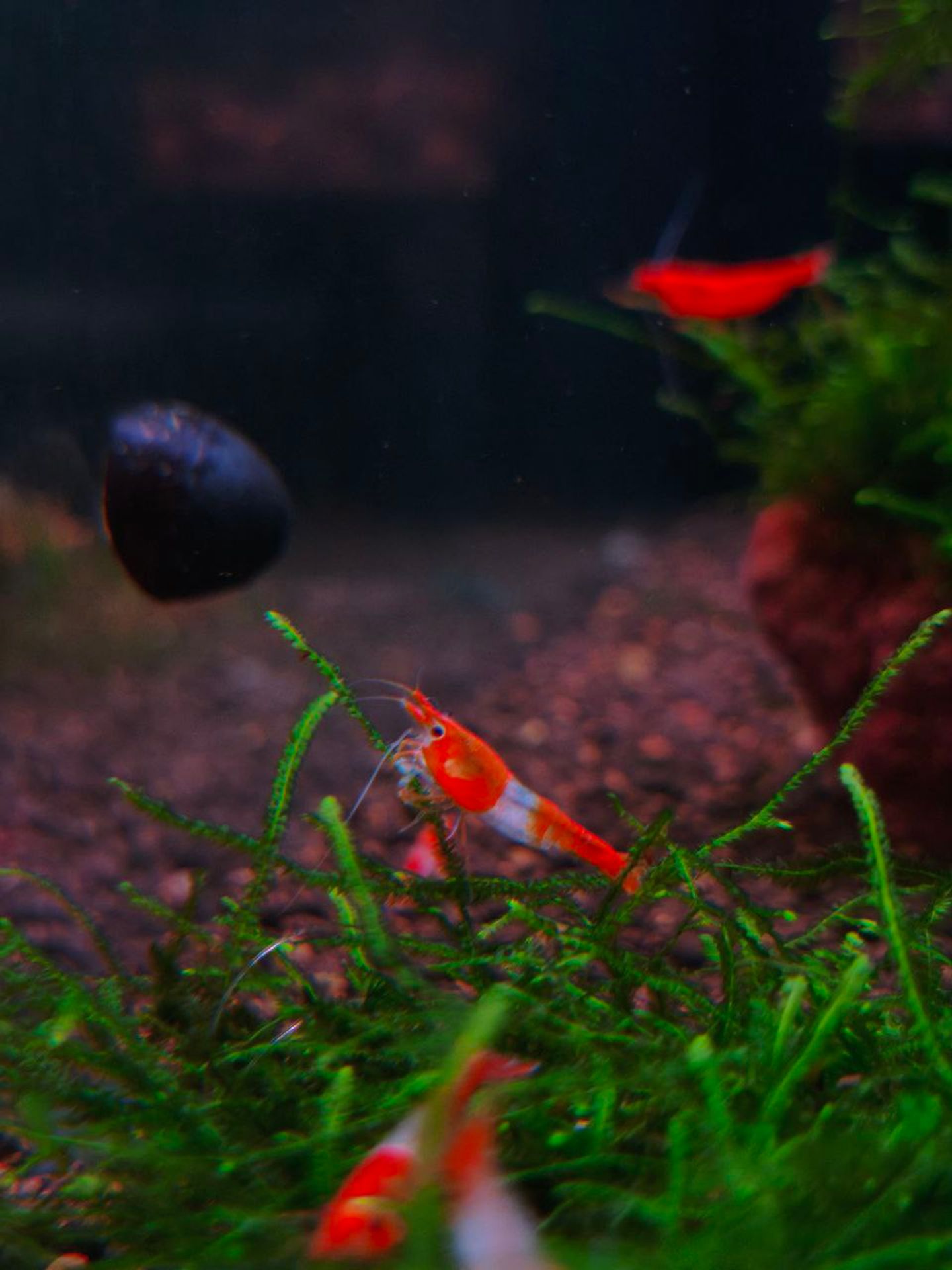
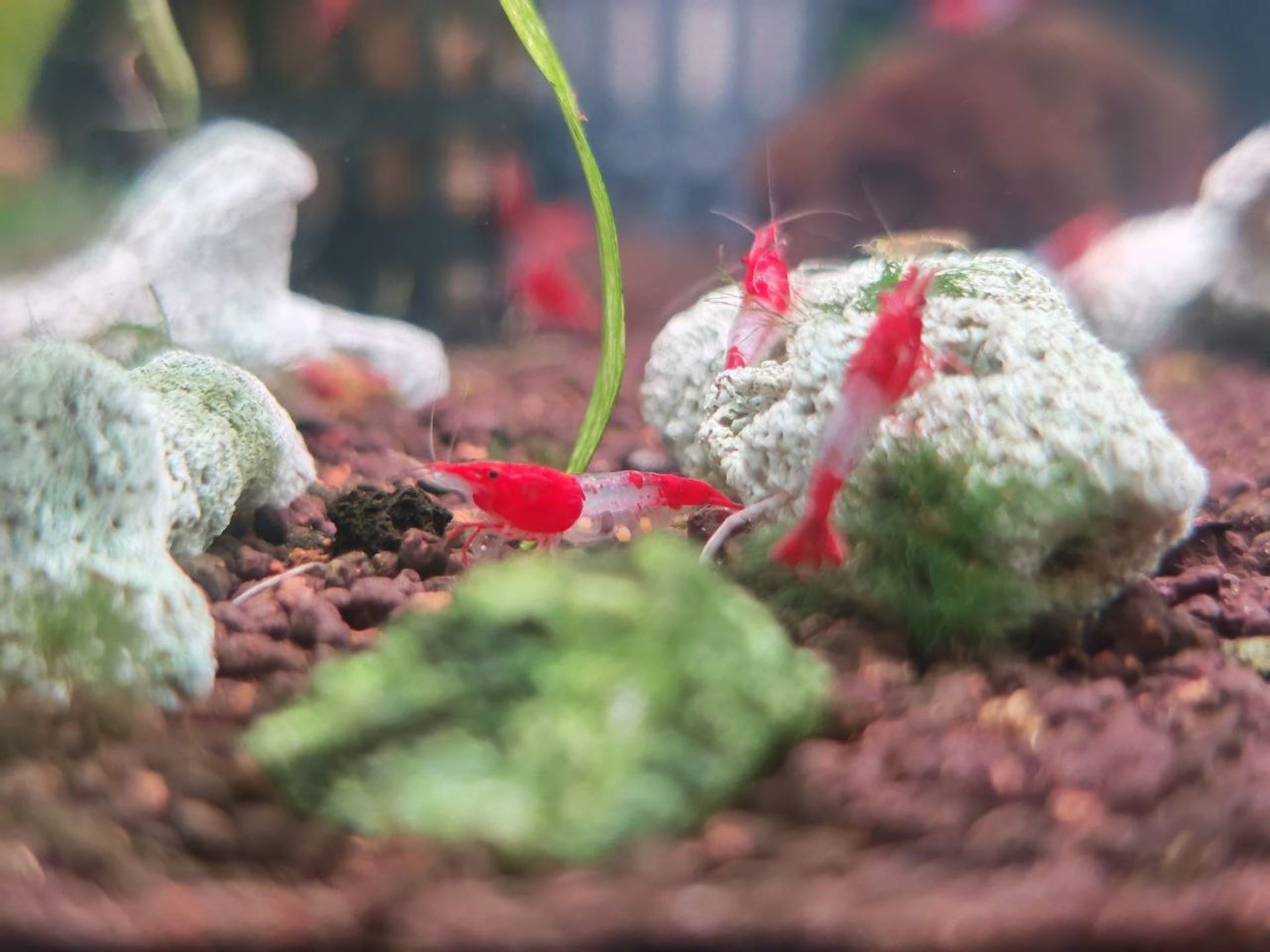
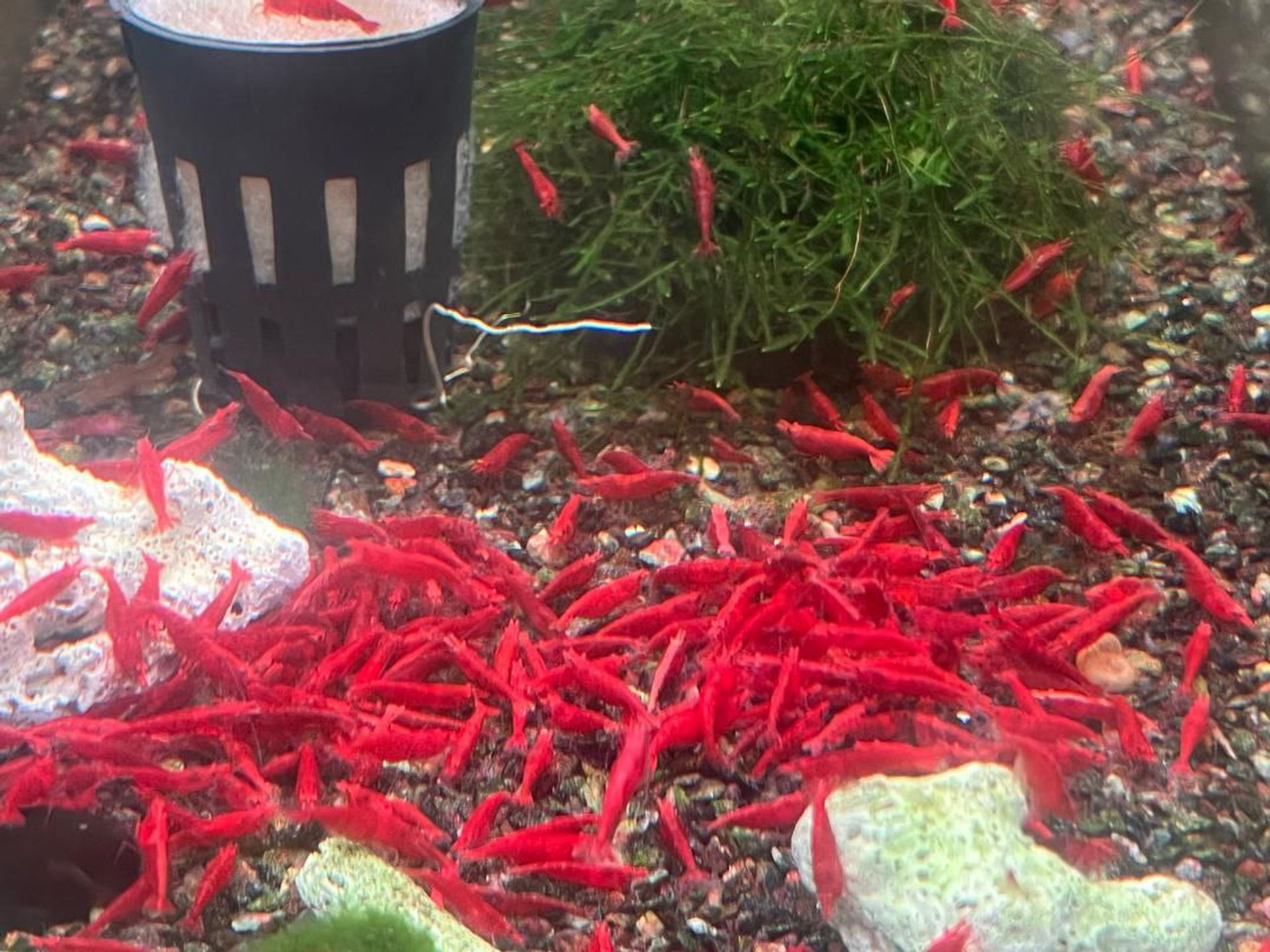
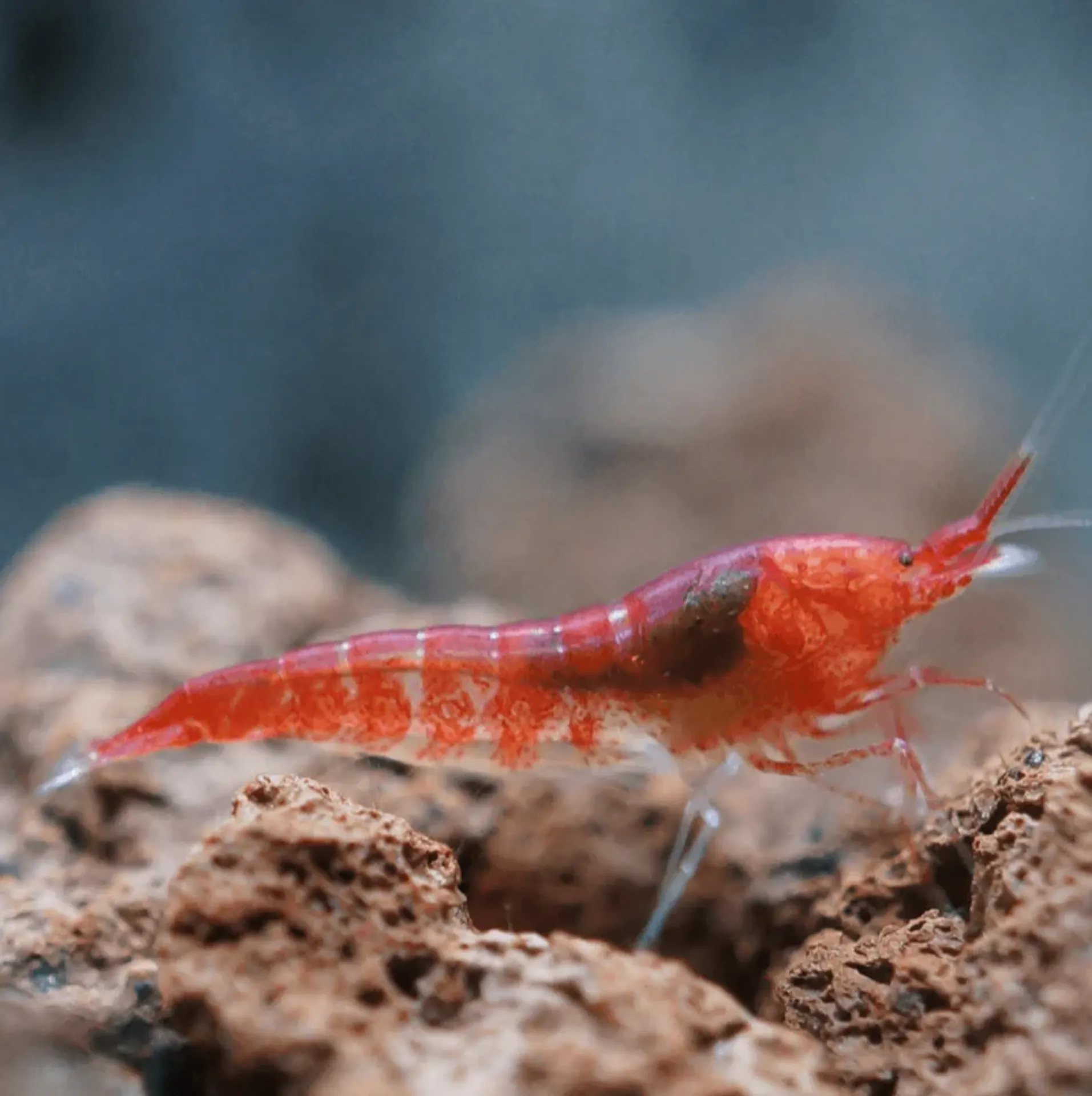
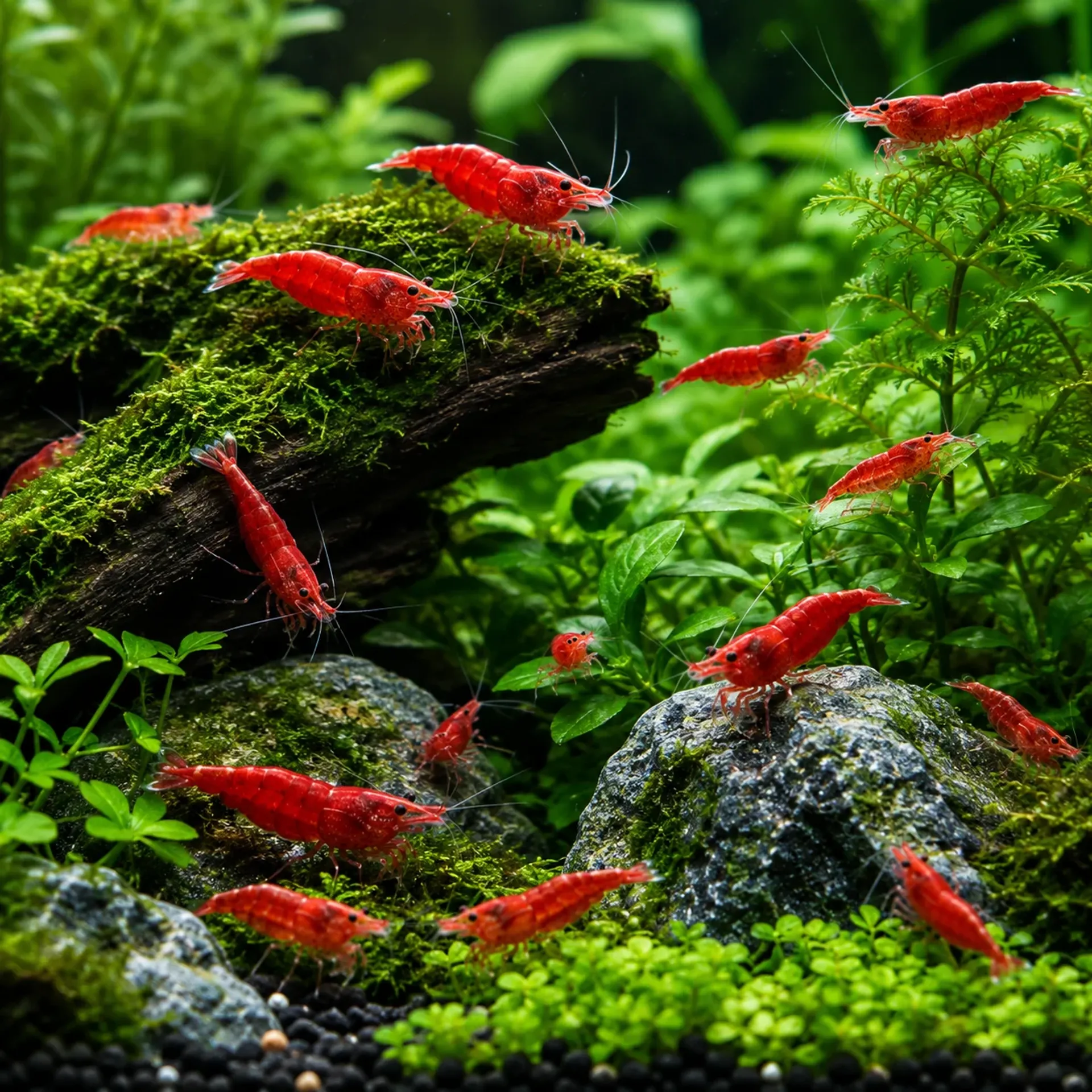
The original. Grades run from pale, see-through "cherry" up to solid deep red (often sold as fire red or bloody mary).
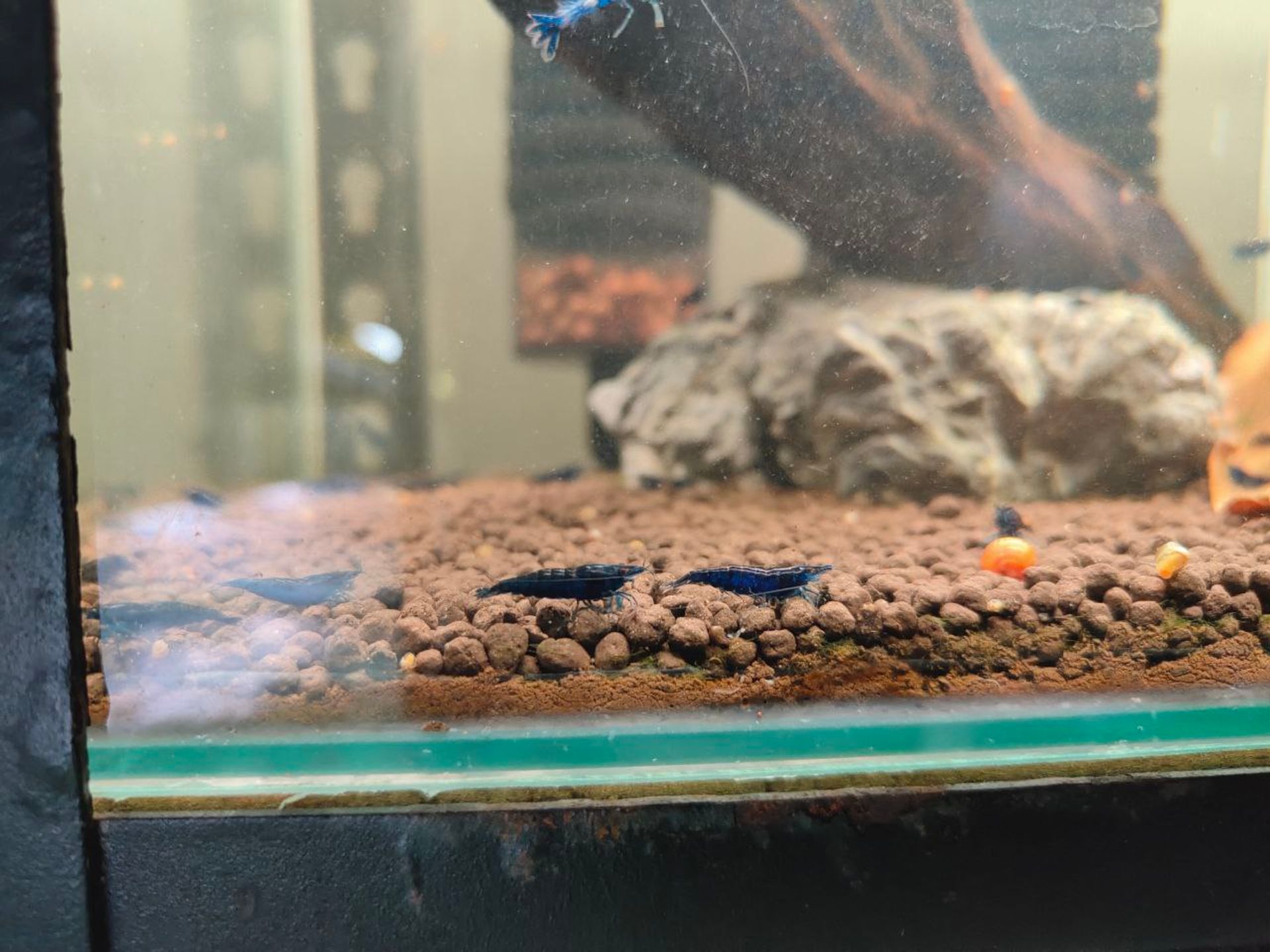
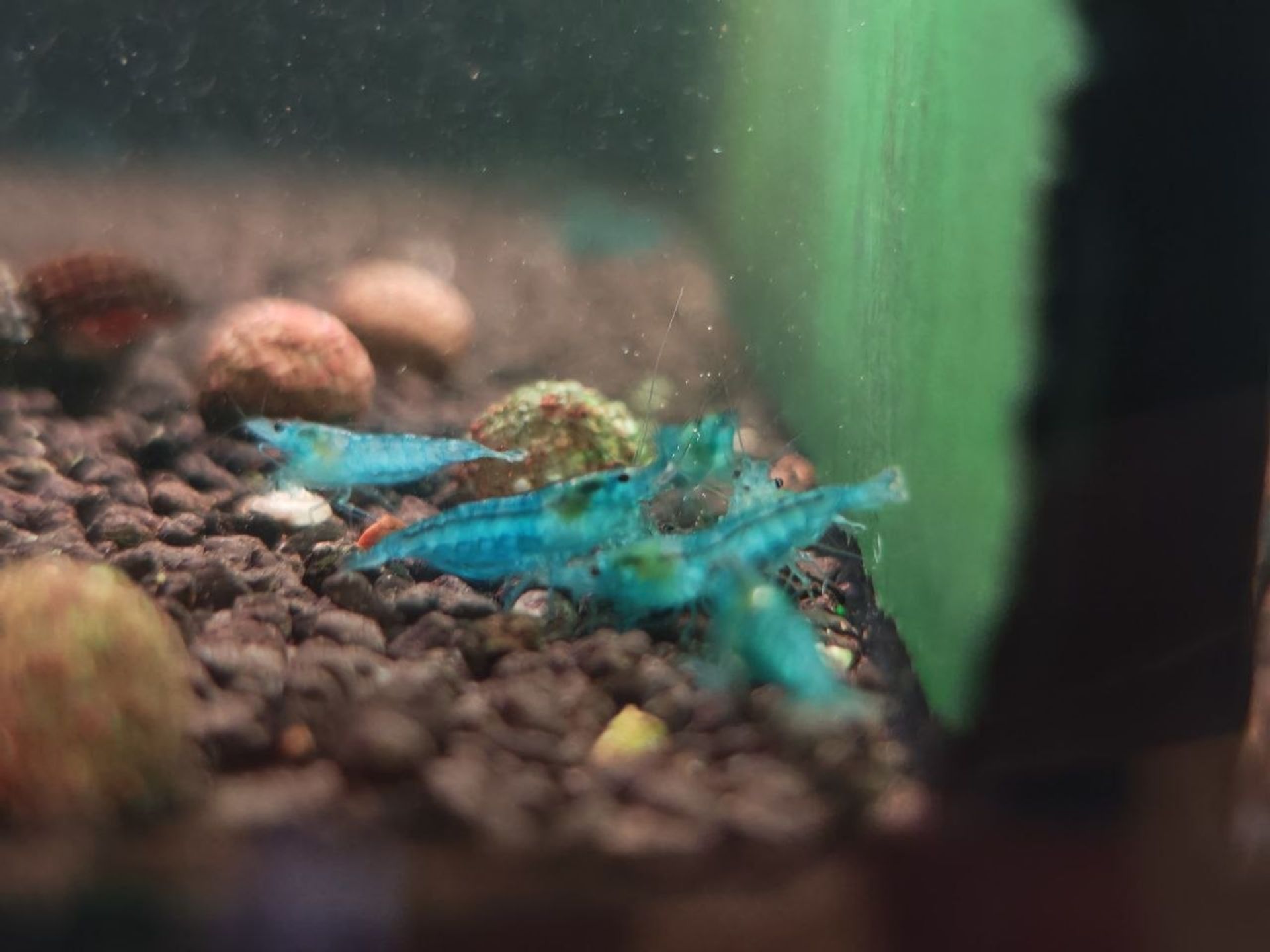
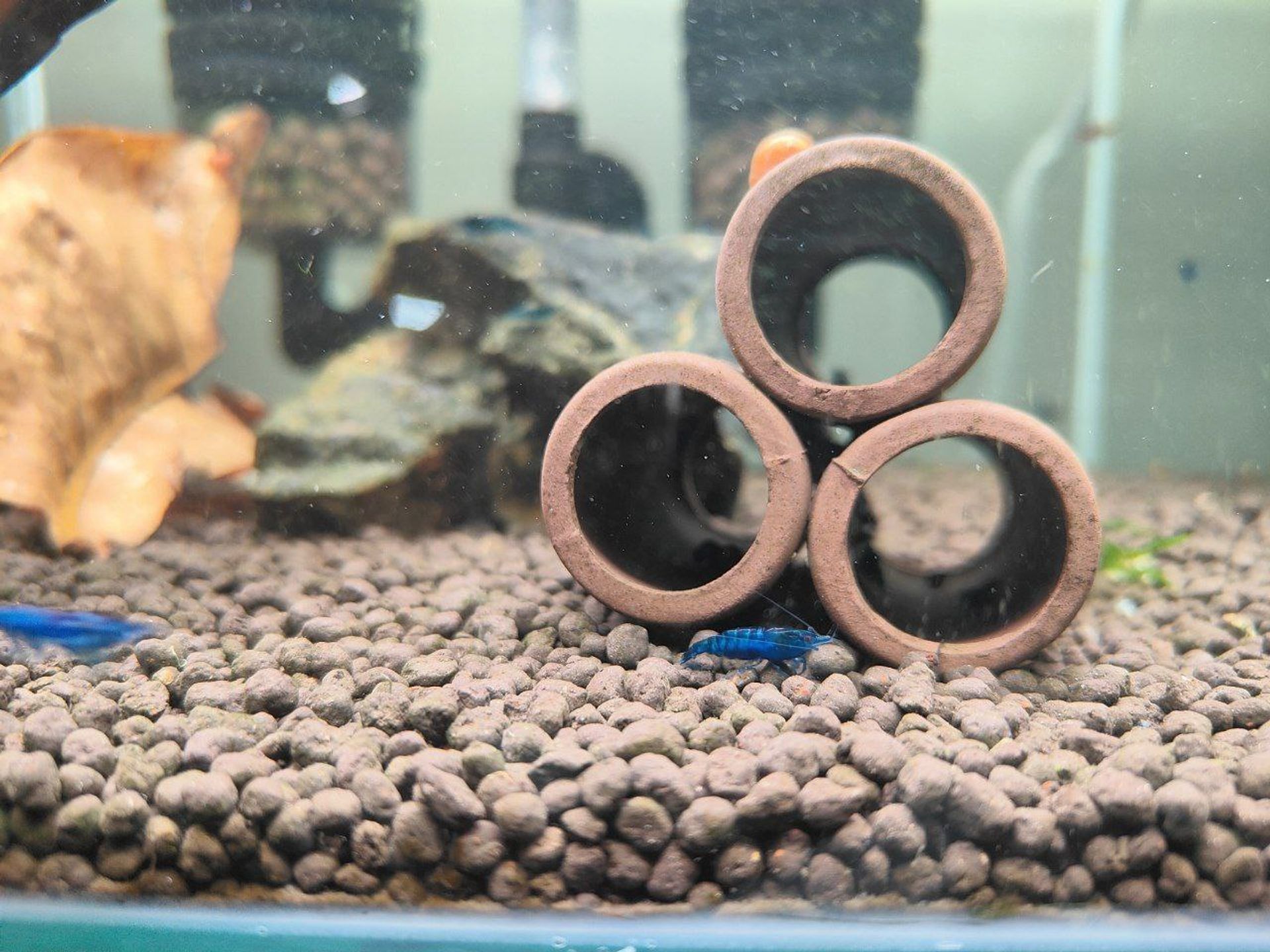
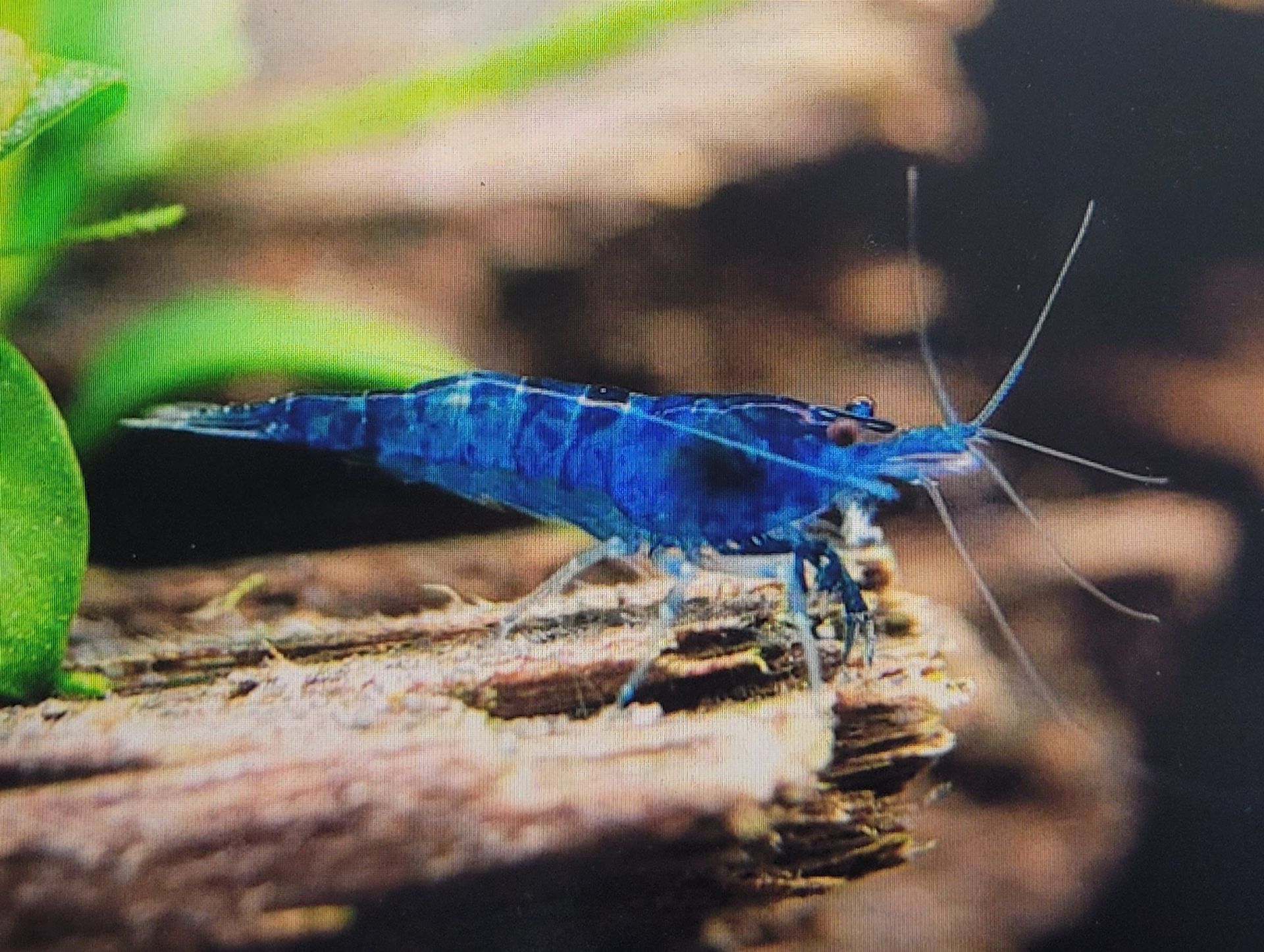
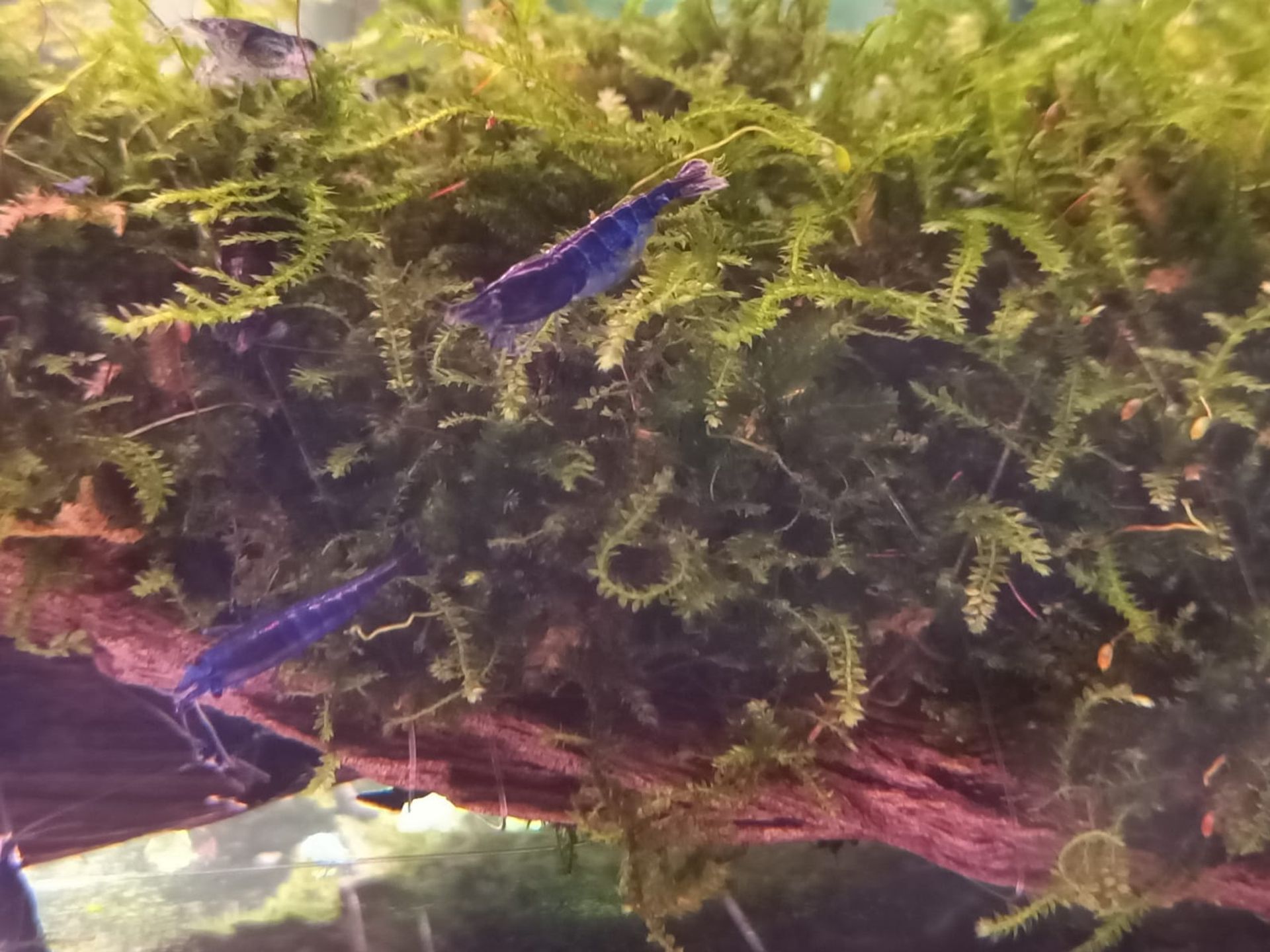
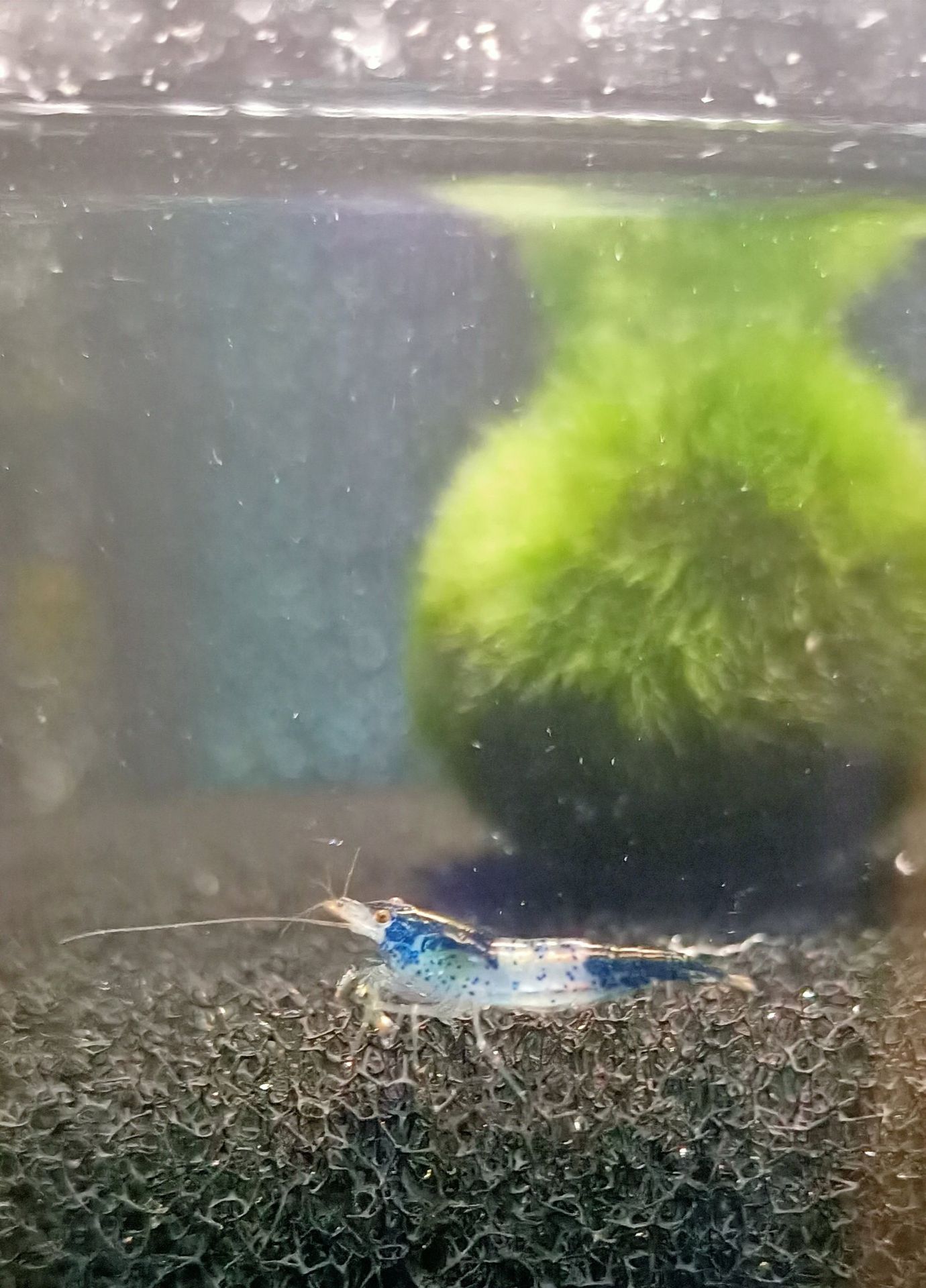
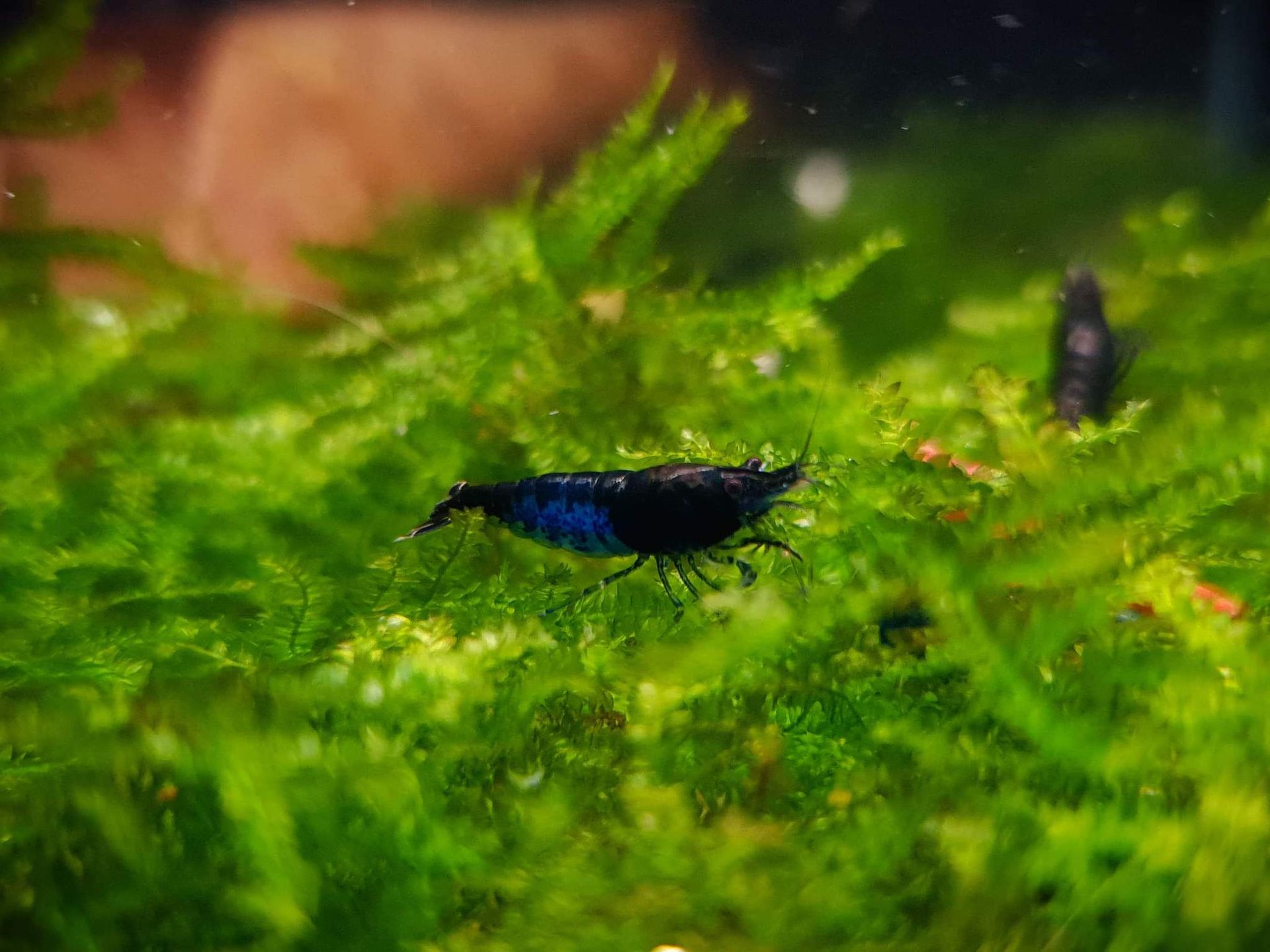
Deep blue shrimp that look stunning against green moss. Colour depth varies with line and grade.
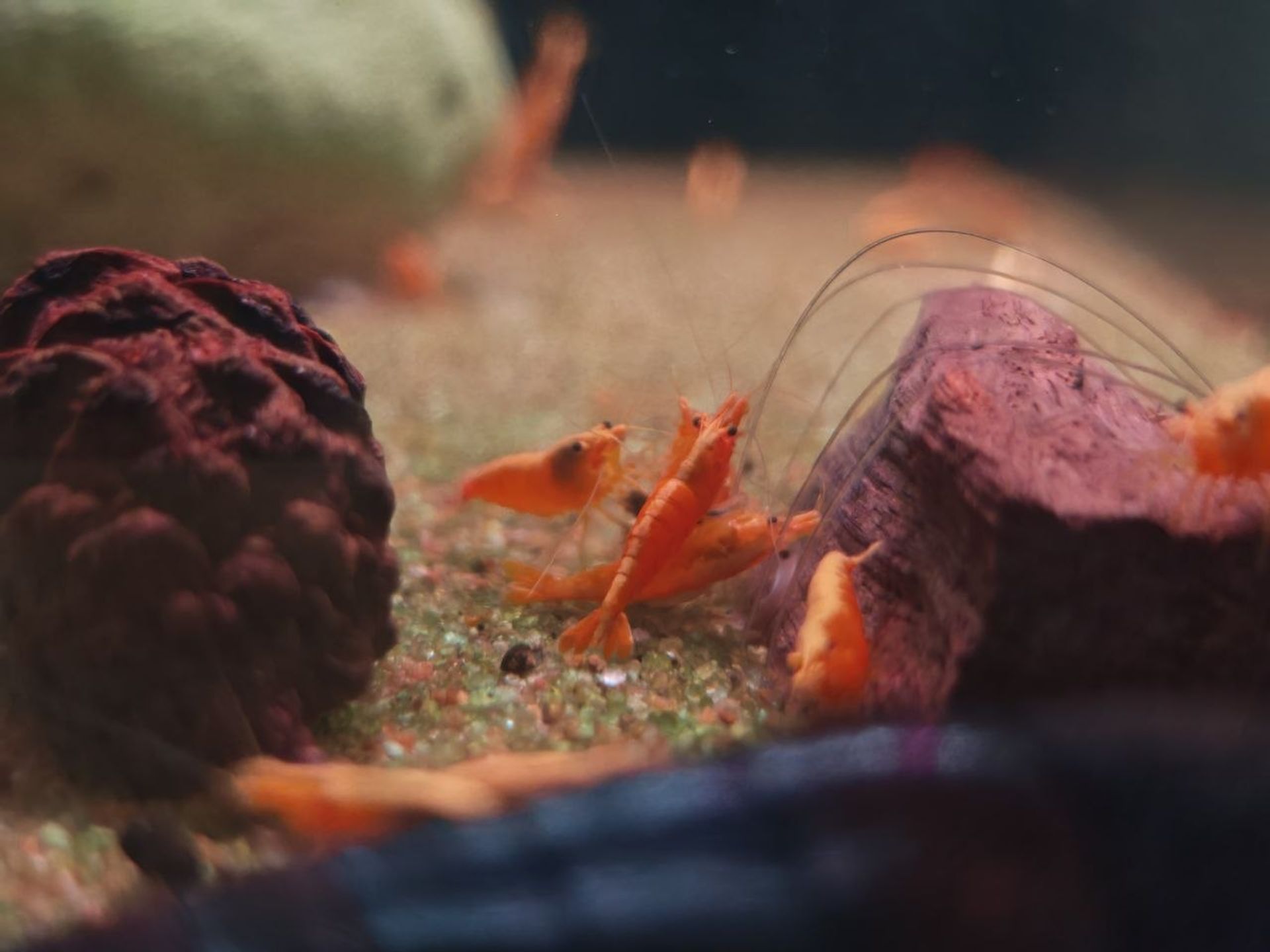
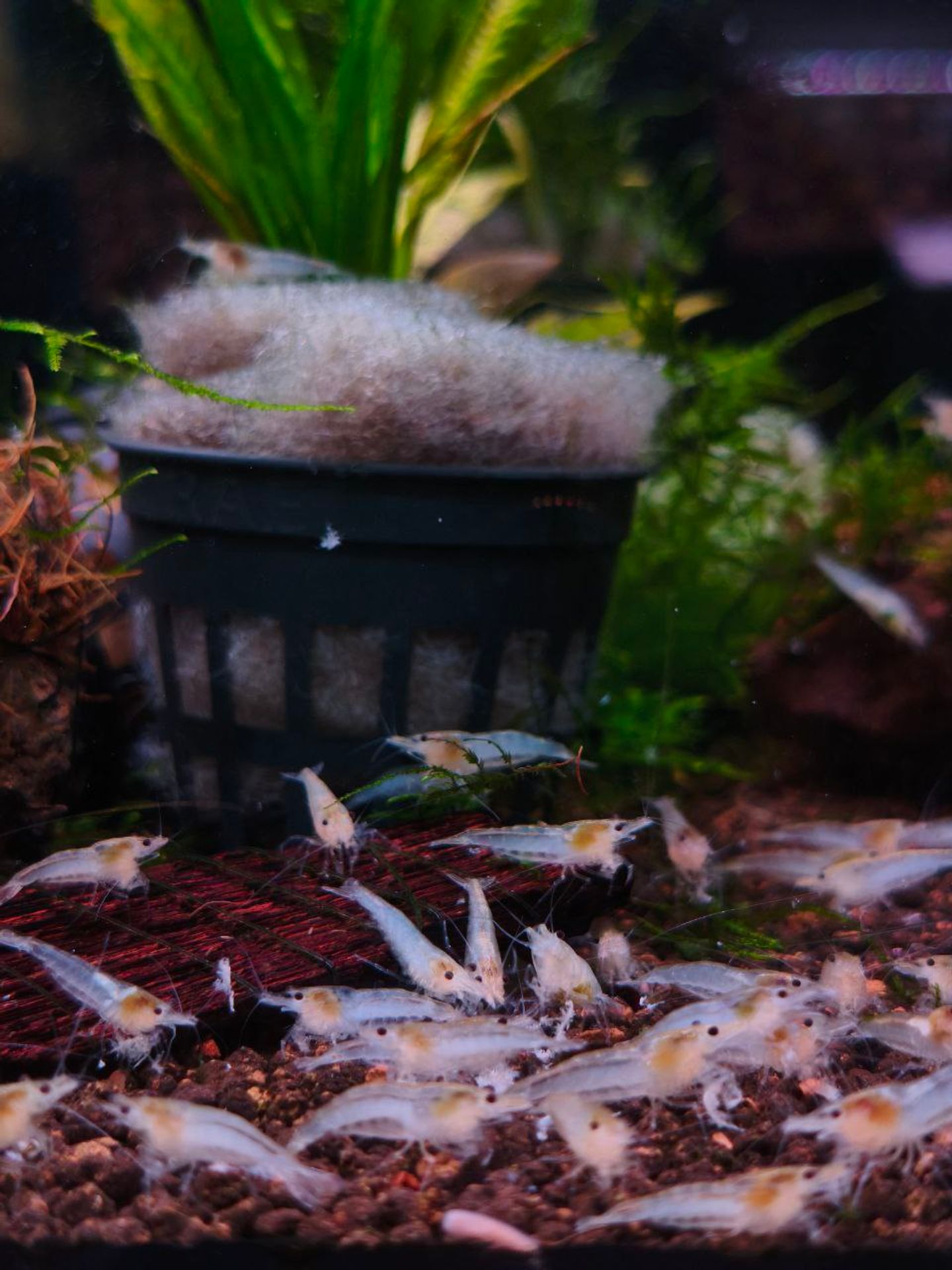
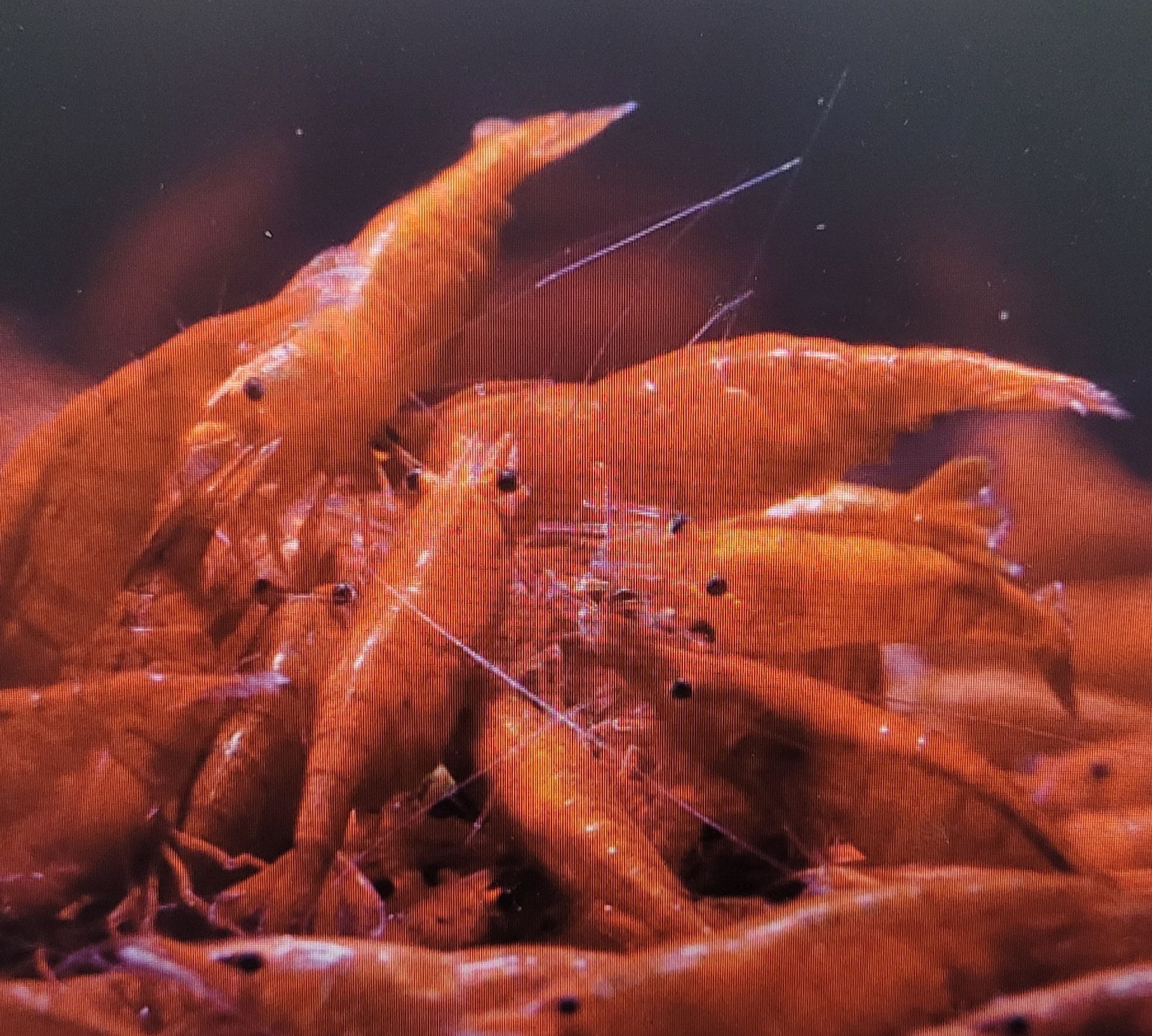
Bright, easy colour forms. Yellow and orange show up well on dark substrate, while green jade is a calmer green tone that suits natural aquascapes.
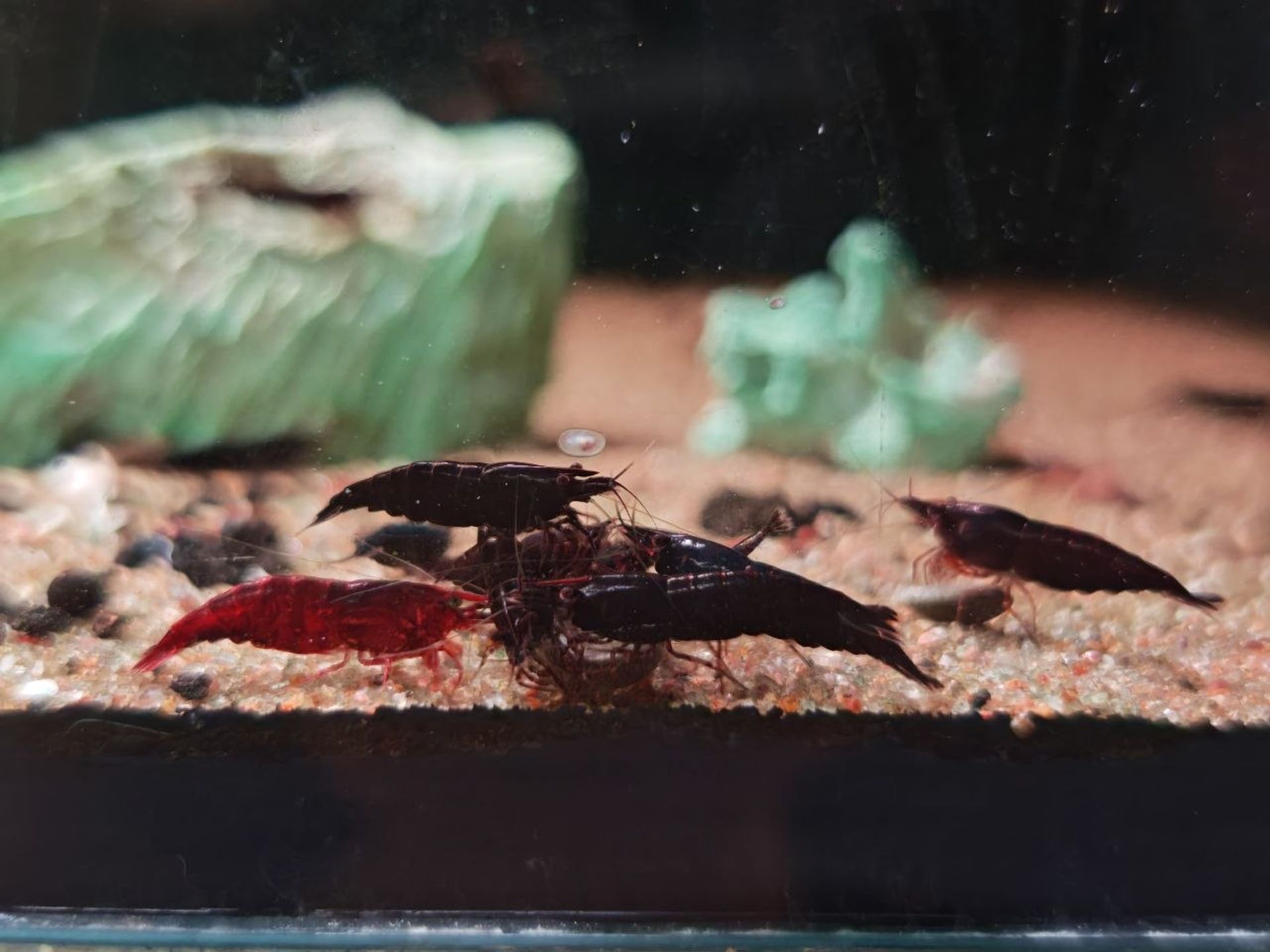
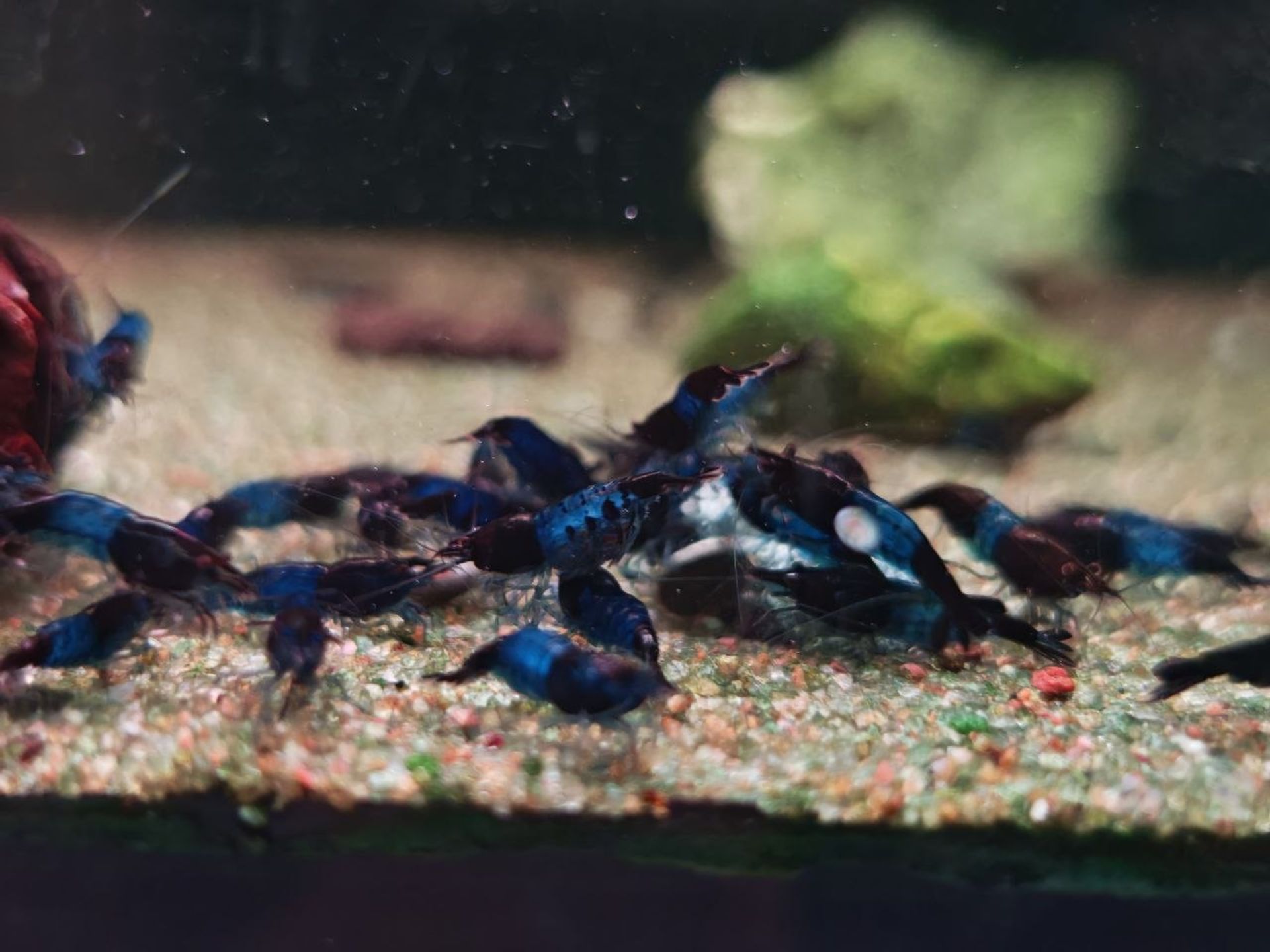
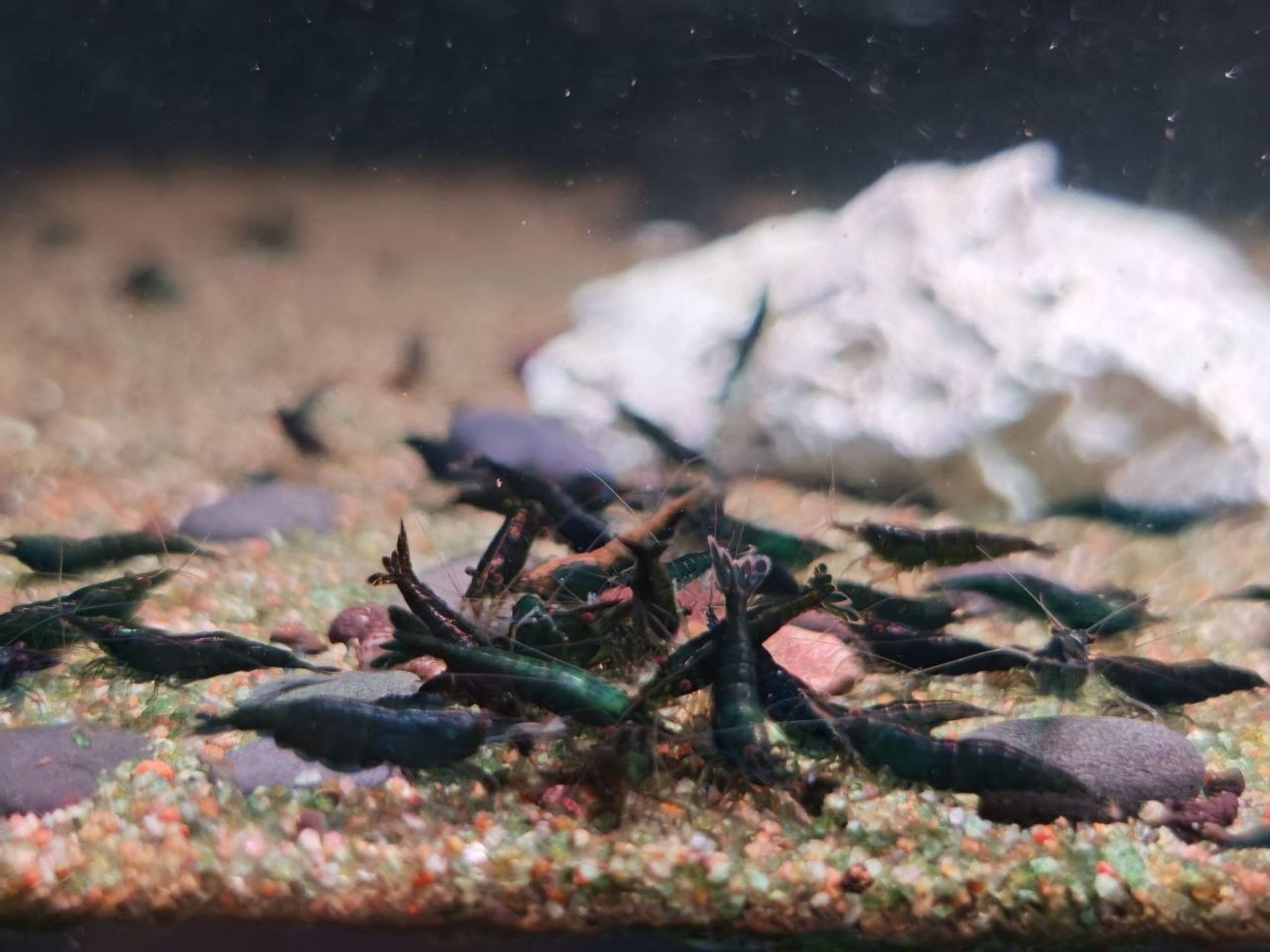
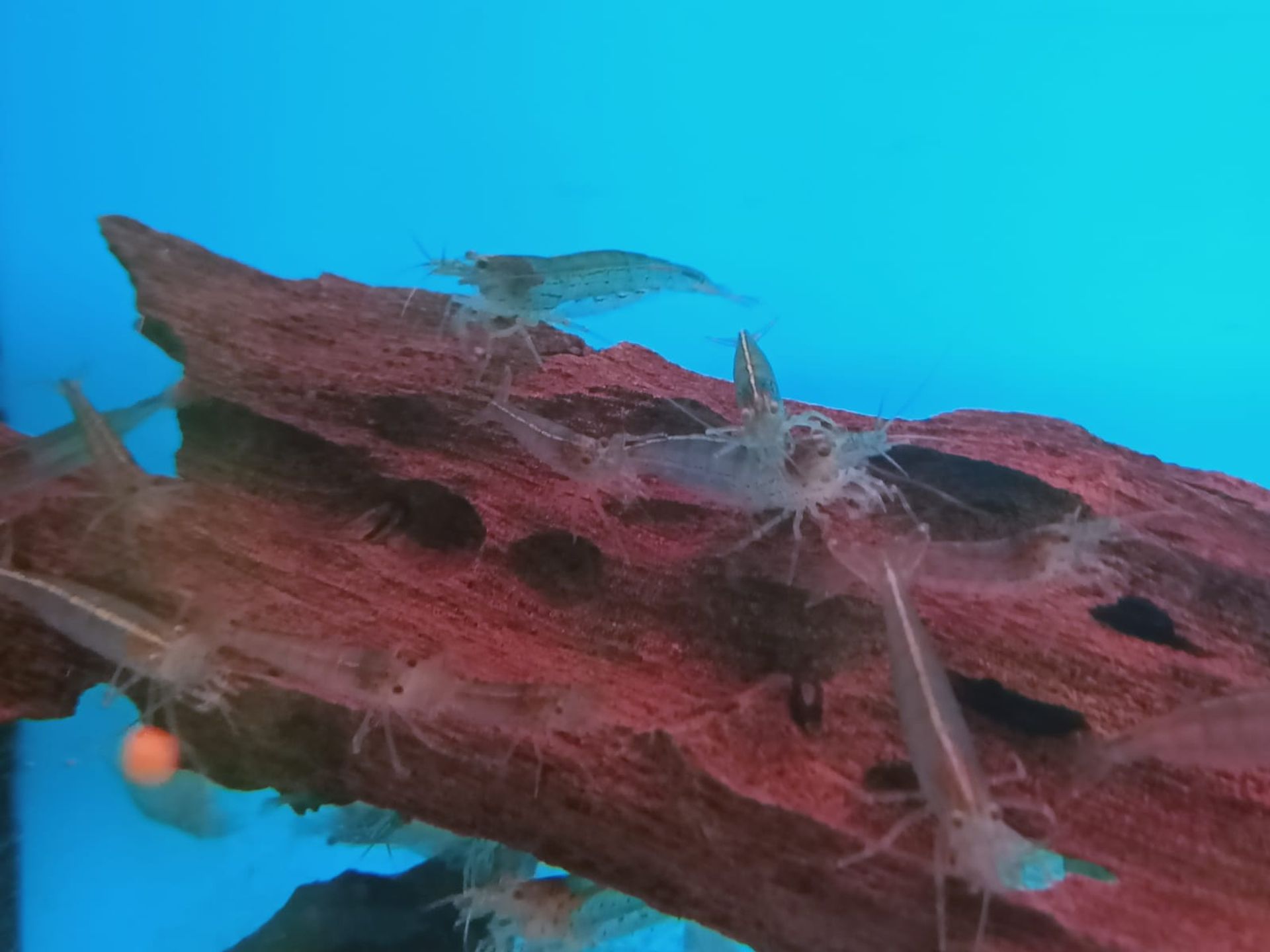
Solid black shrimp, plus rili (patterned with clear sections), chocolate and other lines.
| Care point | What works in Malaysia |
|---|---|
| Temperature | About 20–28°C. Fine at the cooler end of Malaysian room temperature (26–31°C); use a fan if the tank passes 29–30°C. |
| Minimum tank | 1 kaki (30 cm, about 12–15 L); 2 kaki (about 55–65 L) is more stable |
| Water | Tap water with anti klorin; stable pH around 6.5–7.5 with some GH |
| Filter | Sponge filter, or a covered intake |
| Temperament | Peaceful |
| Diet | Biofilm, algae, shrimp pellets, blanched vegetables |
| Beginner-friendly? | Yes, the best starter shrimp |
Neocaridina tolerate warmth, but they breed and colour up best below about 28°C. In hot months, keep the tank away from windows, reduce light hours, and clip a kipas akuarium over the water. A sponge filter or pam udara keeps oxygen up.
Shrimp need minerals to grow new shells. Malaysian tap water is often soft with low KH, so if you see failed moults (shrimp stuck half out of their old shell) or shrimp dying after moulting, test GH and KH and add a shrimp mineral supplement. Keep water changes small and steady rather than big and sudden.
Always treat tap water with anti klorin, and never use copper-containing ubat ikan or fertilisers in a shrimp tank.
Neocaridina breed readily. Females carry yellow or green eggs under the tail for about three to four weeks, then release fully formed shrimplets. Moss, plants and leaf litter such as daun ketapang give the babies cover and food.
Different colours of Neocaridina will interbreed, and the offspring usually revert to brown or clear. Keep one colour per tank if you want to keep a line pure. Good tankmates are tiny, peaceful fish such as small rasboras and otocinclus, and snails. Bettas, guppies and larger fish will eat shrimplets.
Prices are in RM and depend on colour and grade. Standard cherries are affordable, while deep-coloured and newer lines cost more. On each listing, check:
Shrimp from local breeders are usually already used to Malaysian water, which helps them settle.
Boleh. Udang cherry tidak perlukan heater di Malaysia. Masalah yang lebih biasa ialah air terlalu panas, jadi jauhkan akuarium dari cahaya matahari dan guna kipas akuarium jika perlu.
Selalunya kerana air kurang mineral atau perubahan air yang terlalu mendadak. Uji GH dan KH, tambah mineral udang jika perlu, dan tukar air sedikit-sedikit.
Yes. Red cherry shrimp are the best-known colour form of Neocaridina davidi.
They can, but they will interbreed and the young usually lose their colour.
In a stable, mature tank, a small group can become a large colony within a few months.
Browse udang cherry, blue dream, yellow, orange, green jade and other colours from Malaysian sellers, with prices in RM. Ready for a challenge later? Explore our Caridina Shrimp category, and see Algae Eaters for shrimp-safe companions.
Tankmates: Almost any fish that can fit a shrimp in its mouth will eat shrimplets, and many will eat adults. Best alone or with very small peaceful fish (e.g. otocinclus, small rasboras) and snails. Avoid crayfish, crabs, cichlids, bettas (variable) and large fish.
Feeding: Overfeeding is a common cause of losses in shrimp tanks. A mature tank with biofilm provides much of their diet.