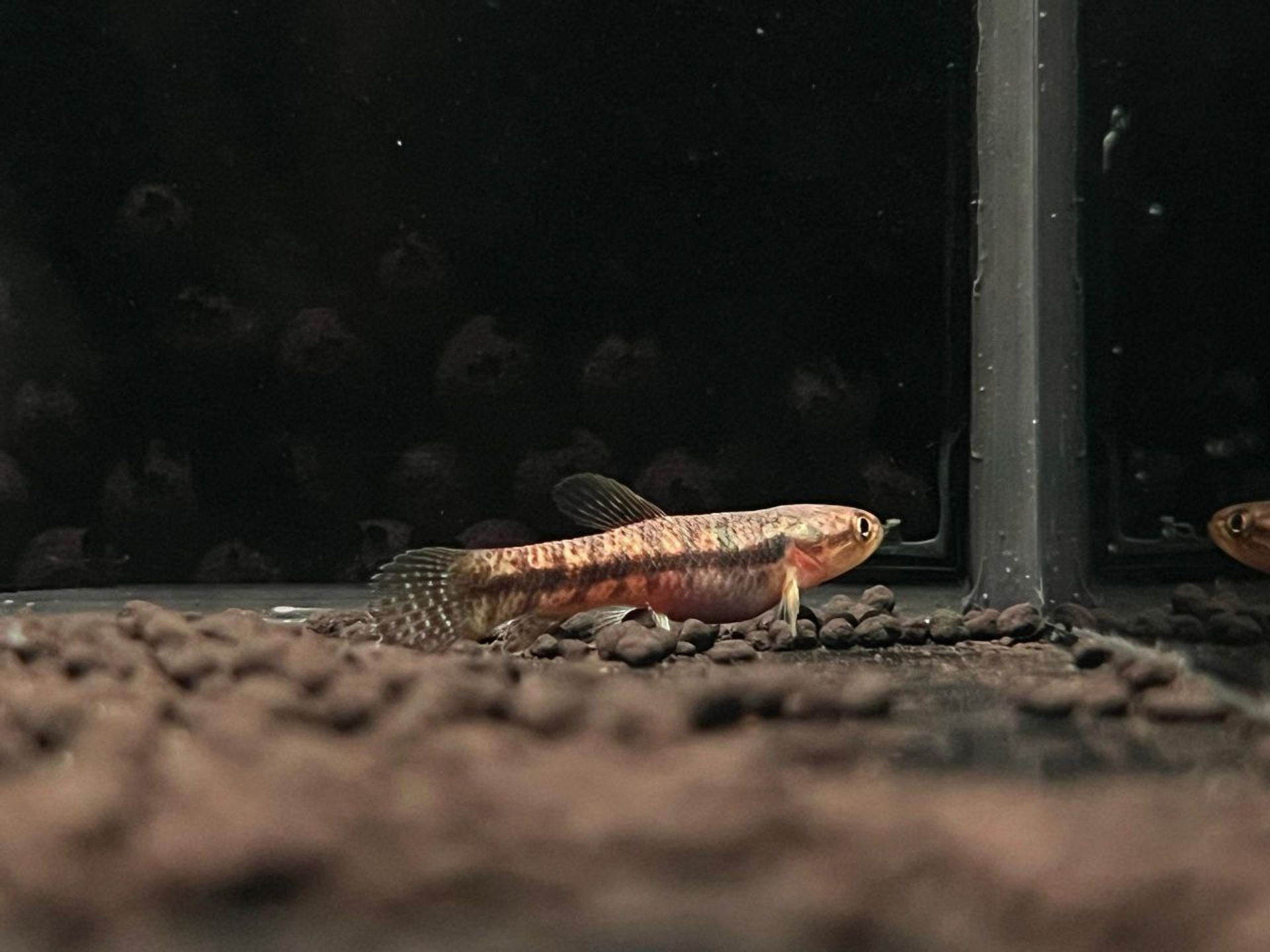
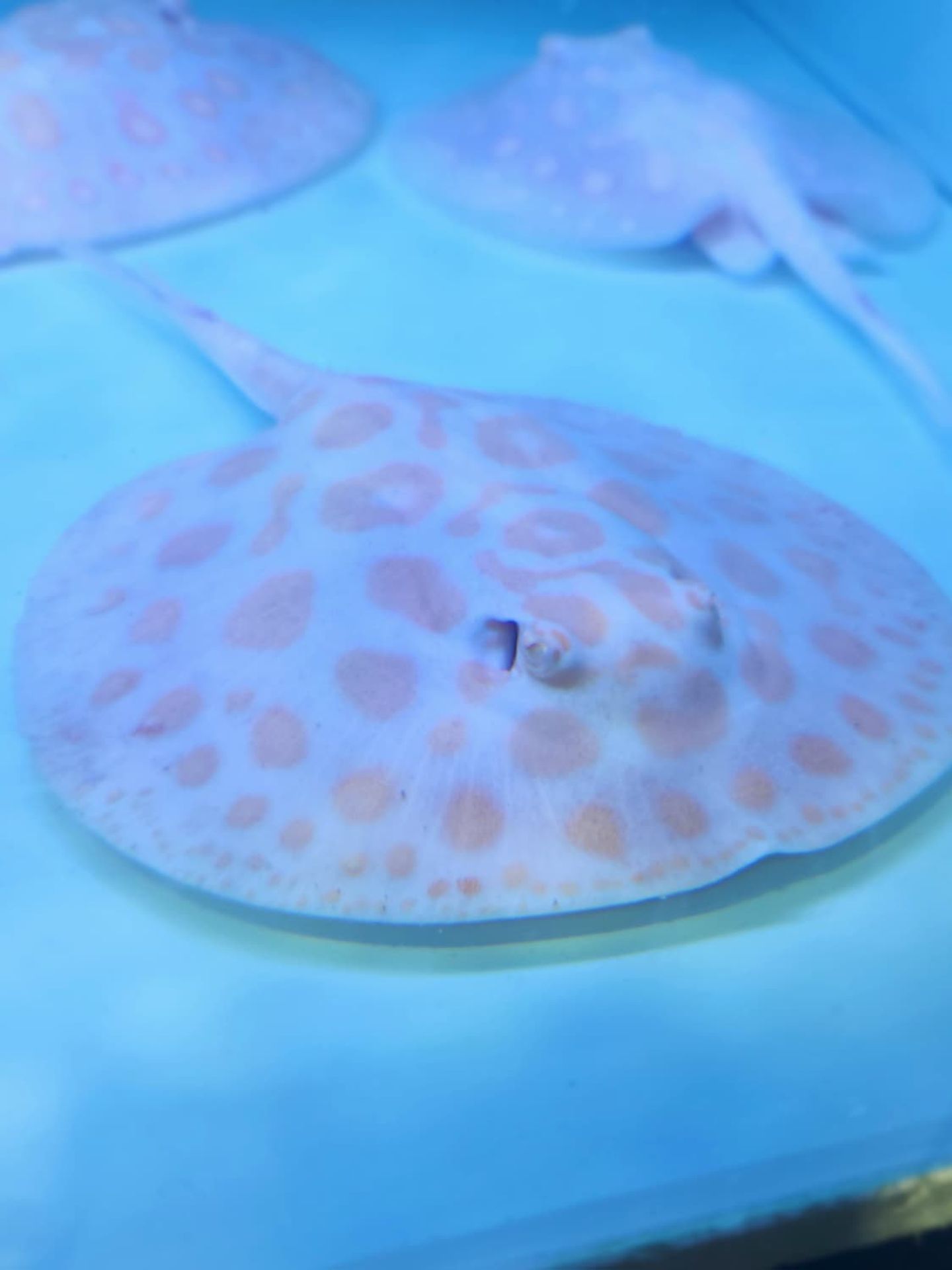
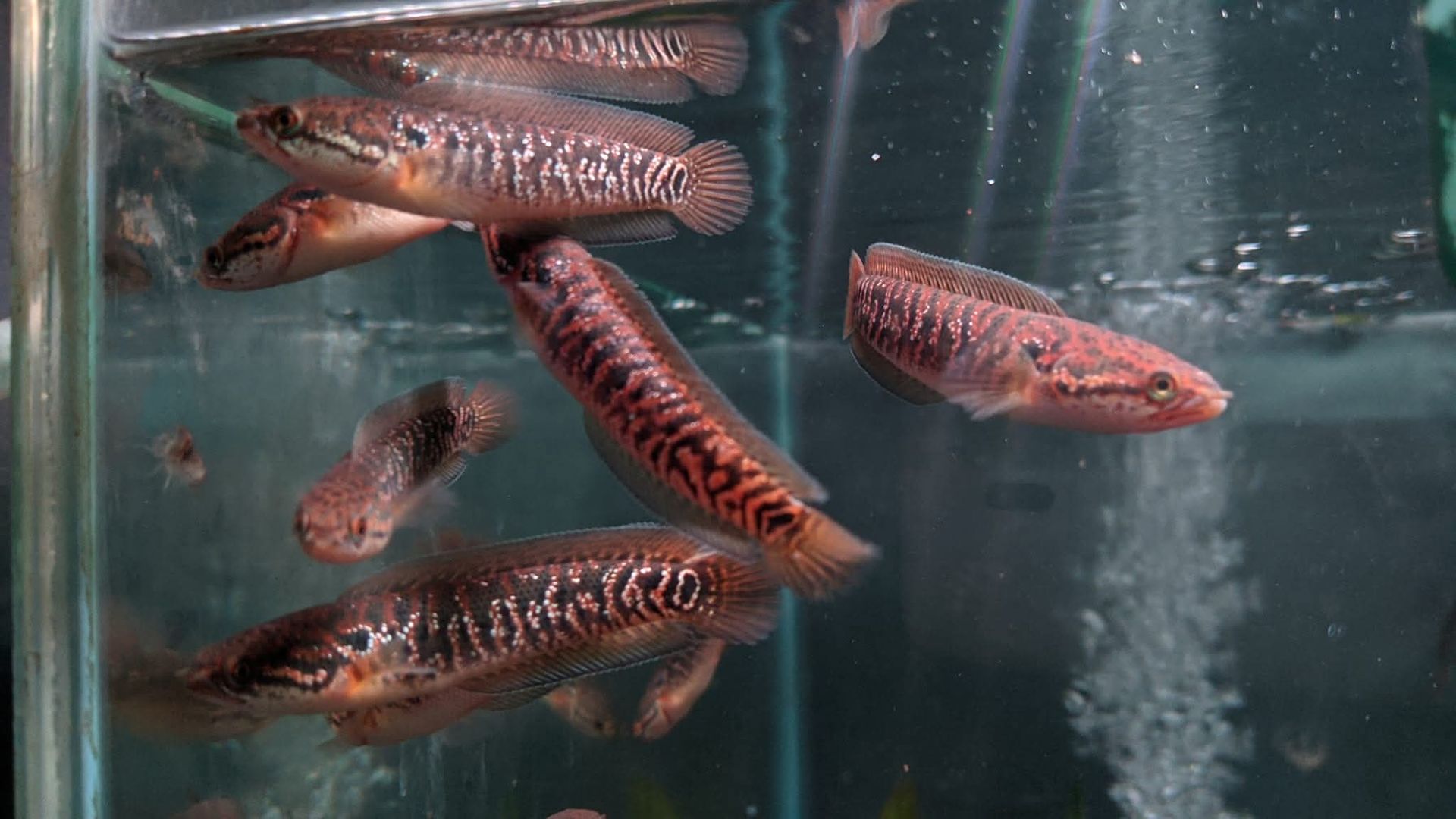
Tankmates: Best kept alone; attacks and maims even large tankmates.
Feeding: Wild fish may initially need live food but most wean onto dead foods; use feeding tongs.
1–1 of 1
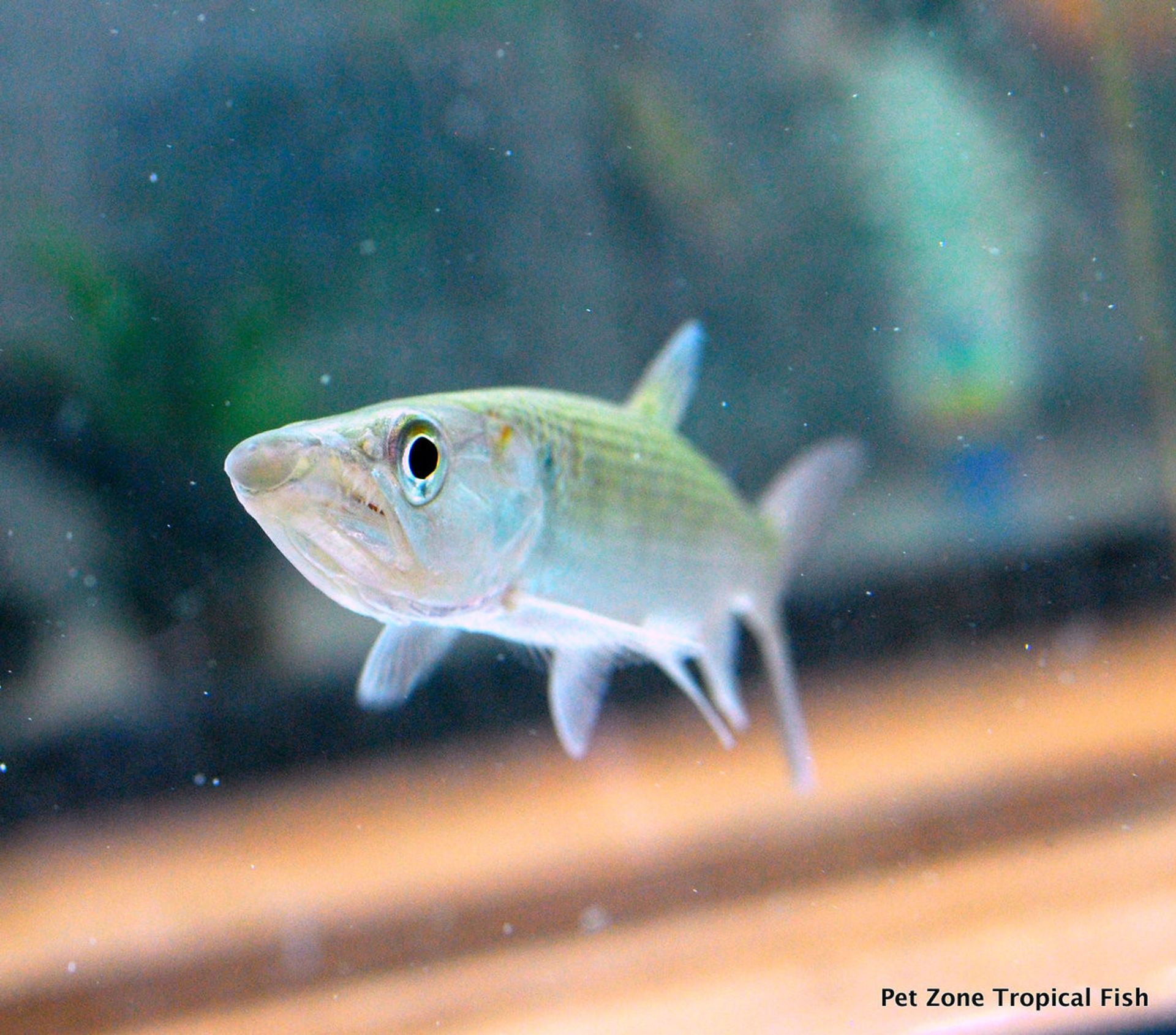
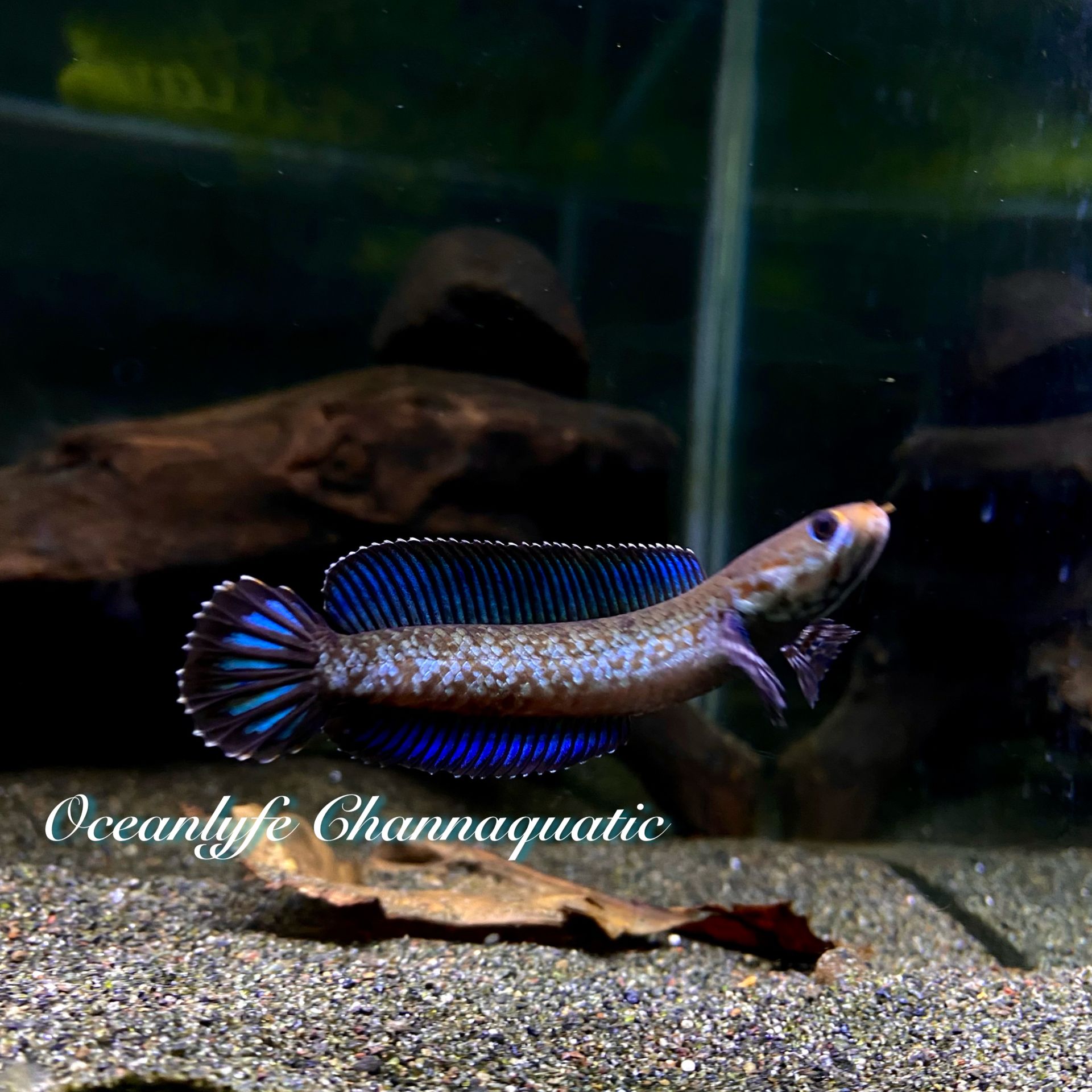
Wolf fish are ambush predators from South America, belonging to the genus Hoplias. They have a thick, torpedo-shaped body, a big mouth full of sharp teeth and a habit of sitting perfectly still until food comes close. In the monster-fish world they are prized for their raw, prehistoric look and fierce feeding response.
This is not a fish for a community tank or a first big tank. FishyHub lists wolf fish from Malaysian monster-fish sellers when they are available, with prices in RM. Read through the care basics below and confirm the rules with the seller before you buy.
The species seen most often. Adults commonly reach around 30–50 cm. It is the "smallest" of the wolf fish people keep, but it is still a strong, toothy predator that will eat any fish it can fit in its mouth.
The giant of the group, able to grow to around a metre in the wild. Juveniles look harmless in a shop tank, but an adult needs a custom-built aquarium or indoor pond. Only consider one if you already have space planned.
Other species and locality forms occasionally appear. Names in listings are not always accurate, so ask the seller for the scientific name and expected adult size.
| Care point | Wolf fish |
|---|---|
| Temperature | About 24–30°C. Typical Malaysian room temperature works without a heater. |
| Minimum tank | H. malabaricus: 4 kaki (120 × 45 × 50 cm, about 230–270 L) or larger. H. aimara: 6 kaki (550–650 L) is only a starting point. |
| Temperament | Highly predatory and often aggressive to its own kind. Usually kept alone. |
| Diet | Carnivore: fish fillet, prawn, mussel and carnivore pellets once weaned. |
| Beginner-friendly? | No. For experienced keepers only. |
Wolf fish like dim light, some cover such as large driftwood, and a heavy, tight-fitting lid, because they can lunge and jump. They are messy eaters, so use strong filtration and keep up with regular water changes. Many keepers wean them off live feeder fish onto dead foods, which is safer and avoids bringing in disease.
Handle with care. A wolf fish can bite hard during netting or maintenance, so keep your hands out of its reach and use a sturdy net or container when moving it.
Some predatory South American fish are restricted or prohibited in Malaysia. Buy only from sellers who comply with Department of Fisheries (DOF) Malaysia rules, and check the current position before you buy. Never release a wolf fish into a lake, river or drain. Predators like this can do serious damage to local fish. Jangan lepaskan ikan ke sungai.
Our warm climate suits wolf fish, but heavy feeding in warm water can lower oxygen. Add surface movement or a pam udara, and always treat tap water with anti klorin before it goes into the tank.
Biasanya tidak digalakkan. Wolf fish akan makan ikan yang muat dalam mulutnya dan boleh menggigit ikan yang lebih besar. Kebanyakan pemelihara simpan seekor sahaja dalam satu akuarium.
Wolf fish ialah ikan pemangsa. Beri isi ikan, udang, kerang dan pelet karnivor. Ikan muda boleh dilatih makan makanan mati supaya tidak bergantung pada ikan hidup.
It depends on the species. Hoplias malabaricus commonly reaches 30–50 cm, while Hoplias aimara can grow far larger. Always plan for the adult size.
Yes. They can jump or lunge out of open tanks, especially when startled or during feeding.
Browse wolf fish from Malaysian monster-fish sellers, compare sizes and prices in RM, and ask sellers your questions before you buy. You can also look at other monster fishes and heavy-duty filters for big predator tanks.