Most Viewed Aquarium Fish That People Don't Buy: What the Data Shows
The aquarium fish Americans look at most without buying tend to be large, collector-priced "dream fish" such as arowana, flowerhorns and monster fish, plus species they legally cannot keep, such as snakeheads. FishyHub's US marketplace is too new to have order history in this data, so it cannot show a direct viewed-versus-bought gap. What it does show is where search attention points at fish that are scarce, costly or restricted in the US, and that for show bettas the gap runs the other way: interest is outrunning supply.
Key Findings
- FishyHub's US marketplace has no order history in this data, so FishyHub cannot report which fish US shoppers view but do not buy; the findings below use search, interest, supply and price tiers instead.
- FishyHub search data shows arowana, channa, flowerhorn and gar among the most searched terms on the marketplace, yet in the US arowana listings are limited and channa are absent.
- FishyHub data shows arowana, flowerhorns and the monster fish category sit in the collector / premium price tier in the US, which turns many searches into window shopping.
- FishyHub data shows US interest in halfmoon plakat bettas is very high and ahead of supply, the opposite of a viewed-but-not-bought pattern.
- FishyHub data shows giant halfmoon plakat bettas have demand that clearly outpaces supply in the US, despite moderate interest.
- FishyHub data shows flowerhorns have high supply in the US with a very wide price spread, so buyers can compare many fish before committing.
- FishyHub data shows new US listings are rising across nearly every livestock category, so some of today's look-only fish may become easier to buy.
What "Viewed but Not Bought" Means Here
A true viewed-versus-bought measure needs both page views and orders. FishyHub's US data has neither in usable form yet: the market is new and has no order history in this snapshot. Instead, we look at three signals that point to the same idea:
- Search terms that shoppers type into FishyHub, which show what people go looking for.
- Supply tiers in the US, which show whether that search can be met by a listing.
- Price tiers, which show whether the fish is within reach for most hobbyists.
Where a fish is searched heavily but is scarce, costly or restricted, it is a strong candidate for being looked at far more than it is bought.
The Dream Fish: Searched, Admired, Rarely Within Reach
| Fish | Search attention | US supply | US price tier |
|---|---|---|---|
| Arowana (all) | Very high | Limited | Collector / premium |
| Black arowana | Very high | Limited | Collector / premium |
| Flowerhorn | Very high | High | Collector / premium |
| Jardini arowana | Very high | Limited | Collector / premium |
| Silver arowana | Very high | Moderate | Upper mid-range |
| Stingray | High | Not listed | Not listed |
Fish are listed alphabetically. Search attention for arowana covers the term as a whole; it does not split by species.
Arowana
Arowana are among the most searched fish on FishyHub, but US supply is limited and almost every type sits in the collector tier. Part of the reason is legal: the Asian arowana, including the red and gold forms famous in Asia, is protected under US endangered species rules and cannot be imported for the hobby. American keepers are limited to South American silver and black arowana and the Australian jardini. Even these grow very large and need a tank most homes cannot fit, so many searches end as research rather than an order.
Flowerhorns
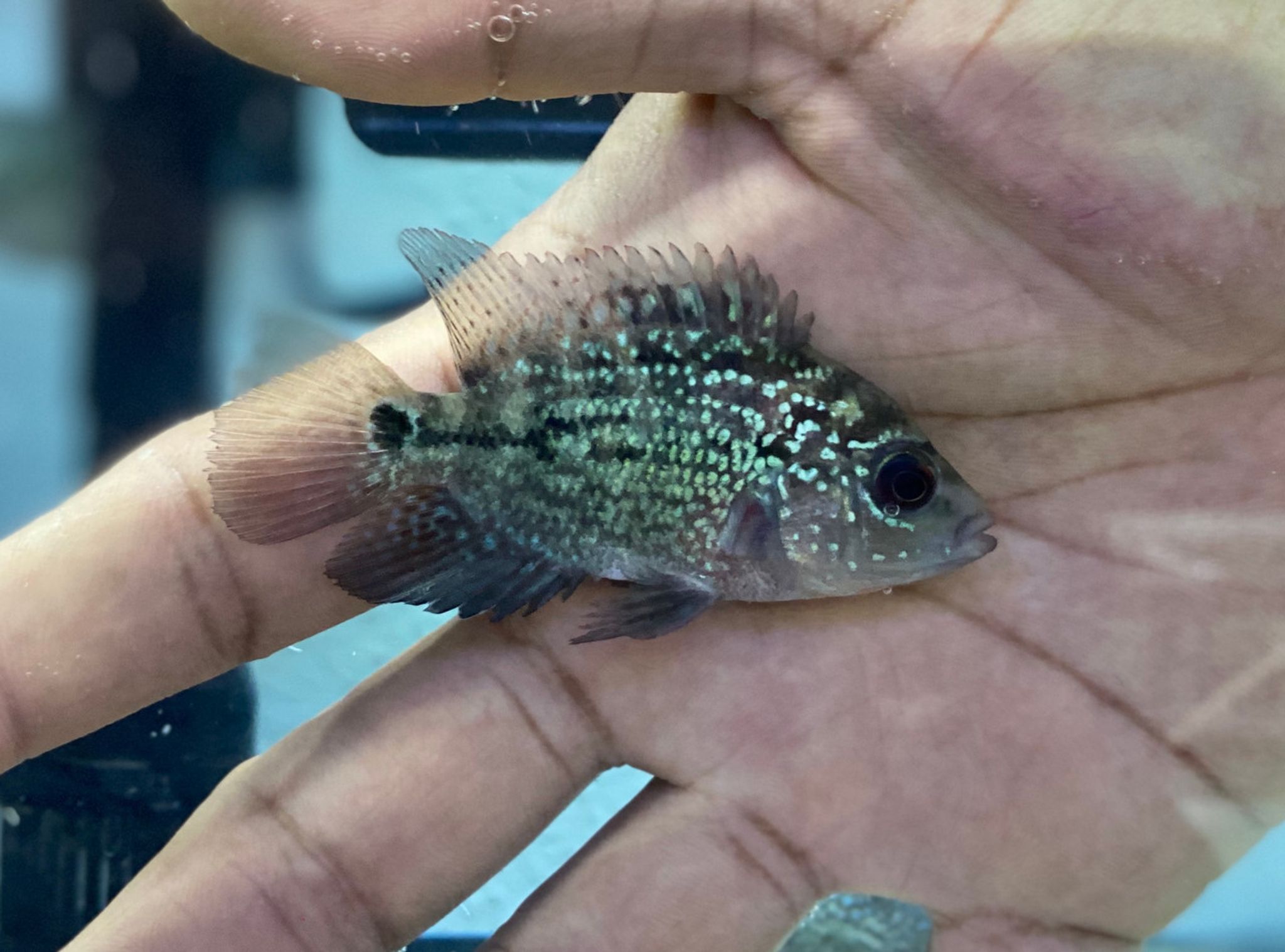
US flowerhorn supply is high, so the fish are easy to find, but they sit in the collector tier with a very wide price spread. A shopper can browse many fish, comparing head humps and pearling, before buying one, or none. That is the classic profile of a fish that is viewed much more than it is bought.
Monster fish
The US monster fish category as a whole sits in the collector tier with a wide price spread. Datnoids are collector-priced and limited. Gar draw very high search attention, and US gar listings sit at moderate supply in the mid-range tier, which makes them one of the more attainable monster fish. Still, a fish that grows to the size of a gar needs an exceptionally large aquarium, and that physical limit stops many interested shoppers.
The Fish You Cannot Buy in the US
Some of the most searched fish on FishyHub are not legal to keep across the US:
- Snakeheads (channa) are listed as injurious wildlife under federal law, so live snakeheads cannot be imported or moved between states. Channa, snakehead and toman are all heavily searched on FishyHub, but there are no US listings.
- Freshwater stingrays draw high search attention, and several states restrict them. FishyHub has no US stingray listings in this data.
These are the clearest cases of fish people look up and do not buy. The interest is real; the fish is not available.
The Reverse: Bettas Where Interest Outruns Supply
Show bettas are the one place where FishyHub's US data measures interest directly, and it points the other way. Halfmoon plakats draw very high interest with demand ahead of supply. Halfmoons draw high interest, with demand and supply in balance. Giant halfmoon plakats draw moderate interest, but limited listings mean demand clearly outpaces supply.
Bettas are affordable, ship well in small insulated boxes, and fit on a desk. For American hobbyists, they are fish that people both look at and buy, and sellers are currently struggling to keep up.
What Turns Looking Into Buying
From general hobby experience in the US, three things decide whether a fish people admire becomes a fish people buy:
- Shipping risk. Large fish cost more to ship overnight and are harder to pack safely, especially to remote areas such as Alaska, Hawaii & territories, or during winter in the Midwest & Central and East Coast & Northeast zones.
- Tank size. A fish that outgrows a standard home aquarium is often admired from afar.
- Price. Collector-tier fish attract browsing well beyond the number of buyers who can justify them.
Methodology
This page draws on FishyHub marketplace activity over the period from October 2024 to October 2026: US active listings, listed price tiers and price spread, new-listing momentum, and buyer interest (wishlists, likes and "my tank" saves) on US-listed products, alongside search terms, which combine the US and Singapore markets. All findings are reported as tiers and directions, not figures.
The US market is new, and this data has no US order history, so FishyHub cannot measure which fish US shoppers view but do not buy. Buyer interest in the US is currently recorded only for a small set of betta categories. Legal information reflects general hobby knowledge rather than FishyHub data; check federal and state rules before buying any restricted species.
Frequently Asked Questions
What fish do people look at most but not buy?
Large, collector-priced fish such as arowana, flowerhorns and monster fish, and restricted fish such as snakeheads, attract heavy search attention on FishyHub but are scarce, costly or unavailable in the US.
Why can't I buy a snakehead in the US?
Snakeheads are listed as injurious wildlife under federal law, which bars their import and movement between states. FishyHub has no US channa listings.
Can you buy an arowana in the US?
Silver, black and jardini arowana can be found, though FishyHub data shows US arowana supply is limited and most types are collector-priced. Asian arowana cannot be imported into the US.
Which fish do US shoppers want more than sellers can supply?
FishyHub data shows halfmoon plakat bettas have demand ahead of supply, and giant halfmoon plakats have demand that clearly outpaces supply.
How to Cite This Page
Source: FishyHub, "Most Viewed Aquarium Fish That People Don't Buy: What the Data Shows" (2026), https://fishyhub.com/us/blogs/blog-detail/most-viewed-aquarium-fish-that-people-dont-buy-what-the-data-shows


