1–5 of 5
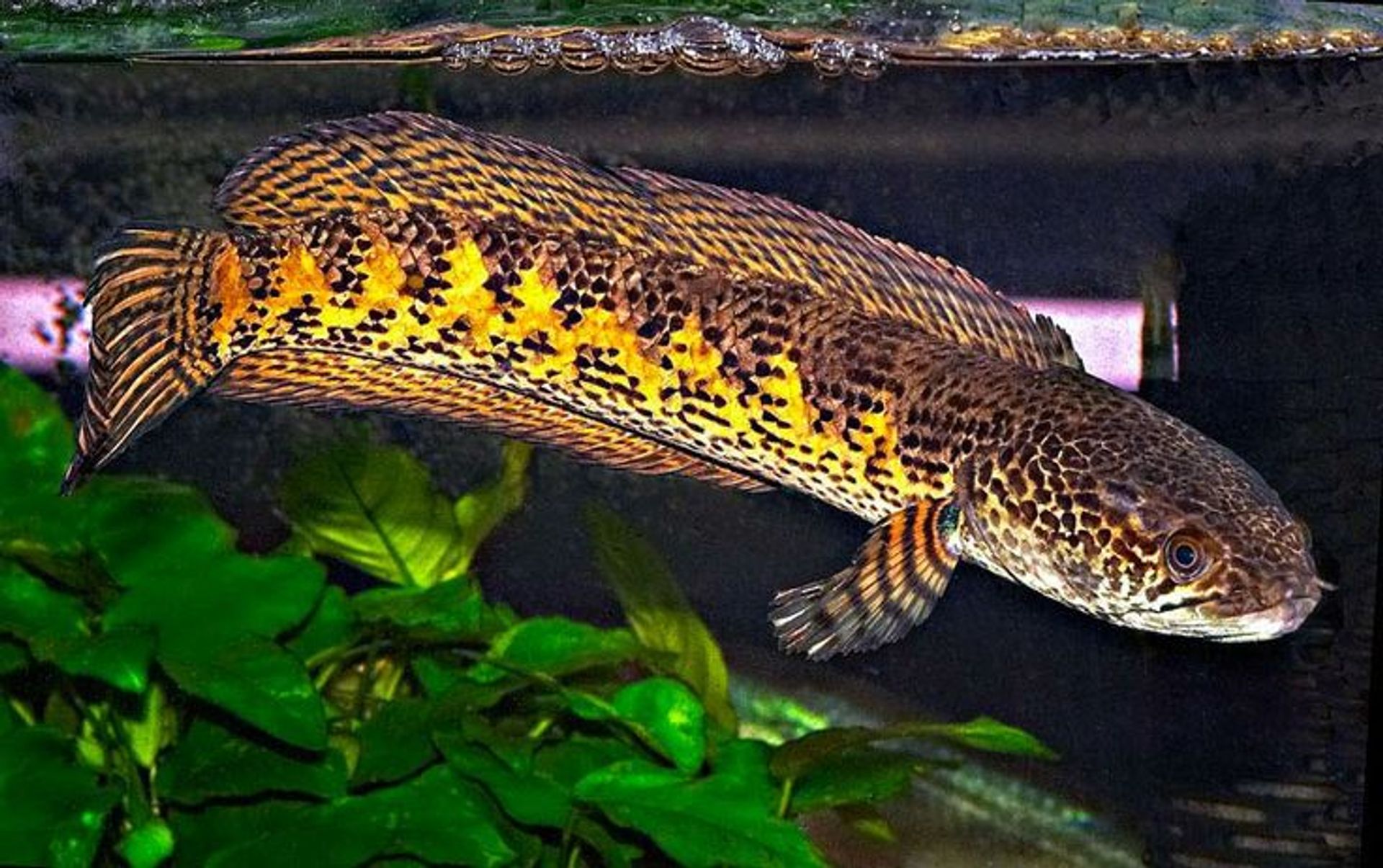
Channa, or snakeheads, are predatory fish with long, muscular bodies, flat heads and a habit of watching you as closely as you watch them. Malaysians already know the family from native species such as ikan haruan and toman, but the ornamental channa scene focuses mostly on colourful species from South and Southeast Asia, many of them small enough for a home tank.
Channa suit keepers who want one characterful fish rather than a busy community. They are tough, interactive and long-lived, but territorial and often aggressive. FishyHub lists channa from Malaysian specialist sellers and hobbyists, with prices in RM and the seller's delivery or self-collect details.
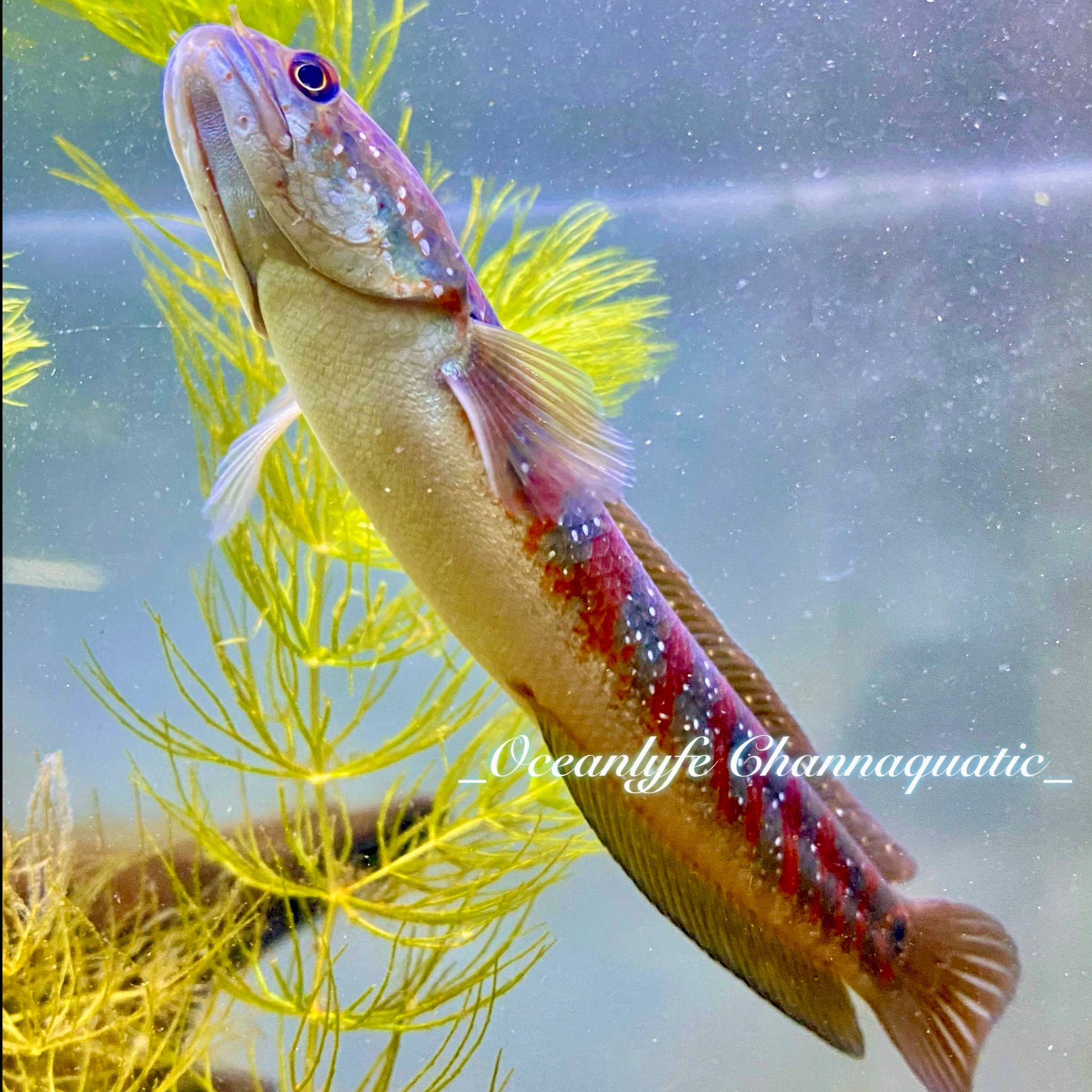
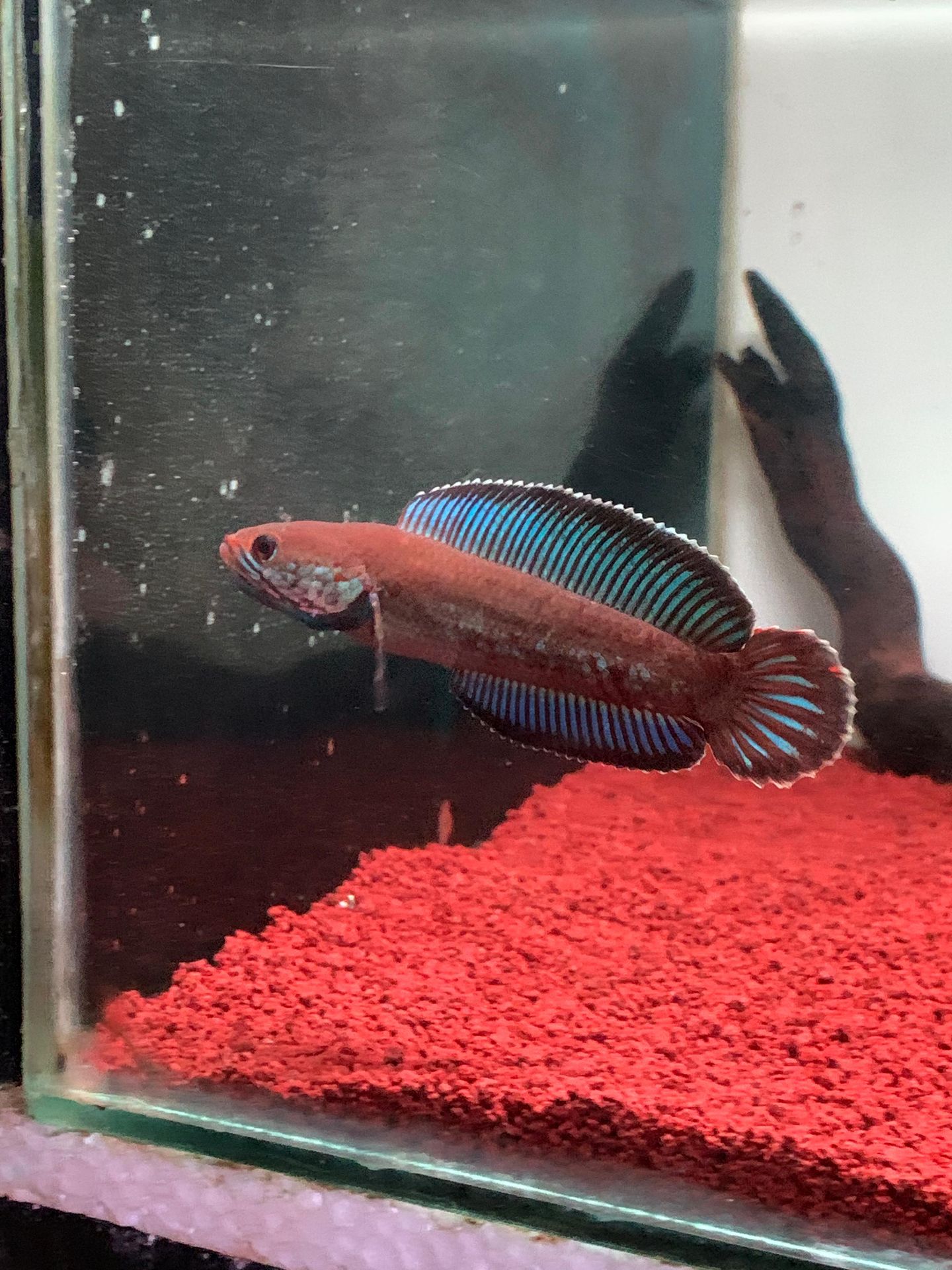
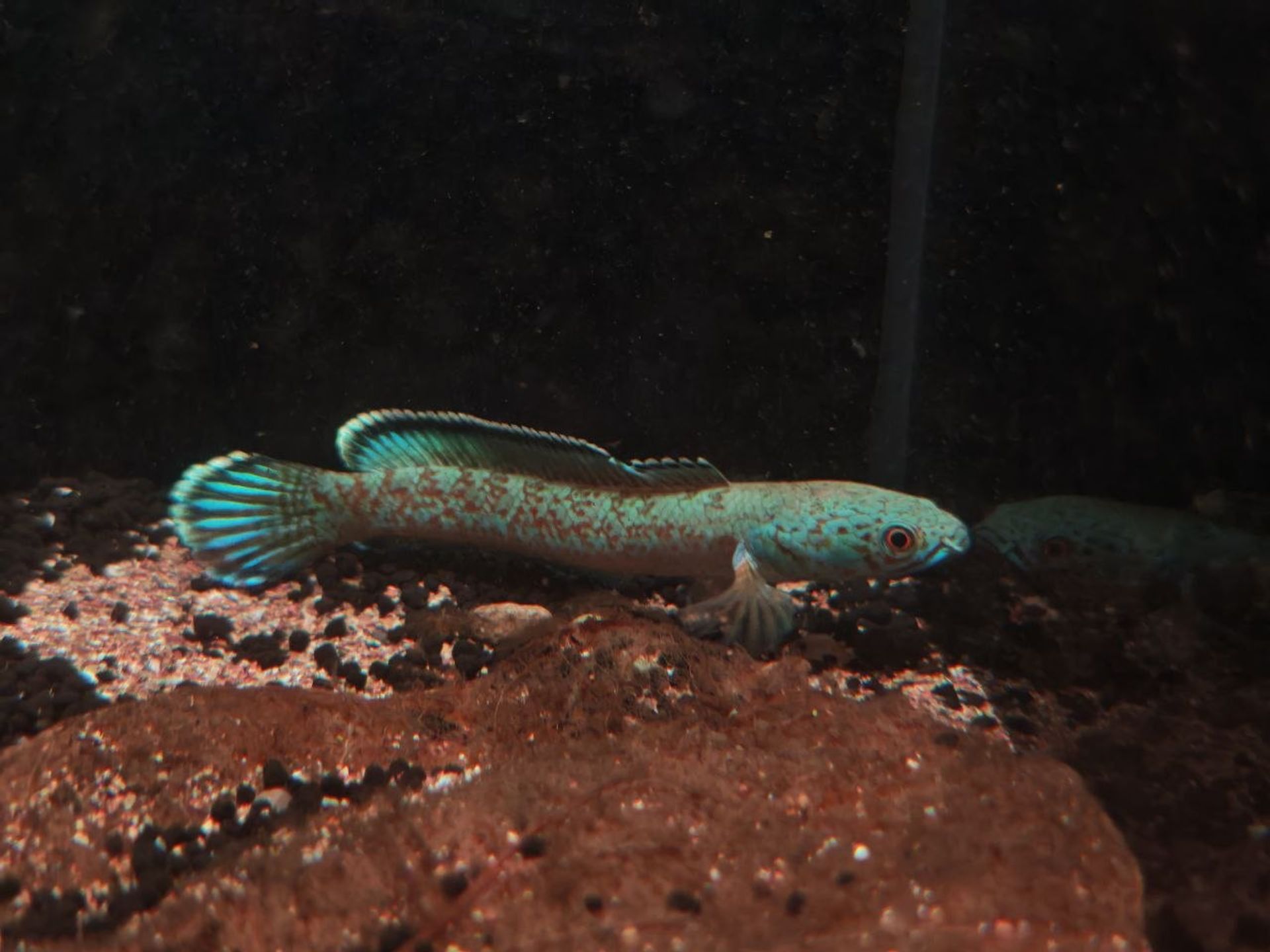
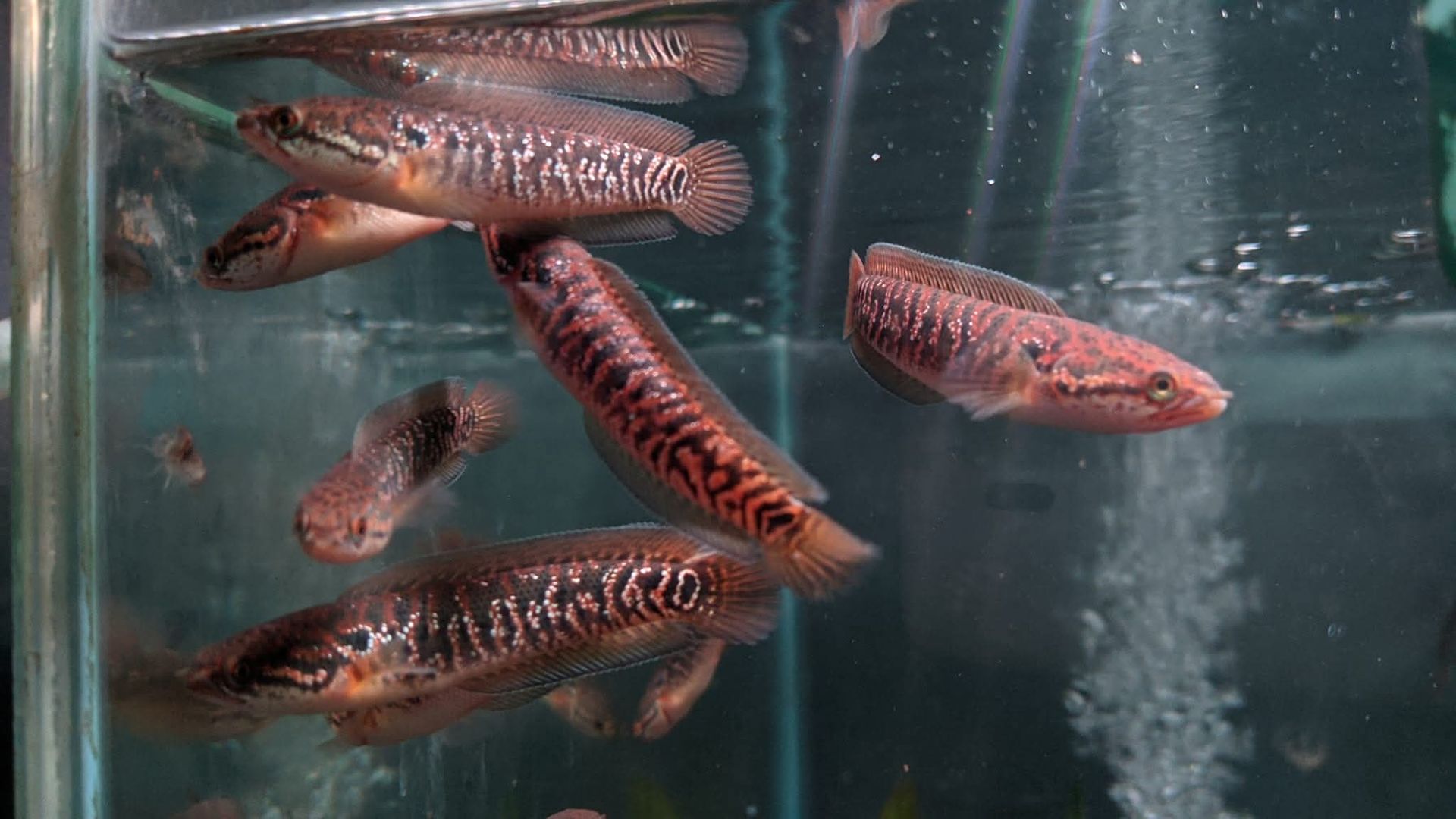
A dwarf snakehead with blue and orange tones, staying around 10 cm. One of the most popular "first channa" choices, and fine in a well-covered 2-foot tank.
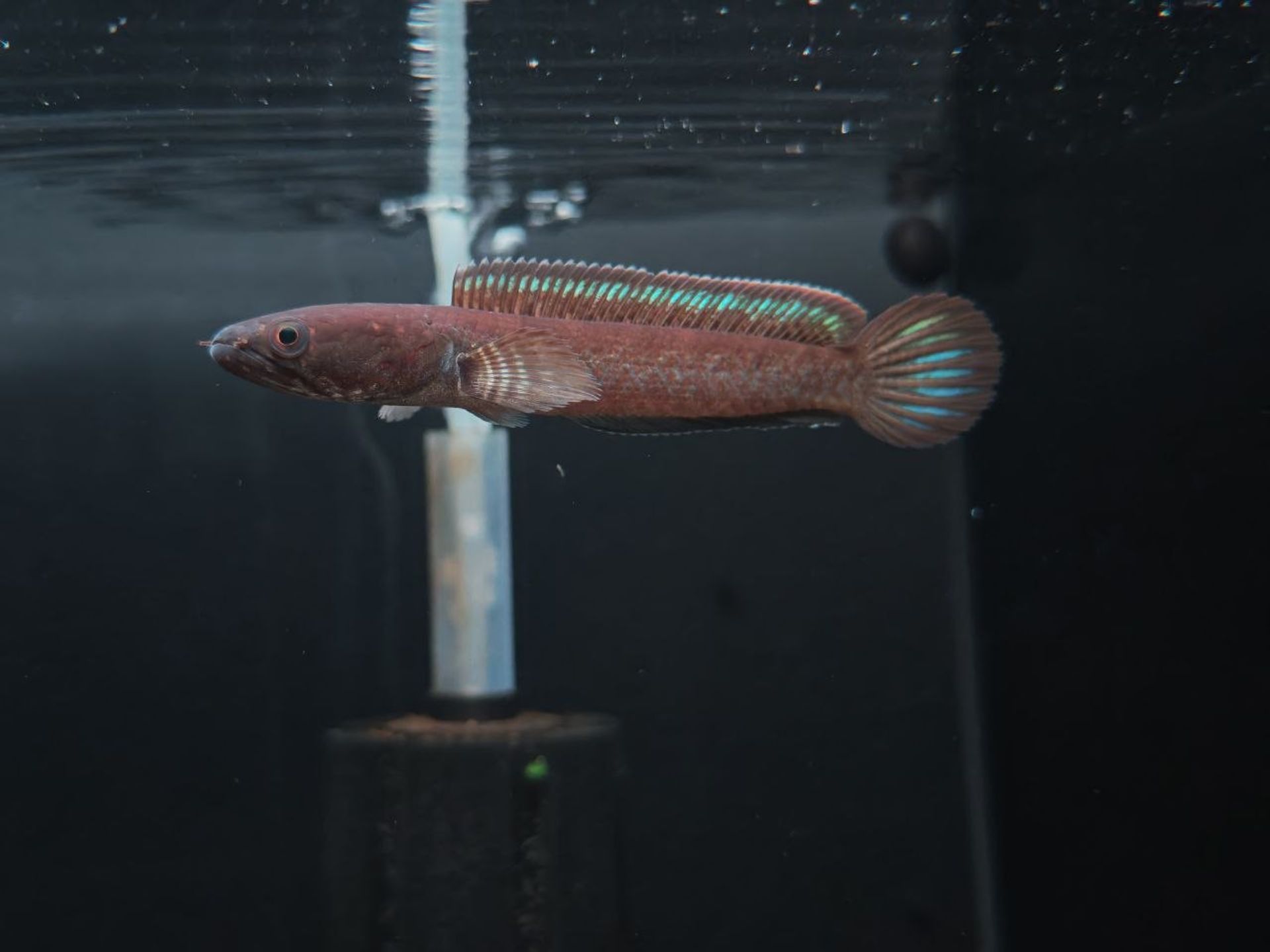
Small to mid-sized species with attractive blue or golden markings. Limbata is hardy and varies a lot by locality, so two fish sold under the same name can look quite different.
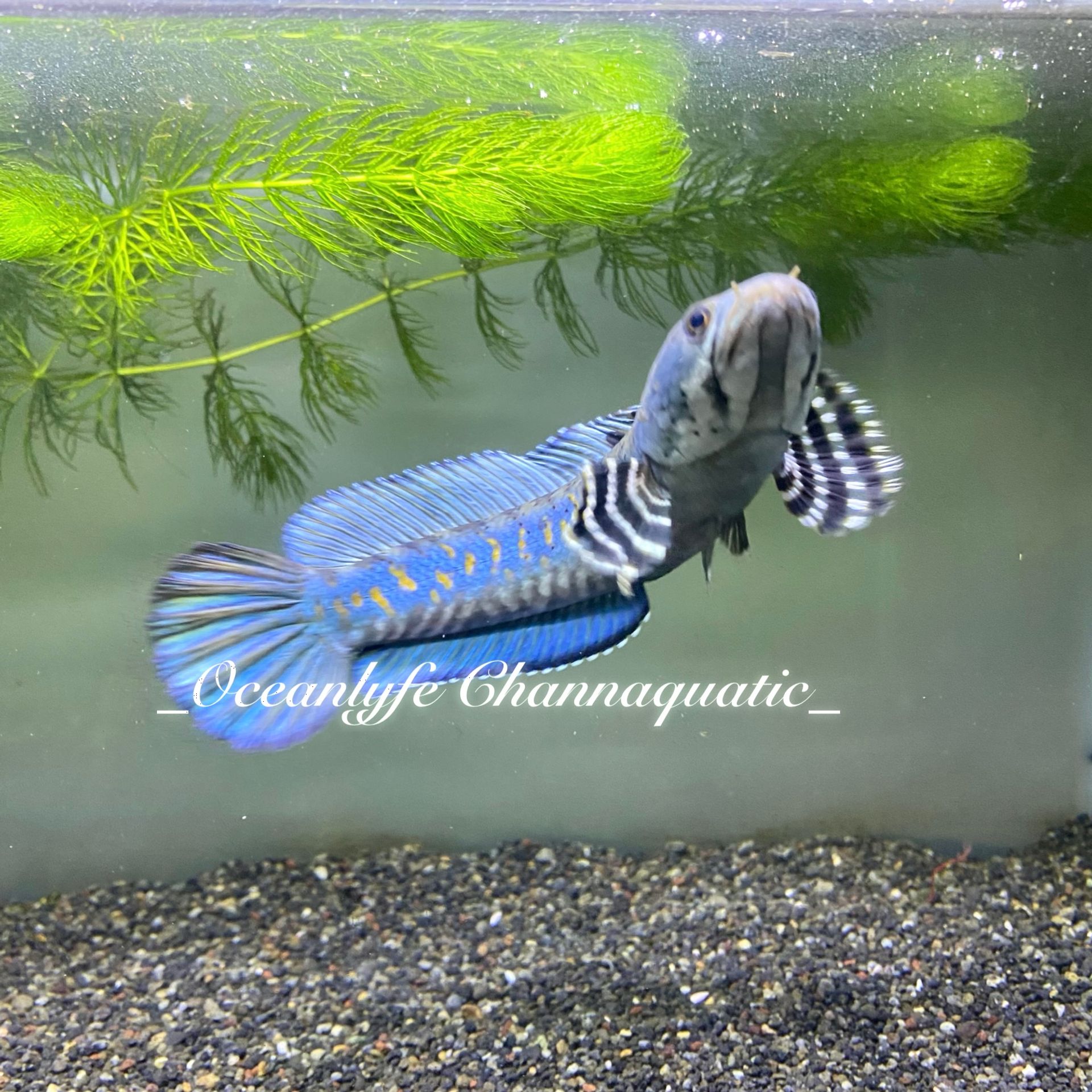
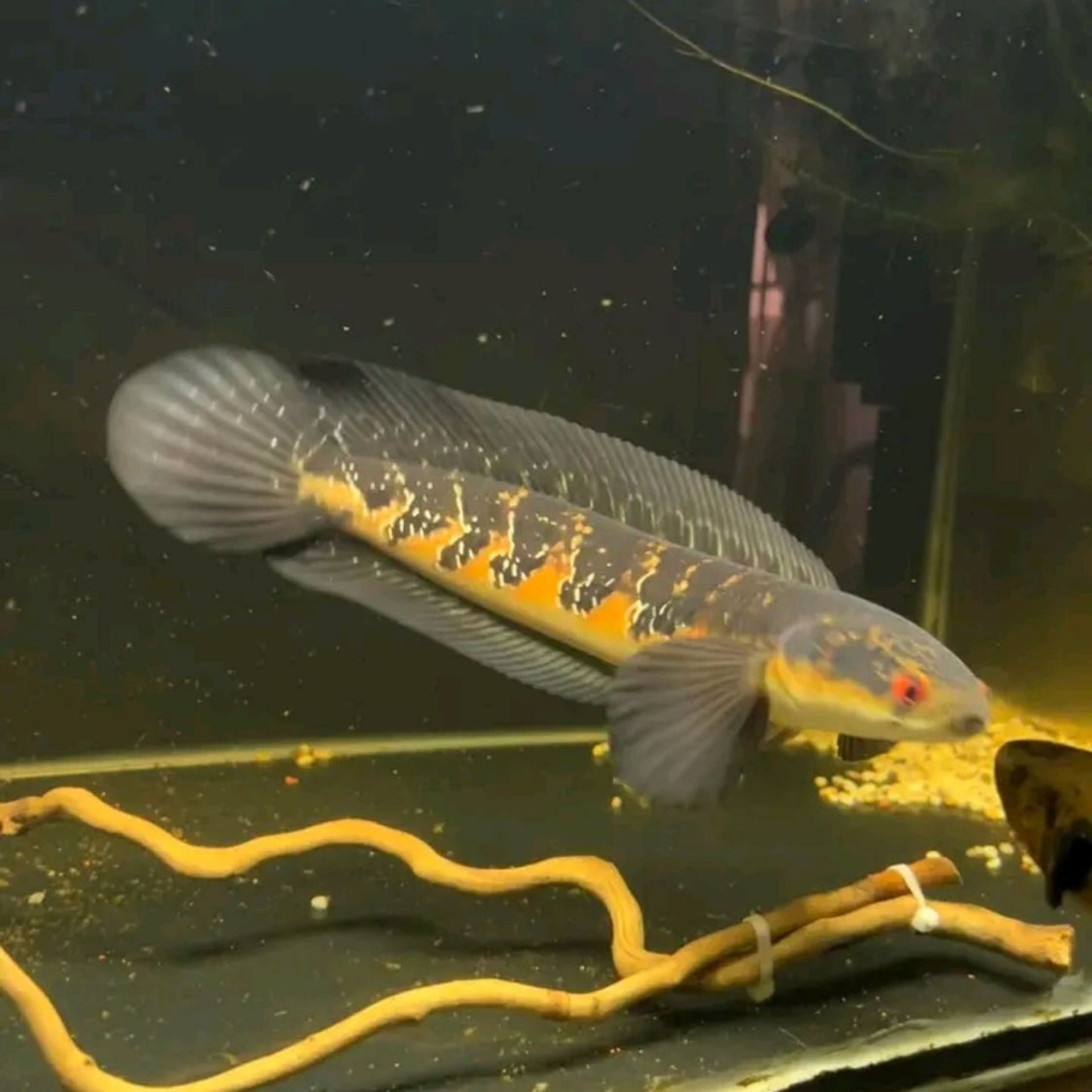
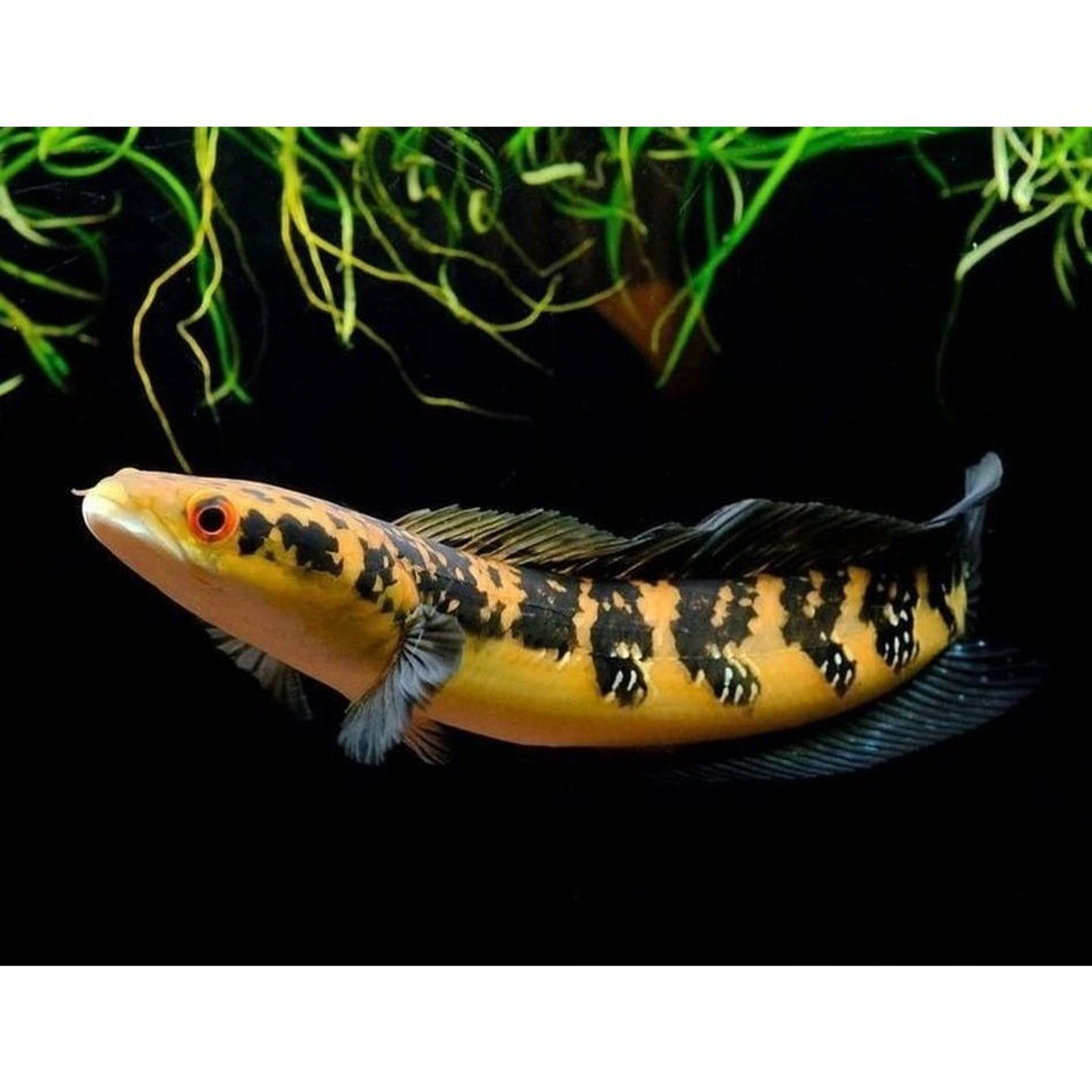
The orange-spotted snakehead, with bold orange bands and spots. It grows considerably larger than dwarf species and needs a bigger tank.
One of the most sought-after and expensive species, with striking colour and a reputation as a demanding, secretive fish. Strictly for experienced keepers.
Some channa, including the native toman (Channa micropeltes), grow very large and very aggressive. They are not suitable for most home aquariums.
| Care point | Guide |
|---|---|
| Temperature | Most tropical species are happy at Malaysian room temperature (26–31°C). Dwarf species such as andrao come from cooler foothill regions and prefer the lower end, so use a fan in hot rooms. |
| Minimum tank | Dwarf species: 2 kaki (60 cm, about 55–65 L). Mid to large species: 4 kaki (120 cm, about 230–270 L) or larger. |
| Temperament | Territorial and predatory. Usually best kept alone or as a bonded pair. |
| Diet | Carnivore pellets, prawns, earthworms, insects. |
| Beginner-friendly? | Dwarf species, for a careful beginner. Larger species, no. |
Many keepers use dried daun ketapang and Malaysian driftwood to create a dim, tannin-stained setup that suits channa well. Treat tap water with anti klorin during every water change; Malaysian tap water is chlorinated.
Channa are carnivores and greedy feeders. A quality carnivore pellet makes a good staple, and many accept it readily once trained. Add prawns, earthworms and insects for variety. Live feeder fish can carry parasites and make channa fussy, so many keepers avoid them. Don't overfeed; a lean channa is a healthier channa.
Channa are among the predatory fish that the Department of Fisheries (DOF) Malaysia regulates. Buy only from sellers who comply with DOF rules, and check current regulations before buying a particular species.
Jangan lepaskan ikan ke sungai. Channa are tough, air-breathing predators that can survive in drains and ponds and prey on native fish. Several states now restrict releasing foreign fish, and Malaysia already has dozens of established alien species. If you can't keep your fish, rehome it through a seller or hobbyist.
Prices in RM depend on species, rarity, size and colour. Dwarf species are more affordable, while rare species such as barca command much higher prices. Delivery to Sabah and Sarawak takes longer, so check with the seller.
Channa makan pelet karnivor, udang, cacing tanah dan serangga. Kebanyakan channa boleh dilatih makan pelet. Elakkan beri ikan hidup selalu kerana boleh membawa penyakit.
Channa andrao biasanya membesar sekitar 10 cm sahaja, jadi akuarium 2 kaki sudah memadai untuk seekor.
Generally not. Most channa will attack or eat tankmates. Some keepers manage dwarf species with fast, robust fish in large tanks, but it's risky.
They jump, and because they breathe air they can wriggle a surprising distance out of the tank.
Browse andrao, stewartii, limbata, aurantimaculata and other snakeheads from Malaysian sellers with prices in RM. You might also like other monster fishes, or pick up carnivore pellets and daun ketapang for your setup.
Tankmates: Best kept alone or as a pair. Some mid-size species can live with large robust fish in very large tanks, but bites and predation are common.
Feeding: Most can be weaned onto dead/frozen foods and some onto pellets. Prone to obesity; do not overfeed.