


Kuhli Loach (Ikan Kuhli): Care Guide for Malaysia's Native Noodle Fish
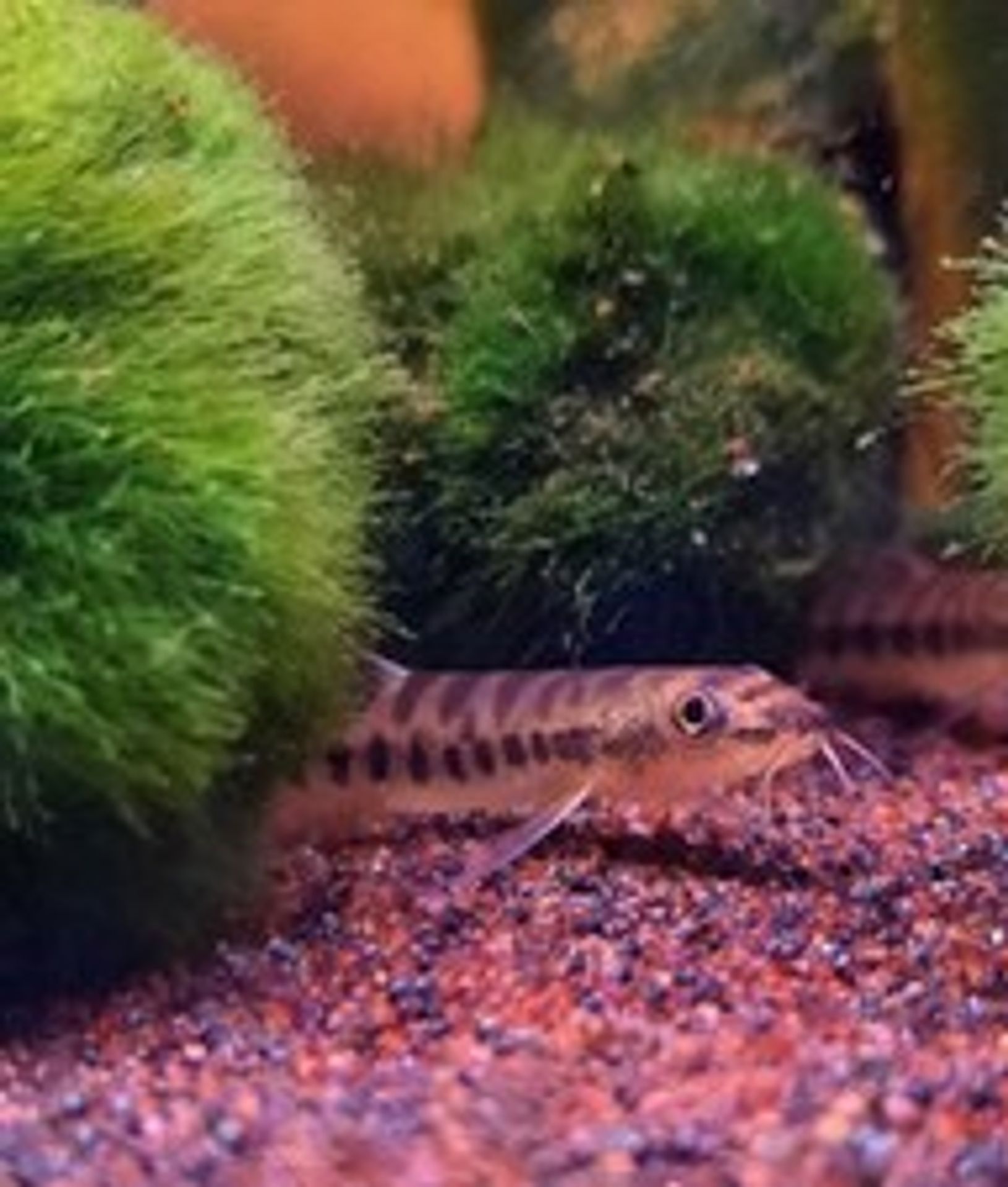
The kuhli loach (ikan kuhli) is a small, eel-shaped loach, about 8–10 cm long, with orange and dark bands. It spends the day hidden and comes out to search for food at night. To keep kuhlis happy, use soft sand, plenty of hiding places, a group of at least 6, sinking foods fed after lights-out, and a filter intake covered with sponge. Kuhlis are excellent at slipping through tiny gaps. They are also a genuinely local fish: several kuhli-type loaches (Pangio) live wild in Peninsular Malaysia and Borneo, in soft, shaded forest streams and peat swamps.
A Native Malaysian Fish
Most fish sold as "kuhli loach" belong to the genus Pangio. Scientific sources list several species from the Malay Peninsula:
- Pangio semicincta, described from southern Johor. It is probably the fish most often sold as "kuhli loach", even though true Pangio kuhlii is now considered to come from Java.
- Pangio malayana, described from the Tahan River in Pahang, also found in Johor, Sumatra and West Kalimantan.
- Others such as the black kuhli (Pangio oblonga), the slim Pangio anguillaris and the tiny Pangio filinaris from Pahang and Terengganu.
For hobbyists, the exact species rarely changes care. What matters is that these fish come from soft, slightly acidic, shaded water with leaf litter, which is close to what many Malaysian keepers can provide. Buy from shops and breeders; do not collect wild fish from streams.
Kuhli Loach Care Table
| Factor | What kuhlis need |
|---|---|
| Temperature | 24–30°C; Malaysian rooms are fine |
| Minimum tank | 2 kaki (60 × 30 × 36 cm, ~55 L) for a group of 6 |
| Water | Soft, pH 5.5–7; very clean |
| Substrate | Soft sand; they burrow |
| Temperament | Peaceful and shy |
| Diet | Omnivore: sinking pellets, frozen and live foods |
| Group size | At least 6; more is better |
| Lifespan | 10 years or more with good care |
| Beginner? | Yes, in a mature tank |
Tank Setup
Sand, not sharp gravel
Kuhlis dig and burrow, and their skin is delicate with tiny scales. Use fine, smooth sand. Sharp gravel can scratch them and lead to infections. Browse gravel and sand for soft substrate.
Hiding spots
A kuhli without cover will hide in the filter, under heaters or inside decorations. Give them better options:
- Driftwood roots and leaf litter, including daun ketapang
- Clay caves or pipes
- Dense plants such as Cryptocoryne (another Malaysian native), java fern and floating plants that dim the light
See our aquarium plants without CO2 guide for easy plants.
The escape problem
Kuhli loaches are famous for disappearing:
- Cover filter intakes with a sponge prefilter. Kuhlis get sucked in or crawl inside.
- Close gaps in the lid. They can climb out through small holes, especially at night.
- Check the space between the tank and any internal heater or decoration.
Many "lost" kuhlis are found alive inside the filter during cleaning, sometimes months later.
Water and Temperature
Kuhlis like soft, slightly acidic water, which matches much of Malaysia's tap water. What they cannot handle:
- Chlorine: always treat new water with anti klorin (see our tap water guide).
- Ammonia and nitrite spikes: only add kuhlis to a cycled tank.
- Medication: like many scaleless or small-scaled fish, kuhlis are sensitive to some medicines. Follow doses carefully and check the label for warnings about loaches.
During heatwaves above 31°C, add aeration with an air pump, as warm water holds less oxygen.
Feeding Kuhli Loaches
Kuhlis eat from the bottom, mostly at night.
- Sinking pellets or granules, small enough for their mouths
- Frozen bloodworm (cacing darah), brine shrimp and daphnia
- Live foods such as blackworms or grindal worms, if from a clean source
Feed after lights-out, or drop food in the same spot every time so they learn where to find it. If you keep fast mid-water fish, make sure food reaches the bottom.
Kuhli Loach Tank Mates
Kuhlis are peaceful and do best with small, calm fish:
Good choices
- Harlequin, chili and other small rasboras
- Small tetras
- Bettas (a very common and good pairing)
- Dwarf and honey gouramis
- Corydoras
- Cherry and other dwarf shrimp (adult kuhlis may eat some shrimplets, but rarely bother adults)
Avoid
- Large cichlids, big barbs and any fish big enough to swallow a kuhli
- Aggressive bottom dwellers
Our harlequin rasbora guide describes a native peat-swamp community that kuhlis fit right into.
Kuhli Loach Behaviour
- Daytime: hiding in sand, under wood or in plants.
- Dusk and night: active, weaving through the substrate.
- Group behaviour: in bigger groups they become bolder and sometimes pile together in one hiding spot.
If you only see them at feeding time, that is normal. A dim tank with floating plants and a group of 8–10 makes them more visible.
Breeding
Kuhlis rarely breed in community tanks, and when they do, it often goes unnoticed. Eggs are scattered among plant roots and floating plants. Soft, acidic water, dense floating plants and a mature tank help. Fry eat microscopic food at first, then baby brine shrimp.
Common Problems
- Disappearing fish: check the filter and look under decorations at night with a torch.
- Red patches or wounds: often from rough gravel or poor water.
- White spot: kuhlis are vulnerable, and some medications are harsh on loaches. Treat carefully; see our white spot guide.
Buying Kuhli Loaches on FishyHub
Browse loaches for sale. Before you buy:
- Check whether the listing is per fish or per group, and the size.
- Ask the seller which kuhli type it is (banded, black or another Pangio).
- Check the seller's location, delivery or self-collect options and live-arrival terms.
Frequently Asked Questions
Ikan kuhli makan apa?
Ikan kuhli makan pelet tenggelam, cacing darah beku, artemia dan makanan hidup kecil. Beri makan selepas lampu dipadam kerana ikan ini aktif pada waktu malam.
Ikan kuhli boleh campur dengan ikan laga?
Boleh. Ikan kuhli tenang dan tinggal di dasar, jadi jarang mengganggu ikan laga. Pastikan ada pasir lembut dan tempat bersembunyi.
Is the kuhli loach native to Malaysia?
Several kuhli-type loaches (Pangio) are native to Peninsular Malaysia and Borneo, including Pangio semicincta from Johor and Pangio malayana from Pahang. Aquarium fish should be captive-bred.
Why did my kuhli loach disappear?
It is probably hiding in the sand, under wood or inside the filter. Look at night with a torch and check the filter before assuming it died.
How many kuhli loaches should I keep?
At least 6. Groups of 8–10 or more are bolder and more active.
Kuhli loaches are a quiet, fascinating addition to any planted tank, and a little piece of Malaysia's own forest streams. Browse loaches and soft sand from Malaysian sellers on FishyHub, and see our aquarium size guide when planning your tank.