

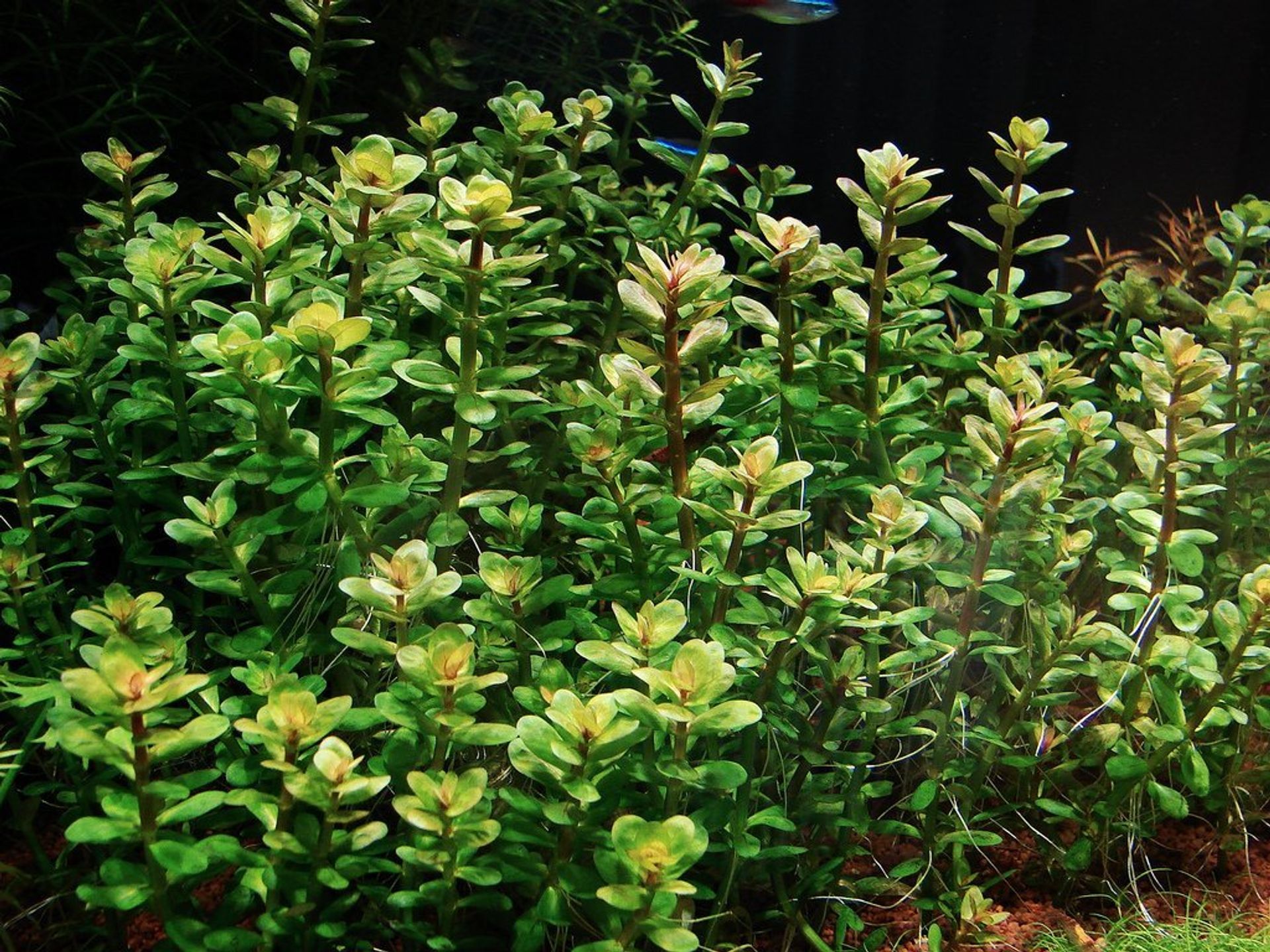

Cryptocoryne: Malaysia's Native Aquarium Plants, Care Guide & Crypt Melt
Cryptocoryne ("crypts", pokok cryptocoryne) are slow-growing rosette plants from the streams, swamps and riverbanks of tropical Asia, and several species grow wild in Malaysia, from Peninsular Malaysia to Sabah and Sarawak. In the aquarium they are one of the best low-tech plants: they need no CO2, cope with low light, and thrive in warm water. The catch is crypt melt, where leaves suddenly rot away after a move or water change. It looks alarming, but the roots usually survive and new leaves grow back within weeks. Plant them in a nutrient-rich substrate, add root tabs, and then leave them alone.
Why Crypts Suit Malaysian Tanks
- Warm water: crypts come from the tropics and handle 24–30°C comfortably.
- Low light: they grow under basic LEDs and in shaded spots under driftwood.
- No CO2 needed: perfect for pokok aquascape tanpa CO2 setups.
- Soft water: many species prefer the soft, slightly acidic water that much of Malaysian tap water already is.
- Fish-friendly: most fish ignore them. They survive alongside bettas, rasboras, gouramis and corydoras.
Read our pillar on low-tech aquarium plants without CO2 for more easy plants.
Native Cryptocoryne in Malaysia
Malaysia sits in the middle of the genus's range, and botanists have recorded many species here, in Peninsular Malaysia and especially in Borneo (Sabah and Sarawak). Examples documented from Peninsular Malaysia include Cryptocoryne affinis, Cryptocoryne cordata, Cryptocoryne griffithii and Cryptocoryne purpurea. Some grow in fast clear streams, some in tannin-stained peat swamps, and some in tidal areas.
A few points for keepers:
- Many wild populations are small and threatened by land clearing and stream pollution. Buy nursery-grown or tissue-culture plants, not plants collected from the wild.
- Don't collect from streams yourself. Some sites are in forest reserves or protected areas, and you can damage fragile populations.
- Native crypts can be trickier than common aquarium varieties. Some need very soft, acidic water.
If you're interested in native habitats, see our Malaysian peat-swamp blackwater biotope guide.
Popular Cryptocoryne for Aquariums
| Species / variety | Size | Light | Difficulty | Notes |
|---|---|---|---|---|
| C. wendtii (green, brown, red, "Tropica") | 10–25 cm | Low–medium | Very easy | The classic beginner crypt; originally from Sri Lanka |
| C. affinis | 10–30 cm | Low | Easy | Native to Peninsular Malaysia; spreads by runners |
| C. beckettii | 10–15 cm | Low–medium | Easy | Bronze-green leaves |
| C. parva | 3–5 cm | Medium | Moderate | Tiny; a slow foreground "carpet" |
| C. lutea / walkeri | 10–15 cm | Low | Easy | Hardy, tolerates harder water |
| C. undulata | 15–30 cm | Low–medium | Easy | Wavy leaves, background or midground |
| C. balansae / crispatula | 30–50 cm+ | Medium | Easy–moderate | Long ribbon leaves for the back |
| C. cordata (various) | 15–30 cm | Low–medium | Moderate | Native; often needs soft water |
Most of these work as midground plants. Browse them under Midground Plants.
Crypt Melt: Why It Happens and What to Do
What is crypt melt?
Within days of being planted or after a big change, crypt leaves go transparent, turn mushy and fall apart. The plant may lose every leaf. This is crypt melt, and it's very common.
Why it happens
- Emersed to submersed: many crypts are farm-grown out of water (emersed). When they go underwater, they drop their old leaves and grow new submerged leaves.
- Sudden changes: big shifts in light, temperature, pH or hardness, often after a large water change or moving tanks.
- Nutrient shortage: especially iron and root nutrients in inert gravel.
- Being uprooted or moved: crypts hate being disturbed.
How to handle it
- Don't pull the plant out. The rhizome and roots are usually alive.
- Remove the rotting leaves so they don't foul the water.
- Keep conditions stable: no big water changes or light changes for a few weeks.
- Add a root tab near the base.
- Wait 2–6 weeks. New leaves usually sprout from the centre.
How to reduce melt
- Buy tissue-culture crypts, which are often already used to underwater growth and melt less.
- Acclimatise new plants gently, and avoid big changes in the first month.
- Plant in a rich substrate or add root tabs from day one.
- Don't keep moving them around.
Planting and Care
Substrate and root tabs
Crypts are heavy root feeders. They take most nutrients from the substrate, not the water.
- Aquasoil or a nutrient-rich substrate gives the best growth.
- In gravel or sand, push a root tab into the substrate near each plant every 2–3 months.
- A light liquid fertiliser helps but isn't essential.
Root tabs and liquid fertilisers are under Fertilizers. Our aquarium plant fertiliser guide explains which to use.
Planting step by step
- Remove the pot and rock wool, or rinse the tissue-culture gel off.
- Trim very long roots to about 3–5 cm.
- Plant so the roots are buried and the crown (where leaves meet roots) sits just at the substrate surface.
- Space plants a few centimetres apart. They'll fill in with runners.
- Add a root tab nearby.
See how to plant aquarium plants for tools and technique.
Light, temperature and water
| Condition | Ideal |
|---|---|
| Light | Low to medium; tolerates shade |
| Temperature | 22–30°C (Malaysian room temperature suits them) |
| pH | 6.0–7.5 for most species |
| CO2 | Not needed; growth speeds up with it |
| Growth rate | Slow |
Propagation
Healthy crypts send out runners underground, and new plantlets appear nearby. Once a plantlet has a few leaves and roots, you can gently separate it and replant, or just let the clump grow.
Aquascaping With Crypts
- Midground: wendtii, beckettii and affinis fill the middle around rocks and wood.
- Foreground: C. parva makes a slow, low-tech "carpet".
- Background: balansae and undulata add height.
- Shady corners: crypts are ideal under driftwood, where other plants struggle.
- Pair with: anubias, java fern, Bucephalandra and mosses for a full low-tech scape. See our Bucephalandra guide and anubias guide.
Frequently Asked Questions
Kenapa daun pokok cryptocoryne cair dan reput?
Itu dipanggil crypt melt. Ia berlaku bila pokok baru ditanam, dipindahkan, atau bila keadaan air berubah dengan tiba-tiba. Jangan cabut pokok itu kerana akarnya biasanya masih hidup. Buang daun yang reput, letak baja akar (root tab) dan tunggu 2–6 minggu untuk daun baru tumbuh.
Pokok cryptocoryne perlu CO2 ke?
Tidak perlu. Cryptocoryne ialah pokok aquascape tanpa CO2 yang boleh hidup dengan cahaya rendah. Yang penting ialah tanah yang ada nutrien atau baja akar, kerana pokok ini makan melalui akar.
Is Cryptocoryne wendtii native to Malaysia?
No. C. wendtii comes from Sri Lanka. Malaysia has its own native species such as C. affinis and C. cordata, but wendtii is the most common crypt in the hobby.
How fast does Cryptocoryne grow?
Slowly. Expect a few new leaves a month, and runners after a few months once the plant is settled.
Can I plant Cryptocoryne in plain sand or gravel?
Yes, but add root tabs every 2–3 months, because inert sand and gravel have almost no nutrients.
Add hardy crypts to your scape: browse midground plants, the full aquatic plants range and root tabs and fertilisers from Malaysian sellers on FishyHub. Check each listing for potted vs tissue-culture plants, and ask the seller where their plants are grown.