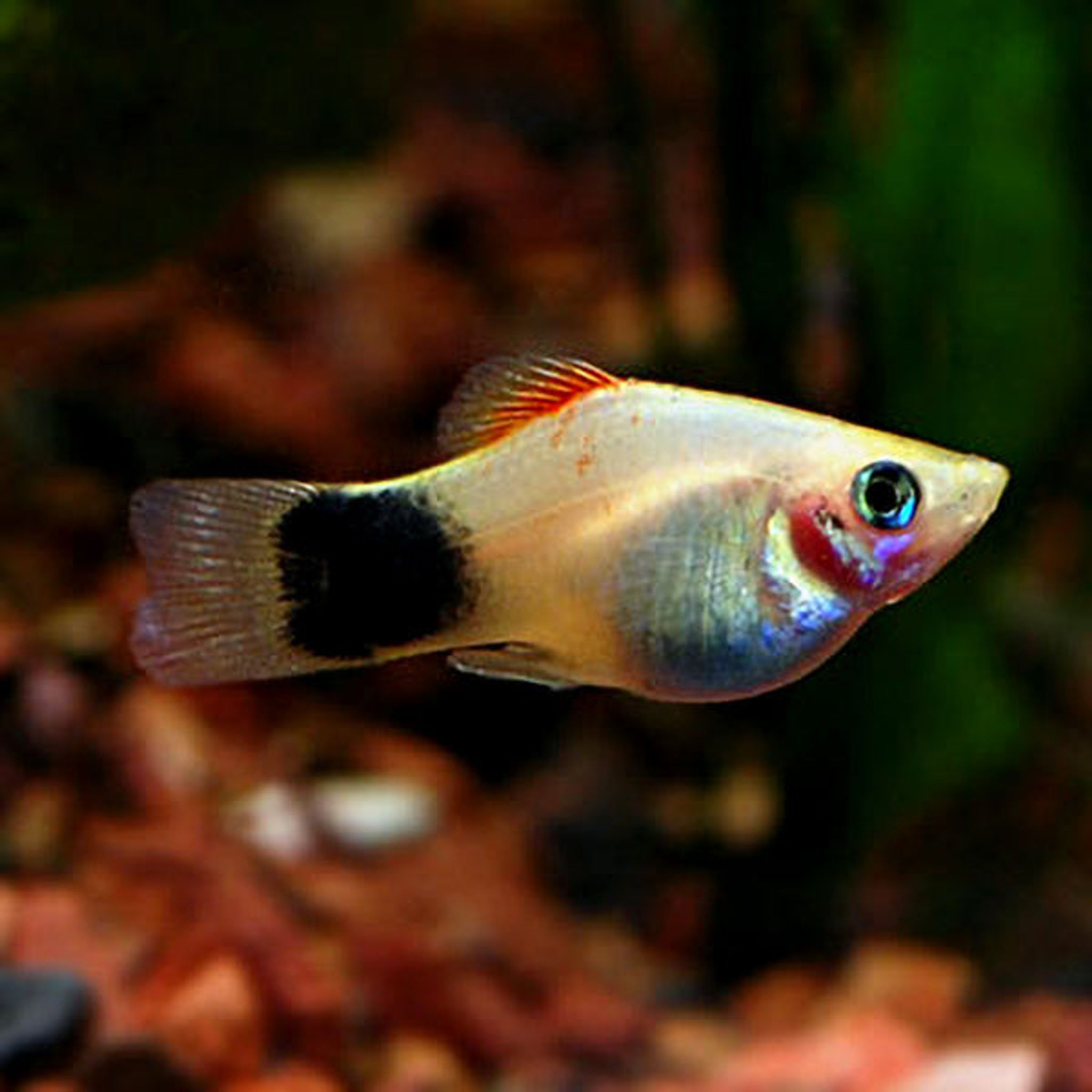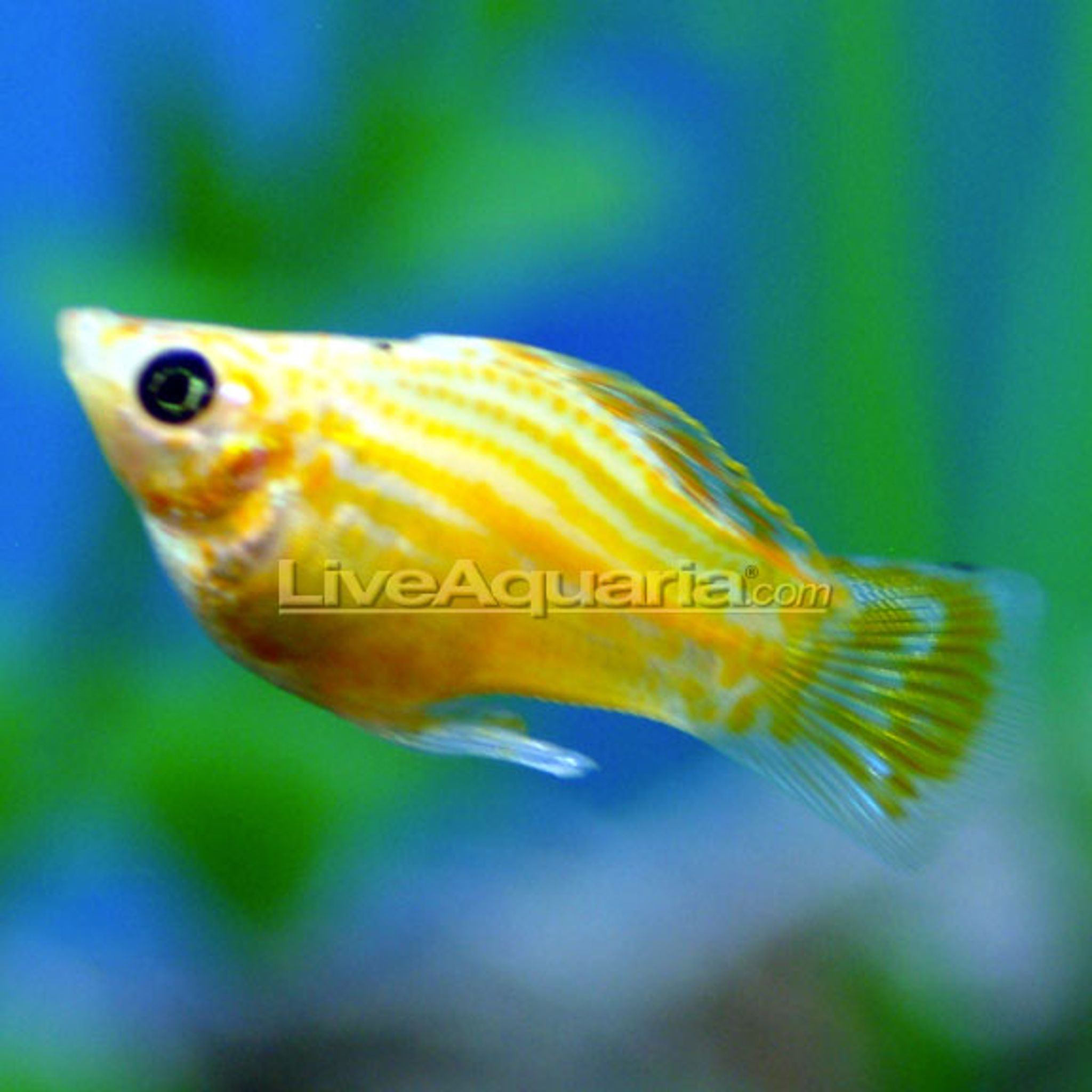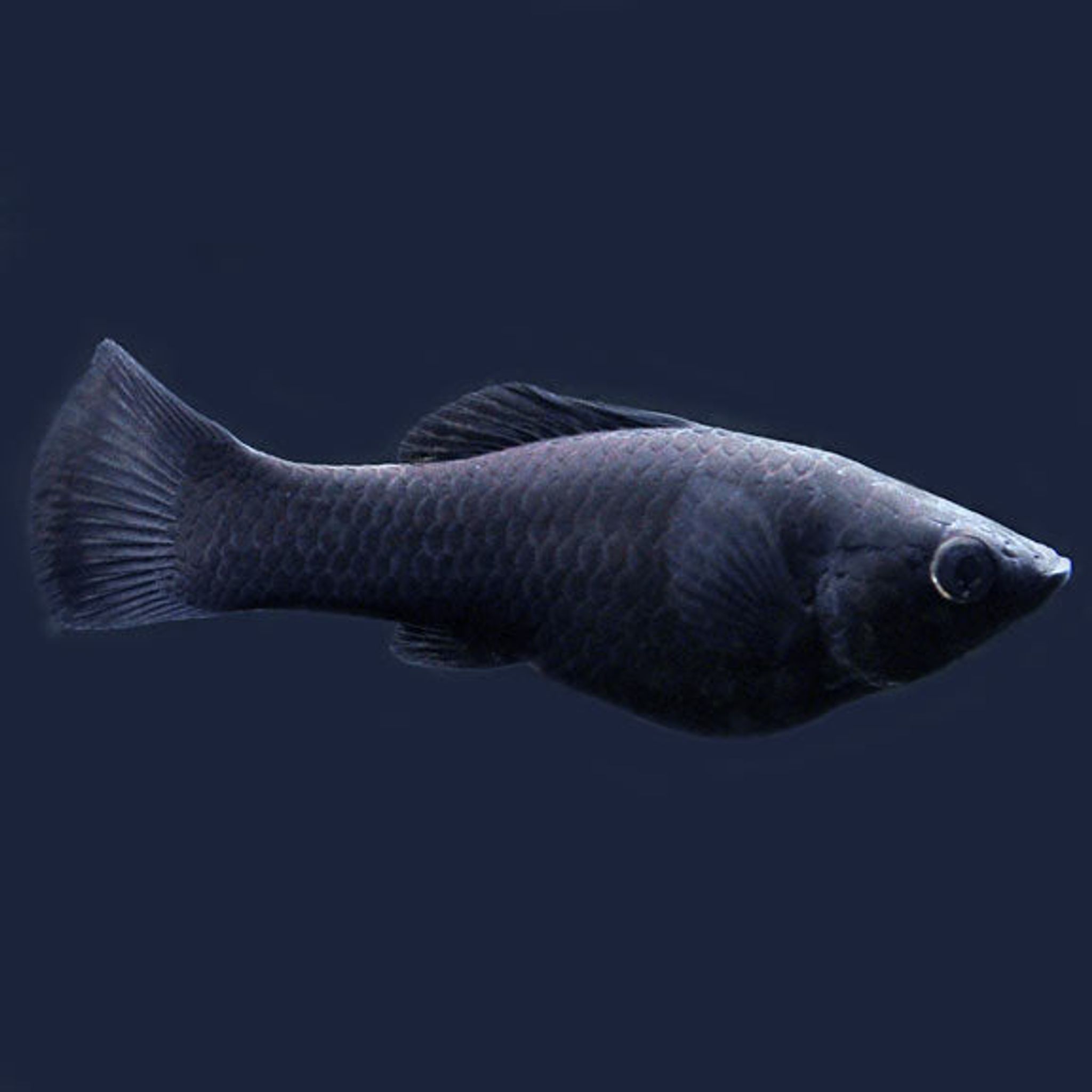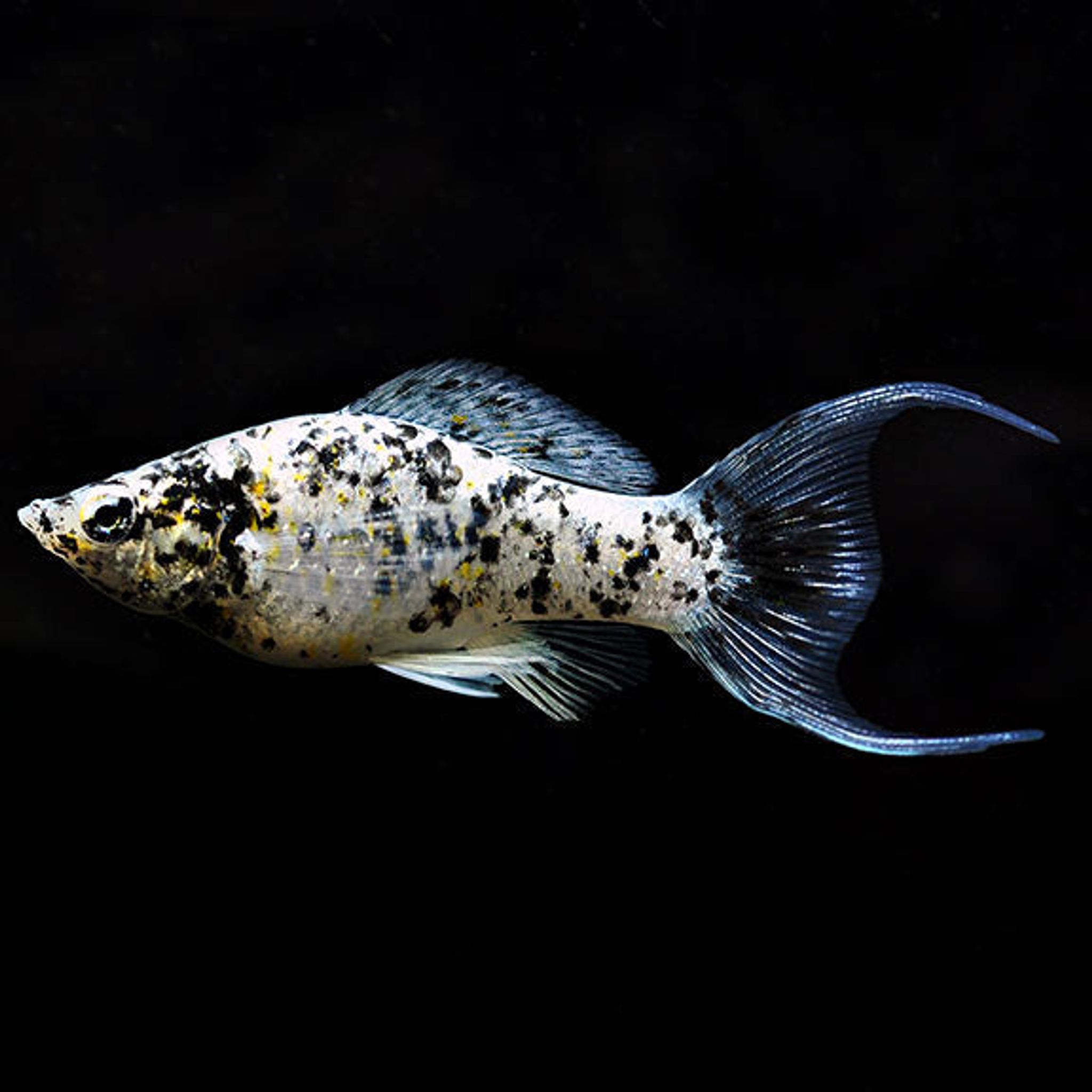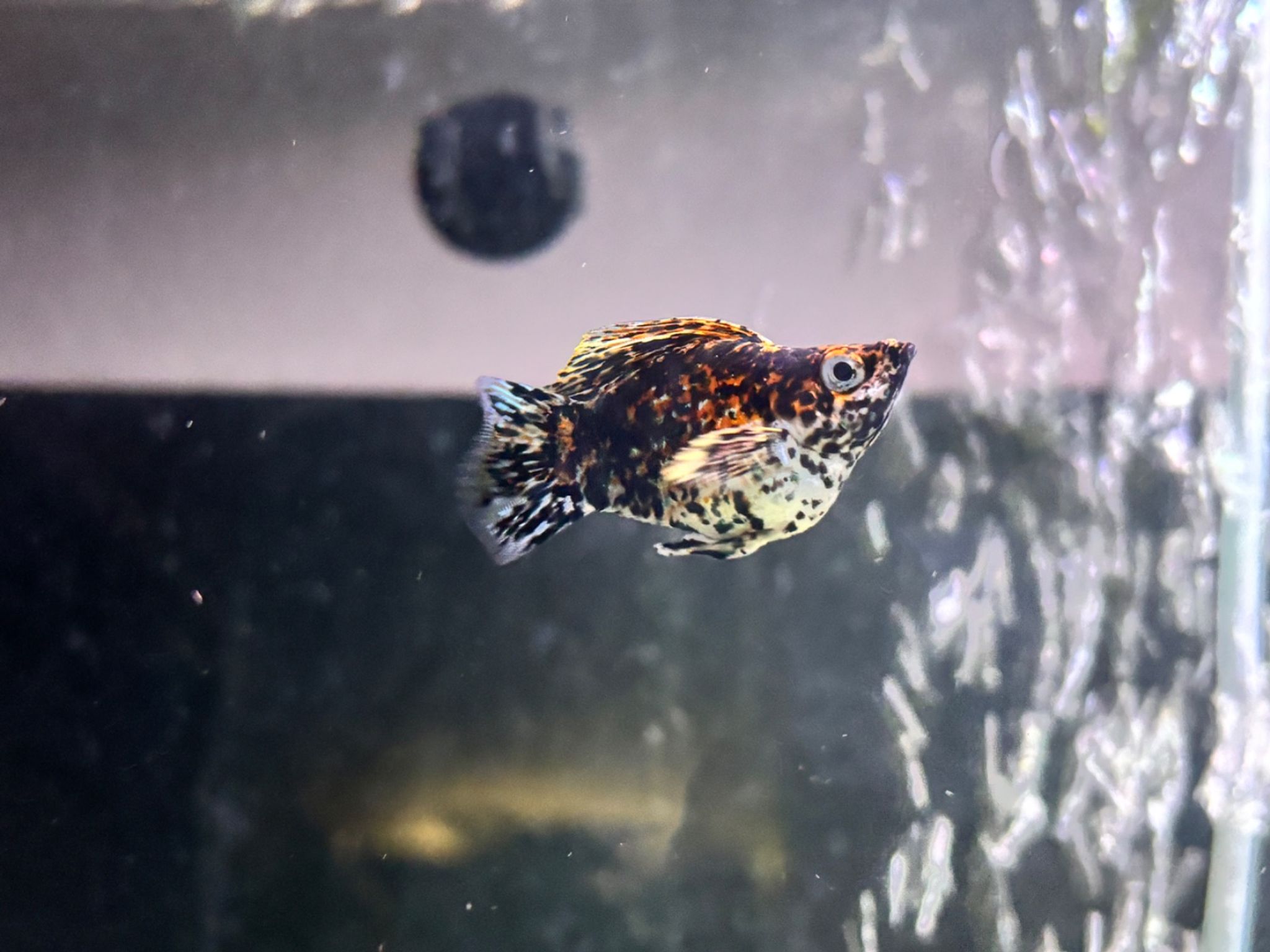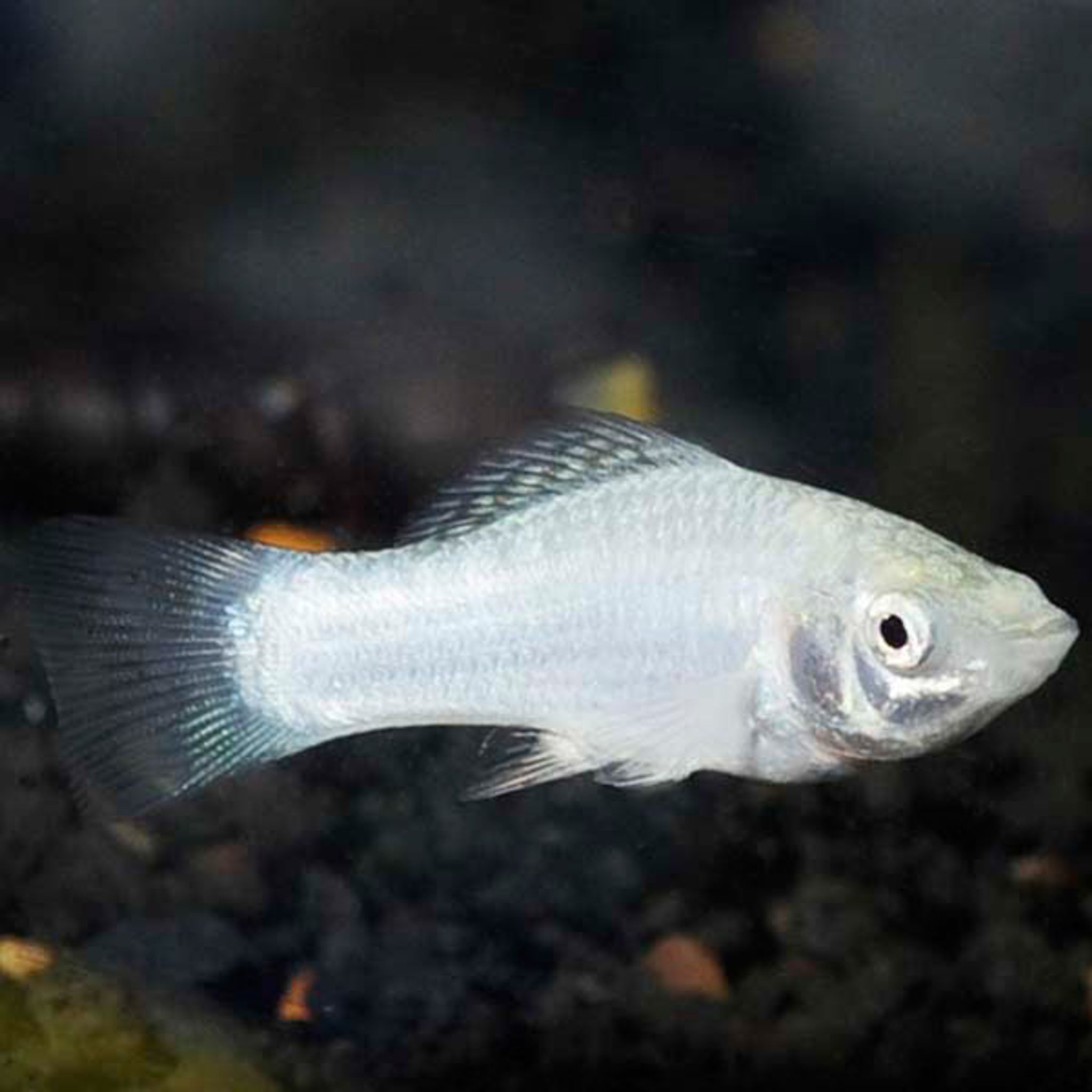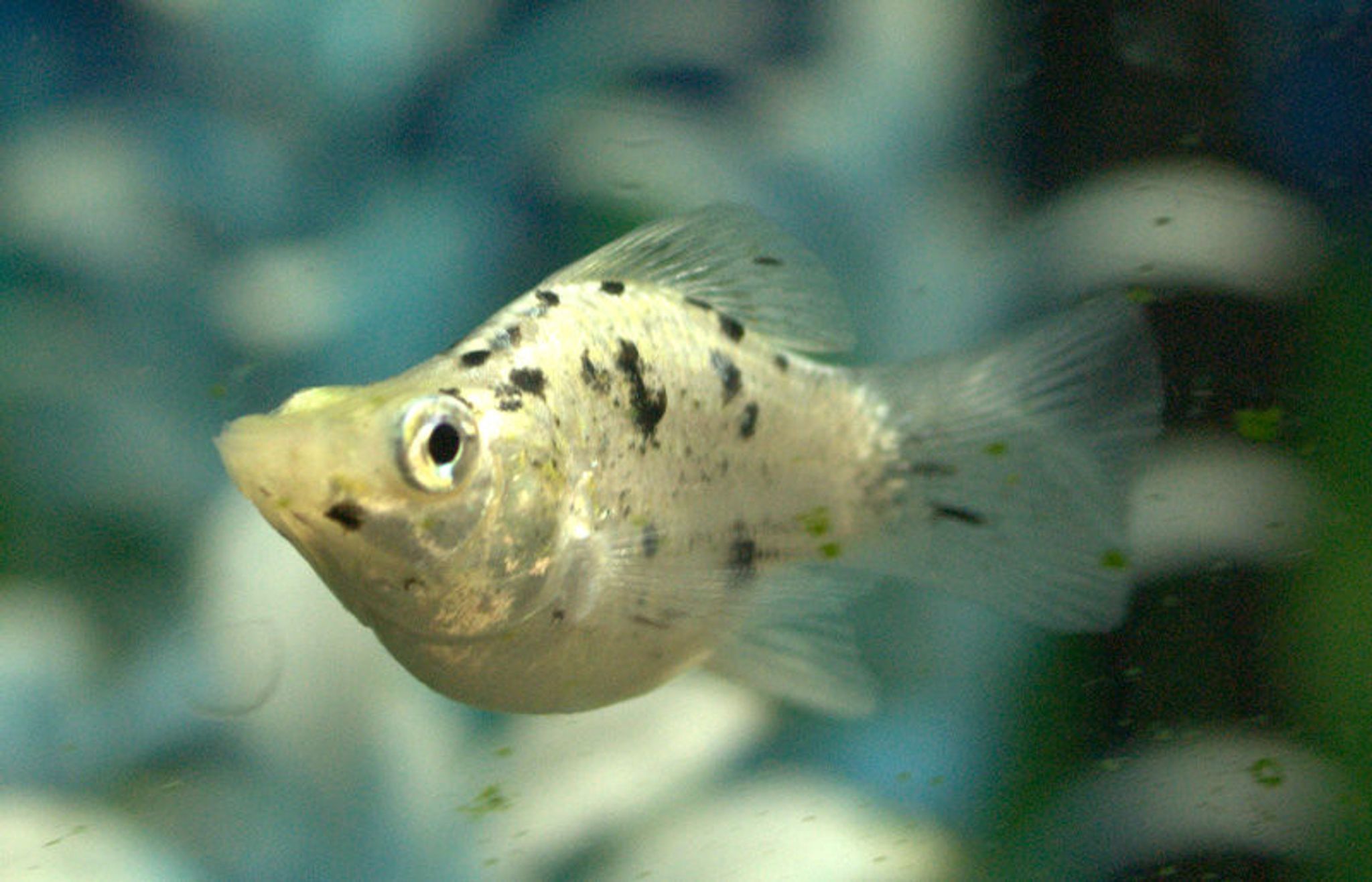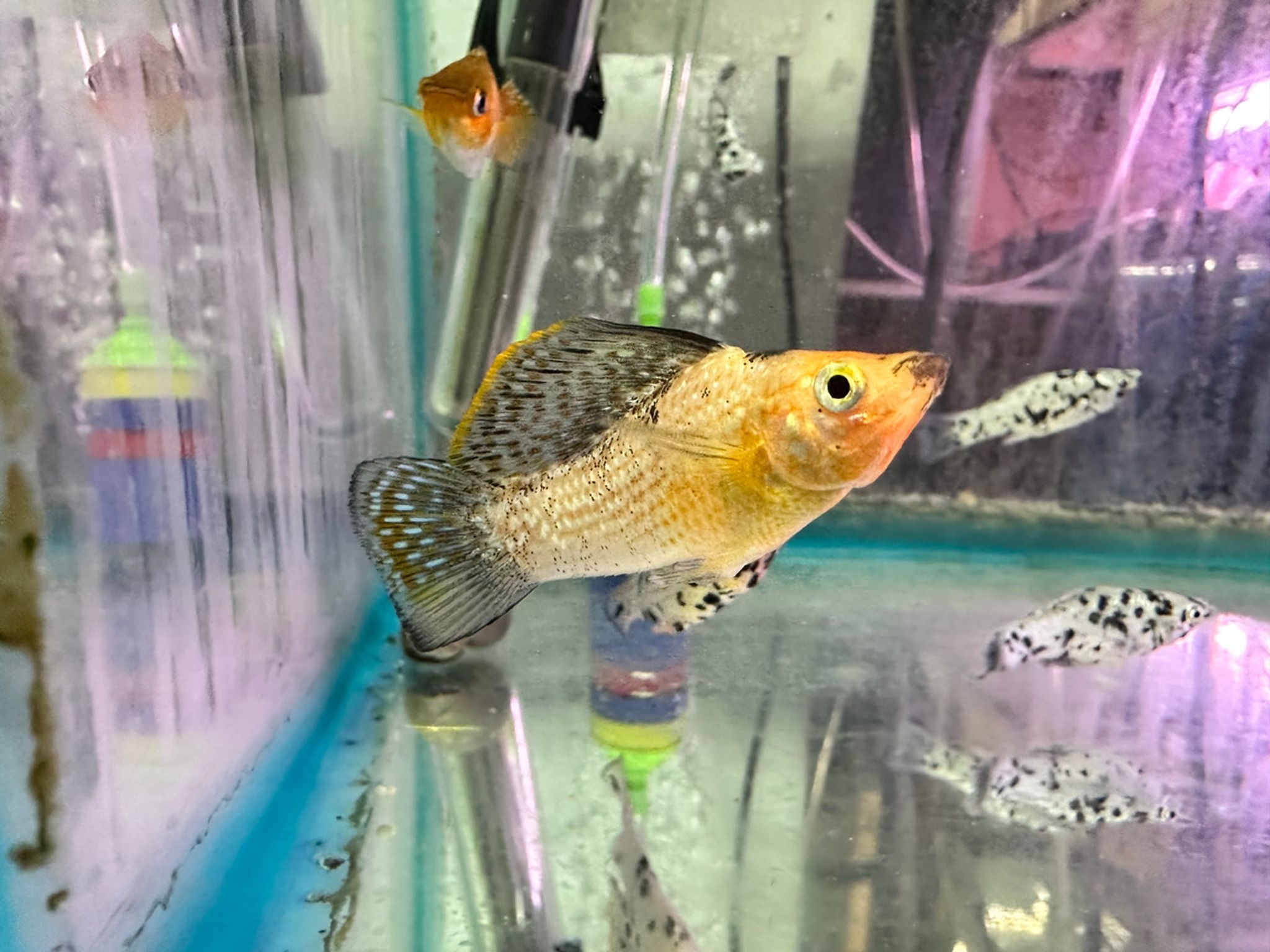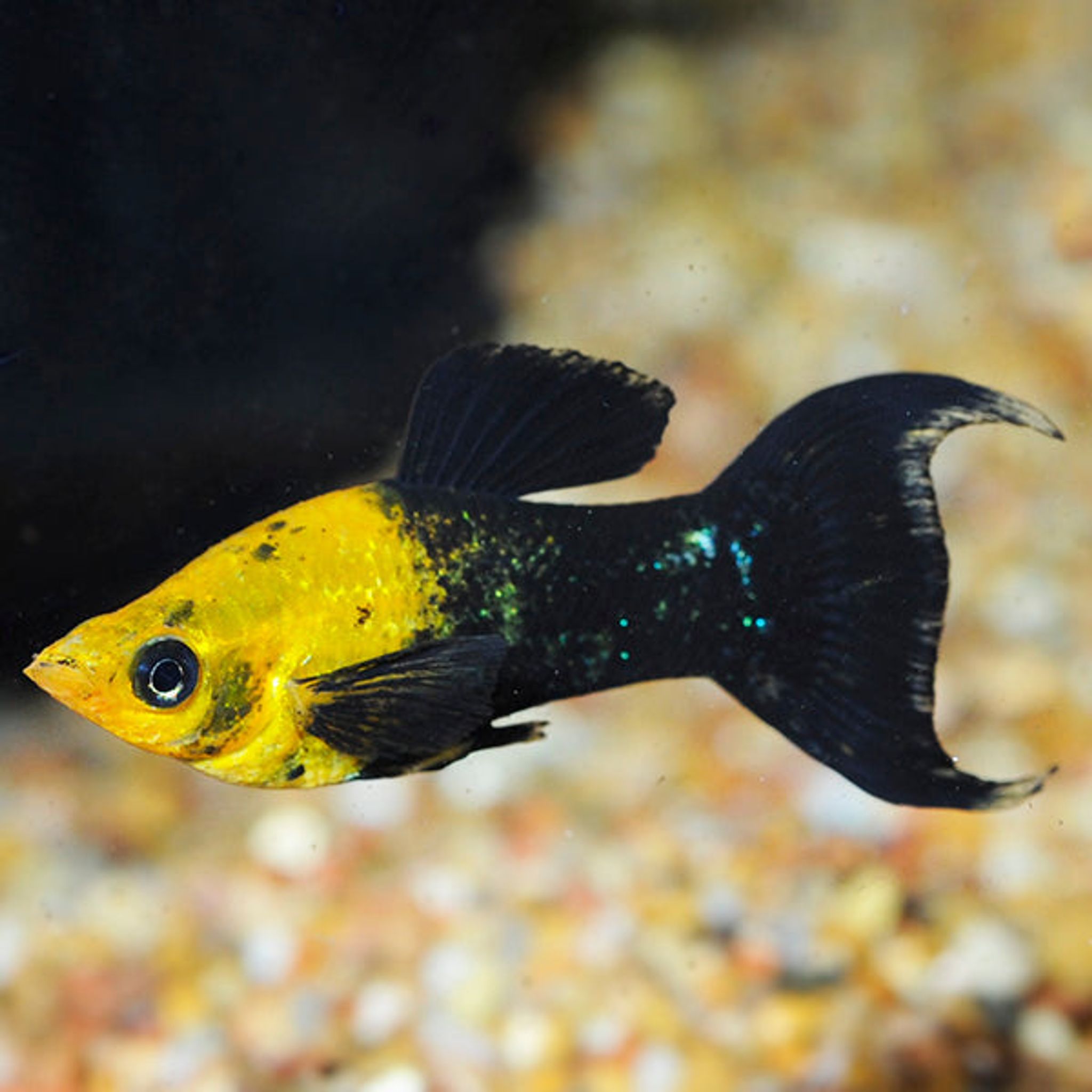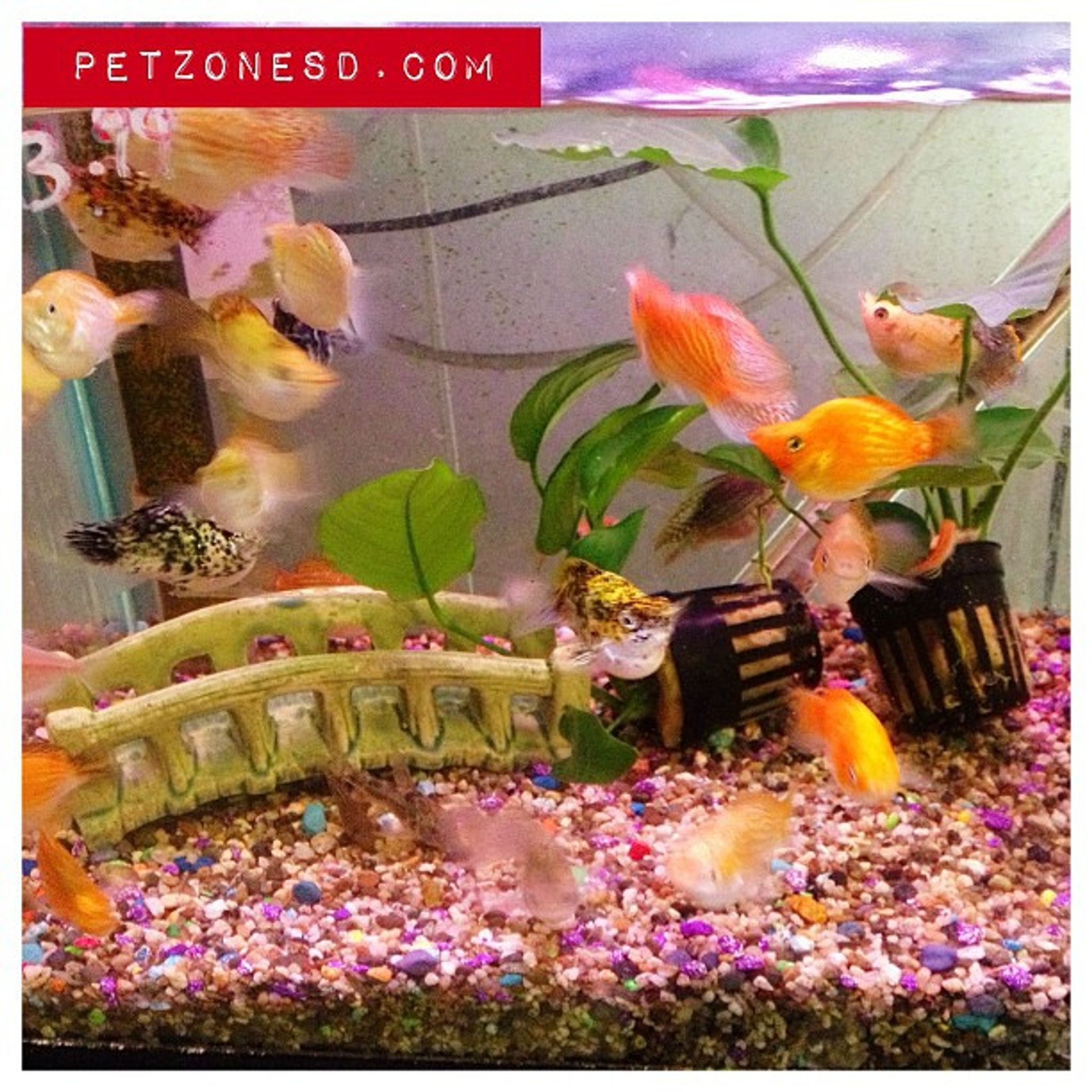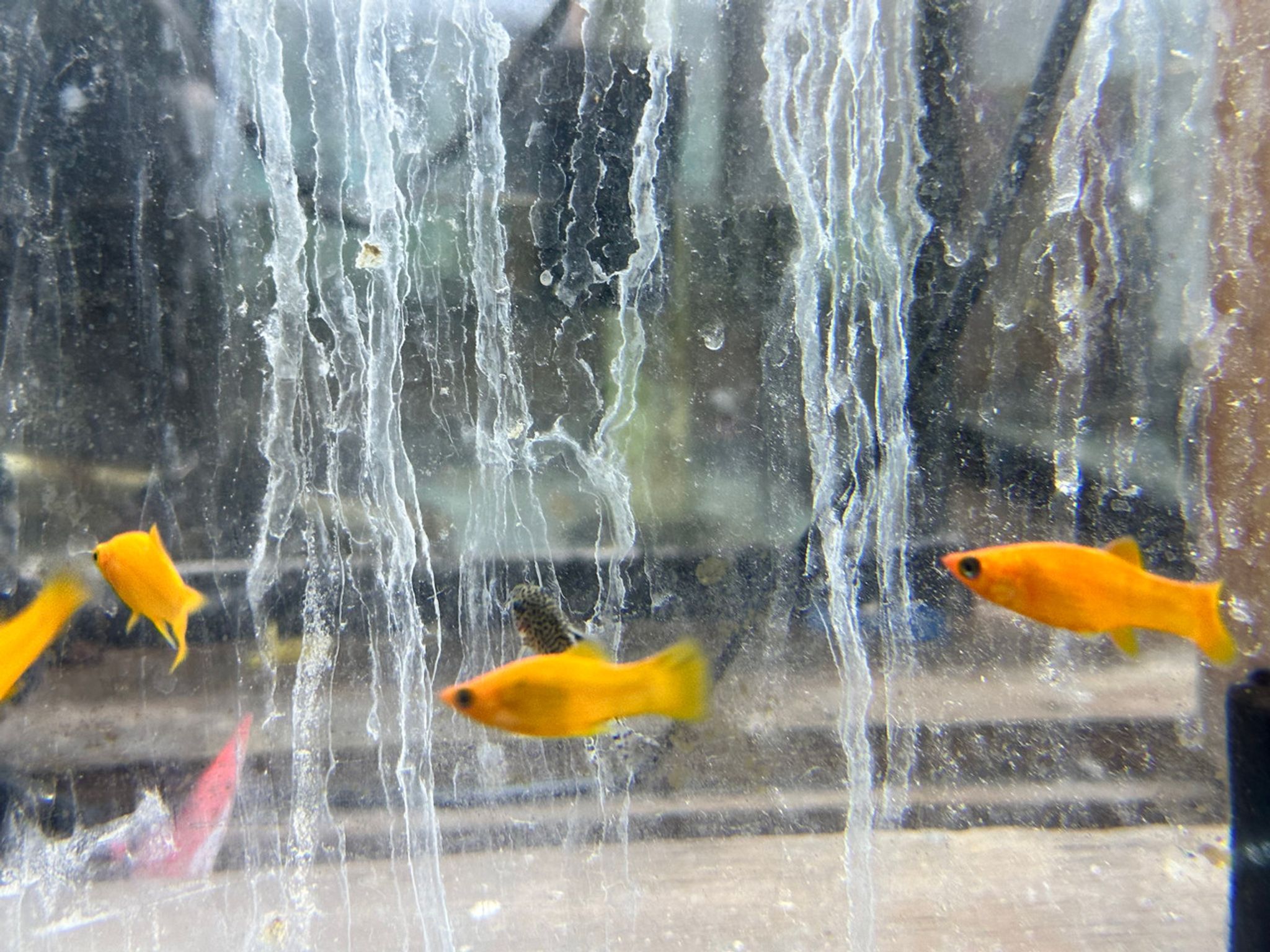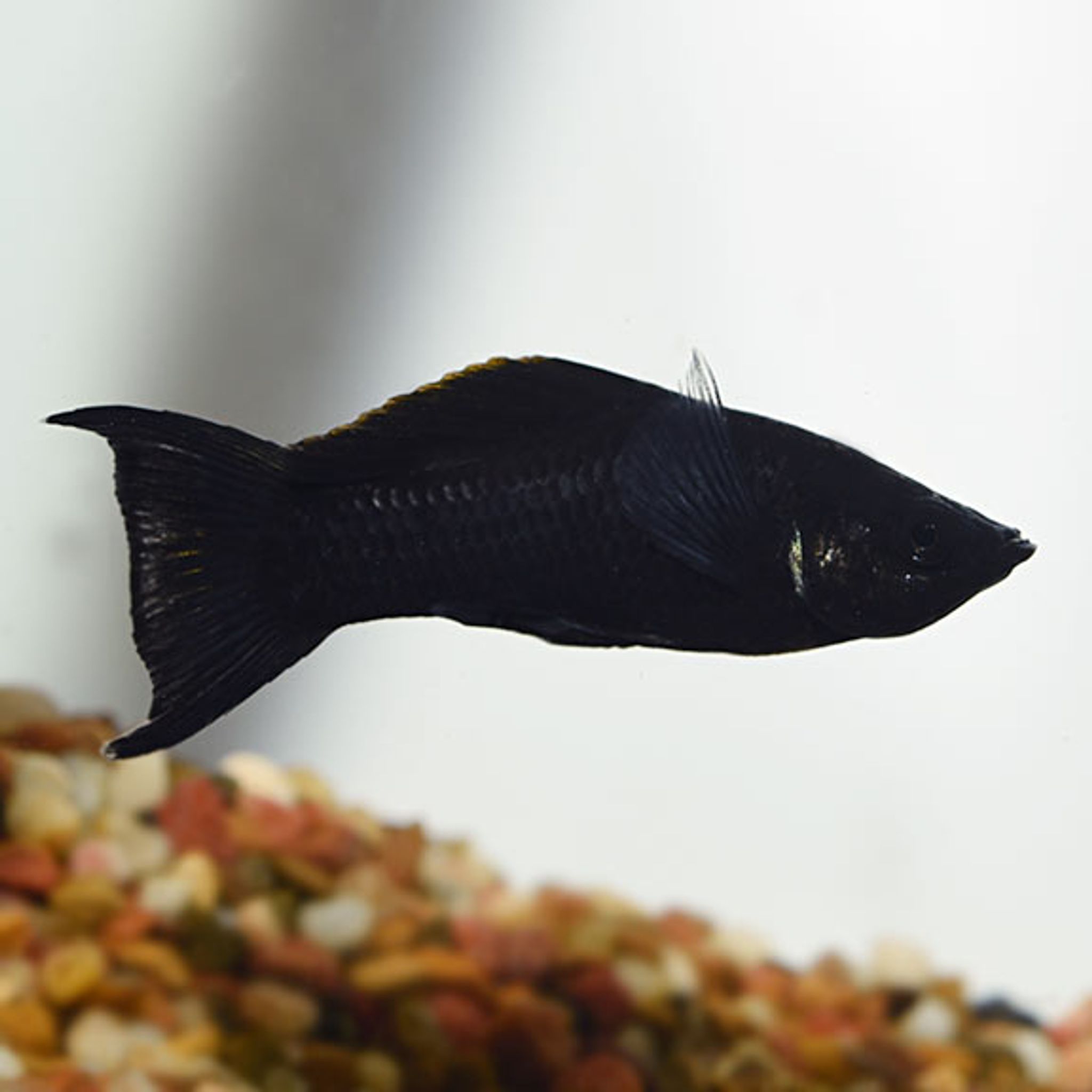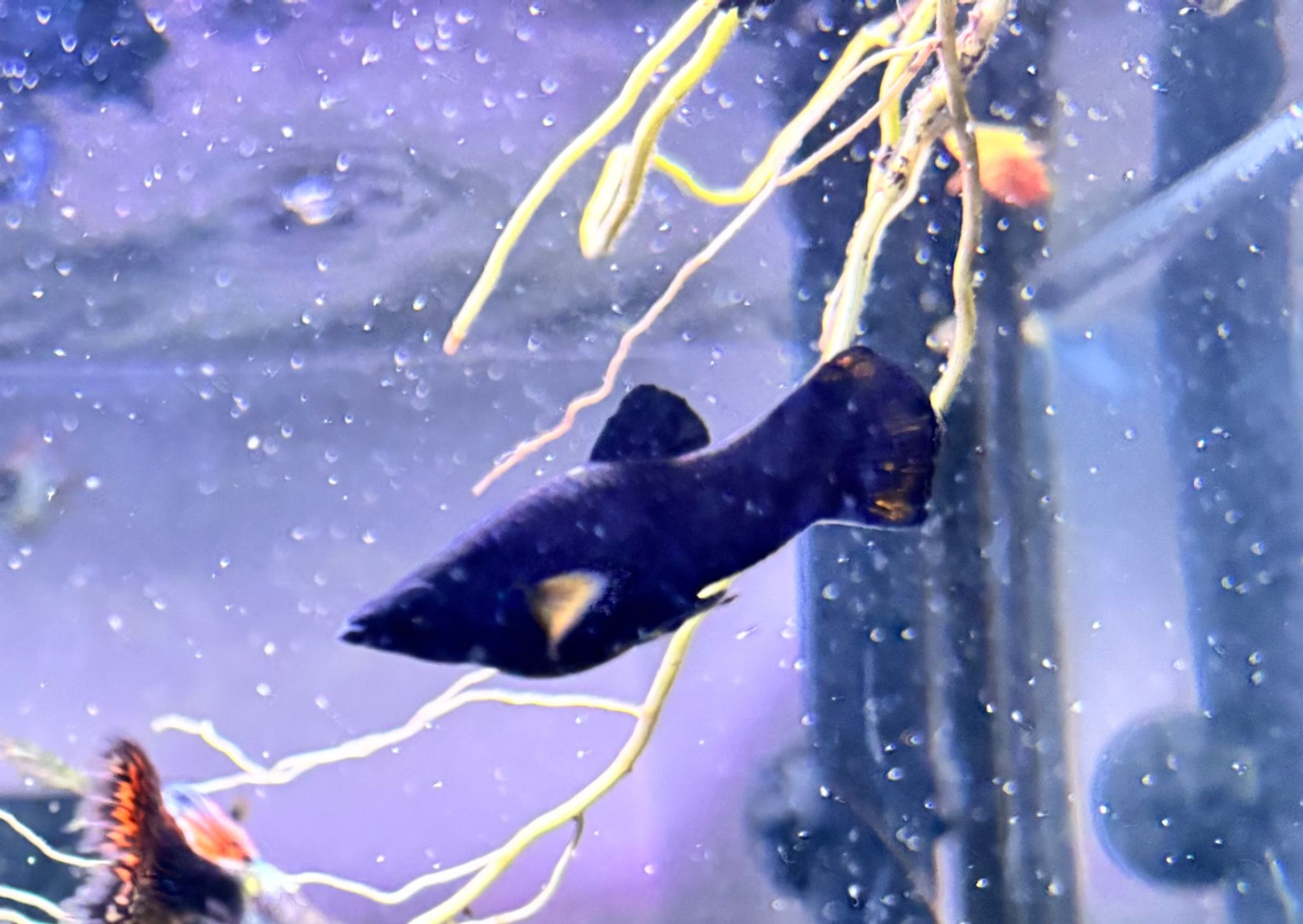
Molly
Click to enlarge

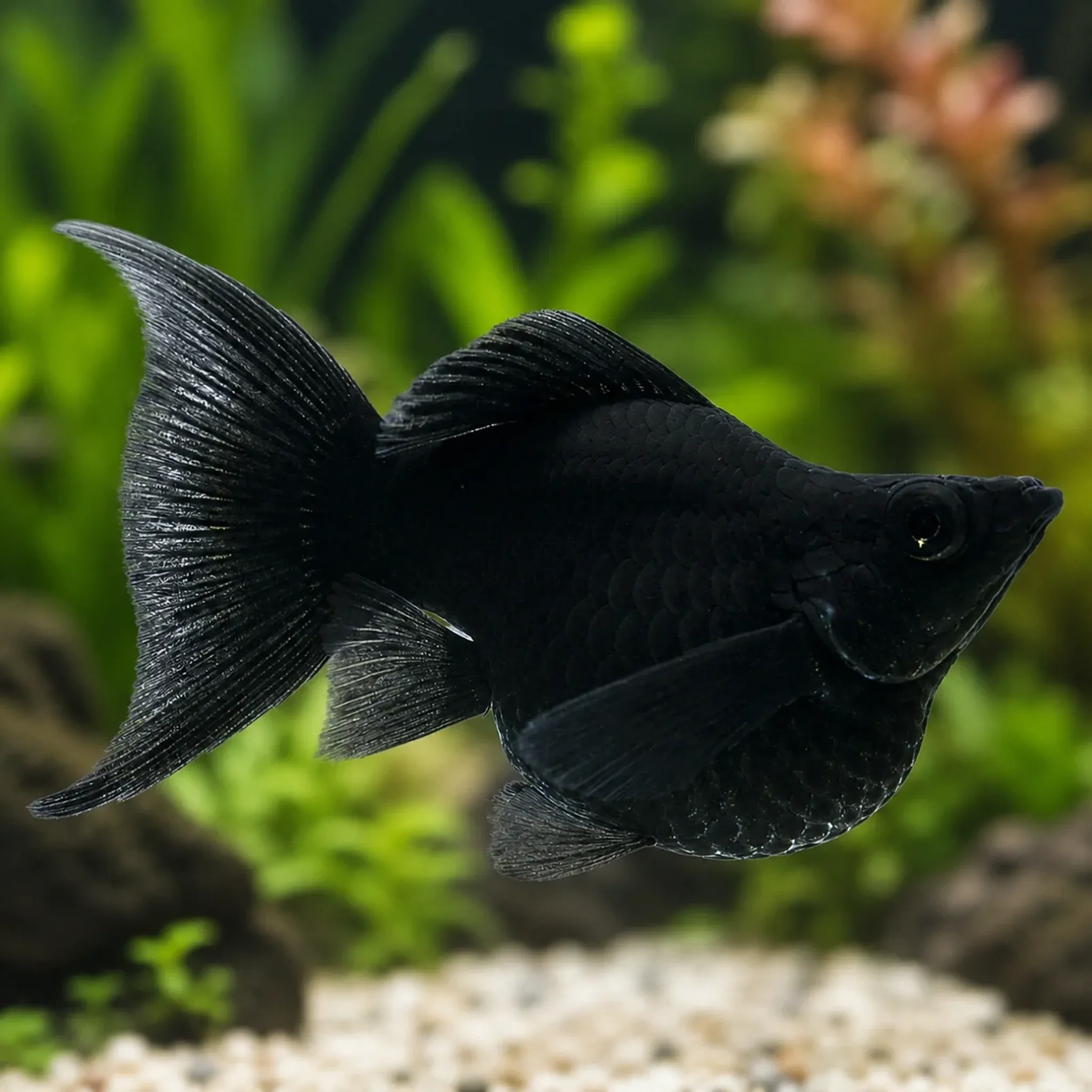
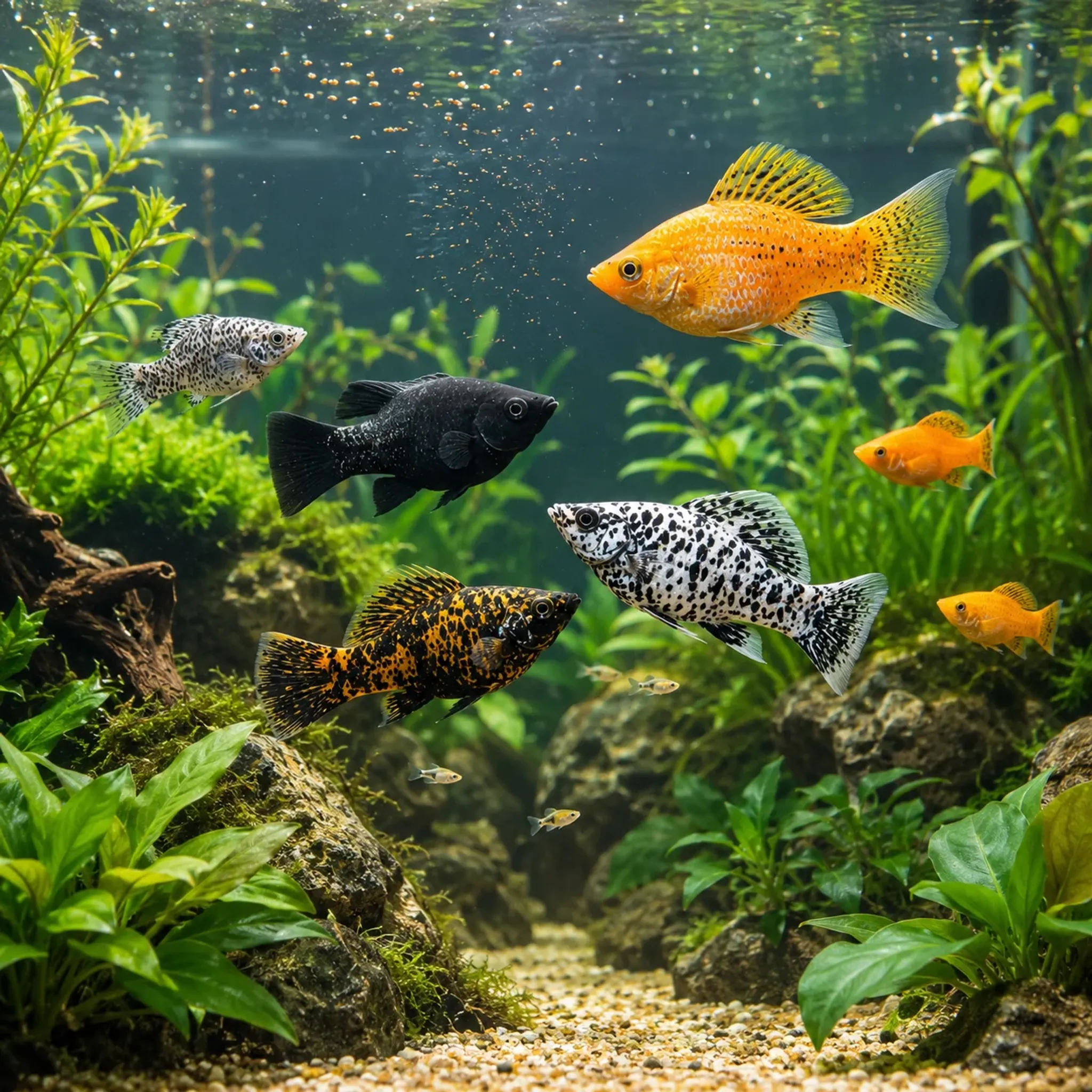
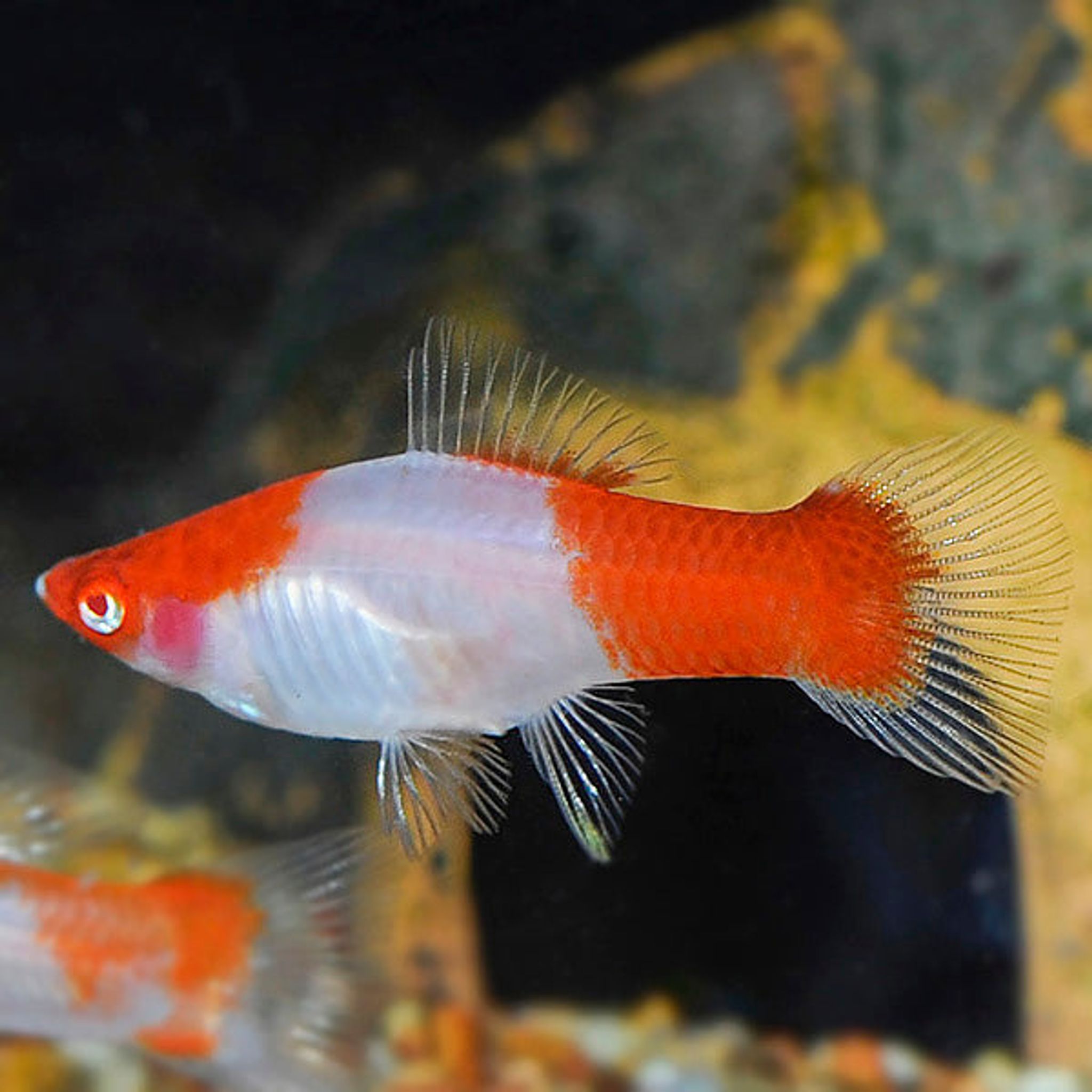
Unless stated otherwise, photos show the species, not the exact fish you'll receive.

Molly

USD 14.00

Delivery Information

Delivery takes 3 to 7 working days. Delivery fees will be shown upon checkout.

Dead-on-arrival protection: report within 3 days of delivery with a photo or video for an exchange or return.

Product Variations

Quantity

Stock: 9

Product Details

Size

6cm - 12cm

Temperament

Peaceful

WYSIWYG

Representative Photo Only

Product Description

Mangrove-dwelling livebearer, birthing fully formed young in brackish shallows.

Hardy, colourful and active, mollies are versatile livebearers that suit freshwater or lightly brackish community aquariums with stable water and peaceful tank mates.

  • Water conditions: Mollies thrive in warm, stable water with a temperature of 24–28°C (75–82°F). They prefer neutral to alkaline water with a pH of around 7.0–8.2 and moderate to hard general hardness, typically 10–25 dGH. Many molly species and strains originate from coastal and brackish habitats, so they often benefit from a small amount of aquarium salt, roughly 1–3 grams per litre, provided your other tank inhabitants are salt-tolerant. Do not use table salt; use a proper marine or aquarium salt. Keep ammonia and nitrite at zero and nitrate low through a fully cycled filter and regular partial water changes. Mollies are fairly adaptable but are not a good choice for uncycled tanks, cold water, or very soft, acidic conditions. Stable parameters matter more than chasing a specific number, so test regularly and make changes gradually.
  • Tank setup and size: A group of standard mollies needs a tank of at least 60 litres, while sailfin and larger varieties do better in 80–120 litres or more because they are active swimmers and can grow quite large. Provide open swimming space alongside planted areas, caves, and driftwood. Live plants such as vallisneria, java fern, and floating plants help improve water quality and give fry and harassed females somewhere to retreat. A gentle to moderate current from a filter is ideal. Mollies are prolific livebearers, so plan for population growth or keep only males if you do not want fry. A tight-fitting lid is useful because they can jump, especially when startled.
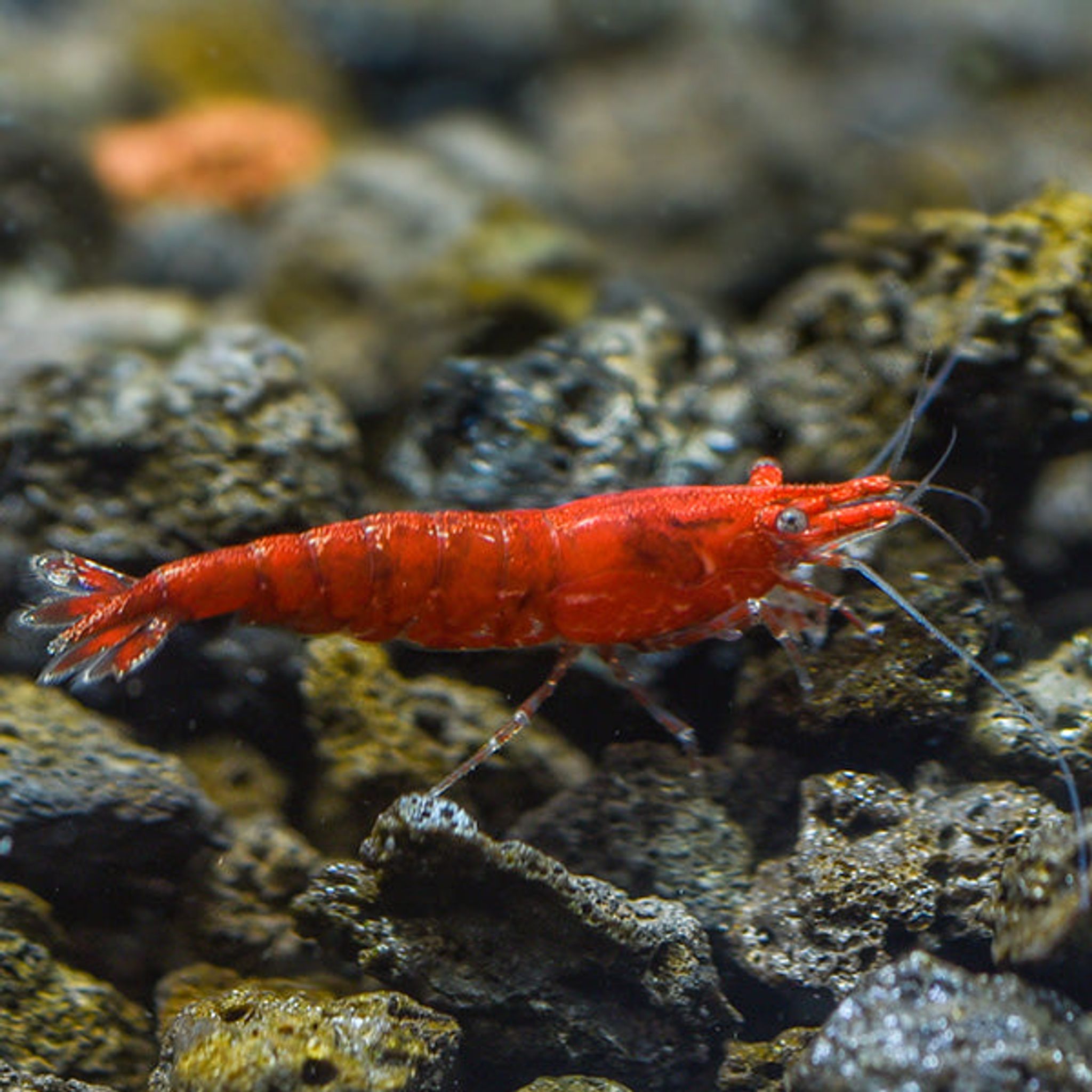
  • Suitable tank mates: Mollies are generally peaceful community fish and mix well with other hardy, non-aggressive species that tolerate similar warm, hard, slightly alkaline water. Good choices include other livebearers such as platies, swordtails, and guppies, plus danios, rasboras, rainbowfish, and peaceful barbs. Bottom-dwelling species such as corydoras can work in larger tanks, and nerite snails or shrimp may be safe in well-planted setups, though small shrimp and fry can be eaten. Avoid fin-nippers such as tiger barbs, aggressive cichlids, large predatory fish, and species that need cool, soft, acidic water. Keep more females than males, ideally two or three females for every male, to reduce stress and harassment. If keeping mollies in brackish conditions, choose tank mates that also tolerate low salinity.
  • Feeding habits: Mollies are omnivores with a strong need for plant-based food. Offer a high-quality staple flake or micro-pellet alongside spirulina, algae wafers, blanched spinach, courgette, cucumber, or broccoli. Vegetable matter supports digestion and helps prevent bloating and constipation. Supplement with small live or frozen foods such as daphnia, brine shrimp, and bloodworm a few times a week for condition and colour. Feed small amounts two or three times daily, only as much as they can clear within a couple of minutes, and remove uneaten food to protect water quality. Mollies will graze on algae and biofilm, but this should not replace a balanced diet. Avoid overfeeding, as it is a common cause of health problems and poor water quality.
  • Care requirements: Acclimatise new mollies carefully using the drip method or by floating the bag and adding tank water gradually over 30–45 minutes. Quarantine new arrivals where possible before adding them to a community tank. Carry out weekly partial water changes of around 20–25%, more often in heavily stocked or smaller tanks, and vacuum the substrate to remove waste. Keep the filter mature and rinse media only in old tank water. Monitor temperature closely, especially in winter, and use a reliable heater and thermometer. Watch for signs of stress such as clamped fins, shimmies, lethargy, or loss of appetite; these can indicate poor water quality, low temperature, or osmotic stress. Mollies can be prone to fin rot, ich, and fungal issues when stressed, so prevention through clean water and stable conditions is key. Because they breed readily, provide floating plants or a separate fry tank if you want to raise the young. With regular maintenance, a varied diet, and peaceful tank mates, mollies are rewarding, active fish that bring colour and life to a well-run community aquarium.

More from M&M Aquatics

M&M   Aquatics

M&M Aquatics

View Store →