

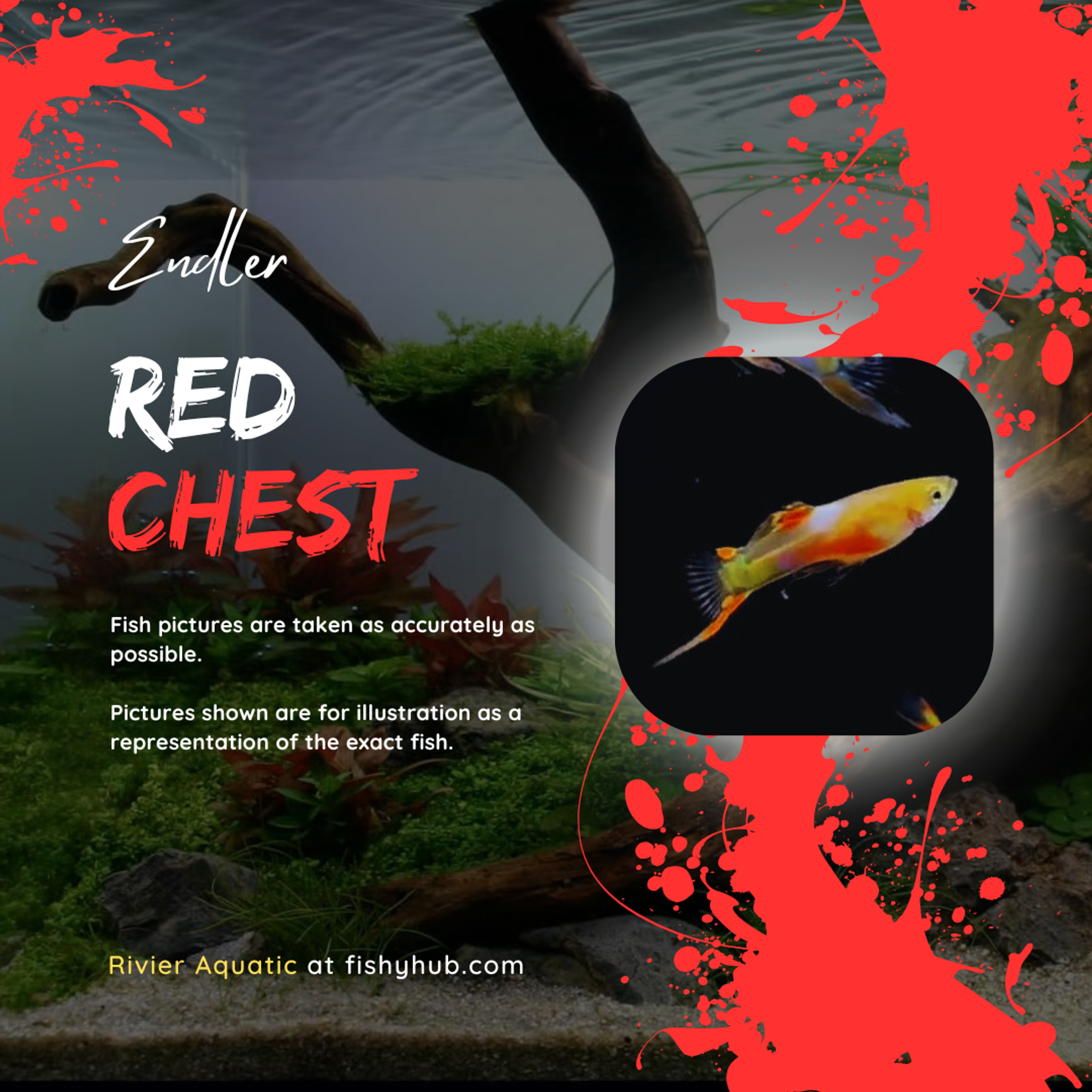
Click to enlarge
Unless stated otherwise, photos show the species, not the exact fish you'll receive.
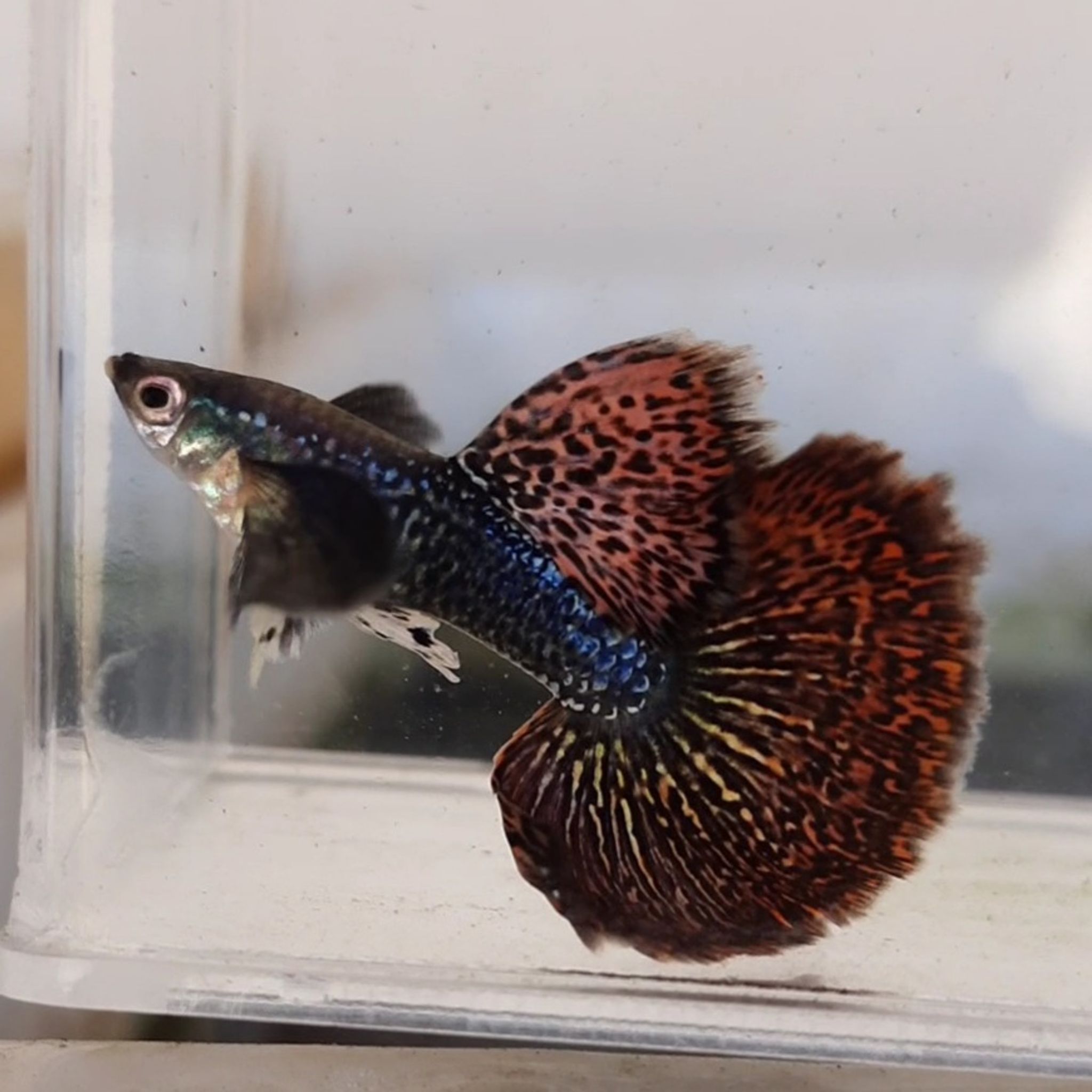
Endler Red Chest
USD 30.00
2+ in cartsDelivery Information
Dead-on-arrival protection: report within 24 hours of delivery with a photo or video for an exchange or return.
Product Variations
Quantity
Stock: 100
Product Details
Size
1cm - 2cm
Temperament
Peaceful
WYSIWYG
Representative Photo Only
Product Description
Learn More About Endler Red Chest
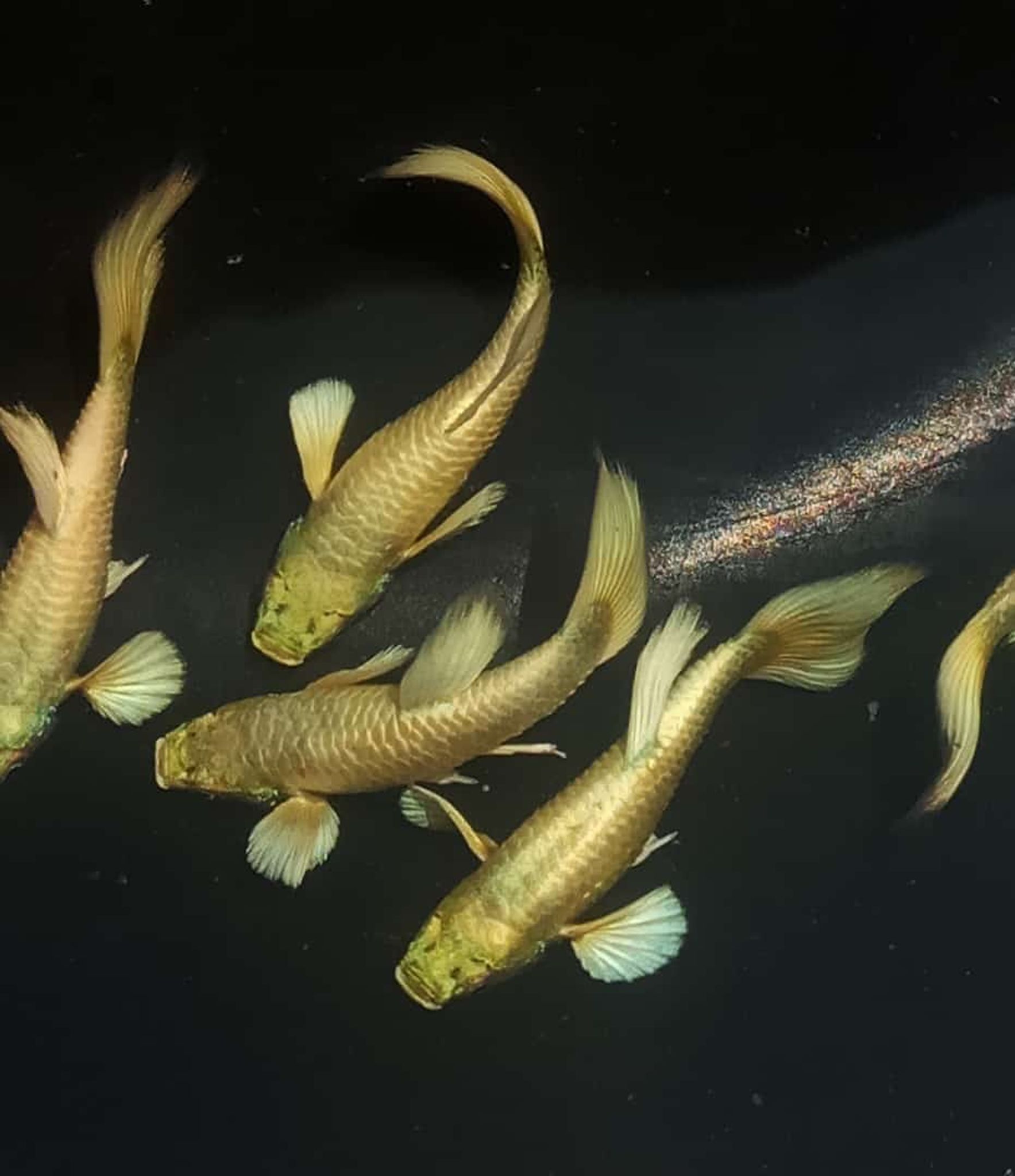
Most Popular Guppy Varieties in 2026

Most Purchased Aquarium Fish in 2026
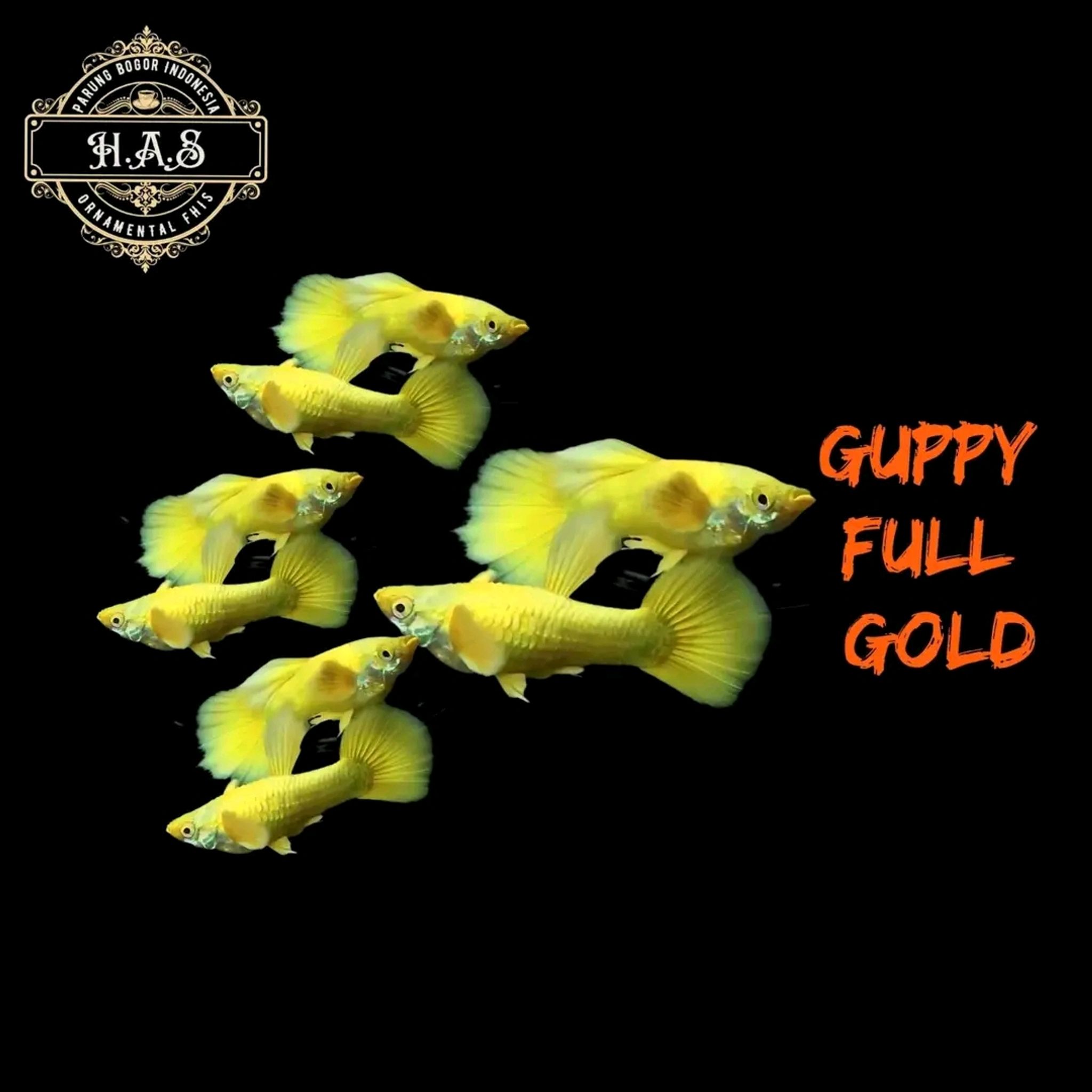
Guppy Statistics 2026: Popularity, Prices & Trends
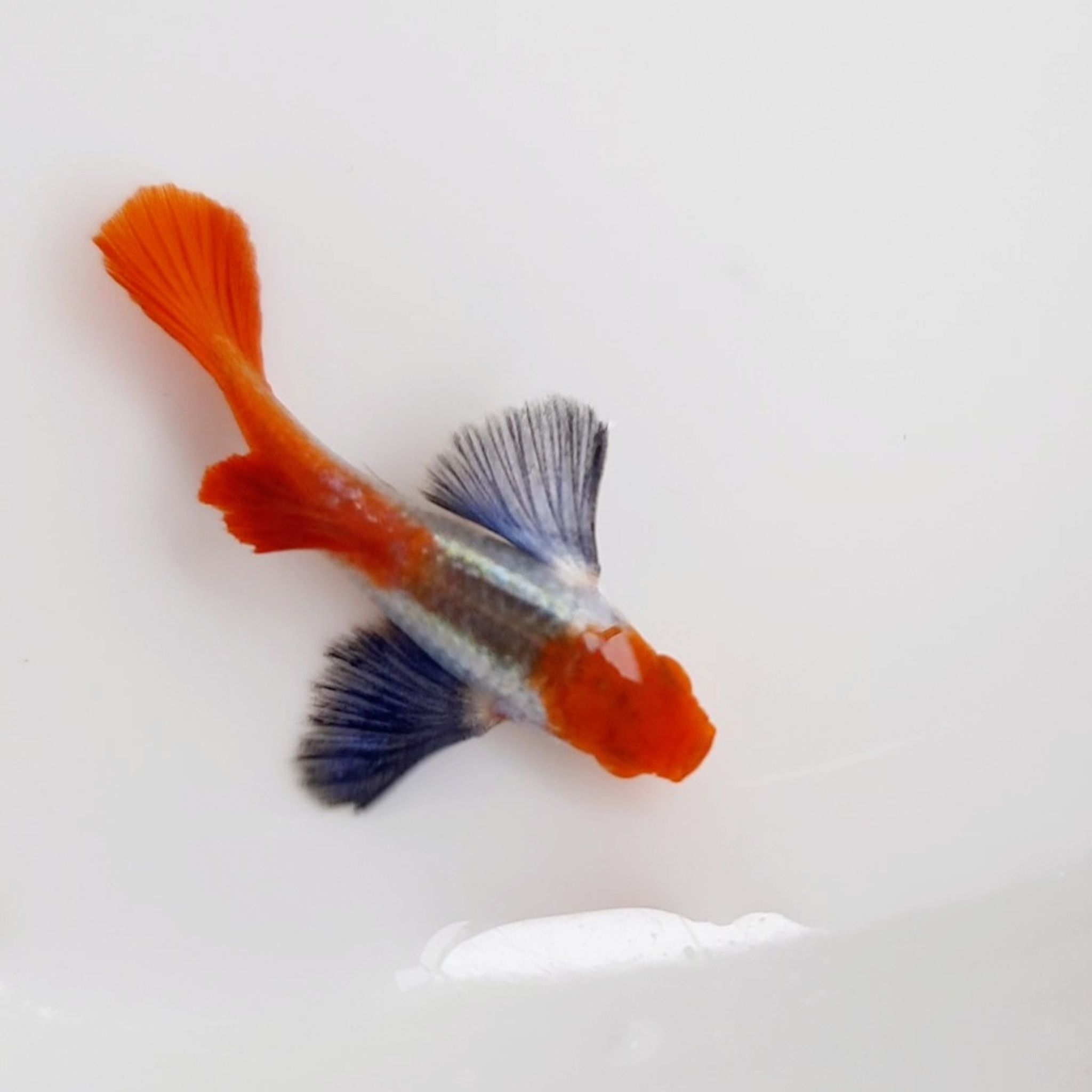
Most Purchased Fish After Being Viewed Online
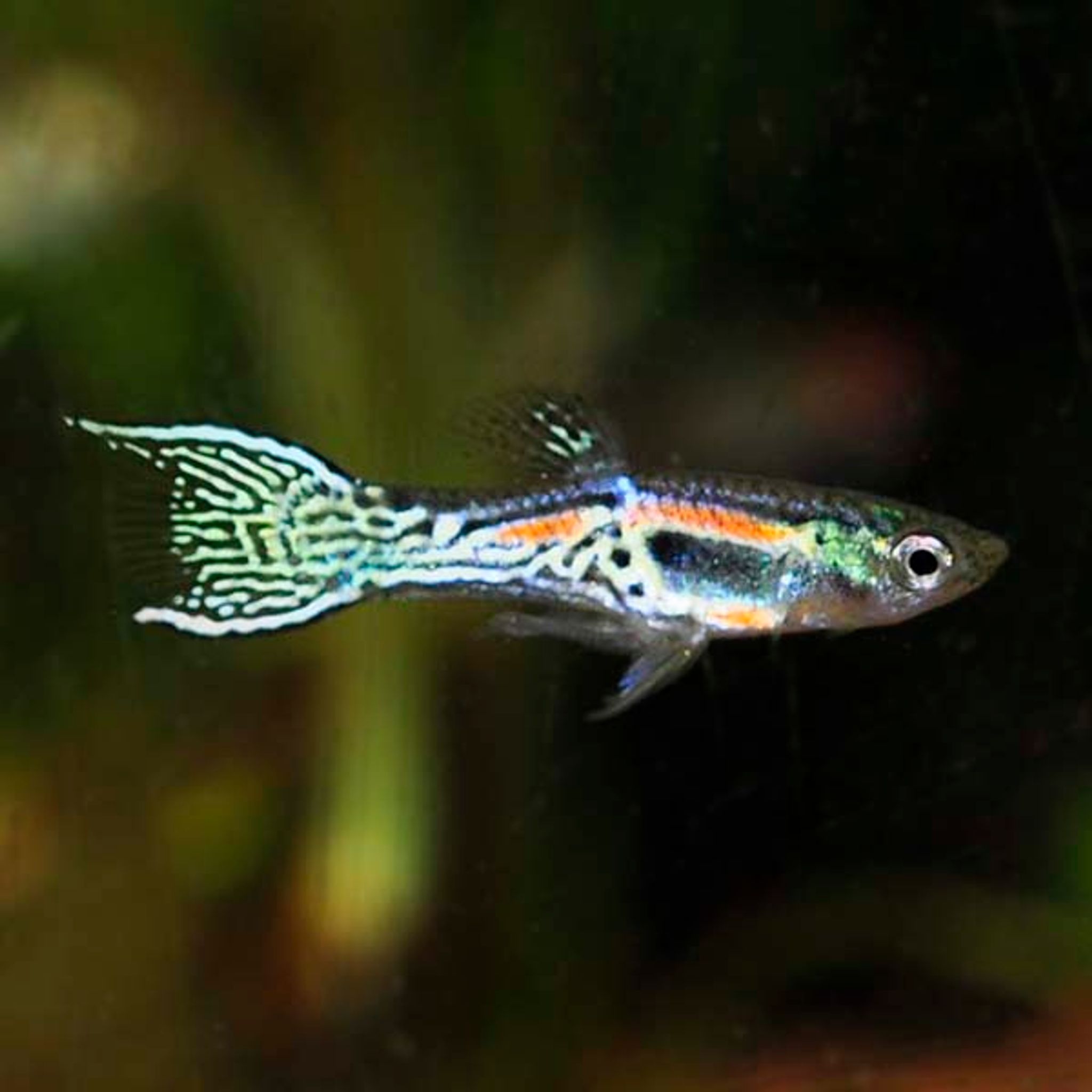
How Much Do Guppies Cost? Average Prices by Variety
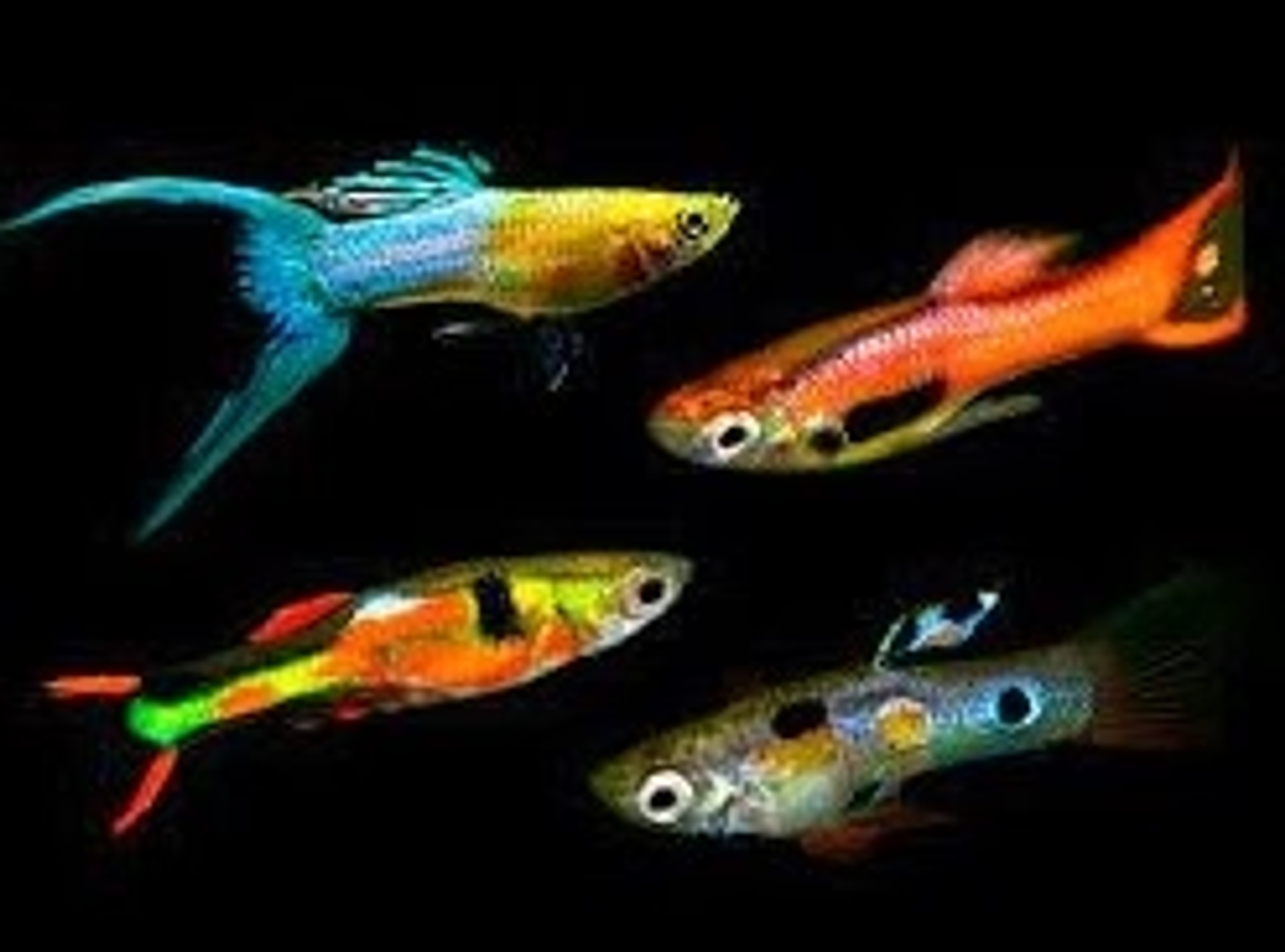
Guppy Care Guide: Tank Size, Diet, Water Parameters and Temperament
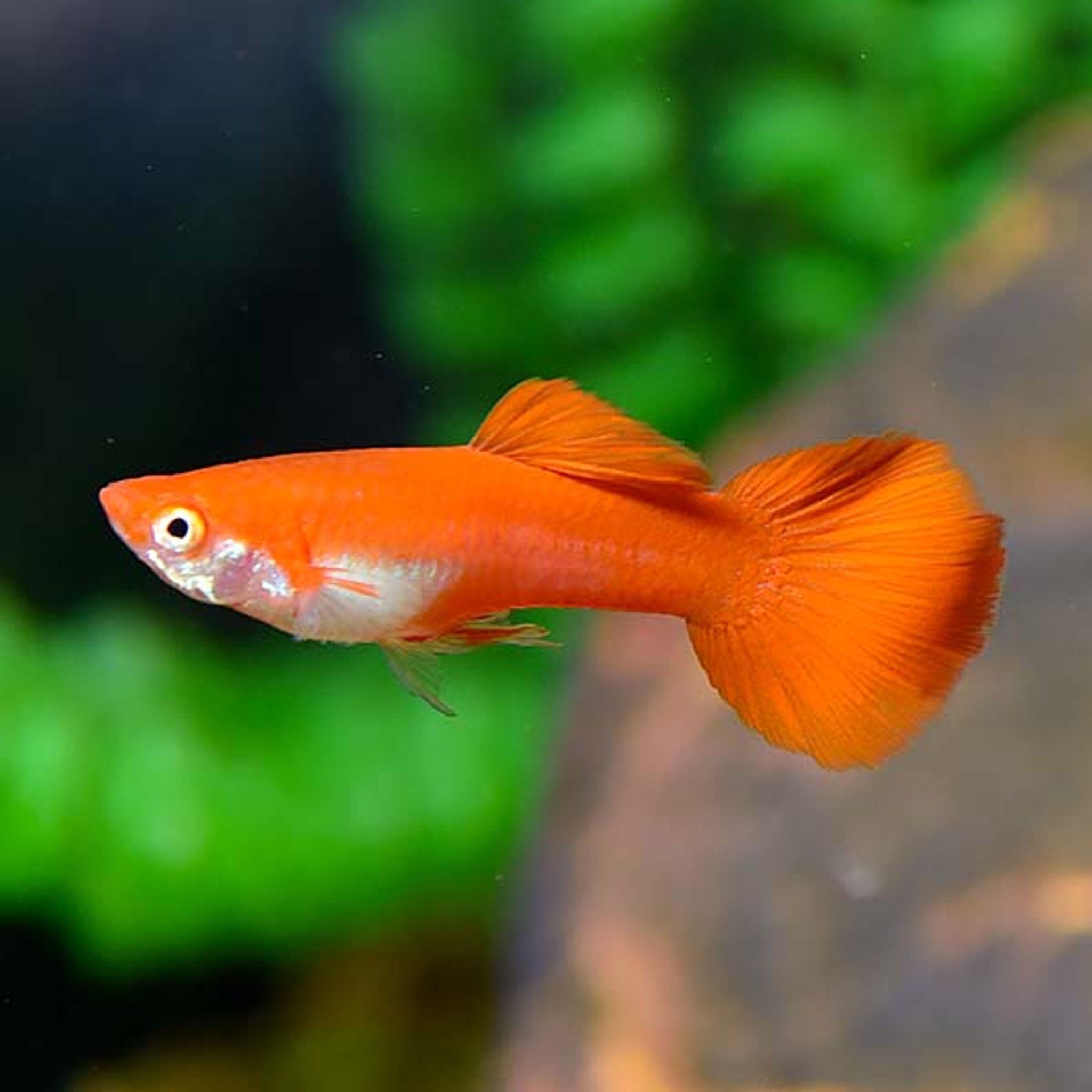
Best Tank Mates for Guppy: Compatible Fish and Species to Avoid

Guppy Care Guide: Tank Setup, Feeding, Breeding, and Tankmates
Most Purchased Aquarium Fish in Singapore in 2026
Most Popular Guppy Varieties in Singapore in 2026
Guppy Statistics Singapore 2026: Popularity, Prices & Trends
Aquarium Fish Becoming More Popular in Singapore in 2026
More from Rivier Aquatic

Rivier Aquatic
Suitable Tank Mates for Endler Red Chest
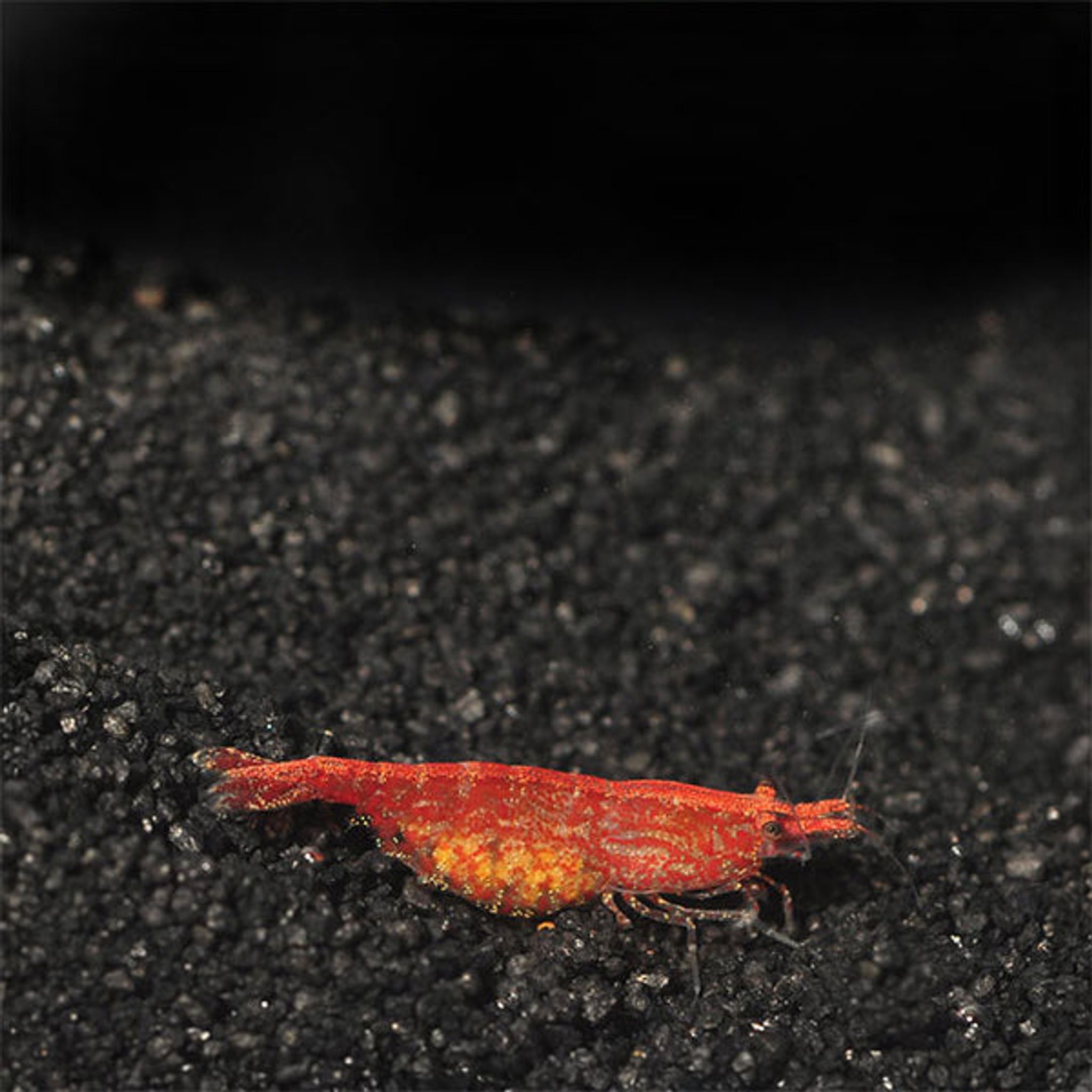
Red Cherry Shrimp (Neocaridina denticulata sinensis)
USD 2.56
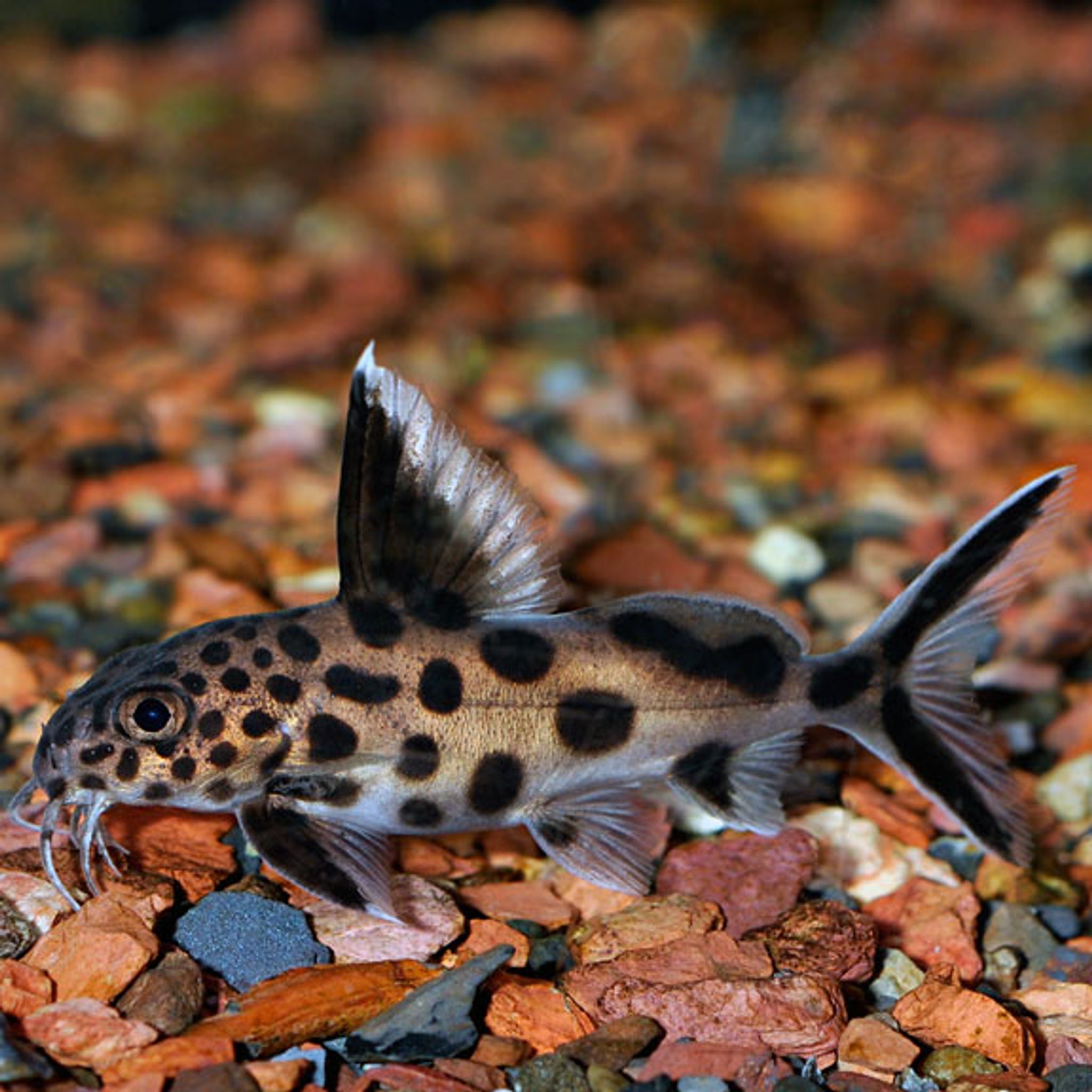
Synodontis Multipunctatus Catfish
USD 62.49

Julii Cory Cat - Large
USD 13.74
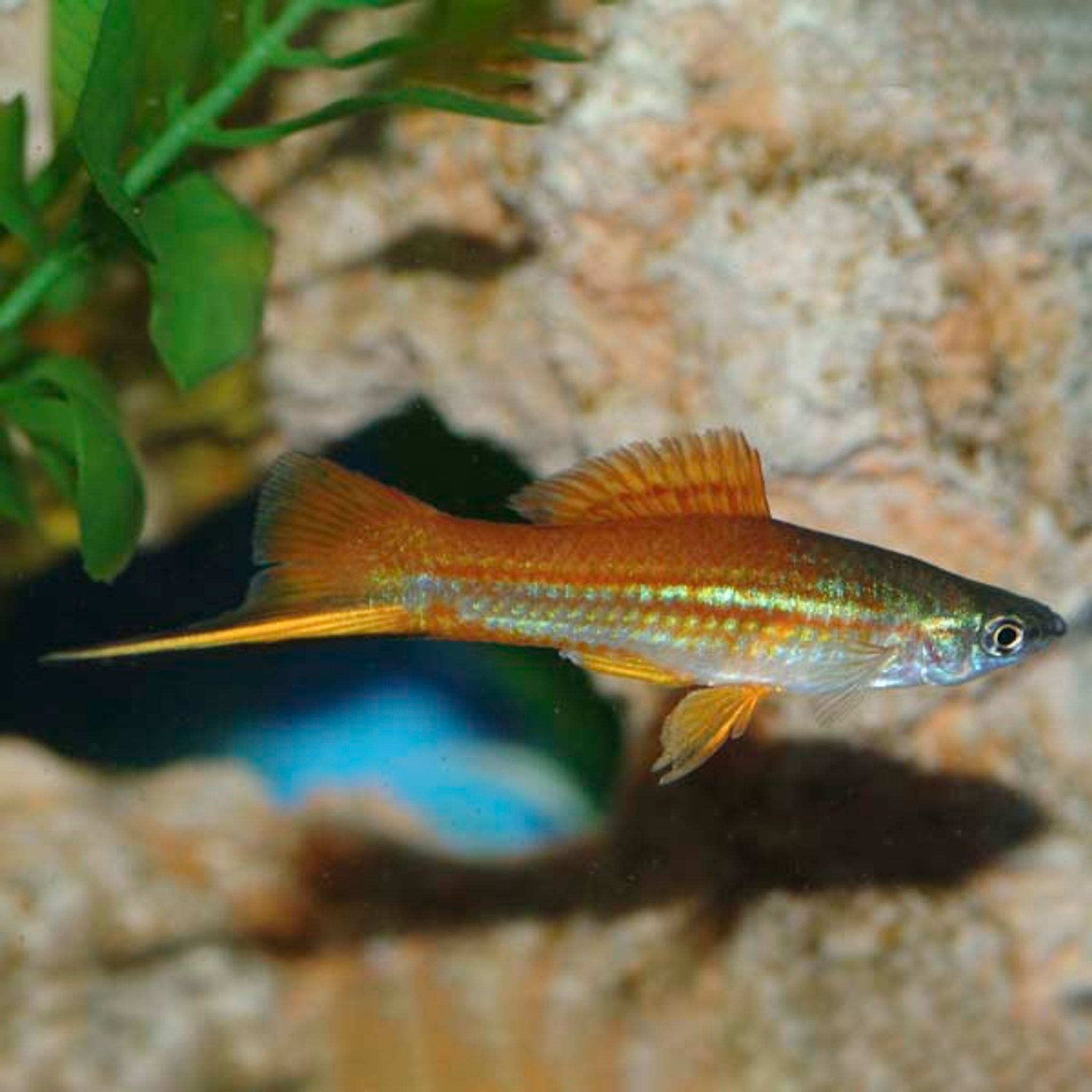
Assorted Swordtail (Xiphophorus helleri)
USD 6.25

Orange Spotted Common Pleco
USD 23.74
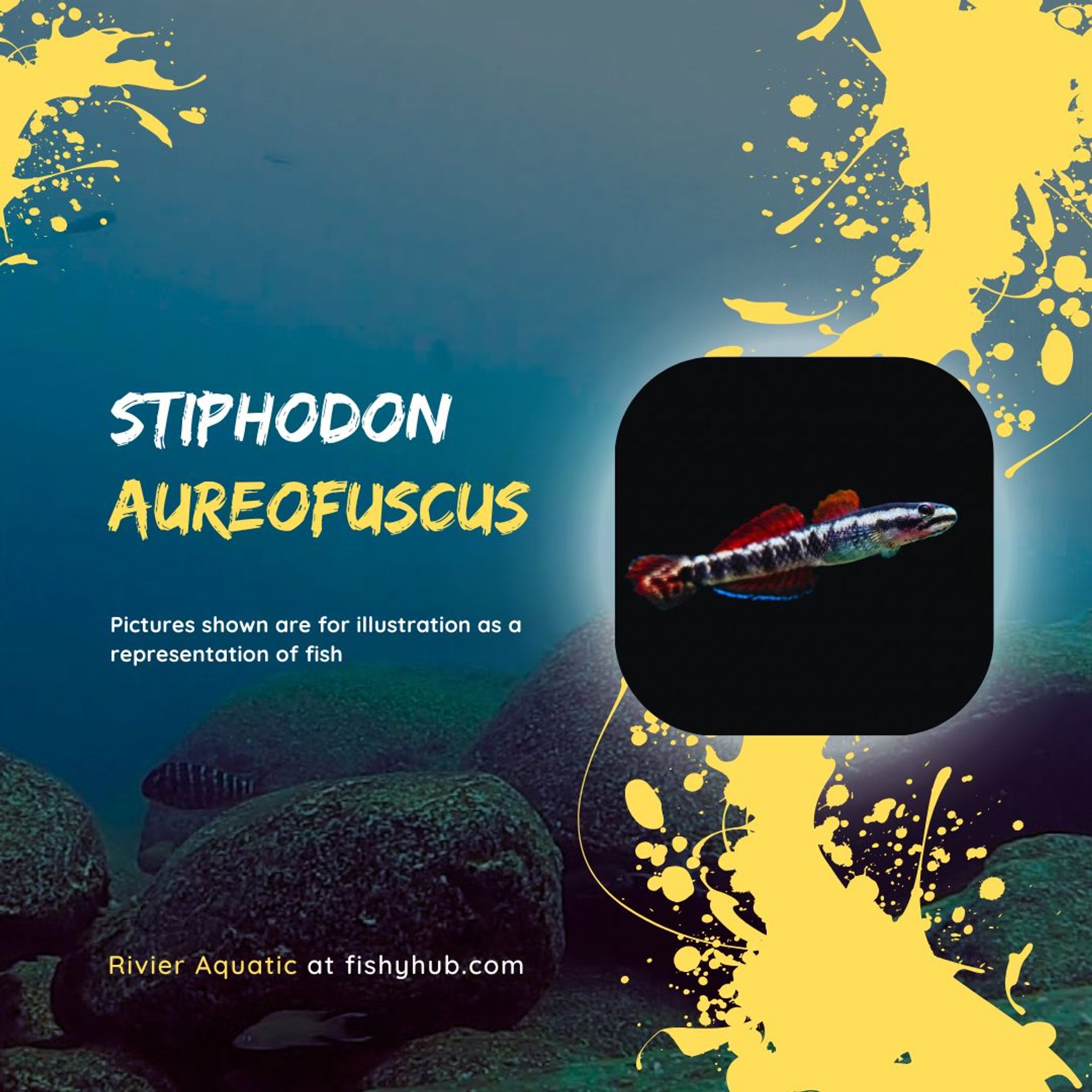
Golden Black Goby (Stiphodon Aureofuscus)
USD 68.00
Pygmy Cory Cat
USD 49.99
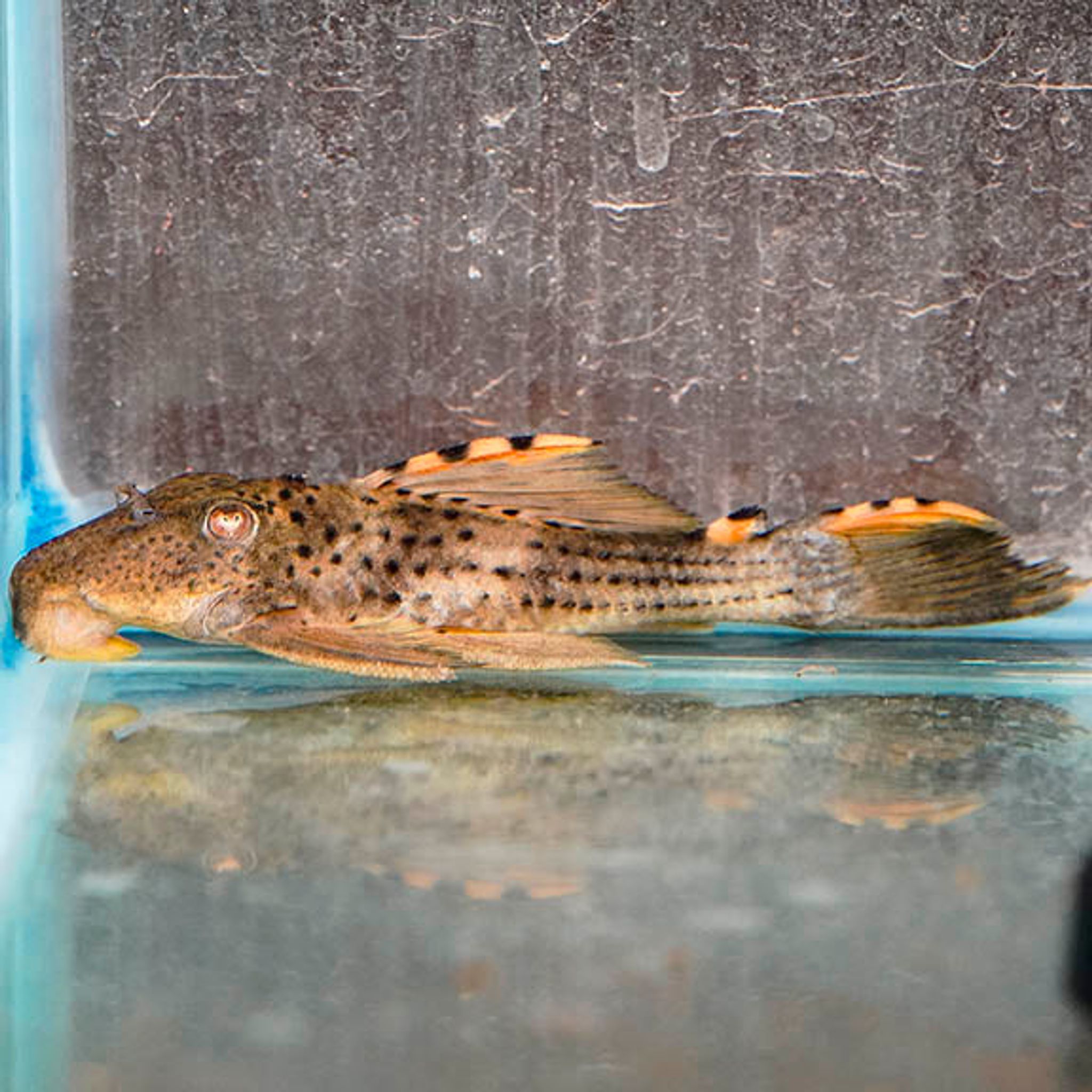
Redfin Blackspot (L-091) Plecostomus 5.25" WYSIWYG (Leporacanthicus triactis)
USD 123.74
Similar Guppies You May Like
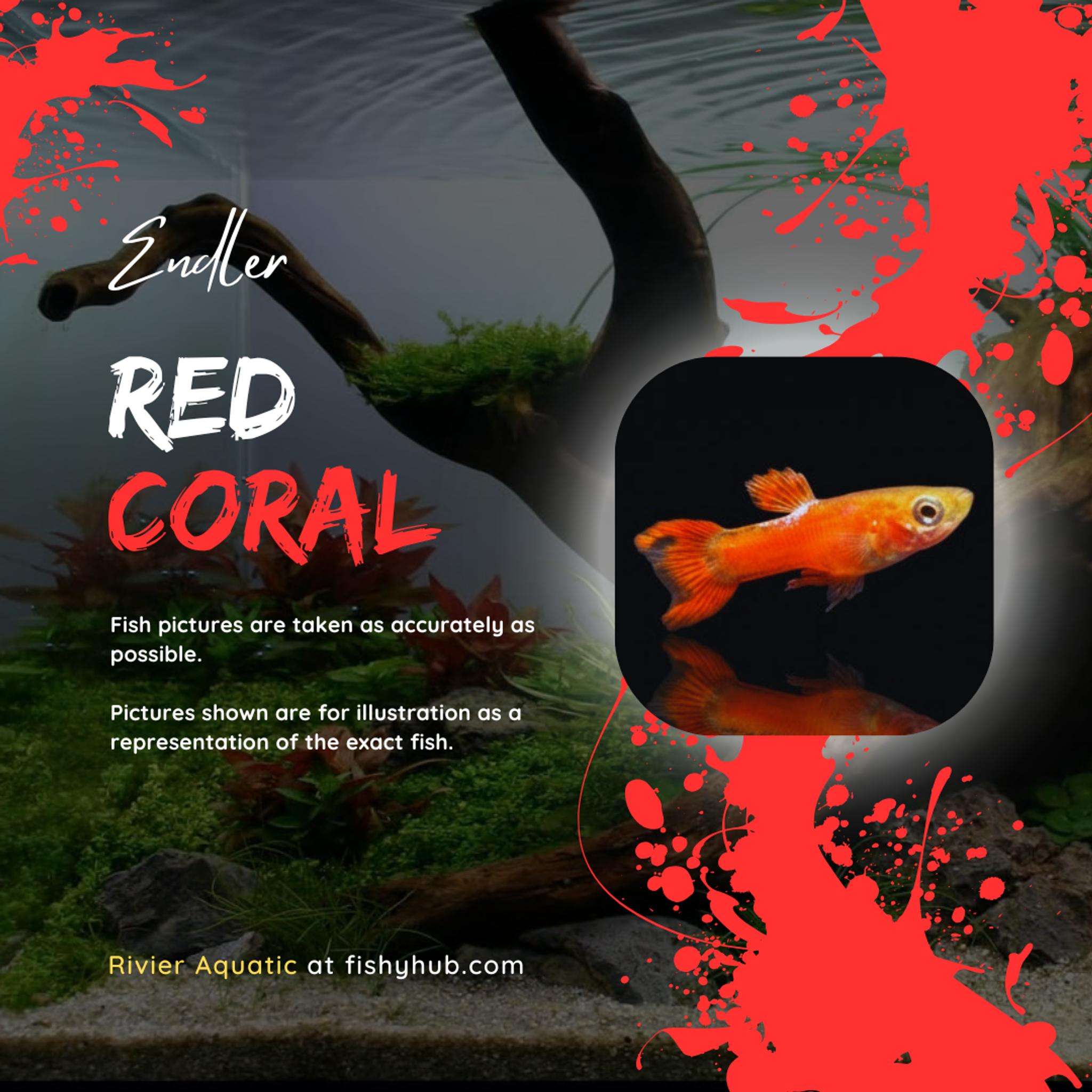
Endler Red Coral Guppy
USD 30.00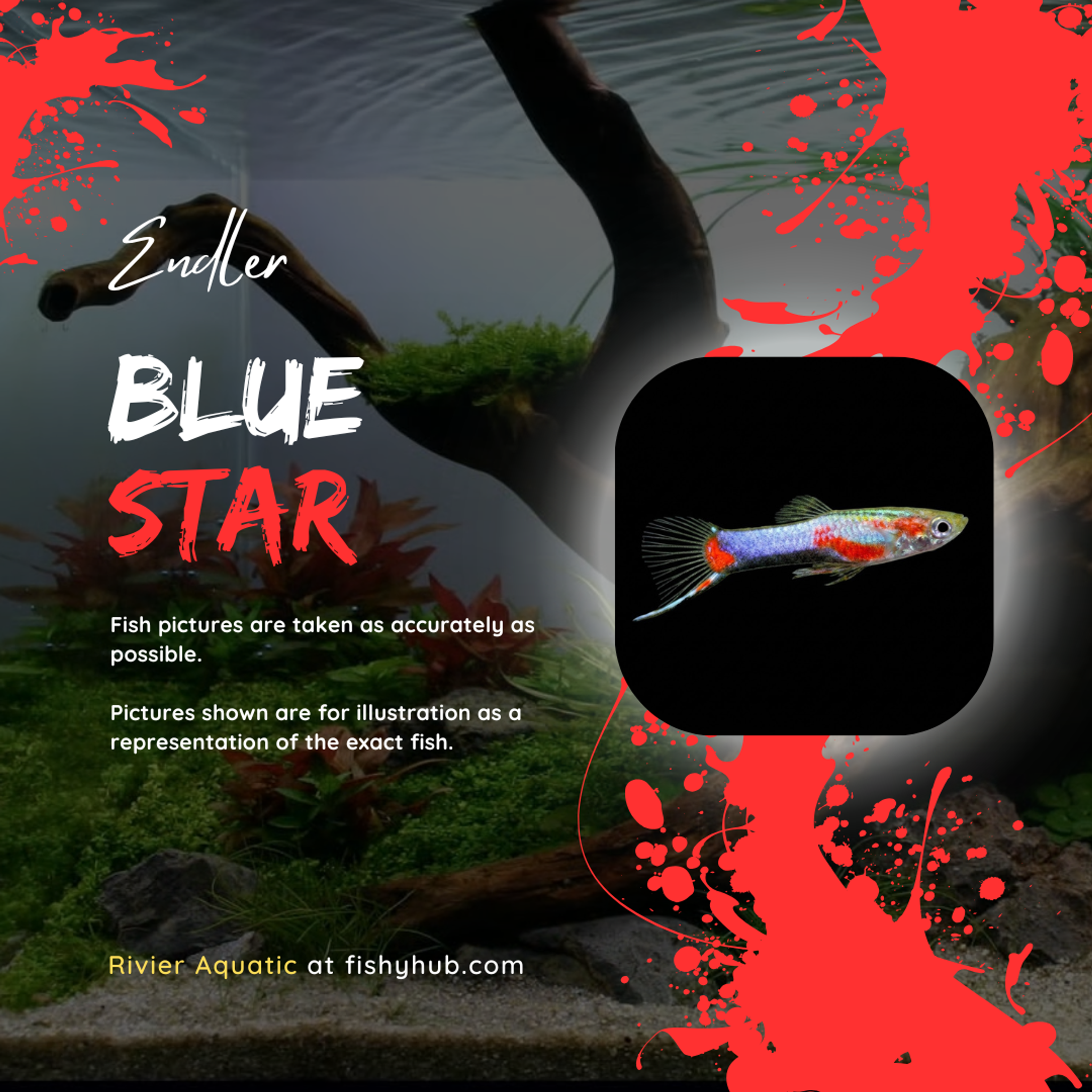
Endler Blue Star
USD 30.00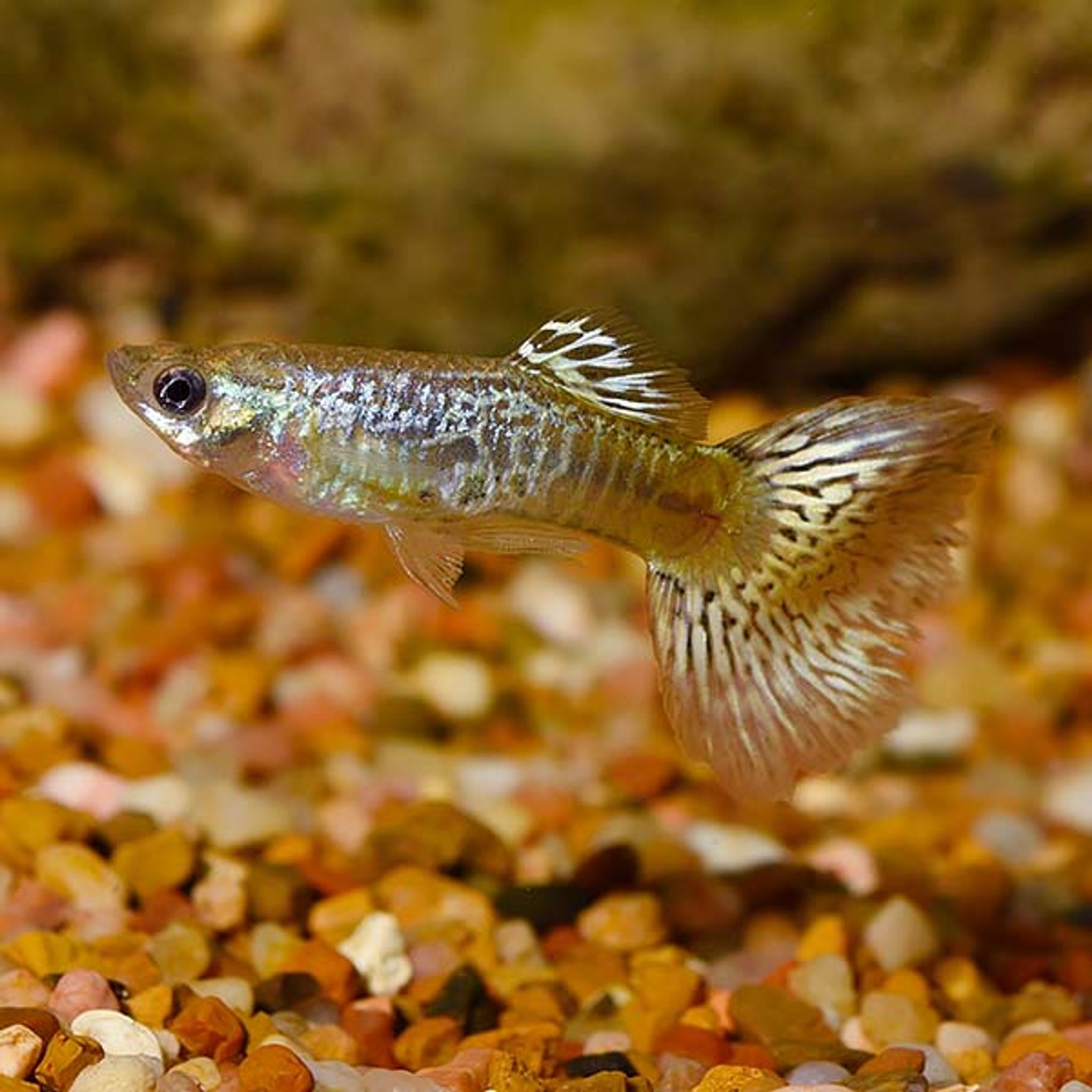
Green Cobra Guppy, Male (Poeci..
USD 3.64Endler Red Chest
USD 30.00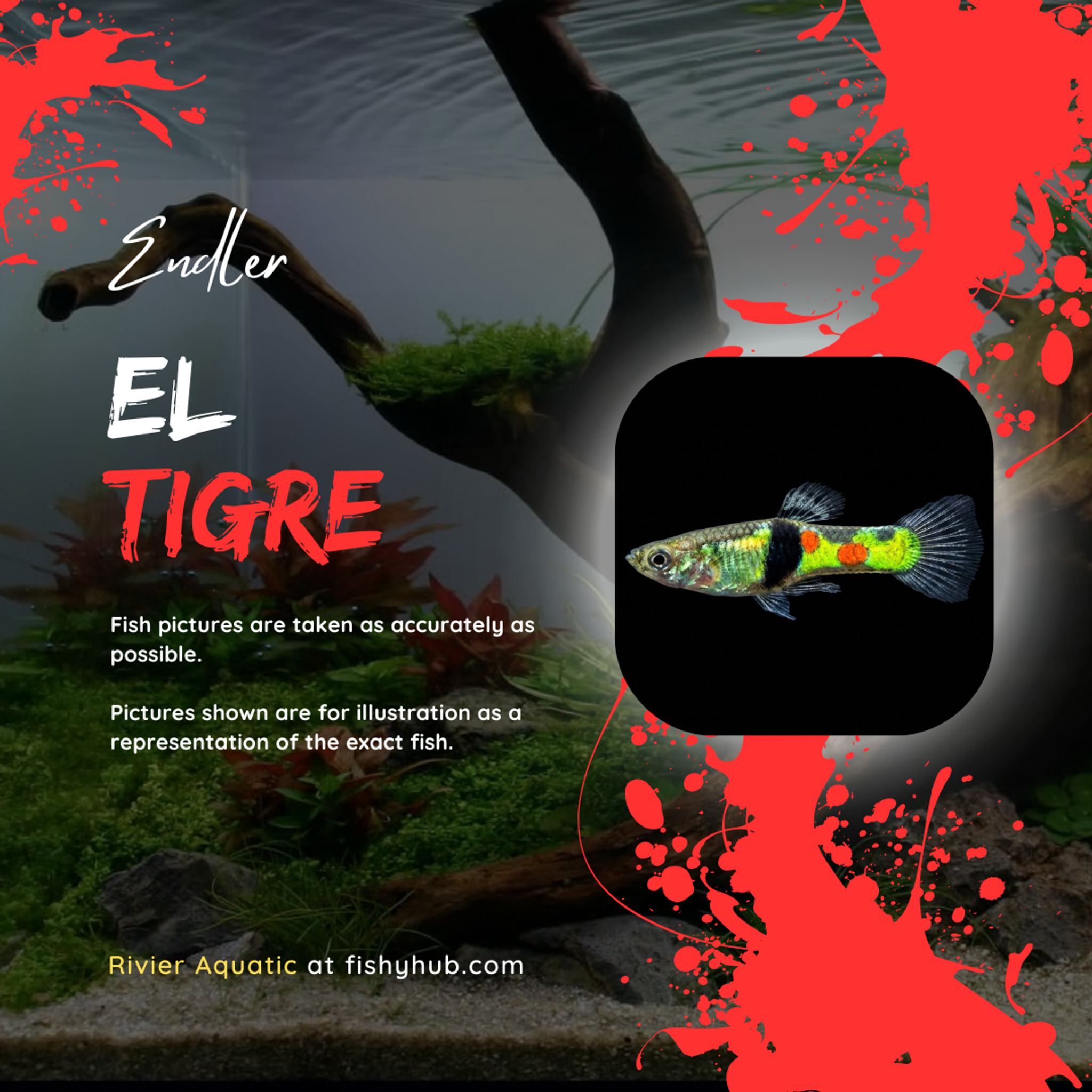
Endler El Tigre
USD 30.00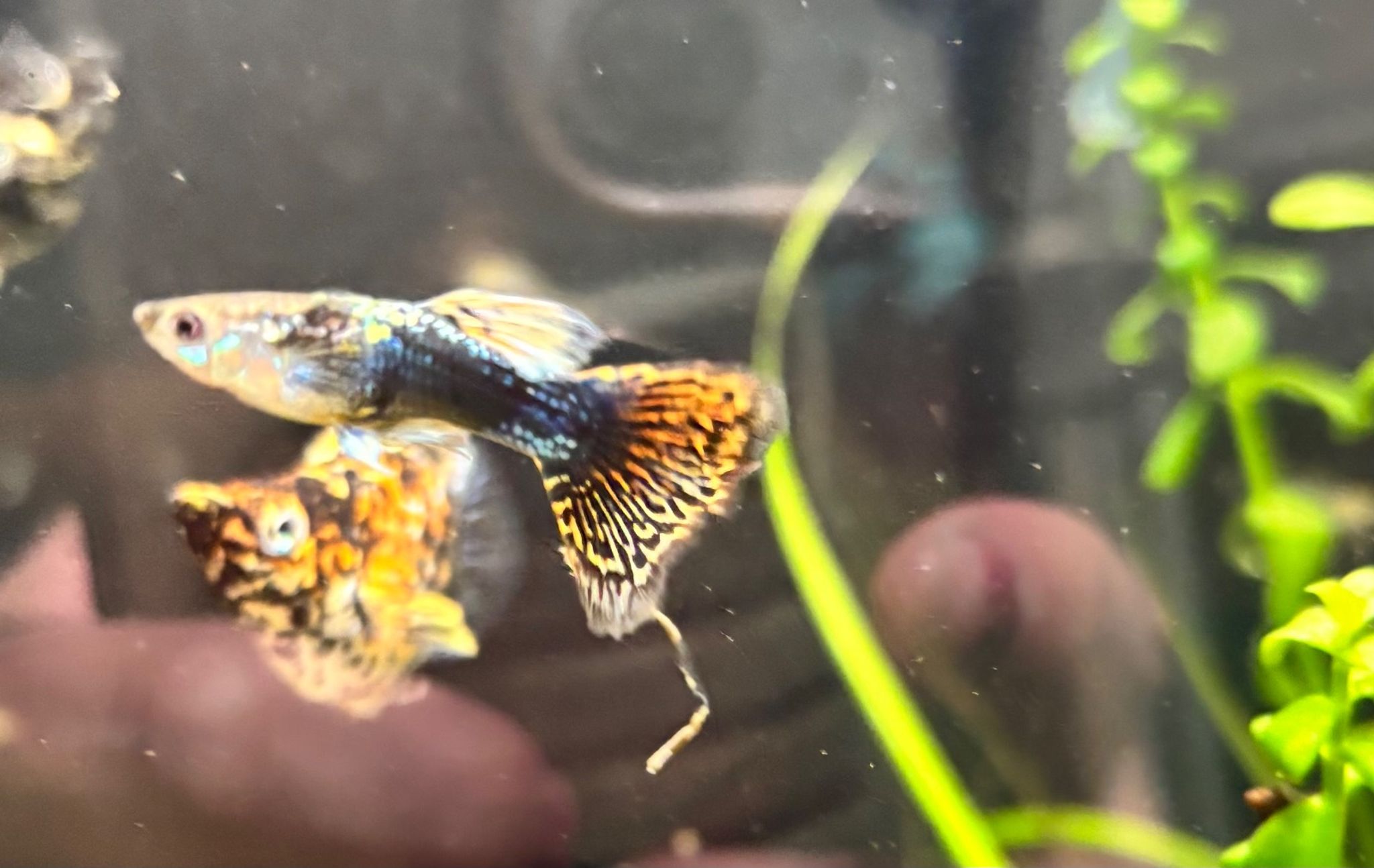
Guppy (male)
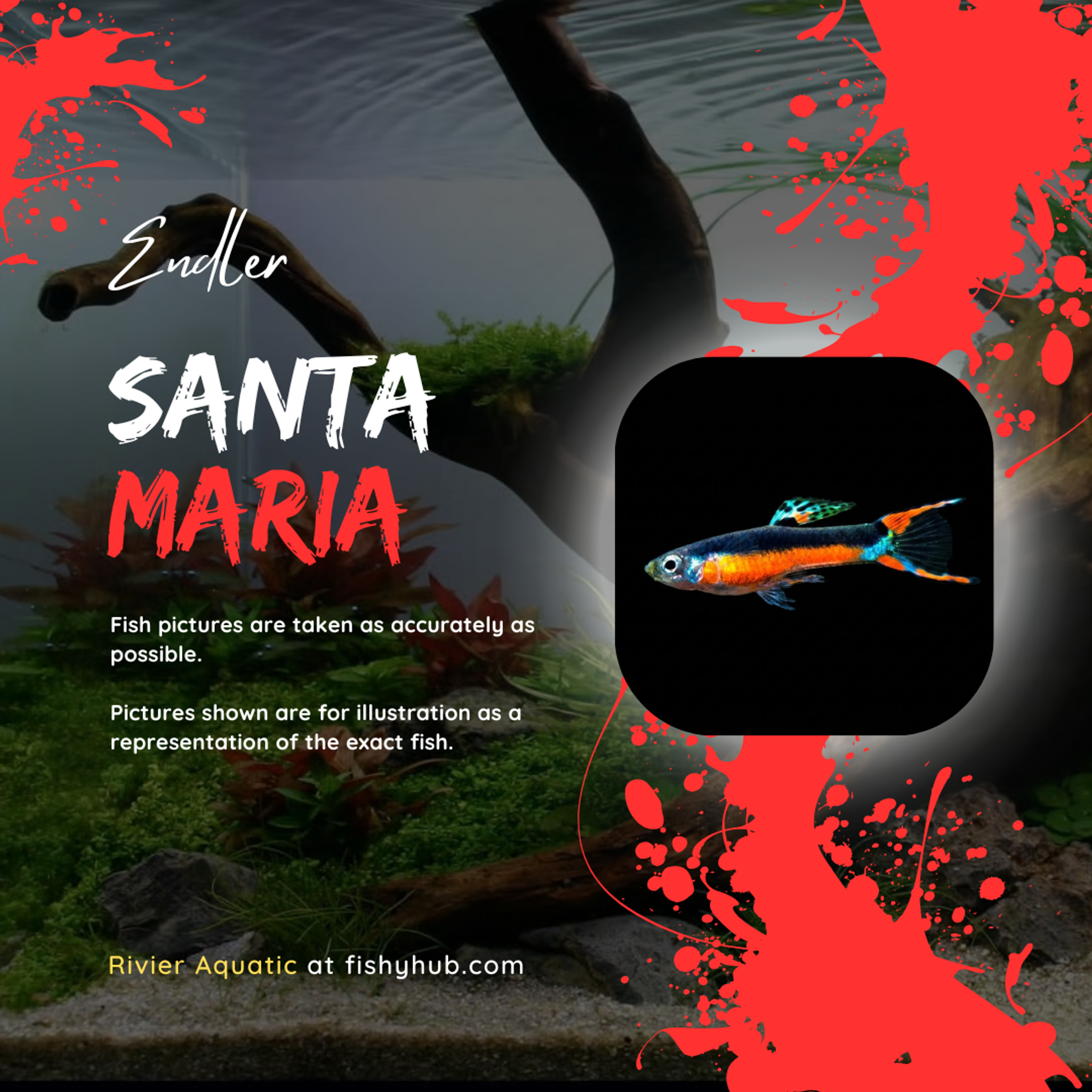
USD 3.00Endler Santa Maria
USD 30.00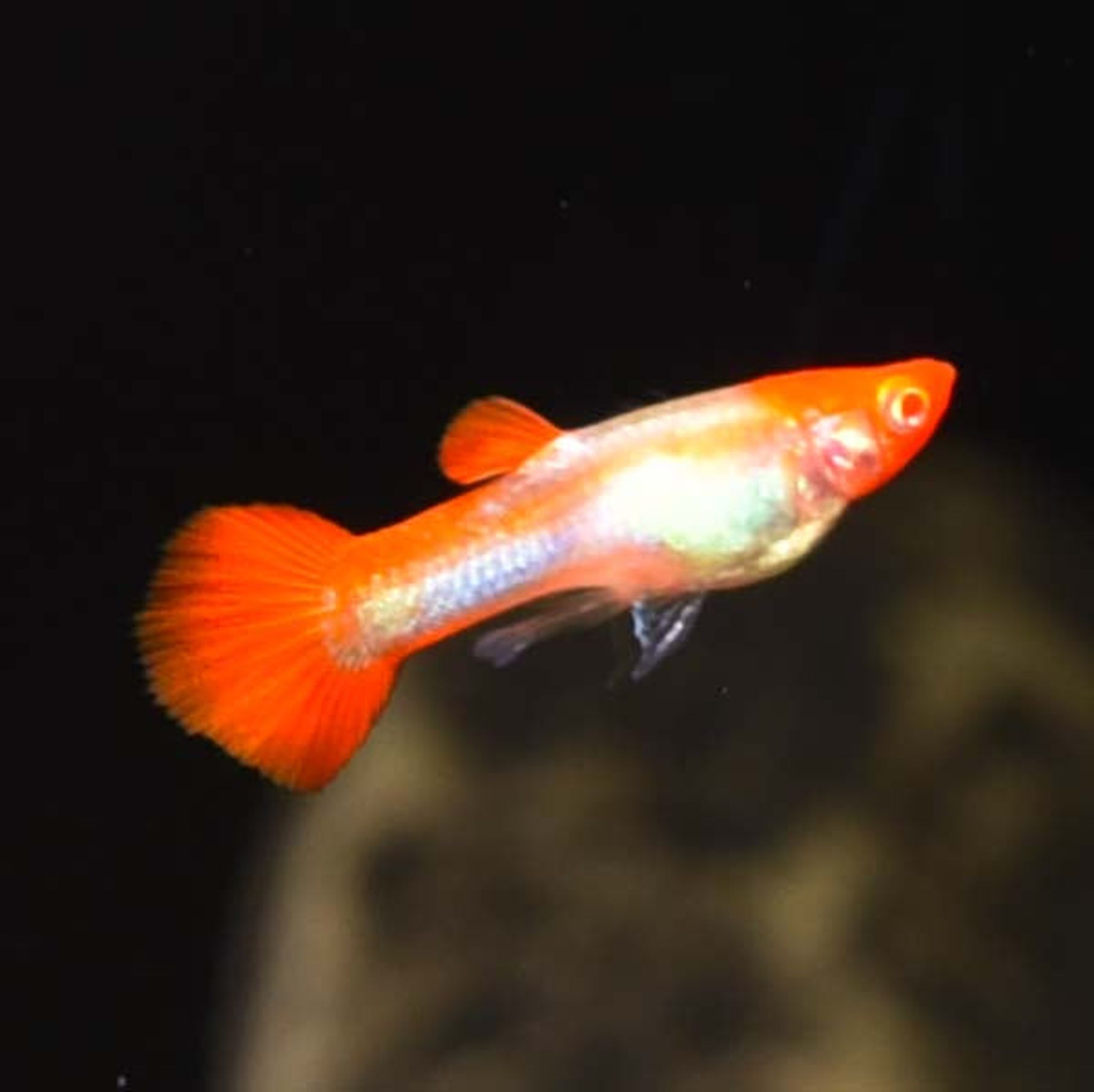
Albino Koi Guppy, Male (Poecil..
USD 12.50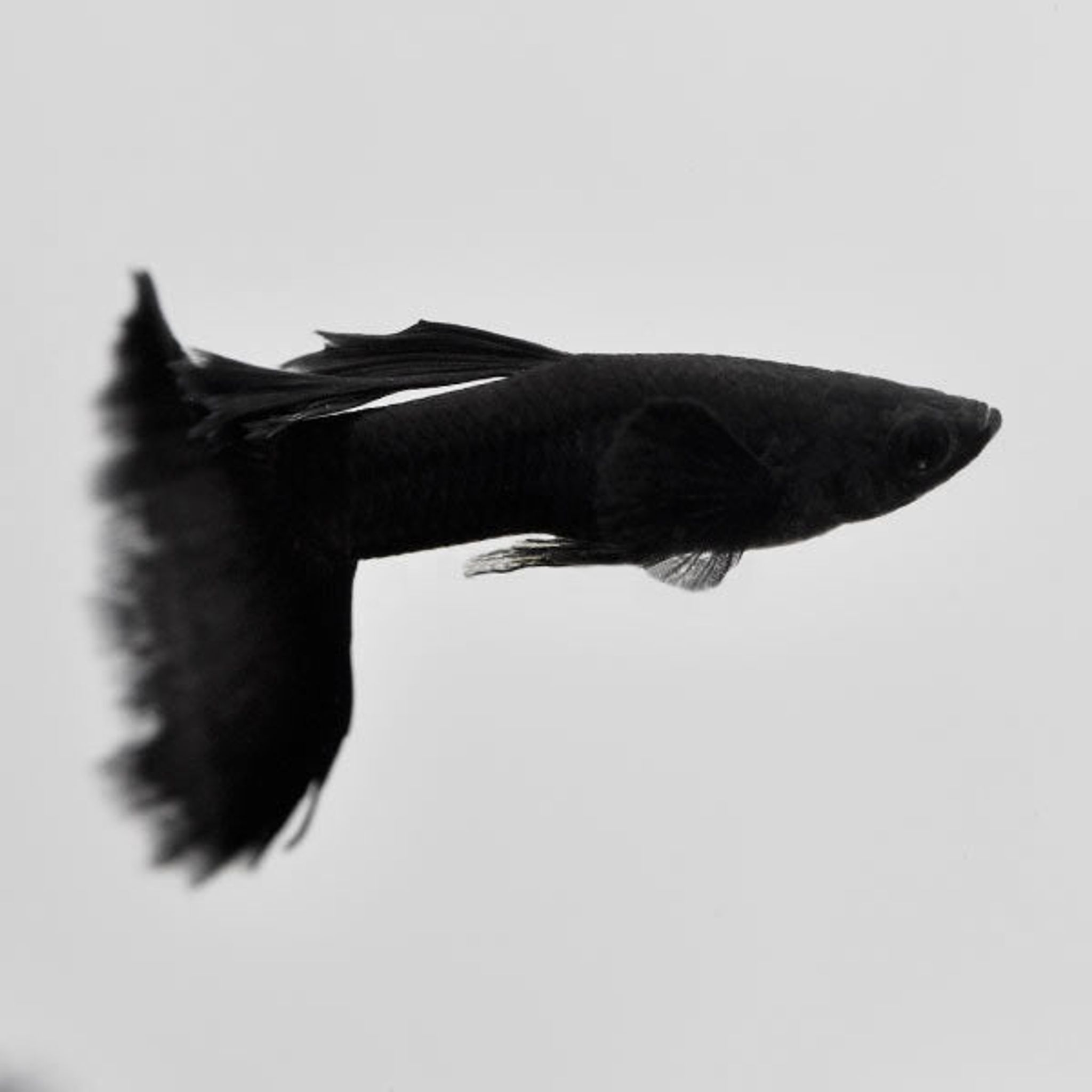
Moscow Black Velvet Guppy, Mal..
USD 5.21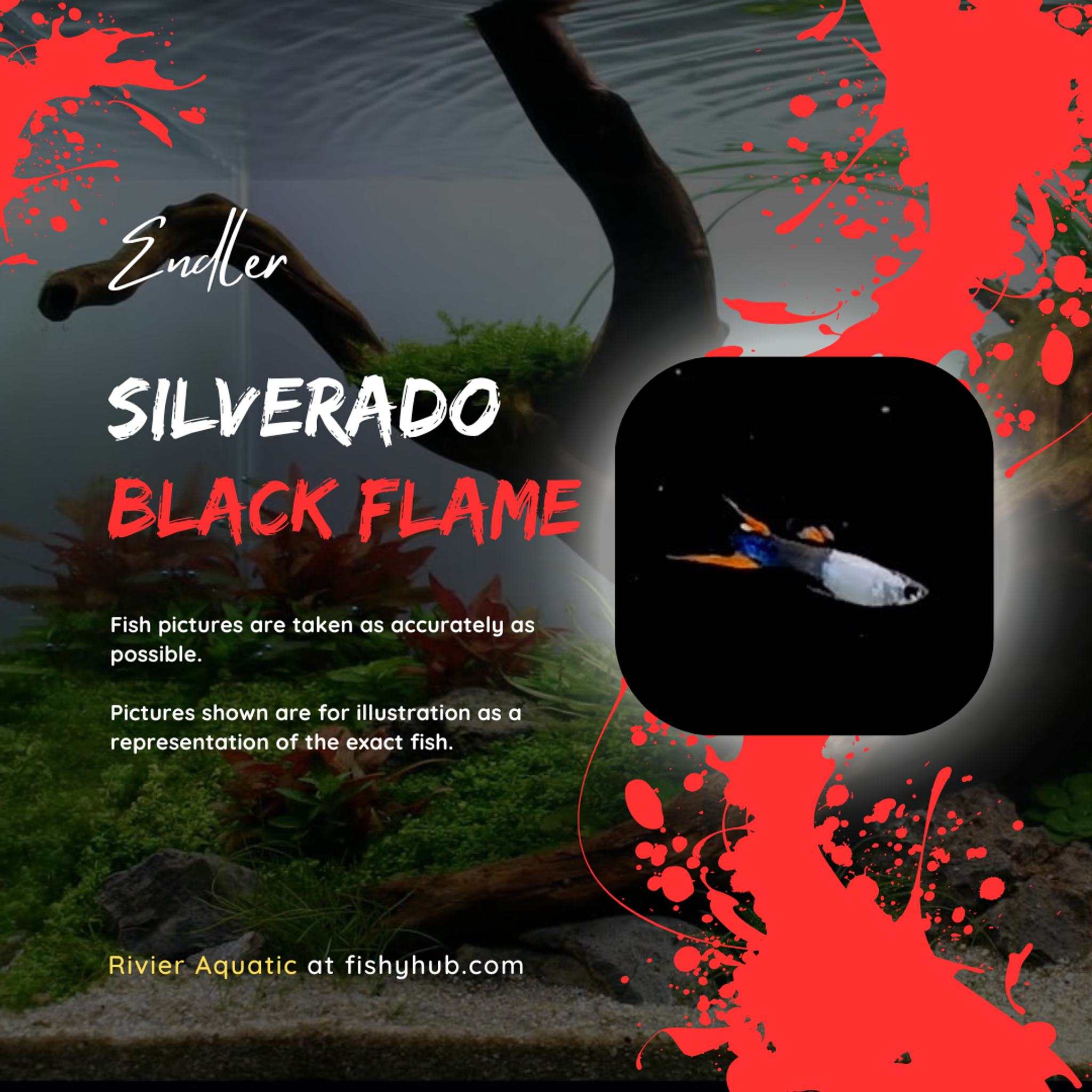
Endler Silverado Black Flame
USD 30.00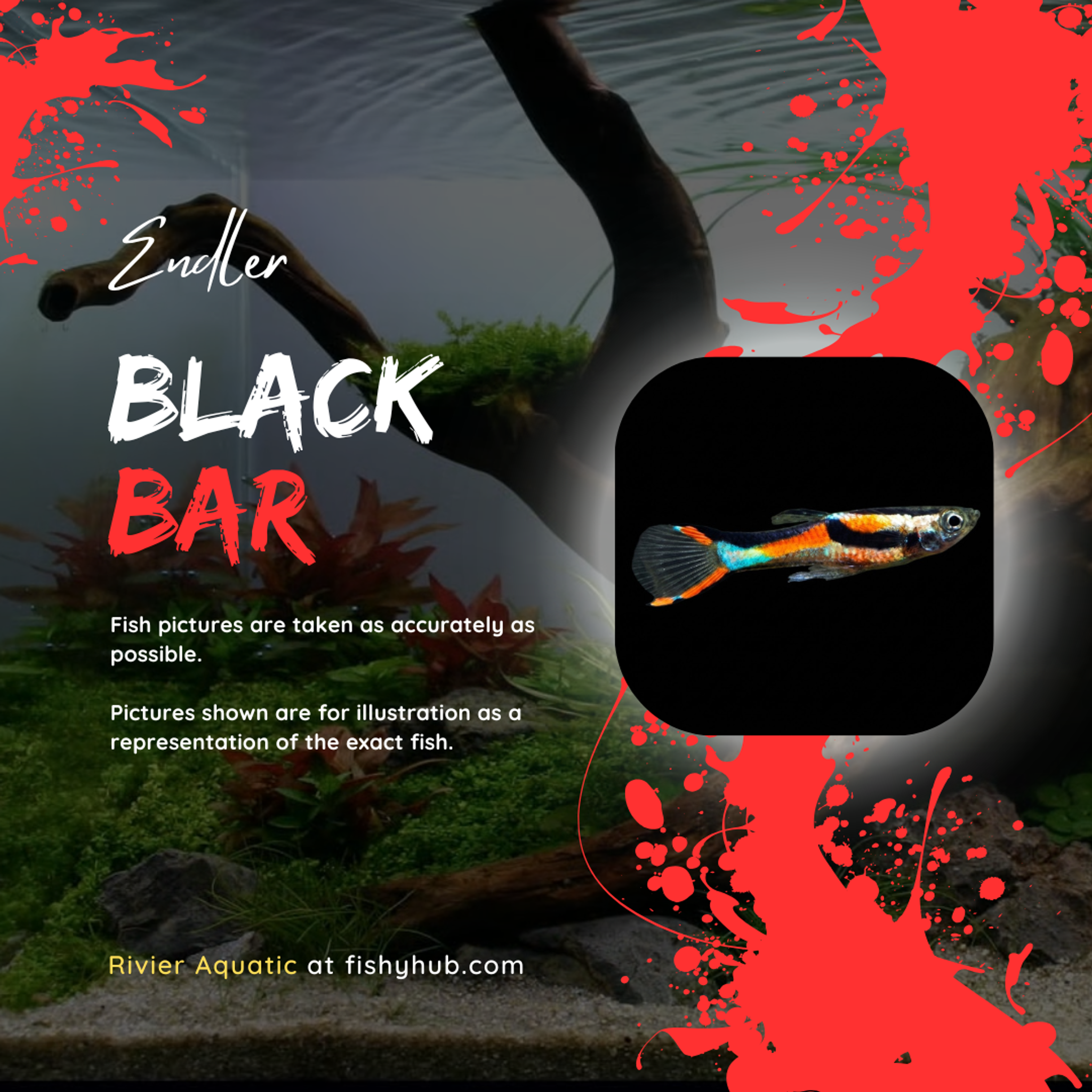
Endler Black Bar
USD 30.00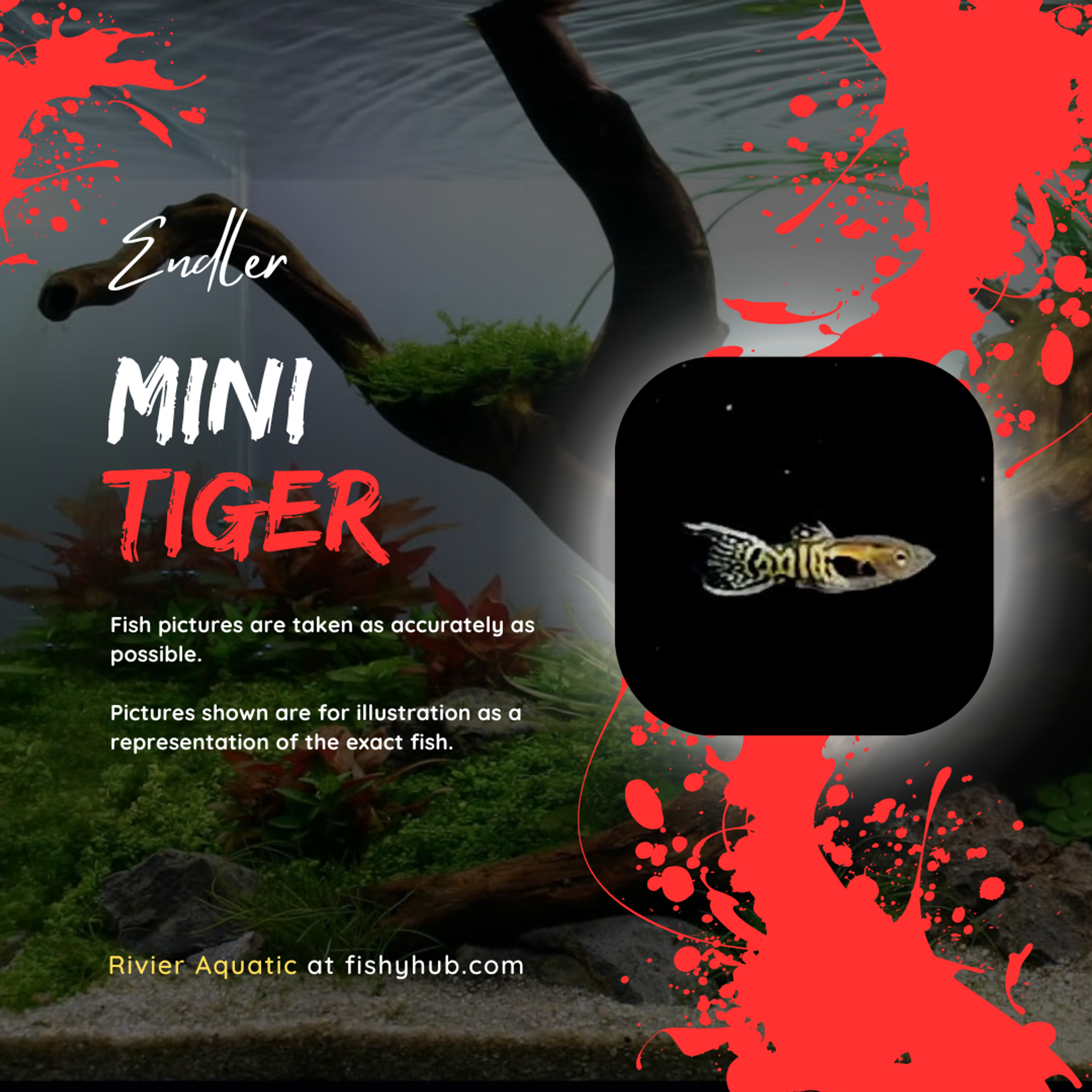
Endler Mini Tiger
USD 30.00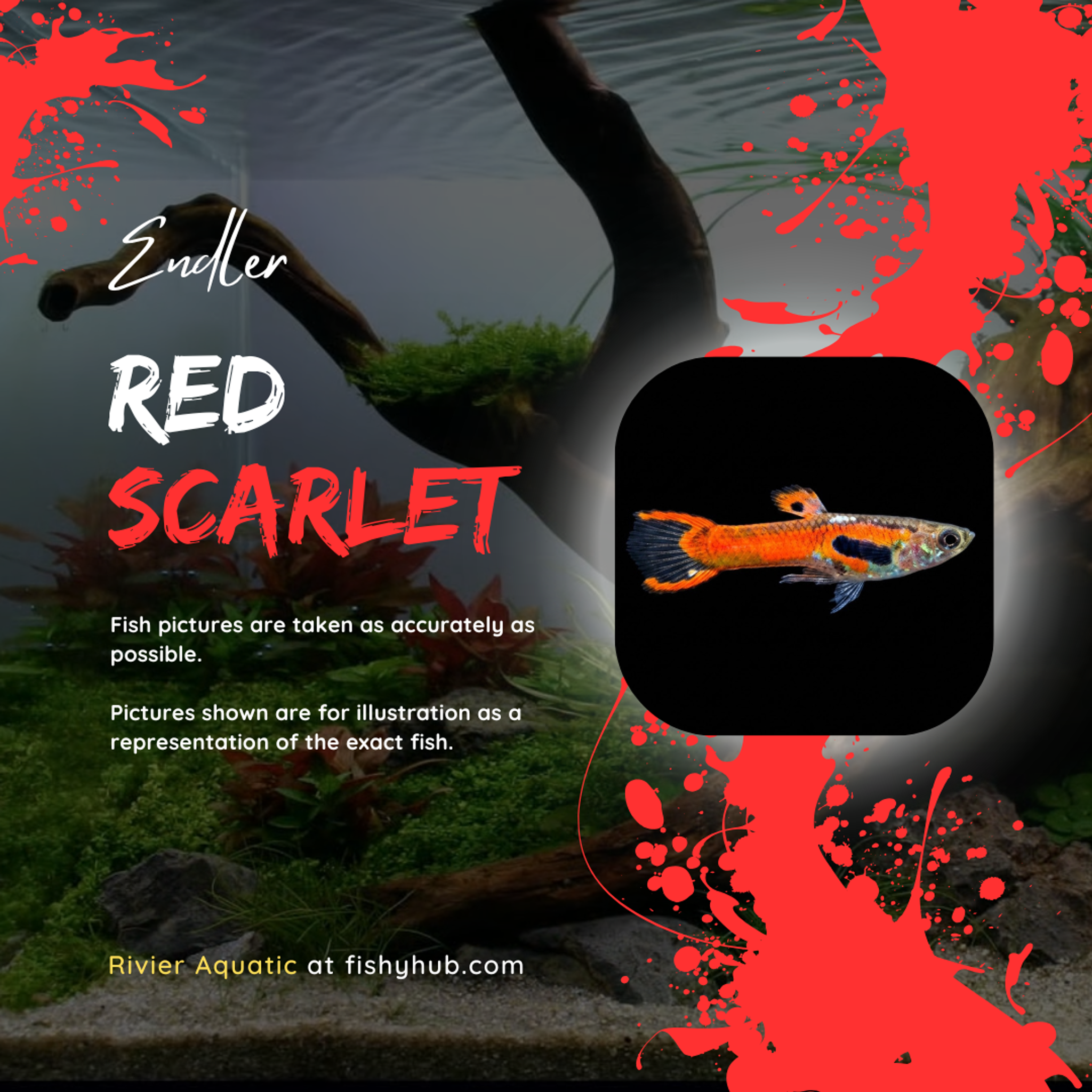
Endler Red Scarlet
USD 30.00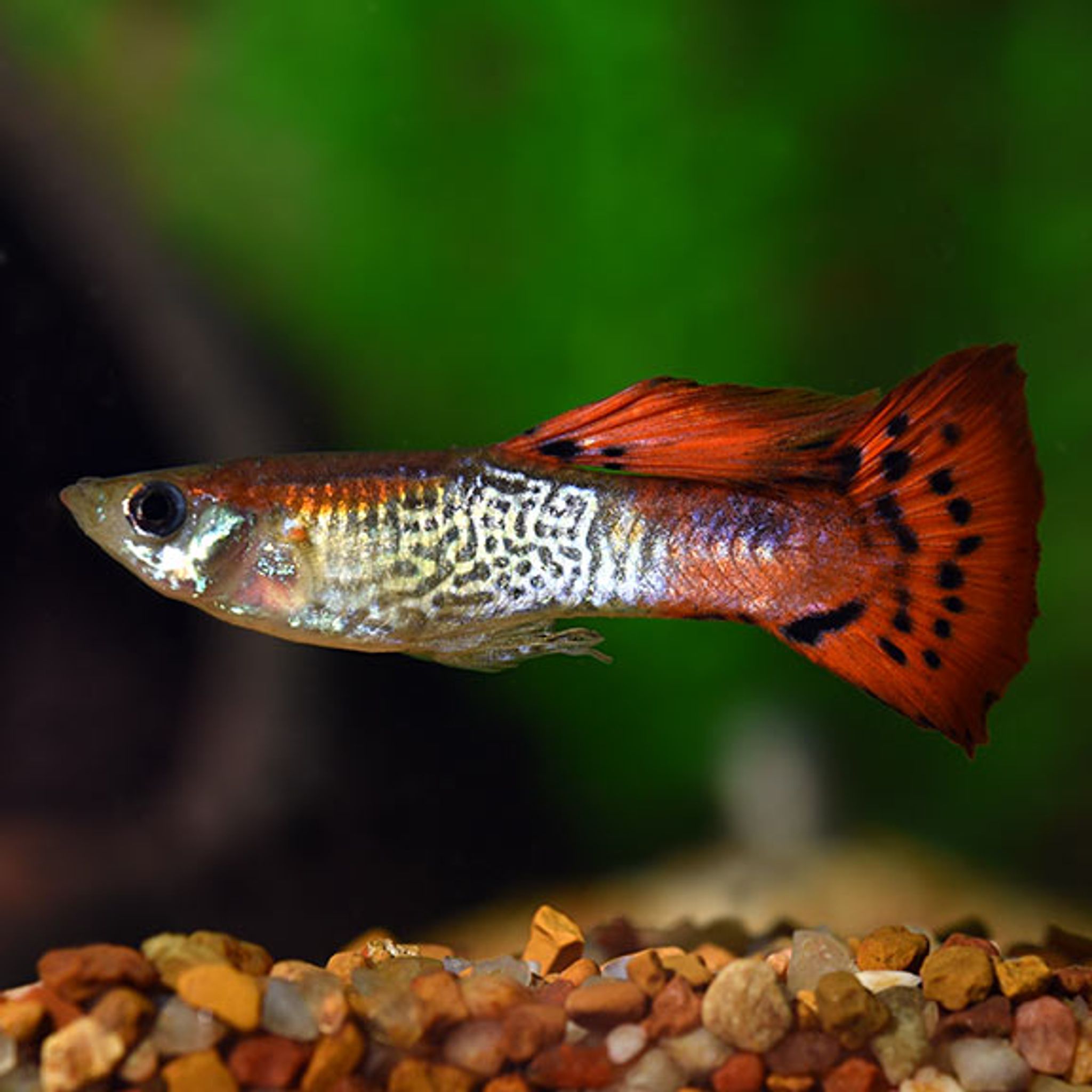
Red Cobra Guppy, Male (Poecili..
USD 5.21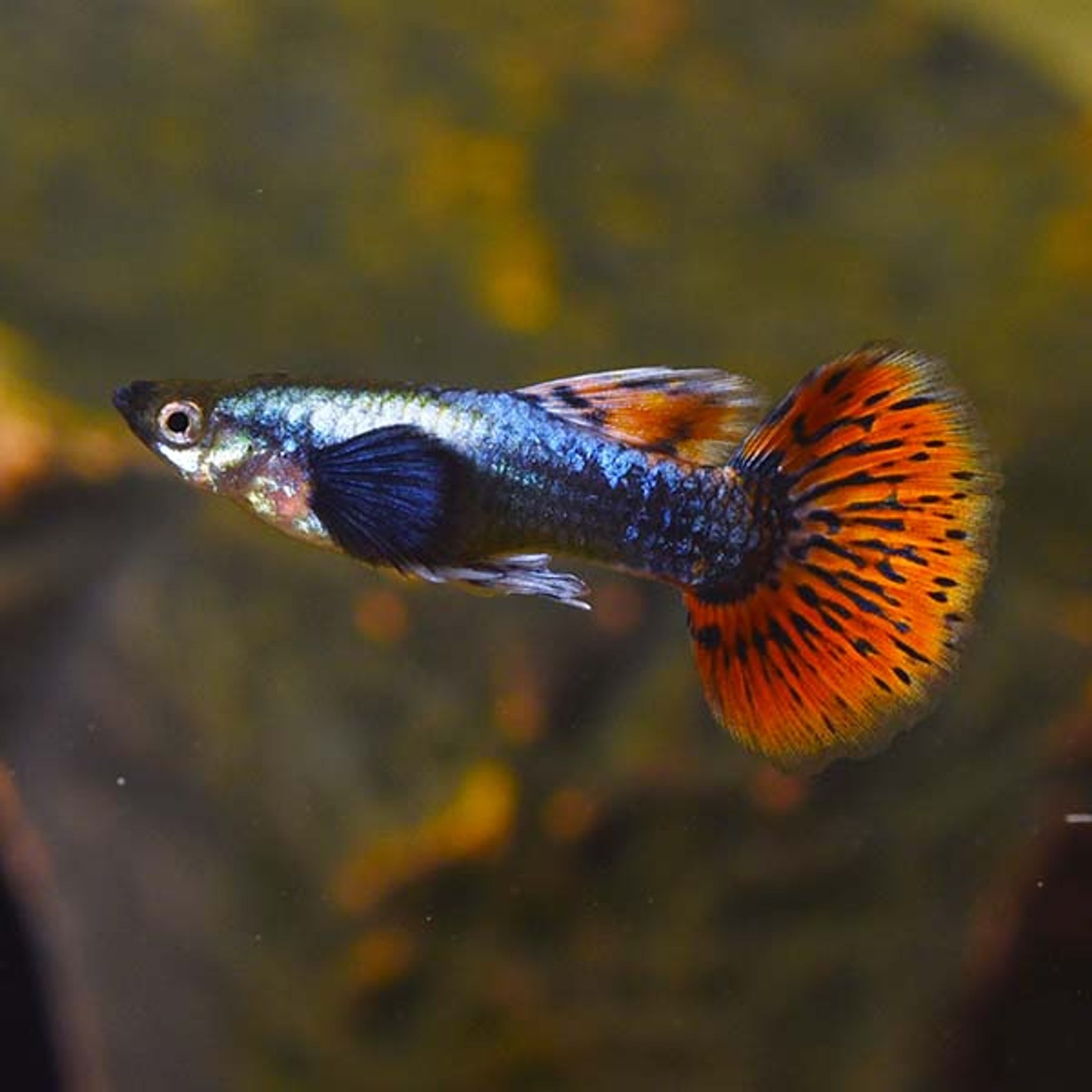
Dumbo Ear Guppy Group, Male (P..
USD 5.62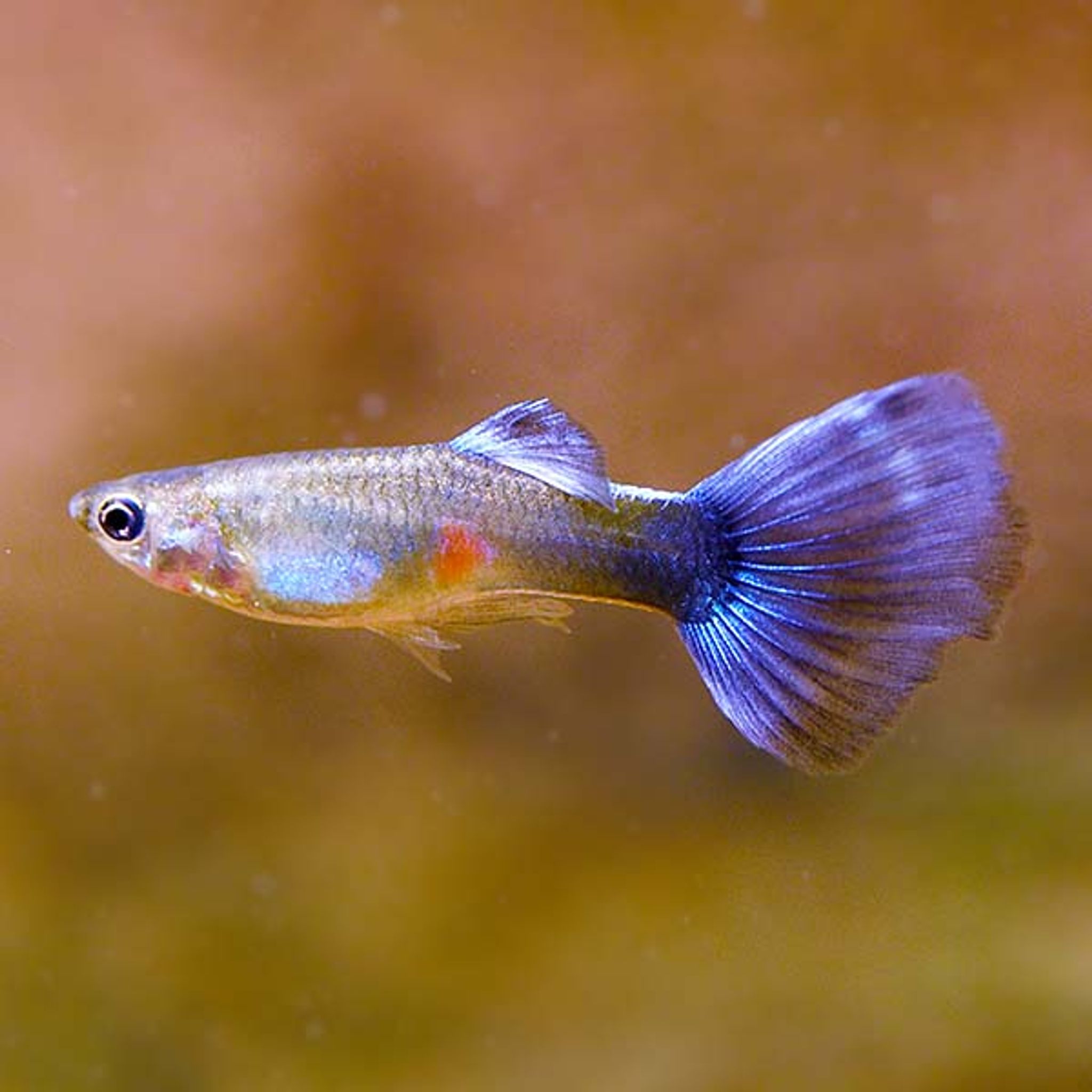
Blue Mosaic Guppy, Male (Poeci..
USD 5.21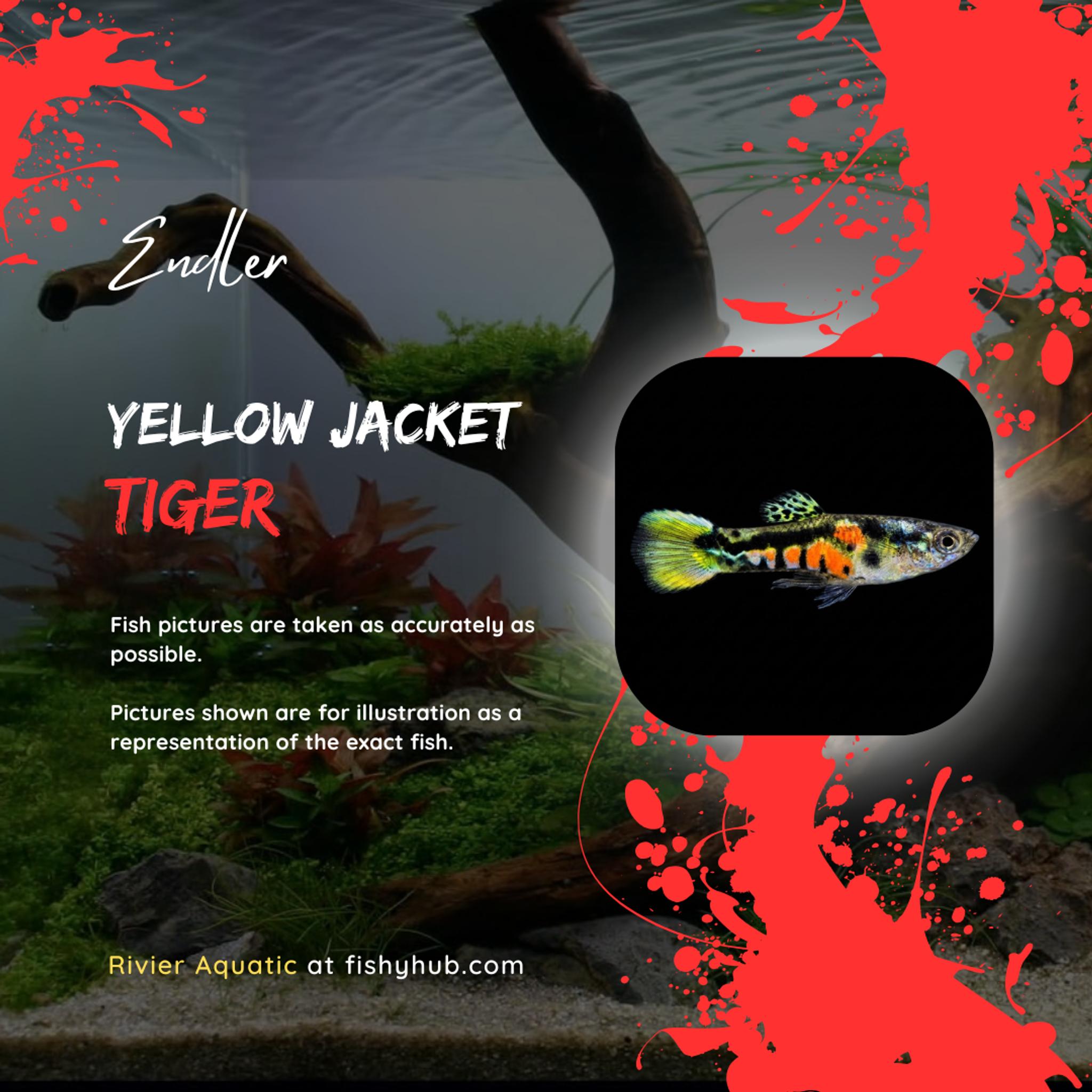
Endler Yellow Jacket Tiger
USD 30.00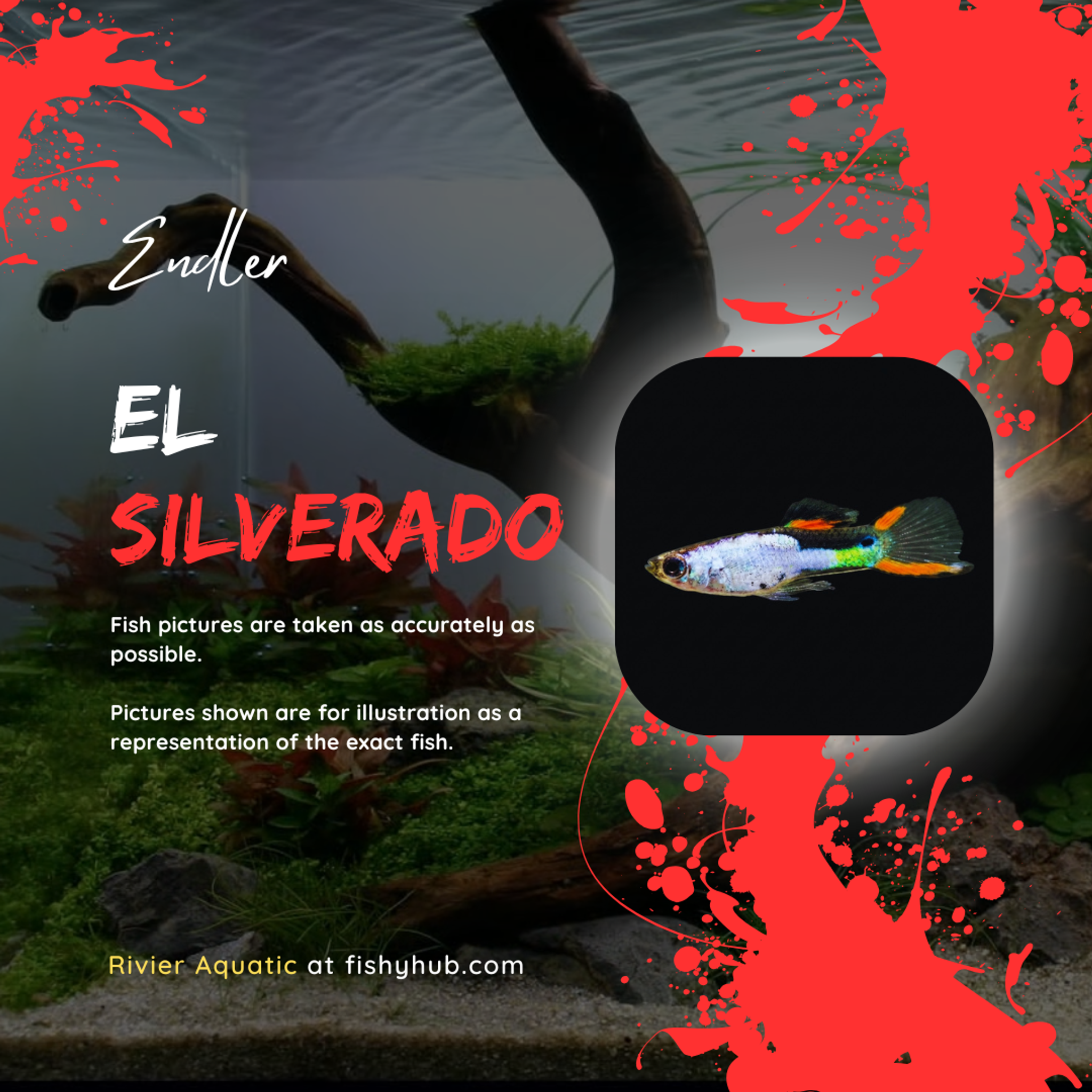
Endler El Silverado
USD 30.00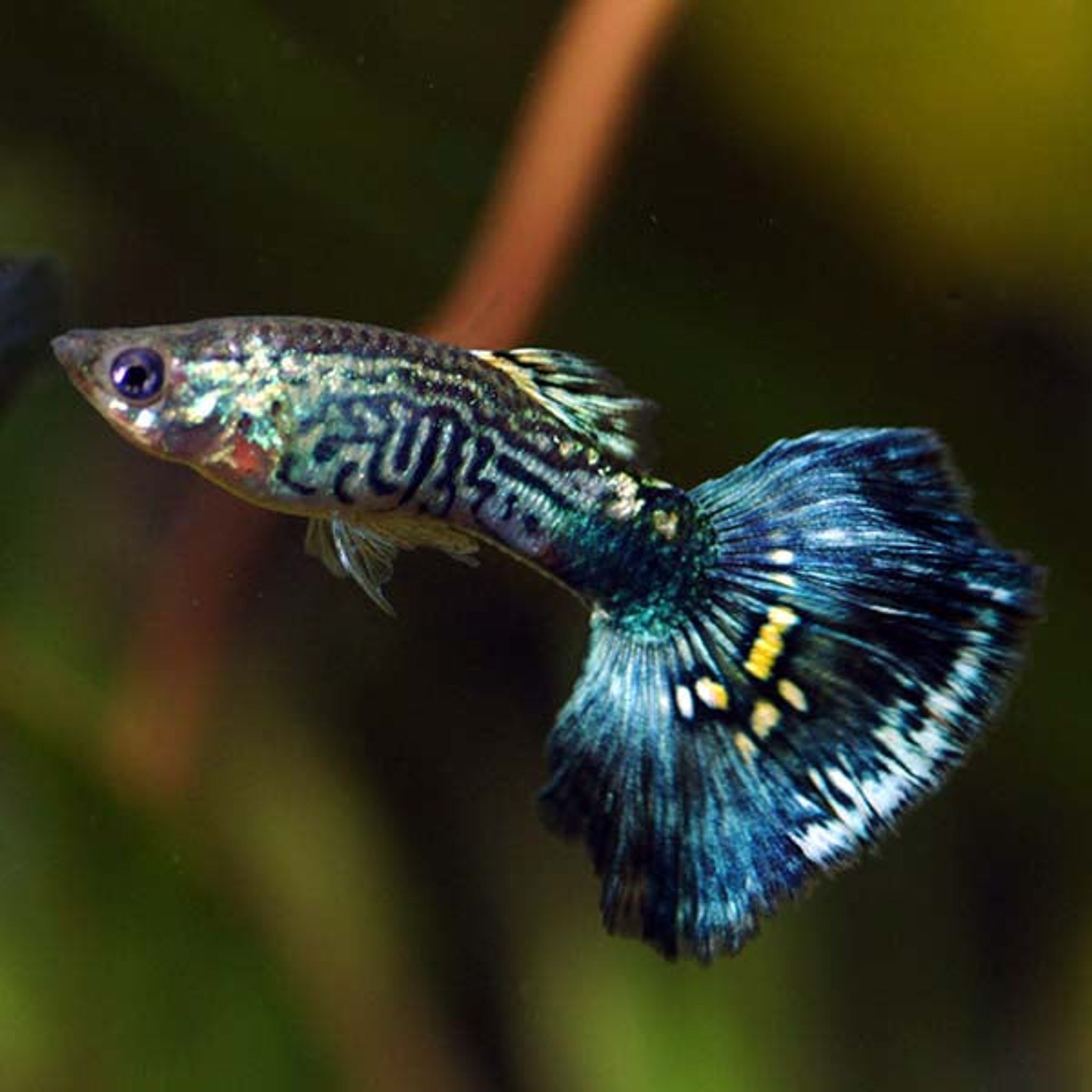
Blue Cobra Guppy Group, Male (..
USD 3.64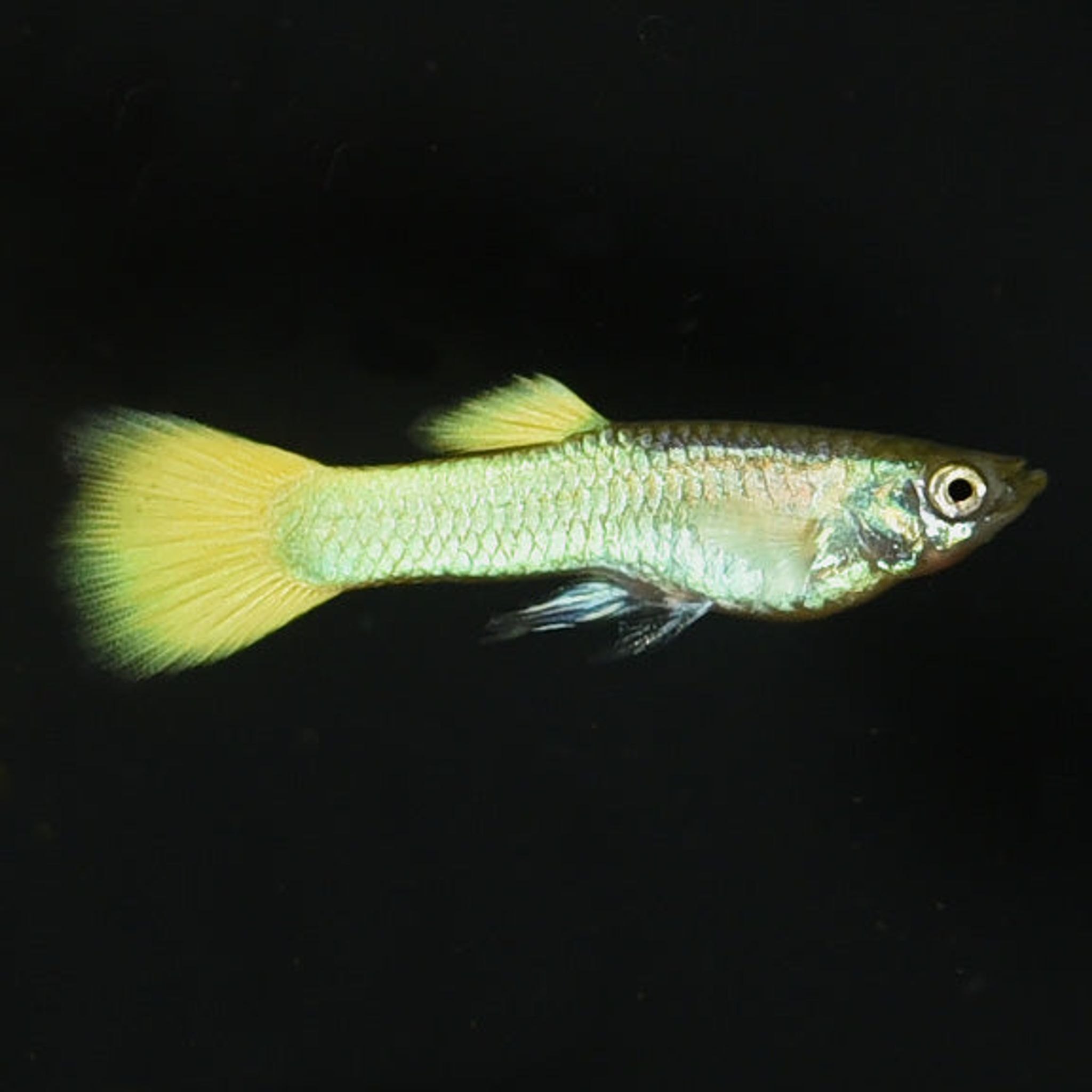
German Yellow Guppy Group, Mal..
USD 5.62Endler Red Coral Guppy
USD 30.00Endler Blue Star
USD 30.00Green Cobra Guppy, Male (Poeci..
USD 3.64Endler Red Chest
USD 30.00Endler El Tigre
USD 30.00Guppy (male)
USD 3.00Endler Santa Maria
USD 30.00Albino Koi Guppy, Male (Poecil..
USD 12.50Moscow Black Velvet Guppy, Mal..
USD 5.21Endler Silverado Black Flame
USD 30.00Endler Black Bar
USD 30.00Endler Mini Tiger
USD 30.00Endler Red Scarlet
USD 30.00Red Cobra Guppy, Male (Poecili..
USD 5.21Dumbo Ear Guppy Group, Male (P..
USD 5.62Blue Mosaic Guppy, Male (Poeci..
USD 5.21Endler Yellow Jacket Tiger
USD 30.00Endler El Silverado
USD 30.00Blue Cobra Guppy Group, Male (..
USD 3.64